Selecting the right feed packaging machine is one of the most critical investment decisions for manufacturers across Asia’s rapidly growing animal nutrition and aquaculture sectors. With diverse product types ranging from livestock feed pellets and poultry crumbles to aquatic feed granules and pet food kibble, the packaging equipment you choose directly impacts production efficiency, product freshness, shelf life, and ultimately your bottom line.
The Asian feed packaging market presents unique challenges — from high-humidity climates requiring superior barrier protection to varying regulatory frameworks across countries like FDA-regulated markets and local certification requirements. Understanding these nuances is essential before investing in any packaging line.
Understanding Feed Packaging Requirements in Asia
Feed products vary significantly in their physical characteristics and packaging needs. Before evaluating specific feed packaging machines, manufacturers must first analyze their product portfolio:
- Pellet durability — harder pellets require gentler handling to minimize breakage during filling
- Moisture content — high-moisture feeds need enhanced barrier films to prevent mold growth
- Fat content — oily formulations may require specialized sealing technologies
- Shelf life targets — oxygen-sensitive products benefit from nitrogen flushing or vacuum packaging capabilities
- Bag format preferences — Asian markets often favor smaller sachet and stick pack formats for retail, while bulk bags serve B2B channels
Types of Feed Packaging Machines
The Asian market offers a diverse range of packaging equipment suited for different production scales and product types. Understanding the core machine categories is essential for making an informed purchasing decision.
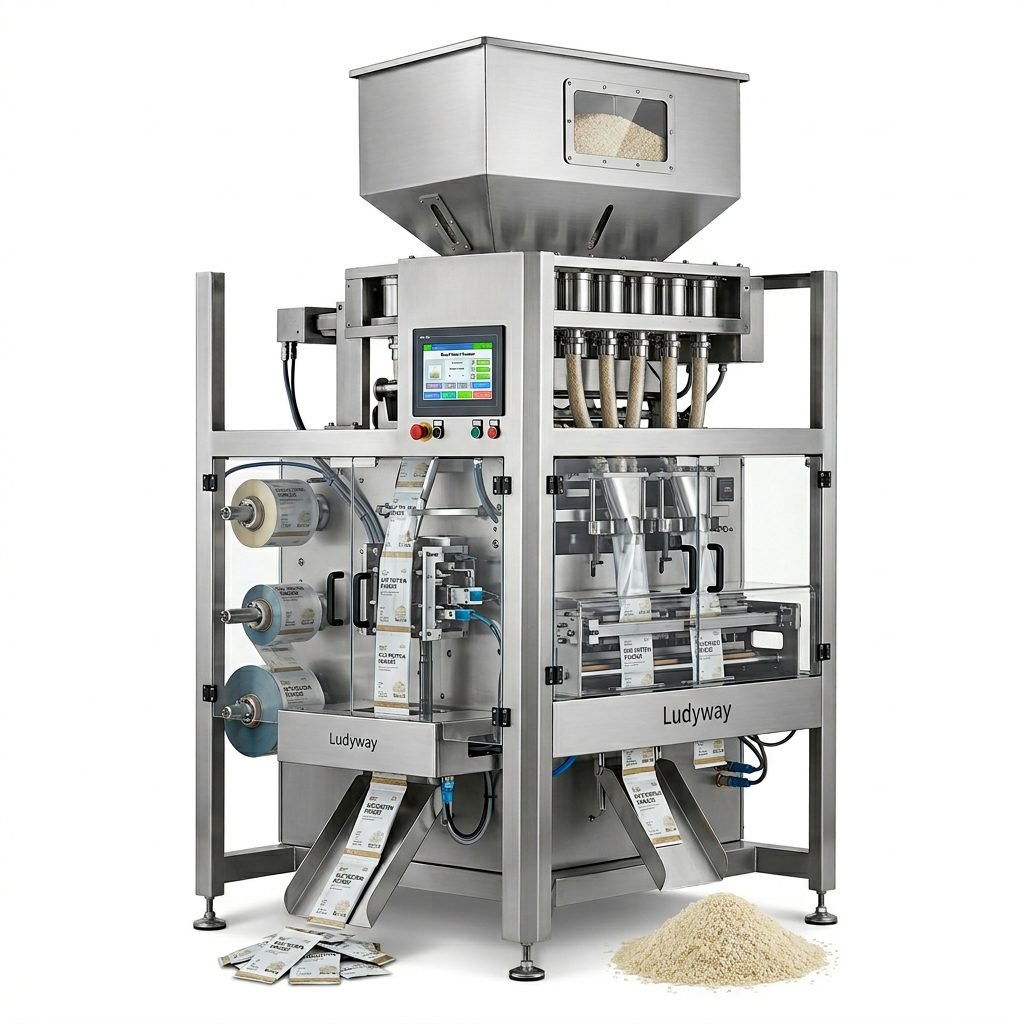
Vertical Form Fill Seal (VFFS) Machines
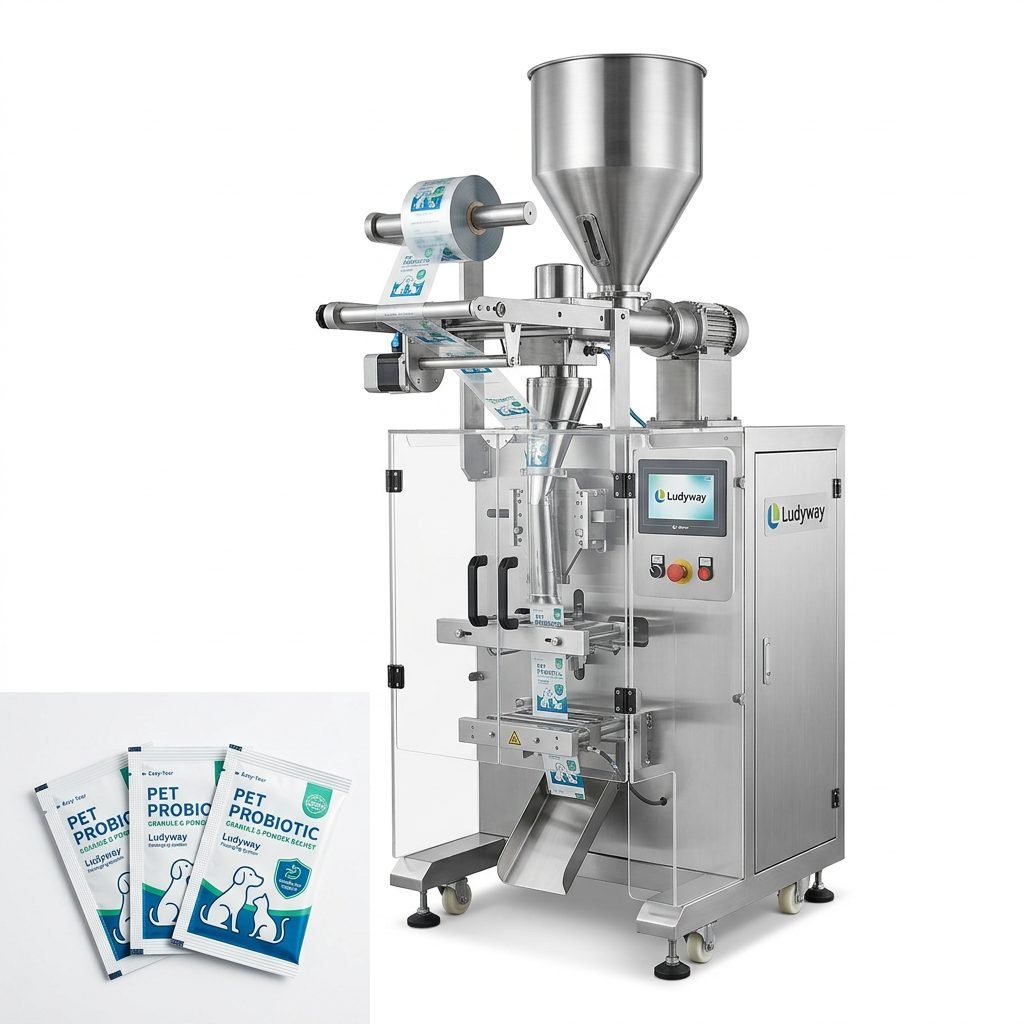
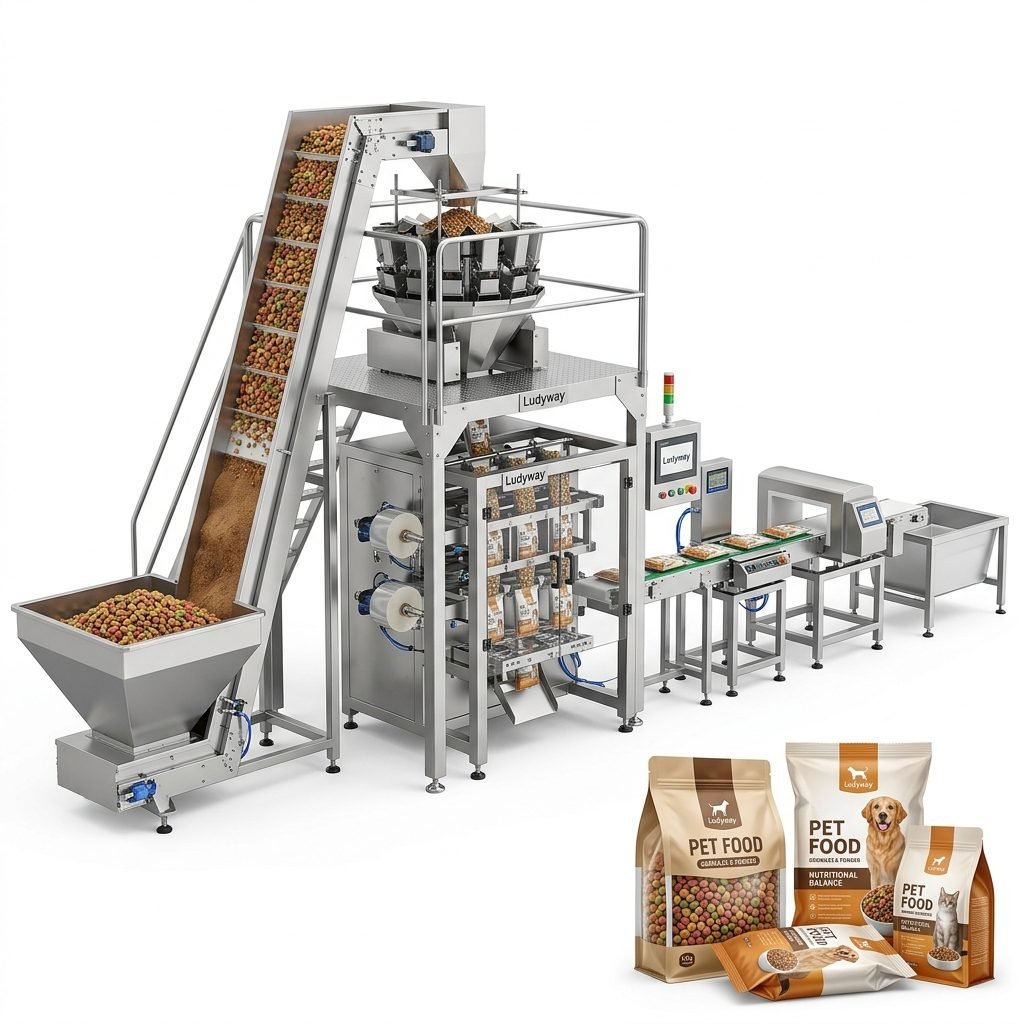
VFFS technology remains the workhorse of feed packaging, capable of handling granules, powders, and pellets at speeds reaching 60-80 bags per minute in high-speed configurations. These machines form bags from roll stock film, fill product, and seal — all in one continuous vertical motion. They are ideal for packaging sizes ranging from 500g to 25kg.
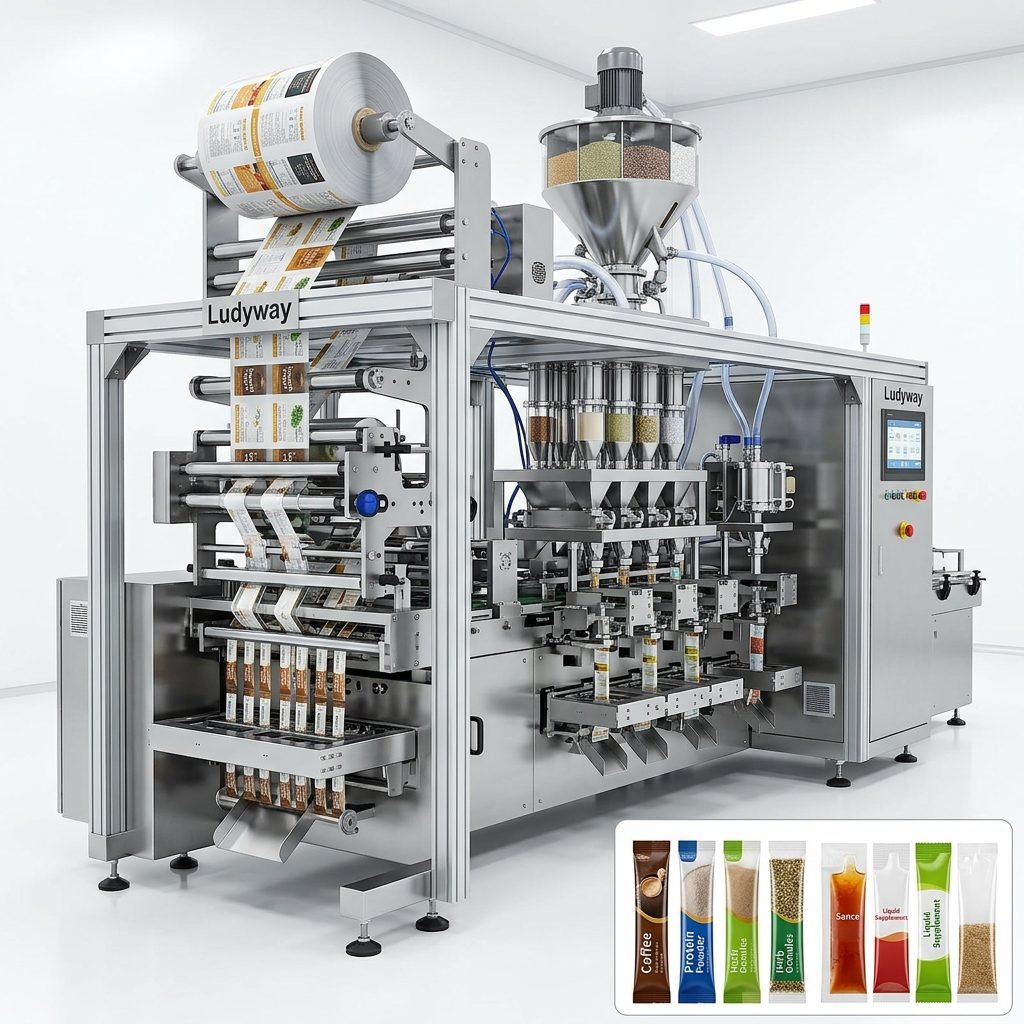
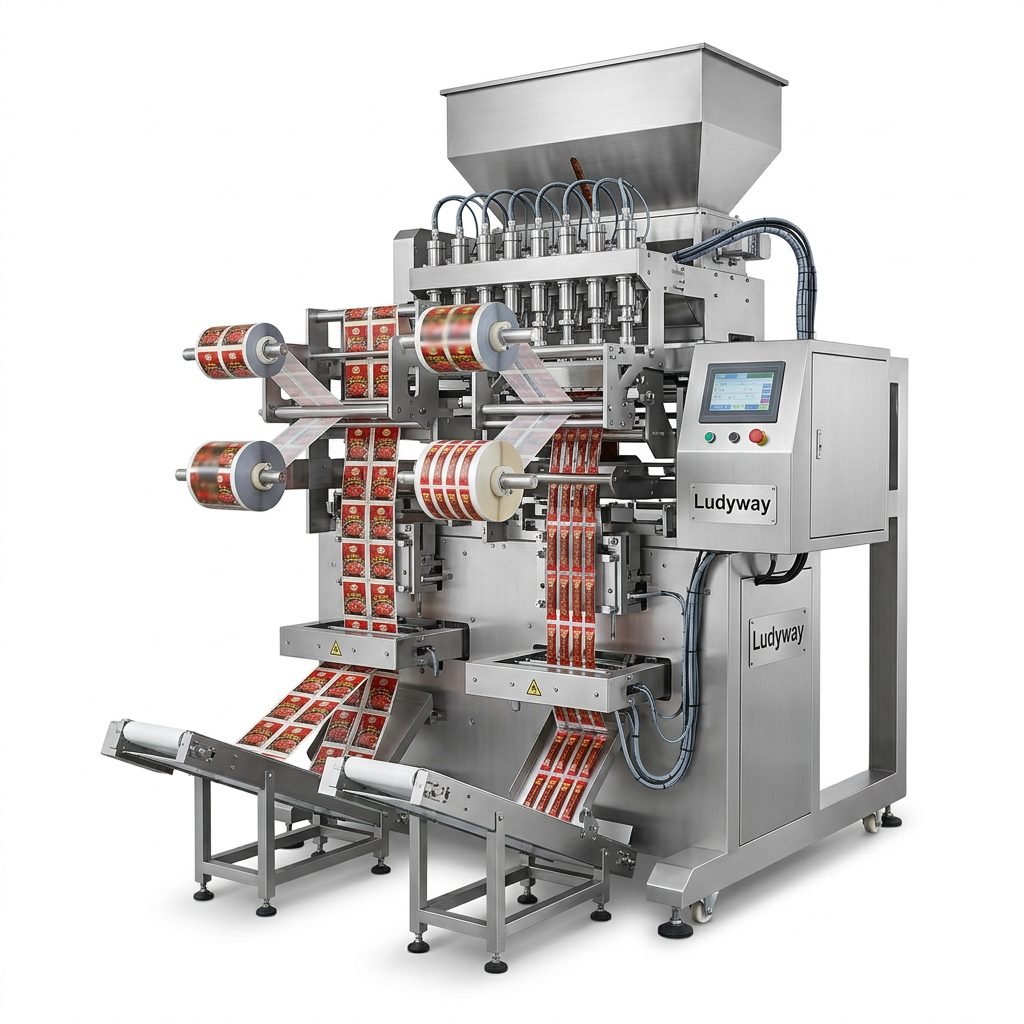
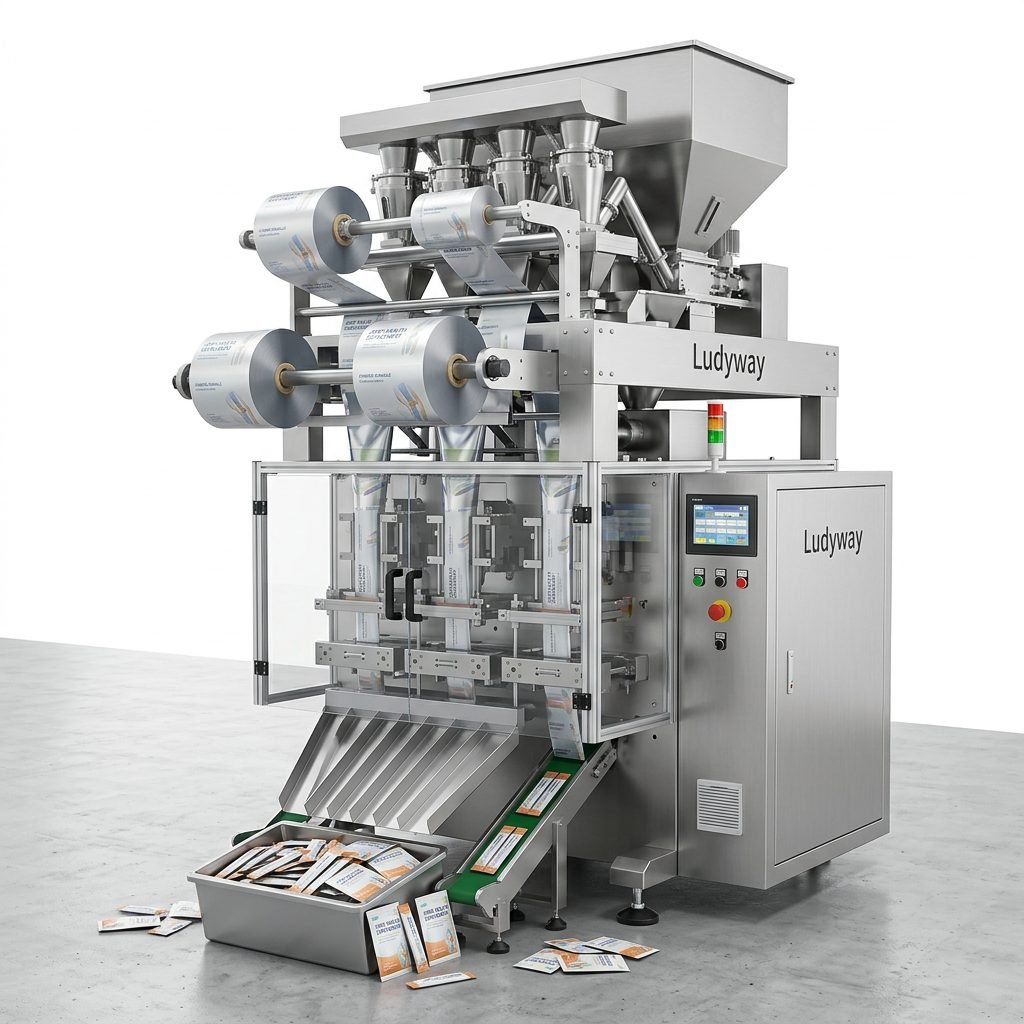
Multi-Lane Stick Pack Machines
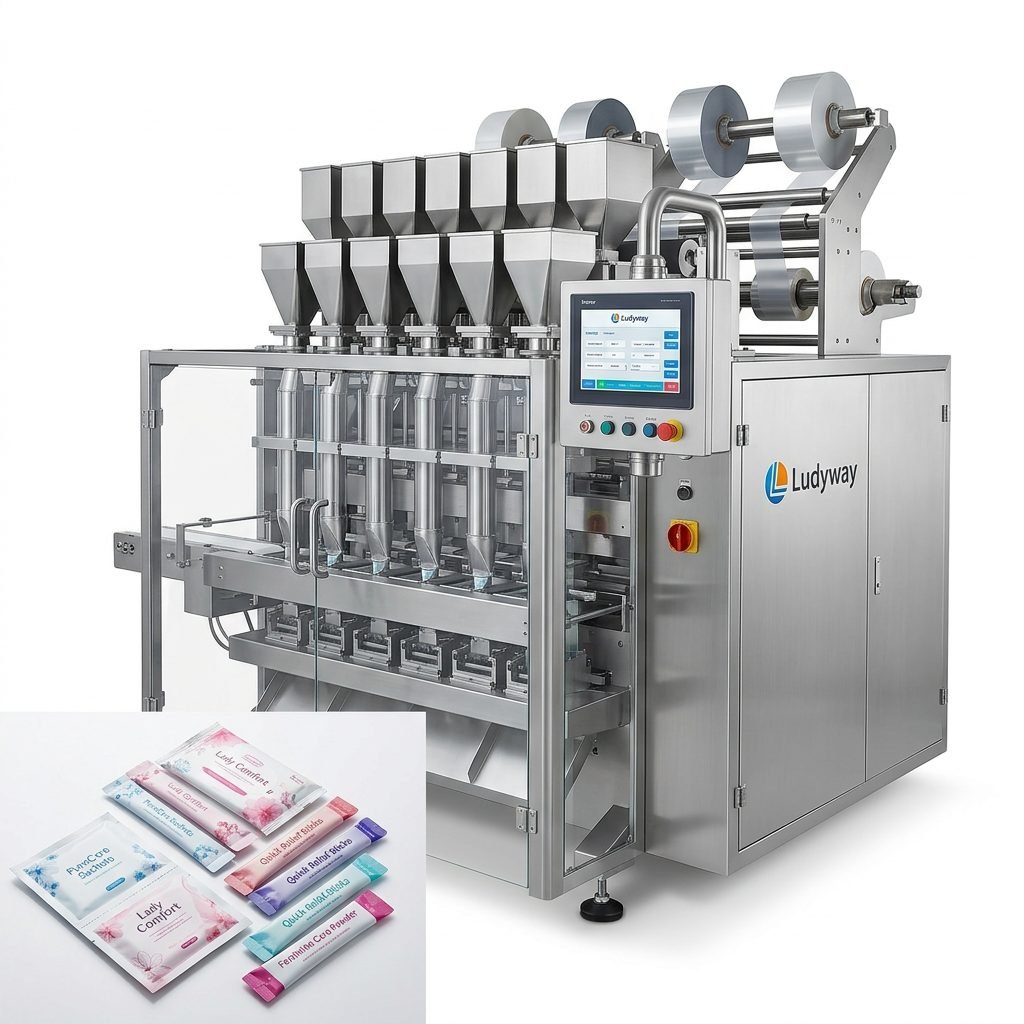
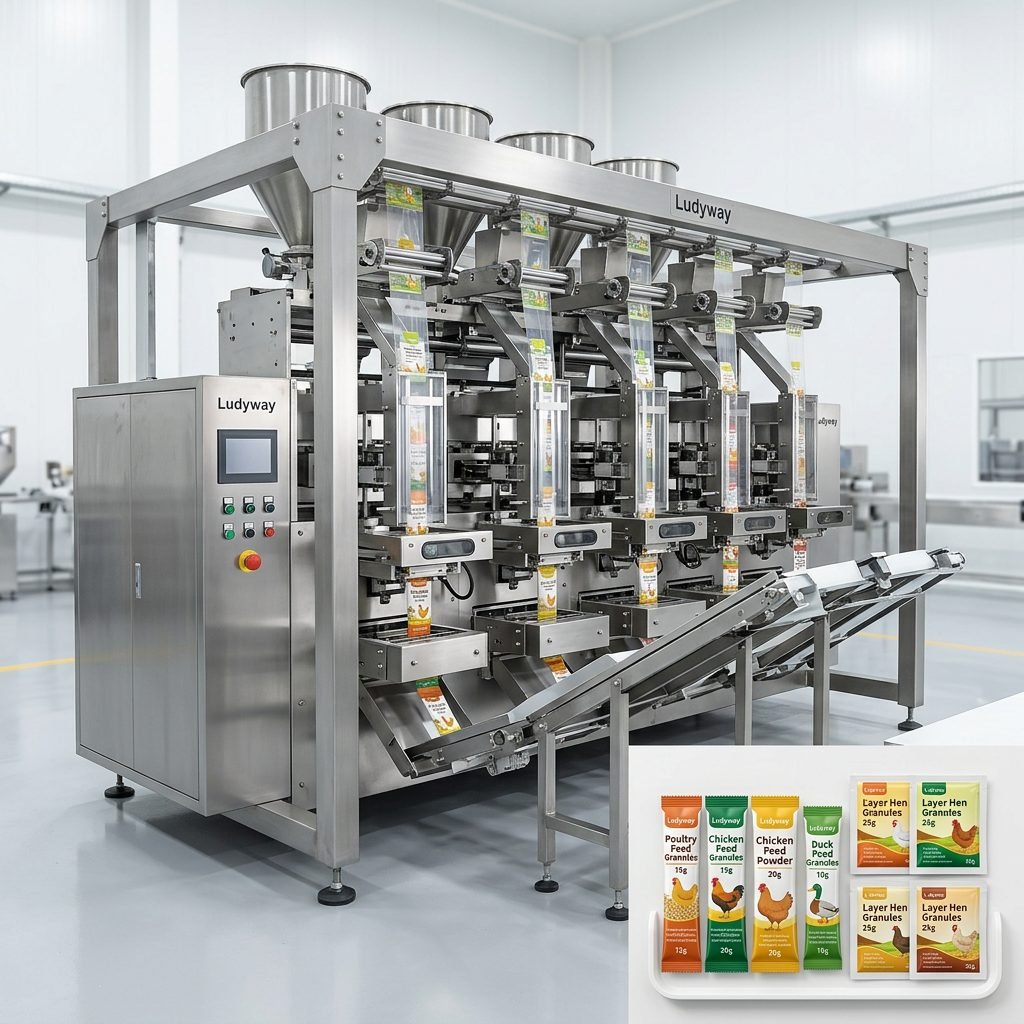
For single-serve and portion-controlled feed products, multi-lane stick pack machines offer unmatched efficiency. A 10-lane system can produce up to 600-800 packs per minute, making them popular for pet supplement packaging and specialty animal nutrition products across Southeast Asian markets.
Premade Pouch Packaging Machines
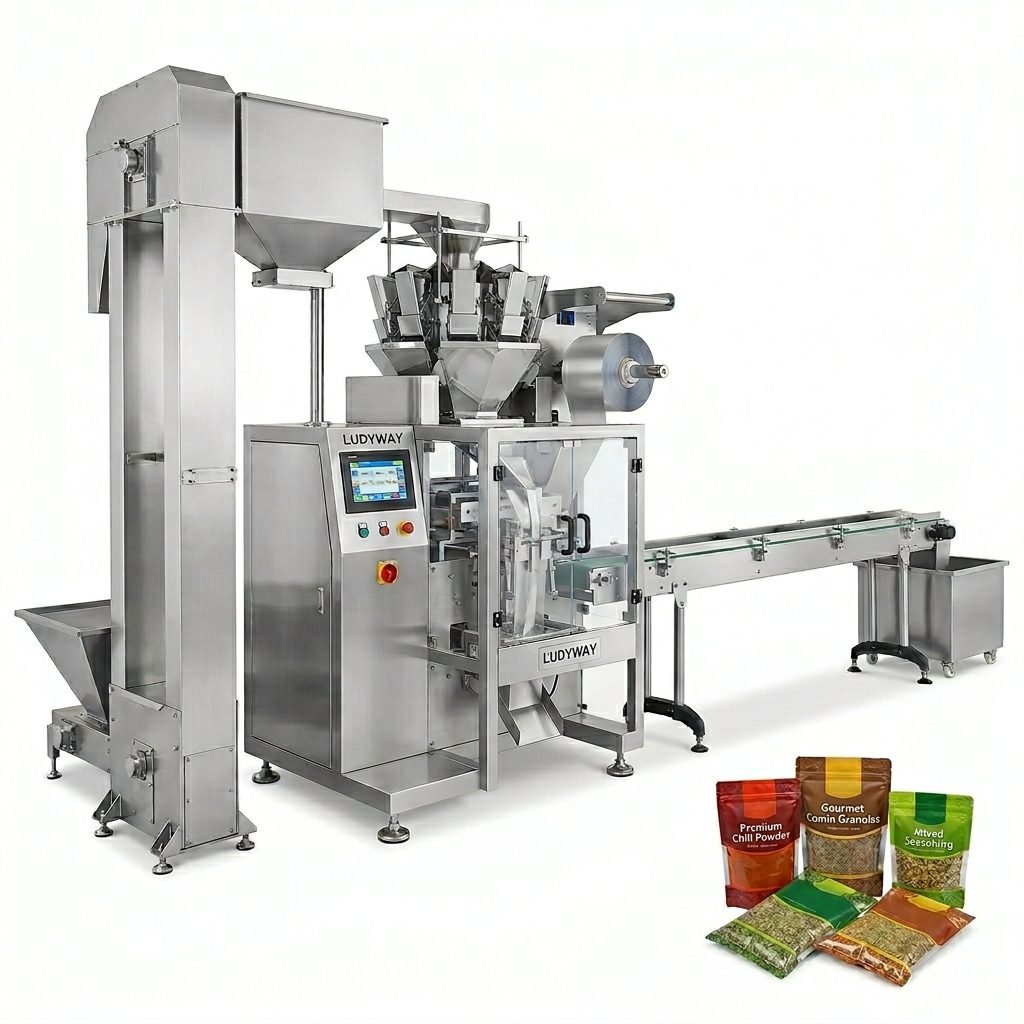
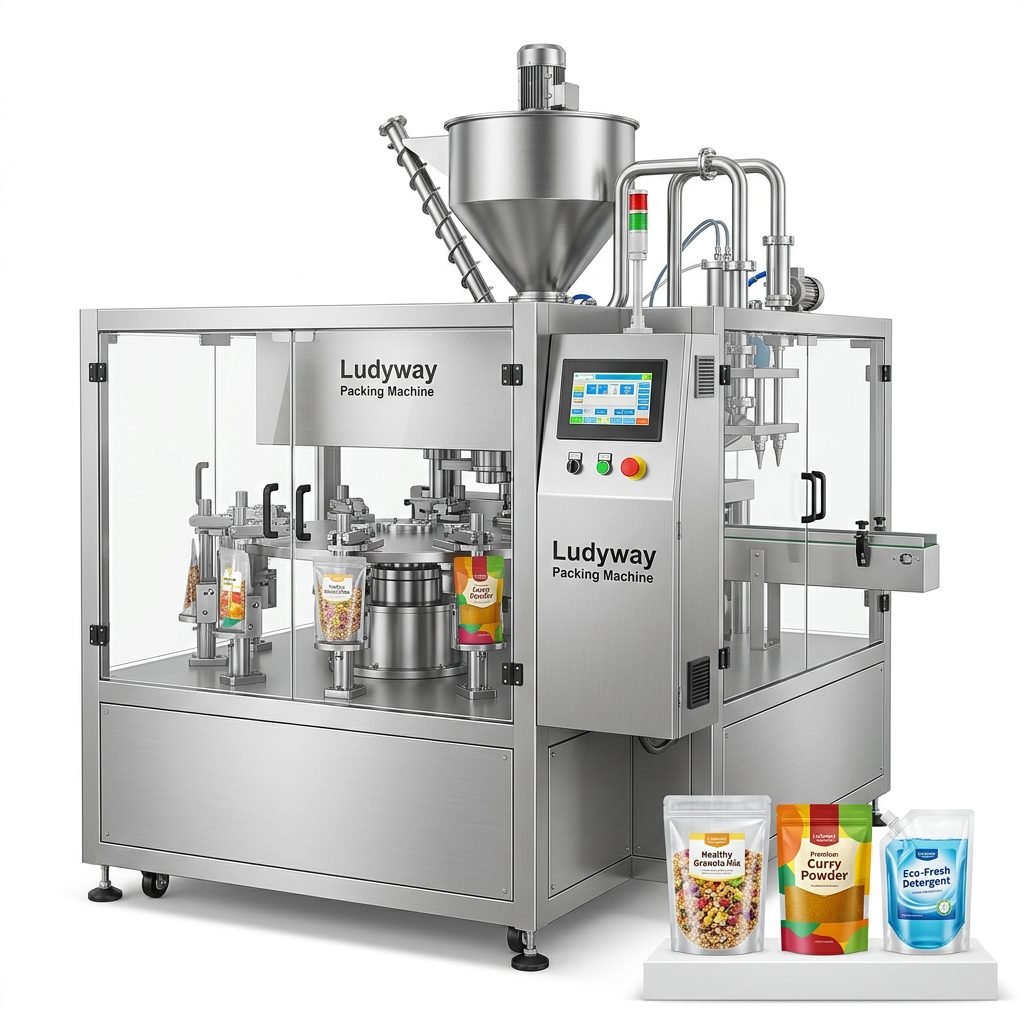
Rotary and inline premade pouch systems are gaining traction for premium pet food brands that prioritize shelf appeal. These machines handle stand-up pouches, zipper bags, and shaped pouches with superior print registration and seal integrity.
Bulk Bag Filling Systems
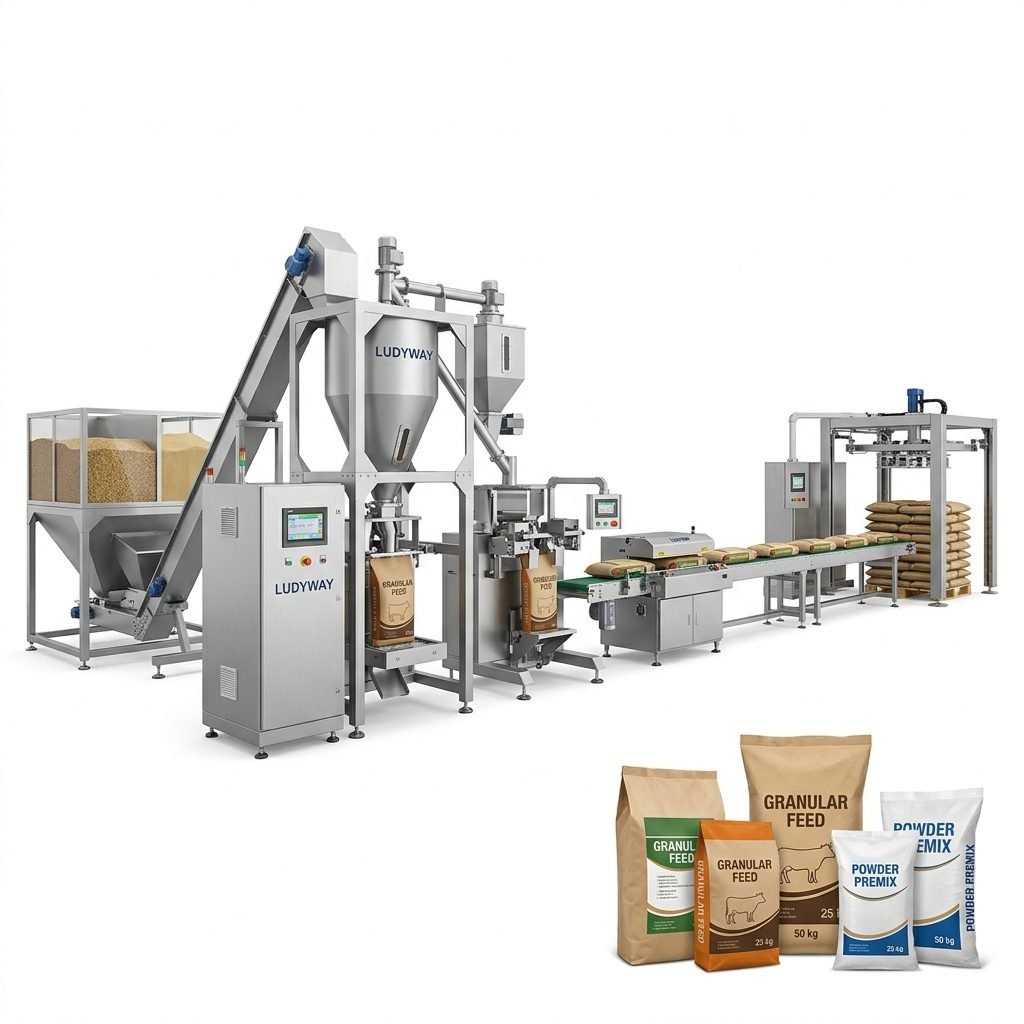
For industrial-scale feed operations, bulk bag and jumbo bag filling stations handle weights from 50kg to 1000kg. These systems often integrate with palletizing and stretch-wrapping equipment for end-of-line automation.
Key Selection Criteria for Feed Packaging Equipment
The following table summarizes the critical evaluation factors buyers should assess when comparing different feed packaging machines across Asian suppliers:
| Selection Criteria | Why It Matters | Key Specification to Check |
|---|---|---|
| Production Speed | Directly affects throughput and order fulfillment capacity | Bags per minute (BPM) at target fill weight |
| Fill Accuracy | Product giveaway directly impacts profitability | Weighing tolerance (±0.5% to ±2%) |
| Material Compatibility | Film types affect barrier properties and cost | Supported film structures and thickness ranges |
| Changeover Time | Frequent SKU changes require quick adjustments | Tool-less changeover capability and setup time |
| Sealing Technology | Seal integrity prevents contamination and leakage | Sealing temperature range and pressure control |
| Automation Level | Labor costs and consistency requirements vary | Manual, semi-automatic, or fully automatic |
| IP Rating | Dust and moisture resistance for harsh environments | IP54 minimum for dusty feed environments |
Technical Specifications That Matter
Beyond basic performance metrics, buyers should evaluate several technical aspects that differentiate quality feed packaging machines from commodity equipment:
- Servo-driven vs. mechanical systems — servo motors provide superior precision and programmability for multi-product lines
- Weighing technology — multi-head weighers offer higher speeds than linear weighers for granular products
- Frame construction — 304 or 316 stainless steel is preferred for durability in humid Asian climates
- Control systems — PLC-based controls with touchscreen HMI enable recipe storage and data logging
- Gas flushing capability — nitrogen or CO2 flushing extends shelf life for oxygen-sensitive feed products
- Dust extraction integration — essential for fine powder applications to maintain a clean production environment
Regulatory Compliance and Industry Standards
Feed packaging in Asia must navigate a complex regulatory landscape. The FDA food contact substance regulations apply to products destined for export markets, while domestic requirements vary by country. Key standards to verify include:
- GMP compliance for feed safety management systems
- HACCP principles integrated into packaging line design
- Material certifications for food-grade contact surfaces
- ISO 22000 alignment for international market access
- Local halal or religious certification requirements where applicable
The PMMI packaging industry intelligence provides valuable benchmarking data for companies seeking to align with global packaging standards and trends.
Cost Analysis and Return on Investment
When evaluating the total cost of ownership for a feed packaging machine, consider these often-overlooked factors beyond the initial purchase price:
| Cost Factor | Typical Range (% of Machine Cost) | Optimization Strategy |
|---|---|---|
| Spare Parts Inventory | 5-10% annually | Negotiate spare parts kits with initial purchase |
| Film Material Waste | 3-8% of material cost | Evaluate machine startup and splice waste rates |
| Energy Consumption | 2-5% annually | Compare kW ratings across equivalent models |
| Operator Training | 1-3% (one-time) | Confirm included training days in supplier proposals |
| Downtime Loss | Variable — up to 15% revenue impact | Prioritize suppliers with local service support |
Supplier Selection in the Asian Market
Choosing the right equipment partner is as important as selecting the right machine. When evaluating packaging machine manufacturers, look beyond the specification sheet:
- Verify the supplier’s installed base in your region — ask for local reference sites
- Assess after-sales service infrastructure — how quickly can technicians reach your facility
- Evaluate spare parts availability — local warehousing reduces lead times significantly
- Review the supplier’s experience with similar feed applications — ask for documented case studies
- Consider turnkey integration capability if you need conveying, weighing, and palletizing systems
Established manufacturers with deep industry expertise — such as Ludyway, a leading Chinese packaging machinery manufacturer with over 30 years of experience and a modern 20,000㎡ production facility — offer integrated packaging lines specifically engineered for granule, powder, and liquid feed applications across more than 100 countries.
After-Sales Support and Maintenance Considerations
Even the most robust feed packaging equipment requires ongoing maintenance and occasional troubleshooting. The quality of after-sales support often determines long-term operational success:
- Confirm warranty terms — standard is 12 months, but extended coverage may be negotiated
- Establish remote diagnostics capability — many modern machines support VPN-based troubleshooting
- Schedule preventive maintenance visits — quarterly or bi-annual inspections reduce unplanned downtime
- Maintain an agreed spare parts list with lead times documented in the supply contract
- Ensure operator training programs are comprehensive and include both mechanical and software aspects
Emerging Trends in Asian Feed Packaging
Several market trends are reshaping the feed packaging machine landscape across Asia. Forward-thinking buyers should evaluate equipment that supports:
- Sustainable packaging materials — recyclable mono-material films and bio-based options are gaining regulatory support, as outlined by the Flexible Packaging Association
- Smart factory integration — Industry 4.0 capabilities including OEE tracking, predictive maintenance, and ERP connectivity
- Smaller pack formats — single-serve and trial-size packs are growing in emerging Asian consumer markets
- Clean label packaging — minimal processing claims are driving demand for transparent and simple packaging designs
- Energy-efficient operation — rising electricity costs in countries like Vietnam and Indonesia make efficiency a competitive advantage
Making Your Final Decision
Selecting the right feed packaging machine requires balancing multiple priorities: speed, accuracy, reliability, and total cost of ownership. The most successful buyers in Asia follow a structured evaluation process that includes:
- Detailed product profiling — document all current and anticipated SKU specifications
- Factory acceptance testing (FAT) — visit the manufacturer’s facility to witness machine performance with your actual products
- Technical comparison matrix — score competing proposals against weighted criteria relevant to your operation
- Reference verification — speak directly with existing customers about their real-world experience
- Total cost modeling — project 5-year ownership costs including maintenance, spare parts, and energy consumption
By approaching the purchase decision with thorough due diligence and a clear understanding of your operational requirements, you can secure packaging machinery that delivers reliable performance, consistent product quality, and strong return on investment for years to come.
For additional guidance on packaging machinery standards and industry benchmarks, refer to resources from PMMI’s packaging industry resources and the ISO packaging standards for internationally recognized quality frameworks.