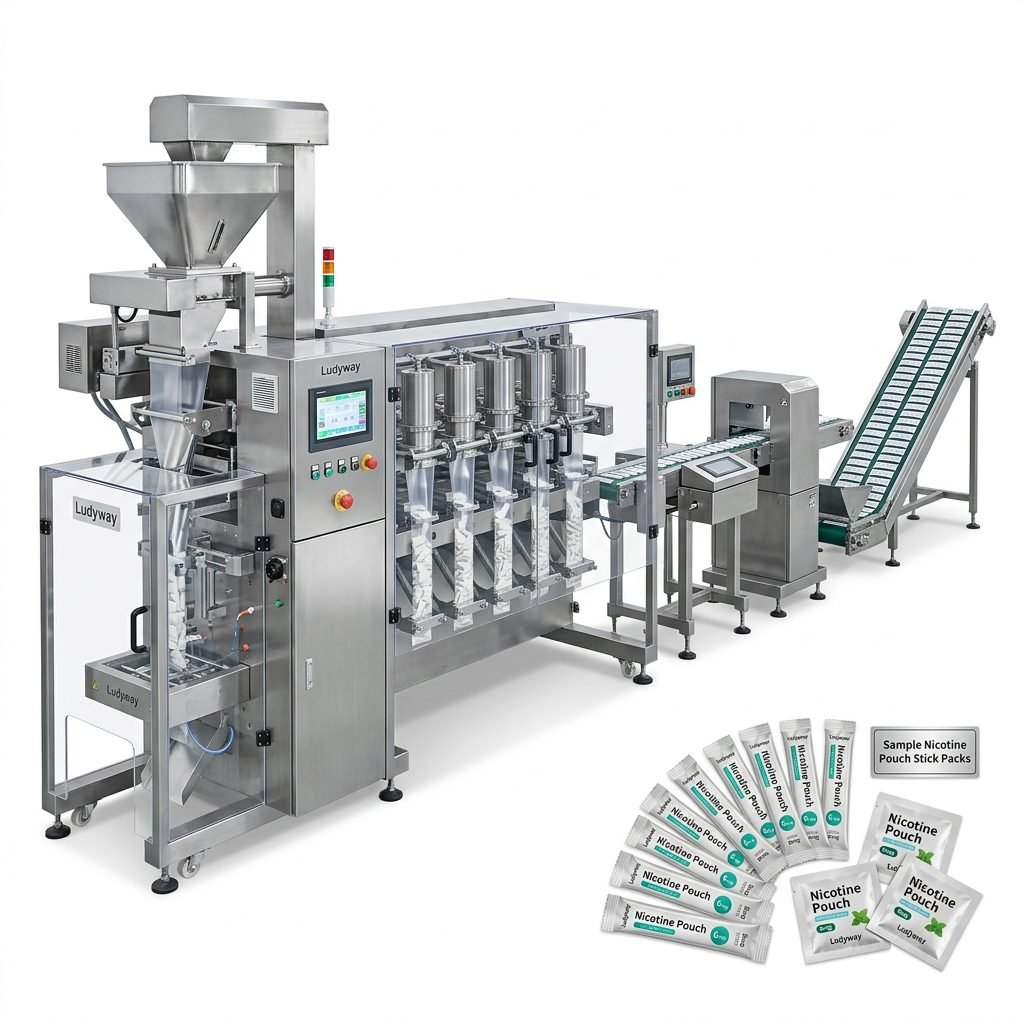
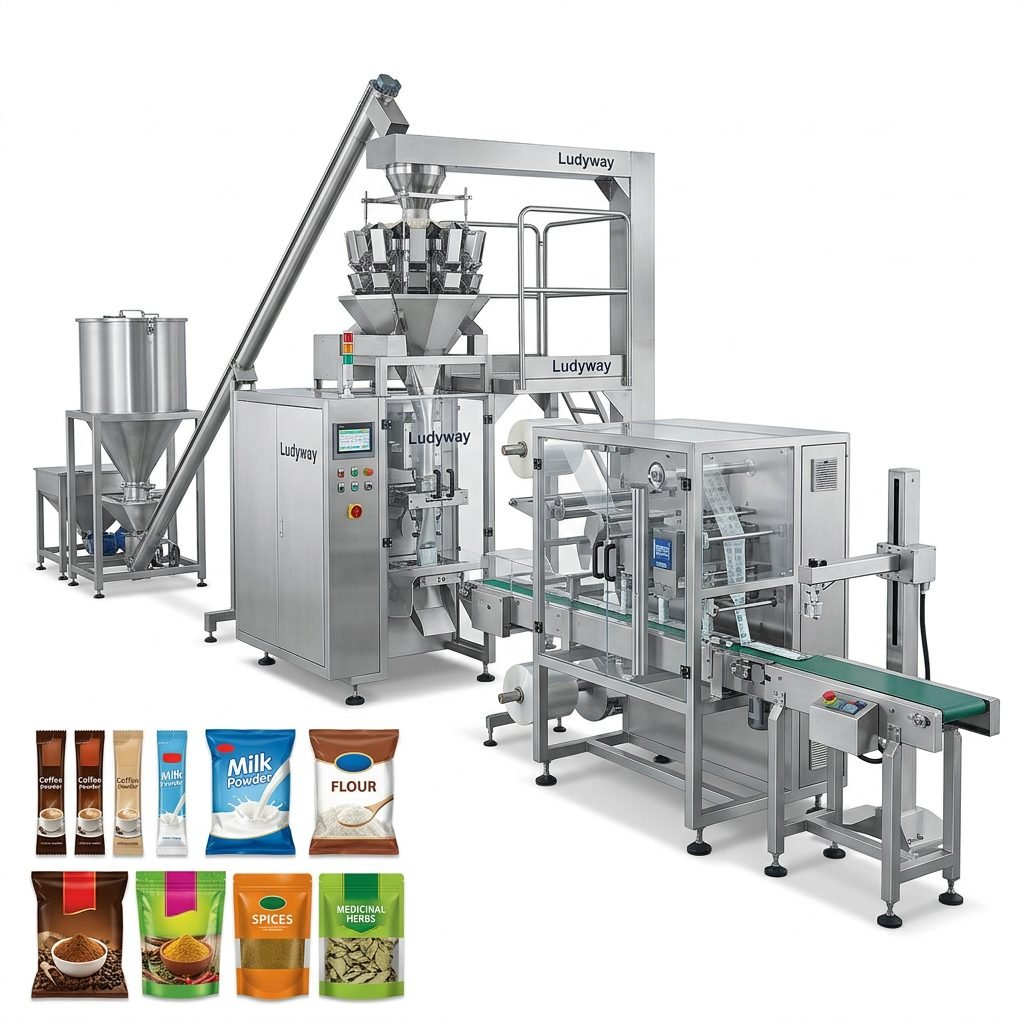
Setting up a brownie packaging machine production line requires careful planning and execution. Whether you are a small bakery scaling up or a large industrial confectionery manufacturer, integrating the right equipment ensures product freshness, accurate portioning, and high throughput. This guide walks you through the essential steps to build an efficient and reliable automated system.
1. Initial Planning and Production Requirements
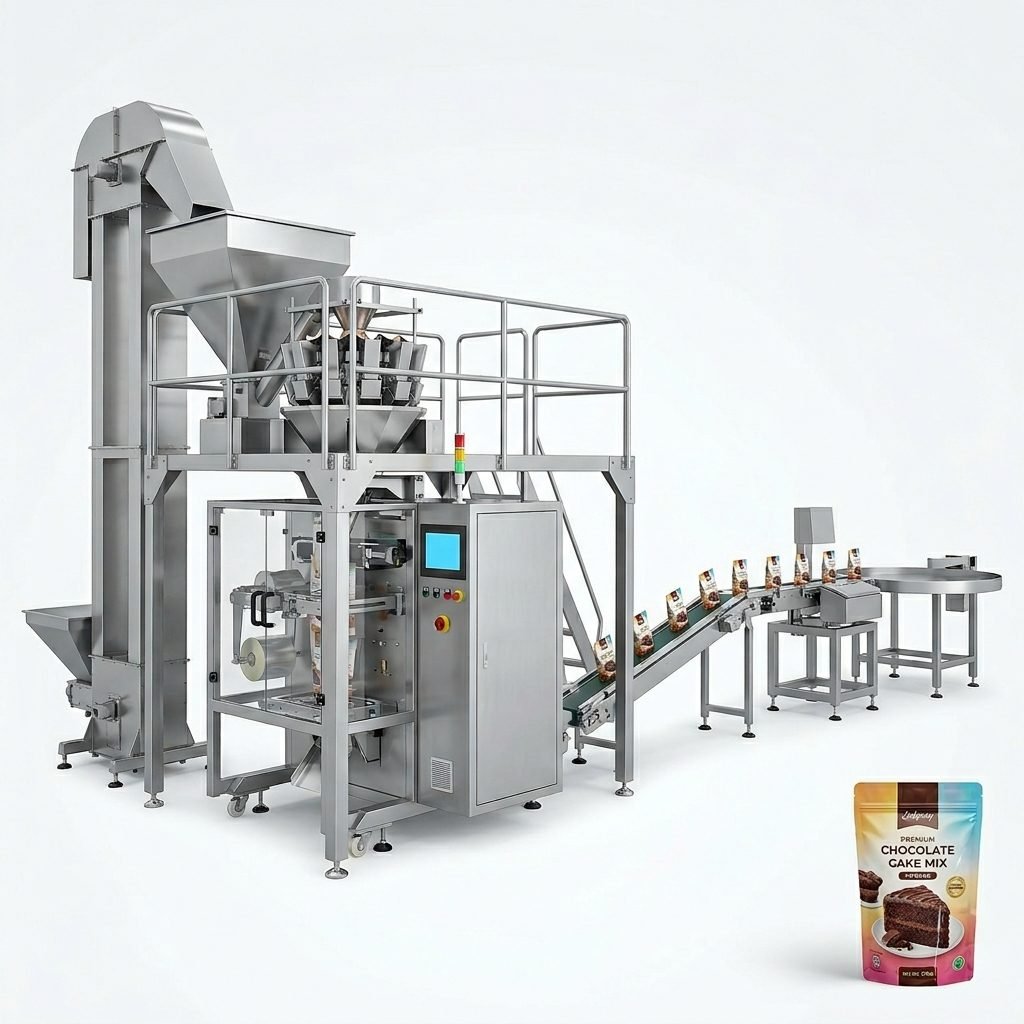
Before investing in machinery, define your production goals. Calculate the desired output per minute or hour to determine the speed class of your packaging line. Consider the variety of brownie formats you offer, such as single-serve sachets, multi-pack pouches, or family-sized bags. A clear understanding of your target capacity prevents underperformance and costly retrofits later.
- Target Output: Units per minute/hour
- Packaging Formats: Stick packs, sachets, pouches
- Product Characteristics: Sticky, crumbly, or brittle texture
- Shelf Life Requirements: Gas flushing or vacuum sealing
2. Selecting the Core Packaging Machinery
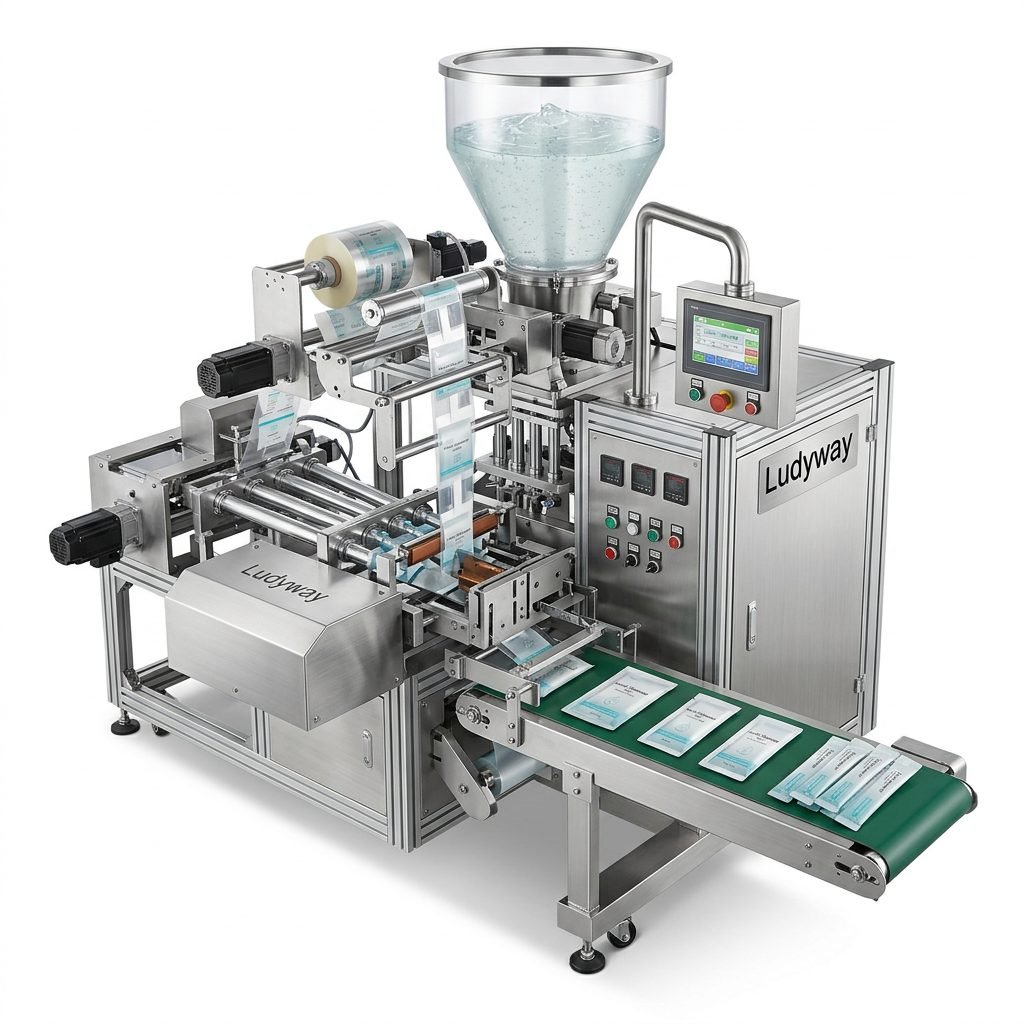
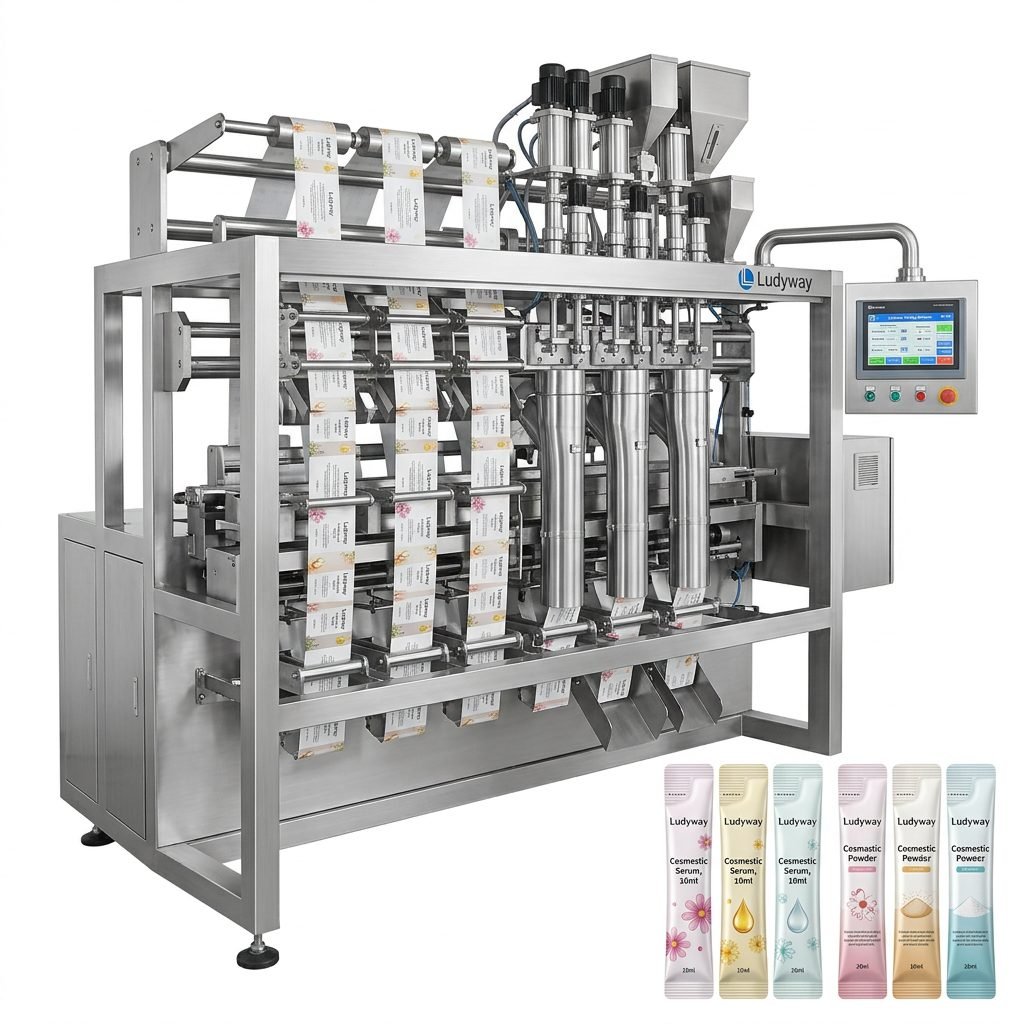
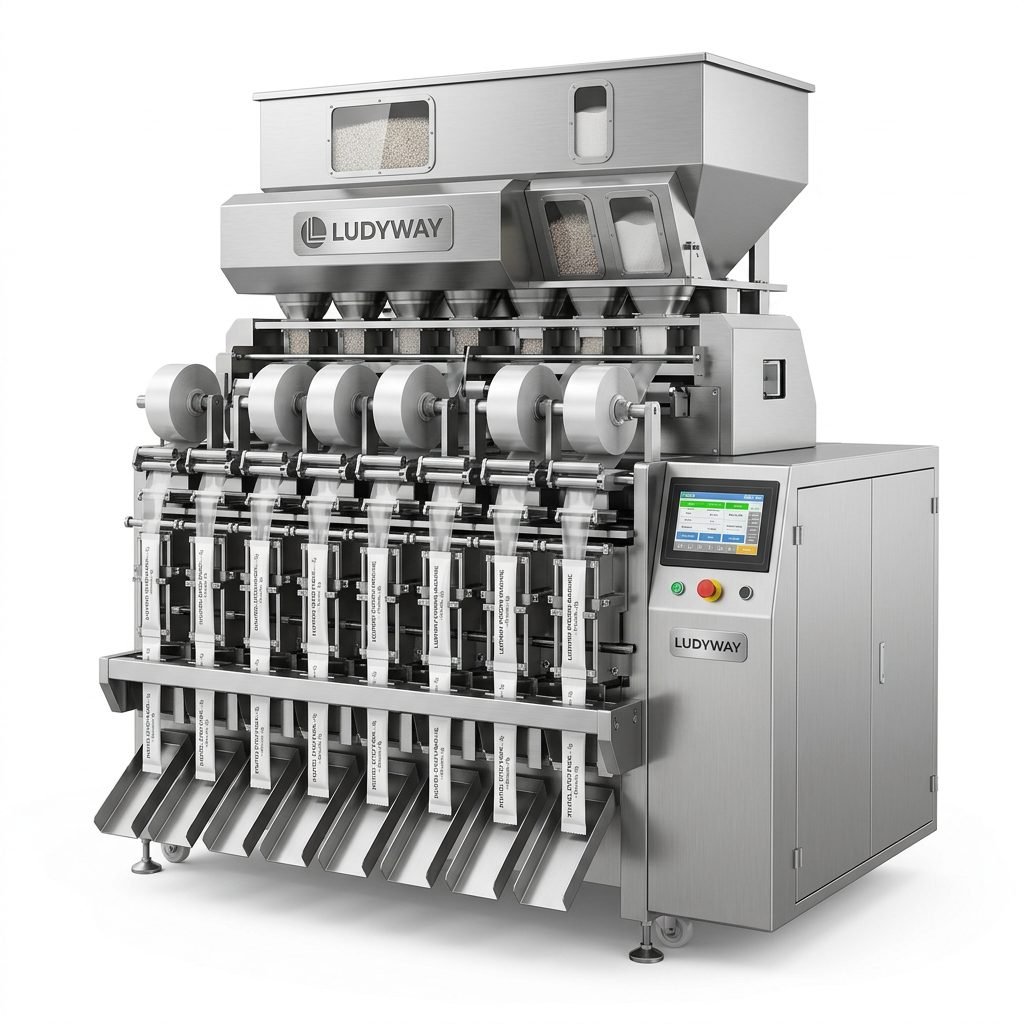
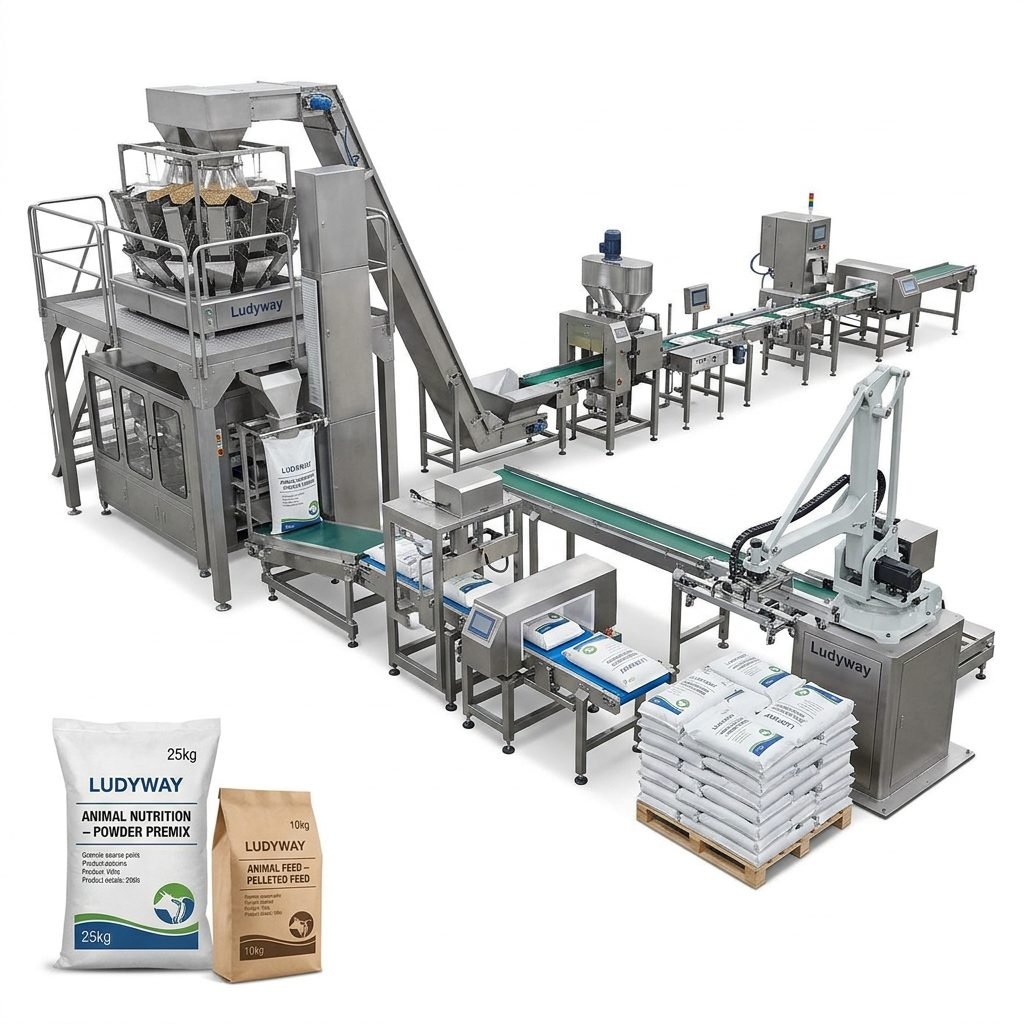
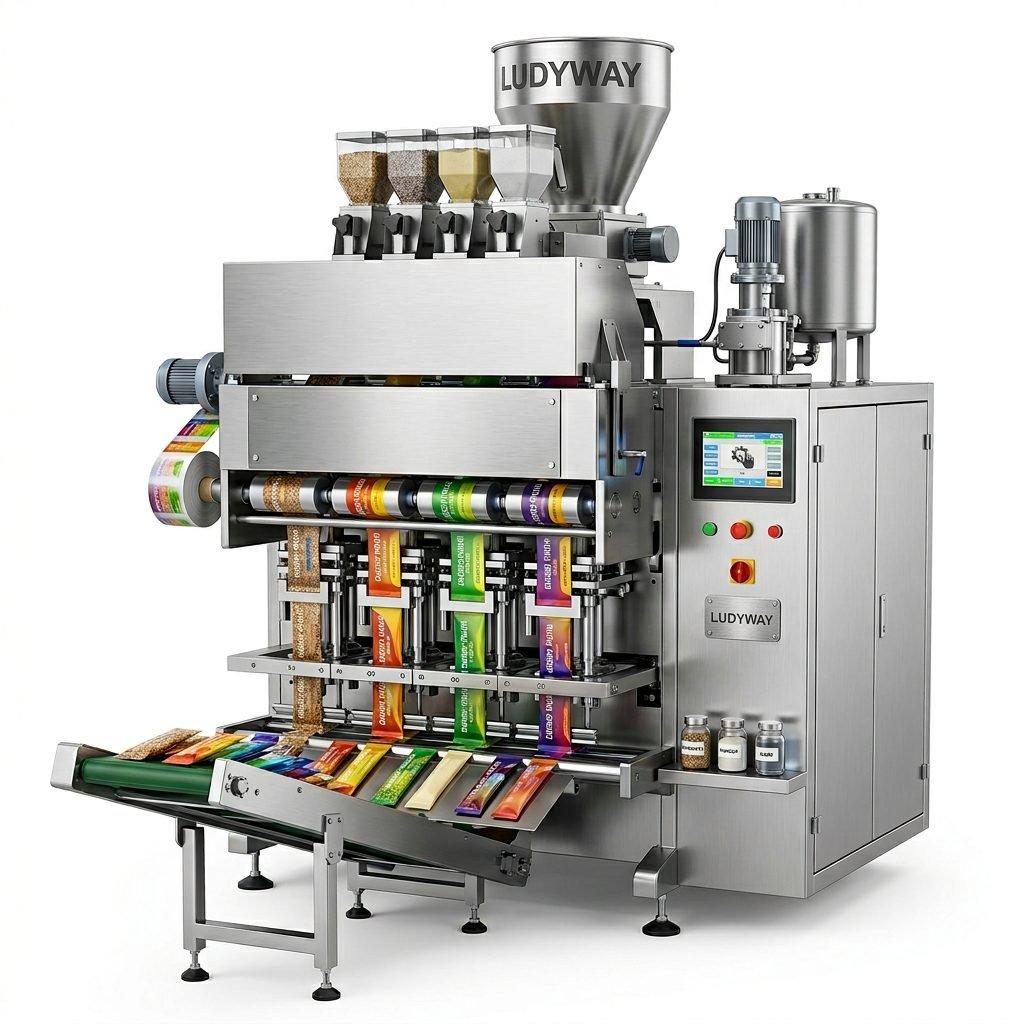
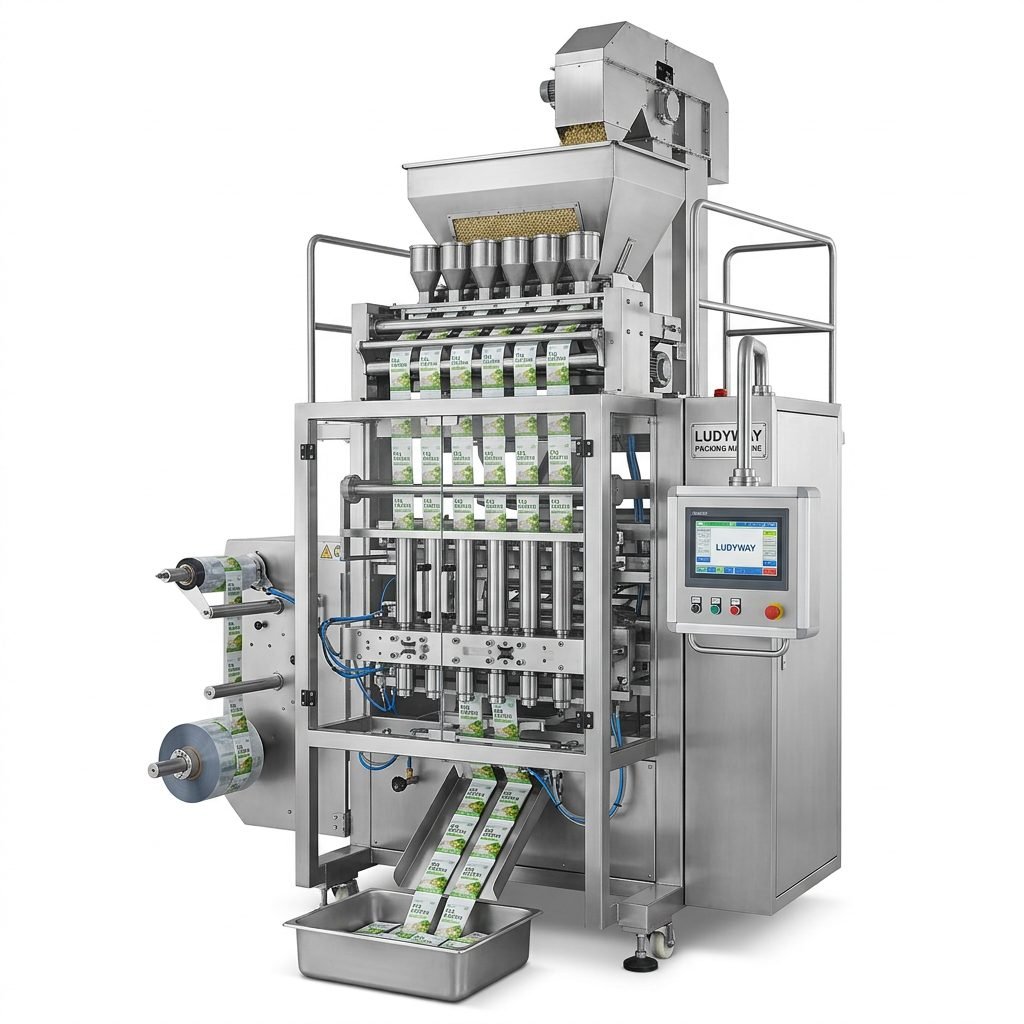
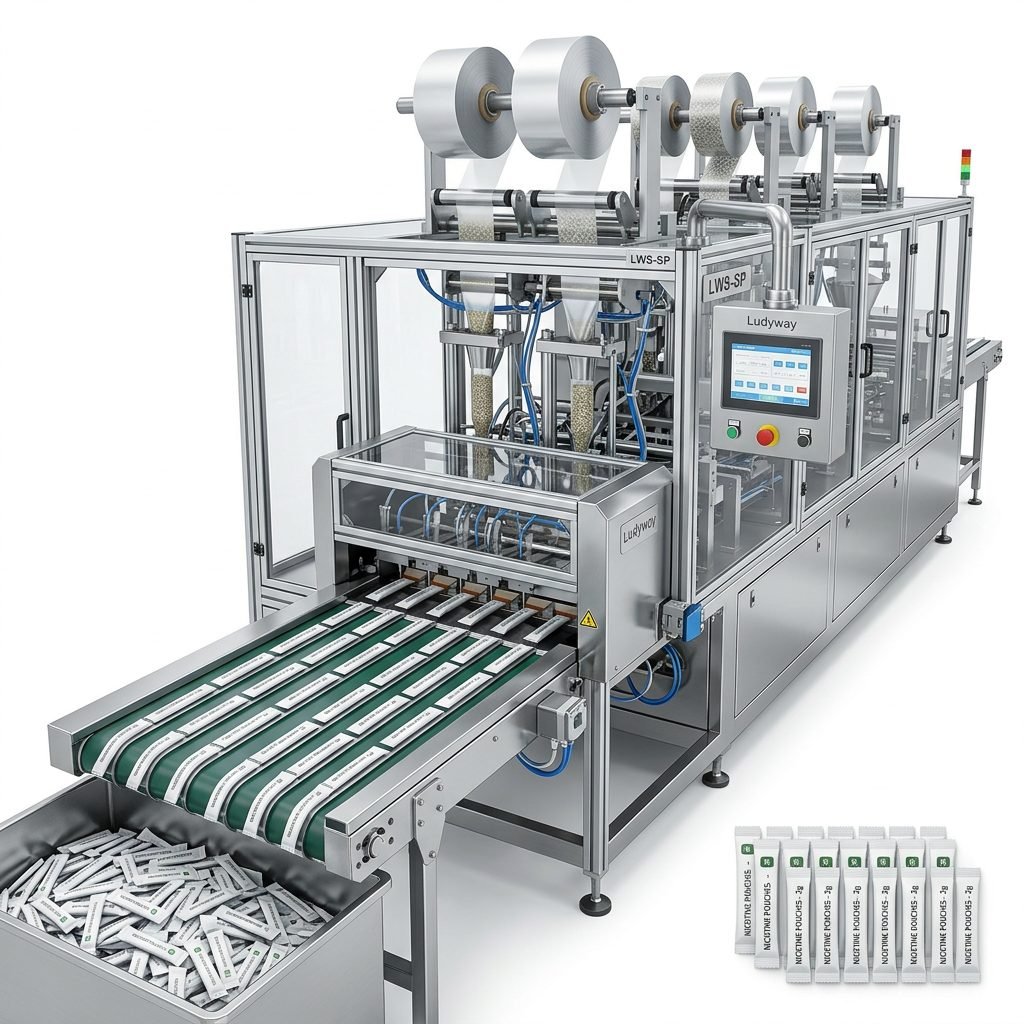
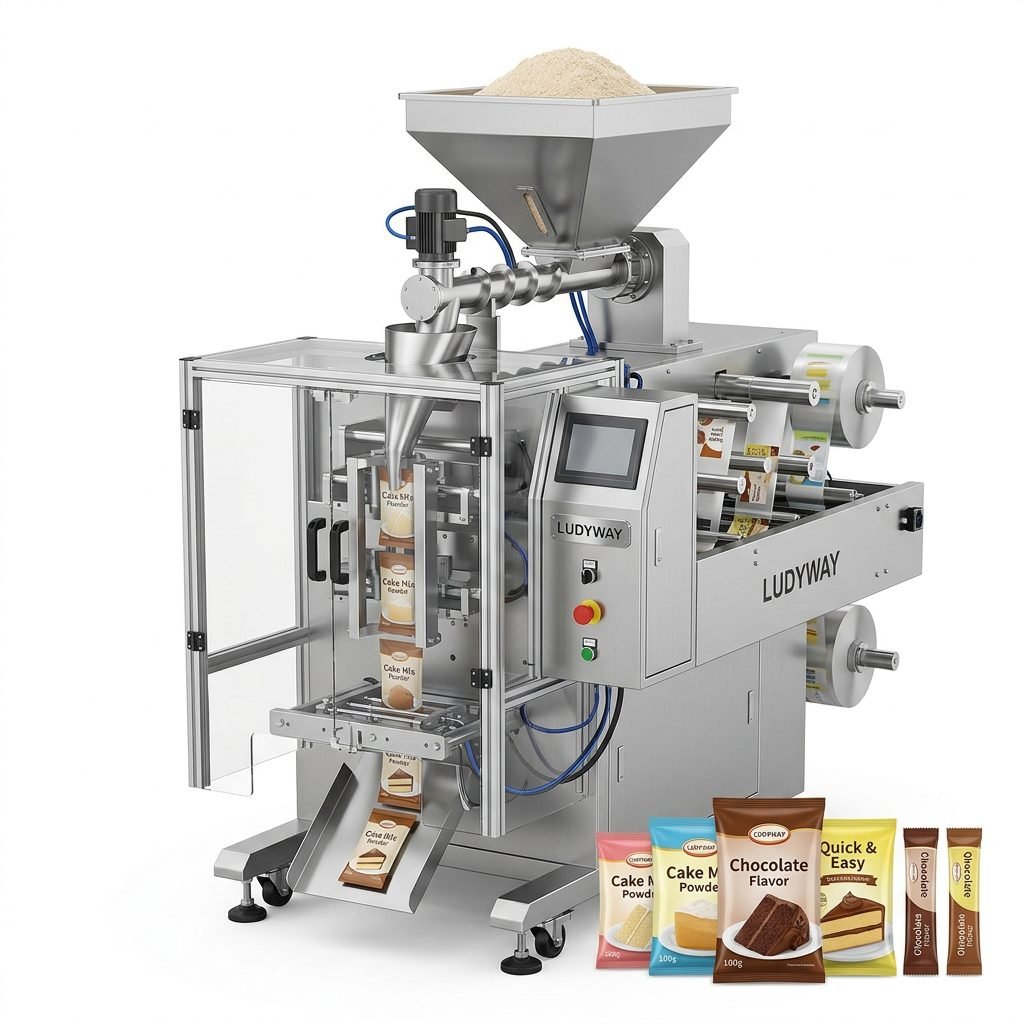
The heart of the line is the packaging machine itself. For brownies, multi-lane packaging systems are ideal for high-speed operations. Look for equipment that handles the delicate crumb structure gently. An automatic multi-head weigher paired with a vertical form fill seal (VFFS) machine is standard for granule or piece goods like brownie bites, while a flow wrapper works best for larger bar formats.
Key Machine Features to Evaluate
| Feature | Benefit |
|---|---|
| Servo-Driven Sealing Jaws | Precision temperature control to avoid melting chocolate |
| Automated Film Tracking | Reduces film waste and misalignment errors |
| Gas Flushing Capability | Extends shelf life by removing oxygen |
| Quick-Release Funnels | Allows fast changeover between different brownie sizes |
3. Integrating Feeding and Conveying Systems
A smooth product flow is critical. Inclined conveyors or Z-type bucket elevators transport brownies gently from the cooling tunnel to the packaging station. Vibration must be minimized to prevent breakage. Industry standards recommend synchronized speed control between the freezer exit and the infeed to avoid backlog and product jams.
Conveyor Checklist
- Food-grade plastic or stainless steel mesh belts
- Variable speed motor drives
- Reject systems for misfed or broken products
- Easy-release mechanisms for sanitation
4. Weighing and Filling Accuracy
Accuracy impacts profitability. A multi-head weigher ensures every package meets the declared weight without excessive giveaway. For mixed variety packs containing different brownie flavors, combination weighers with memory hoppers optimize blending. Confirming consistent fill rates helps maintain compliance with food packaging regulations while maximizing ingredient efficiency.
5. Inspection and Quality Control Stations
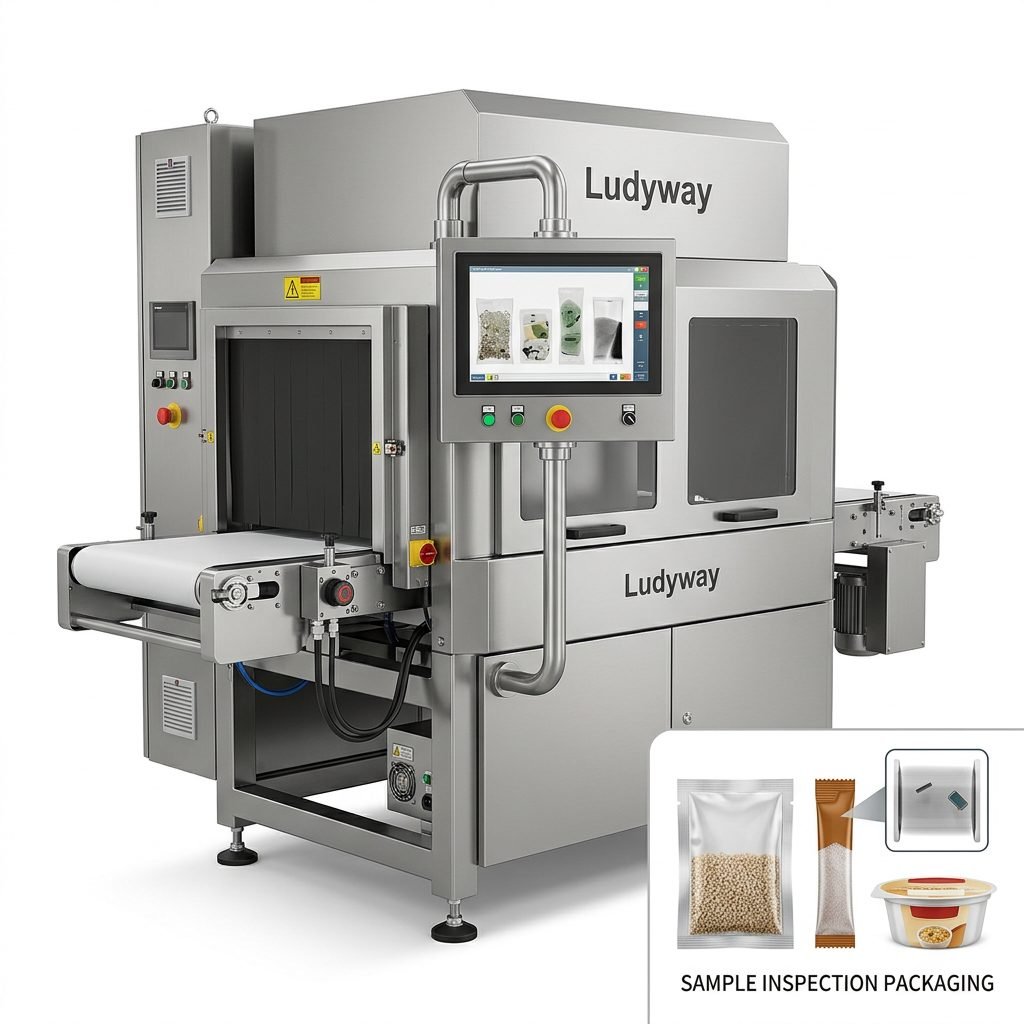
An automated line must include inline inspection. Install a checkweigher immediately after filling and a metal detector or X-ray inspection machine before case packing. These devices reject non-conforming packs automatically. Integration with a central data logger supports traceability and quality assurance protocols required by modern retailers.
6. Secondary Packaging and End-of-Line Automation
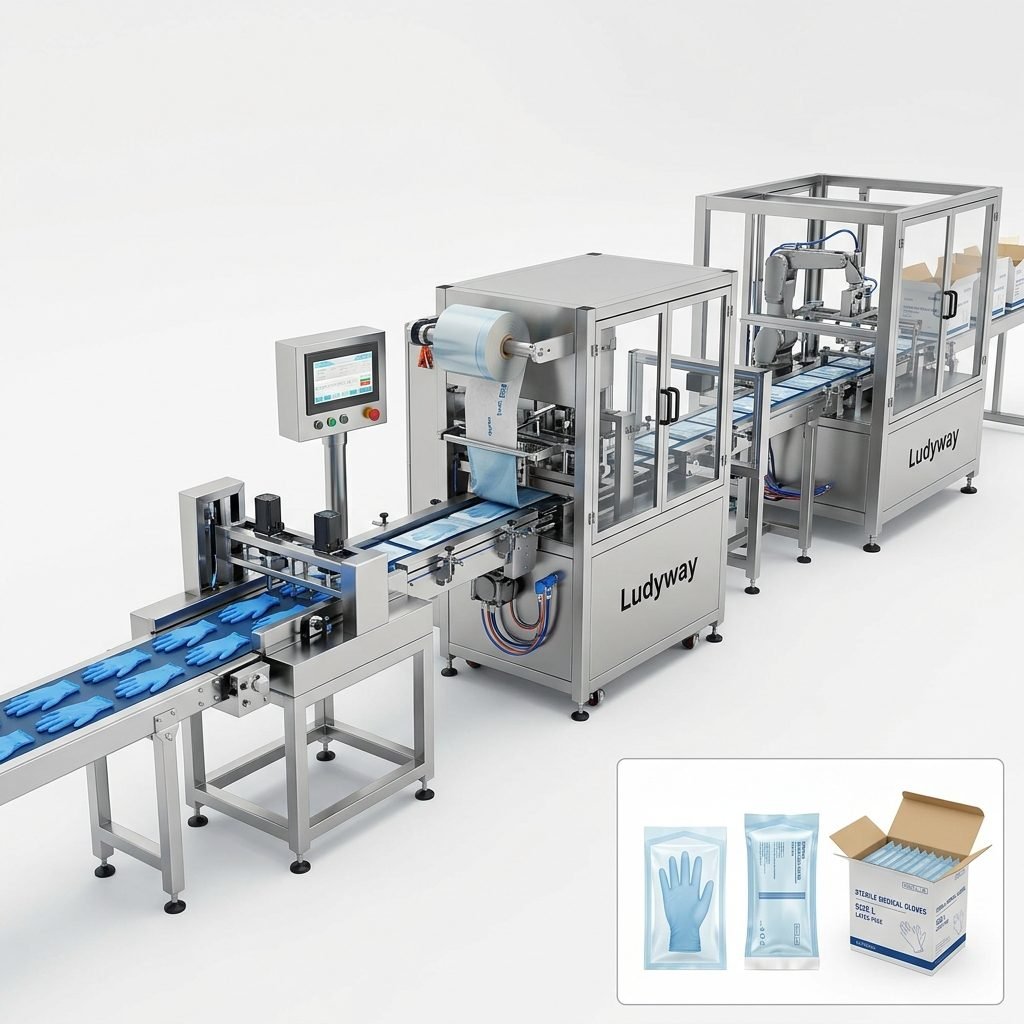
After primary wrapping, the workflow transitions to case packing and palletizing. For brownie sachets and stick packs, a cartoner loads multiple units into boxes, which then feed into a case erector and sealer. Automated palletizing systems stack finished cases with precision patterns, reducing manual lifting and improving warehouse density.
End-of-Line Components
- Automatic carton erector and loader
- Robotic pick-and-place case packers
- Stretch wrapping turntables
- Pallet labeling and coding systems
7. Installation and Commissioning Best Practices
Prior to shipment, work with your equipment provider to finalize the factory acceptance test. Upon installation, focus on leveling, utility connections, and thorough operator training. Run validation batches for at least 48 continuous hours. Monitor Overall Equipment Effectiveness metrics such as availability, performance, and quality to verify the line meets contractual specifications.
8. Maintenance and Spare Parts Strategy
A robust maintenance schedule prevents unscheduled downtime. Keep critical spare parts stocked, including sealing bands, Teflon tape, sensors, and timing belts. Implement a daily checklist that covers conveyor tracking, jaw alignment, and film tension. Partnering with an OEM that offers remote diagnostics and rapid-response support ensures maximum uptime during peak seasonal production runs.
For bakeries seeking comprehensive automation, Ludyway provides turnkey packaging solutions tailored to brownie and baked goods manufacturing. With over 30 years of industry expertise and a modern 20,000㎡ manufacturing facility, the company delivers integrated lines covering feeding, packaging, inspection, and case packing that support consistent quality and high production efficiency.
9. Optimizing Layout and Workflow
Plant layout dictates efficiency. Generally, a linear flow works best: baking to cooling to primary packaging, then secondary and palletizing. Ensure adequate clearance for cleaning crews and maintenance carts. Ergonomics matter too; situate control panels and human-machine interfaces at accessible heights. Consult ISO packaging standards for machine safety distances and guarding design for enhanced worker protection.
Flow Diagram Summary
| Step | Equipment |
|---|---|
| 1. Product Infeed | Inclined Conveyor / Elevator |
| 2. Weighing | Multi-Head Combination Weigher |
| 3. Primary Packaging | VFFS or Multi-Lane Stick Pack Machine |
| 4. Inspection | Metal Detector / Checkweigher |
| 5. Secondary Packaging | Cartoner / Case Packer |
| 6. Palletizing | Robotic Palletizer / Stretch Wrapper |
10. Future-Proofing Your Production Line
Design flexibility into your brownie packaging operation from day one. Consider modular machinery that allows adding lanes or swapping forming tubes. Invest in Industry 4.0 connectivity for remote monitoring and predictive maintenance. The flexible packaging landscape evolves rapidly with sustainable film materials; verify that your sealing systems and jaw profiles remain compatible with recyclable mono-material structures before committing.
- Choose scalable multi-lane platforms
- Ensure compatibility with sustainable films
- Implement remote production monitoring
- Train staff on multiple machine modes
Building a successful brownie packaging line means balancing speed, precision, and gentle handling. By selecting integrated equipment, maintaining rigorous quality checks, and planning for future growth, your operation can achieve consistent results while reducing labor dependency and giveaway costs.
Explore Packaging Industry Reports | Packaging Machinery Solutions | Flexible Packaging Resources