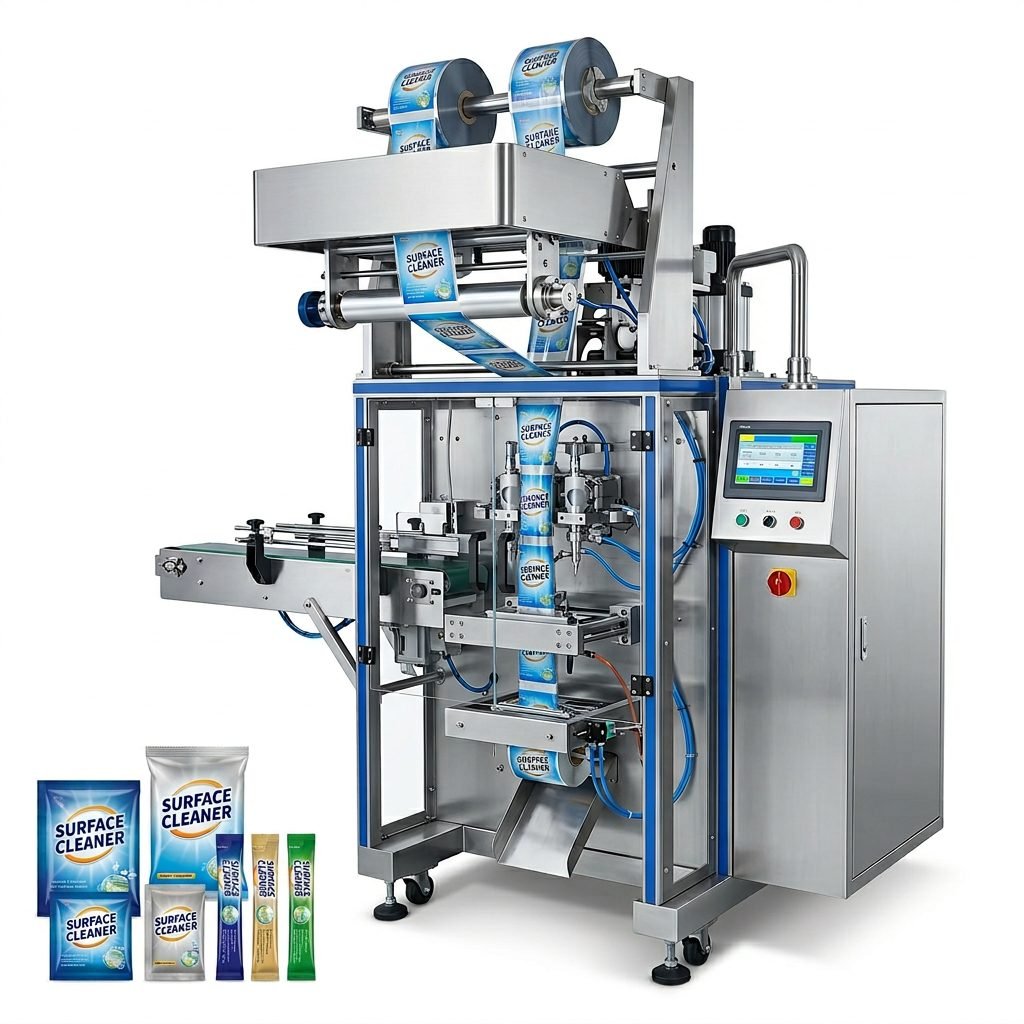
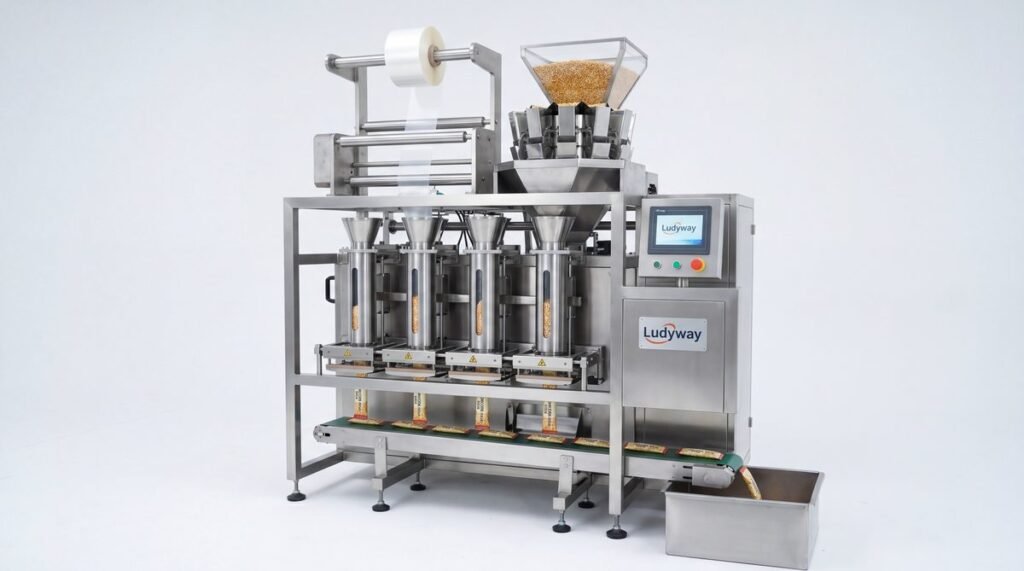
Investing in a packing and sealing machine is a significant decision for any manufacturer. The right equipment can transform your production line — improving speed, consistency, and product shelf life — while the wrong choice can lead to downtime, material waste, and costly rework. Whether you are packaging powders, granules, liquids, or solid products, understanding the key factors that influence machine selection is essential. This guide walks you through every critical consideration, from product characteristics and packaging formats to automation levels and supplier evaluation, helping you make an informed purchasing decision.

Understanding Your Product and Its Packaging Requirements
Before comparing machine specifications, start with a thorough analysis of the product you need to package. Every product has unique physical and chemical properties that directly affect machine configuration.
Consider these fundamental questions:
- What is the product form? Is it a free-flowing powder, a sticky granule, a viscous liquid, or a solid item? Different filling systems — auger fillers, volumetric cup fillers, piston fillers, or multi-head weighers — are suited to different product types.
- What are the flow characteristics? Does the product bridge, clump, or compact? Products with poor flowability may require agitators, vibratory feeders, or specialized hopper designs.
- Is the product hygroscopic, oxygen-sensitive, or UV-sensitive? These properties determine whether you need nitrogen flushing, vacuum sealing, or barrier packaging materials.
- What is the target fill weight or volume? This affects dosing accuracy requirements and the appropriate filling technology.
- What are the hygiene and safety requirements? Food, pharmaceutical, and cosmetic applications often demand stainless steel construction, clean-in-place (CIP) capability, and compliance with FDA food contact regulations or similar standards.
Key Types of Packing and Sealing Machines
The packaging machinery market offers a wide range of equipment types, each designed for specific applications. Understanding the main categories will help you narrow down your options.
| Machine Type | Best For | Packaging Format |
|---|---|---|
| Vertical Form Fill Seal (VFFS) | Powders, granules, snacks, grains | Pillow bags, gusseted bags, block-bottom bags |
| Horizontal Form Fill Seal (HFFS) | Solid products, baked goods, medical devices | Pillow pouches, three-side-seal, four-side-seal |
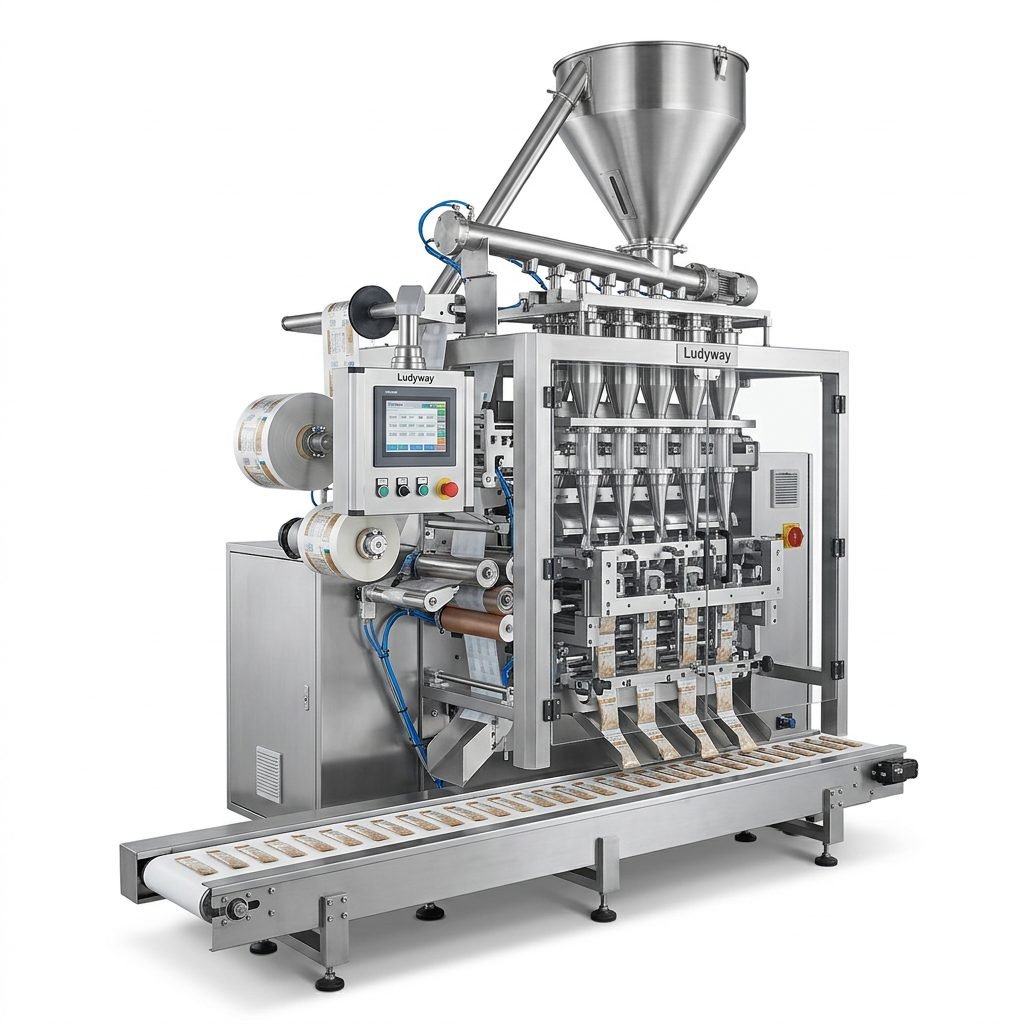
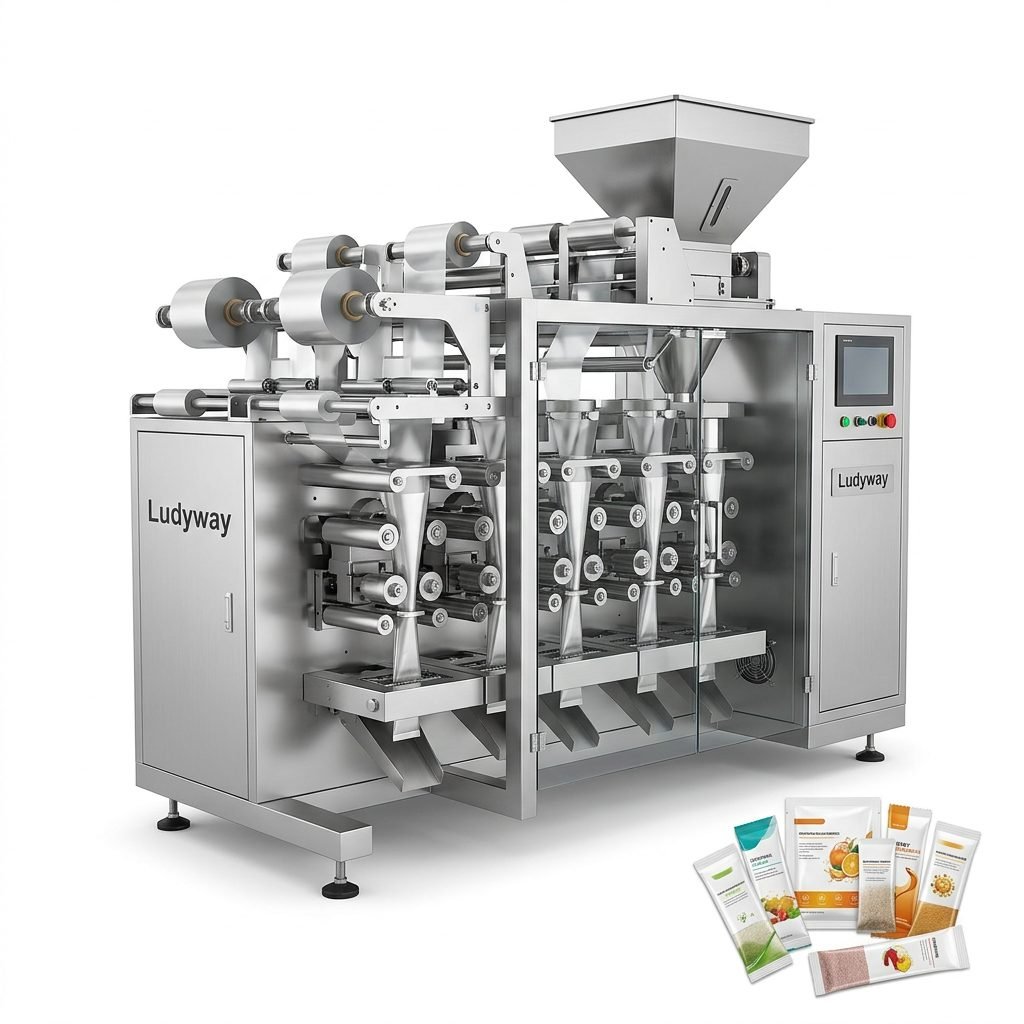
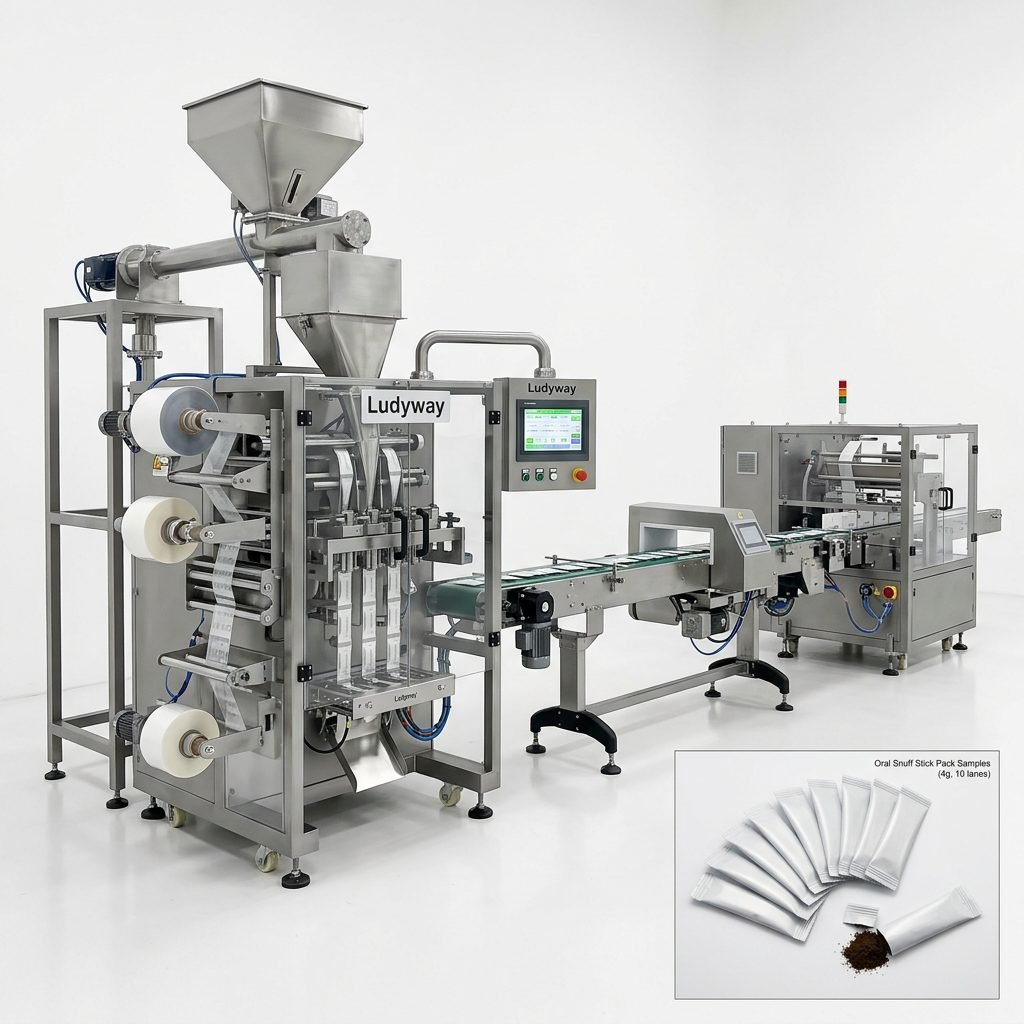
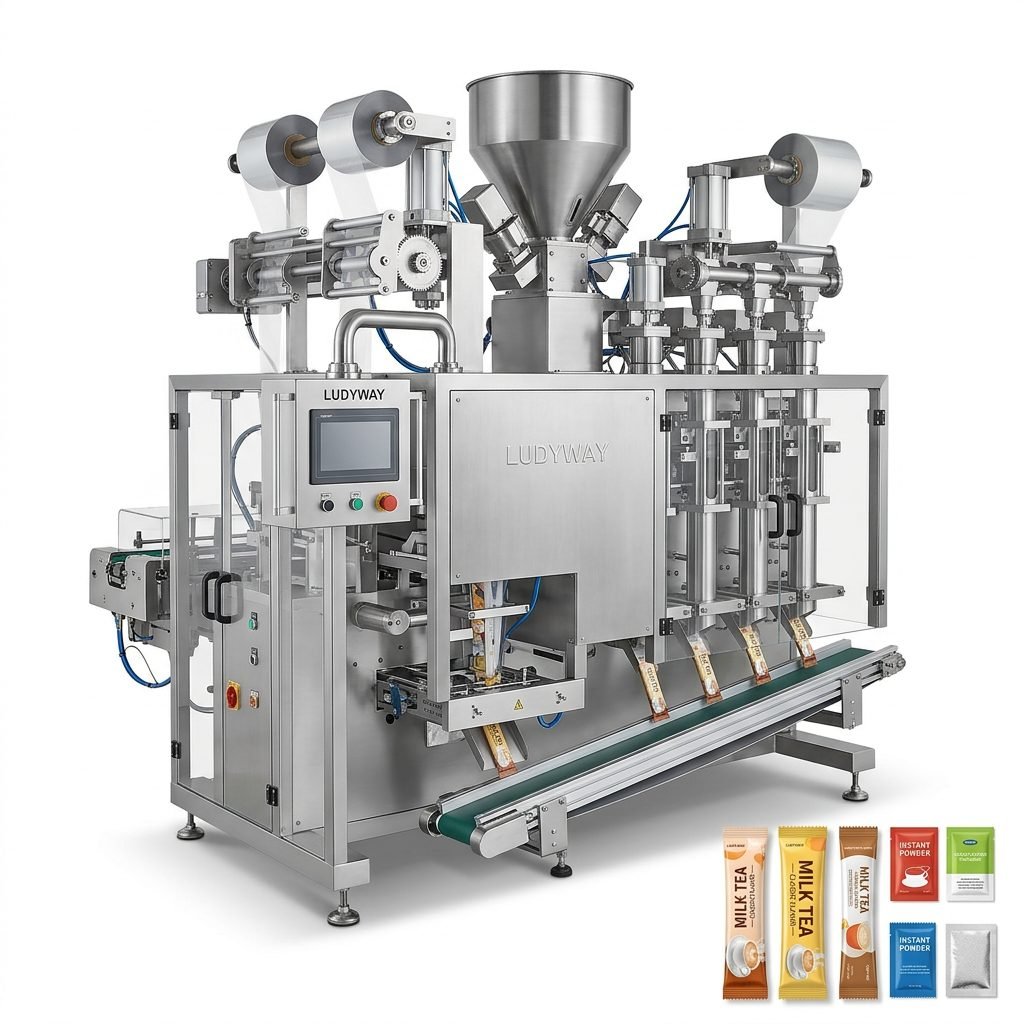
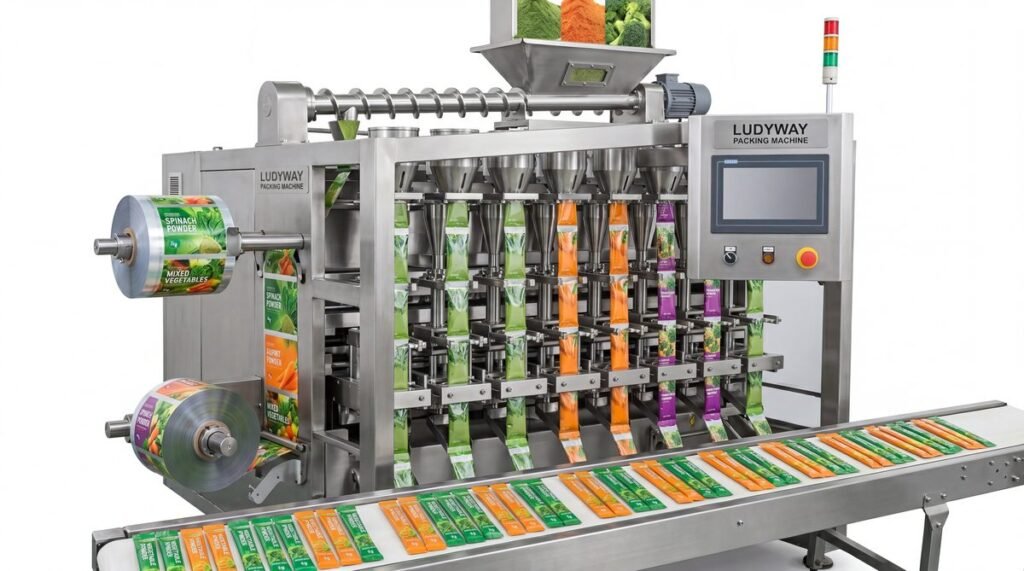
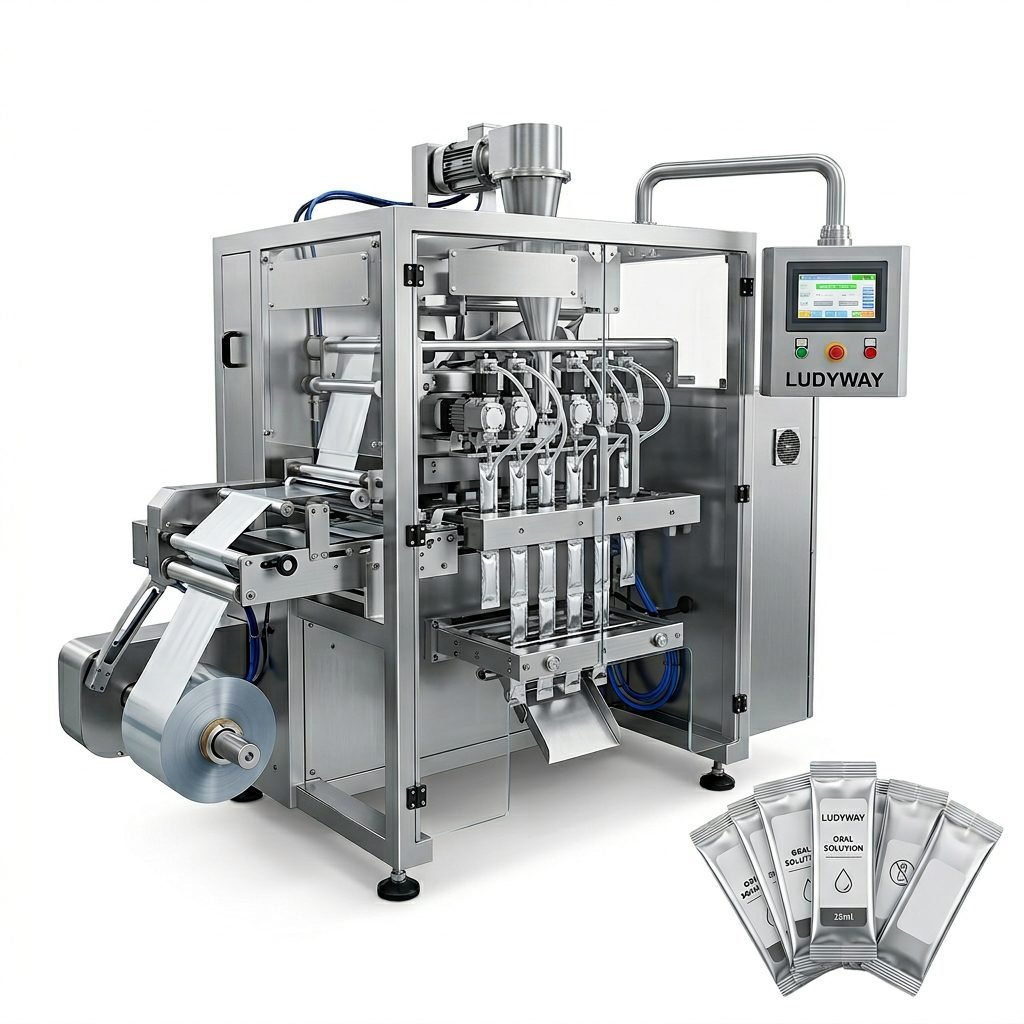
| Multi-Lane Stick Pack Machines | Single-serve powders, liquids, supplements | Stick packs, sachets (2–20 lanes) |
| Pre-Made Pouch Fill & Seal | Liquids, sauces, premium products | Stand-up pouches, spouted pouches, zipper pouches |
| Vacuum Packaging Machines | Meat, seafood, cheese, coffee | Vacuum bags, thermoformed packs |
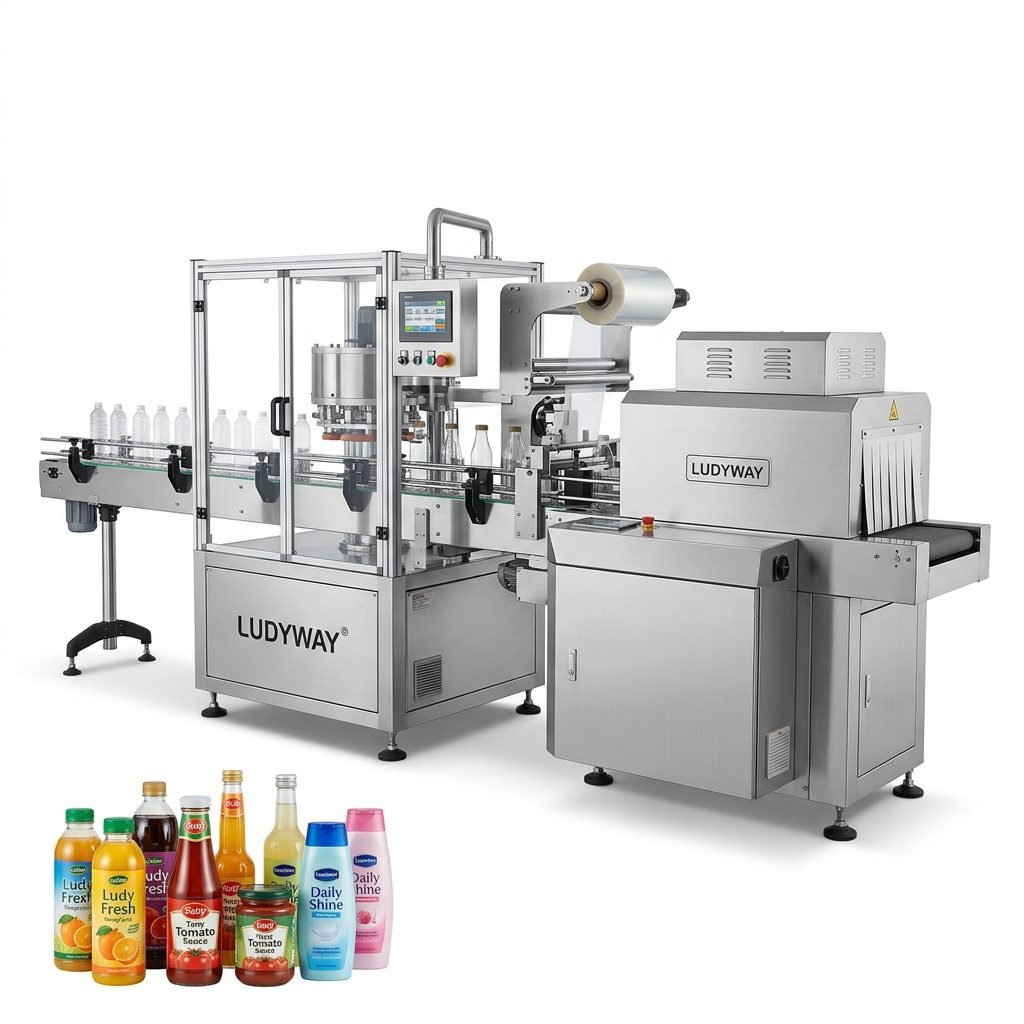
| Liquid Filling & Sealing Lines | Beverages, oils, chemicals, cosmetics | Bottles, sachets, stick packs, pouches |
Production Speed and Throughput Considerations
Production capacity requirements vary dramatically between small-scale operations and high-volume manufacturing. When evaluating machine speed, look beyond the theoretical maximum — consider sustained throughput under real-world conditions.
Key speed-related factors include:
- Cycles per minute (CPM) versus pouches per minute (PPM) — multi-lane machines multiply output per cycle
- Film unwind and changeover time between production runs
- Integration speed with upstream filling and downstream cartoning or case packing systems
- Whether the machine supports continuous motion or intermittent motion operation
According to PMMI packaging industry research, automation and higher-speed machinery continue to be the dominant trends driving packaging equipment investment across sectors.
Packaging Materials and Seal Integrity
The choice of packaging material directly impacts seal quality, barrier properties, and machine compatibility. Common flexible packaging materials include:
- Laminated films — PET/PE, PET/AL/PE, BOPP/CPP combinations offering varying barrier levels
- Mono-material films — increasingly popular for sustainability and recyclability goals
- Paper-based laminates — used in sachet and stick pack applications for dry products
- Aluminum foil laminates — maximum barrier for oxygen-sensitive and moisture-sensitive products
Seal integrity is non-negotiable, especially for food and pharmaceutical applications. Look for machines with precise temperature control, adjustable sealing pressure, and consistent dwell time. Machines equipped with leak detection and seal inspection systems provide additional quality assurance. For medical packaging, compliance with ISO 11607 standards for terminally sterilized medical devices may be required.
Automation Level and Line Integration
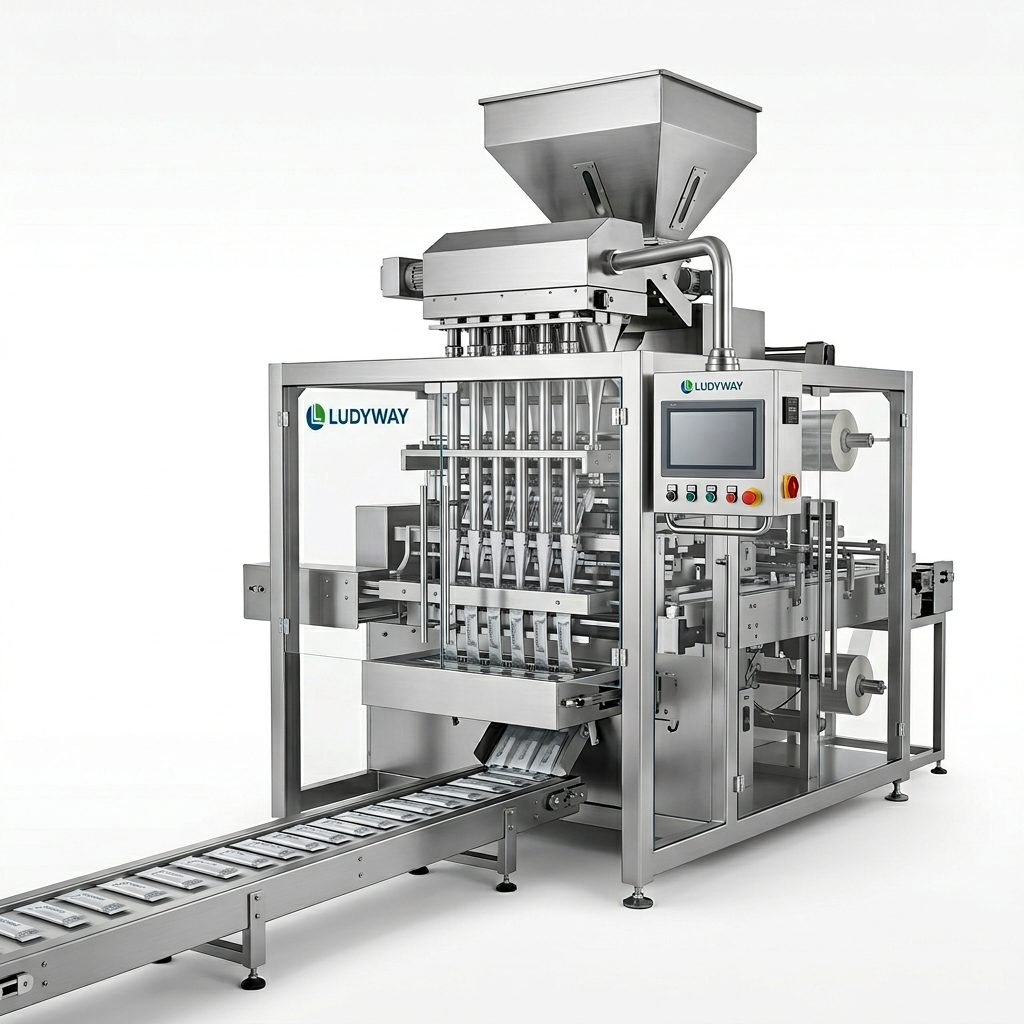
Packaging machines range from semi-automatic units requiring significant operator involvement to fully automated systems that integrate with upstream and downstream equipment. Your choice depends on labor costs, production volume, and long-term scalability goals.
Semi-automatic machines are suitable for lower volumes and offer lower upfront investment. Operators manually feed products or position pouches. Fully automatic systems, by contrast, handle product feeding, filling, sealing, coding, and discharge without manual intervention.
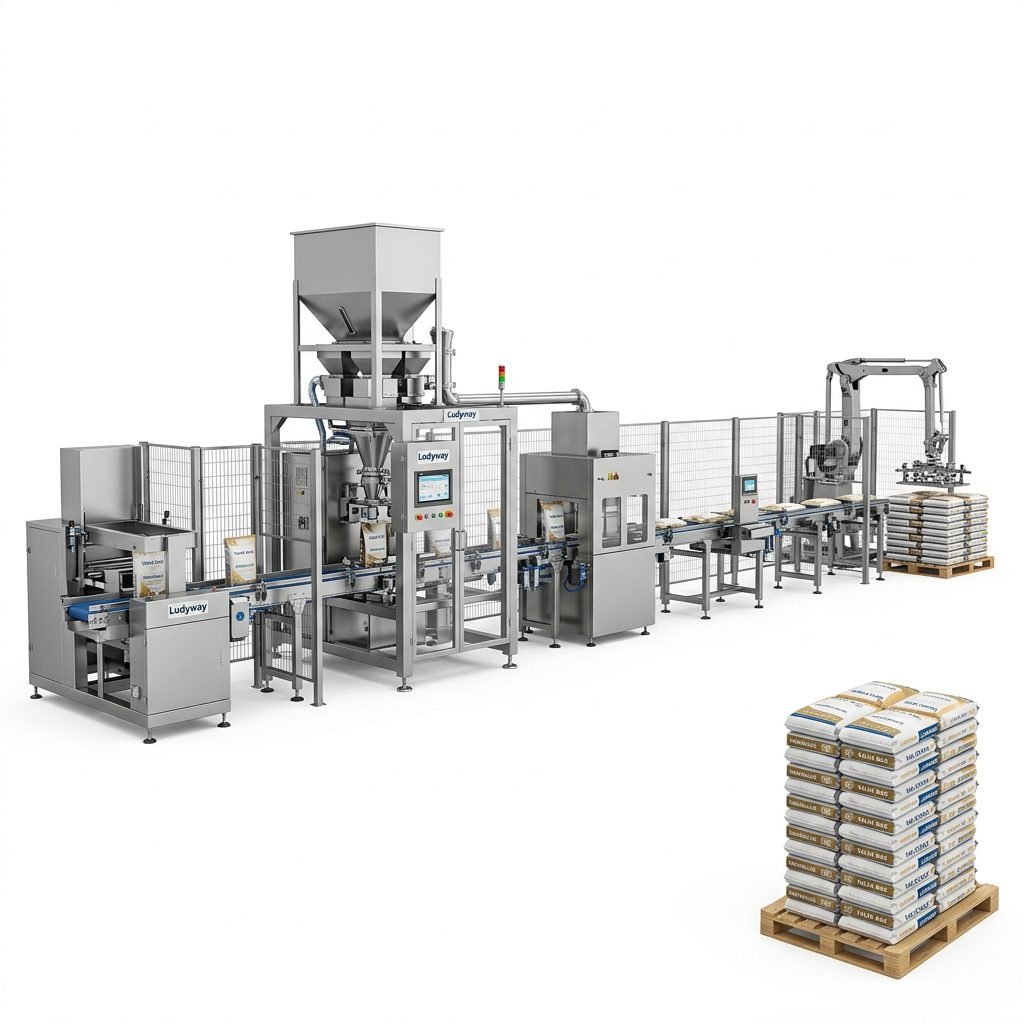
Advanced packaging lines often integrate:
- Automated feeding systems — vibratory feeders, bucket elevators, screw conveyors
- Multi-head weighers or auger fillers for precise dosing
- In-line checkweighers and metal detectors for quality control
- Date coding, batch printing, and labeling systems
- Cartoning, case packing, and palletizing systems at the end of the line
The Flexible Packaging Association reports that integrated automation is a key driver of efficiency in modern packaging operations, reducing labor costs and improving consistency.
Industry-Specific Requirements and Compliance
Different industries impose different requirements on packaging equipment. A machine suitable for packaging dry pet food may not meet the hygiene standards required for pharmaceutical powders or dairy products.
Food and Beverage
Food-grade stainless steel construction (typically 304 or 316L SS), washdown capability, and compliance with HACCP and GMP guidelines are essential. For products like coffee, spices, and seasonings, aroma barrier and oxygen protection are critical.
Pharmaceuticals and Nutraceuticals
Strict regulatory requirements govern pharmaceutical packaging. Equipment must support validated cleaning processes, tamper-evident sealing, and serialization for track-and-trace compliance. 21 CFR Part 11 compliance may be required for electronic records and signatures.
Cosmetics and Personal Care
Aesthetics and precise fill volumes are top priorities. Machines must handle a wide range of product viscosities — from watery toners to thick creams — and accommodate frequent product changeovers with minimal downtime.
Chemicals and Industrial Products
Corrosion-resistant materials, explosion-proof configurations for flammable products, and accurate filling of aggressive liquids or hazardous powders are key considerations. Machines must also comply with local environmental and safety regulations.
Customization vs. Standard Machine Configurations
One of the most important decisions you will face is whether to purchase a standard machine or invest in a customized solution. Standard machines offer faster delivery, lower upfront cost, and proven reliability. However, they may not fully optimize your specific production requirements.
Customized configurations allow you to tailor:
- Filling systems to match your exact product characteristics
- Packaging formats and bag dimensions to your brand requirements
- Automation level and line integration to your existing factory layout
- Material handling and dust collection for challenging products
Working with an experienced manufacturer that offers engineering and customization capabilities can help you achieve the best balance between investment and performance.

Total Cost of Ownership and ROI Analysis
Beyond the initial purchase price, evaluate the total cost of ownership (TCO) over the expected lifespan of the machine — typically 7 to 15 years for well-maintained equipment. TCO includes:
- Energy consumption — efficient servo-driven systems can significantly reduce operating costs
- Consumables and spare parts — availability and cost of replacement parts over time
- Packaging material waste — precision machines minimize film waste during startup and changeover
- Labor requirements — automation level directly affects staffing needs
- Maintenance and service — preventive maintenance schedules and technician availability
- Downtime cost — reliable equipment with strong after-sales support minimizes production losses
Calculate your expected ROI by comparing increased throughput, reduced labor costs, lower material waste, and improved product quality against the total investment.
Evaluating Suppliers and After-Sales Support
The relationship with your equipment supplier extends well beyond the initial purchase. Evaluate potential partners on these criteria:
- Industry experience and track record — how many installations have they completed in your industry?
- Manufacturing and engineering capabilities — do they design and build machines in-house?
- Customization expertise — can they adapt equipment to your specific product and process?
- Installation and commissioning support — do they provide on-site assistance?
- Training programs — comprehensive operator and maintenance training reduces long-term issues
- Spare parts availability — how quickly can critical components be shipped?
- Remote and on-site technical support — what service levels do they offer after installation?
One example of a manufacturer combining in-house engineering with global service capabilities is Ludyway Machinery, a China-based packaging machinery manufacturer with more than 30 years of experience and a 20,000-square-meter facility. The company provides customized packaging solutions — including powder, granule, liquid, stick pack, sachet, and pouch equipment — to manufacturers in over 100 countries. Its integrated approach covers machine selection, system design, installation, commissioning, training, and after-sales support, helping customers work with a single partner throughout the project lifecycle.

Key Questions to Ask Before Buying
- What is the machine’s rated output, and what sustained speed can I realistically expect?
- How quickly can the machine be changed over between different products or pack sizes?
- What level of technical support is available in my region?
- Are spare parts readily available, and what is the typical lead time?
- Does the machine comply with relevant industry standards and regulations for my market?
- Can the supplier provide references or case studies from similar applications?
- What training is included, and how comprehensive is the documentation?
Future-Proofing Your Investment
Packaging trends evolve — sustainability requirements, new packaging materials, and changing consumer preferences can all affect your future needs. Consider machines with modular designs that allow for future upgrades, additional lanes, or new packaging formats without replacing the entire system. Machines compatible with recyclable mono-materials and reduced film thicknesses can help you stay ahead of evolving packaging waste regulations. Integrated data collection and smart factory connectivity also position your operation for Industry 4.0 advancements.
Summary: A Systematic Approach to Machine Selection
Choosing the right packing and sealing machine requires balancing product requirements, production goals, budget constraints, and long-term scalability. Take a systematic approach:
- Analyze your product — understand its physical properties and packaging needs
- Define your packaging format — sachet, stick pack, pouch, bag, or bottle
- Determine required throughput — current and projected production volumes
- Assess material compatibility — film types, seal requirements, barrier properties
- Evaluate automation needs — from semi-automatic to fully integrated lines
- Verify compliance requirements — industry standards and regional regulations
- Calculate total cost of ownership — beyond the initial purchase price
- Select a reliable supplier — with proven experience and strong after-sales support
By methodically evaluating each of these factors, you can identify the equipment that will deliver consistent performance, quality output, and strong return on investment for years to come. For further industry data and market insights, refer to resources from PMMI’s State of the Industry reports and the Flexible Packaging Association’s knowledge hub.