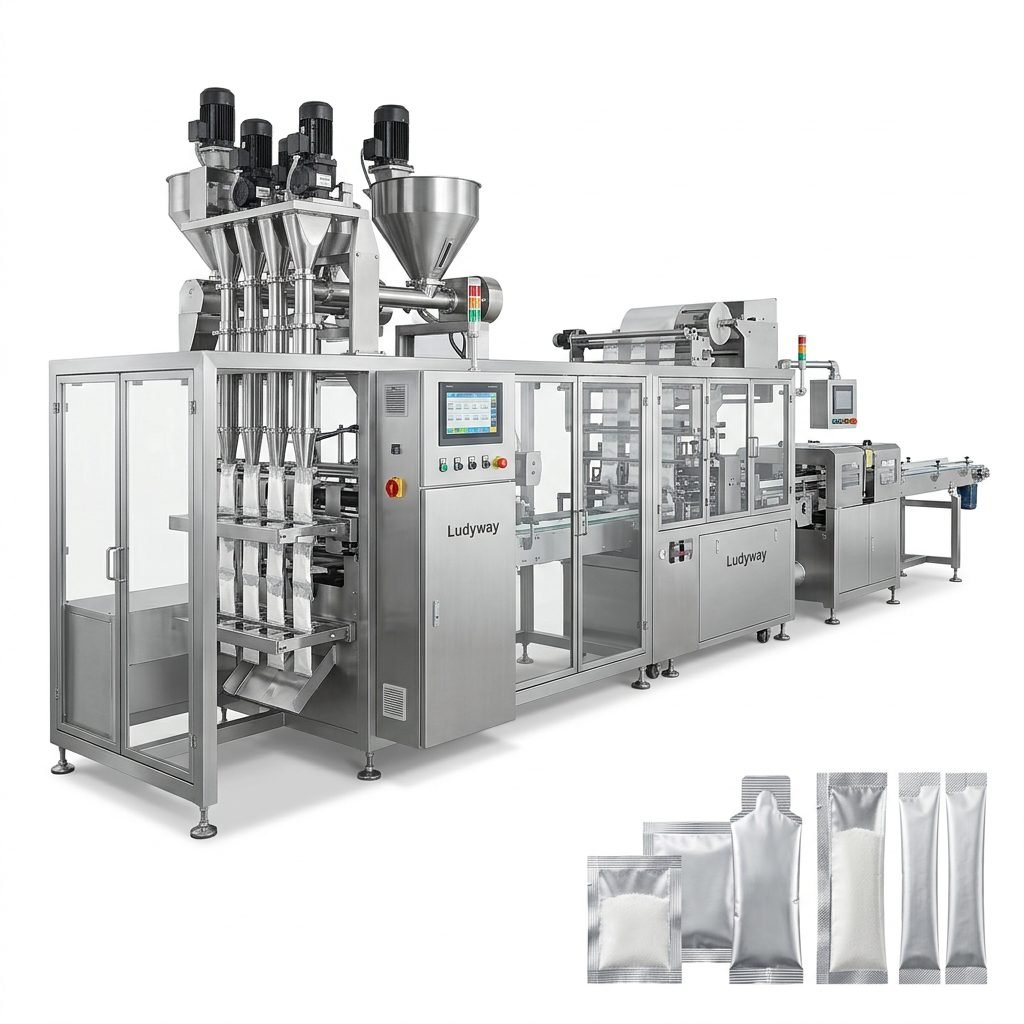
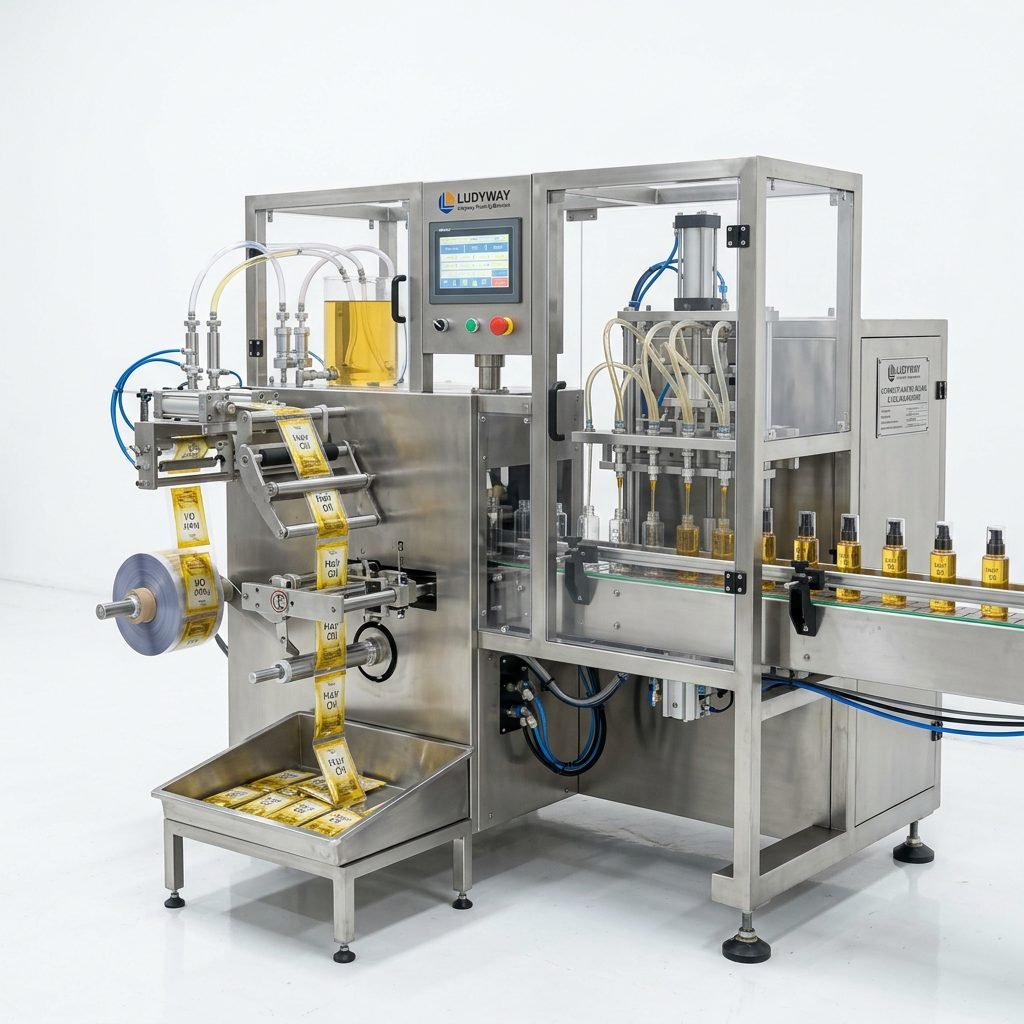
Establishing a protein bar packaging machine production line in Oceania requires careful planning, from understanding regional market demands to selecting the right equipment and ensuring compliance with local standards. This guide walks you through every critical step, helping you build a high-efficiency, future-ready packaging operation in Australia, New Zealand, and the broader Pacific region.
Understanding the Oceania Protein Bar Market
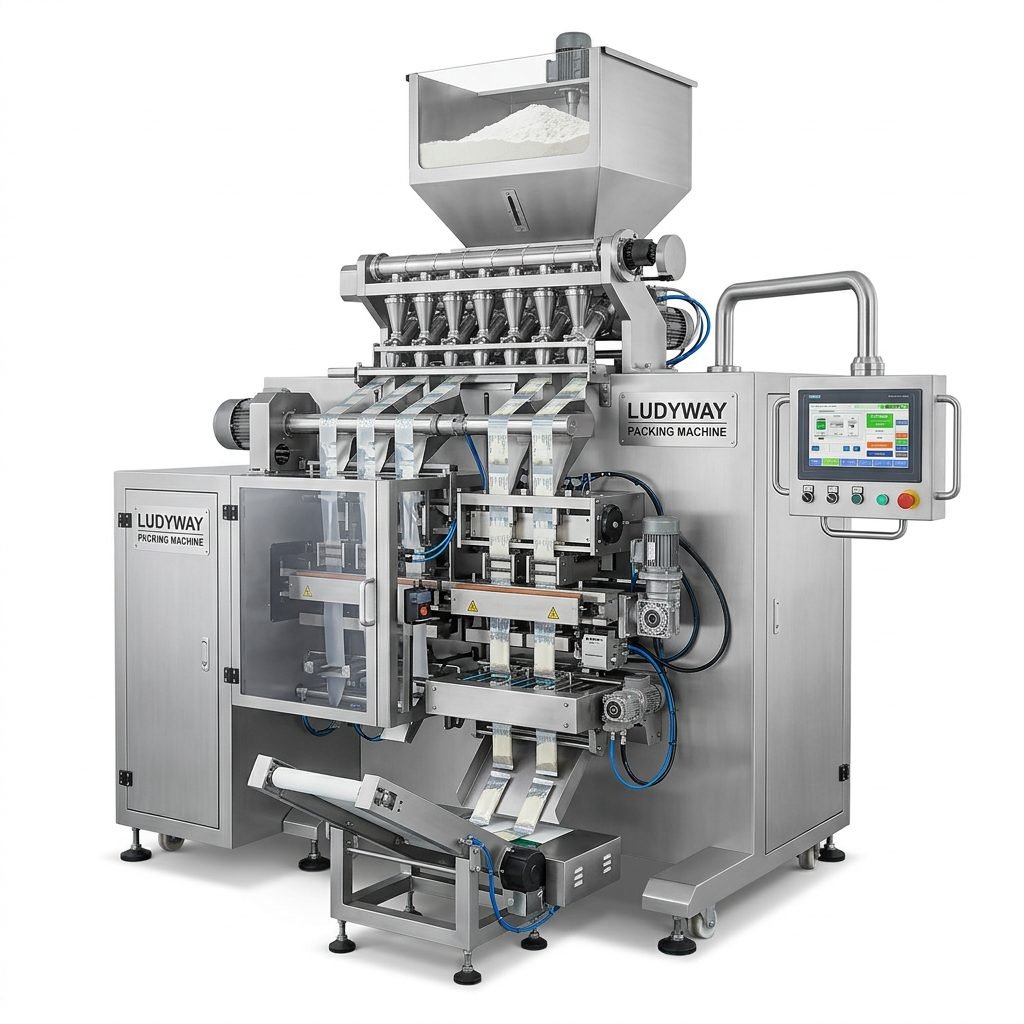
The Oceania region has witnessed a surge in demand for functional nutrition products, with protein bars leading the growth across fitness, wellness, and convenience food categories. Australia alone accounts for a significant share of the Asia-Pacific sports nutrition market, while New Zealand’s health-conscious consumer base continues to expand. Before setting up your production line, it is essential to analyze local consumption patterns, popular bar formats, and packaging preferences. Multi-lane stick pack and sachet formats are increasingly favored for single-serve protein bars due to their portability and extended shelf life. For broader industry insights, the PMMI Business Intelligence platform offers valuable packaging market data that can inform your strategy.
Key Equipment for a Protein Bar Packaging Line
A complete protein bar packaging production line typically integrates several core machines. The specific configuration depends on your product format—whether you are packaging granule-based bars, powder-filled sachets, or liquid-filled protein pouches. Below are the essential equipment categories you need to evaluate:
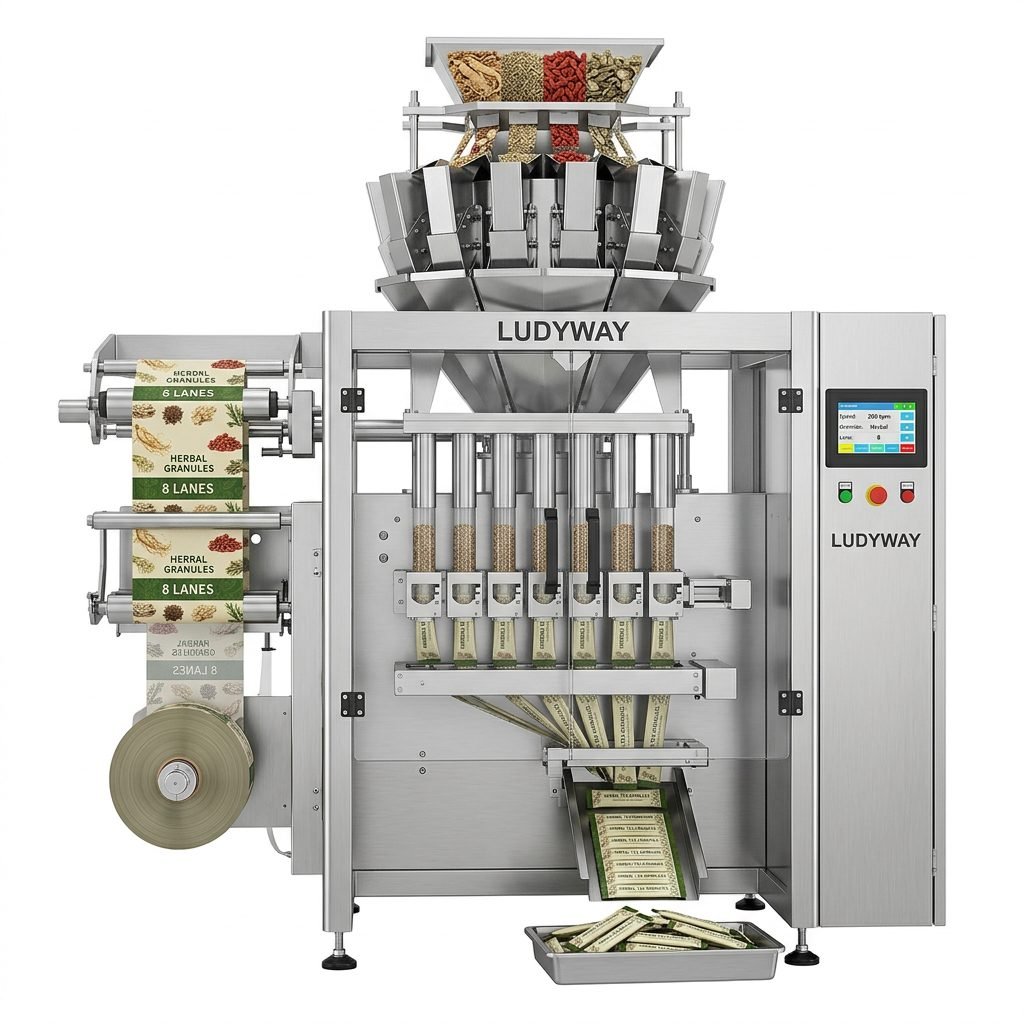
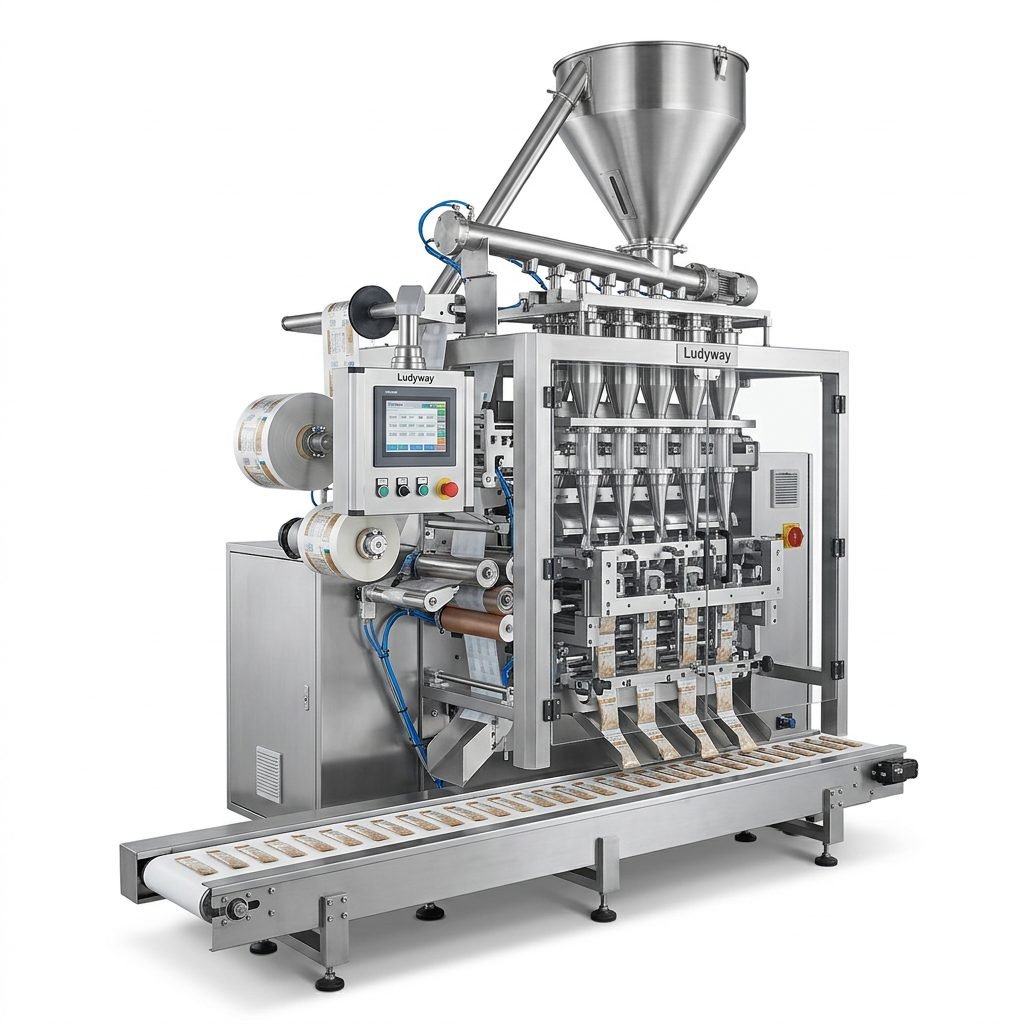
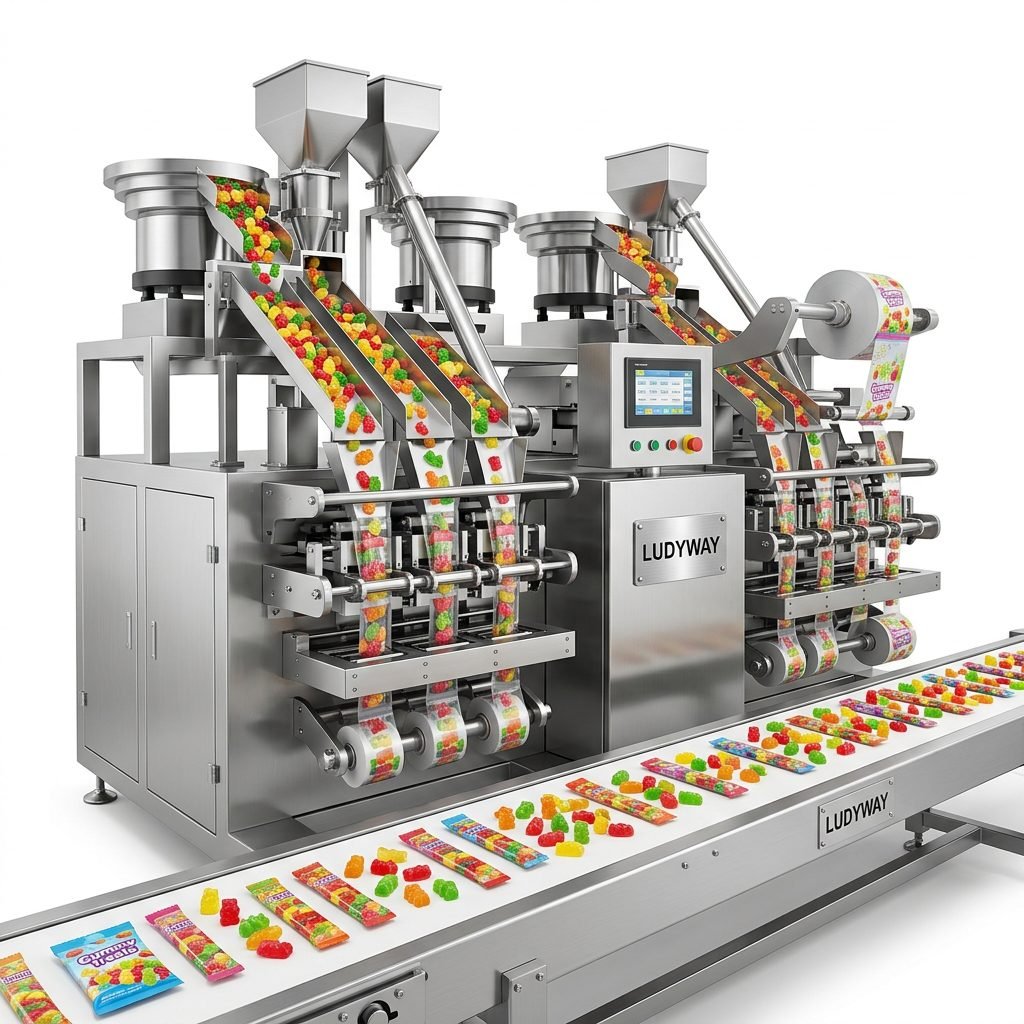
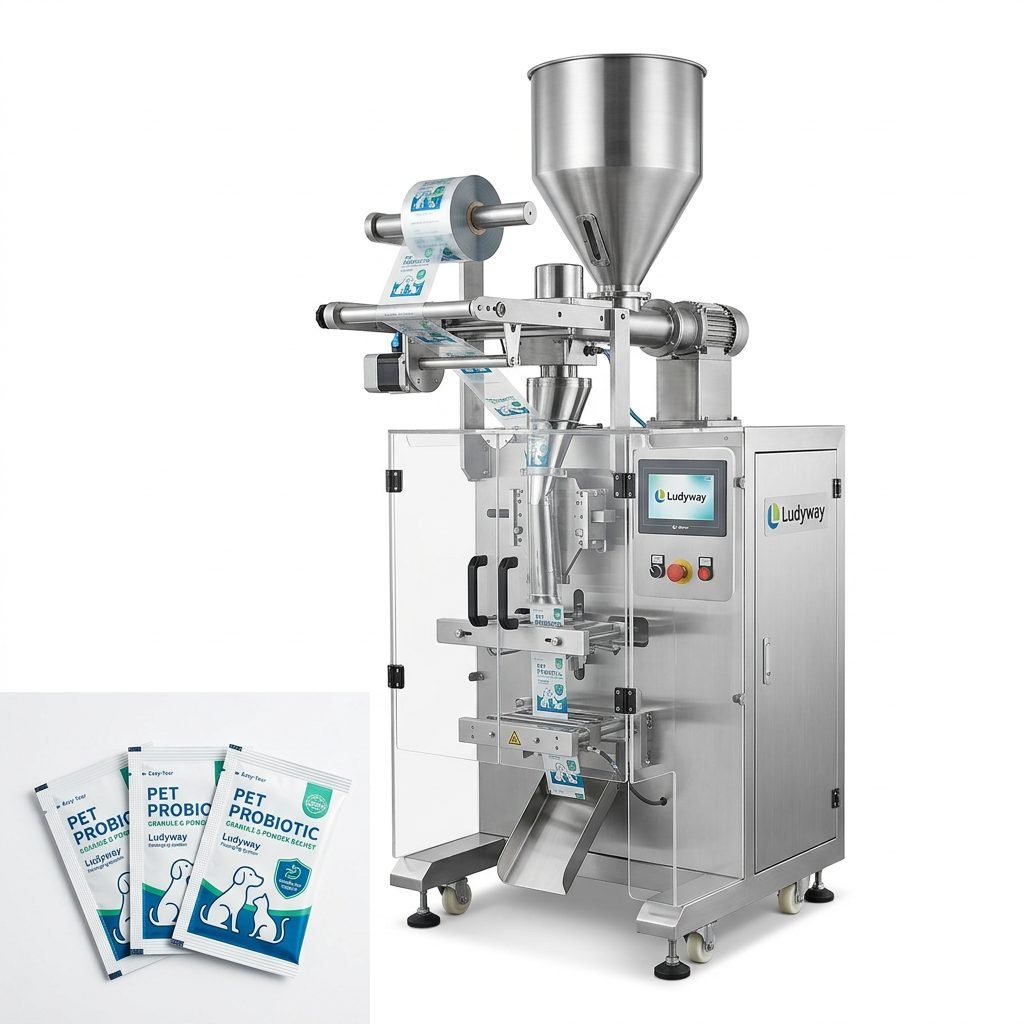
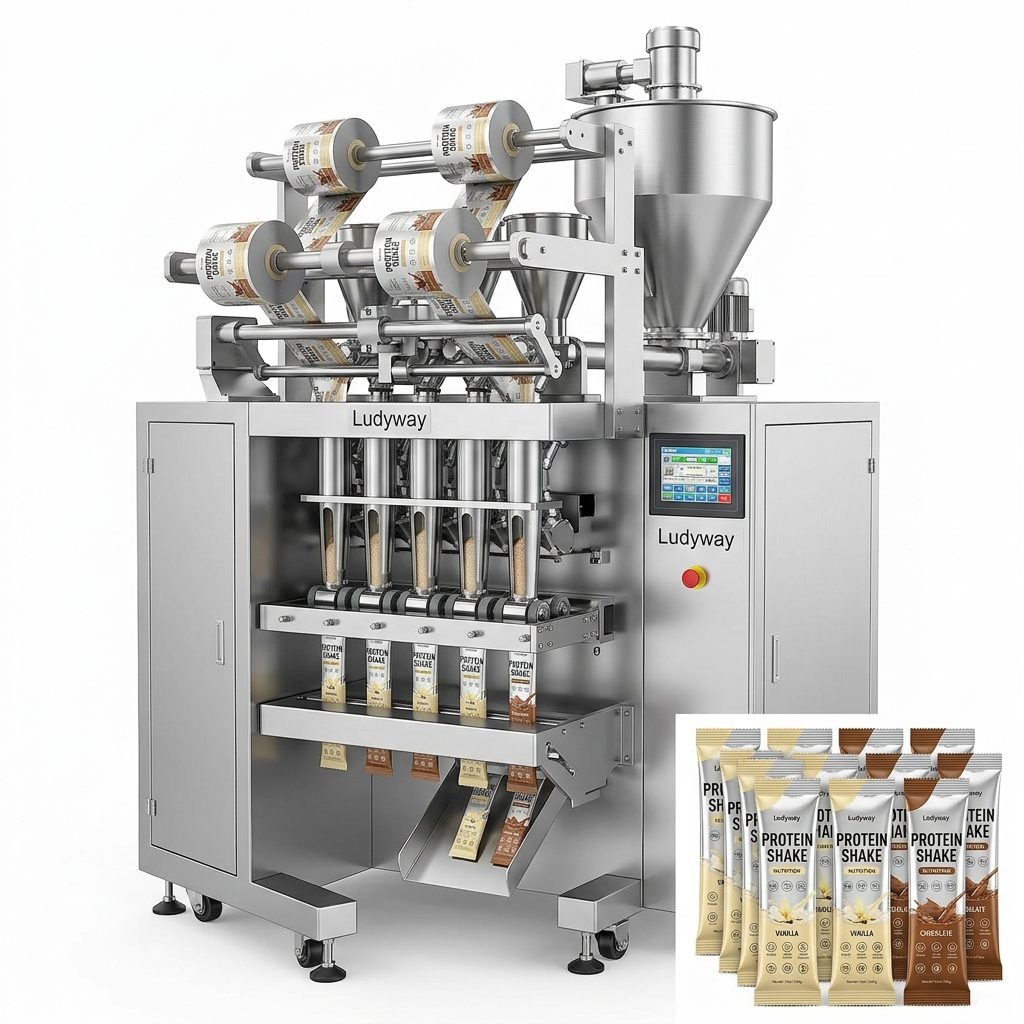
- Multi-Lane Stick Pack Machine: Ideal for single-serve protein powder bars and granule-based bar mixes, offering high-speed filling with precise weight control.
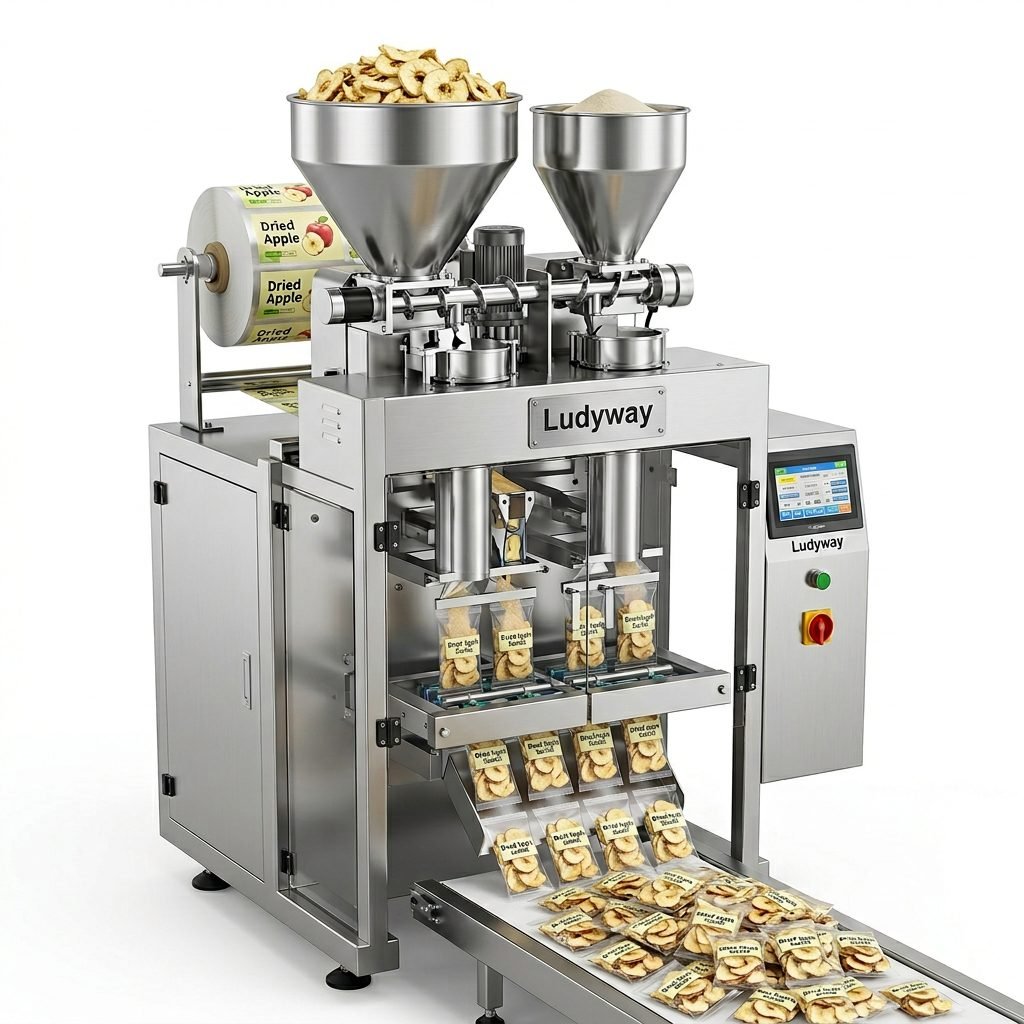
- Flow Wrapping Machine: Suitable for individually wrapped solid protein bars, providing hermetic sealing and extended product freshness.
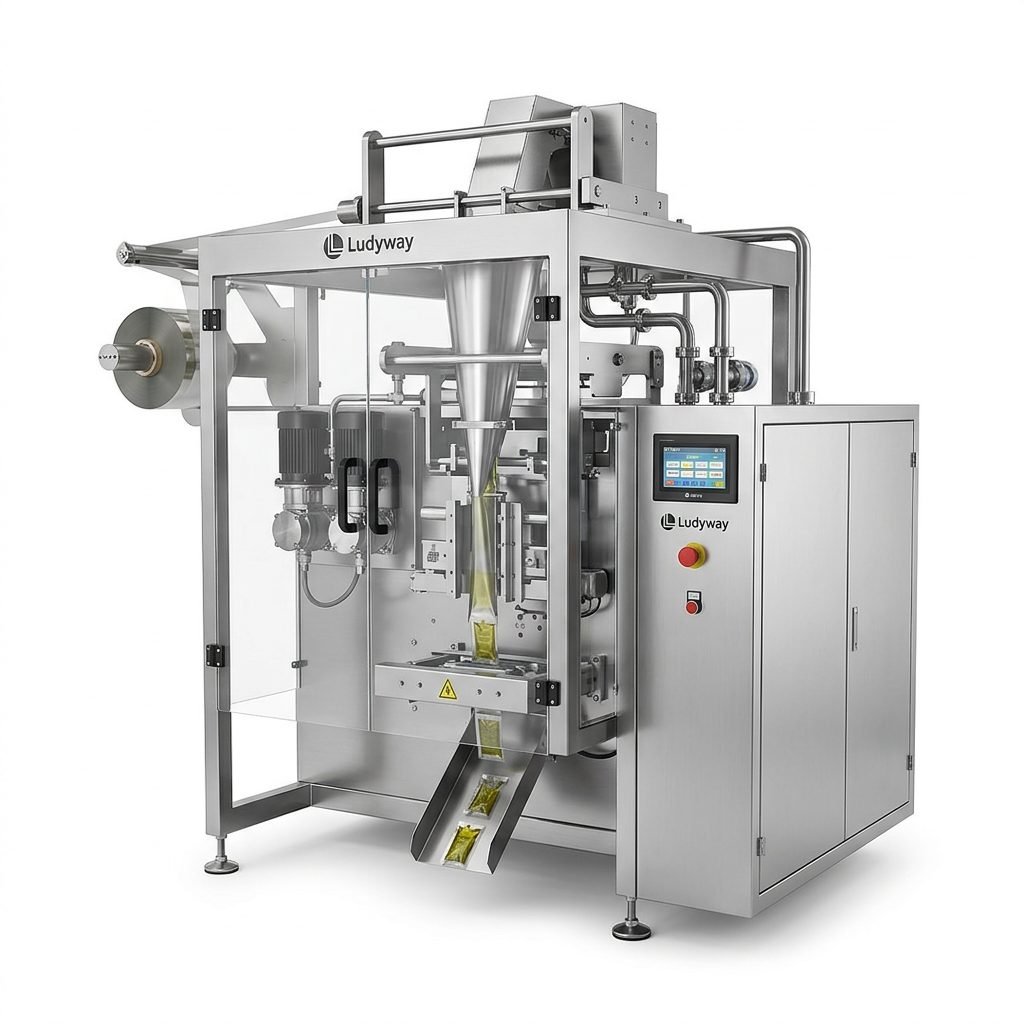
- Sachet Packaging Machine: Perfect for liquid protein shots, gel-based bars, and paste formulations, with multi-lane capability for high-volume production.
- Cartoning and Case Packing Systems: Automates secondary packaging, significantly reducing manual labor and improving throughput consistency.
- Checkweigher and Inspection Equipment: Ensures weight accuracy and detects contaminants, critical for meeting FDA food packaging standards when exporting to international markets.
Production Line Layout and Workflow Design
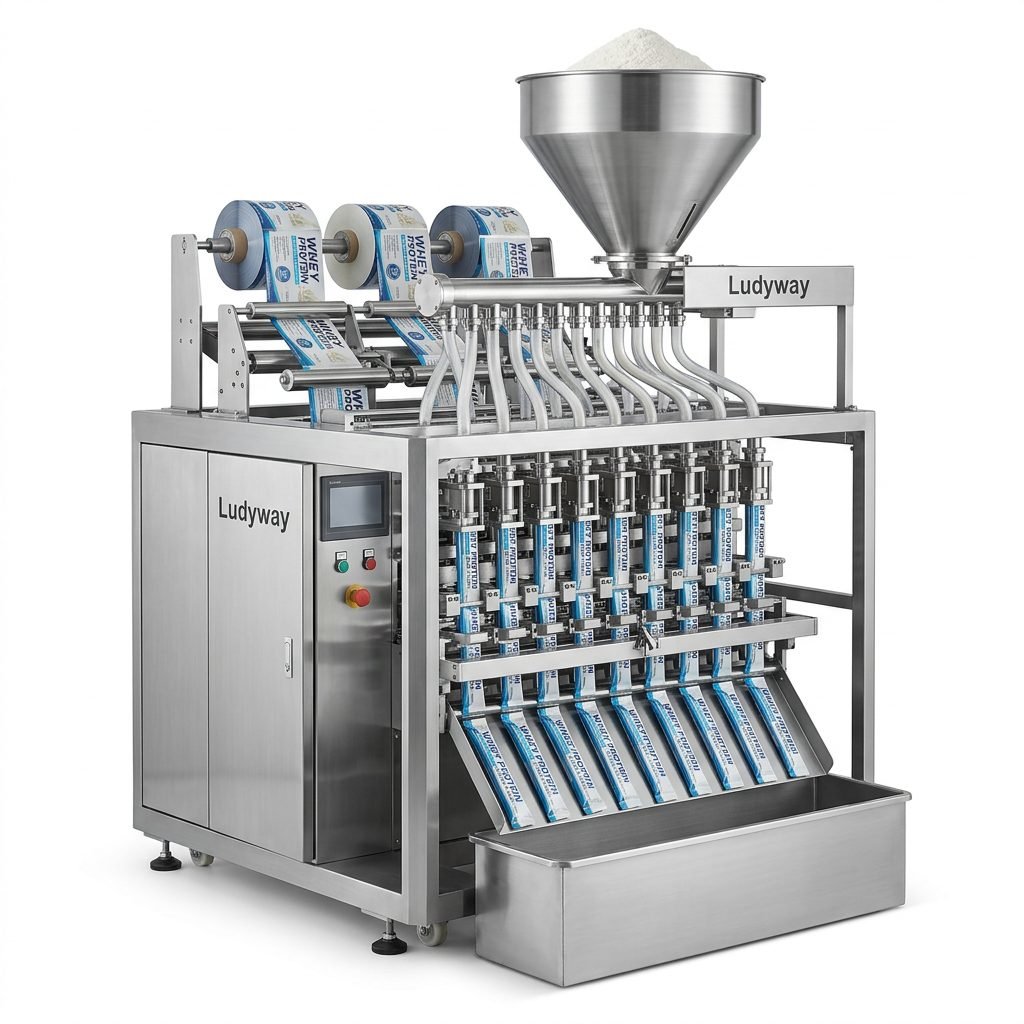
An optimized layout directly impacts production efficiency, worker safety, and maintenance accessibility. When designing your protein bar packaging line in Oceania, consider a linear or U-shaped configuration depending on your factory floor space. The typical workflow follows this sequence:
- Raw Material Feeding — Automated feeding systems deliver precise amounts of protein mix, granule ingredients, or liquid formulations into the packaging machine hopper.
- Primary Packaging — The core packaging unit forms, fills, and seals individual sachets, stick packs, or flow wraps at high speed.
- Quality Inspection — Checkweighers and metal detectors verify each package before it proceeds downstream.
- Secondary Packaging — Cartoning machines group individual units into retail-ready boxes or multi-packs.
- Palletizing and Stretch Wrapping — Finished cartons are stacked and wrapped for safe transport across Oceania’s distribution networks.
For up-to-date guidance on packaging machinery standards, refer to resources from the PMMI Association for Packaging and Processing Technologies, which provides comprehensive technical documentation and industry benchmarks.
Regulatory Compliance in Oceania
Navigating the regulatory landscape is critical. Both Food Standards Australia New Zealand (FSANZ) and individual country requirements govern packaging materials, food contact substances, and labeling. Key compliance areas include:
| Regulatory Area | Applicable Standard | Key Consideration |
|---|---|---|
| Food Contact Materials | FSANZ Standard 1.4.3 | Packaging film must not migrate harmful substances into protein bars |
| Labeling Requirements | FSANZ Standard 1.2.1 | Mandatory nutrition information panel and allergen declarations |
| Packaging Waste | APCO Guidelines (Australia) | Sustainable packaging targets for recyclability by 2025 |
| Weights and Measures | National Measurement Act | Strict tolerance for net weight accuracy in pre-packaged goods |
| ISO Packaging Standards | ISO 11607 Series | Internationally recognized packaging validation frameworks |
Selecting the Right Packaging Materials
Your choice of packaging film significantly influences barrier properties, shelf life, and sustainability credentials. Common materials for protein bar packaging in Oceania include metallized polyester (MET-PET), aluminum foil laminates, and recyclable mono-material structures. The Flexible Packaging Association Industry Resources hub provides detailed technical data on film performance characteristics and emerging sustainable alternatives. Consider the following when selecting materials:
- Moisture Barrier: Protein bars are hygroscopic; high-barrier films prevent texture degradation in humid Oceania climates.
- Oxygen Transmission Rate: Low OTR films protect against oxidation of protein ingredients and extend shelf life beyond 12 months.
- Seal Integrity: The film must be compatible with your machine’s sealing temperature range and jaw design.
- Printability: High-quality flexographic or digital print surfaces enhance brand visibility on retail shelves across Oceania.
Automation and Smart Factory Integration
Modern protein bar packaging lines in Oceania increasingly incorporate Industry 4.0 technologies. Automated data collection, remote monitoring, and predictive maintenance capabilities reduce downtime and optimize overall equipment effectiveness. Key automation features to prioritize include servo-driven filling systems for micro-dosing accuracy, automated film splicing for non-stop operation, and integrated vision inspection systems that detect seal defects in real time. These intelligent systems enable manufacturers to achieve production speeds exceeding 400 packs per minute on multi-lane configurations while maintaining consistent quality.
Benefits of a Fully Integrated Line
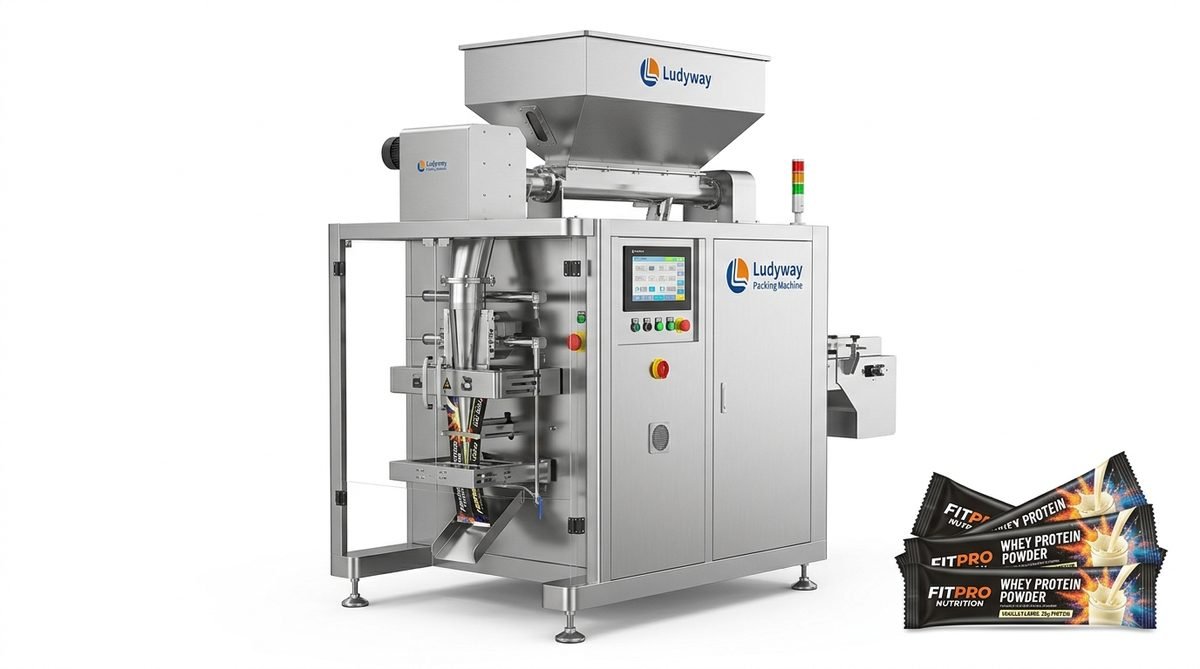
A turnkey approach—where a single provider engineers the complete line from feeding to palletizing—offers distinct advantages. Ludyway, as one of the leading packaging machine manufacturers with over 30 years of industry experience, delivers integrated solutions that streamline installation, reduce compatibility risks, and simplify after-sales support. For insights into global packaging machinery growth trends, the PMMI 2025 State of the Industry Report offers comprehensive analysis of automation adoption rates across different regions.
Installation and Operator Training
Proper installation and thorough training are fundamental to achieving rapid return on investment. In Oceania, skilled packaging technicians may be limited in certain areas, so investing in comprehensive operator training programs is highly recommended. Training should cover machine setup, daily maintenance procedures, troubleshooting common faults, and safety protocols. Additionally, remote technical support capabilities have become increasingly valuable, allowing Oceania-based operators to receive real-time assistance from equipment manufacturers regardless of time zone differences.
Maintenance and Spare Parts Strategy
A proactive maintenance strategy prevents costly production interruptions. For protein bar packaging lines operating in Oceania, consider the following maintenance tiers:
| Maintenance Level | Frequency | Key Activities |
|---|---|---|
| Daily | Every shift | Clean sealing jaws, inspect film path, check sensor alignment |
| Weekly | Once per week | Lubricate moving parts, verify temperature calibration, inspect belts |
| Monthly | Every 4 weeks | Replace wear components, test safety interlocks, audit OEE metrics |
| Annual | Yearly | Full mechanical overhaul, software updates, comprehensive performance validation |
Maintaining an adequate inventory of critical spare parts—including sealing jaws, thermocouples, belts, and sensors—is essential for minimizing downtime in Oceania’s remote manufacturing locations where shipping replacement parts may involve extended lead times.
Cost Considerations and ROI Analysis
Budgeting for a protein bar packaging line in Oceania involves more than the initial equipment price. Factor in the following cost elements to build an accurate financial model:
- Capital Equipment: The primary packaging machine, conveyors, cartoning systems, and palletizing units represent the largest upfront investment.
- Shipping and Customs: Ocean freight to Oceania ports, import duties, and local transportation can add 8-15% to equipment costs.
- Installation and Commissioning: Budget for technician travel, on-site assembly, and production trial runs.
- Training: Comprehensive operator and maintenance training programs ensure your team can run the line efficiently from day one.
- Consumables: Packaging film, printing ink, and lubricants represent ongoing operational expenses.
- Energy Consumption: Modern servo-driven machines offer up to 30% energy savings compared to older pneumatic systems, significantly reducing long-term operating costs.
Most well-planned protein bar packaging lines in Oceania achieve full ROI within 18 to 24 months, driven by increased throughput, reduced labor costs, and improved product consistency that strengthens brand reputation.
Sustainability and Packaging Waste Reduction
Sustainability is a growing priority across Oceania. Australia’s 2025 National Packaging Targets and New Zealand’s waste minimization initiatives are pushing manufacturers toward recyclable, reusable, or compostable packaging formats. When configuring your protein bar packaging line, consider equipment compatibility with mono-material recyclable films and the ability to reduce material usage through right-sizing package dimensions. The Flexible Packaging Association offers extensive resources on sustainable packaging innovations that align with Oceania’s regulatory trajectory. Additionally, the European Commission Packaging Waste Directive provides a forward-looking framework that often influences Oceania policy development.
Future-Proofing Your Investment
Selecting modular equipment that can be upgraded or reconfigured as your product portfolio expands is a prudent long-term strategy. Look for machines with quick-changeover capabilities that allow you to switch between different bar sizes, formats, and packaging materials with minimal downtime. Servo-driven systems with programmable recipes enable operators to recall settings for different products instantly, supporting the production flexibility that Oceania’s diverse market demands.
By carefully evaluating each of these factors—from regulatory compliance and material selection to automation and maintenance planning—you can successfully establish a high-performance protein bar packaging machine production line in Oceania that delivers consistent quality, operational efficiency, and profitable growth for years to come.