For small business owners in the food industry, finding the right packaging machine is a critical step toward scaling production, ensuring product quality, and maintaining brand consistency. The market offers a dizzying array of options, from simple manual fillers to fully automated lines. Choosing incorrectly can lead to wasted capital, operational bottlenecks, and compromised product safety. This guide is designed to demystify the process, helping you navigate the key considerations and select the best food packaging machine that aligns with your business’s specific needs, budget, and growth trajectory.
Understanding Your Packaging Needs
Before comparing machines, you must first thoroughly understand your own requirements. This foundational step will save you time and money.
Product Characteristics
The physical nature of your product is the primary dictator of machine type. Consider these factors carefully:
• Form: Is your product a granule (like coffee beans or nuts), a powder (like spices or protein powder), a liquid (like sauce or oil), or a solid? Each requires different dispensing and sealing mechanisms.
• Sensitivity: Does the product require protection from moisture, oxygen, or light? This will influence the type of packaging material needed (e.g., foil, multi-layer film) and the machine’s sealing capabilities.
• Portion Size: Are you packaging single-serve sachets, multi-portion sticks, or larger retail bags? Machines like stick pack or sachet packaging machines are designed for smaller, precise portions.
Pro Tip:
Create a detailed product specification sheet. Include viscosity, flowability, particle size, and any special handling requirements. This document is invaluable when consulting with machinery suppliers like Ludyway Packaging Machinery.
Production Volume & Speed
Be realistic about your current output and near-future goals. A machine that is too slow creates bottlenecks, while an overly fast, expensive machine leads to underutilization.
• Low Volume/Startup: Manual or semi-automatic machines are cost-effective and offer flexibility for short runs or multiple product types.
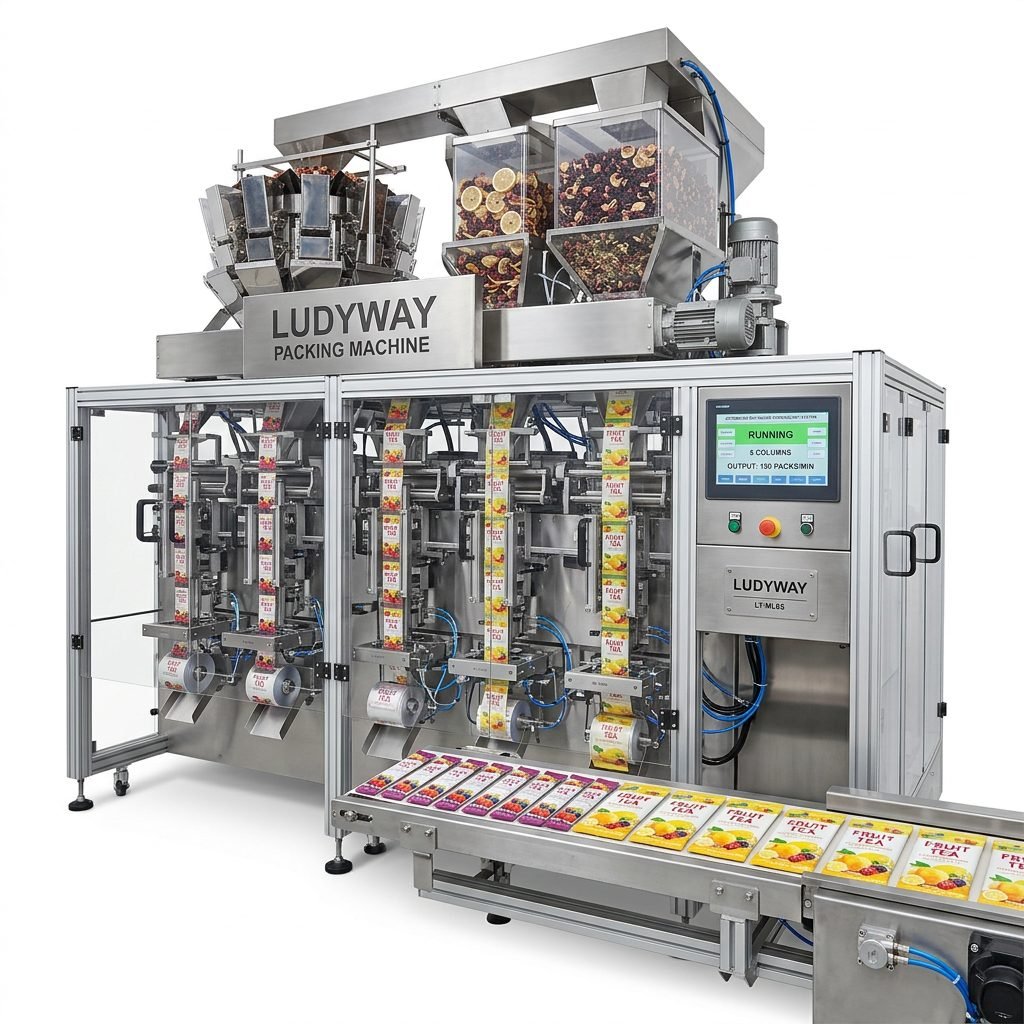
• Medium to High Growth: Look into automatic or fully automatic systems. These significantly increase output (e.g., multi-lane systems can package several units simultaneously) and reduce labor costs per unit.
Types of Food Packaging Machines for Small Businesses
Here’s a breakdown of common machine types suitable for small-scale operations.
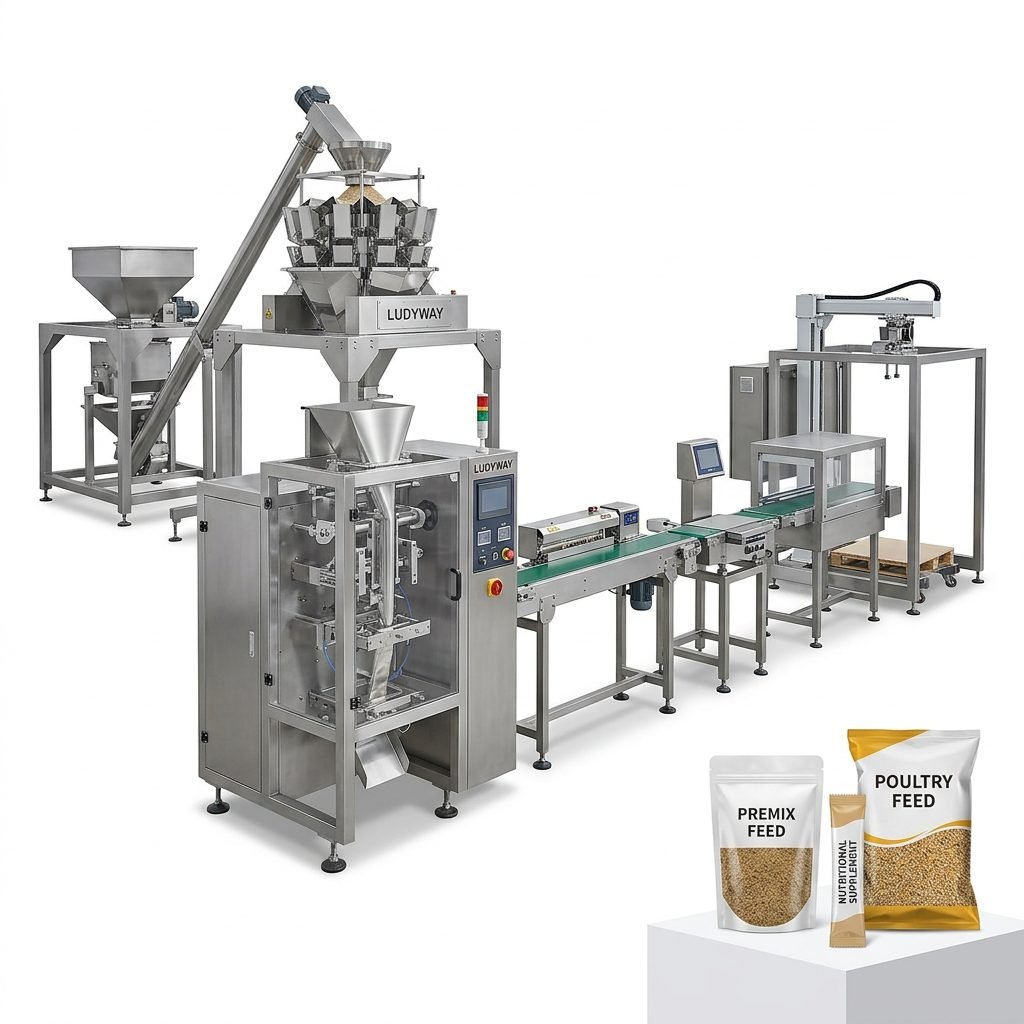
Vertical Form-Fill-Seal (VFFS) Machines
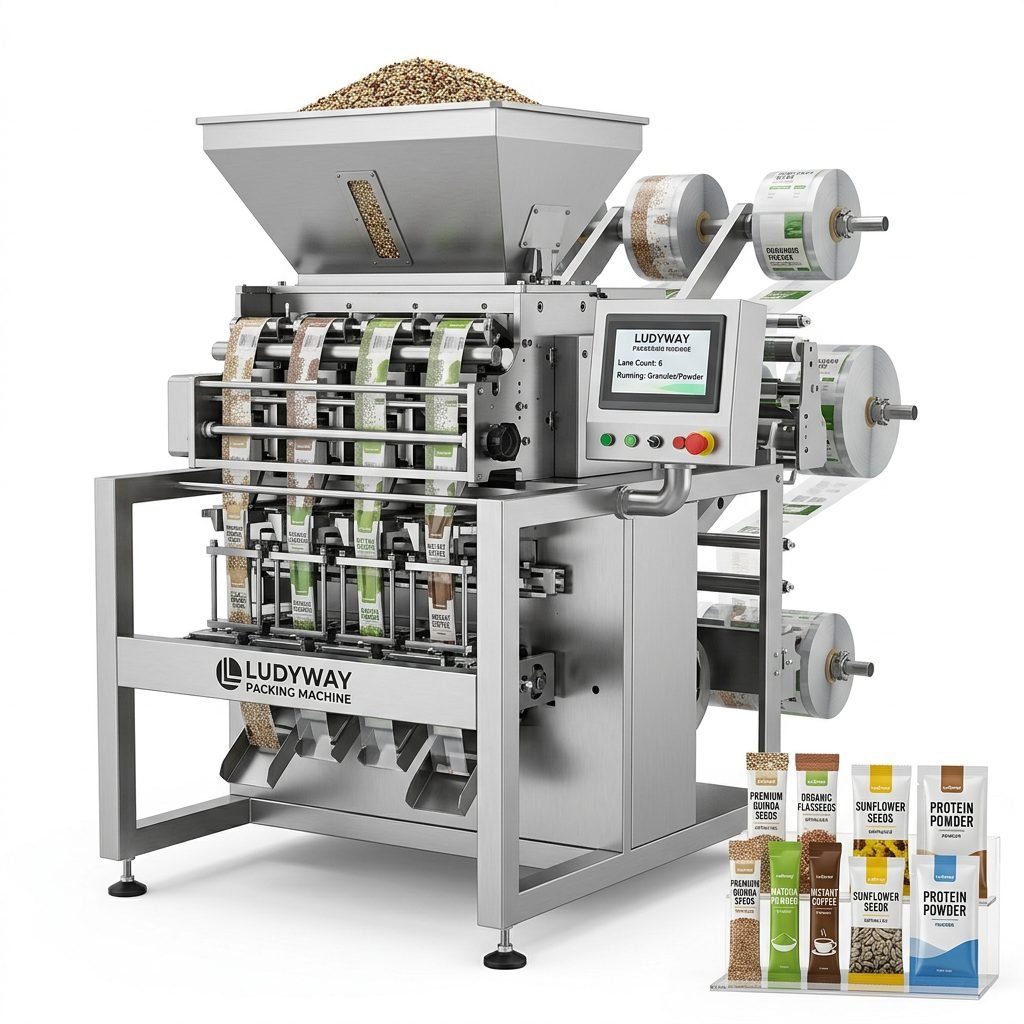
The workhorse of the packaging industry. A VFFS machine forms a bag from a roll of film, fills it with product, and seals it—all in one continuous vertical process. Ideal for granules, powders, and small solids. They are versatile, relatively compact, and perfect for businesses looking to package a variety of dry goods into different bag sizes.
Liquid & Piston Fillers
Designed specifically for viscous products like sauces, dressings, oils, and creams. These machines use precise piston cylinders to draw and dispense a measured volume into pre-made pouches, bottles, or cups. Accuracy is key here to avoid costly product giveaway or underfilling.
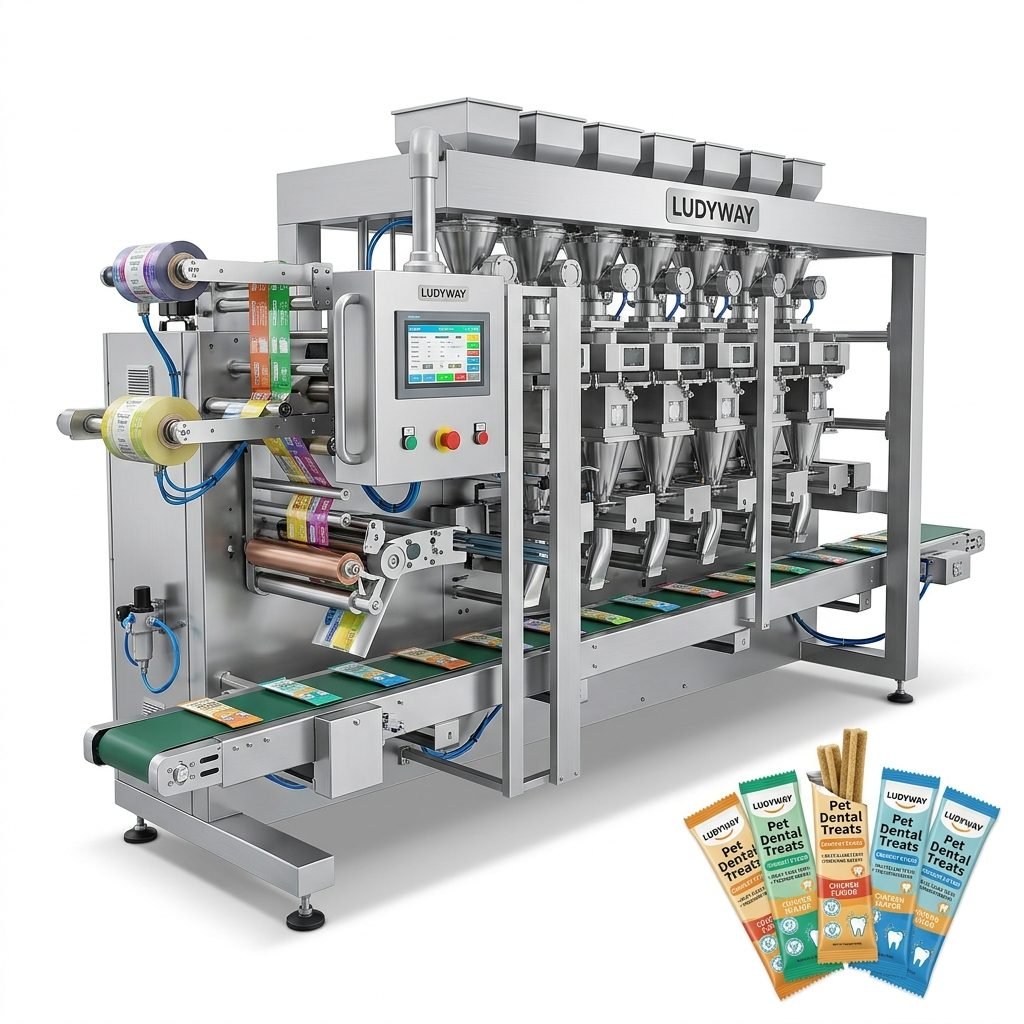
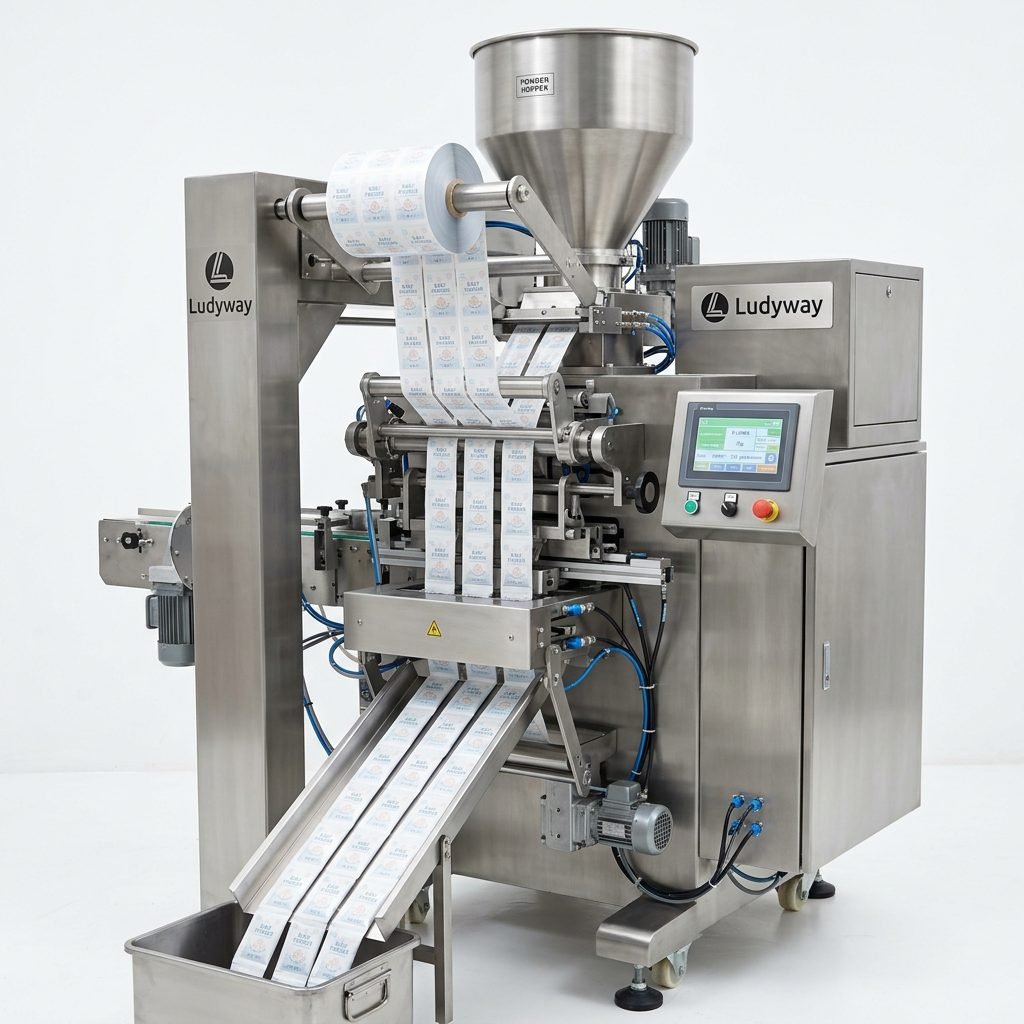
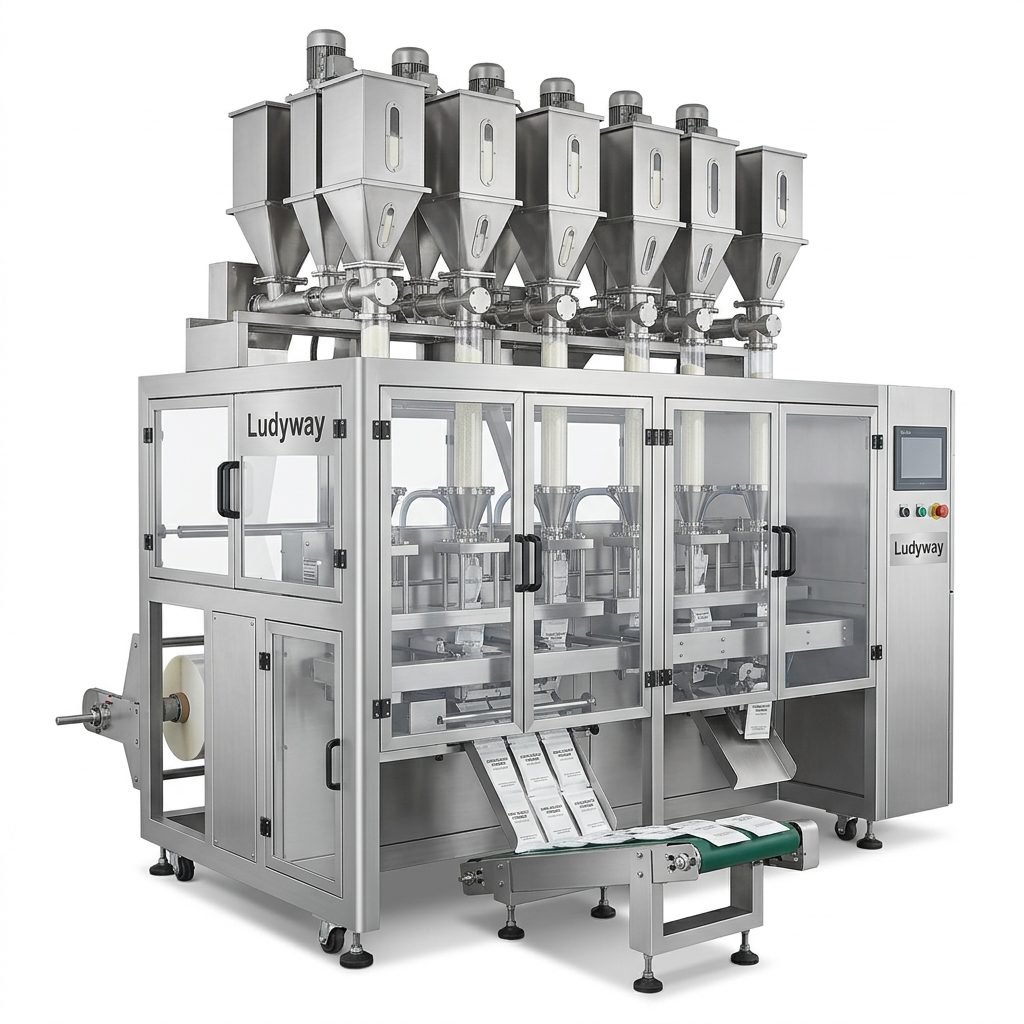
Stick Pack & Sachet Machines
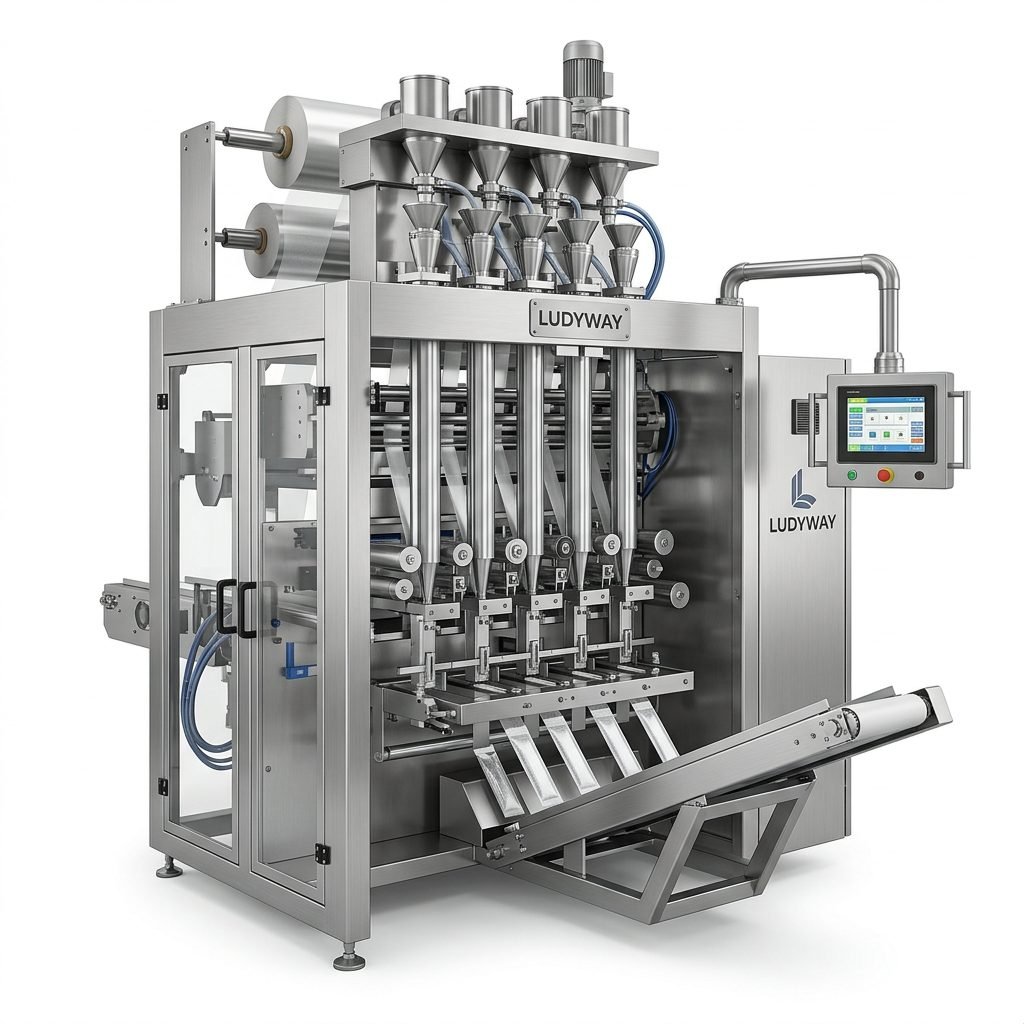
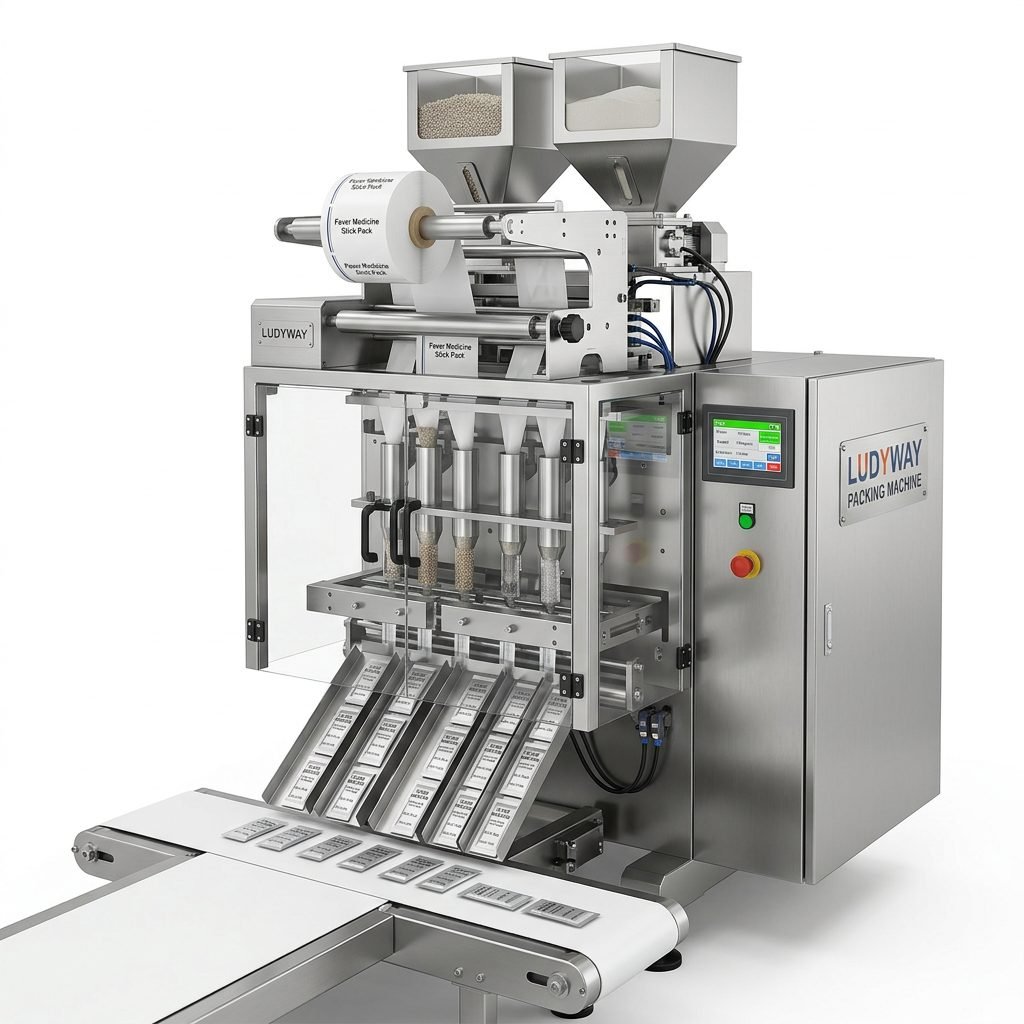
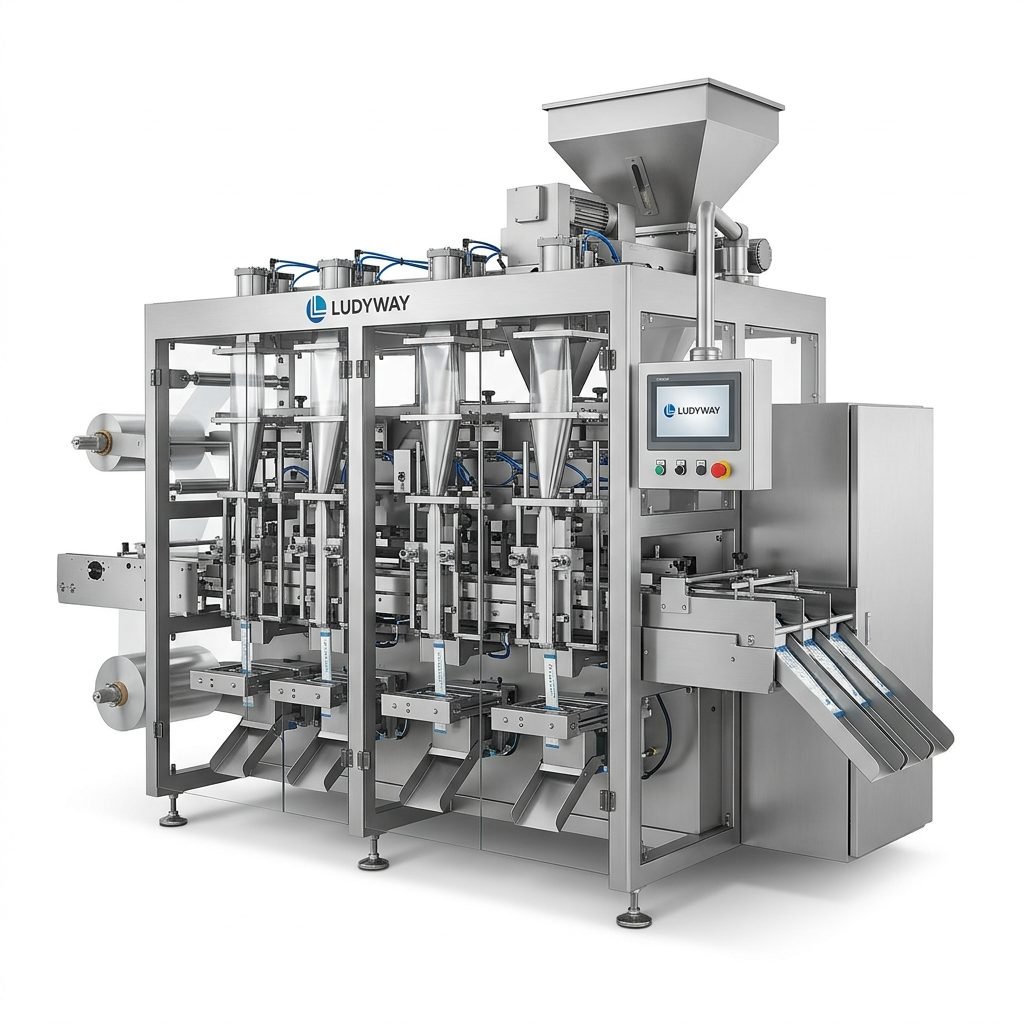
Extremely popular for single-serve portions of coffee, sugar, condiments, supplements, and instant beverages. These machines create small, elongated packets from roll stock and are known for their high-speed capabilities and efficient use of packaging material. A multi-lane stick pack machine can dramatically boost your output for these products.
Tabletop & Semi-Automatic Sealers
The most accessible entry point. These include impulse sealers for closing pre-filled bags, cup sealers for yogurt or pudding, and vacuum sealers for extending shelf life. They require more manual labor but are affordable and excellent for low-volume production or product testing.
Key Selection Criteria: Beyond the Basics
1. Machine Flexibility & Changeover
Can the machine handle different bag sizes or products with minimal downtime for adjustment? Quick-change parts and user-friendly controls are crucial for small businesses that produce multiple SKUs.
2. Hygiene & Construction
Food contact parts should be made of food-grade stainless steel (e.g., 304 or 316L). The design should allow for easy cleaning and sanitization to meet food safety standards. Look for machines with smooth surfaces and minimal crevices.
3. Integration & Future-Proofing
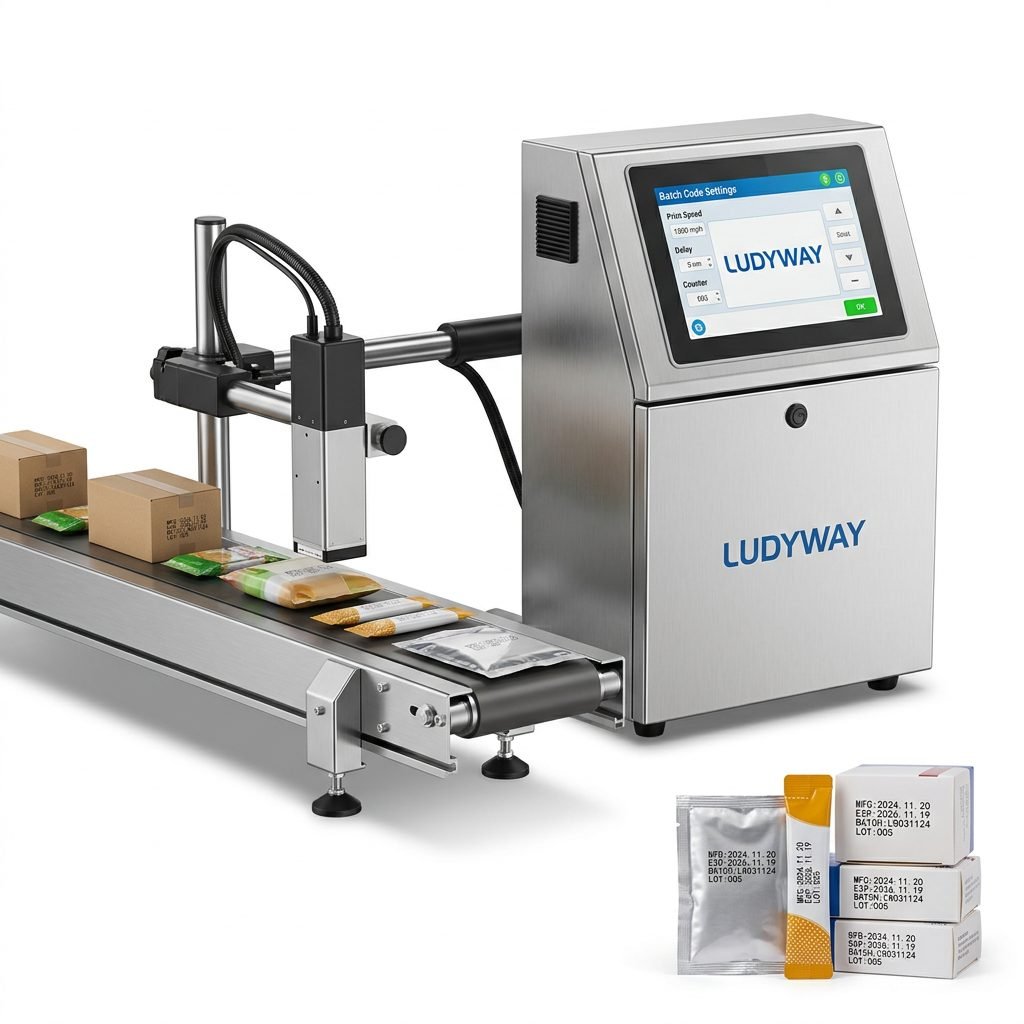
Consider if the machine can be integrated with other equipment later, such as a checkweigher, metal detector, or labeling system. Choosing a machine from a supplier that offers complete turnkey production line solutions can simplify future expansion.
Partnering with an experienced provider like Ludyway Machinery ensures you get advice not just on a single machine, but on a system that can grow with you.
4. Supplier Support & Reliability
This is often the most overlooked yet critical factor. Investigate the supplier’s reputation, experience, and the support they offer.
• Technical Support & Training: Is installation, training, and ongoing technical support included or readily available?
• Spare Parts Availability: How quickly can you get critical spare parts to avoid prolonged downtime?
• Warranty & Service Contracts: Understand the terms of the warranty and options for service agreements.
💡 The Value of a Trusted Partner
A supplier with over 30 years of industry experience brings invaluable insight. They’ve seen the common pitfalls and can guide you toward a robust, reliable solution tailored to global production needs, not just an off-the-shelf machine. Their engineering expertise can help customize solutions for unique challenges.
Budgeting & Total Cost of Ownership
The purchase price is just the beginning. Consider the Total Cost of Ownership (TCO):
• Initial Investment: Machine cost, shipping, and installation.
• Operational Costs: Cost of packaging materials (film, rolls), energy consumption, and required labor.
• Maintenance & Downtime Costs: Cost of routine maintenance, spare parts, and potential production losses during repairs.
Sometimes, investing a bit more upfront in a reliable, efficient machine from a reputable supplier like Ludyway results in a much lower TCO due to higher uptime, better efficiency, and longer machine life.
Making the Final Decision
1. Shortlist Suppliers: Based on your research, identify 2-3 reputable suppliers that offer machines fitting your core criteria.
2. Request Demonstrations: Ask for a live or video demonstration using a product similar to yours. Pay attention to ease of operation, speed, and finished package quality.
3. Check References: Ask for contact information of current customers, preferably with similar business sizes and products.
4. Review the Proposal in Detail: Ensure all costs, specifications, warranty terms, and support services are clearly outlined.
Frequently Asked Questions (FAQs)
Q1: What is the most cost-effective type of packaging machine for a brand-new food business?
A: For very low volumes and multiple products, manual tabletop sealers (impulse or vacuum) are the most affordable. For dedicated production of dry goods, a basic semi-automatic Vertical Form-Fill-Seal (VFFS) machine offers a good balance of automation and cost.
Q2: How important is machine speed for a small business?
A: Match speed to your actual sales volume with room for growth (e.g., 20-30% extra capacity). Over-speccing leads to high idle costs. Consistency and reliability are often more valuable than sheer top speed for a small operation.
Q3: Can one machine package both powders and granules?
A: Many VFFS machines can, but they may require different auger filler systems or hoppers. The key is the machine’s flexibility and how easy it is to change between product types. Discuss your specific product mix with the supplier.
Q4: What are the key maintenance requirements?
A: Daily cleaning of product contact parts, regular lubrication of moving parts as per the manual, and inspection of sealing jaws and cutting blades for wear. A good supplier will provide a clear maintenance schedule.
Q5: Should I buy a used packaging machine?
A: Used machines can offer savings but come with risks: unknown maintenance history, potential obsolescence, and limited or no warranty. It’s only advisable if you have in-house technical expertise or are buying from a very trusted, reputable dealer who can refurbish and support it.