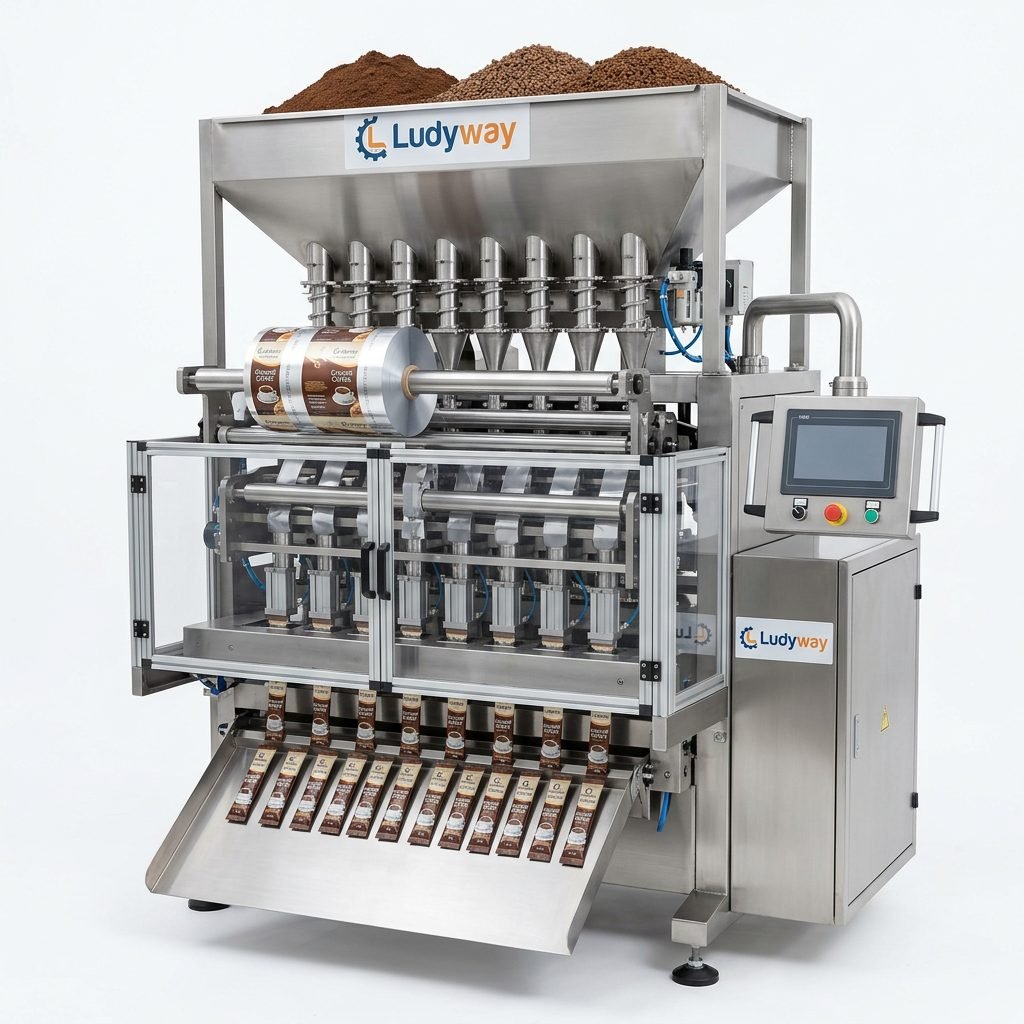
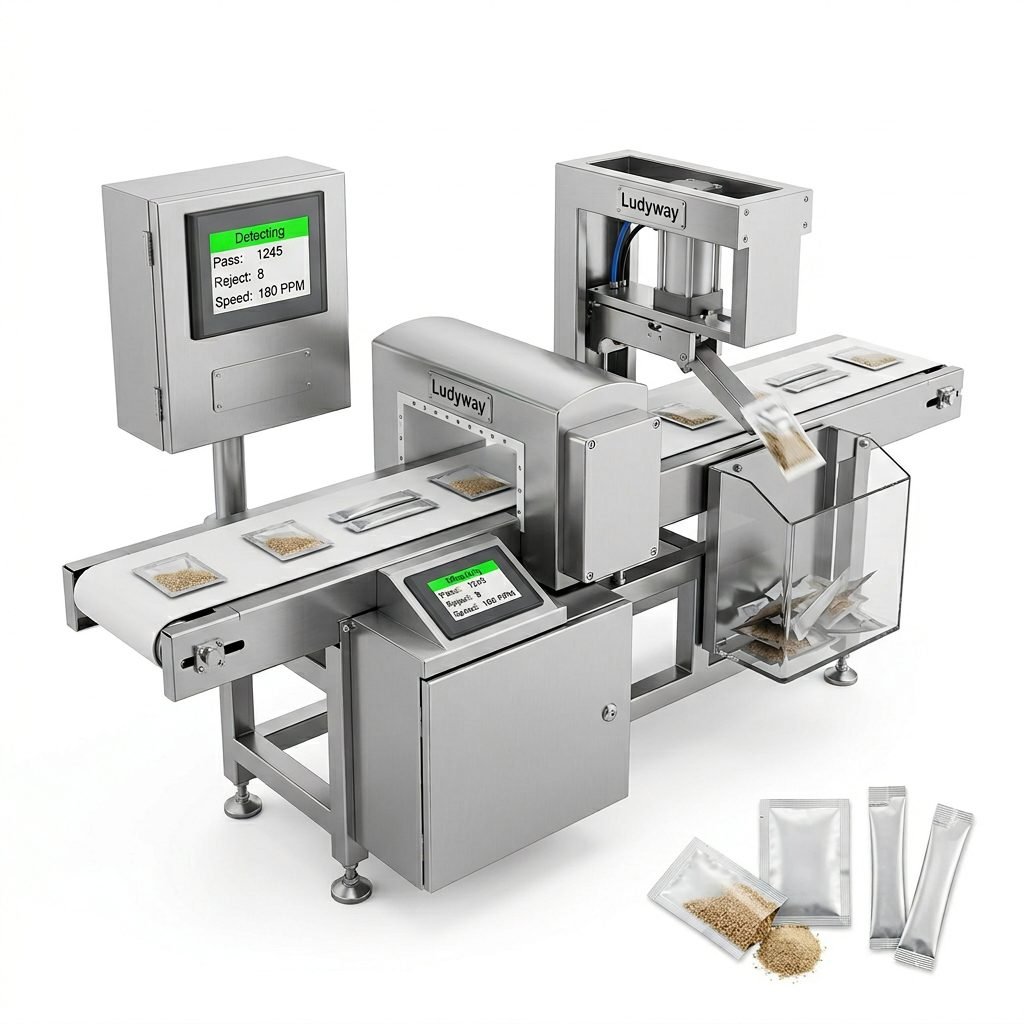
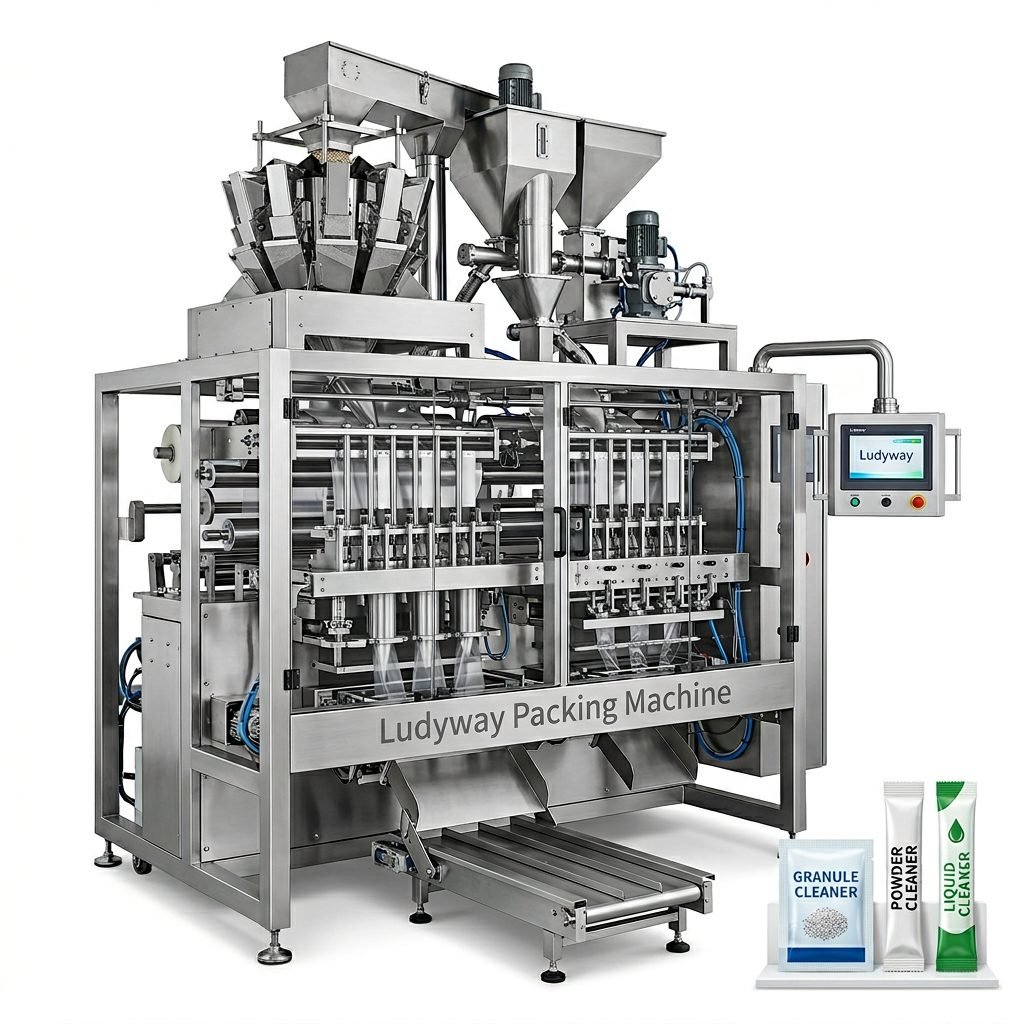
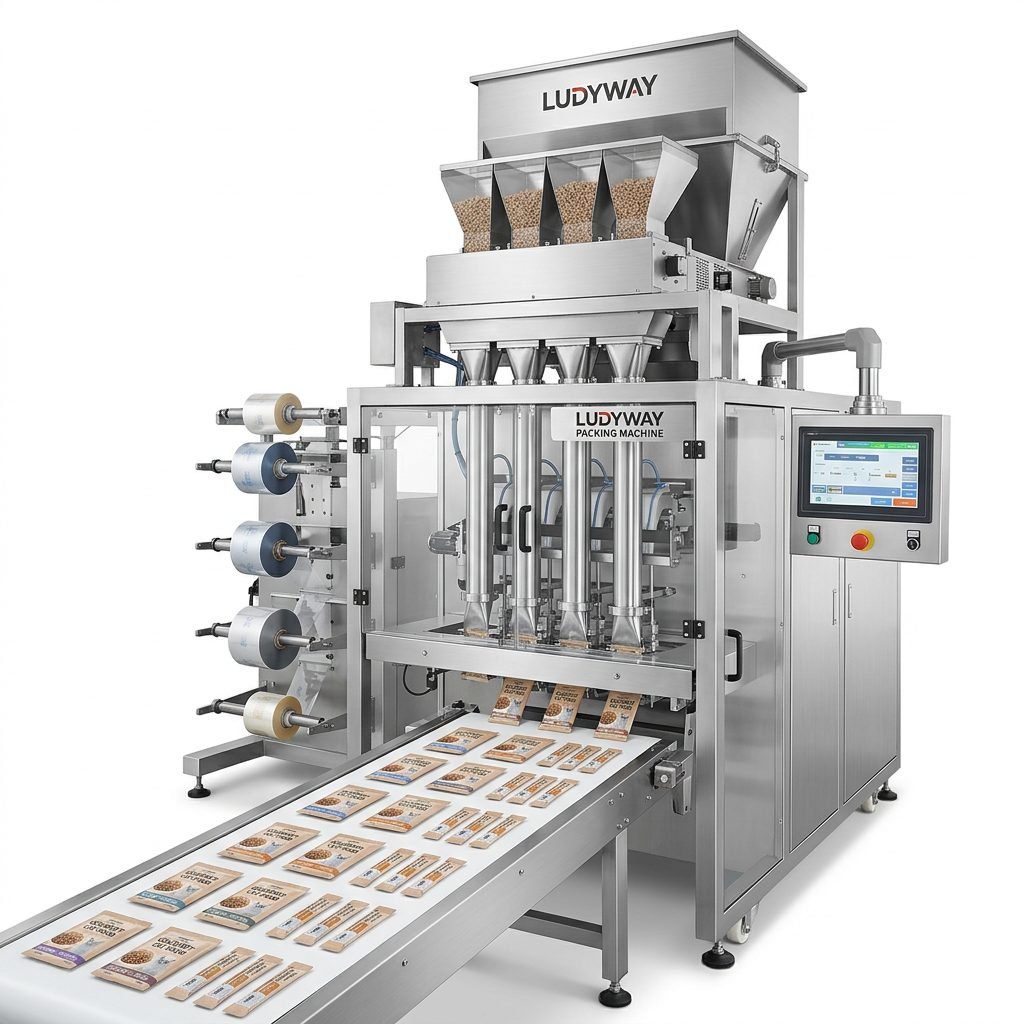
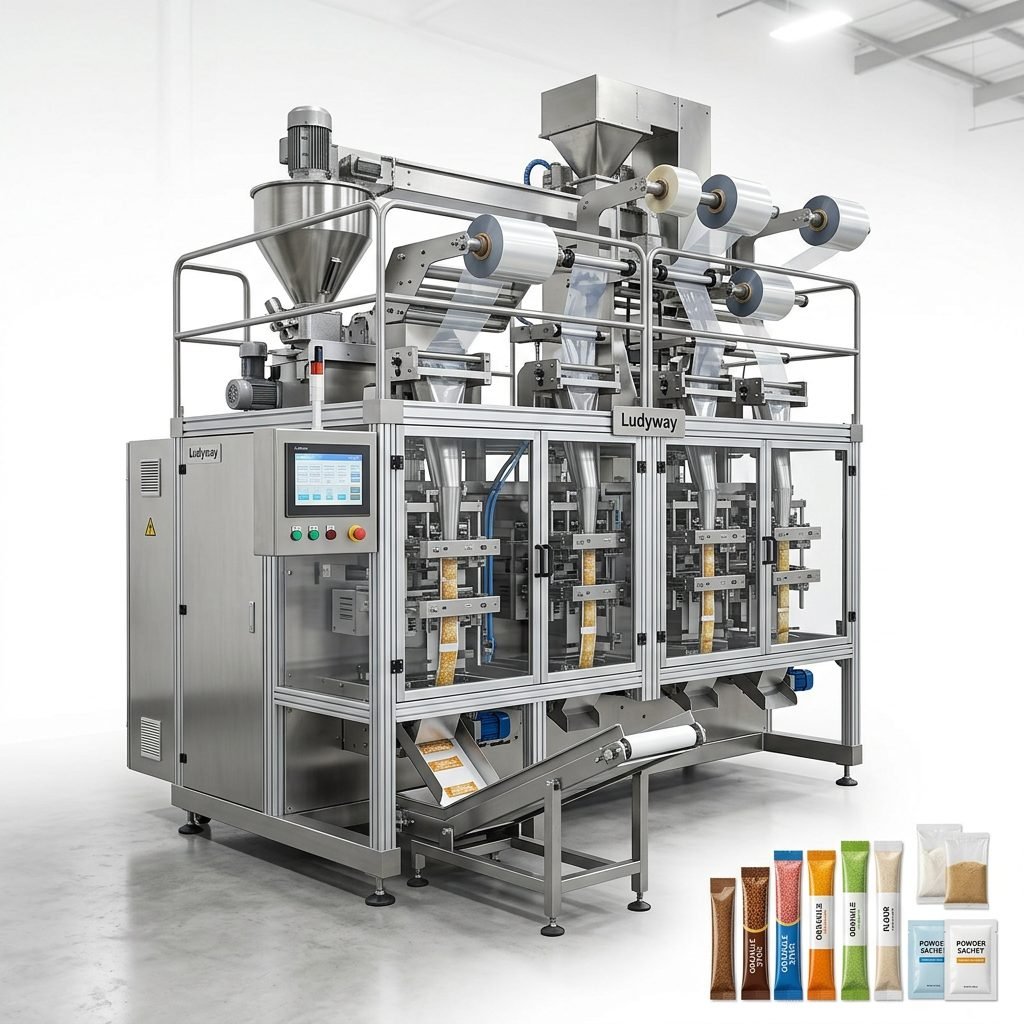
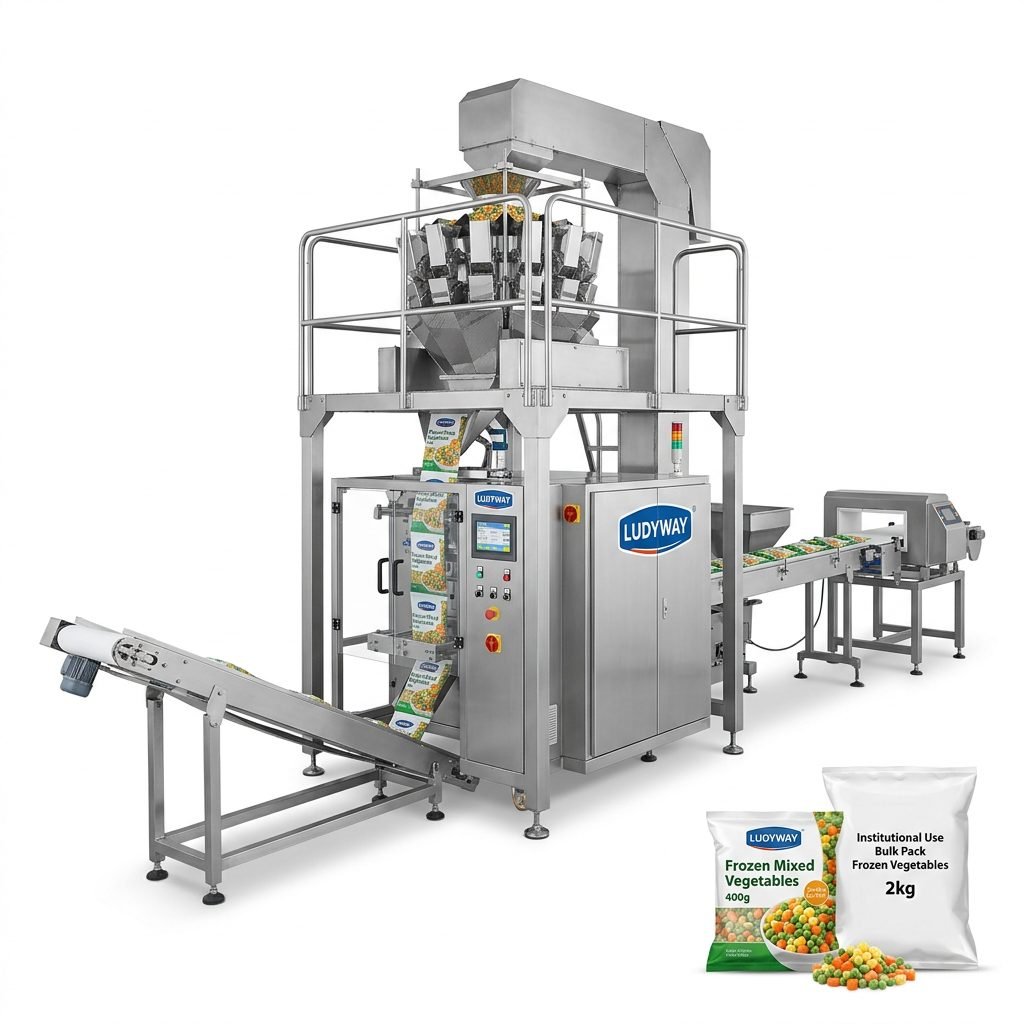
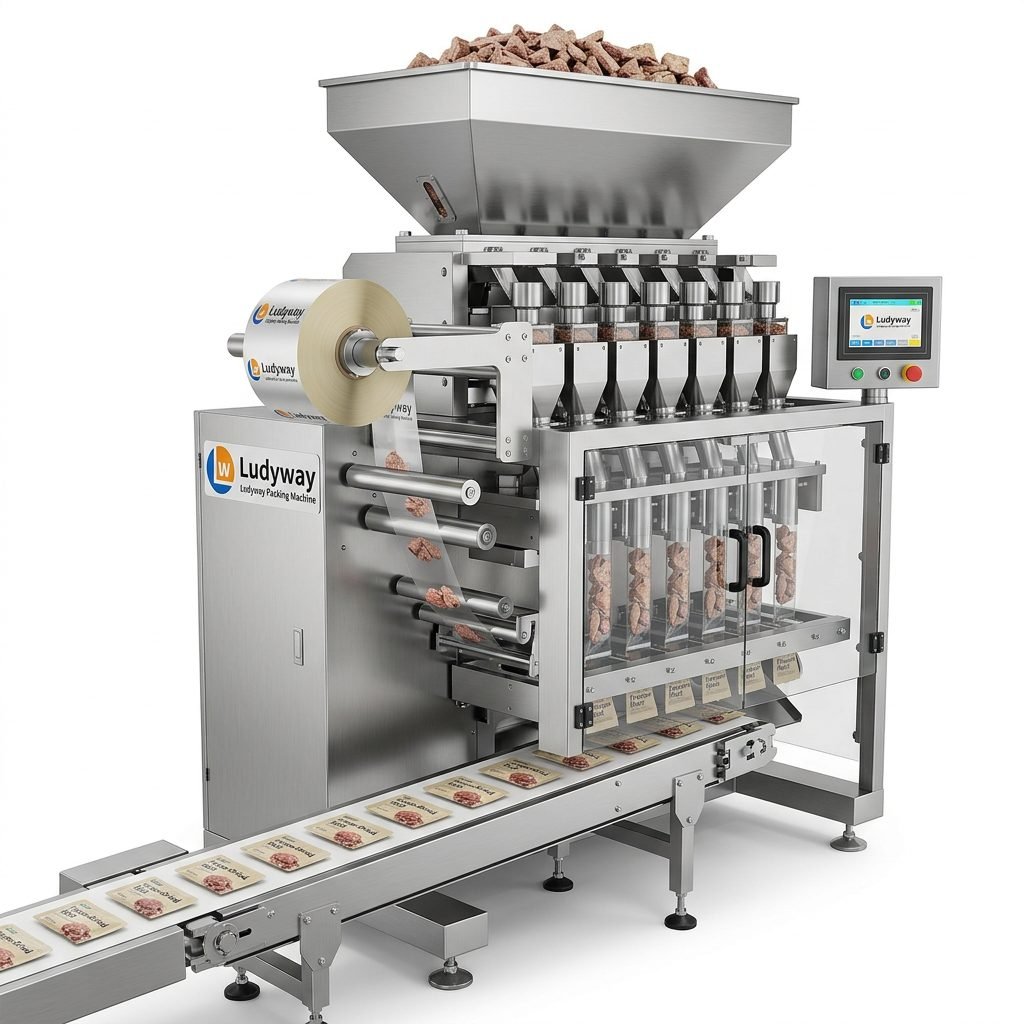
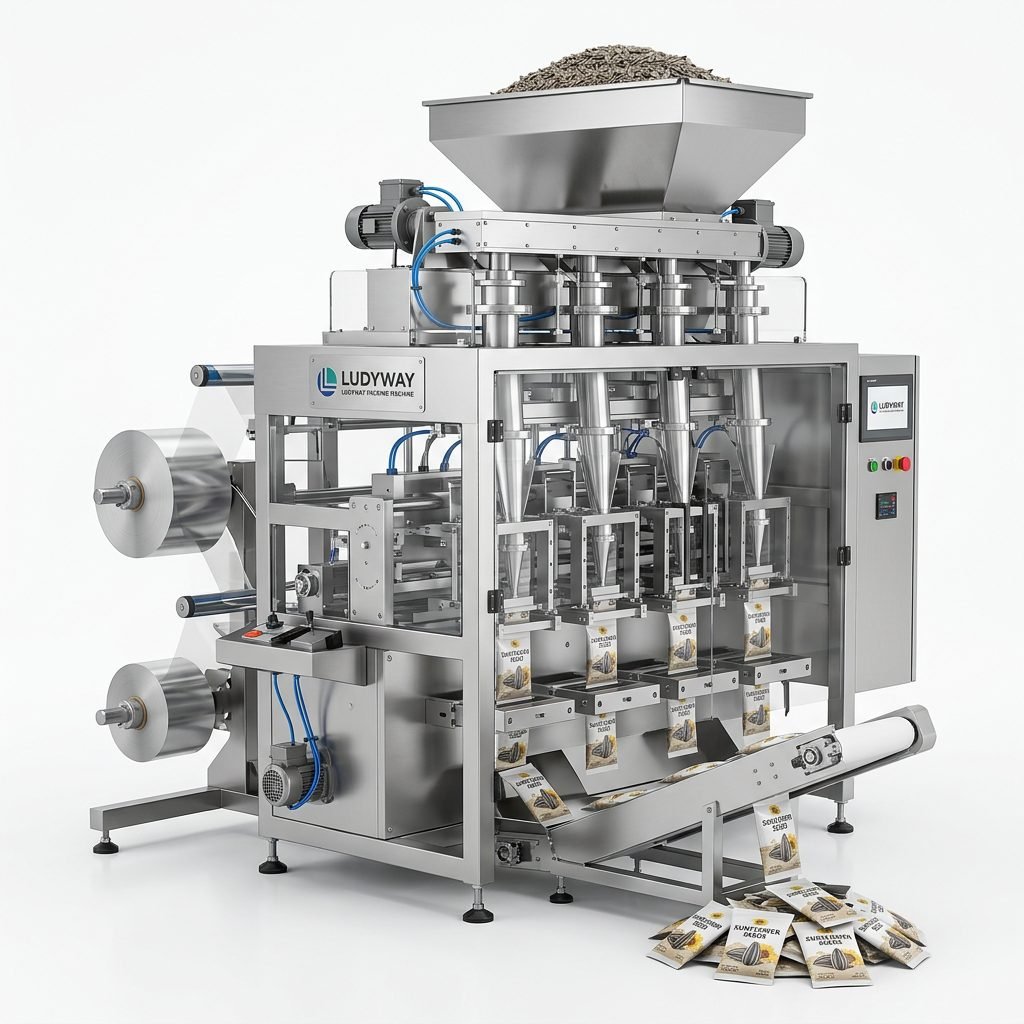
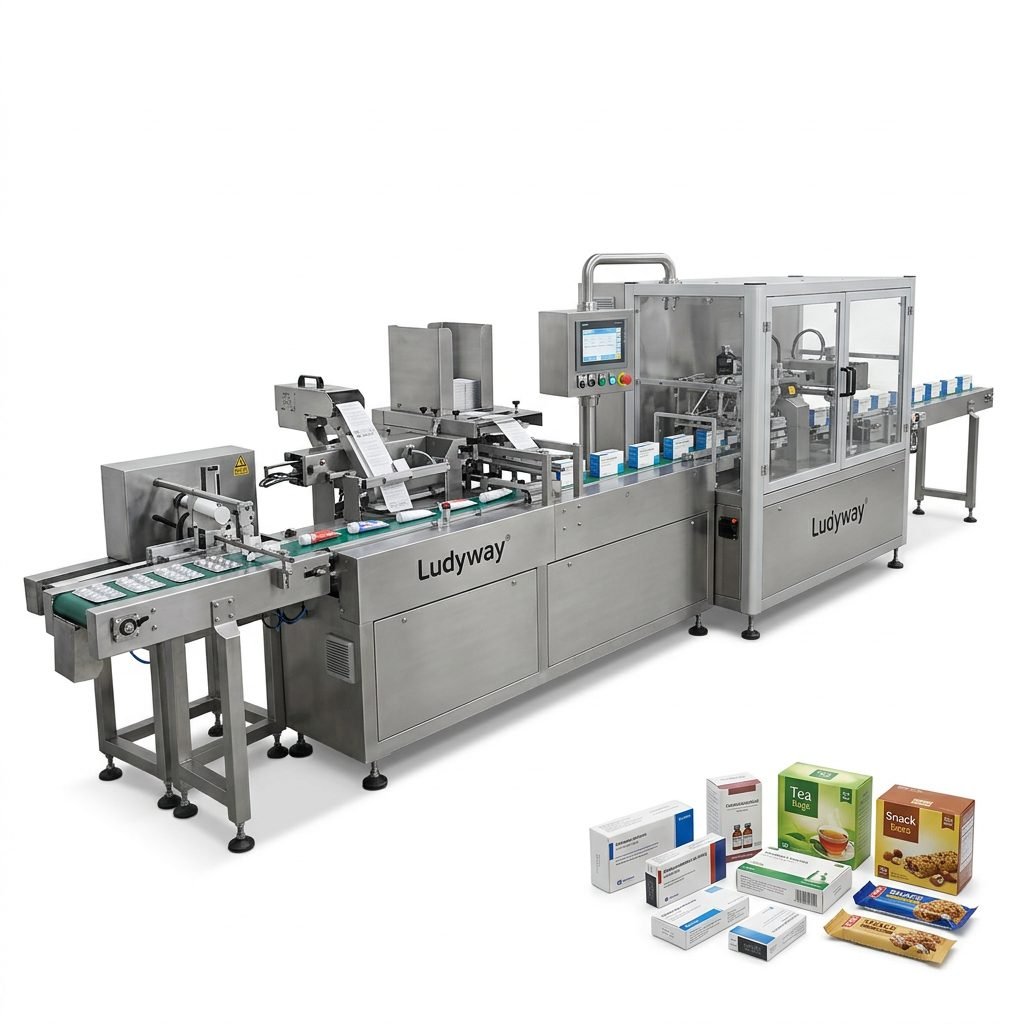
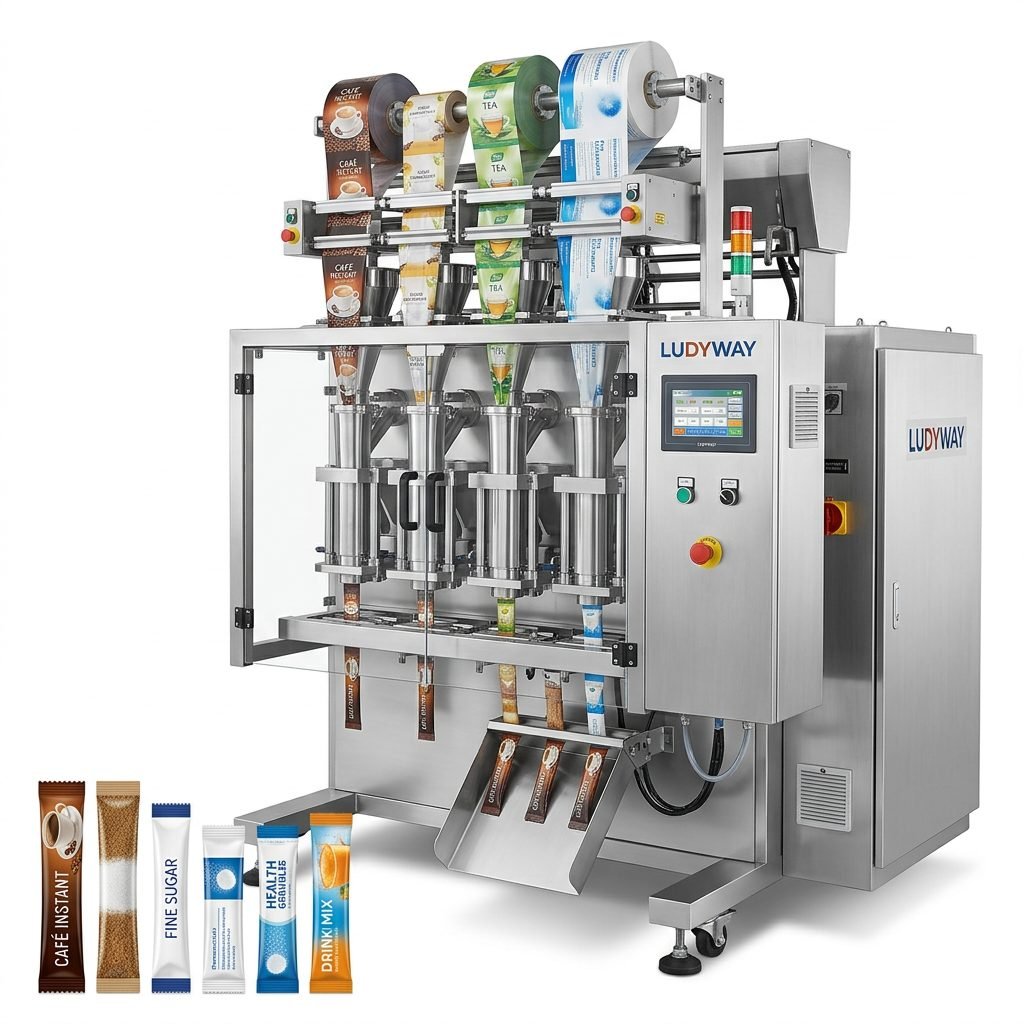
The bread industry in Africa is experiencing unprecedented growth, driven by rapid urbanization, population expansion, and shifting consumer preferences toward convenient packaged foods. Setting up a bread packaging machine production line requires careful planning, the right equipment selection, and an understanding of local market dynamics. This comprehensive guide walks you through every step of establishing a successful bread packaging operation across the African continent.

Understanding the African Bread Market Opportunity
Africa’s bread consumption has surged dramatically over the past decade. According to industry data from the Packaging Machinery Market Research reports, the Sub-Saharan African region is projected to see double-digit growth in packaged food demand through 2030. Bread remains a staple food in countries such as Nigeria, South Africa, Kenya, Ethiopia, and Ghana, where daily bread consumption per capita continues to rise year after year.
The shift from traditional open-market bread sales to commercially packaged bread products is creating substantial opportunities for entrepreneurs, bakeries, and food processing companies. Modern bread packaging not only extends shelf life and improves hygiene standards but also enables branding, barcode tracking, and access to formal retail channels including supermarkets and export markets.
Key Drivers of Bread Packaging Demand in Africa
- Urbanization: Over 40% of Africa’s population now lives in cities, where packaged bread is the preferred choice for busy urban consumers seeking convenience and food safety assurance.
- Retail Modernization: The rapid expansion of supermarket chains such as Shoprite, Carrefour, and local players across the continent demands professionally packaged bakery products with proper labeling and shelf-life guarantees.
- Food Safety Regulations: Governments are increasingly enforcing packaging and labeling standards aligned with international guidelines. Refer to FDA Food Packaging and Food Contact Substances for globally recognized best practices.
- Export Potential: Packaged bread products from Africa are finding markets in Europe, the Middle East, and neighboring regions, requiring internationally compliant packaging systems.
- Youth Demographics: With a median age of approximately 19 years, Africa’s young population drives demand for modern, attractively packaged food products.
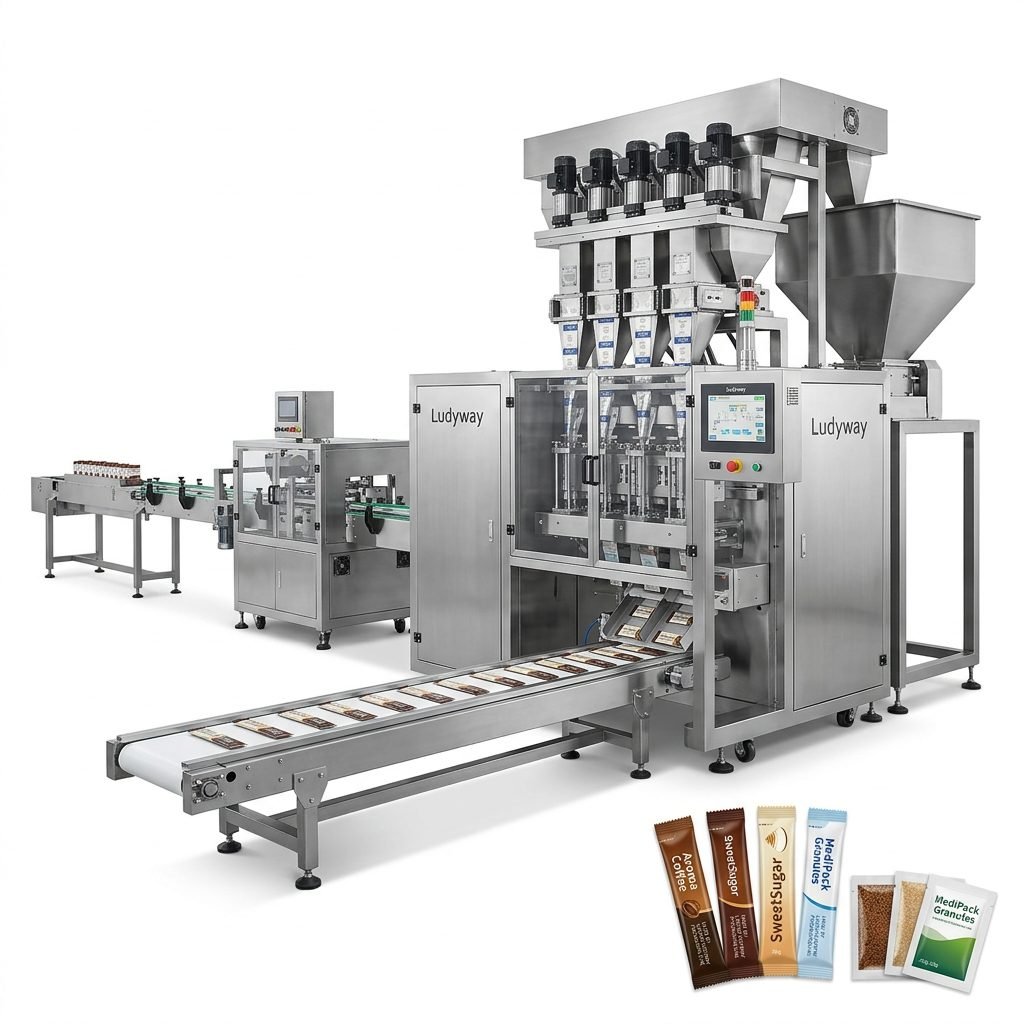
Essential Equipment for a Bread Packaging Production Line
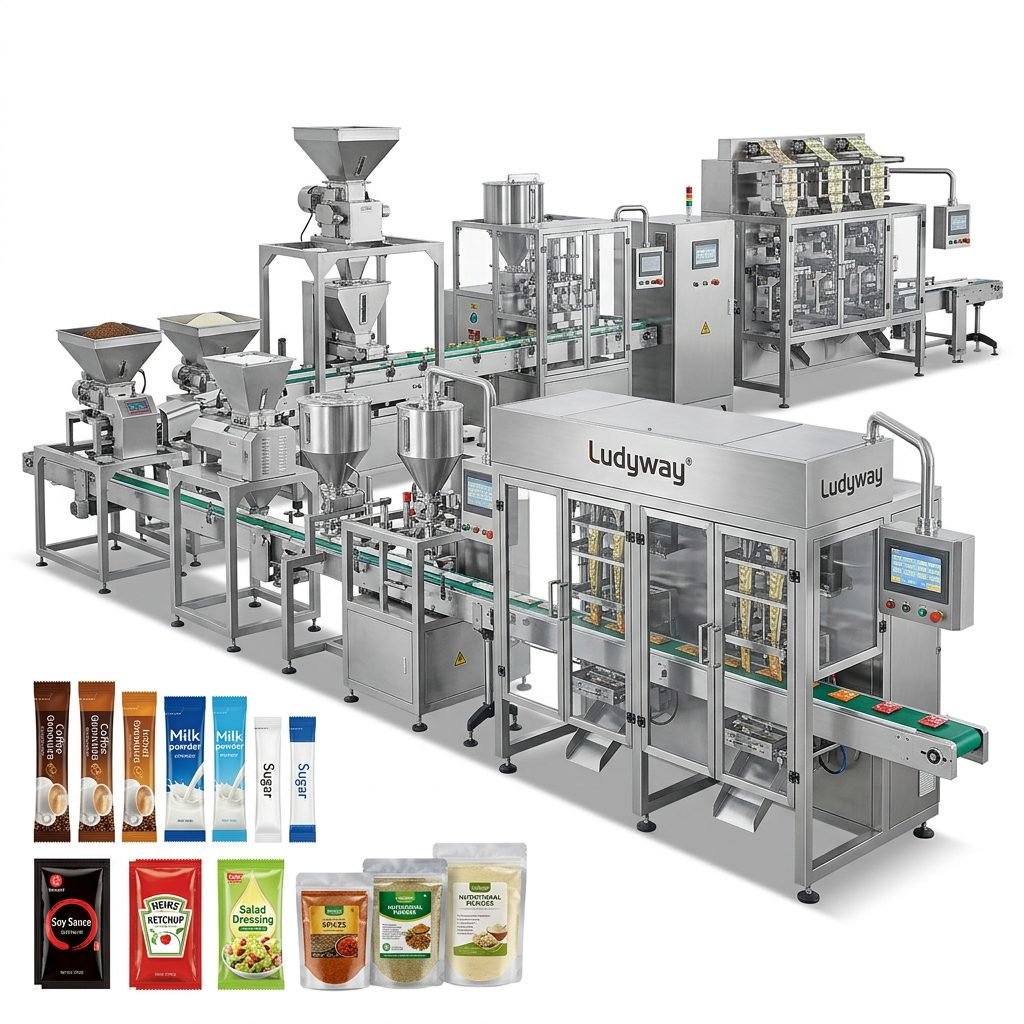
A complete bread packaging production line involves several interconnected machines and systems. The exact configuration depends on your production capacity, packaging format, and budget. Below is a breakdown of the core equipment required for a fully automated bread packaging line.
Core Machinery Components
| Equipment | Function | Key Specifications |
|---|---|---|
| Automatic Bread Slicer | Uniform slicing of loaf bread before packaging | Adjustable slice thickness, stainless steel blades, capacity up to 600 loaves/hour |
| Flow Wrapper / Horizontal Form-Fill-Seal Machine | Primary packaging of sliced bread into sealed bags | Film width up to 600mm, servo-driven, speeds up to 120 packs/minute |
| Automatic Weighing and Filling System | Ensures consistent product weight in each package | Multi-head weigher, accuracy ±1g, integrated with packaging machine |
| Metal Detector | Contaminant detection for food safety compliance | High sensitivity, automatic rejection system, HACCP compliant |
| Date Coding / Inkjet Printer | Printing production dates, batch codes, and expiration dates | High-resolution inkjet or thermal transfer, variable data printing |
| Checkweigher | Verification of package weight for quality control | Dynamic weighing, precision ±0.5g, reject station integration |
| Automatic Cartoning Machine | Secondary packaging into cartons for distribution | Adjustable carton sizes, hot melt glue or tape sealing |
| Palletizing System | Automated stacking of finished cartons onto pallets | Robotic or layer-type palletizer, capacity up to 30 cartons/minute |
It is advisable to consult with experienced packaging machinery manufacturers who can design a customized line based on your specific product dimensions and production targets. Industry organizations like PMMI – The Association for Packaging and Processing Technologies provide valuable resources for understanding packaging machinery standards and selecting appropriate equipment.
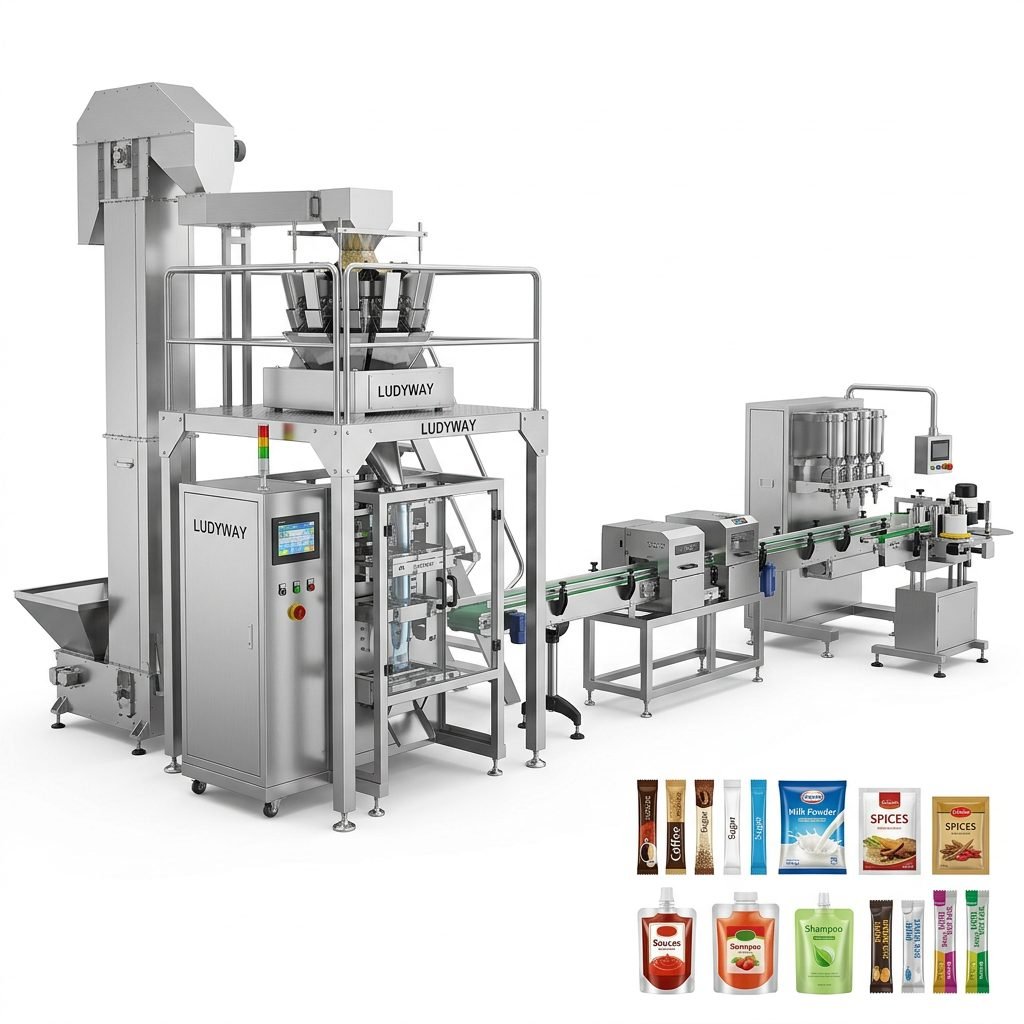
Step-by-Step Guide to Setting Up Your Bread Packaging Production Line
Step 1: Conduct Comprehensive Market Research
Before investing in equipment, thoroughly analyze your target market. Identify the most popular bread types, preferred packaging formats (loaf bags, flow packs, or modified atmosphere packaging), and the price points that consumers are willing to accept. Study competitors and identify gaps in the market. Resources such as the PMMI State of the Industry Reports can provide valuable benchmarks for packaging trends and investment planning.
Step 2: Select an Optimal Production Location
Your facility location should balance proximity to raw material suppliers, target markets, and transportation infrastructure. Consider factors such as reliable electricity supply, water availability, waste management, and local labor pools. In many African countries, industrial zones offer tax incentives and improved infrastructure that can significantly reduce operational costs.
Step 3: Design Your Production Layout
Work with equipment suppliers to design an efficient floor plan that minimizes material handling and maximizes throughput. A well-designed bread packaging line layout should include distinct zones for raw material receiving, bread production, cooling, slicing, primary packaging, secondary packaging, quality control, and warehousing. Ensure compliance with food safety standards outlined by organizations such as ISO Packaging Standards.
Step 4: Procure Equipment and Technology
Select machinery that matches your production capacity requirements and budget. Key considerations include ease of operation, availability of spare parts in Africa, energy efficiency, and supplier support. Request detailed quotations from multiple suppliers and compare not just prices but also after-sales service commitments, warranty terms, and training provisions.
Step 5: Installation, Commissioning, and Training
Professional installation and commissioning are critical to ensuring your packaging line operates at peak efficiency. Plan for a commissioning period of 2-4 weeks, during which technicians will install, test, and calibrate all equipment. Simultaneously, invest in comprehensive operator training to build in-house expertise and reduce dependency on external support.
Step 6: Quality Control and Regulatory Compliance
Implement rigorous quality control protocols from day one. This includes regular equipment calibration, metal detector sensitivity checks, seal integrity testing, and microbiological monitoring where applicable. Familiarize yourself with FDA Packaging and Food Contact Substances guidelines and local regulatory requirements in your target African markets.
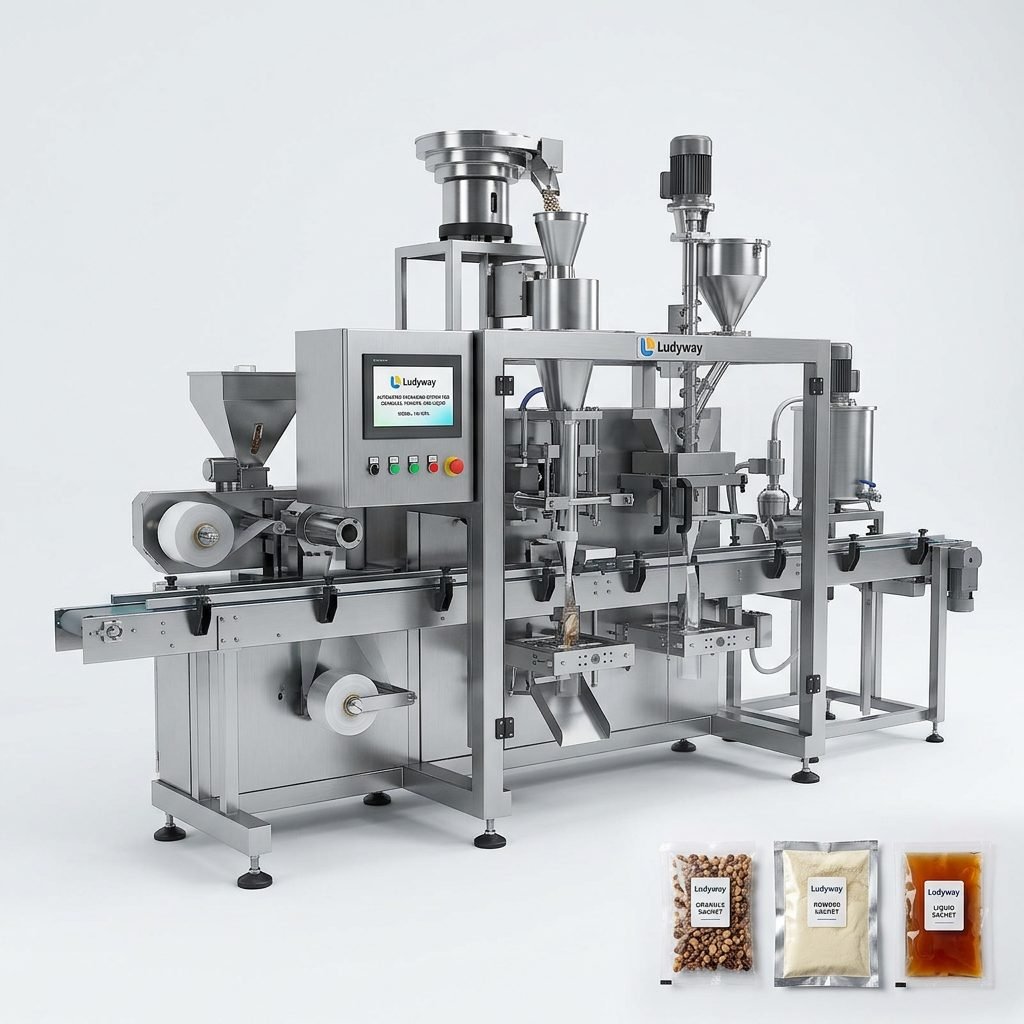
Key Technical Considerations for African Operations
Operating a bread packaging production line in Africa presents unique challenges that must be addressed during the planning phase. Understanding these factors upfront will help you avoid costly downtime and operational disruptions.
- Power Supply Stability: Many African countries experience frequent power fluctuations or outages. Investing in industrial-grade voltage stabilizers, backup generators, or solar power systems is essential to protect sensitive packaging machinery and maintain production schedules.
- Climate Control: High humidity and temperature levels in tropical regions can affect both bread quality and packaging material performance. Climate-controlled production areas and proper storage conditions for packaging films are necessary investments.
- Packaging Material Sourcing: Establish reliable supply chains for packaging films, cartons, and consumables. While some materials can be sourced locally, others may need to be imported. Build inventory buffers to account for longer lead times on imported materials.
- Skilled Workforce: Invest in training programs to develop local talent capable of operating and maintaining sophisticated packaging equipment. Partnering with equipment suppliers who offer on-site training in Africa is a significant advantage.
- Spare Parts Management: Maintain a critical spare parts inventory on-site, including belts, sealing elements, sensors, and common wear components. Establish relationships with suppliers who can expedite parts delivery to your location.
Cost Breakdown and Investment Planning
Setting up a bread packaging production line requires careful financial planning. The following table provides an approximate cost breakdown for a medium-scale operation producing approximately 5,000 to 15,000 loaves per day.
| Investment Category | Estimated Cost Range (USD) | Notes |
|---|---|---|
| Slicing and Primary Packaging Equipment | $45,000 – $180,000 | Depends on automation level and production speed |
| Secondary Packaging (Cartoning) | $20,000 – $75,000 | Semi-automatic to fully automatic options |
| Quality Control Equipment | $12,000 – $40,000 | Metal detector, checkweigher, vision inspection |
| Facility Setup and Utilities | $30,000 – $120,000 | Power backup, climate control, flooring, lighting |
| Installation, Training, and Commissioning | $10,000 – $30,000 | Supplier technician travel, on-site support |
| Total Estimated Investment | $117,000 – $445,000 | Varies by scale, automation, and location |
Return on investment typically ranges from 18 to 36 months, depending on market penetration, operational efficiency, and product pricing strategy. Many African bread packaging operations achieve profitability faster due to lower labor costs and strong market demand for packaged bakery products.
Selecting the Right Equipment Supplier
Choosing a reliable packaging machinery supplier is one of the most critical decisions you will make. Look for manufacturers with proven experience in food packaging applications, particularly in emerging markets. Evaluate potential suppliers based on their track record, technical support capabilities, availability of spare parts, and willingness to provide references from other African customers.
Industry resources from the Flexible Packaging Association offer guidance on packaging material selection and supplier evaluation criteria that can inform your decision-making process. Additionally, attending international packaging exhibitions such as PACK EXPO International provides opportunities to meet suppliers and see equipment demonstrations firsthand.
Maintenance Strategies for Long-Term Reliability
A well-maintained packaging line can operate reliably for 10 to 20 years or more. Implementing a proactive maintenance program is essential for maximizing equipment uptime and protecting your investment.
Preventive Maintenance Schedule
- Daily: Clean all food contact surfaces, inspect sealing elements, check lubrication levels, verify date code accuracy, and test metal detector and checkweigher functionality.
- Weekly: Inspect belts for wear, tighten fasteners, clean electrical cabinets, check pneumatic systems for leaks, and review production logs for anomalies.
- Monthly: Calibrate weighing systems, inspect gearboxes and drive chains, replace worn sealing components, and conduct comprehensive electrical safety checks.
- Quarterly: Perform full system diagnostics, replace consumable parts, update software if applicable, and conduct operator refresher training.
- Annually: Complete equipment overhaul, replace major wear components, recalibrate all systems, and review overall line efficiency for improvement opportunities.
Packaging Sustainability Considerations
Sustainability is becoming increasingly important in African markets as consumers and regulators alike demand environmentally responsible packaging. The European Commission’s Packaging and Packaging Waste regulations provide a framework that many African nations are beginning to adopt. Consider using recyclable packaging films, optimizing material usage to reduce waste, and exploring biodegradable alternatives where commercially viable and appropriate for bread shelf-life requirements.
Future Trends in Bread Packaging for Africa
Several emerging trends are shaping the future of bread packaging across the African continent. Modified atmosphere packaging (MAP) is gaining traction as it extends shelf life without preservatives. Smart packaging with QR codes and NFC tags enables product traceability and consumer engagement. Compact, modular packaging lines are becoming popular among small and medium-sized bakeries that need flexibility to scale production gradually. Staying informed about these trends through resources like the Flexible Packaging Association Knowledge Hub will help you maintain a competitive edge.
Conclusion: Taking the Next Step
Setting up a bread packaging machine production line in Africa is a strategic investment that can yield substantial returns given the continent’s growing demand for packaged bakery products. Success depends on thorough market research, selecting the right equipment configuration, planning for local operational challenges, and partnering with reliable suppliers who understand the unique requirements of African markets.
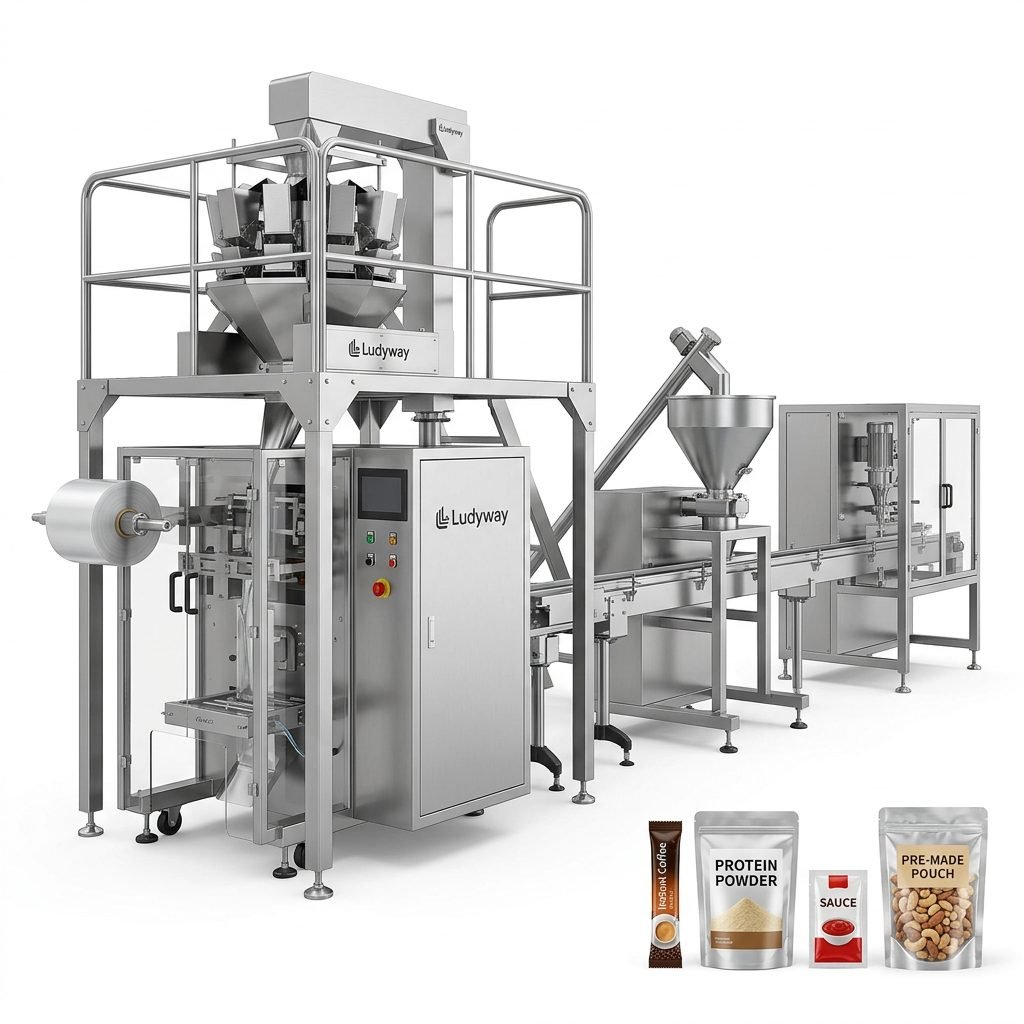
For businesses seeking turnkey packaging solutions, working with experienced manufacturers who can provide end-to-end support—from equipment selection and factory layout design to installation, training, and ongoing technical service—significantly reduces project risk and accelerates time to market. Companies like Ludyway, with over 30 years of industry expertise and a modern 20,000m² manufacturing facility, offer comprehensive packaging line solutions that have been successfully deployed in over 100 countries and regions worldwide, serving the food, pharmaceutical, and health industries with reliable, efficient, and cost-effective packaging equipment.
Frequently Asked Questions
What is the minimum investment required to start a bread packaging line in Africa?
For a small-scale semi-automatic operation, you can start with an investment of approximately $50,000 to $80,000. However, for a fully automated medium-scale production line, plan for an investment range of $120,000 to $450,000 depending on capacity, automation level, and equipment specifications.
How long does it take to set up a complete bread packaging production line?
From initial planning to full commercial production, the timeline typically ranges from 4 to 8 months. This includes equipment manufacturing (6-10 weeks), shipping to Africa (3-6 weeks), installation and commissioning (2-4 weeks), and operator training (1-2 weeks).
What are the most common packaging formats for bread in African markets?
The most popular formats include pillow packs using flow wrap machines, LDPE or BOPP bags with twist ties or clip closures, and increasingly, resealable stand-up pouches for premium bread varieties. The choice depends on your target market segment and distribution channel.
Can I get technical support for packaging machinery in Africa?
Yes, many international packaging machinery suppliers offer remote technical support, and some have established local service networks or authorized agents in key African markets. When selecting a supplier, prioritize those with proven after-sales support capabilities in Africa and clear spare parts availability commitments. For more information on packaging standards and industry best practices, visit ISO Packaging and Distribution Standards.
What are the key food safety certifications required?
Depending on your target market, you may need certifications such as HACCP, ISO 22000, or FSSC 22000 for food safety management. Additionally, packaging materials should comply with relevant food contact substance regulations. The FDA Food Ingredients and Packaging guidelines serve as an internationally recognized reference for food packaging safety requirements.