Selecting the right nitrogen vacuum packaging machine is a critical decision for manufacturers looking to extend product shelf life, maintain freshness, and protect sensitive goods from oxidation. Whether you operate in the food, pharmaceutical, or chemical industry, understanding the key features and specifications of nitrogen flush vacuum sealers can significantly impact your packaging line’s efficiency and product quality.

Why Nitrogen Flush Vacuum Packaging Matters
Oxygen is the primary enemy of perishable products. When packaging oxygen‑sensitive items such as coffee powder, dried foods, pharmaceuticals, and chemical additives, standard vacuum packaging may not be sufficient. A nitrogen vacuum packaging machine removes ambient air from the package and replaces it with nitrogen gas (N₂), an inert gas that prevents oxidation, preserves texture, and inhibits the growth of aerobic bacteria. This process, often called Modified Atmosphere Packaging (MAP), is essential for brands that prioritize product integrity and extended shelf life. According to industry data from PMMI Business Intelligence, the adoption of MAP technologies continues to grow as manufacturers respond to consumer demand for fresher, preservative‑free products.
Key Factors to Consider When Choosing Your Machine
1. Product Characteristics and Compatibility
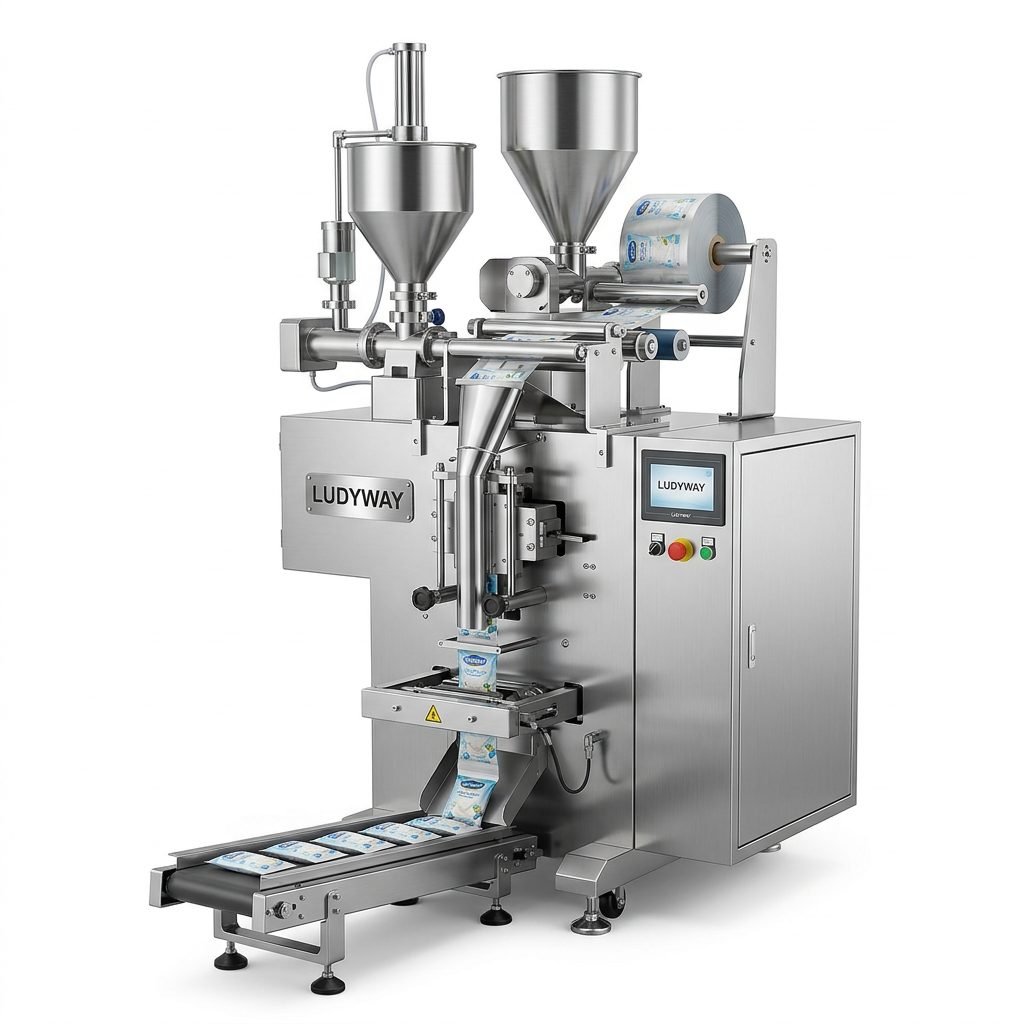
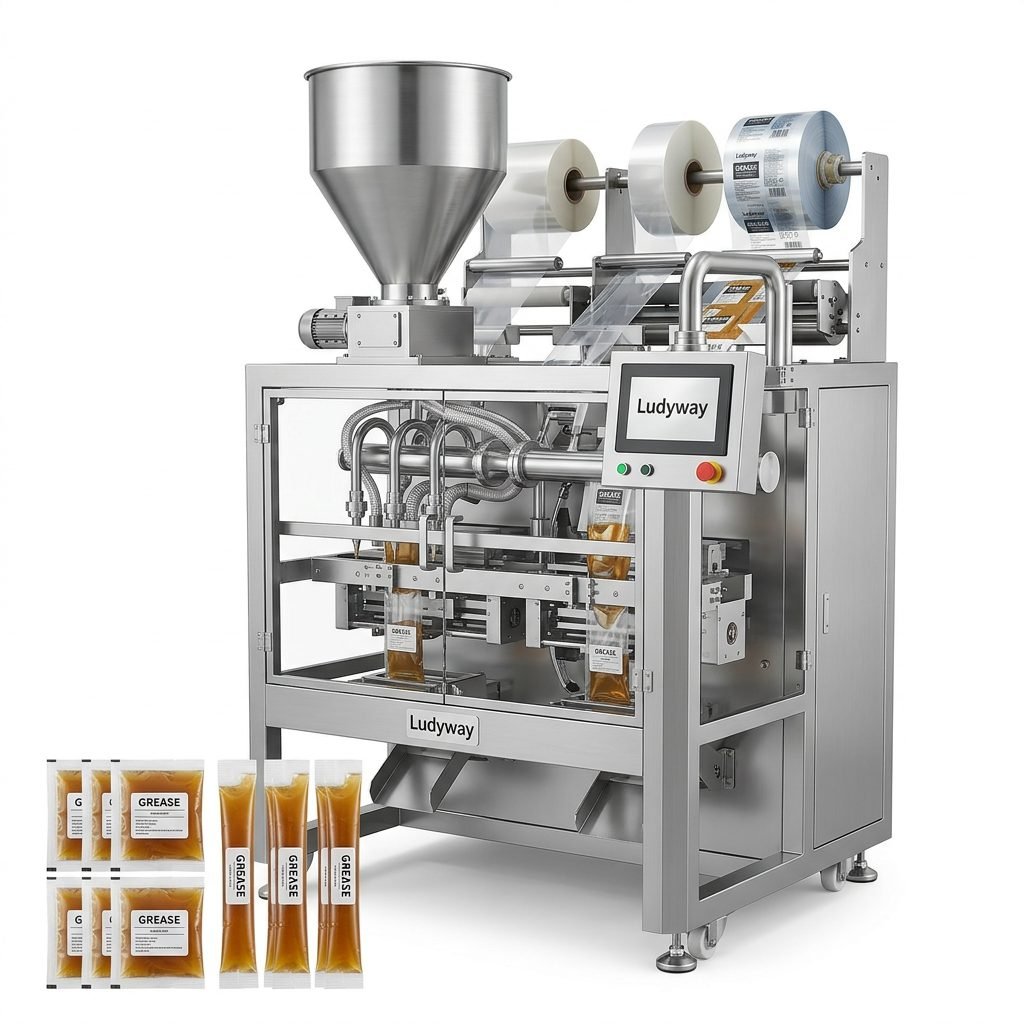
The physical properties of your product directly influence the type of nitrogen vacuum packaging machine you need. Powders and fine granules, such as protein powder or ground coffee, require machines with effective dust‑resistant seals and gentle handling systems to prevent product loss. Liquid or semi‑liquid products demand filling systems with drip‑free nozzles and precise dosing capabilities. For fragile items like snacks or baked goods, a machine with adjustable vacuum pressure prevents crushing while still achieving proper gas flushing. Before selecting a model, analyze your product’s density, flowability, and sensitivity to vacuum pressure.
2. Production Speed and Automation Level
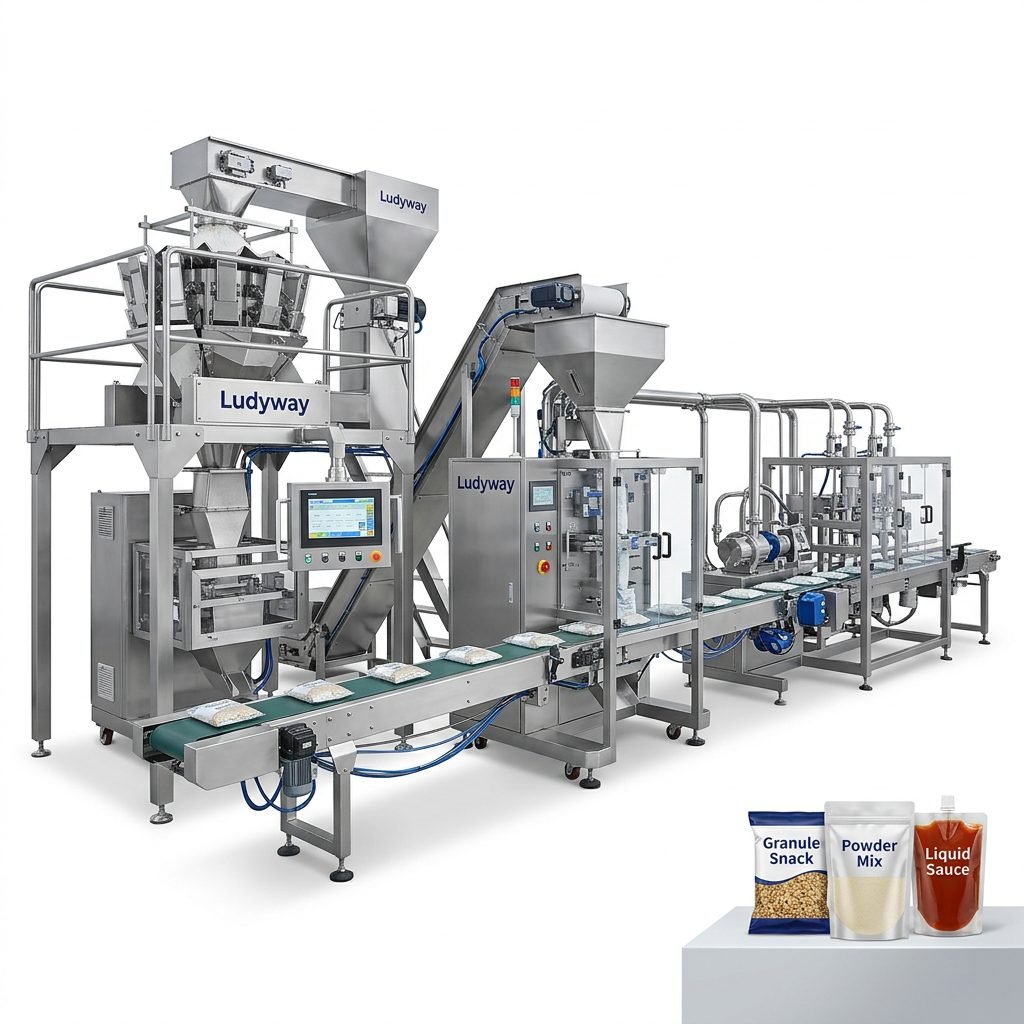
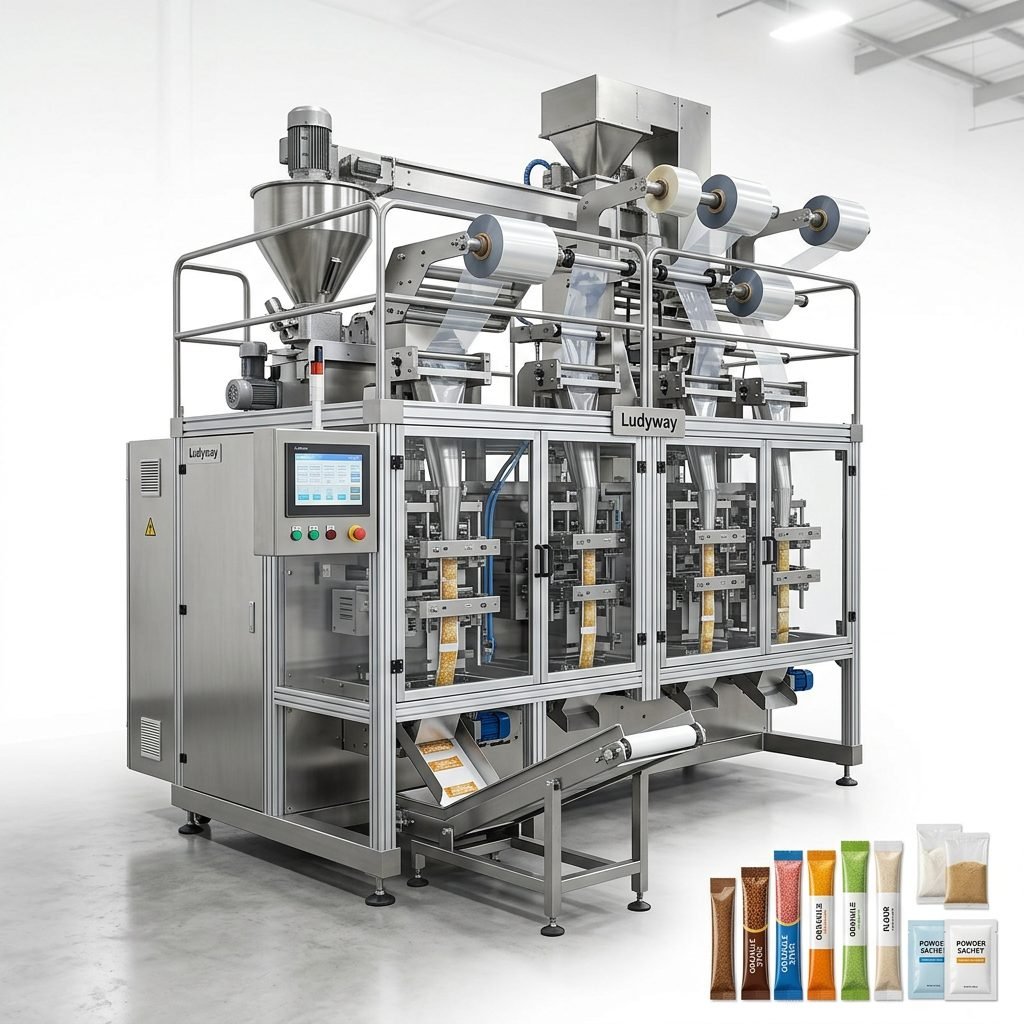
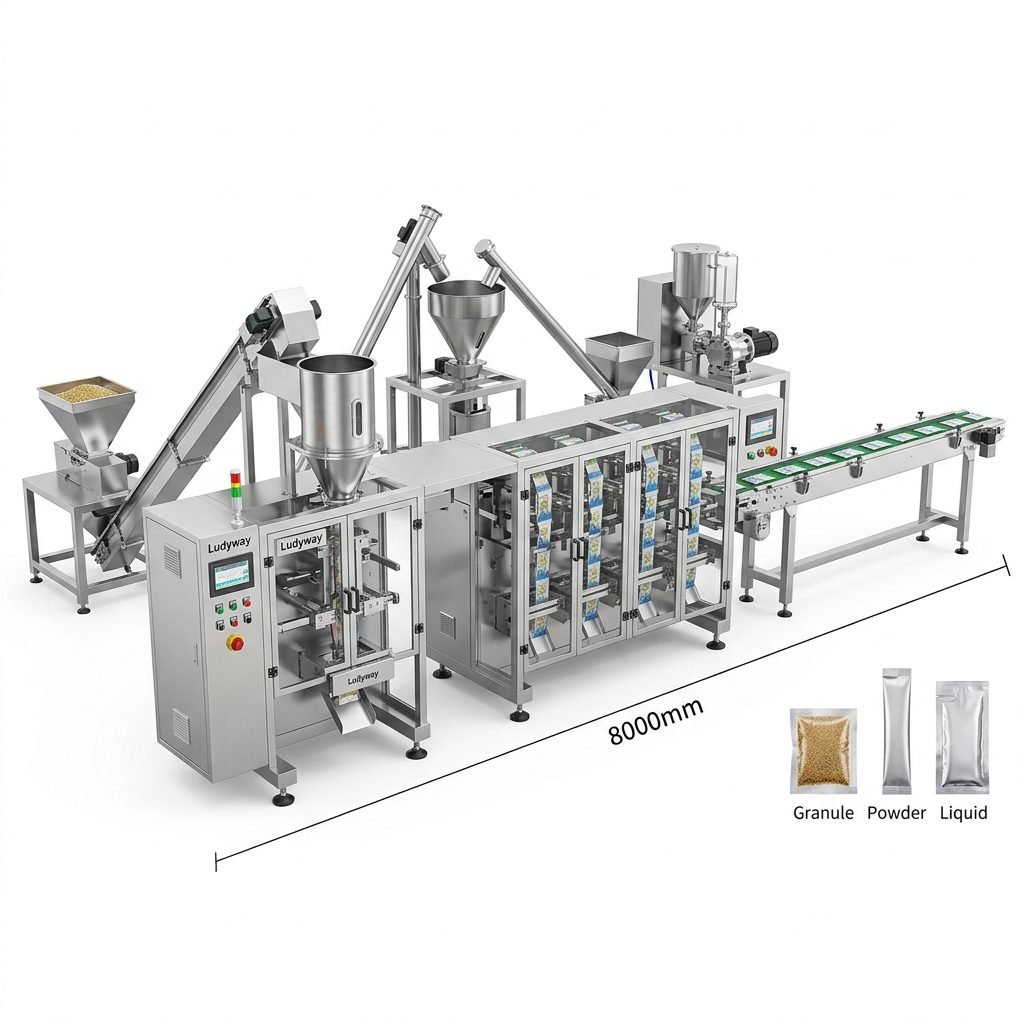
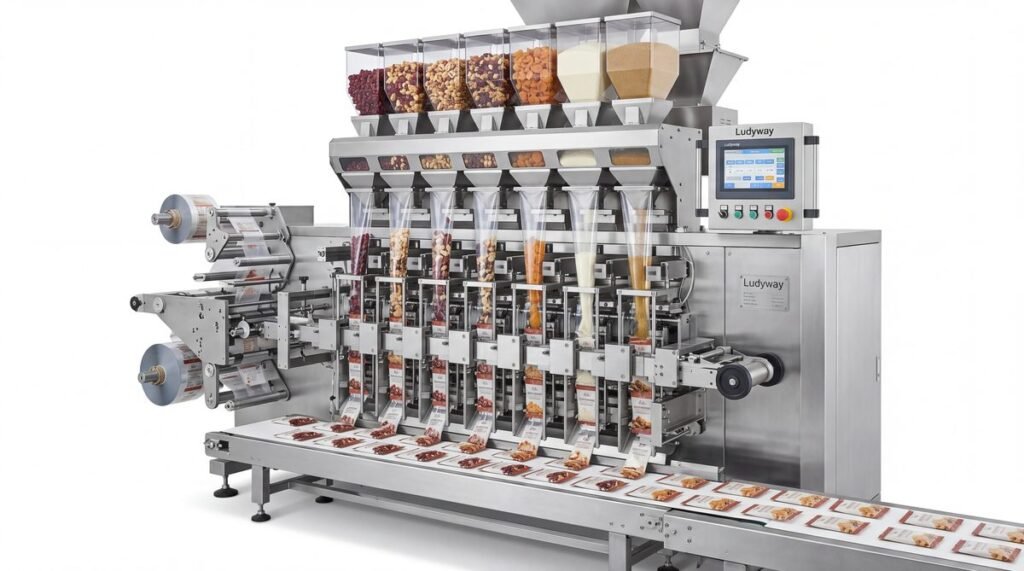
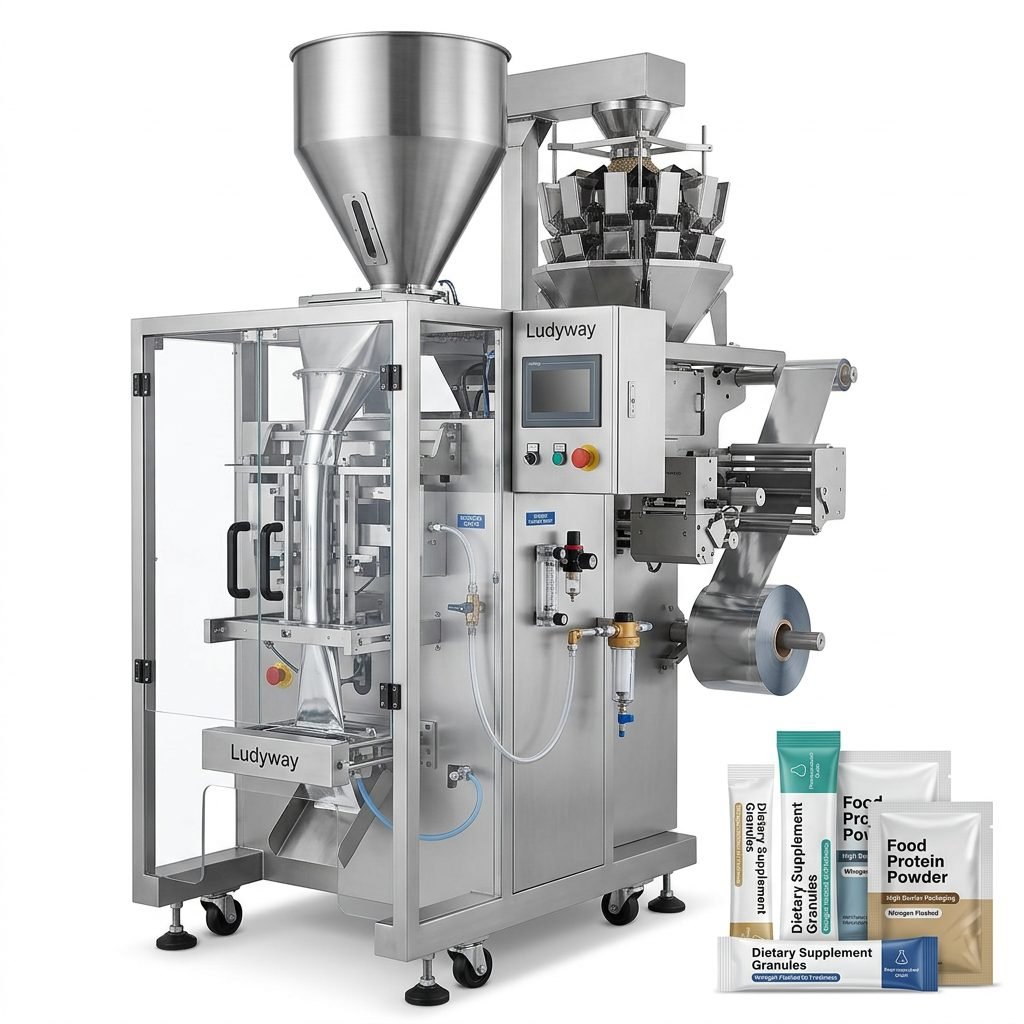
Your required output volume should guide your machine selection. Manual and semi‑automatic nitrogen vacuum packaging machines suit small‑scale operations or laboratory environments, while fully automatic multi‑lane systems are designed for high‑speed production lines. When planning for future growth, consider whether the machine’s speed can be adjusted or upgraded. The integration of automated feeding, weighing, filling, gas flushing, and sealing into a single Ludyway Machinery packaging line can streamline operations and reduce labor costs significantly.
3. Nitrogen Flushing Efficiency and Gas Purity Control
The effectiveness of nitrogen vacuum packaging depends on how well the machine removes residual oxygen. Look for equipment that achieves residual oxygen levels below 1% for most applications, though some sensitive pharmaceutical products may require levels as low as 0.5% or less. Advanced machines incorporate multiple vacuum‑and‑flush cycles to maximize oxygen removal. Additionally, integrated gas mixing panels and flow meters allow you to control the nitrogen‑to‑product ratio precisely, optimizing gas consumption without compromising package integrity. Flexible Packaging Association resources provide further insights into material compatibility and gas barrier properties.
4. Packaging Material and Seal Quality
Nitrogen vacuum packaging requires barrier films capable of retaining the modified atmosphere throughout the product’s shelf life. High‑barrier laminated films with aluminum foil or metallized layers are commonly used for oxygen‑sensitive products. The machine’s sealing system must produce consistent, hermetic seals without wrinkles or leaks. Verify that the equipment can handle the thickness, material type, and bag or pouch format you plan to use. Machines with temperature‑controlled heat sealing and adjustable pressure settings offer greater flexibility across different film types.
5. Compliance and Industry Standards
Depending on your market, your nitrogen vacuum packaging machine may need to meet specific regulatory requirements. Food‑grade machines should comply with FDA or EU food contact material regulations. Pharmaceutical applications often require GMP‑compliant design, validated cleaning processes, and documentation that supports equipment qualification. Refer to standards such as ISO 11607 for medical device packaging when applicable, and check whether the machine manufacturer can provide the necessary certification packages.
Types of Nitrogen Vacuum Packaging Machines
| Machine Type | Best For | Key Advantages | Typical Applications |
|---|---|---|---|
| Chamber Vacuum | Solid products, small batches | High vacuum level, precise gas control | Meats, cheeses, medical devices |
| Nozzle Vacuum | Powders, fine granules | Prevents product extraction, cleaner process | Coffee, spices, powdered supplements |
| Continuous Band Sealer | High‑volume production | Fast throughput, inline automation ready | Snack foods, baked goods, industrial parts |
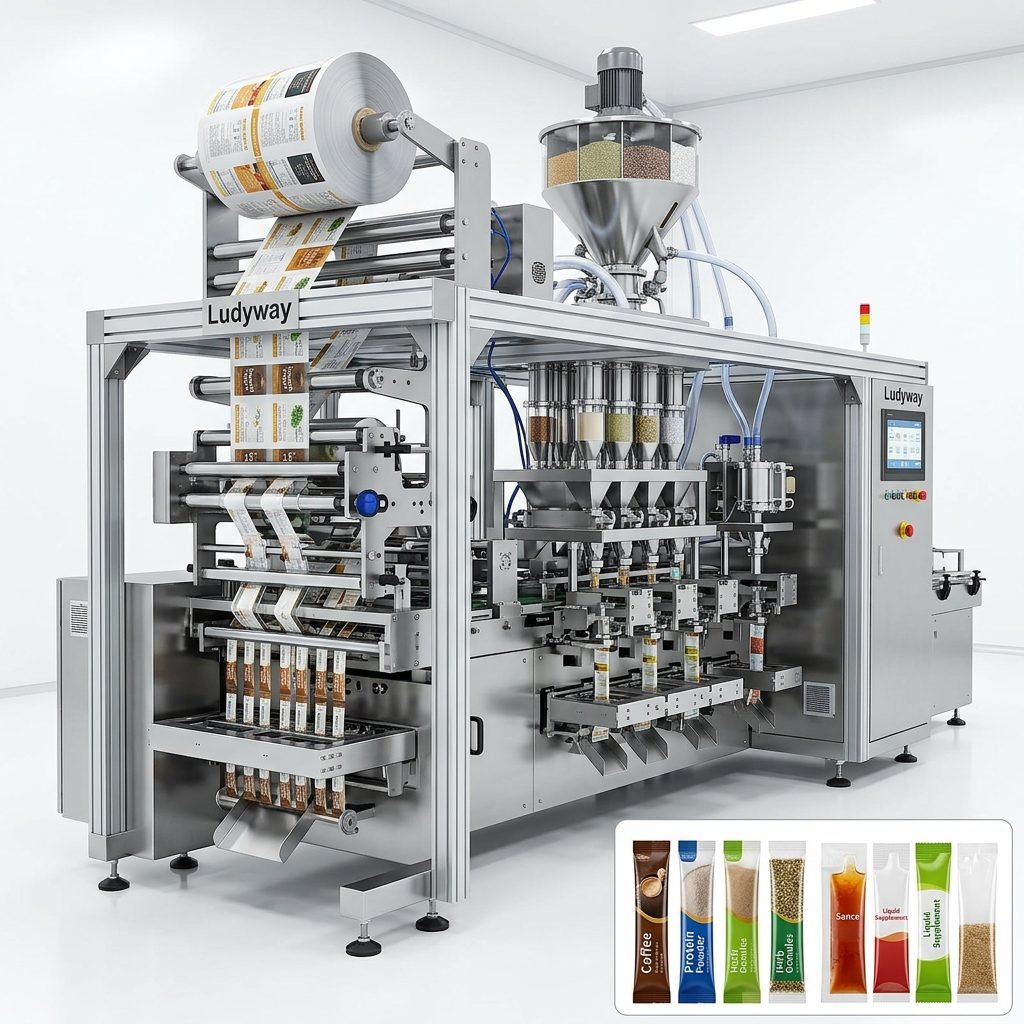
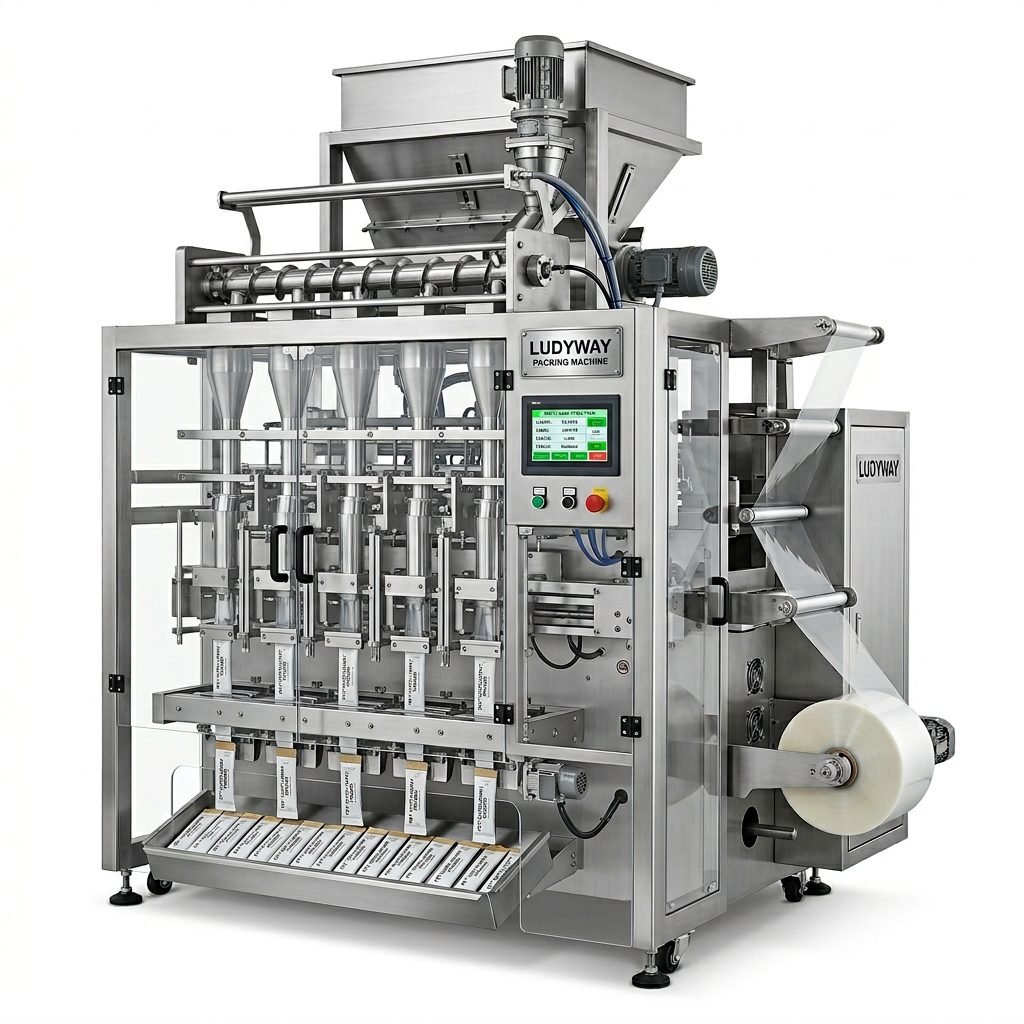
| Stick Pack / Sachet Nitrogen | Single‑dose packaging | Compact format, excellent barrier properties | Pharmaceuticals, energy powders, condiments |
Essential Features to Look For in a Quality Nitrogen Vacuum Packaging Machine
- Precise gas mixing and flow control — adjustable nitrogen injection timing and volume for consistent atmosphere composition.
- Residual oxygen monitoring — integrated sensors that verify package integrity before leaving the production line.
- Durable vacuum pump — oil‑free or oil‑lubricated pumps with sufficient capacity for your cycle times.
- Tool‑free changeover — quick‑release components that reduce downtime when switching between product formats.
- Stainless steel construction — food‑grade 304 or 316 stainless steel frames and product contact parts for hygienic operation.
- PLC control with HMI touchscreen — intuitive interface for recipe storage, parameter adjustment, and diagnostics.
Common Mistakes to Avoid During Selection
Choosing a nitrogen vacuum packaging machine based solely on price often leads to long‑term operational challenges. Avoid these frequent pitfalls:
- Underestimating production growth — a machine operating at its maximum speed from day one will become a bottleneck as demand increases.
- Ignoring film compatibility testing — even machines with excellent nitrogen flushing can produce poor seals if the film is not properly matched to the sealing system.
- Neglecting gas infrastructure planning — ensure your facility has adequate nitrogen supply lines, pressure regulators, and flow capacity to support the machine’s requirements.
- Overlooking after‑sales support — technical assistance, spare parts availability, and operator training directly affect long‑term productivity.
Equipment Integration and Turnkey Solutions
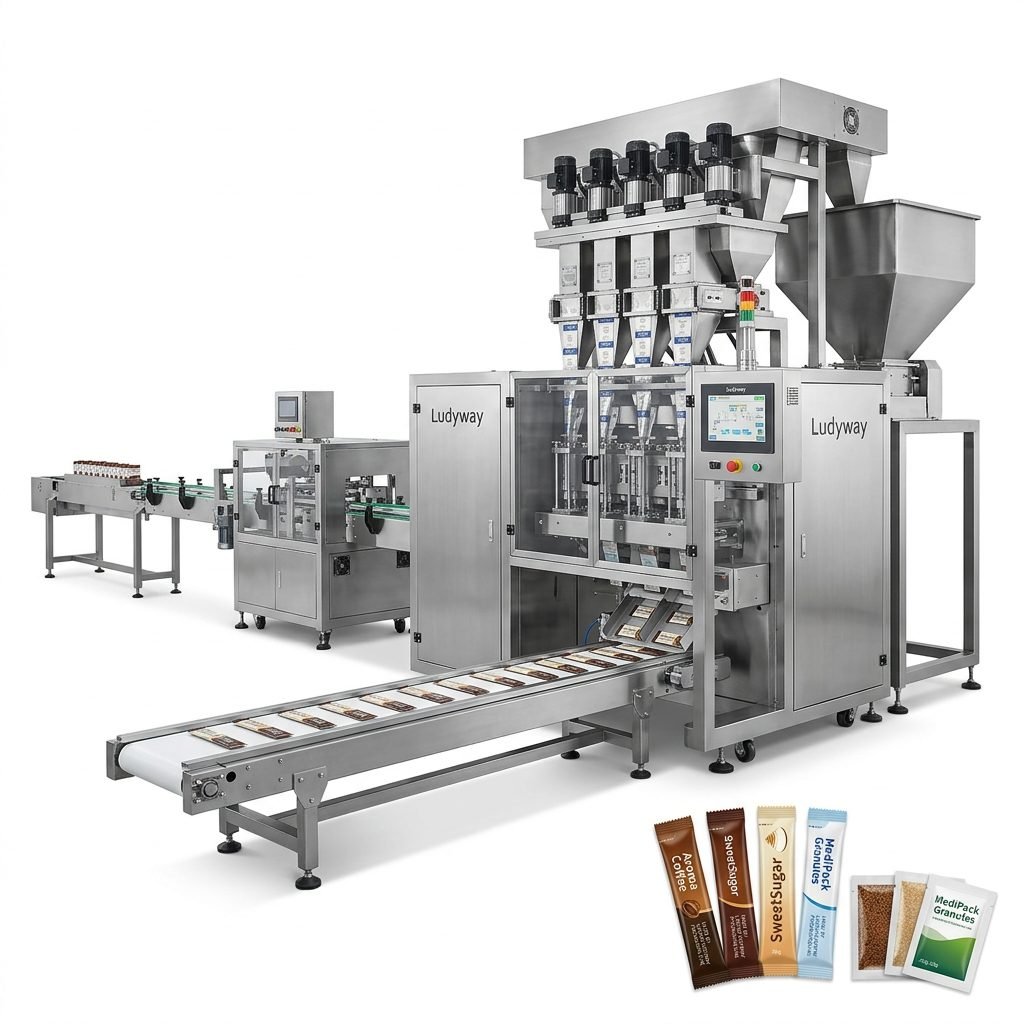
For manufacturers scaling up production, a standalone nitrogen vacuum packaging machine is often only one part of a larger system. Integrated packaging lines that combine automatic feeding, multi‑head weighing, nitrogen flushing, sealing, coding, and carton packing into a continuous workflow reduce manual handling and improve traceability. When evaluating suppliers, consider whether they can provide complete turnkey solutions that fit your factory layout and automation goals. This approach simplifies project management and ensures all components work cohesively from day one.
Industry Standards and Quality Assurance
Reputable nitrogen vacuum packaging machine manufacturers design equipment in accordance with international quality and safety standards. Whether you export to markets requiring CE marking, FDA compliance, or GMP validation, verify that your supplier can provide the necessary documentation. For pharmaceutical packaging, equipment qualification (IQ/OQ/PQ) protocols and material certifications should be available. The FDA food packaging regulations and European packaging waste directives are also critical compliance references.
Maintenance and Long‑Term Performance
A well‑maintained nitrogen vacuum packaging machine can provide years of reliable service. Establish a preventative maintenance schedule that includes regular vacuum pump oil changes, seal bar cleaning, filter replacement, and gas line inspection. Machines with remote diagnostic capabilities allow technicians to troubleshoot issues without on‑site visits, minimizing downtime. Discuss spare parts availability and recommended service intervals with your equipment supplier before finalizing your purchase.