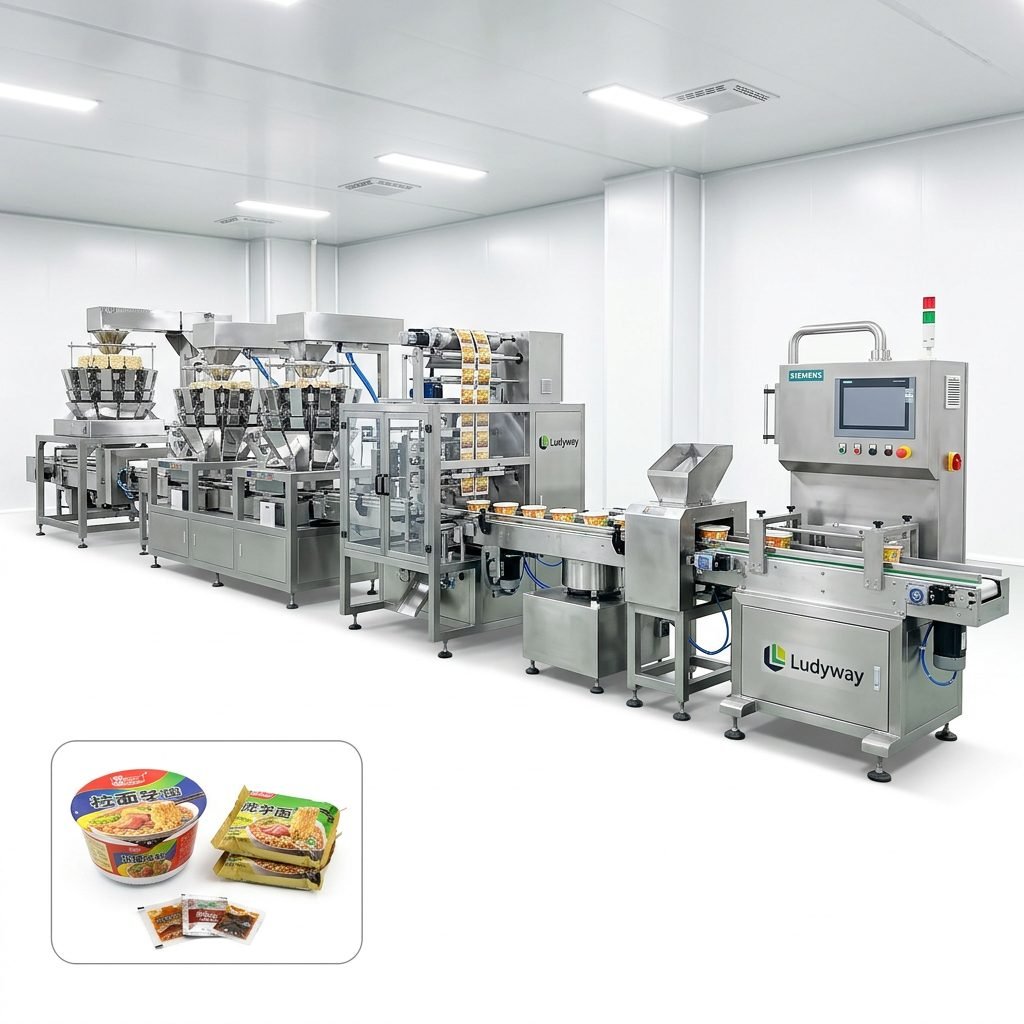
Setting up a hard candy packaging machine production line in Germany requires careful planning, strict adherence to European regulations, and a thorough understanding of both the confectionery industry and packaging technology. Germany remains one of Europe’s largest confectionery markets, with an annual per capita consumption of hard candy exceeding 9 kilograms. For manufacturers looking to establish or upgrade their production capabilities, selecting the right hard candy packaging machine and configuring an efficient production line is critical to long-term success.
Understanding the German Hard Candy Market
Germany’s confectionery sector is highly developed, with strict quality standards enforced by both national authorities and EU-wide regulations. Hard candy products—including fruit drops, mint tablets, and filled candies—require specialized packaging solutions that preserve freshness, prevent moisture ingress, and maintain product integrity throughout the supply chain. The German market particularly values precision engineering, energy efficiency, and hygienic design in packaging equipment.
When planning a production line in Germany, manufacturers must consider several unique factors:
- CE certification requirements for all machinery operating within the EU
- Compliance with German Food and Feed Code (LFGB) for food contact materials
- Adherence to EU Regulation 1935/2004 on materials intended for food contact
- Meeting the standards of the IHK (Chamber of Industry and Commerce) for operational licensing
- Integration with Industry 4.0 smart manufacturing protocols prevalent in German factories
Key Equipment for a Hard Candy Packaging Production Line
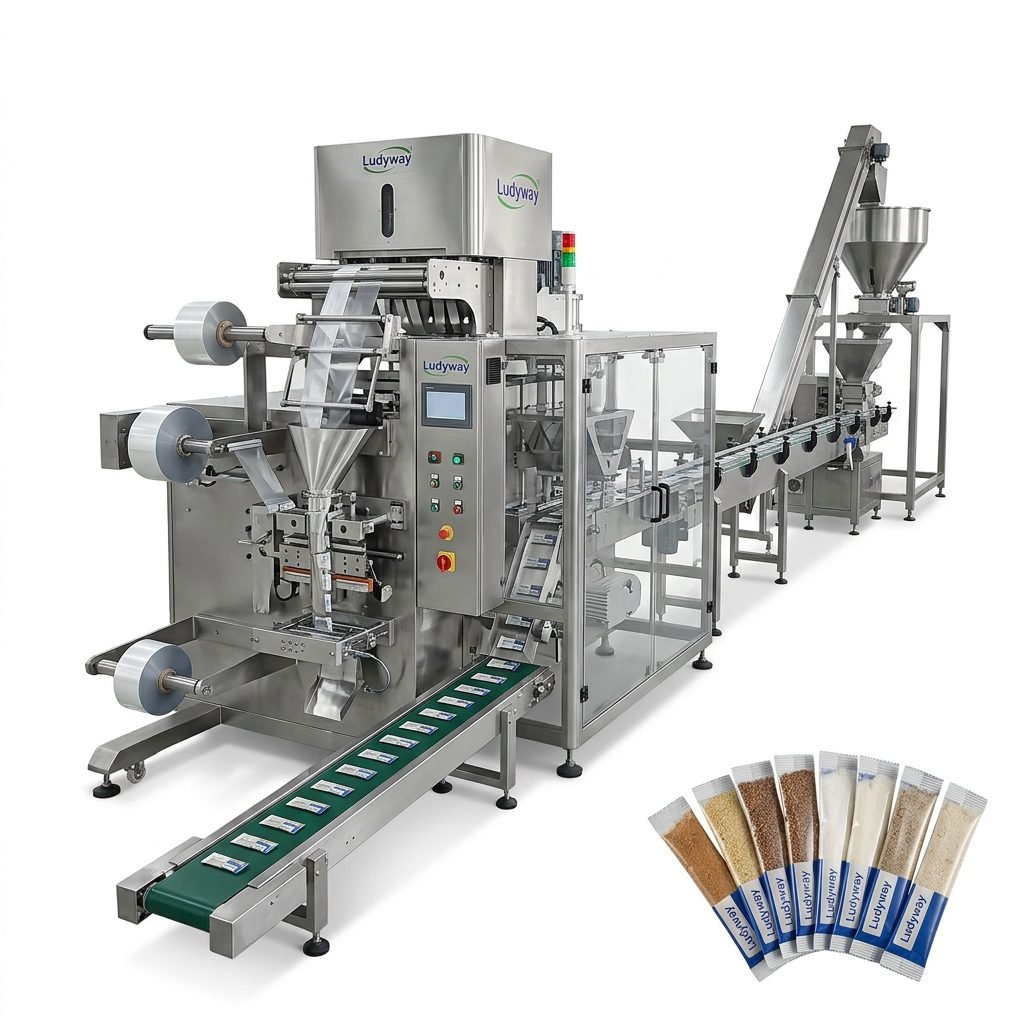
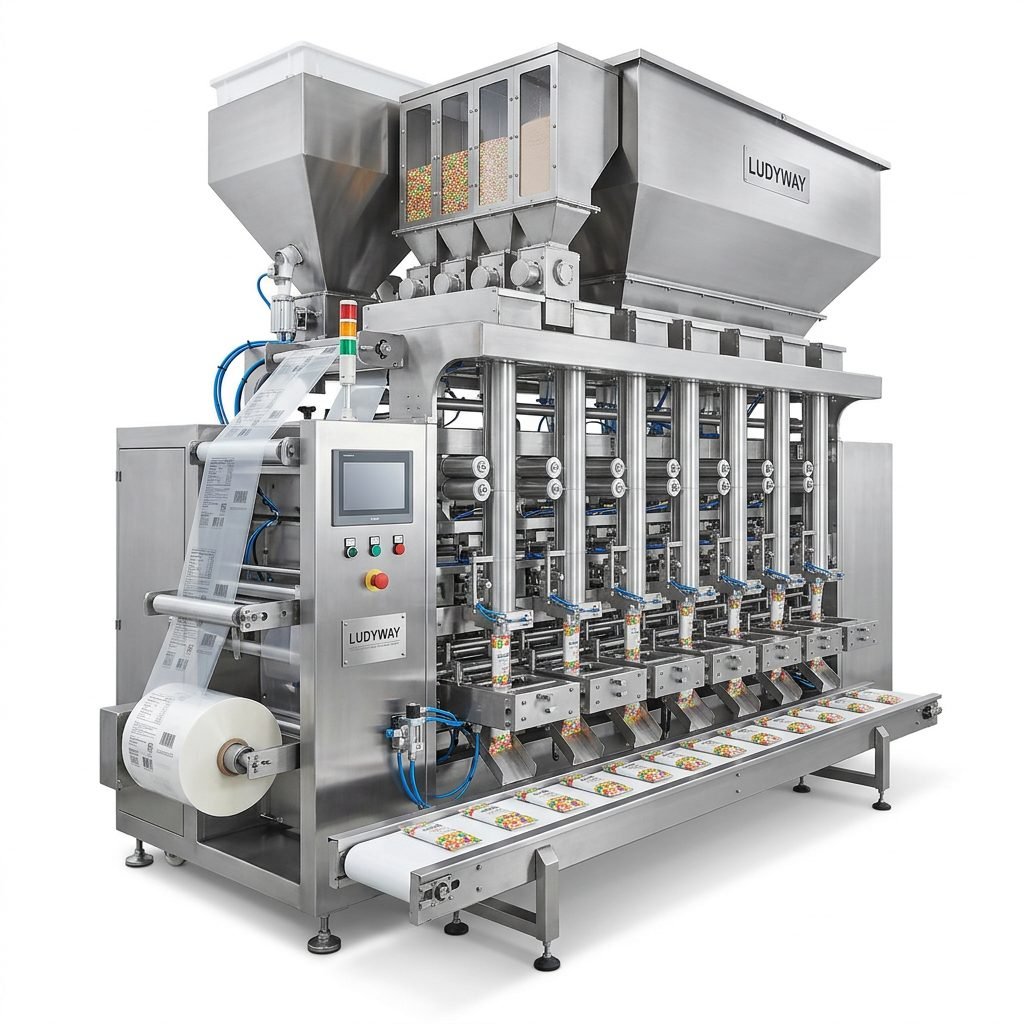
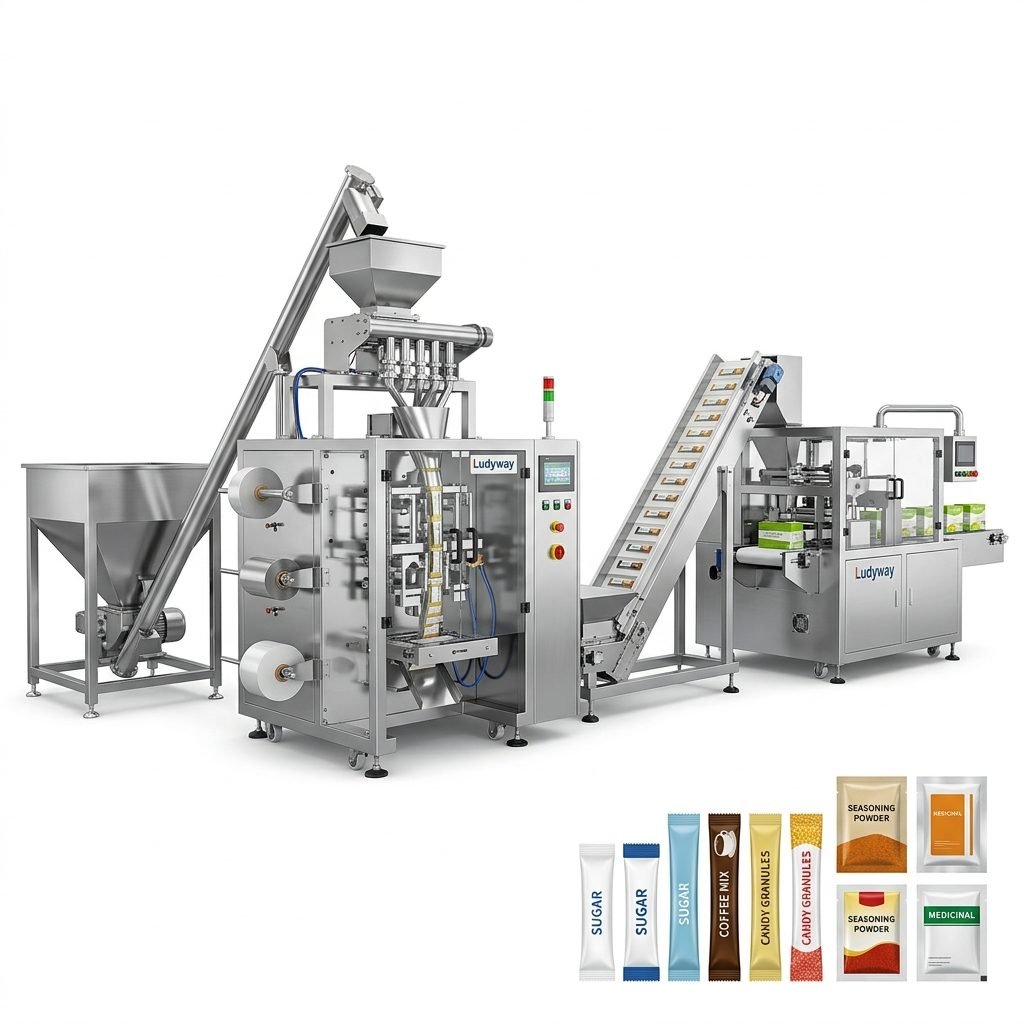
A complete hard candy packaging production line consists of several interconnected machines that work in harmony. Understanding each component’s role helps in making informed procurement decisions and ensuring smooth operation.
| Production Line Component | Primary Function | Key Specifications for Germany |
|---|---|---|
| Feeding & Sorting System | Orients and feeds individual candies into the packaging stream | Servo-driven, CE-compliant, stainless steel construction |
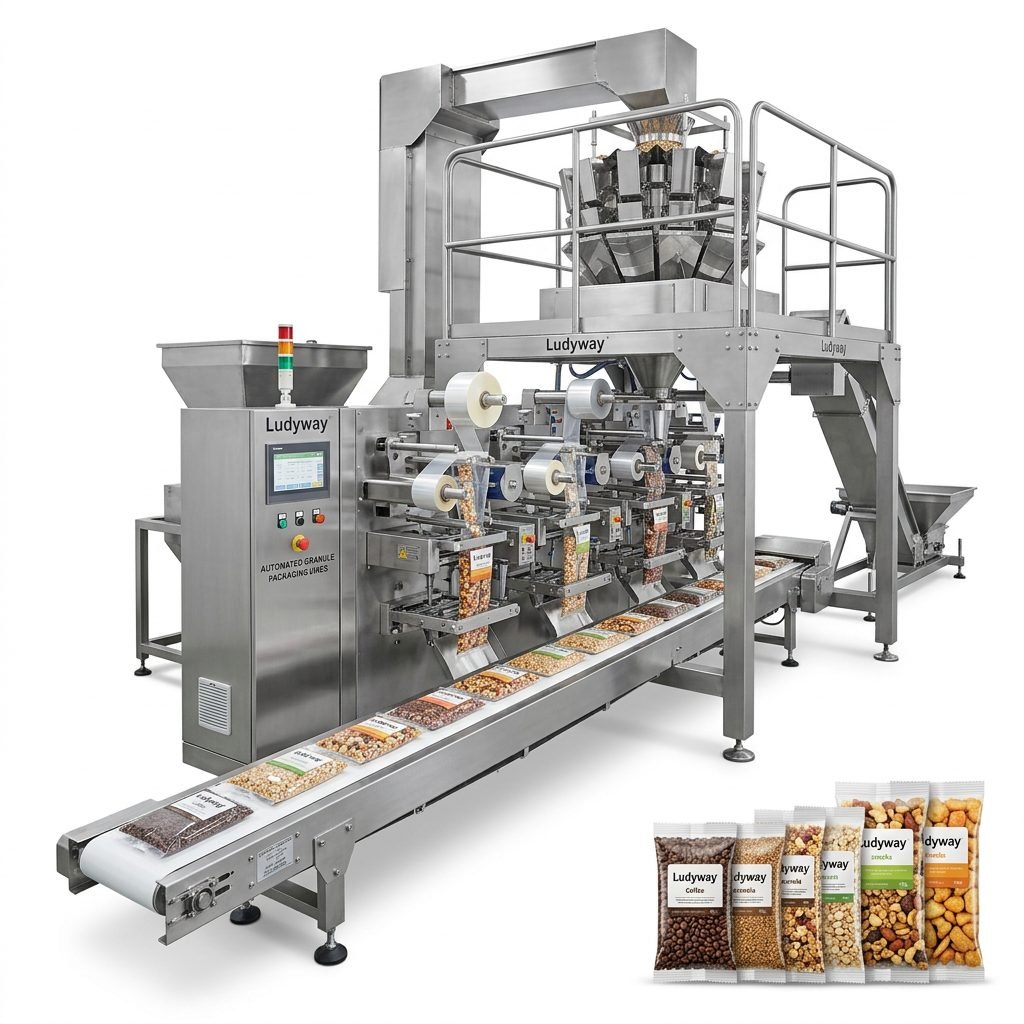
| Multi-Head Weigher | Precision weighing for consistent portion control | Accuracy within ±0.1g, IP65 rating for washdown |
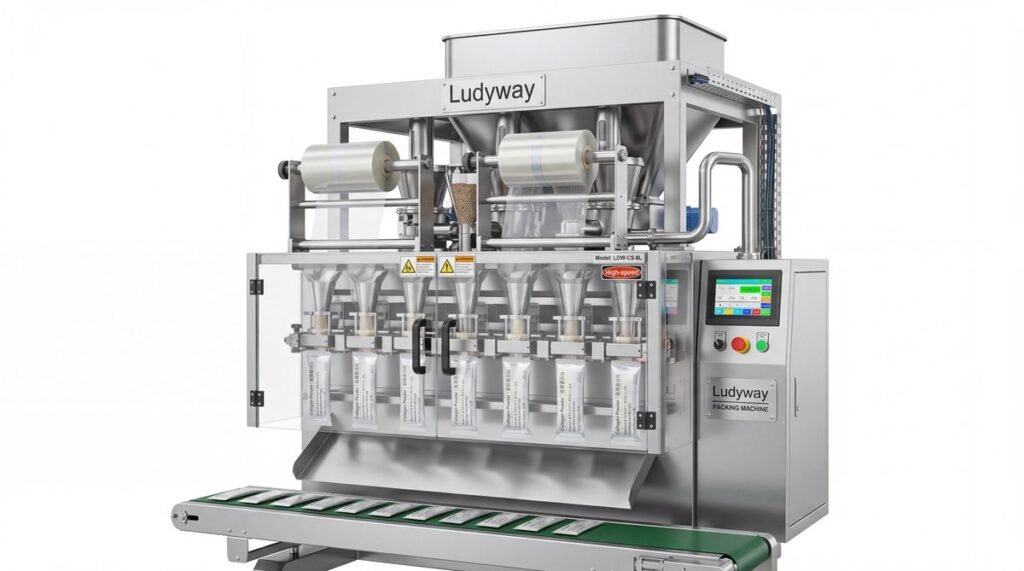
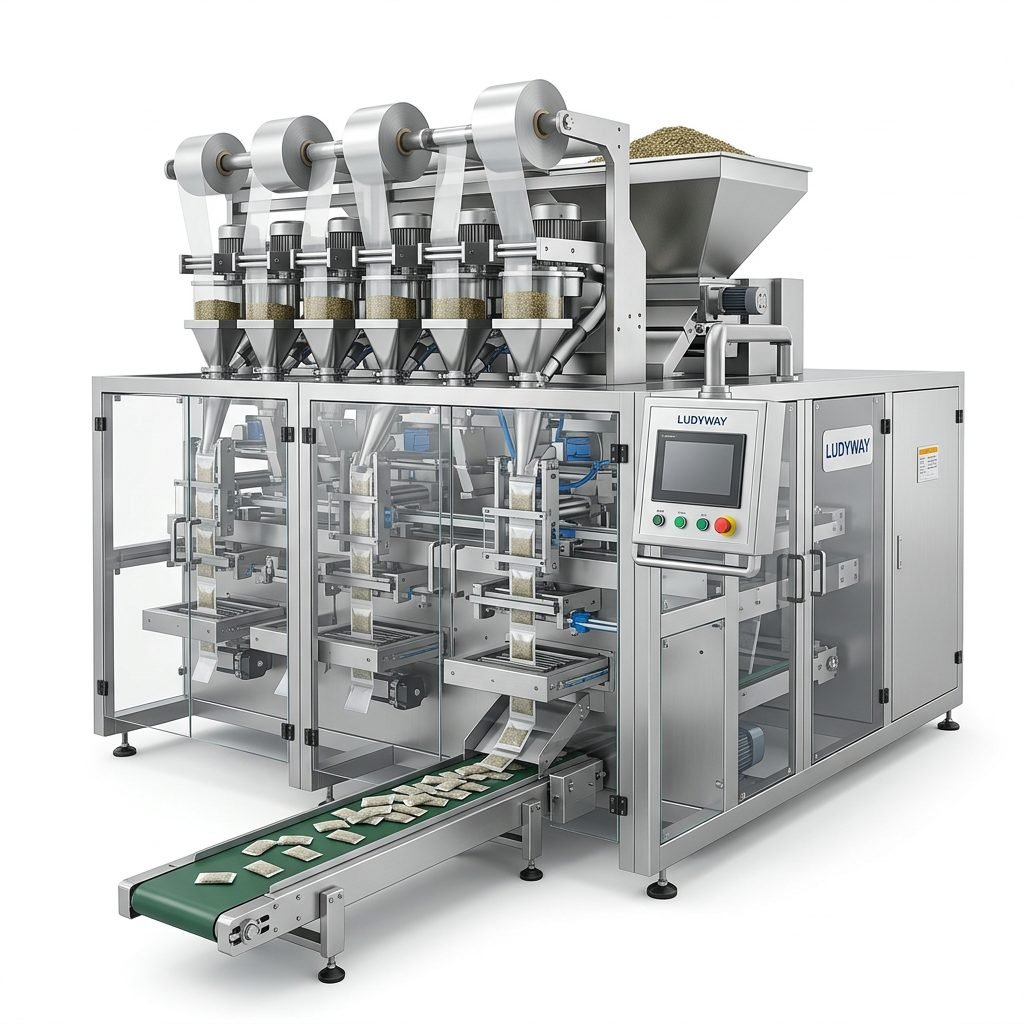
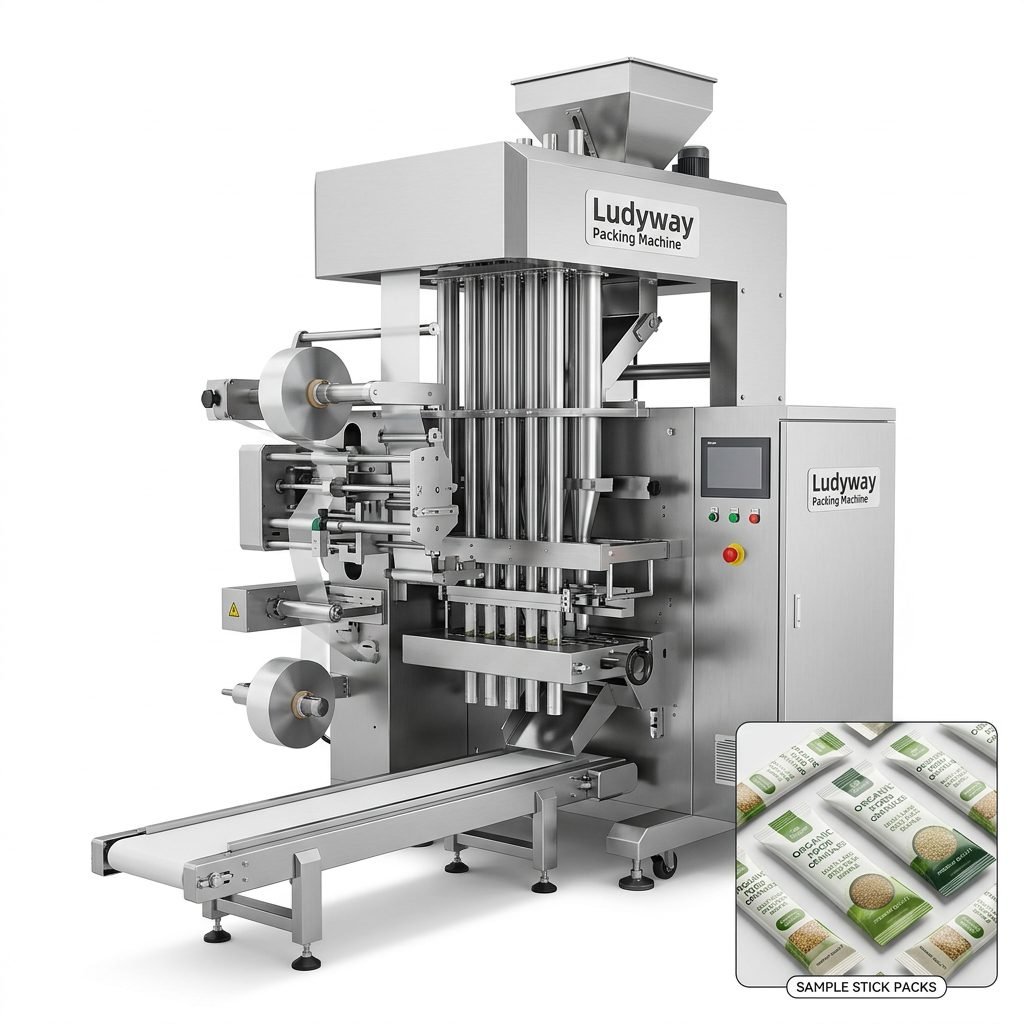
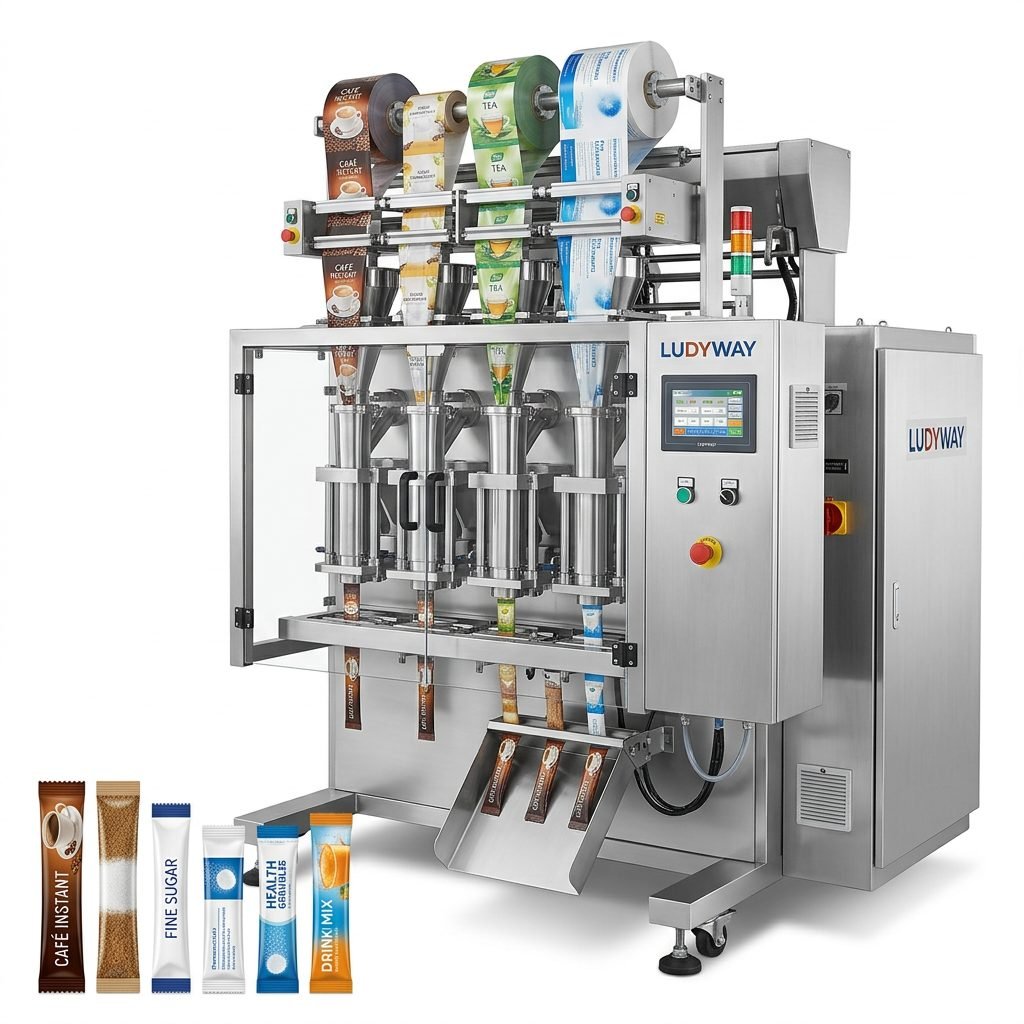
| Primary Packaging Machine | Wraps or seals individual candies in sachets or stick packs | Multi-lane capability, GS-marked safety features |
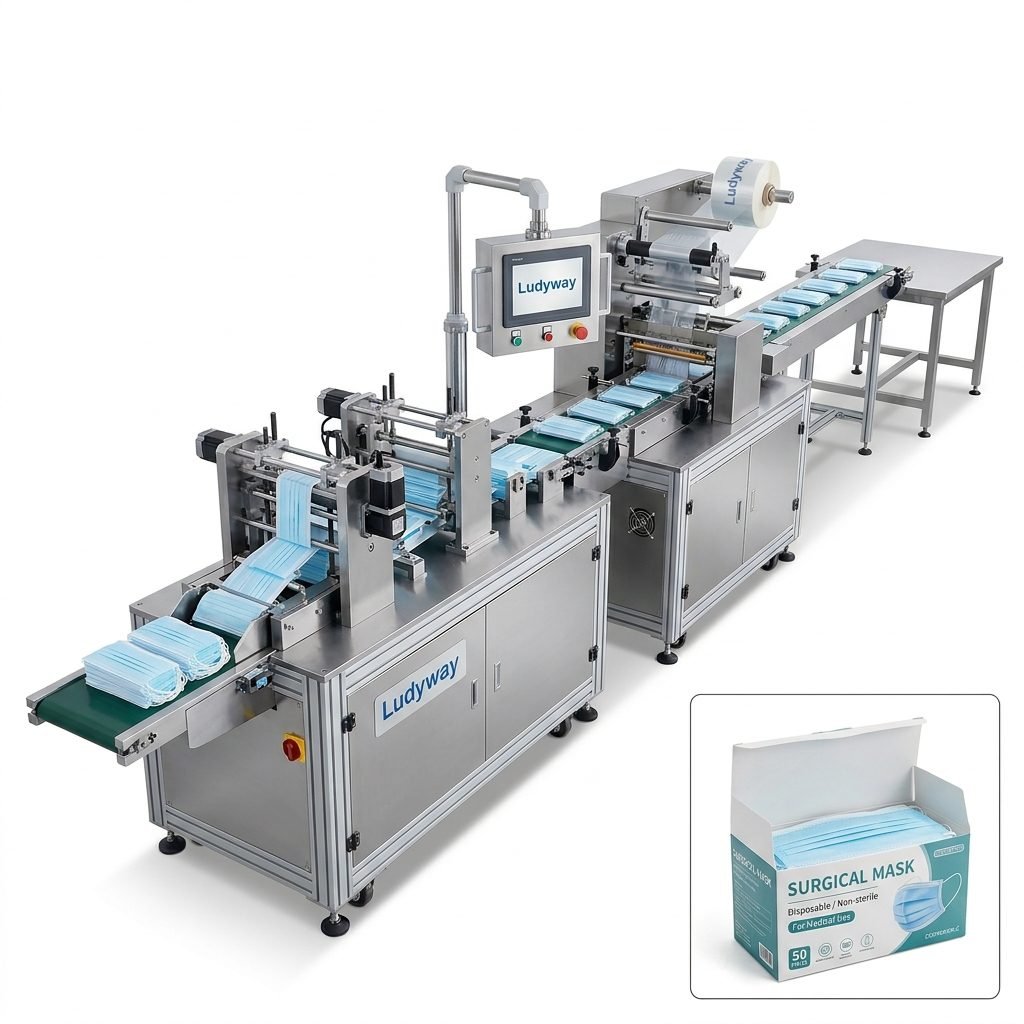
| Secondary Cartoning System | Packs finished sachets into cartons or display boxes | Automated changeover, compatible with FEFCO standards |
| Checkweigher & Inspection | Quality control and weight verification | MID-approved for trade, metal detection integrated |
| Palletizing System | Automated stacking for warehouse distribution | Robotic or conventional, Euro-pallet compatible |
Regulatory Compliance in Germany
Operating a packaging machine production line in Germany demands strict adherence to both national and European Union regulations. Non-compliance can result in significant fines, production shutdowns, and damage to brand reputation.
CE Marking and EU Directives
All packaging machinery installed in Germany must carry the CE mark, demonstrating conformity with the Machinery Directive 2006/42/EC. This certification confirms that the equipment meets essential health and safety requirements. Manufacturers should request a complete Declaration of Conformity from their equipment supplier before shipment.
German-Specific Standards
- DGUV Regulations: German Social Accident Insurance guidelines for workplace safety
- VDMA Standards: Mechanical engineering industry association specifications for packaging machinery
- DIN EN 415 Series: Safety standards specifically for packaging machines
- LFGB Compliance: Food contact material safety under German law
- Energieeffizienz: Energy efficiency requirements under the German Energy Efficiency Act
Site Preparation and Installation Requirements
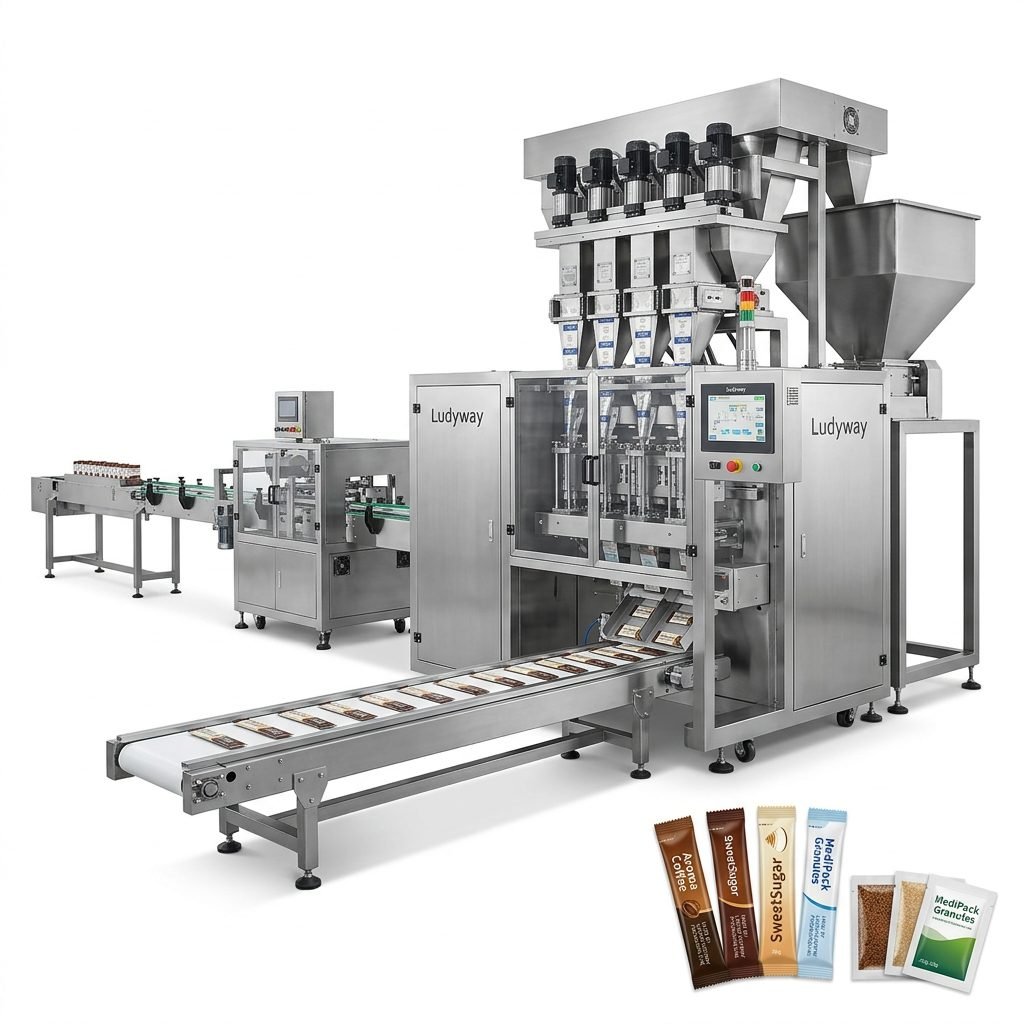
Proper site preparation is essential before a hard candy packaging machine arrives at your German facility. This phase includes evaluating floor load capacity, utility connections, and environmental controls. German industrial standards typically require:
- Electrical Supply: 400V three-phase power with appropriate amperage, compliant with VDE regulations
- Compressed Air: Clean, dry air supply at 6-8 bar, with filtration to ISO 8573-1 Class 2 standards
- Floor Requirements: Level concrete flooring with epoxy coating, capable of supporting dynamic loads
- Ventilation: Adequate HVAC systems to maintain temperature at 18-25°C and humidity below 60% RH
- Network Infrastructure: Ethernet connectivity for Industry 4.0 integration and remote diagnostics
Selecting the Right Packaging Format
Hard candy can be packaged in various formats depending on market positioning and distribution channels. The German retail market shows strong preference for convenient, resealable packaging options. Common formats include:
| Packaging Format | Best Suited For | Machine Type Required |
|---|---|---|
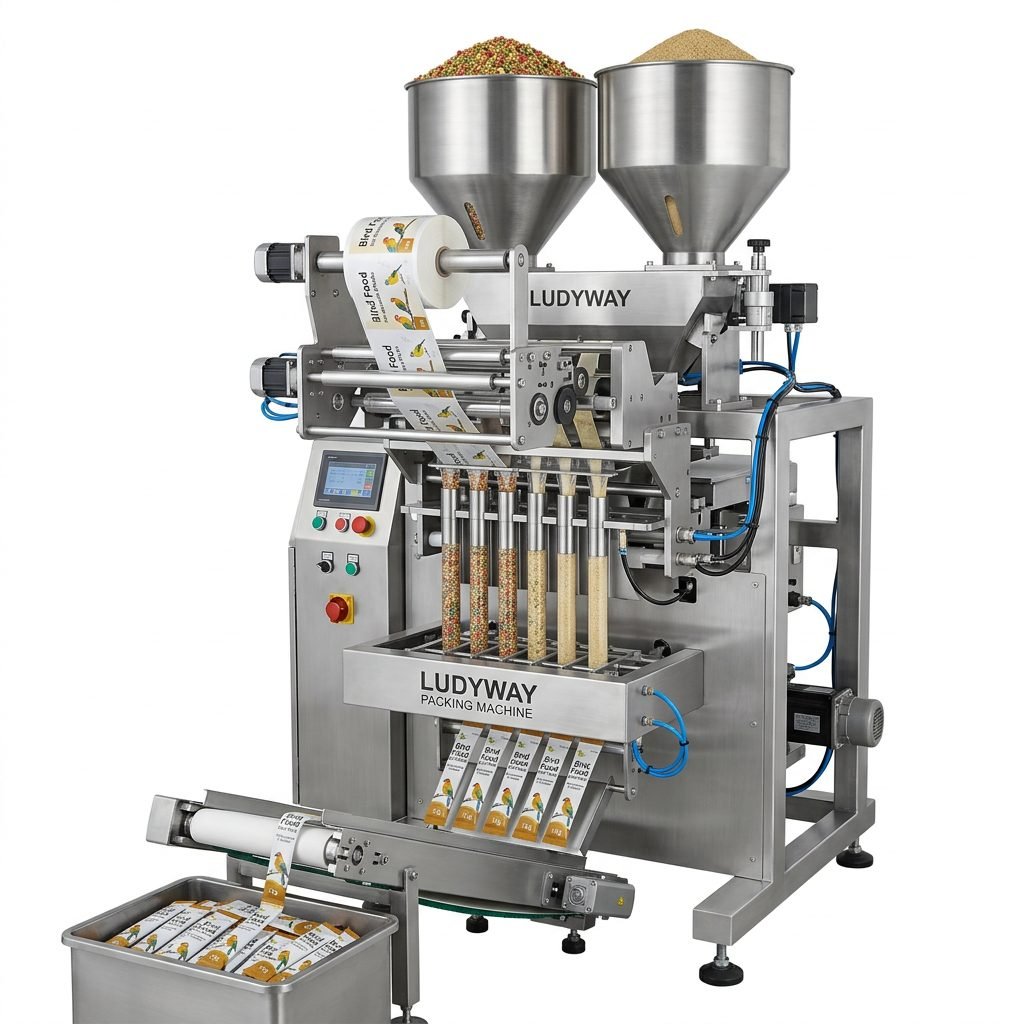
| Stick Packs | Single-serve portions, on-the-go consumption | Multi-lane stick pack machine |
| Sachets | Sample sizes, promotional packs | Sachet packaging machine with multi-lane configuration |
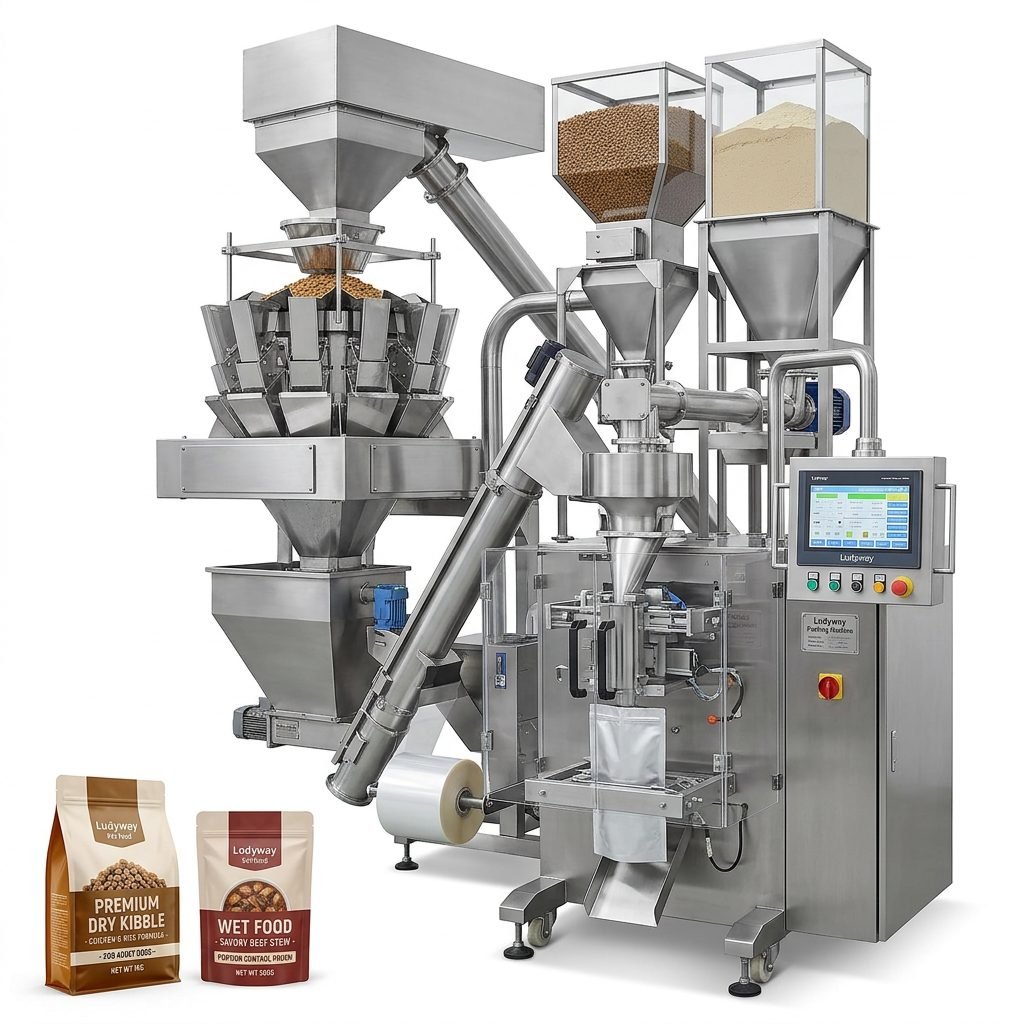
| Pillow Bags | Standard retail packs, bulk candy | Vertical form fill seal (VFFS) machine |
| Flow Wrap | Individual piece wrapping for premium products | Horizontal flow wrapper with servo drives |
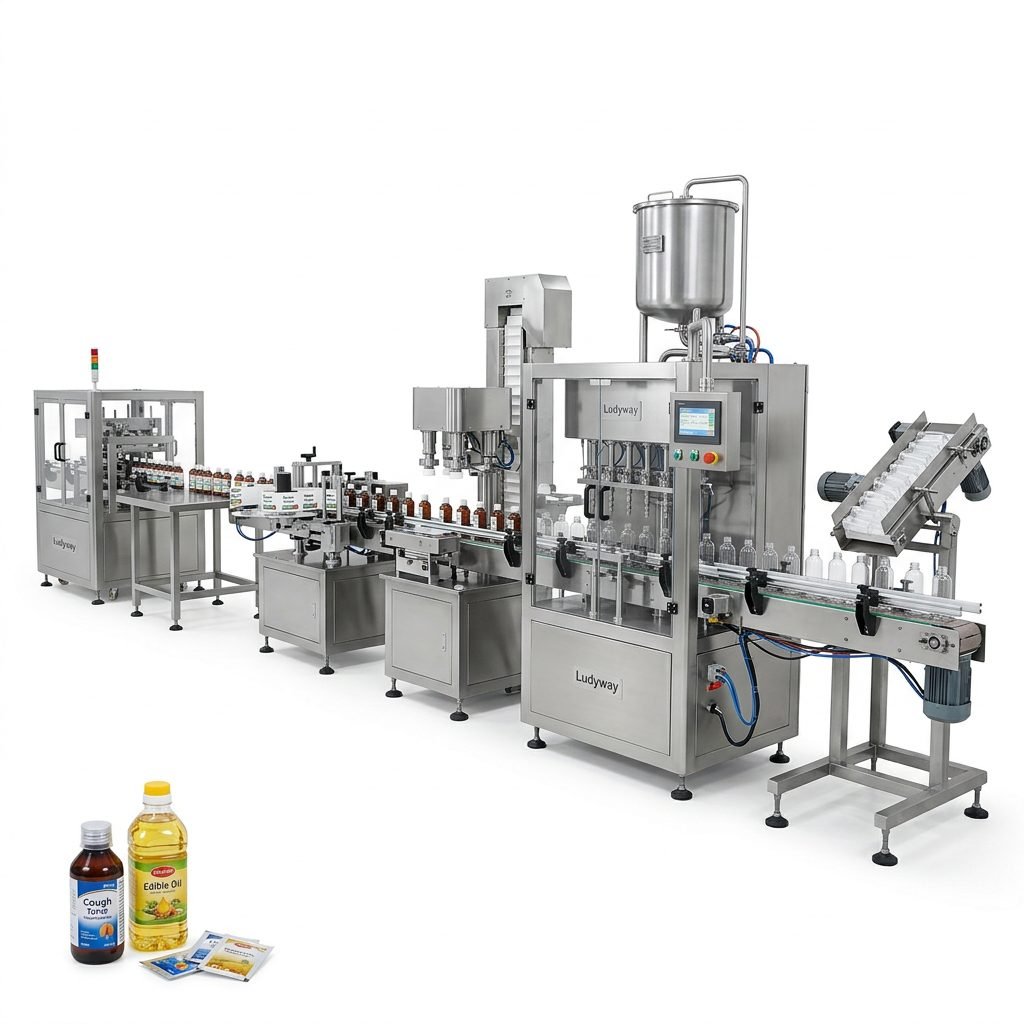
| Jar & Bottle Filling | Premium gift packs, reusable containers | Automated counting and filling system |
Integration with Existing Production Infrastructure
German manufacturing facilities often operate with sophisticated MES (Manufacturing Execution Systems) and ERP platforms such as SAP. A modern packaging machine manufacturer should supply equipment capable of seamless data exchange through standard protocols including OPC-UA, Ethernet/IP, and PROFINET. This connectivity enables real-time production monitoring, predictive maintenance scheduling, and automated quality reporting.
Industry 4.0 Readiness
The German government’s Industrie 4.0 initiative encourages smart factory implementation. Key features your packaging line should support include:
- Digital twin capability for virtual commissioning and simulation
- Predictive maintenance algorithms using sensor data analytics
- Automated format changeovers with recipe management via HMI
- Cloud-based performance dashboards accessible from any device
- Track and trace functionality for complete batch genealogy
Training and Workforce Development
Germany’s skilled workforce is one of its greatest industrial assets, yet proper training on new packaging equipment remains essential. A comprehensive training program should cover:
- Operator Training: Daily operation, format changeovers, and basic troubleshooting
- Maintenance Training: Preventive maintenance schedules, wear part replacement, and calibration procedures
- Safety Training: Emergency stop procedures, lockout/tagout protocols compliant with DGUV Regel 100-500
- Software Training: HMI navigation, recipe management, and data export functions
- Hygiene Training: Proper cleaning procedures following HACCP principles and IFS Food standards
Maintenance and Spare Parts Strategy
Establishing a robust maintenance program is critical for minimizing downtime in a German production environment where operational efficiency directly impacts profitability. Best practices include maintaining an on-site inventory of critical spare parts, scheduling regular preventive maintenance during planned production pauses, and establishing a service level agreement (SLA) with your equipment supplier that guarantees response times within Germany.
For manufacturers sourcing equipment from international suppliers like Ludyway, one of the largest packaging machine manufacturers in China with over 30 years of industry expertise and a modern 20,000㎡ manufacturing facility, it is essential to confirm that comprehensive after-sales support, including remote diagnostics and local service partnerships within Germany, is available before finalizing any procurement decision.
Cost Considerations and ROI Analysis
Investing in a hard candy packaging production line in Germany involves significant capital expenditure. Understanding the total cost of ownership (TCO) helps in making sound financial decisions:
| Cost Category | Estimated Percentage of TCO | Notes |
|---|---|---|
| Equipment Purchase | 45-55% | Includes primary and secondary packaging machinery |
| Installation & Commissioning | 8-12% | Site preparation, electrical, compressed air, integration |
| Training | 2-4% | Operator and maintenance personnel training programs |
| Annual Maintenance | 3-5% per year | Spare parts, service contracts, consumables |
| Energy Consumption | 5-8% per year | Electricity costs at German industrial rates (approx. €0.20/kWh) |
Environmental and Sustainability Requirements
Germany enforces some of the world’s most stringent environmental regulations for packaging. The German Packaging Act (VerpackG) requires manufacturers to register with the Central Packaging Register (ZSVR) and participate in a dual recycling system. Your packaging line should be capable of working with eco-friendly materials including mono-material films, paper-based packaging, and recyclable laminates that comply with the latest EU Packaging and Packaging Waste Regulation (PPWR).
Common Challenges and Solutions
Setting up a hard candy packaging line in Germany presents unique challenges that require proactive planning:
- Challenge: Sticky or hygroscopic candy causing machine jams
Solution: Implement climate-controlled feeding zones and specialized non-stick contact surfaces - Challenge: Frequent format changes for seasonal German market demands
Solution: Invest in machines with quick-change tooling and servo-driven adjustments - Challenge: Strict German noise emission regulations in production areas
Solution: Select equipment with sound-dampening enclosures rated below 75 dB(A) - Challenge: Integration with existing German-built upstream equipment
Solution: Ensure open architecture control systems with standard industrial interfaces
Useful Industry Resources
For manufacturers establishing packaging operations in Germany, the following resources provide valuable regulatory and industry guidance:
- PMMI – The Association for Packaging and Processing Technologies
- ISO – Packaging Standards
- European Commission – Packaging and Packaging Waste
- FDA – Food Packaging and Food Contact Substances
- Flexible Packaging Association – Official Website
- PMMI – State of the Industry Reports
Final Considerations for Success
Successfully setting up a hard candy packaging machine production line in Germany hinges on meticulous planning, regulatory compliance, and selecting equipment that meets the high standards of German manufacturing. From CE certification and IFS Food compliance to Industry 4.0 integration and sustainable packaging capabilities, every detail matters. By partnering with an experienced packaging machinery solutions provider and investing in comprehensive training and maintenance programs, manufacturers can build a production line that delivers efficiency, quality, and long-term profitability in one of the world’s most demanding confectionery markets.