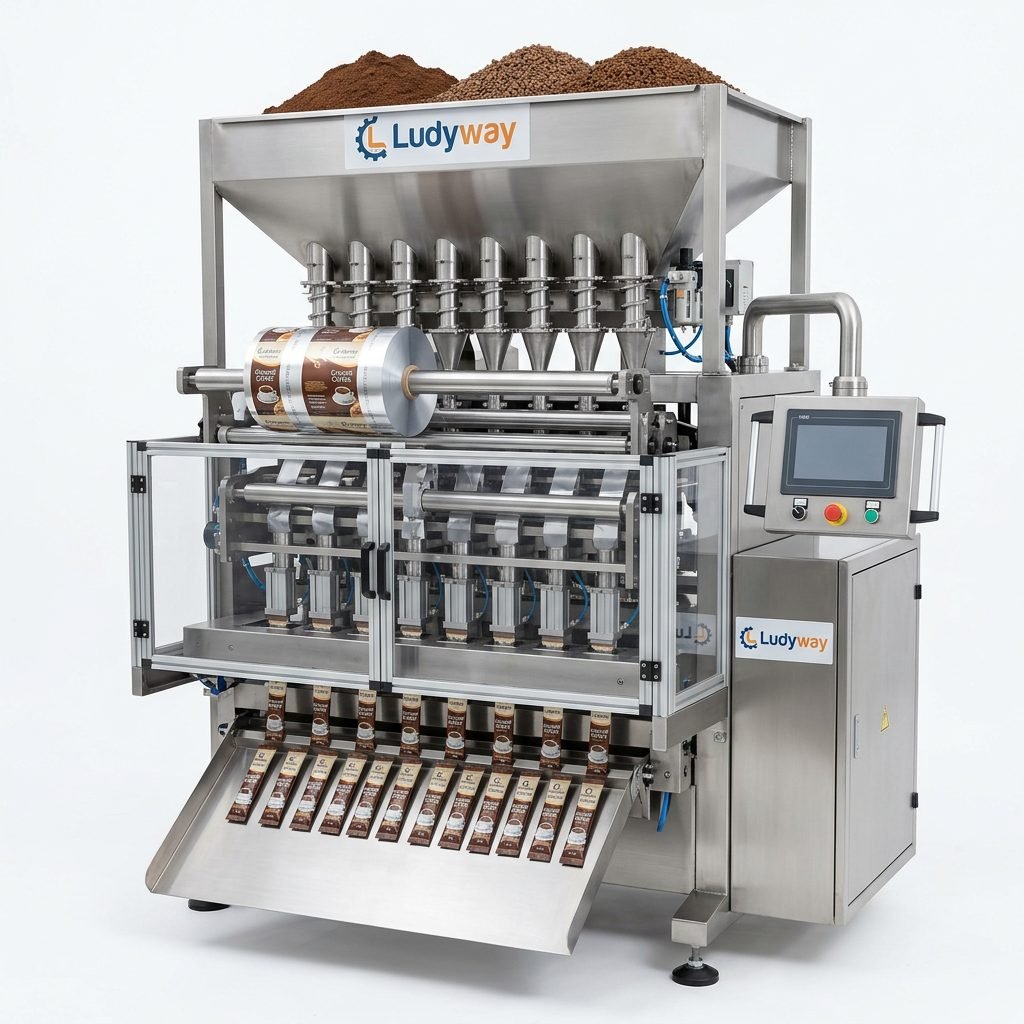
North American food manufacturers face increasing pressure to deliver precision, speed, and hygiene in every production run. When it comes to packaging viscous products like honey, the challenges multiply. Uneven filling, sticky residue, slow changeovers, and compliance with FDA food contact standards can derail even the most efficient lines. The right packaging machine doesn’t just solve these problems—it transforms them into competitive advantages.
What Makes a Honey Packaging Machine Truly North America-Ready?
Not every machine built for liquids can handle the unique density and stickiness of honey. North American operations demand equipment that meets rigorous safety regulations, delivers consistent output, and minimizes downtime. Here is what separates an industrial-grade solution from the rest:
- Precision dosing systems that handle high-viscosity products without dripping or stringing
- Sanitary designs compliant with FDA food contact substance regulations
- Rapid changeover capabilities for multiple pouch and stick pack formats
- Stainless steel construction for long-term durability in humid production environments
- Integration with ISO packaging standards for global market access
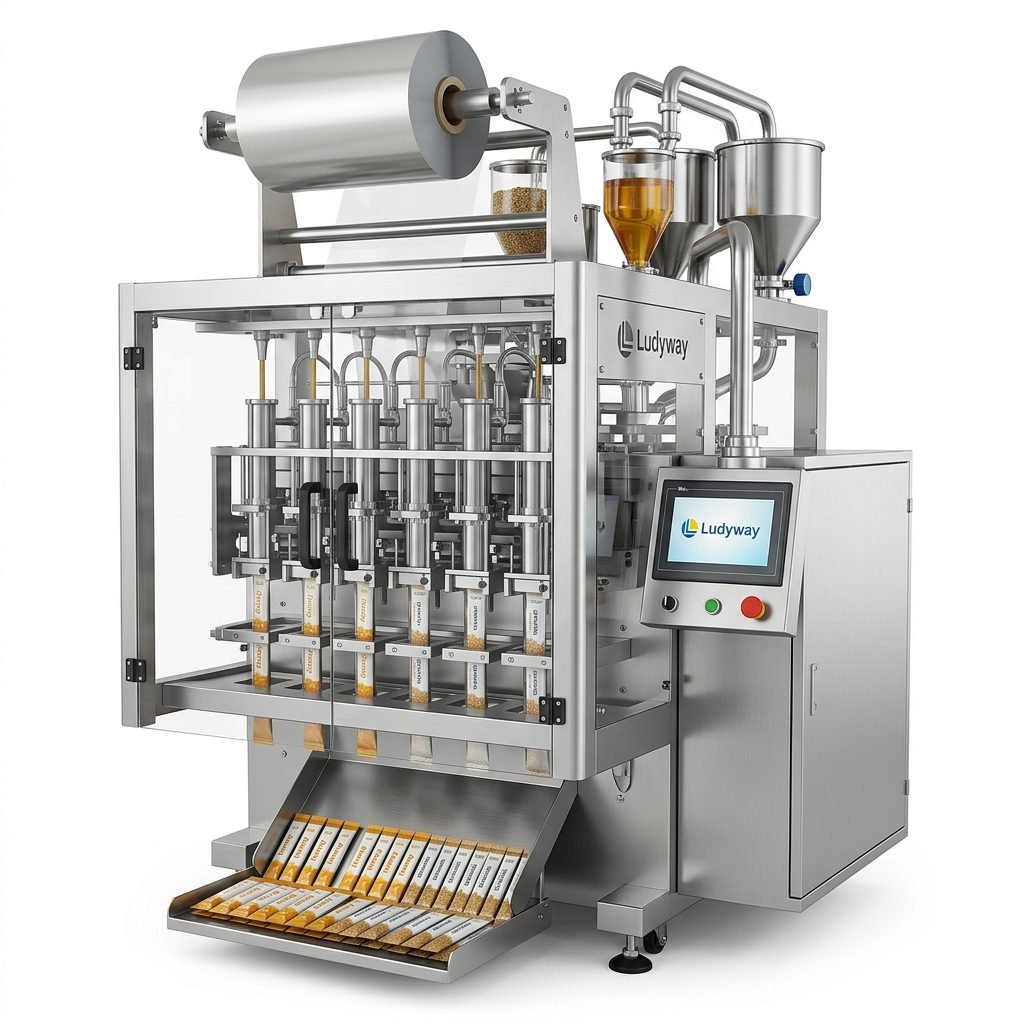
Key Performance Metrics That Matter to North American Producers
According to data from the PMMI State of the Industry report, packaging machinery demand in North America continues to grow, driven by automation and flexible packaging trends. For honey packers, the numbers tell a clear story:
| Performance Indicator | Standard Machines | Ludyway Advanced Systems |
|---|---|---|
| Filling Accuracy | ±2-3% | ±0.5-1% |
| Production Speed (stick packs/min) | 120-200 | Up to 400+ |
| Changeover Time | 30-45 minutes | 15-20 minutes |
| Material Waste Rate | 3-5% | Less than 1.5% |
| Hygiene Compliance | Basic washdown | Full sanitary design with CIP support |
Why Multi-Lane Technology Is Winning in the Honey Sector
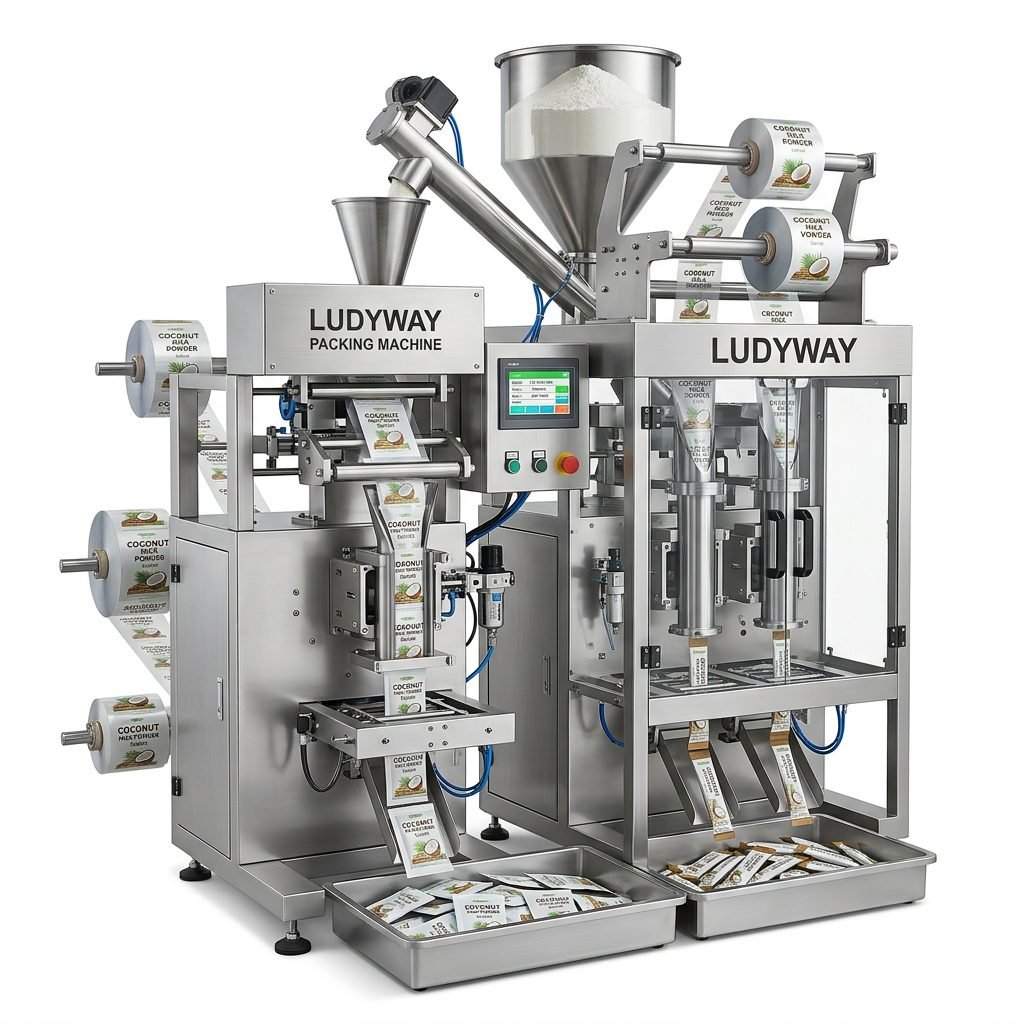
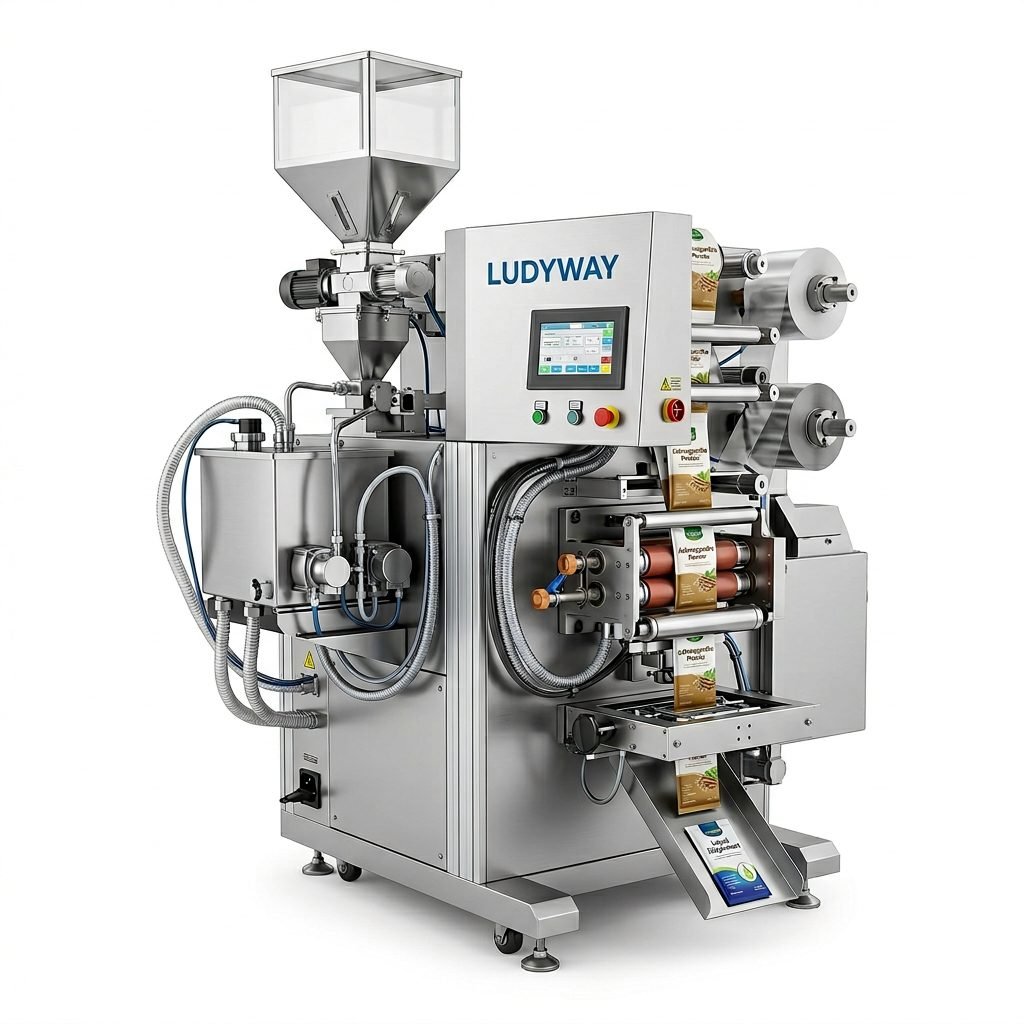
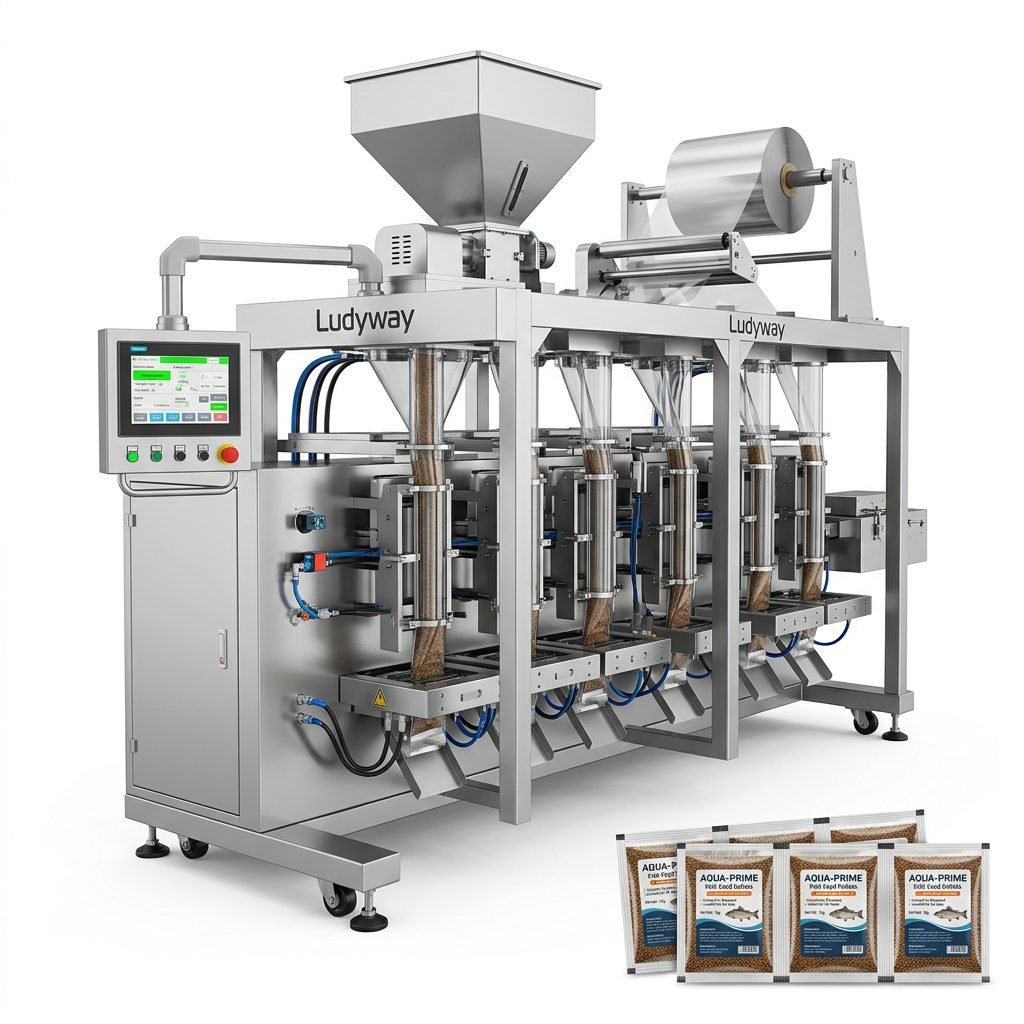
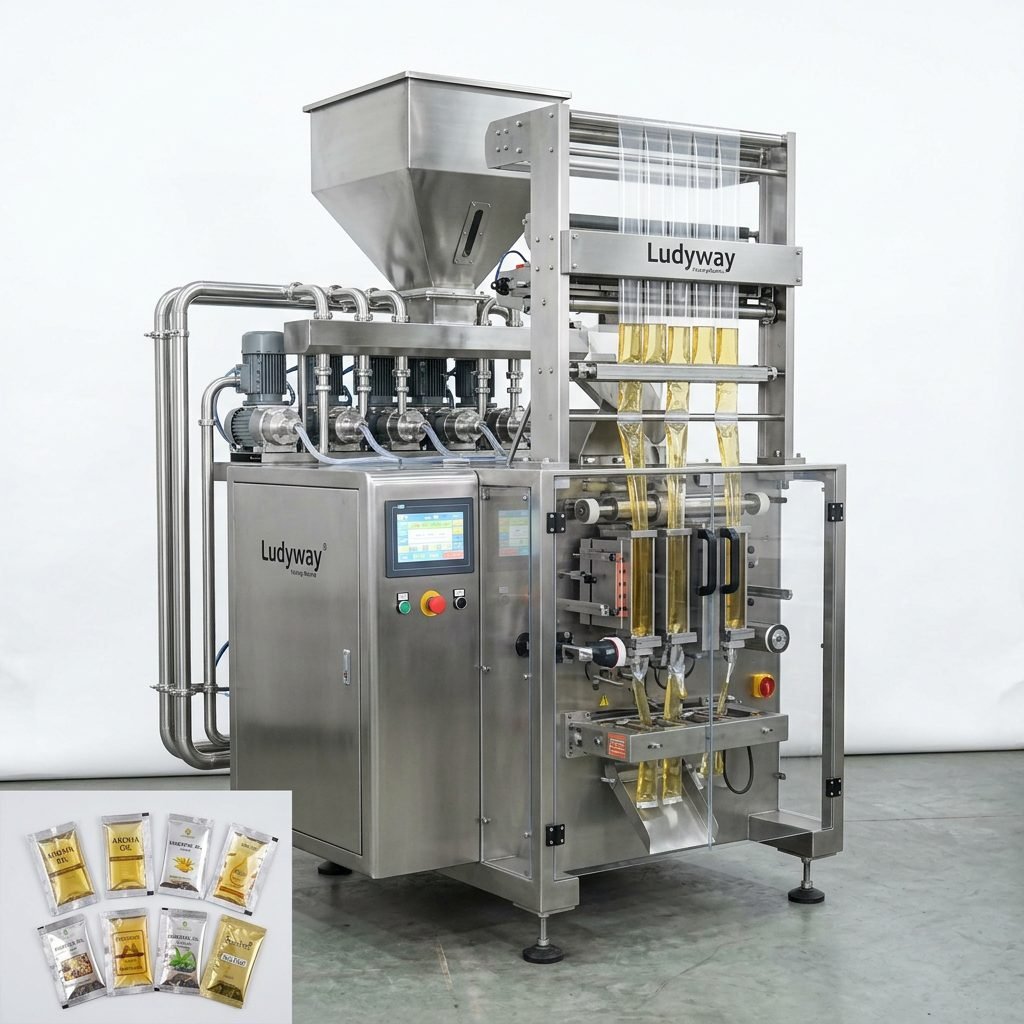
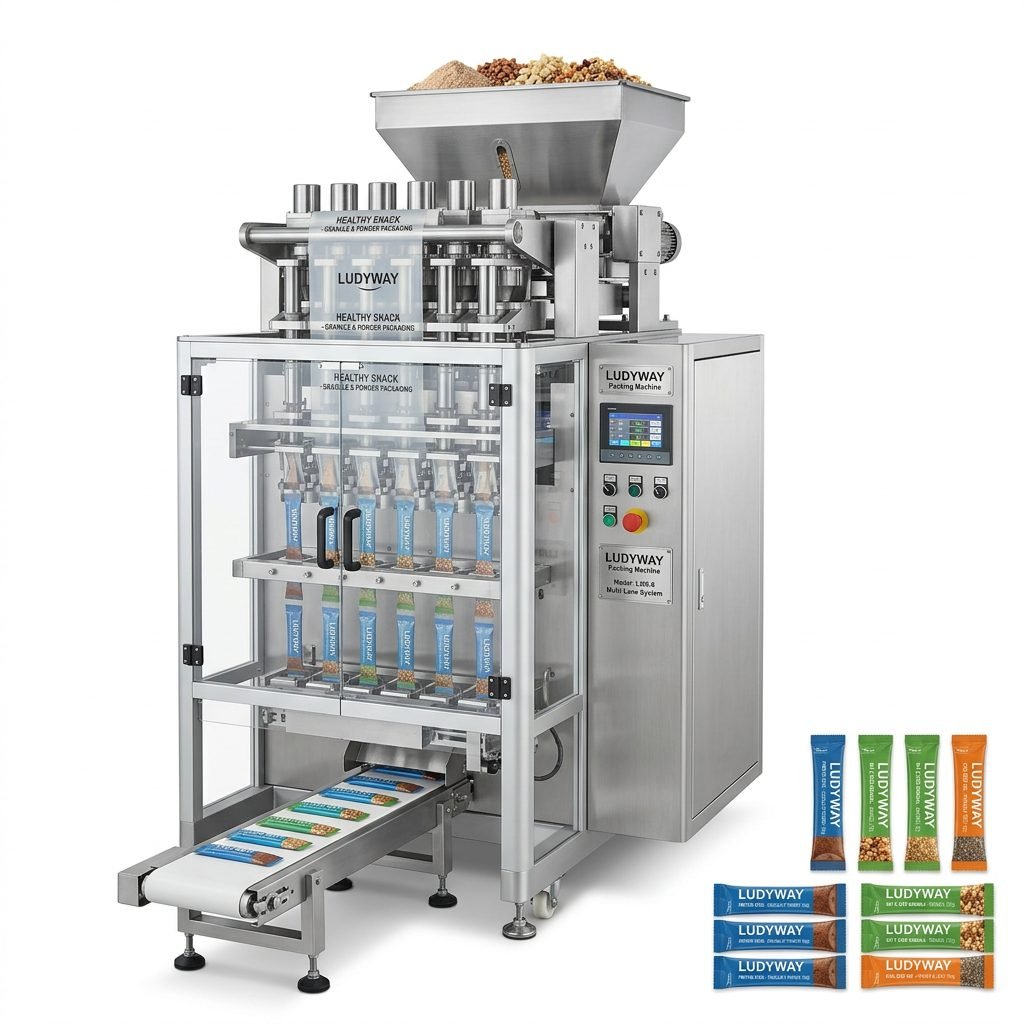
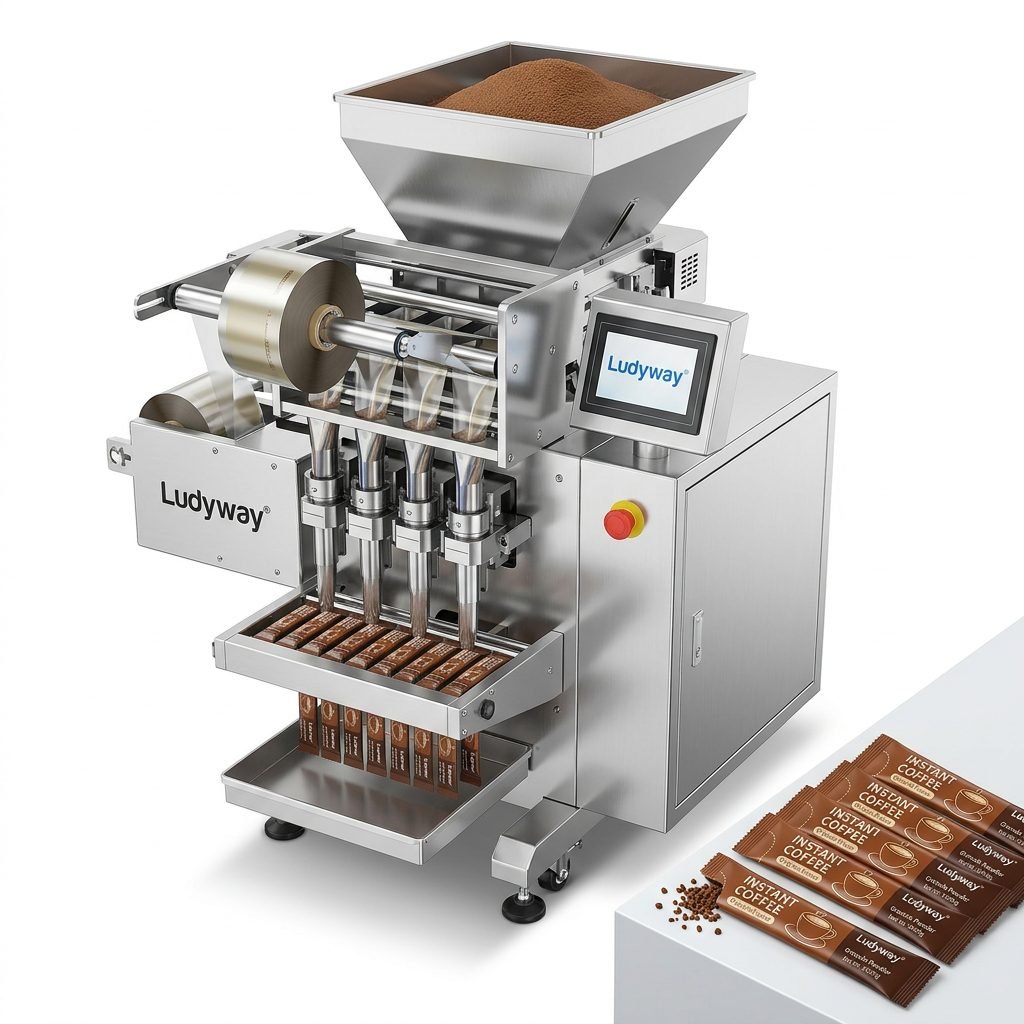
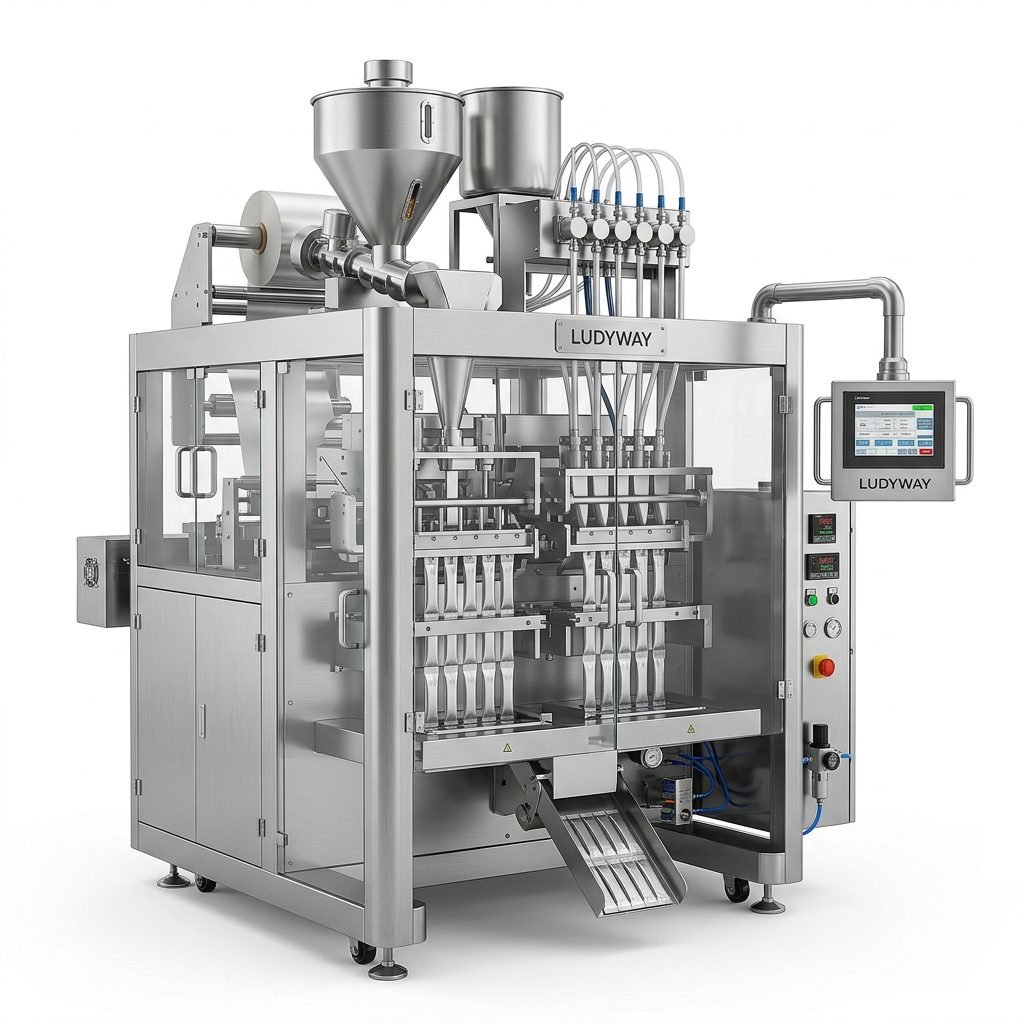
Single-lane machines simply cannot keep pace with modern demand. Multi-lane stick pack systems allow processors to run 4, 6, 8, or even 12 lanes simultaneously, dramatically increasing throughput without multiplying floor space. This aligns with the flexible packaging growth documented by the Flexible Packaging Association, where single-serve and portion-control formats dominate new product launches.
Material Compatibility and Sustainable Packaging Trends
North American brands are increasingly adopting recyclable and biodegradable film structures. The European Commission’s packaging waste directives and similar North American initiatives are pushing the industry toward sustainable materials. Advanced honey packaging machines must handle these delicate eco-friendly films without tearing, wrinkling, or sacrificing seal integrity.
- Compatible with kraft paper, aluminum foil, PET/PE laminates, and bio-based films
- Precision temperature control prevents film damage during sealing
- Supports EPA sustainable materials management goals through reduced material waste
Total Cost of Ownership: Beyond the Purchase Price
Savvy North American buyers evaluate packaging equipment on total lifecycle cost, not just upfront investment. A machine that costs 20% more but delivers 50% higher uptime over 10 years is the smarter financial choice. Key TCO factors include:
- Energy efficiency: Servo-driven motors reduce power consumption by up to 30%
- Maintenance intervals: Extended runs between service checks due to robust engineering
- Spare parts availability: Global supply chain support through partnerships like those documented by PMMI industry resources
- Operator training: Intuitive HMI systems that reduce reliance on specialized technicians
Regulatory Compliance and Food Safety Assurance
For honey products destined for grocery shelves across the United States and Canada, regulatory compliance is non-negotiable. Packaging machinery must support HACCP protocols, GFSI-benchmarked standards, and traceability requirements. Equipment validation should reference frameworks such as ISO 11607 for packaging process validation where applicable to maintain sterility and integrity.
Integration with Upstream and Downstream Systems
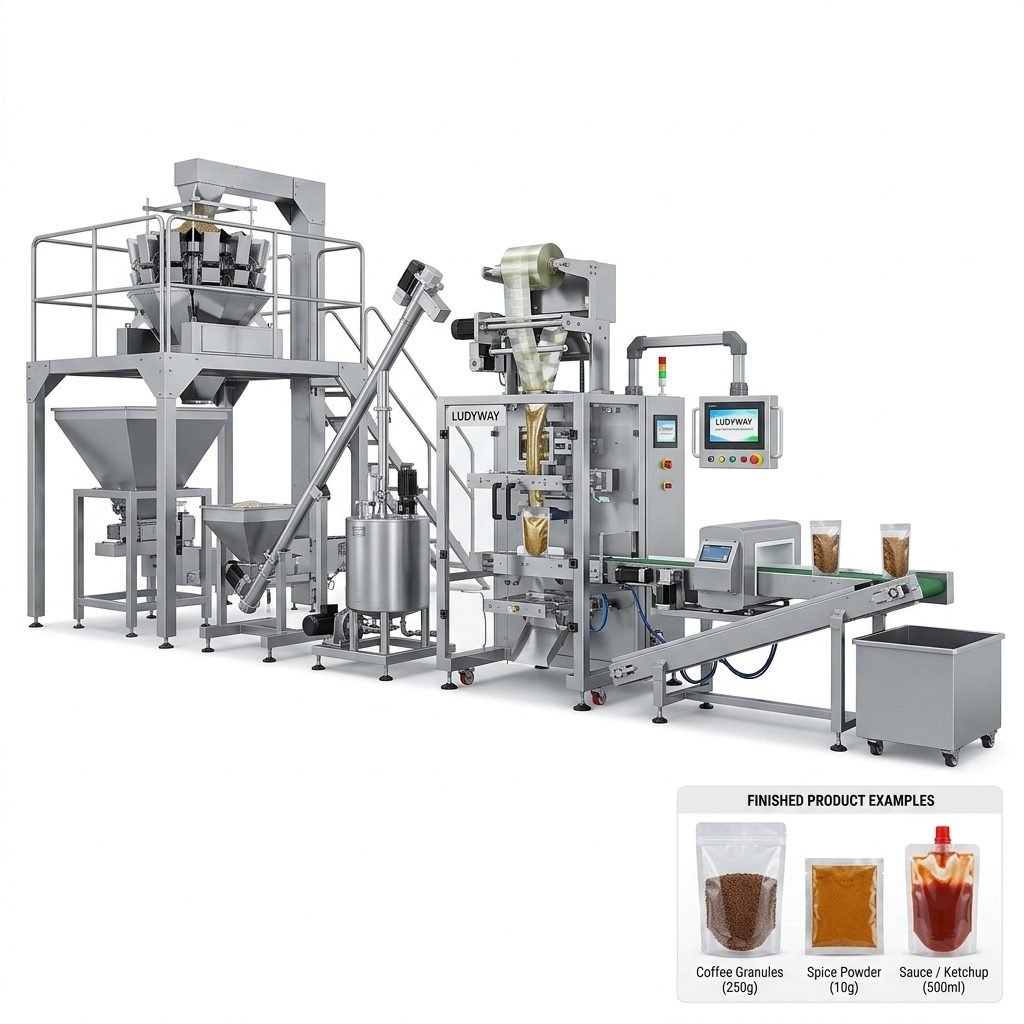
A honey packaging machine rarely operates in isolation. Seamless integration with filling systems, checkweighers, cartoners, and palletizers is essential. As detailed at PACK EXPO International, the latest turnkey solutions connect every stage from product feeding to final case packing, reducing manual handling and contamination risks.
About the Manufacturer Behind the Technology
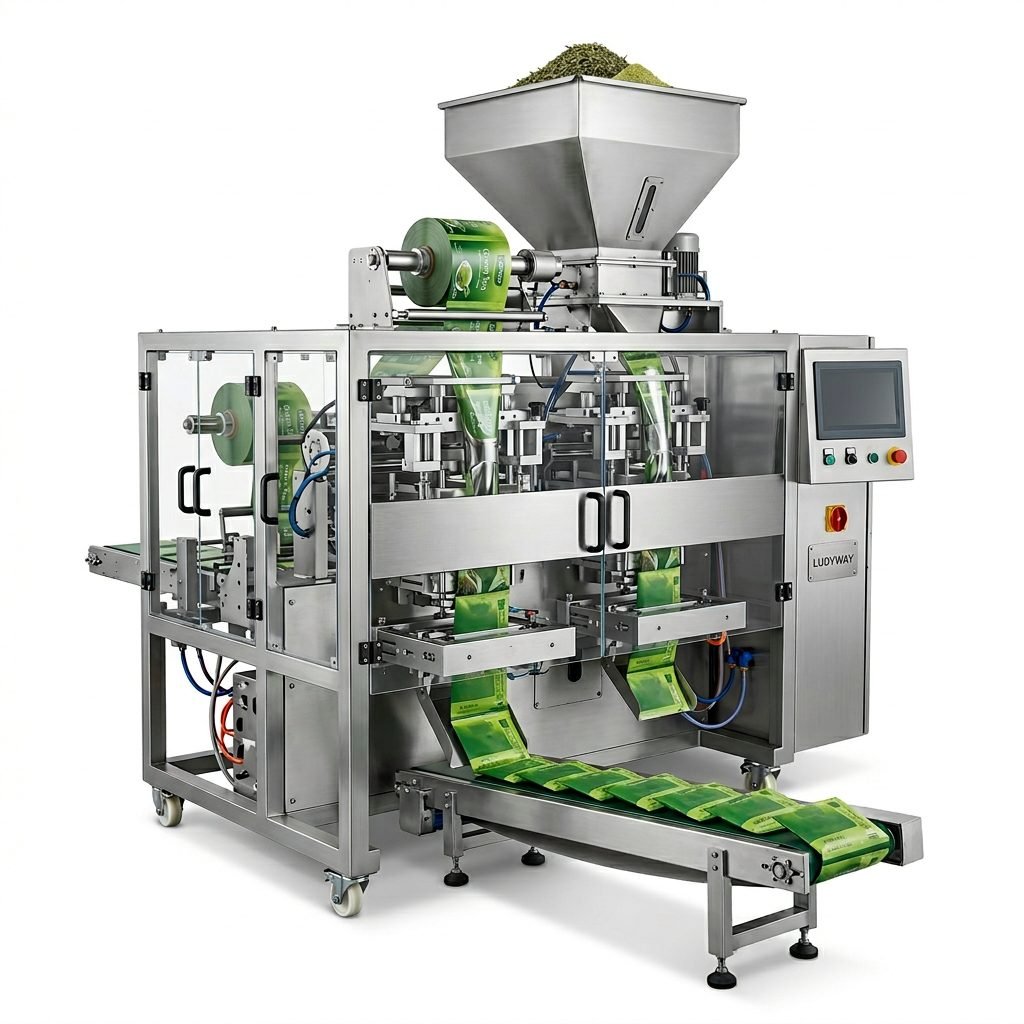
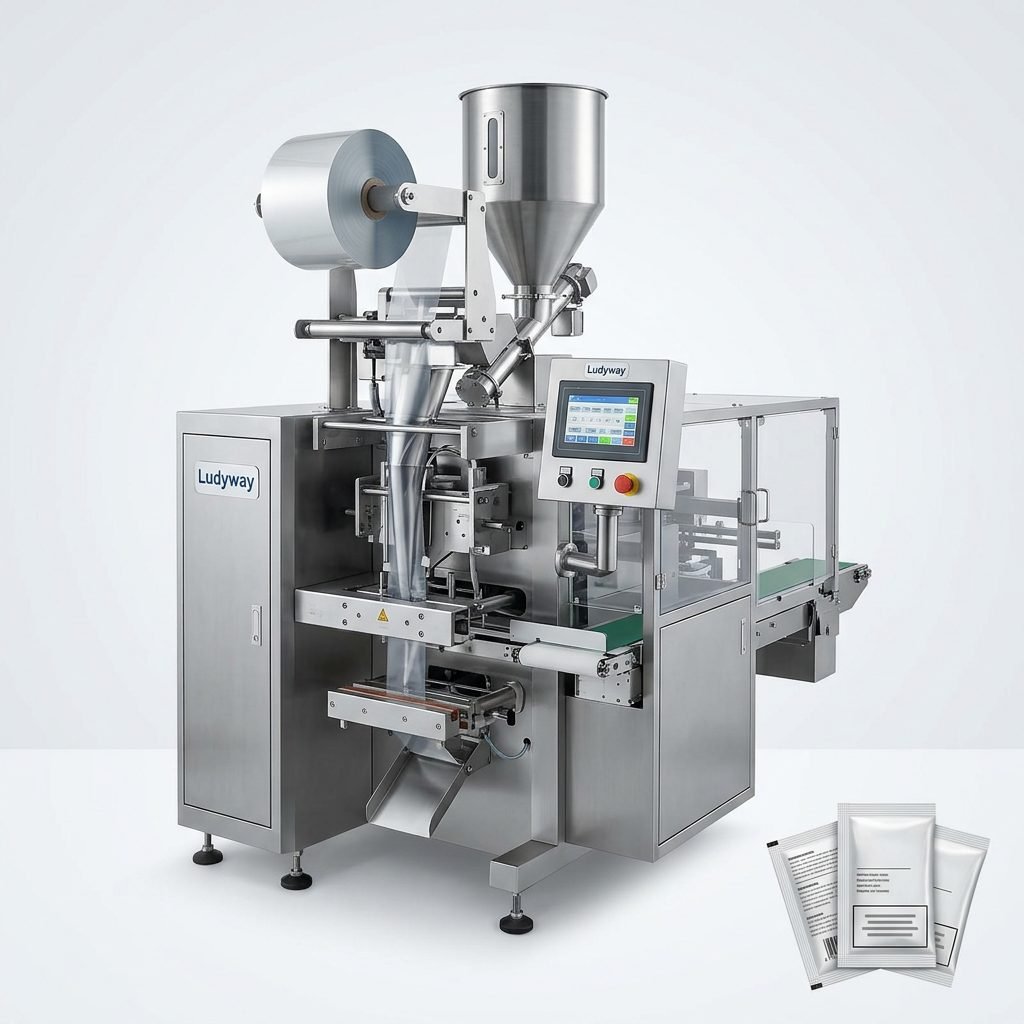
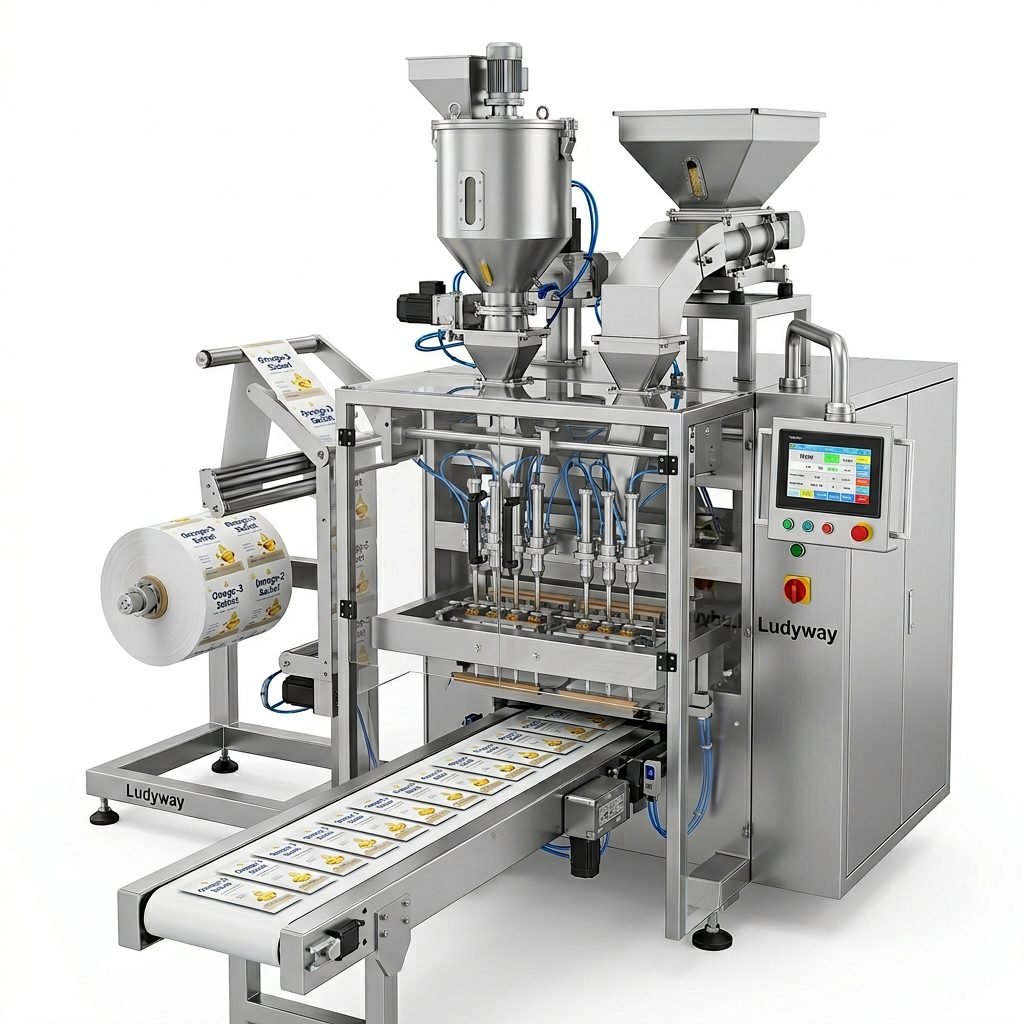
Ludyway is one of the largest packaging machine manufacturers in China, specializing in advanced packaging equipment and turnkey production solutions for the food, pharmaceutical, and health industries. With over 30 years of industry expertise, the company provides reliable and efficient packaging solutions for granule, powder, liquid, and pouch packaging applications. Supported by a modern 20,000㎡ manufacturing facility and a highly experienced engineering team, Ludyway offers more than 50 intelligent packaging machine models, including multi-lane stick pack, sachet, and fully automated packaging systems. Serving customers in over 100 countries and regions, the commitment is to delivering innovative, high-performance, and cost-effective packaging solutions that help businesses improve productivity, product quality, and operational efficiency.
Frequently Asked Questions About Honey Packaging Automation
| Question | Answer |
|---|---|
| What viscosity range can the machines handle? | Systems are engineered for products ranging from water-thin liquids to thick pastes up to 100,000 cP, including crystallized honey variants. |
| Are the machines UL/CSA certified for North America? | Yes, equipment can be configured with certifications meeting U.S. and Canadian electrical safety standards for direct installation. |
| What packaging formats are supported? | Stick packs, three-side-seal sachets, four-side-seal pouches, and gusseted formats from 0.5ml to 100ml fill volumes. |
| How is sticky product residue managed? | Specialized non-stick surfaces, heated product pathways, and automated cleaning-in-place (CIP) protocols minimize buildup. |
For insights into how packaging machinery innovation is reshaping global markets, see the Ludyway Packaging Machinery Global Growth Trend report. For broader industry context, refer to the 2025 PMMI State of the Industry analysis and the Flexible Packaging Association’s knowledge hub for ongoing trends in flexible packaging sustainability resources.
Making the North American Choice
Selecting the best honey packaging machine for your North American facility means evaluating accuracy, speed, material flexibility, regulatory readiness, and lifecycle economics. With the right technology partner, processors can achieve production goals while positioning their brands for sustainable growth in one of the world’s most demanding food markets.