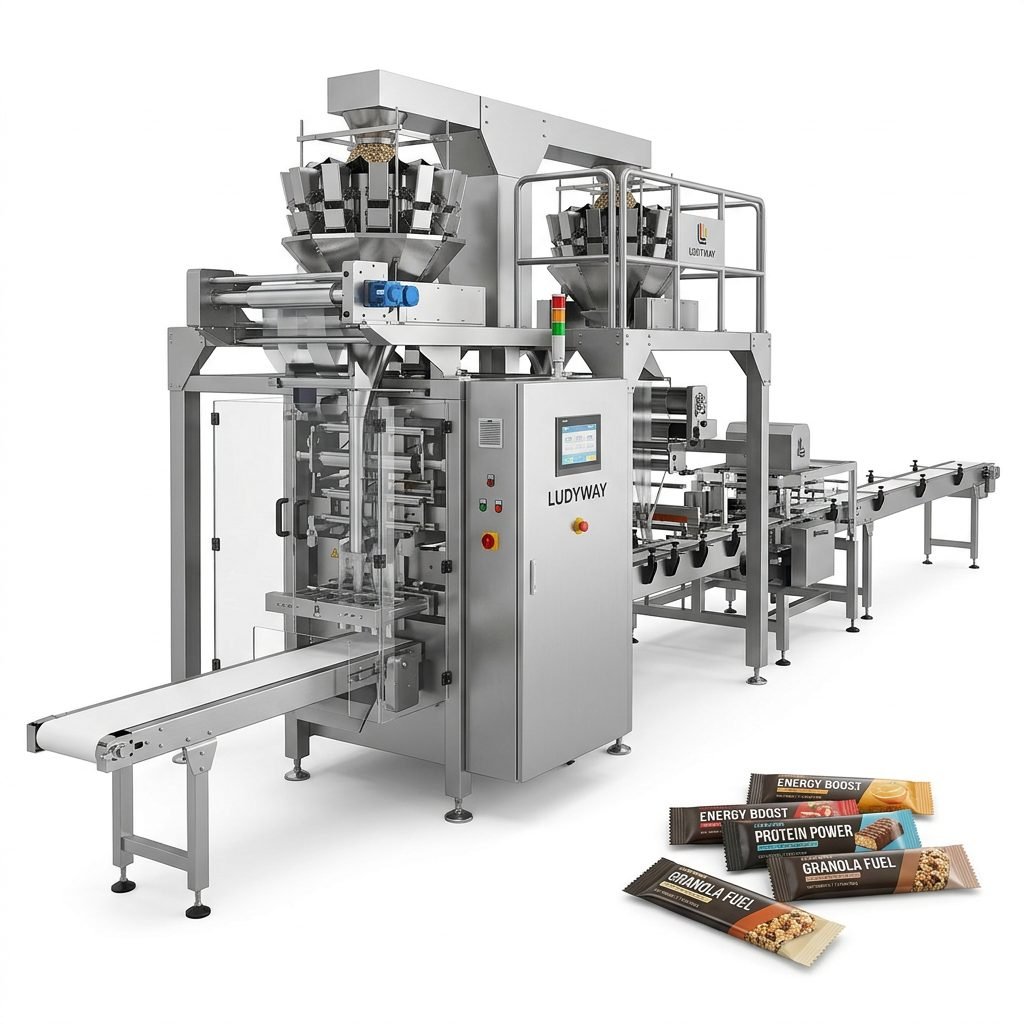
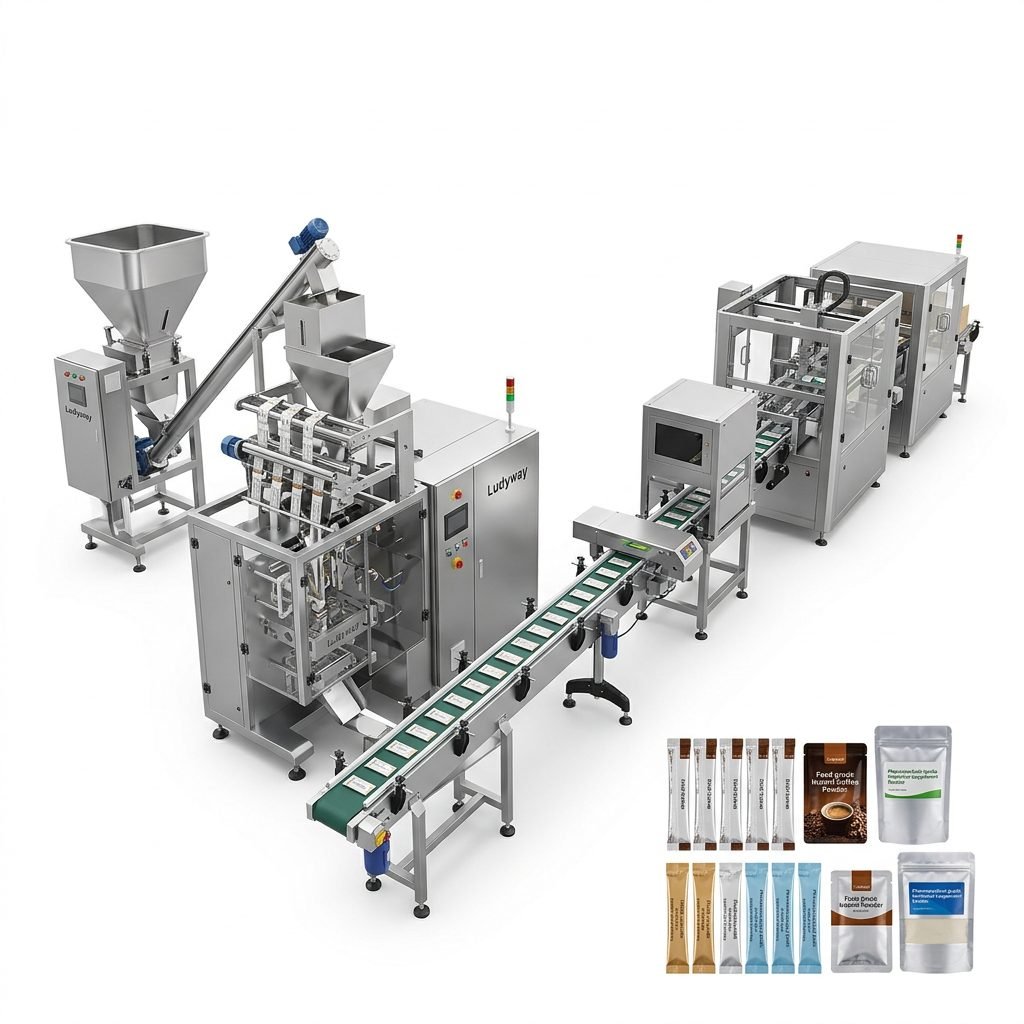
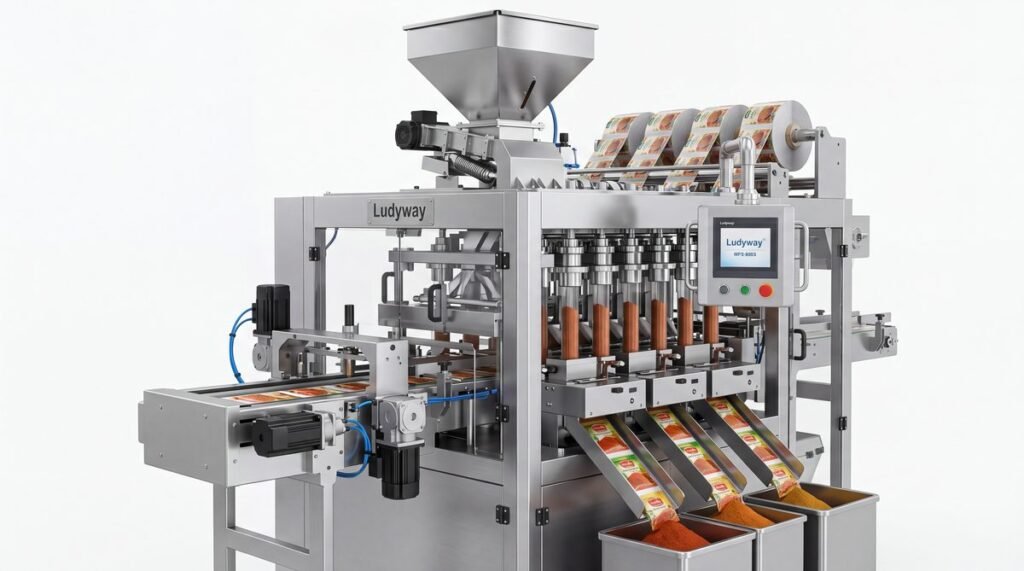
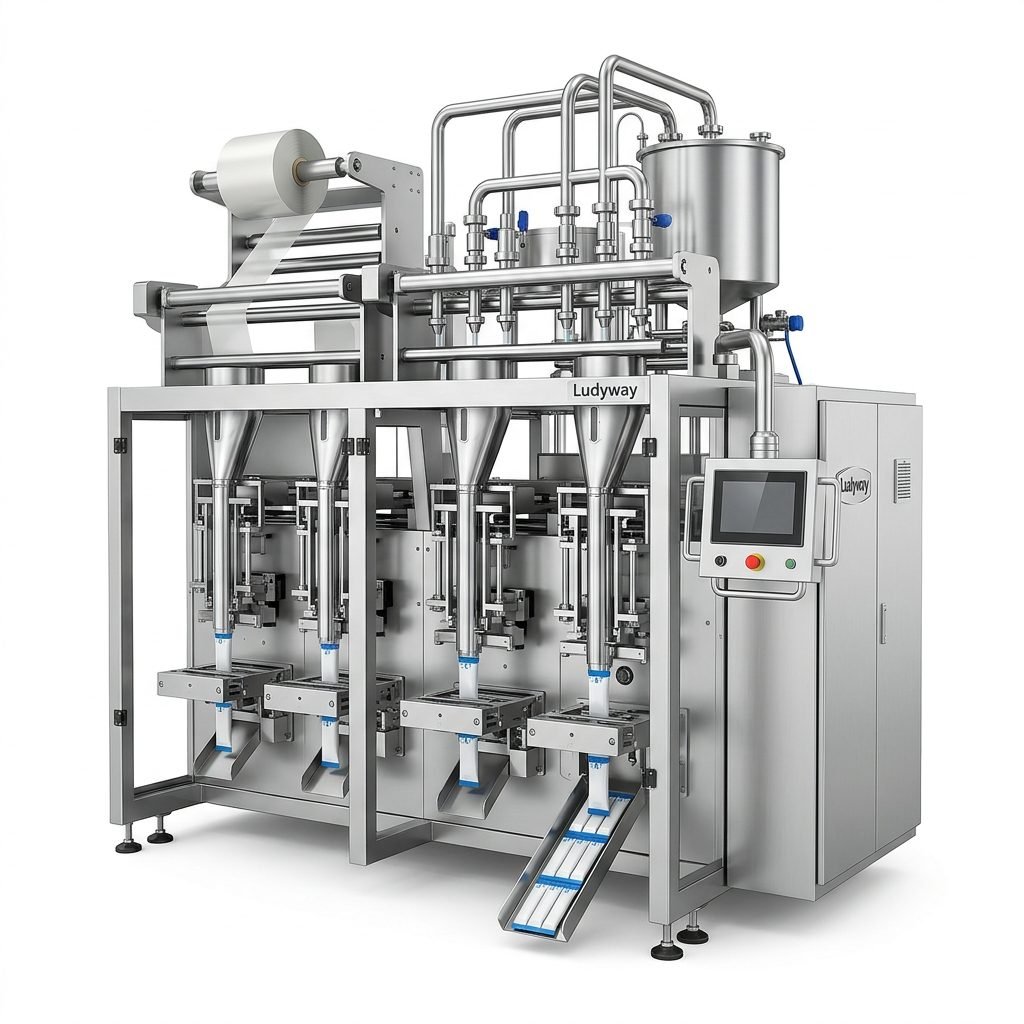
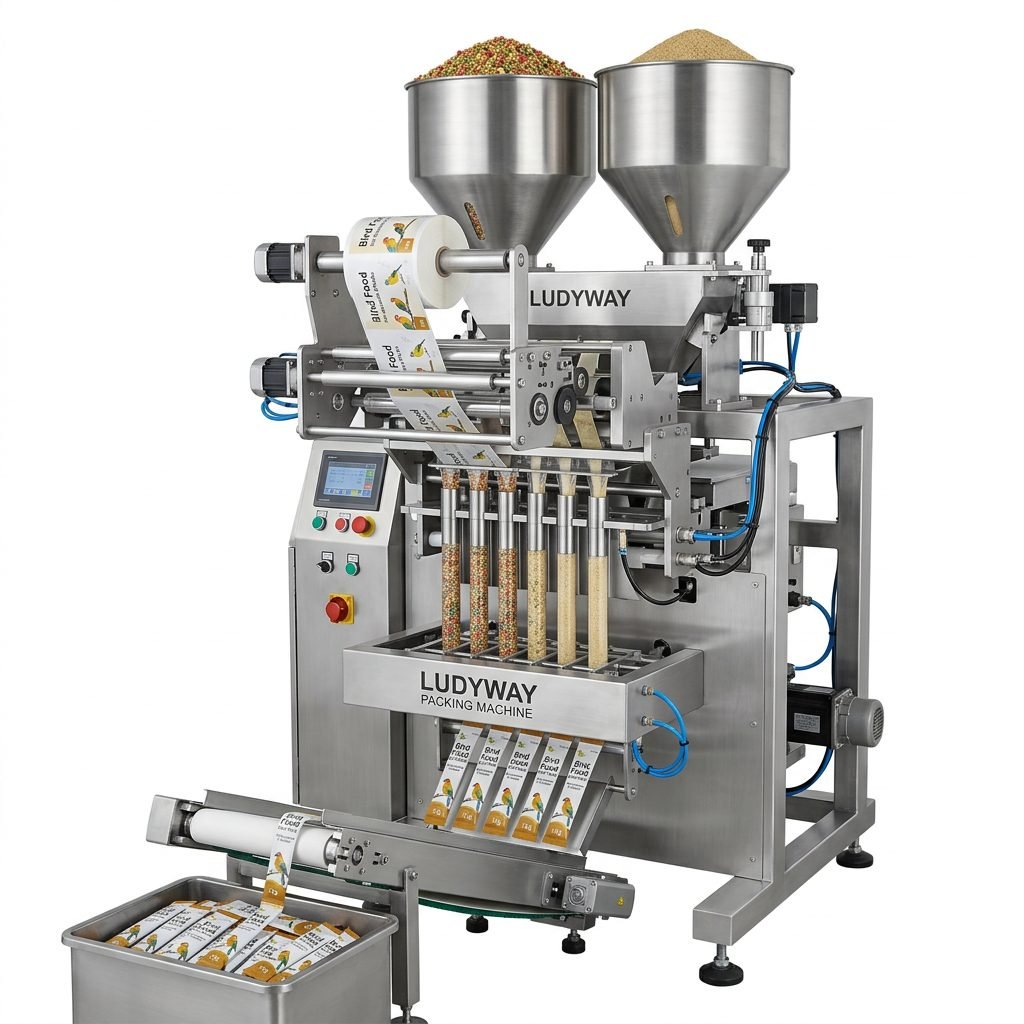
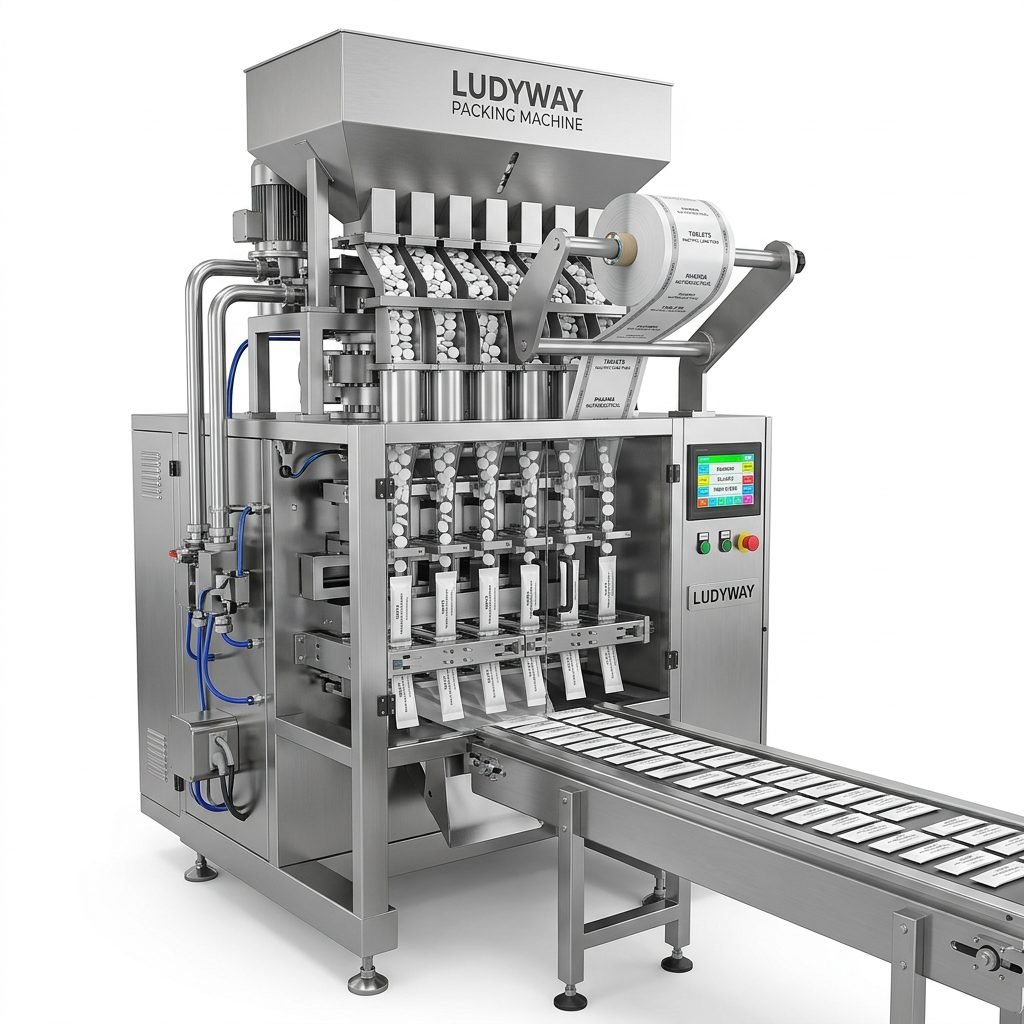
Italy is one of the world’s largest cheese producers, with a rich tradition spanning hundreds of varieties including Parmigiano Reggiano, Mozzarella, Gorgonzola, and Ricotta. The demand for high-quality, automated cheese packaging has grown significantly as producers seek to extend shelf life, ensure food safety, and meet export standards. Setting up a cheese packaging machine production line requires careful planning, from selecting the right equipment to understanding local regulations and facility requirements.
Understanding the Italian Cheese Packaging Landscape
Italy’s cheese industry is characterized by a mix of large-scale industrial producers and smaller artisanal operations. According to PMMI’s State of the Industry report, the European packaging machinery market continues to grow, driven by automation trends and stricter food safety requirements. Cheese packaging in Italy must comply with both EU regulations and specific national standards that govern food contact materials and hygiene.
Types of Cheese Packaging Formats Common in Italy
- Vacuum-sealed pouches for hard cheeses like Parmigiano Reggiano
- Modified atmosphere packaging (MAP) for fresh cheeses including Mozzarella
- Flow-wrapped portions for sliced and convenience cheese products
- Thermoformed trays for retail-ready cheese displays
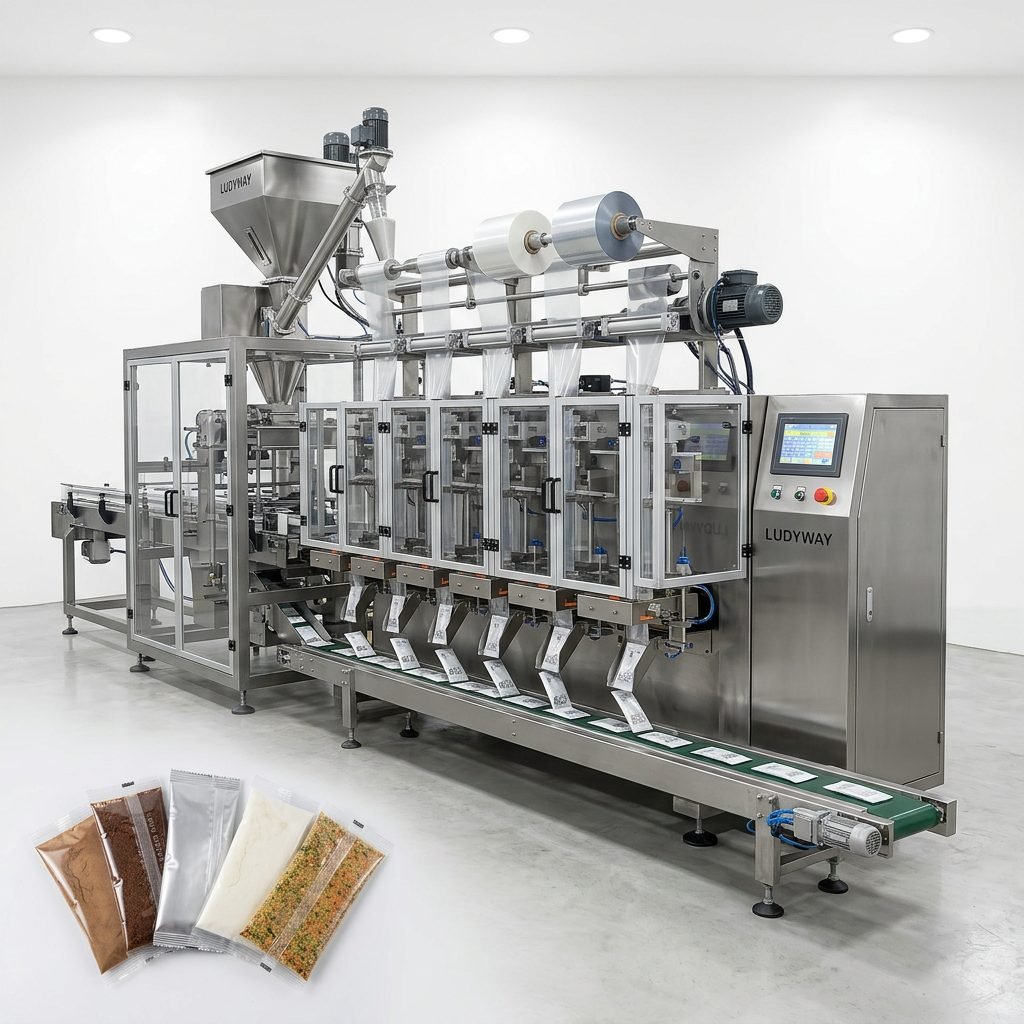
- Stick-pack and sachet formats for grated cheese and single-serve portions
Key Equipment Selection for Cheese Packaging Lines
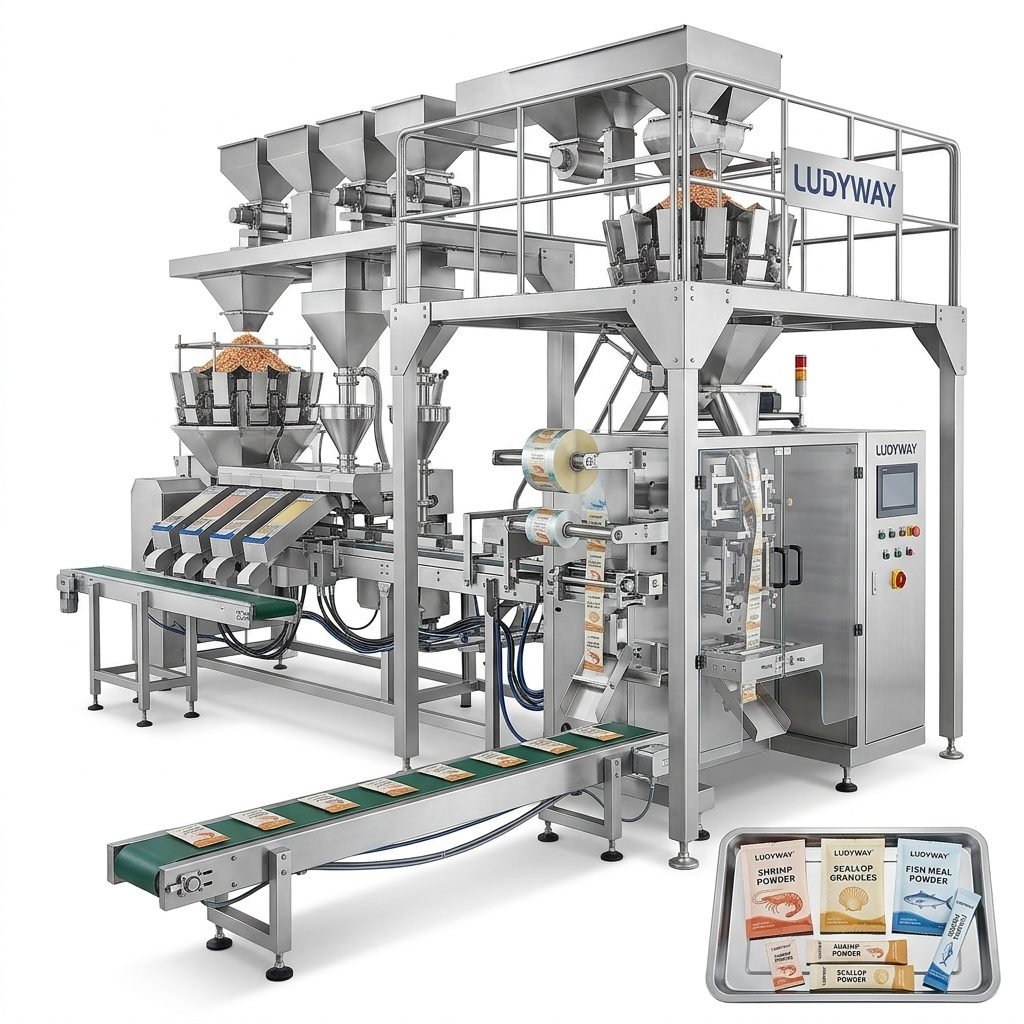
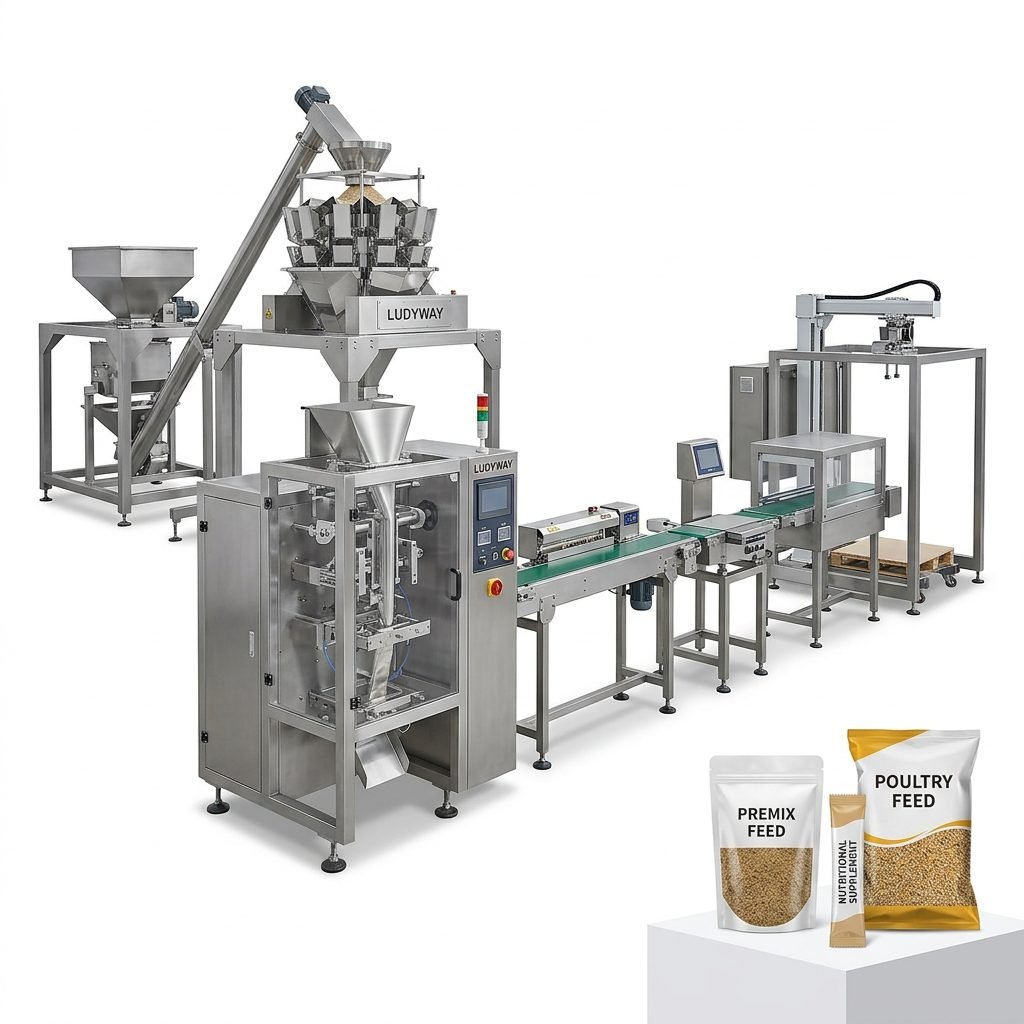
Choosing the right machinery is critical for a successful cheese packaging operation in Italy. The following table outlines the core equipment categories and their primary functions:
| Equipment Type | Primary Function | Best Suited For |
|---|---|---|
| Vacuum Packaging Machines | Removes air to extend shelf life | Hard and semi-hard cheeses |
| MAP Packaging Systems | Replaces atmosphere with gas mix | Fresh and soft cheeses |
| Flow Wrapping Machines | High-speed horizontal wrapping | Sliced and portioned cheese |
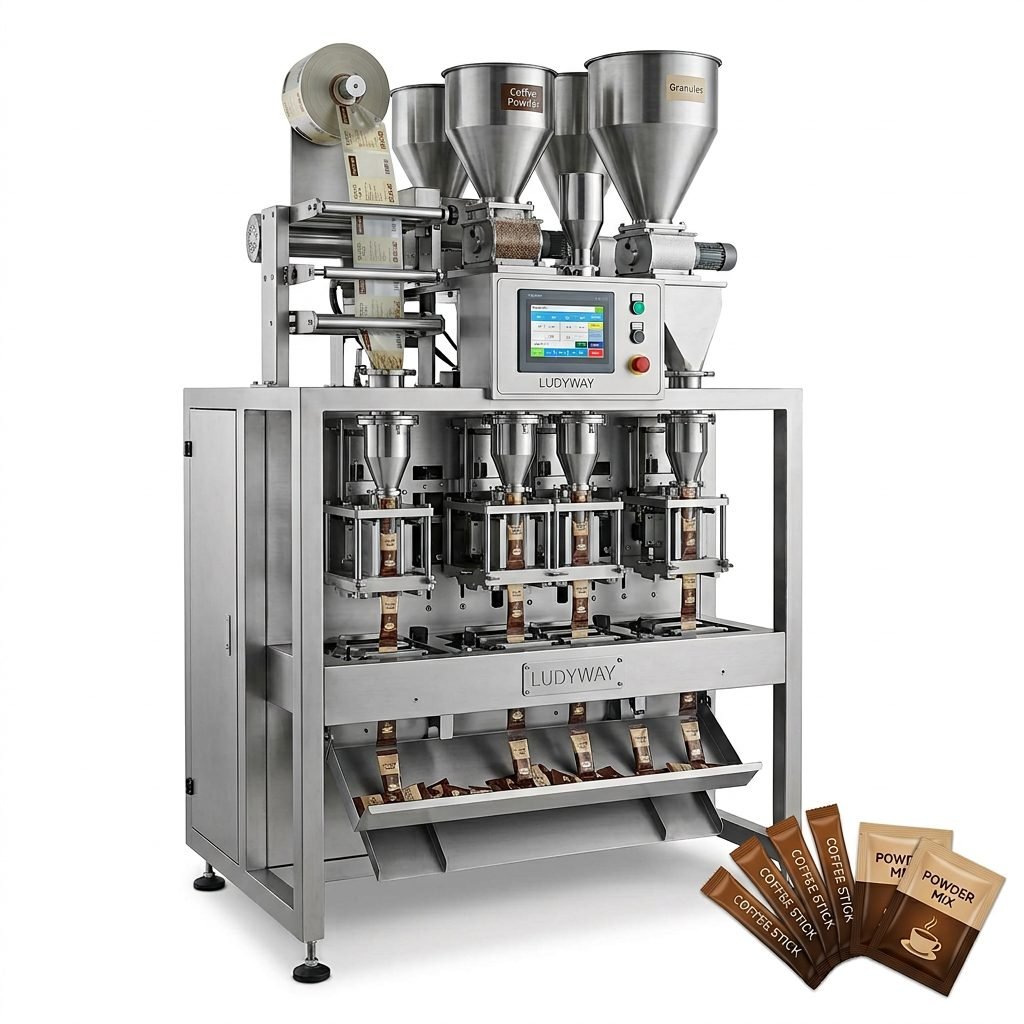
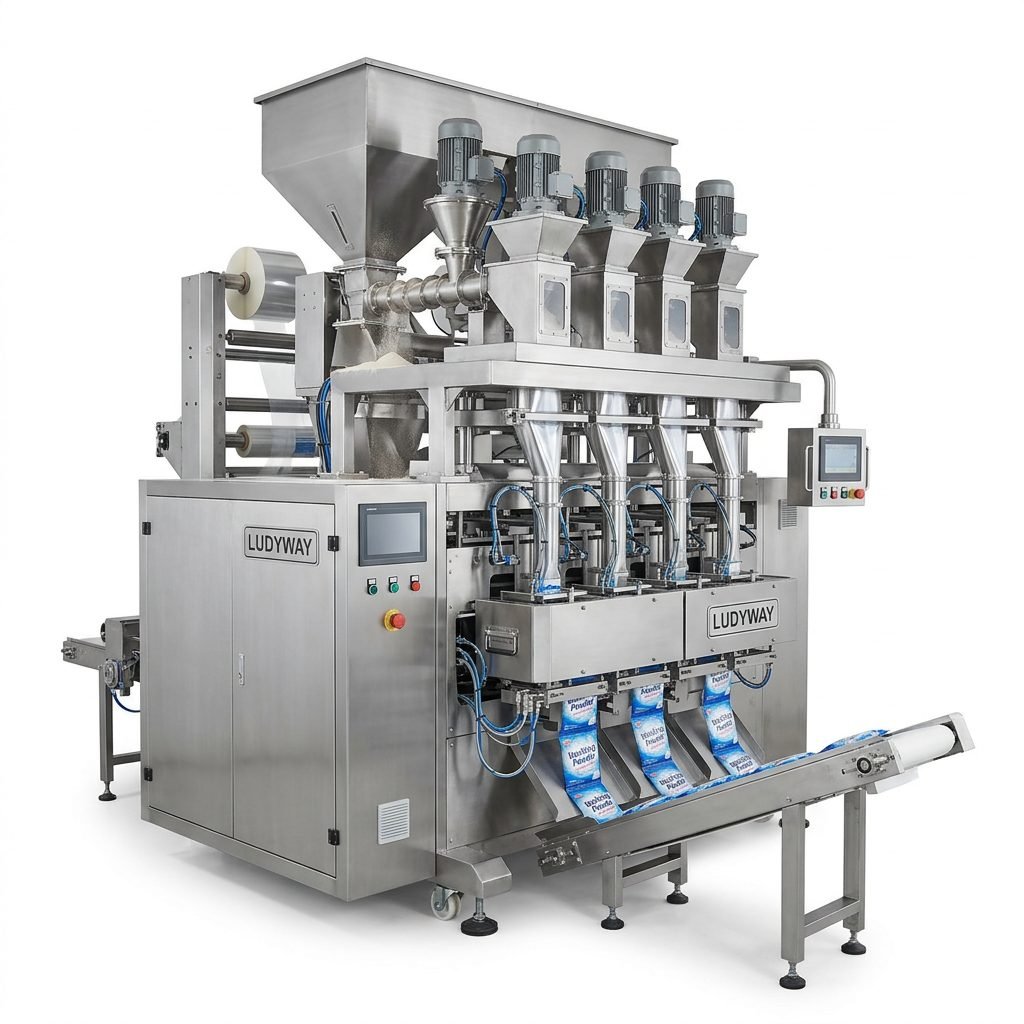
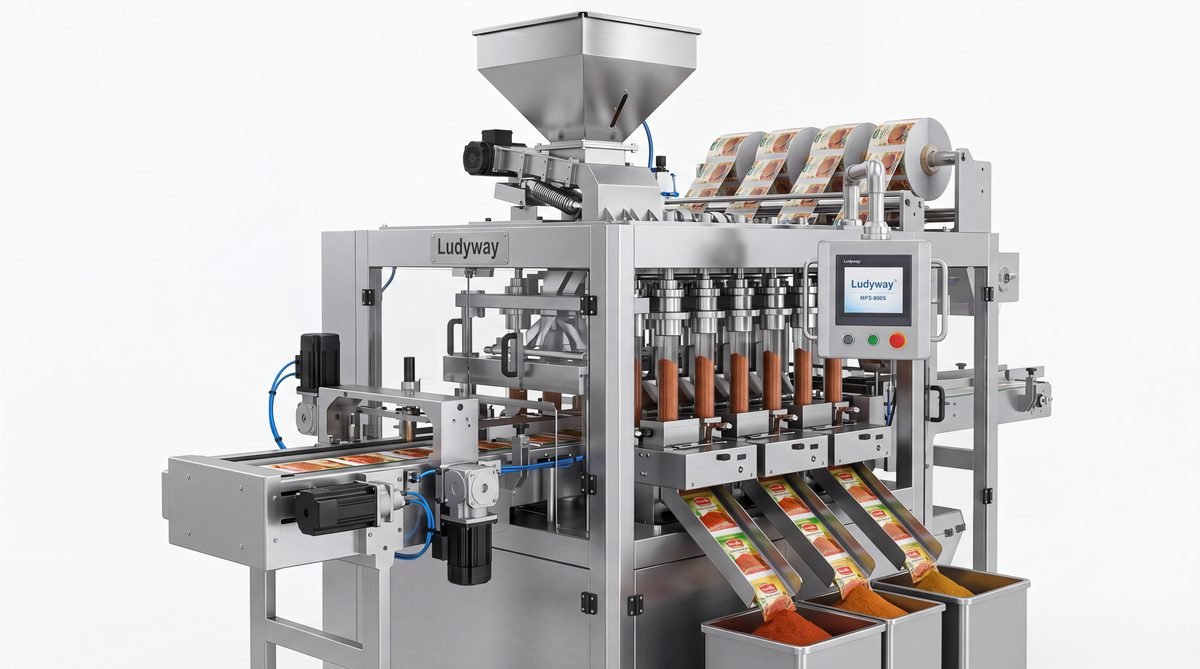
| Multi-Lane Stick Pack Machines | Multi-lane sachet forming and filling | Grated cheese and single servings |
| Weighing and Dosing Systems | Precision portioning by weight | All cheese packaging formats |
Automation Levels for Italian Cheese Producers
The level of automation you select should align with your production volume and labor cost considerations. Italy has relatively high labor costs compared to some other European countries, making automation a strategic investment for many producers. Consider these automation tiers:
- Semi-automatic lines: Operator-assisted loading with automated sealing
- Fully automatic lines: Minimal human intervention from feeding to final packaging
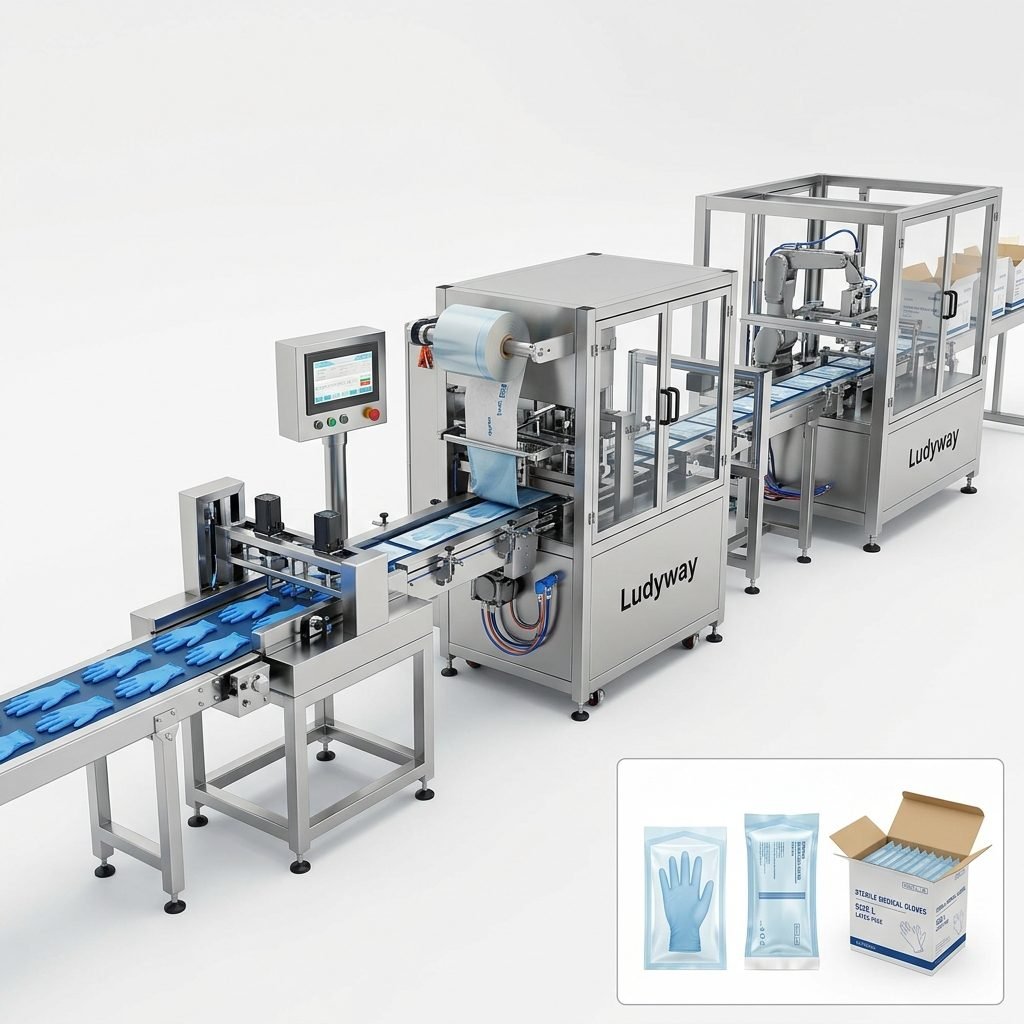
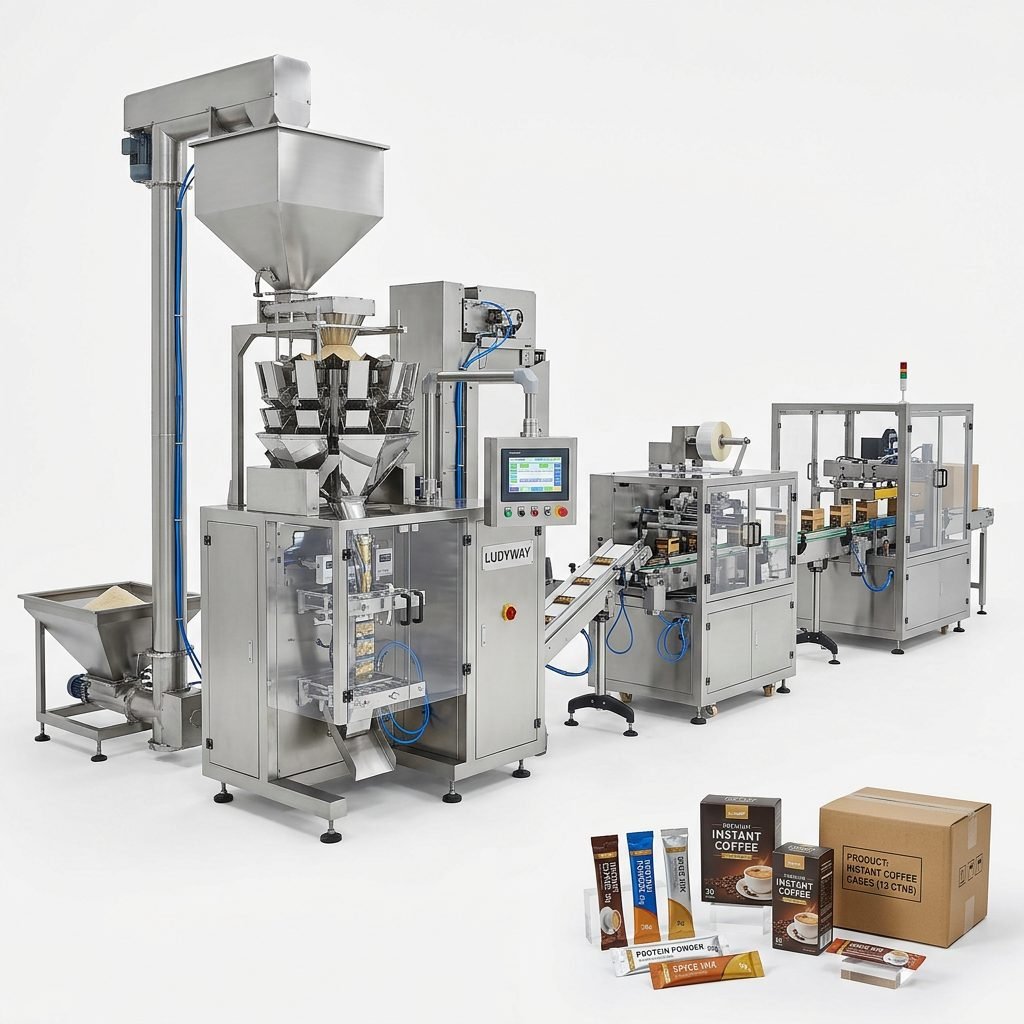
- Integrated turnkey systems: End-to-end solutions including conveying, weighing, packaging, and cartoning
Facility Layout and Design Considerations
When setting up a cheese packaging line in Italy, facility design must prioritize hygiene, workflow efficiency, and compliance with food packaging safety standards. The layout should follow a logical flow from raw product receiving to finished goods storage.
Critical Facility Requirements
- Temperature-controlled zones: Separate areas for different cheese types (cold storage at 2-8°C for fresh cheeses, controlled ambient for hard cheeses)
- Hygienic design: Stainless steel surfaces, sloped floors with drainage, easy-clean equipment design
- Air quality management: Positive air pressure in packaging areas, HEPA filtration where required
- Separation of raw and finished product areas: Preventing cross-contamination
- Utility access: Adequate power supply, compressed air, and water connections
Regulatory Compliance in the Italian Market
Operating a cheese packaging line in Italy requires adherence to multiple layers of regulation. EU Regulation (EC) No 1935/2004 governs food contact materials, while specific Italian decrees add national requirements. The ISO packaging standards provide additional guidance on quality management and testing protocols.
Key Regulatory Areas to Address
- Food contact material compliance: All packaging materials must meet EU and Italian migration limits
- Traceability requirements: Batch coding and serialization systems as per EU Regulation 178/2002
- HACCP implementation: Hazard analysis and critical control points throughout the packaging process
- CE marking: All machinery must carry CE certification for the European market
- Environmental regulations: Compliance with EU Packaging and Packaging Waste regulations
Selecting the Right Packaging Machine Partner
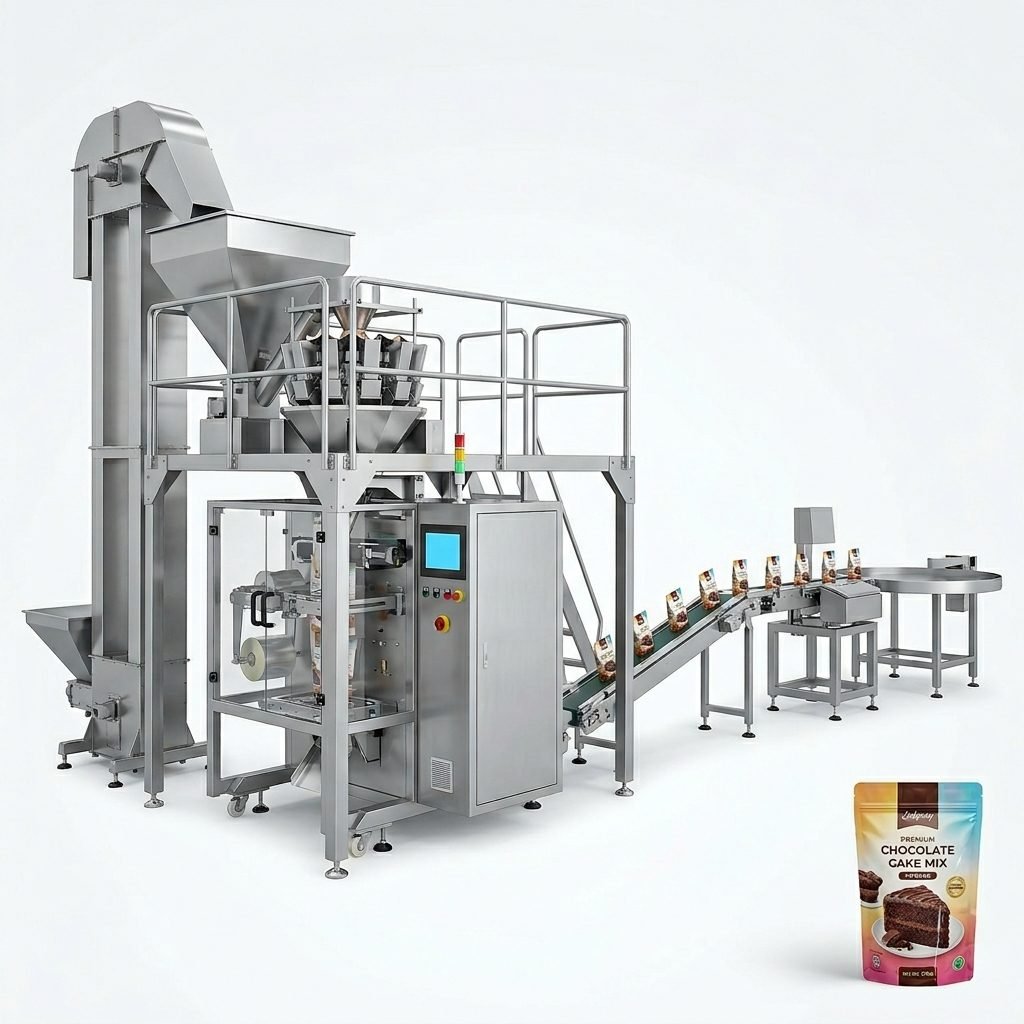
For Italian cheese producers, choosing a reliable equipment supplier is essential. Look for manufacturers with proven experience in food packaging, international certifications, and comprehensive after-sales support. Ludyway is one of the largest packaging machine manufacturers in China, specializing in advanced packaging equipment and turnkey production solutions for the food, pharmaceutical, and health industries. With over 30 years of industry expertise and a modern 20,000㎡ manufacturing facility, Ludyway offers more than 50 intelligent packaging machine models suitable for granule, powder, liquid, and pouch packaging applications, serving customers in over 100 countries and regions.
Evaluating Packaging Machine Specifications
| Evaluation Criteria | What to Look For | Importance Rating |
|---|---|---|
| Speed and Output | Packs per minute matching your production targets | Critical |
| Changeover Time | Quick format changes for multiple cheese products | High |
| Hygienic Design | IP65+ rated, stainless steel, easy-clean surfaces | Critical |
| Service Support | Local technical support availability in Italy | High |
Installation and Commissioning Process
The installation of a cheese packaging production line in Italy typically follows a structured process. Proper planning can reduce downtime and ensure a smooth transition to full production. Here is a typical timeline:
- Site preparation (2-4 weeks): Utility connections, floor preparation, and environmental controls
- Equipment delivery and positioning (1-2 weeks): Machinery placement according to layout plan
- Mechanical and electrical installation (2-3 weeks): Connections, conveyors, and control systems
- Commissioning and testing (1-2 weeks): Dry runs, product trials, and performance validation
- Operator training (1 week): Hands-on training for production and maintenance staff
- Production ramp-up (2-4 weeks): Gradual increase to full capacity
Cost Considerations for Italian Operations
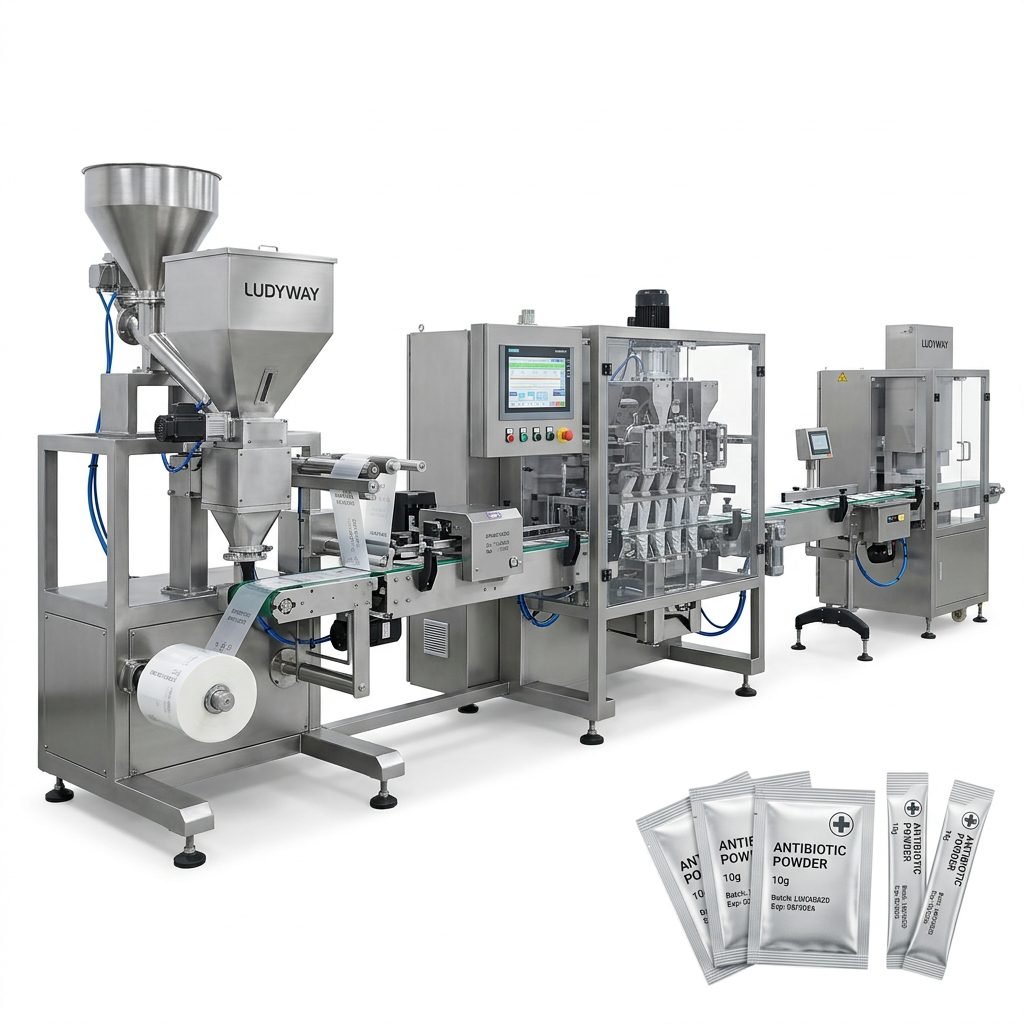
Investment in a cheese packaging machine production line for the Italian market includes both capital expenditure and ongoing operational costs. Italian energy costs are among the highest in Europe, so energy-efficient equipment should be prioritized. Key budget items include:
- Equipment purchase: Primary packaging machines, conveyors, and auxiliary systems
- Installation and commissioning: Technical support, civil works, and integration
- Operator training: Initial training programs and ongoing skill development
- Maintenance contracts: Preventive maintenance and spare parts inventory
- Packaging material costs: Film, pouches, trays, and labels compliant with Italian regulations
- Energy and utility expenses: Electricity, compressed air, and water consumption
Additional Resources and Industry Guidance
For more information on packaging machinery standards and industry best practices, we recommend consulting PMMI’s packaging industry resources and Flexible Packaging Association’s industry resources. These organizations provide valuable data on market trends, technology developments, and regulatory updates relevant to the European and Italian packaging sectors.
Future Trends in Italian Cheese Packaging
The Italian cheese packaging sector is evolving rapidly. Sustainability is becoming a dominant theme, with growing demand for recyclable mono-materials and reduced plastic usage. Smart packaging technologies incorporating QR codes for traceability and consumer engagement are also gaining traction. As the industry moves toward Industry 4.0 and smart manufacturing, packaging lines with IoT connectivity and predictive maintenance capabilities will become increasingly important for Italian producers seeking competitive advantage.
Key Takeaways for Setting Up in Italy
- Thoroughly research Italian and EU regulatory requirements before purchasing equipment
- Select packaging machinery that can handle multiple cheese formats to maximize flexibility
- Invest in energy-efficient systems to offset Italy’s high utility costs
- Partner with equipment suppliers offering strong local support and service networks
- Plan facility layouts that meet Italian hygiene standards and enable efficient workflow
- Build in scalability to accommodate future production growth and new product lines