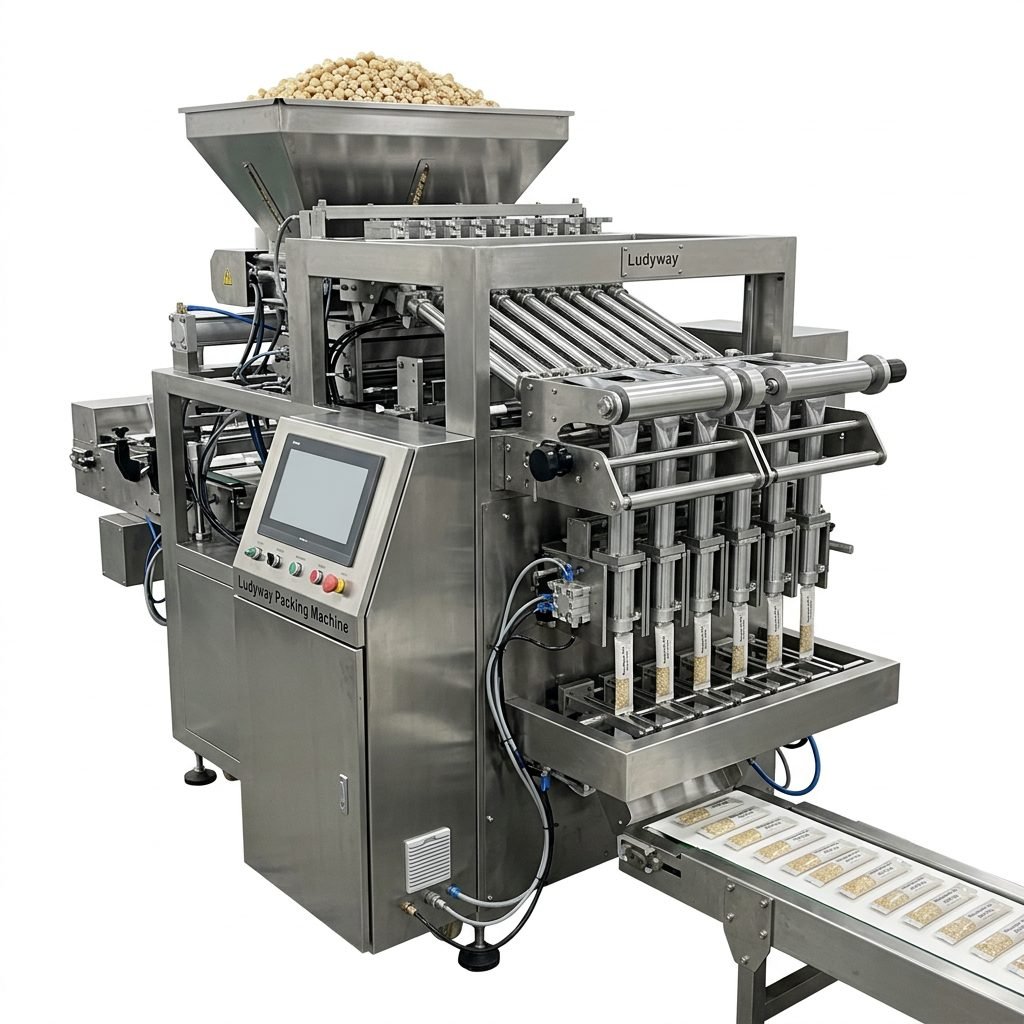
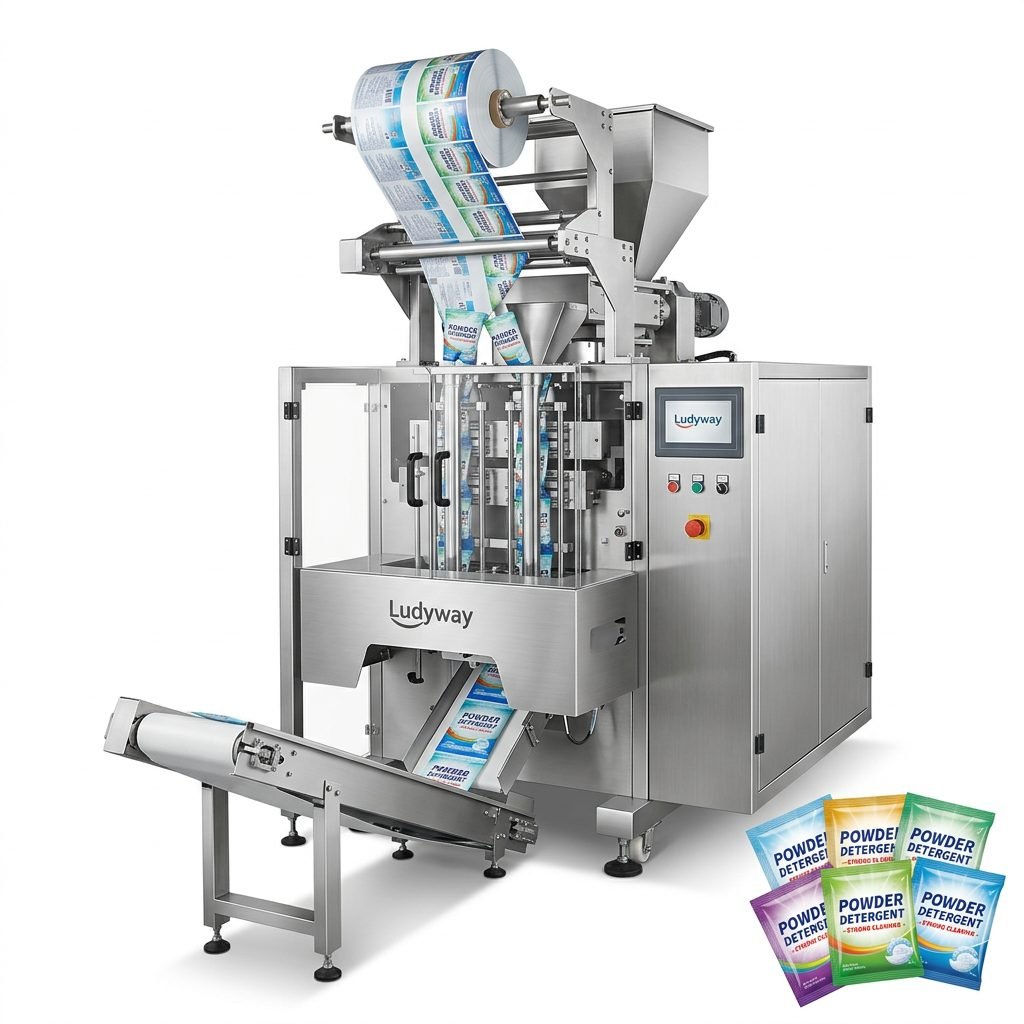
Protein bars have become a high-demand product in sports nutrition, meal replacement, and healthy snack categories. As production scales up, manual packing quickly becomes a bottleneck. Choosing the right protein bar packaging machine is not only about speed—it directly affects product protection, sealing consistency, appearance, labor cost, and long-term profitability.
For manufacturers, co-packers, and brand owners, the best automated solution should match the bar’s shape, texture, packaging format, target output, and future expansion plans. A machine that works well for soft, coated bars may not perform equally well for dense nut bars or irregular functional snack bars.
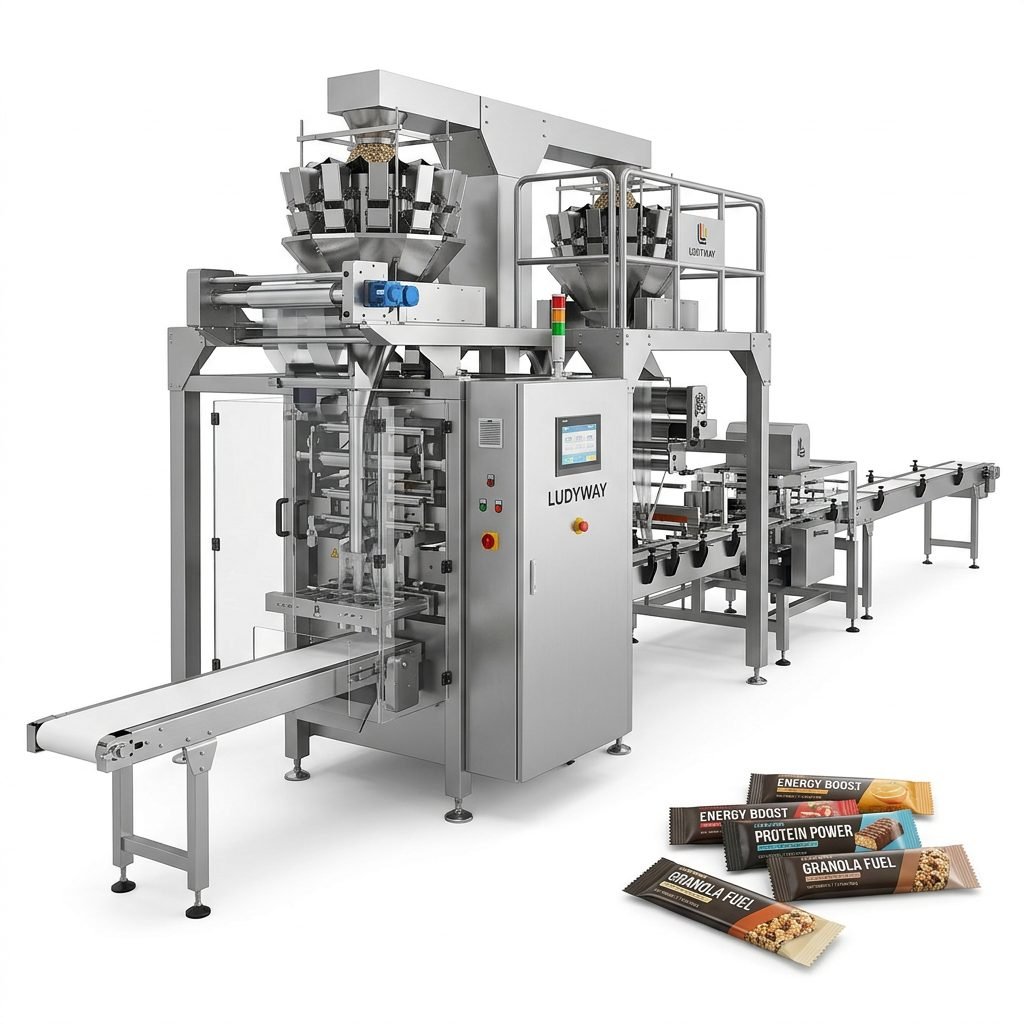
Why automation matters in protein bar packaging
Automated packaging improves more than output. It helps create a repeatable process where every bar is handled with better precision and less waste. In competitive retail and e-commerce channels, this consistency matters.
- Higher throughput for growing demand
- Reduced manual labor and lower operating variability
- Better seal integrity to protect freshness and shelf life
- Cleaner presentation for retail-ready packs
- Improved traceability through coding, labeling, and inspection integration
- Scalability for future line upgrades
For protein bar producers working with chocolate coatings, sticky fillings, or seasonal SKU changes, the right automation system can also reduce jams, film waste, and unplanned downtime.
What types of protein bars need special packaging consideration?
Not all bars behave the same way on a conveyor or in a wrapper. Before selecting equipment, define your product characteristics clearly.
| Protein Bar Type | Packaging Challenge | Recommended Machine Features |
|---|---|---|
| Soft high-protein bars | Deformation during handling | Gentle feeding, stable conveyor, accurate sealing pressure |
| Chocolate-coated bars | Heat sensitivity and smearing | Temperature-friendly handling, anti-stick contact parts |
| Nut or cereal bars | Irregular shape and crumbs | Adaptive infeed, strong film control, crumb management |
| Filled or layered bars | Seal contamination risk | Precise product positioning, clean sealing area |
| Mini bars or multi-packs | Counting and grouping complexity | Collation system, cartoning or secondary packaging integration |
Main machine types used for protein bar packaging
1. Horizontal flow wrapping machines
This is the most common choice for single protein bar packaging. Flow wrappers are suitable for pillow packs and can run at high speed with attractive shelf presentation. They are ideal when bars are produced in uniform sizes and need individual wrapping.
2. Automatic feeding and alignment systems
If bars come from a forming or cooling line, an automatic feeding section helps organize spacing and orientation before wrapping. This reduces labor and improves consistency at higher line speeds.
3. Cartoning and case packing systems
For retail boxes, club packs, or subscription-ready shipments, the primary wrapper can be connected to automatic cartoning, checkweighing, labeling, and case packing units.
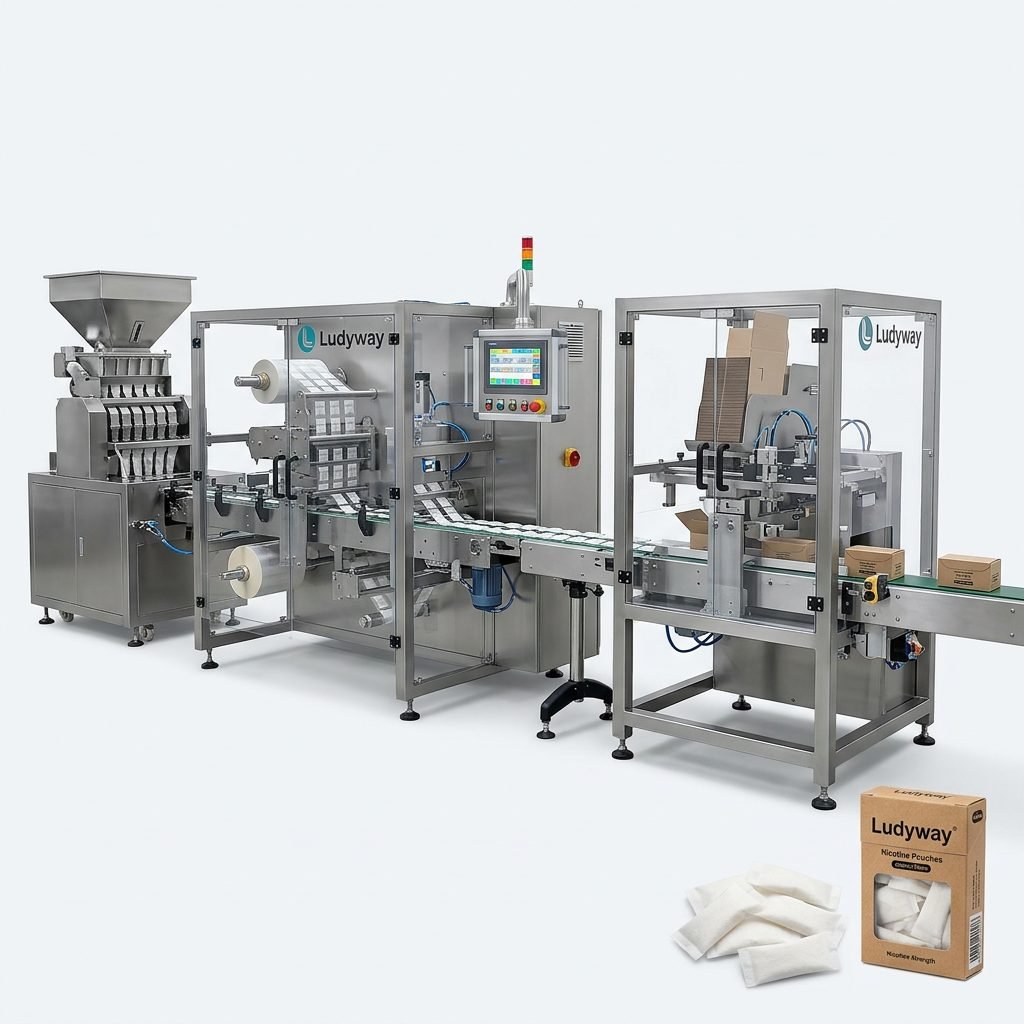
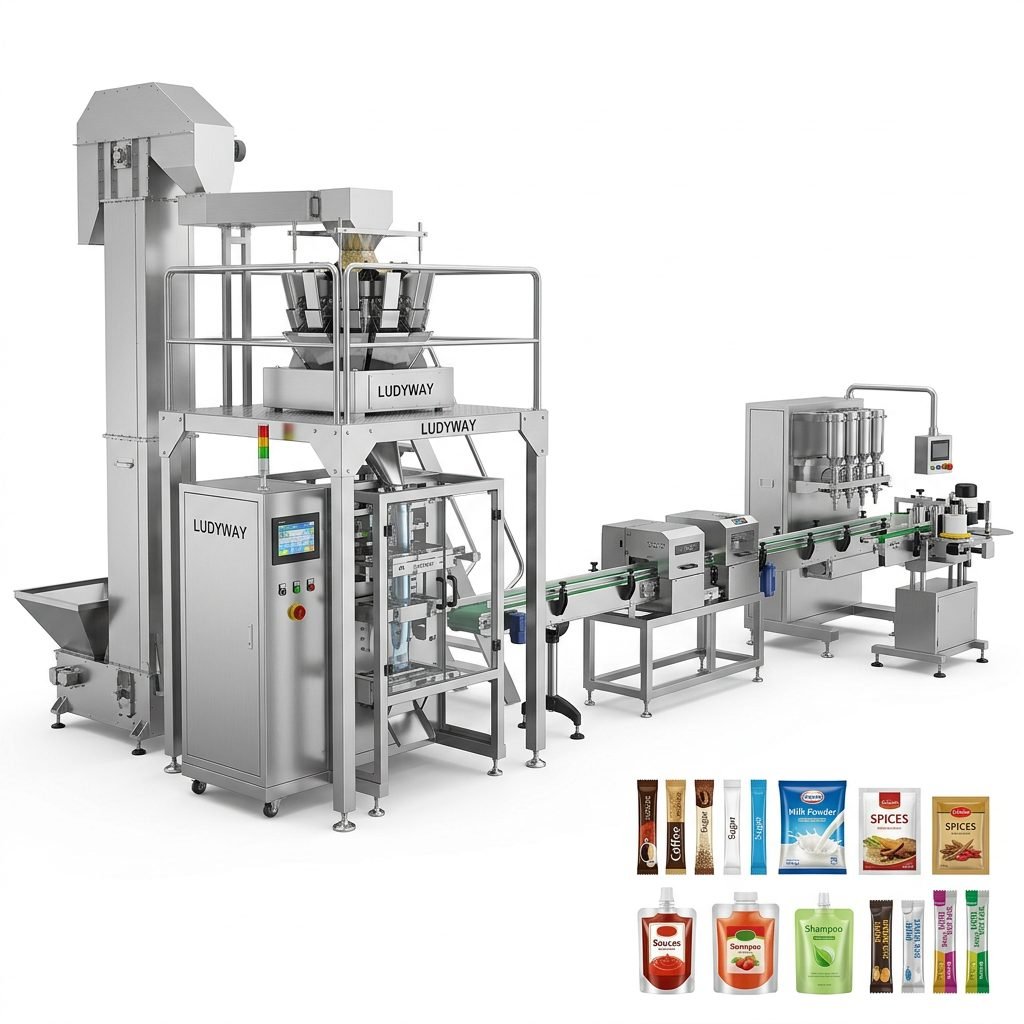
4. Turnkey packaging lines
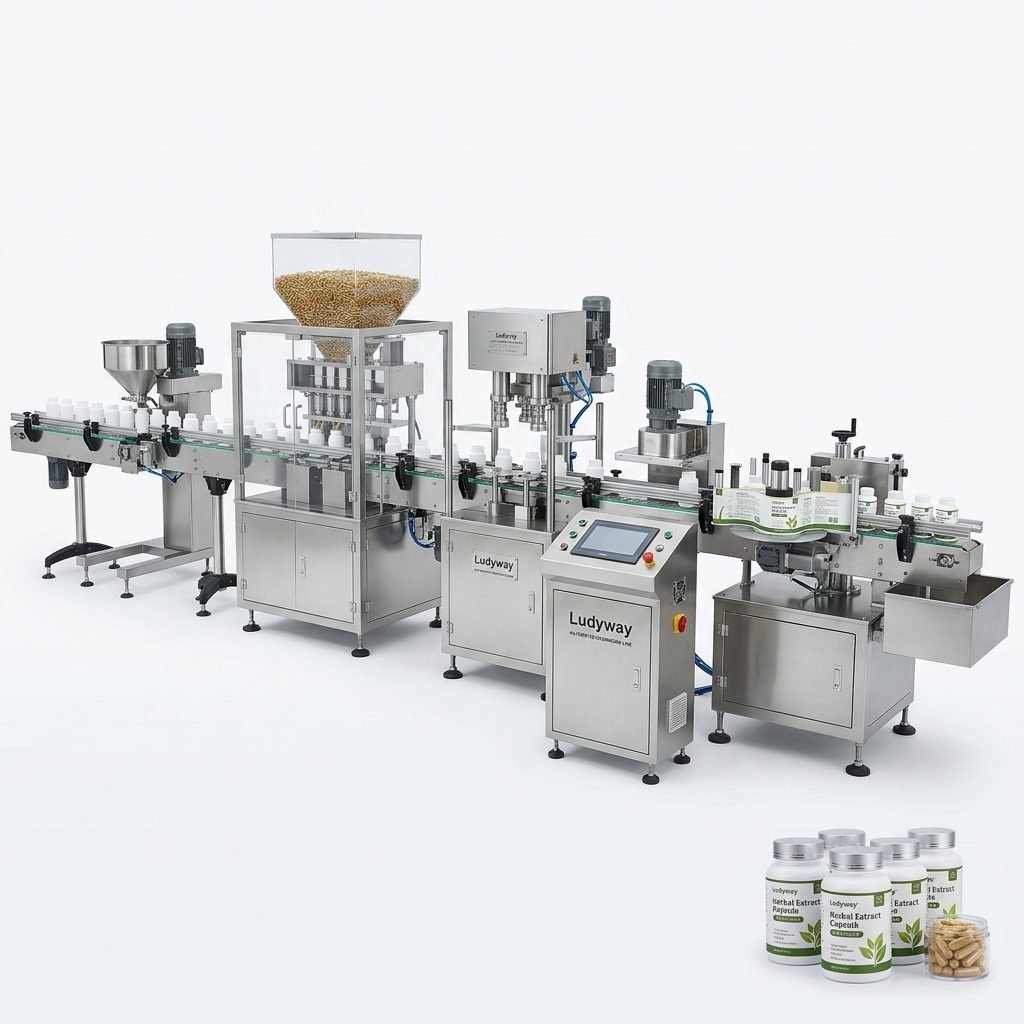
If you need a complete solution from product transfer to final secondary packaging, a turnkey line is often more efficient than combining standalone units from multiple suppliers. It also simplifies maintenance, control integration, and project management.
Key factors to consider before buying a protein bar packaging machine
Bar dimensions and shape consistency
Measure the full size range of your products, including length, width, height, and corner profile. Even small variations can affect film tracking and sealing quality. If your bars vary by SKU, choose a machine with easy adjustment and recipe memory.
Packaging material compatibility
Your machine should match the film type you plan to use, such as laminated film, recyclable mono-material film, metallized film, or high-barrier packaging. The sealing system must deliver stable results without damaging the material.
Required production speed
It is a mistake to buy only for today’s output. Think about the next 3–5 years. A line designed with expansion in mind prevents costly replacement later.
Product fragility and surface condition
Protein bars can crack, smear, or stick. Look for machine designs with smooth transfer, controlled pressure, and food-grade contact surfaces that are easy to clean.
Integration with upstream and downstream equipment
The packaging machine should connect smoothly with conveyors, cooling tunnels, metal detectors, checkweighers, printers, labeling units, carton sealers, and palletizing systems.
Cleaning and hygiene standards
In food production, sanitation is critical. Stainless steel construction, easy-access guarding, removable contact parts, and reduced crumb buildup all support faster cleaning and better compliance.
Maintenance and technical support
Long-term uptime depends on spare parts access, remote support, operator training, and clear documentation. This becomes even more important for exporters and multi-site food manufacturers.
How to match machine configuration with your production stage
| Production Stage | Best Equipment Approach | Why It Fits |
|---|---|---|
| Startup or pilot production | Compact automatic wrapper | Lower investment, easier changeover |
| Growing brand | Wrapper with automatic feeding and coding | Improves speed, labor savings, and consistency |
| Large-scale manufacturer | Integrated turnkey line | Supports high output and centralized control |
| Co-packer with many SKUs | Flexible servo-driven system | Fast changeover and broader packaging adaptability |
Features that usually deliver the best return on investment
When comparing suppliers, do not focus only on the initial machine price. The real value often comes from stable operation and lower total cost of ownership.
- Servo control for accurate motion and repeatable sealing
- Automatic film tracking to reduce waste
- No-product-no-pack function to prevent empty bags
- Quick changeover design for multiple bar sizes
- Intelligent HMI controls with recipe storage
- Quality inspection integration such as metal detection or checkweighing
- Remote diagnostics for faster troubleshooting
Common mistakes buyers should avoid
- Choosing speed over product handling stability
- Ignoring future SKU expansion
- Not testing actual protein bar samples before purchase
- Overlooking packaging film compatibility
- Buying a standalone machine when line integration is the real need
- Underestimating cleaning and maintenance requirements
A supplier should be willing to evaluate your samples, packaging format, line layout, and target capacity before recommending a final configuration.
How to evaluate a packaging machine supplier
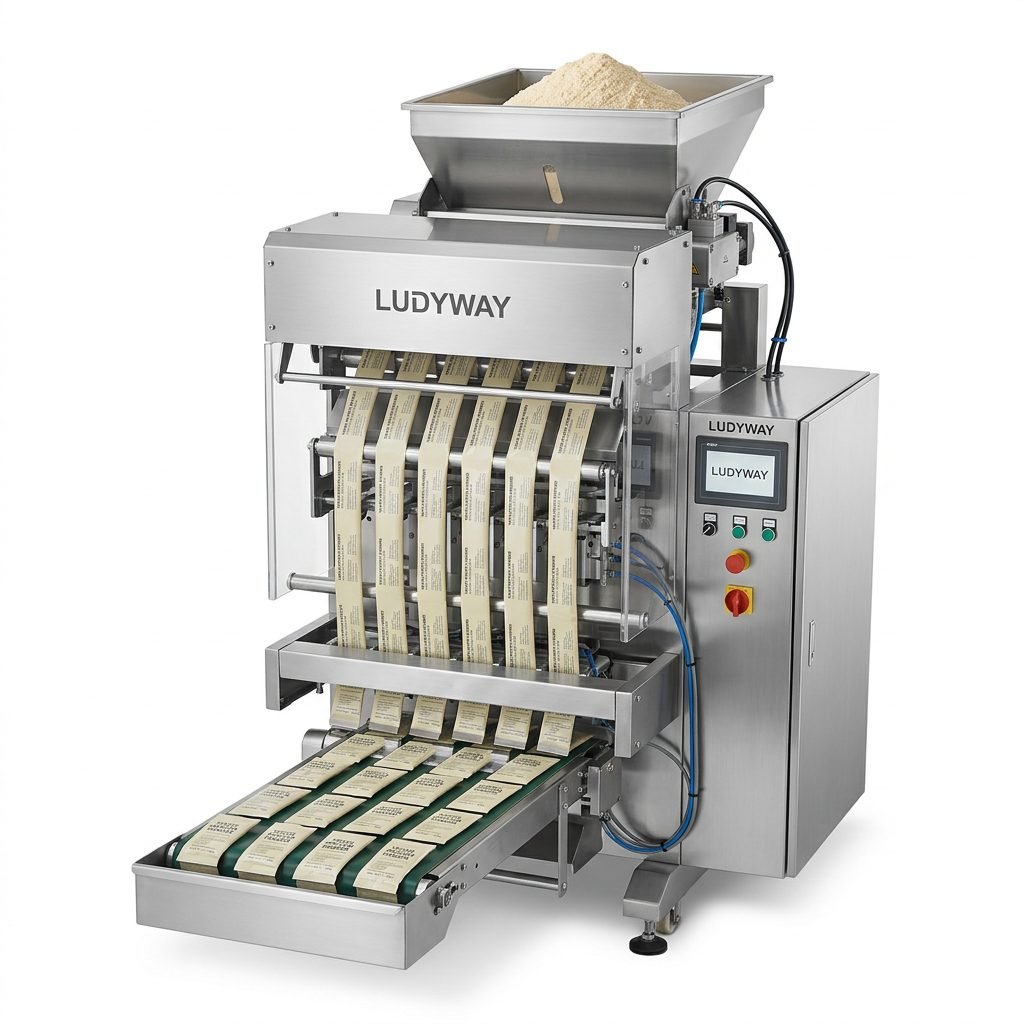
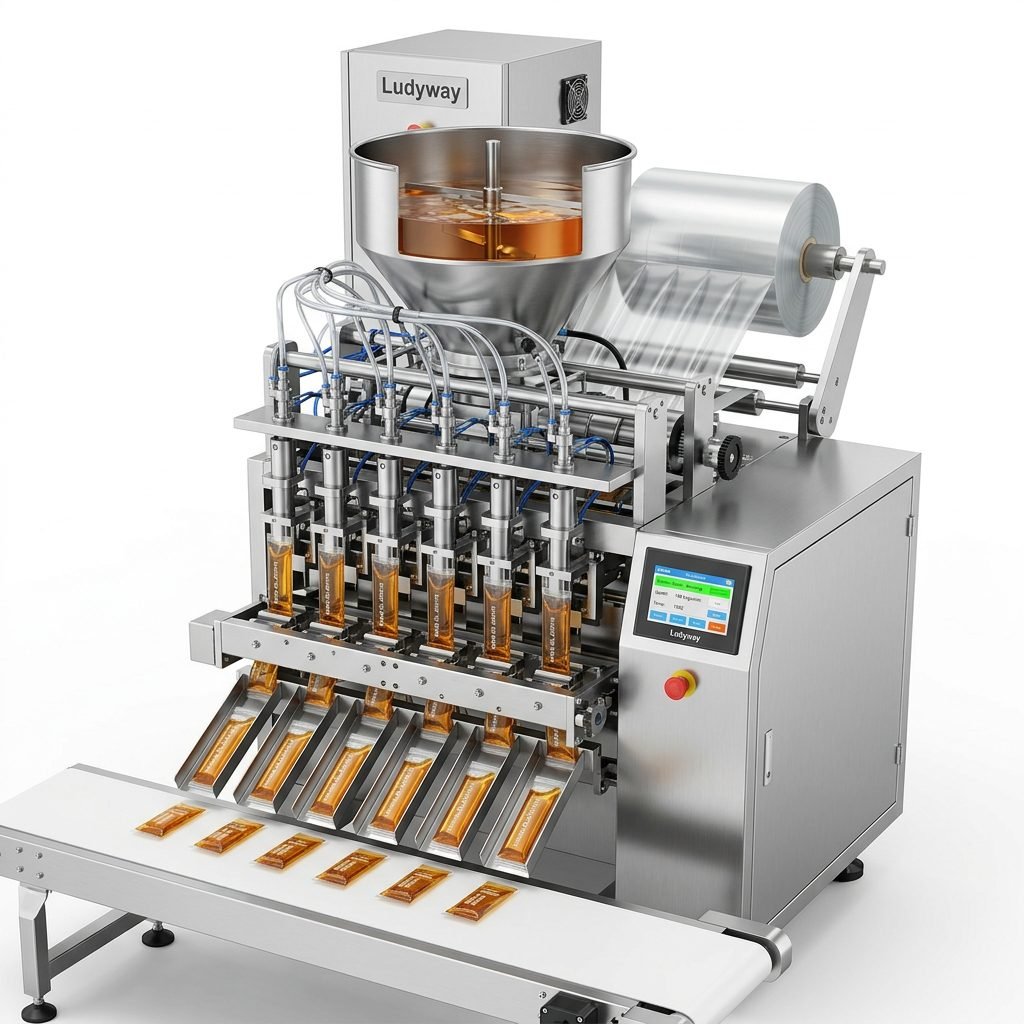
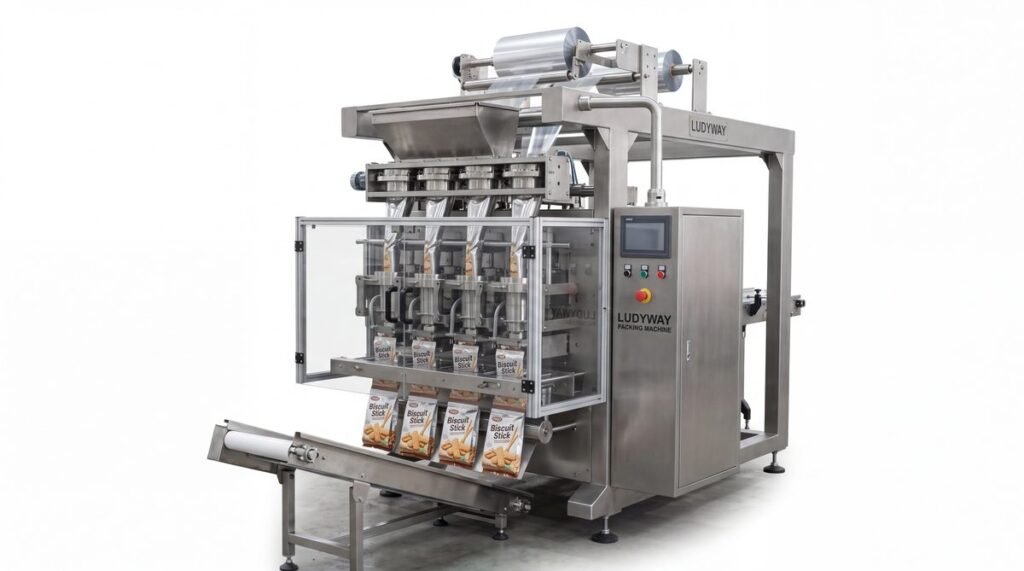
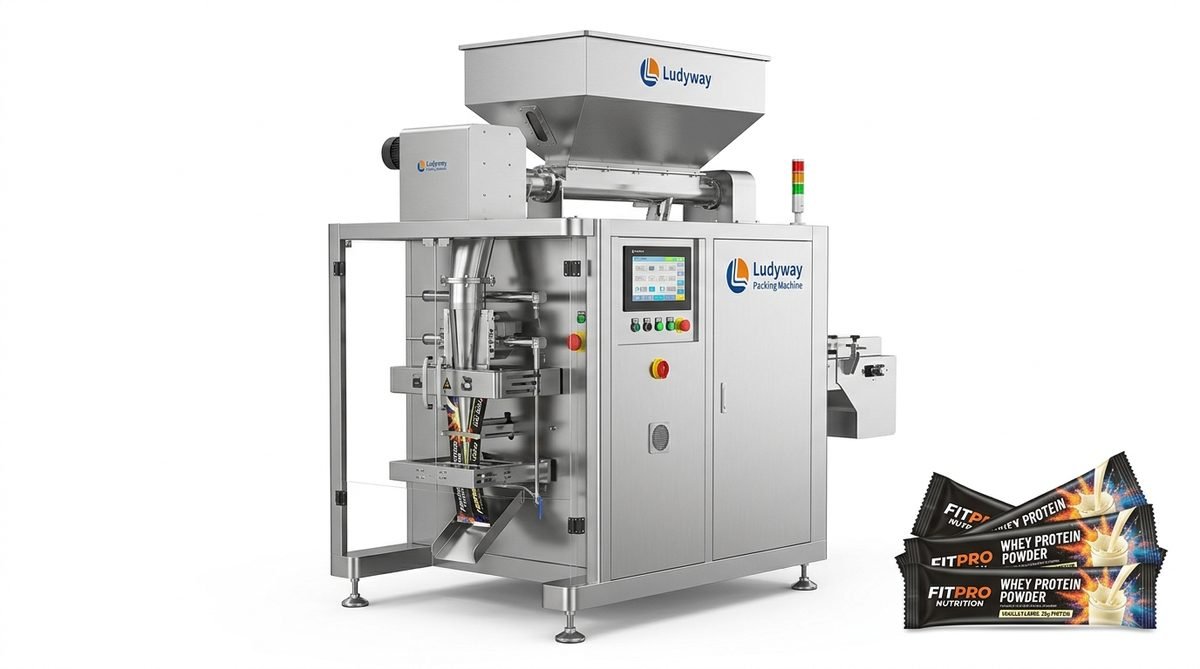
Beyond the equipment itself, supplier capability matters. Look at manufacturing strength, export experience, customization ability, and after-sales support. For buyers seeking scalable food packaging automation, Ludyway protein bar packaging machine solutions can be worth evaluating, especially for businesses that need standalone equipment or complete turnkey packaging lines backed by extensive manufacturing experience.
Ask these questions before making a decision:
- Can the supplier run tests with your actual bars and packaging film?
- What output range is realistic under stable conditions?
- How fast is changeover between different bar sizes?
- What inspection, coding, and cartoning modules can be added?
- What spare parts and support are available for export markets?
- Can the solution be expanded into a full automated line later?
Best automated solution: standalone machine or full line?
The answer depends on your production goals.
If you package one or two standard protein bar SKUs and want a faster replacement for manual work, a standalone automatic wrapper may be enough. But if you operate a growing nutrition brand, supply retailers, or serve contract manufacturing clients, a more integrated line often provides better long-term value.
A complete line may include:
- Automatic infeed and alignment
- Flow wrapping or pillow pack packaging
- Date coding or thermal transfer printing
- Metal detection and checkweighing
- Cartoning and case packing
- Palletizing and end-of-line automation
Final selection checklist for protein bar manufacturers
- Define your bar types and size range clearly
- Confirm pack style and film structure
- Estimate current and future output
- Request sample testing with real products
- Review hygiene and maintenance design
- Check integration options for inspection and cartoning
- Compare total cost of ownership, not just purchase price
- Choose a supplier with proven automation and export experience
Conclusion
The best protein bar packaging machine is the one that fits your product characteristics, packaging material, speed target, and growth plan. A well-matched automated solution will help you improve efficiency, reduce waste, protect product quality, and build a more competitive production line.
Whether you need a compact wrapper or a complete automated packaging system, taking time to evaluate machine flexibility, seal performance, hygiene design, and supplier capability will lead to a smarter investment.