The Middle East’s food manufacturing sector is experiencing rapid transformation, driven by food security initiatives and a growing demand for packaged convenience foods. Selecting the right packaging machinery requires a deep understanding of regional regulatory frameworks, climate considerations, and production scalability. This guide walks you through the essential factors for investing in food packaging machines tailored to Middle Eastern markets.

Understanding the Middle East Food Packaging Landscape
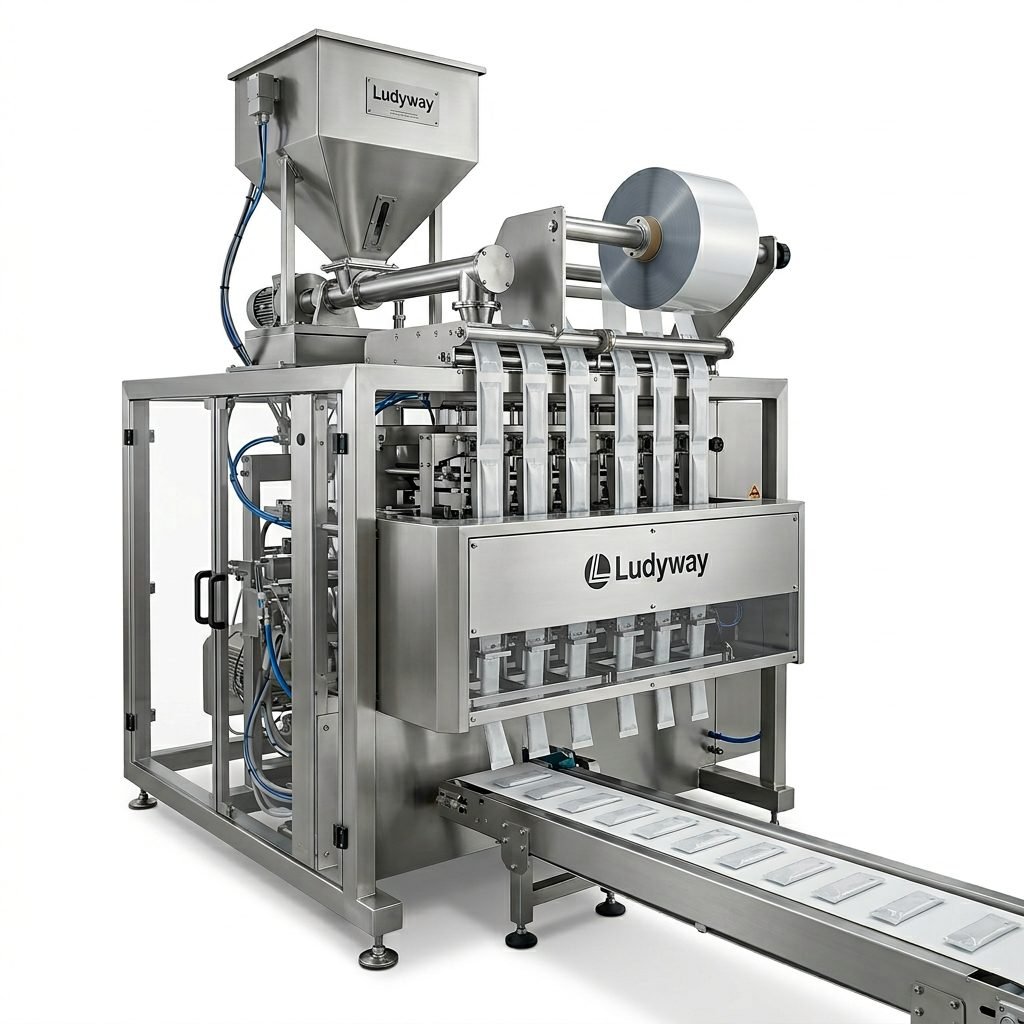
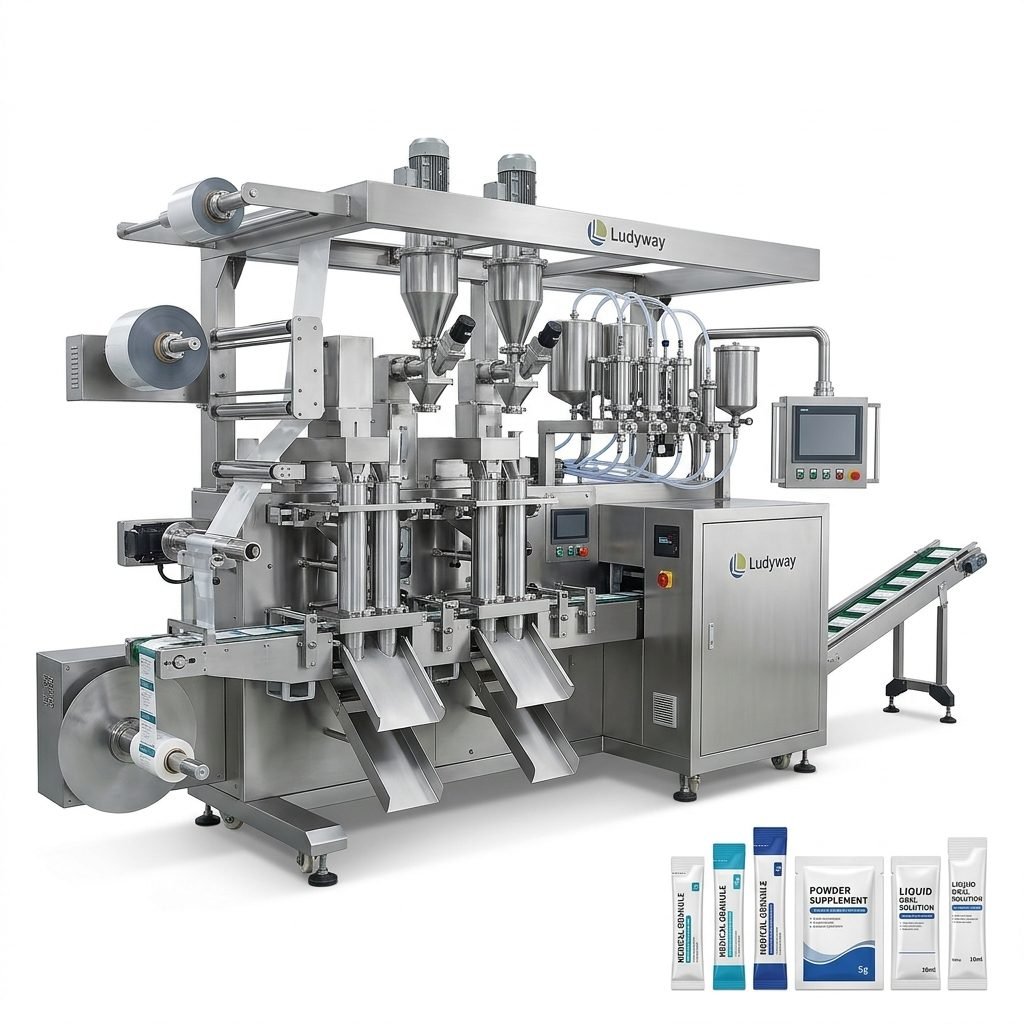
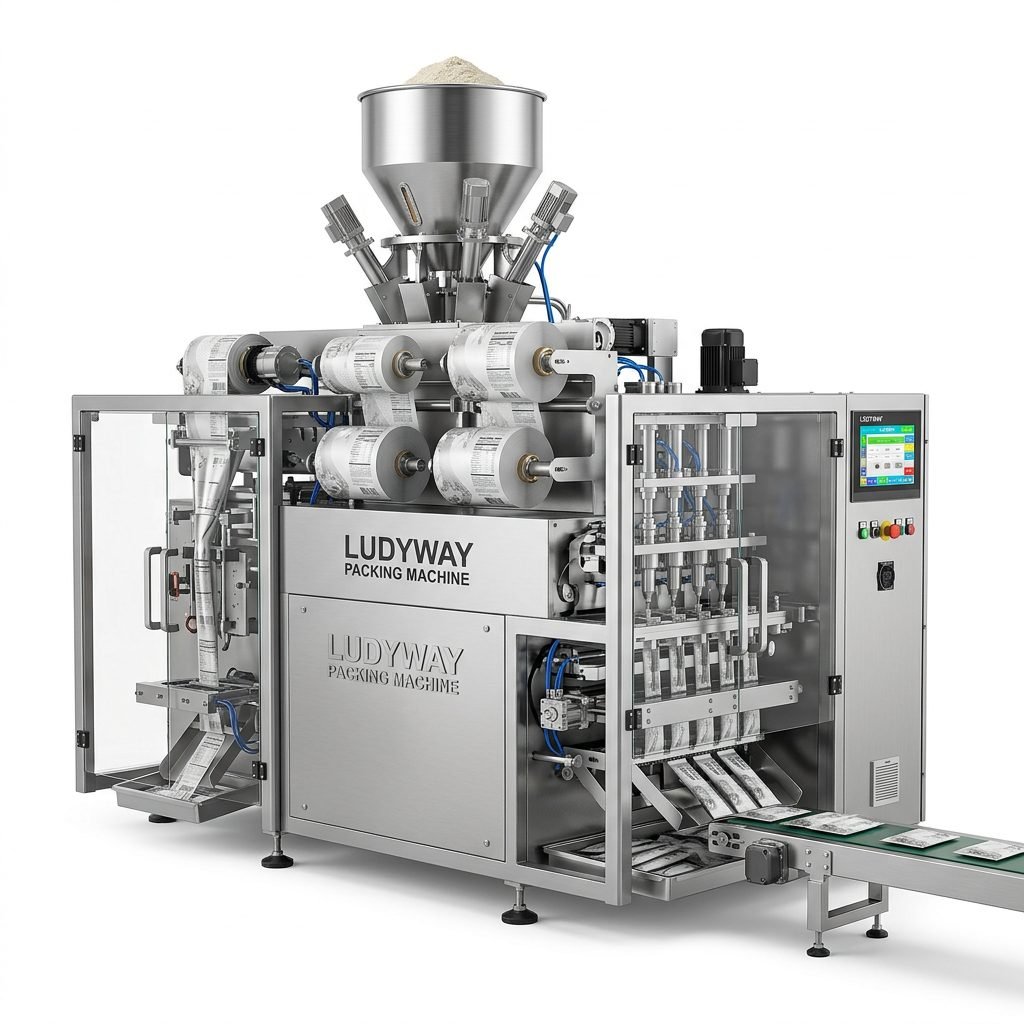
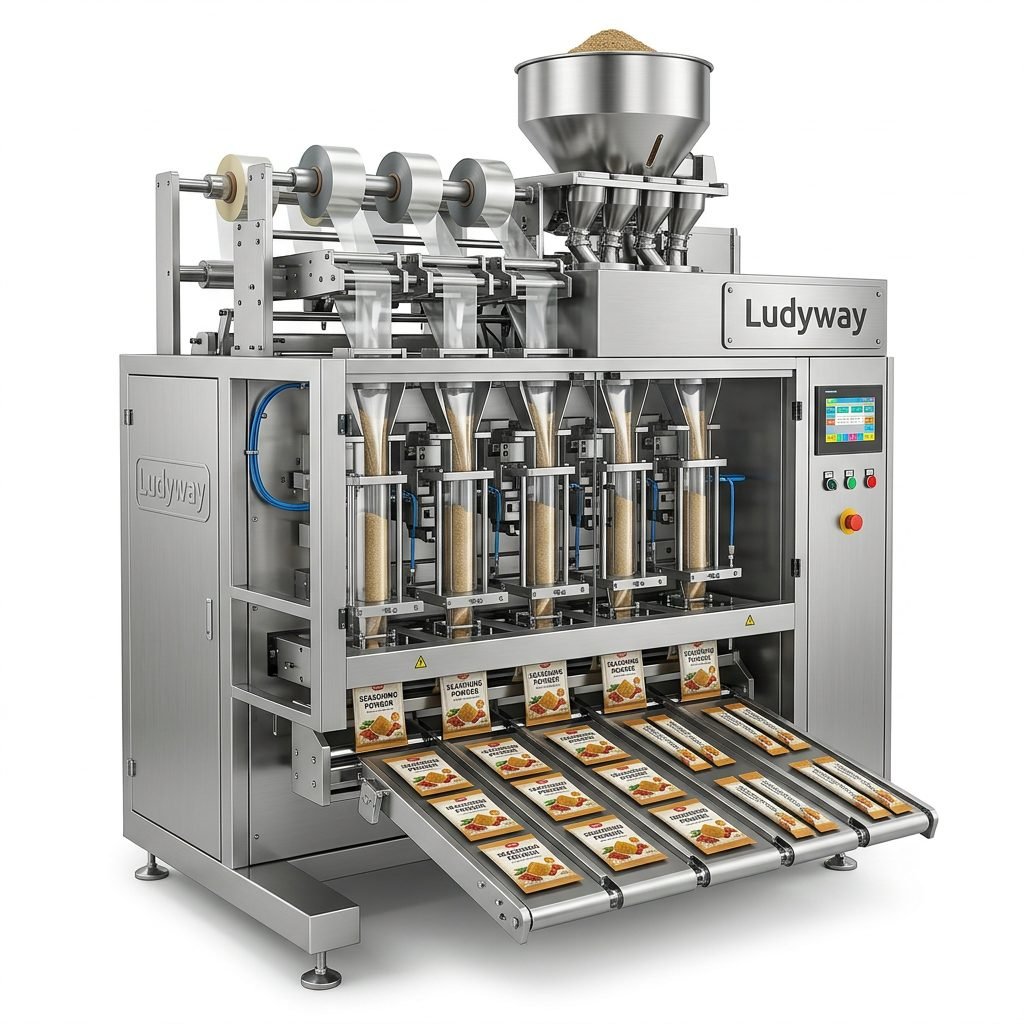
The region’s food industry is unique, characterized by high import dependency, extreme climatic conditions, and stringent halal certification requirements. Processors need versatile equipment capable of handling a wide range of products, from fine powders like spices and coffee to liquid sauces and granular staples such as rice and sugar. The shift towards single-serve and portion-control packaging is particularly strong in the Gulf Cooperation Council (GCC) countries, fueled by tourism and changing consumer lifestyles. This trend directly influences the type of machinery in demand, with multi-lane stick pack and sachet machines becoming increasingly popular.
Key Product Categories Driving Machine Demand
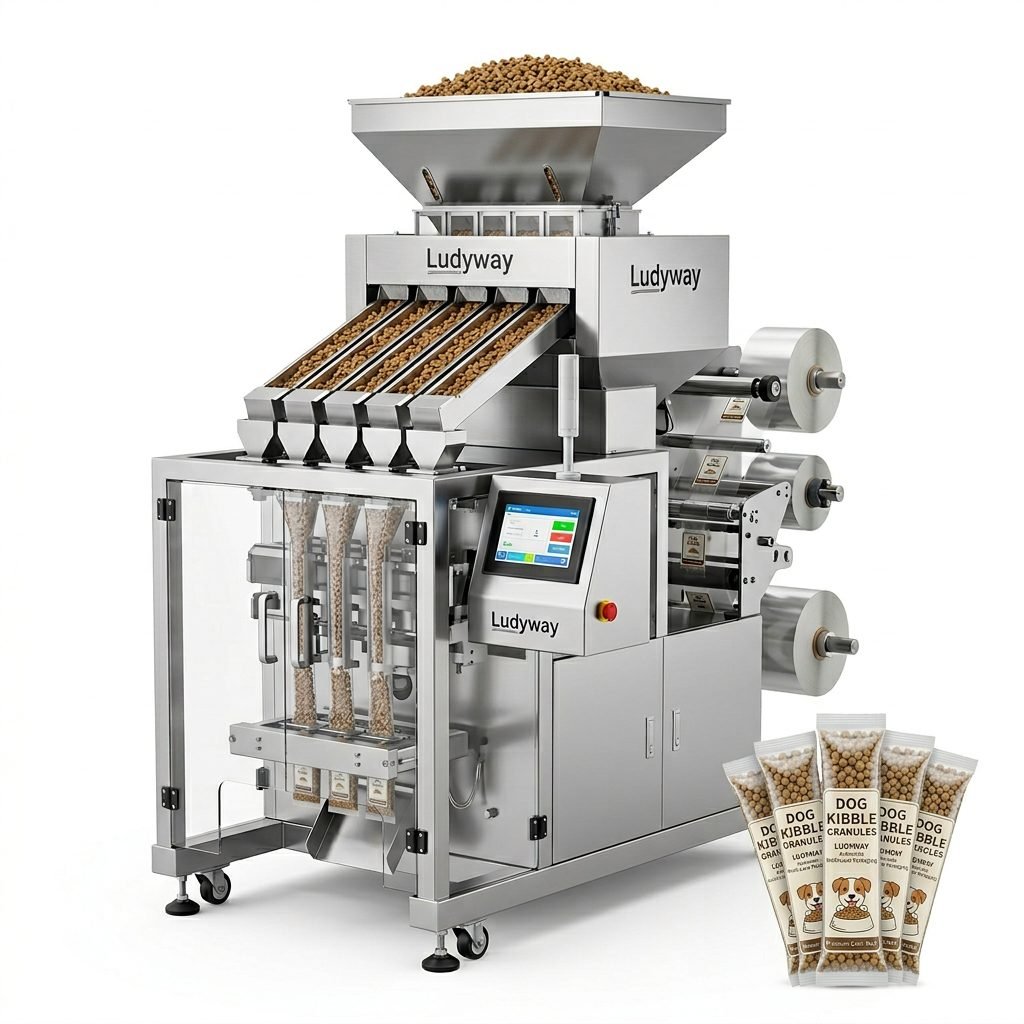
- Powders & Granules: Soluble coffee, milk powder, spices, and sugar remain high-volume categories. Granule packaging machines must offer precise dosing and excellent seal integrity to prevent moisture ingress.
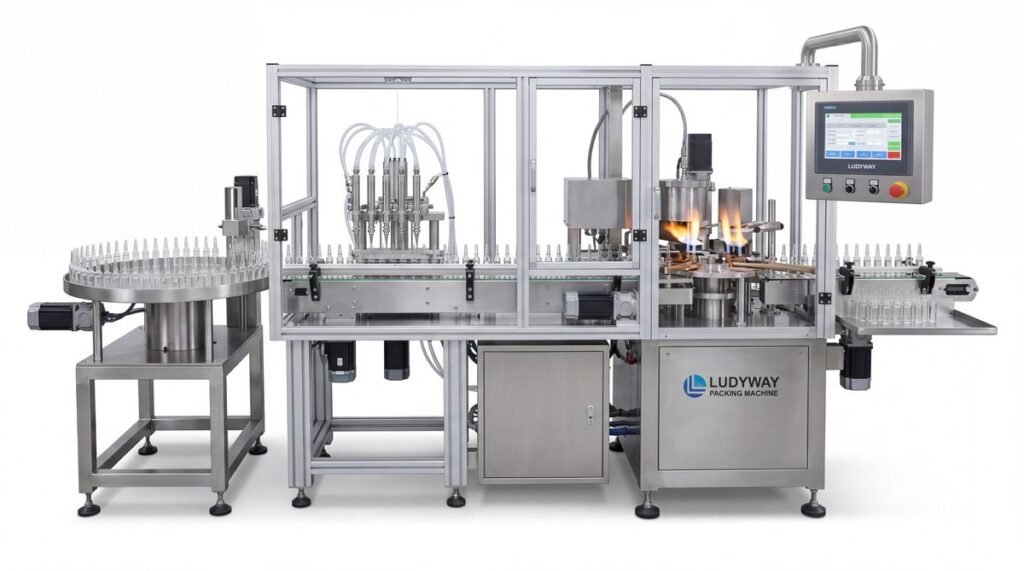
- Liquids & Pastes: Cooking sauces, honey, mayonnaise, and concentrated juices require robust liquid packaging solutions with high-speed filling capabilities and compatibility with laminated film structures.
- Dates & Dry Fruits: A staple in Middle Eastern diets, these products often require specialized feeding systems and gentle handling to maintain product integrity during packaging.
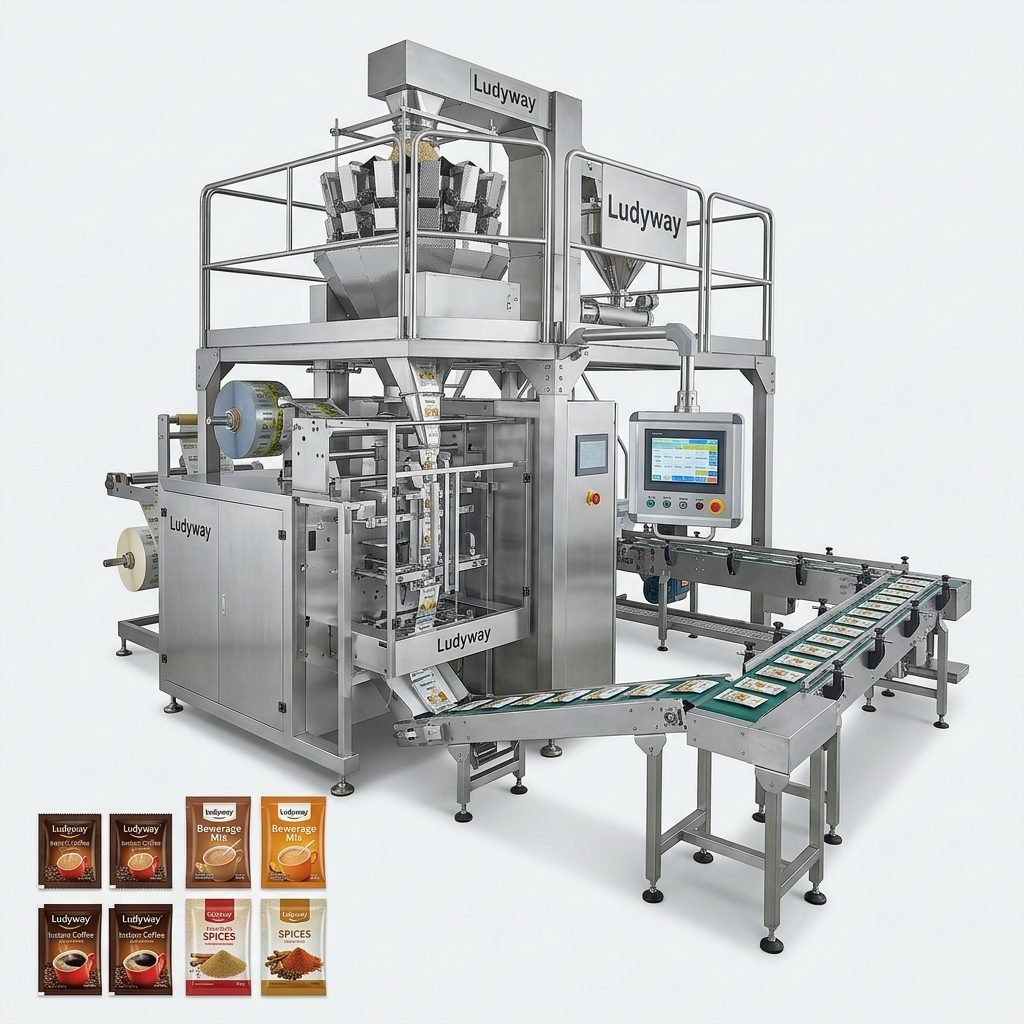
Critical Factors When Buying a Packaging Machine
Purchasing industrial equipment for a Middle Eastern operation goes beyond standard specifications. The following factors should be at the top of your checklist to ensure long-term reliability and compliance.
1. Climate Adaptability and Machine Durability
The high ambient temperatures and fine airborne dust (sand) prevalent in many Middle Eastern countries can wreak havoc on sensitive electronics and mechanical components. When evaluating a food packaging machine, look for:
- IP-rated electrical cabinets specifically sealed against dust and moisture.
- Over-specified cooling systems for servo drives and motors to prevent overheating during continuous high-speed runs.
- Corrosion-resistant materials, particularly 304 or 316 stainless steel construction, to withstand aggressive cleaning regimens required in high-humidity environments.
2. Compliance with Halal and Regional Food Safety Standards
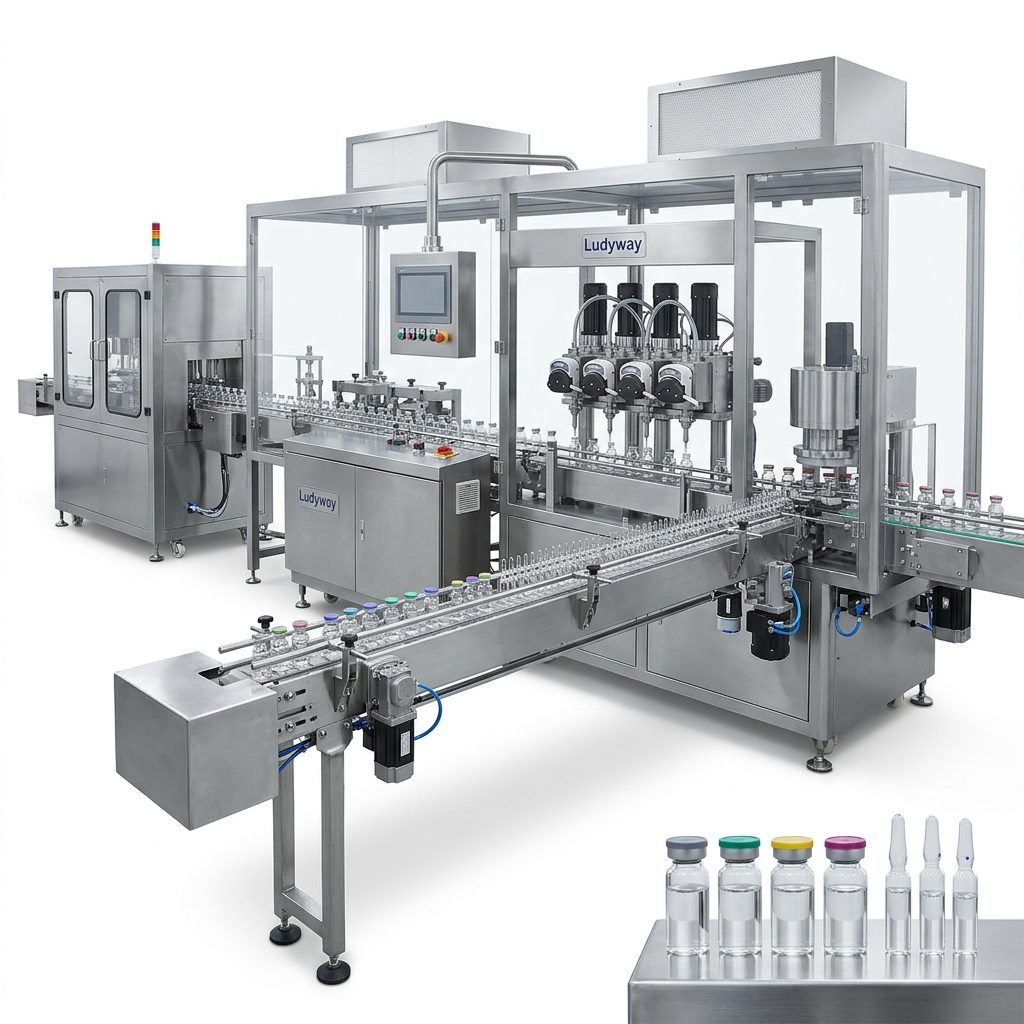
Compliance is not optional. Your packaging line design must support halal production integrity. This means the equipment must be easy to clean and verify between product changeovers. Furthermore, adherence to standards set by the FDA regarding food contact substances and GCC Standardization Organization (GSO) regulations is mandatory for market access. Look for machines that feature tool-less changeover parts and minimal product retention zones to speed up sanitation and validation processes.
3. Format Flexibility: Sachets vs. Stick Packs vs. Pouches
The Middle Eastern market is diverse. While a coffee producer might need a multi-lane stick pack machine for single-serve formats, a catering supplier might require bulk pouch packaging. Assess your current and future product portfolio. The table below outlines common format considerations for regional applications:
| Packaging Format | Ideal Application | Key Advantage |
|---|---|---|
| Multi-Lane Stick Pack | Soluble coffee, sugar, instant beverages | High speed, excellent portion control |
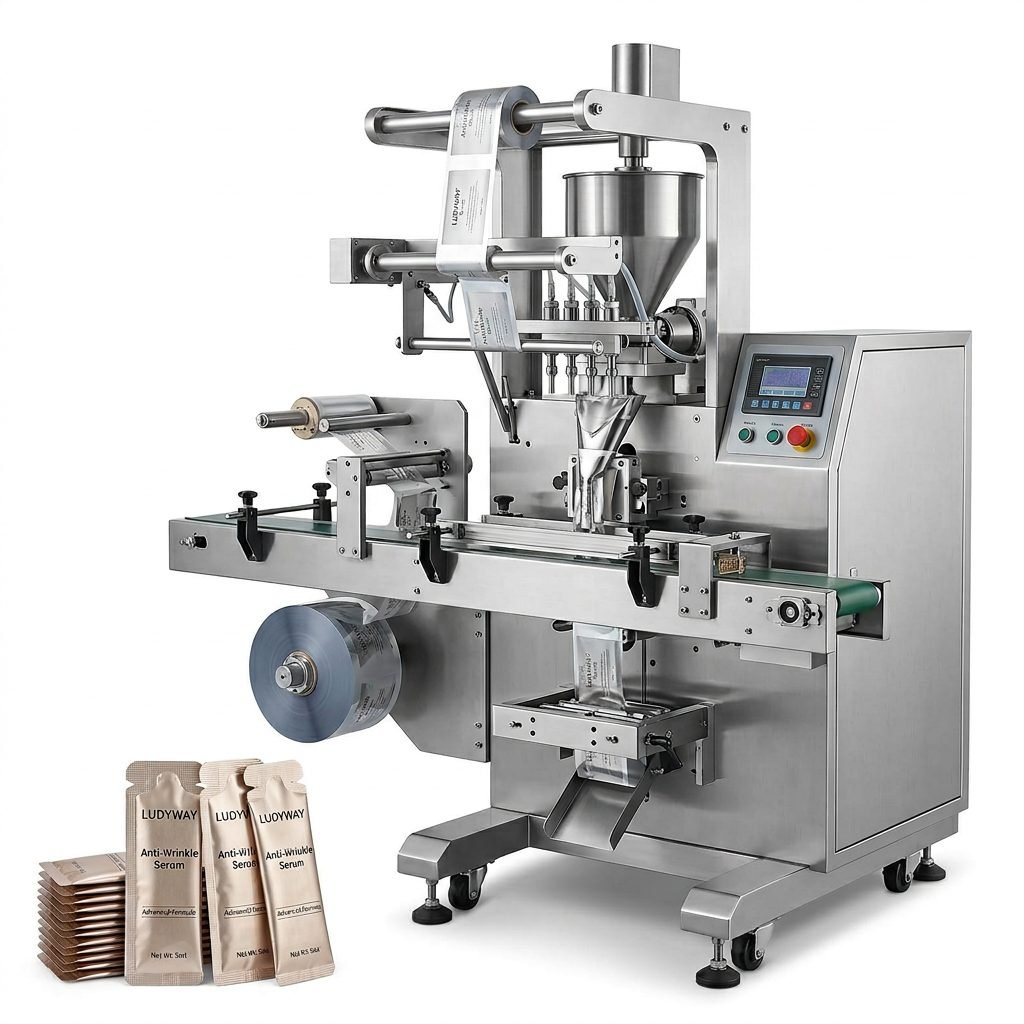
| 4-Side Seal Sachet | Ketchup, sauces, shampoos (sample sizes) | Strong seals for liquid migration prevention |
| Premade Doypack Pouch | Dates, nuts, frozen foods, pet food | Excellent shelf presence, zipper re-closure |
| Bulk Bagging (1-25kg) | Flour, rice, bulk ingredients, animal feed | High throughput for B2B and wholesale supply |
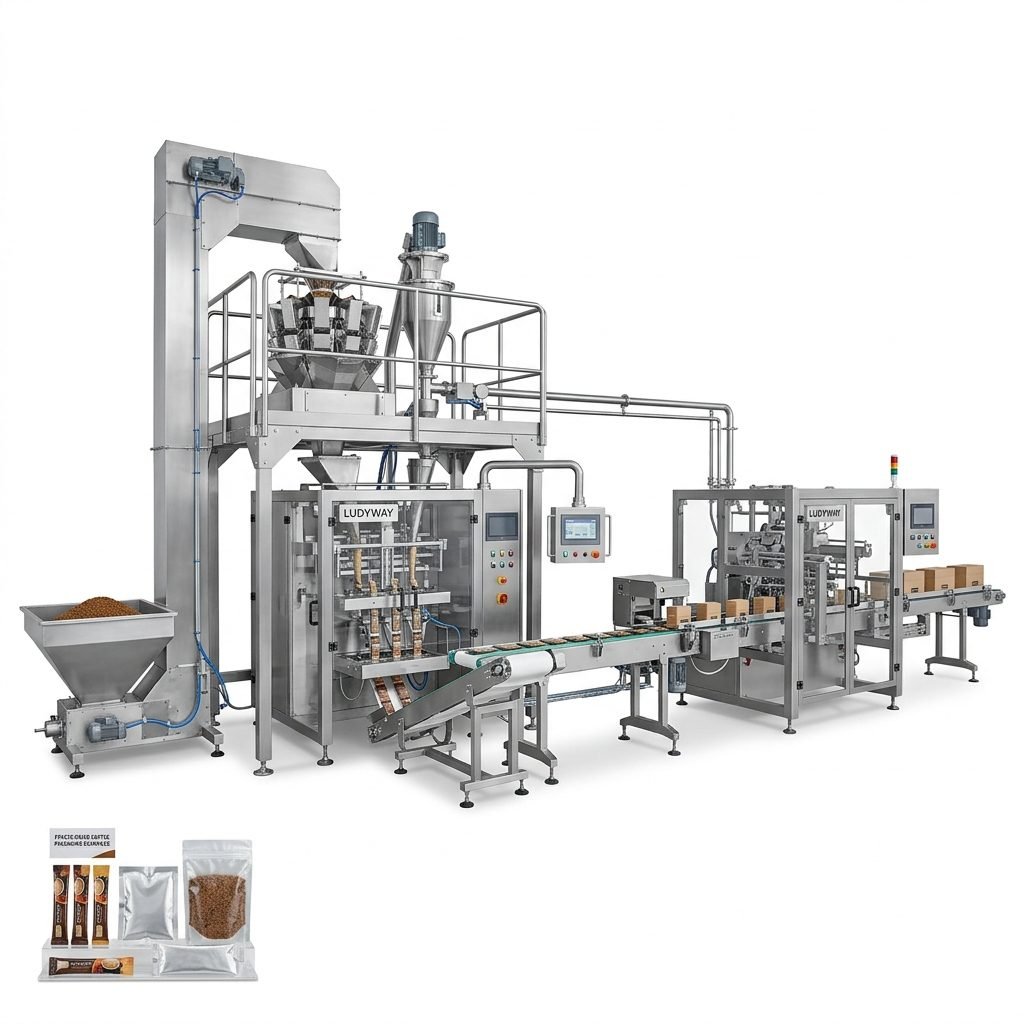
Evaluating Technical Specifications for Peak Performance
Beyond the format, you need to dive deep into the machine’s operational capabilities. Insist on documentation and factory acceptance testing (FAT) before committing to a purchase. Key technical areas to scrutinize include sealing integrity, as the Middle East supply chain often involves long transit distances and vertical storage where bag burst strength is critical. Additionally, the precision of the dosing system—whether auger, volumetric, or multi-head weigher—directly impacts product giveaway costs. For bags weighing 1kg or more, an automatic checkweigher with reject confirmation is a non-negotiable requirement to comply with legal metrology standards.
Automation and Smart Factory Integration
Vision 2030 initiatives (such as those in Saudi Arabia) and Industry 4.0 trends across the UAE are pushing food factories toward smart manufacturing. Your chosen machine should offer IoT connectivity, OEE (Overall Equipment Effectiveness) tracking dashboards, and remote service access. This allows plant managers to monitor production performance from a central control room, reduce downtime via predictive maintenance alerts, and seamlessly integrate with downstream cartoning and robotic palletizing systems.
Navigating Service, Support, and Spare Parts Logistics
Importing a machine into the Middle East is one thing; keeping it running is another. Before signing a contract, clarify two critical points: the availability of local service engineers or partners who can conduct installation and training in Arabic and English, and the average lead time required to ship critical spare parts from the factory to your site in cities like Jeddah, Dubai, or Doha.
Look for manufacturers, such as Ludyway, who maintain a global footprint with dedicated support for the Africa and Middle East region, ensuring that you aren’t left stranded with lengthy downtime after a technical fault. Their experience in producing over 50 intelligent packaging machine models serves as a reliable benchmark for intricate customizations that Middle Eastern products often require.
Export Documentation and Regulatory Approvals
Shipping heavy machinery to the Middle East involves meticulous paperwork, including the Certificate of Origin attested by chambers of commerce, SASO certificates of conformity for Saudi Arabia, and detailed packing lists for customs clearance. Working with a packaging machine manufacturer that has a mature export team can significantly accelerate this process. They will manage the logistics, from FOB shipping to providing the necessary installation qualification (IQ) and operational qualification (OQ) documentation required by local health authorities.
Industry Resources and Further Reading
Staying informed about global packaging trends helps you make a better investment. Consult authoritative bodies like the PMMI – The Association for Packaging and Processing Technologies for market intelligence reports. The Flexible Packaging Association also provides extensive resources on material innovations that can enhance the shelf life of food products in hot climates. For machine safety and performance standards, it is essential to review the framework established by ISO packaging standards.
Investing in a high-quality, durable, and flexible food packaging machine is a transformative step for scaling your food business across the Middle East. By aligning technical specifications with regional market requirements—particularly climate hardening and halal compliance—you can secure a reliable production asset that delivers consistent results for decades.