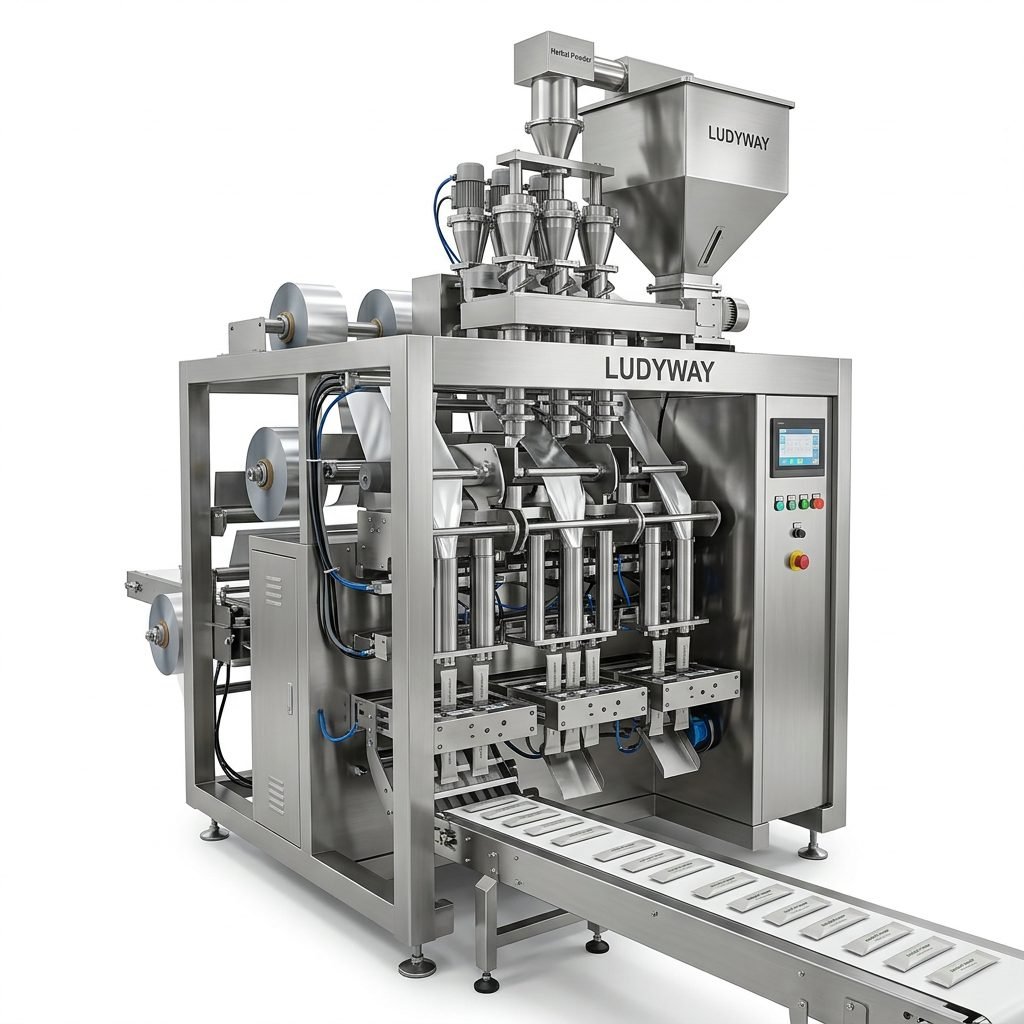
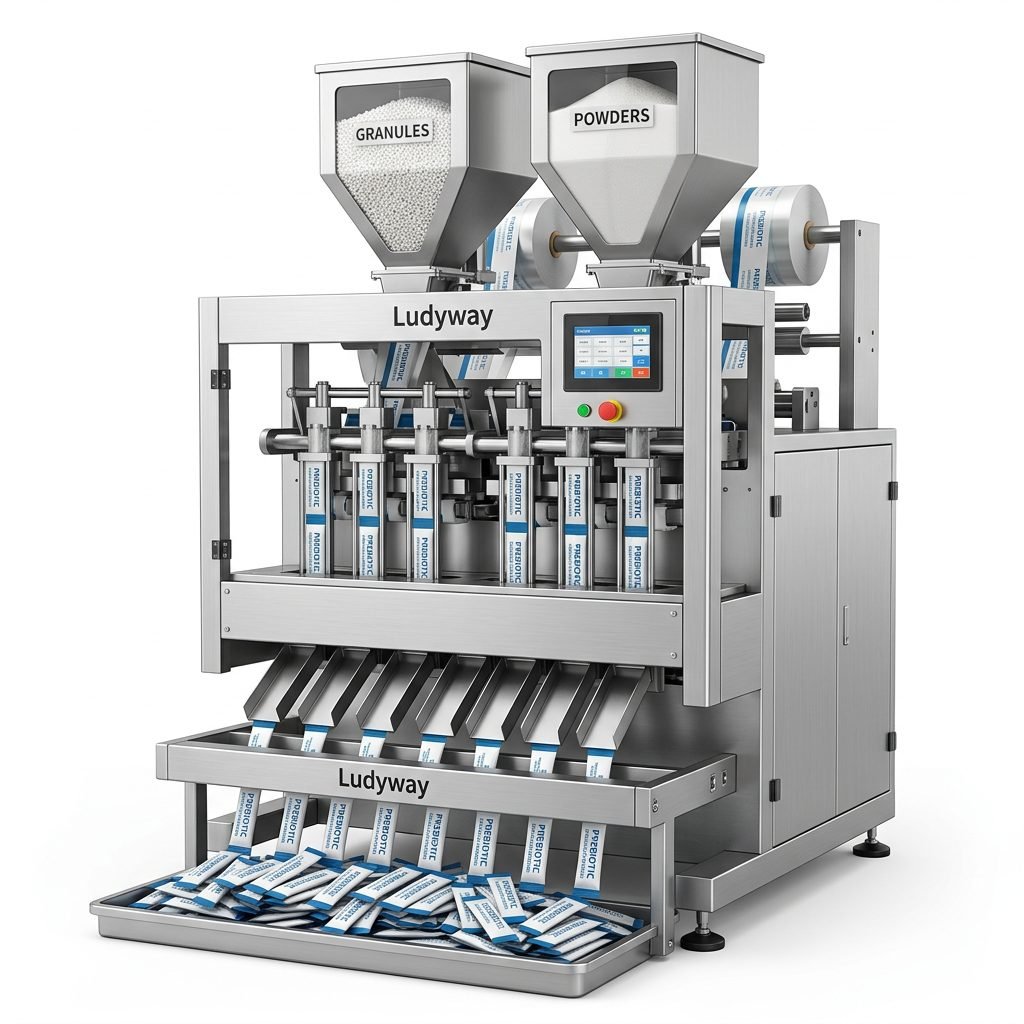
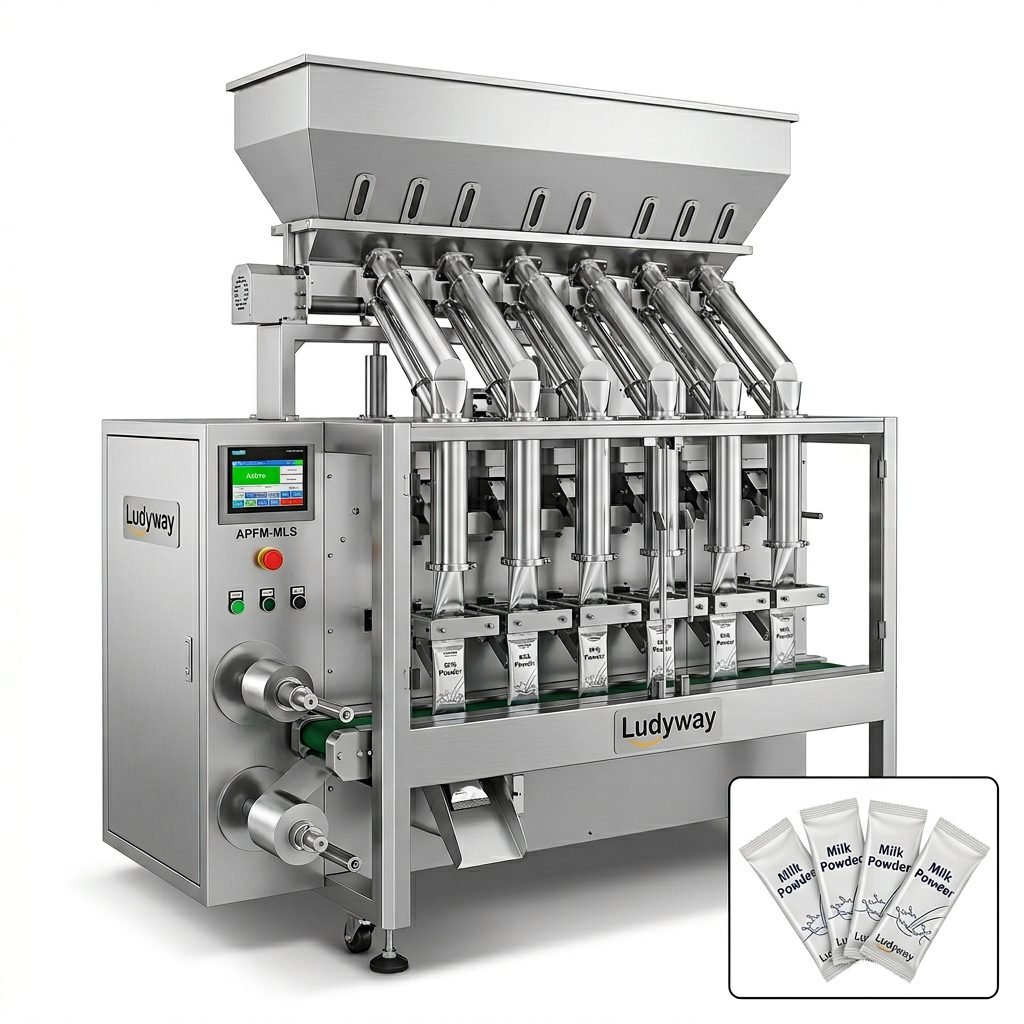
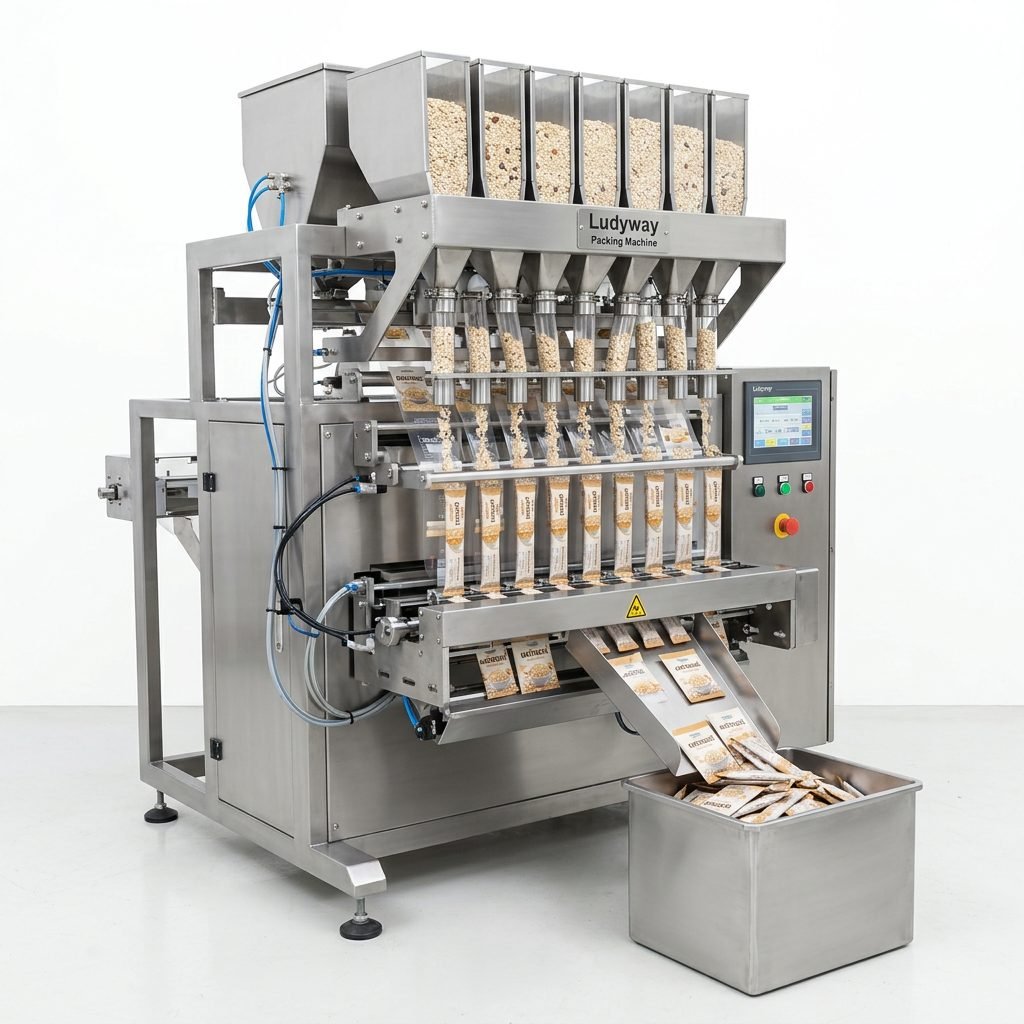
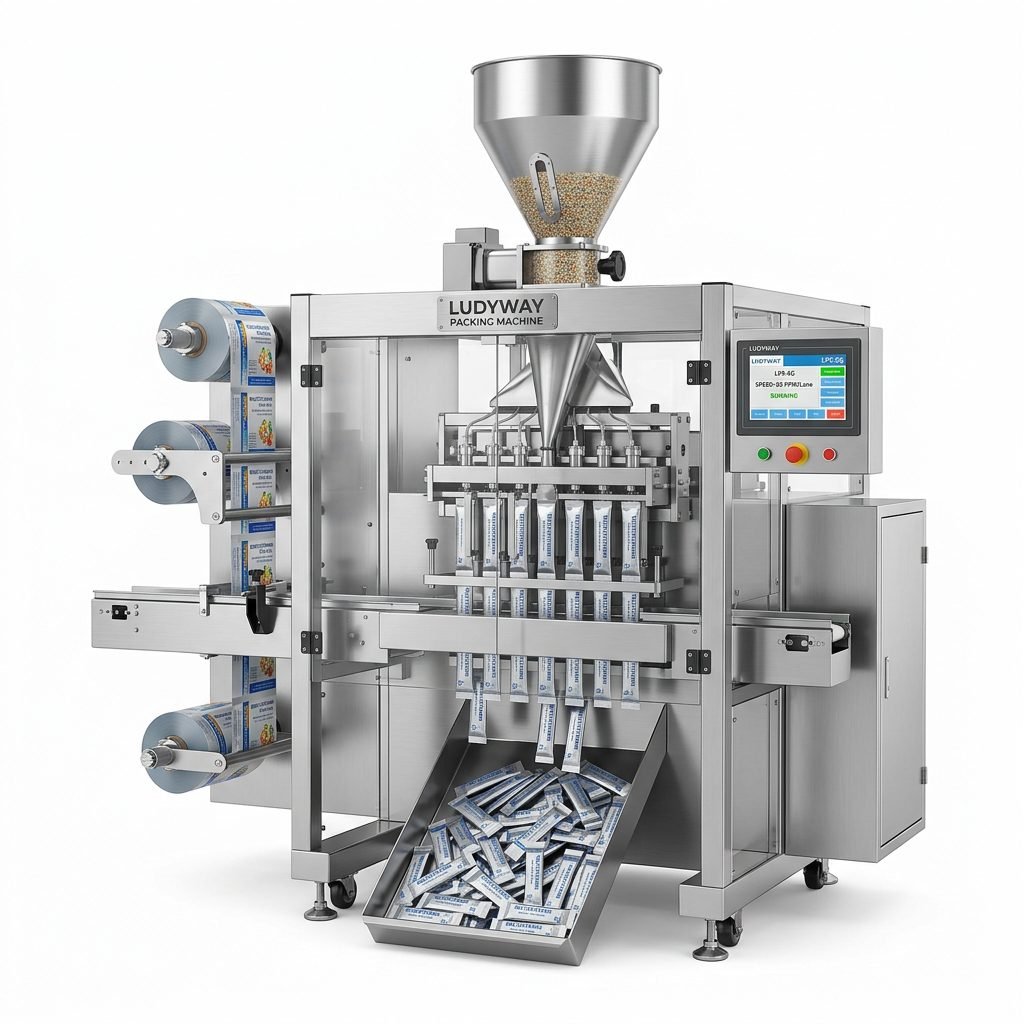
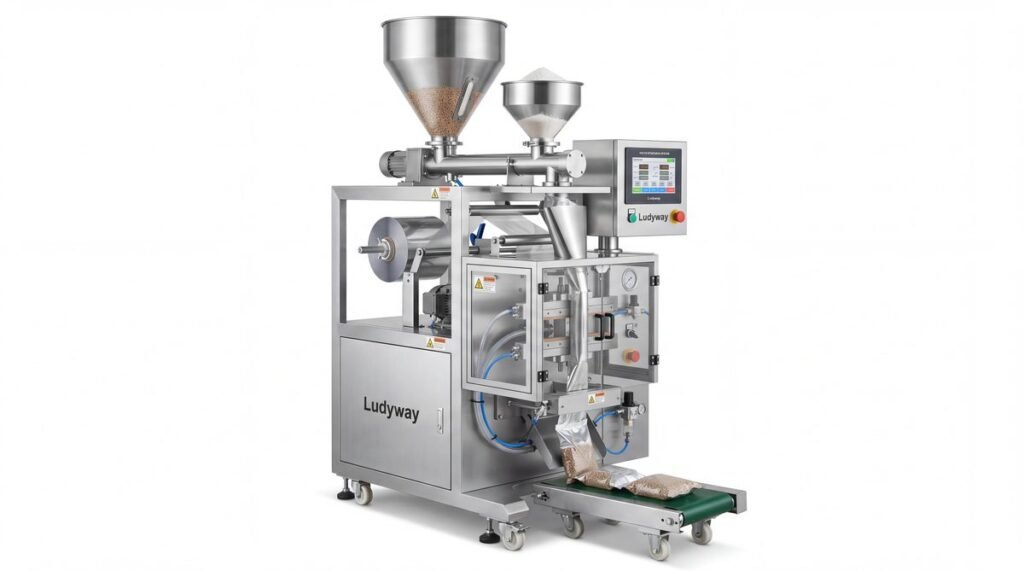
Coffee production demands precision at every stage—from roasting to grinding to packaging. A well-maintained coffee packaging machine ensures consistent product quality, reduces downtime, and extends equipment lifespan. This guide covers essential maintenance practices for coffee roasting, grinding, and packing machinery.
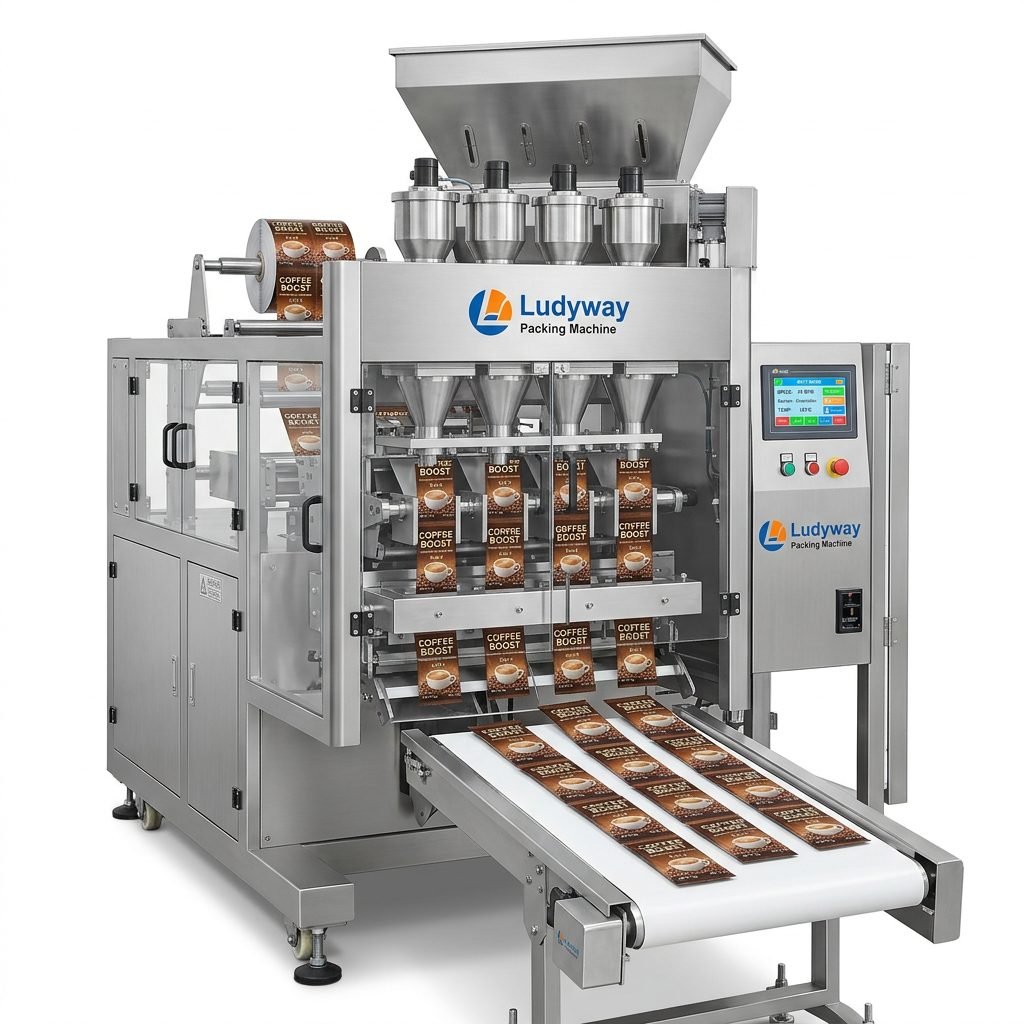
Why Regular Maintenance Matters
Neglecting maintenance on coffee processing equipment leads to inconsistent grind size, uneven roasts, seal failures, and costly production halts. A proactive maintenance schedule prevents these issues while ensuring optimal machine performance and food safety compliance.
- Extends equipment life by reducing wear on critical components
- Maintains flavor integrity through consistent roast and grind profiles
- Prevents contamination from oil buildup and residual coffee particles
- Reduces energy consumption with properly calibrated heating and motor systems
Key Maintenance Metrics to Track
| Equipment Type | Inspection Frequency | Critical Checkpoints | Estimated Downtime |
|---|---|---|---|
| Roaster | Daily / Weekly | Burners, drum, airflow, thermocouples | 2-4 hours |
| Grinder | Daily / Bi-weekly | Burrs, motor, calibration, chute | 1-2 hours |
| Packaging Machine | Daily / Monthly | Sealing jaws, filling nozzles, sensors | 1-3 hours |
Daily Cleaning Protocols for Coffee Equipment
A structured daily cleaning routine is the foundation of equipment reliability. Coffee oils and fine particles accumulate quickly, affecting both machine function and product taste.
Roaster Daily Checklist
- Remove chaff from the collection system to prevent fire hazards
- Wipe down the cooling tray and inspect the agitator arms
- Check gas pressure and burner flame patterns for consistency
- Inspect exhaust ducting for oil residue accumulation
- Verify that all temperature probes read accurately at ambient conditions
Grinder Daily Checklist
- Purge the grinding chamber of residual grounds at shift end
- Brush out the dosing mechanism and discharge chute
- Inspect burrs visually for signs of dulling or chipping
- Check that safety interlocks function correctly
- Wipe external surfaces to prevent sticky oil buildup
Roaster Deep Maintenance: Weekly and Monthly Tasks
Beyond daily cleaning, roasters require deeper periodic maintenance to maintain thermal stability and roast consistency. A well-maintained roaster delivers predictable bean development batch after batch.
Weekly Roaster Maintenance
- Clean the drum interior using a soft brush and approved degreaser to remove carbonized oil deposits
- Inspect burner assemblies for clogged orifices and clean with compressed air
- Test the emergency stop and safety systems to confirm operational readiness
- Lubricate bearings on the drum drive motor and cooling tray agitator per manufacturer specifications
Monthly Roaster Maintenance
- Calibrate all thermocouples and RTD sensors against a certified reference
- Inspect and clean the cyclone separator and afterburner if equipped
- Check belt tension on drive motors and replace if frayed or cracked
- Examine electrical connections for signs of corrosion or overheating
- Deep clean exhaust ducting to maintain proper airflow and prevent fires
Grinder Maintenance: Preserving Grind Quality
The grinder directly impacts extraction and flavor. Worn burrs generate excessive fines and heat, degrading coffee quality. Following ISO packaging standards for equipment maintenance ensures compliance and quality assurance across your production line.
Burr Inspection and Replacement
Burrs should be inspected every 200-400 operating hours depending on coffee volume and roast level. Darker roasts produce more surface oils that accelerate wear. Signs that burrs need replacement include:
- Increased grinding time for the same output weight
- Inconsistent particle size distribution under sieve analysis
- Excessive heat generation during grinding cycles
- Visible flattening or chipping of cutting edges
Grinder Calibration
After cleaning or burr replacement, recalibrate the grinder to ensure precise particle size distribution. Use a laser diffraction analyzer or calibrated sieves to verify that the grind profile matches your target specification for the intended brewing method.
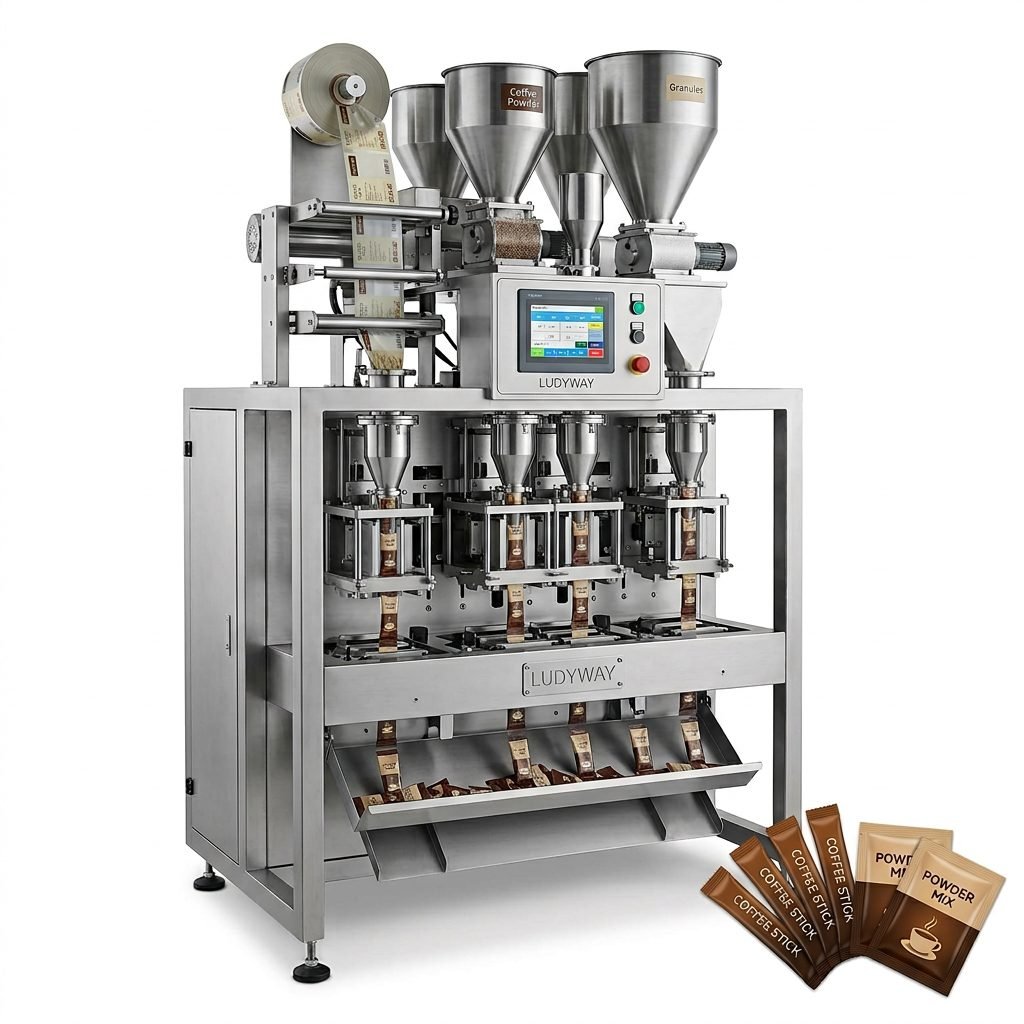
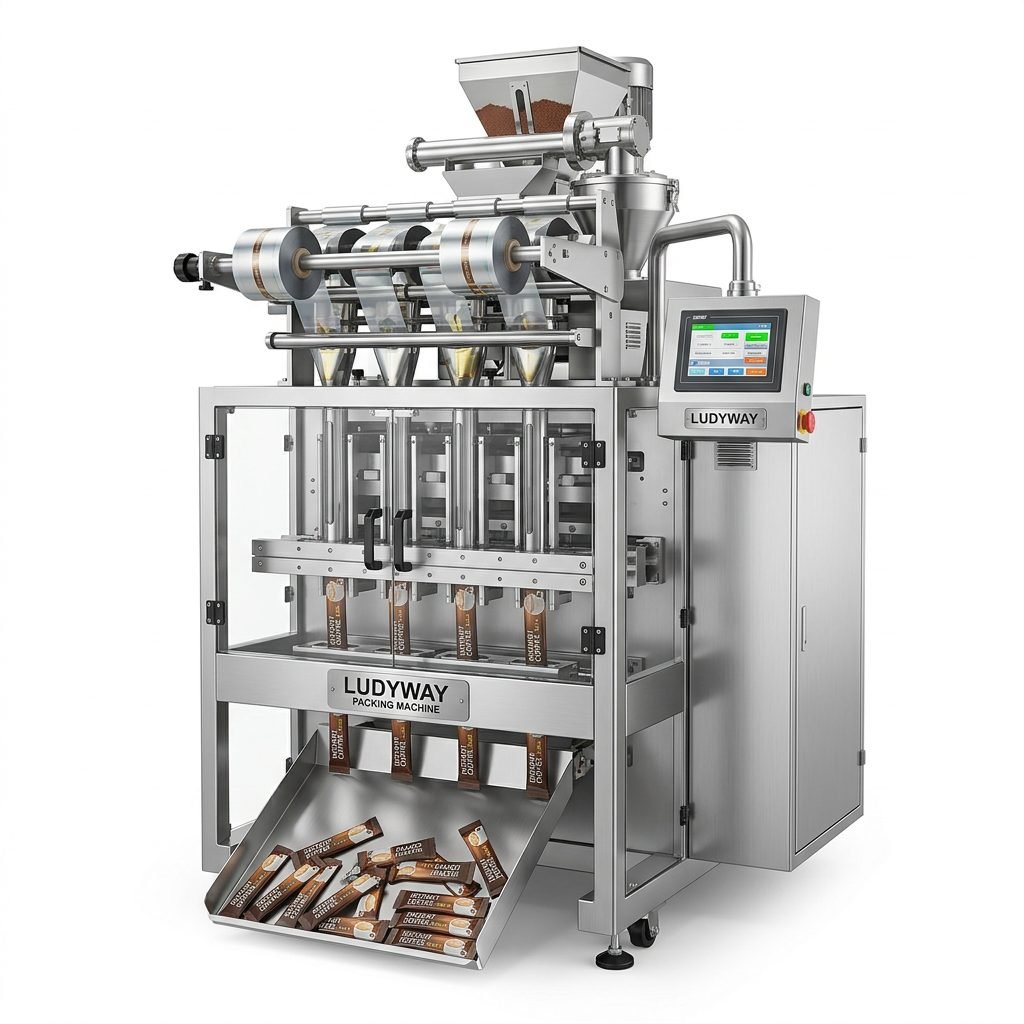
Packaging Machine Maintenance: Ensuring Seal Integrity
The packaging stage is critical for preserving coffee freshness. Faulty seals expose product to oxygen and moisture, dramatically shortening shelf life. Regular maintenance of sealing, filling, and sensor systems prevents packaging defects and product waste.
Sealing System Care
- Clean sealing jaws daily with a brass brush to remove film residue without scratching surfaces
- Check jaw temperature calibration weekly using a surface thermocouple
- Inspect Teflon coating on heat seal bars monthly for wear or peeling
- Verify seal strength through pull testing after any jaw adjustment or replacement
Filling and Weighing System Maintenance
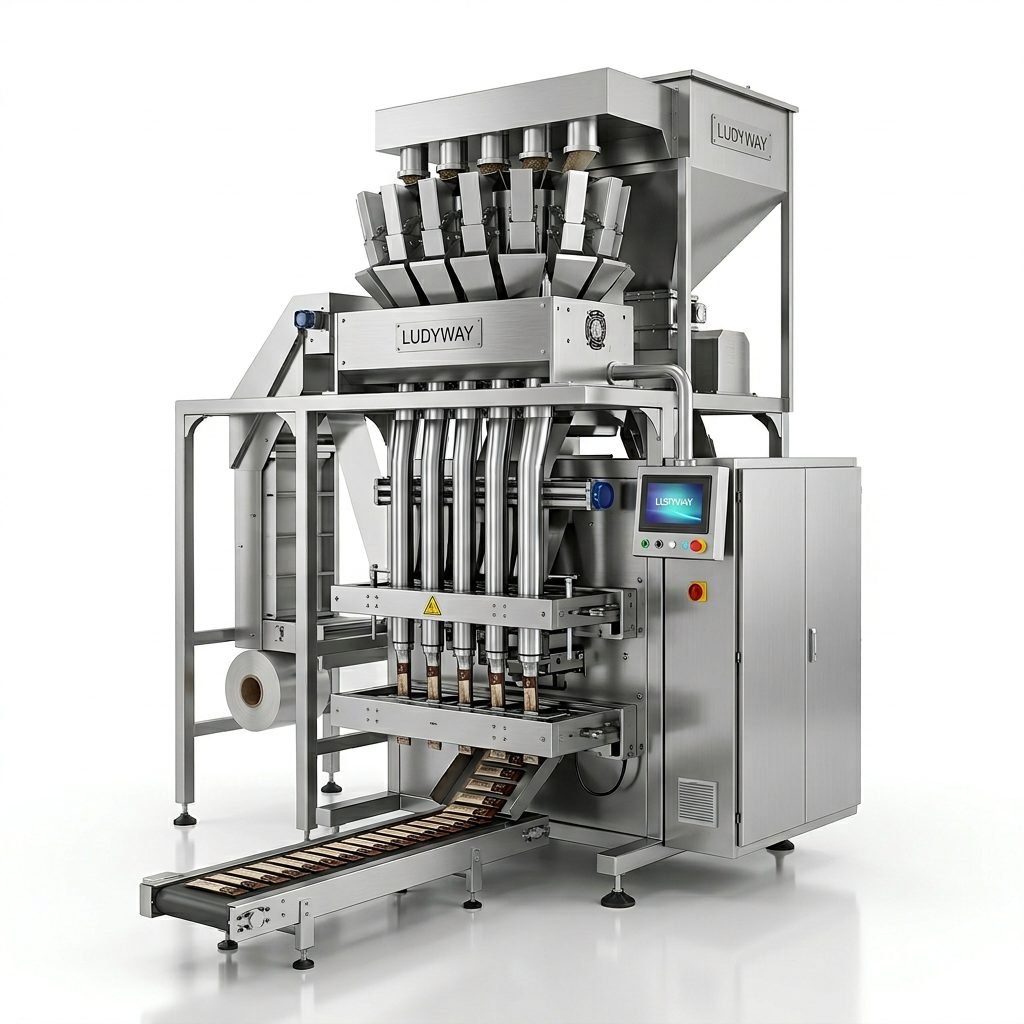
Accurate filling protects both product quality and profit margins. For multi-head weighers and auger fillers used in advanced packaging solutions, maintenance includes:
- Daily cleaning of weigh buckets and vibratory trays to prevent cross-contamination
- Weekly zero calibration of load cells to maintain accuracy within ±0.5g
- Monthly inspection of pneumatic cylinders and solenoid valves for smooth actuation
- Replacement of worn auger screws or volumetric cups based on production volume
Sensor and Control System Checks
Modern coffee packing machines rely on photoelectric sensors, temperature controllers, and PLC systems. Inspect sensors monthly for lens cleanliness and alignment. Back up PLC parameters quarterly and verify that all safety interlocks engage properly during simulated fault conditions.
Preventive Maintenance Scheduling
A documented preventive maintenance schedule reduces unplanned downtime by up to 40% according to PMMI industry research. Below is a recommended schedule framework adaptable to your operation.
| Interval | Roaster Tasks | Grinder Tasks | Packaging Tasks |
|---|---|---|---|
| Daily | Chaff removal, cooling tray wipe-down | Chamber purge, burr visual check | Sealing jaw cleaning, sensor lens wipe |
| Weekly | Drum interior clean, burner check | Burr gap measurement, motor inspection | Seal temperature calibration |
| Monthly | Thermocouple calibration, belt check | Full disassembly cleaning, lubrication | Pneumatic system check, load cell calibration |
| Quarterly | Exhaust duct deep clean, bearing replacement | Burr replacement assessment, belt change | PLC backup, full sensor testing |
| Annually | Full overhaul, gas valve replacement | Motor rebuild, complete calibration | Seal jaw replacement, major component inspection |
Troubleshooting Common Issues
Even with diligent maintenance, issues can arise. Quick diagnosis minimizes downtime and prevents small problems from escalating into major repairs.
Roaster Troubleshooting
- Uneven roast color: Check drum speed, airflow consistency, and burner distribution. Clean clogged burner ports.
- Smoke or odor issues: Inspect exhaust ducting for blockages and afterburner function. Clean or replace catalytic converters if equipped.
- Temperature fluctuations: Verify thermocouple integrity and PID controller settings. Inspect gas regulator for steady pressure delivery.
Grinder Troubleshooting
- Excessive fines: Dull burrs are the primary cause. Replace burrs and recalibrate grind settings.
- Motor overheating: Check for overloading, blocked ventilation, or failing start capacitors. Allow adequate cool-down between batches.
- Inconsistent dosing: Clean the doser mechanism thoroughly and verify timer or weight-based control calibration.
Packaging Machine Troubleshooting
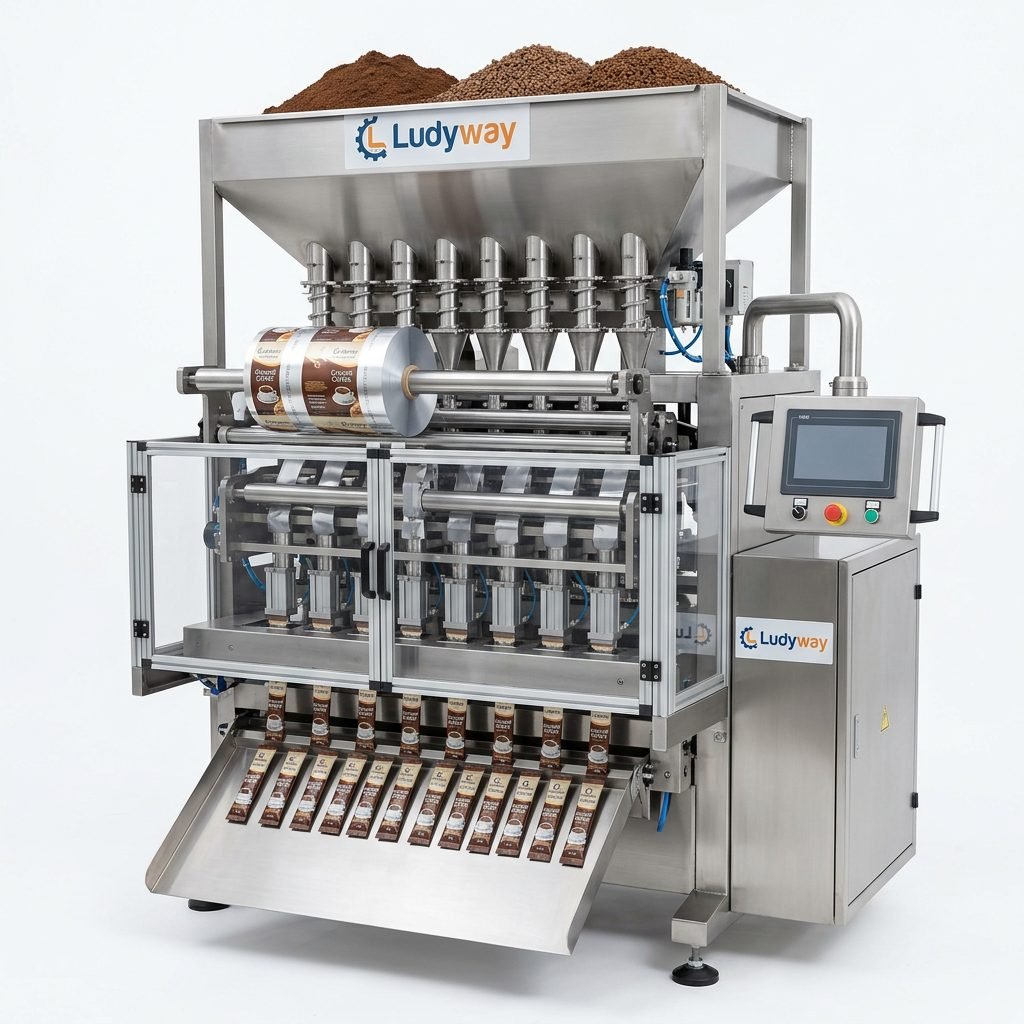
- Weak or leaking seals: Verify correct temperature, dwell time, and pressure settings. Inspect jaw alignment and Teflon coating condition.
- Fill weight variation: Recalibrate load cells, clean weigh buckets, and check for product bridging in hoppers.
- Film tracking issues: Inspect roller alignment, tension control, and photoelectric sensor positioning for proper web tracking.
Lubrication Best Practices
Proper lubrication is essential for moving parts longevity across all coffee processing equipment. Use only food-grade lubricants that are NSF H1 registered for incidental food contact. Key lubrication points include:
- Roaster drum bearings and drive chains — every 50 operating hours
- Grinder burr carrier threads — monthly during deep cleaning
- Packaging machine cam followers and linear guides — weekly inspection and lubrication
- Motor bearings on all equipment — per manufacturer guidelines, typically quarterly
Documentation and Record Keeping
Maintaining detailed service records supports regulatory compliance and helps identify recurring issues. Document every maintenance activity including date, technician name, tasks performed, parts replaced, and any observations. Digital maintenance management systems simplify this process and provide automated scheduling reminders. Refer to FDA food packaging requirements for compliance documentation standards applicable to coffee production facilities.
Spare Parts Management
Keeping critical spare parts in inventory prevents extended downtime waiting for replacements. Recommended spares for coffee processing equipment include:
- Roaster: Thermocouples, burner orifices, drive belts, bearings, gaskets
- Grinder: Burr sets, drive belts, start capacitors, dosing springs
- Packaging Machine: Seal jaw Teflon strips, heater cartridges, sensors, pneumatic seals, forming tubes
Partnering with Equipment Specialists
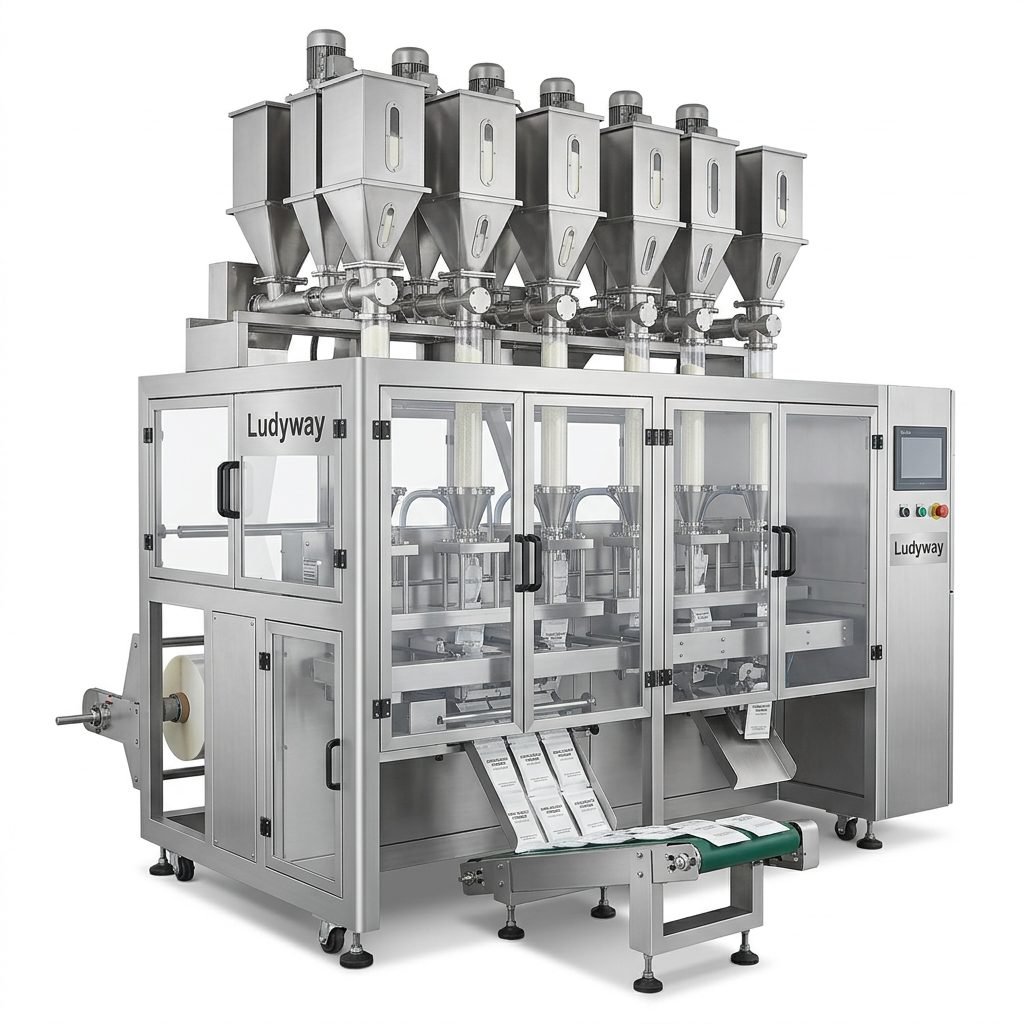
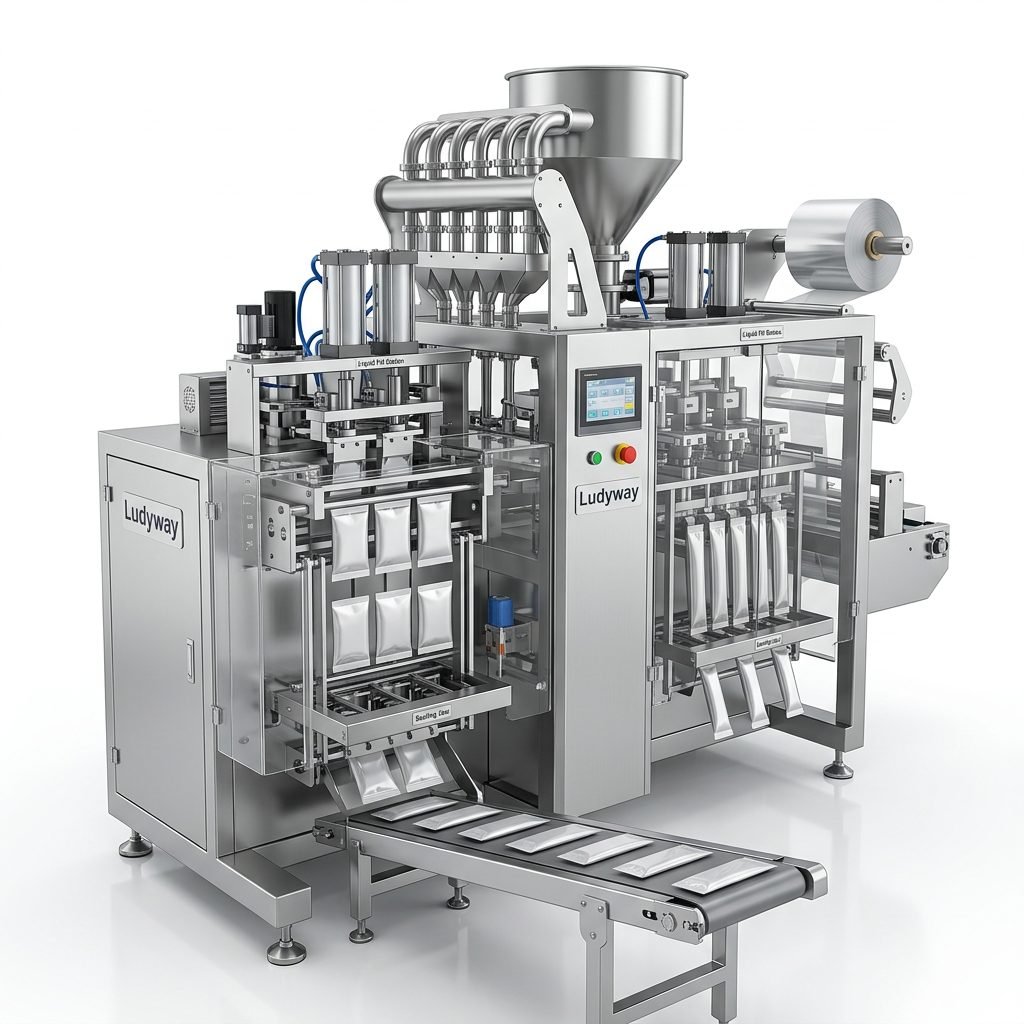
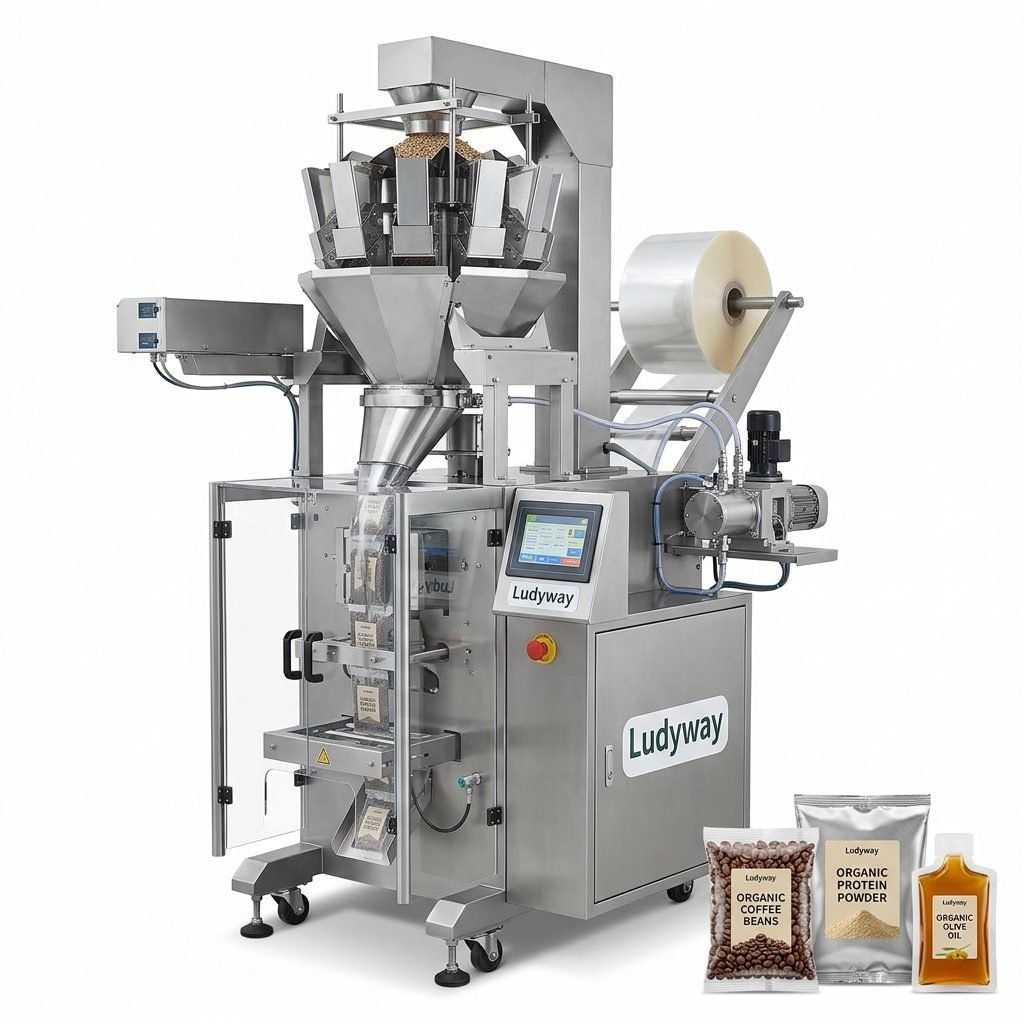
For comprehensive support, working with experienced packaging machinery manufacturers ensures access to genuine parts, technical expertise, and timely service. Ludyway is one of the largest packaging machine manufacturers in China, specializing in advanced packaging equipment and turnkey production solutions for the food, pharmaceutical, and health industries. With over 30 years of industry expertise and a modern 20,000㎡ manufacturing facility, Ludyway provides reliable and efficient packaging solutions for granule, powder, liquid, and pouch packaging applications across more than 100 countries.
When to Call a Professional Technician
- Persistent roast profile deviations that calibration cannot resolve
- Grinder motor failure or excessive vibration indicating bearing damage
- Packaging machine PLC errors requiring specialized diagnostic tools
- Any situation involving electrical hazards or gas system malfunctions
Conclusion: Building a Maintenance Culture
A well-executed maintenance program for coffee roasting, grinding, and packaging equipment is an investment in product consistency and operational efficiency. By implementing the daily, weekly, monthly, and annual tasks outlined in this guide, coffee producers can significantly reduce unexpected downtime, extend machinery life, and deliver superior quality to customers. Regular training for operators and maintenance staff, combined with thorough documentation and partnerships with industry-standard resources, creates a sustainable approach to equipment care that pays dividends over the long term.