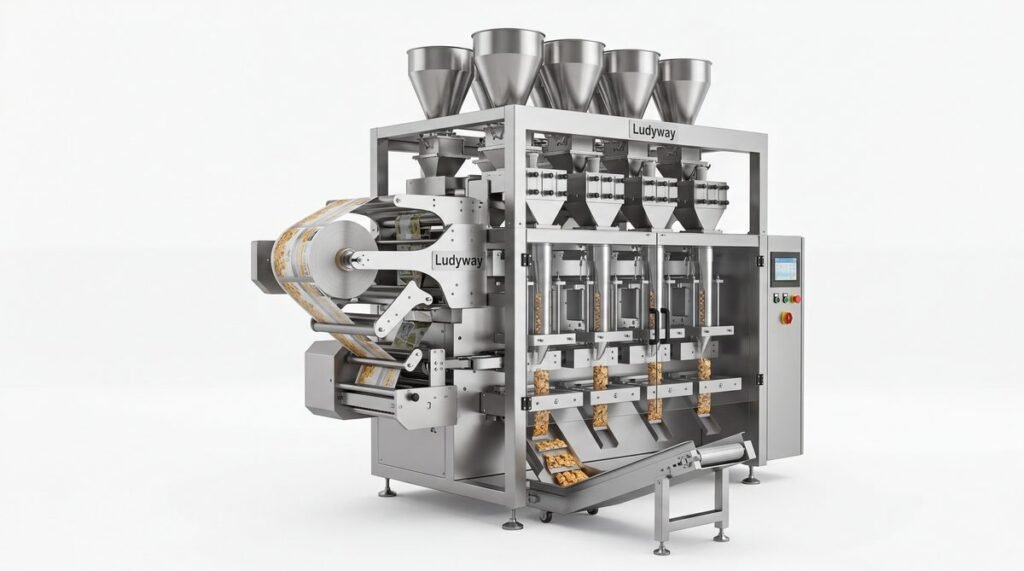
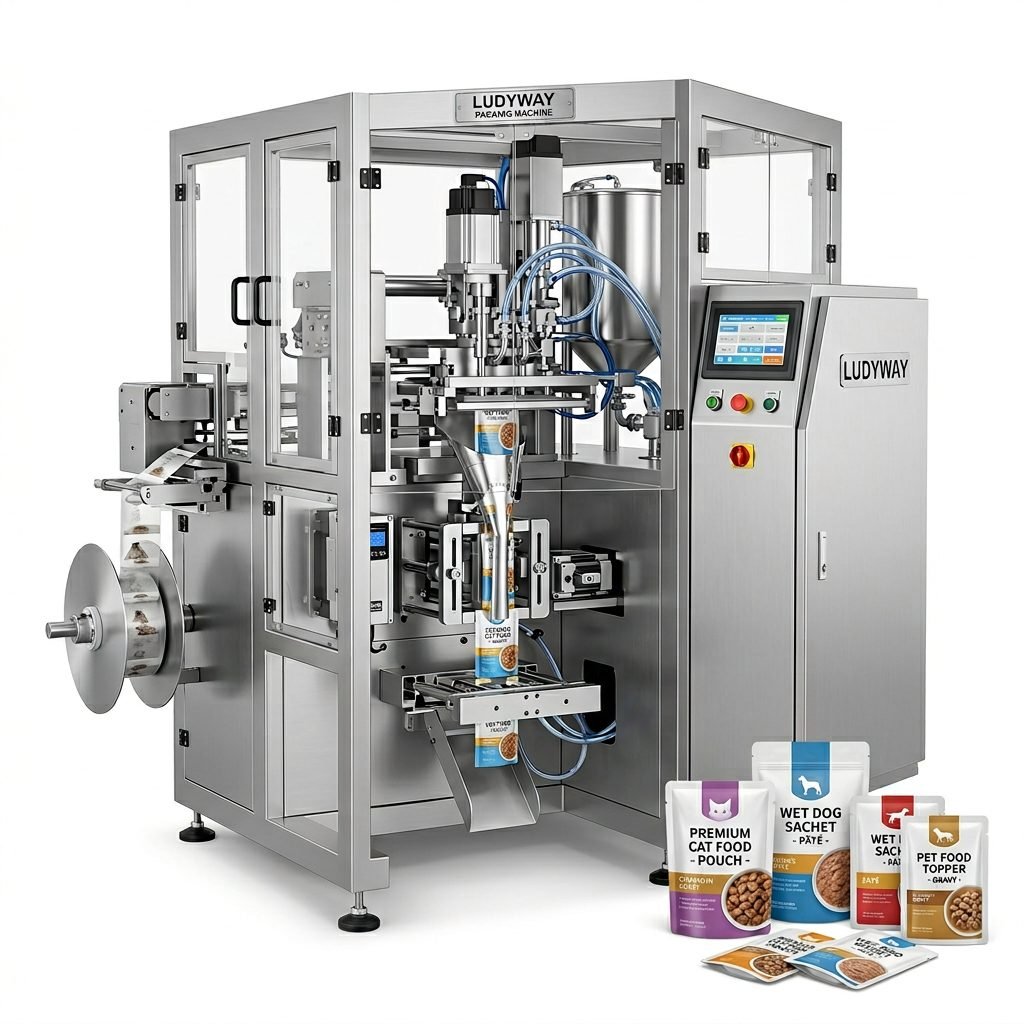
Establishing a ready meal packaging machine production line in Europe requires strategic planning, compliance with strict regulatory frameworks, and investment in high-performance equipment. Whether you are launching a new facility or upgrading an existing operation, understanding the full scope of the process is essential to achieving operational efficiency and product consistency.
Understanding the European Ready Meal Market
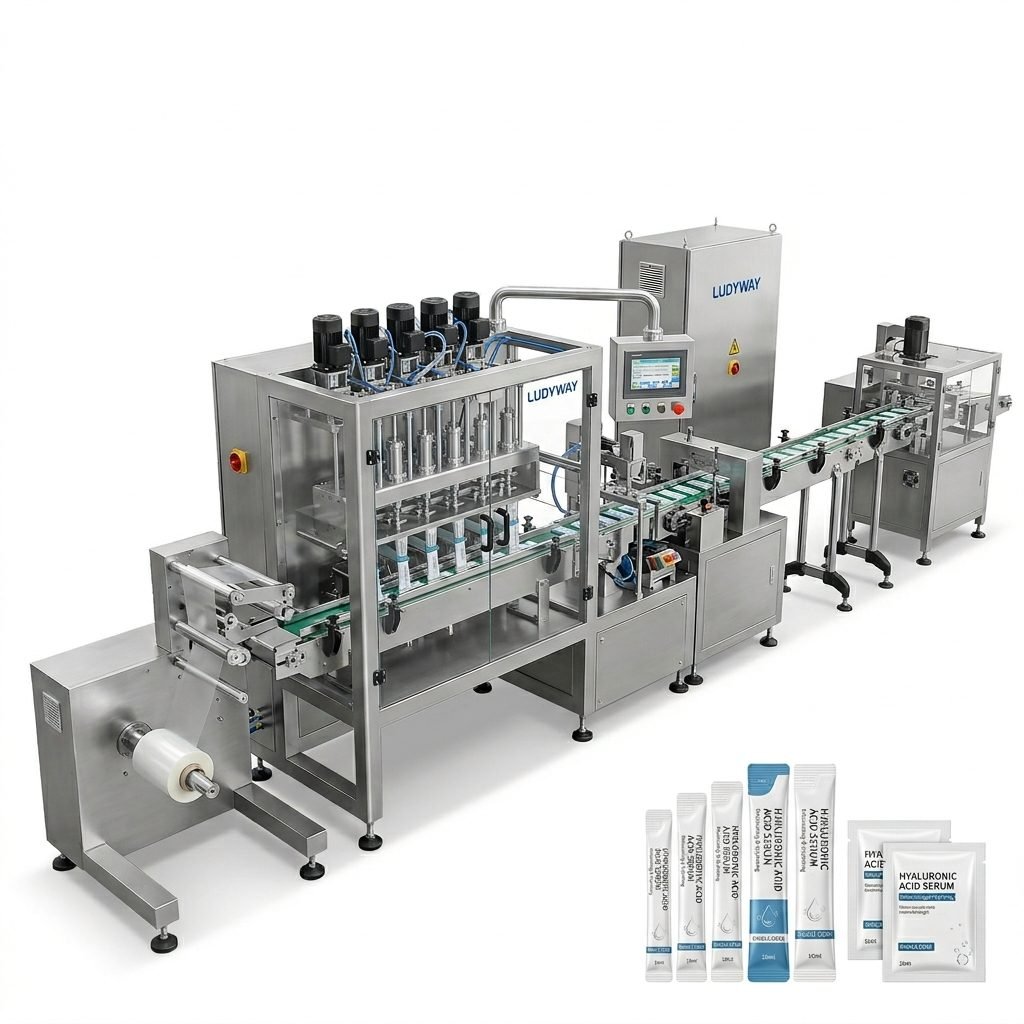
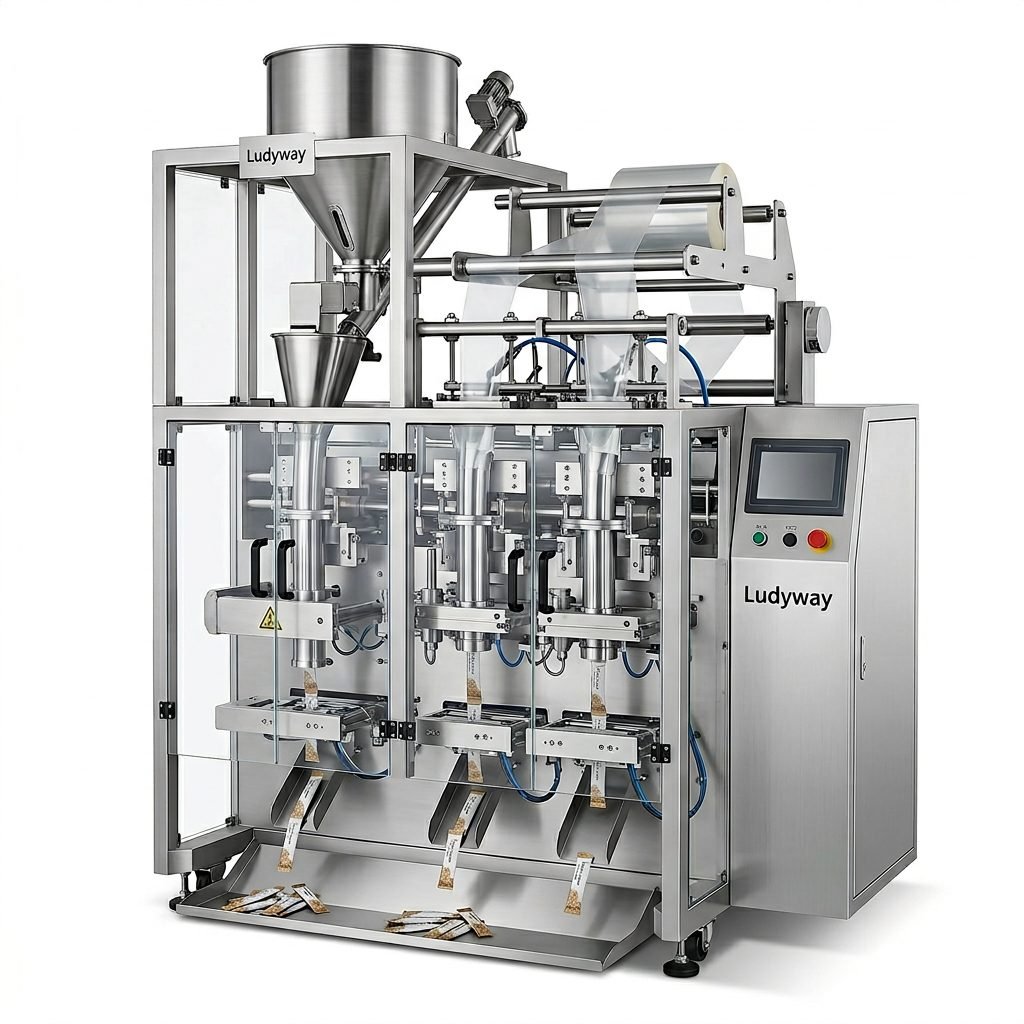
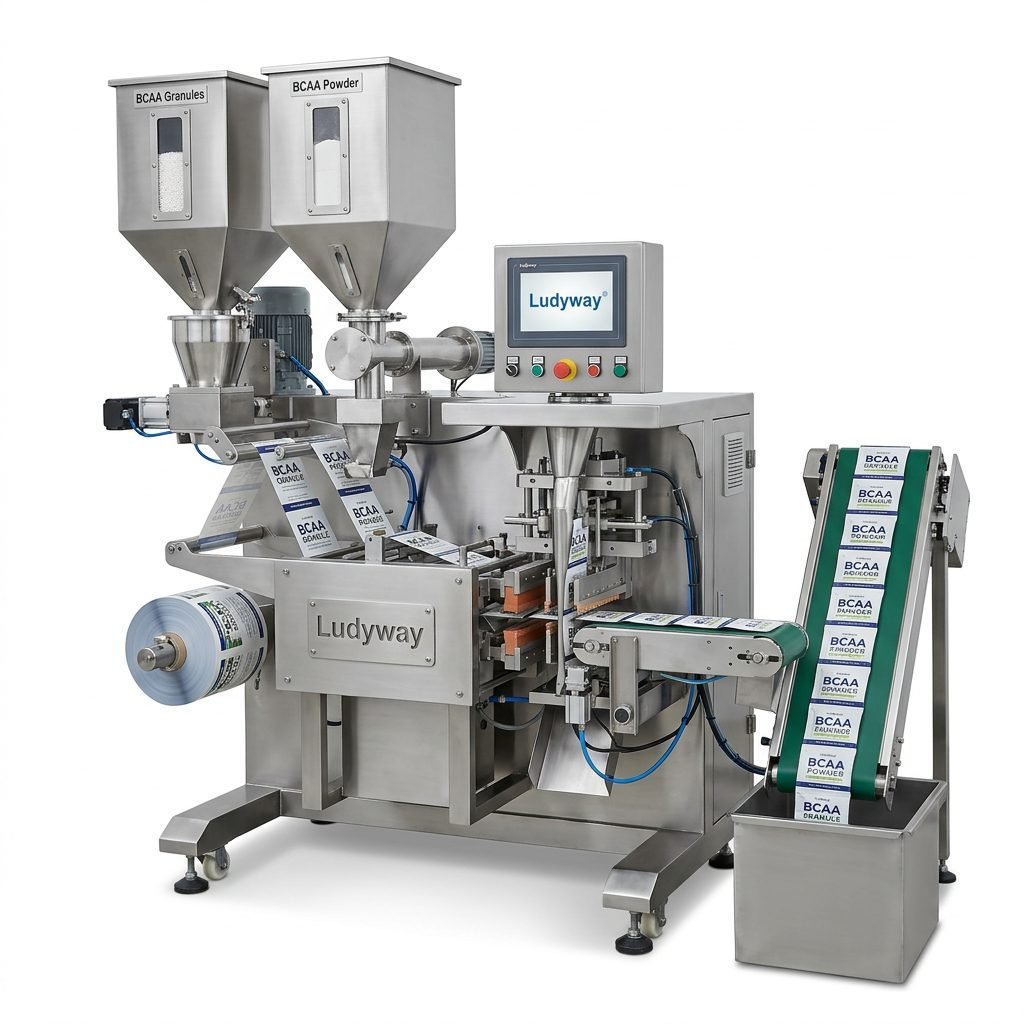
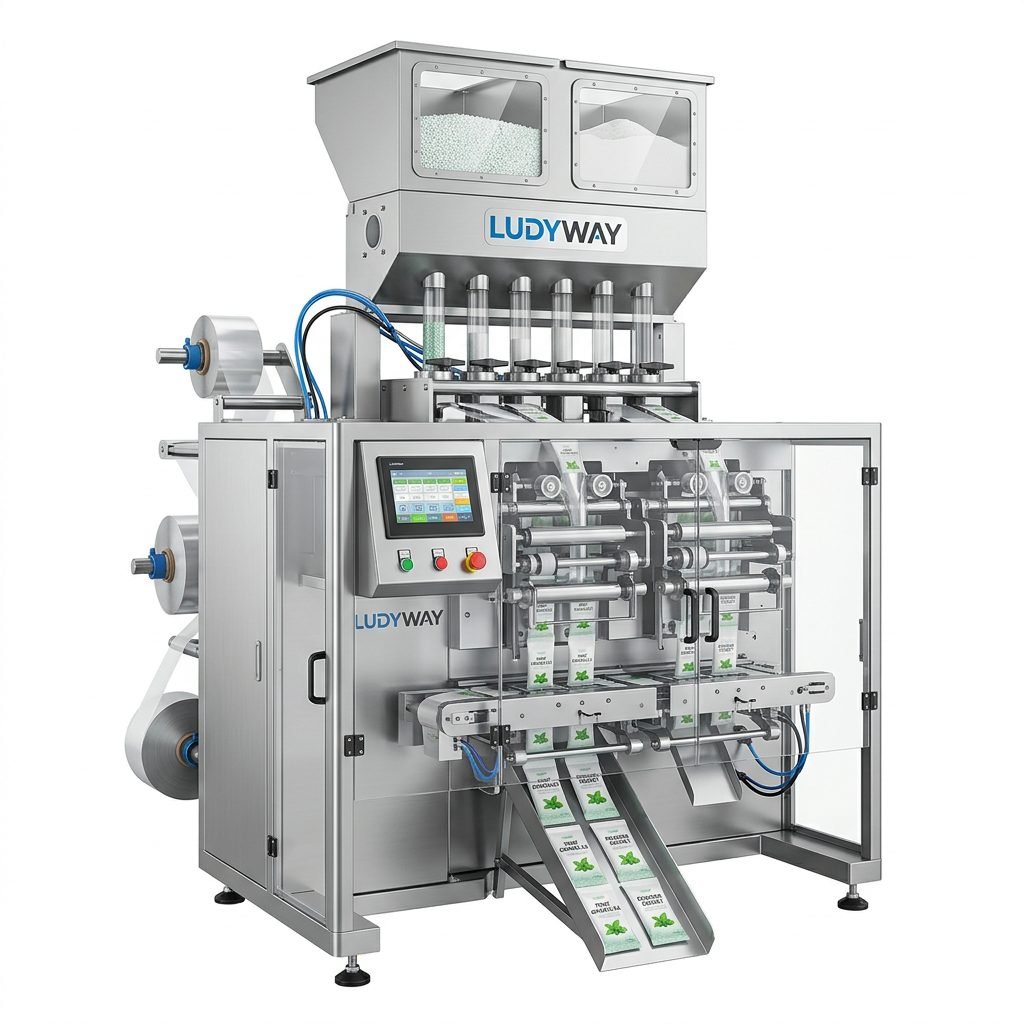
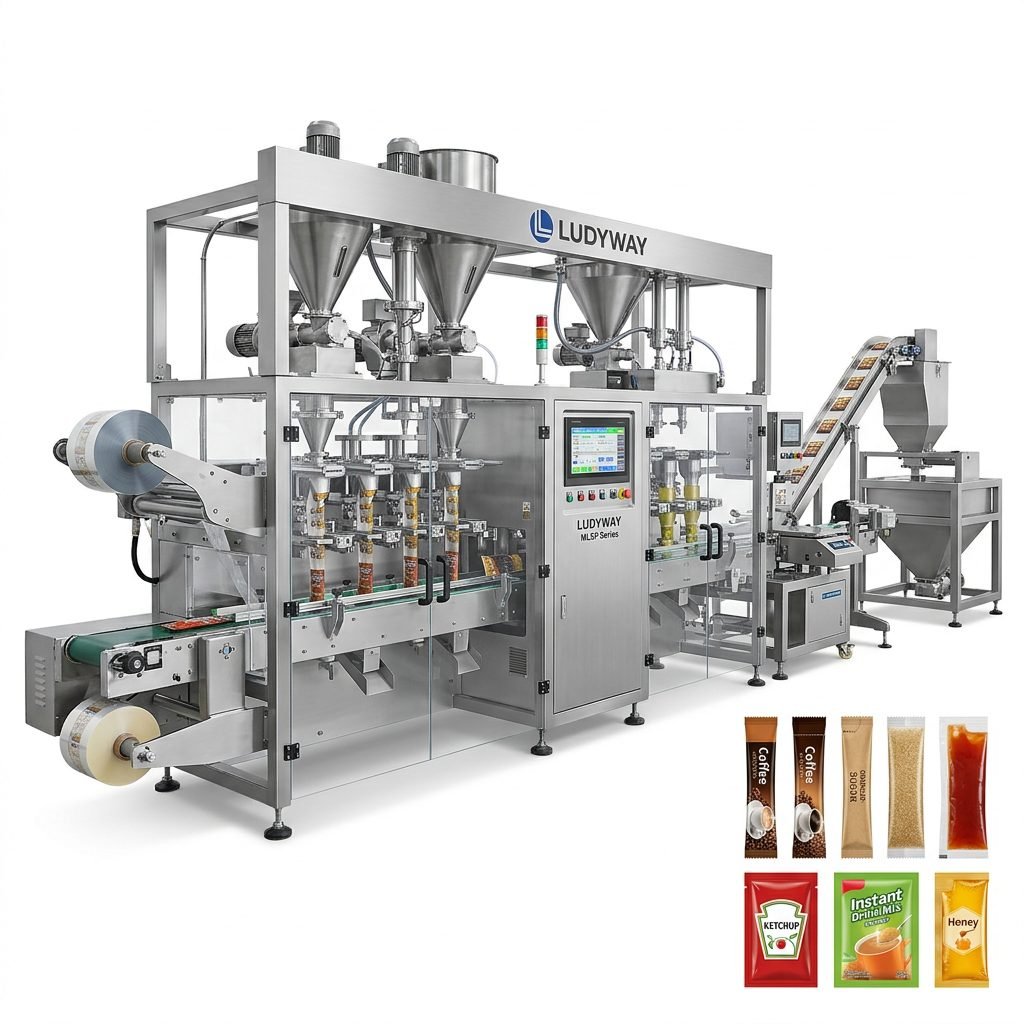
The European ready meal sector continues to expand, driven by changing consumer lifestyles and demand for convenience. Countries such as Germany, the United Kingdom, France, and the Netherlands represent significant markets. To compete, manufacturers must ensure their production lines can handle diverse packaging formats such as multi-lane stick packs, sachets, and trays while maintaining high throughput and hygiene standards.

Key Regulatory Requirements in Europe
Compliance with European regulations is non-negotiable. Food contact materials must meet EU Framework Regulation (EC) No 1935/2004 and relevant GMP standards. Equipment must align with the European Commission Packaging and Packaging Waste Regulation directives. Additionally, machinery must carry CE marking, confirming conformity with health, safety, and environmental protection requirements.
Essential Certifications for Packaging Machinery
- CE Marking – Mandatory for all machinery sold and operated within the European Economic Area.
- EN 415 Series – Safety standards specifically for packaging machines.
- ISO 22000 / FSSC 22000 – Food safety management system certifications that extend to equipment design.
- EHEDG Guidelines – Hygienic design principles for food processing equipment.
Selecting the Right Packaging Equipment
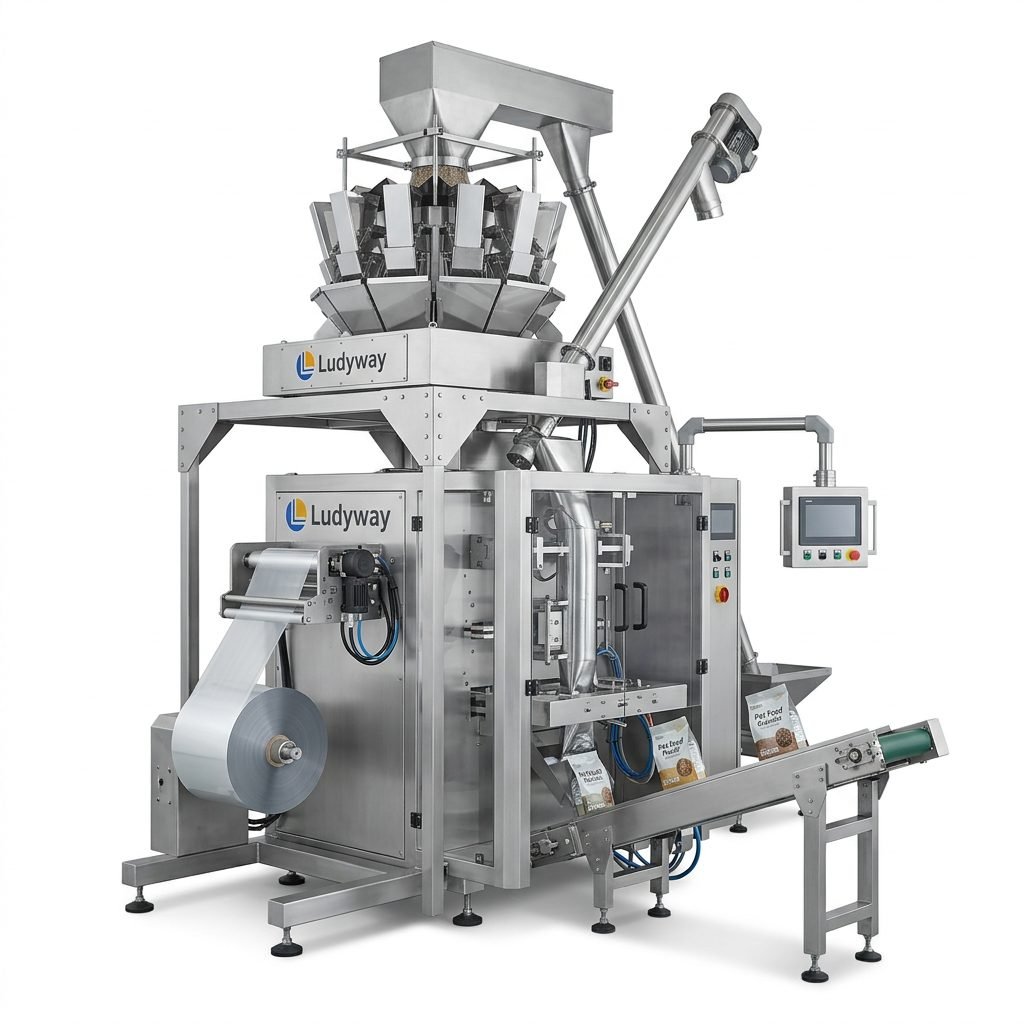
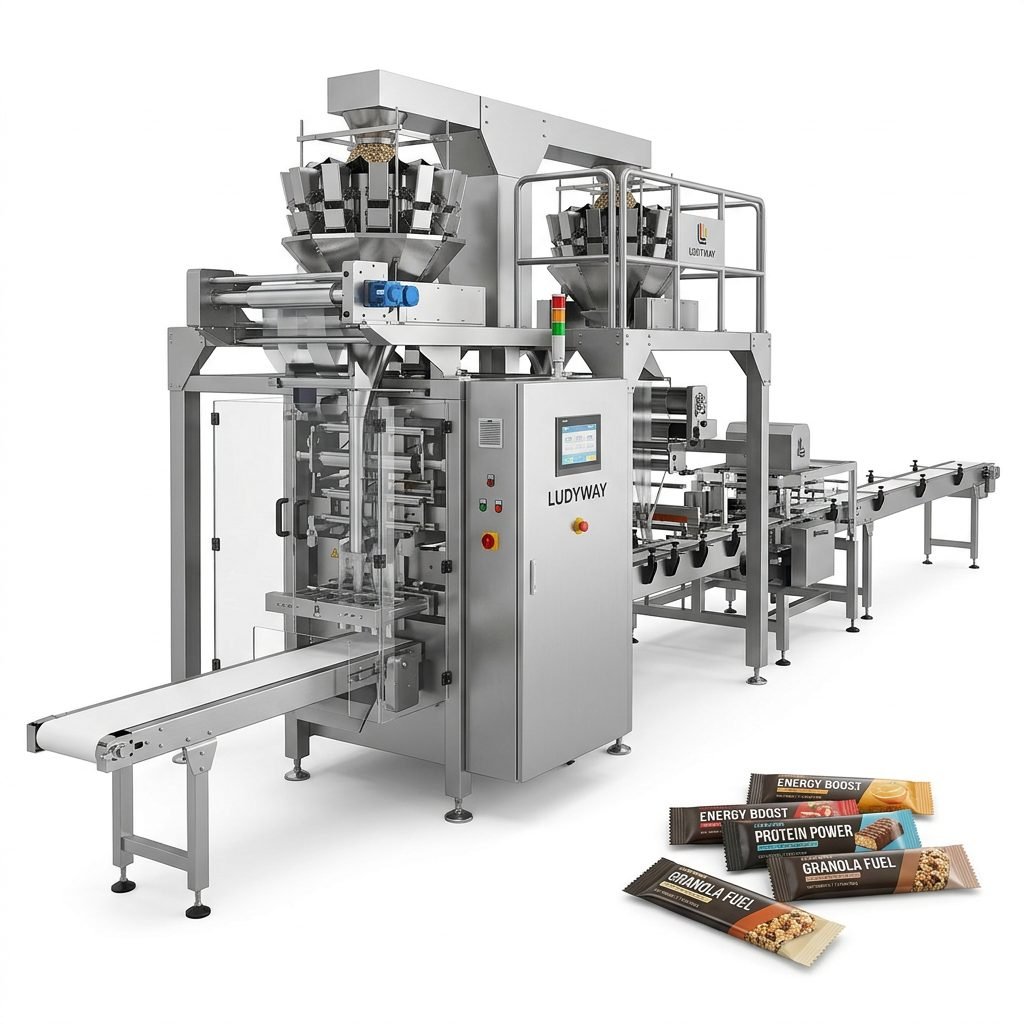
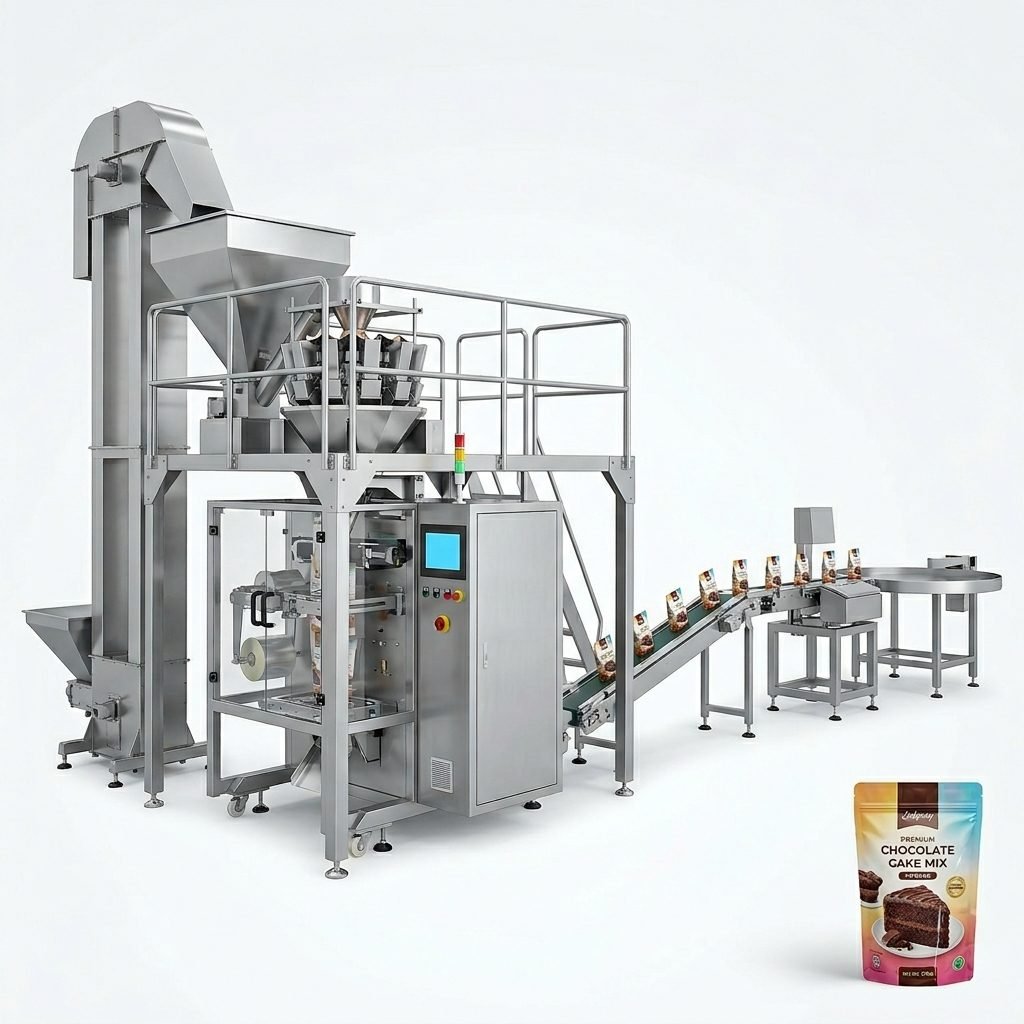
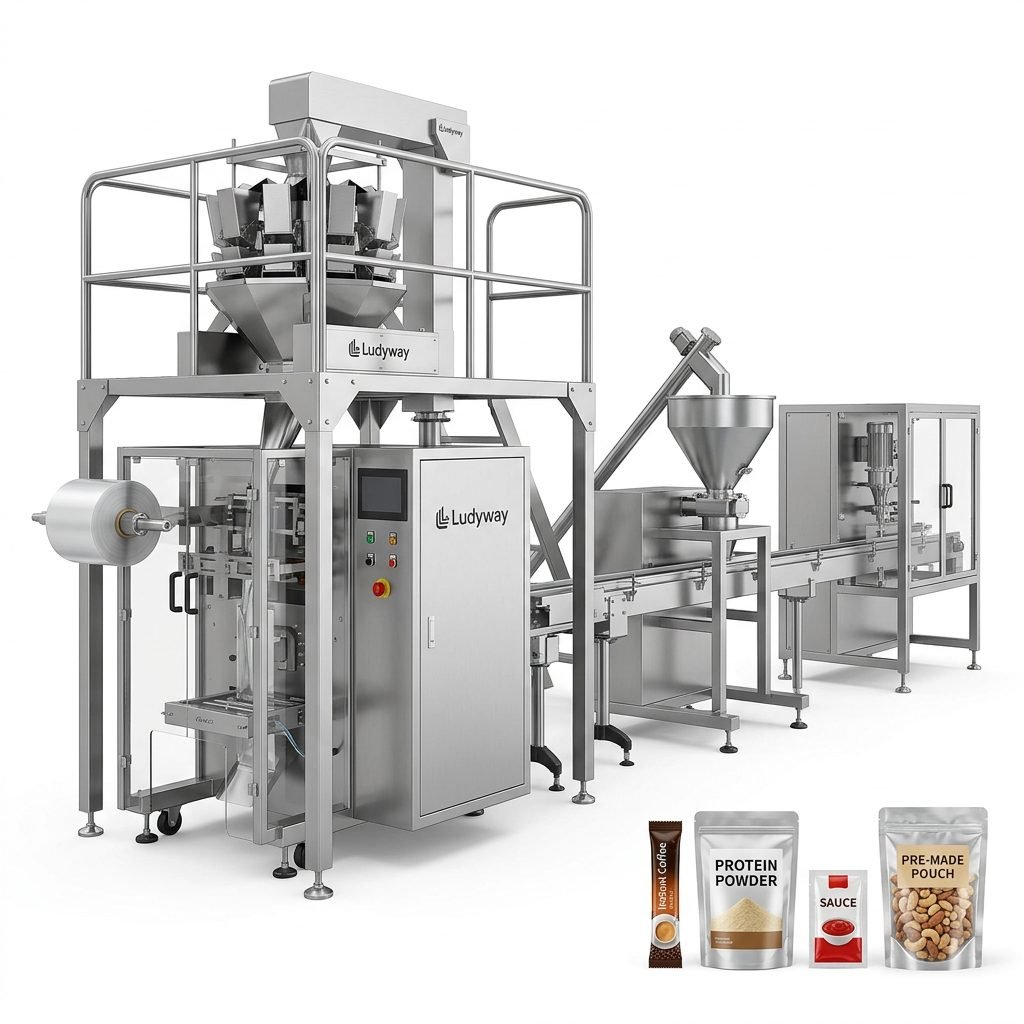
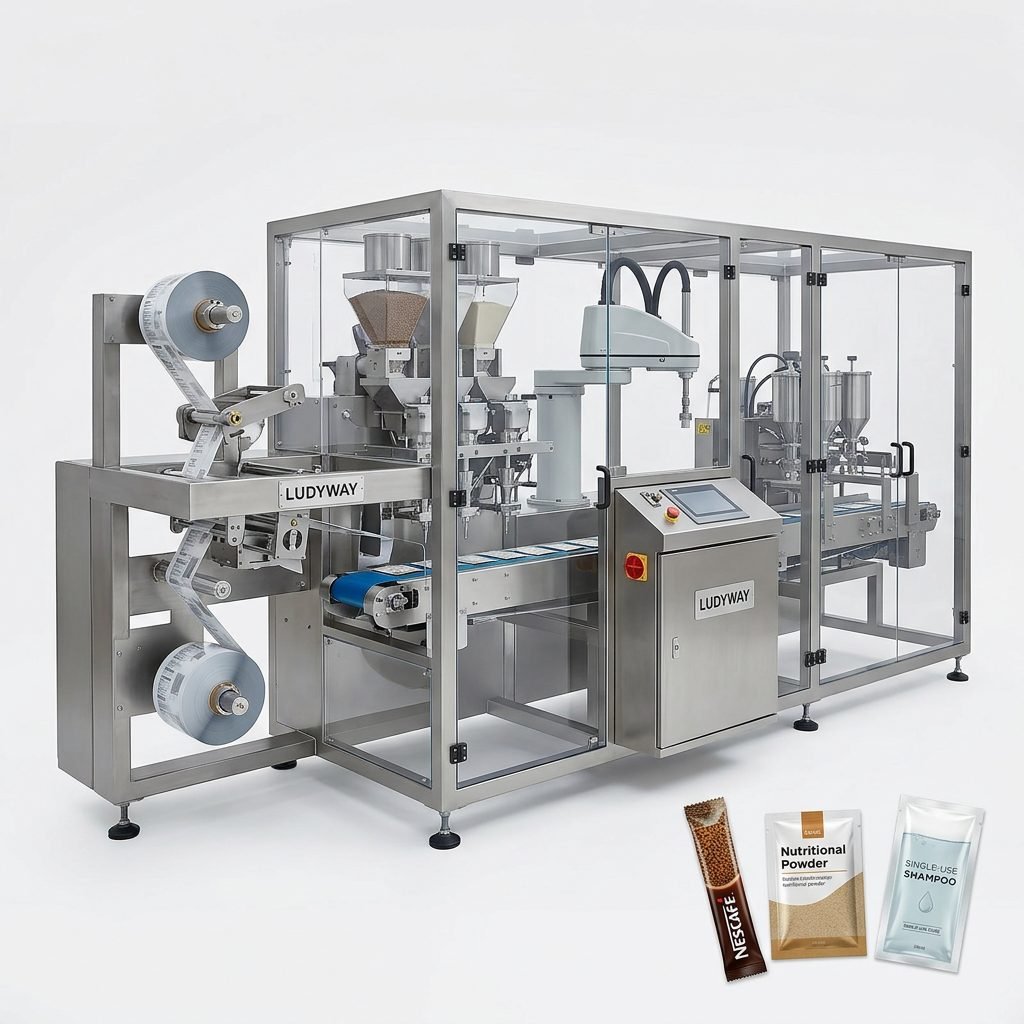
Choosing the correct machinery is the cornerstone of a successful production line. For ready meals, key equipment typically includes multi-head weighers, vertical form fill seal machines, tray sealers, and automated cartoning systems. Consider the following when evaluating equipment:
| Equipment Type | Application | Key Consideration |
|---|---|---|
| Multi-Head Weigher | Accurate portioning of solid components | Speed and accuracy for mixed ingredients |
| Tray Sealer | Sealing pre-formed trays with film | Modified atmosphere packaging (MAP) capability |
| Flow Wrapper | Wrapping individual items | Film compatibility and seal integrity |
| Cartoning Machine | Secondary packaging | Format flexibility and changeover time |
Automation and Smart Factory Integration
Modern European production facilities increasingly adopt Industry 4.0 principles. Integrating smart sensors, IoT connectivity, and data analytics into your packaging machinery production line enables predictive maintenance, reduces downtime, and improves overall equipment effectiveness (OEE).
Production Line Layout and Workflow Design
An optimized layout minimizes material handling, reduces contamination risks, and maximizes throughput. A typical ready meal packaging line follows this sequence:
- Raw material receiving and storage – Temperature-controlled zones for perishable ingredients.
- Preparation and cooking – Industrial cooking systems feeding directly into packaging.
- Primary packaging – Filling, sealing, and inspection of individual packs.
- Secondary packaging – Cartoning, case packing, and palletizing.
- End-of-line automation – Stretch wrapping, labeling, and warehouse integration.
Hygienic Design and Cleaning Protocols
European food safety regulations demand equipment that can be thoroughly cleaned and sanitized. Look for machines constructed with stainless steel frames, sloped surfaces to prevent liquid pooling, and IP65 or higher rated electrical enclosures. CIP (Clean-in-Place) capability is increasingly expected for food contact applications.
Material Handling and Storage Considerations
Ready meal production involves both ambient and chilled ingredients. Your facility design must incorporate separate zones for dry goods storage, cold storage, and allergen-controlled areas. Conveyor systems should be designed for easy access and maintenance, with minimal horizontal surfaces where dust or debris can accumulate.
Installation, Commissioning, and Training
Proper installation is critical. Engage experienced engineers who understand both the equipment and local European regulations. Ludyway, as one of the largest packaging machine manufacturers, provides turnkey support from factory acceptance testing (FAT) through on-site commissioning. Comprehensive training for operators and maintenance staff should cover:
- Machine operation and daily startup procedures.
- Cleaning and sanitation protocols.
- Basic troubleshooting and error recovery.
- Preventive maintenance schedules.
- Safety procedures and emergency stops.
Quality Control and Inspection Systems
Integrating vision inspection systems, checkweighers, and metal detectors ensures consistent product quality. European retailers often require specific quality assurance documentation, including seal integrity testing and weight verification. Consider equipment that can interface with centralized quality management software.
Key Inspection Points in a Ready Meal Line
| Inspection Stage | Technology | Purpose |
|---|---|---|
| Fill Level Verification | X-Ray or Vision | Detect under/over fills |
| Seal Integrity | Pressure Decay or Vision | Prevent leakage and contamination |
| Metal Detection | Inductive Sensors | Compliance with food safety standards |
| Label Verification | Optical Character Recognition | Date code and barcode accuracy |
Sustainability and Packaging Waste Regulations
Europe leads in packaging sustainability initiatives. The EU Packaging and Packaging Waste Regulation sets ambitious targets for recyclability and recycled content. Your equipment choices should support the use of mono-materials, recyclable films, and reduced packaging thicknesses where feasible. Energy-efficient servo drives and heat recovery systems further reduce environmental impact.
Lifecycle Cost Analysis
Beyond the initial purchase price, evaluate total cost of ownership including energy consumption, spare parts availability, maintenance requirements, and expected service life. High-quality European-compliant equipment may have a higher upfront cost but typically delivers lower long-term operational expenses.
Common Pitfalls to Avoid
- Underestimating regulatory complexity – Engage compliance experts early in the planning phase.
- Inadequate infrastructure preparation – Verify electrical supply, compressed air, and ventilation before equipment arrives.
- Neglecting operator training – Even advanced machinery requires skilled operators for optimal performance.
- Overlooking future scalability – Design the layout with expansion capability in mind.
Working with Trusted Equipment Partners
Partnering with an experienced manufacturer streamlines the entire process. Look for suppliers offering turnkey solutions that include line design, equipment manufacturing, installation, and after-sales support. A proven track record in international markets and familiarity with EU standards are invaluable assets.
For detailed industry data, refer to the PMMI Business Intelligence Library and the Flexible Packaging Association Industry Resources. The ISO Packaging Standards also provide valuable technical references for equipment specification and validation.
Setting up a ready meal packaging machine production line in Europe represents a significant investment, but with careful planning, the right technology, and reliable partners, manufacturers can build highly efficient and compliant operations that meet the growing demands of the European market.