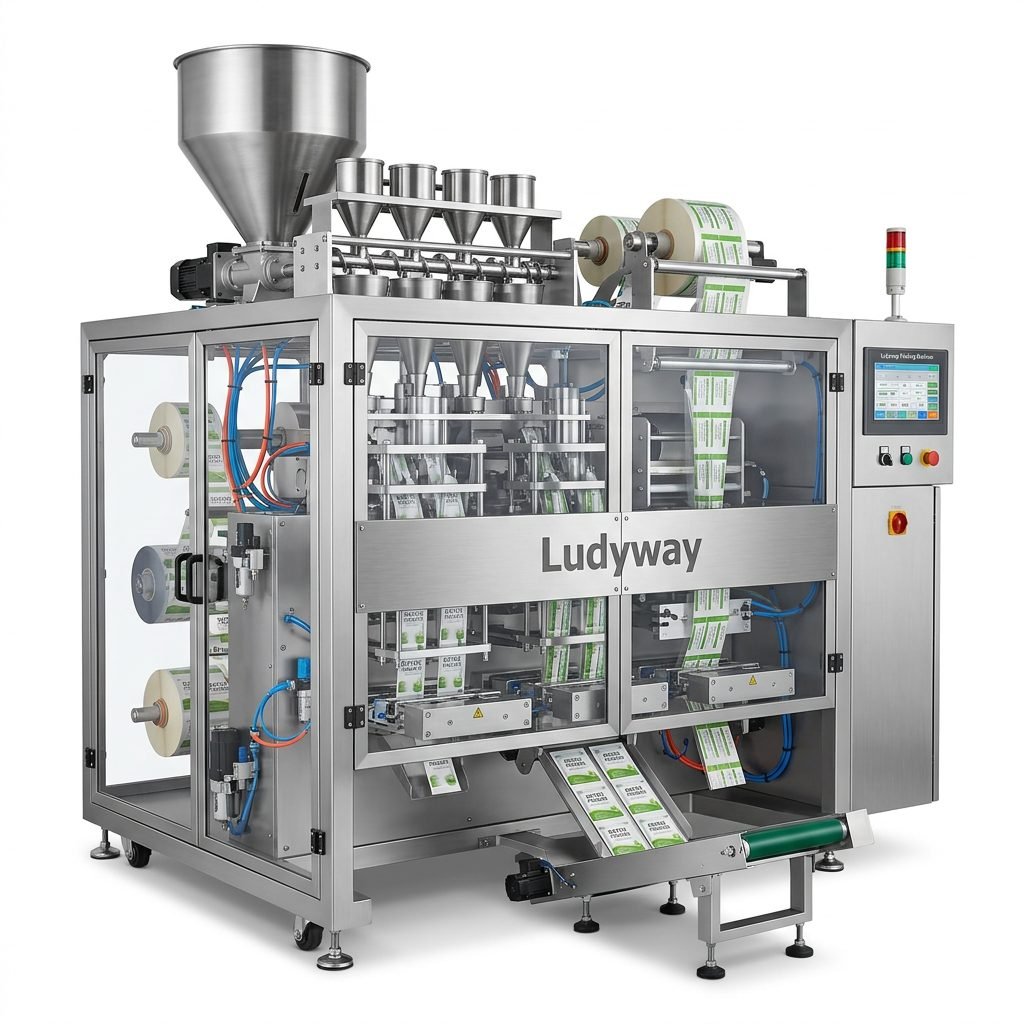
In the fast-paced world of media and software distribution, efficient disc packaging is a critical step that directly impacts production timelines, product presentation, and overall operational costs. Selecting the right CD packaging machine is not just about automation; it’s about finding a solution that aligns with your specific output requirements, disc types, and packaging styles. An automatic CD packaging machine streamlines the process of inserting discs into cases, applying shrink wrap, or loading them into sleeves, minimizing manual labor and maximizing consistency.
Understanding Your Packaging Requirements
Before diving into machine specifications, a thorough assessment of your needs is paramount. This foundational step ensures the chosen solution is a perfect fit for your operation.
Key Factors to Evaluate:
• Production Volume: Are you packaging hundreds, thousands, or tens of thousands of discs per day? This determines whether you need a semi-automatic or a fully automatic, high-speed system.
• Packaging Format: The type of packaging you use is a primary driver. Machines are often specialized for:
– Jewel Cases: Standard CD/DVD cases.
– Digipaks & Cardboard Sleeves: Eco-friendly and popular for music albums.
– Slim Cases: Common for software and data discs.
– Shrink Wrapping: For bundling multiple items or providing a sealed finish.
• Disc Type and Size: Standard 120mm CDs/DVDs, 80mm business card CDs, or Blu-ray discs? Ensure the machine’s handling system is compatible.
Core Features of an Automatic CD Packaging Machine
A modern automatic solution integrates several key subsystems to create a seamless workflow from disc feeding to final packaged product.
1. Disc Feeding and Handling System
The heart of the machine. Look for a gentle, reliable feeder that can handle discs without scratching. Vibratory bowls, centrifugal feeders, or pick-and-place robotic arms are common. Systems that can detect and reject damaged or misaligned discs are crucial for maintaining quality. For operations dealing with sensitive or high-value media, a non-contact or soft-grip handling mechanism is a significant advantage.
2. Case or Sleeve Feeding and Opening
This subsystem automatically feeds empty cases from a stack or magazine, precisely opens them, and positions them for disc insertion. Reliability here prevents jams and downtime. Some advanced machines can handle multiple case types with quick changeover features, offering great flexibility for short runs of different products.
3. Insertion and Closing Mechanism
The disc is precisely placed into the open case, followed by the automatic insertion of booklets, inlays, or back cards if required. The machine then securely closes the case. The precision of this stage defines the professional finish of the final product.
4. Optional Finishing Modules
To create a complete line, consider these add-ons:
– Shrink Wrapping Tunnel: Applies a tight, clear plastic film for security and a polished look.
– Label Applicator: Automatically applies price tags, barcodes, or security labels.
– Checkweigher: Ensures each package contains all components (disc, booklet, case) by weight.
Evaluating Efficiency and Return on Investment
An automatic machine is a capital investment. Justifying it requires a clear analysis of efficiency gains and cost savings.
Calculating Your Potential Gains
Speed: Compare the machine’s output (discs/hour) to your current manual rate. A machine running at 1,500-3,000 units per hour can replace several manual stations.
Labor Reduction: Automating repetitive tasks frees staff for quality control, supervision, or other value-added tasks, reducing long-term labor costs.
Error and Waste Reduction: Automation drastically lowers the rate of empty cases, missing inserts, or scratched discs, saving material costs and reducing rework.
Consistency: Every package is identical, enhancing brand perception and customer unboxing experience.
Choosing a Reliable Supplier
The machine’s performance is only as good as the company behind it. Partnering with a seasoned supplier like Ludyway Machinery is crucial. With over 30 years of industry experience, they bring deep expertise in packaging automation. Evaluate suppliers based on:
• Proven Track Record: Ask for case studies or references from clients with similar needs. Ludyway’s global customer base is a testament to their reliability.
• Technical Support & Service: Ensure they offer comprehensive installation, training, and readily available spare parts. A strong service network minimizes potential downtime.
• Customization Capability: Can they tailor the machine to your unique packaging format or production line layout? A supplier with strong engineering resources is invaluable.
• Quality of Construction: Machines built with precision components and robust frames ensure longevity and stable operation, protecting your investment. This commitment to quality is a cornerstone of the Ludyway Packaging Machine philosophy.
Implementation and Integration
Successfully bringing a new machine online involves careful planning. Work with your supplier to plan the factory floor layout, ensuring adequate space for feeding raw materials and collecting finished goods. Schedule thorough operator and maintenance technician training. Start with a pilot run to fine-tune settings before full-scale production. A well-executed integration turns a machine purchase into a true production asset.
Frequently Asked Questions (FAQs)
1. What is the typical output speed of an automatic CD packaging machine?
Speeds vary by model and complexity. Basic automatic inserters can handle 1,200-1,800 discs per hour, while high-speed integrated lines for standard jewel cases can reach 3,000+ units per hour. The exact speed depends on the packaging format and optional processes like shrink wrapping.
2. Can one machine handle different types of CD cases?
Many machines are designed for a primary case type (e.g., jewel cases). However, some models offer modularity or quick-change tooling to switch between similar formats like standard and slim jewel cases. Switching between radically different formats (e.g., jewel case to digipak) usually requires a different machine or significant reconfiguration.
3. How much space does an automatic packaging line require?
A compact, single-machine automatic inserter might need a footprint of about 2m x 1.5m. A complete line with automatic feeding, insertion, booklet placing, and shrink wrapping will require a linear space of 5-8 meters in length. Your supplier should provide detailed layout drawings during the planning phase.
4. What is the most common maintenance required?
Regular maintenance typically involves cleaning sensors and guides to prevent misreads, lubricating moving parts as per the manual, and inspecting wear items like suction cups or grippers. A reliable supplier will provide a clear maintenance schedule and easy access to common spare parts.
5. How do I ensure the machine doesn’t scratch the discs?
Reputable machines use scratch-free handling systems. Look for features like gentle feeder ramps, padded guides, and pick-and-place mechanisms that grip the disc by its center hole or outer edge without contacting the data surface. Always request a live test with your actual discs before purchase.