Investing in a chocolate packaging machine is a strategic decision that directly impacts your production efficiency, product shelf life, and brand presentation. Whether you are packaging chocolate bars, truffles, cocoa powder, or chocolate-coated products, selecting the right equipment requires careful evaluation of your production goals, packaging formats, and long-term business growth plans. This guide walks you through the essential factors to consider before making your purchase.
Understanding Your Production Requirements
Before exploring specific machine models, define your production volume and packaging format. Manufacturers producing small batches of artisanal chocolate have vastly different needs compared to large-scale industrial operations running multiple shifts per day. Key questions to answer include:
- Daily output targets: How many packs per day or per shift do you need to produce?
- Packaging format: Are you filling stick packs, sachets, flow-wrap bars, or pouches?
- Product characteristics: Is your chocolate in solid bar form, powder, granule, or liquid state?
- Automation level: Do you need a standalone unit or a fully integrated turnkey packaging line?
- Facility space: What floor area is available for the equipment and operator workflow?
Types of Chocolate Packaging Machines
The term chocolate packaging machine encompasses a wide range of equipment designed for different product forms and packaging styles. Selecting the correct type ensures compatibility with your product and target market requirements.
| Machine Type | Best For | Packaging Format |
|---|---|---|
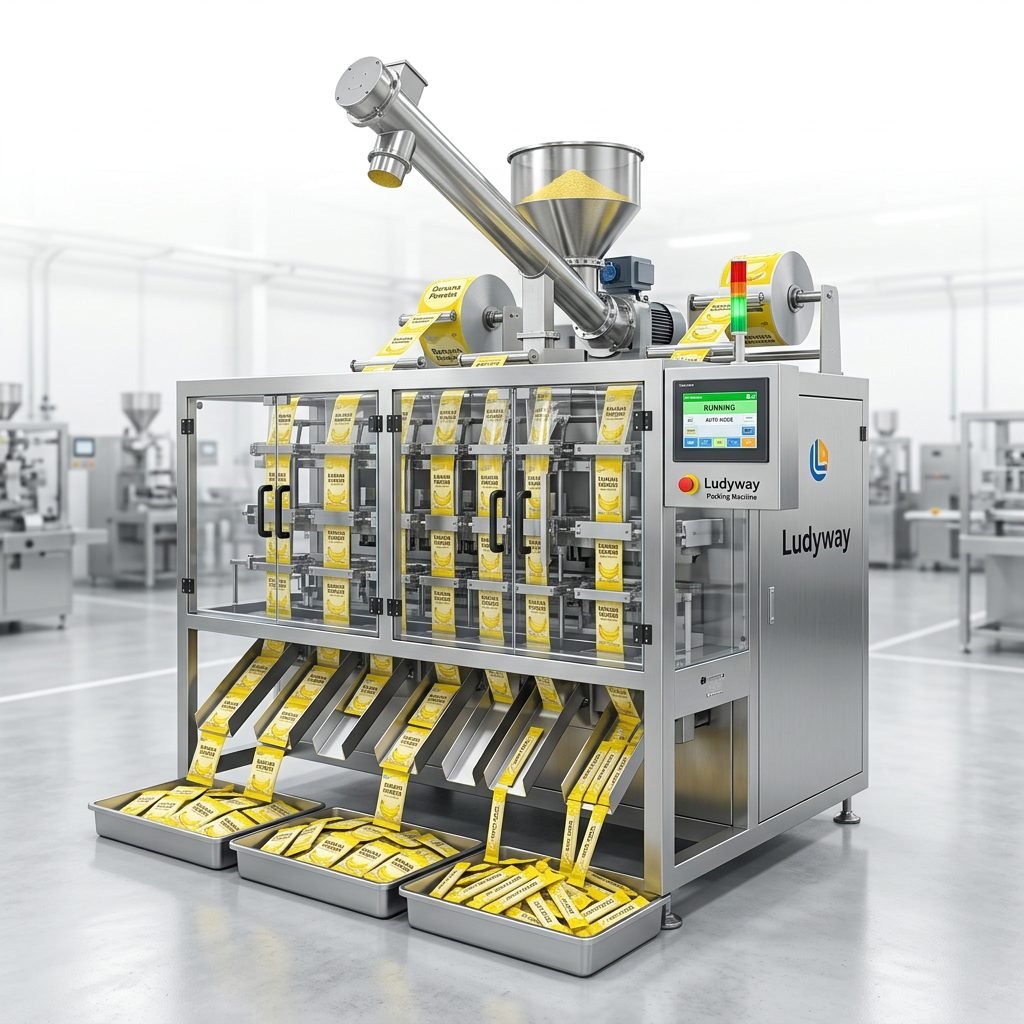
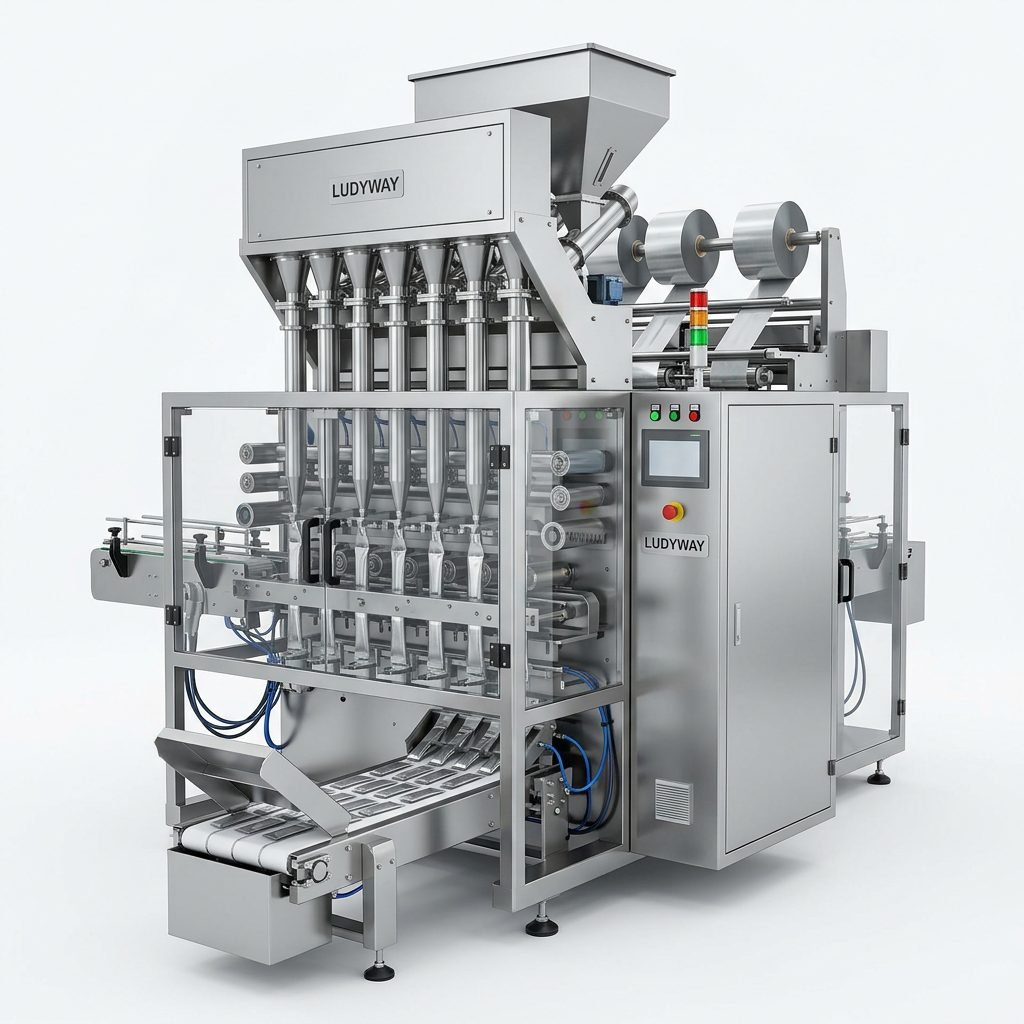
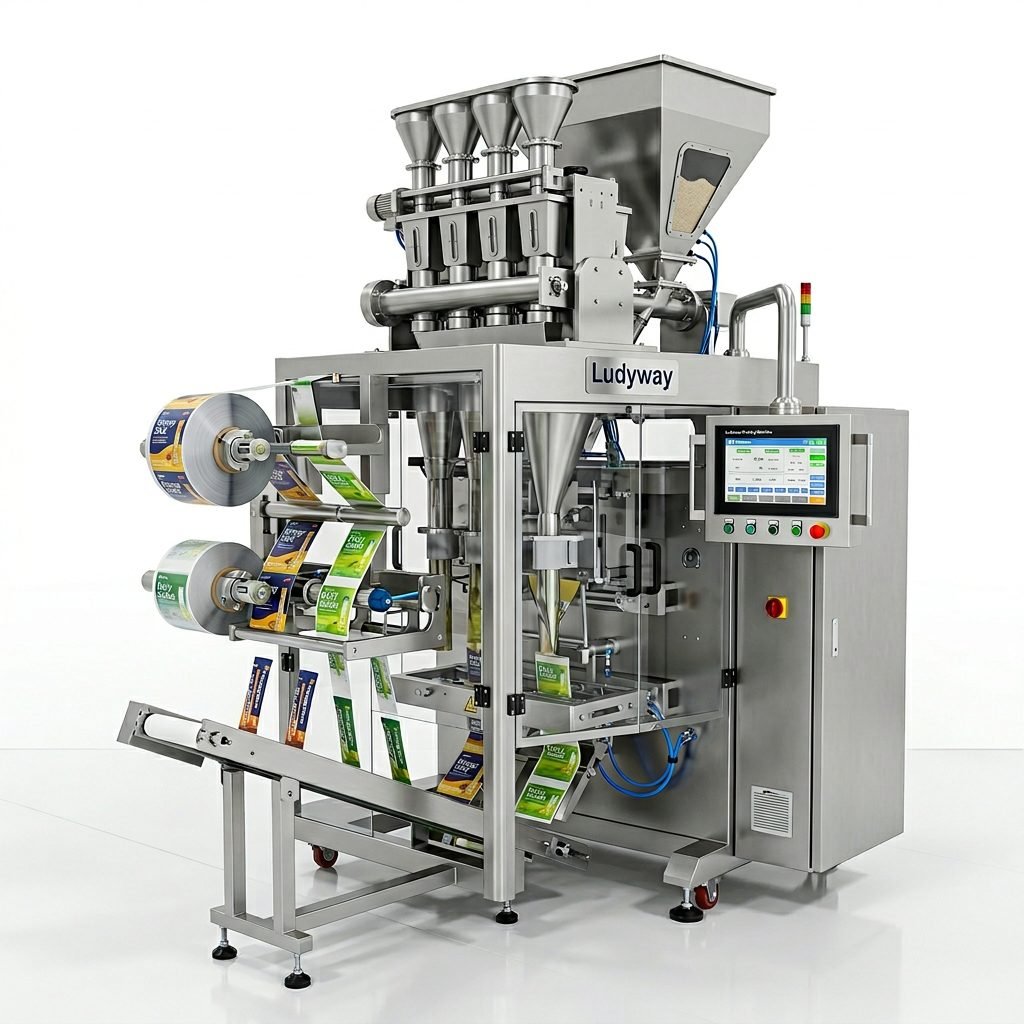
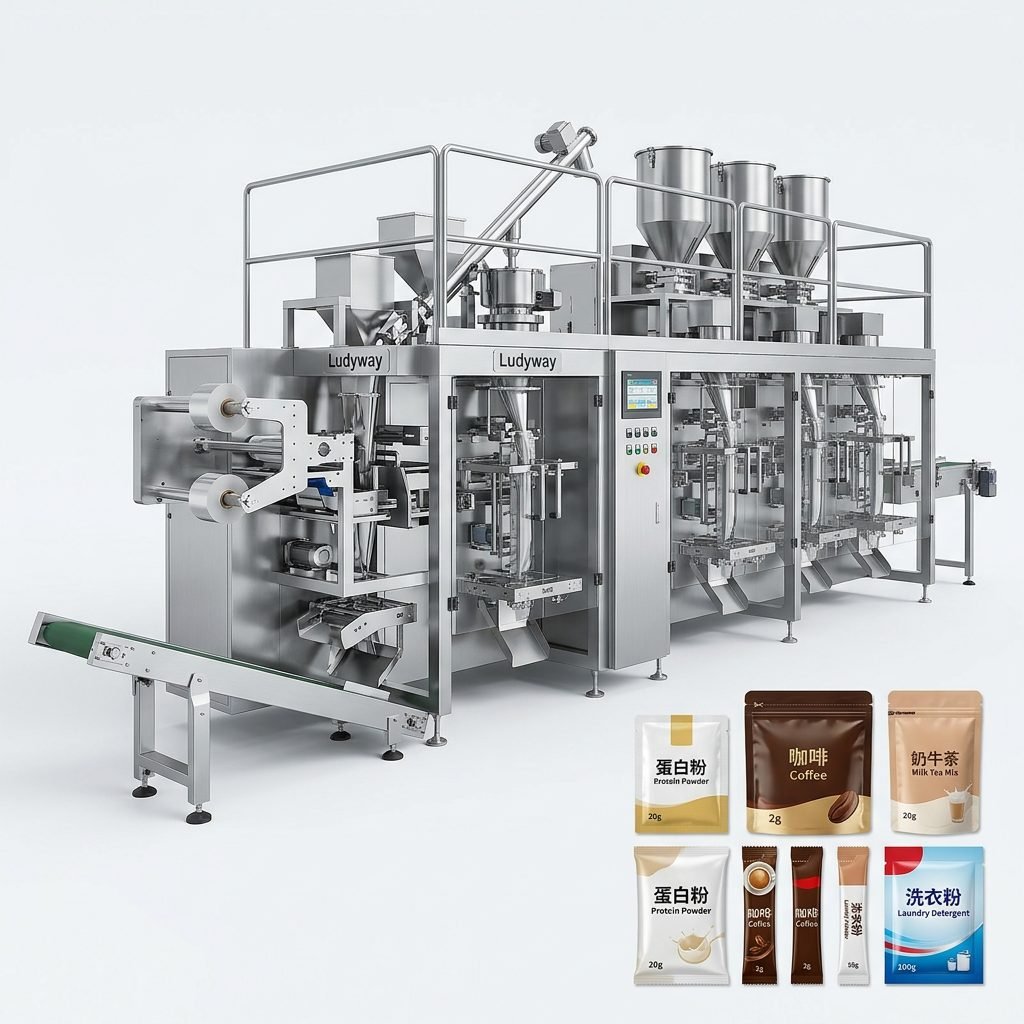
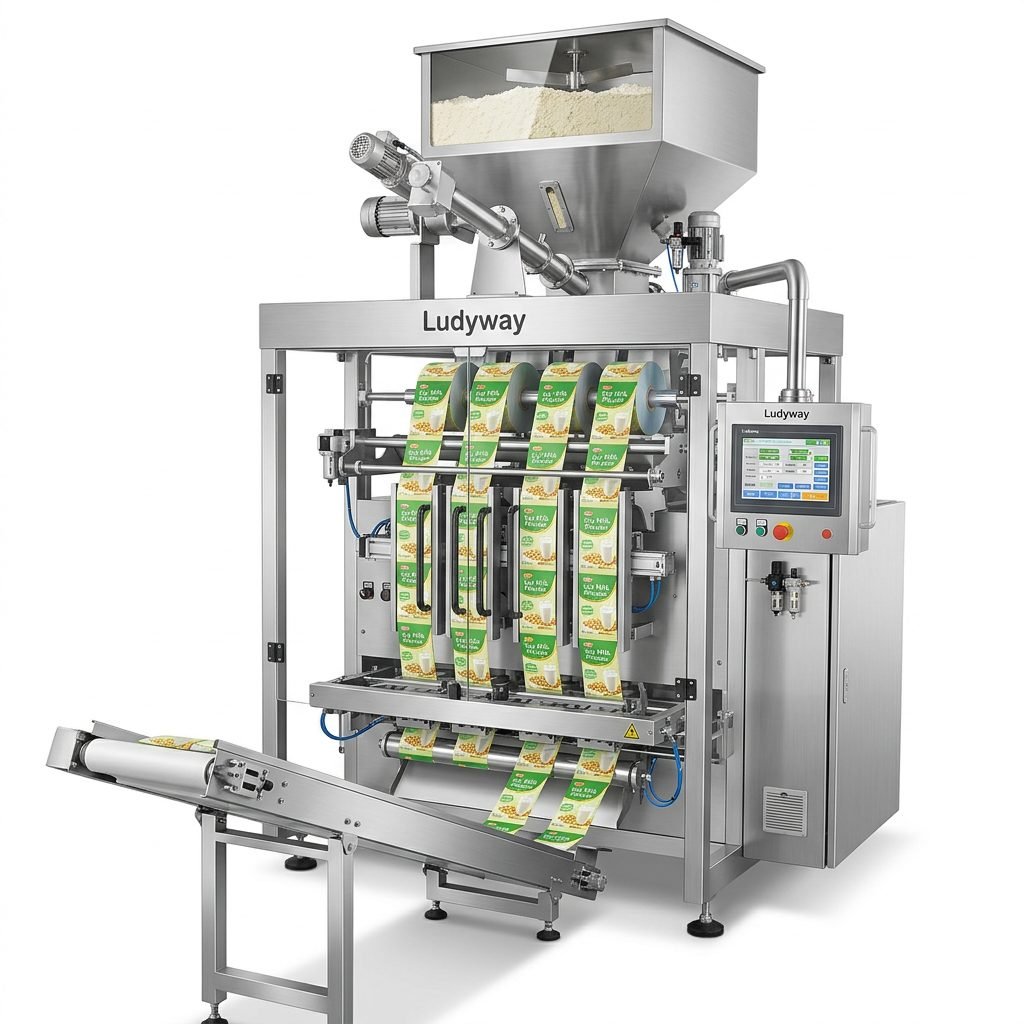
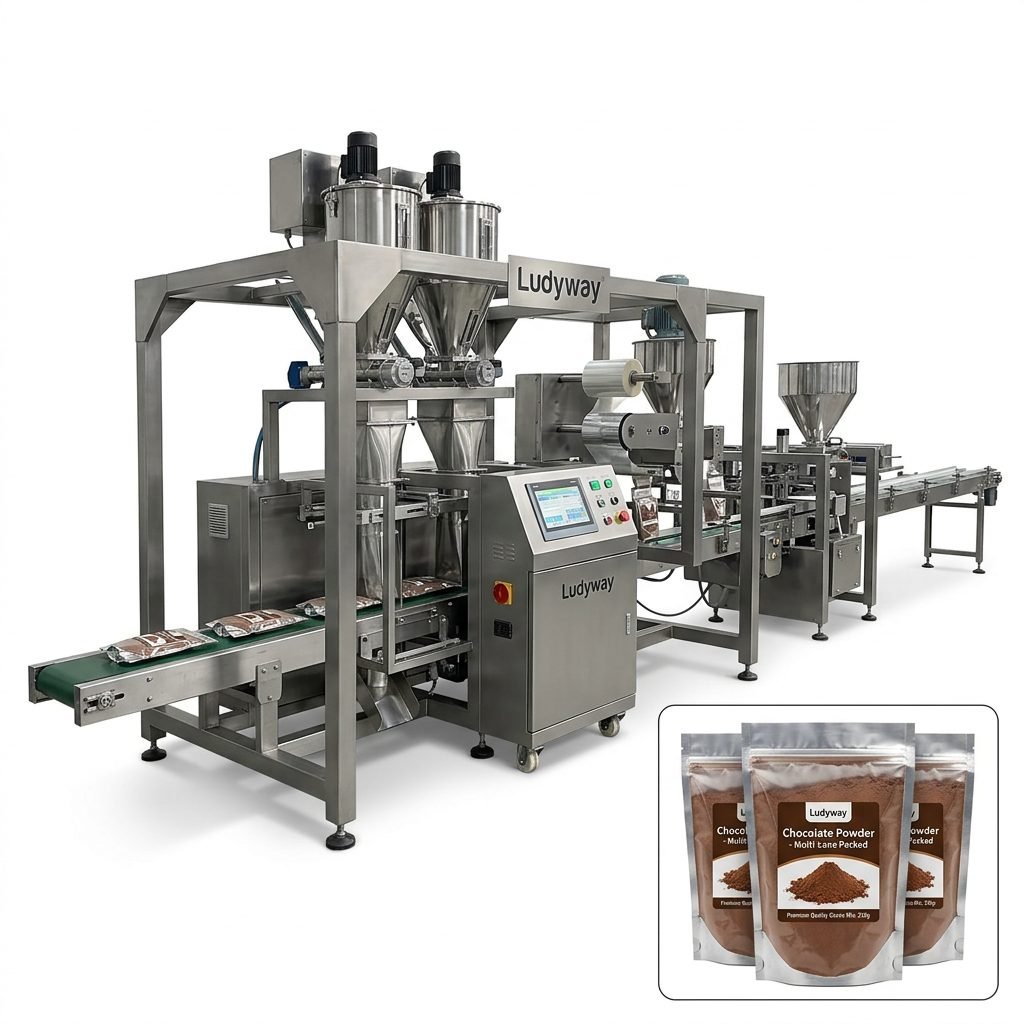
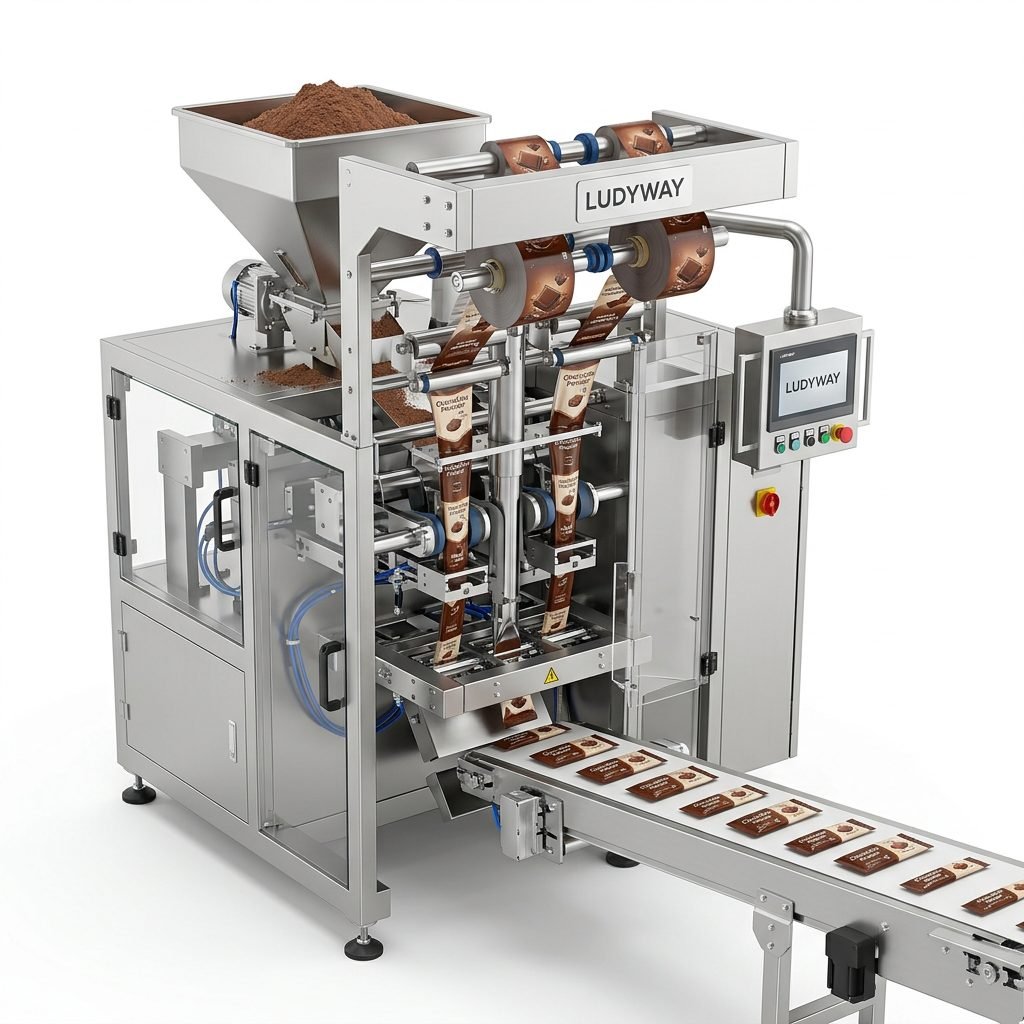
| Multi-Lane Stick Pack Machine | Chocolate powder, instant hot chocolate, cocoa mixes | Stick packs, sachets |
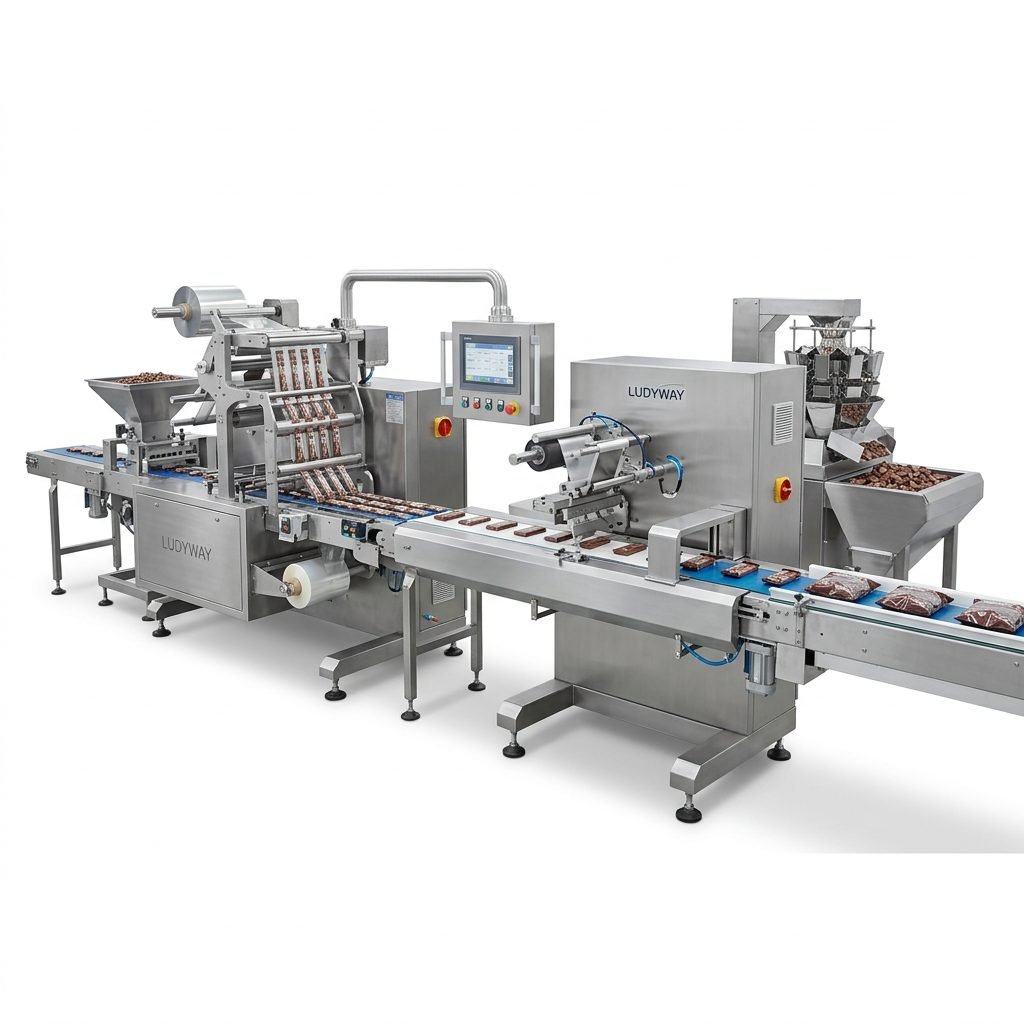
| Horizontal Flow Wrapper | Chocolate bars, tablets, pralines | Flow-wrap film packs |
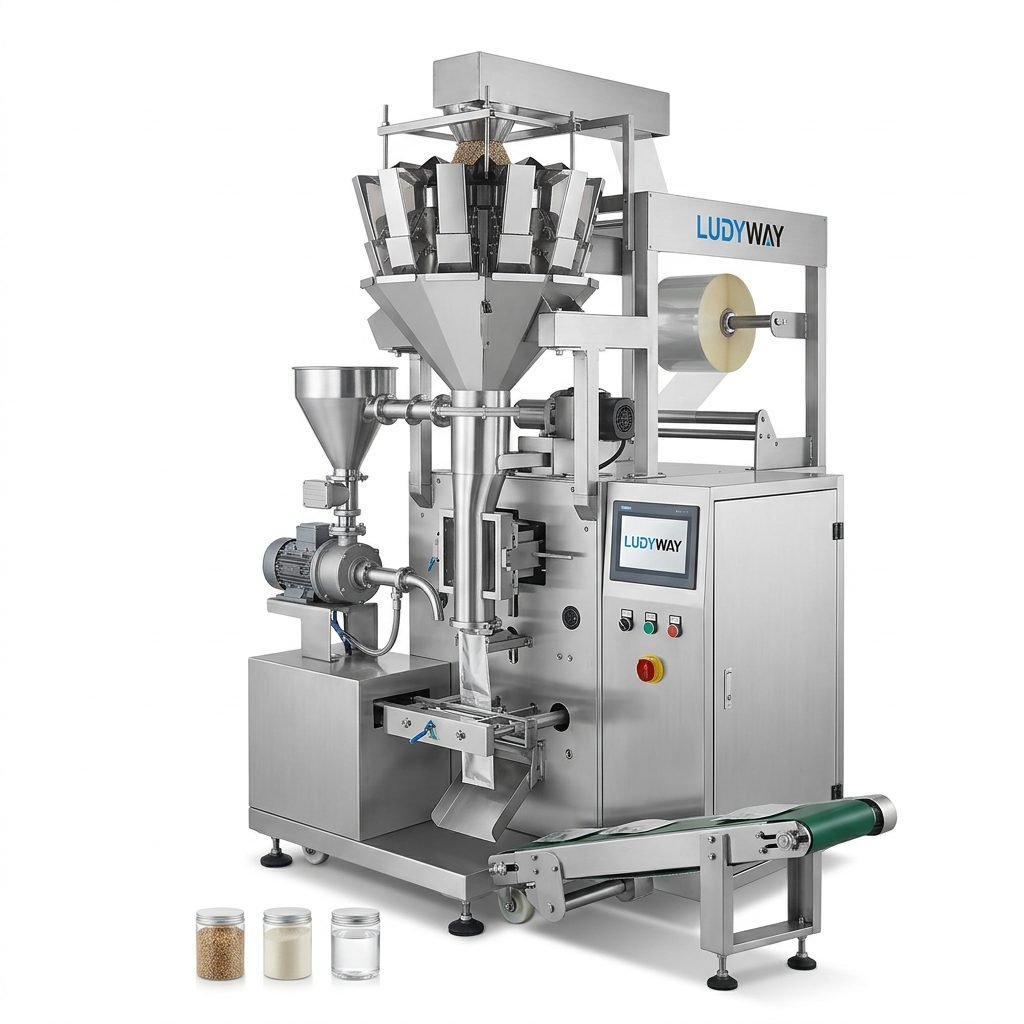
| Vertical Form Fill Seal (VFFS) | Chocolate chips, coated nuts, granules | Pillow bags, gusseted pouches |
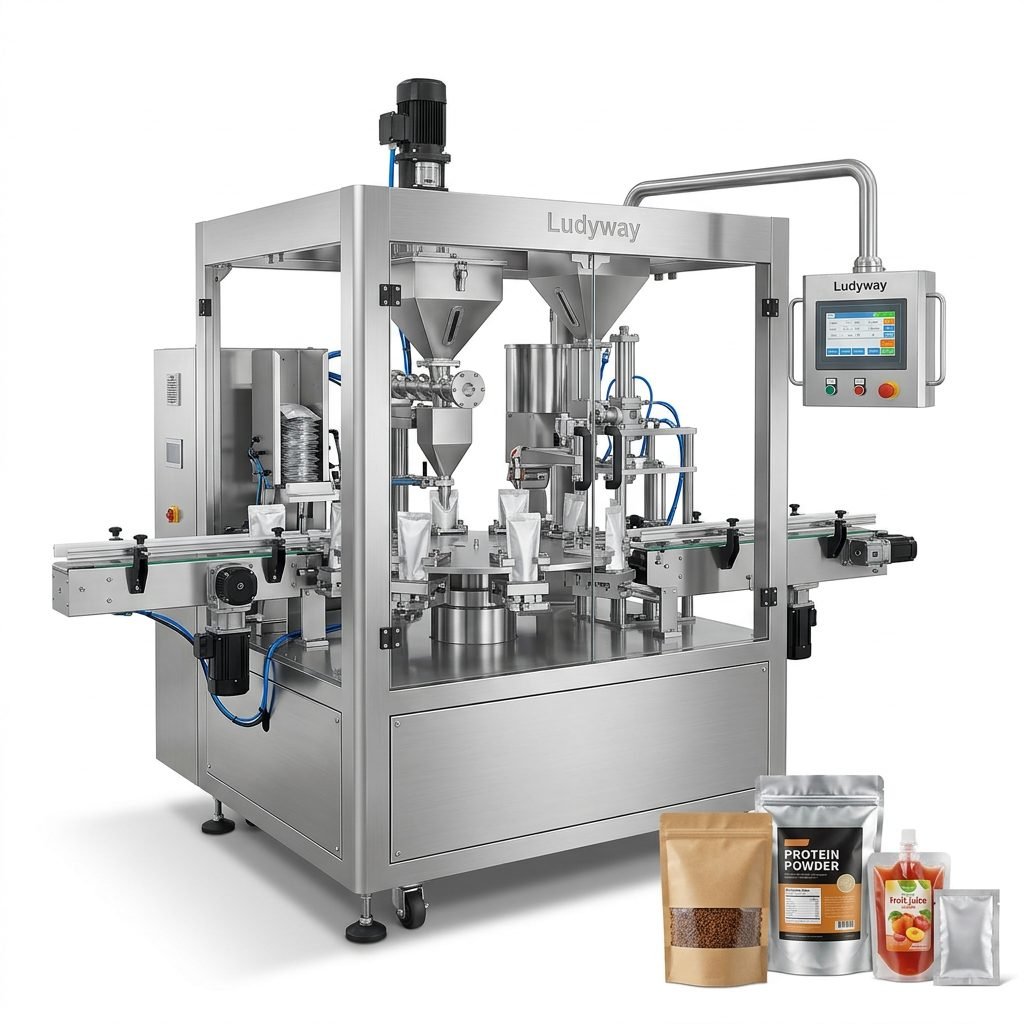
| Pre-Made Pouch Filling Machine | Premium chocolate products, gift packs | Stand-up pouches, zipper bags |
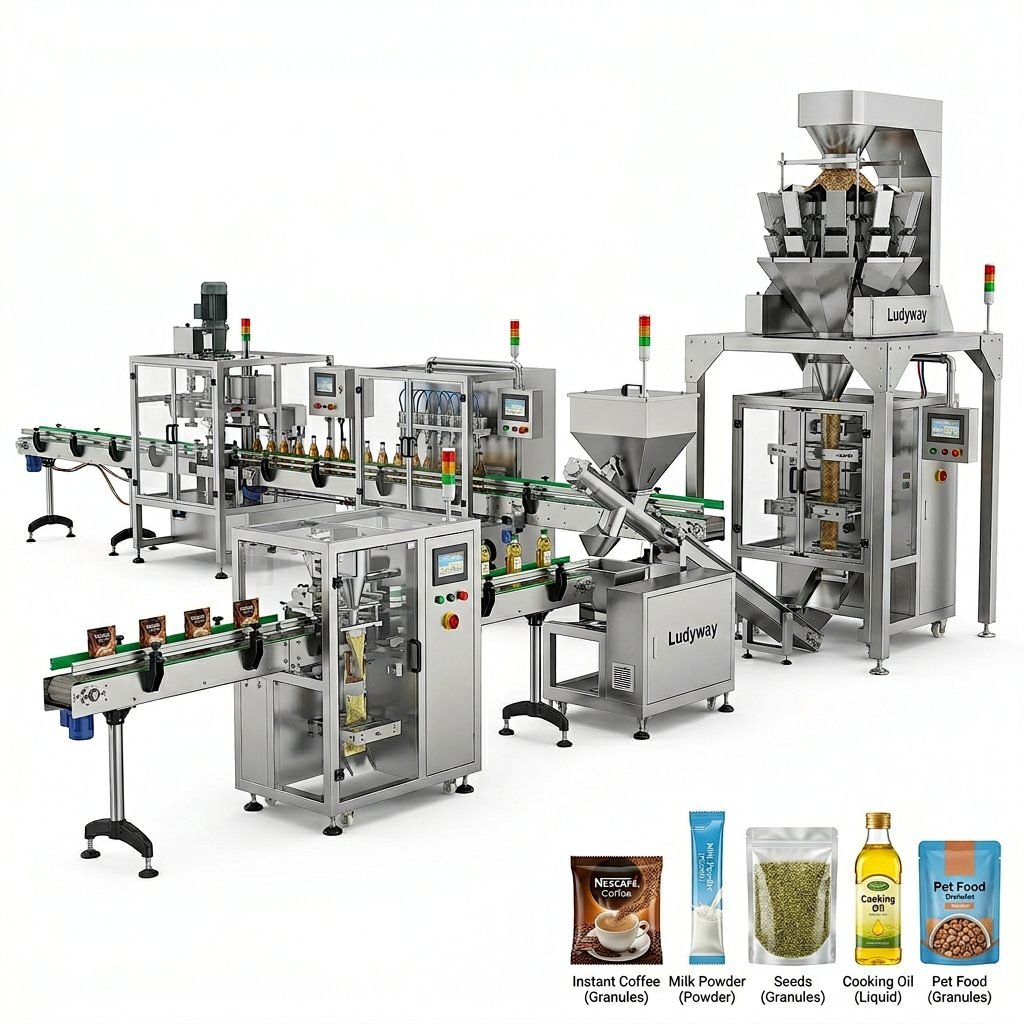
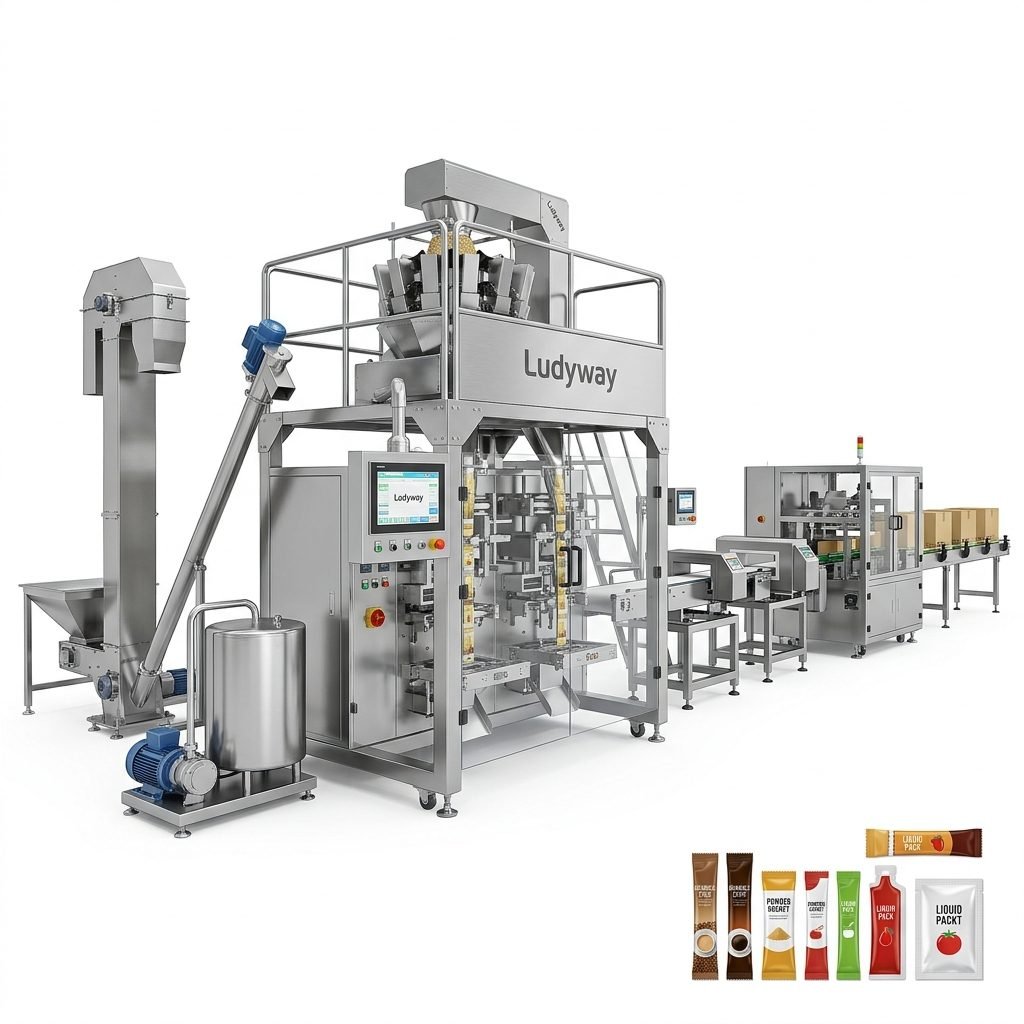
| Automatic Weighing & Filling System | Loose chocolates, bulk packaging | Various bag and pouch types |
Key Features to Evaluate
Not all packaging machines are created equal. When comparing different models, pay close attention to the features that directly affect productivity, product quality, and operational cost. The following features should be on your checklist:
- Filling accuracy and speed: Precision weighing mechanisms ensure consistent portion control, reducing product giveaway and maintaining customer satisfaction.
- Multi-lane capability: Multi-lane stick pack machines significantly increase output by running several lanes simultaneously.
- Sealing integrity: Reliable heat-sealing or ultrasonic-sealing technology protects against moisture, oxygen, and contamination.
- Material compatibility: The machine should handle the specific film or laminate structure required for chocolate packaging.
- Changeover flexibility: Quick-change parts and recipe memory reduce downtime when switching between product types or package sizes.
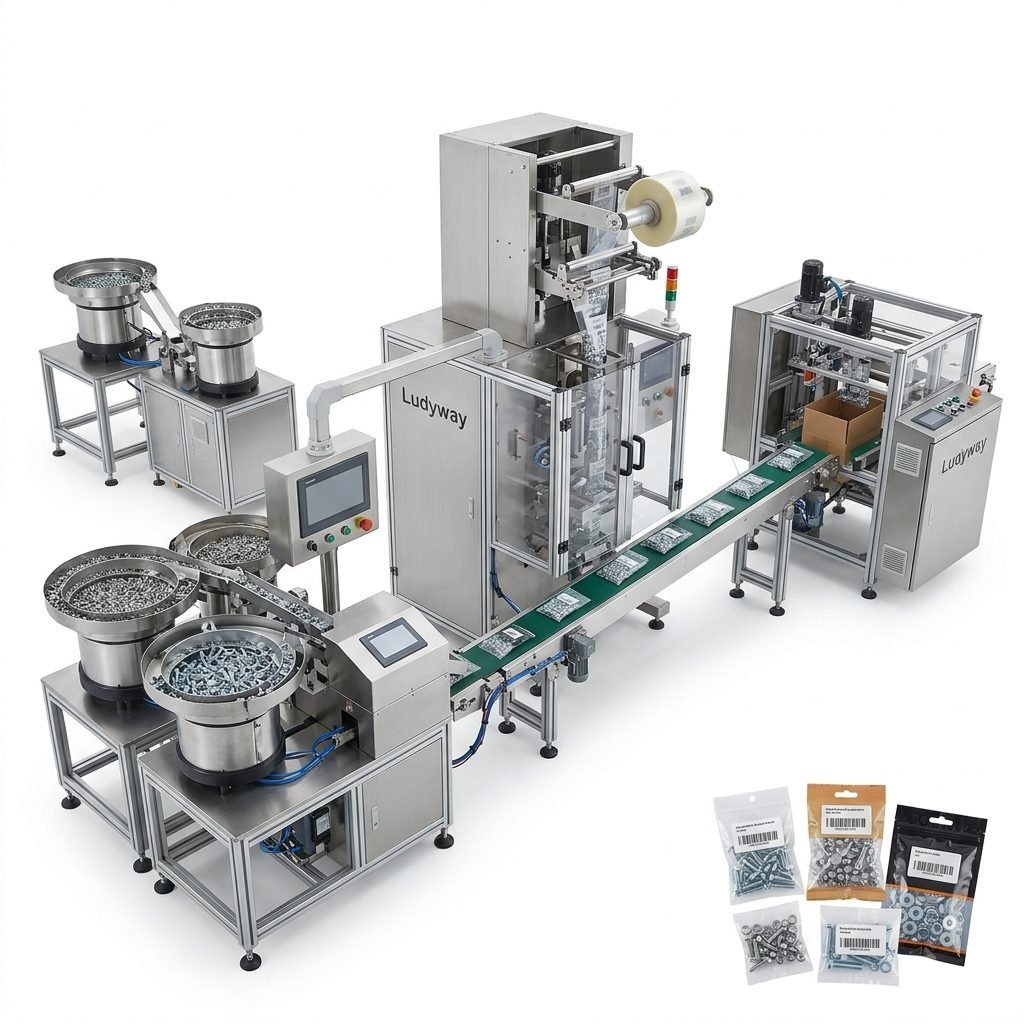
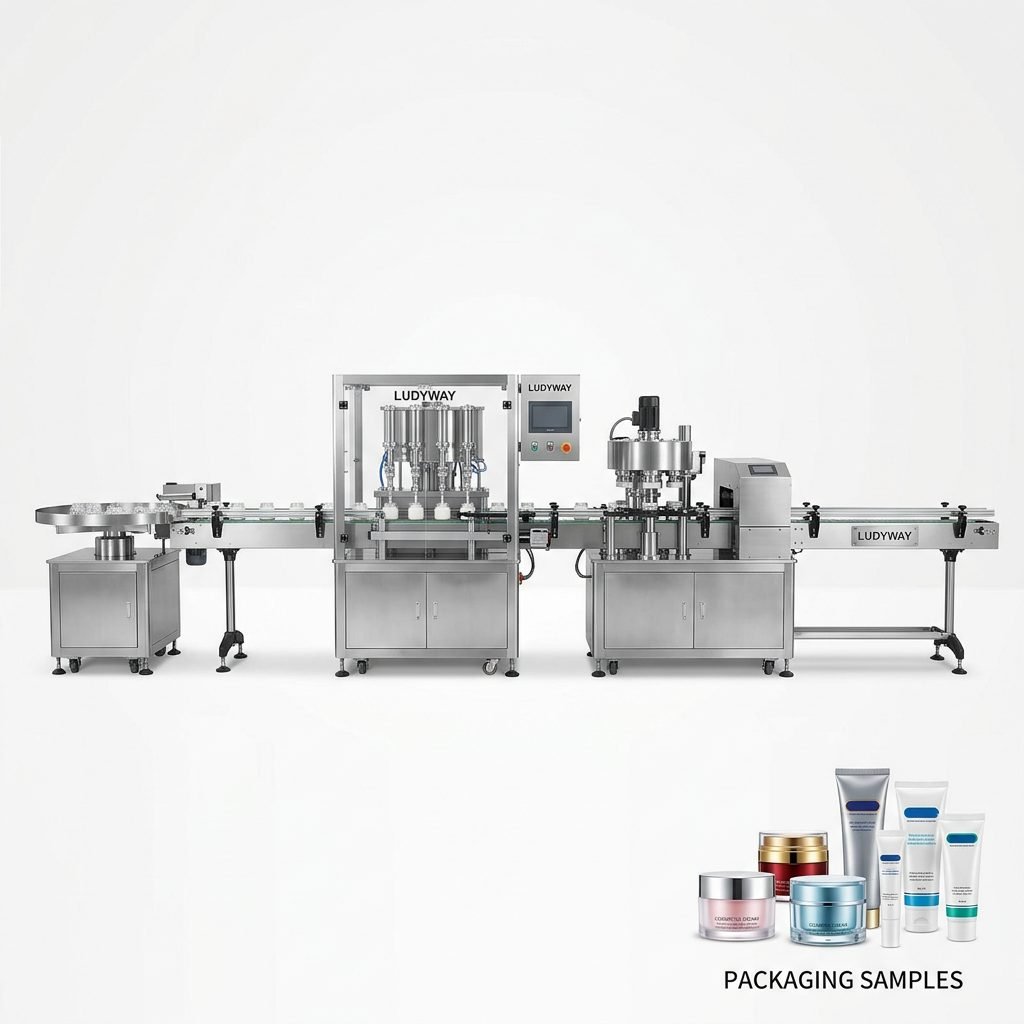
- Automation and integration: Compatibility with upstream and downstream equipment, such as automatic weighing systems, conveyors, and cartoning machines, streamlines the entire line.
- Cleanability and maintenance: Tool-free disassembly and sanitary design features simplify cleaning and routine maintenance.
Budget Considerations and ROI
While the upfront cost is a significant factor, the total cost of ownership should guide your decision. A lower-priced machine may lead to higher long-term expenses through frequent breakdowns, excessive film waste, and slower production speeds. Consider these financial aspects:
- Initial purchase price versus long-term value
- Energy consumption and utility costs
- Spare parts availability and cost
- Labor requirements: How many operators are needed per shift?
- Film waste percentage: Efficient machines minimize material loss
- Expected lifespan and warranty coverage
A high-quality chocolate packaging machine often pays for itself within 12 to 24 months through increased throughput and reduced waste. Calculate your expected ROI based on realistic production projections before finalizing your budget.
Comparing Manual, Semi-Automatic, and Fully Automatic Systems
| Automation Level | Ideal For | Typical Output Range |
|---|---|---|
| Manual / Hand-Fill Machines | Startups, artisanal chocolate makers | 5–20 packs per minute |
| Semi-Automatic Systems | Growing businesses, medium-volume production | 20–60 packs per minute |
| Fully Automatic Multi-Lane Lines | High-volume industrial chocolate manufacturing | 60–400+ packs per minute |
Choosing the Right Manufacturer
Partnering with an experienced packaging machine manufacturer ensures you receive reliable equipment backed by technical support and readily available spare parts. Look for manufacturers with a proven track record in the food and confectionery industry, comprehensive testing facilities, and the ability to provide customized packaging solutions tailored to your specific chocolate product range.
One notable manufacturer in the global packaging machinery landscape is Ludyway, a company with over 30 years of industry experience and a modern 20,000㎡ production facility. They offer a wide range of packaging machines, including sachet packaging solutions suitable for chocolate powder and granular products. Evaluating manufacturers with strong engineering capabilities and global service networks is essential to protect your investment.
Questions to Ask Potential Suppliers
- Can you provide video demonstrations of similar chocolate packaging projects?
- Do you offer factory acceptance testing before shipment?
- What is the lead time for delivery and installation?
- Is operator training included in the purchase?
- How do you handle after-sales service and technical support in my region?
Compliance and Food Safety Standards
Chocolate packaging equipment must comply with food safety regulations to prevent contamination and ensure product integrity. Key standards and certifications to verify include:
- FDA compliance for food contact materials if selling in the U.S. market
- EU packaging regulations for businesses exporting to Europe
- ISO 22000 and HACCP alignment for food safety management
- GMP (Good Manufacturing Practice) design principles
- CE certification for equipment sold in the European Economic Area
Verify that the machine’s food-contact surfaces use stainless steel (typically SUS304 or SUS316L) and that the design facilitates easy cleaning and sanitation.
Future-Proofing Your Investment
Your packaging needs may evolve as your business grows. Choosing a modular and scalable chocolate packaging machine allows you to add features or upgrade components without replacing the entire system. Consider the following when planning for the future:
- Can additional filling lanes be added to increase capacity?
- Does the control system support Industry 4.0 integration and data monitoring?
- Is the supplier actively developing new technologies and upgrades?
- Can the machine handle sustainable and recyclable packaging materials as regulations evolve?
Helpful Industry Resources
For additional guidance on packaging machinery standards and industry trends, explore the following authoritative resources:
- PMMI – The Association for Packaging and Processing Technologies
- PMMI – State of the Industry Reports
- Flexible Packaging Association – Industry Resources
- FDA – Food Packaging and Food Contact Substances
- ISO – Packaging Standards
- PACK EXPO International
Final Thoughts on Selecting Your Chocolate Packaging Machine
Choosing the best chocolate packaging machine involves balancing production capacity, packaging format, automation level, and long-term operational costs. Take the time to thoroughly evaluate your product requirements, request machine demonstrations, and compare multiple suppliers before making your decision. A well-chosen machine enhances your production efficiency, protects product quality, and strengthens your brand presence in the competitive confectionery market. By following the guidelines outlined in this buying guide, you can make a confident, informed investment that supports your business growth for years to come.