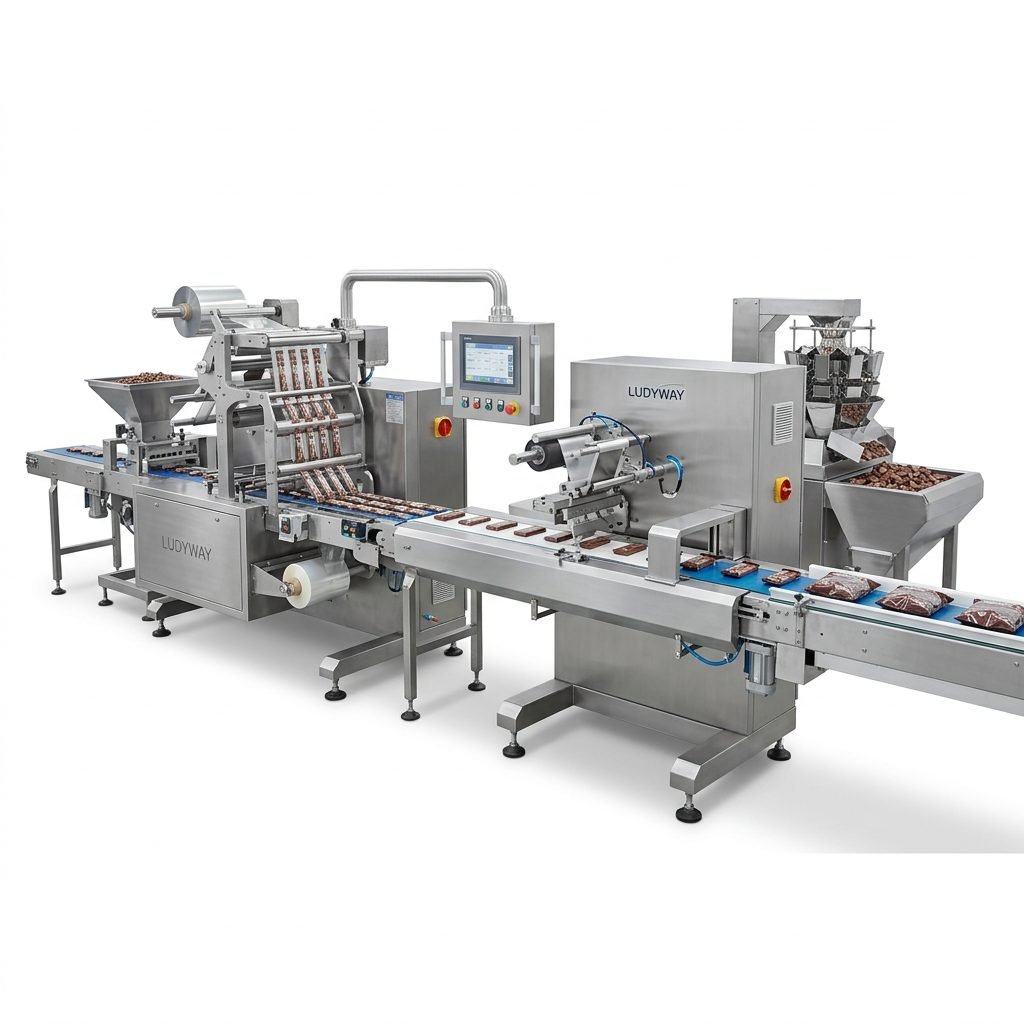
Investing in a retort packaging machine is a significant decision for any food, pharmaceutical, or pet food manufacturer. Retort packaging—also known as sterilizable flexible packaging—allows products to be filled, sealed, and then thermally processed in a pressurized retort vessel to achieve commercial sterility. This technology has revolutionized the shelf-stable food industry, enabling lightweight, convenient, and durable packaging solutions that require no refrigeration.
According to the Flexible Packaging Association, the global flexible packaging industry continues to experience strong growth, driven by demand for convenient, sustainable, and extended-shelf-life packaging formats. Whether you are producing ready-to-eat meals, sauces, soups, pet food, or pharmaceutical products, choosing the right retort packaging machine requires careful evaluation of your production needs, product characteristics, and long-term business goals.
Understanding Retort Packaging Technology
Retort packaging combines high-barrier flexible materials with hermetic sealing to create packages that can withstand the extreme temperatures and pressures of the retort sterilization process. Unlike standard flexible packaging, retort pouches and containers must maintain seal integrity under temperatures typically ranging from 116°C to 135°C (240°F to 275°F) and pressures that can fluctuate dramatically during the thermal processing cycle.
The retort packaging machine itself is responsible for accurately filling the product into the pouch or container and creating a hermetic seal that will not fail during sterilization. This demands precision engineering, robust construction, and advanced sealing technology. Key materials used in retort packaging include aluminum foil laminates, high-barrier polymer films, and specialty coatings that provide oxygen and moisture barriers essential for long shelf life.
Key Factors to Consider When Selecting a Retort Packaging Machine
1. Product Type and Characteristics
Your product’s physical properties directly influence the type of retort packaging machine you need. Consider the following:
- Viscosity: Low-viscosity liquids (broths, juices) require different filling systems than high-viscosity products (sauces, pastes, stews with particulates).
- Particulate Size: Products containing solid pieces—such as diced vegetables, meat chunks, or fruit—need piston fillers or positive-displacement fillers that can handle particulates without damage or clogging.
- pH Level: Low-acid foods (pH above 4.6) require more aggressive thermal processing, placing greater demands on package seal integrity.
- Temperature Sensitivity: Some products must be filled at specific temperatures to maintain quality or prevent microbial growth before sterilization.
- Foaming Tendency: Products that foam during filling may require specialized filling nozzles or bottom-up filling systems.
2. Production Capacity and Speed Requirements
Retort packaging machines are available across a wide range of production speeds. Matching machine capacity to your production goals is essential—undersized equipment creates bottlenecks, while oversized machinery wastes capital. Key metrics to evaluate include:
- Pouches per minute (PPM): The core speed metric for retort packaging lines.
- Fill volume range: The machine should comfortably handle your target fill weights with room for future product variations.
- Changeover time: If you run multiple SKUs, quick-changeover features can significantly impact overall equipment effectiveness (OEE).
- Uptime and reliability: Look for machines with proven track records of high availability in demanding production environments.
3. Packaging Material and Pouch Format
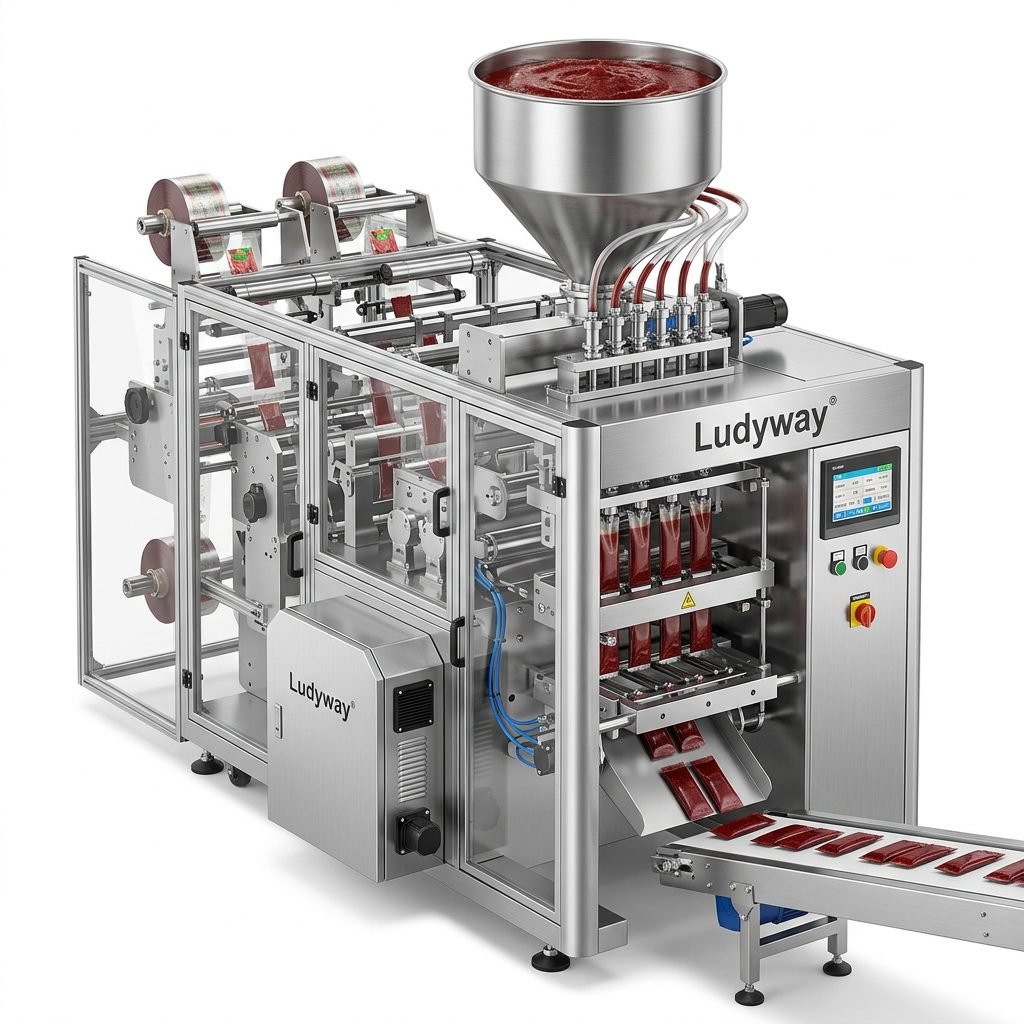
Retort packaging machines must be compatible with the specific films, laminates, and pouch formats you intend to use. Common retort pouch formats include:
- Flat pouches (3-side seal): Simple, cost-effective, and widely used for single-serve portions.
- Stand-up pouches (SUP): Popular for ready-to-eat meals and sauces, offering excellent shelf presence and consumer convenience.
- Spouted pouches: Ideal for liquid products, providing easy dispensing and resealability.
- Shaped and contoured pouches: Custom designs that enhance brand differentiation but require more sophisticated forming and sealing systems.
- Trays and semi-rigid containers: Used for products requiring a more traditional presentation, such as pet food or complete meal solutions.
Each format places different demands on the machine’s forming, filling, and sealing stations. Verify that the equipment can handle your material’s heat-seal initiation temperature, seal dwell time, and cooling requirements to ensure consistent hermetic seals.
4. Automation Level and Integration
Modern retort packaging lines range from semi-automatic systems to fully integrated, turnkey automated production lines. Your choice depends on labor availability, production volume, and consistency requirements. Consider these automation tiers:
- Semi-automatic: Operator-assisted loading, automatic filling and sealing. Suitable for lower volumes or products with frequent changeovers.
- Fully automatic: Automated pouch feeding, opening, filling, sealing, and discharge. Ideal for medium to high production volumes.
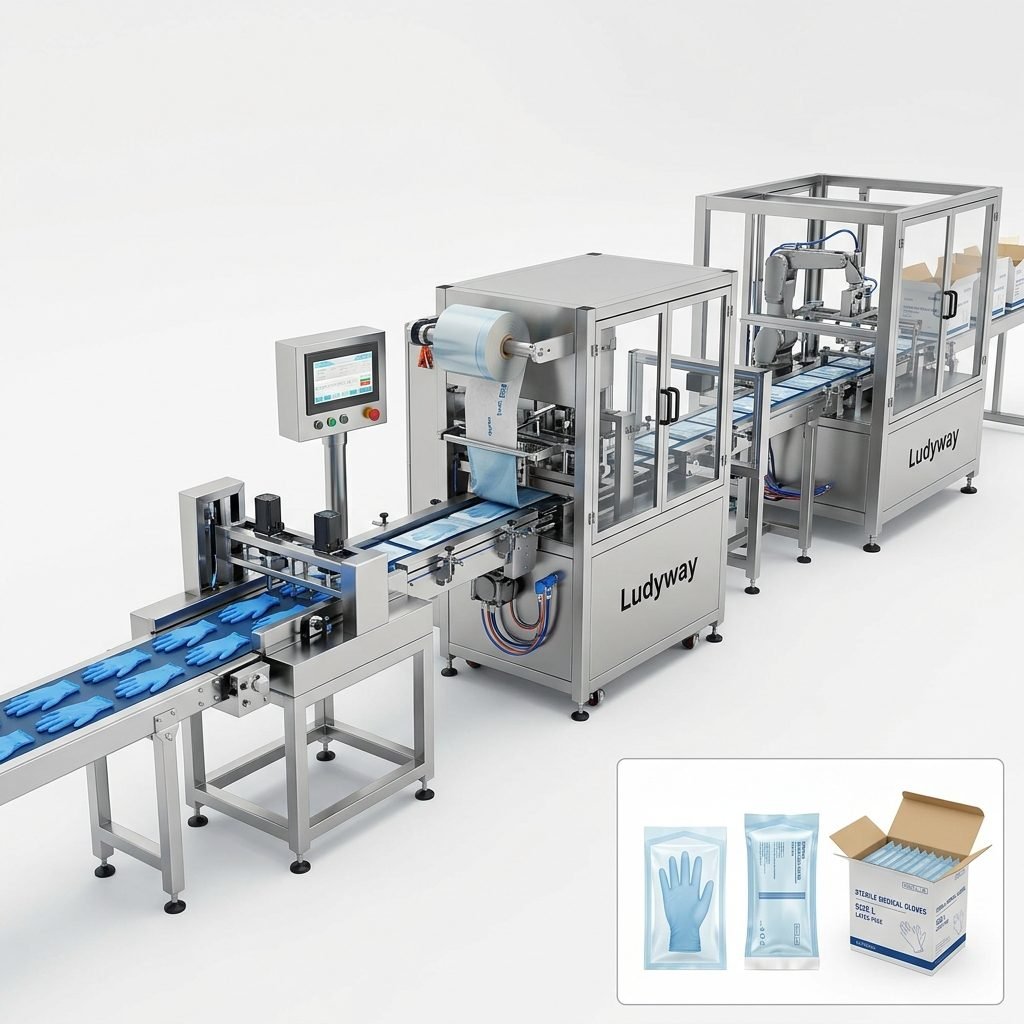
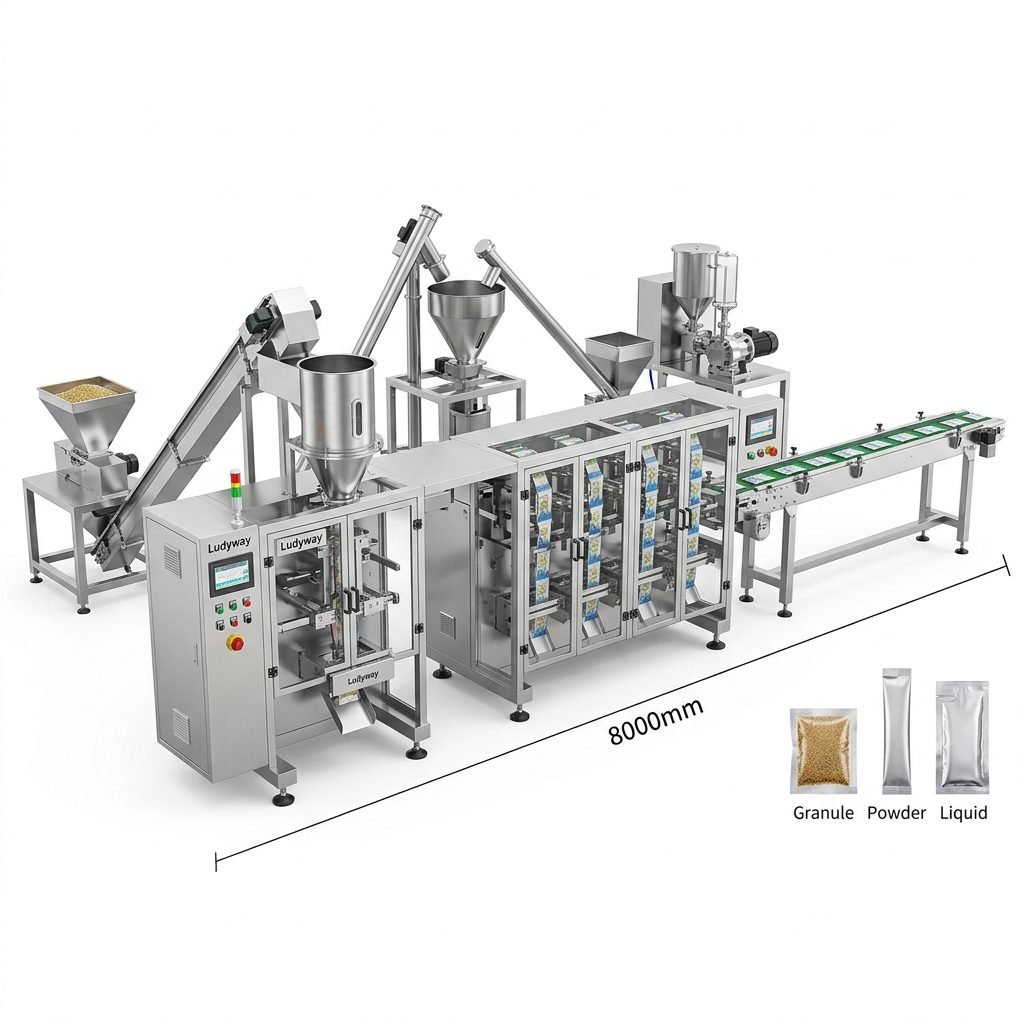
- Integrated turnkey lines: Connect multiple stages—including retort loading/unloading, secondary packaging, and palletizing—into a seamless production flow. End-to-end automation minimizes labor and maximizes throughput consistency.
5. Regulatory Compliance and Certifications
Depending on your target market and product category, your retort packaging equipment may need to meet specific FDA food packaging regulations and international standards. Key compliance considerations include:
- FDA 21 CFR compliance for food contact materials in the U.S. market.
- EU regulations on food contact materials and packaging waste for European markets.
- ISO packaging standards relevant to retort packaging processes and validation.
- HACCP compatibility: The machine design should support hygienic operation, cleanability, and contamination prevention.
- GMP (Good Manufacturing Practice): Especially important for pharmaceutical and nutraceutical retort applications.
Always verify that the machine manufacturer can provide documentation and certification support relevant to your regulatory requirements. For a deeper understanding of industry standards, refer to resources from PMMI – Packaging Industry Resources and ISO packaging standards.
Comparing Types of Retort Packaging Machines
The following table provides an overview of common retort packaging machine configurations and their typical applications:
| Machine Type | Best For | Typical Speed Range | Key Advantage |
|---|---|---|---|
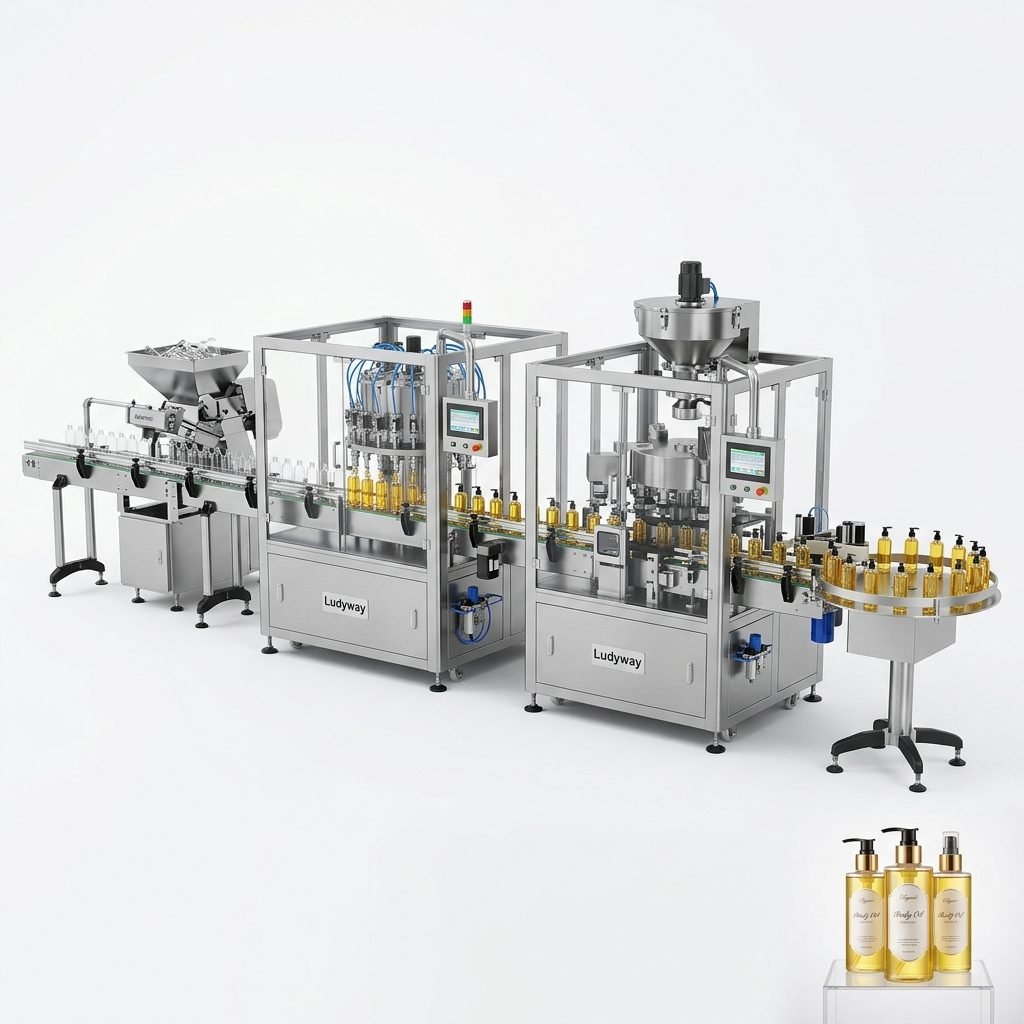
| Rotary Pouch Filler-Sealer | Liquids, sauces, soups with small particulates | 40–120 PPM | Continuous motion, high throughput |
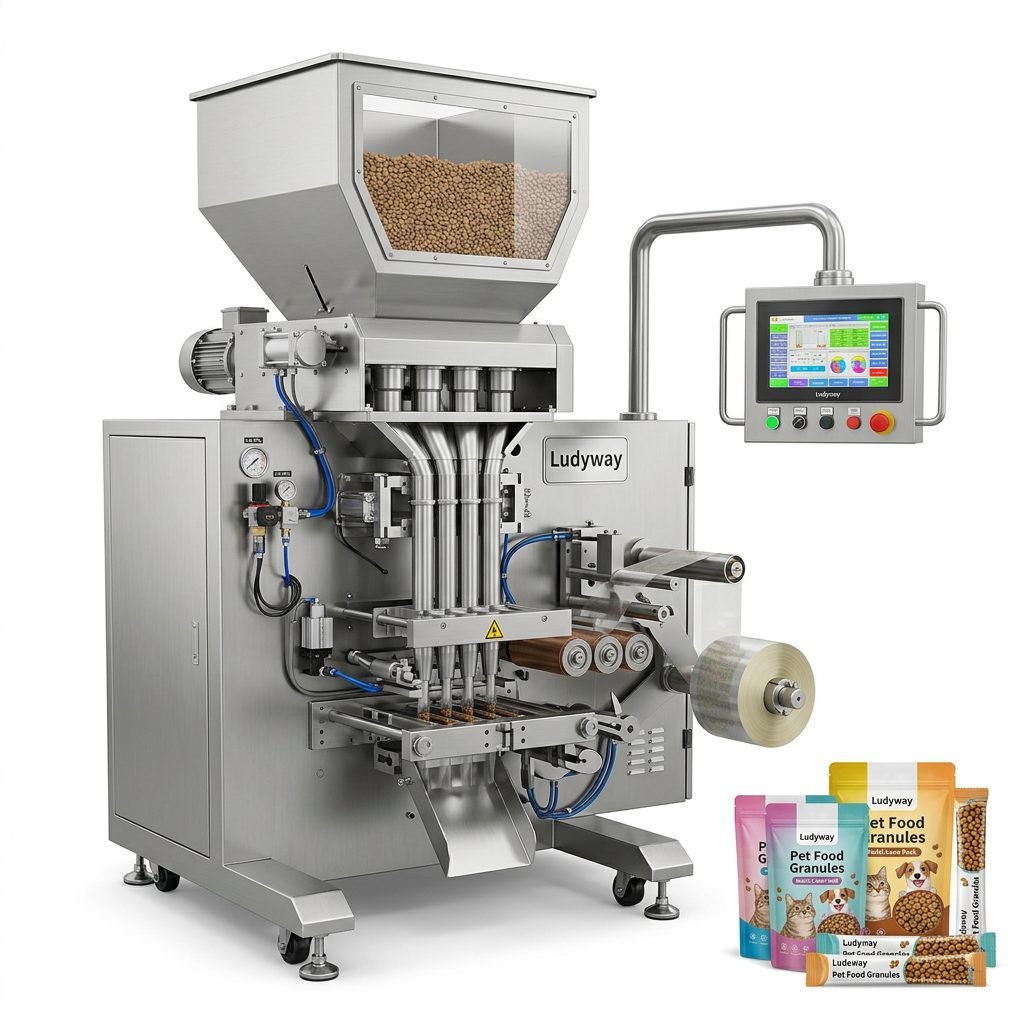
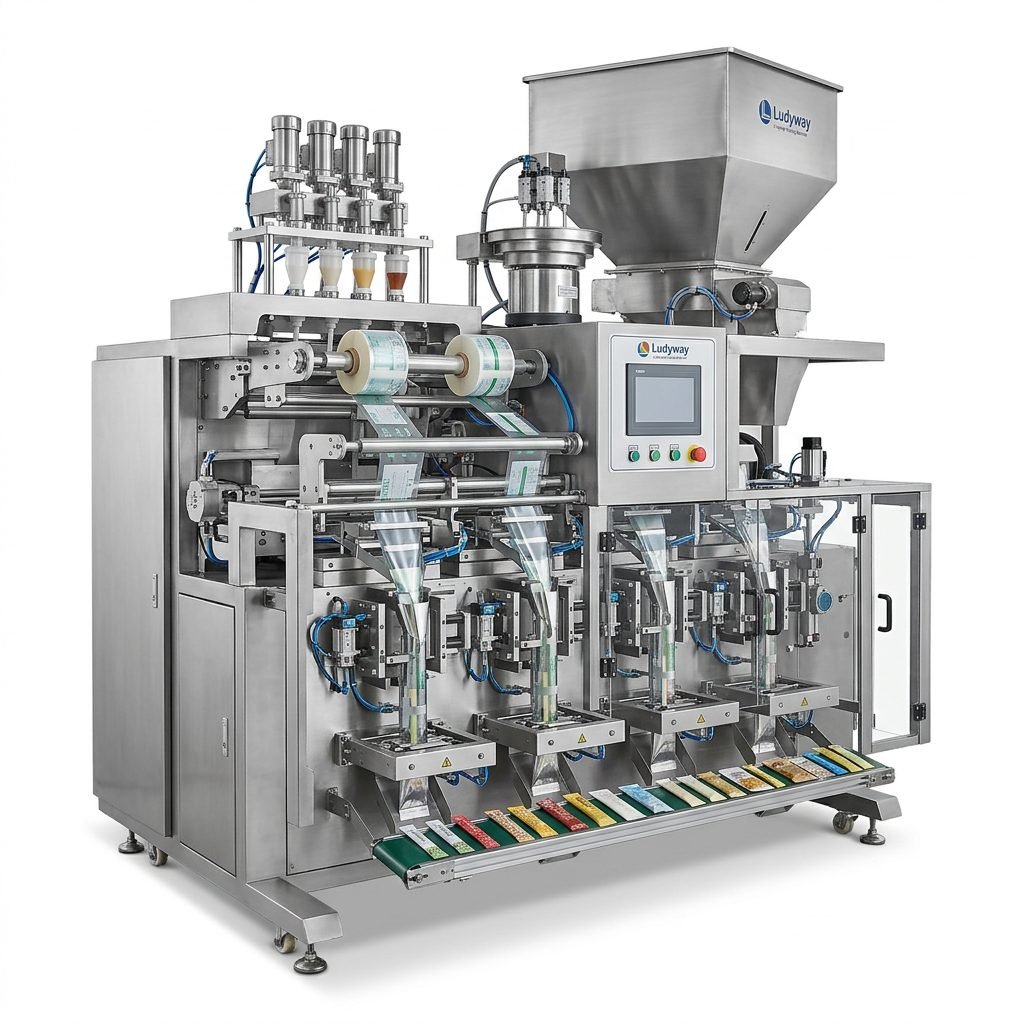
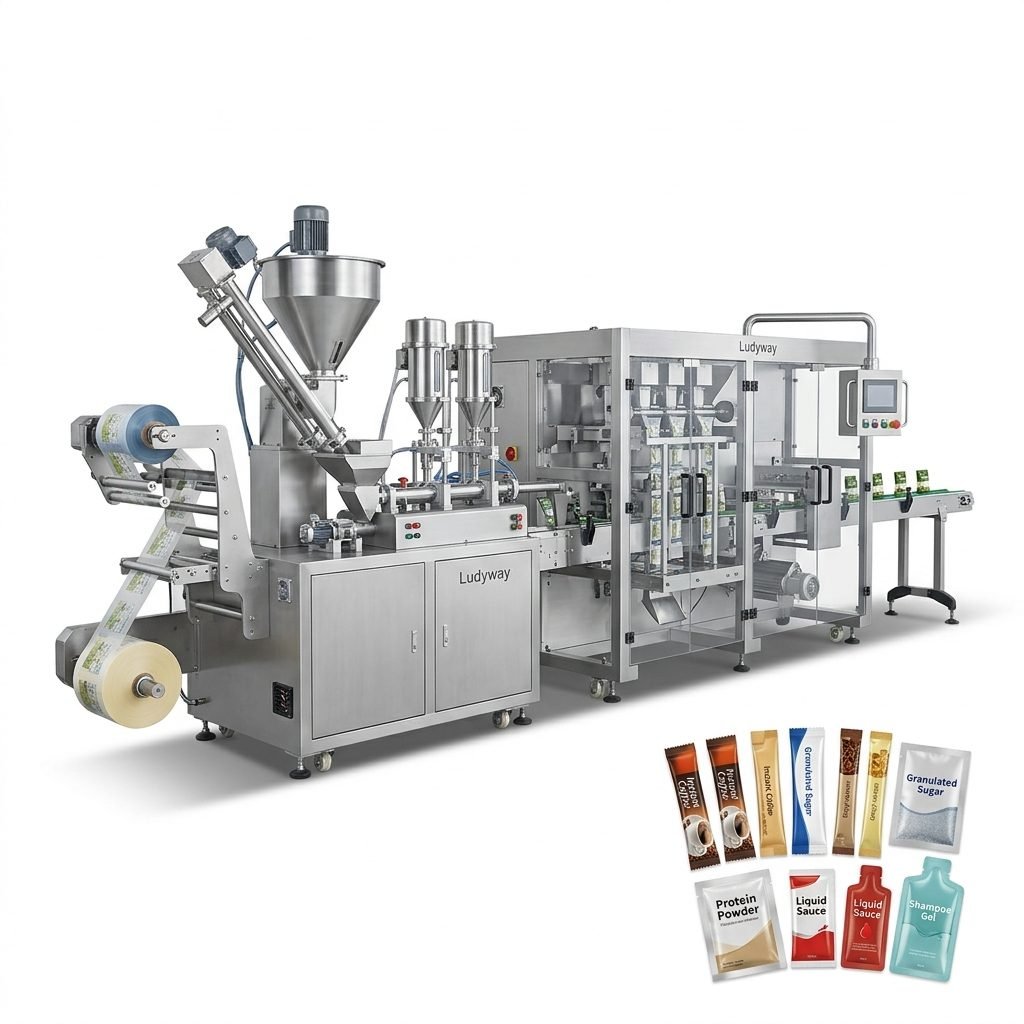
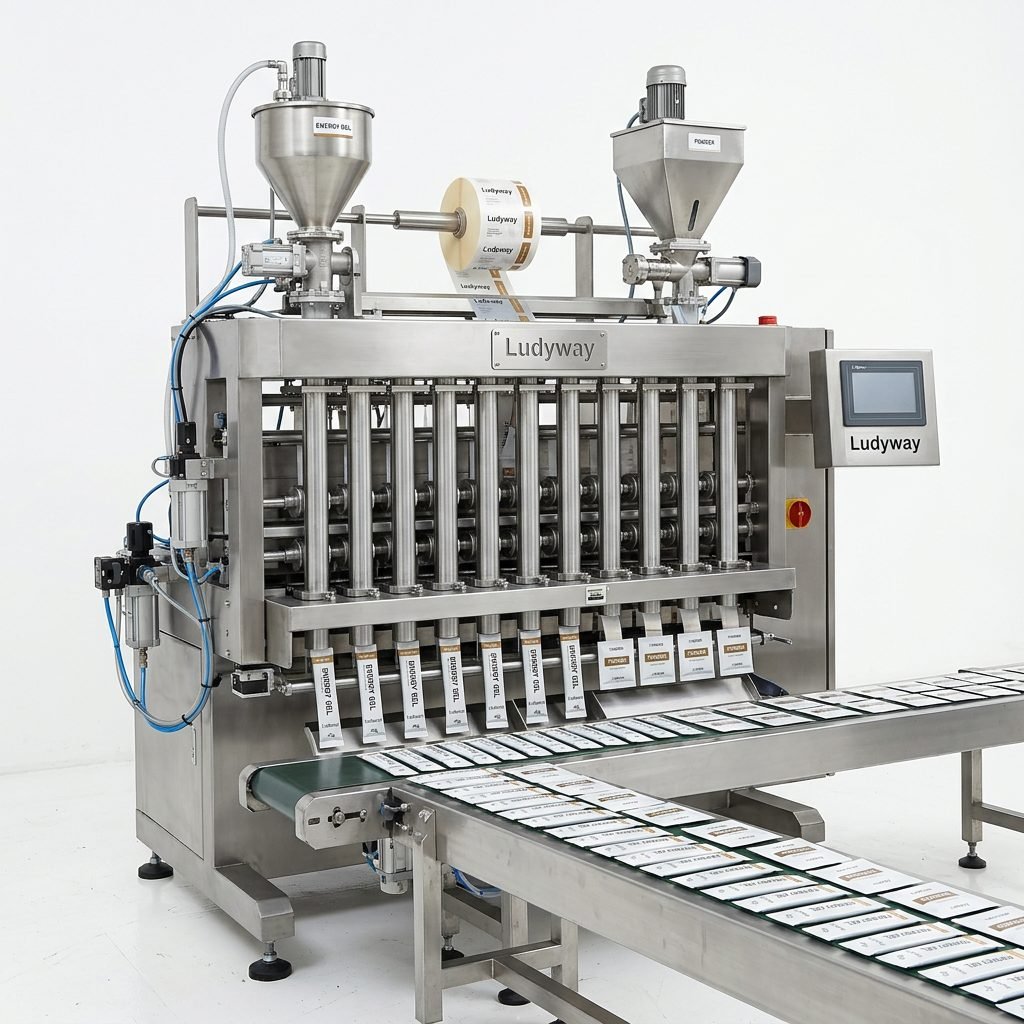
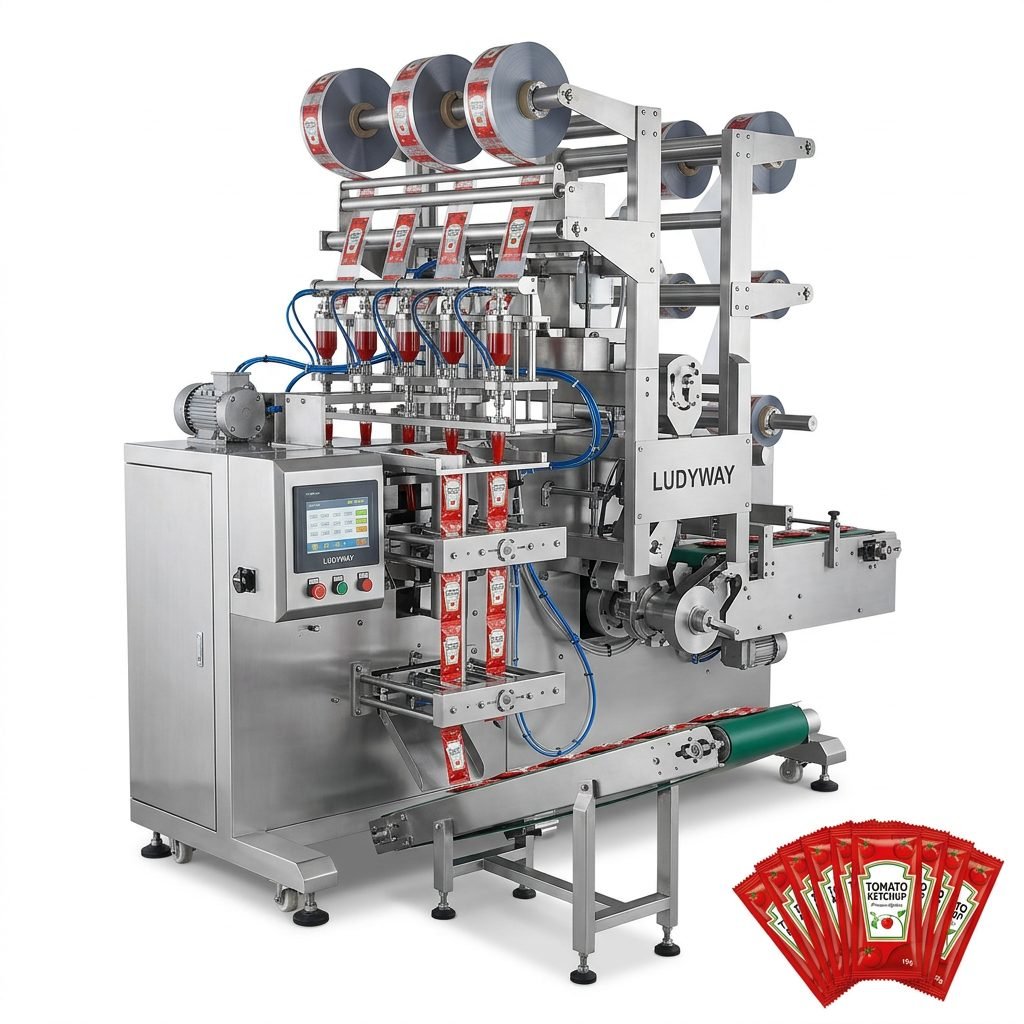
| Inline Multi-Lane Stick Pack Machine | Single-serve powders, granules, liquids | 200–600+ lanes/min | Ultra-high output for small formats |
| Premade Pouch Filler-Sealer | Stand-up pouches, spouted pouches, shaped pouches | 20–80 PPM | Flexible format handling, quick changeovers |
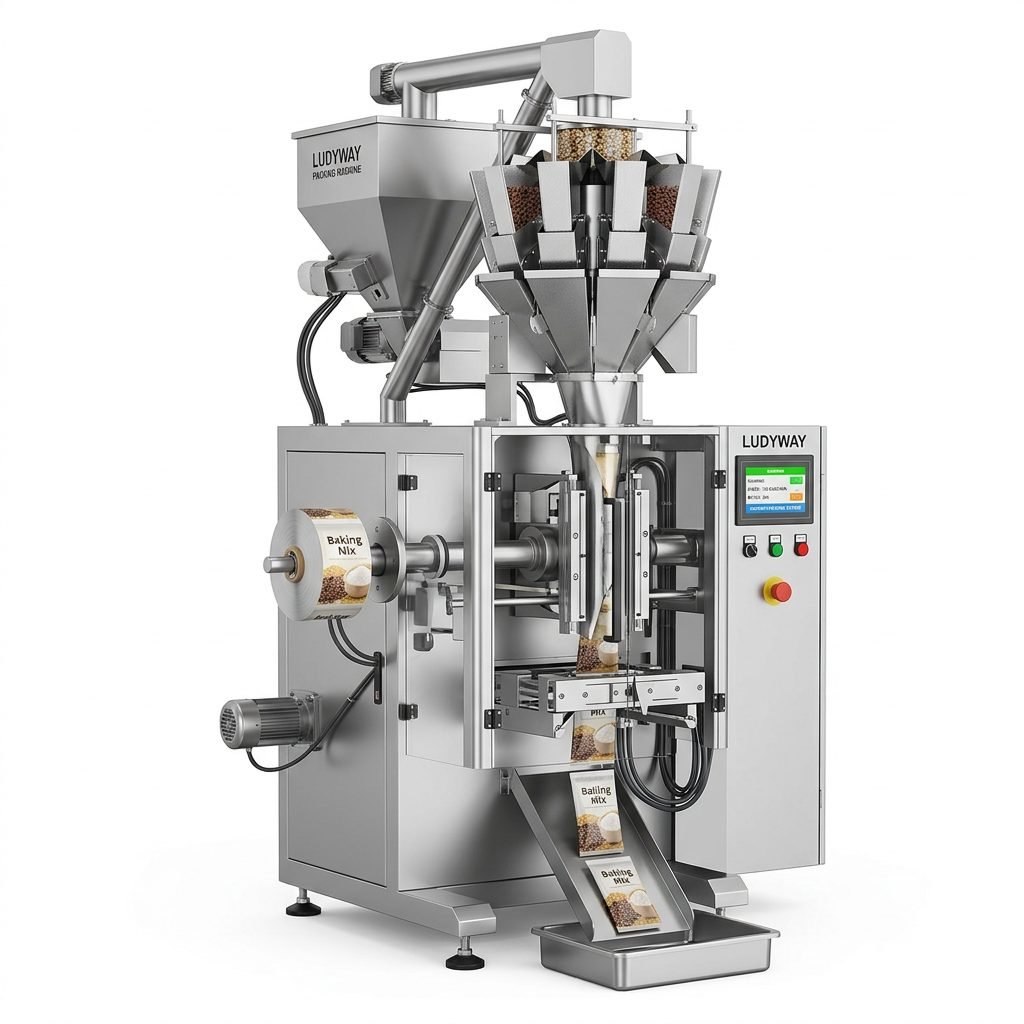
| Vertical Form-Fill-Seal (VFFS) for Retort | Flat pouches, pillow packs from roll stock | 30–100 PPM | Lower material cost, compact footprint |
| Tray Sealing Machine | Ready meals, pet food in semi-rigid trays | 15–60 PPM | Ideal for products with multiple components |
Critical Features to Evaluate During Machine Selection
Beyond the basic machine type, several technical features can have a significant impact on your retort packaging operation’s success:
Sealing System Integrity
The sealing system is the most critical component of any retort packaging machine. Look for machines with precise temperature control (typically within ±1°C), uniform pressure distribution across the seal area, and adequate dwell time control. Double-seal or triple-seal configurations provide additional safety margins. Some advanced machines include inline seal inspection systems that detect weak or contaminated seals before the pouch enters the retort.
Filling Accuracy and Versatility
Accurate filling is essential for regulatory compliance and cost control. Evaluate the filling system’s accuracy across your full range of product viscosities and fill volumes. For multi-product lines, consider machines with quick-change filling modules that allow switching between piston fillers, auger fillers, net-weight fillers, and pump-based systems with minimal downtime.
Clean-in-Place (CIP) and Sanitary Design
For food and pharmaceutical applications, hygienic machine design is non-negotiable. Evaluate the machine’s cleanability, including surface finishes (Ra ≤ 0.8 μm for product contact surfaces), crevice-free construction, sloped surfaces for drainage, and accessibility for manual cleaning. CIP-capable machines can dramatically reduce cleaning time between product runs.
Control System and Data Integration
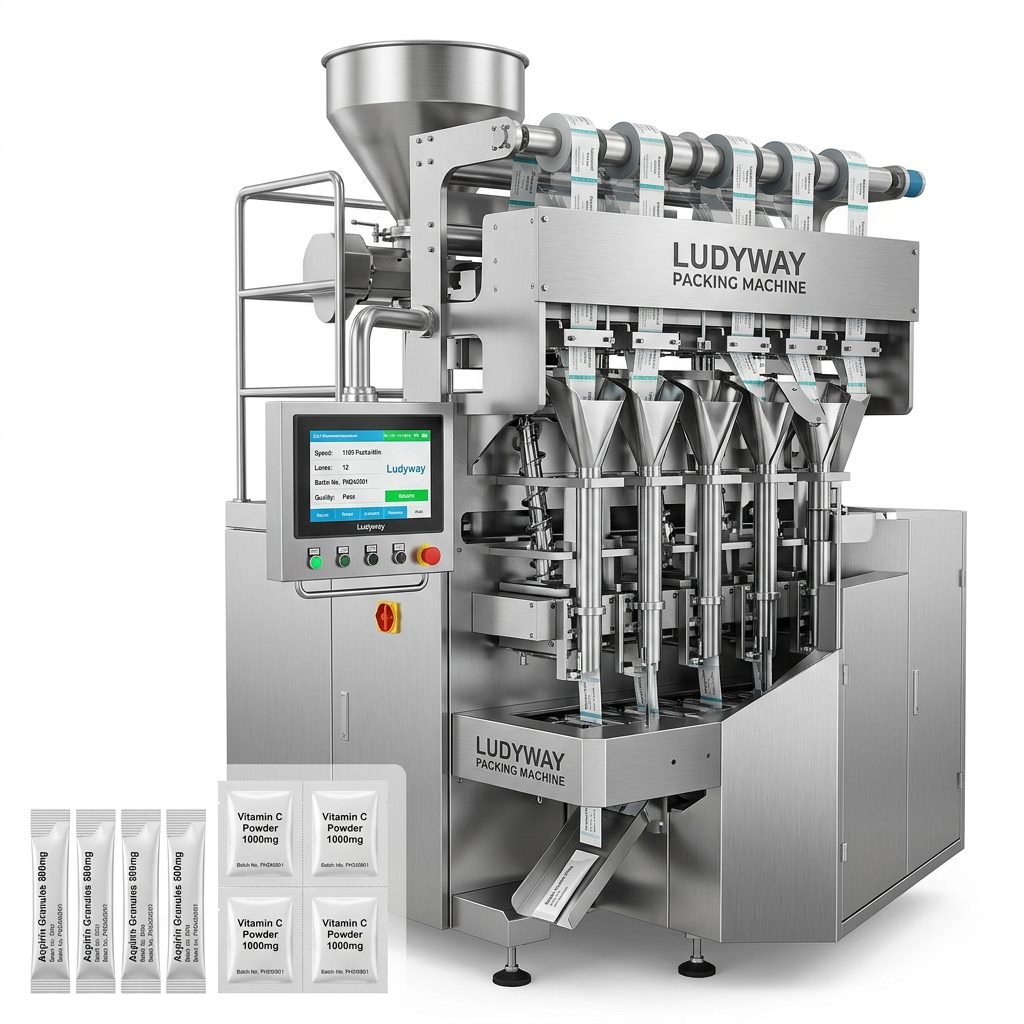
Modern retort packaging machines should offer PLC-based controls with intuitive HMI interfaces. Key control features include recipe management for multiple SKUs, real-time production monitoring, and integration capabilities with plant-wide MES or ERP systems. Data logging and traceability are increasingly important for regulatory compliance and quality assurance programs.
Budgeting and Return on Investment
The cost of a retort packaging machine varies widely based on configuration, automation level, and production capacity. When evaluating the investment, consider the total cost of ownership (TCO) rather than just the initial purchase price:
- Initial capital expenditure: Machine cost, installation, and commissioning.
- Operating costs: Energy consumption, labor requirements, maintenance, and spare parts.
- Material costs: Different machine types have varying material waste rates, which impact ongoing packaging material expenses.
- Downtime costs: Reliability directly affects profitability—a machine with 98% uptime versus 92% uptime can represent hundreds of thousands in annual revenue difference.
- Future flexibility: A machine that can accommodate new product formats and packaging materials protects your investment as market demands evolve.
For many manufacturers, the ROI of a well-chosen retort packaging machine is realized within 18 to 36 months through increased throughput, reduced labor, lower material waste, and the ability to enter new product categories.
Selecting the Right Machine Supplier
Choosing the right equipment partner is as important as choosing the right machine. Evaluate potential suppliers on these criteria:
- Industry experience: How many years has the manufacturer been building retort packaging equipment? Do they understand your specific product category?
- Manufacturing capabilities: In-house manufacturing and engineering expertise generally translate to better quality control and faster technical support.
- Customization capability: Can the supplier adapt their equipment to your unique requirements, or are you limited to standard configurations?
- After-sales support: Technical support availability, spare parts logistics, and operator training are critical for long-term machine performance.
- Global presence: For manufacturers in international markets, a supplier with global service capabilities can significantly reduce response times.
- References and track record: Request case studies and customer references from manufacturers with similar applications to yours.
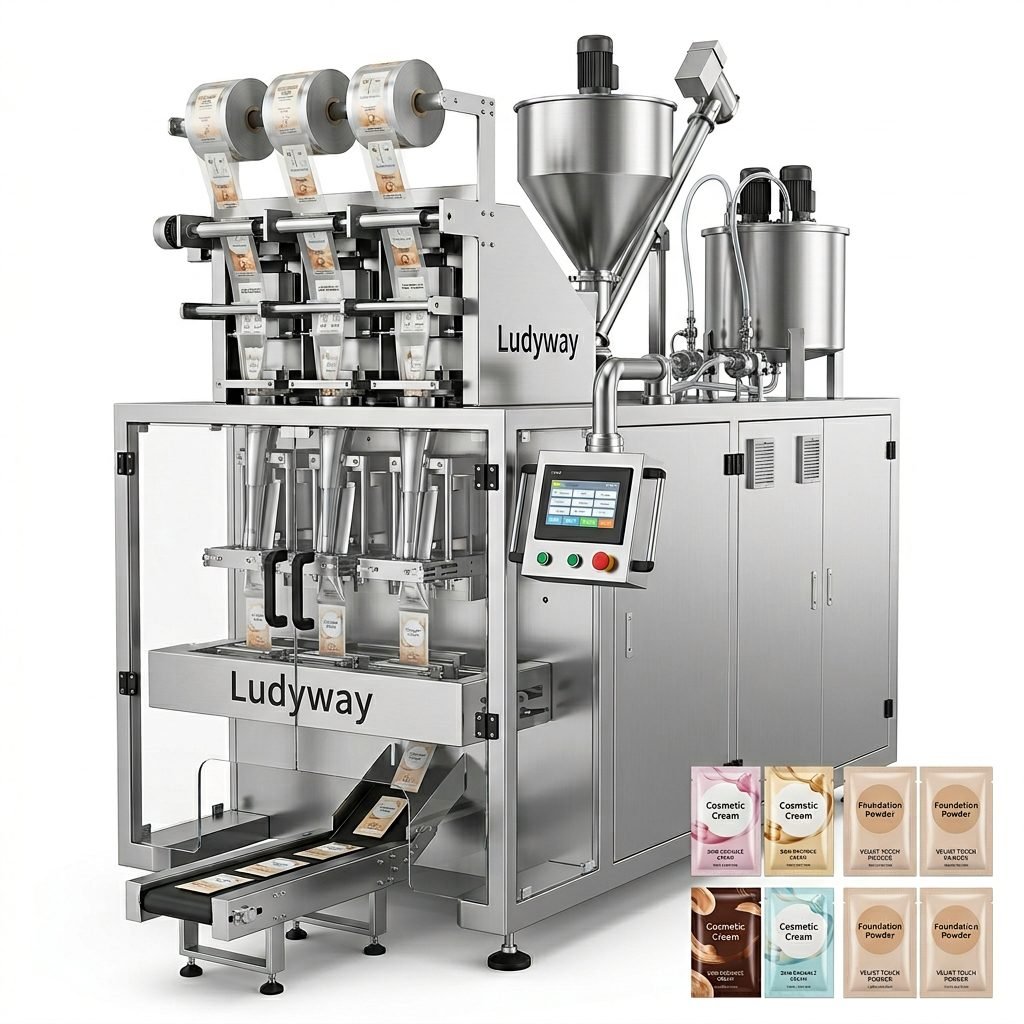
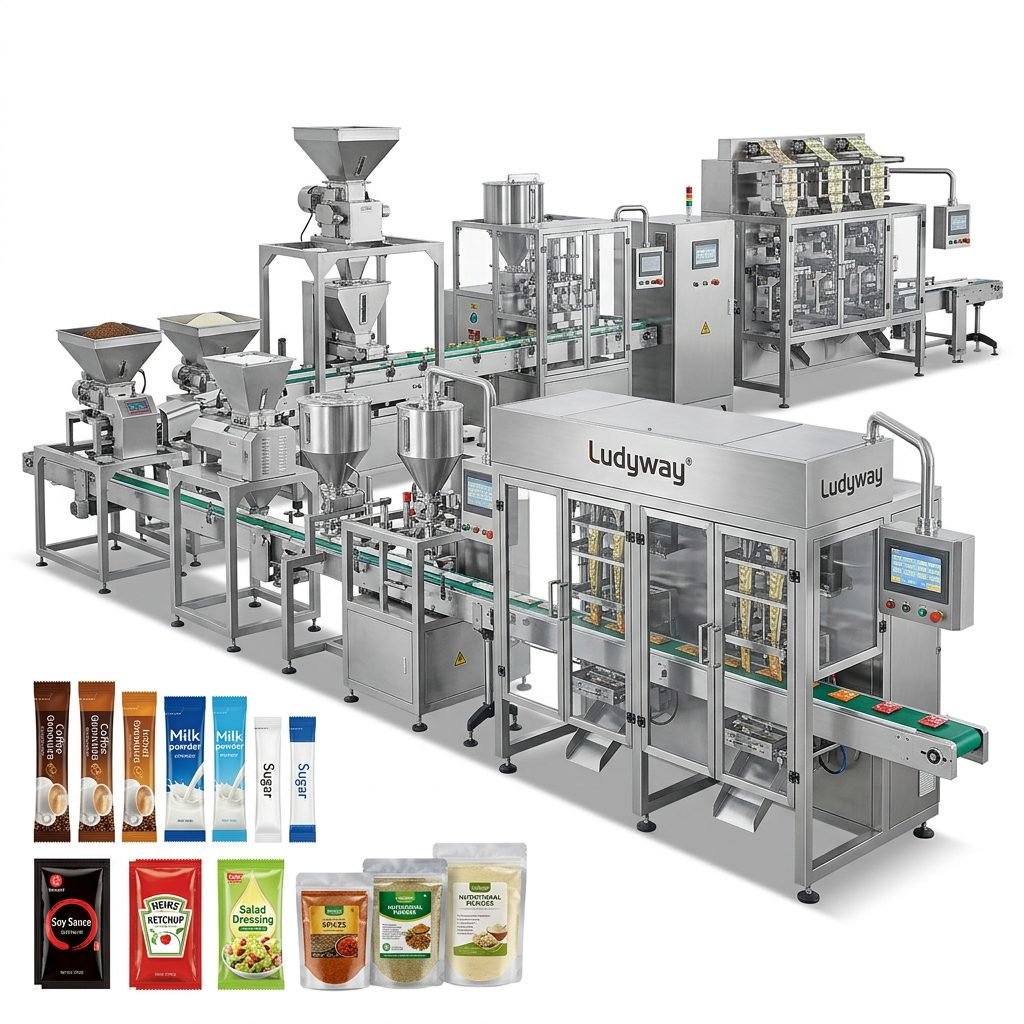
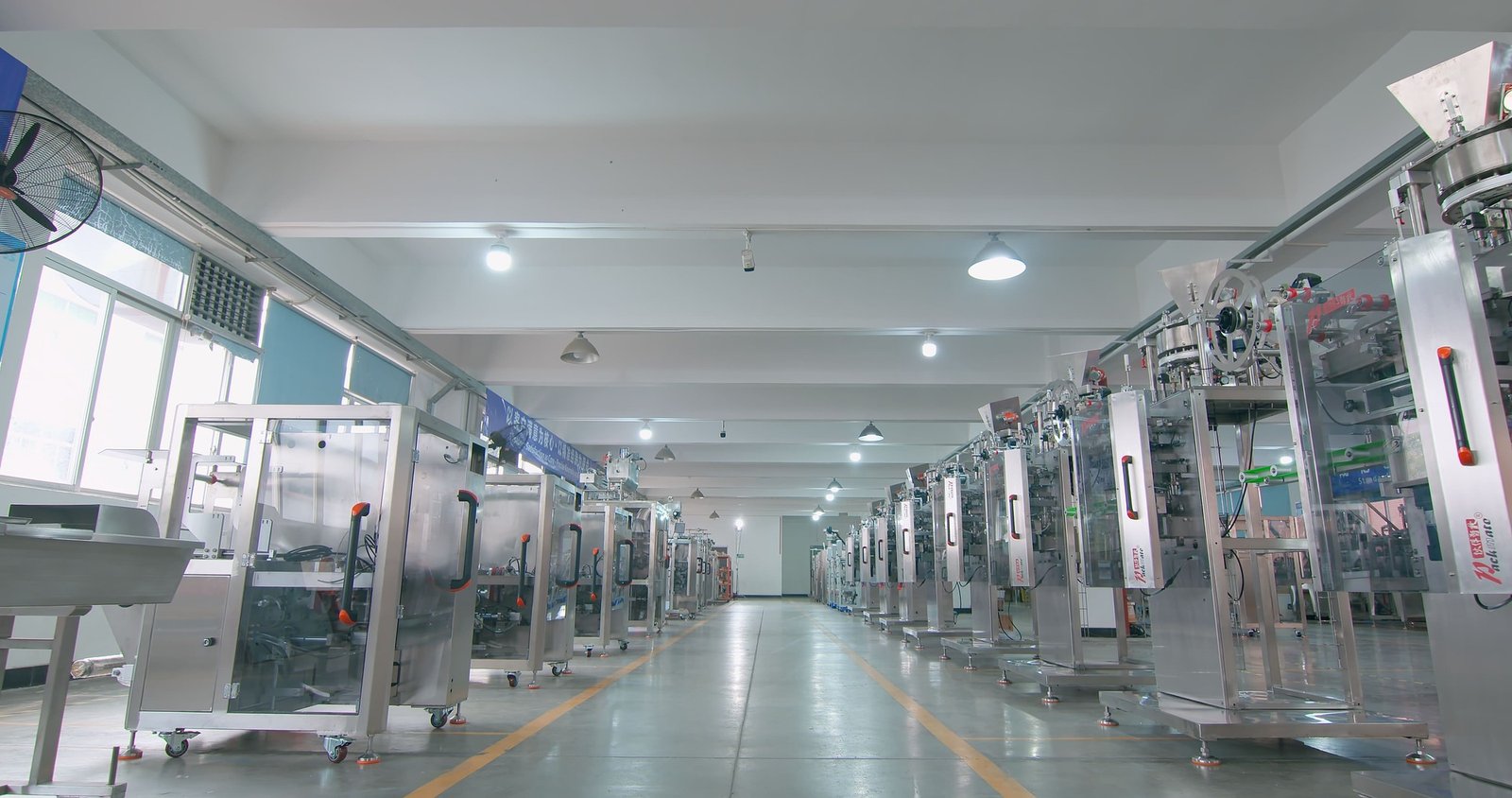
For example, Ludyway Machinery is a China-based packaging machinery manufacturer with over 30 years of experience, serving customers in more than 100 countries. The company provides a broad portfolio of automatic packaging equipment—including retort-compatible machines for powders, granules, liquids, and stick pack applications—and offers customized engineering solutions and turnkey packaging lines tailored to specific product and production requirements. With a 20,000-square-meter manufacturing facility, over 130 professionals, and more than 50 packaging machine models, working with an experienced manufacturer that combines in-house engineering with global technical support can make a significant difference in the success of your packaging investment.
Making the Final Decision
Selecting the right retort packaging machine requires balancing multiple factors—technical specifications, production requirements, budget constraints, and long-term business strategy. We recommend the following decision-making process:
- Define your requirements: Document your product characteristics, target production volumes, packaging formats, and regulatory requirements in detail.
- Research the market: Review available machine types and shortlist configurations that match your needs. Resources like PMMI business intelligence reports can provide valuable industry context.
- Engage with manufacturers: Request detailed proposals from multiple suppliers, including technical specifications, performance guarantees, and total cost of ownership estimates.
- Conduct factory acceptance testing (FAT): Whenever possible, visit the manufacturer’s facility to test the machine with your actual product and packaging materials before shipment.
- Plan for installation and training: Ensure that your team is prepared for machine installation, commissioning, and operator training to minimize startup delays.
- Establish ongoing support: Confirm spare parts availability, technical support channels, and preventive maintenance schedules with your chosen supplier.
A well-chosen retort packaging machine is a long-term strategic asset that can enhance your production capabilities, open new market opportunities, and provide a competitive advantage in the growing shelf-stable food and pharmaceutical sectors. By carefully evaluating your options and partnering with an experienced equipment manufacturer, you can make a confident investment that delivers value for years to come.
Additional Resources
For further reading on packaging machinery selection, industry standards, and market trends, explore the following authoritative resources:
- PMMI – 2025 State of the Industry Report – Comprehensive packaging machinery market data and trends.
- Flexible Packaging Association – Industry resources, data, and regulatory information for flexible packaging.
- FDA – Packaging and Food Contact Substances – Regulatory guidance for food packaging in the U.S. market.
- ISO Packaging Standards – International standards relevant to packaging machinery and processes.
- PACK EXPO International – Leading packaging industry trade show for equipment evaluation and networking.