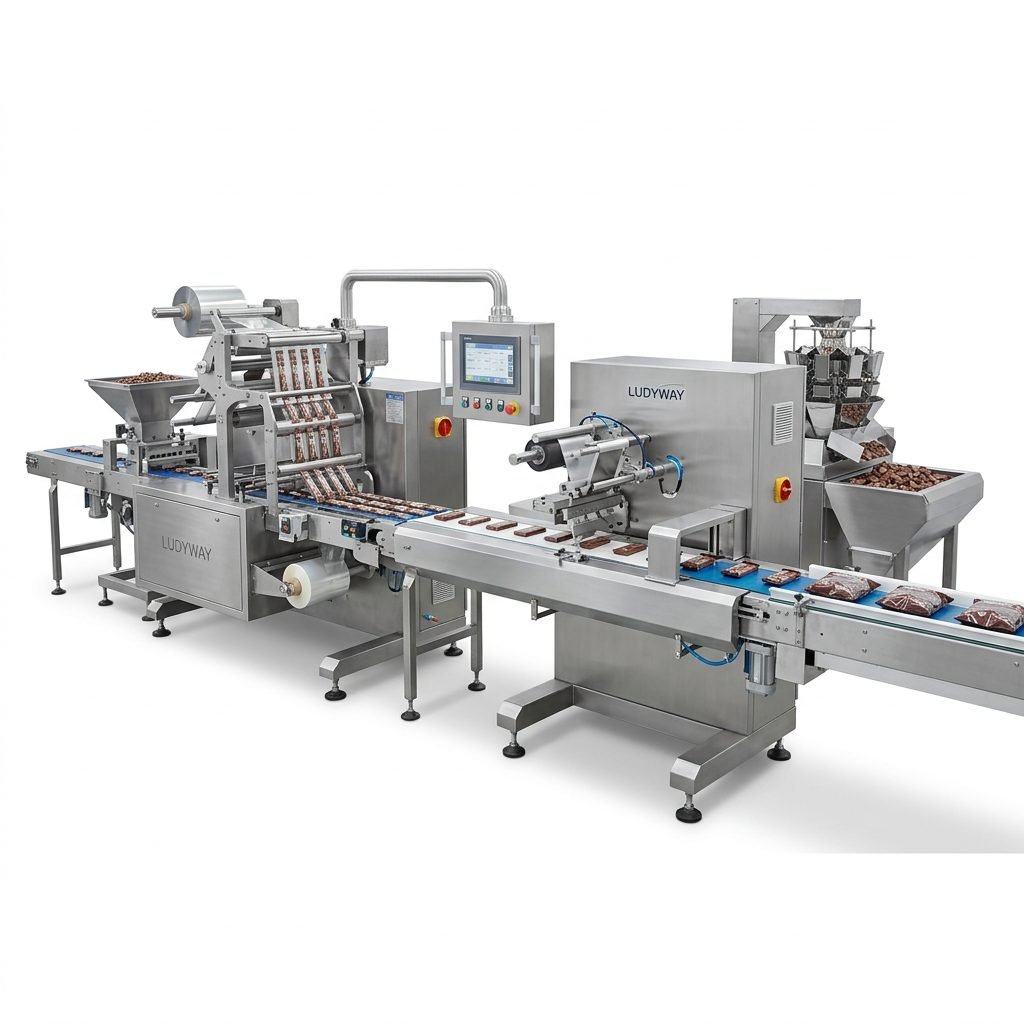
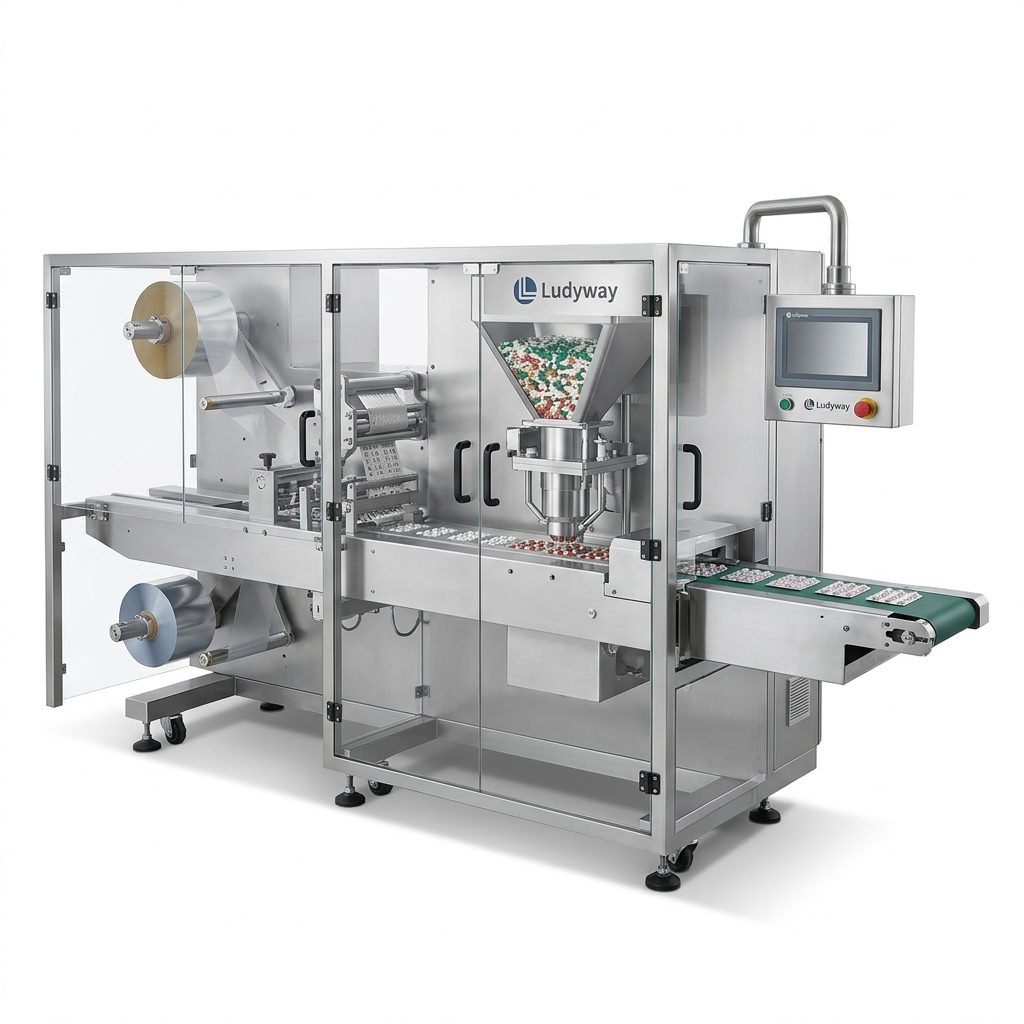
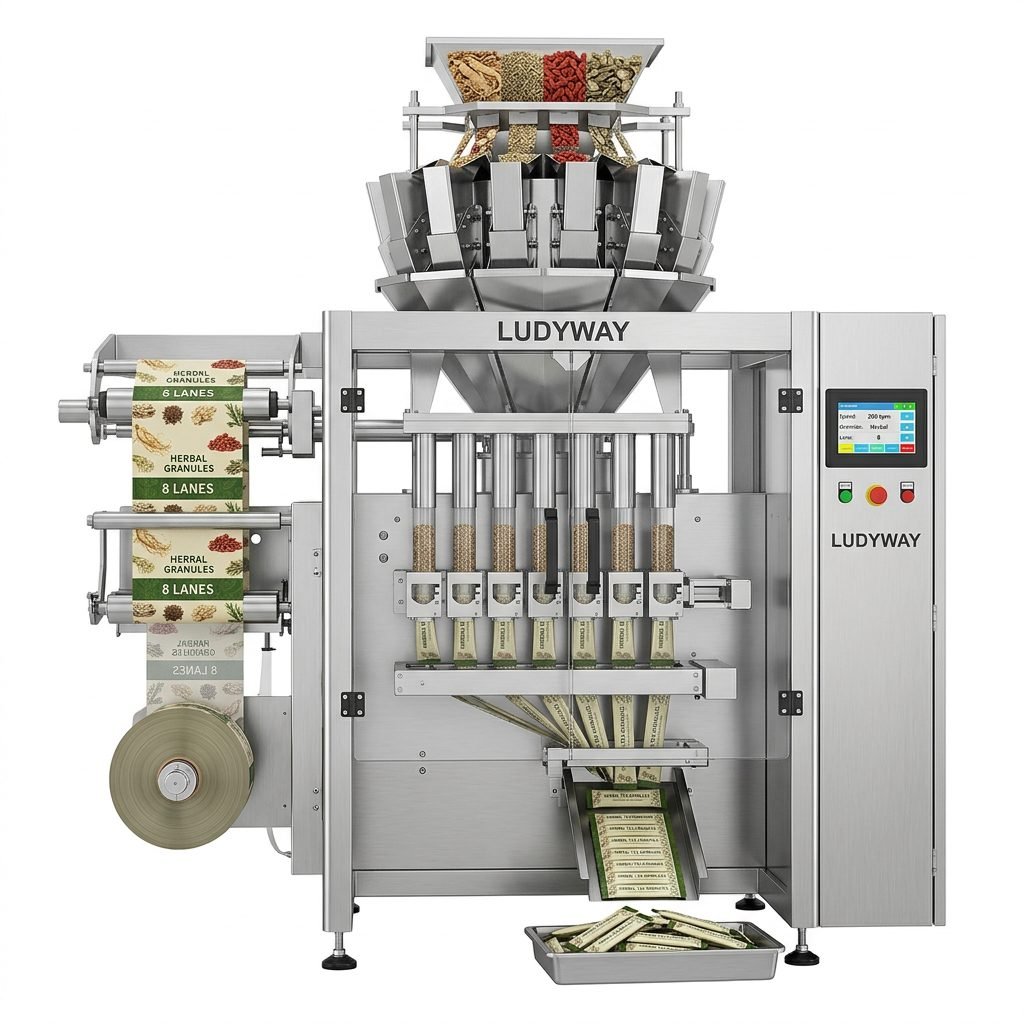
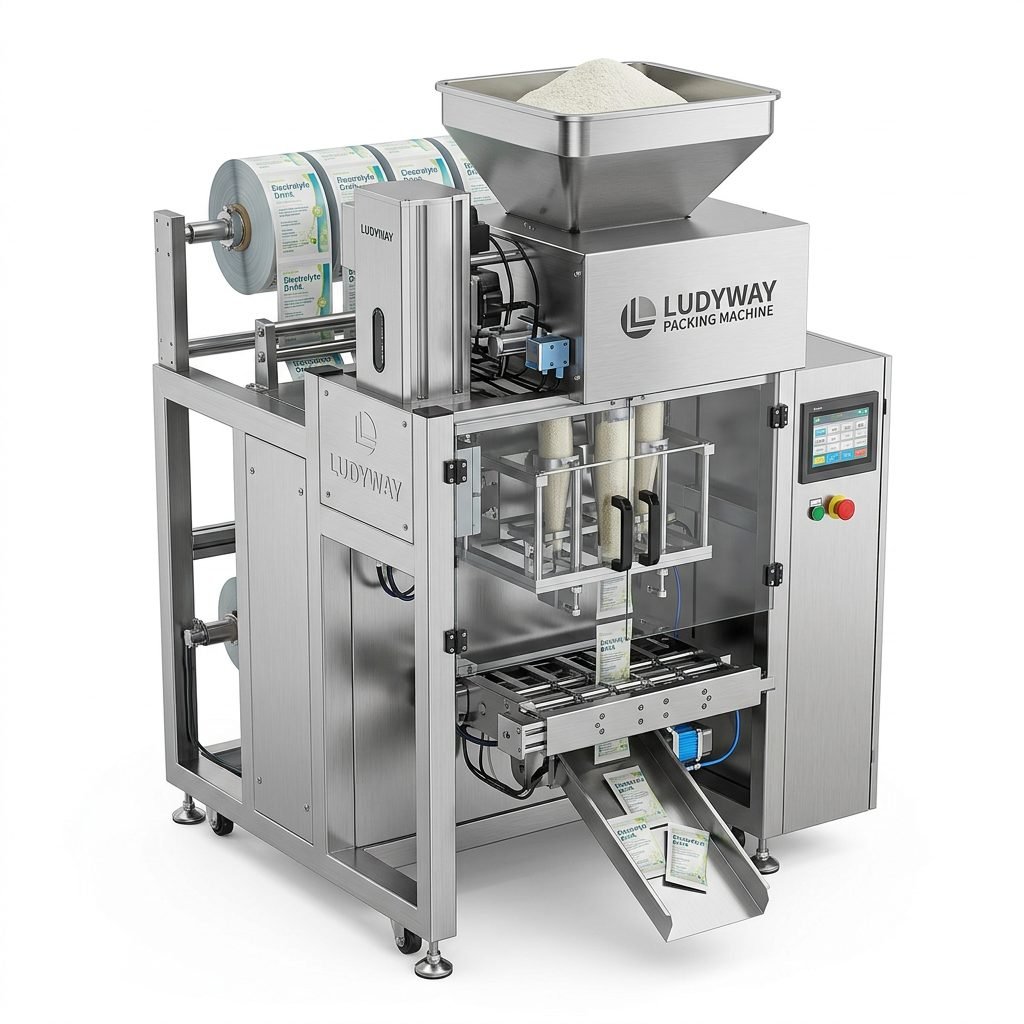
Fine powders can be some of the most difficult materials to package accurately. Products such as milk powder, spice blends, protein powder, pharmaceutical powder, chemical additives, and nutritional supplements often create dust, bridge in hoppers, cling to machine parts, or lose accuracy at high speed. Choosing the right powder packaging machine is not only about output capacity—it is about matching the machine to the material’s behavior, hygiene requirements, packaging format, and long-term operating cost.
For manufacturers that handle fine materials every day, the best investment is a system designed around precision dosing, dust control, stable sealing, and easy cleaning. The wrong machine can lead to product waste, inconsistent fill weights, sealing defects, and unnecessary downtime.
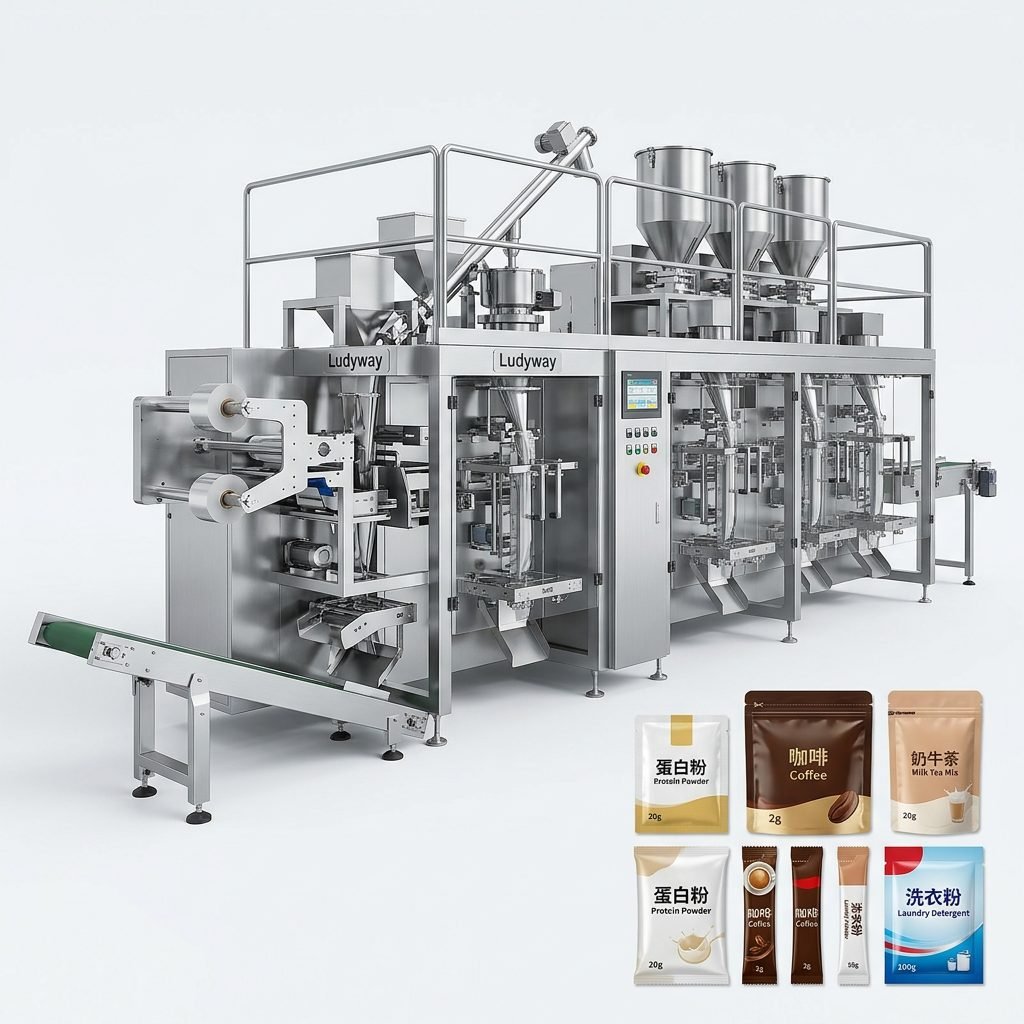
Understand the Characteristics of Your Fine Material First
Before comparing machine models, start with the powder itself. Fine materials behave very differently depending on particle size, density, moisture, oil content, and flowability. A machine that works well for free-flowing coffee powder may not perform well for light, dusty herbal powder or sticky nutritional blends.
- Flowability: Does the powder flow easily or does it bridge and compact?
- Dust level: High-dust powders need better sealing zones and extraction control.
- Bulk density: Low-density powders can affect filling accuracy and pouch shape.
- Hygroscopic behavior: Powders that absorb moisture need fast handling and better environmental control.
- Product sensitivity: Pharma and nutraceutical powders may require sanitary design and precise traceability.
- Particle consistency: Mixed or irregular powders may require agitation or customized feeding.
If you do not define these material properties first, it becomes difficult to choose the correct dosing method, hopper design, and sealing structure.
Choose the Right Filling Principle
The filling system is the core of any powder packaging machine. For fine materials, the most common choice is an auger filling system, but it is not always the only option.
| Filling Type | Best For | Key Advantage | Possible Limitation |
|---|---|---|---|
| Auger Filler | Fine powders, dusty products, pharma and food powders | High dosing control and good adaptability | Needs correct screw design and calibration |
| Volumetric Cup | Free-flowing granules or some coarse powders | Simple and cost-effective | Less accurate for very fine or inconsistent powders |
| Weighing System | High-value powders or larger-dose applications | Strong weight accuracy | Can reduce speed in some small sachet formats |
In many fine powder applications, auger fillers are preferred because they can handle poor-flow materials more effectively. However, the success of an auger system depends on proper screw size, hopper agitation, servo control, and material feeding consistency.
When an Auger Filler Is Usually the Best Choice
- Powder creates visible dust during filling
- Product needs tight fill-weight tolerance
- Pack sizes are small, such as sachets or stick packs
- Material has poor flow or uneven density
- Production needs repeatable dosing across multiple lanes
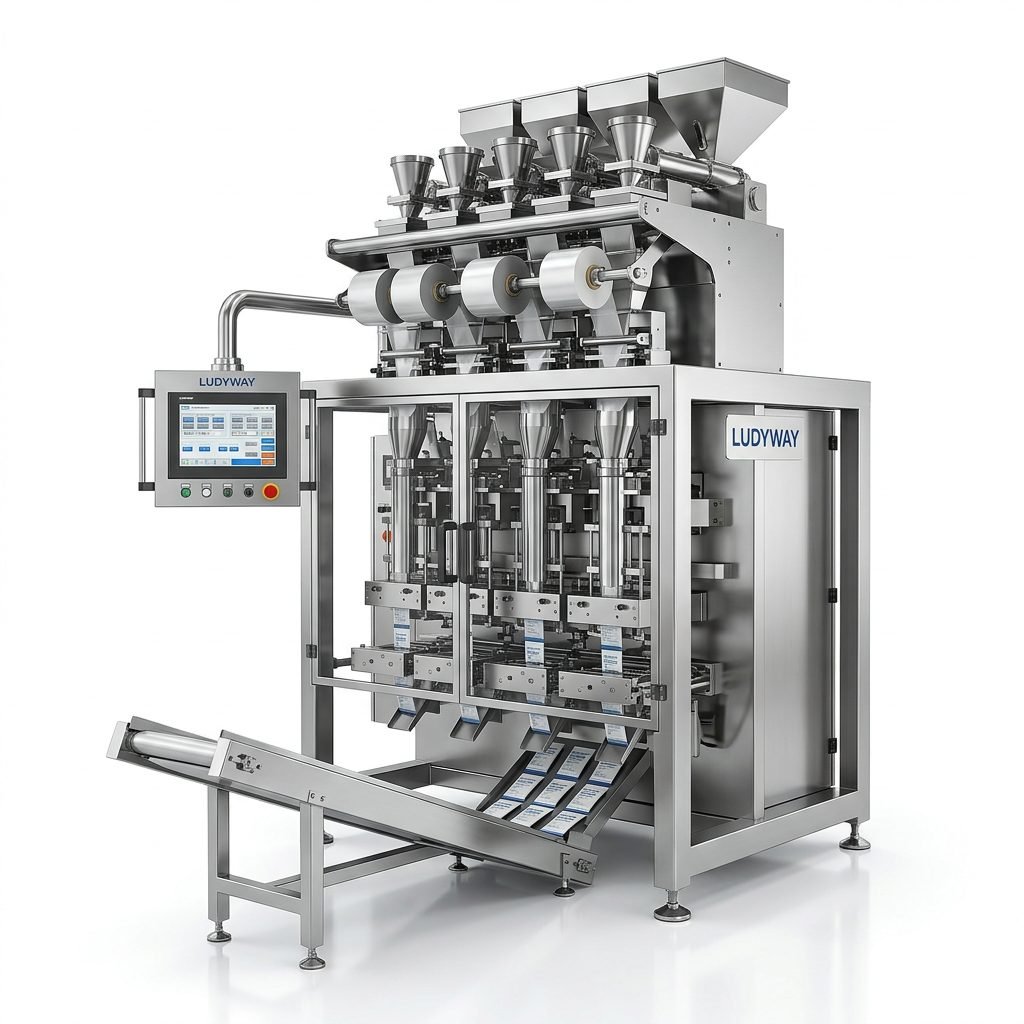
Match the Machine to Your Packaging Format
Fine powders can be packed into many formats, and each format affects machine selection. The package type determines film handling, filling rhythm, sealing design, coding requirements, and downstream automation.
Common Packaging Formats for Fine Powders
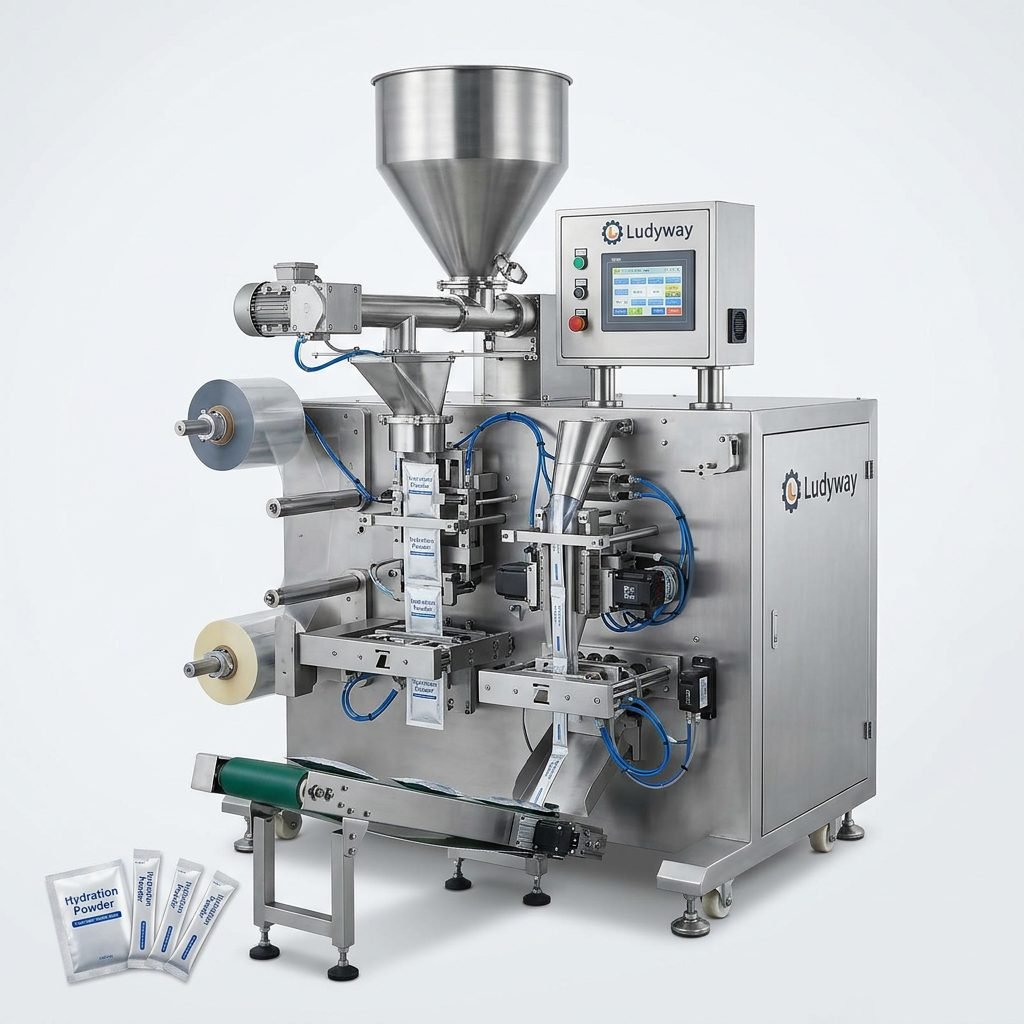
- Sachets: Ideal for single-dose products, seasonings, pharmaceuticals, and supplements.
- Stick packs: Popular for drink powders, health supplements, and travel-size products.
- Pouches: Suitable for retail and premium presentation.
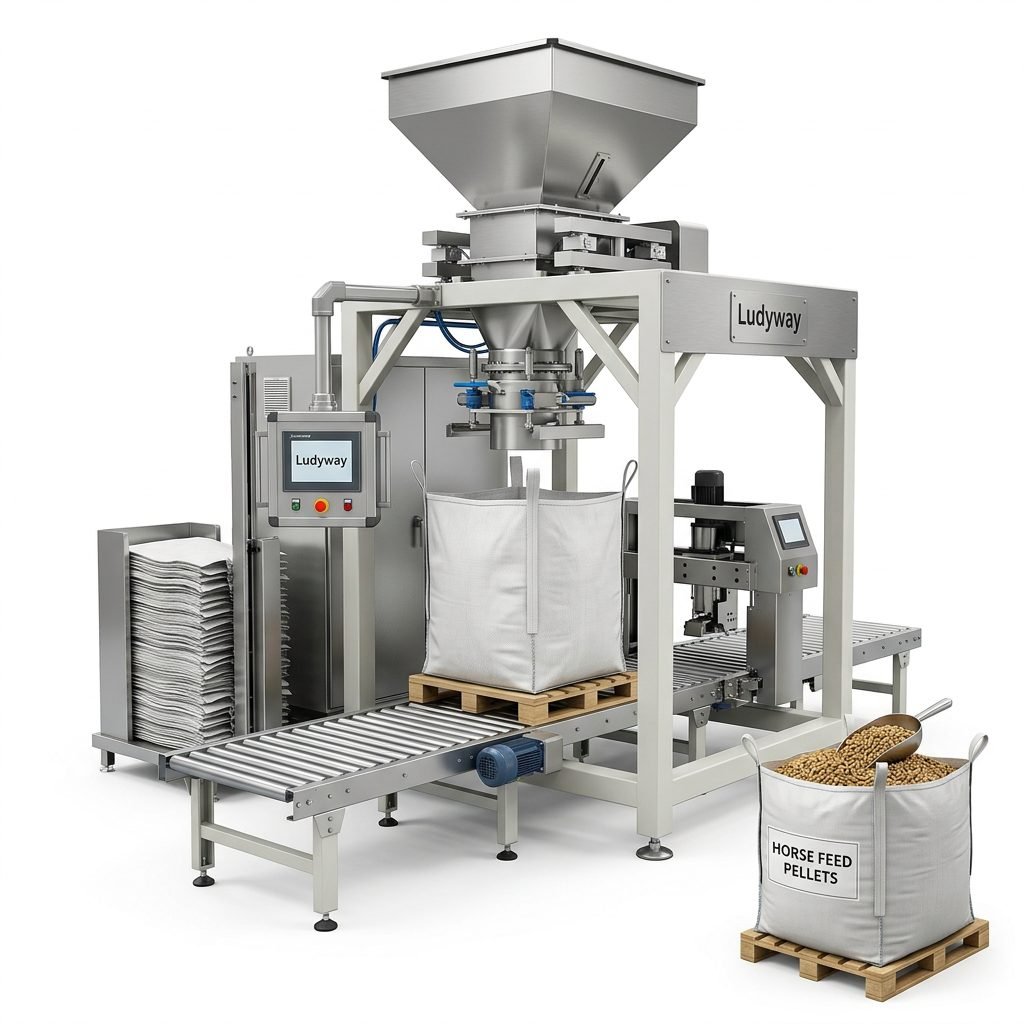
- Bags or bulk sacks: Used for industrial chemicals, feed additives, flour, and bulk ingredients.
- Jars, cans, or bottles: Common for protein powder, baby formula, and premium powdered products.
If your business requires multiple SKUs, a machine with faster changeover and recipe memory can improve efficiency significantly. For high-volume consumer products, multi-lane sachet or stick pack lines may offer the best balance of speed and compact footprint.
Pay Attention to Dust Control and Sealing Performance
One of the biggest issues with fine powders is dust contamination in the sealing area. When powder gets trapped in the seal, the result can be weak seals, leakage, poor shelf life, and rejected packages.
Look for machines with features such as:
- Dust extraction or vacuum-assisted handling
- Stable filling nozzles and anti-dust filling structures
- Sealing jaws designed to minimize contamination
- Controlled film tension for accurate pouch formation
- Optional nitrogen flushing for sensitive food powders
For fine and airborne materials, sealing reliability is just as important as filling accuracy. A machine that fills precisely but seals poorly will still create costly product loss.
Evaluate Speed Versus Accuracy
Many buyers focus first on output speed, but for fine materials, maximum speed is not always the right target. A machine running too fast for the powder behavior may cause fluctuating weights, dust overflow, and unstable seals.
| Production Goal | Recommended Focus |
|---|---|
| Startup or small batch production | Flexibility, easy cleaning, lower investment |
| Mid-volume branded products | Consistent accuracy, format versatility, stable sealing |
| High-volume industrial output | Multi-lane efficiency, automation integration, repeatability |
| Pharma or high-value powder | Strict accuracy, validation support, hygienic design |
In practice, the best machine is the one that delivers stable performance over long production runs, not just the highest theoretical output.
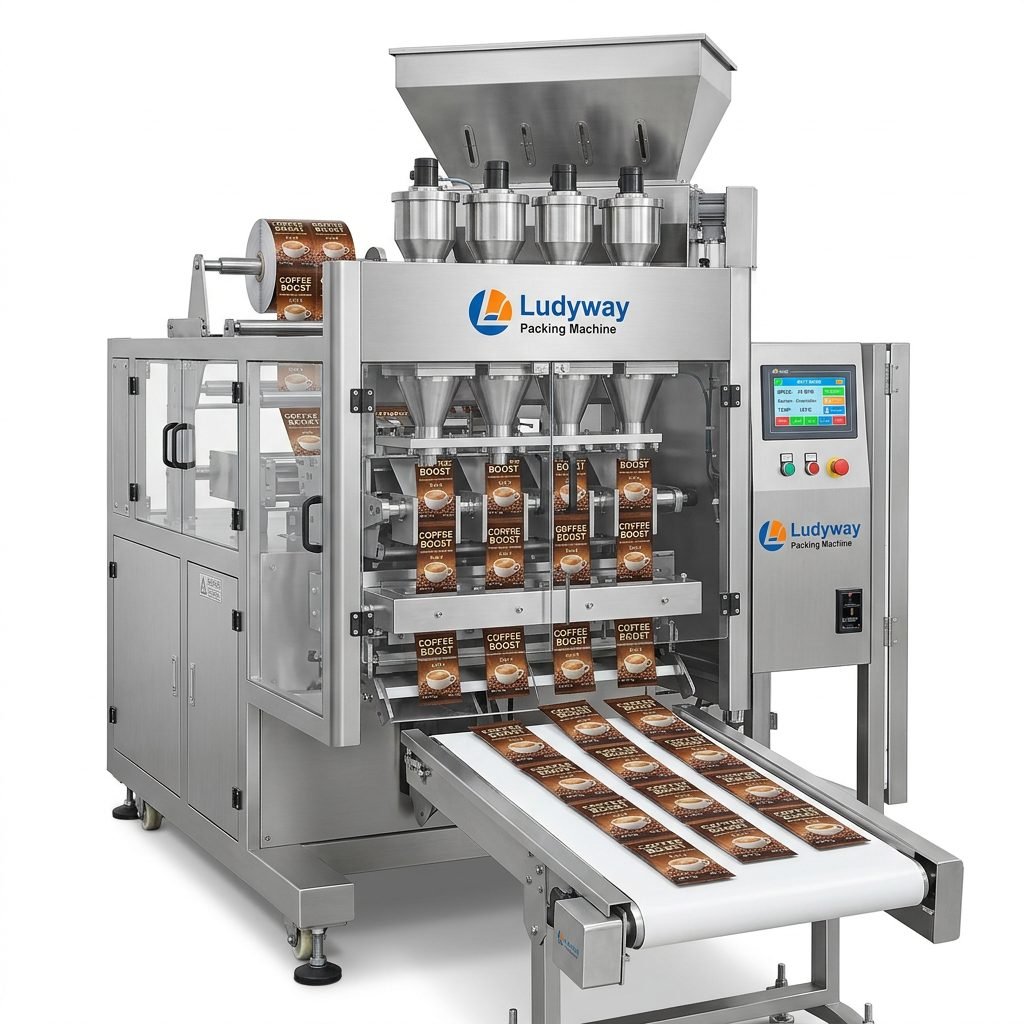
Check Material Feeding and Hopper Design
Fine powders often fail at the feeding stage before they fail at the packaging stage. If the hopper design is wrong, the powder may bridge, rat-hole, compact, or feed inconsistently into the dosing unit.
Important Feeding Features
- Agitated hopper for poor-flow materials
- Level sensors to maintain constant product supply
- Screw feeder or vacuum feeder for controlled transfer
- Dust-tight feeding connection points
- Quick-disassembly parts for cleaning and maintenance
If your powder is light, electrostatic, or moisture-sensitive, a feeding test is highly recommended before final purchase.
Consider Hygiene, Cleaning, and Compliance Requirements
Food, pharmaceutical, and health supplement manufacturers must look beyond productivity. Equipment should be easy to sanitize, resistant to contamination, and compatible with your compliance requirements.
Sanitary design considerations may include:
- Stainless steel contact parts
- Tool-free dismantling for cleaning
- Minimal dead corners and residue buildup points
- Closed structure to reduce airborne contamination
- Validation-ready controls for regulated industries
These details can reduce cleaning time, improve product safety, and support audits more effectively.
Look at Automation and Line Integration
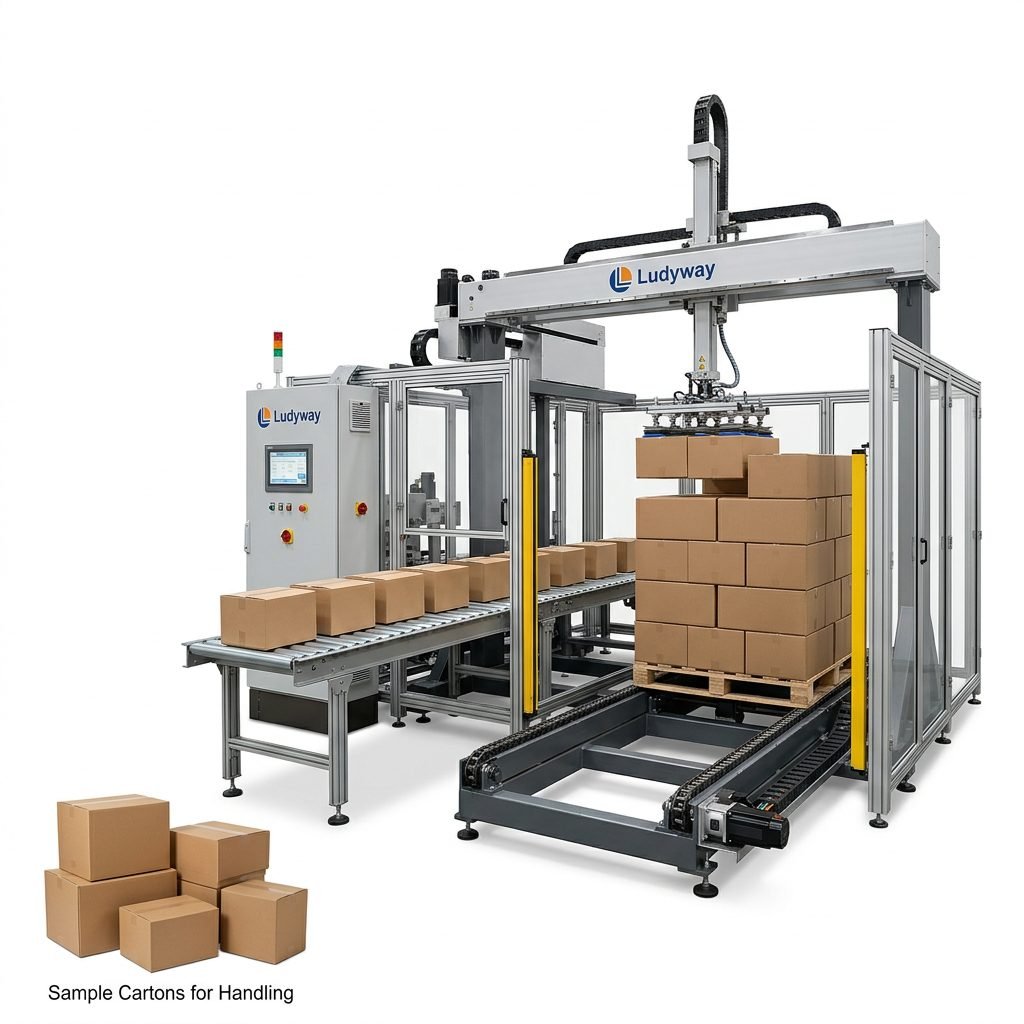
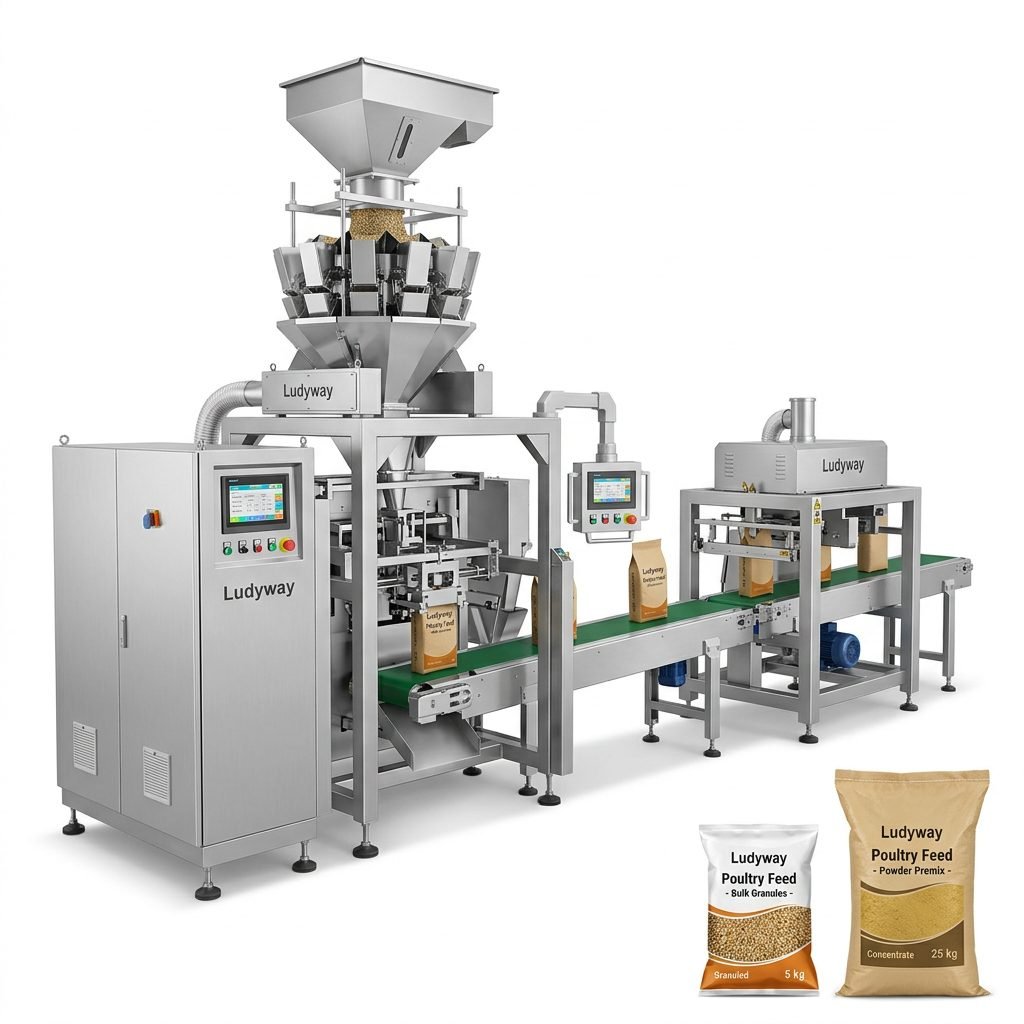
A powder packaging machine should not be selected in isolation. It should fit your overall production workflow, including feeding, coding, inspection, cartoning, case packing, and palletizing. If you expect future growth, choose equipment that can integrate with upstream and downstream systems.
Many manufacturers prefer scalable solutions from experienced suppliers such as Ludyway powder packaging machine solutions, especially when they need both standalone machines and turnkey packaging lines for food, pharmaceutical, health supplement, and industrial applications.
Useful Automation Options
- Automatic feeding systems
- Date coding and printing
- Checkweighers and metal detectors
- Vision inspection systems
- Automatic cartoning and case packing
- Palletizing and end-of-line handling
Ask These Questions Before Buying
To make a more informed decision, ask suppliers practical questions based on your real production needs.
- Has the machine been tested with material similar to mine?
- What fill accuracy can be achieved at my target speed?
- How does the machine control dust in the sealing area?
- How long does it take to change between pack sizes?
- What cleaning and maintenance routine is required?
- Can the line be expanded later?
- What technical support, spare parts, and training are available?
A strong supplier should be able to provide sample testing, technical recommendations, and a realistic estimate of performance based on your product.
Red Flags to Avoid
- Machine speed is advertised, but fill accuracy is unclear
- No discussion of powder dust behavior or flowability
- Sealing performance is not demonstrated with your material
- Cleaning procedures are complicated or slow
- Little support for spare parts, commissioning, or training
- No room for future line integration
Best Machine Choice by Application Scenario
| Application | Suggested Machine Type | Why It Fits |
|---|---|---|
| Drink mixes and nutrition powders | Multi-lane stick pack machine with auger filler | High efficiency and convenient single-serve packaging |
| Pharmaceutical powder sachets | High-precision sachet machine with sanitary design | Better compliance, consistency, and traceability |
| Spices and food seasonings | Vertical form fill seal or sachet machine | Flexible pack sizes and strong production adaptability |
| Bulk industrial powders | Open-mouth bagging or valve bag system | Handles higher weights and robust material flow demands |
Final Buying Insight
Choosing the right powder packaging machine for fine materials means balancing material behavior, packaging format, accuracy, dust control, hygiene, and future scalability. The most effective solution is rarely the cheapest machine or the fastest machine on paper. It is the one that can handle your actual powder consistently, protect product quality, and support stable long-term production.
If possible, always request product testing, compare real performance data, and evaluate the full packaging line—not just the main machine. That approach will help you invest in equipment that delivers better efficiency, lower waste, and stronger packaging quality from day one.