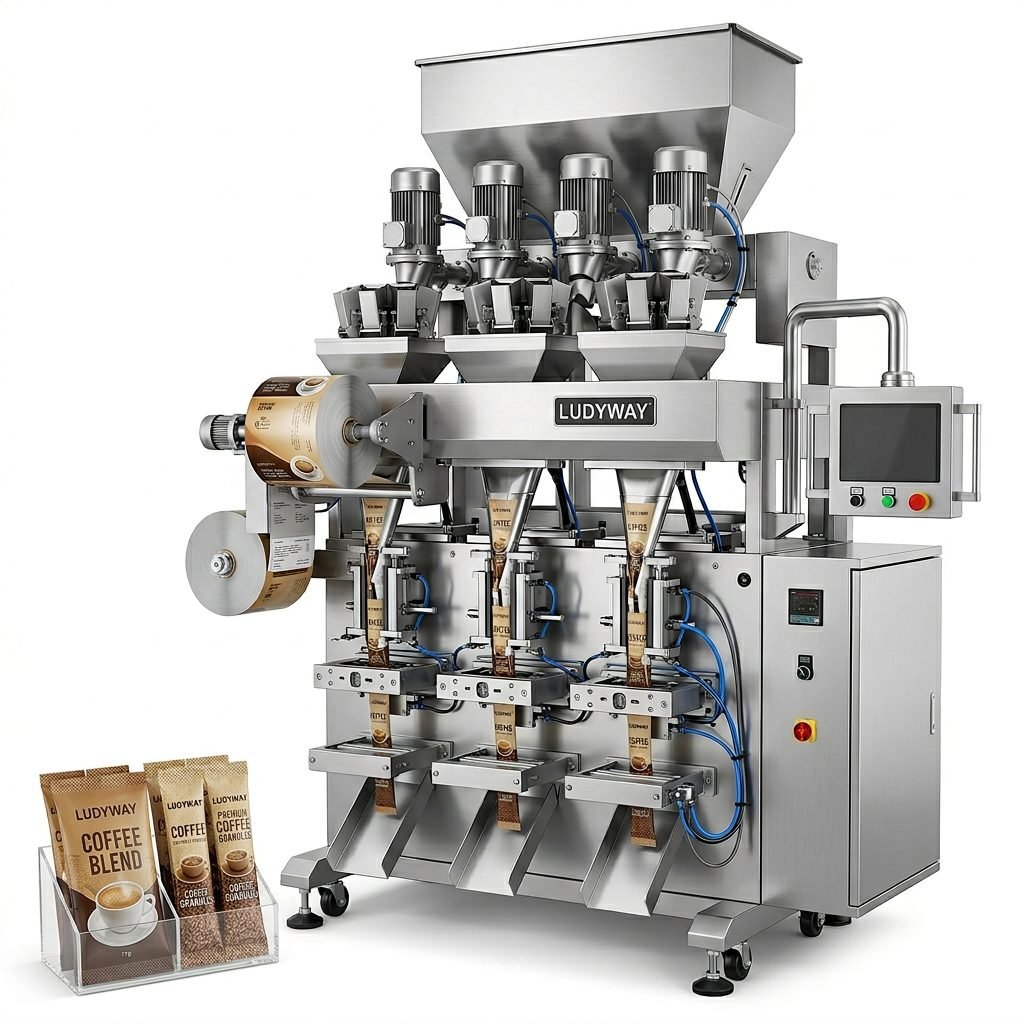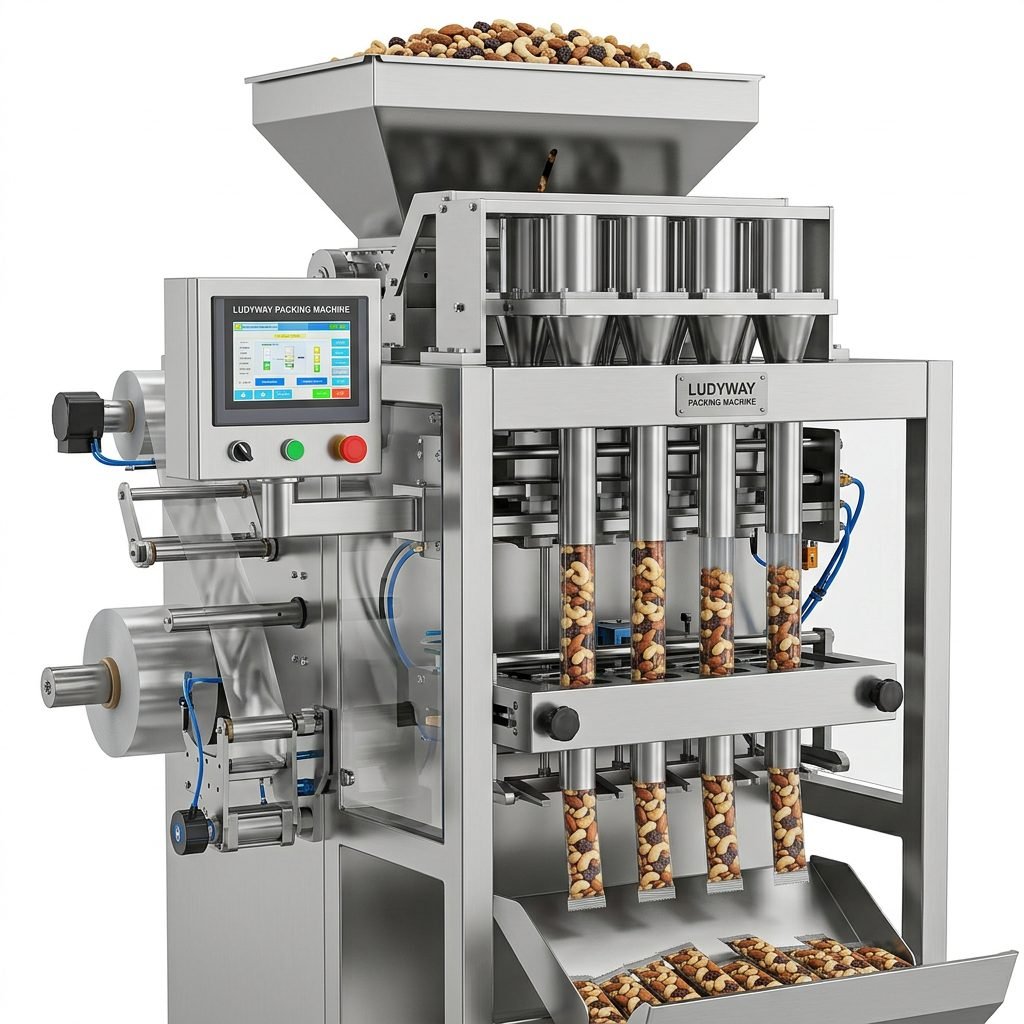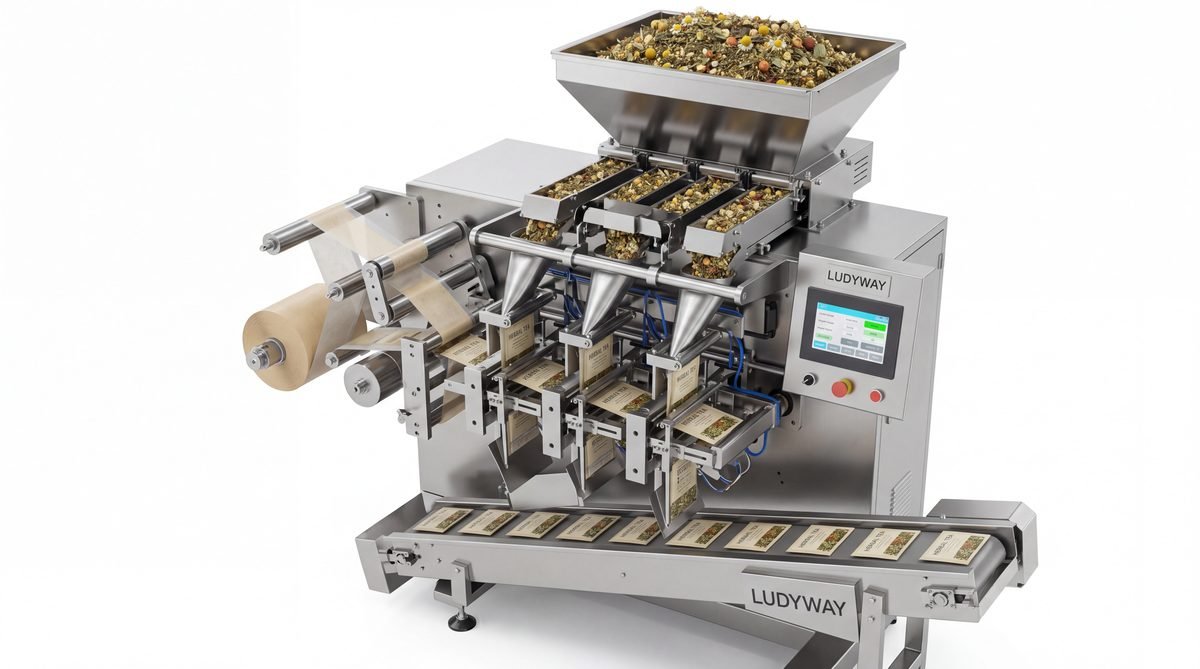
Investing in a tea bag packaging machine is a critical decision for any tea producer looking to scale operations, ensure product consistency, and maintain freshness. The global tea market continues to expand, and with it, the demand for high-speed, reliable, and versatile packaging machinery capable of handling everything from delicate herbal blends to traditional black teas. Selecting the right equipment requires a deep understanding of your production goals, packaging materials, and the technical specifications that differentiate average machines from industry-leading systems.
Assessing Your Production Needs
Before comparing specific models, you must define your production requirements. This foundational step ensures the machine you choose aligns perfectly with your business objectives and factory conditions.
Production Capacity and Speed
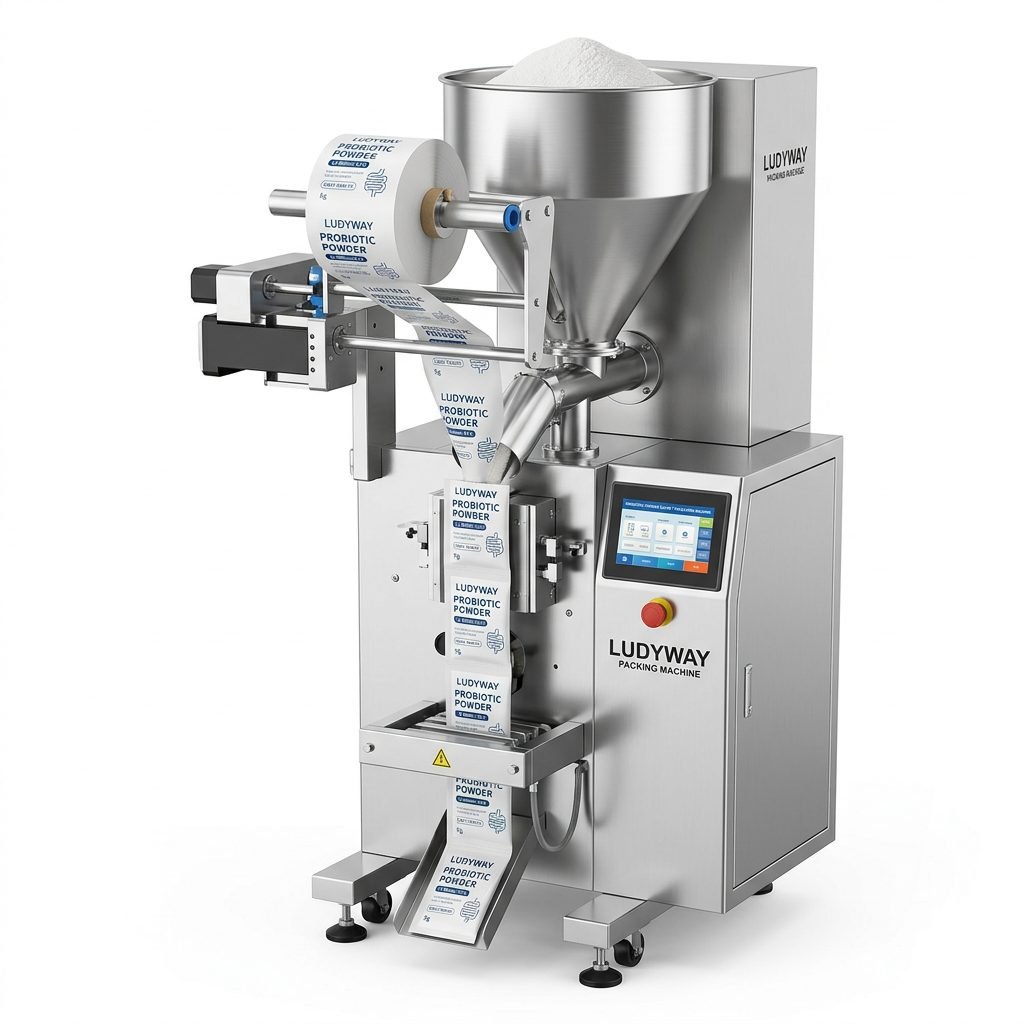
Tea bag packaging machines come in a wide range of speeds, from semi-automatic units producing a few dozen bags per minute to fully automated high-speed packaging lines capable of manufacturing hundreds of bags per minute. Consider your current volume and projected growth over the next five years. A machine that meets today’s needs but cannot scale will quickly become a bottleneck.
- Single-Lane Machines: Ideal for startups or small-scale producers. They offer flexibility but lower output.
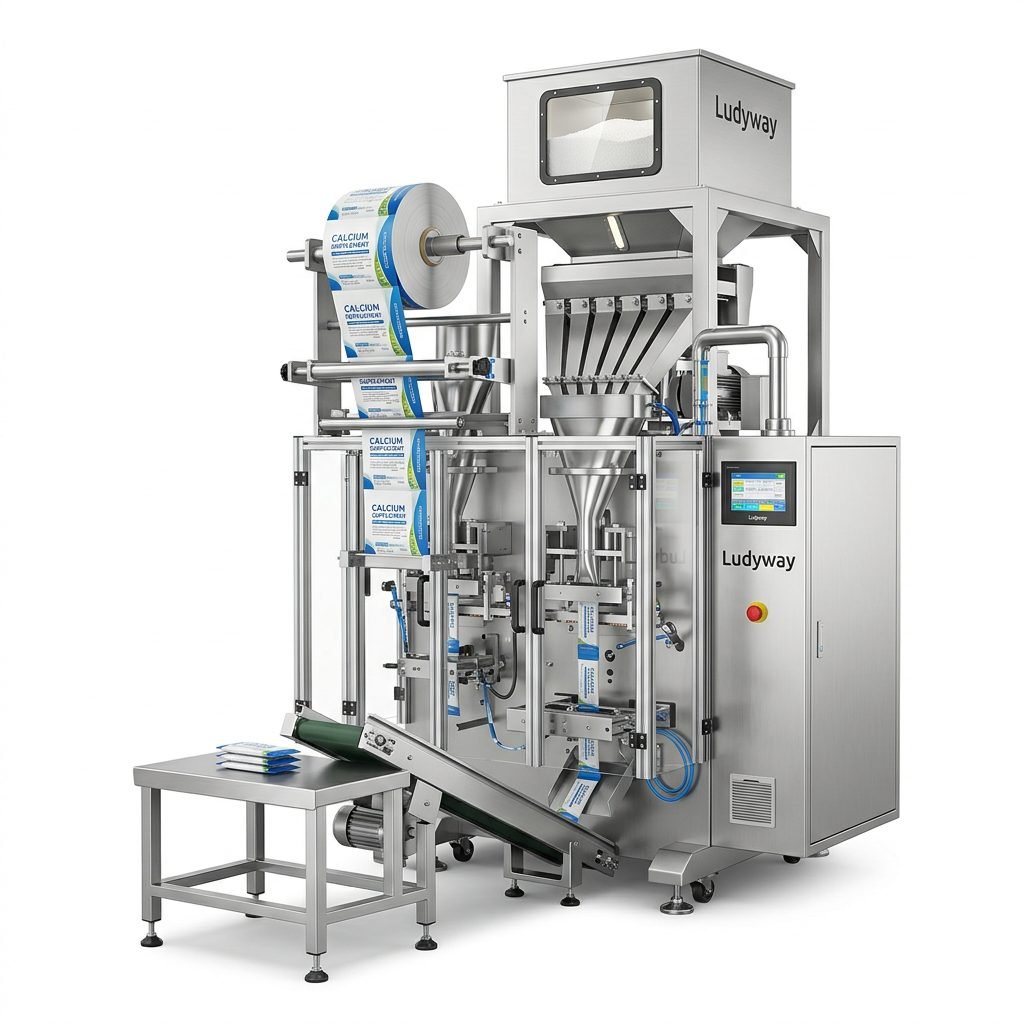
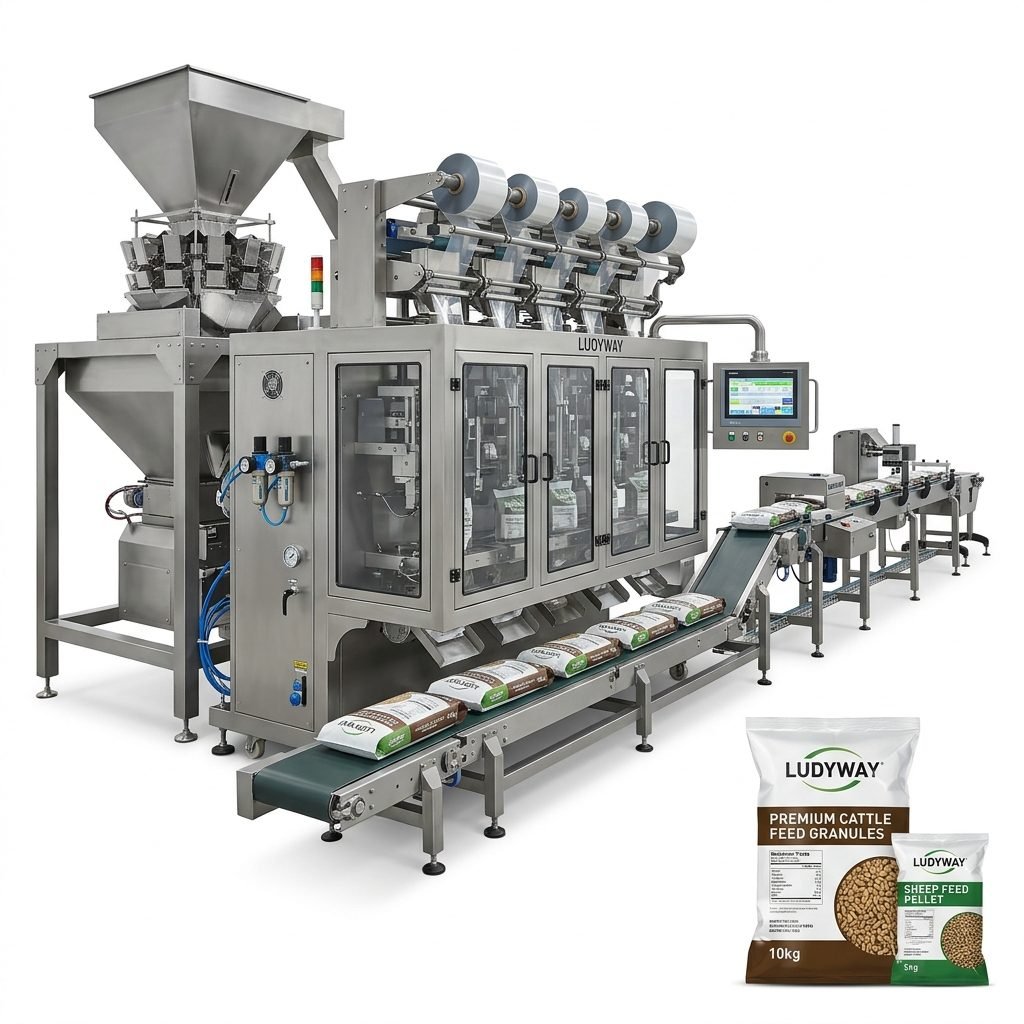
- Multi-Lane Systems: Essential for medium to large-scale production. These high-output machines run multiple lanes simultaneously, significantly boosting capacity.
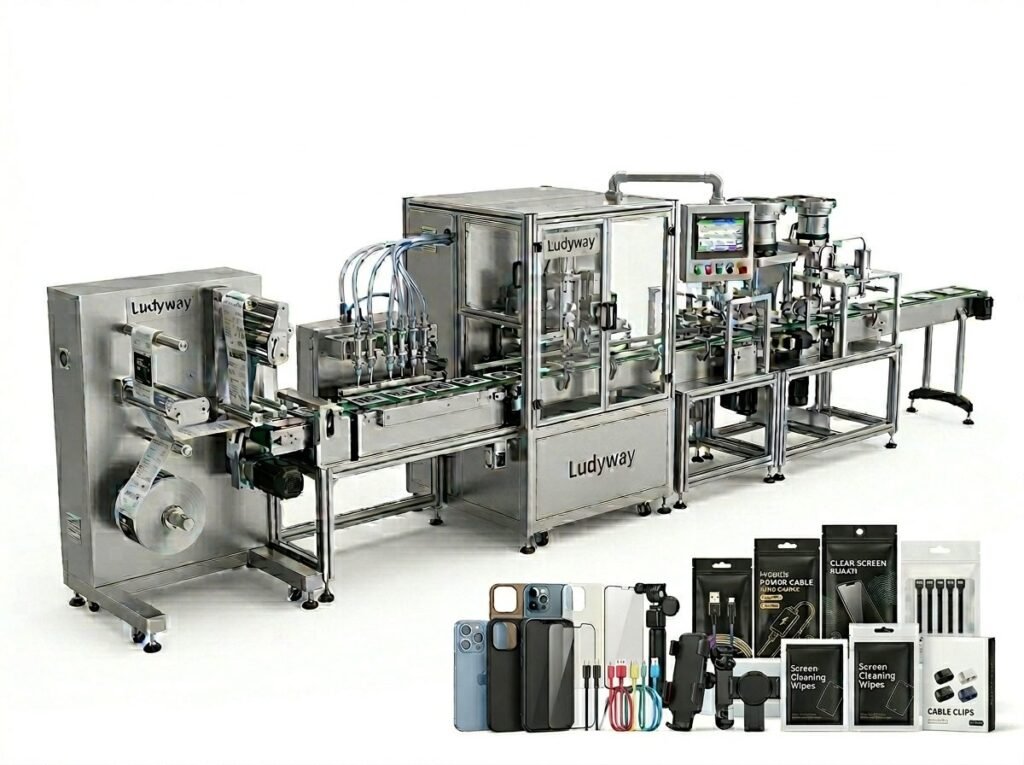
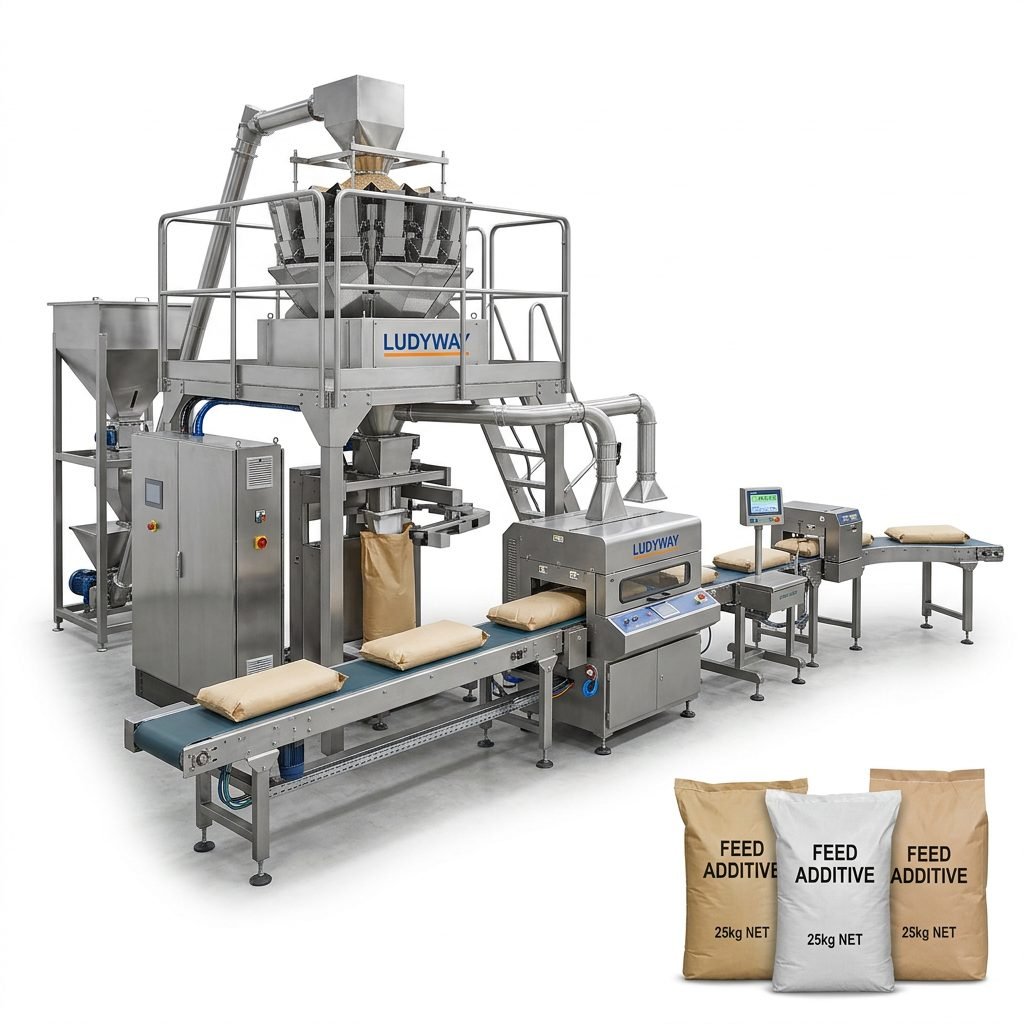
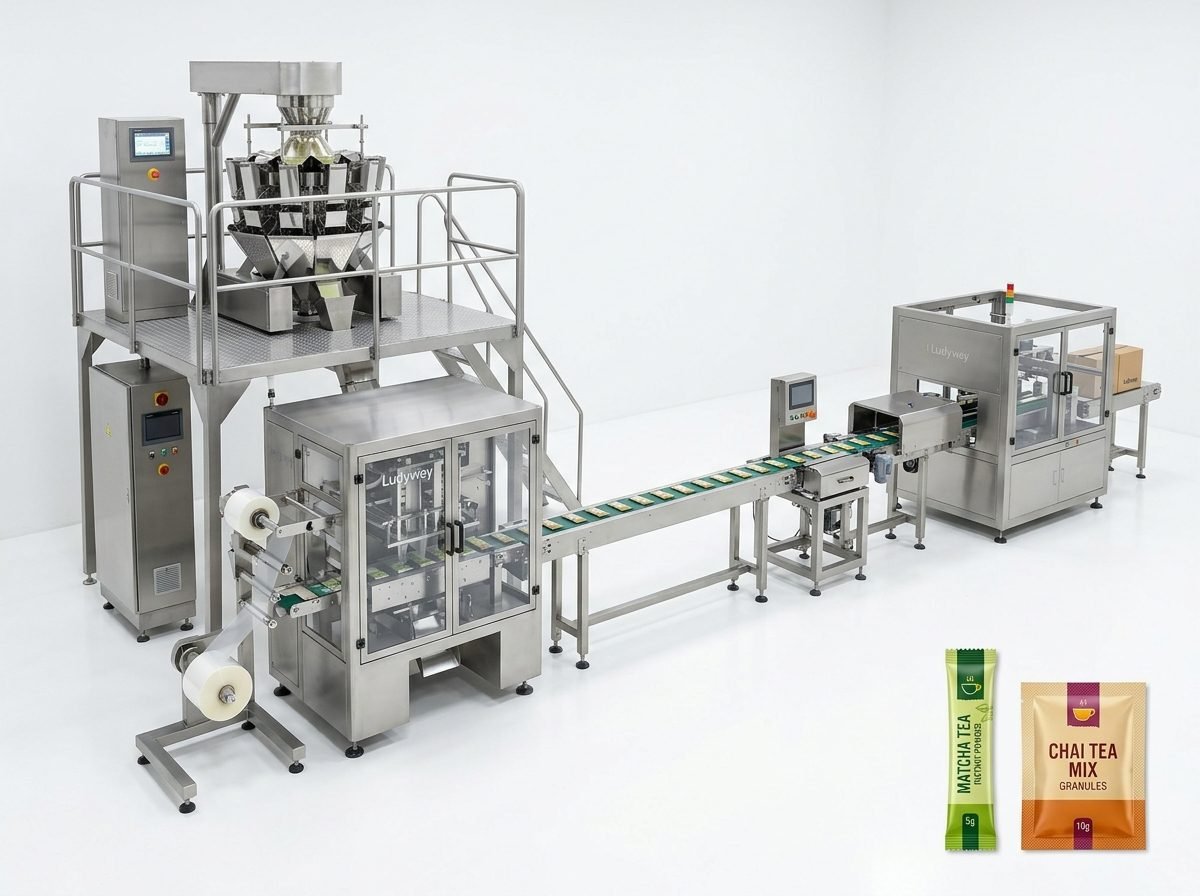
- Fully Automated Turnkey Lines: For enterprises requiring seamless integration from product feeding to final cartoning, automated packaging systems represent the pinnacle of efficiency.
Packaging Material Compatibility
The machine must be compatible with your chosen filter paper, whether it’s traditional cellulose fiber, heat-seal filter paper, or biodegradable non-woven materials. Heat-sealing mechanisms and thread/tag attachment units vary significantly, and incorrect material compatibility can lead to poor seals, production waste, and downtime.
Key Machine Types and Configurations
Understanding the different types of tea packaging machinery available helps narrow down the options. The market offers solutions that range from simple bagging units to complex systems for sachet and stick pack production.
| Machine Type | Best For | Key Advantage |
|---|---|---|
| Inner Bag Machine | Plain tea bags without outer envelope | Cost-effective, high speed |
| Outer Envelope Machine | String-and-tag bags with individual wrap | Maximum freshness, premium look |
| Pyramid/Nylon Bag Machine | Specialty teas, large-leaf blends | Excellent infusion, visual appeal |
| Multi-Pack Cartoning Machines | Secondary packaging into boxes | Retail-ready output, integrated lines |
Critical Technical Features to Evaluate
Beyond basic functionality, several technical specifications directly impact performance, maintenance, and product quality. A thorough evaluation of these features is what separates a wise investment from a costly mistake.
Filling Accuracy and Weighing Technology
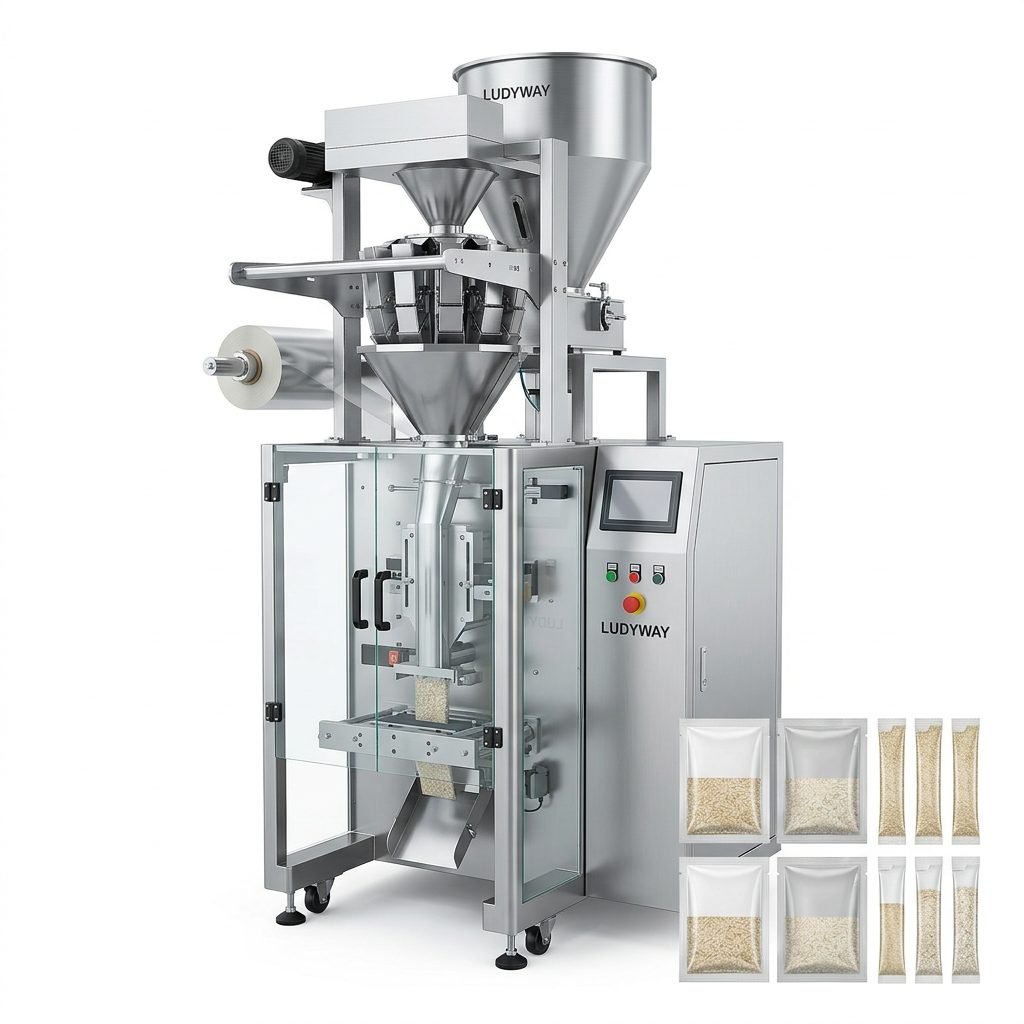
Precise dosing is paramount. Variations in fill weight lead to product giveaway, inconsistent brewing, and regulatory non-compliance. High-end machines incorporate multi-head weighers or volumetric cup fillers with servo-driven adjustments. For granule and powder tea products, such as matcha or instant tea, look for high-precision powder dosing systems that maintain accuracy even at extreme production speeds.
Sealing Integrity
The seal is the most critical quality control point. A compromised seal leads to product leakage, contamination, and reduced shelf life. Servo-driven sealing jaws with independent temperature control for each lane ensure consistent, strong seals on heat-seal filter paper. This technology prevents the common problem of “leakers” that plague low-quality machines.
Automation and Control Systems
Modern HMI touchscreen interfaces with PLC control simplify operation and recipe management. Features to look for include automatic fault diagnosis, data logging, and integration capabilities with upstream and downstream equipment. The ability to quickly switch between different tea blends, bag sizes, and packaging formats without extensive mechanical adjustments is a significant operational advantage.
Hygienic Design and Regulatory Compliance
Food safety standards demand that equipment is designed for easy cleaning and sanitation. Stainless steel construction (SUS304) at all product contact points is non-negotiable. The machine should feature open-frame design, sloped surfaces to prevent product accumulation, and quick-release components for cleaning. Compliance with FDA food packaging regulations and ISO standards is essential for companies exporting internationally. Many manufacturers reference standards from ISO packaging standards to validate their quality management systems.
Supplier Evaluation and After-Sales Support
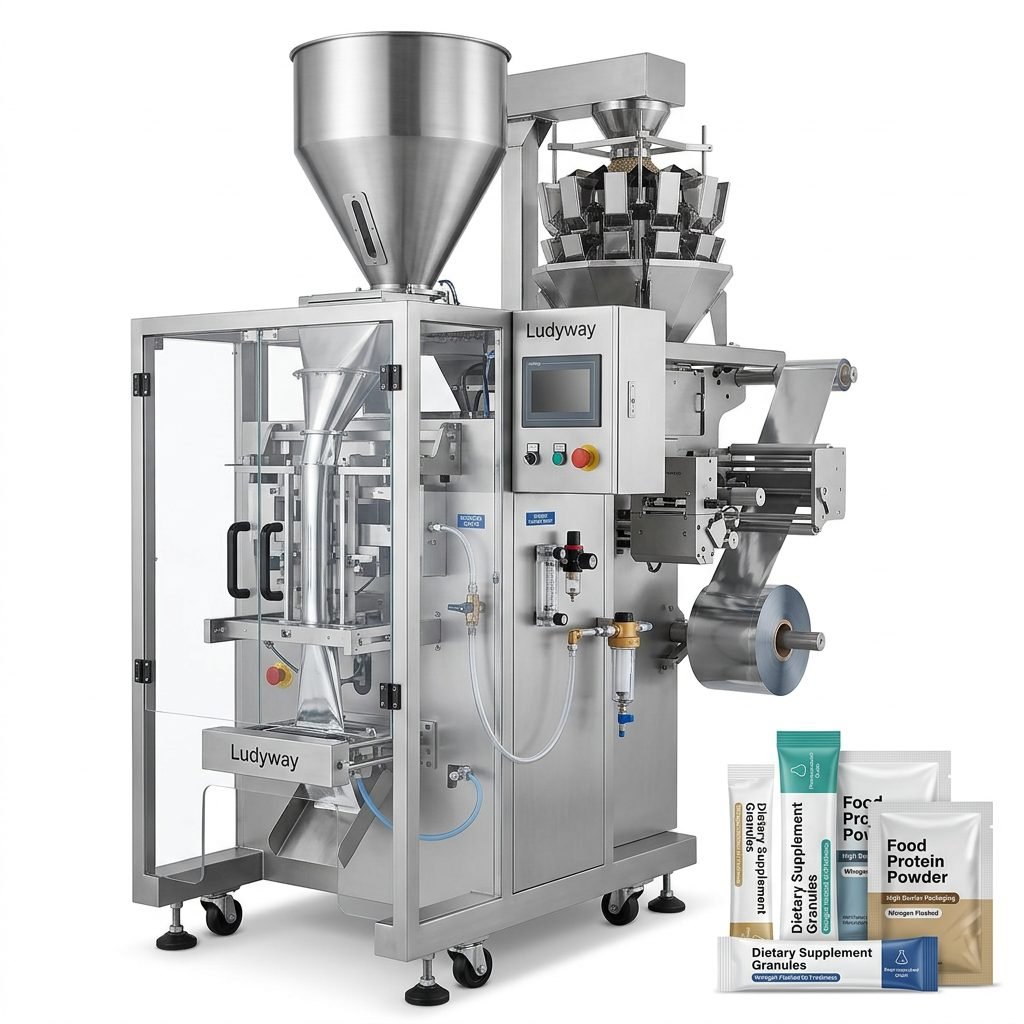
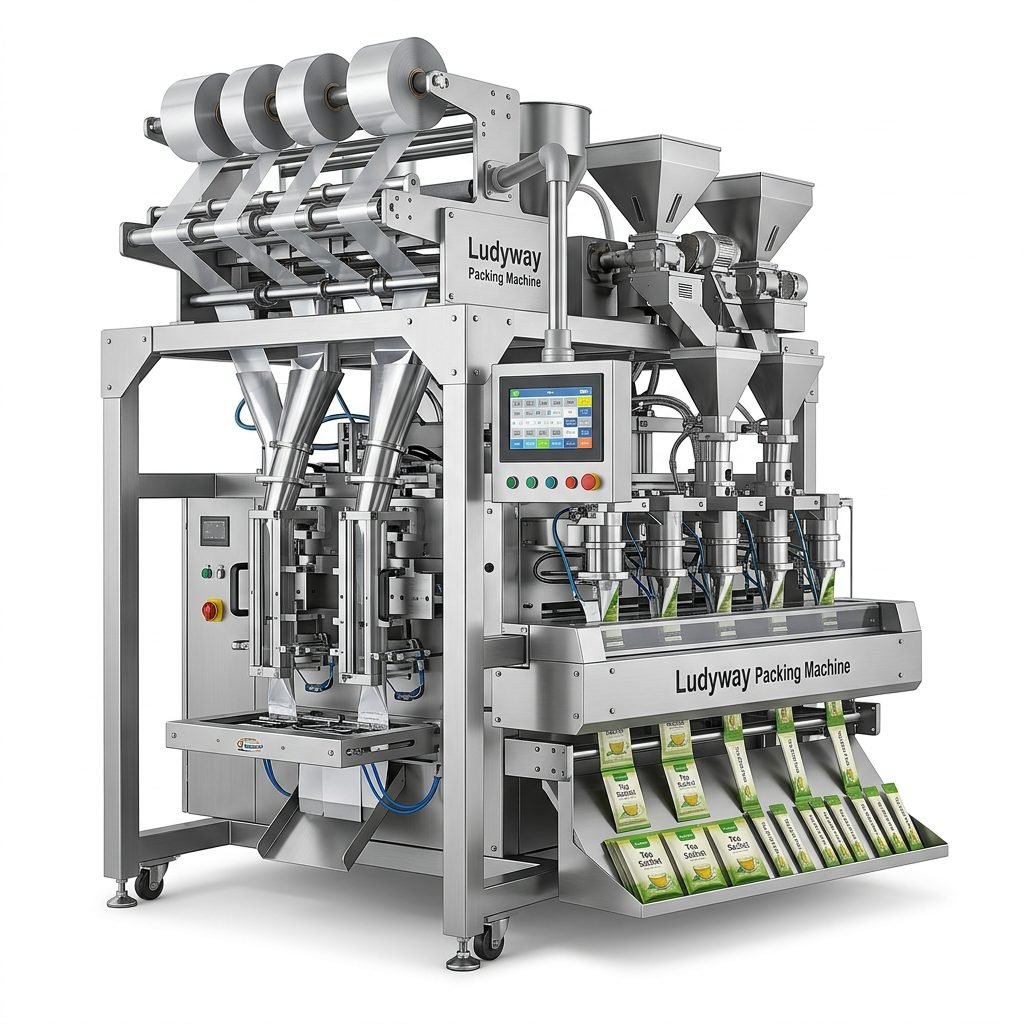
Choosing the right supplier is as crucial as the machine itself. Evaluate potential partners based on their engineering depth, industry experience, and support infrastructure. A supplier with a proven track record in the flexible packaging industry will offer invaluable guidance. Ludyway, for instance, is one manufacturer that has developed extensive expertise in multi-lane sachet and stick pack systems suitable for tea applications. Throughout the buying process, procurement teams can refer to business intelligence resources available through associations like PMMI’s business intelligence library for market insights.
Key Support Considerations
- Installation and Commissioning: Does the supplier offer on-site setup and operator training?
- Spare Parts Availability: A local or regional spare parts hub minimizes critical downtimes.
- Technical Responsiveness: Remote diagnostic capabilities and quick-response service teams are essential for global operations.
- Industry Expertise: Suppliers specializing in flexible packaging industry resources and applications bring a deeper understanding of tea packaging challenges.
Tea Bag Packaging vs. Other Formats
While traditional tea bags remain popular, the market has shifted towards more functional packaging formats. Comparing different options helps you decide if a dedicated tea bag machine or a more versatile multi-lane stick pack machine is the smarter investment. Stick packs, for example, are increasingly used for instant tea powders, matcha, and other soluble beverage products.
| Format | Common Application | Packaging Machine Integration |
|---|---|---|
| Double-Chamber Tea Bag | Black tea, green tea | Dedicated tea bag machine |
| Stick Pack (Matcha/Instant) | Powdered beverages, instant tea | High-speed stick pack machinery |
| Flat Sachet (Herbal Tisane) | Herbal blends, large leaf teas | Multi-lane sachet packaging lines |
| Loose Leaf Pouch | Premium specialty teas | Automatic pouch filling systems |
Industry forecasts and packaging machinery standards are continuously updated. For manufacturers looking to align with global best practices, organizations like the PMMI Association for Packaging Technologies provide invaluable data, including their annual State of the Industry reports which outline key machinery trends and market growth projections that directly impact purchasing decisions.
Making the Final Decision
Selecting the right tea bag packaging machine is a strategic investment that affects product quality, brand perception, and operational efficiency for years to come. By systematically evaluating your production needs, understanding technical specifications, and carefully vetting suppliers, you position your business for sustainable growth. The convergence of multi-lane automation, precise dosing, and robust material compatibility defines the modern standard for tea packaging excellence. As sustainability regulations evolve globally, such as those outlined by the European Commission on packaging waste, ensure your chosen machinery can accommodate eco-friendly filter materials and reduced plastic formats without compromising sealing integrity.
Integrating with Secondary Packaging Systems
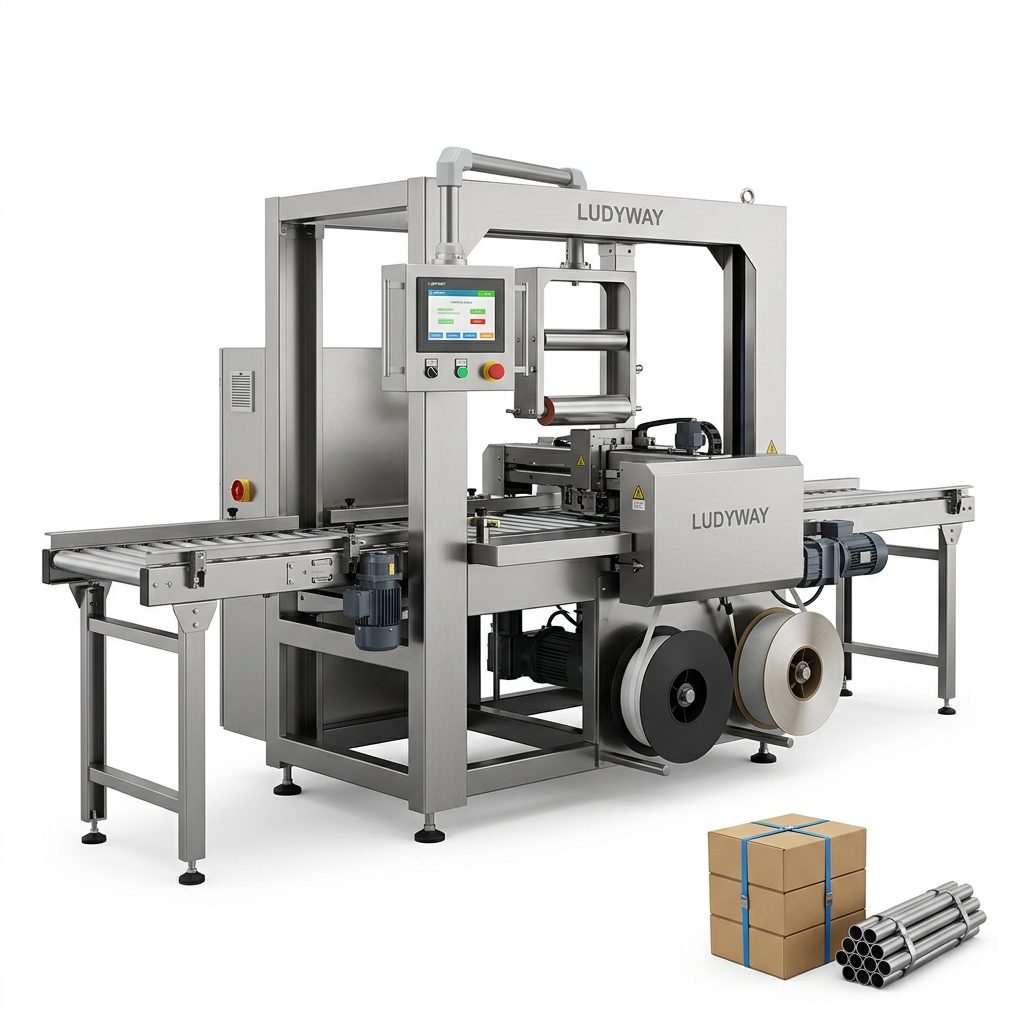
A complete packaging solution extends beyond the primary bagging stage. For enterprises building a fully integrated production floor, coordinating your tea bag machine with downstream cartoning and case packing equipment is vital. Automated cartoning lines for food and pharmaceutical packaging ensure that delicate tea bags are handled gently while achieving rapid retail-ready output. This turnkey approach, incorporating everything from primary filling through to palletizing, reduces labor costs, minimizes product handling damage, and ensures a high-speed continuous workflow that modern manufacturers rely on to remain competitive in global export markets.
Explore Customized Tea Packaging Solutions
Related Resources: