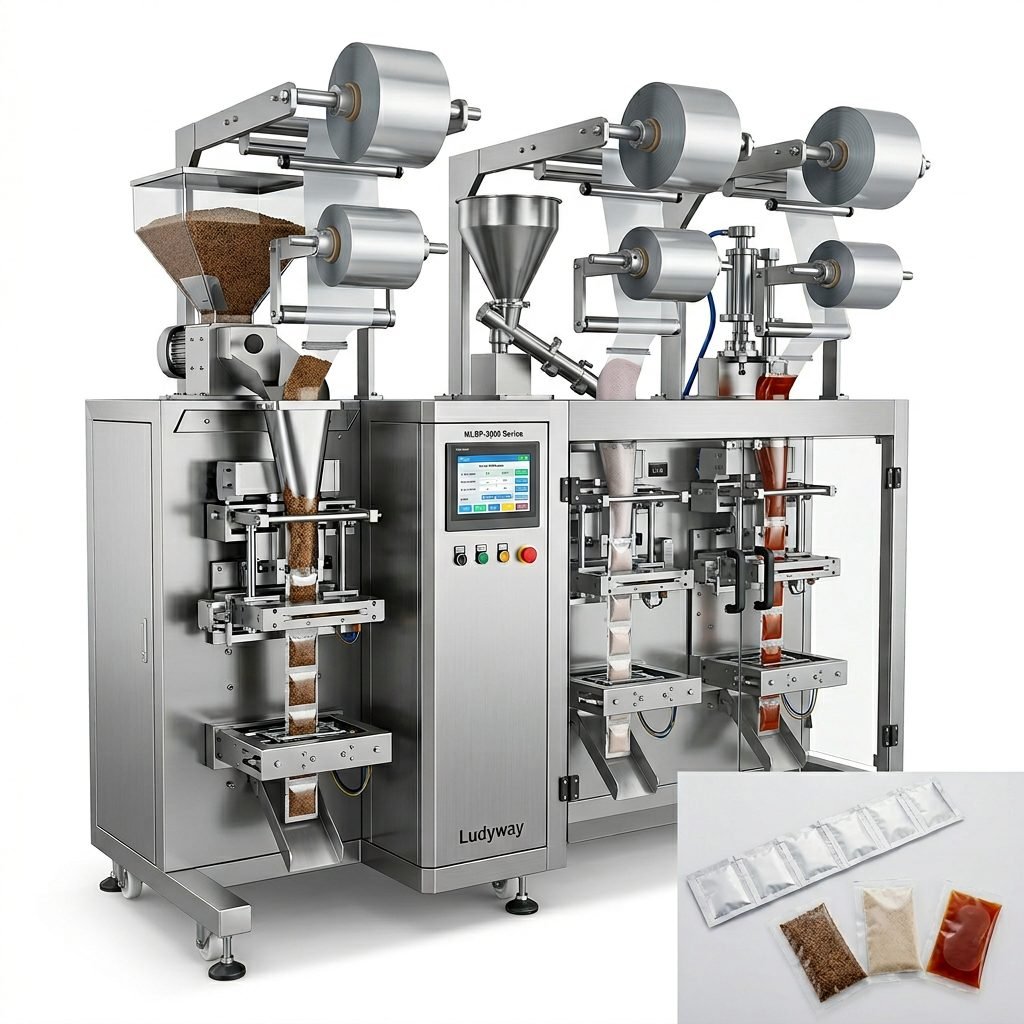
The frozen food sector across Africa is experiencing unprecedented growth, driven by urbanization, expanding cold chain infrastructure, and shifting consumer preferences toward convenience foods. For food manufacturers and processors looking to capitalize on this opportunity, selecting the right frozen food packaging machine is a critical investment decision that impacts product quality, shelf life, and operational efficiency. This comprehensive guide covers everything you need to know about purchasing frozen food packaging equipment in African markets.
Understanding the African Frozen Food Market Landscape
The African frozen food market is projected to grow at a CAGR of over 8% through 2030, with particular strength in West Africa, East Africa, and Southern Africa. Key categories include frozen vegetables, seafood, poultry, baked goods, and ready-to-eat meals. Countries such as Nigeria, South Africa, Kenya, Ghana, and Egypt are leading this expansion, creating substantial demand for reliable packaging automation solutions that can handle the unique challenges of frozen food processing.
Unlike ambient or chilled products, frozen foods require packaging equipment capable of operating in low-temperature environments while maintaining seal integrity and preventing freezer burn. The right frozen food packaging equipment must deliver consistent performance under these demanding conditions.
Types of Frozen Food Packaging Machines
Understanding the different machine configurations available is essential for making an informed purchase. The following table summarizes the primary types used in frozen food applications:
| Machine Type | Best Suited For | Key Advantages | Production Speed |
|---|---|---|---|
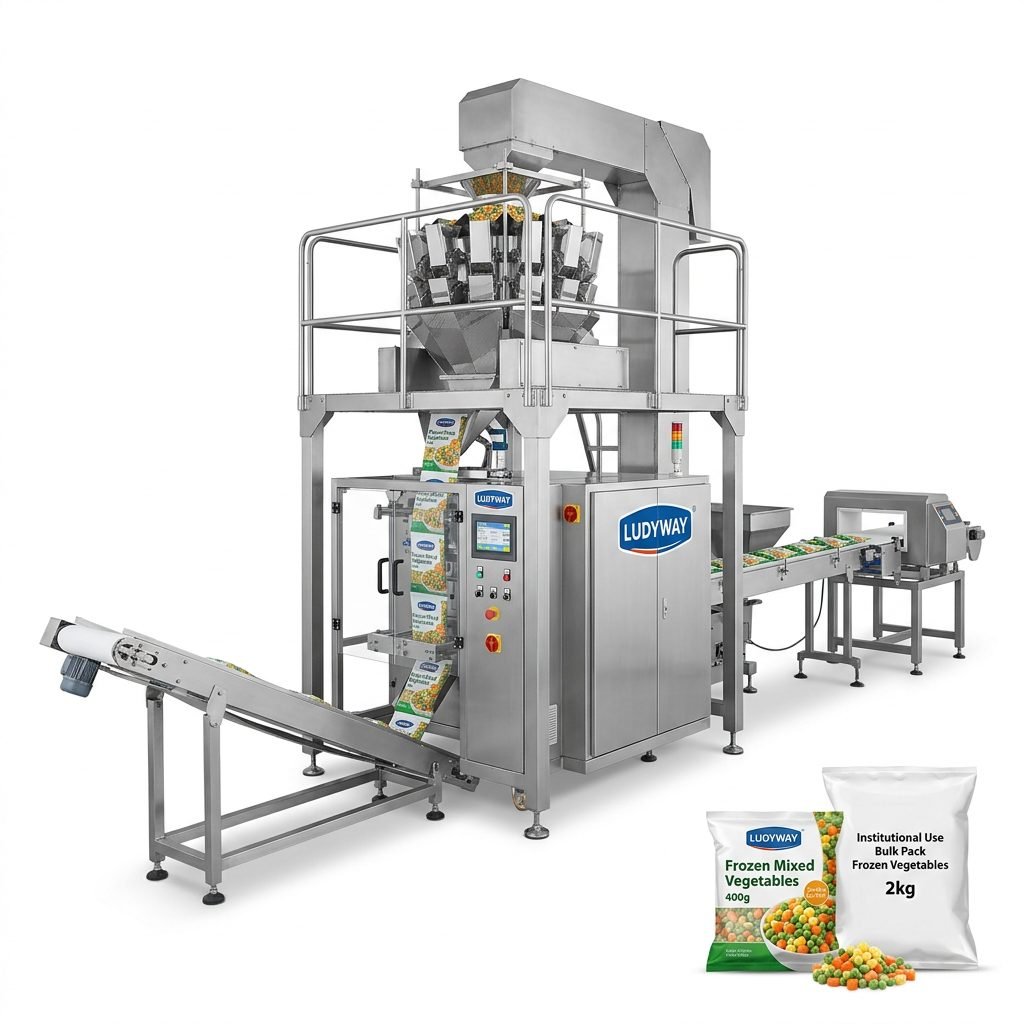
| Vertical Form Fill Seal (VFFS) | Frozen vegetables, fruits, IQF products | High speed, versatile bag formats, cost-effective | 60-120 packs/min |
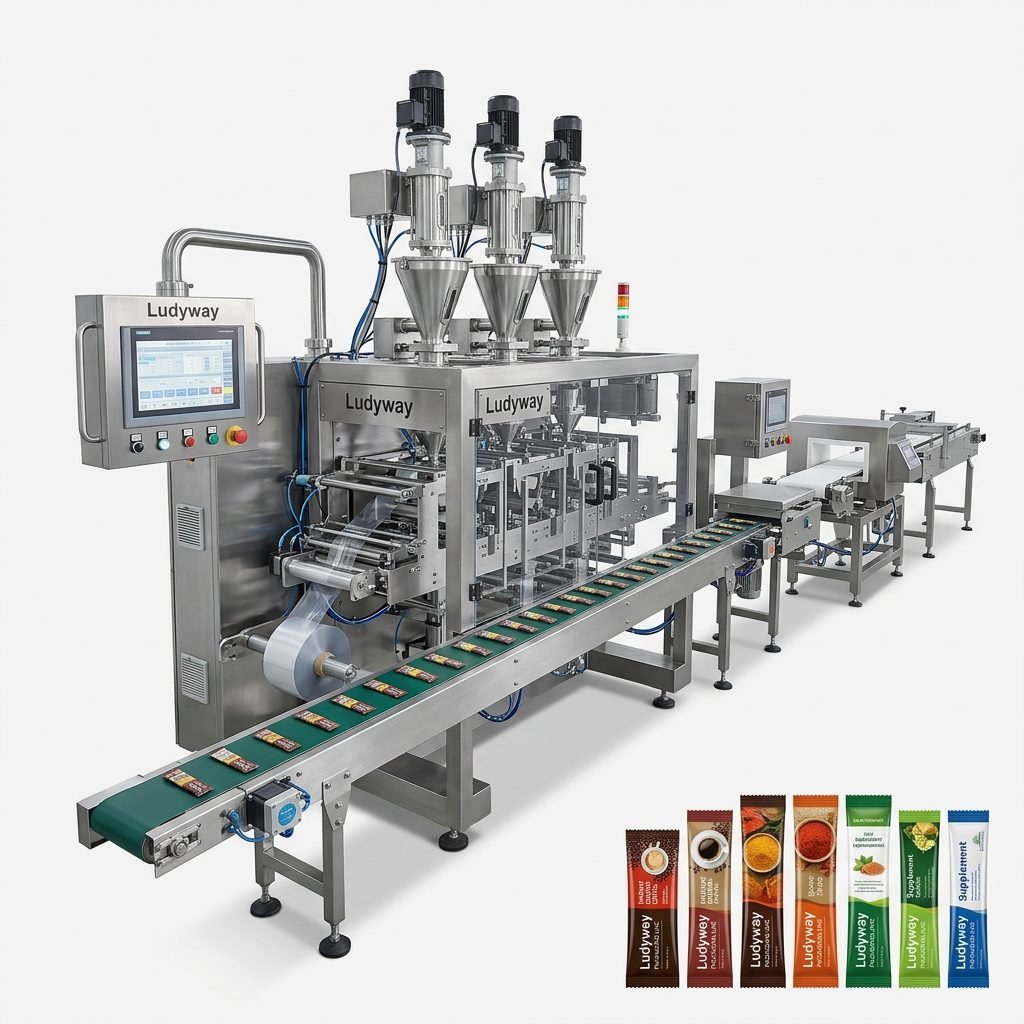
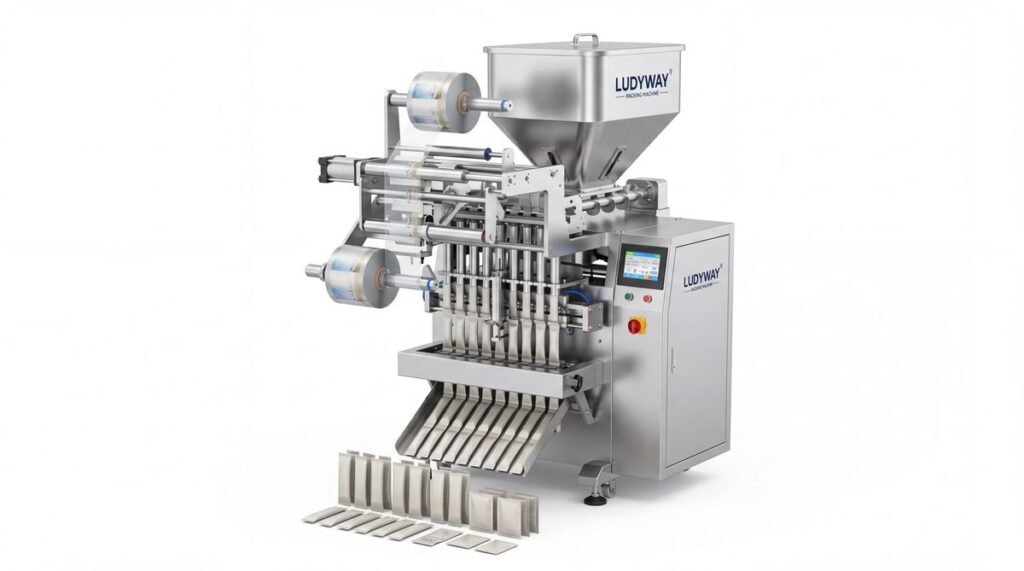
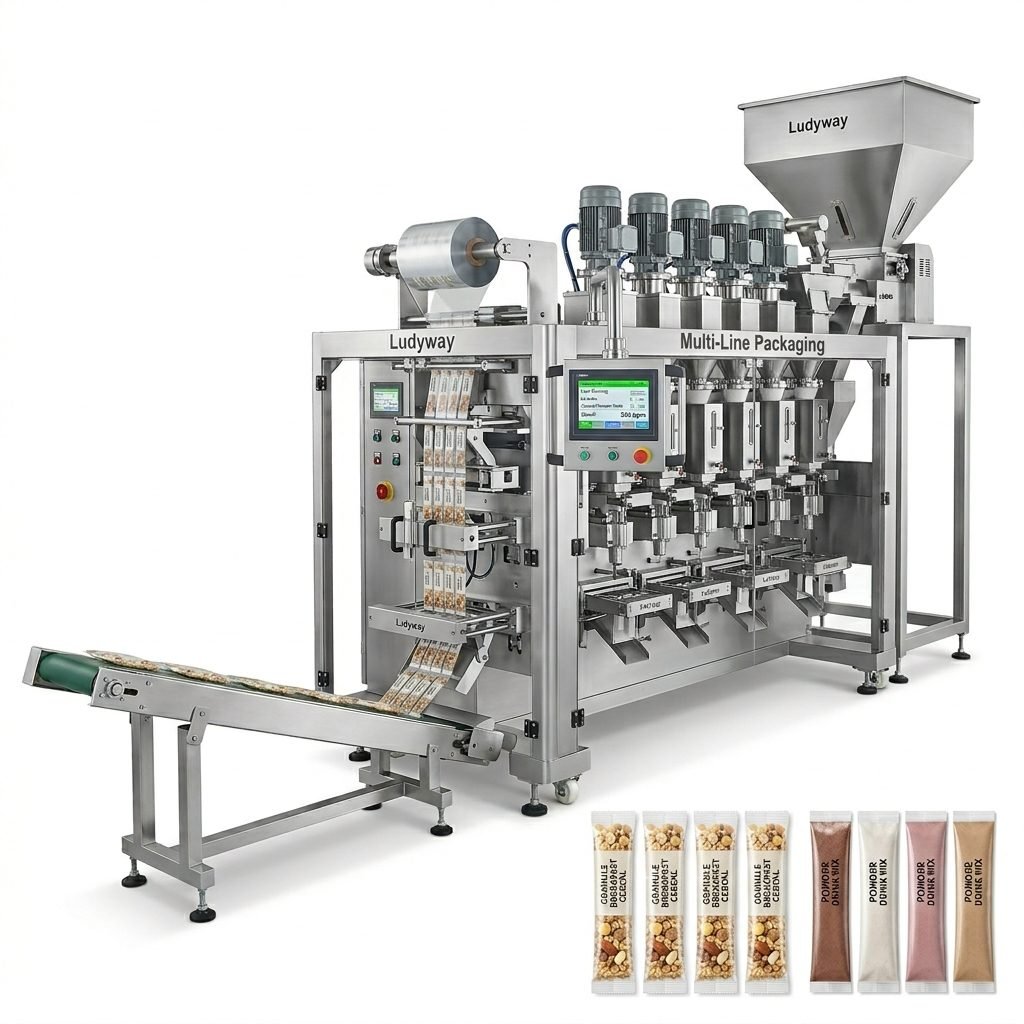
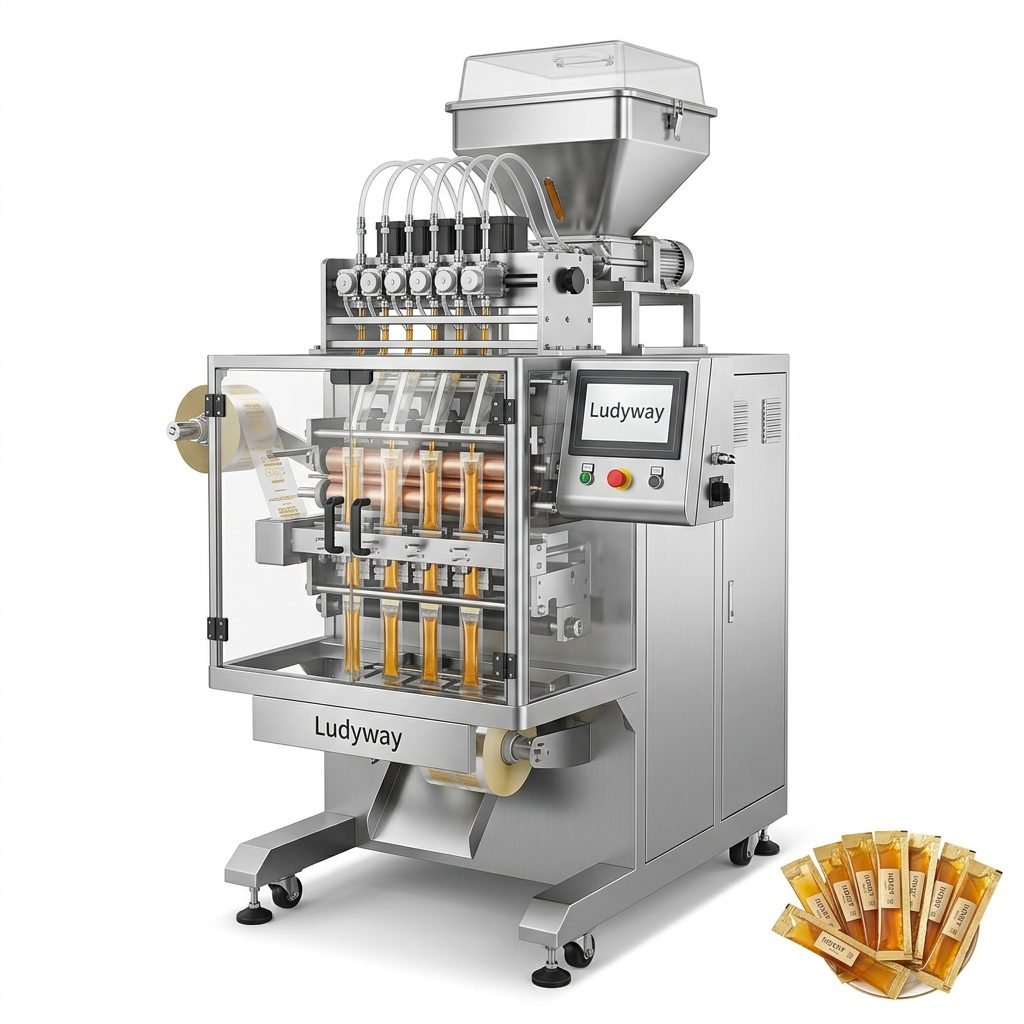
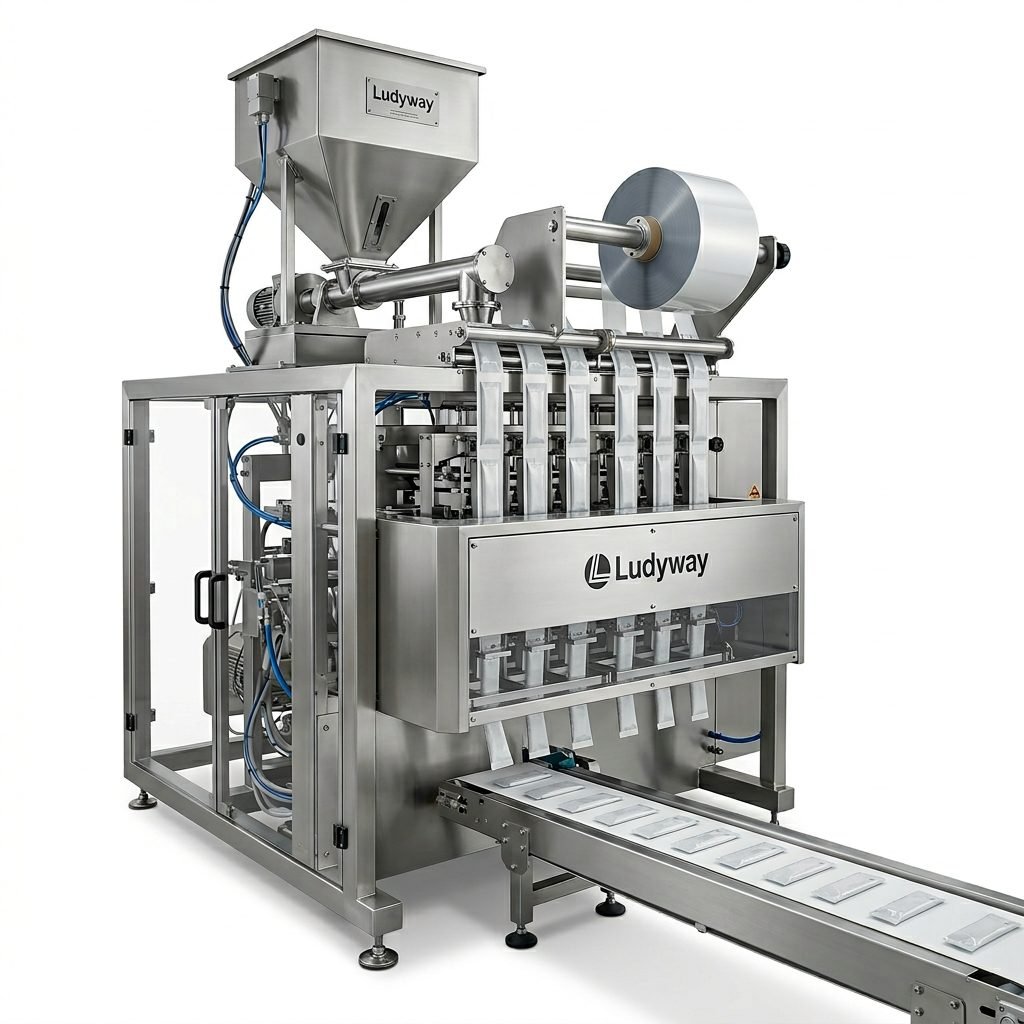
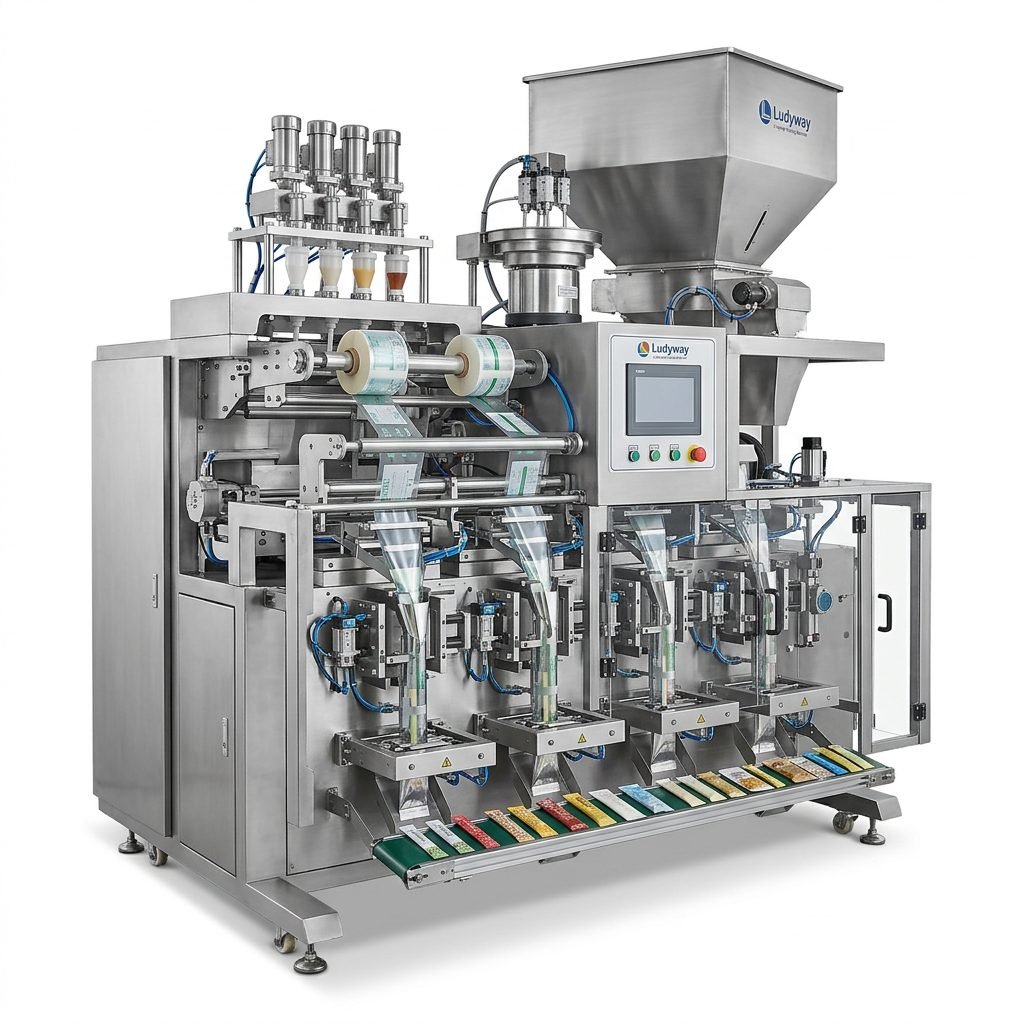
| Multi-Lane Stick Pack Machines | Frozen sauces, purees, single-serve portions | Compact packaging, portion control, extended shelf life | 200-600 packs/min |
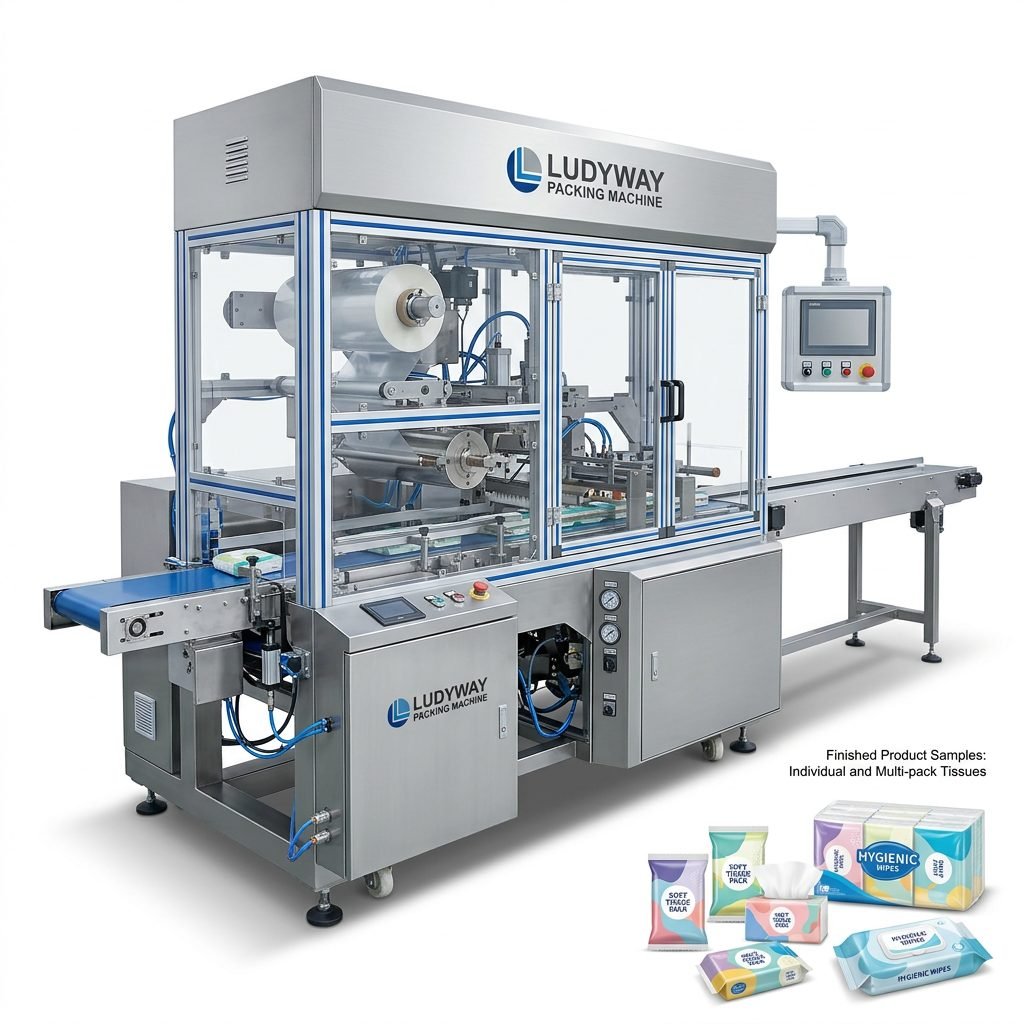
| Horizontal Flow Wrappers | Frozen bakery items, pizzas, flat products | Gentle product handling, hermetic sealing | 40-150 packs/min |
| Vacuum Packaging Machines | Frozen meat, seafood, high-value proteins | Extended freezer life, superior protection, premium appearance | 10-40 packs/min |
| Premade Pouch Filling & Sealing | Premium frozen meals, stand-up pouches | Flexible packaging formats, high shelf appeal | 30-80 packs/min |
Key Factors to Consider When Purchasing in Africa
Purchasing packaging machinery for the African market involves unique considerations that go beyond standard equipment selection. Below are the critical evaluation criteria for buyers:
Cold Chain Compatibility
Africa’s cold chain infrastructure varies significantly by region. Your packaging solution should be compatible with the existing cold storage and transportation networks in your target markets. Machines must produce packaging that withstands temperature fluctuations common in African logistics.
Power Supply Stability
Electrical grid reliability differs across African countries. When sourcing equipment, prioritize machines with wide voltage tolerance ranges and built-in surge protection. Some manufacturers offer optional voltage stabilizers and backup power integration specifically designed for African operating conditions.
Packaging Material Availability
The best stick pack and sachet packaging machines are those compatible with locally available packaging films and laminates. Verify that the machine can run with materials sourced from regional suppliers to avoid supply chain disruptions. Multi-layer barrier films suitable for frozen applications should be readily accessible in your region.
Technical Skill Requirements
Consider the technical expertise available in your workforce. Machines with intuitive HMI touchscreen interfaces, automated diagnostics, and remote troubleshooting capabilities reduce dependence on highly specialized operators. Training programs offered by the equipment supplier are equally important for long-term operational success.
Compliance with International Standards
Frozen food packaging for domestic and export markets must meet relevant food safety and packaging standards. Key regulatory frameworks include:
- ISO 22000 – Food Safety Management Systems applicable to packaging operations
- FDA regulations – For products destined for US markets, including food contact substance requirements under FDA Food Packaging guidelines
- EU Packaging Directives – Relevant for exports to European markets, including EU packaging waste regulations
- African Union standards – Emerging harmonized standards under the African Continental Free Trade Area (AfCFTA)
- Country-specific import regulations – Individual African nations maintain specific packaging requirements
Reference resources such as the PMMI Business Intelligence Library and Flexible Packaging Association resources provide valuable guidance on global packaging standards.
Cost Analysis and Return on Investment
Understanding the total cost of ownership (TCO) for a frozen food packaging machine helps buyers make financially sound decisions. The TCO calculation should include:
- Initial capital expenditure – Machine purchase price including shipping, import duties, and installation
- Operational costs – Energy consumption, packaging material usage, and labor requirements
- Maintenance expenses – Spare parts inventory, preventive maintenance schedules, and technician costs
- Downtime impact – Production losses during unscheduled stoppages and maintenance windows
- Packaging waste reduction – Efficiency gains from precise filling and reduced material waste
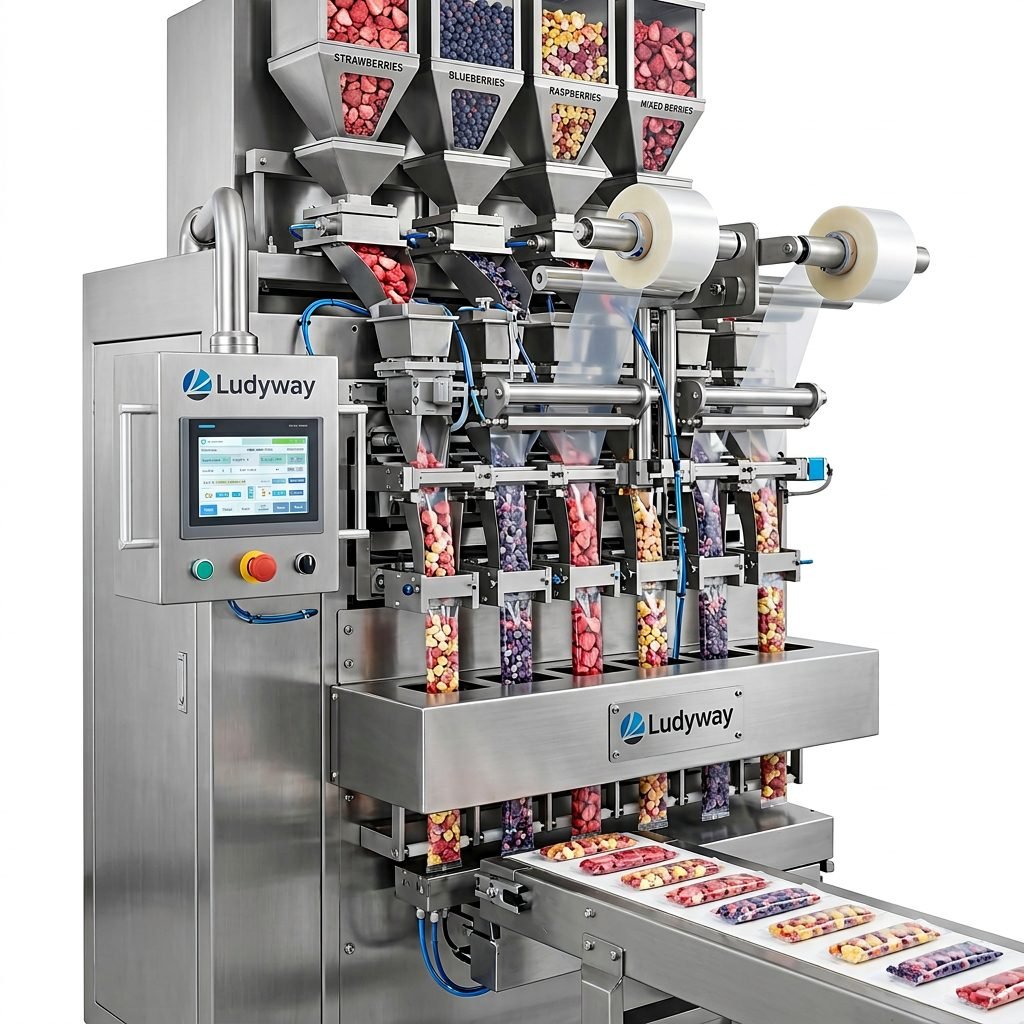
For most African food processors, a well-selected automated packaging line achieves ROI within 18-36 months through improved throughput, reduced giveaway, and lower labor costs. Multi-lane configurations can further accelerate payback by dramatically increasing output without proportional increases in floor space or operator requirements.
Supplier Selection and Due Diligence
Choosing the right equipment partner is as important as selecting the right machine. Evaluate potential suppliers on the following criteria:
- African market experience – Proven installations and references within African countries
- After-sales support infrastructure – Availability of local service technicians or regional support hubs
- Spare parts accessibility – Inventory locations and shipping lead times to African destinations
- Remote support capabilities – Video diagnostics, VPN-enabled troubleshooting, and online training
- Warranty terms – Coverage scope, duration, and conditions specific to African operating environments
- Customization flexibility – Ability to adapt equipment for specific frozen product characteristics
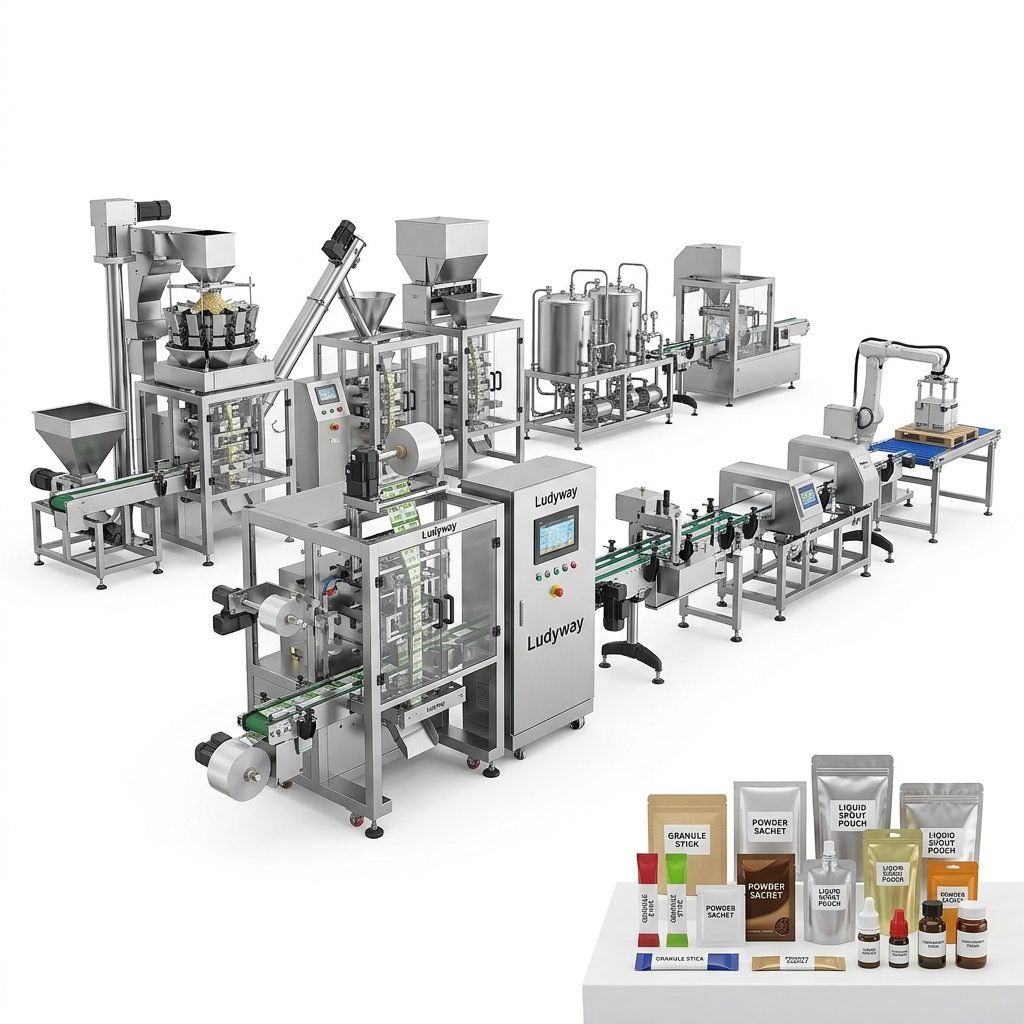
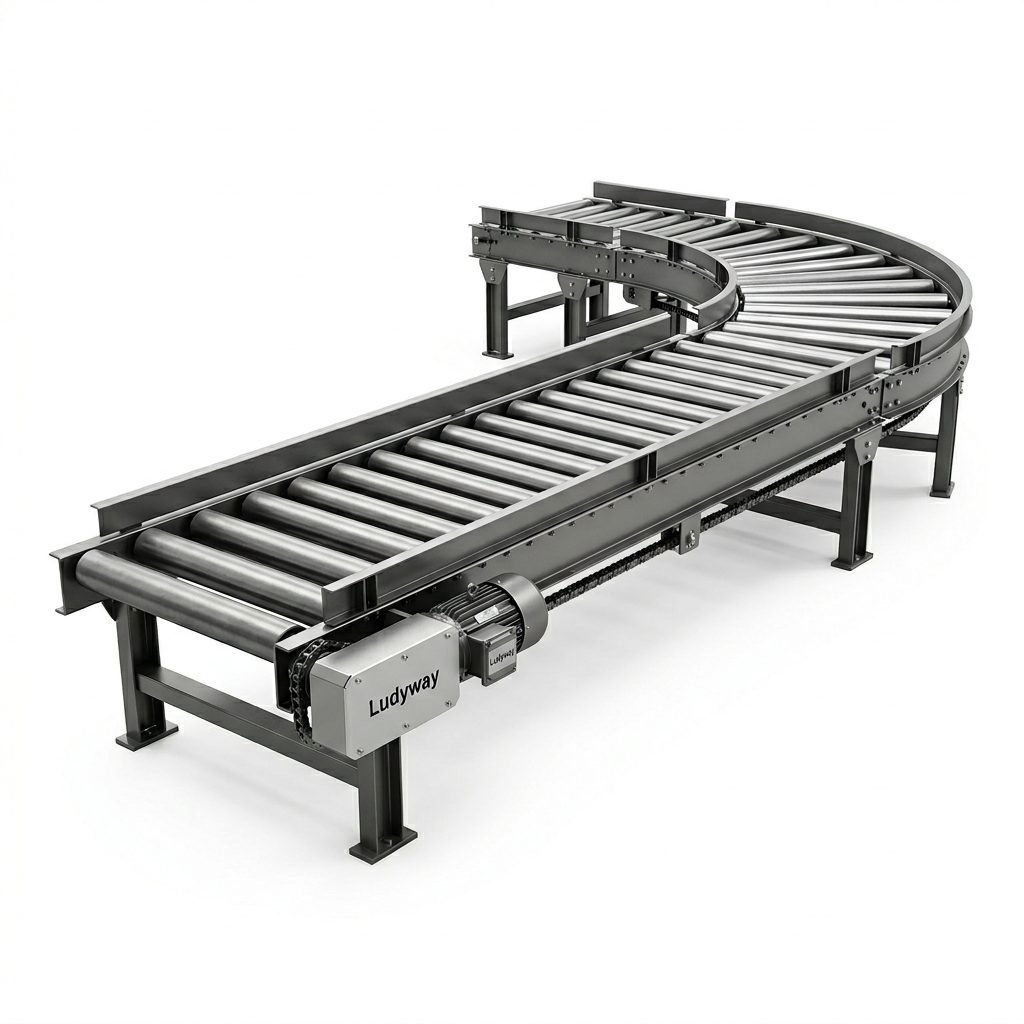
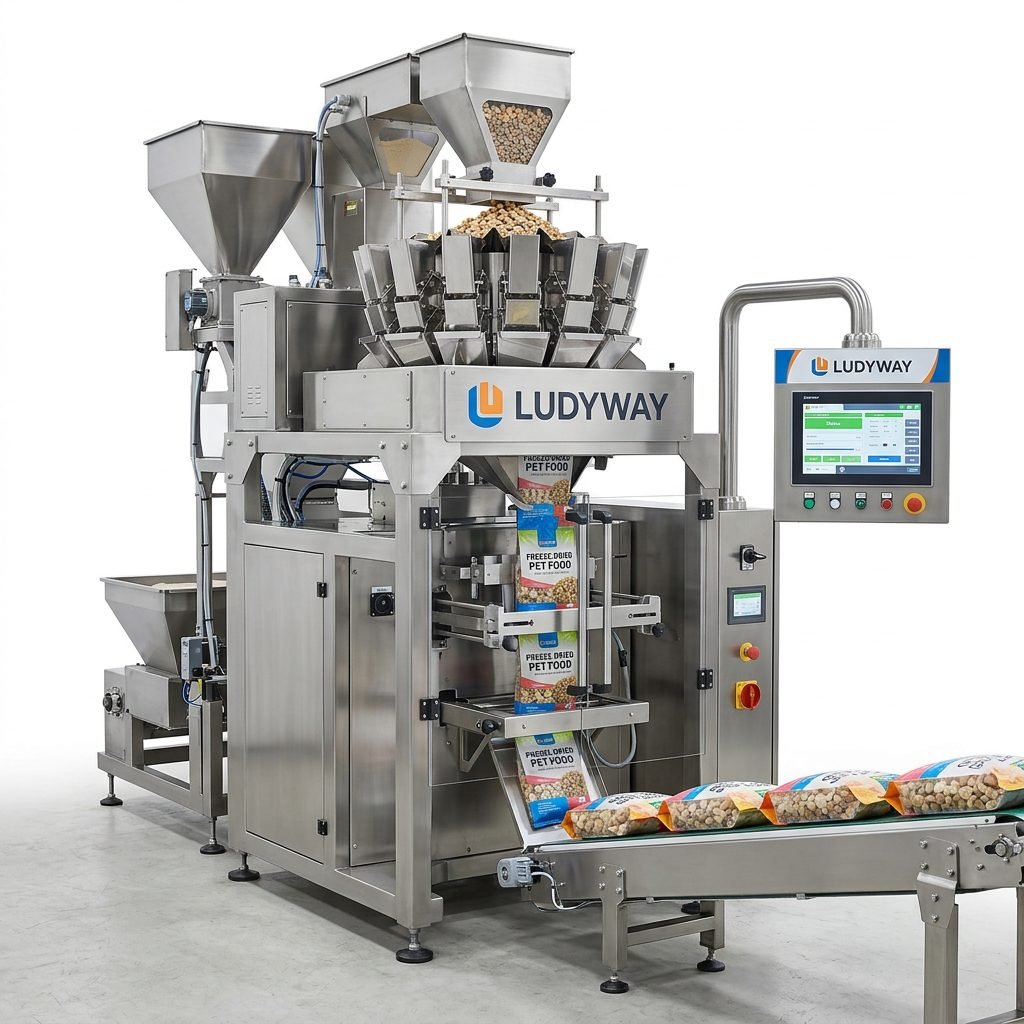
Among global packaging machinery manufacturers, Ludyway has established a growing presence in African markets, offering advanced packaging equipment with multi-lane stick pack, sachet, and fully automated systems suitable for frozen food applications. With a 20,000㎡ manufacturing facility and over 30 years of industry experience, the company provides turnkey solutions backed by global technical support covering more than 100 countries. For inquiries, contact info@ludyway.com or WhatsApp +8613129592456.
Installation, Commissioning, and Training
Successful deployment of frozen food packaging equipment in Africa requires thorough planning. Key steps include:
- Site preparation – Ensuring adequate floor space, power supply, compressed air, and environmental controls
- Cold room integration – Proper interface between production areas and packaging zones to maintain cold chain integrity
- Commissioning support – Factory acceptance testing (FAT) and site acceptance testing (SAT) with supplier engineers
- Operator training – Comprehensive hands-on training covering operation, cleaning, changeover, and basic troubleshooting
- Documentation – Complete operation manuals, maintenance schedules, and spare parts catalogs in appropriate languages
Industry data from PMMI’s State of the Industry reports indicates that proper installation and training can reduce startup-related downtime by up to 40% in food packaging operations.
Maintenance and Long-Term Support
Sustaining peak performance from your frozen food packaging machine requires a proactive maintenance strategy. Essential practices include:
- Implementing a preventive maintenance schedule with daily, weekly, and monthly checklists
- Maintaining a critical spare parts inventory at your facility to minimize downtime
- Establishing a relationship with a supplier that offers remote diagnostic support
- Training in-house technicians on common repairs and adjustments
- Scheduling annual professional inspections and calibration services
For operations in remote African locations, machines with modular design architecture simplify troubleshooting and component replacement. This design philosophy allows individual modules to be swapped without specialized tools, reducing dependency on external service visits.
Financing and Payment Options for African Buyers
Several financing mechanisms can facilitate the acquisition of packaging machinery:
- Export credit agencies – Many equipment-exporting countries offer favorable financing through agencies like China Exim Bank
- Development finance institutions – Organizations such as Afreximbank and the African Development Bank provide equipment financing
- Supplier financing – Some manufacturers offer installment payment plans or deferred payment structures
- Equipment leasing – Leasing arrangements that convert capital expenditure into operational expenditure
- Local bank partnerships – Equipment loans through African commercial banks with supplier guarantees
Future Trends in Frozen Food Packaging for Africa
The African frozen food packaging landscape is evolving rapidly. Key trends shaping future equipment investments include:
- Sustainable packaging materials – Growing demand for recyclable and biodegradable frozen food packaging films
- Smart factory integration – IoT-enabled machines providing real-time production data and predictive maintenance alerts
- Flexible packaging formats – Equipment capable of switching between multiple bag sizes and styles with minimal changeover time
- Energy efficiency – Machines designed with lower power consumption, critical for areas with high electricity costs
- E-commerce ready packaging – Formats optimized for direct-to-consumer frozen food delivery
As the Flexible Packaging Association notes, the global shift toward flexible packaging continues to accelerate, and African frozen food manufacturers who invest in versatile, future-ready equipment will be best positioned to capture growing market share.
Conclusion: Making the Right Investment
Purchasing a frozen food packaging machine for the African market is a strategic decision that requires careful evaluation of machine specifications, supplier capabilities, operational requirements, and total cost of ownership. By thoroughly assessing your production needs, understanding local market conditions, and partnering with an experienced equipment manufacturer, you can secure a packaging solution that delivers reliable performance, consistent product quality, and strong return on investment for years to come.
The African frozen food sector represents one of the continent’s most promising growth opportunities. With the right packaging technology and support infrastructure, food processors across Africa can build competitive advantages that drive both domestic market penetration and export success.
Ready to explore packaging solutions for your frozen food business? Contact our team today for a personalized consultation and equipment recommendation tailored to your production requirements and African market conditions.