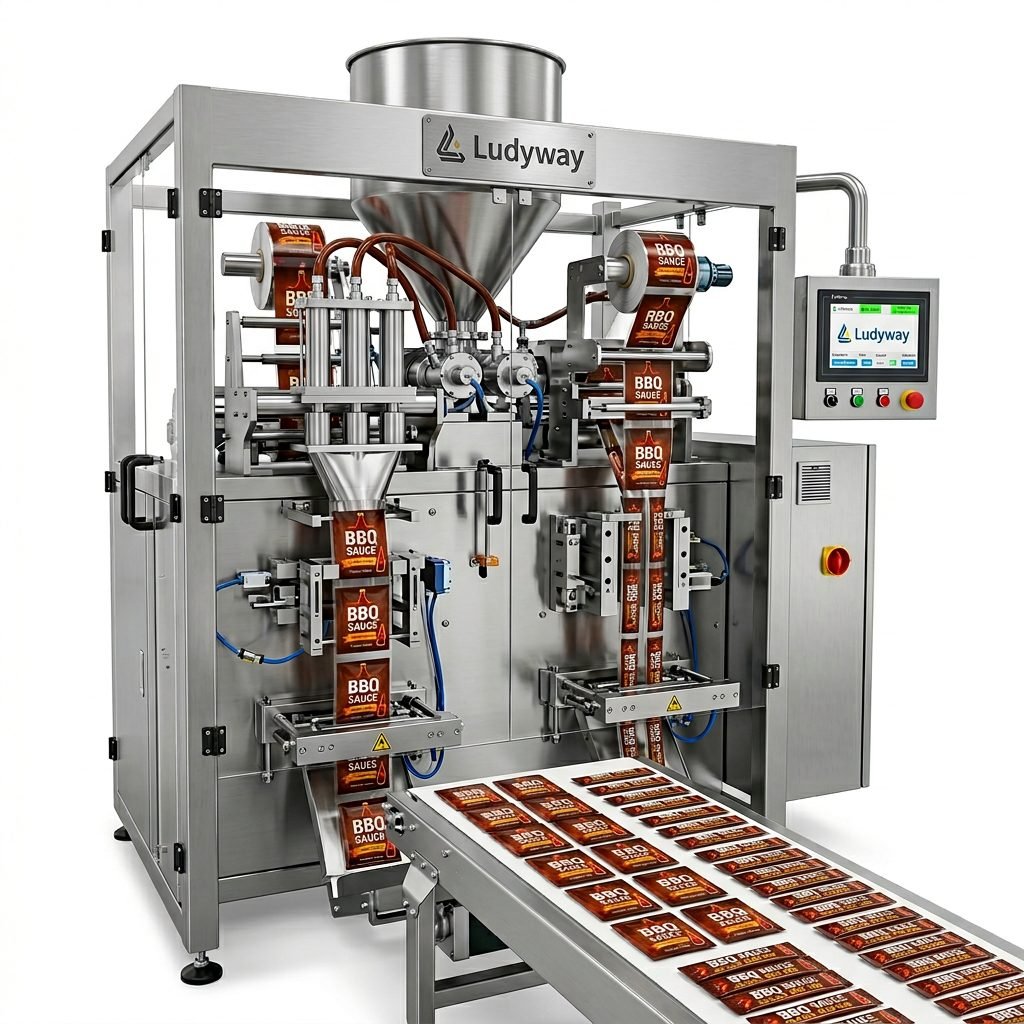
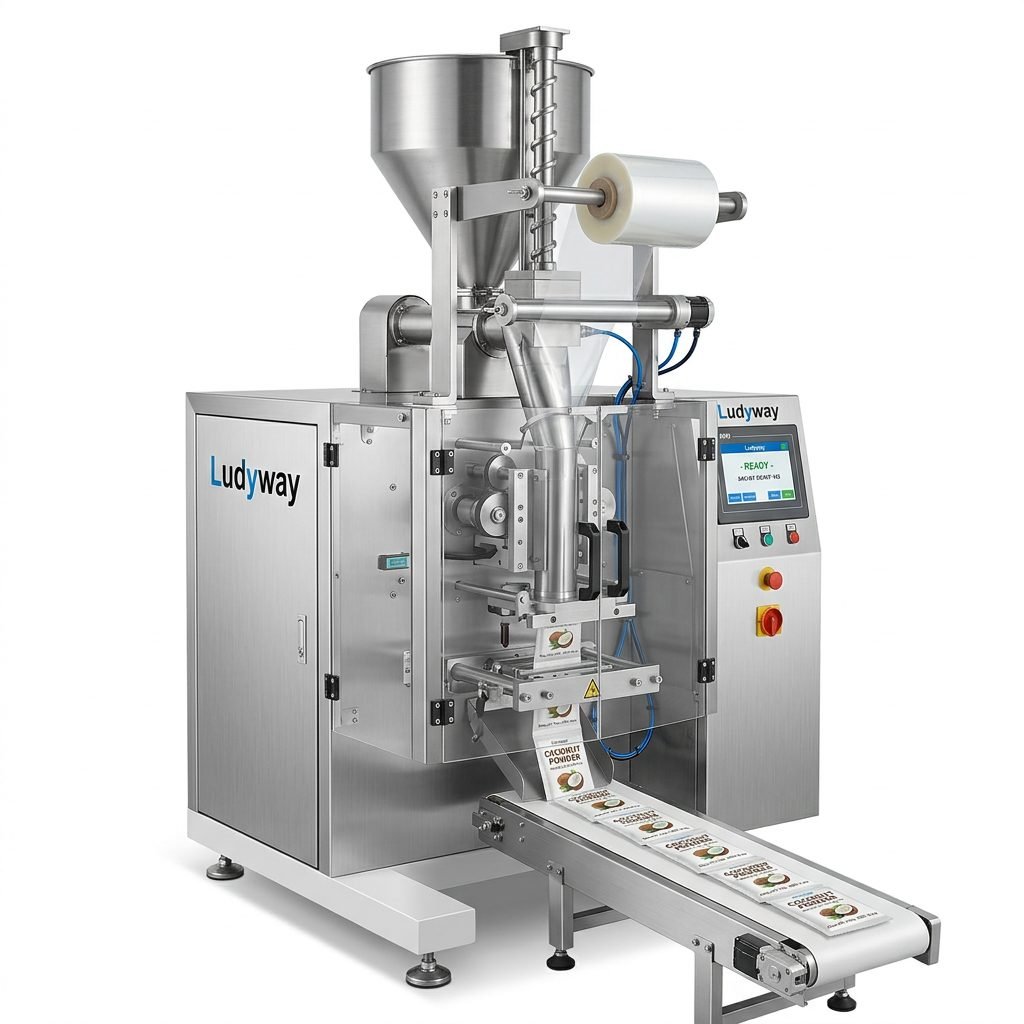
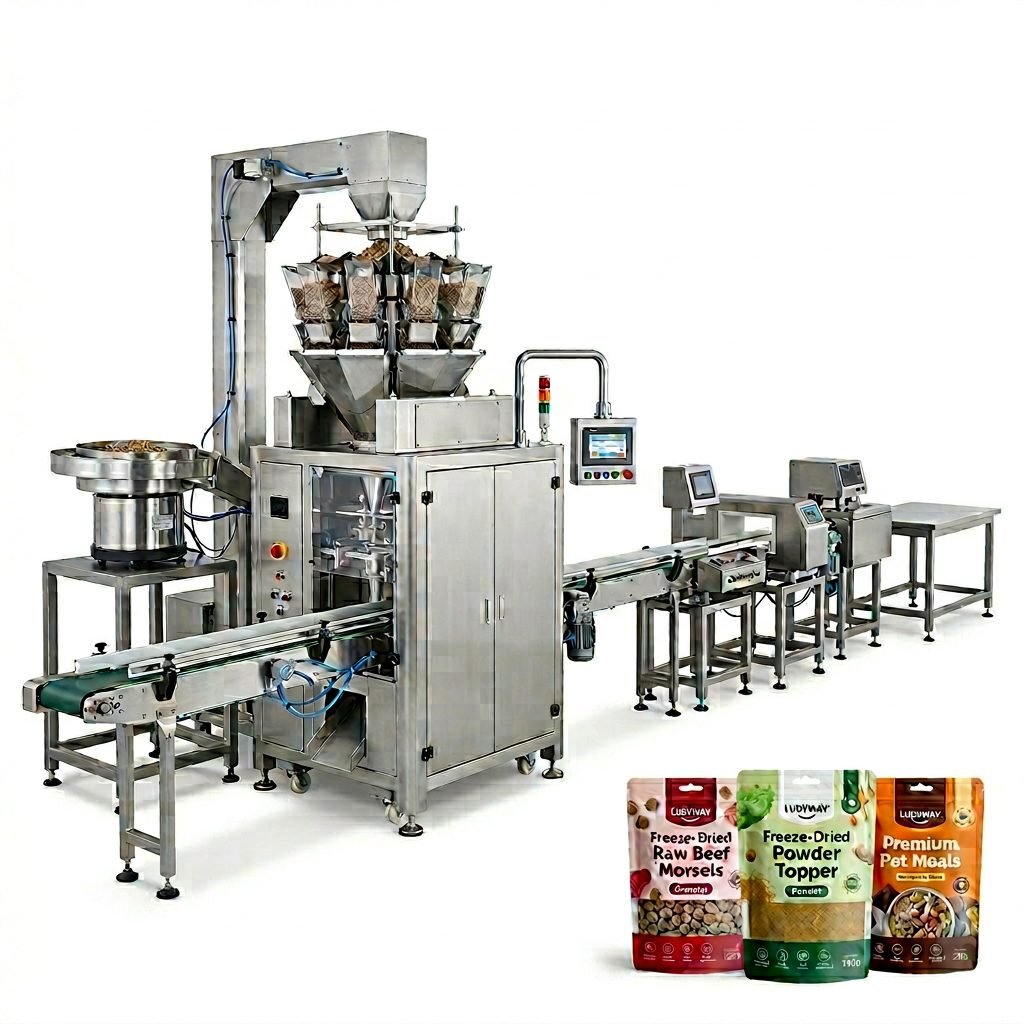
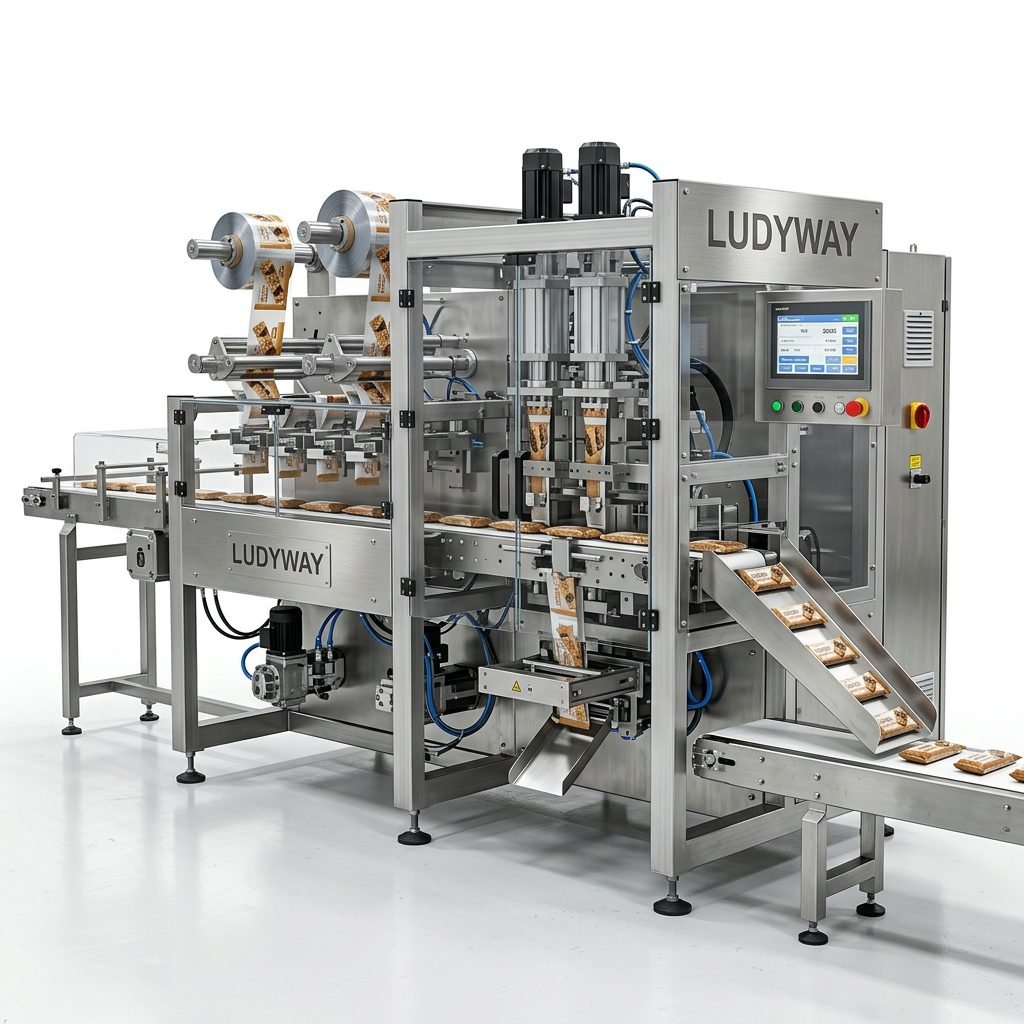
Investing in a chub packaging machine is a strategic decision for food processors, meat packers, and dairy manufacturers across North America. These specialized machines produce the distinctive tubular, semi-rigid packages commonly seen in ground meat, sausage, cookie dough, and cheese products. Whether you are expanding production capacity or entering new market segments, understanding the full landscape of chub packaging equipment is essential to making an informed purchase.

What Is a Chub Packaging Machine?
A chub packaging machine is a form-fill-seal system designed to produce cylindrical or tube-shaped packages using flexible film. The term “chub” refers to the plump, rounded shape of the finished package. These machines vertically form a tube from rollstock film, fill it with product—typically viscous or semi-solid materials—and then seal both ends with metal clips or heat seals. The result is a durable, shelf-stable package that protects contents from contamination and extends product shelf life.
Key Applications in the North American Market
Chub packaging is deeply integrated into North American food processing. The most common applications include:
- Ground Meat and Sausage: Beef, pork, turkey, and chicken chubs are staples in retail and foodservice channels.
- Processed Cheese: Bulk cheese logs and portion-controlled cheese products rely heavily on chub formats.
- Cookie Dough and Bakery Products: Refrigerated dough products use chub packaging for convenience and freshness.
- Pet Food: Fresh and frozen pet food rolls are increasingly packaged in chub formats.
- Industrial Products: Adhesives, sealants, and certain chemical products also utilize chub-style packaging.

North American Market Overview
The North American market for chub packaging machines is driven by strong demand in the meat and poultry sectors, which together represent a multi-billion-dollar industry. According to the PMMI State of the Industry reports, packaging machinery shipments in the United States continue to grow year over year, with food packaging accounting for the largest share. Regulatory compliance with FDA food packaging standards and USDA requirements makes equipment selection critical for North American buyers.
Types of Chub Packaging Machines
Understanding the different machine configurations helps narrow down your options:
Semi-Automatic Chub Machines
Semi-automatic models require operator involvement for product loading and package handling. They are ideal for small to medium production volumes and offer a lower initial investment. These machines work well for specialty processors, butcher shops, and regional brands testing new product lines.
Fully Automatic Chub Packaging Lines
Automatic systems integrate product pumping, film feeding, filling, clipping, and discharge into a continuous operation. They deliver high throughput and consistent package quality with minimal labor. Large-scale meat processors and co-packers typically invest in fully automatic configurations.
Multi-Lane Chub Systems
For maximum productivity, multi-lane machines run several packaging lanes simultaneously, multiplying output without proportionally increasing floor space. These are common in high-volume ground beef and sausage operations.

Critical Factors When Buying a Chub Packaging Machine
Evaluating these key aspects will help ensure your investment delivers long-term value:
Production Capacity and Speed
Match machine throughput to your current and projected production needs. Chub machines range from 30 to over 200 packages per minute depending on configuration. Over-investing leads to unnecessary capital expenditure, while under-specifying creates bottlenecks.
Product Compatibility
Your machine must handle the specific viscosity, temperature, and particulate characteristics of your product. Ground meat with varying fat content, cheese at different temperatures, and dough with inclusions all behave differently during filling. Always conduct product testing before finalizing equipment selection.
Film and Material Handling
Chub packaging uses specialized multilayer films that provide oxygen and moisture barriers. Verify that the machine accommodates the film types and thicknesses required for your target shelf life. The Flexible Packaging Association provides extensive resources on film technologies and material innovations relevant to chub applications.
Sanitary Design and Cleanability
In North America, USDA and FDA food contact substance regulations mandate strict sanitary standards. Look for stainless steel construction, sloped surfaces for drainage, tool-free disassembly for cleaning, and compliance with AMI sanitary design principles.
Clip and Seal Integrity
The closure system is arguably the most critical component. Poor clip application leads to leakers, product recalls, and brand damage. Evaluate clip material options (aluminum, steel), closure consistency, and the availability of clip verification systems.
| Specification | Semi-Automatic | Fully Automatic | Multi-Lane Automatic |
|---|---|---|---|
| Output Range | 20-60 ppm | 60-150 ppm | 150-400+ ppm |
| Labor Requirement | 2-3 operators | 1 operator | 1 operator per 2-3 lanes |
| Changeover Time | 10-20 minutes | 5-15 minutes | 15-30 minutes |
| Floor Space | Compact | Moderate | Large footprint |
| Capital Investment | $30K-$100K | $100K-$350K | $250K-$800K+ |
| Best For | Small processors, specialty products | Mid-size to large operations | High-volume commodity products |
Regulatory Compliance in North America
Any chub packaging machine operating in the United States or Canada must meet rigorous food safety standards. Key regulatory frameworks include:
- USDA FSIS Requirements: For meat and poultry products, equipment must meet sanitation performance standards outlined in 9 CFR Part 416.
- FDA 21 CFR Part 110/117: Current Good Manufacturing Practice (cGMP) requirements for food contact surfaces and equipment design.
- CFIA Guidelines: Canadian Food Inspection Agency standards for federally registered meat establishments.
- ISO Standards: Relevant ISO packaging standards covering terminally sterilized medical devices and packaging validation provide useful frameworks even for food applications.
- 3-A Sanitary Standards: Widely adopted voluntary standards for dairy and food processing equipment.

Evaluating Suppliers and Manufacturers
Selecting the right equipment partner is as important as choosing the machine itself. Consider these factors when evaluating chub packaging machine suppliers:
- Industry Experience: How many installations does the manufacturer have in your specific product category?
- After-Sales Support: Availability of spare parts, technical service, and remote diagnostics in North America.
- Training Programs: Comprehensive operator and maintenance training reduces downtime and extends machine life.
- Customization Capability: Can the supplier adapt the machine to your unique product and package specifications?
- References and Site Visits: Speaking with current users provides invaluable real-world insights.
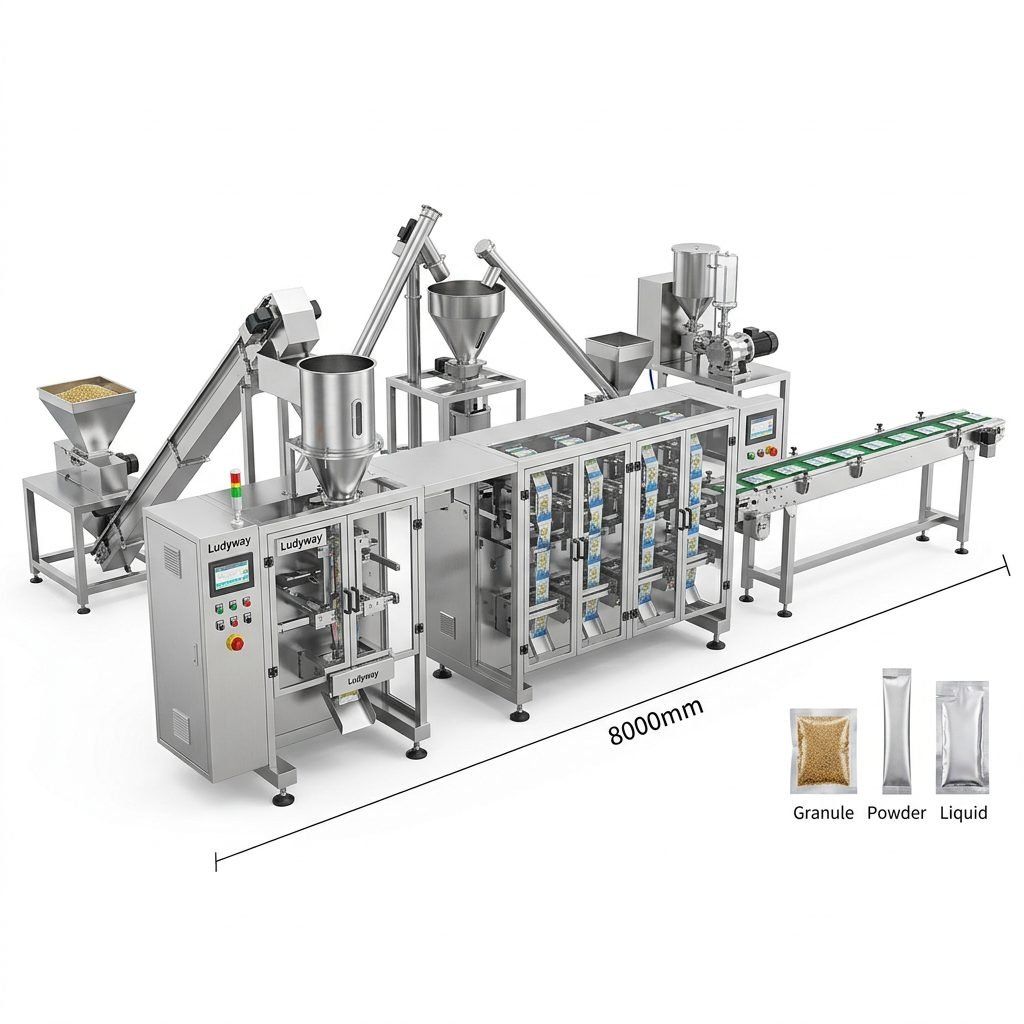
Global manufacturers like Ludyway have built strong reputations by delivering reliable packaging solutions across more than 100 countries, supported by decades of engineering expertise and comprehensive after-sales service networks.
Total Cost of Ownership
Beyond the purchase price, the total cost of ownership includes several ongoing expenses that impact long-term profitability:
- Film Costs: Different machines have varying film waste rates; efficient film registration systems minimize scrap.
- Clip Consumption: Clip costs per thousand packages add up quickly in high-volume operations.
- Maintenance and Spare Parts: Budget 2-5% of machine value annually for preventative maintenance.
- Energy Consumption: Compare power requirements across competing models.
- Labor: Automation reduces direct labor but may require higher-skilled technicians.
- Downtime Costs: Reliable equipment with fast service response minimizes production losses.
Installation, Commissioning, and Training
A smooth installation process sets the foundation for years of reliable operation. Plan for utility requirements including compressed air, electrical supply, and drainage well in advance. Factory acceptance testing (FAT) and site acceptance testing (SAT) protocols verify that the machine meets all specifications before and after delivery. Comprehensive operator training—ideally conducted on your production floor with your actual products—ensures your team can maximize machine performance from day one.
Emerging Trends in Chub Packaging
The North American chub packaging landscape continues to evolve. Key trends shaping the market include:
- Sustainable Films: Growing demand for recyclable and bio-based films is driving innovation in packaging materials compatible with chub formats.
- Smart Packaging Integration: QR codes, RFID tags, and intelligent labels are being incorporated for traceability and consumer engagement.
- Automation and IoT: Industry 4.0 capabilities enable real-time monitoring, predictive maintenance, and seamless integration with plant-wide control systems.
- Smaller Package Formats: Portion-controlled and single-serve chub packages are gaining popularity in retail channels.
- Extended Shelf Life: Advanced barrier films and modified atmosphere packaging techniques continue to push shelf life boundaries.
Making the Final Decision
Purchasing a chub packaging machine in North America is a significant capital investment that impacts product quality, operational efficiency, and brand reputation. By thoroughly evaluating your production requirements, understanding regulatory obligations, and carefully assessing supplier capabilities, you can select equipment that delivers reliable performance for years to come. Always prioritize product testing with your specific formulations, request detailed proposals from multiple qualified suppliers, and visit reference installations whenever possible.
Frequently Asked Questions
What is the typical lifespan of a chub packaging machine?
With proper maintenance, a well-built chub packaging machine can operate reliably for 15 to 25 years. Regular preventative maintenance and timely replacement of wear components are essential to maximizing equipment longevity.
Can one chub machine handle multiple product types?
Yes, many machines are designed for quick changeover between product types and package sizes. However, significant formulation differences—such as switching between ground meat and cheese—may require different filling systems or substantial adjustments.
What are the common causes of leakers in chub packages?
Leakers typically result from improper clip application, damaged film, inconsistent product temperature during filling, or worn sealing components. Regular clip verification and preventative maintenance minimize leaker rates.
How important is local service and support?
Extremely important. North American buyers should prioritize suppliers with established service networks, readily available spare parts inventory, and technical support teams that can respond quickly to minimize production downtime.
For additional guidance on packaging machinery selection and industry trends, resources from the PMMI Business Intelligence Library and the Flexible Packaging Association Knowledge Hub offer valuable market data and technical insights tailored to North American packaging operations.