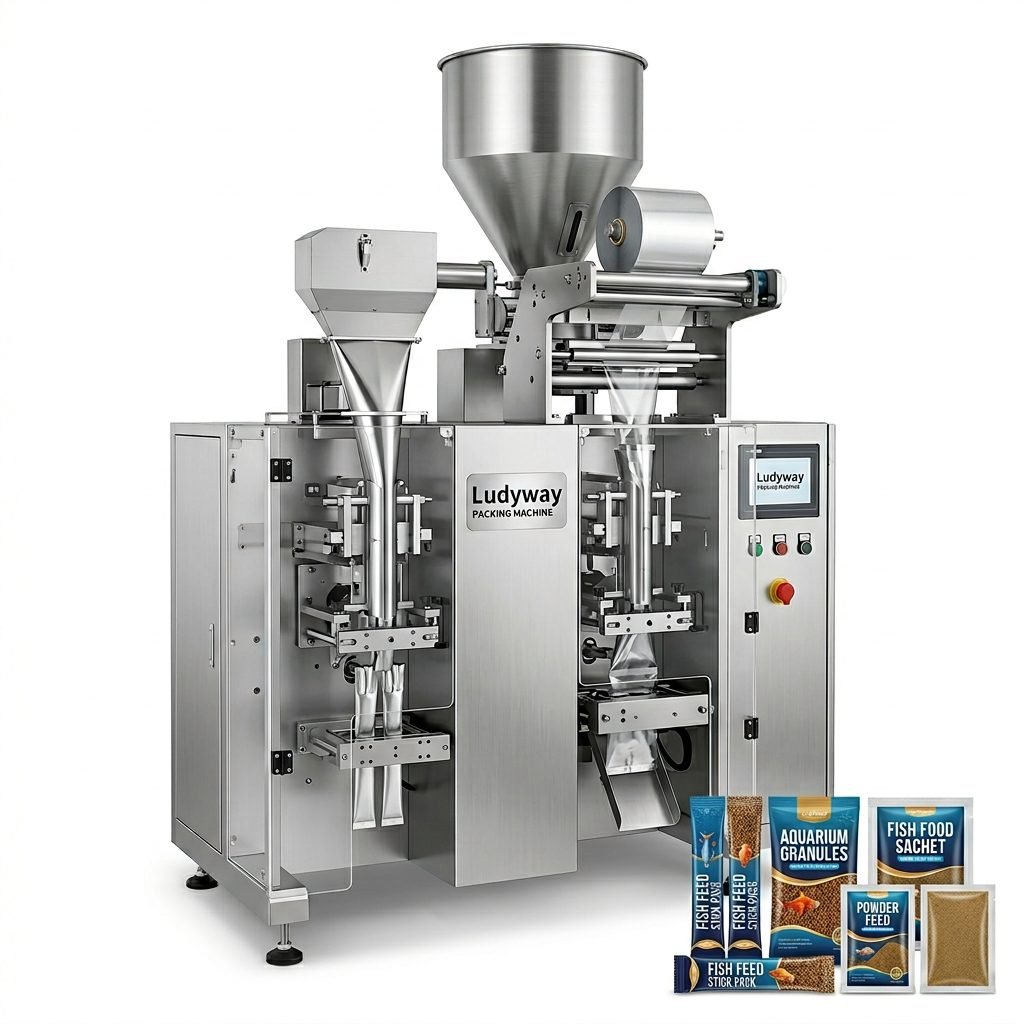
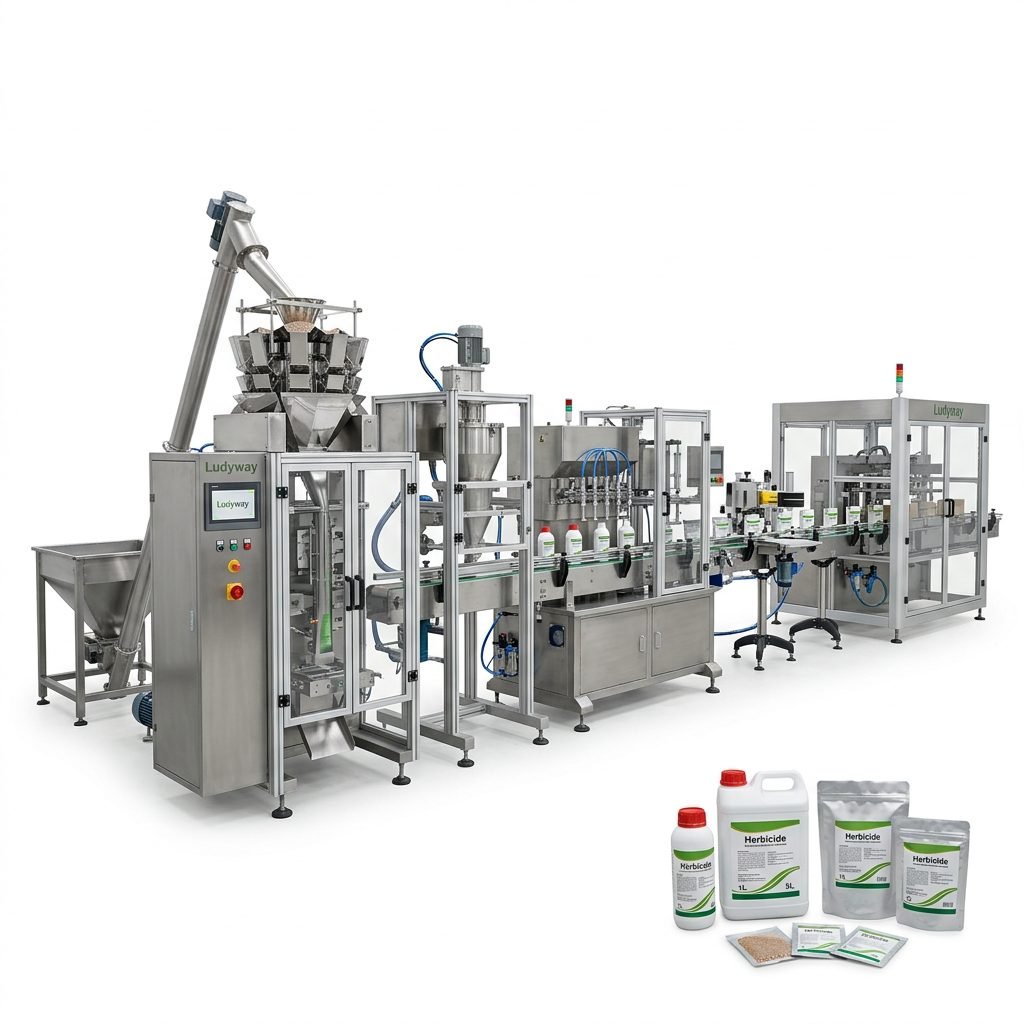
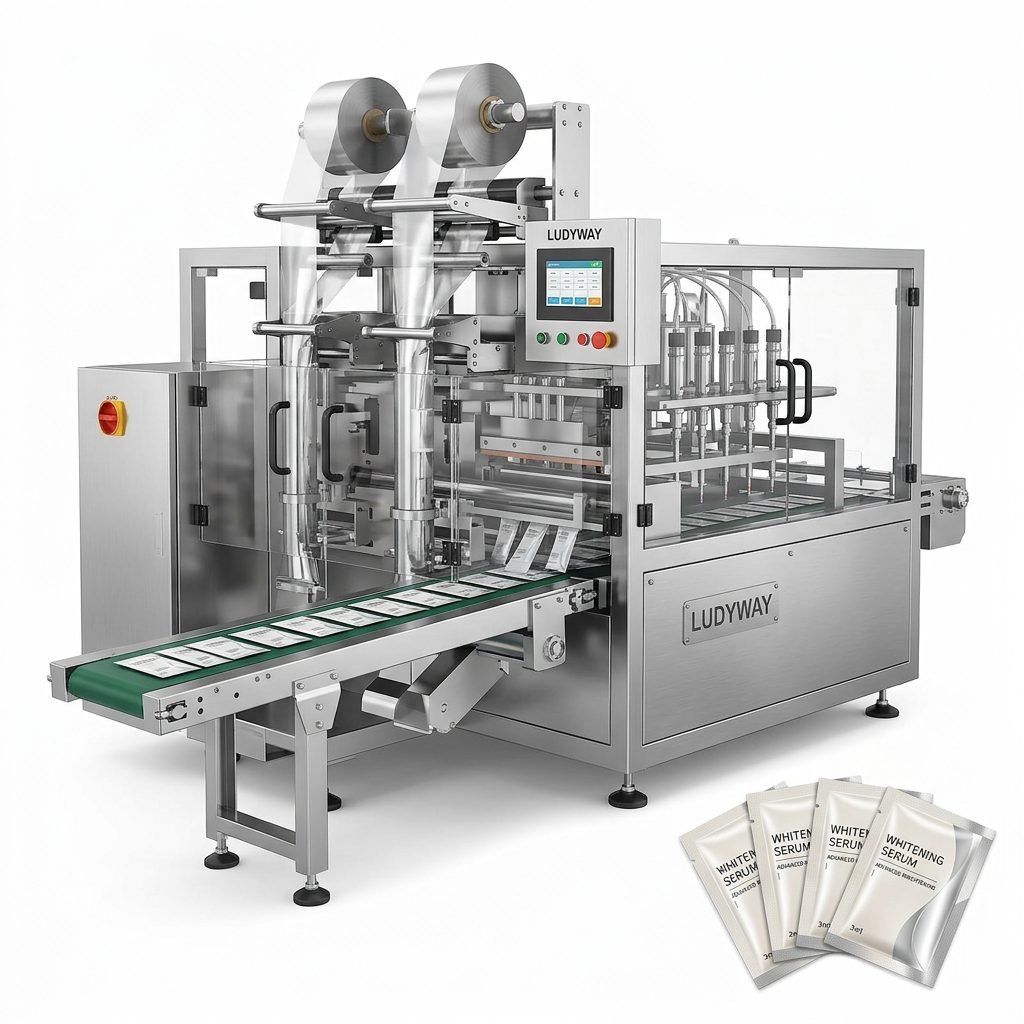
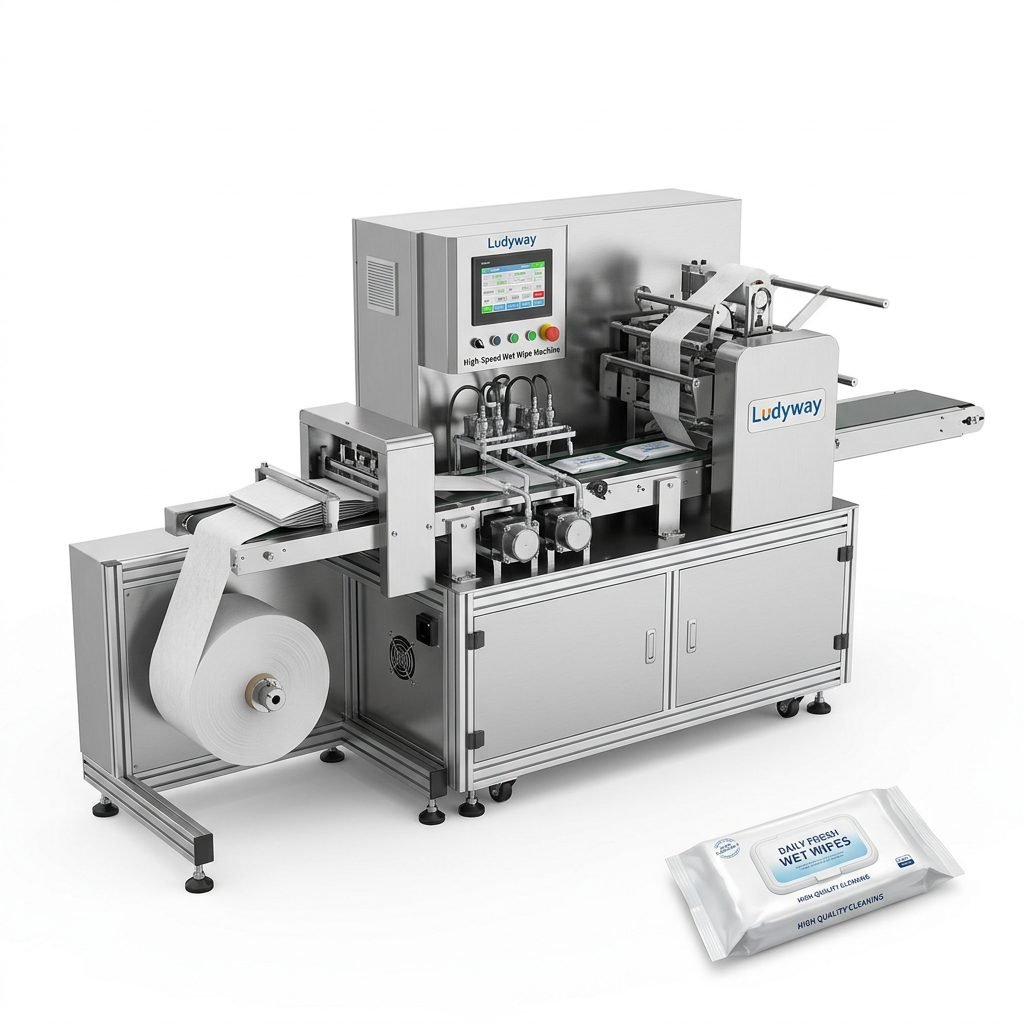
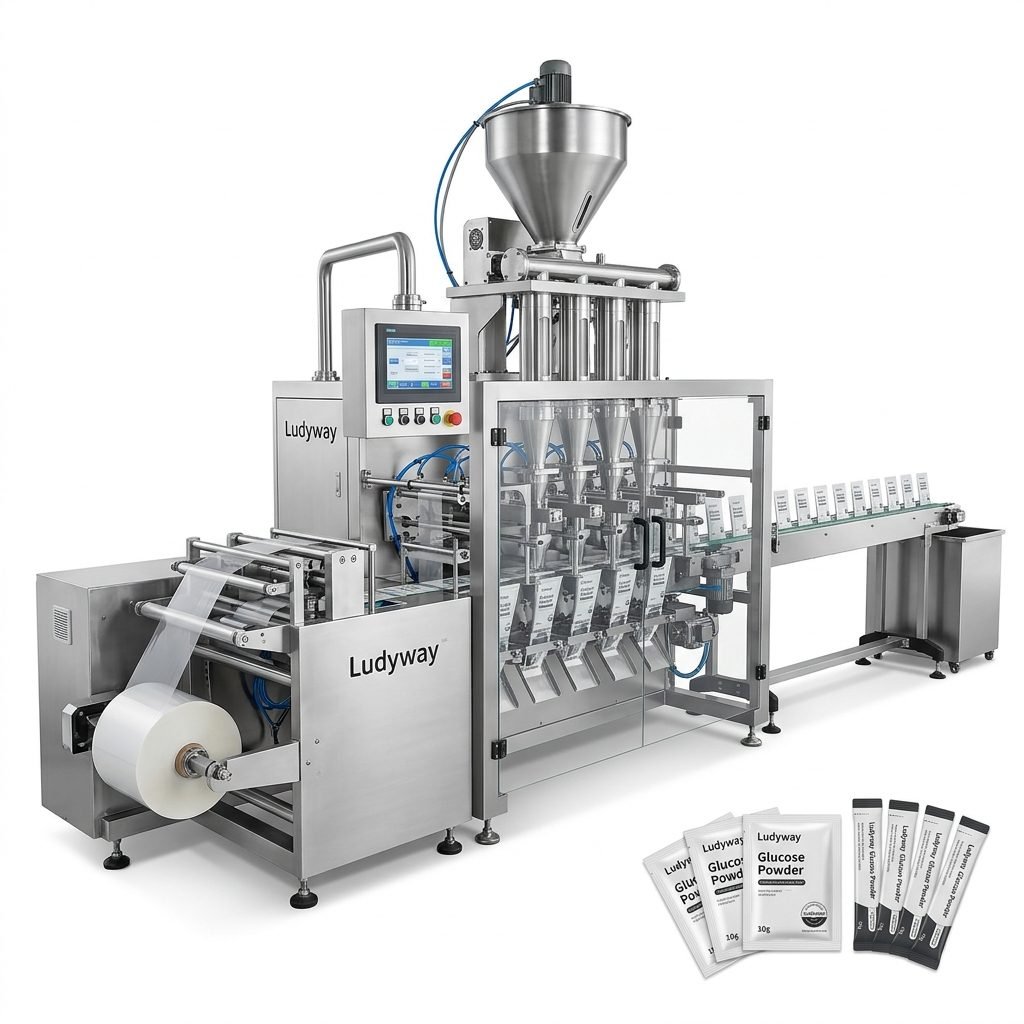
Maintaining hygiene standards and ensuring consistent performance for your packaging machine manufacturer equipment is critical, especially when handling food products like chapatis. A well-maintained chapati packing machine not only extends the machine’s lifespan but also prevents contamination, reduces downtime, and ensures every pack meets quality standards. Below, we break down essential cleaning and maintenance practices that every operator and maintenance team should follow.
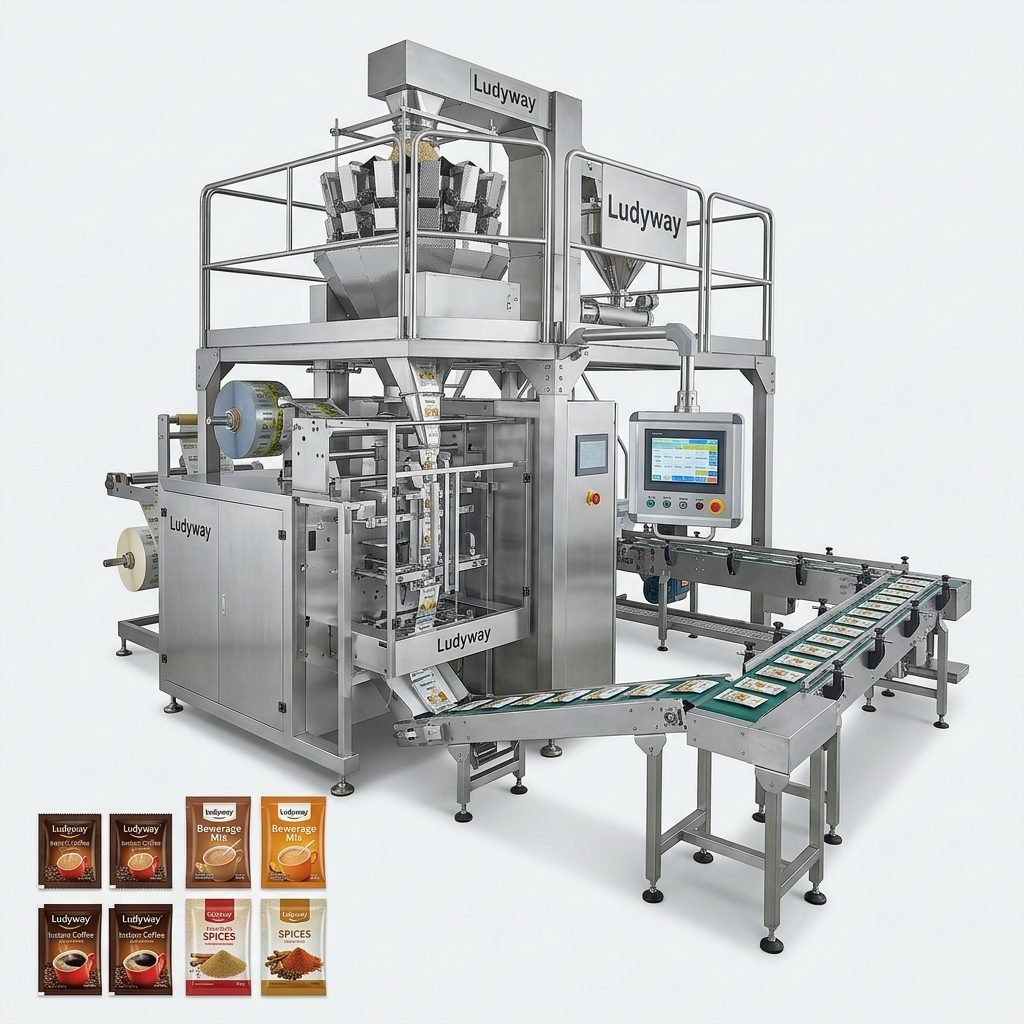
Why Routine Maintenance Matters
Chapati is an oily, often delicate food product that can leave residues on sealing jaws, forming tubes, and conveyors. Without regular cleaning, these residues carbonise, leading to seal integrity failures, film tracking errors, and even bacterial growth. A structured maintenance schedule keeps your line running at peak efficiency while meeting food packaging safety standards.
Daily Cleaning Checklist for Chapati Packing Machines
Implementing a rigorous end-of-shift cleaning routine prevents cross-contamination and mechanical wear. Operators should complete these tasks every day without exception.
- Power down and lock out the machine completely before any cleaning.
- Remove all film rolls and store them in a dust-free cabinet.
- Use food-grade sanitiser and lint-free cloths to wipe down forming shoulders, sealing jaws, and discharge chutes.
- Clean the infeed conveyor and any crumb trays, removing all chapati fragments.
- Inspect and clean photoelectric sensors with a soft, dry brush — dust accumulation causes miscuts.
- Check the heat seal temperature with a calibrated probe; log the readings daily.
Weekly Preventive Maintenance Tasks
Weekly procedures go beyond surface cleaning to address components that influence film tension, sealing pressure, and machine timing.
| Component | Action | Frequency |
|---|---|---|
| Sealing jaws & Teflon tapes | Inspect for wear; replace if scratched or peeling | Weekly |
| Film tension rollers | Clean roller surfaces; check bearing movement | Weekly |
| Air filters & cooling fans | Vacuum or replace clogged filters | Weekly |
| Chain drives & gears | Lubricate with food-grade oil; check tension | Weekly |
Monthly Deep-Cleaning and Inspection
Set aside a full shift each month for in-depth servicing. This is the time to address issues that are difficult to reach during production runs.
- Dismantle guarding panels and vacuum all internal electrical cabinets carefully.
- Test emergency stop circuits and safety interlocks for proper function.
- Calibrate temperature controllers and verify against a secondary thermometer.
- Examine all pneumatic hoses and fittings for leaks or brittleness; replace as needed.
- Run a series of empty cycles to verify timing and seal pressure uniformity.
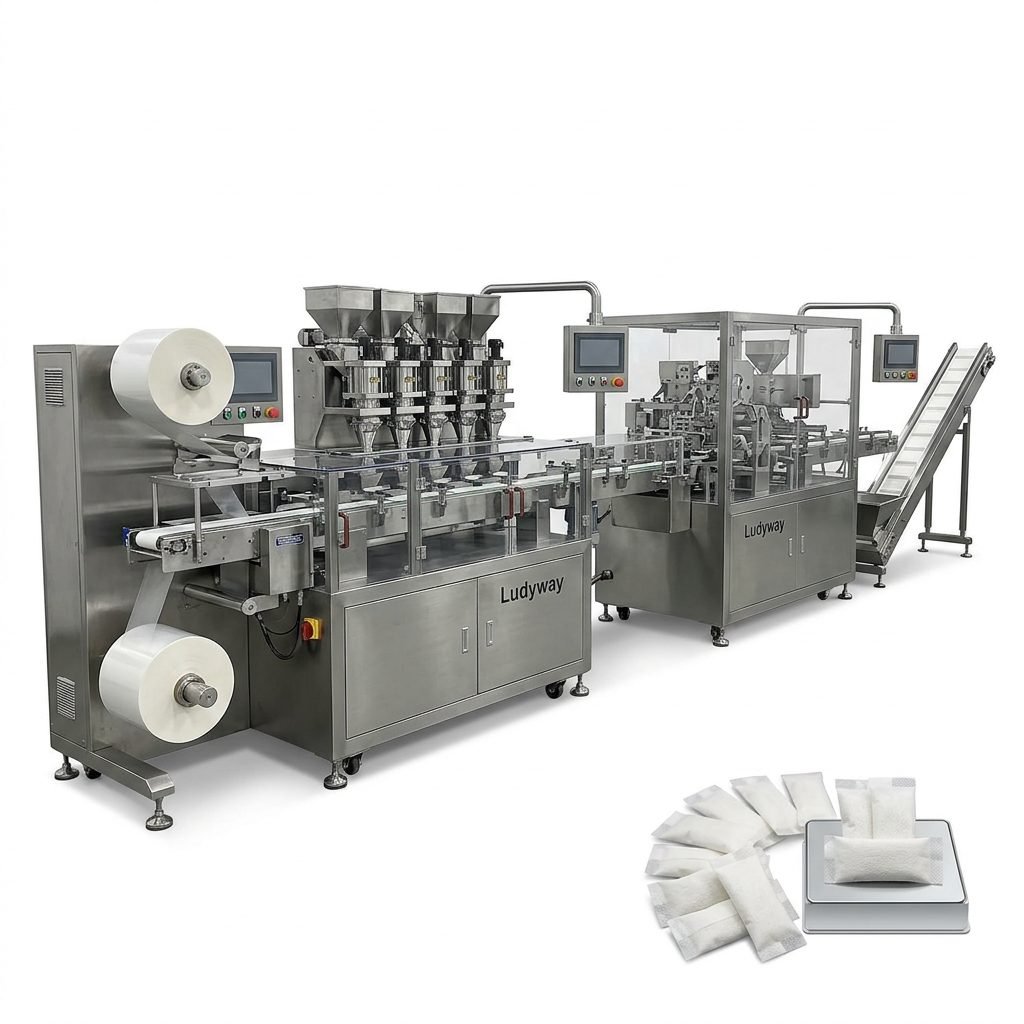
Common Issues and How to Address Them
Even with regular maintenance, chapati packing lines can encounter specific problems. Use the guide below to troubleshoot quickly.
1. Inconsistent Seal Integrity
This is often caused by oil residue buildup on the sealing surfaces. Clean jaws thoroughly with isopropyl alcohol and ensure Teflon covers are intact. Also verify that the sealing pressure has not drifted due to air supply fluctuations.
2. Film Wrinkling or Misalignment
Wrinkled film indicates incorrect tension settings or worn-out rollers. Inspect the film path for any burrs or sticky residue. Adjust the dancer arm position and ensure the film reel is centred on the spindle.
3. Product Jamming at the Filling Station
Chapatis can stick together or break unevenly. Regularly check the infeed guide rails for rough edges. A light coating of food-grade silicone spray on the chute surfaces can help products slide without friction.
Lubrication Best Practices
Using the correct lubricant is vital in food environments. Only apply NSF H1 registered food-grade lubricants to bearings, chains, and sliding components. Over-lubrication attracts dust and product debris, so apply sparingly and wipe away any excess immediately. Document every lubrication point in a logbook for traceability.
When to Call for Professional Servicing
While operator-level maintenance handles most daily needs, certain situations require expert intervention. Contact your equipment supplier if you notice:
- Persistent seal failures despite clean jaws and correct temperature settings.
- Unusual vibrations or grinding noises from the main drive system.
- Frequent PLC errors or unexplained shutdowns.
- Visible cracks in the frame or welded joints.
Specialised technicians can perform laser alignment checks, servo motor tuning, and full electrical audits that go beyond routine care. For advanced turnkey packaging solutions, professional support ensures your line adapts to evolving production demands.
About Ludyway
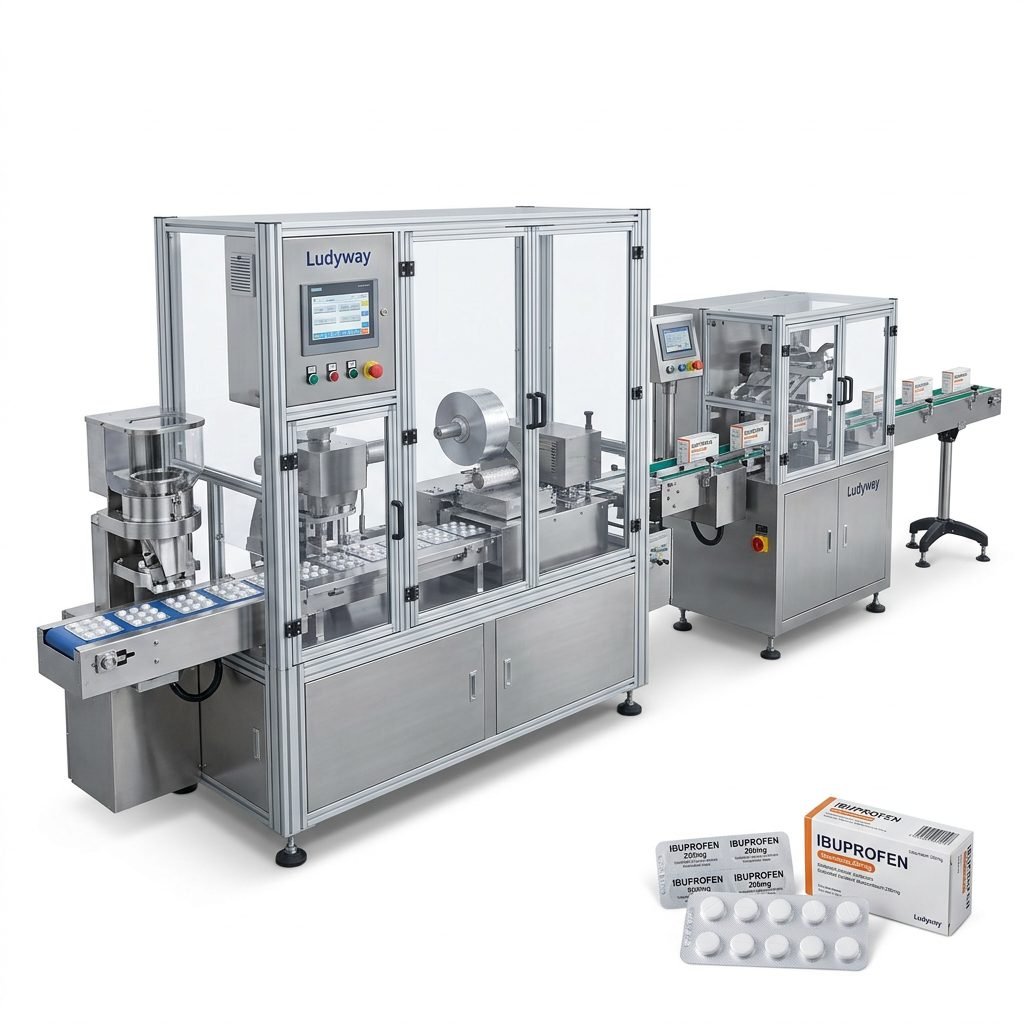
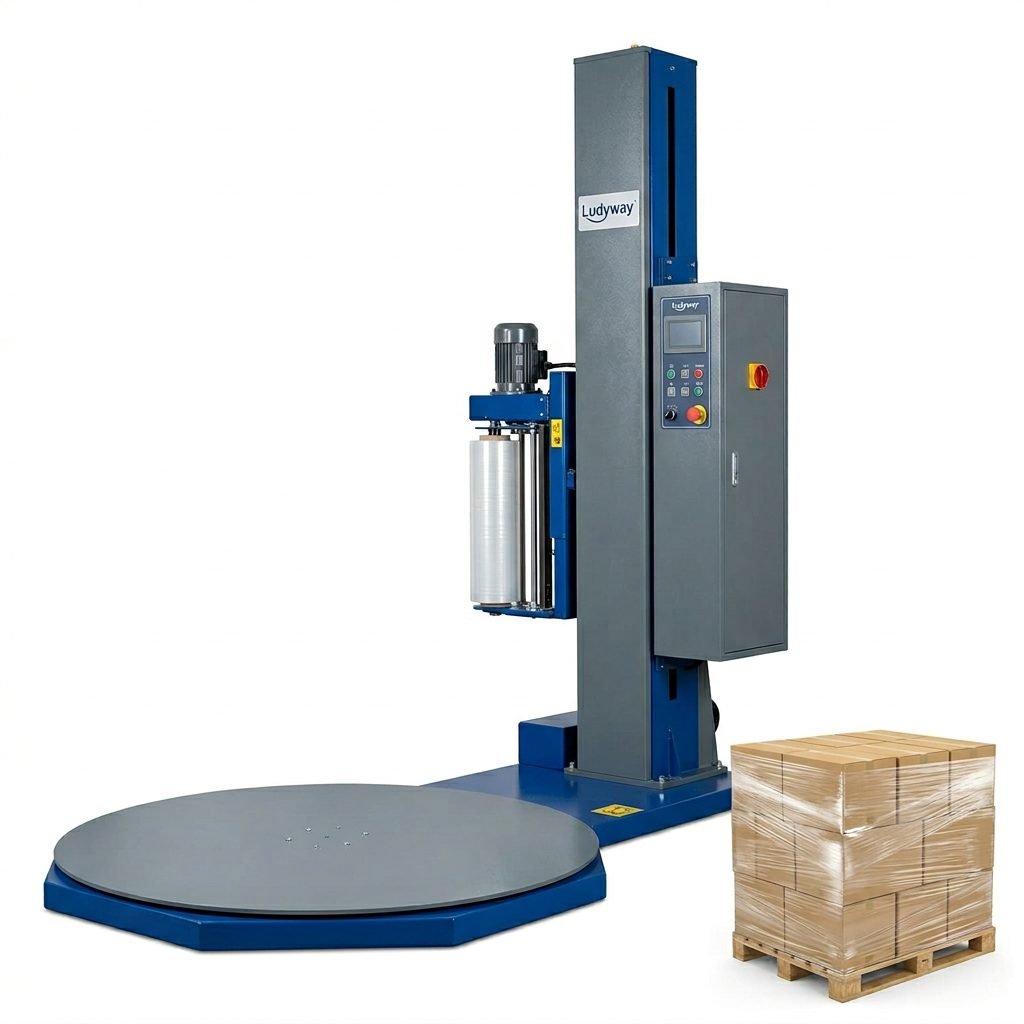
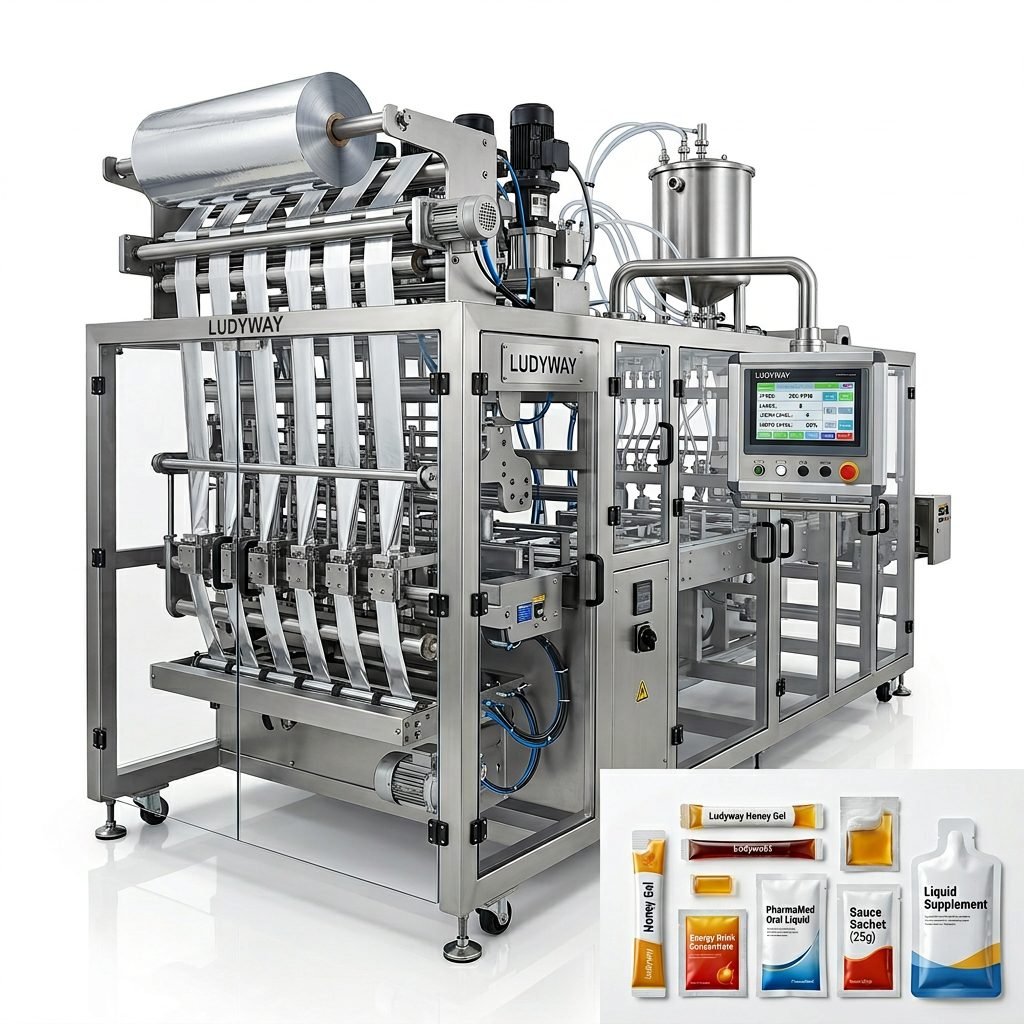
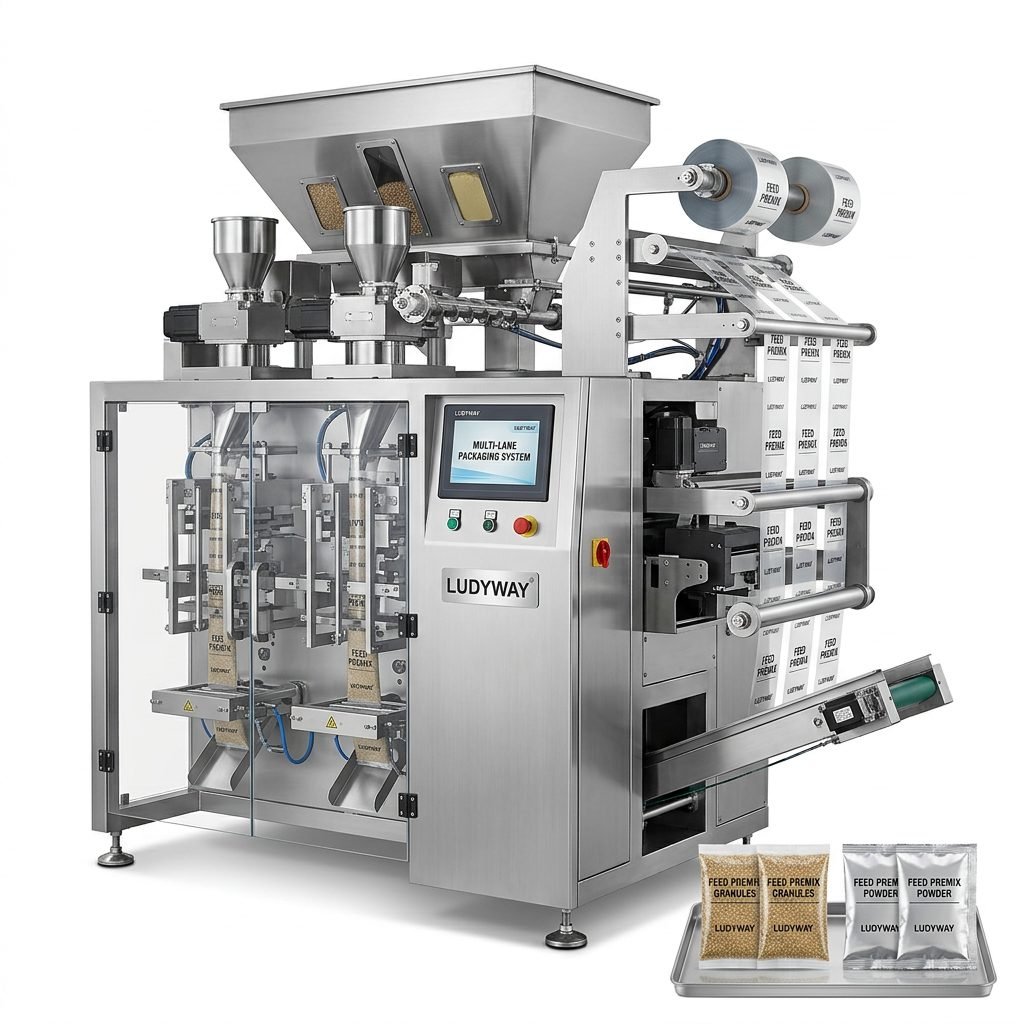
Ludyway is one of the largest packaging machine manufacturers in China, specialising in advanced packaging equipment and turnkey production solutions for the food, pharmaceutical, and health industries. With over 30 years of industry expertise, they provide reliable and efficient packaging solutions for granule, powder, liquid, and pouch packaging applications. Supported by a modern 20,000㎡ manufacturing facility and a highly experienced engineering team, Ludyway offers more than 50 intelligent packaging machine models, including multi-lane stick pack and sachet systems, helping businesses improve productivity and product quality worldwide.