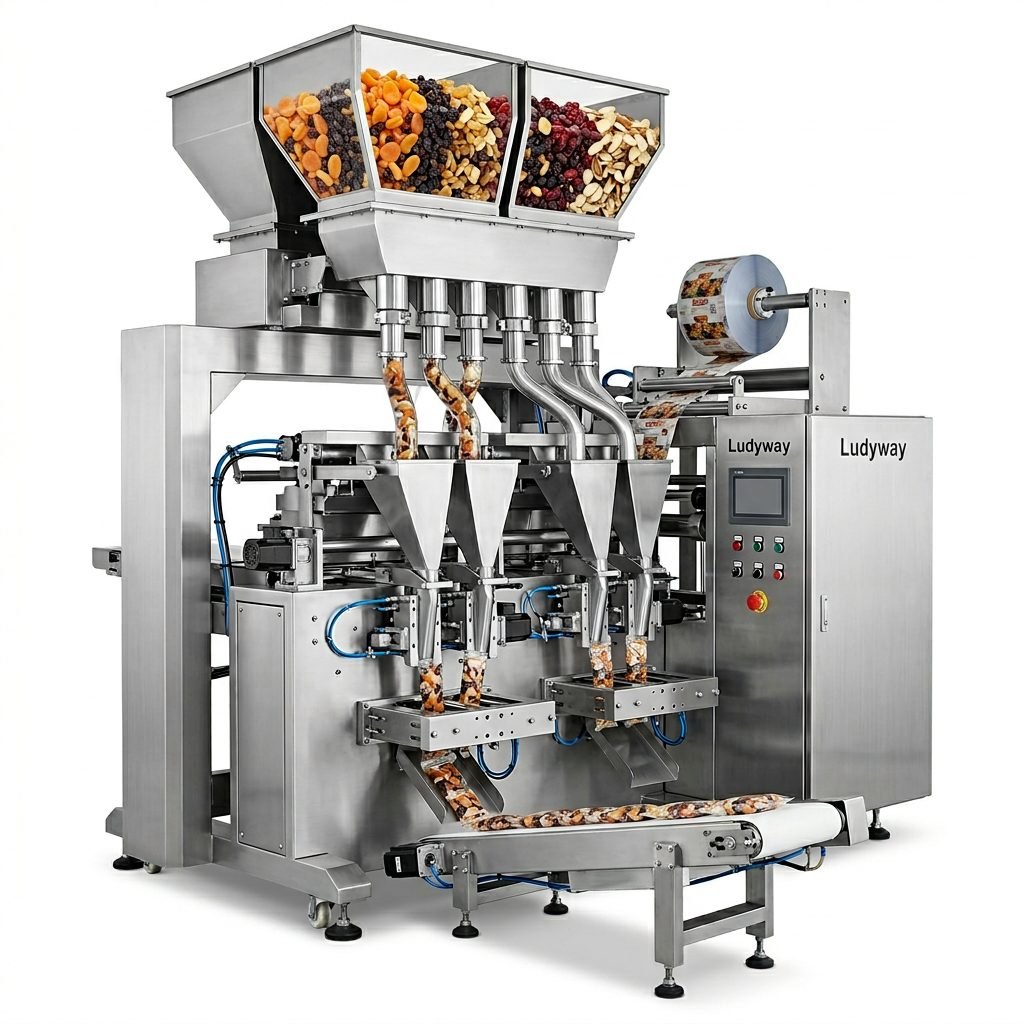
Setting up a produce packaging machine production line in South America requires careful planning, market understanding, and the right equipment choices. With the region’s agricultural sector experiencing steady growth, demand for automated packaging solutions has never been higher. This guide walks you through every essential step—from initial assessment to full-scale operation.
Understanding South America’s Produce Packaging Landscape
South America is one of the world’s most dynamic agricultural regions, exporting vast quantities of grains, fruits, coffee, seeds, and processed foods. Countries like Brazil, Argentina, Chile, Colombia, and Peru have become major players in global produce markets. This growth drives demand for high-speed packaging machinery that can handle diverse product types while meeting international quality standards.
Key Factors to Evaluate Before Investing
Before purchasing equipment, consider these critical factors that will influence your production line’s efficiency and ROI:
- Product characteristics — granule size, moisture content, flowability, and fragility all affect machine selection.
- Target output capacity — determine how many packs per minute your operation requires to meet market demand.
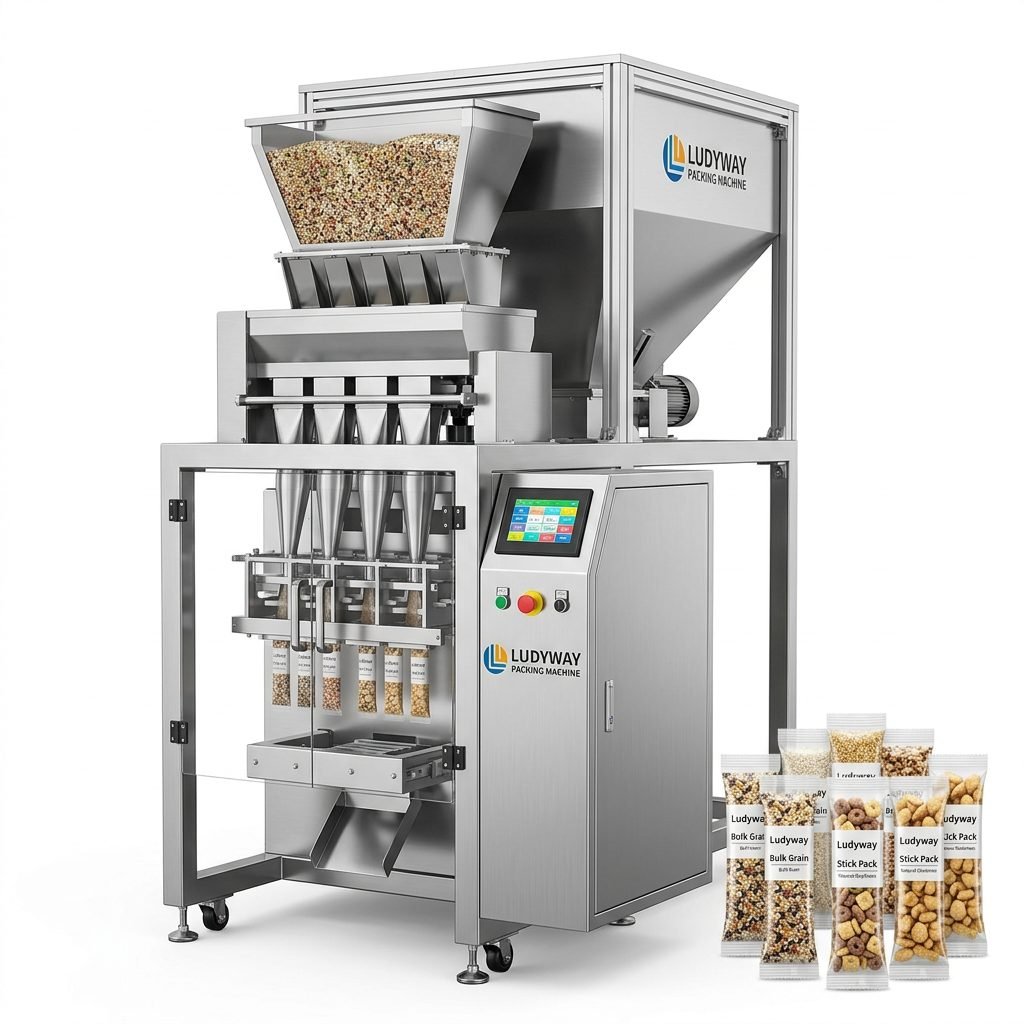
- Packaging format — sachets, stick packs, pouches, or bulk bags each require different machine configurations.
- Local labor availability — automation levels should match your workforce skills and labor costs.
- Facility constraints — floor space, power supply, and environmental conditions impact equipment layout.
Types of Produce Packaging Machines for South American Operations
The right machine depends on your specific product and packaging needs. Below is a comparative overview of the most common equipment types used in produce packaging lines across South America:
| Machine Type | Best For | Typical Speed Range |
|---|---|---|
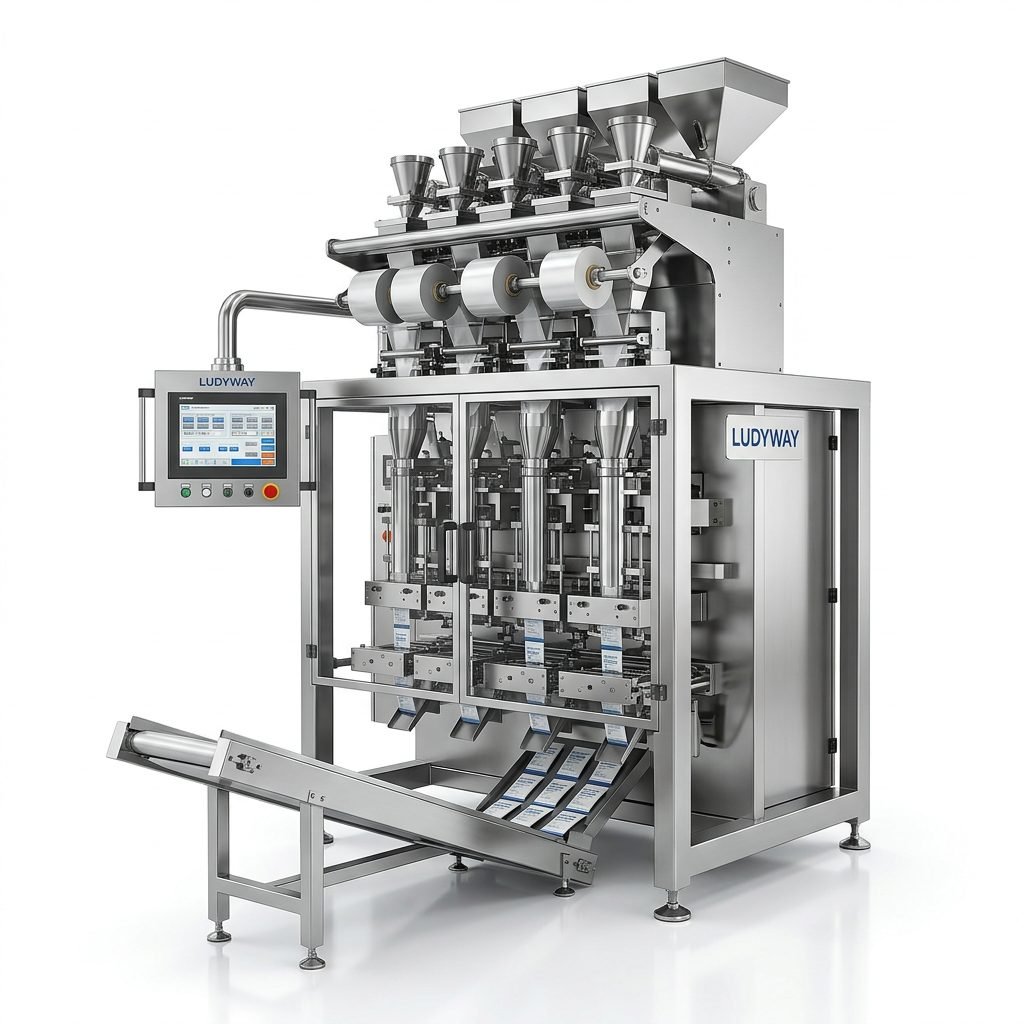
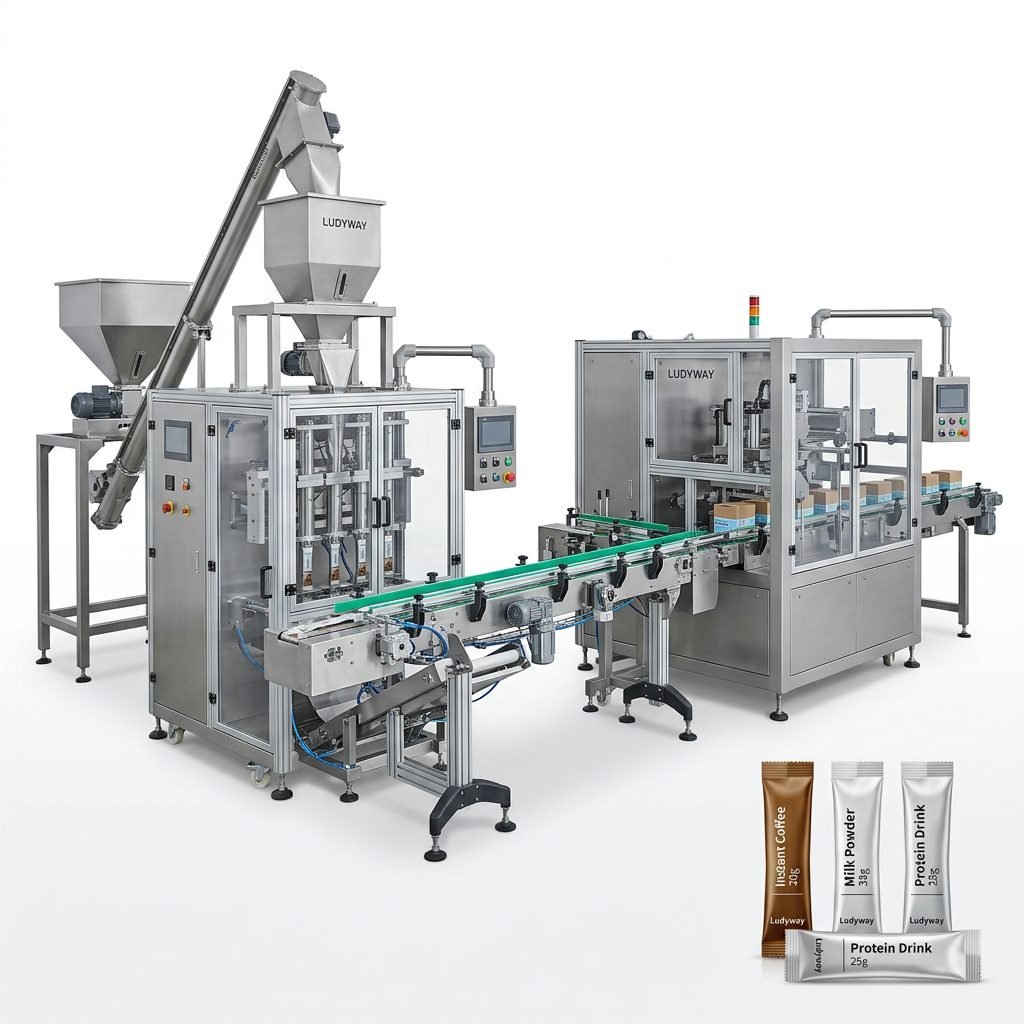
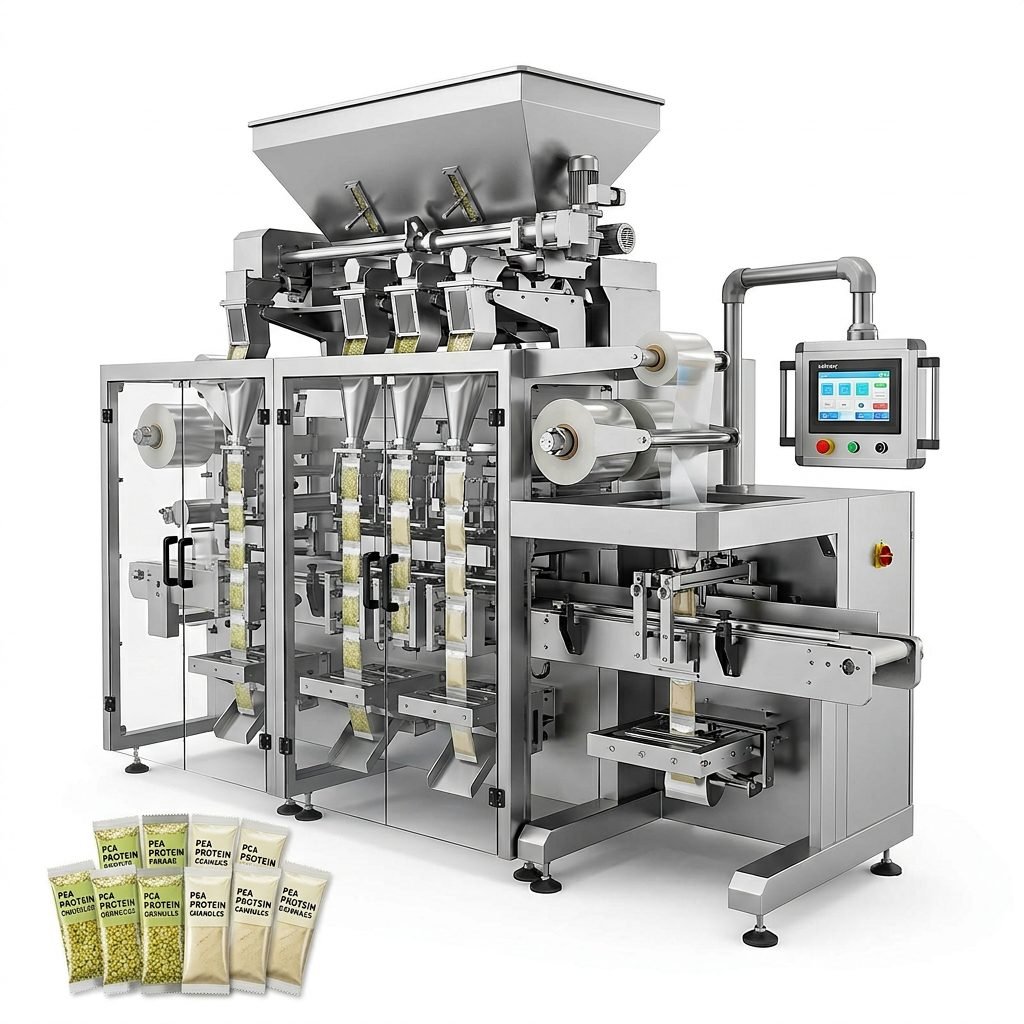
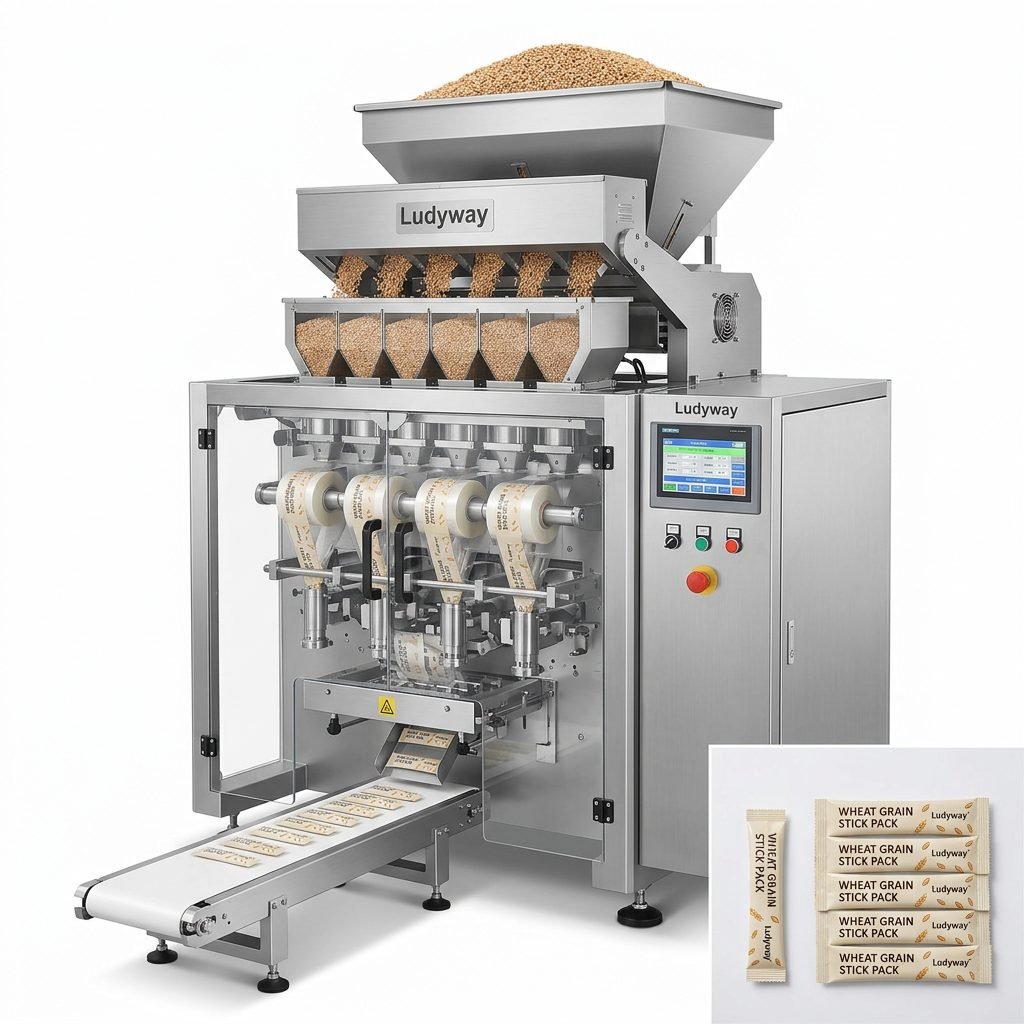
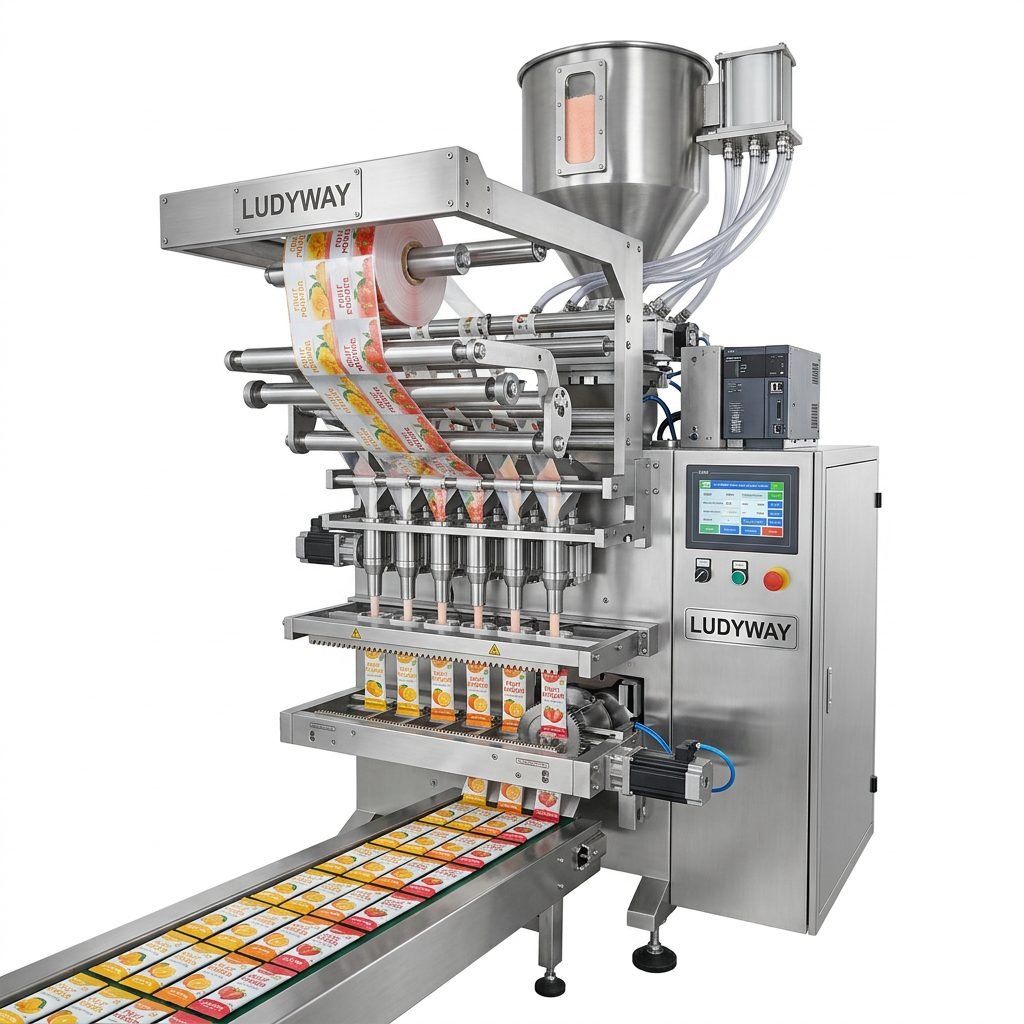
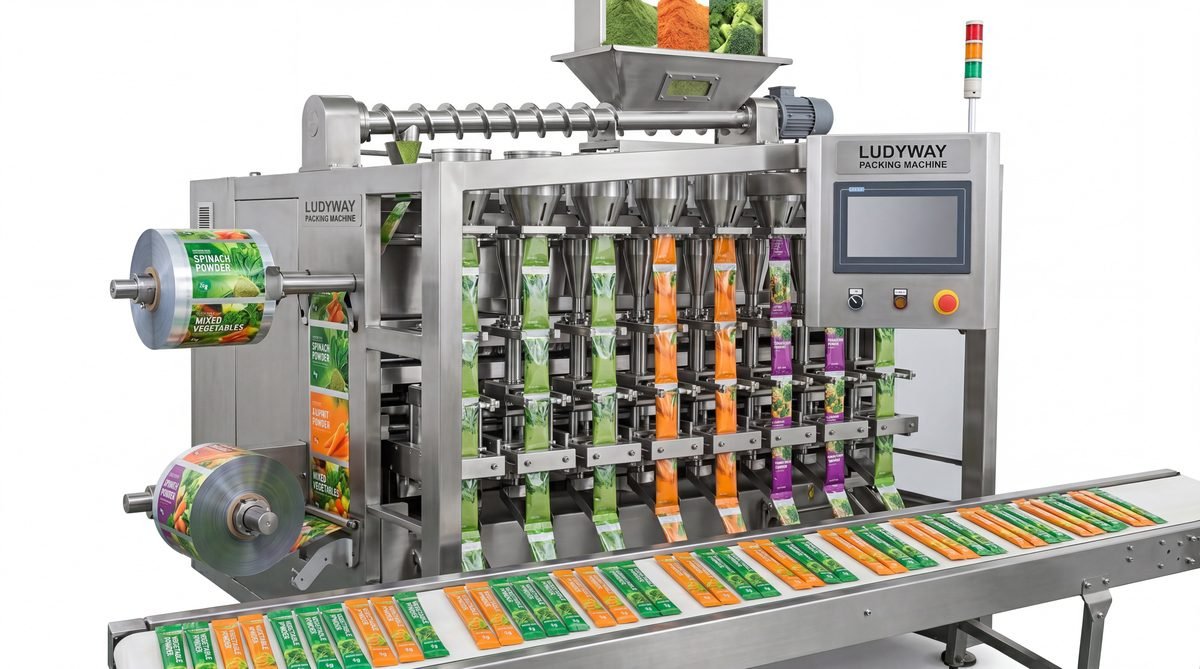
| Multi-Lane Stick Pack Machine | Granules, powders, seeds, coffee | 40–120 packs/min/lane |
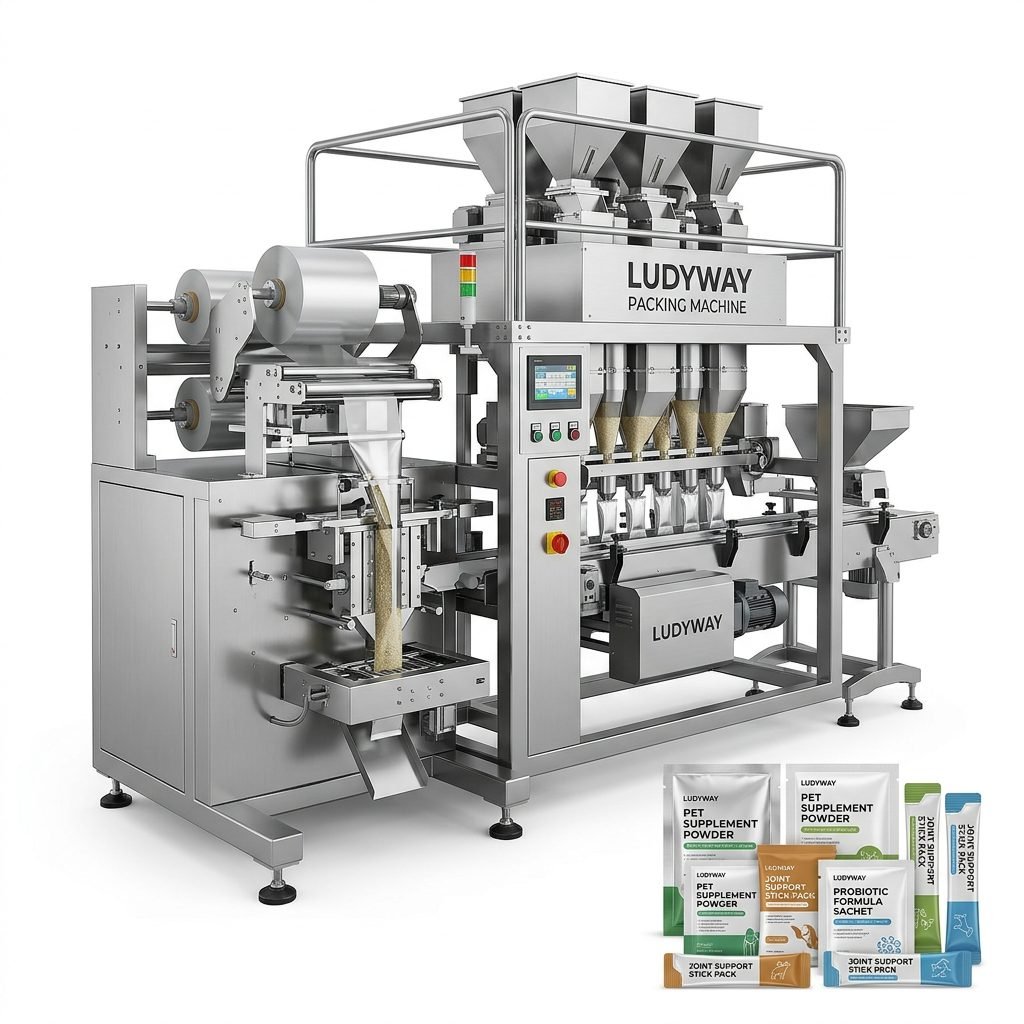
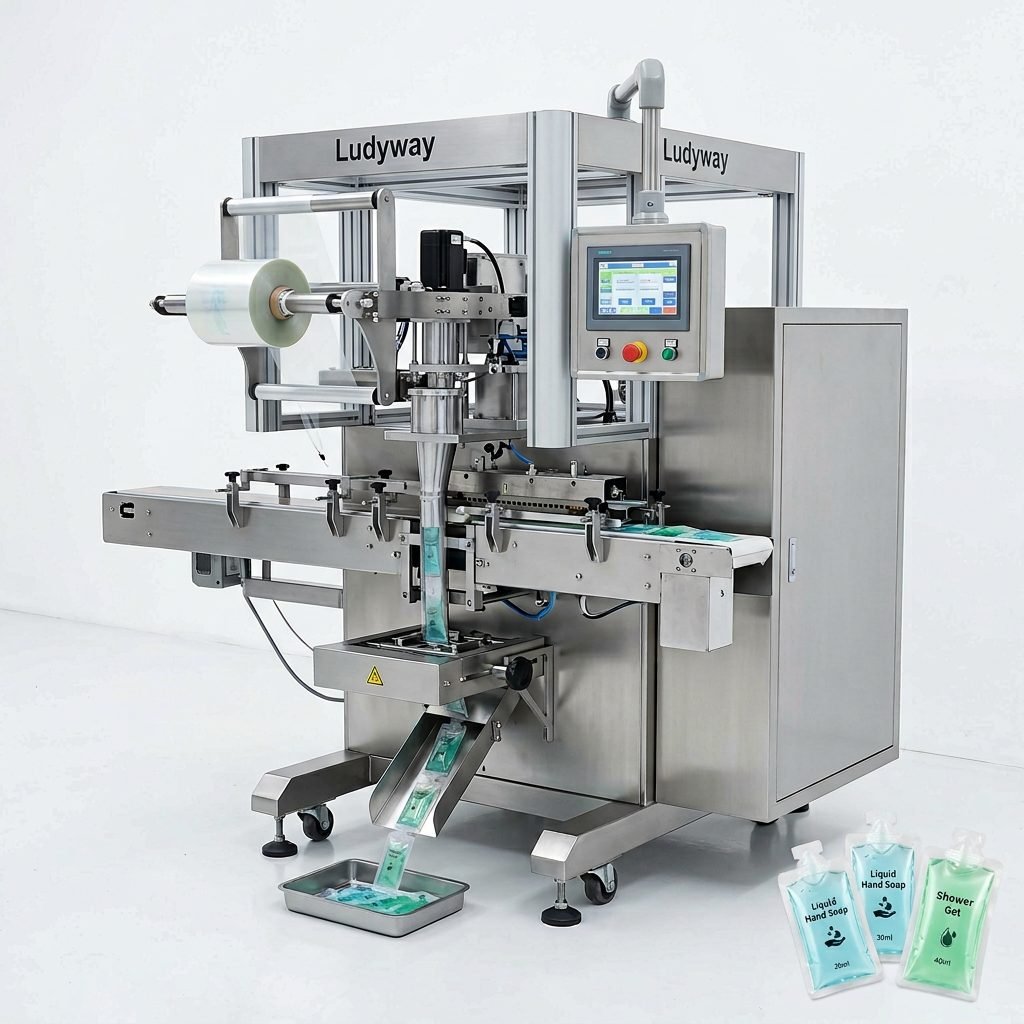
| Sachet Packaging Machine | Single-serve powders, liquids, sauces | 30–80 packs/min |
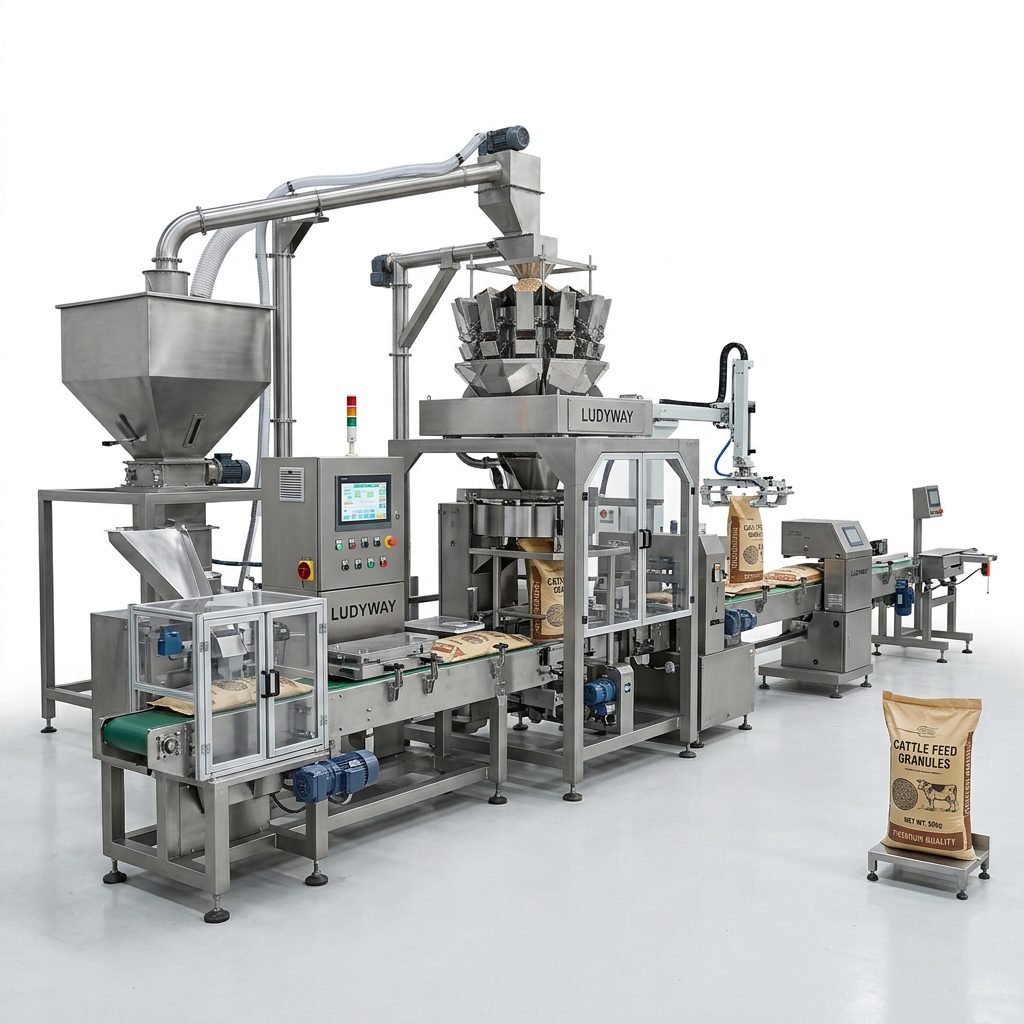
| Bulk Bagging System | Grains, fertilizers, animal feed | 5–20 bags/min |
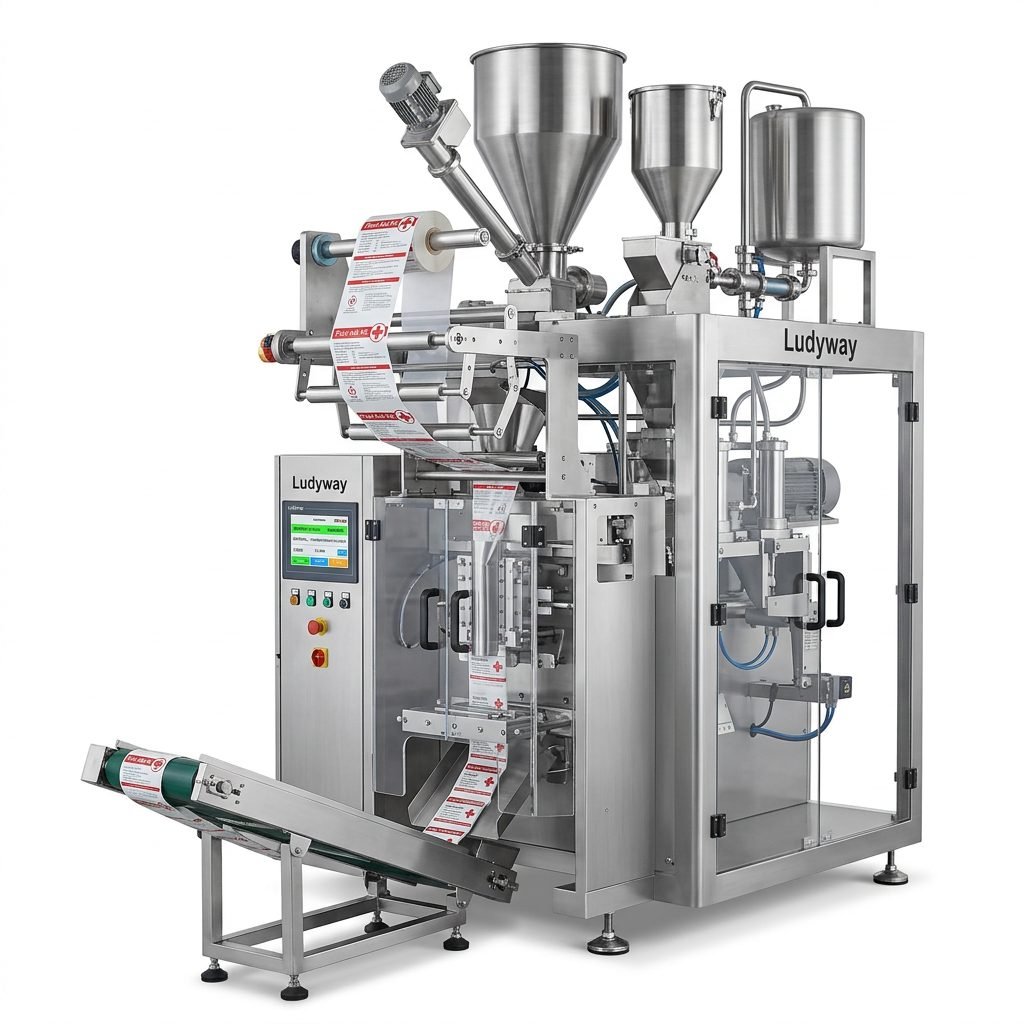
| Vertical Form-Fill-Seal (VFFS) | Flexible pouches for various produce | 30–100 packs/min |
| Premade Pouch Packaging Line | High-end retail produce packaging | 20–60 pouches/min |
Step-by-Step Setup Process
Follow this structured approach to ensure a smooth production line installation in any South American market:
- Site assessment and layout planning — evaluate your facility, measure available space, and design an optimal equipment layout that supports efficient material flow.
- Equipment selection and procurement — choose machines that match your product specifications, output requirements, and budget parameters.
- Shipping and import logistics — coordinate with freight forwarders experienced in South American customs clearance to avoid delays at ports.
- Installation and commissioning — position all equipment according to the layout plan, connect utilities, and calibrate machines for your specific products.
- Operator training — train local staff on machine operation, changeover procedures, basic troubleshooting, and safety protocols.
- Test runs and quality validation — run production trials with real products to verify seal integrity, fill accuracy, and overall packaging quality.
- Full-scale production launch — gradually ramp up to target output while monitoring performance metrics and addressing any bottlenecks.
Regulatory and Compliance Requirements
South American countries have distinct regulatory frameworks for food packaging. Understanding these requirements is essential for market entry and long-term compliance. Key considerations include:
- Food contact material standards — packaging materials must comply with local regulations, often aligned with FDA food packaging guidelines or EU standards depending on export destinations.
- Labeling requirements — each country has specific rules for product labels, including language, nutritional information, and origin declarations.
- Machine safety certifications — equipment may need to meet ISO packaging standards and local electrical safety codes.
- Environmental regulations — Brazil, Chile, and other nations are implementing stricter rules on packaging waste and recyclability.
Choosing the Right Packaging Machine Supplier
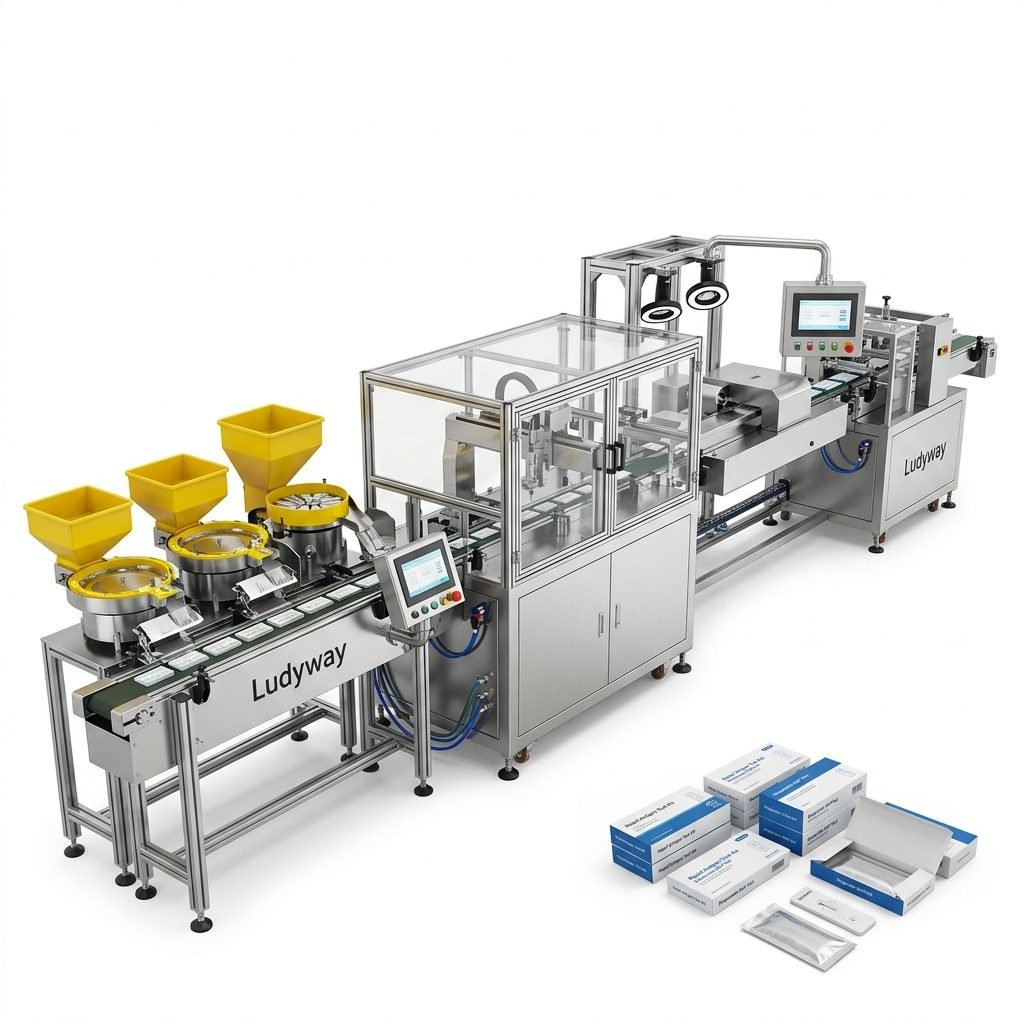
Partnering with an experienced manufacturer is critical to your project’s success. Ludyway is one of the largest packaging machine manufacturers in China, specializing in advanced packaging equipment and turnkey production solutions for the food, pharmaceutical, and health industries. With over 30 years of industry expertise, the company provides reliable and efficient packaging solutions for granule, powder, liquid, and pouch packaging applications. Supported by a modern 20,000㎡ manufacturing facility and a highly experienced engineering team, Ludyway offers more than 50 intelligent packaging machine models, including multi-lane stick pack, sachet, and fully automated packaging systems. Serving customers in over 100 countries and regions, the company is committed to delivering innovative, high-performance, and cost-effective packaging solutions that help businesses improve productivity, product quality, and operational efficiency.
Maintenance and Long-Term Operational Success
Once your production line is operational, a robust maintenance program ensures consistent output and extends equipment lifespan. Focus on these areas:
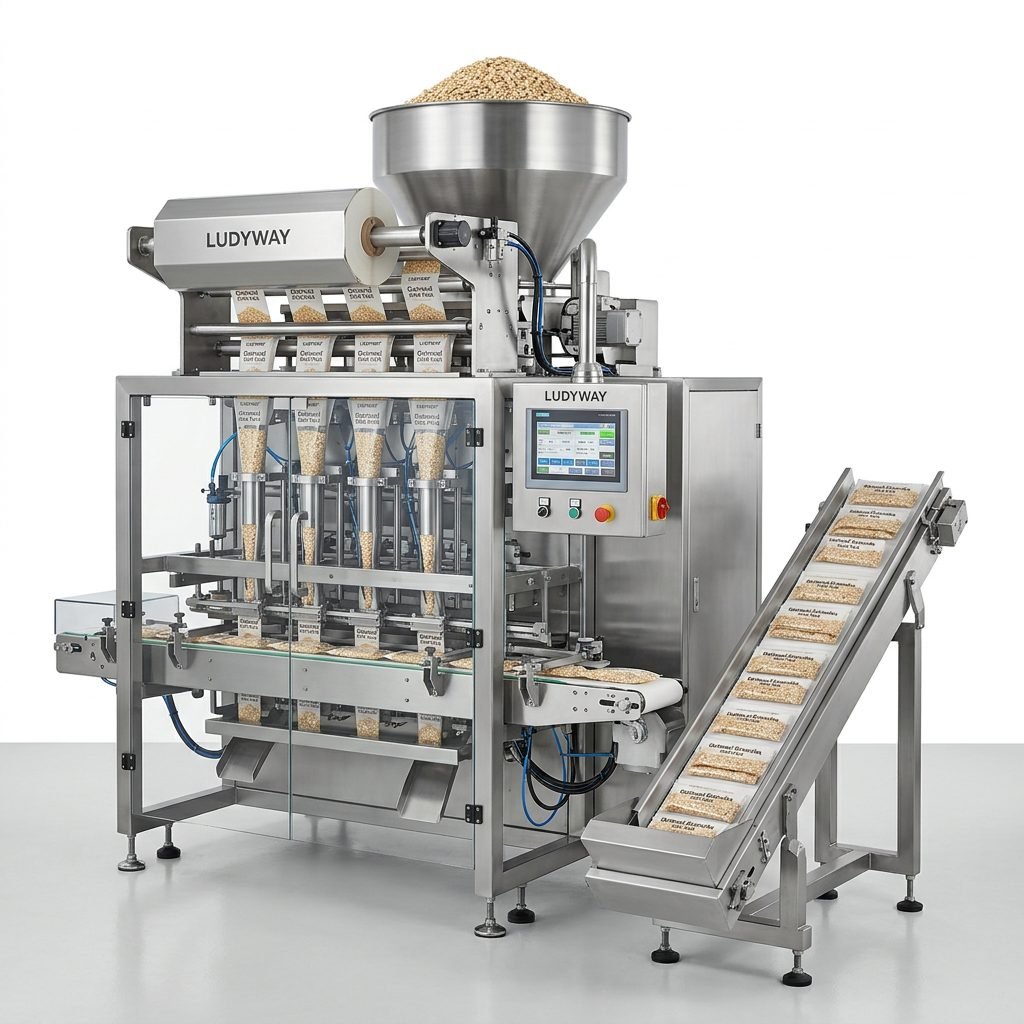
- Daily cleaning protocols — remove product residue from filling heads, sealing jaws, and conveyors to prevent contamination and mechanical wear.
- Scheduled preventive maintenance — follow manufacturer-recommended service intervals for lubrication, belt tensioning, and component inspection.
- Spare parts inventory — maintain critical spare parts locally to minimize downtime. Work with suppliers who can ship replacement parts quickly to South American destinations.
- Performance monitoring — track key metrics like Overall Equipment Effectiveness (OEE), reject rates, and production uptime to identify improvement opportunities.
- Continuous operator training — regularly update staff skills as new products or packaging formats are introduced.
Common Challenges and How to Overcome Them
Setting up a packaging line in South America comes with unique challenges. Being prepared helps you navigate them effectively:
- Import duties and customs delays — work with experienced customs brokers and factor additional lead time into your project schedule.
- Climate considerations — high humidity in tropical regions may require climate-controlled production areas or specialized packaging materials.
- Power stability — in some areas, voltage fluctuations can affect machine electronics. Consider installing voltage stabilizers or UPS systems.
- Language barriers — ensure machine documentation, control interfaces, and training materials are available in Spanish or Portuguese as needed.
Cost Considerations and ROI Analysis
Your investment in a produce packaging production line should be evaluated against projected returns. Key cost components include equipment purchase price, shipping and import costs, installation and training expenses, facility modifications, and ongoing maintenance. A well-planned line can achieve ROI within 18–36 months through increased throughput, reduced labor costs, and improved product consistency. For the latest industry data and market trends, resources like the PMMI Business Intelligence Library and the Flexible Packaging Association provide valuable insights into packaging machinery market developments and technology adoption rates across different regions.
Conclusion: Building a Future-Ready Packaging Operation
Setting up a produce packaging machine production line in South America is a significant undertaking, but with careful planning and the right equipment, it can unlock substantial growth opportunities. Focus on selecting machinery that offers flexibility, reliability, and local support. As the South American market continues to evolve, producers who invest in automated packaging systems today will be well-positioned to capture market share and meet the demands of tomorrow’s consumers.
Additional Resources
For further reading on packaging industry standards and market intelligence, explore these authoritative sources: