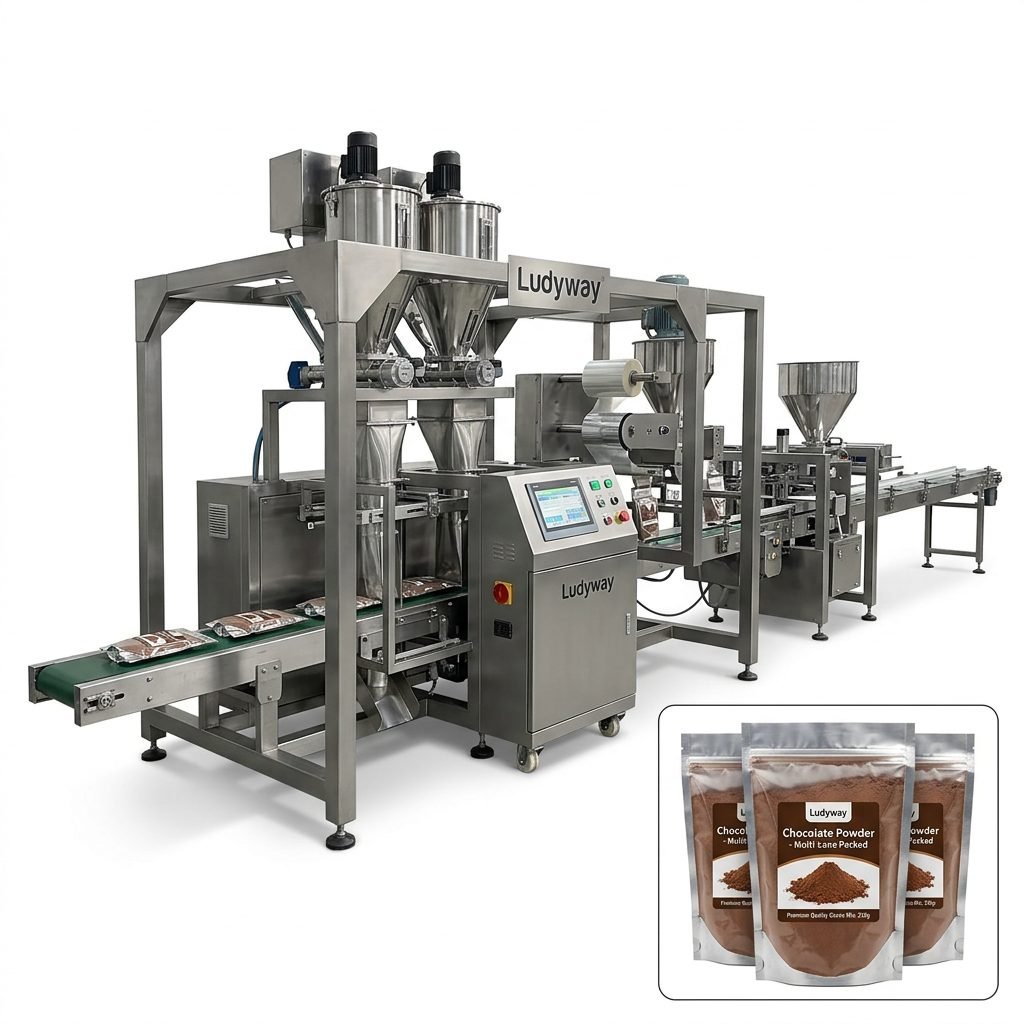
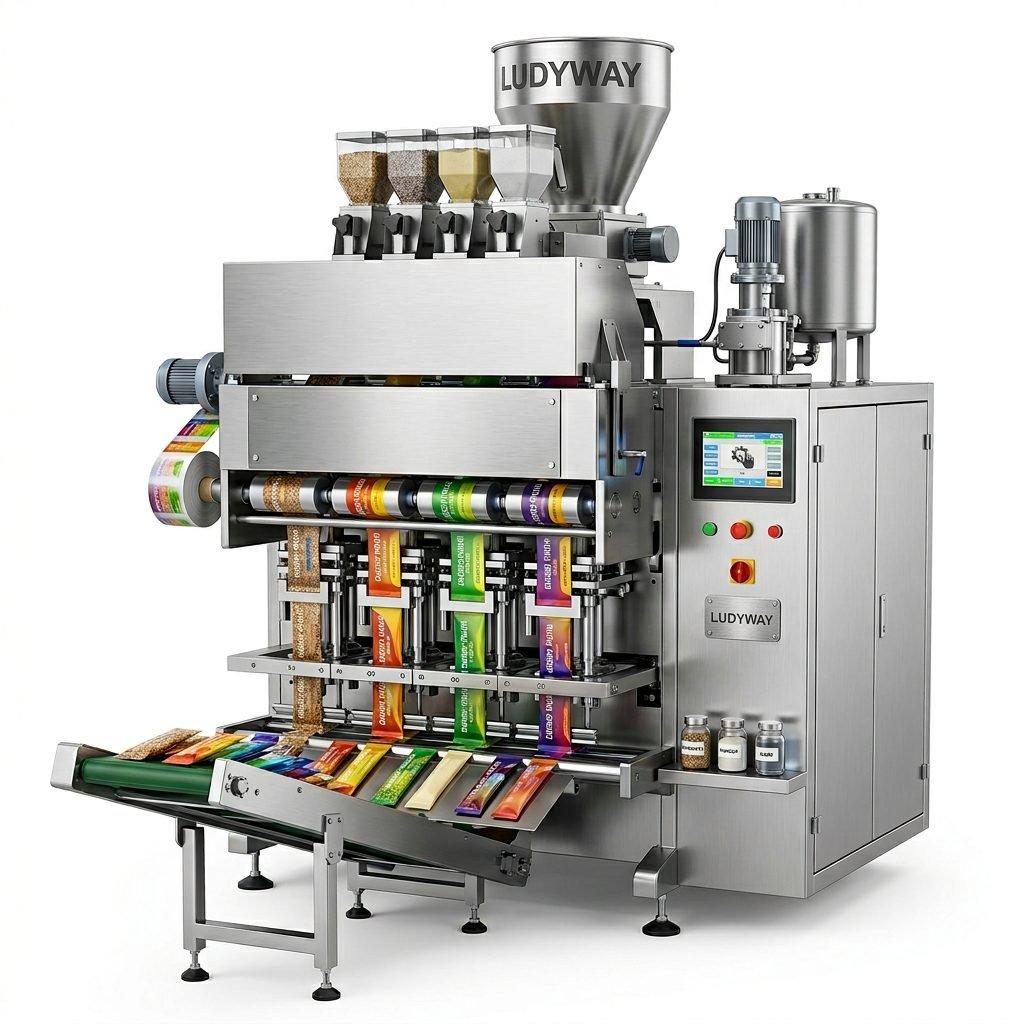
Navigating the world of packaging machinery can be a complex task for any business owner or production manager. With a vast array of equipment types available, each designed for specific materials, speeds, and product forms, selecting the right machine is crucial for operational efficiency, product integrity, and cost-effectiveness. This guide provides a detailed overview of the primary types of packaging machinery and offers a structured framework to help you make an informed investment decision that aligns with your production goals.
Primary Categories of Packaging Machinery
The packaging machinery landscape is broadly divided based on the form of the product being packaged and the function of the machine. Understanding these categories is the first step toward identifying your needs.
1. Filling and Sealing Machines
These are the workhorses of the packaging line, responsible for accurately dispensing a product into a container or pouch and then hermetically sealing it.
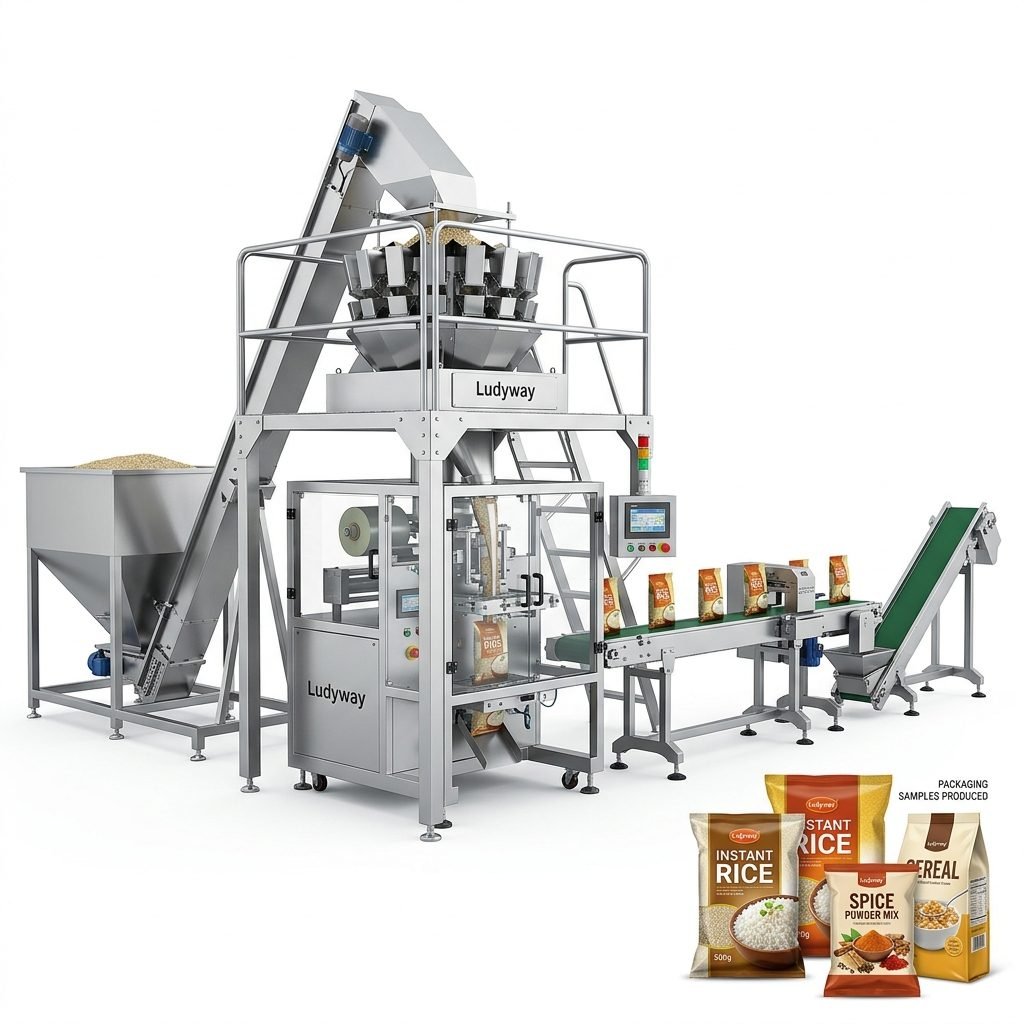
Volumetric Fillers: Ideal for free-flowing granules, powders, or seeds, these machines use cups, augers, or pumps to measure a specific volume of product. They offer good speed and are cost-effective for many dry goods.
Liquid Fillers: Utilizing piston, gravity, or pressure-based systems, these machines ensure precise filling of liquids, creams, and pastes into bottles, tubes, or sachets. Accuracy is paramount to prevent waste and ensure consistent fill levels.
The sealing mechanism varies from simple heat sealers for plastic films to more complex cappers for bottles and induction sealers for tamper-evident protection.
2. Form-Fill-Seal (FFS) Machines
FFS machines represent a high level of automation by creating the package from a roll of film, filling it with product, and sealing it—all in one continuous process. They are incredibly efficient and reduce packaging material inventory.
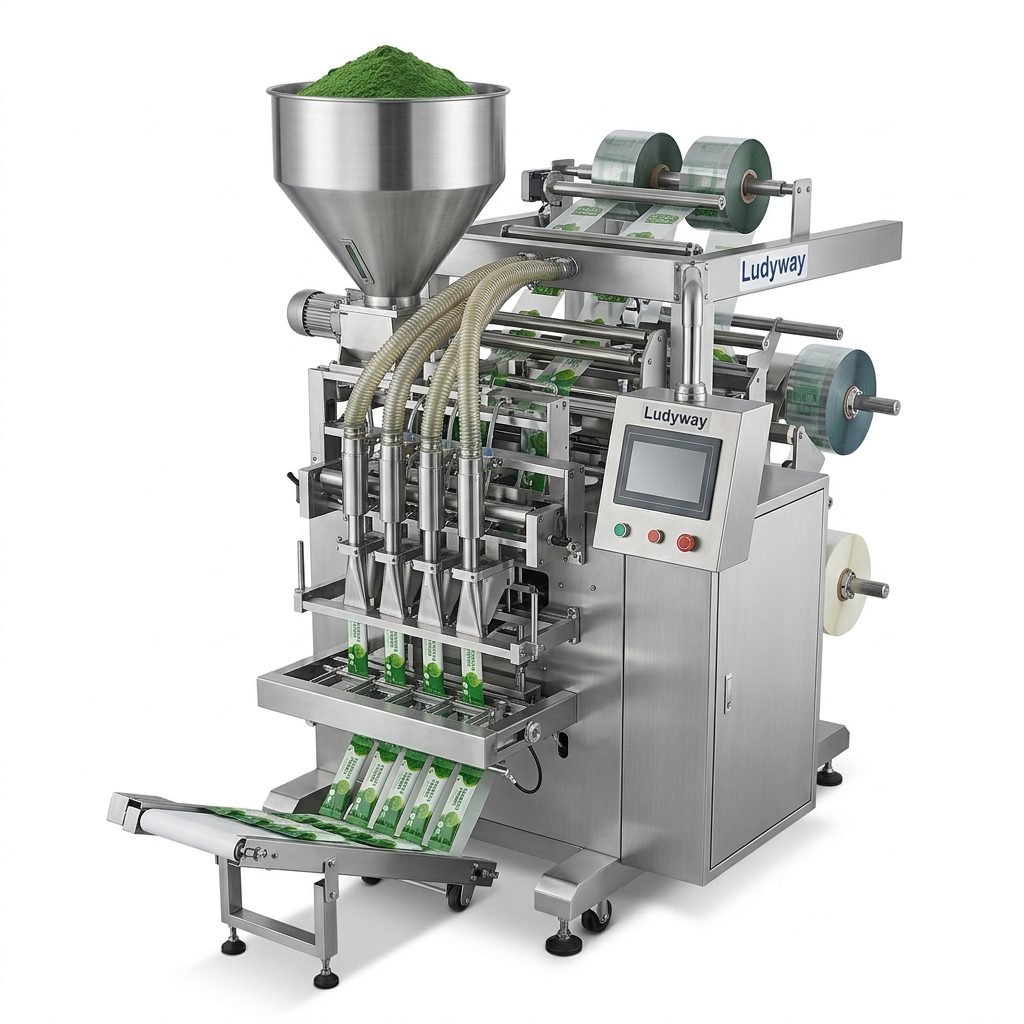
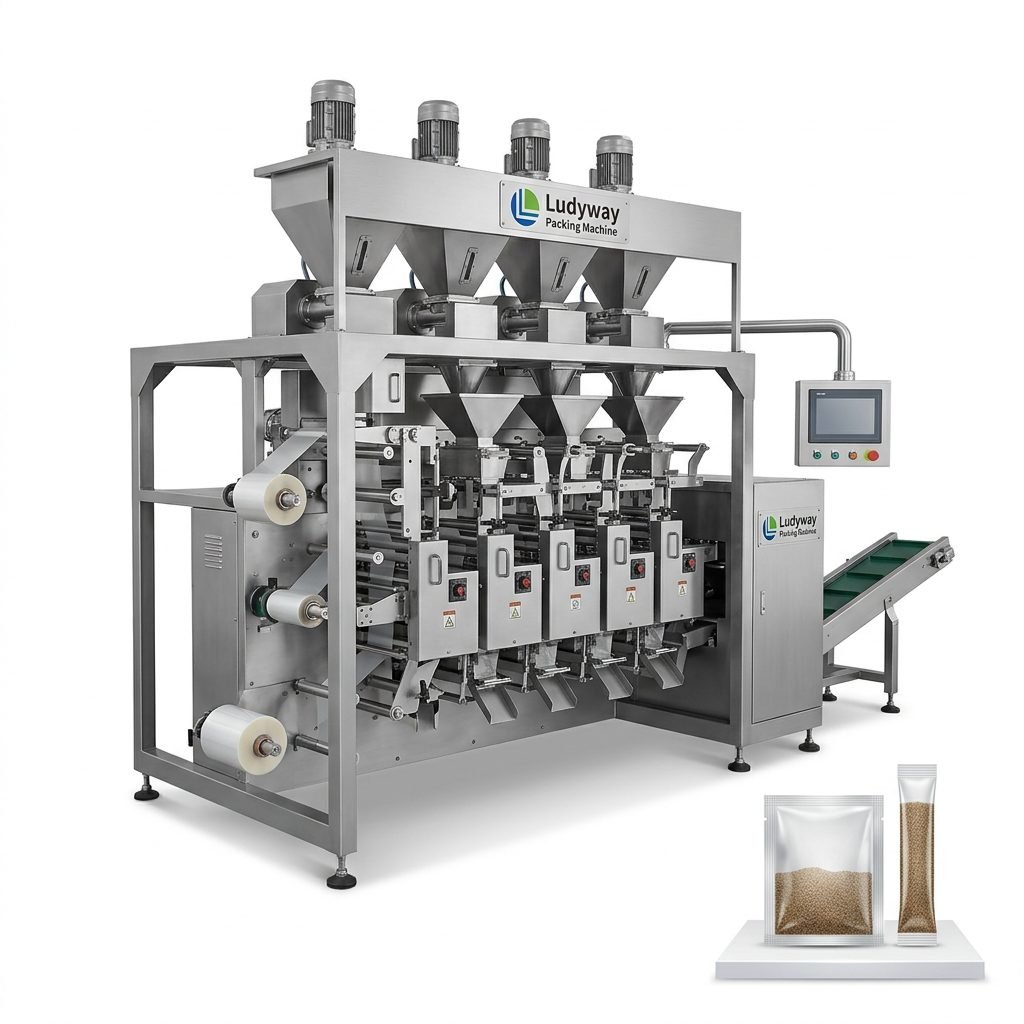
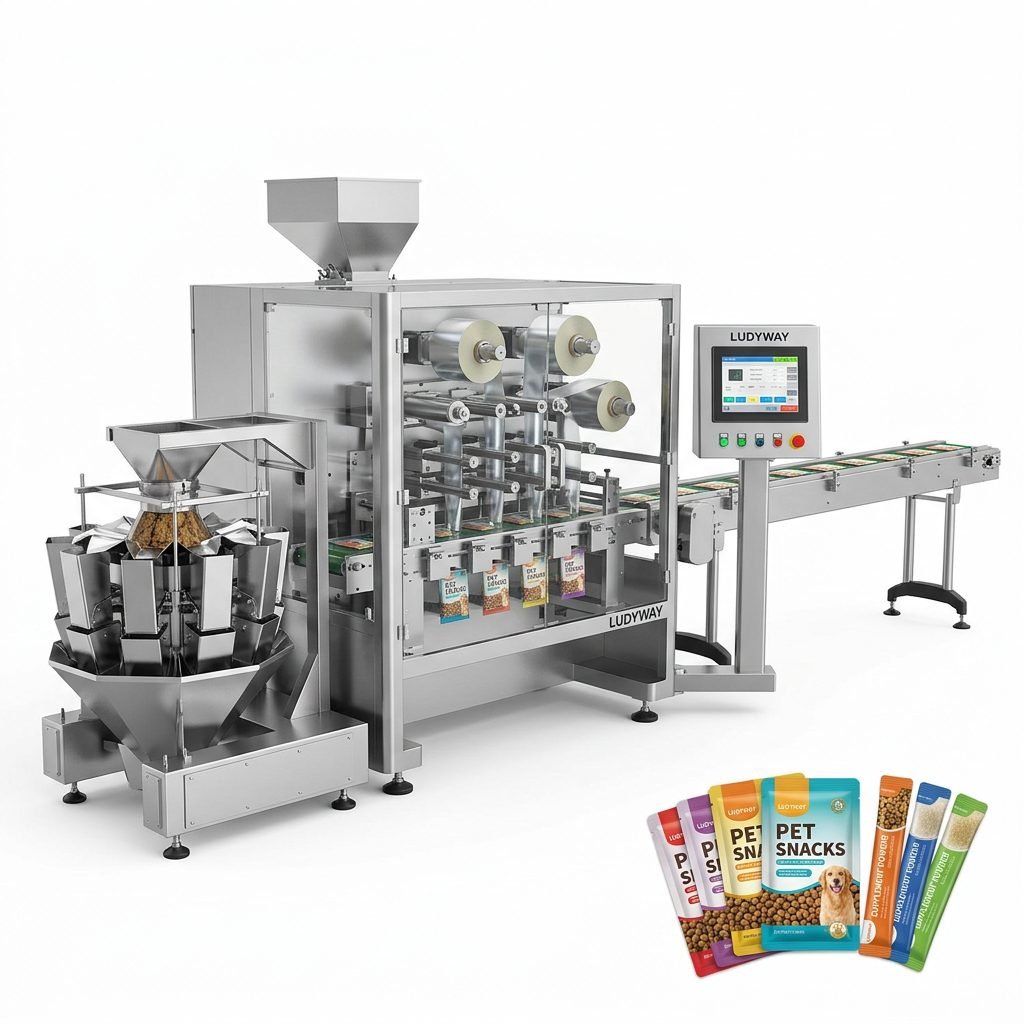
- Vertical Form-Fill-Seal (VFFS): The film is formed into a vertical tube, filled, and then sealed horizontally. Perfect for granules, powders, snacks, and liquids in stick packs or pillow bags.
- Horizontal Form-Fill-Seal (HFFS): The film is formed horizontally, ideal for placing multiple items (like biscuits or bars) into a single tray or flow-wrap package. Excellent for product presentation.
3. Cartoning and Case Packing Equipment
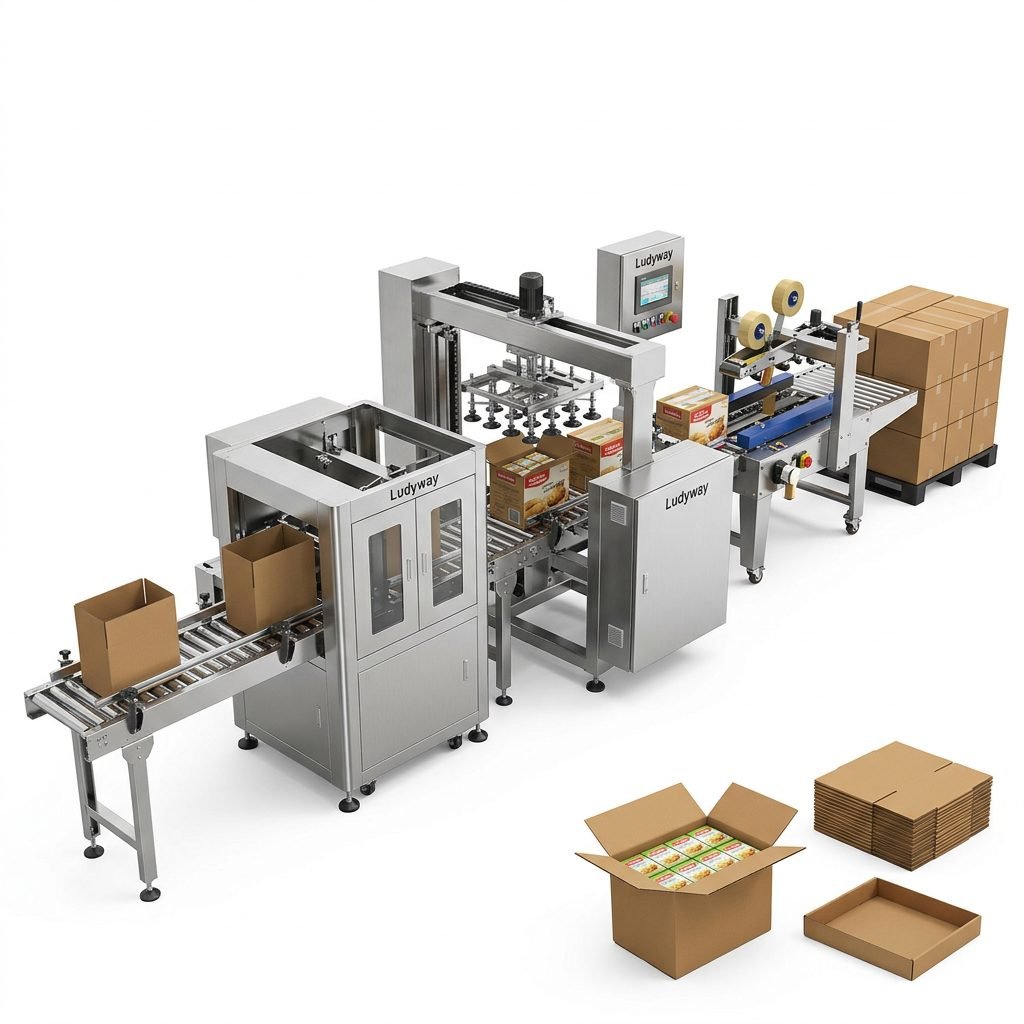
Once primary packaging is complete, secondary packaging is handled by this equipment. Cartoners erect, load, and close cartons, while case packers automatically group and load finished products into shipping cases. They are essential for achieving high-speed end-of-line operations and reducing manual labor.
4. Specialized Machinery for Unique Formats
Beyond standard bags and boxes, specialized machines cater to niche markets and premium products.
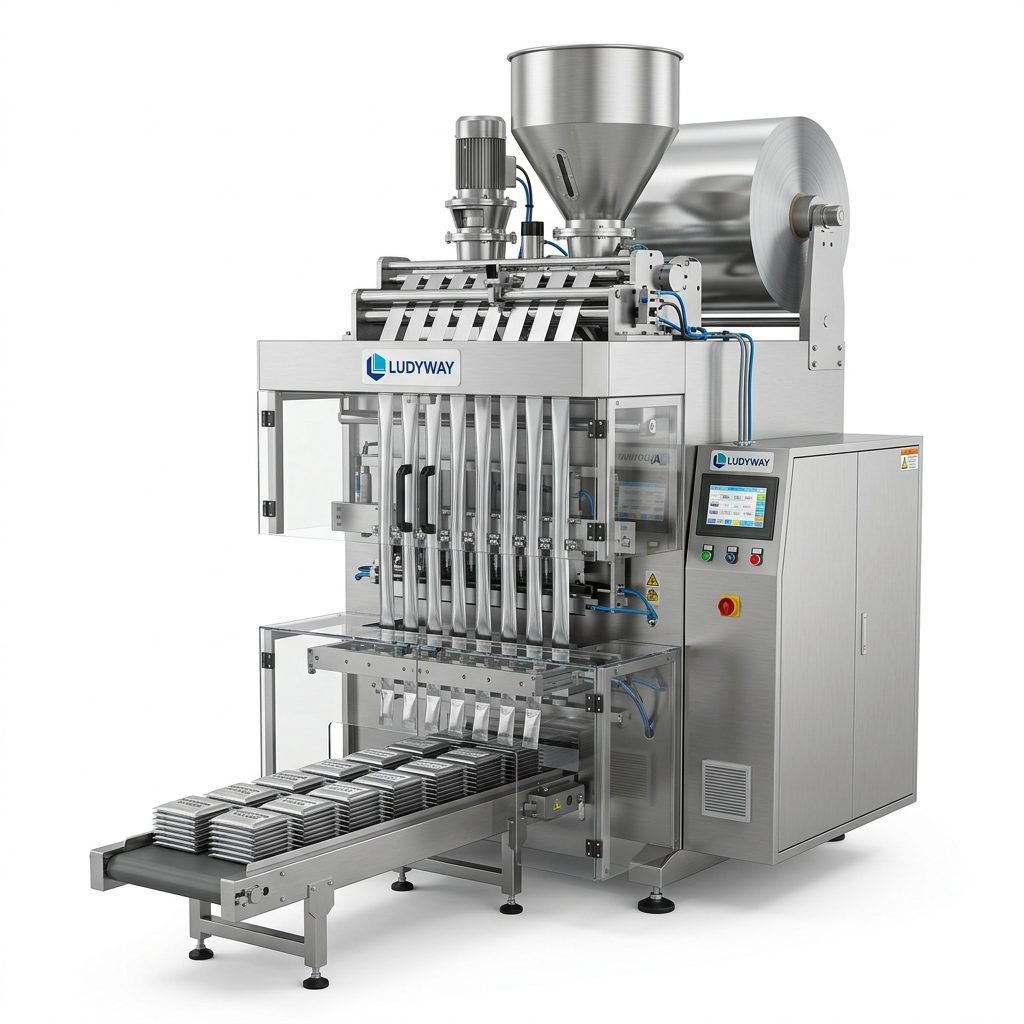
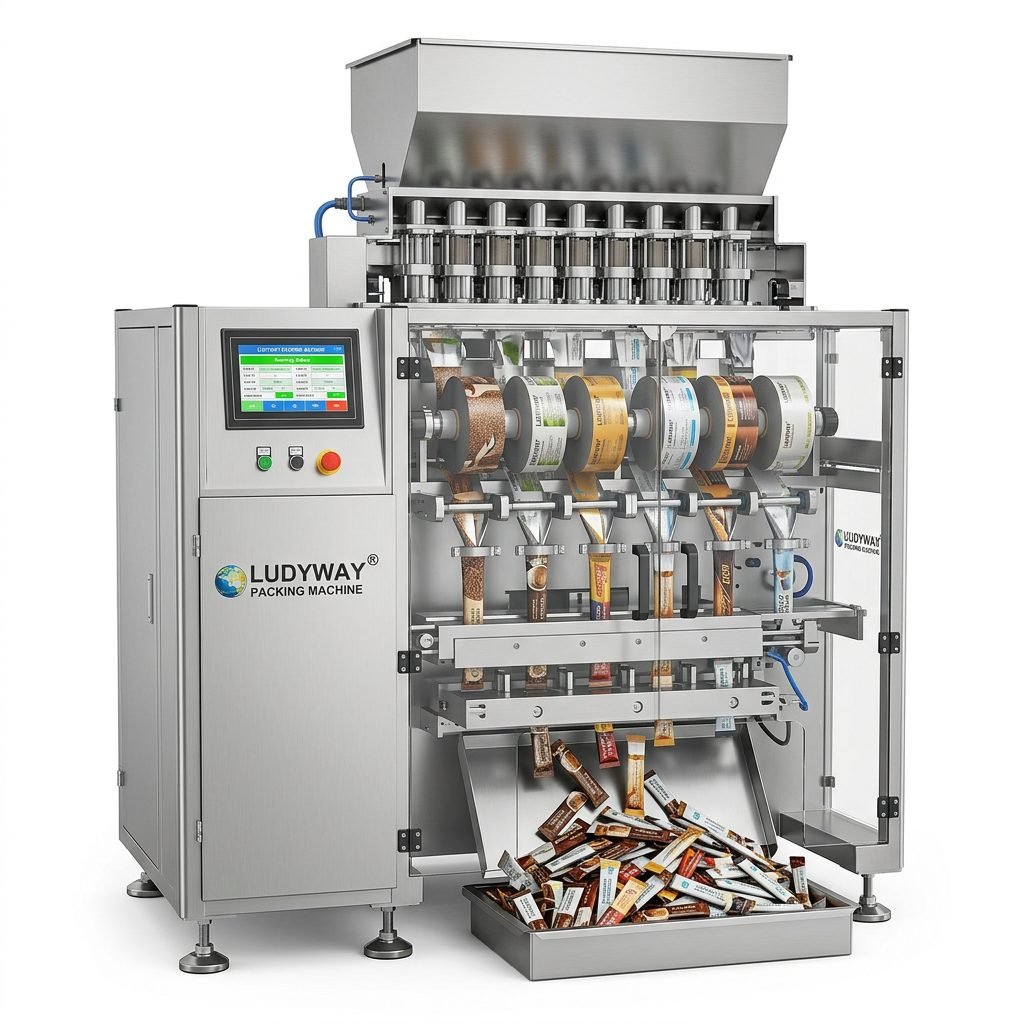
▶ Stick Pack Machines: Designed to create long, slender single-serve pouches, popular for supplements, drink mixes, and pharmaceuticals. They offer excellent barrier properties and a modern, convenient format.
▶ Sachet Packaging Machines: Produce small, flat pouches ideal for samples, condiments, cosmetics, and single-dose pharmaceuticals. They can handle powders, liquids, and creams with precision.
Other types include blister packers for pills, tube fillers for ointments, and vacuum sealers for food preservation.
How to Choose the Right Packaging Equipment: A Step-by-Step Framework
Selecting machinery is a strategic decision. Follow this framework to evaluate your options systematically.
Step 1: Define Your Core Product and Packaging Requirements
This is the most critical step. You must have absolute clarity on:
- Product Characteristics: Is it a granule, fine powder, viscous liquid, or solid? What is its flowability, abrasiveness, and sensitivity (to heat, moisture, light)?
- Desired Package Type: Stick pack, sachet, bottle, stand-up pouch, or carton? The package dictates the machine type.
- Production Speed (Output): Calculate your required units per minute/hour/shift. Be realistic about current needs and future growth.
- Accuracy and Fill Weight: Determine the permissible weight variation. Regulatory industries like pharmaceuticals have stringent requirements.
Step 2: Evaluate Machine Specifications and Technology
With your requirements in hand, assess the technical offerings of potential machines.
Construction & Durability: Look for robust frames (stainless steel is preferred for food/pharma), high-quality components (servo motors, PLC controls), and a design that allows for easy cleaning and maintenance.
Flexibility & Changeover: Can the machine handle different package sizes with quick, tool-less changeovers? This is vital for short production runs.
Automation Level: Consider integration with upstream (feeding) and downstream (checkweighers, labelers) equipment. Does it offer data tracking and connectivity for Industry 4.0?
Step 3: Analyze Supplier Credentials and Support
The machine is only as good as the company behind it. A reliable partner like Ludyway Machinery provides immense long-term value.
- Industry Experience: Choose a supplier with proven expertise in your specific sector (e.g., food, pharmaceuticals).
- Technical Support & Training: Ensure they offer comprehensive installation, training, and responsive after-sales service.
- Spare Parts Availability: Quick access to genuine spare parts minimizes costly downtime.
- References and Case Studies: Ask for examples of similar successful installations.
Step 4: Consider Total Cost of Ownership (TCO)
Look beyond the initial purchase price. TCO includes:
- Energy consumption and compressed air requirements.
- Cost and availability of consumables (films, seals).
- Expected maintenance costs and part longevity.
- Potential for future upgrades or retrofits.
An energy-efficient, durable machine from a reputable supplier may have a higher upfront cost but a significantly lower TCO.
Step 5: Request a Product Test (Essential)
Never buy a packaging machine untested. Reputable suppliers will offer a live or video product test using your actual materials. This validates speed, accuracy, seal integrity, and overall performance before you commit.
Partnering for Success: The Value of a Turnkey Solution
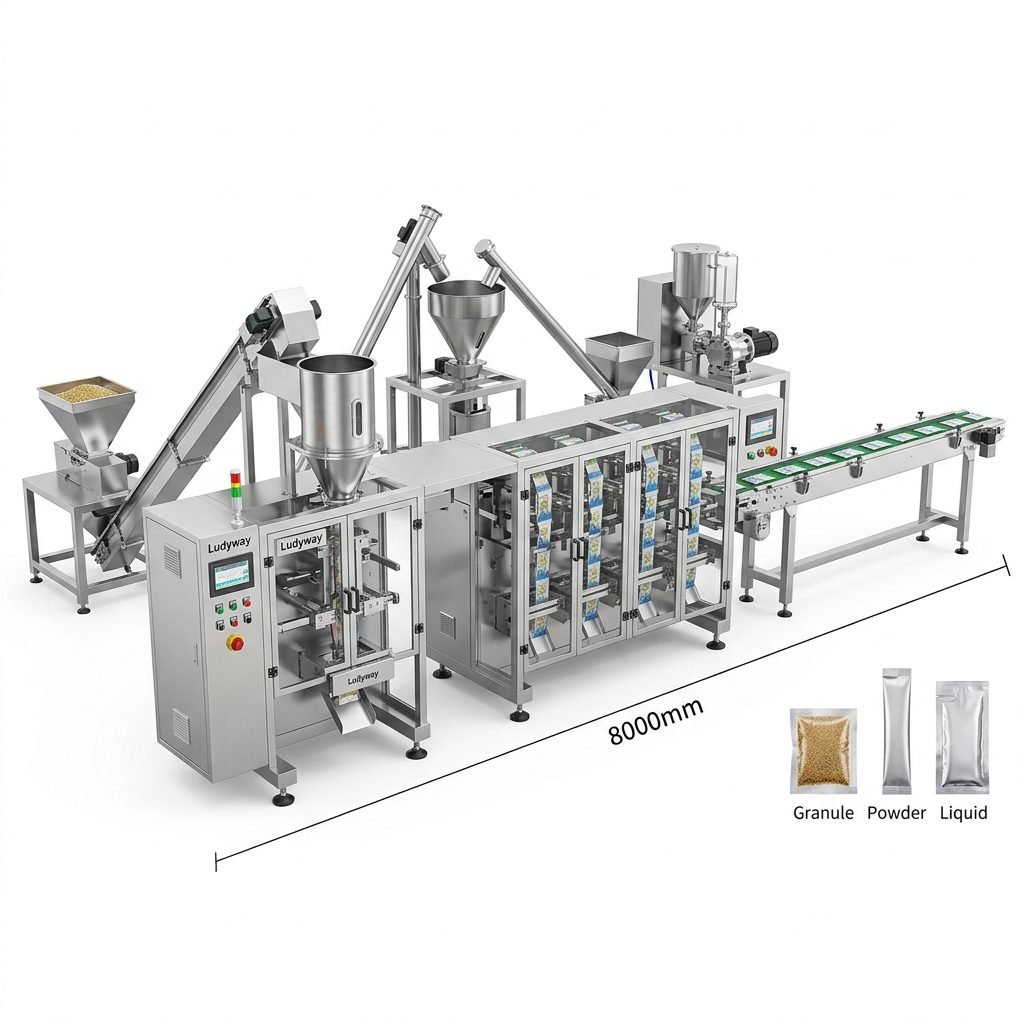
For complex projects or new production lines, consider working with a supplier who can provide a complete turnkey solution. This means they take responsibility for integrating all components—from the feeding system and packaging machine to conveyors and cartoners—into one harmonious, efficient line. This single-point accountability saves time, reduces integration headaches, and ensures optimal performance from day one.
Frequently Asked Questions (FAQs)
What is the main difference between a volumetric filler and a net weight filler?
Volumetric fillers measure product by volume (using cups or augers) and are typically faster and more economical for consistent, free-flowing products. Net weight fillers weigh each dose on a scale, offering superior accuracy for high-value or inconsistent-density products, but are generally slower and more expensive.
How important is machine flexibility for a growing business?
Extremely important. Machines with quick changeover capabilities allow you to run smaller batches of different products or package sizes efficiently, adapting to market demands without major capital investment in additional dedicated equipment.
Can one machine handle both powders and liquids?
Some advanced machines are designed with interchangeable filling systems (e.g., swapping an auger for a piston pump) to handle different product types. However, most machines are optimized for a specific product form. It’s crucial to discuss your full product range with the supplier.
What are the key maintenance routines for packaging machinery?
Daily cleaning, lubrication of moving parts as per the manual, and inspection of seals and wear parts are essential. Regular calibration of scales and checks on heating elements for sealers will prevent major breakdowns and ensure consistent quality.
Why should I consider a supplier with specific industry experience?
Industry-specific suppliers understand the unique regulatory, hygiene, and material handling challenges of your sector. For example, a supplier experienced in pharmaceutical packaging will be familiar with GMP standards and validation protocols, which a general-purpose supplier may not be.