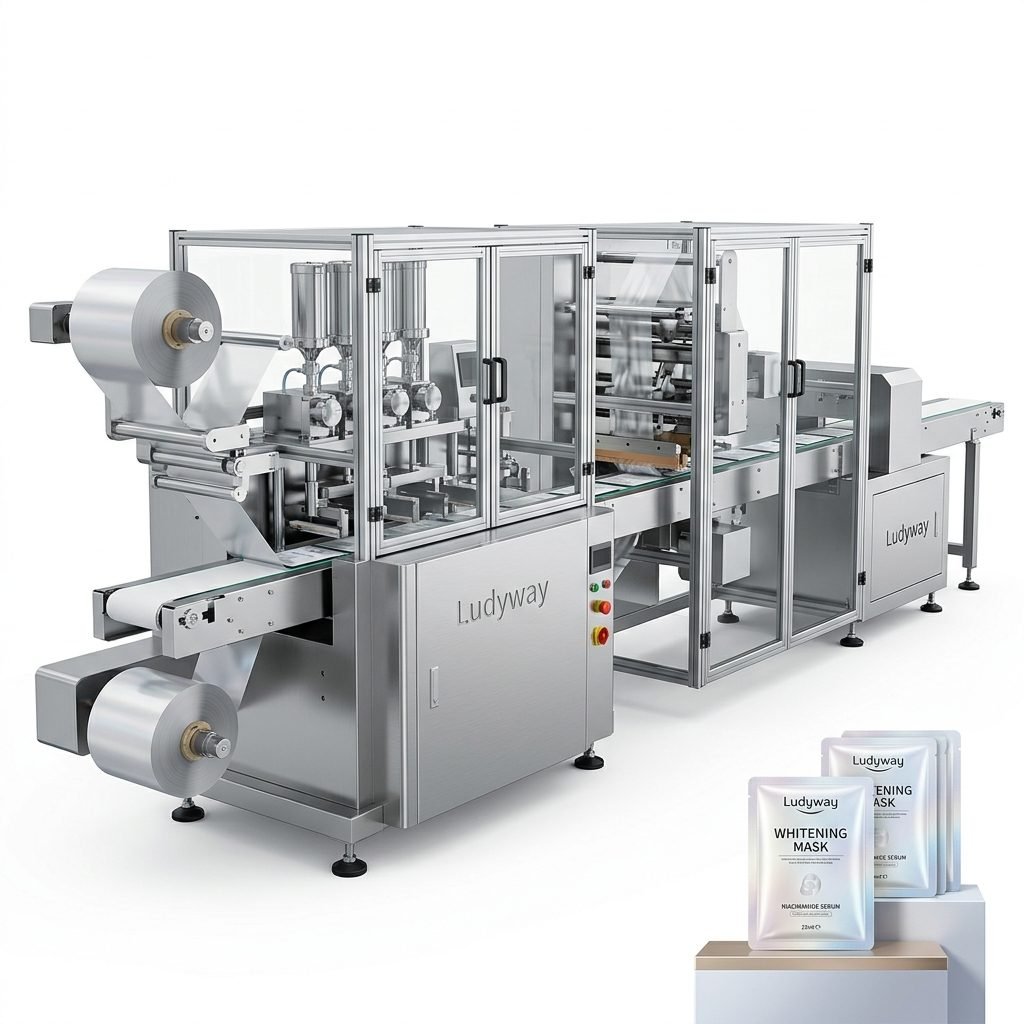
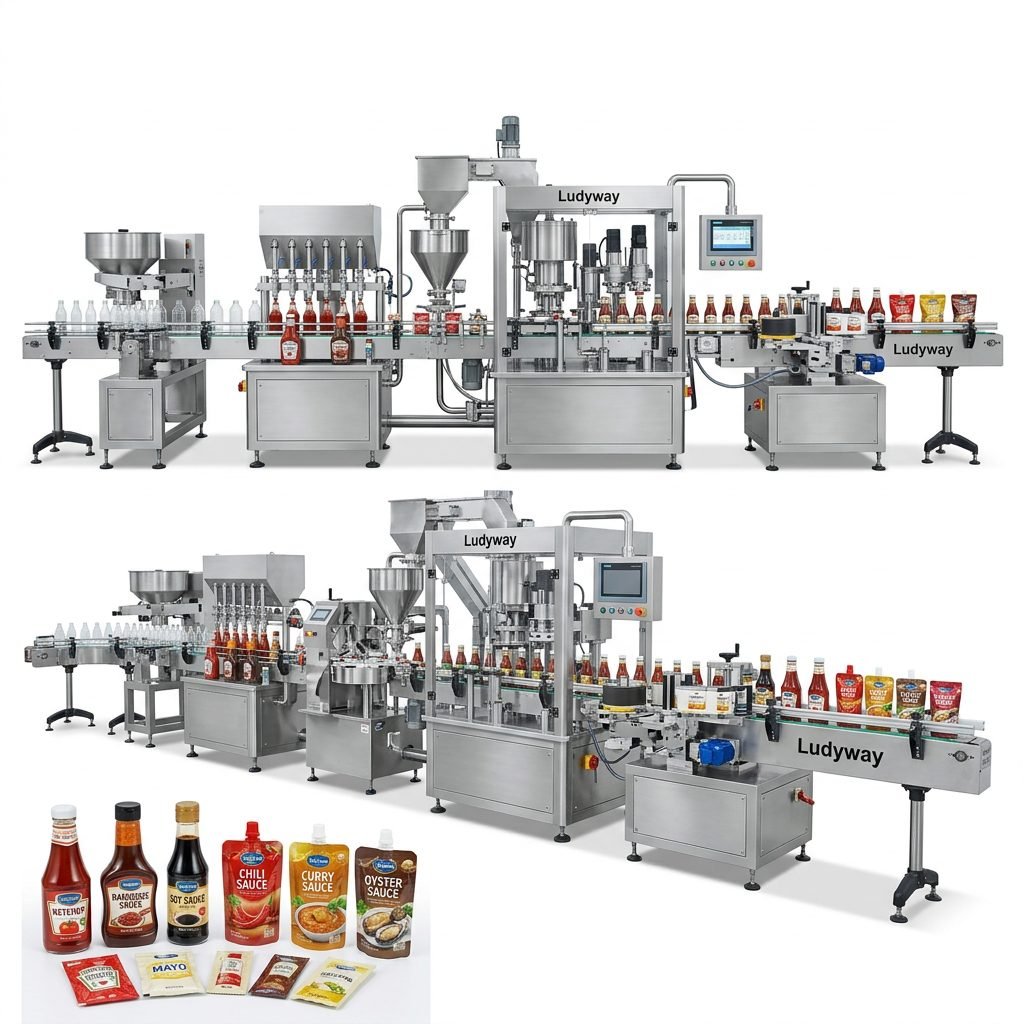
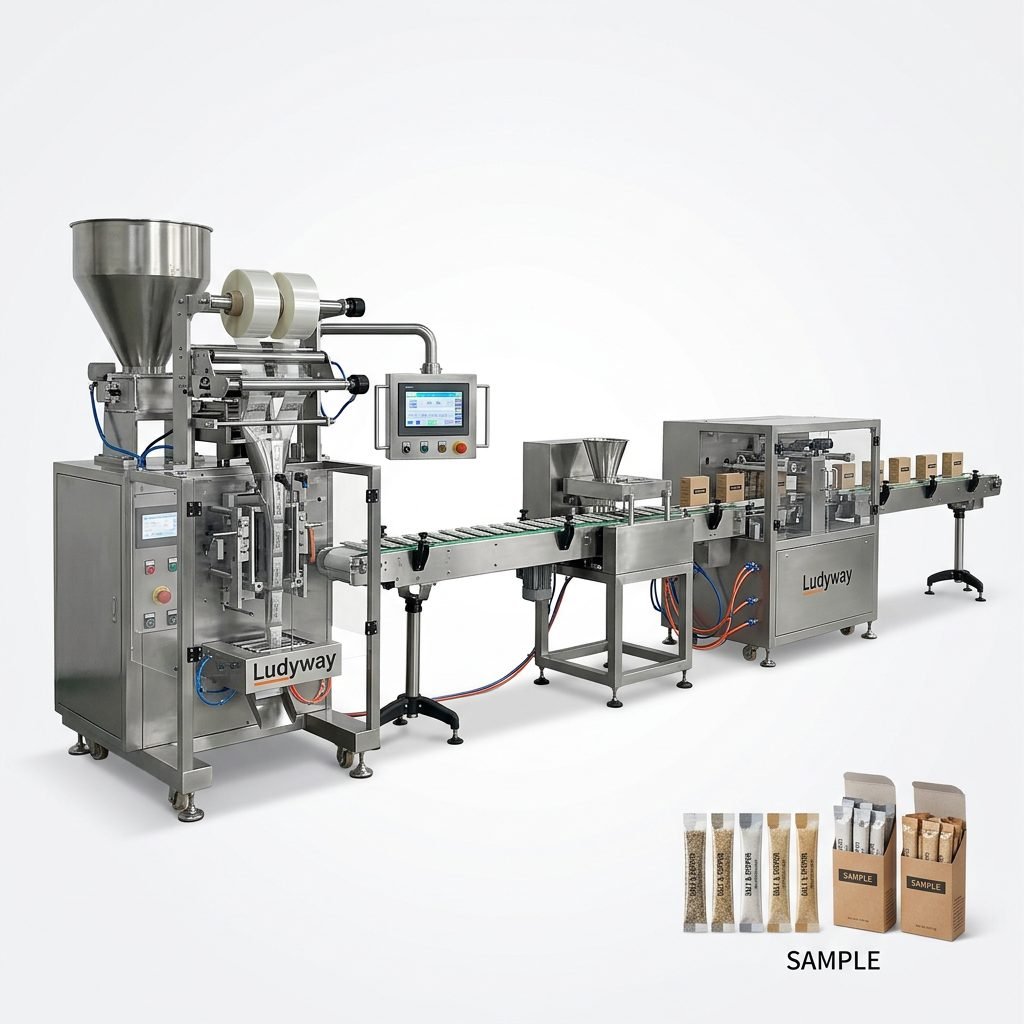
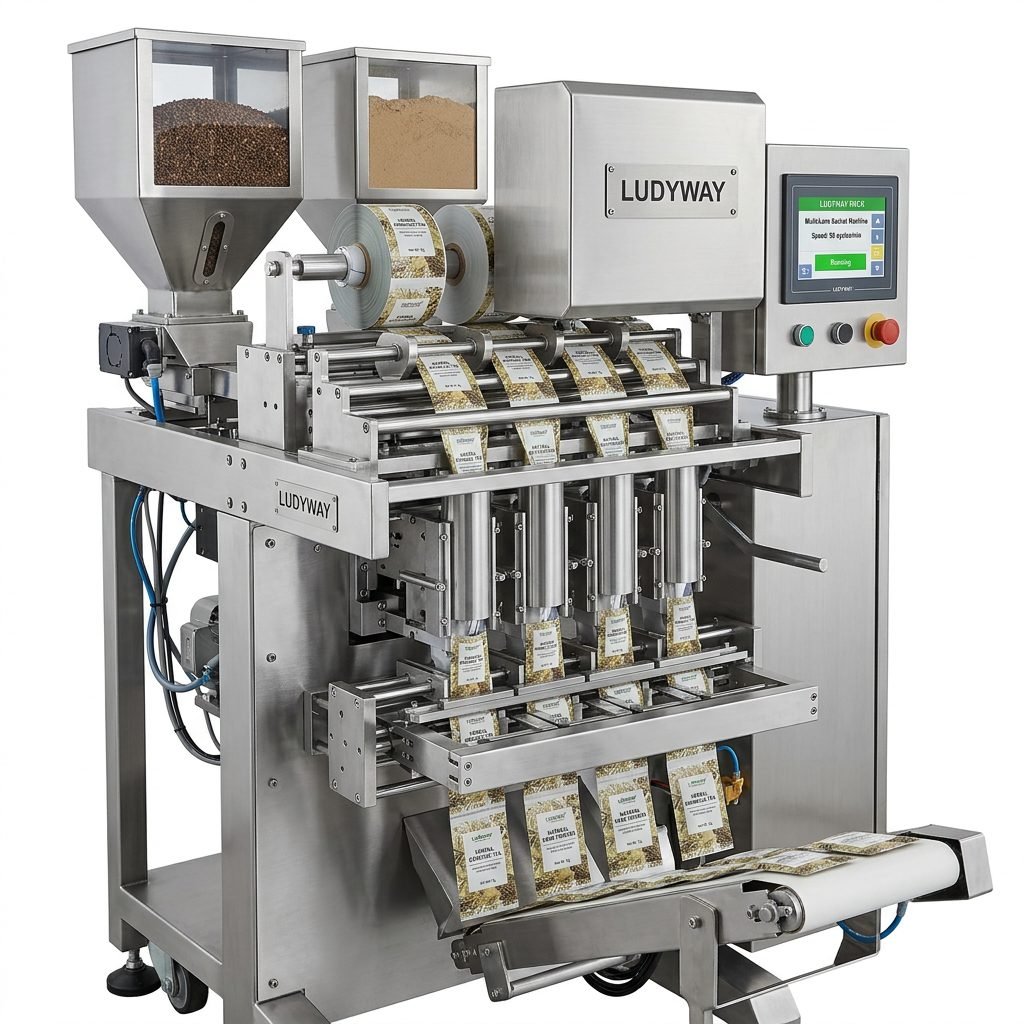
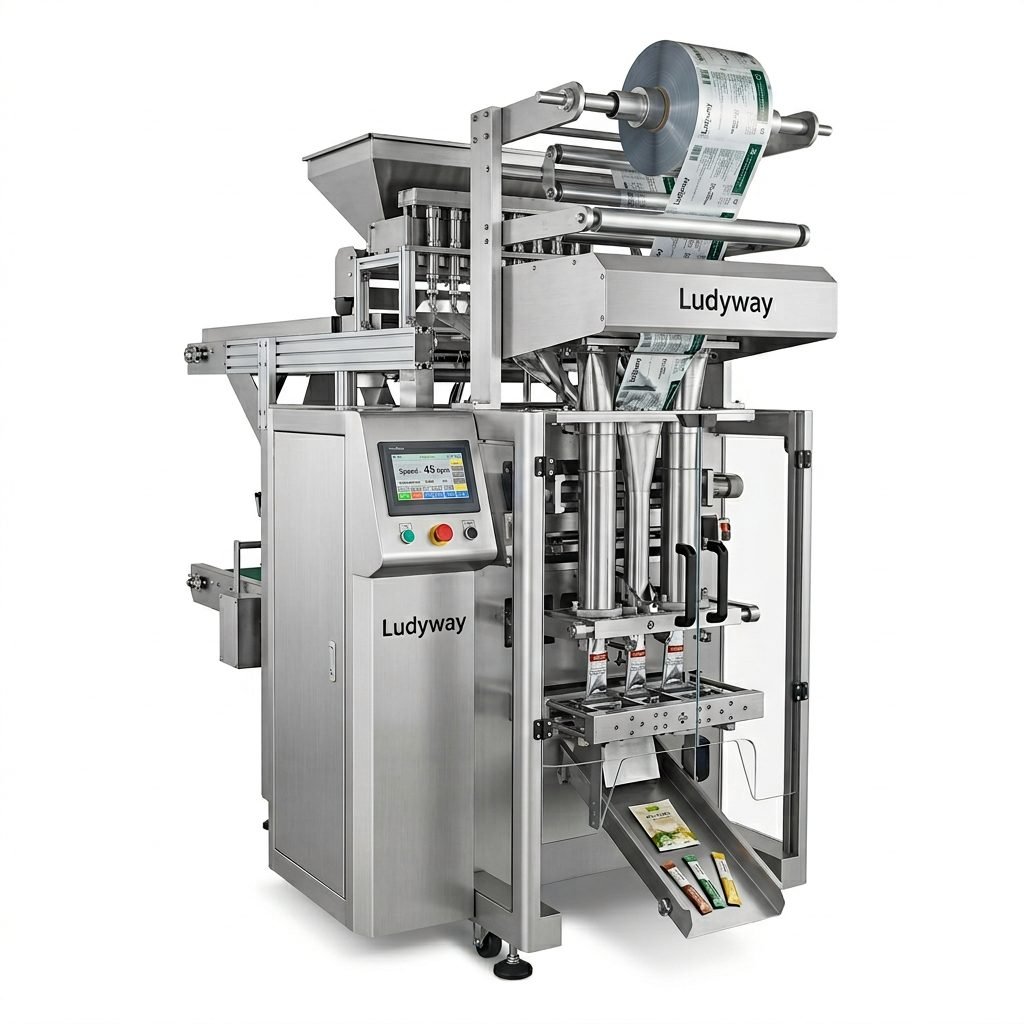
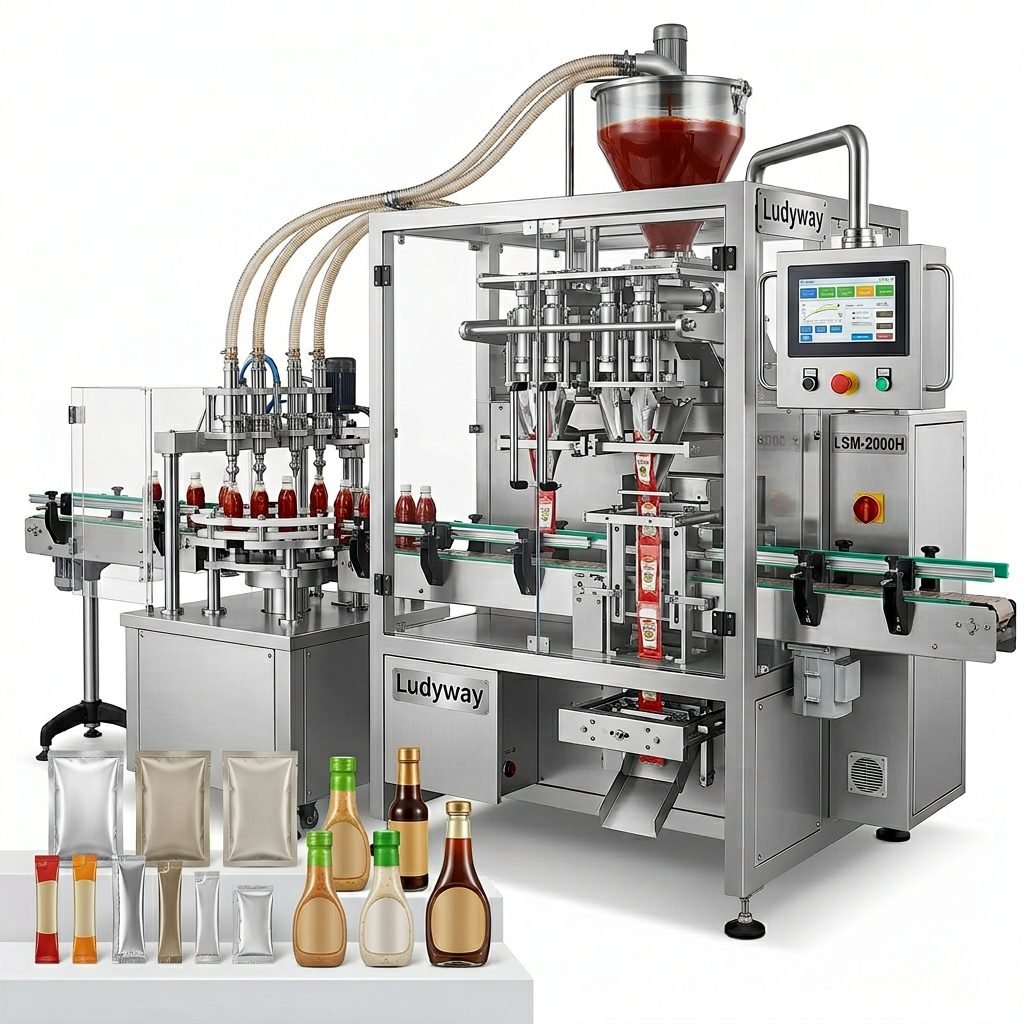
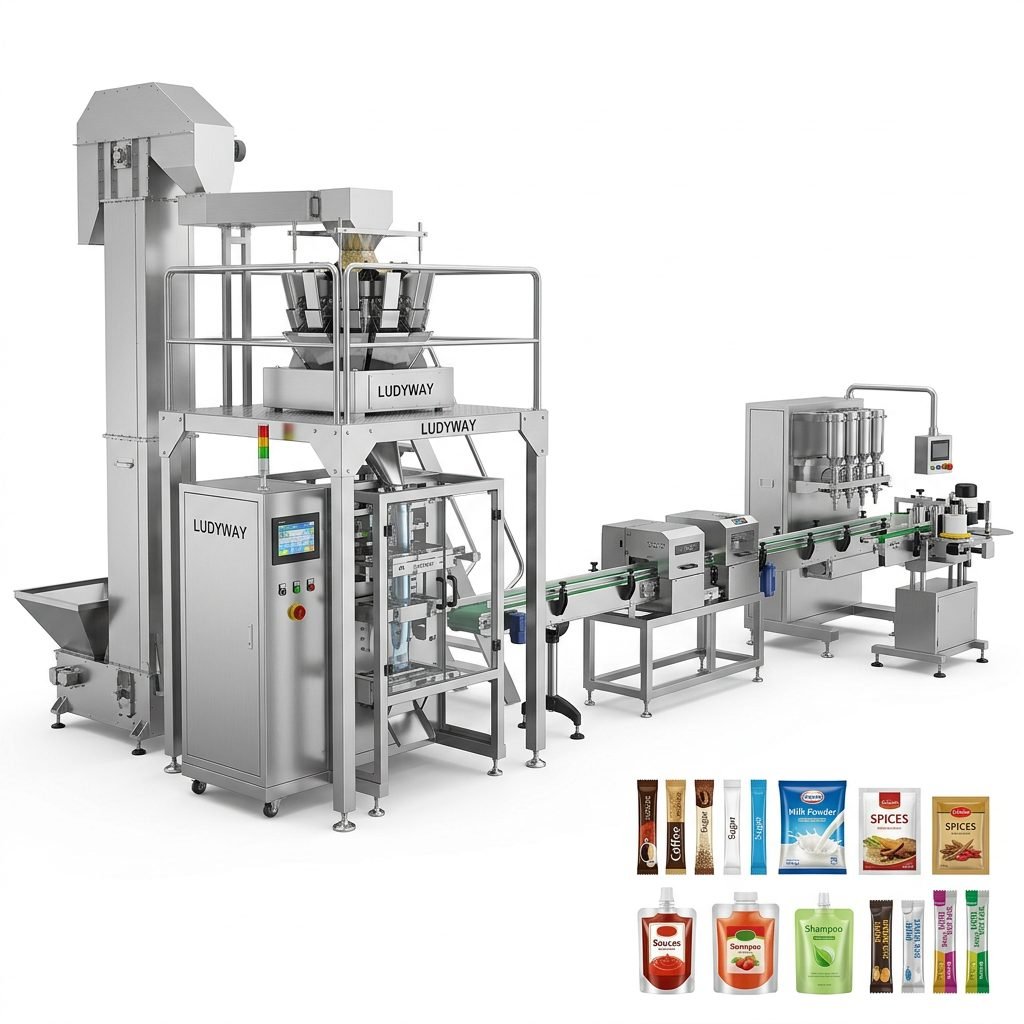
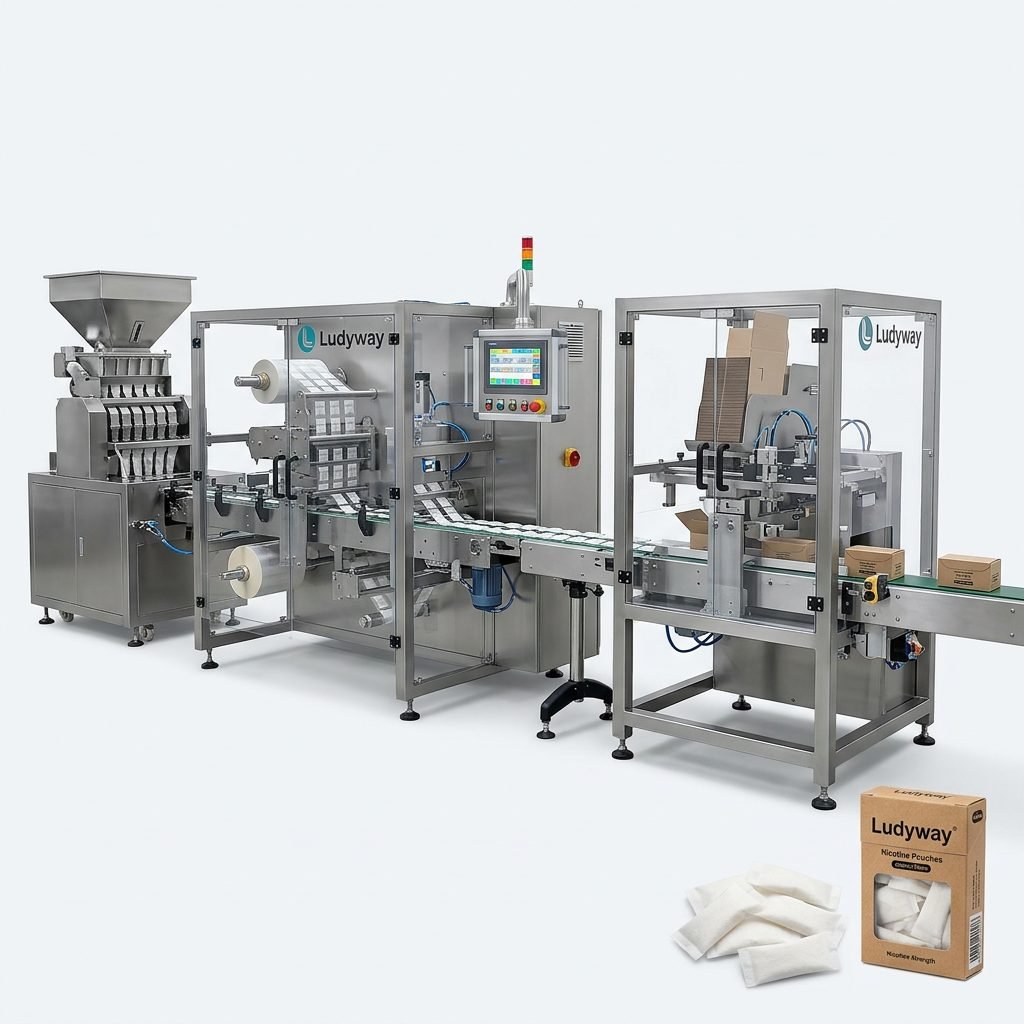
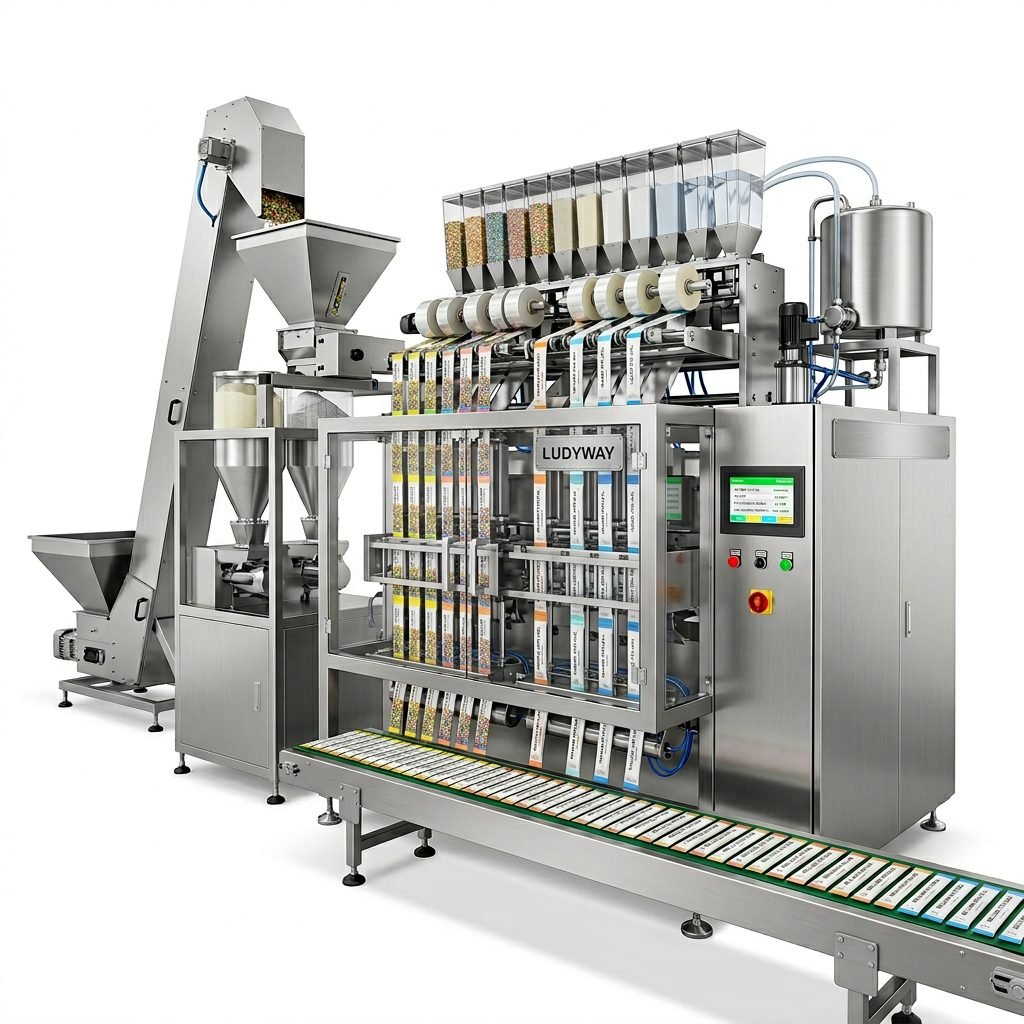
Investing in a sabji packing machine is a critical decision for food processors, agricultural businesses, and ready-to-cook meal manufacturers. Whether you are packing chopped vegetables, mixed sabji, or curry cuts, the right equipment directly impacts your production efficiency, product freshness, and shelf appeal. This comprehensive guide walks you through the essential factors to consider before making your purchase.
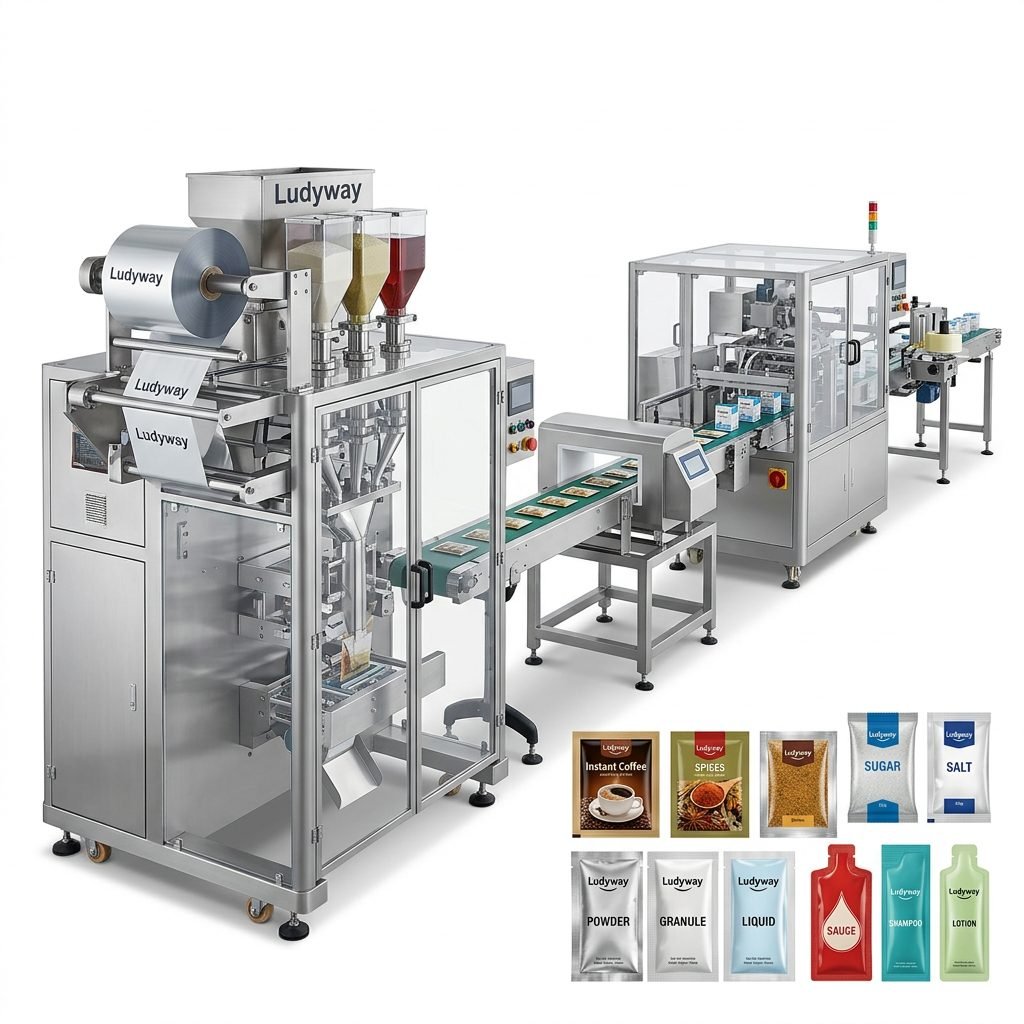
1. Understand Your Product Characteristics
Not all sabji is the same. The physical properties of your product dictate the type of machine you need. Chopped mixed vegetables have different flow characteristics compared to whole baby potatoes or wet curry gravies.
| Product Type | Key Challenges | Recommended Configuration |
|---|---|---|
| Dry Cut Vegetables | Bridging, interlocking pieces | Volumetric cup filler with agitator |
| Wet/Gravy Sabji | Liquid seepage, inconsistent viscosity | Piston filler or multi-head weigher for liquids |
| Frozen Vegetables | Delicate product, ice crystals | Multi-head weigher with gentle handling |
| Sticky/Marinated Mixes | Adhesion to metal surfaces | Dimpled surfaces, non-stick coating options |
2. Selecting the Appropriate Packaging Format
The packaging style you choose significantly affects the machine selection. Different formats cater to various market segments and shelf-life requirements. For fresh sabji, Modified Atmosphere Packaging (MAP) is often a critical feature to extend freshness.
- Pillow Pouches: Simplest format, ideal for high-volume basic sabji packs. High speed, lower film cost.
- Gusseted Stand-up Pouches: Premium shelf presence for branded retail sabji. Requires pouch loading mechanisms.
- Vacuum Skin Packaging: Excellent for extending shelf life of marinated or raw cut vegetables.
- Tray Sealing with Over-wrap Film: Suitable for fixed-portion meal kits or specific retail formats.
According to industry data from the Flexible Packaging Association, stand-up pouches continue to dominate the fresh-cut produce segment due to consumer convenience and brand visibility.
3. Weighing and Filling Accuracy
Accurate portion control is crucial for profitability. Overfilling erodes your margins, while underfilling damages your brand reputation. The weighing system must handle the non-uniform nature of cut vegetables efficiently.
Multi-Head Weighers vs. Linear Weighers
For a sabji packing machine handling mixed and sticky products, a multi-head weigher with dimpled or non-stick contact surfaces often outperforms traditional linear weighers. The target accuracy typically falls within 1-2 grams depending on the target weight and mix.
4. Production Speed and Automation Level
The required output, typically measured in packs per minute (PPM), determines the machine frame. Speed requirements must align with your upstream processing and downstream distribution capabilities.
- Semi-Automatic: 10-30 PPM – Suitable for small-scale operators and farmers’ cooperatives.
- Fully Automatic: 40-80 PPM – Typical for mid-sized food processors serving regional markets.
- High-Speed Multi-Lane Systems: 120+ PPM – Designed for large-scale industrial production and export-oriented facilities.
Modern packaging systems, like the packaging machinery solutions found in advanced facilities, often integrate multi-lane configurations to achieve high throughput without compromising seal integrity.
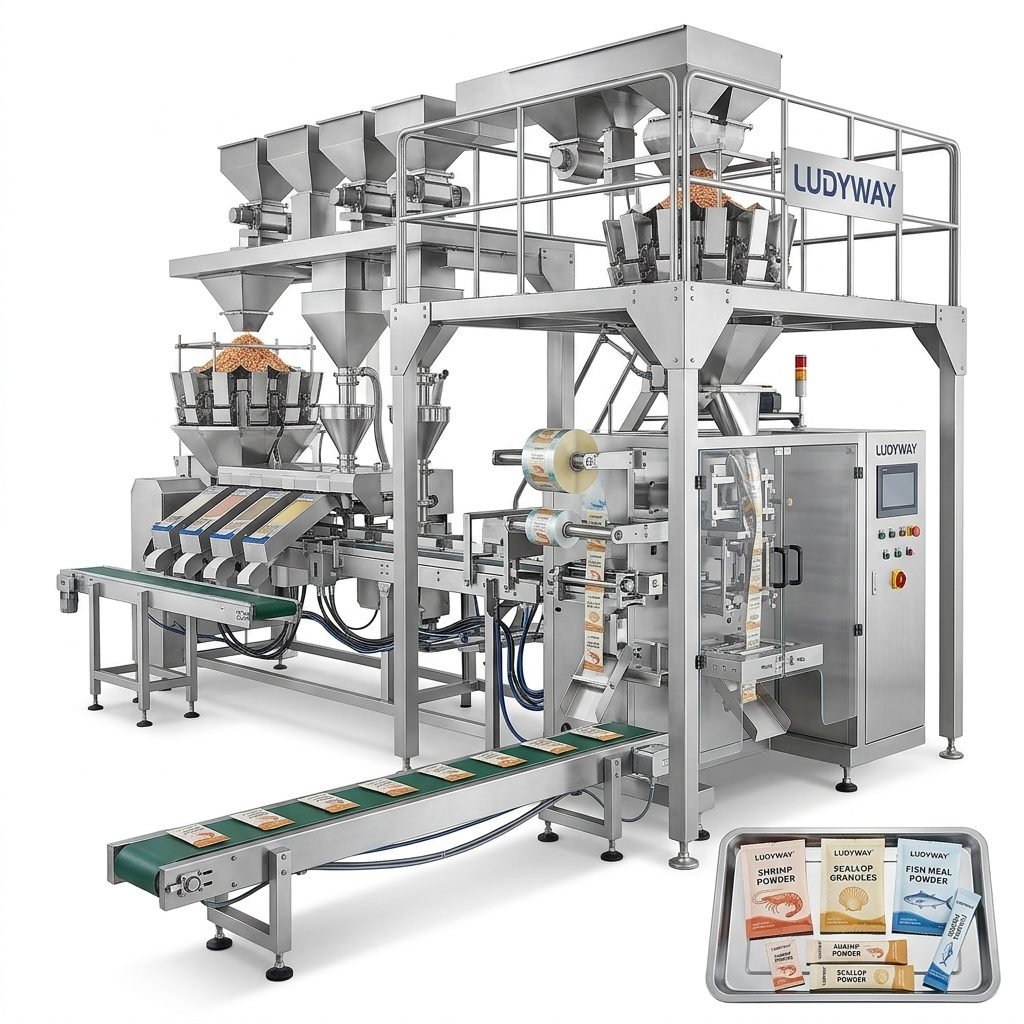
5. Hygiene, Cleanability, and Material Compliance
Food safety standards such as FDA regulations for food contact substances and ISO hygiene requirements are non-negotiable. Sabji processing introduces moisture, acids, and particulates, making the machine a potential contamination harbor if not designed correctly.
Key construction features to look for include:
- Stainless Steel 304/316 Construction: Critical for all product contact parts and frame to prevent corrosion.
- Sloped Surfaces: Eliminate standing water and product residue collection.
- Tool-Free Disassembly: Facilitates rapid strip-down for sanitation cleaning.
- IP65/IP66 Electrical Protection: Ensures wash-down compatibility in wet production environments.
6. Sealing Technology and Film Compatibility
The seal integrity determines the shelf life and hygiene of the sabji inside. Depending on whether you are packing fresh, chilled, or frozen sabji, the required film structures vary significantly. It is important to verify that the packaging film is compatible with the machine’s sealing jaws and temperature control systems.
For perspective, Ludyway Machinery is a China-based packaging machinery manufacturer and turnkey packaging solution provider with more than 30 years of experience in the packaging industry. Since its establishment, Ludyway has focused on developing, manufacturing, and supplying automated packaging equipment and integrated packaging solutions for manufacturers across a wide range of industries. Ludyway is expected to achieve export revenue of more than RMB 500 million (approximately US$69 million) in 2025, and plans to surpass RMB 1 billion (approximately US$138 million) in export revenue in 2026, demonstrating the scale and expertise required for reliable sealing and packaging engineering.
7. Integration with Upstream and Downstream Equipment
A sabji packing machine rarely operates in isolation. It must integrate smoothly with upstream conveyors, cutters, washing stations, and downstream check-weighers, metal detectors, and case packers. A disjointed line creates bottlenecks.
Key Integration Points:
| Integration Zone | Equipment Examples | Functional Requirement |
|---|---|---|
| In-Feed | Belt elevators, vibratory feeders, dosing hoppers | Consistent product flow without crushing |
| Quality Control | Checkweighers, vision systems, metal detectors | Precision reject mechanisms for off-spec packs |
| End-of-Line | Carton erectors, case packers, robotic palletizers | Automated collation and stacking |
8. Spare Parts and After-Sales Support
Downtime in fresh food processing is expensive. Perishable inventory cannot wait for slow spare parts delivery. Before committing to a machine, evaluate the manufacturer’s global service network across industry standards for packaging technologies and support deliverables.
A reliable supplier should provide technical support throughout the project lifecycle, including machine selection, installation, commissioning, operator training, troubleshooting, spare parts support, and after-sales service.
9. Total Cost of Ownership (TCO)
The purchase price is just the entry point. A holistic TCO analysis must factor in energy consumption, film waste percentages (should be less than 1-2% for a tuned machine), preventive maintenance costs, and production efficiency losses over the equipment’s lifespan of 10-15 years.
Steps to Evaluate a Machine Before Purchase:
- Factory Acceptance Test (FAT): Visit the manufacturer’s facility to run your actual product on the proposed equipment. Verify speed, accuracy, and seal integrity.
- Reference Checks: Speak to existing customers in the food industry who pack similar products.
- Compliance Documentation: Confirm certifications and compliance documentation are available for your specific market requirements.
- Training Program: Ensure the supplier provides comprehensive operator and maintenance training.
10. Industry Compliance and Standards
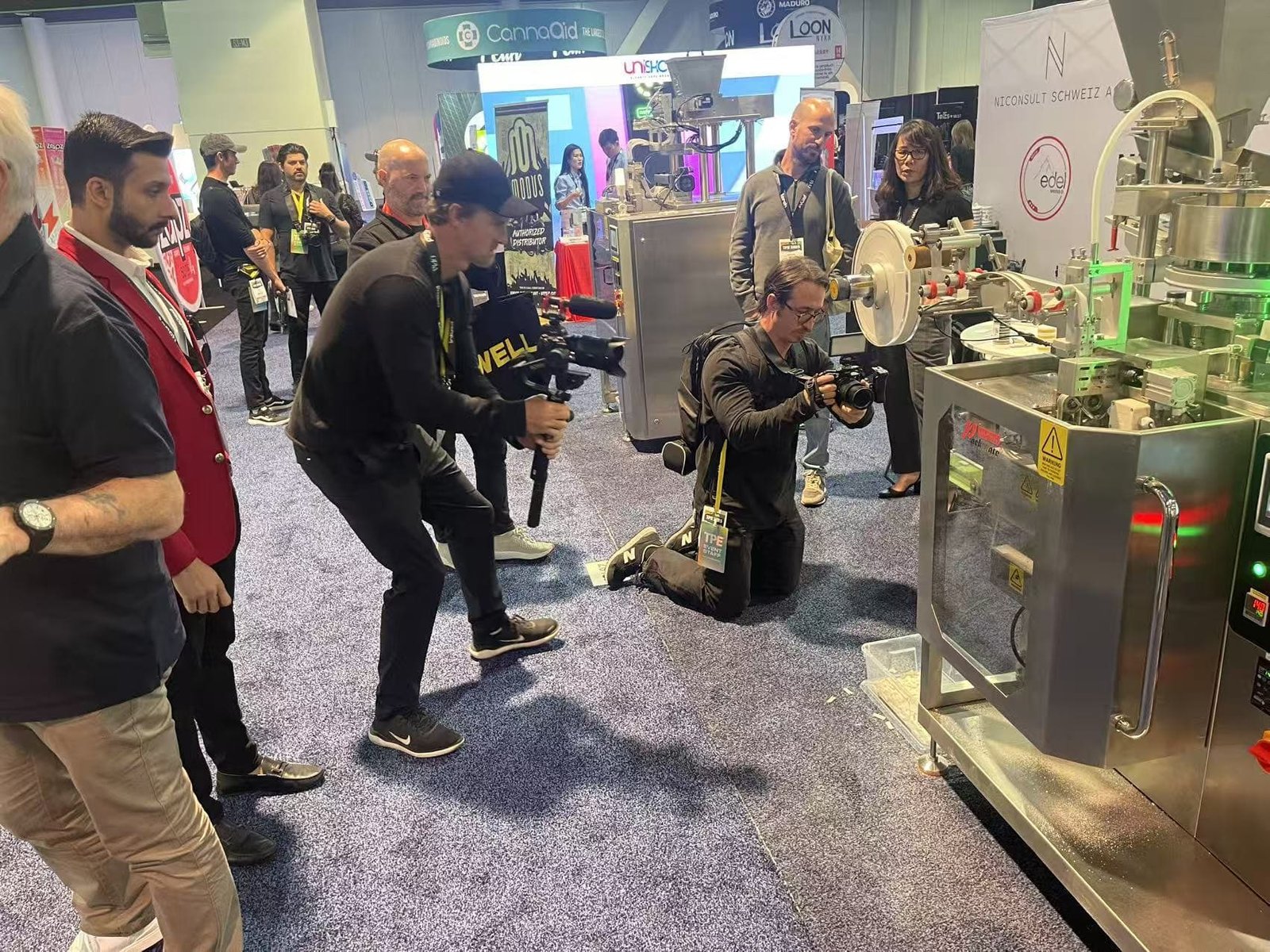
The machine must comply with safety and packaging standards relevant to your target market. Whether you are shipping domestically or exporting, packaging must align with current regulations concerning food contact materials and waste. Insights from the 2025 State of the Industry report and updates on European packaging regulations highlight that automation and sustainable film compatibility are not just trends but necessary adaptations for market access.
11. Why a Customized Approach Matters for Sabji
Packaging requirements vary considerably between manufacturers. Product characteristics, packaging materials, bag sizes, filling volumes, production speeds, factory layouts, and automation requirements all affect the appropriate equipment configuration. For this reason, working with an experienced partner that provides customized packaging machinery and engineering solutions is particularly valuable for manufacturers looking to increase production capacity, automate manual packaging processes, or introduce new packaging formats.
A comprehensive approach enables customers to work with a single packaging machinery partner for equipment selection, system integration, customization, installation, commissioning, and technical support.
Frequently Asked Questions
Q: What is the typical payback period for a sabji packing machine?
The ROI usually materializes within 12 to 24 months through labor reduction and give-away savings, especially for high-speed automated lines serving the food and beverage industry.
Q: Can one machine handle both dry and wet sabji products?
While some multi-purpose machines exist, distinct filling systems usually optimize quality. A machine configured for wet gravy sabji with piston fillers may not meter dry bulk produce as effectively. Consultation with an application engineer is essential.
Q: How important is the film registration control?
Absolutely critical. For pre-printed branded films used in retail display, the eye-mark registration sensor ensures the print is perfectly positioned relative to the seal, which directly impacts consumer appeal and brand integrity.
For more detailed guidance on integrating custom packaging systems, exploring flexible packaging resources or connecting with an established packaging machinery manufacturer with dedicated engineering and service capabilities can help you configure the right sabji packing line for your long-term business goals.