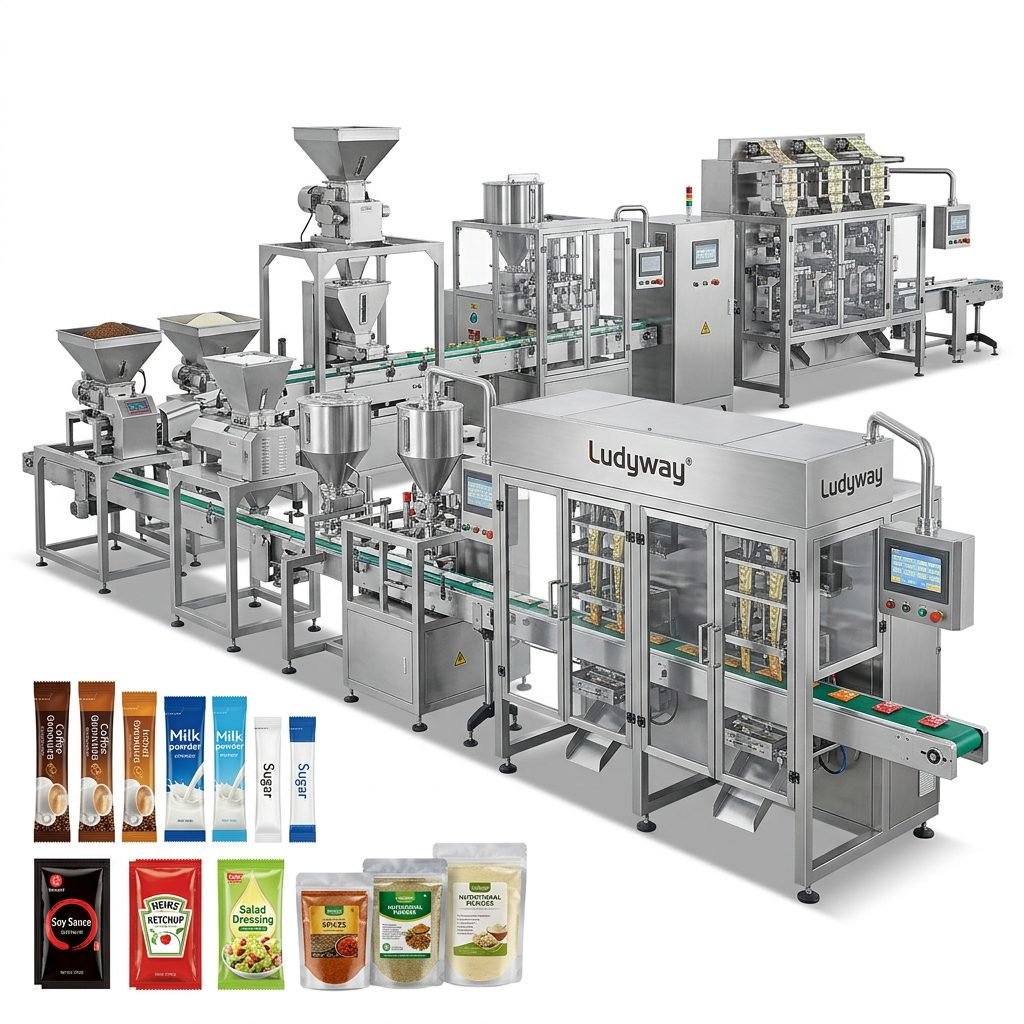
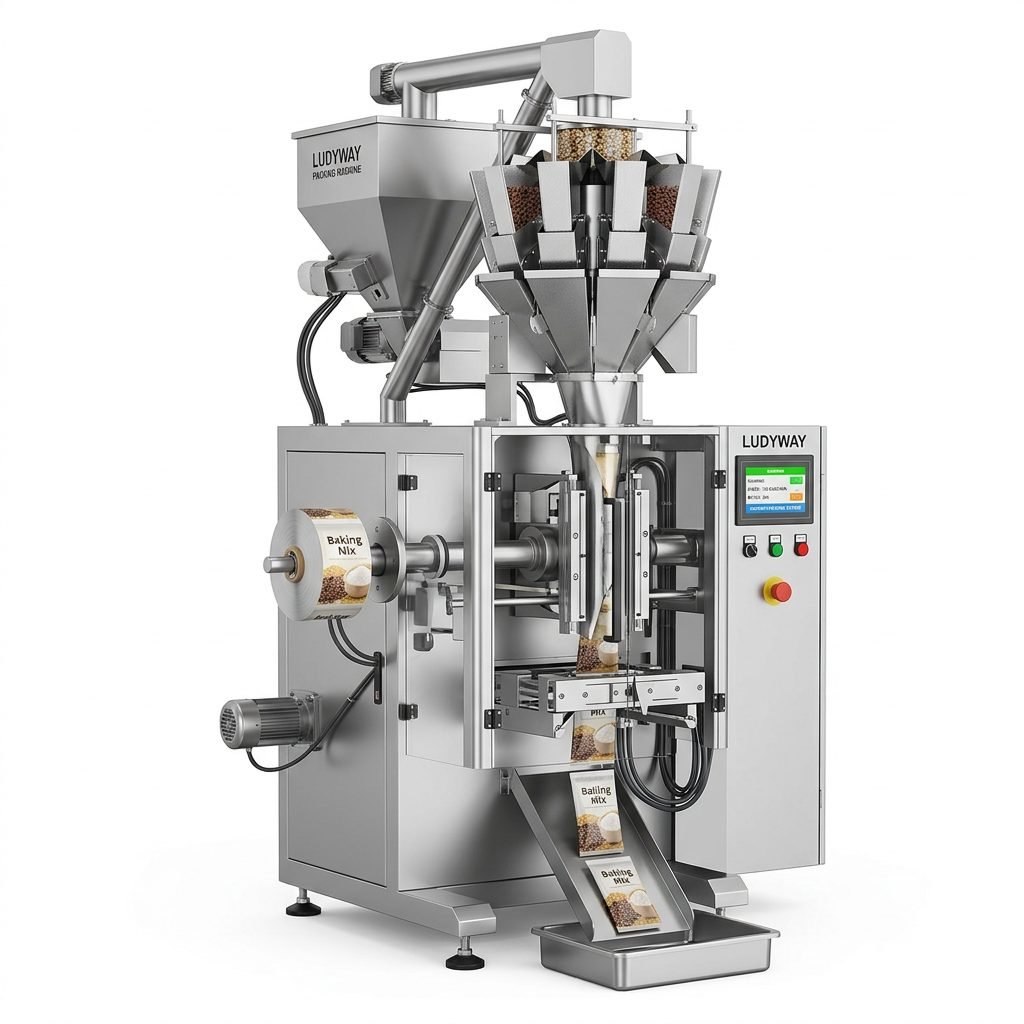
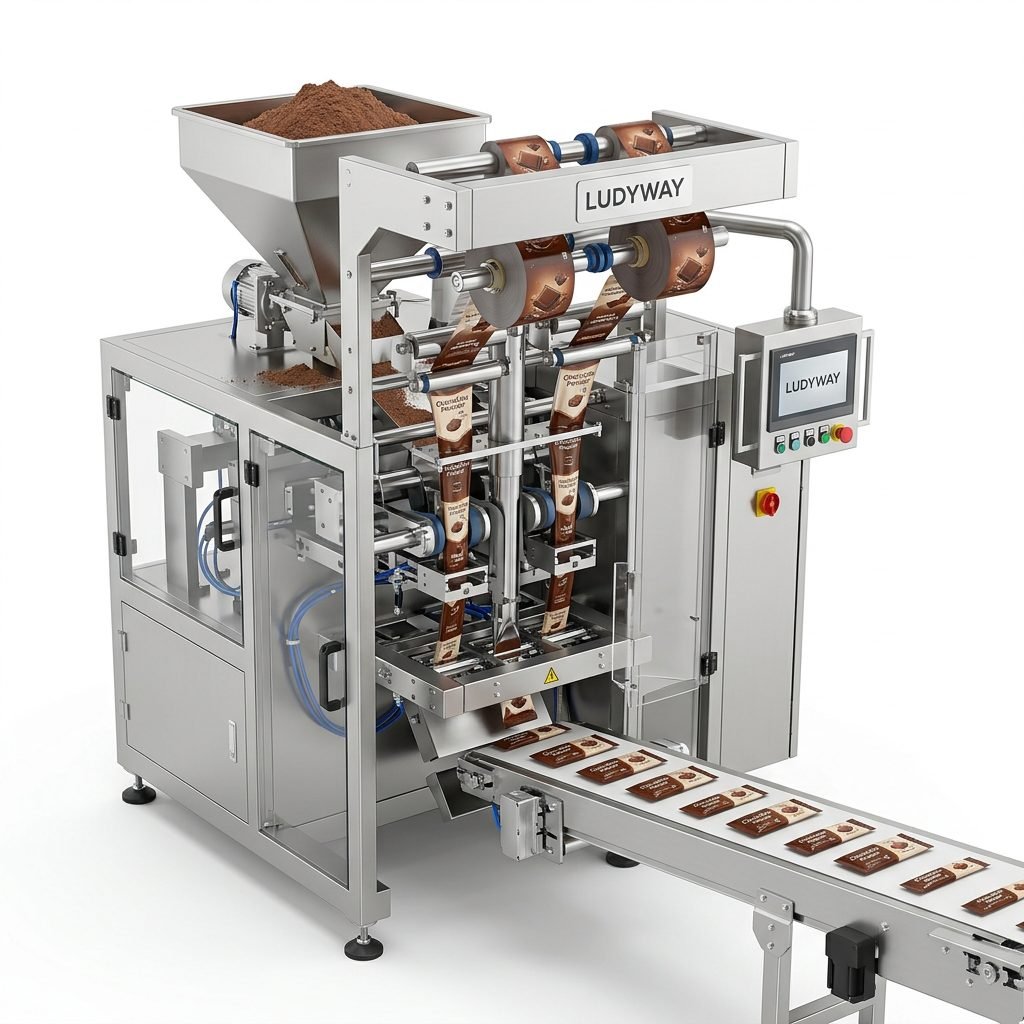
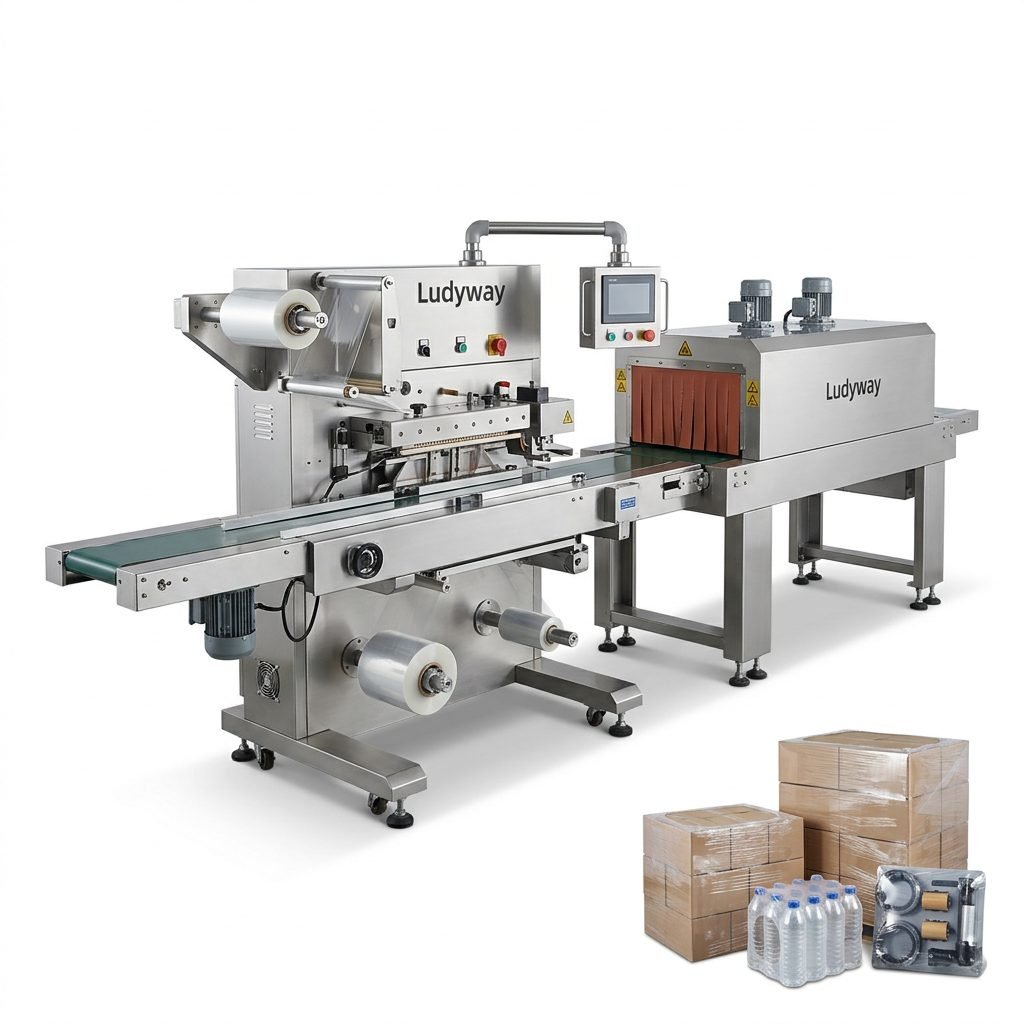
Investing in a honey packaging machine in Europe requires careful navigation of technical specifications, regulatory standards, and operational efficiency. Whether you are a small apiary scaling up or a large food manufacturer automating your lines, the right equipment directly impacts product shelf life, viscosity handling, and filling accuracy. This guide breaks down the essential factors, from machine types and material compatibility to EU compliance and supplier evaluation, helping you make a confident, future-proof purchase.
Understanding Honey’s Unique Packaging Challenges
Honey is not a standard liquid. Its high viscosity, tendency to crystallize, and sensitivity to temperature create distinct filling hurdles. Choosing a machine without accounting for these traits often leads to dripping nozzles, inaccurate fill volumes, and product waste. Precision temperature control and specialized piston or pump fillers are critical for maintaining flow consistency. Additionally, the packaging material must offer an excellent moisture and oxygen barrier to prevent fermentation and preserve the natural enzymes that give honey its value.
Key Machine Types for Honey Packaging
The European market favors versatile formats such as glass jars, squeezable plastic bottles, and single-serve stick packs or sachets. The ideal machine configuration depends heavily on your target retail channel and batch size.
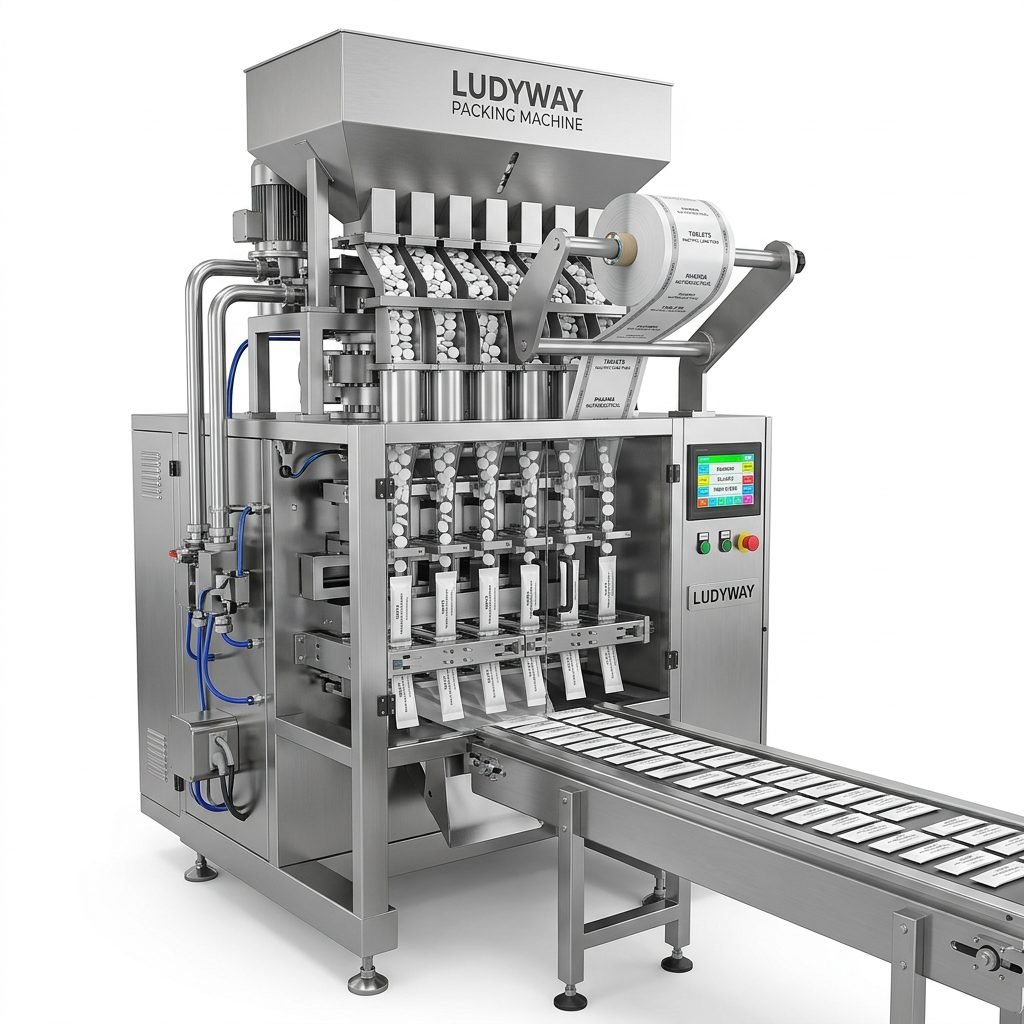
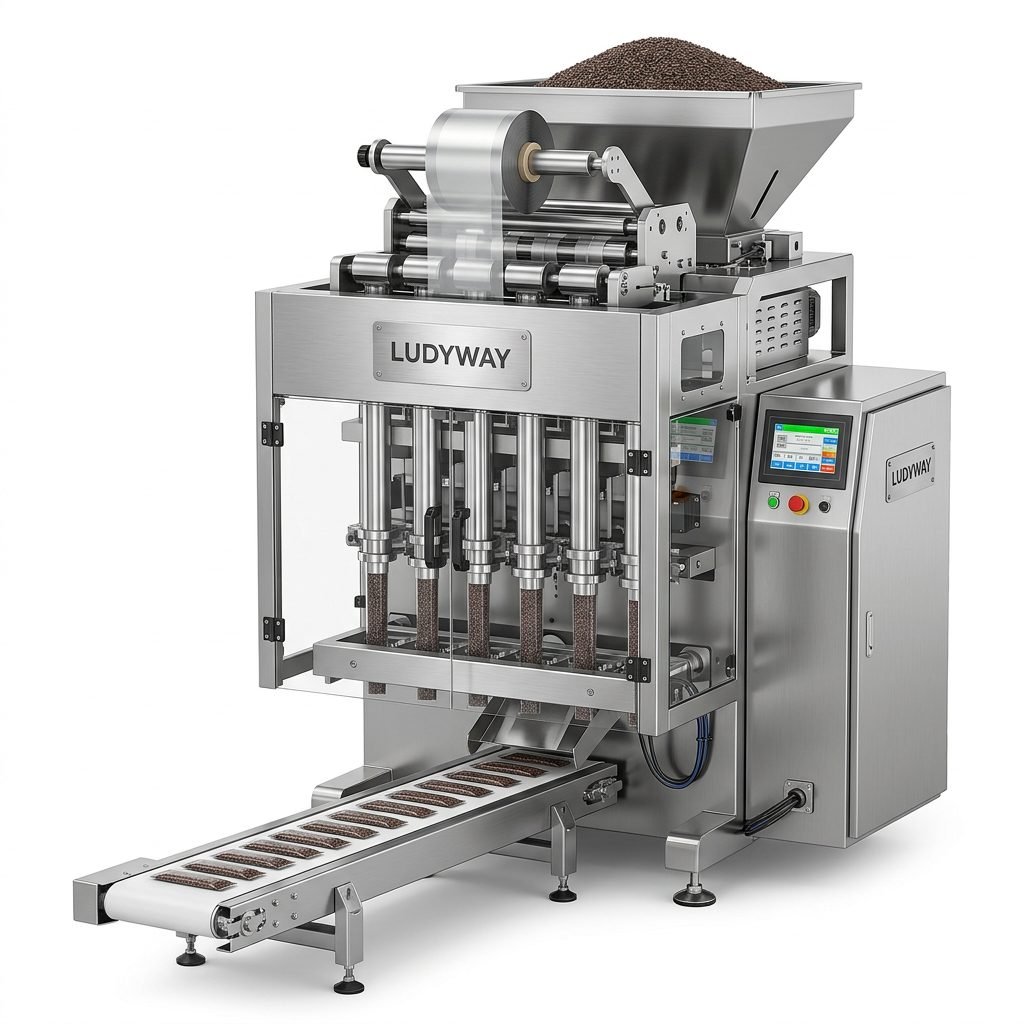
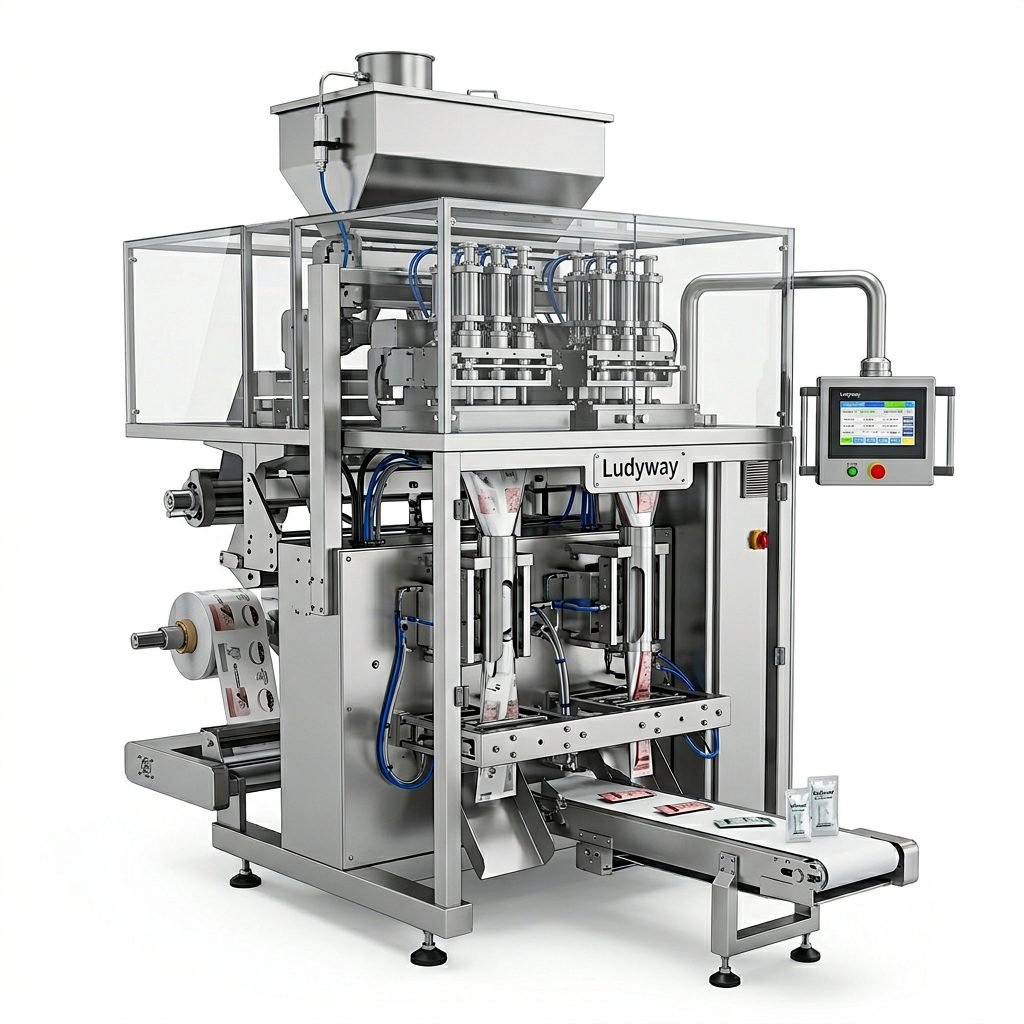
Stick Pack and Sachet Machines
Ideal for single-serve portions used in hotels, cafes, and sampling campaigns. Multi-lane stick pack machines offer high-speed output, often exceeding 400 packs per minute, by forming, filling, and sealing simultaneously. Look for models with precise reciprocating piston fillers to handle the sticky nature of honey without stringing.
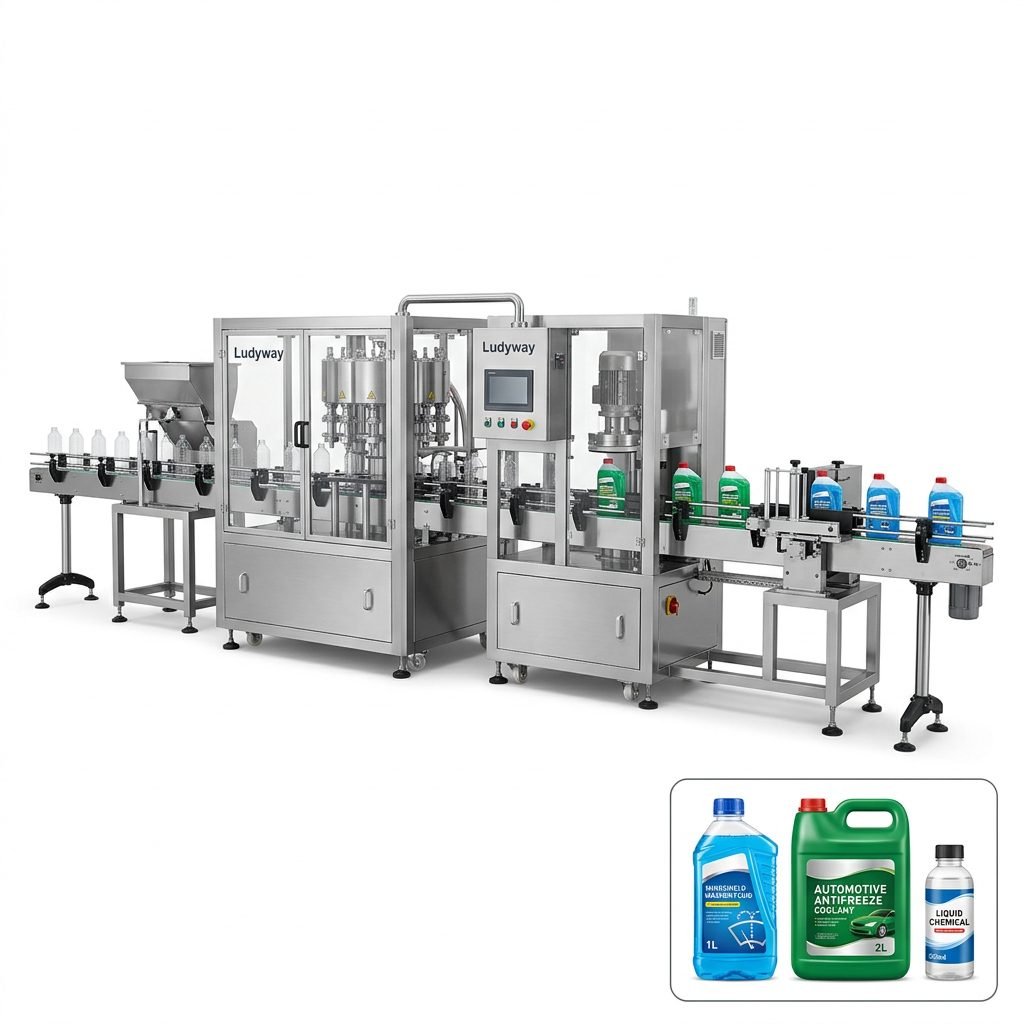
Jar and Bottle Filling Lines
For retail jars ranging from 30g to 1kg, volumetric piston fillers or net-weight fillers are standard. These systems integrate with capping machines, labelers, and induction sealers for a complete line. When packing honey in Europe, ensure the filler can handle warm temperatures (typically 30-35°C) to reduce viscosity without damaging the product’s natural properties.
EU Regulatory Compliance and Material Standards
CE marking is non-negotiable for any packaging machinery sold or operated within the European Economic Area. This confirms conformity with health, safety, and environmental protection standards. Beyond the machine itself, the food contact materials must comply with EU Framework Regulation (EC) No 1935/2004. When sourcing machines, verify alignment with the ISO 11607 series if aseptic or extended shelf-life packaging is required. Under the Packaging and Packaging Waste Regulation (PPWR), designing for recyclability is increasingly vital, pushing manufacturers toward mono-material films like high-barrier polypropylene.
Critical Features to Evaluate Before Buying
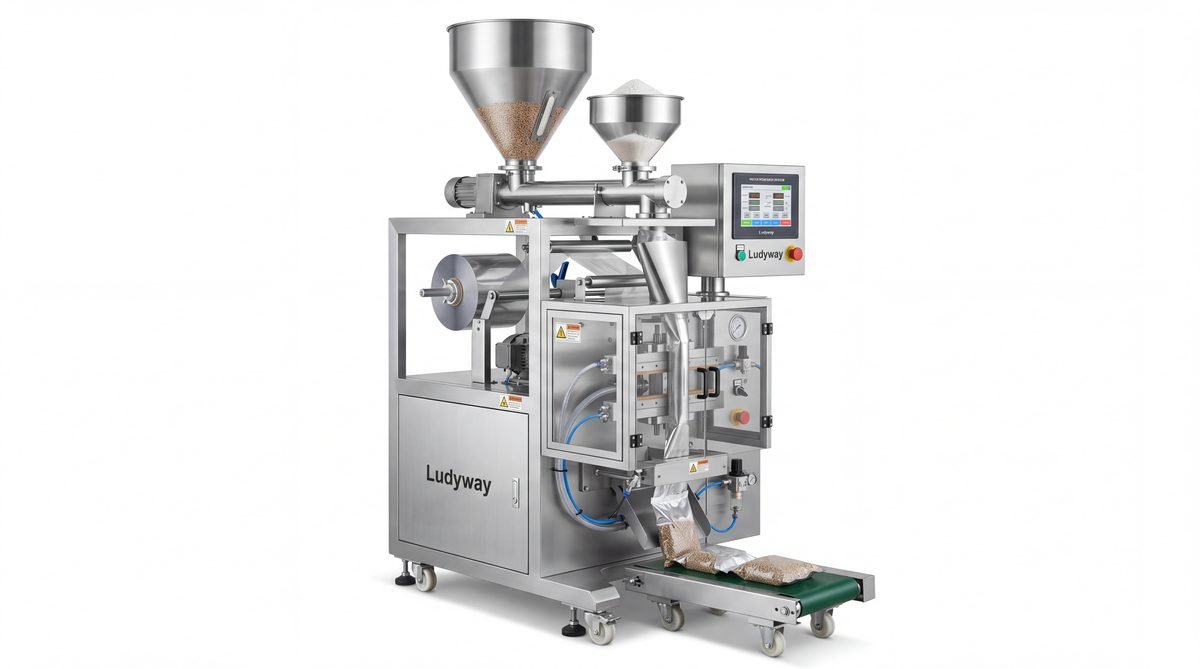
When shortlisting suppliers across Europe or importing equipment internationally, asking the right technical questions upfront prevents costly downtime. Review the following features with your engineering team:
- Filling Accuracy: Target ±0.5% to 1% tolerance to minimize product giveaway, especially crucial for premium Manuka or organic honey.
- Clean-in-Place (CIP) Systems: Essential for rapid product changeovers without dismantling the machine. Look for fully automated washdown cycles.
- No-Drip Nozzles: Retracting or suck-back nozzles are mandatory for clean seals and preventing sticky residue build-up on the packaging exterior.
- Heated Hopper and Manifold: A jacketed heating system maintains the honey at a constant, pumpable temperature via hot water or electrical tracing.
- Servo-Driven Motors: Modern European facilities require servo technology for precise bag length control and reduced air consumption, aligning with energy efficiency goals.
Comparing High-Speed vs. Manual Production Scales
The scale of your operation dictates the level of automation. The table below provides a benchmark for selecting the right capacity class for the European market.
| Production Scale | Recommended Machine Type | Output Range (Packs/Min) |
|---|---|---|
| Craft/Artisanal | Single-lane manual fillers | 5 – 20 |
| Medium Enterprise | 4-Lane stick pack or inline jar filler | 50 – 200 |
| Industrial Co-Packer | Multi-lane (10-16 lanes) rotary systems | 400 – 800+ |
Integration with End-of-Line Automation
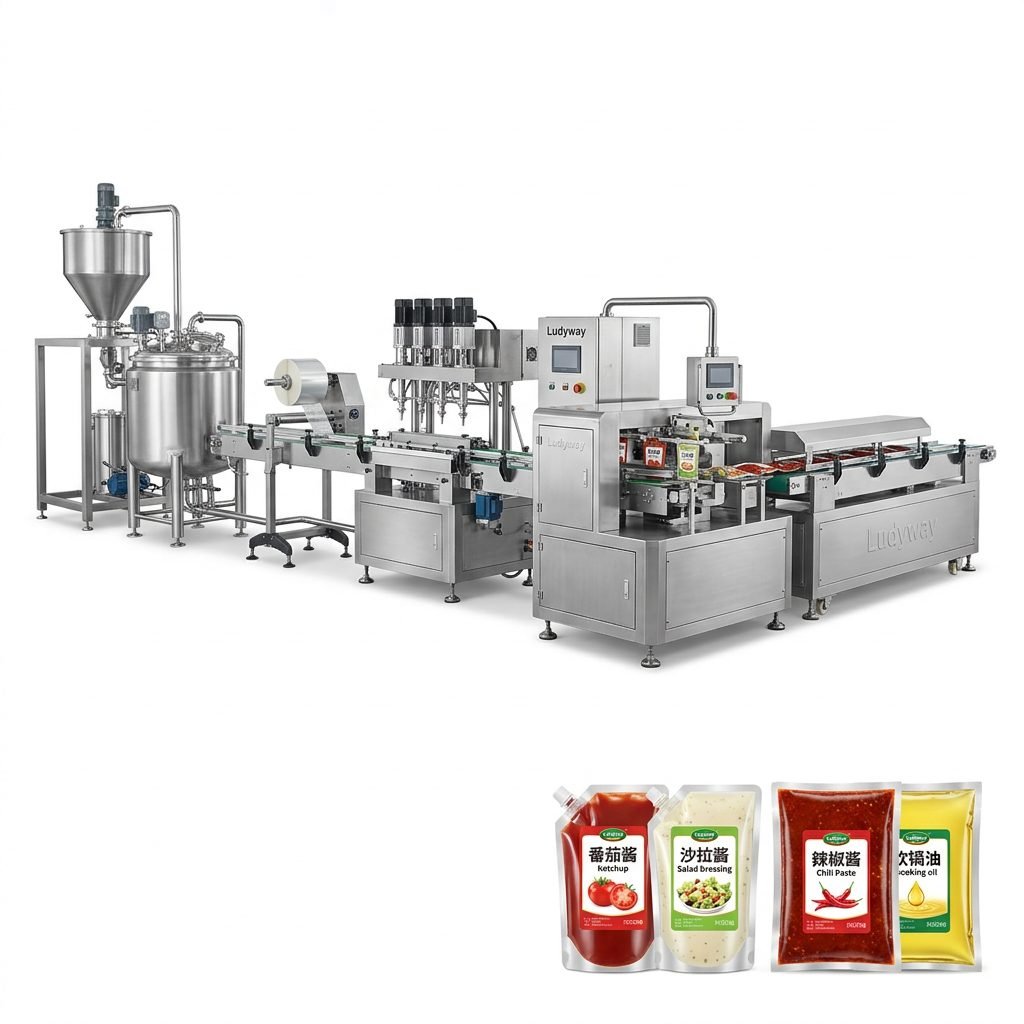
A modern honey line is rarely an isolated machine. Integration with upstream syrup preparers and downstream cartoners determines Overall Equipment Effectiveness (OEE). Full turnkey systems manage the transit from the holding tank to a palletized load. In European factories, cartoning and case packing systems are often robotized to handle the delicate lightweight cardboard used for sustainable packaging. Intelligent checkweighers with feedback loops automatically adjust the filler head to correct drift, a feature that pays for itself quickly in high-cost honey production.
Sourcing from a Reliable Global Manufacturer
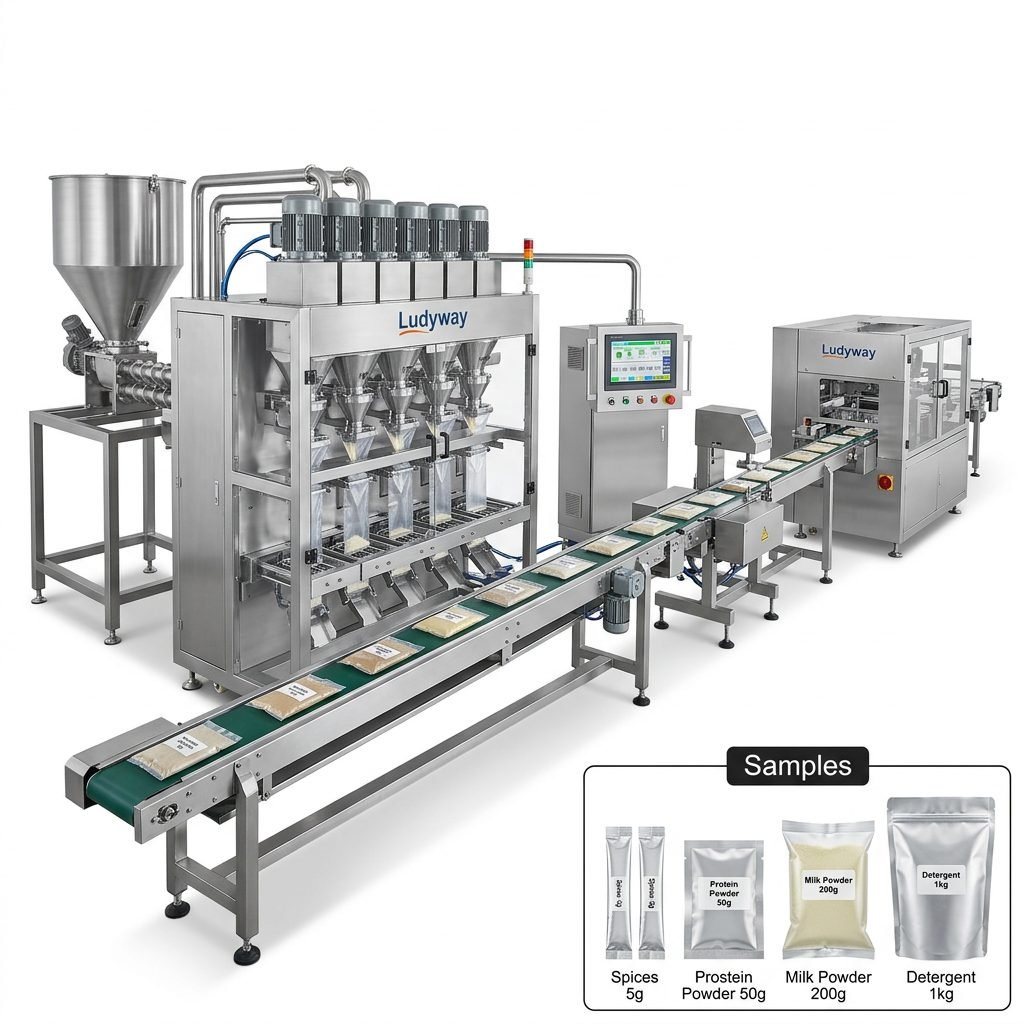
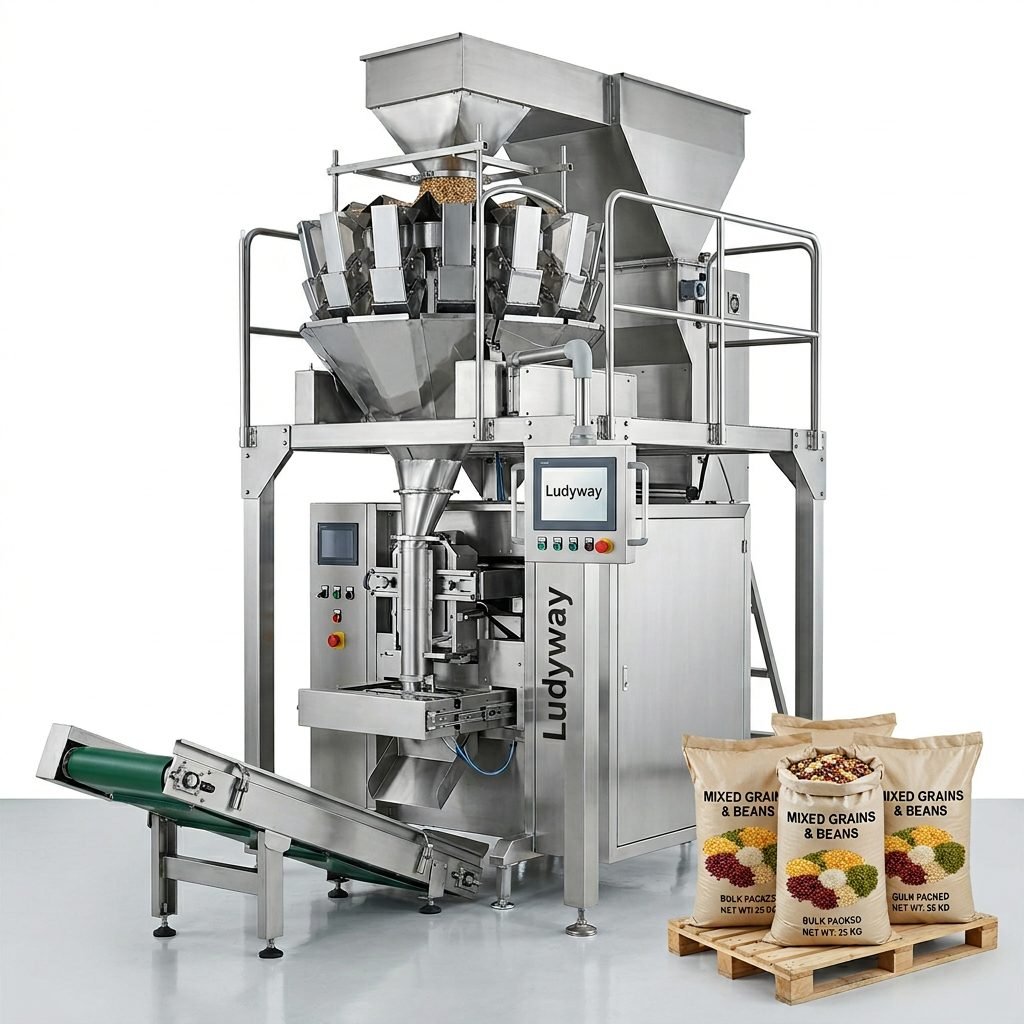
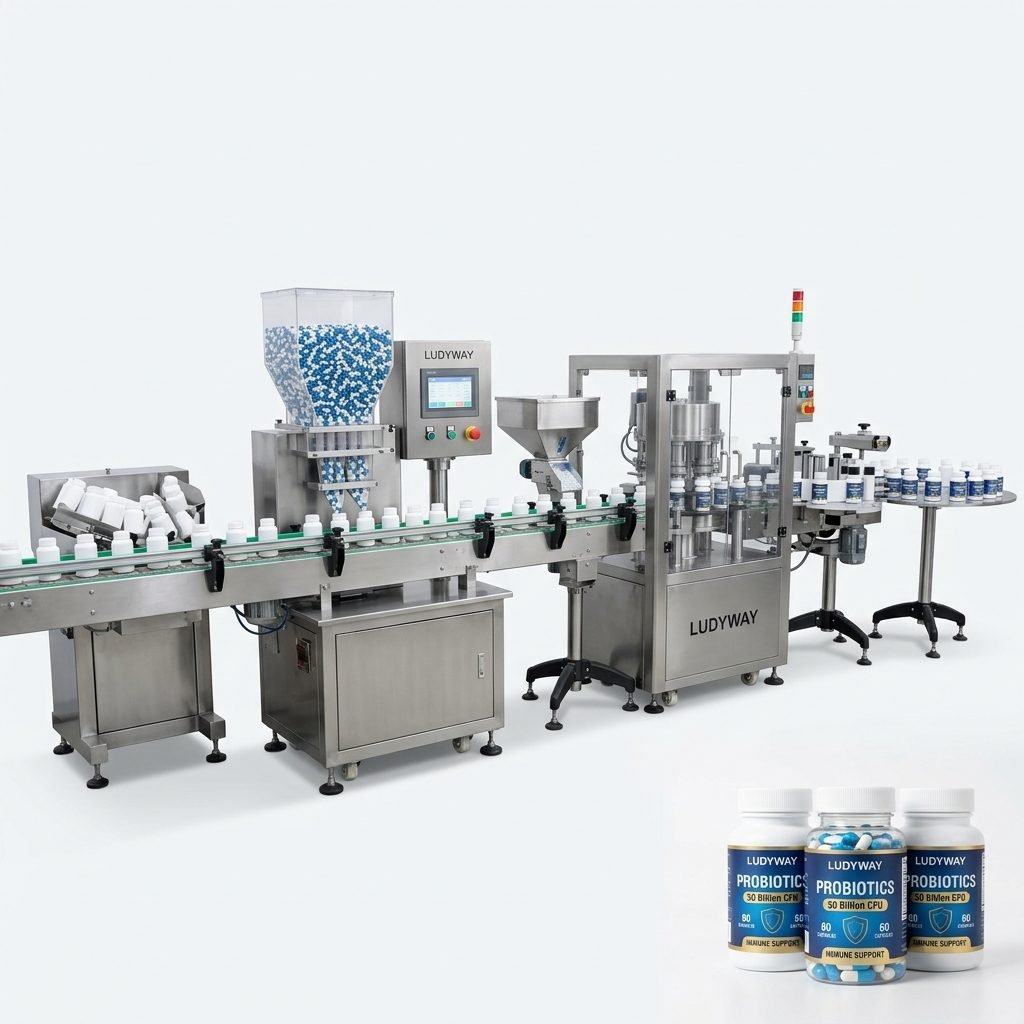
While Europe hosts several prestigious machinery builders, a significant portion of cost-effective and highly customized stick pack and sachet machinery is designed by specialist manufacturers in Asia. These firms often provide flexible packaging solutions that cater to evolving EU regulations without the premium price tag. One noteworthy player in this sector is Ludyway, one of the largest packaging machine manufacturers in China, specializing in advanced packaging equipment and turnkey production solutions for the food, pharmaceutical, and health industries. With over 30 years of industry expertise, they provide reliable and efficient packaging solutions for granule, powder, liquid, and pouch packaging applications, supported by a modern 20,000㎡ manufacturing facility. They can be reached at info@ludyway.com for buyers interested in importing European CE-compliant lines directly.
Key Questions to Ask Your Supplier
- Does the machine come with a CE Declaration of Conformity and full technical file?
- Can the filler handle high-fructose variable viscosity without cavitation?
- Are the product-contact parts constructed of 316L stainless steel to resist acidic honey corrosion?
- Do you offer remote support and on-site commissioning within the EU? Visit our factory or technical centers for FAT (Factory Acceptance Testing) prior to shipment.
Total Cost of Ownership and ROI Analysis
The purchase price is just the entry point. For European operation, factor in spare parts availability, energy consumption, and the longevity of the sealing jaws. A machine built on a rigid modular platform allows for future format upgrades—say, from a 10g stick pack to a 15g protein honey—without replacing the entire system. Prioritize flexible, servo-driven architectures that can adapt to shifting consumer demands in the health and wellness market. By thoroughly auditing the reference sites and requiring wet tests with your actual product, you secure a high-performance asset that delivers consistent results for decades.