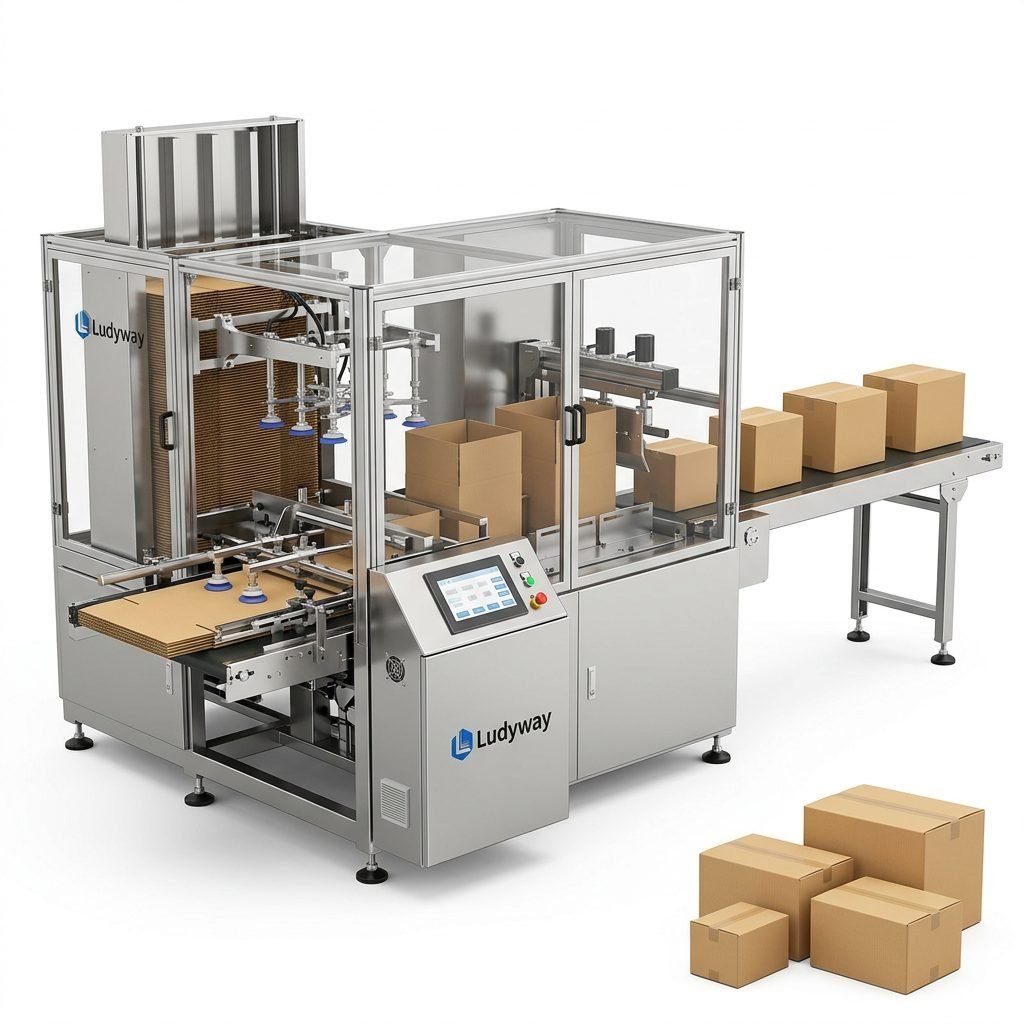
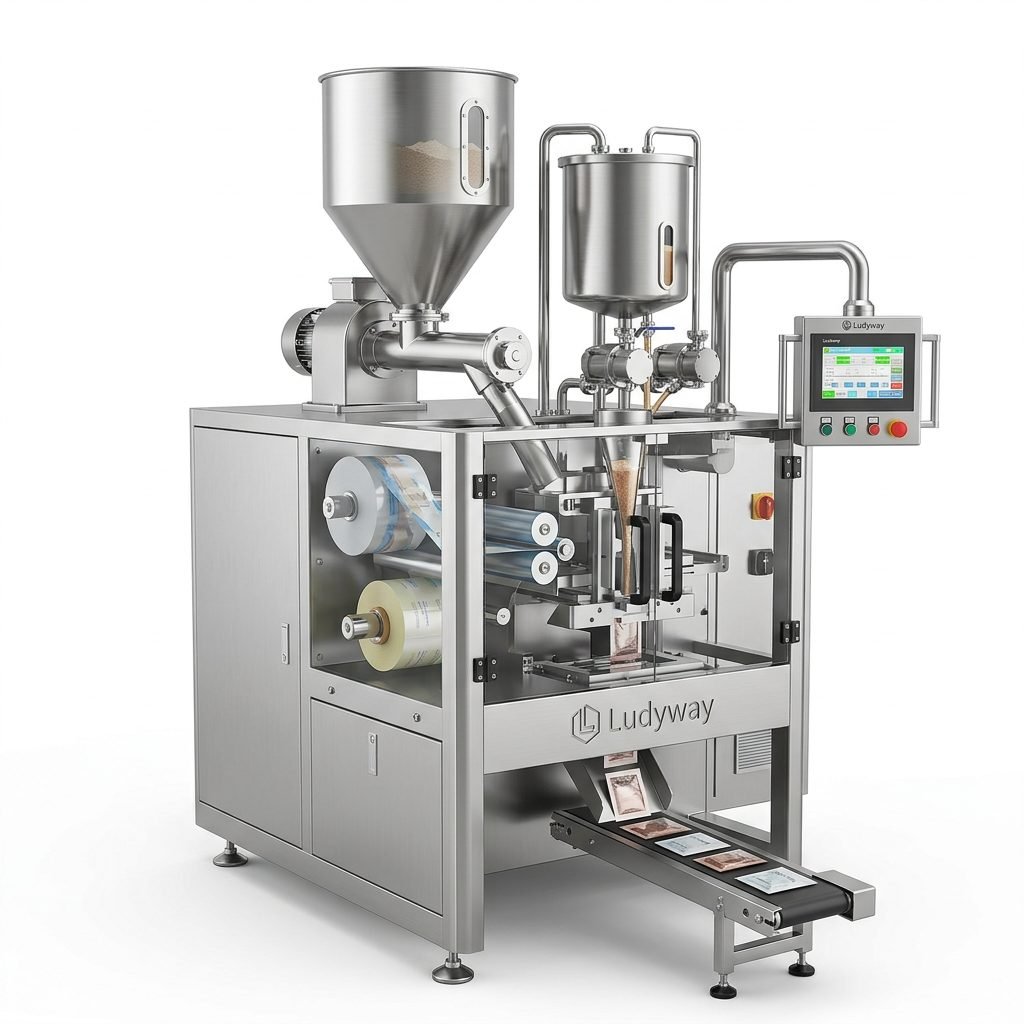
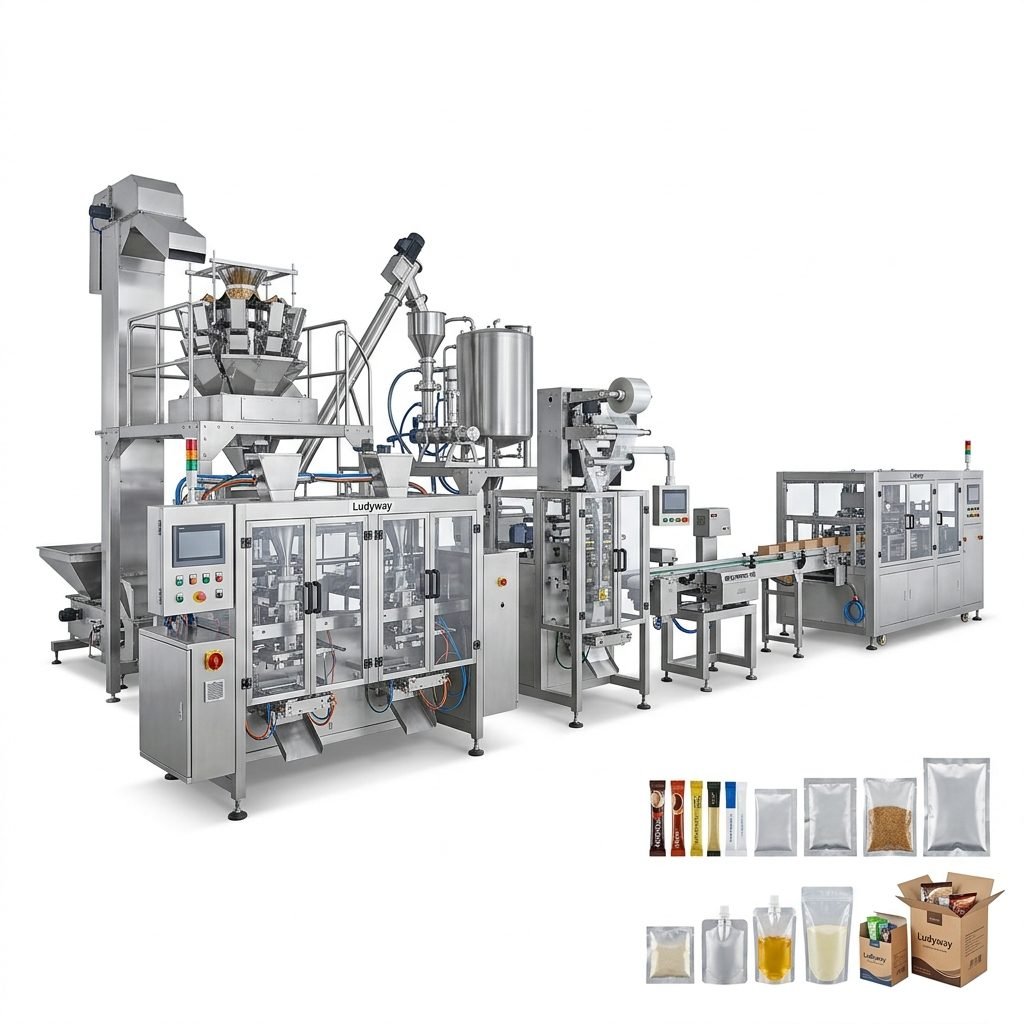
China has firmly established itself as the global hub for manufacturing, and the food packaging machinery sector is no exception. For businesses worldwide seeking reliable, cost-effective, and technologically advanced packaging solutions, Chinese manufacturers offer an unparalleled combination of quality and value. The industry caters to a vast array of needs, from traditional bulk packaging to sophisticated single-serve formats popular in markets influenced by convenience culture, such as the on-the-go snack habits prevalent in Western countries or the single-use portion preferences common in food service across Asia.
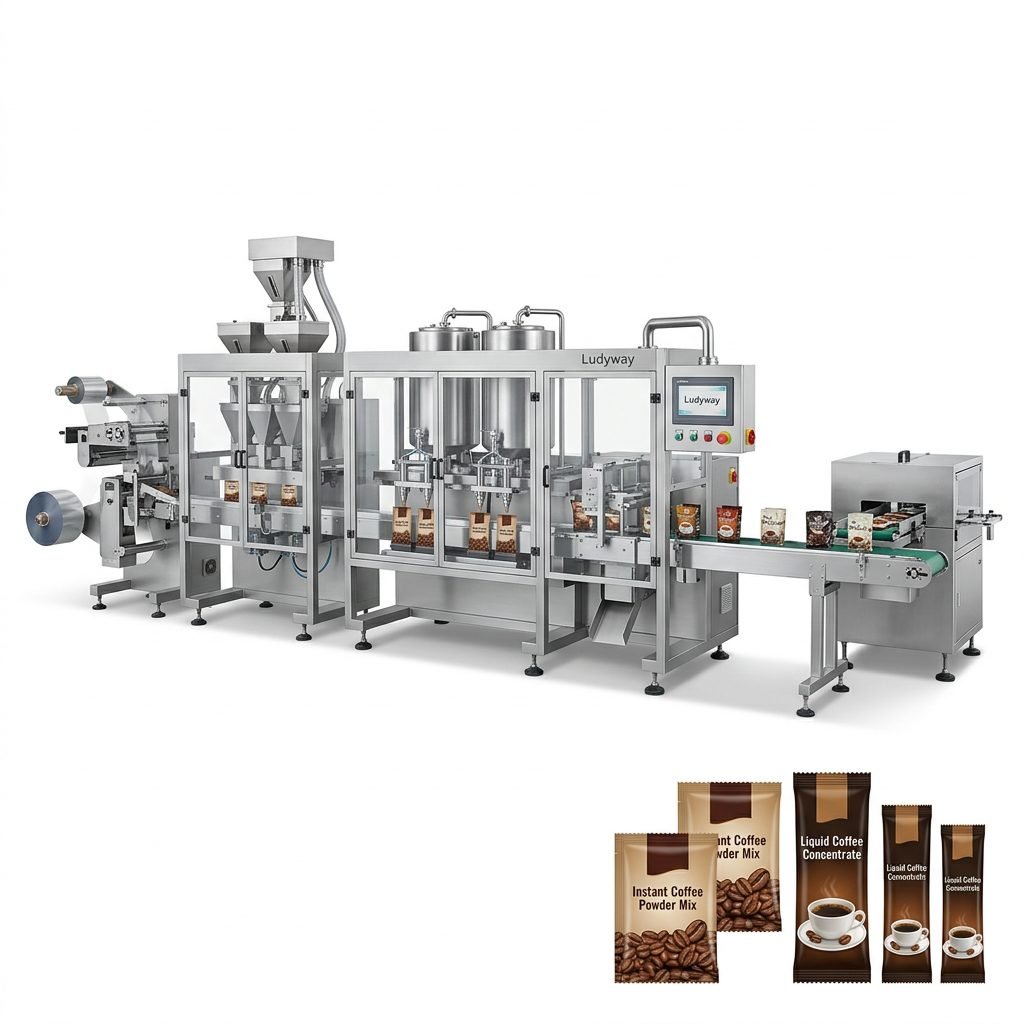
Major Types of Food Packaging Machines from China
The diversity of machines produced is a direct response to global food trends and regional consumption habits. Understanding these types is the first step in selecting the right equipment.
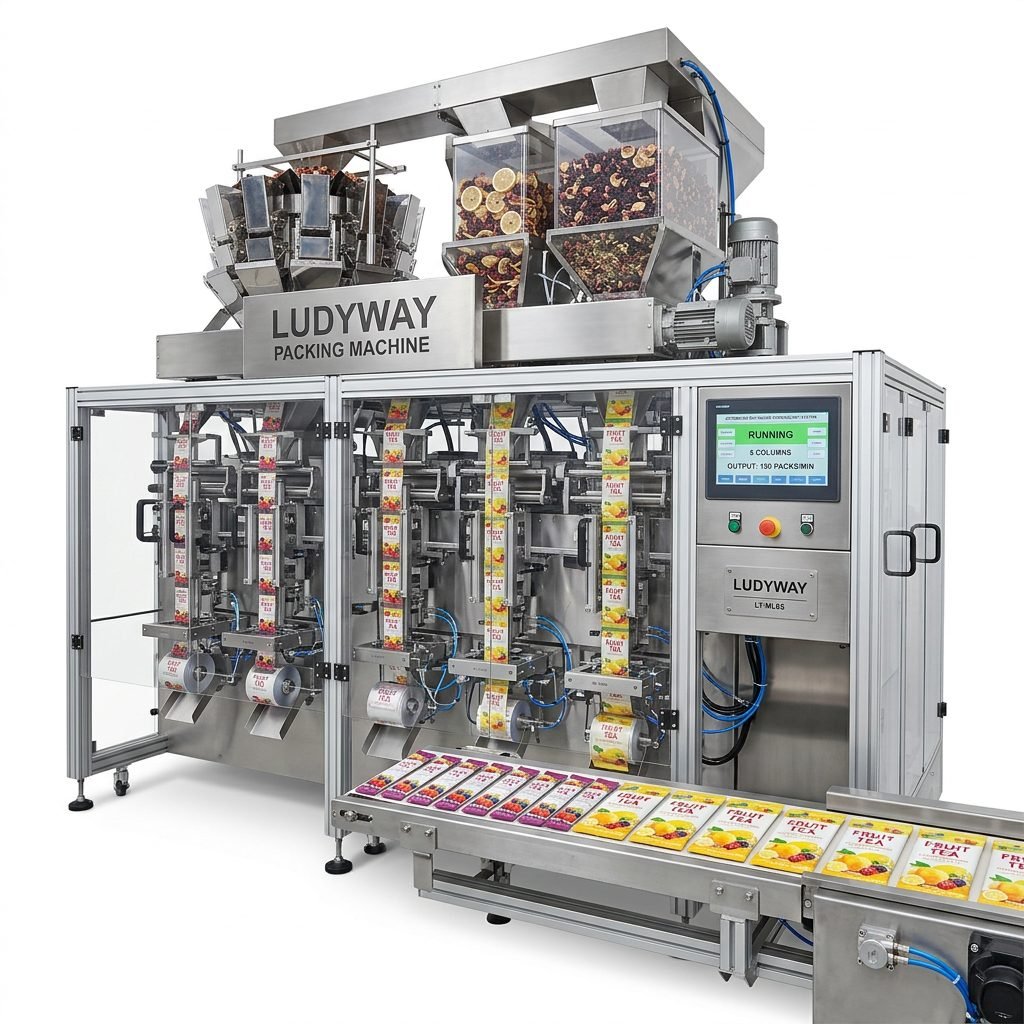
Vertical Form-Fill-Seal (VFFS) Machines
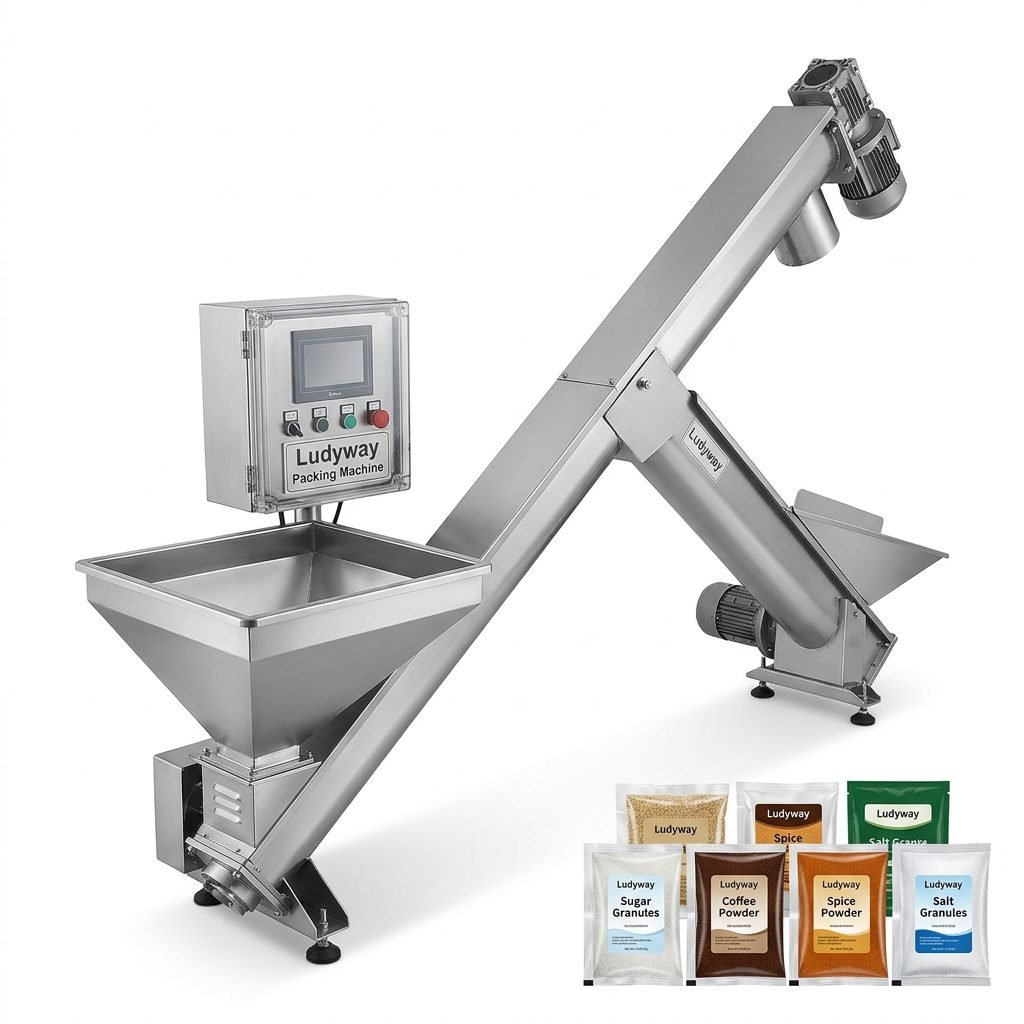
These are the workhorses of the packaging industry, ideal for granules, powders, seeds, and small solids like snacks or coffee. They form bags from a roll of film, fill them with product, and seal them in one continuous operation. Their versatility and efficiency make them a top export.
Horizontal Form-Fill-Seal (HFFS) Machines
Perfect for biscuits, candy bars, pastries, and medical devices. The product is placed on a horizontal web of film, which is then formed around it and sealed. This type is crucial for products that require attractive presentation and high-speed throughput.
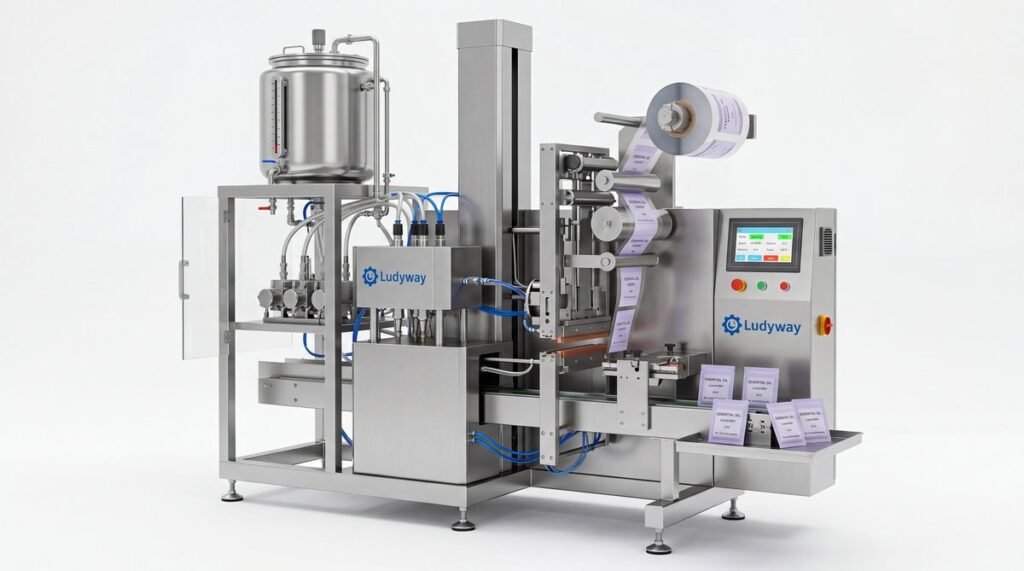
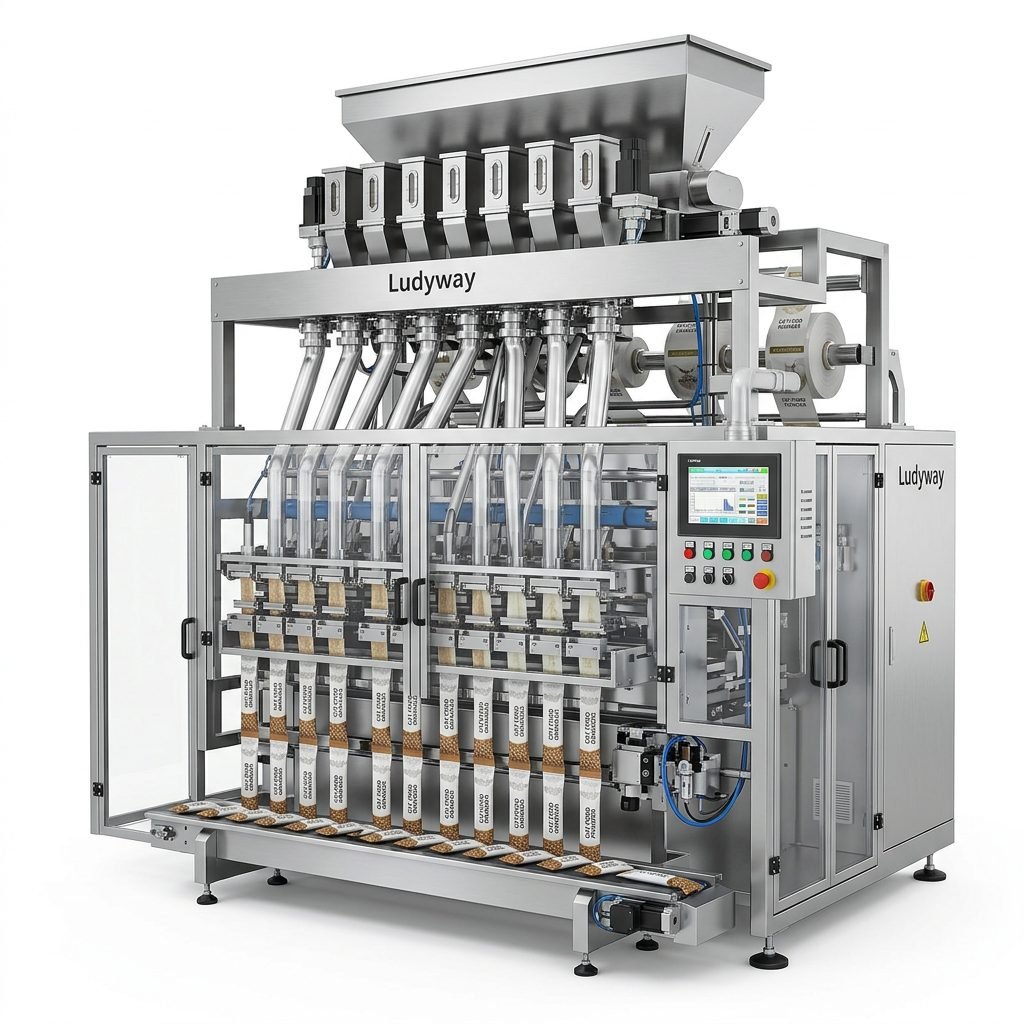
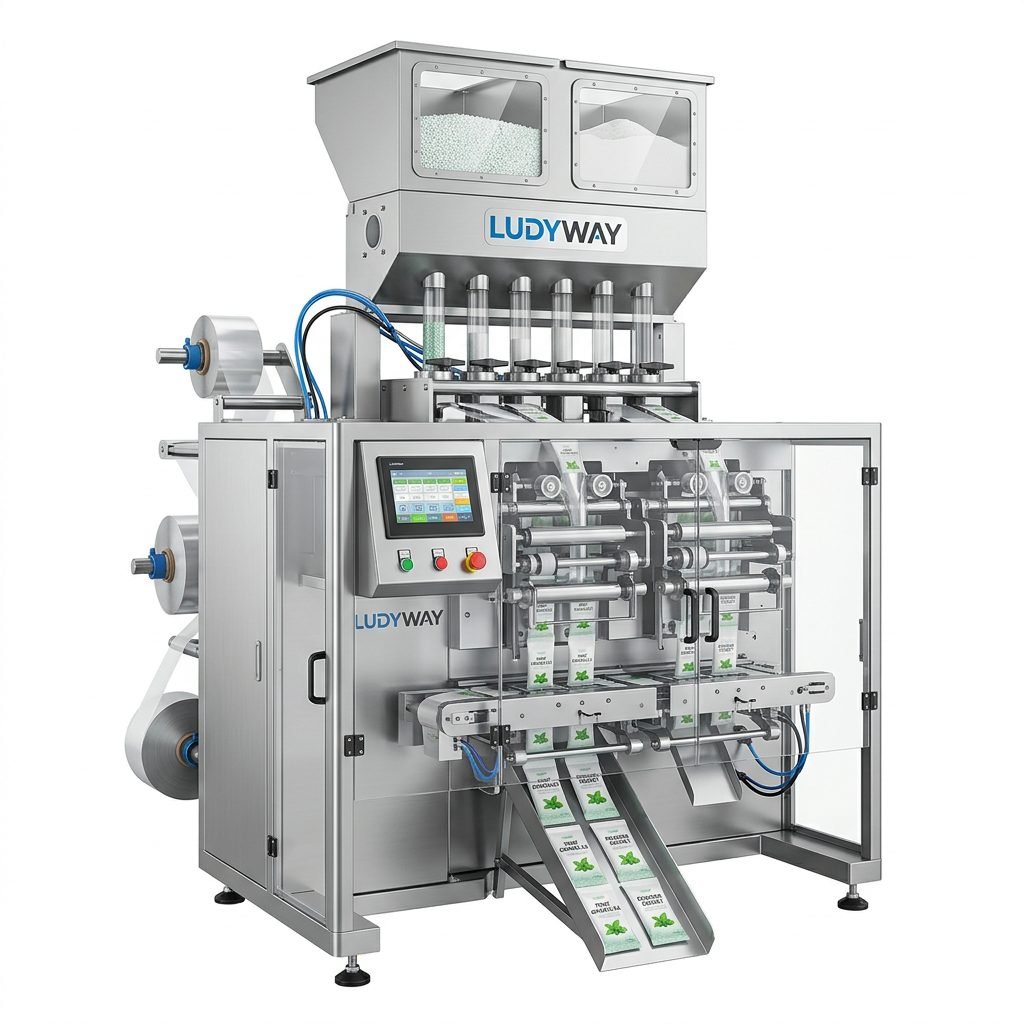
Sachet & Stick Pack Machines
Extremely popular for single-serve portions of sauces, condiments, instant beverages, sugar, and pharmaceuticals. The demand for these machines has soared with the growth of takeaway and food delivery services globally, as well as the preference for hygienic, pre-measured servings in emerging markets.
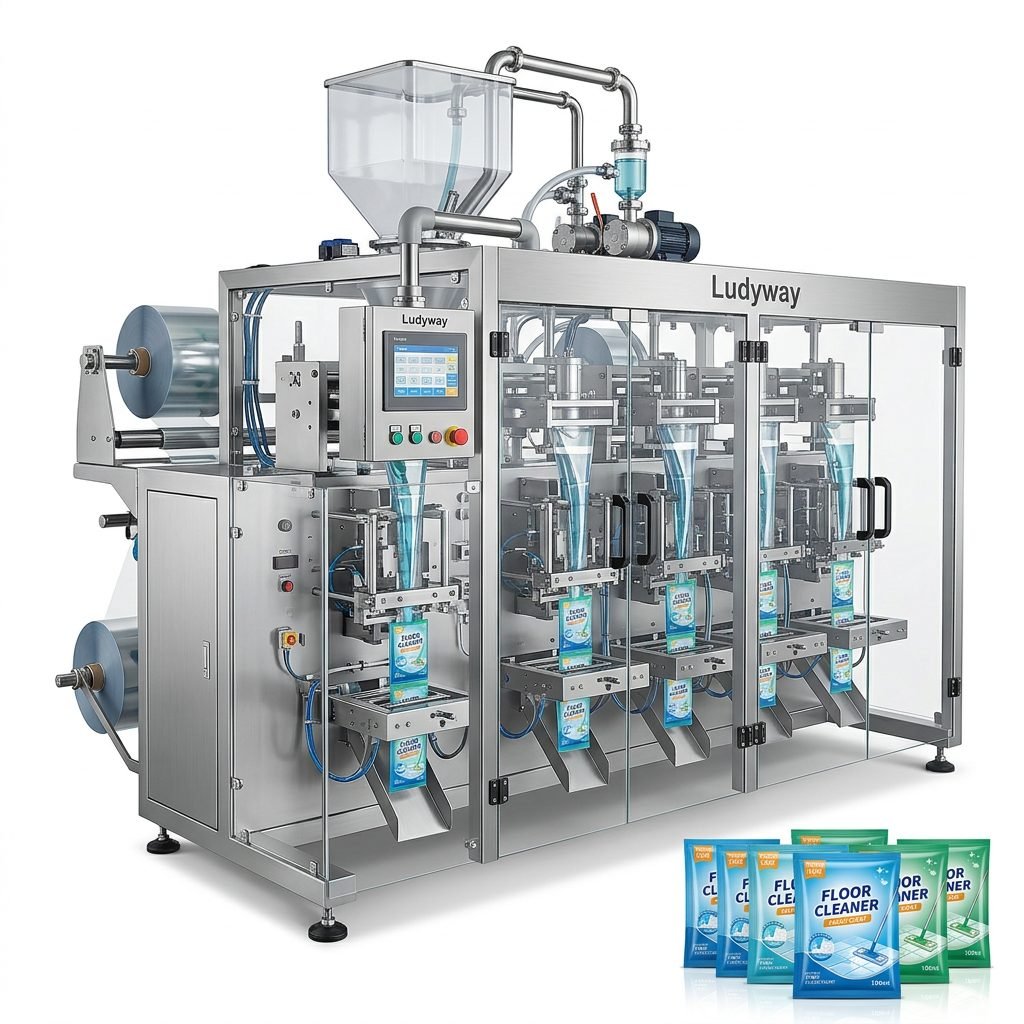
Liquid & Pasty Filling Machines
Designed to handle products like sauces, oils, honey, shampoos, and creams. They range from simple piston fillers to complex rotary systems with capping and labeling, often integrated into complete lines.
Vacuum & Modified Atmosphere Packaging (MAP) Machines
Essential for extending the shelf life of fresh meat, seafood, cheese, and prepared meals. Chinese manufacturers have made significant advancements in this technology, offering competitive solutions for preserving food quality and safety.
Understanding Price Ranges and Key Cost Factors
Prices for food packaging machines from China can vary dramatically, from a few thousand USD for a basic semi-automatic machine to several hundred thousand USD for a fully automated, high-speed production line. Key factors influencing price include:
→ Automation Level: Fully automatic machines command a higher price than semi-automatic or manual ones.
→ Production Speed: Measured in packs per minute (PPM), higher speeds require more precise engineering.
→ Material Compatibility: Machines that handle complex films or multi-layer laminates are more expensive.
→ Brand & Components: Manufacturers using high-end Japanese or German servo motors and PLCs will price accordingly.
→ Customization: Tailored solutions for unique pouch shapes, filling systems, or line integration add cost.
A Practical Guide on How to Choose the Right Manufacturer
Selecting a partner is more critical than just selecting a machine. A reliable manufacturer ensures long-term productivity and support.
1. Define Your Requirements Clearly
Before you start searching, have detailed specifications ready: product type, target output, bag/pouch dimensions, film material, and factory floor space. This clarity will help manufacturers provide accurate proposals.
2. Research and Shortlist Reputable Companies
Look for manufacturers with a strong track record. A company like Ludyway Packing Machine, with decades of industry experience, exemplifies the stability and expertise that can be found among China’s leading suppliers. Evaluate their online presence, client lists, and industry participation.
3. Verify Technical Capabilities and Certifications
Ensure the manufacturer has experience with your specific product type. Request technical drawings, machine specifications, and check for relevant international certifications (CE, ISO, etc.) which are indicators of quality compliance.
4. Assess Manufacturing Scale and Quality Control
A manufacturer’s own facility speaks volumes. For instance, operations backed by a 20,000㎡ modern production facility suggest substantial manufacturing capacity and investment in quality infrastructure. Inquire about their QC processes during assembly and testing.
5. Prioritize After-Sales Service and Support
The relationship begins after delivery. Confirm the availability of installation guidance, operator training, readily available spare parts, and responsive technical support. A global service network is a significant advantage.
6. Request References and Arrange a Factory Visit
Ask for contact information of previous international clients. If possible, visiting the factory is the best way to assess build quality, workshop organization, and the team’s professionalism firsthand.
The Advantage of Partnering with Experienced Chinese Suppliers
Choosing an established manufacturer brings benefits beyond the initial purchase. Companies that have evolved through 30+ years of industry experience understand market shifts and technological evolution. They are more likely to offer customized turnkey solutions and have the engineering prowess to adapt machines to unique production challenges, ensuring your investment is future-proof.
Furthermore, a supplier with a history of international project delivery will be familiar with export procedures, documentation, and the nuances of serving clients from different cultural and regulatory backgrounds, making the entire procurement process smoother.
Frequently Asked Questions (FAQs)
Q1: What is the typical lead time for a food packaging machine from China?
A: Lead times vary based on complexity. A standard model may take 30-60 days after order confirmation, while highly customized or large production lines can require 90-120 days. Always confirm the detailed production schedule with your supplier.
Q2: How is machine installation and training handled for overseas clients?
A: Reputable manufacturers provide detailed installation manuals, video guides, and online video call support. On-site installation and training by their engineers can usually be arranged, with costs (travel, accommodation) typically covered by the buyer. Comprehensive remote support is now standard.
Q3: Are Chinese packaging machines compatible with the packaging materials and standards in my country?
A: Most professional manufacturers design machines to be compatible with globally available packaging films (like PET/PE, ALU/PE). You must provide the film specifications (type, thickness, roll dimensions) to the manufacturer for confirmation. Machines can be built to meet specific regional safety standards (e.g., CE, UL).
Q4: What are the payment terms usually expected by Chinese manufacturers?
A: Common terms include a 30-50% deposit with the order, with the balance paid before shipment or against copy of shipping documents. Letters of Credit (L/C) are also widely accepted for larger orders. Negotiate terms that provide security for both parties.
Q5: How do I ensure the quality of the machine before it is shipped?
A: Insist on a Factory Acceptance Test (FAT). The supplier should record a video of the machine running with your actual product (or a simulation) at the agreed speed, demonstrating all functions. Third-party inspection services can also be hired to verify quality and specifications prior to shipment.