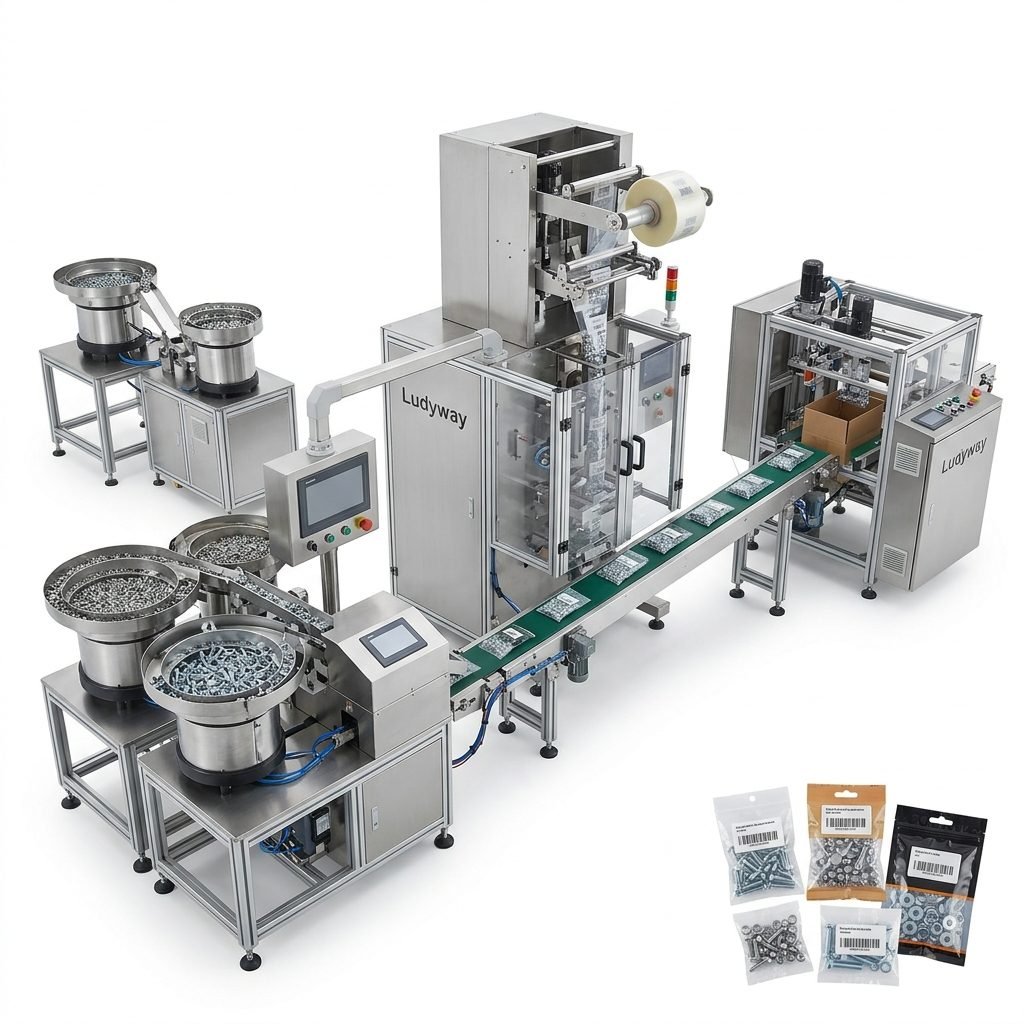
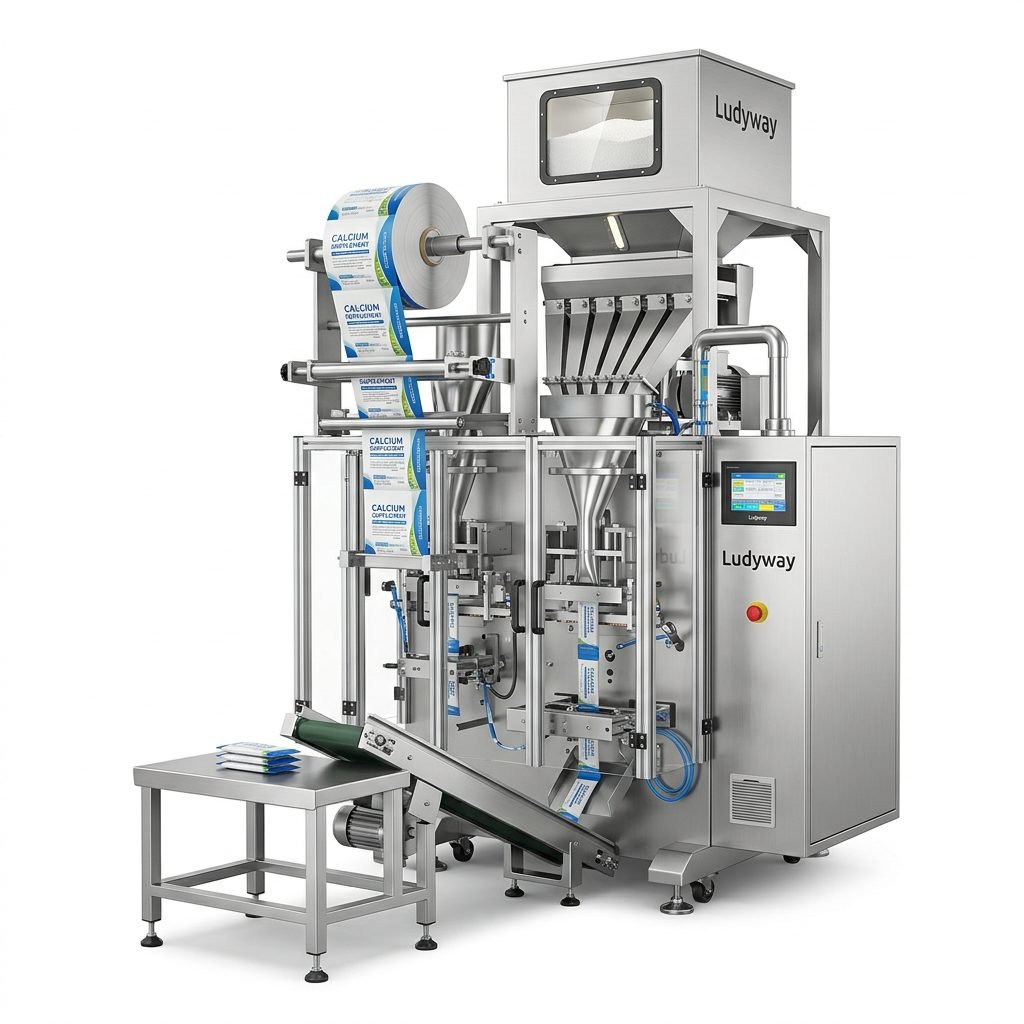
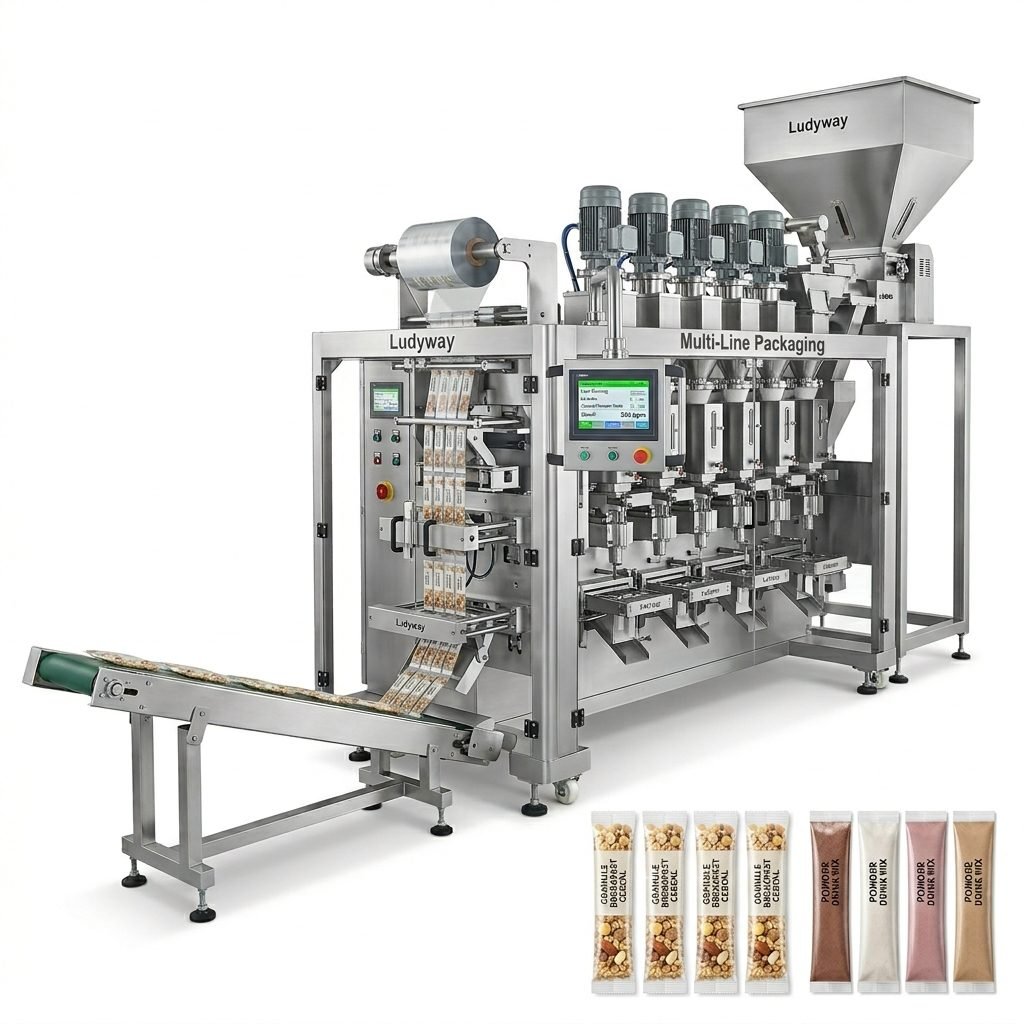
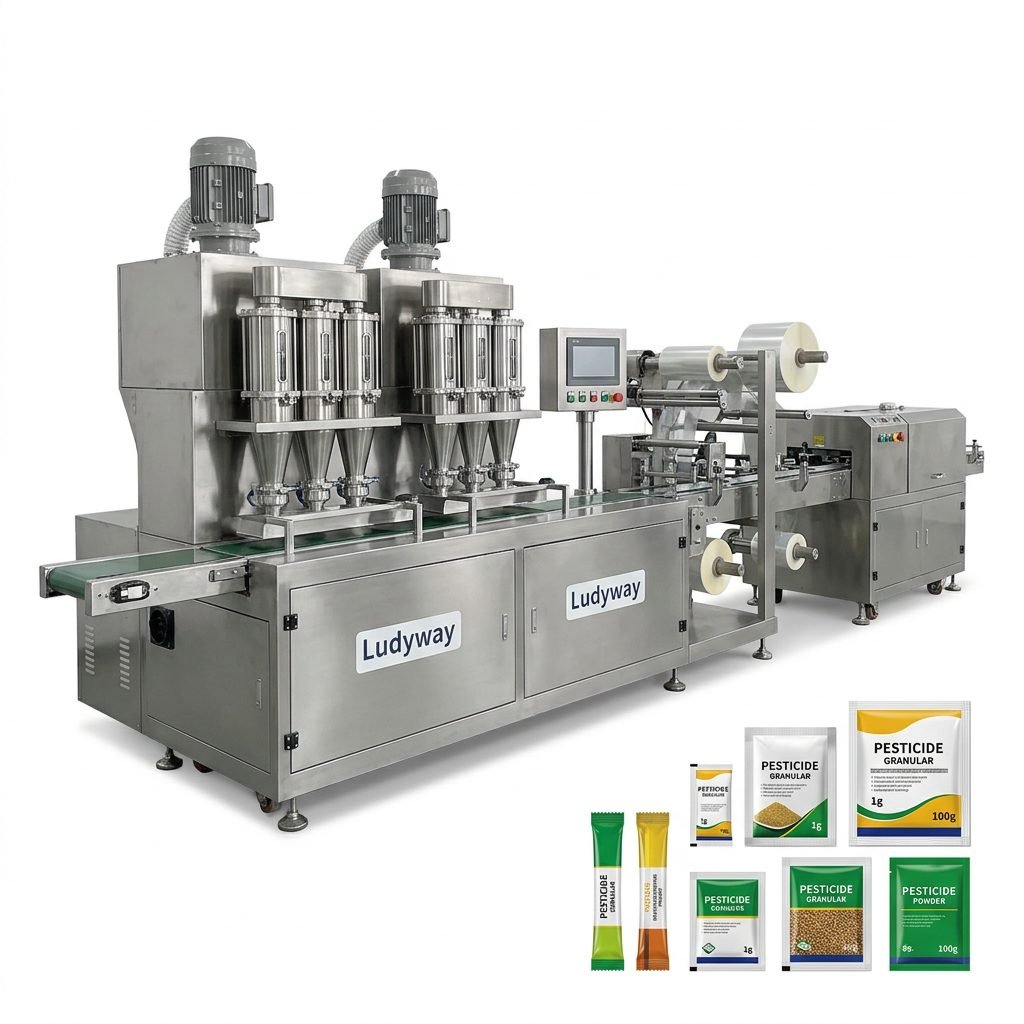
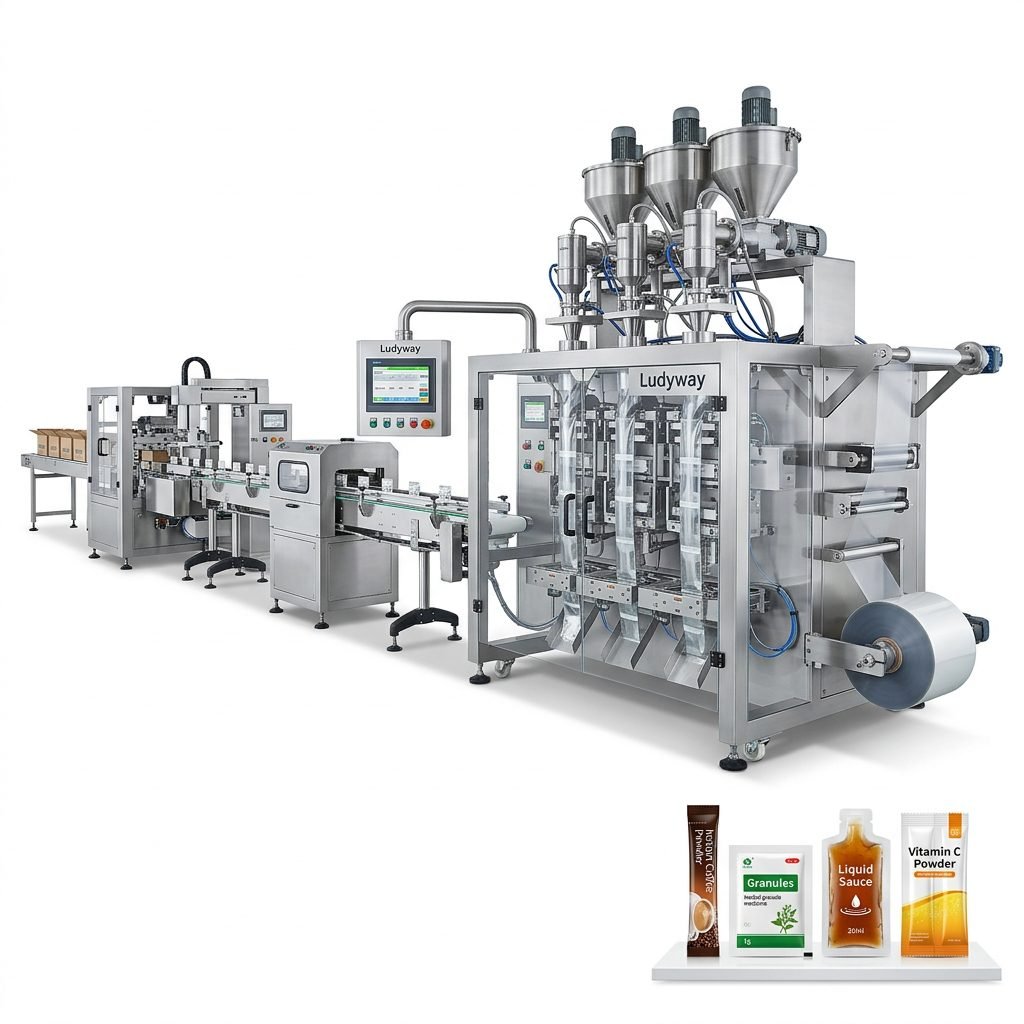
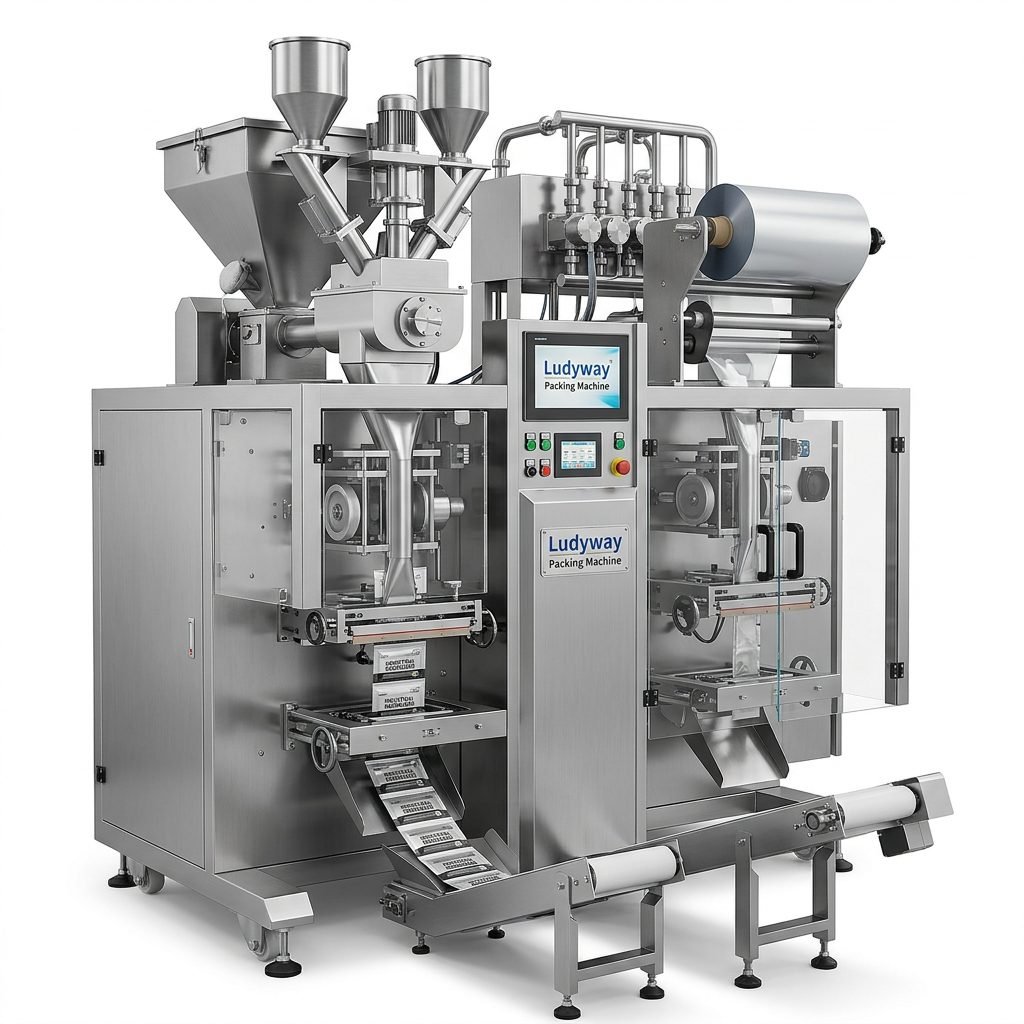
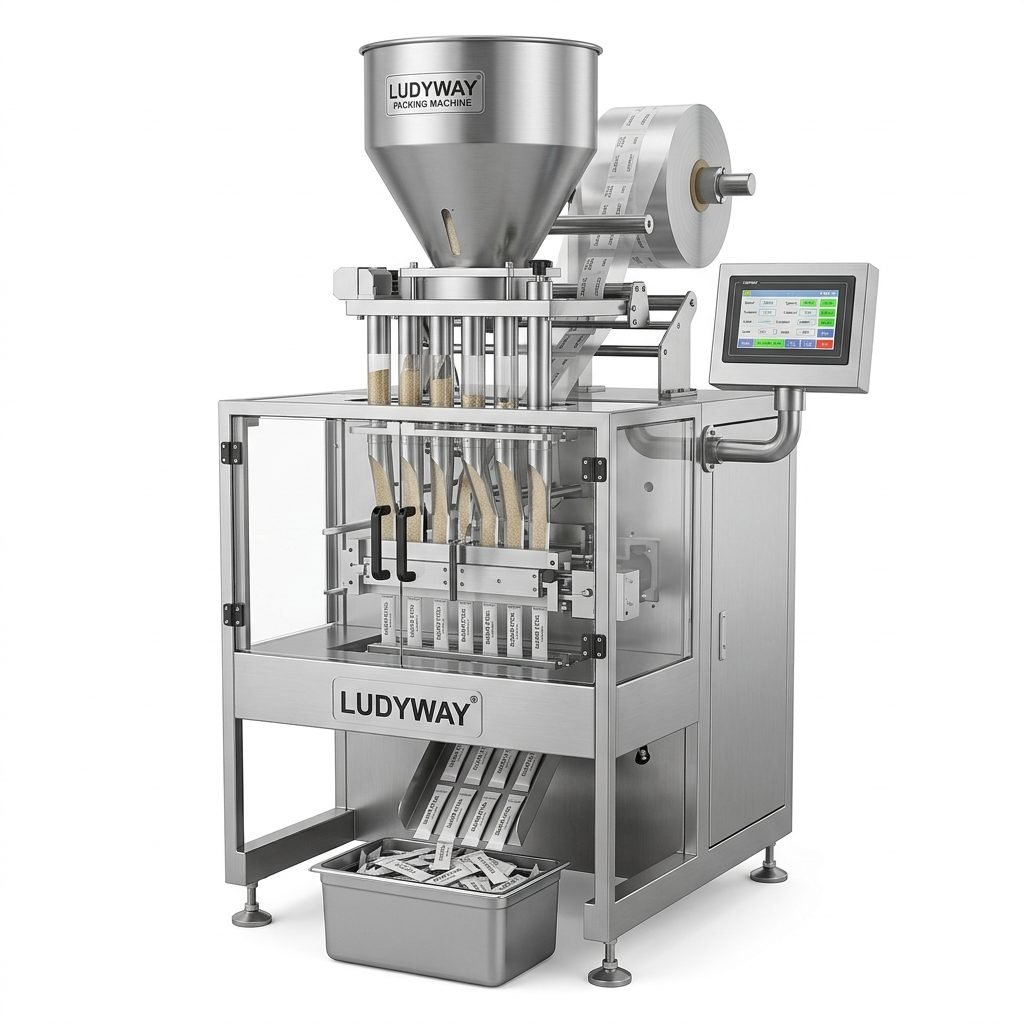
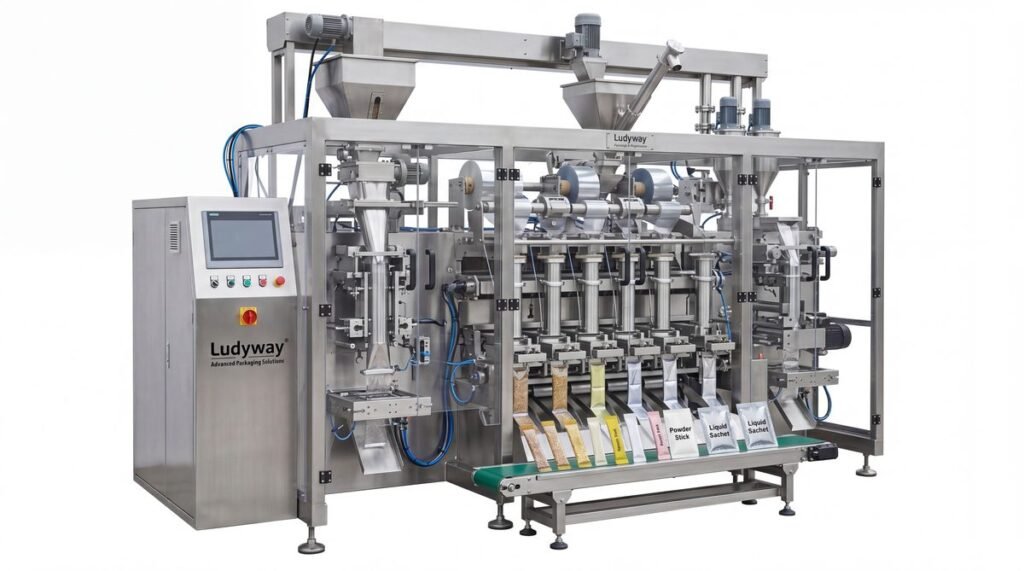
Investing in the right airtight food packaging machines is one of the most critical decisions for any food manufacturer in Asia. Whether you’re packing powdered milk, instant coffee, spices, or nutritional supplements, the integrity of the seal directly impacts product shelf life, safety, and brand reputation. This comprehensive guide walks you through everything you need to know about sourcing high-performance airtight packaging machinery across the Asian market.
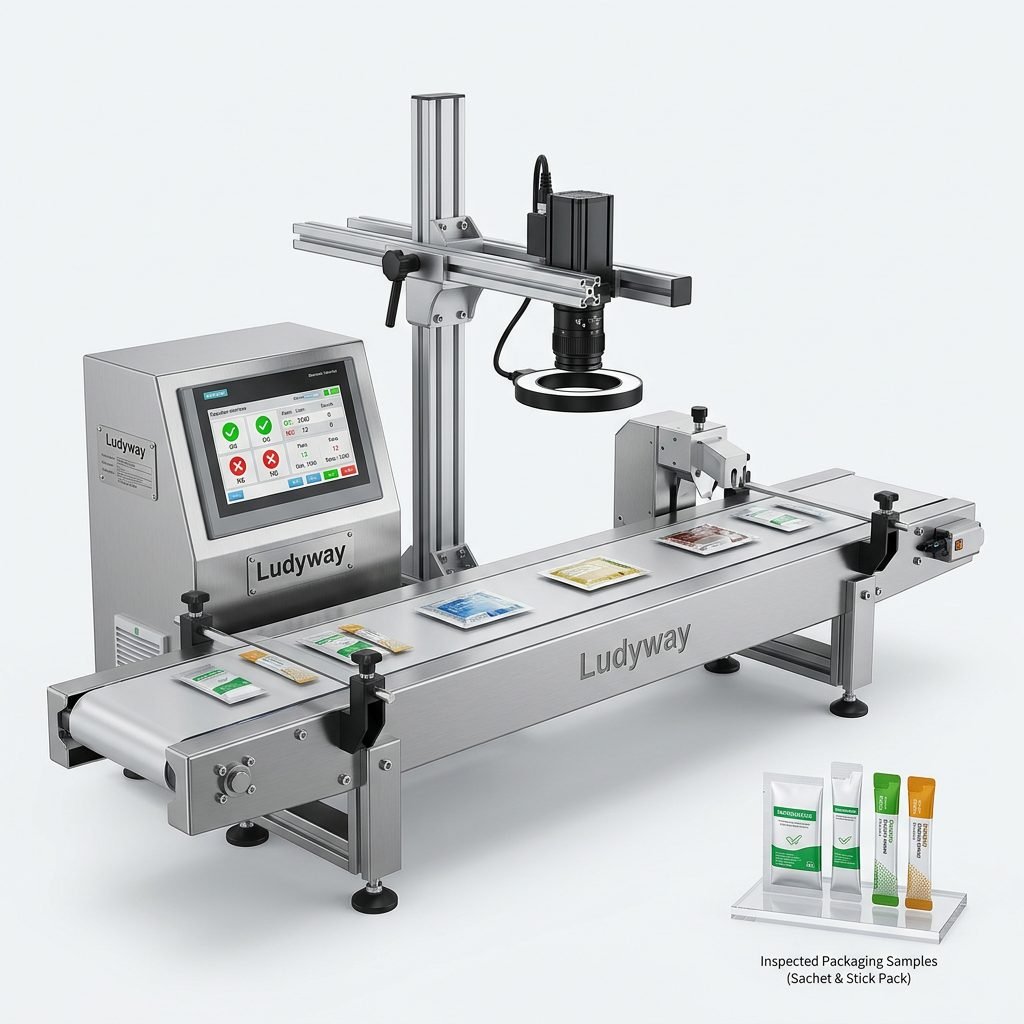
Understanding Airtight Packaging Technologies in Modern Food Processing
Airtight packaging, often referred to as hermetic sealing, is not just about closing a bag. It involves creating a barrier against oxygen, moisture, and contaminants. For Asian markets, where humidity levels can be extreme, this is even more crucial. The primary technologies include heat sealing, ultrasonic sealing, and vacuum nitrogen flushing. Among these, multi-lane stick pack and sachet machines equipped with nitrogen flush systems offer the highest level of protection for sensitive powders and granules.
Types of Airtight Packaging Machines Predominantly Sourced in Asia
The Asian manufacturing landscape offers a diverse range of equipment. Depending on your production volume and product consistency, you will encounter these popular categories:
| Machine Type | Ideal For | Key Advantage |
|---|---|---|
| Multi-Lane Stick Pack Machines | Powders, granules (coffee, protein, pharma) | High-speed output with minimal air retention |
| Rotary Premade Pouch Fillers | Liquid foods, sauces, ready-to-eat snacks | Excellent for heavy materials and high-barrier films |
| Vertical Form Fill Seal (VFFS) Machines | Sugar, salt, grains, frozen foods | Versatile and cost-effective for bulk pillow bags |
| Vacuum Chamber Machines | Meat, cheese, seafood | Maximum oxygen removal for extended shelf life |
Key Airtight Sealing Mechanisms to Look For
- Serrated Sealing Jaws: Provide superior grip and barrier integrity compared to flat seals.
- Gas Flushing Capability: Replaces oxygen with inert nitrogen (N2) to prevent oxidation of powders like matcha or whey protein.
- Servo-Driven Pressure Control: Ensures consistent sealing temperature and pressure, crucial for biodegradable films.
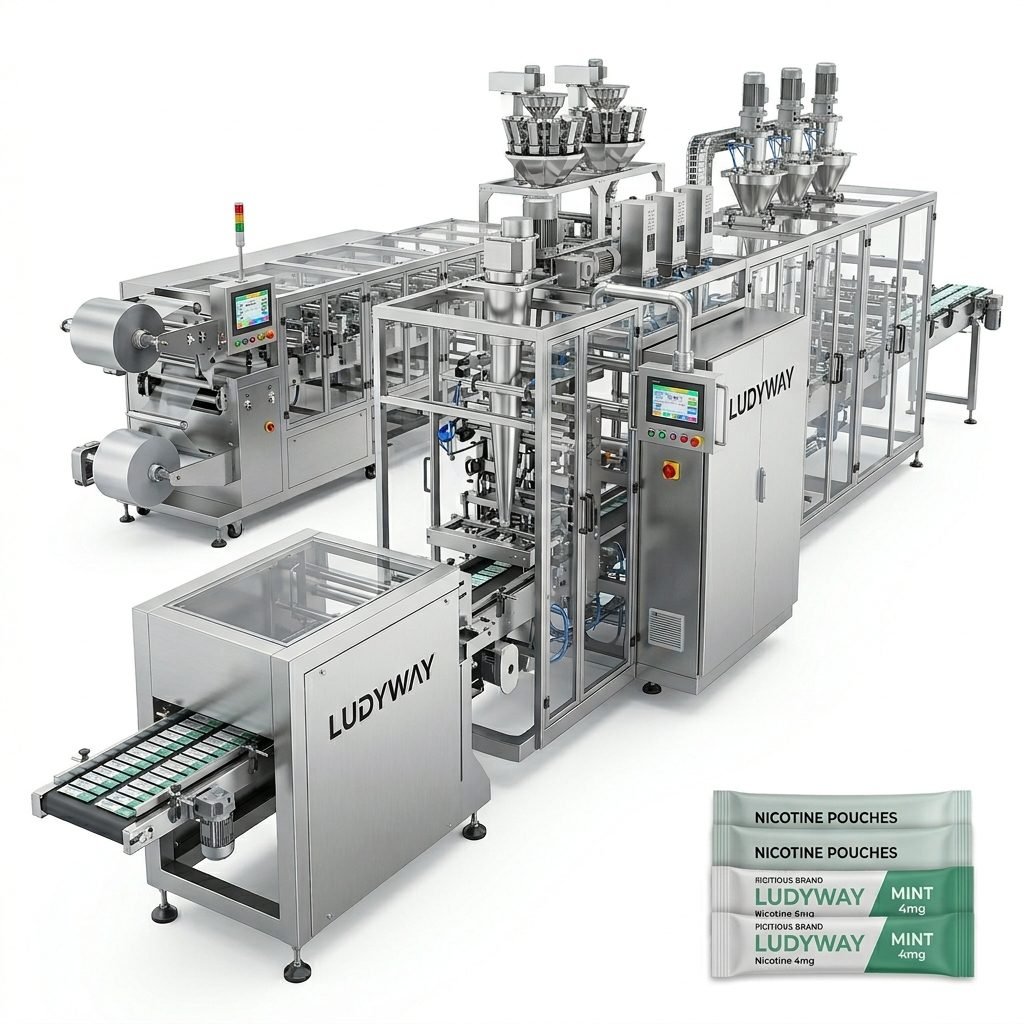
Benefits of Investing in High-Quality Airtight Machinery
Why is airtight integrity non-negotiable? The benefits extend far beyond simple containment. Properly sealed barriers prevent moisture ingress, which is the number one cause of clumping in hygroscopic powders. They also prevent lipid oxidation, keeping fatty foods fresh. According to industry reports from PMMI – The Association for Packaging and Processing Technologies, upgraded sealing technology can reduce food waste by up to 15% in the supply chain.
Critical Factors in Selecting a Supplier
Choosing a partner in Asia involves more than just comparing price tags. You must evaluate their engineering capability and after-sales support. Verify the brand and origin of critical components, such as PLCs, sensors, and sealers. Pneumatic components from Festo or SMC (Japan) often indicate superior build quality. Furthermore, ensure the supplier adheres to international safety and hygiene standards.
Navigating Compliance and Food Safety Standards (FDA & ISO)
The Food and Drug Administration (FDA) in the United States sets stringent requirements for Food Packaging and Food Contact Substances. Even if you are manufacturing in Asia, if you export globally, your machine must handle certified food-grade films without contaminating the product. Look for machines constructed with 304 or 316 stainless steel frames and contact parts, conforming to ISO 11607 standards for terminally sterilized medical devices if you operate in the pharma-food crossover sector.
The Asian Market Advantage: Cost vs. Technology
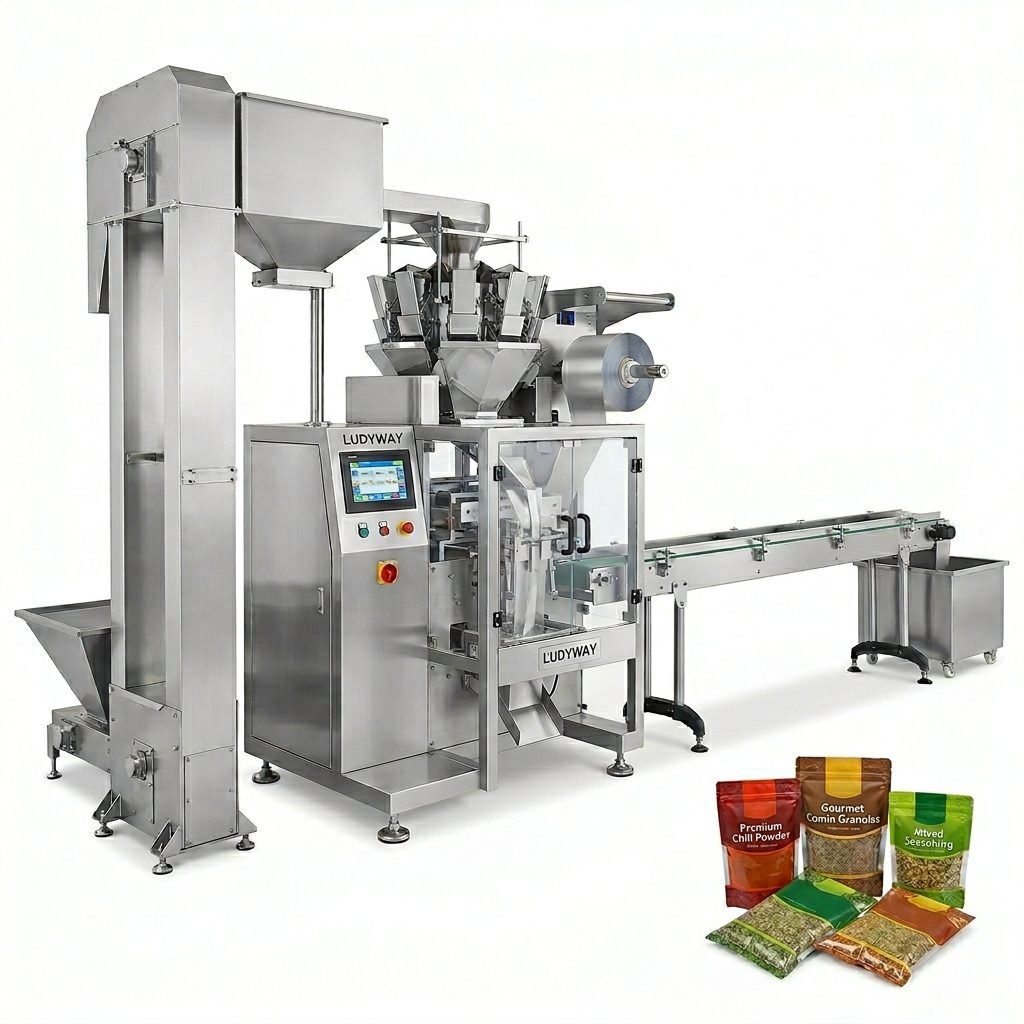
Asia, particularly China, has evolved from a “copycat” machinery hub to a global innovation center for smart packaging technology. You can now find machines integrating Industrial Vision Inspection Systems and Industrial X-Ray Inspection for leak detection directly on the line. The Flexible Packaging Association notes that the Asian market is rapidly closing the technology gap with European counterparts while maintaining a significant cost advantage.
One notable player in this landscape is Ludyway, a specialized manufacturer integrating advanced multi-lane systems and turnkey production solutions designed to meet rigorous airtight requirements across over 100 countries.
Essential Spare Parts and Preventive Maintenance
Maintaining airtight seal integrity over the machine’s lifetime requires regular maintenance. You must keep critical spares in stock to avoid downtime during the monsoon season, which can be particularly challenging in Southeast Asian countries. Priority spares include:
- Heating Elements (Cartridge Heaters): These have a finite lifespan and are vital for consistent sealing temperature.
- Thermocouples and Temperature Controllers: Essential for maintaining the accurate heat sealing required for high-barrier laminates.
- Set of Sealing Jaws: Physical wear and tear can cause micro-leaks invisible to the naked eye.
- Vacuum Pumps and Nitrogen Flow Meters: Crucial for the modified atmosphere packaging (MAP) process.
Liquid Airtight Packaging: Special Considerations
While powder sealing focuses on preventing clumping, liquid airtight packaging fights against leakage and microbial growth. For products like tomato paste, hand sanitizer, or body lotion sachets, the sealing width and strength must be calibrated precisely. High-viscosity liquids often require specialized piston fillers and double-sealing jaws to prevent product wicking into the seal area. Check the European Commission’s Packaging and Packaging Waste Regulation for the latest guidelines on sustainable barrier materials.
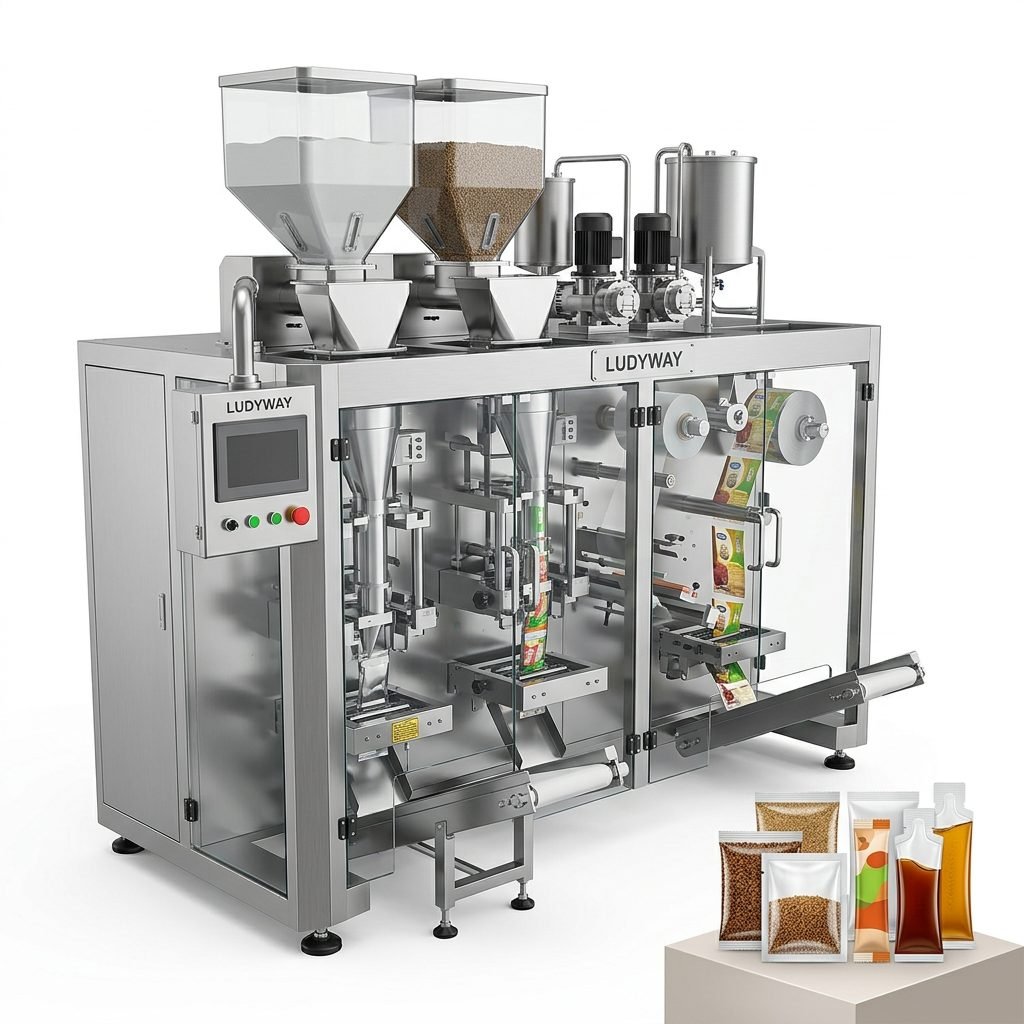
Conducting a Factory Acceptance Test (FAT) for Airtight Machines
Before your airtight food packaging machines are shipped from the manufacturer in Asia, a rigorous Factory Acceptance Test is mandatory. Do not rely solely on the supplier’s checklist. You must bring your actual product and film materials to the test. Run the machine at the maximum rated speed and check the seals. A simple but effective method is the “dye penetration test” and the “burst strength test”. According to ISO packaging standards, seals must demonstrate consistent strength under varying temperature conditions.
Future Trends: Sustainability and Smart Packaging
The future of airtight packaging in Asia is moving towards sustainability. The drive for mono-material PE/PP pouches that are fully recyclable yet offer high barrier properties is a major challenge for sealing technology. These new films have a narrower sealing window, requiring extremely precise temperature control. Intelligent packaging with embedded freshness indicators is also on the rise. Investing in machinery that can handle these new materials is crucial for future-proofing your business.