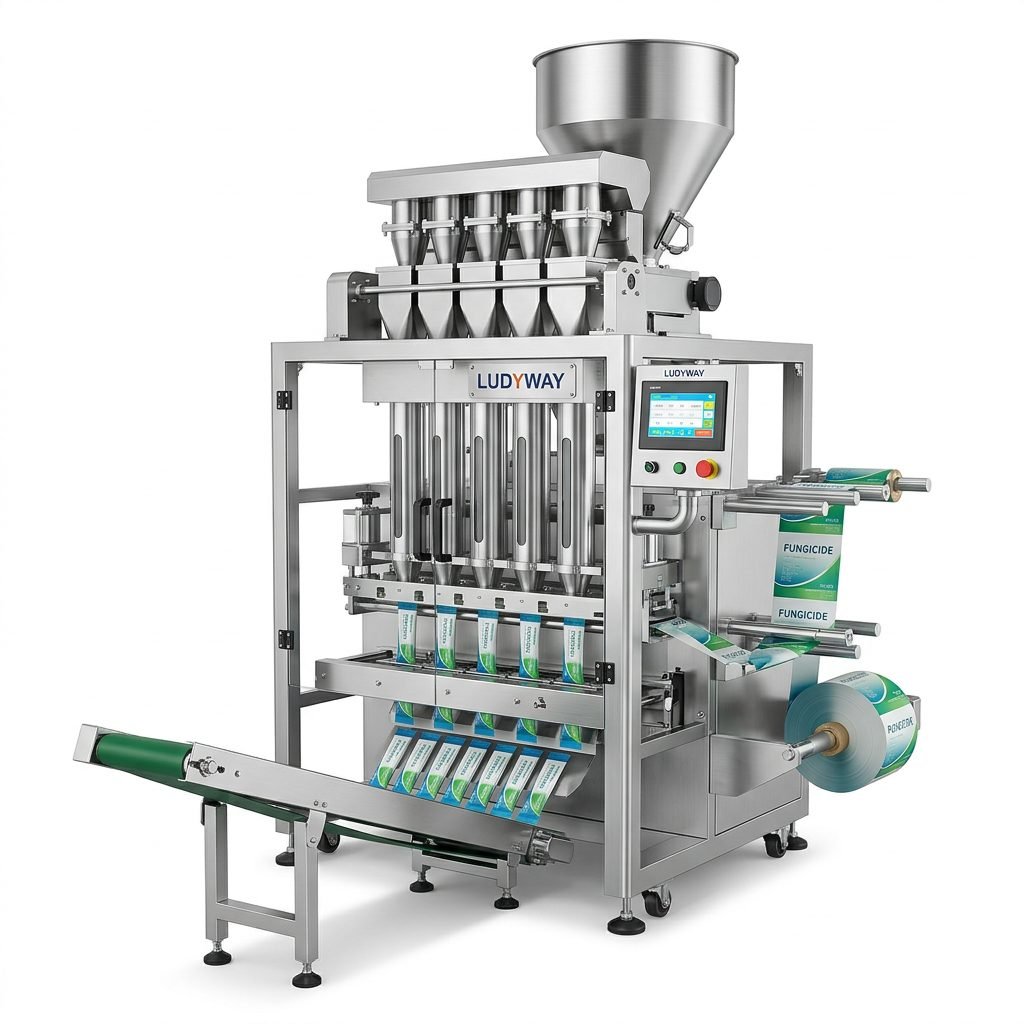
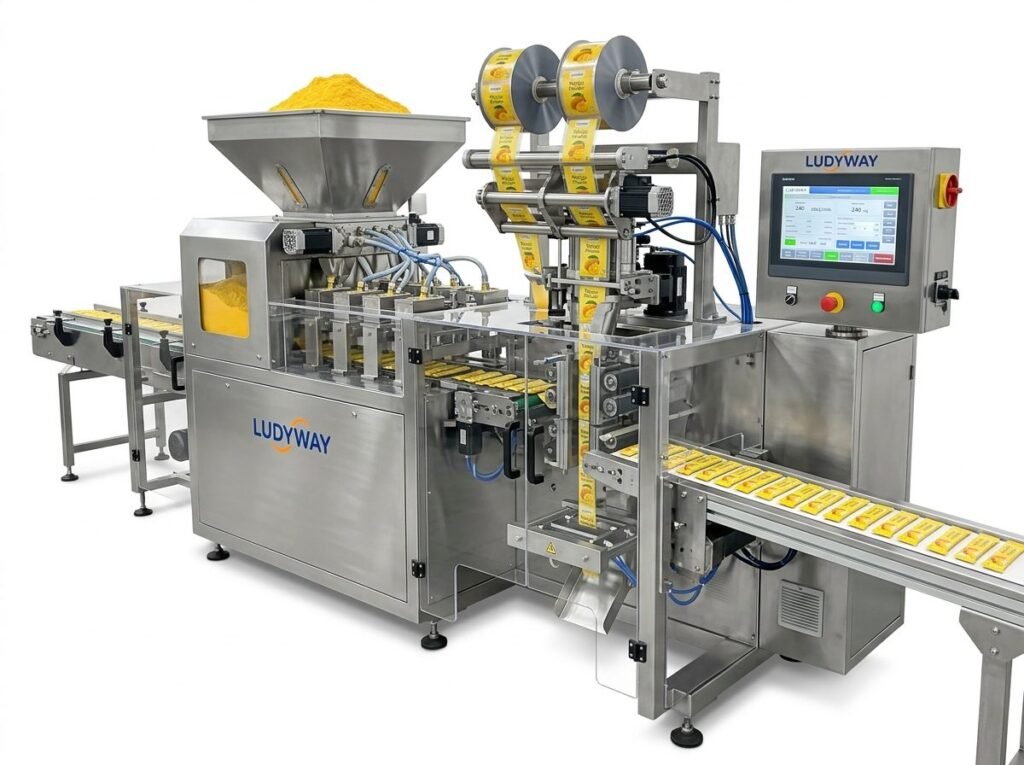
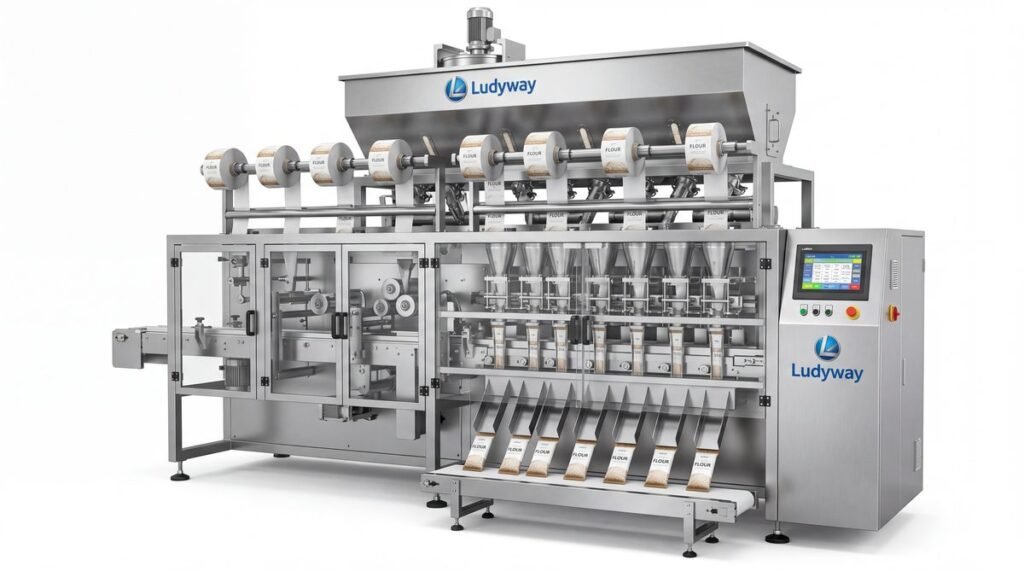
Selecting the right vacuum food packaging machine is a critical investment for food businesses across the United Kingdom. Whether you are a small artisan producer or a large-scale food manufacturer, the correct equipment extends shelf life, reduces waste, and ensures compliance with stringent UK food safety standards. This guide walks you through the essential factors to evaluate before making a purchase.
Understanding Vacuum Packaging Technology
Vacuum packaging removes air from the package before sealing, creating an oxygen-depleted environment that dramatically slows down food spoilage. In the UK market, where consumers and retailers demand fresh, high-quality products with extended shelf lives, this technology is indispensable. From vacuum sealers for meat and cheese to machines designed for ready meals and delicate produce, the application defines the machine type.

Key Features to Evaluate for UK Operations
When choosing a vacuum food packaging machine in the United Kingdom, several technical specifications determine performance and suitability for your specific production line.
1. Machine Type: Chamber vs. External
Understanding the difference between chamber vacuum sealers and external suction machines is fundamental. Chamber machines place the entire product inside the vacuum chamber, ensuring equal pressure on all sides, ideal for liquids and moist foods. External machines draw air directly from the bag, best suited for dry goods and lower-volume UK delis or farm shops.
2. Pump Type and Durability
The pump is the heart of any vacuum packaging system. Oil-based rotary pumps offer high durability and continuous operation capabilities, making them the standard for industrial environments. Dry pumps, found in many entry-level models, require less maintenance but typically suit lower-duty cycles. For ambitious UK food processors, pump lifespan directly impacts total cost of ownership.
3. Seal Bar Configuration
The seal bar length and arrangement matter. Machines with double seal bars provide extra security against leakage, a crucial factor when packaging high-value products like premium British cheeses or smoked fish. Consider the maximum bag width you plan to use and ensure the seal bar dimensions align with your packaging materials.
Comparing Different Vacuum Packaging Machine Categories
| Machine Type | Best For | Typical UK Application | Price Sensitivity |
|---|---|---|---|
| Single Chamber | Small to medium batches | Farm shops, small bakeries | Moderate |
| Double Chamber | Higher throughput | Meat processors, meal prep | High Mid-Range |
| Continuous Band | High-speed automated lines | Large factories, co-packers | High Investment |
| Thermoforming | Custom tray packaging | Ready meals, bacon packing | Significant Investment |
Regulatory Compliance in the United Kingdom
Any vacuum food packaging machine used in the UK must align with Food Standards Agency (FSA) guidelines and relevant British Standards. Machinery should be manufactured from food-grade stainless steel, particularly all surfaces in contact with the product. Additionally, after Brexit, UKCA marking is replacing CE marking for equipment placed on the GB market, though CE marking remains recognized for a transitional period. Ensure your supplier provides the correct conformity documentation.
- Material Safety: Confirm 304 or 316 stainless steel construction for washdown environments.
- Safety Guards: Emergency stop buttons and safety interlocks are mandatory for UK workplace compliance.
- HACCP Integration: The machine should support your Hazard Analysis and Critical Control Points plan with consistent, verifiable seal integrity.
Gas Flushing and Modified Atmosphere Packaging (MAP)
For many UK producers, a vacuum machine with gas flushing capability adds significant value. By injecting a mixture of nitrogen, carbon dioxide, or other inert gases before sealing, Modified Atmosphere Packaging preserves the shape of delicate items like crisps, salads, and sandwiches while extending shelf life. This feature often separates basic vacuum sealers from advanced commercial systems. A Flexible Packaging Association report highlights how MAP continues to grow as a critical technology in food preservation.
Production Capacity and Speed Requirements
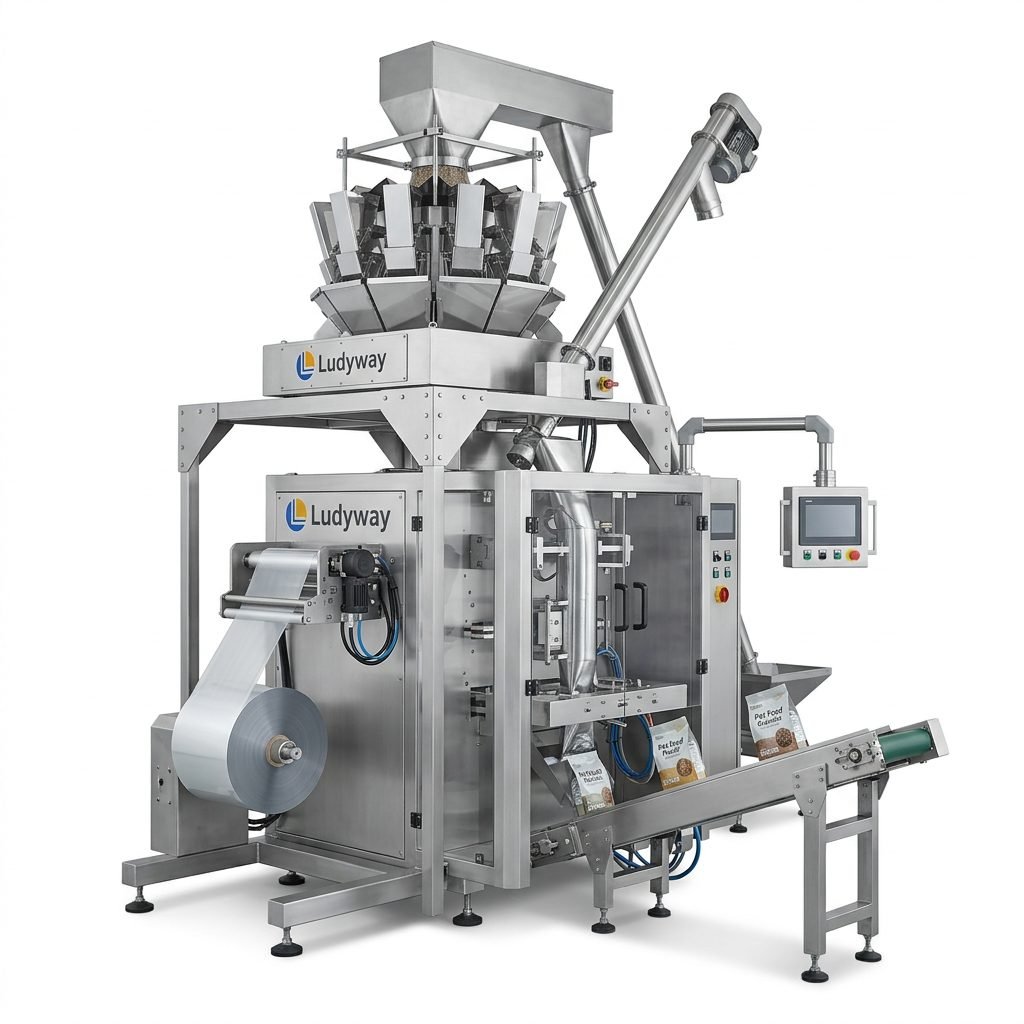
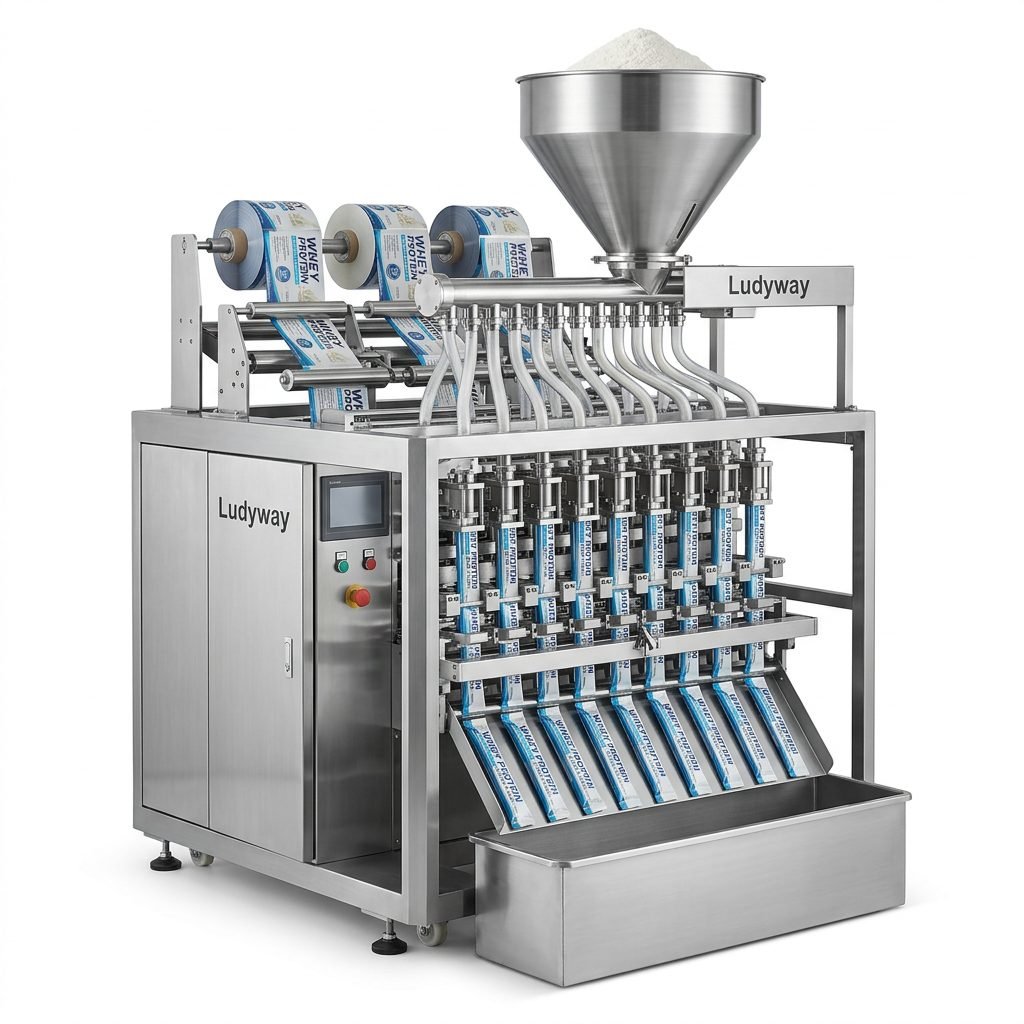
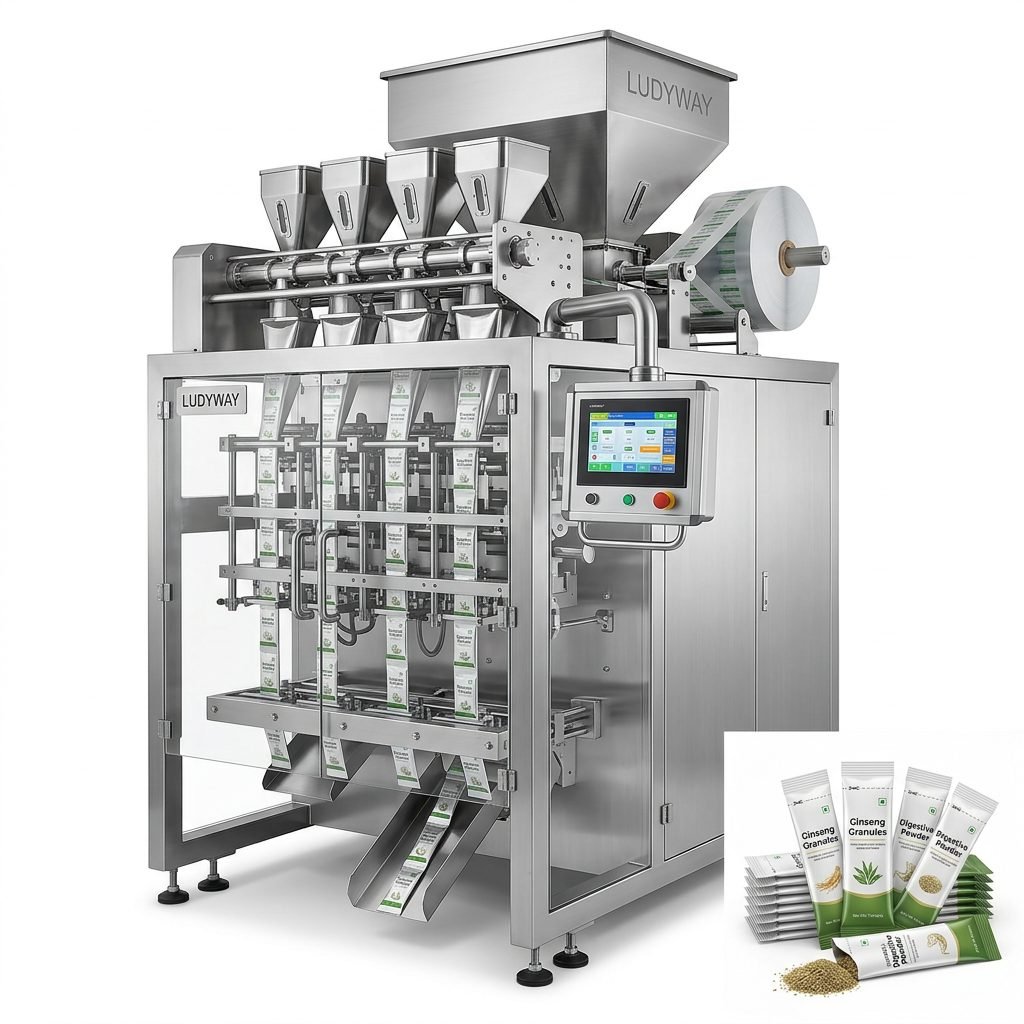
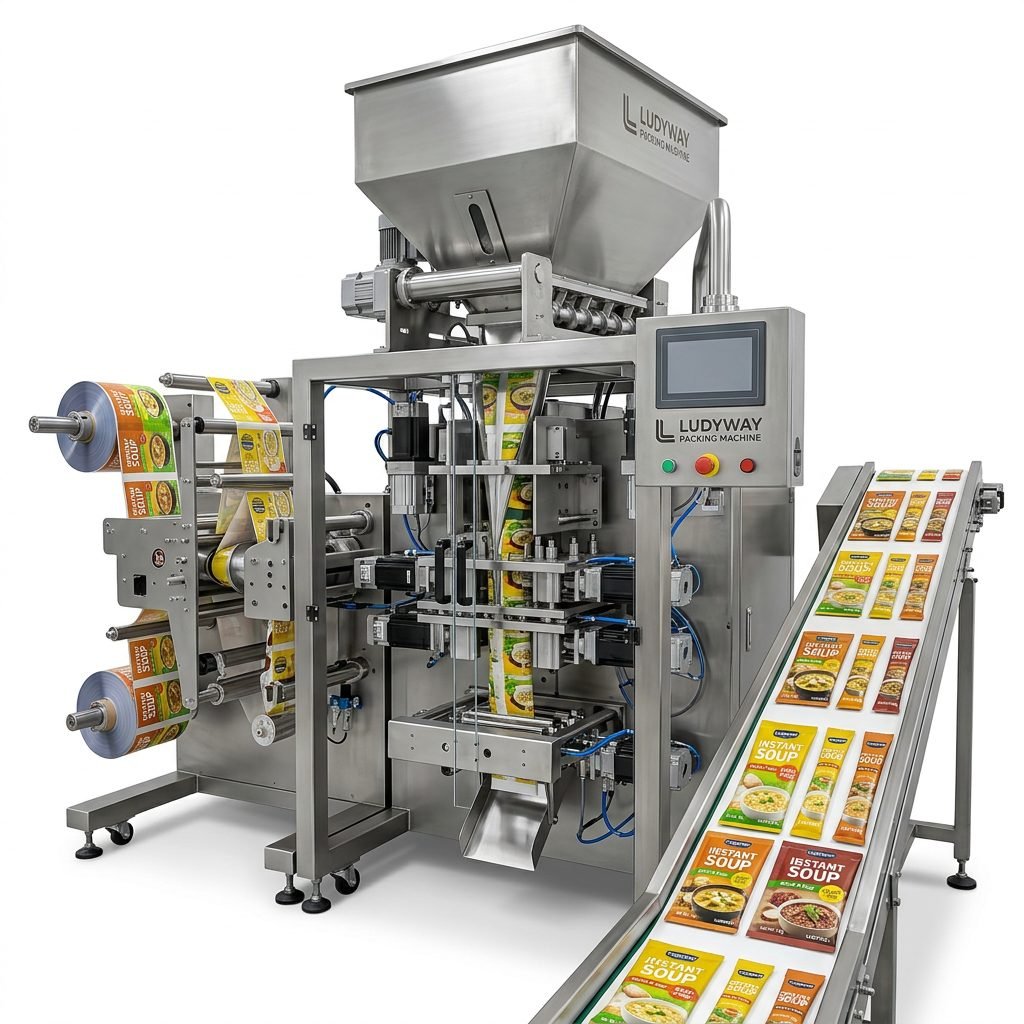
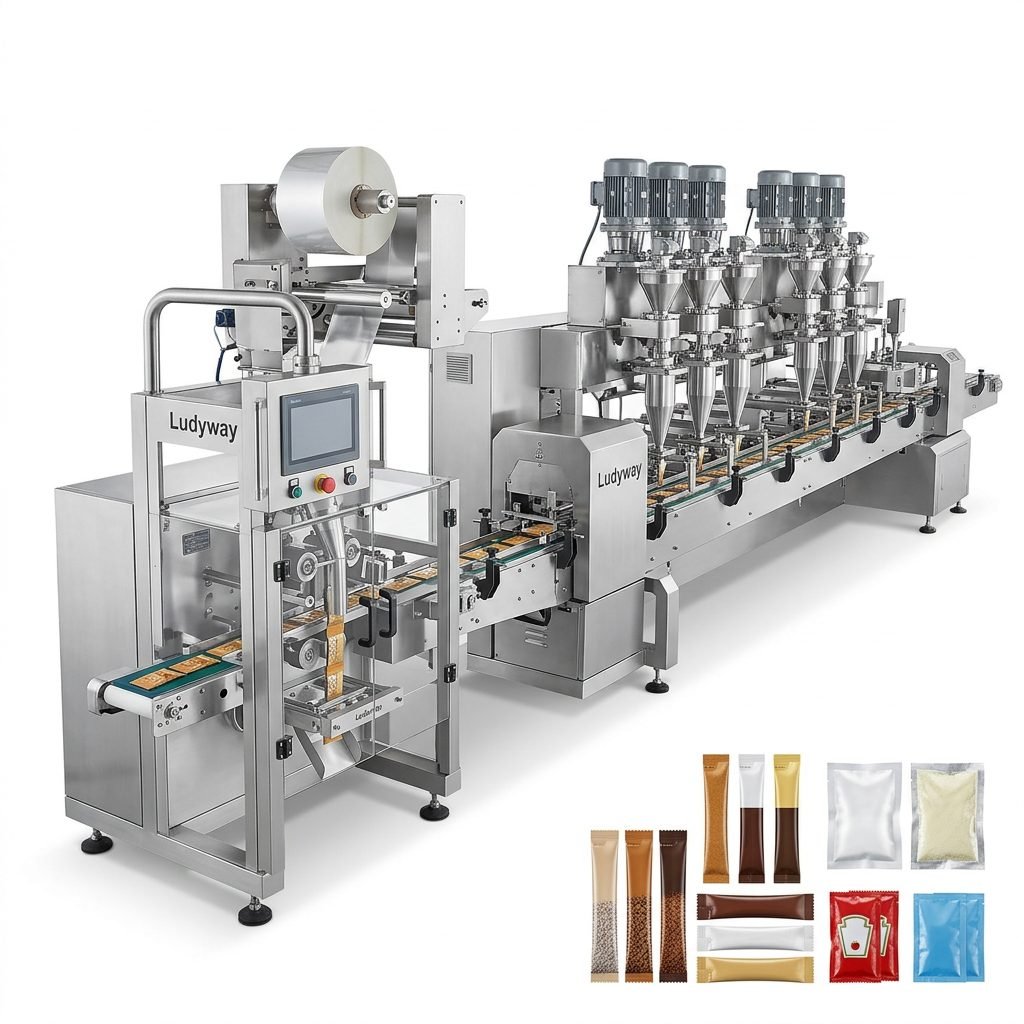
Calculating the required output is essential. Consider not just the number of packs per minute, but the vacuum cycle time, including the time required for pump-down, sealing, and venting. UK manufacturers operating on tight retail deadlines often find that a machine rated for 4 cycles per minute may practically deliver fewer due to operator loading speed. When transitioning from manual operations to automated solutions, consulting with experienced manufacturers is vital. Ludyway, one of the largest packaging machine manufacturers in China with over 30 years of industry experience, exemplifies how modern facilities integrate high-speed vacuum systems into complete turnkey production lines, providing insights applicable to UK producers seeking to scale.
Maintenance and Total Cost of Ownership
The purchase price is only the beginning. Serviceability in the United Kingdom means access to local engineers or clear remote diagnostic support. Key components to check include:
- Pump oil changes: How frequently oil needs replacing and the ease of accessing the pump.
- Seal bar replacement: Availability and cost of replacement Teflon tapes and heating elements.
- Spare parts logistics: Whether critical components are stocked in a UK warehouse or require international shipping.
Energy efficiency is another growing concern in the UK, with electricity prices being among the highest in Europe. Opting for machines with intelligent standby modes and efficient motors reduces long-term operational expenditure.
Future-Proofing Your Investment
The UK packaging industry is moving towards smart manufacturing. Look for machines capable of integrating with data logging systems, digital pressure sensors, and production monitoring software. This not only supports traceability requirements but also helps with predictive maintenance, reducing unplanned downtime. Updates on packaging machinery standards can be found through organizations like PMMI Business Intelligence, which track global trends including those impacting the European and UK markets.
Questions to Ask Suppliers Before Buying
Before finalizing your decision on a vacuum food packaging machine for the United Kingdom, compile a checklist of technical questions. Verify the warranty terms, the lead time for delivery, and whether comprehensive operation manuals and training are provided. Always request a video demonstration or, if possible, arrange a factory acceptance test to observe the machine handling your specific product range and packaging films.

By carefully evaluating these factors—from pump technology and chamber configuration to UK regulatory alignment and after-sales support—you can secure a vacuum packaging machine that delivers consistent performance and strong return on investment for your British food business.