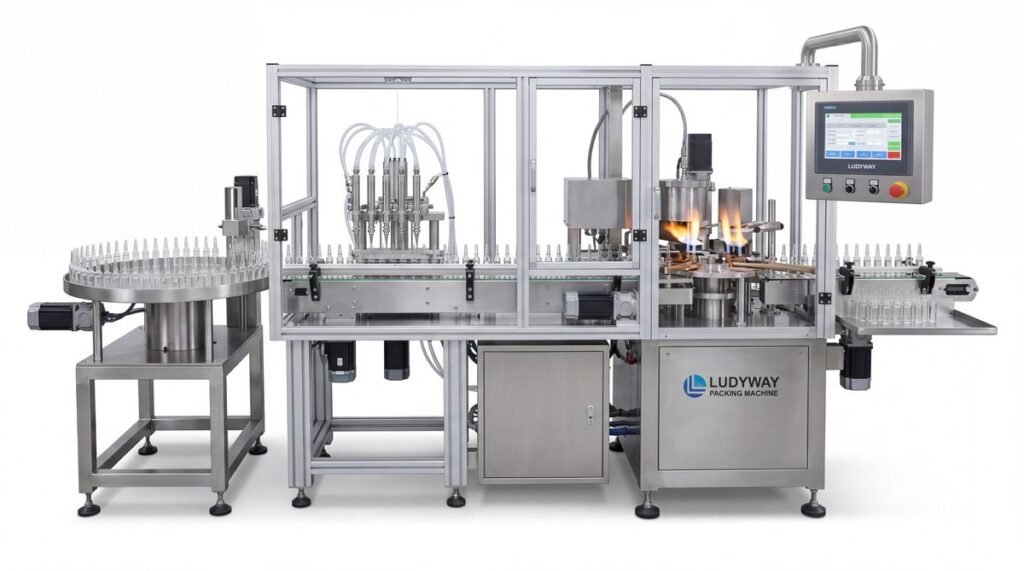
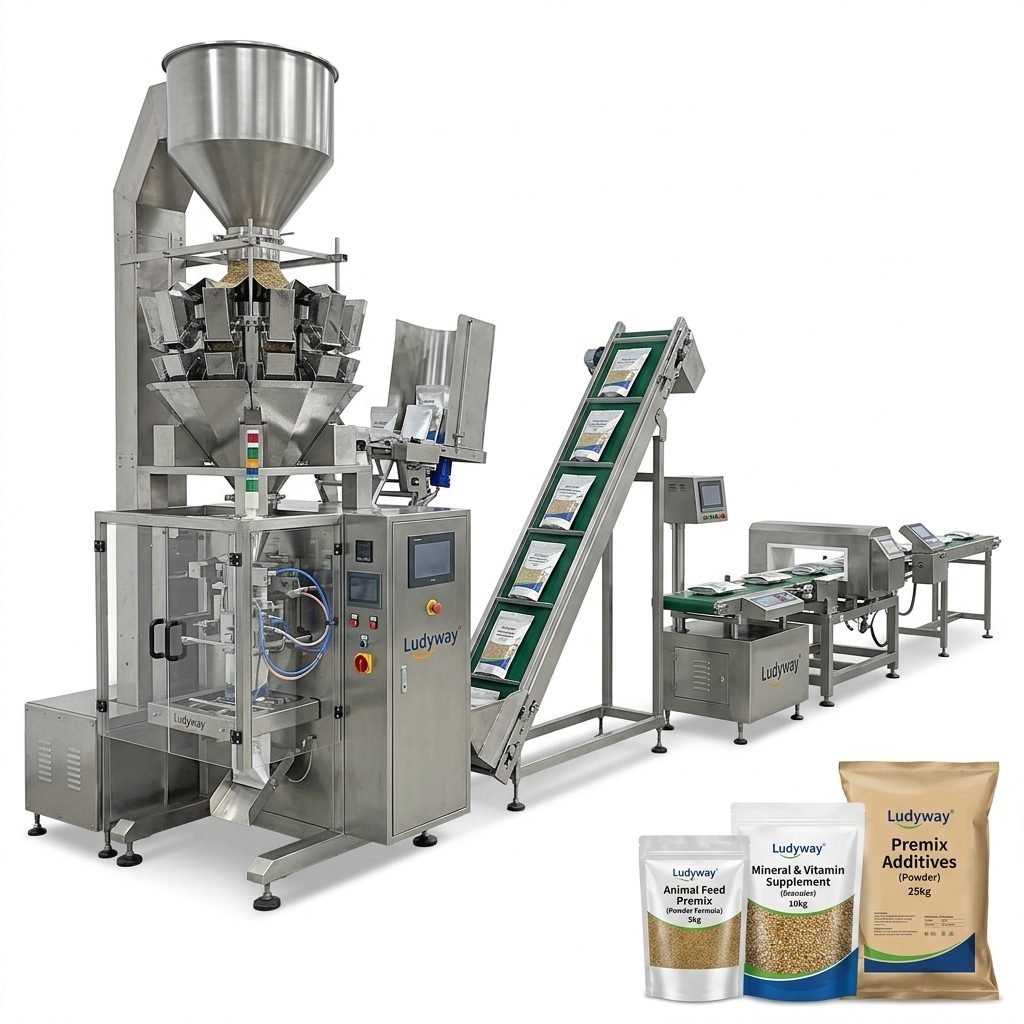
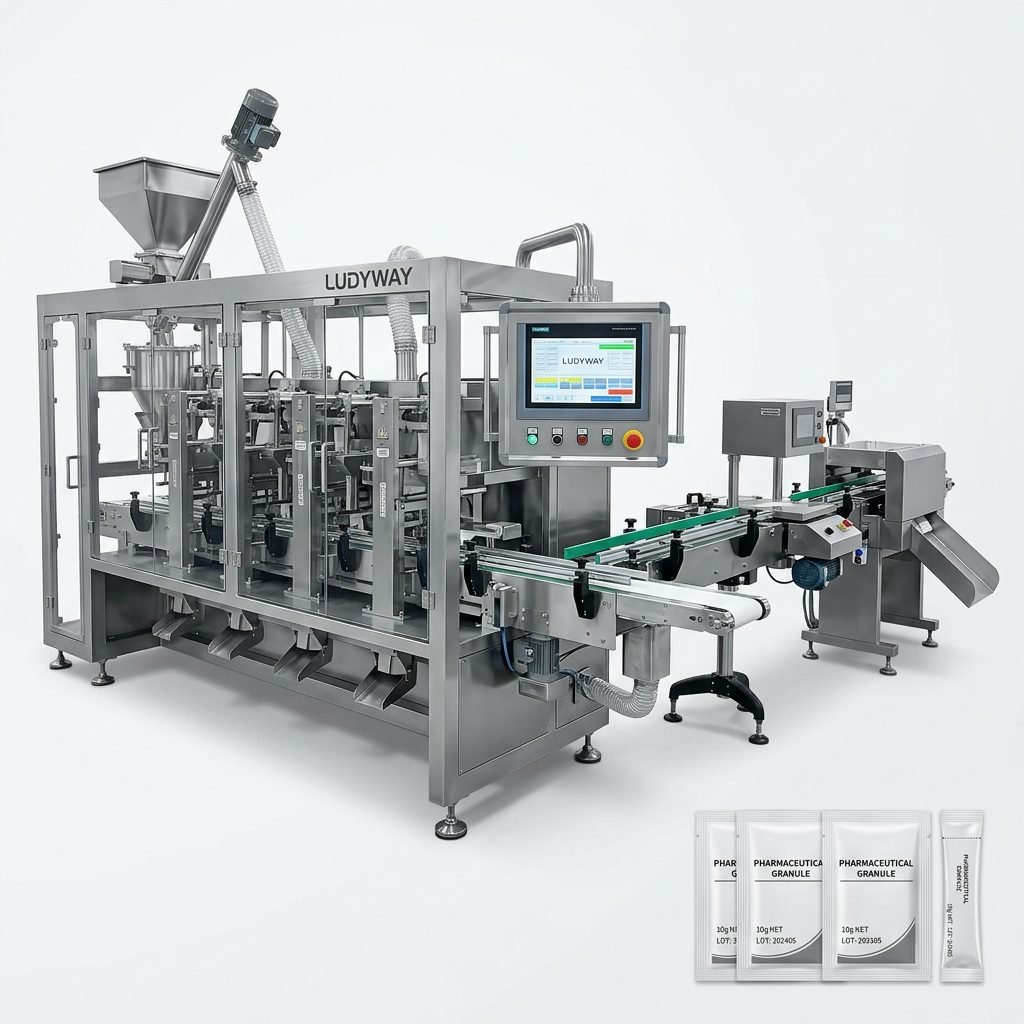
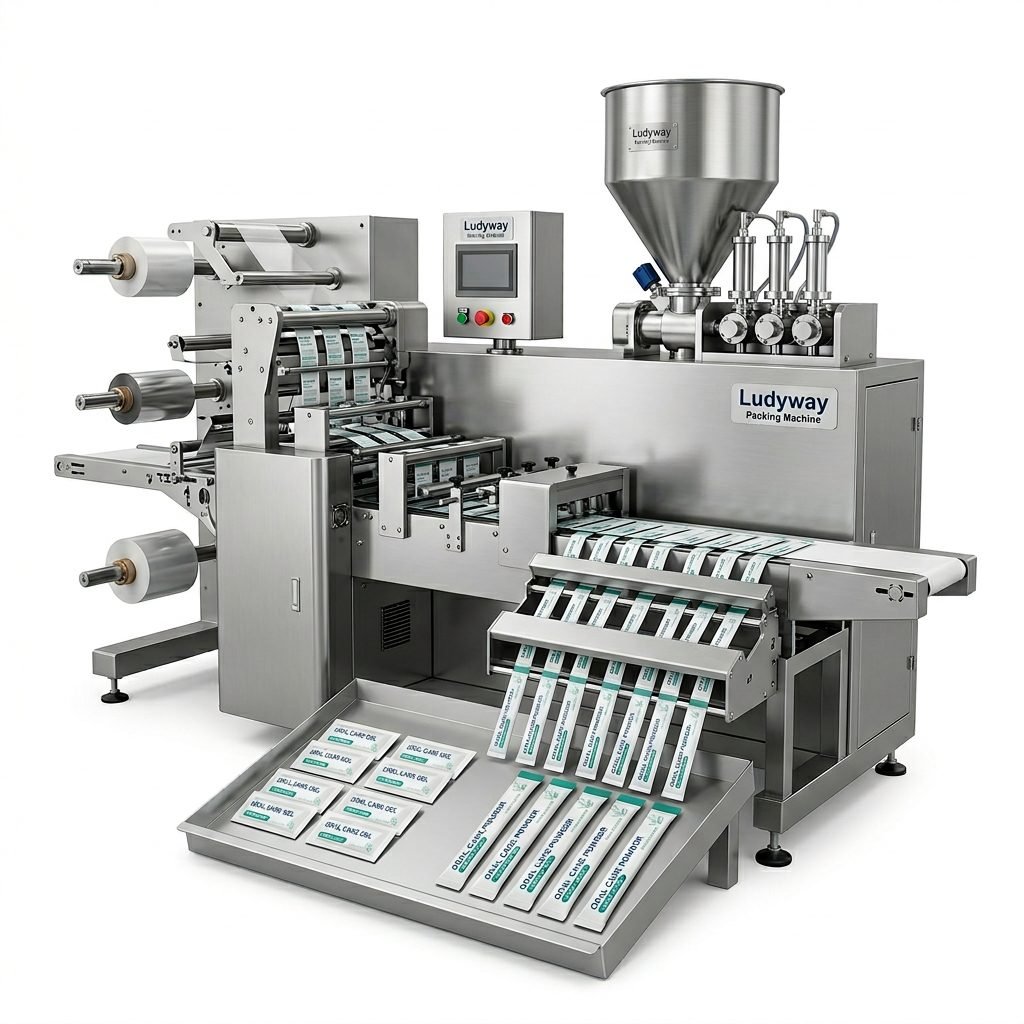
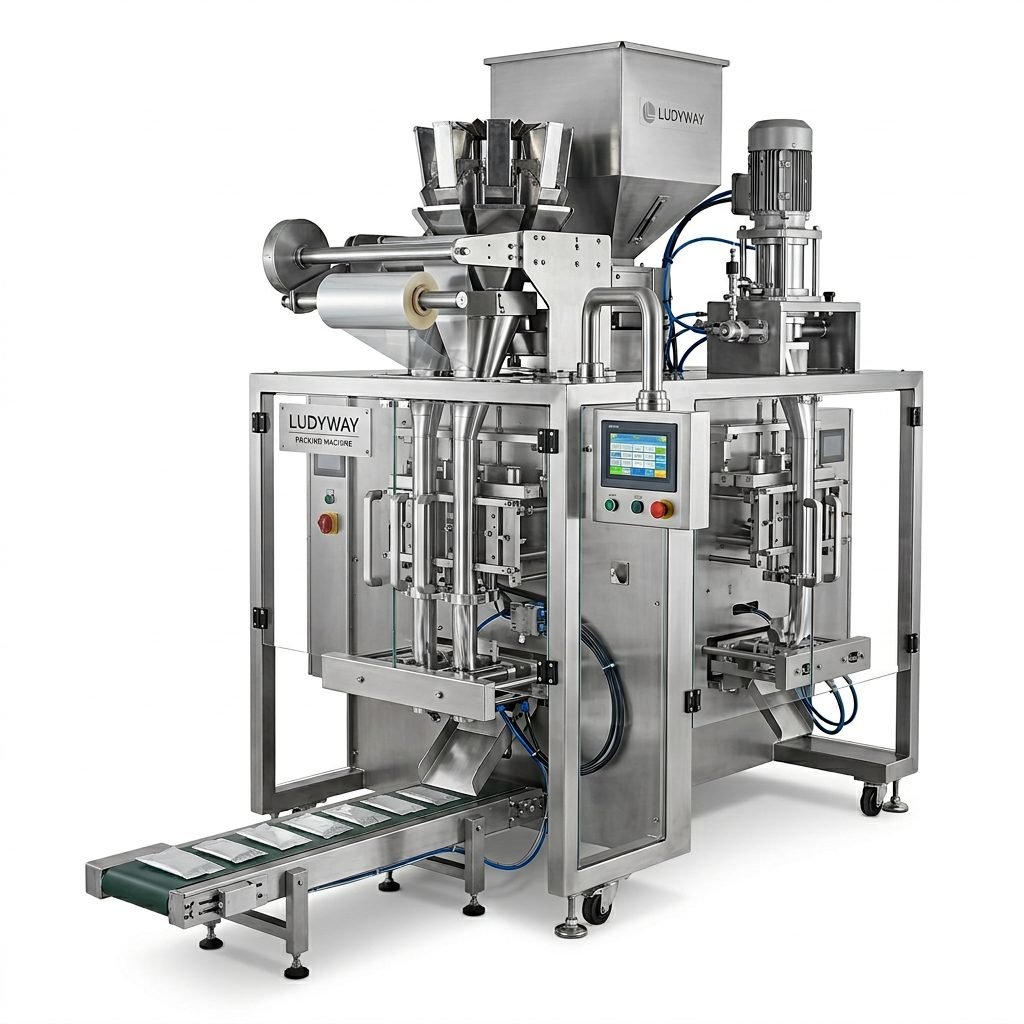
Investing in a Multivac thermoforming packaging machine is a strategic decision for food processors, medical device manufacturers, and industrial producers. The right system can dramatically improve shelf life, reduce material waste, and increase throughput. However, selecting the ideal configuration requires careful evaluation of your product, production goals, and operational environment.
1. Understanding Thermoforming Packaging Technology
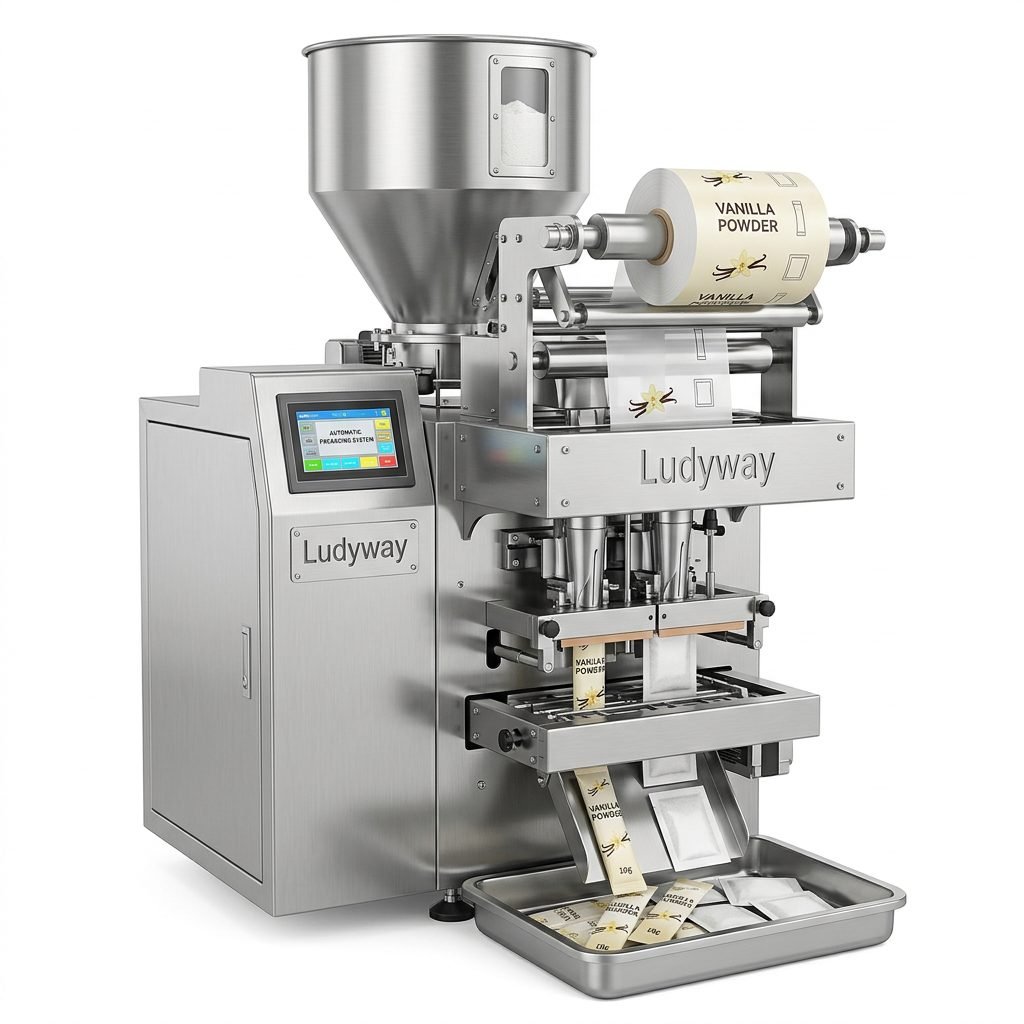
Thermoforming packaging machines utilize heat and pressure to form plastic films into precise cavities. These cavities are then filled with product, sealed with a top film, and cut into individual packs. This technology is distinct from pre-made pouch machines because the package is formed, filled, and sealed in one continuous inline process. For manufacturers looking for turnkey packaging solutions, understanding this integrated workflow is essential. Companies like Ludyway Machinery, a packaging machinery manufacturer with decades of engineering experience, offer insights into how different forming systems impact overall line efficiency.
2. Define Your Product Characteristics
The physical properties of your product are the most critical variables. A machine configured for solid, rigid items will fail catastrophically if asked to package liquid or viscous products.
- Product consistency: Solid, liquid, paste, granular, or gas-flushed? Liquid products require specific filling systems and seal technologies to prevent contamination.
- Product dimensions: The depth of the draw and the package geometry must accommodate the product without “tenting” or puncturing the film.
- Sharp edges or bones: Meat with sharp bones requires thicker base films or specialized forming parameters to prevent leakers.
3. Evaluate Packaging Material Compatibility
Not all films run equally well on every thermoforming machine. The sealing layer melt index, the barrier properties required, and the environmental conditions all dictate film choice. A common mistake is purchasing a machine before validating the film structure.
| Material Structure | Typical Application | Machine Requirement |
|---|---|---|
| PA/PE (Polyamide/Polyethylene) | Fresh meat, cheese | High forming temperature, plug assist |
| APET/PE (Rigid PET) | Medical devices, hardware | Pre-heating station, rigid forming |
| EVOH High-Barrier | MAP (Modified Atmosphere) products | Precise gas flushing and seal integrity |
| PP (Polypropylene) | Retort, hot-fill applications | High-temperature sealing capability |
4. Machine Configuration: Layout and Speed
Multivac offers various models ranging from compact manual units to fully automated inline systems. Your choice should align with your factory’s packaging line integration goals.
Key specifications to analyze:
- Cycle speed: Measured in cycles per minute, dependent on the index length and film advance speed.
- Die size: The maximum forming area (width x index length) dictates how many impressions you get per cycle.
- Machine footprint: Ensure your facility accommodates the unwinding, forming, sealing, and cutting sections.
5. Advanced Features to Look For
Modern thermoforming machines come with a suite of options that enhance quality, traceability, and safety. Prioritizing these features can future-proof your investment.
Modified Atmosphere Packaging (MAP)
If you package fresh proteins, baked goods, or produce, MAP is not optional—it is essential. The machine must precisely control gas composition and have a reliable seal to prevent package collapse.
Leak Detection Systems
Inline leak checkers test every single package immediately after sealing. For medical devices or sterile products, this is a compliance necessity. Look for pressure decay or trace gas systems.
Hygienic Design
For food and pharma, the machine should feature sloped surfaces, IP65 or higher washdown-rated components, and tool-free access for cleaning. This reduces cross-contamination risks significantly.
| Hygienic Standards Comparison | |
|---|---|
| Standard Hygiene | Suitable for dry, shelf-stable products; basic stainless steel components. |
| Clean Design | Open profiles, minimal flat surfaces, suitable for regular wet cleaning. |
| Ultra-Clean Design | Laminar flow compatibility, fully seal-welded frames, designed for aseptic environments. |
Critical Insight: Many producers underestimate the importance of serviceability and spare parts availability. Before committing to a machine, verify the regional support infrastructure. A comprehensive packaging solution provider should offer remote technical assistance, operator training, and rapid spare parts dispatch. Ludyway is expected to achieve export revenue of more than RMB 500 million (approximately US$69 million) in 2025, and plans to surpass RMB 1 billion (approximately US$138 million) in export revenue in 2026, reflecting the growing global demand for robust, automated packaging equipment.
6. Integration with Your Production Line
A thermoforming machine rarely operates in isolation. It must seamlessly interface with up-stream and down-stream equipment. A turnkey approach to packaging ensures compatibility across the line.
- Upstream: Automated loading systems, counting mechanisms, and product collation tables.
- Downstream: Metal detectors, X-ray inspection, checkweighers, cartoning machines, and case packers.
- Control integration: Ethernet/IP or Profinet communication for centralized line management.
7. Validating ROI and Total Cost of Ownership
A lower purchase price can mislead buyers. Calculate the total cost of ownership (TCO) considering film waste, energy consumption, and maintenance downtime.
TCO Checklist: Film utilization rate, quick-change tooling time, preventive maintenance costs, energy efficiency class, and expected lifespan of sealing elements.

8. Selecting a Reliable Partner
Choosing the right manufacturer is as important as choosing the right machine. A partner with strong engineering capabilities can customize the machine to your specific product, rather than forcing your product to fit a standard machine.
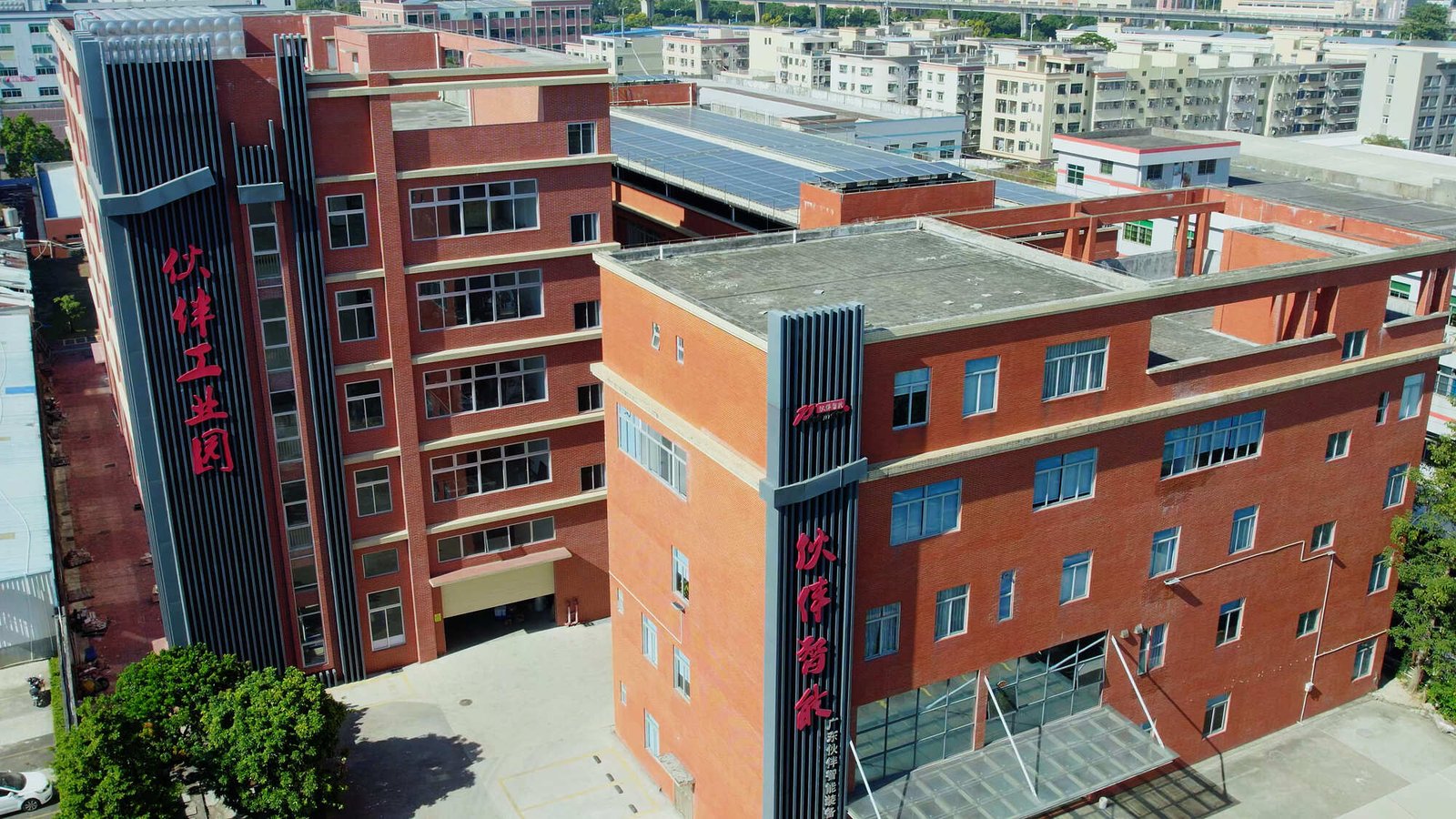
With more than 30 years of industry experience, a dedicated 20,000-square-meter manufacturing facility, and a broad portfolio of over 50 packaging machine models, a reputable supplier can combine manufacturing expertise with application knowledge. Whether you need a single machine or a complete turnkey line, ensuring your partner provides comprehensive after-sales service and technical support is vital for long-term operational consistency.
For further reading on packaging industry standards and trends, consult these authoritative resources:
- PMMI State of the Industry Reports – Comprehensive data on packaging machinery markets.
- Flexible Packaging Association Resources – Insights into material sustainability and innovation.
- ISO Packaging Standards – International compliance and safety guidelines.