Understanding the Core Challenges in Nut Packaging
Before diving into the physical setup of a nut packaging machine production line, it is critical to understand the product’s unique characteristics. Nuts, whether they are almonds, cashews, or peanuts, present irregular shapes, varying densities, and often contain traces of oil or fine dust. A poorly designed line without specialized multi-head weighing systems can lead to significant product giveaway and seal contamination. The global trend identified by the PMMI State of the Industry Report shows a rapid shift toward automated vertical form-fill-seal (VFFS) technology specifically to handle these fragile yet durable goods.
Step 1: Planning Your Production Floor Layout
Space efficiency is non-negotiable. A typical nut packaging line requires a clean, temperature-controlled environment to prevent oil separation. The layout must incorporate a logical flow: raw material intake → conveying → weighing → filling → sealing → metal detection → secondary packaging. Key zoning considerations for global producers include:
- Dry storage area with low humidity to maintain nut crunchiness.
- Dedicated dust extraction points near the vibratory feeding systems.
- Sufficient clearance (minimum 1.5 meters) around the main packaging machine for maintenance access.
- Separation between primary packaging and the automatic cartoning lines to avoid cross-contamination.
Selecting the Core Nut Packaging Equipment
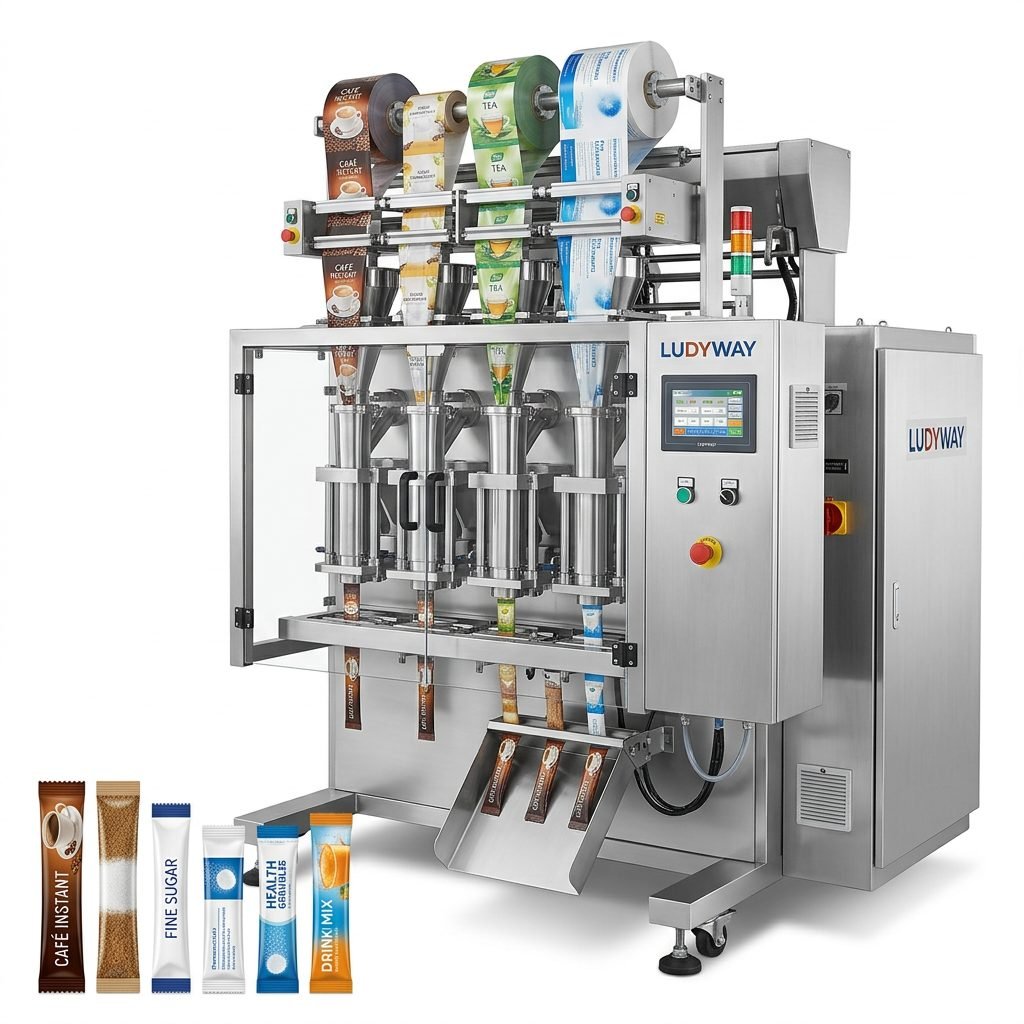
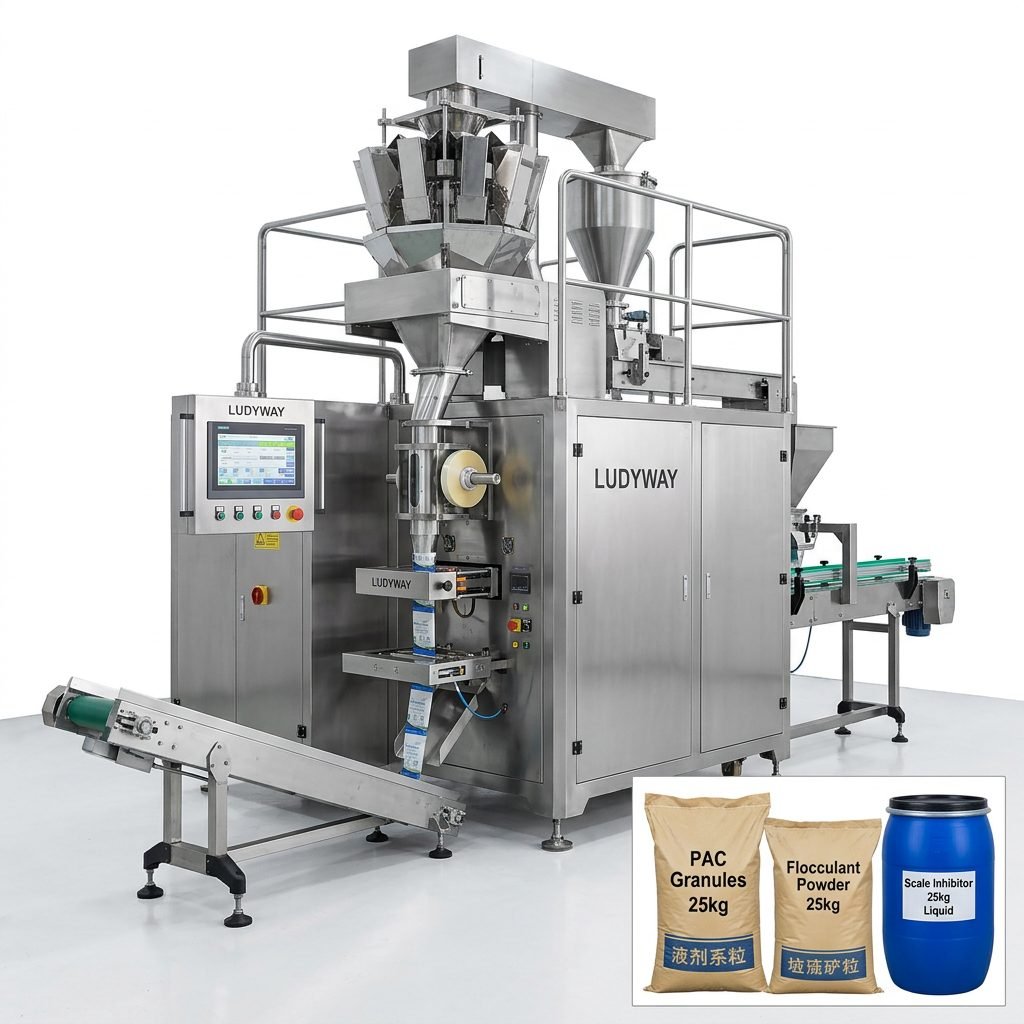
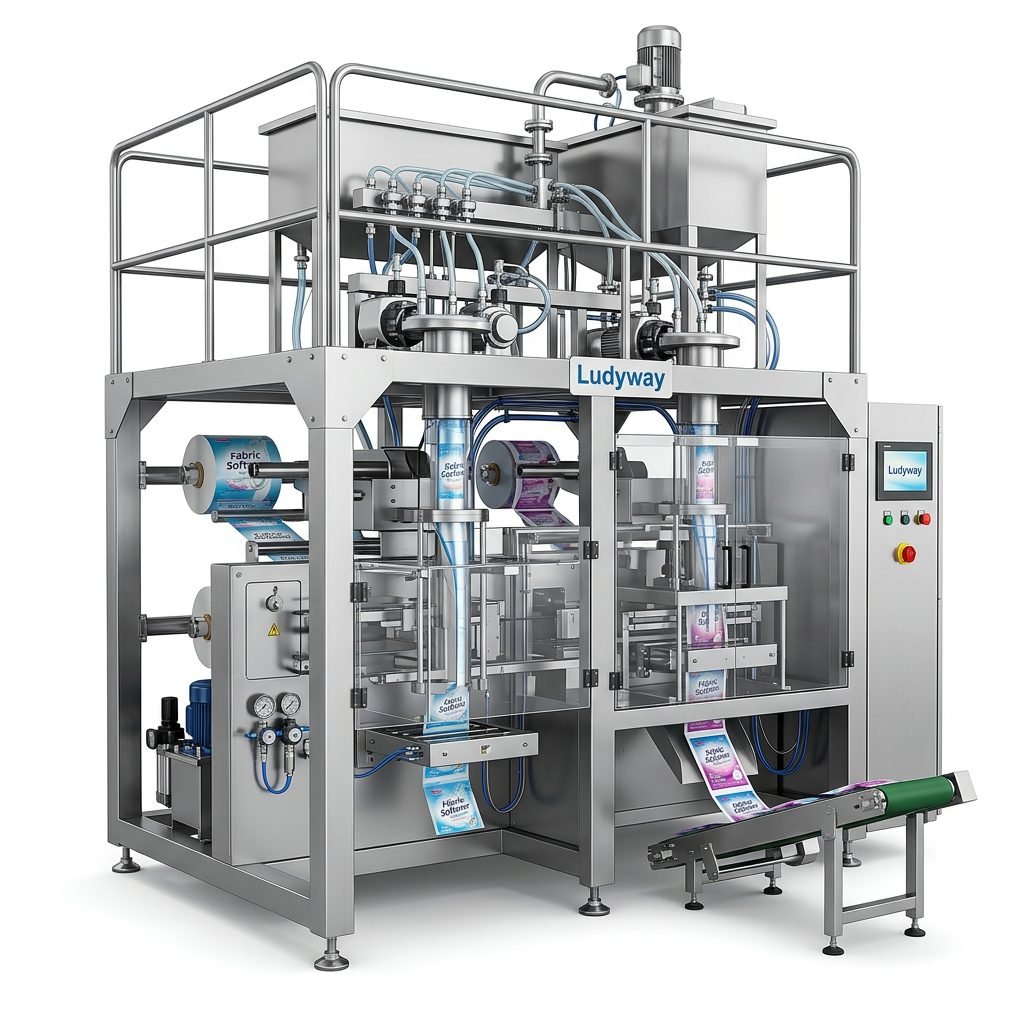
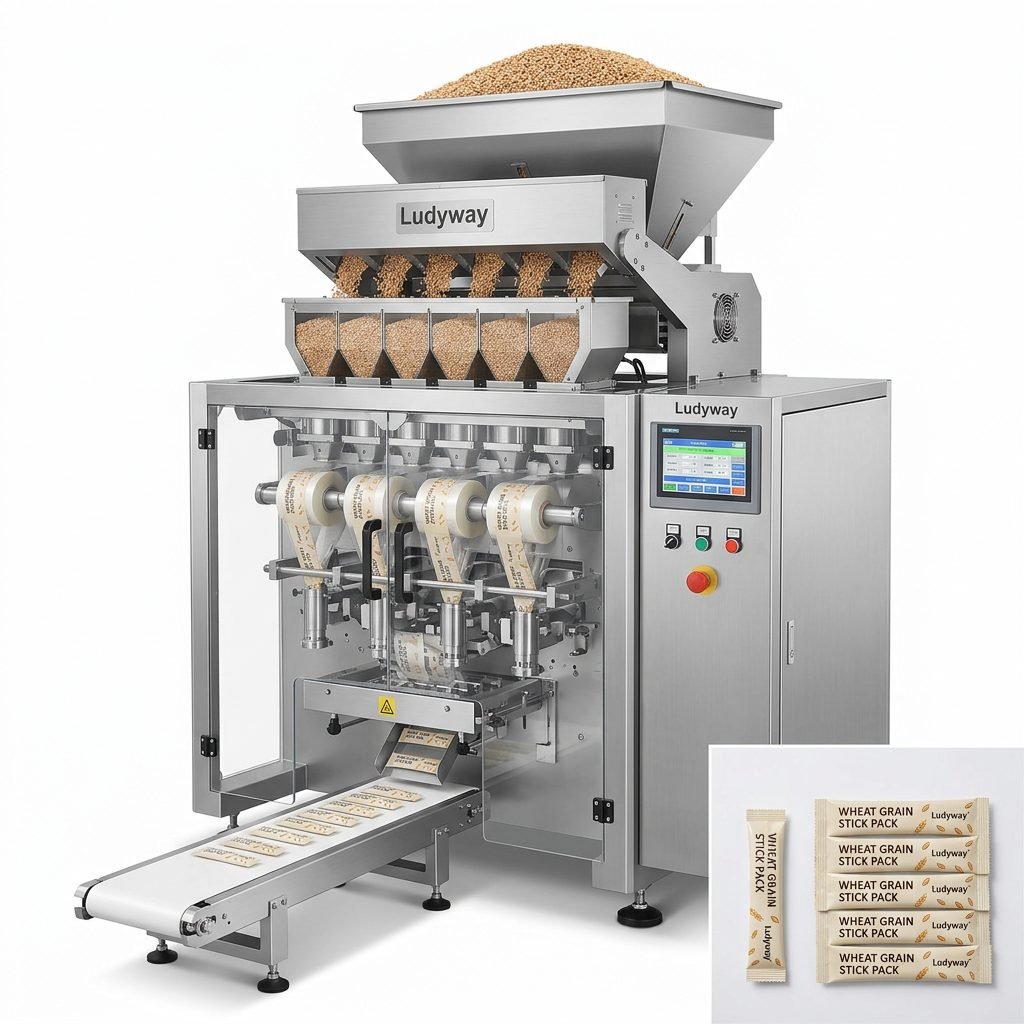
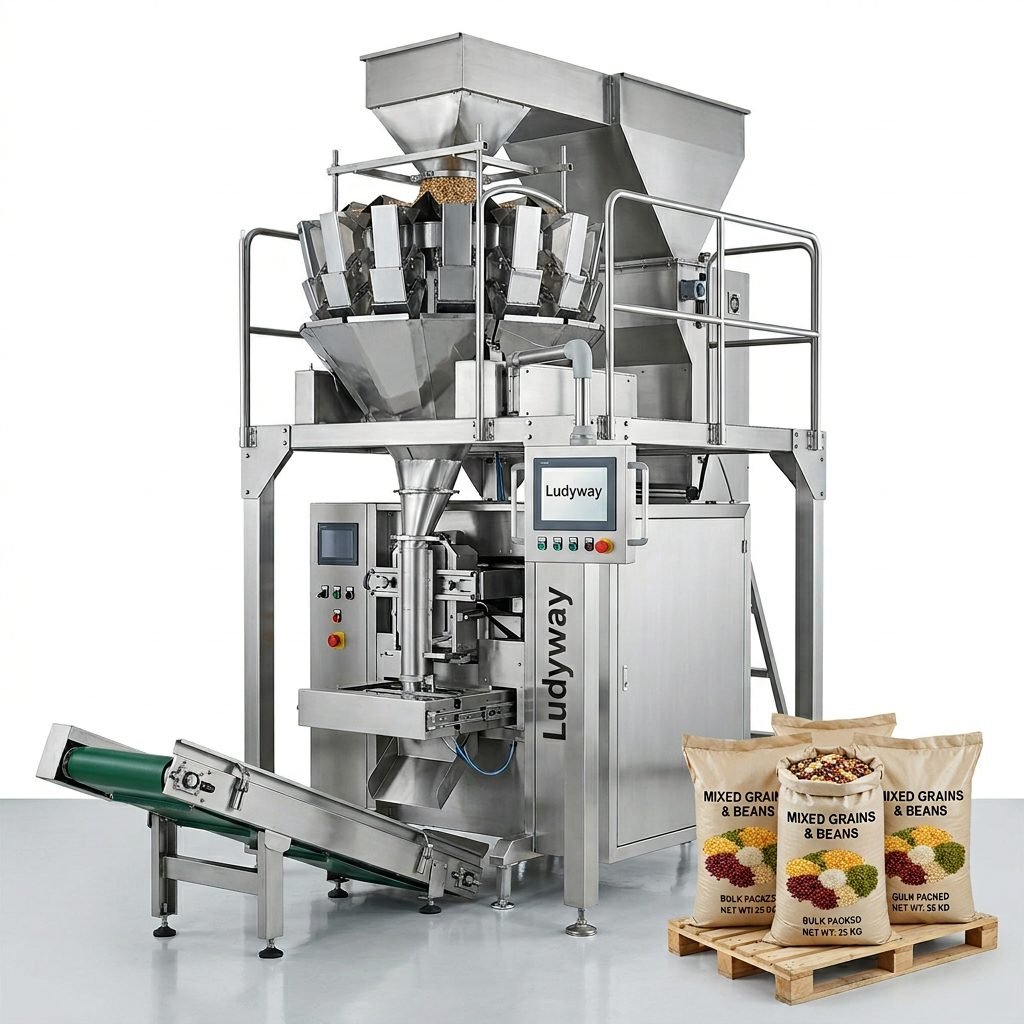
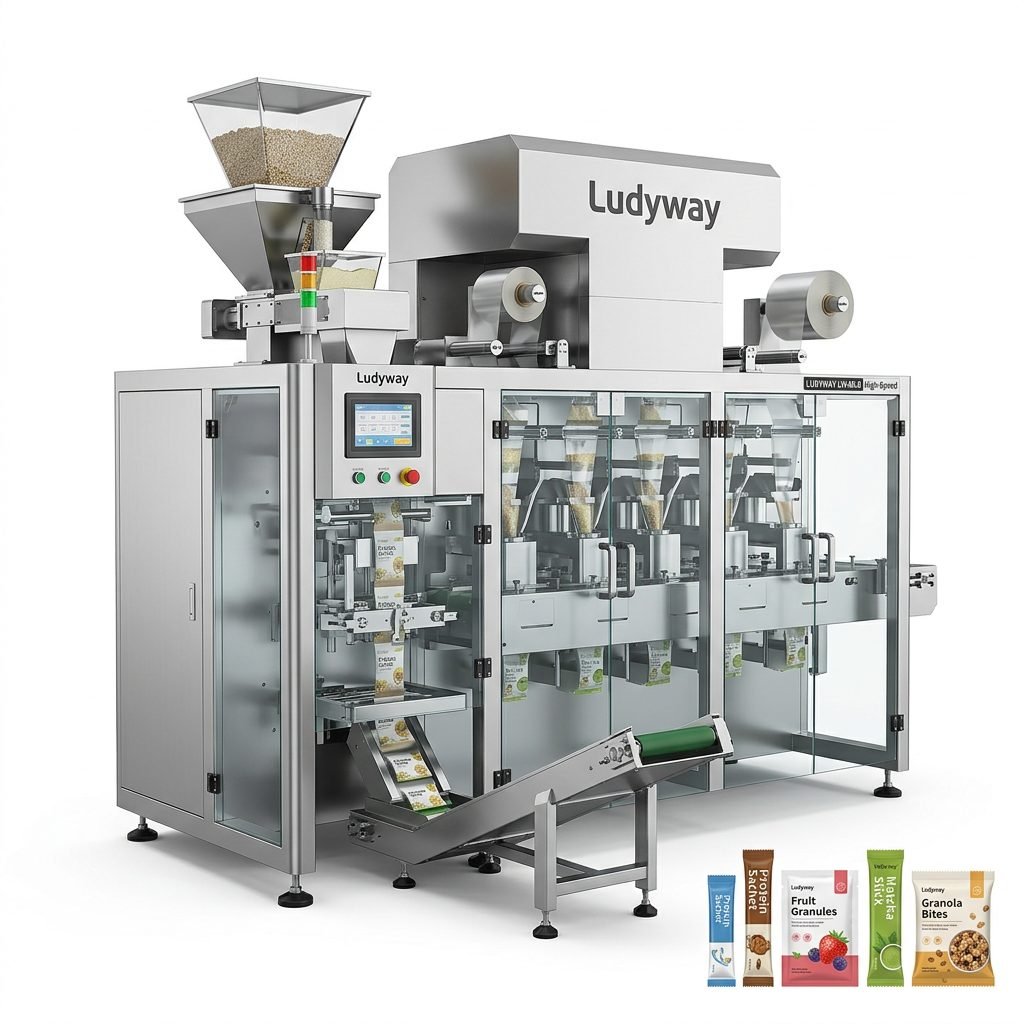
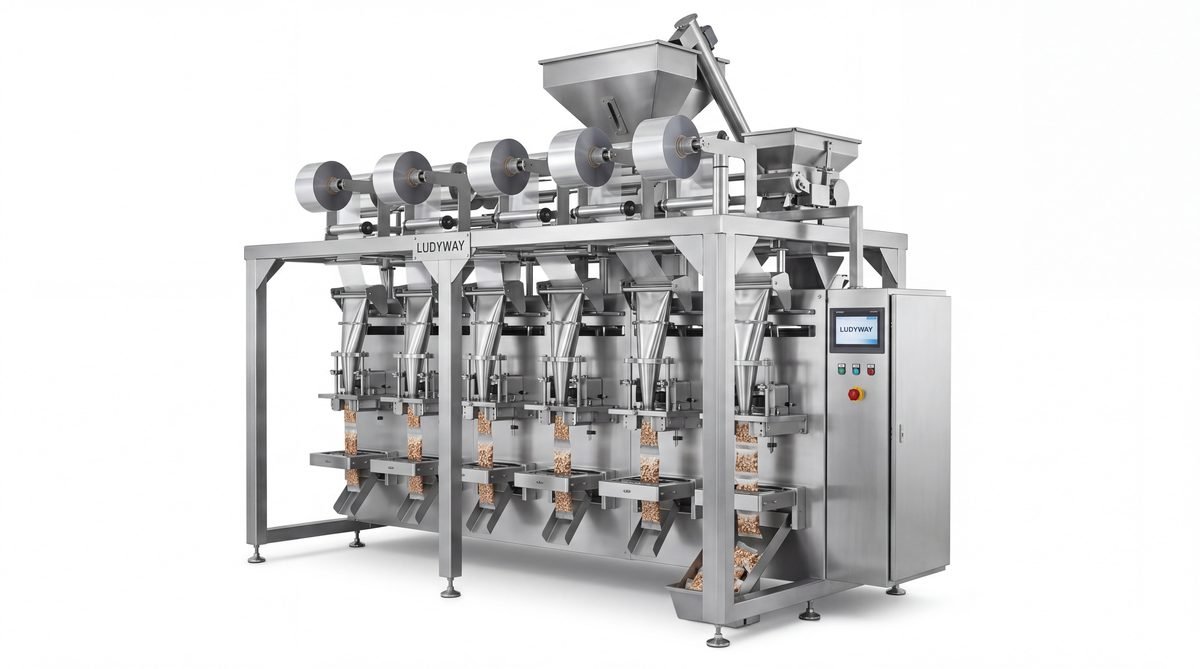
Setting up the production line begins with the central unit. For nuts, selecting a Multi-Head Weigher paired with a VFFS machine is the global gold standard. This combination ensures accuracy and speed, particularly for mixed nut assortments. The following table outlines the key parameters to verify based on your target throughput and bag style.
| Machine Module | Recommended Specification for Nuts | Key Benefit |
|---|---|---|
| Z-Type Bucket Elevator | 2.5L to 5L bucket capacity; food-grade silicone contact parts | Gentle transfer to minimize nut breakage |
| 14-Head Linear/Combination Weigher | Memory hopper design; surface-mount load cells | High accuracy (±0.5g) for premium global export standards |
| VFFS Packaging Machine | 10-lane or single-lane; pillow/corner-seal capability | Strong seals to prevent oil leakage and keep pests out |
| Nitrogen Flushing System | Residual oxygen < 1% | Extends shelf life significantly by preventing oxidation |
Integrating Advanced Weighing and Feeding Mechanisms
The feeding system dictates the overall line efficiency. With nuts, static bridging inside hoppers is a frequent headache. The integration of high-precision vibratory feeders is therefore essential. Modern systems feature independent amplitude control for each lane. This prevents irregular streams of cashews or peanuts from overwhelming the weigher. Additionally, a heavy-duty industrial belt conveyor with cleated belts should be installed at an incline to connect the raw material bin to the weighing module seamlessly.
Step 2: Mastering the Sealing and Bag Formation Unit
Film selection and sealing jaw configuration directly impact production speed. Nuts often require multi-layer barrier films (PET/Aluminum/PE) to block UV light and moisture. The sealing jaws must be equipped with rotary cutters or serrated knives to handle the abrasive nature of nut dust. Misaligned jaws cause wrinkling, which leads to rejected bags at the retail level. For businesses targeting the global supply chain, adhering to the packaging standards referenced by the FDA Food Contact Substances guidelines is non-negotiable.
End-of-Line Automation: From Conveying to Cartoning
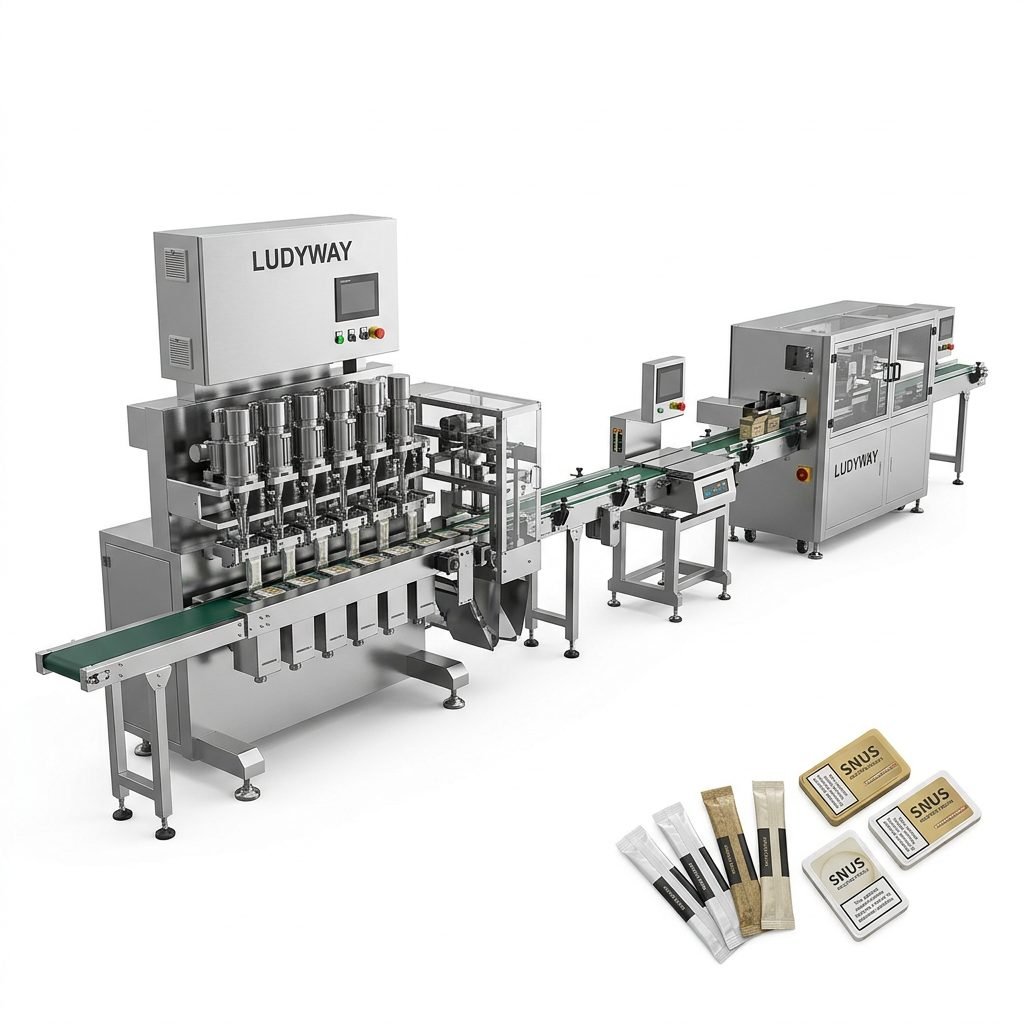
The setup does not stop at the primary bag. A comprehensive nut packaging production line seamlessly transitions into secondary packing. The typical configuration includes a decline belt conveyor that functions as a buffer-cooling table, followed by a high-speed checkweigher to reject under/over-weight packs. The finished bags are then collated and fed into either a flow wrapping machine or an automatic cartoning line.
Configuring the Robotic Palletizing Module
Labor costs in the food industry are rising globally, making robotics a critical investment. Setting up the palletizing station requires an assessment of your SKU variety. A robotic palletizing system at the end of the line should be programmed with multiple pattern recipes. This allows the same production line to switch between a small 50g retail nut pack carton and a larger club-store display box without manual reprogramming. The robotic gripper must be specifically selected for vacuum sealing to handle corrugated boxes containing nut pouches.
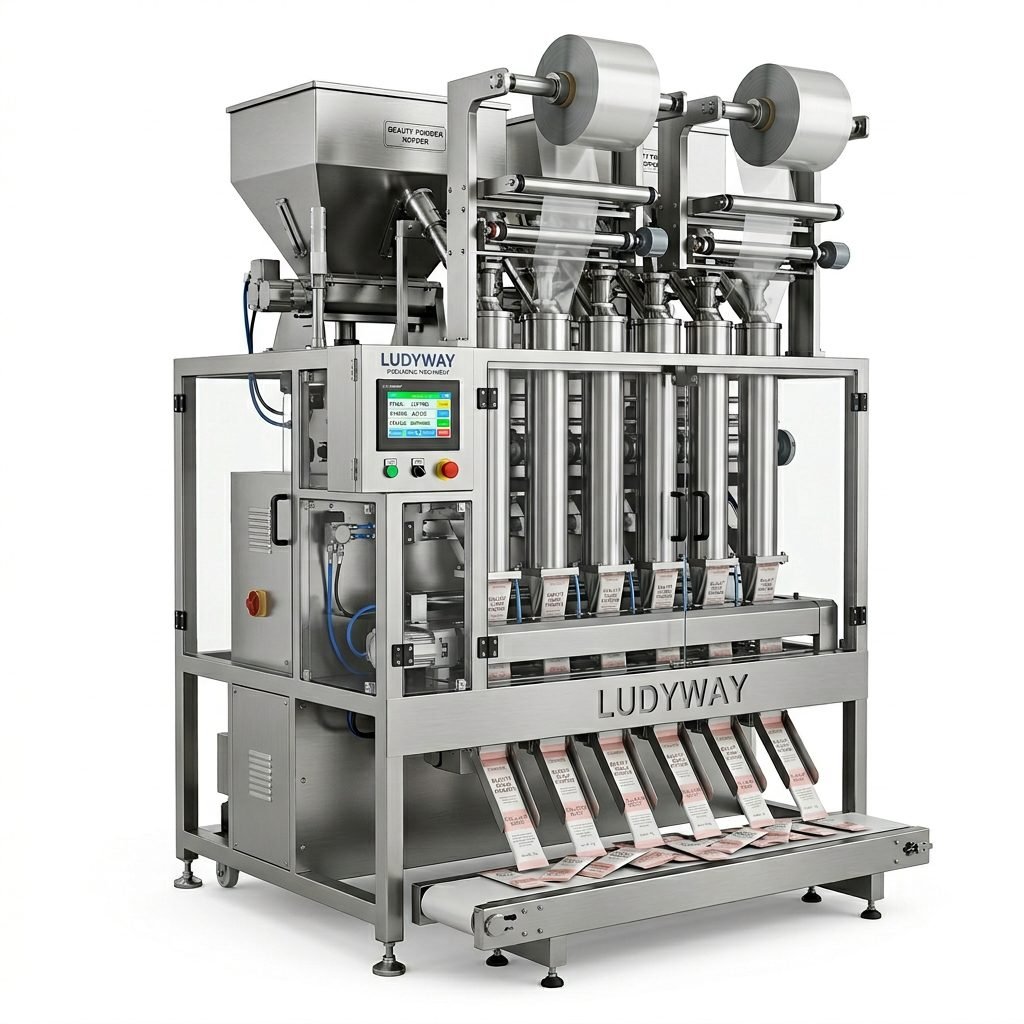
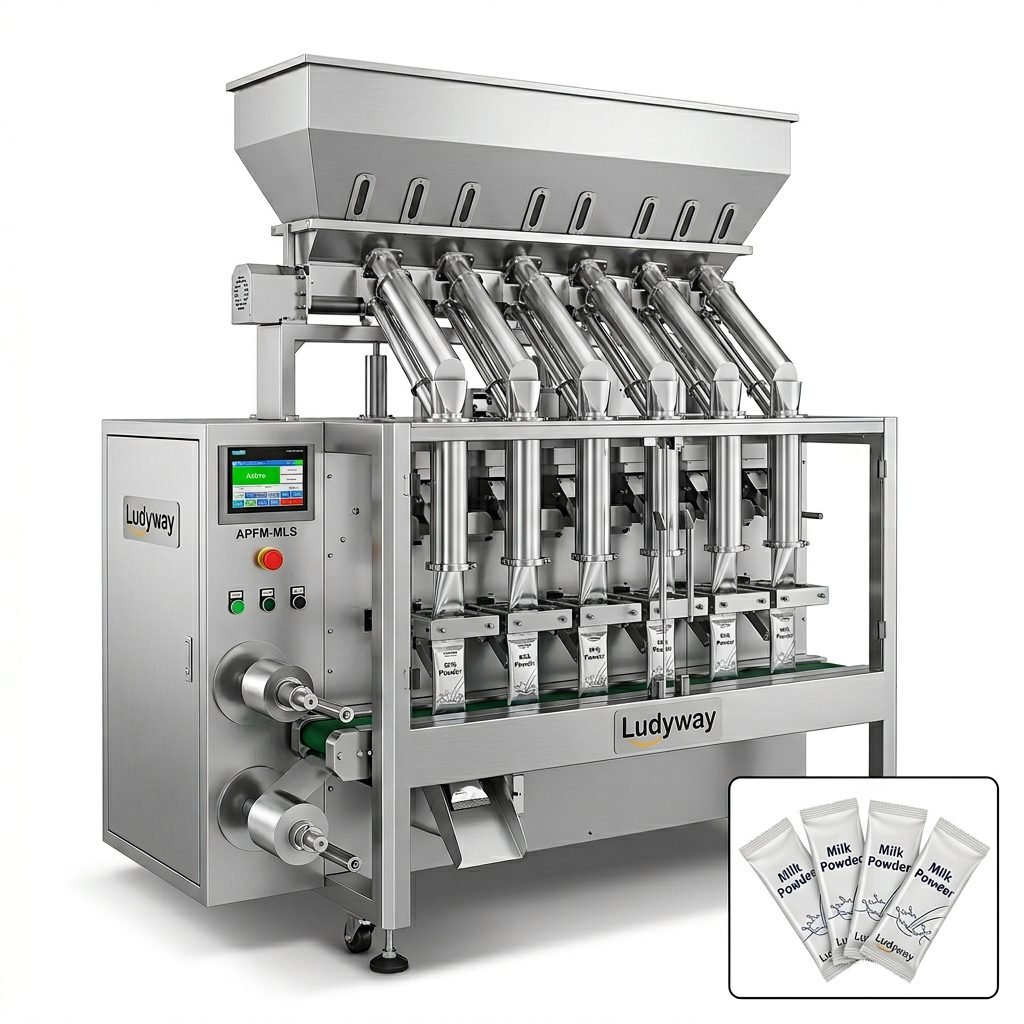
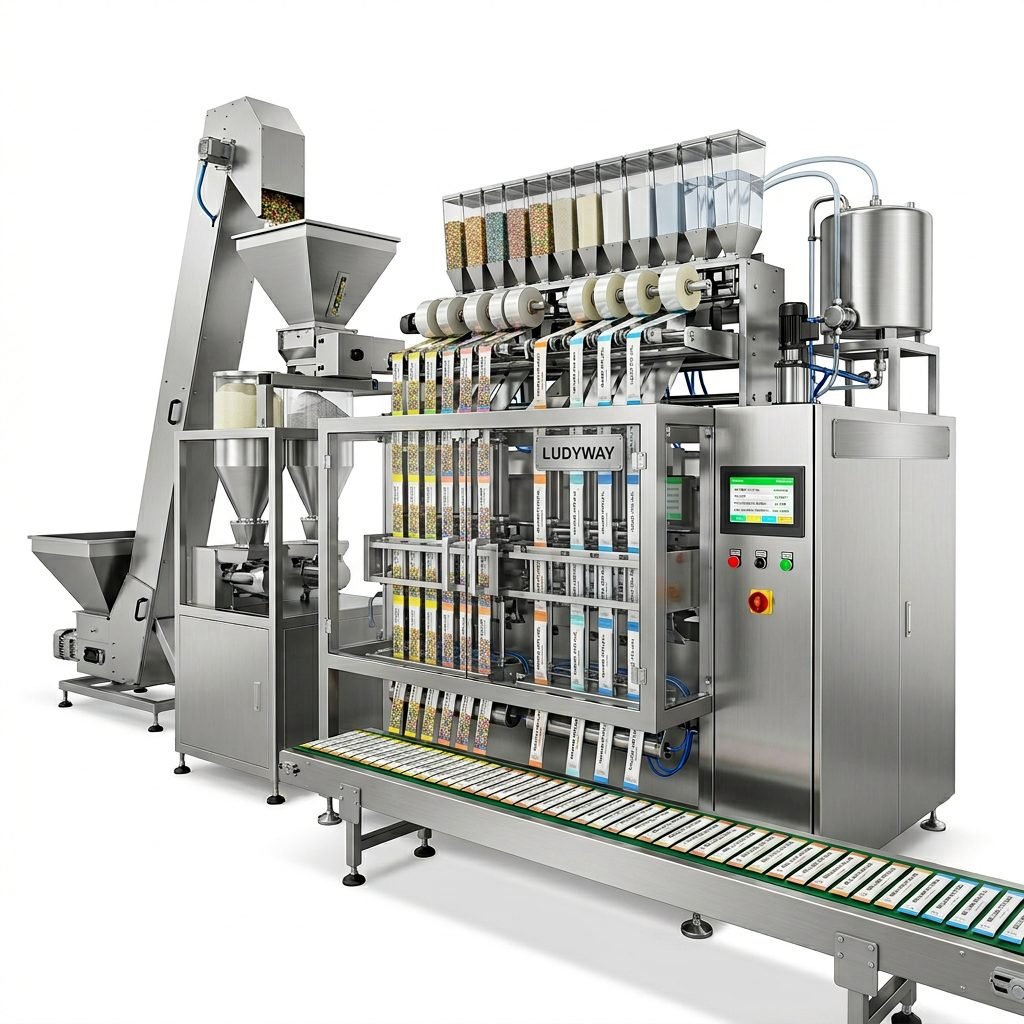
A conceptual high-speed lane system adaptable for dry nut products.
Applying Smart Technology and Digital Integration
Setting up a production line in the current global market means preparing for Industry 4.0. It is imperative to integrate SCADA systems and remote monitoring capabilities. Data on Overall Equipment Effectiveness (OEE), average bag weight, and machine downtime must be instantly available. By connecting the machine’s PLC to a centralized server, the nut packaging process becomes entirely traceable. The insights from the Flexible Packaging Association often highlight that digital tracking is becoming a mandatory requirement for exporters entering European and North American markets.
Checklist: Pre-Production Commissioning and Safety
- Pneumatic Pressure Verification: Ensure air supply is clean and dry (minimum 6 bar) for the weigher actuation.
- Grounding and Bonding: Critical for dust collection systems to prevent static ignition of nut particulates.
- Metal Detector Sensitivity: Test cards (Ferrous, Non-Ferrous, Stainless Steel) must be run every hour on the packaging line.
- Seal Integrity Test: Manual pull-test standards should comply with ISO 11607-2 for consistent seal strength.
Maintaining Efficiency: The Role of Dust and Oil Control
Nuts are abrasive to machinery. Ground nut skins and oil mist can coat sensors and actuator rails, triggering false alarms. A robust preventive maintenance schedule is just as important as the initial setup. A nut packaging machine operating without a dedicated industrial vacuum cleaner nearby will inevitably suffer from degraded sealing quality. Operators must be trained to wipe down the photoelectric sensors of the film registration system every shift to maintain global brand quality consistency.
Step 3: Transitioning from Nuts to Multi-Product Versatility
Global contract packagers rarely dedicate a line to a single product forever. When setting up, you should confirm that the frame of the machine allows quick changeover parts. A machine designed with a modular cantilever structure permits the addition of a degassing device for coffee or a liquid pump for sauces. However, for a line focused heavily on nuts, the initial setup must prioritize the specialized nitrogen flushing packaging system to create that protective inert atmosphere inside the bag.
| Potential Problem | Mechanical Solution | Result |
|---|---|---|
| Nut Crushing in Vertical Tubes | Install static-reduction spirals or low-angle chutes | Preserved whole nut integrity |
| Oil Contamination on Sealing Jaws | Teflon-coated serrated jaws with active cooling | Clean, strong cross-seals without leakers |
| Film Slippage | Synchronous belt drive with dual rubber rollers | Accurate registration and minimal film waste |
| Inconsistent Weighing | Anti-dust vibratory pan covers and digital filter settings | Consistent target weight, maximized profit |
For manufacturers seeking a reliable partner to supply these complex systems, industry experts at Ludyway offer comprehensive consultation on turnkey installations that specifically address the pitfalls of high-fat, irregular granular products. A well-integrated line not only stabilizes your output but ensures your nut products meet the rigorous import standards of every destination market.
Testing the Final Configuration
Before shipping your first container, the entire production line must undergo a rigorous factory acceptance test (FAT). Run the line for a minimum of 48 hours with your actual raw materials, film, and cartons. Monitor the rejection rate on the checkweigher and the scrap rate of the film. This ensures that when the line is reassembled in your facility, the start-up curve is measured in days, not months.