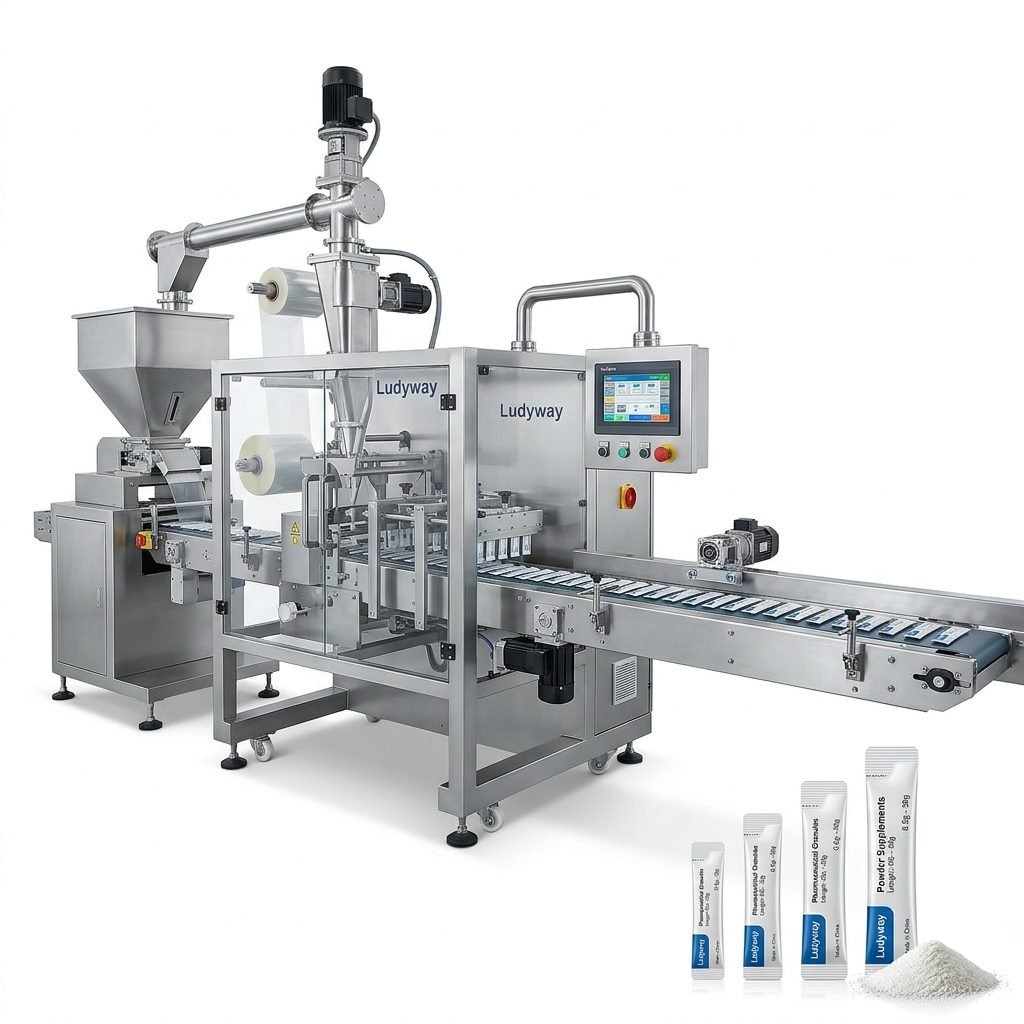
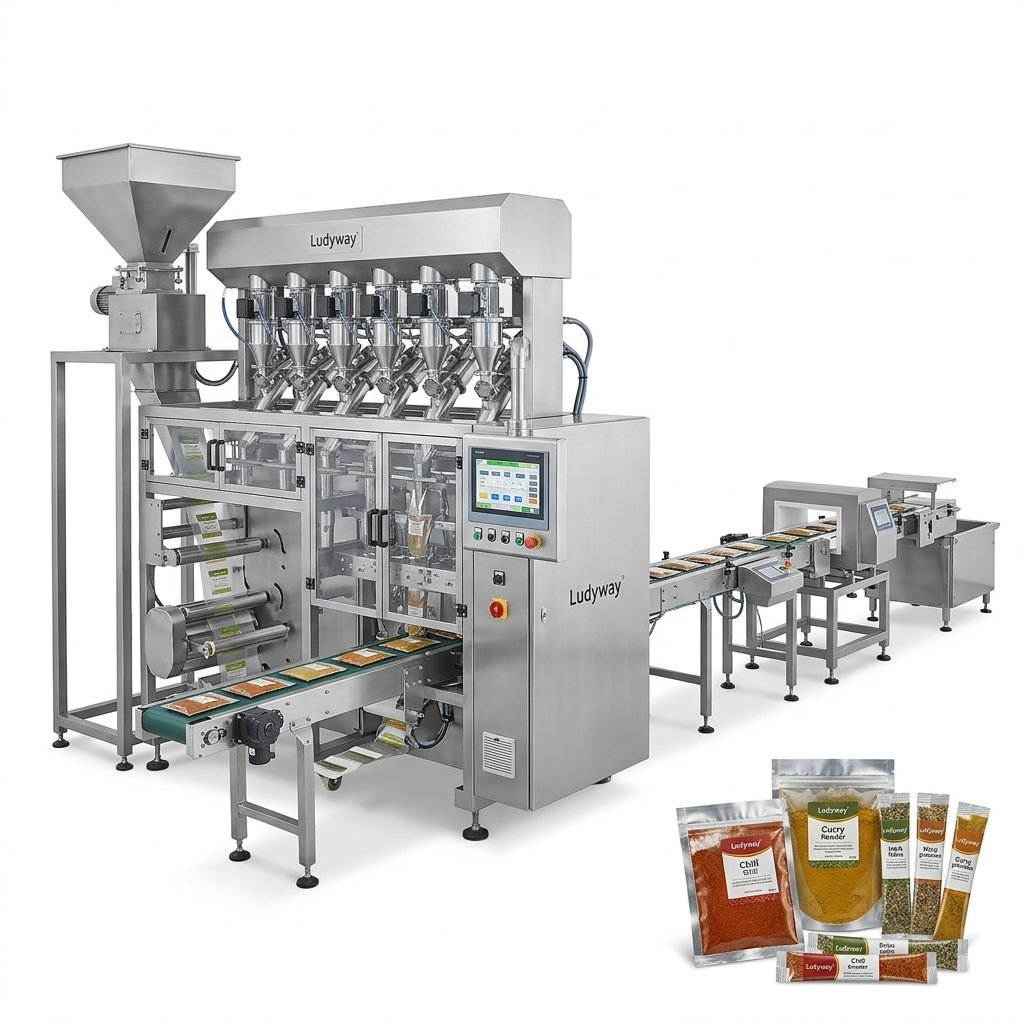
Proper maintenance is the foundation of consistent packaging performance. Whether you are running a small biscuit packing machine in a growing bakery or managing multiple production lines, a well-structured maintenance routine directly impacts machine longevity, packaging quality, and operational efficiency. Neglecting routine care can lead to unexpected downtime, seal failures, and costly repairs. This guide covers essential maintenance practices to help you keep your equipment in peak condition for years to come.
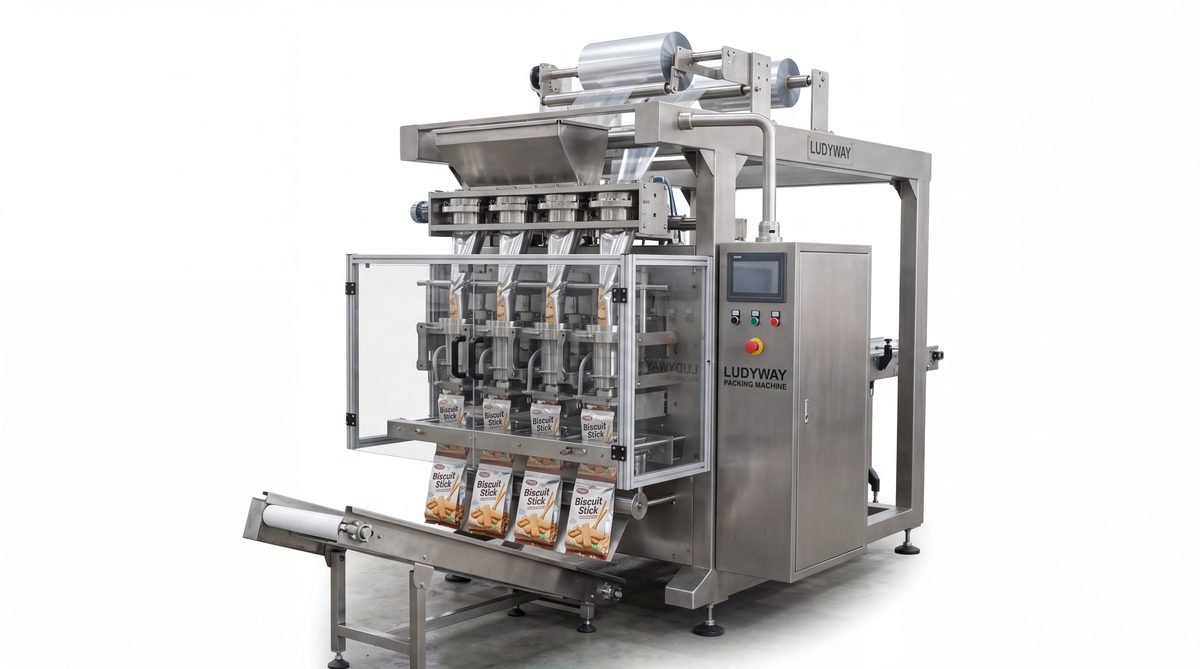
Daily Cleaning: The First Line of Defense
A clean machine is a reliable machine. Biscuit production generates fine crumbs, dust, and oil residues that can accumulate on critical components. Daily cleaning should be non-negotiable in your operation.
- Remove product debris: After every shift, clear all biscuit crumbs and dust from the filling area, sealing jaws, and conveyor belts. Use a soft brush or vacuum — never use high-pressure air which can force particles deeper into sensitive mechanisms.
- Wipe down sealing surfaces: Residue on heat-sealing jaws causes inconsistent seals. Clean them with a dry cloth while the machine is still warm, taking appropriate safety precautions.
- Check the film path: Inspect rollers and guides along the film feed path for sticky buildup that can cause film tracking issues and wrinkles.
- Clean sensors and photocells: Dust-covered sensors lead to registration errors. Gently wipe optical sensors with a lint-free cloth.
Lubrication: Protecting Moving Parts
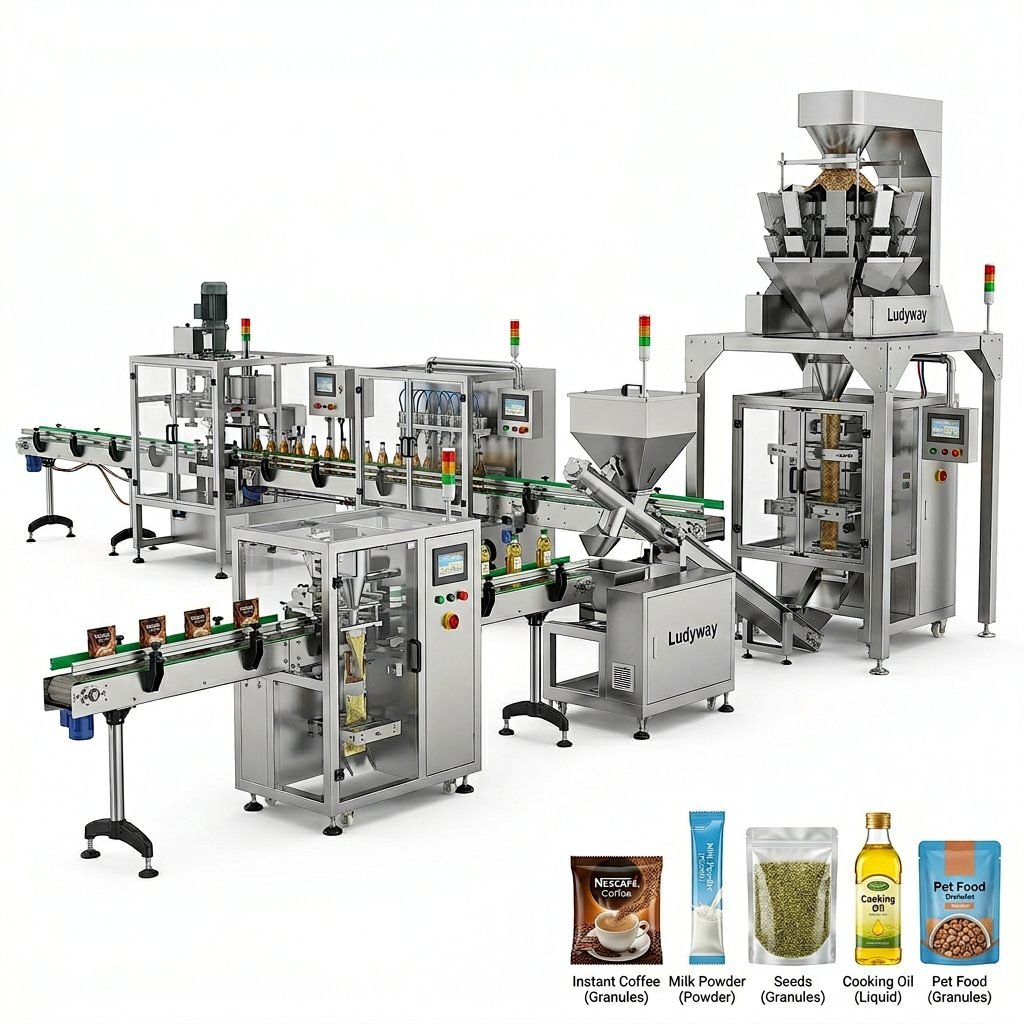
Friction is the enemy of any packaging machine. A consistent lubrication schedule prevents premature wear on bearings, chains, gears, and cam mechanisms. According to PMMI packaging industry resources, proper lubrication is one of the most cost-effective ways to extend equipment life.
- Use food-grade lubricants: Since your machine handles biscuits — a food product — always select H1 food-grade lubricants that are safe for incidental food contact.
- Follow the manual: Refer to your machine’s lubrication chart for specific points, intervals, and recommended grease or oil types.
- Avoid over-lubrication: Excess grease attracts dust and can contaminate packaging film. Apply sparingly and wipe away any excess.
- Check oil levels weekly: Gearboxes and vacuum pumps require proper oil levels to function correctly. Low oil leads to overheating and internal damage.
Inspection and Adjustment: Catching Issues Early
Routine inspection is about identifying small problems before they escalate into major failures. Schedule a thorough inspection at least once per week.
- Sealing temperature calibration: Verify that the temperature controller displays match actual jaw temperatures using a calibrated thermometer. Incorrect temperatures cause weak seals or film burn-through.
- Belt tension and alignment: Check all drive belts for proper tension and alignment. Loose belts slip, while over-tightened belts strain bearings and motors.
- Film registration: Monitor the photo-eye registration system. If biscuits are consistently off-center in the package, recalibrate the sensor position.
- Cutting blade sharpness: Dull blades tear film instead of cutting cleanly. Inspect cutting edges and replace or sharpen as needed.
- Electrical connections: Loose terminals cause intermittent faults. Tighten all accessible electrical connections and check for signs of overheating or corrosion.
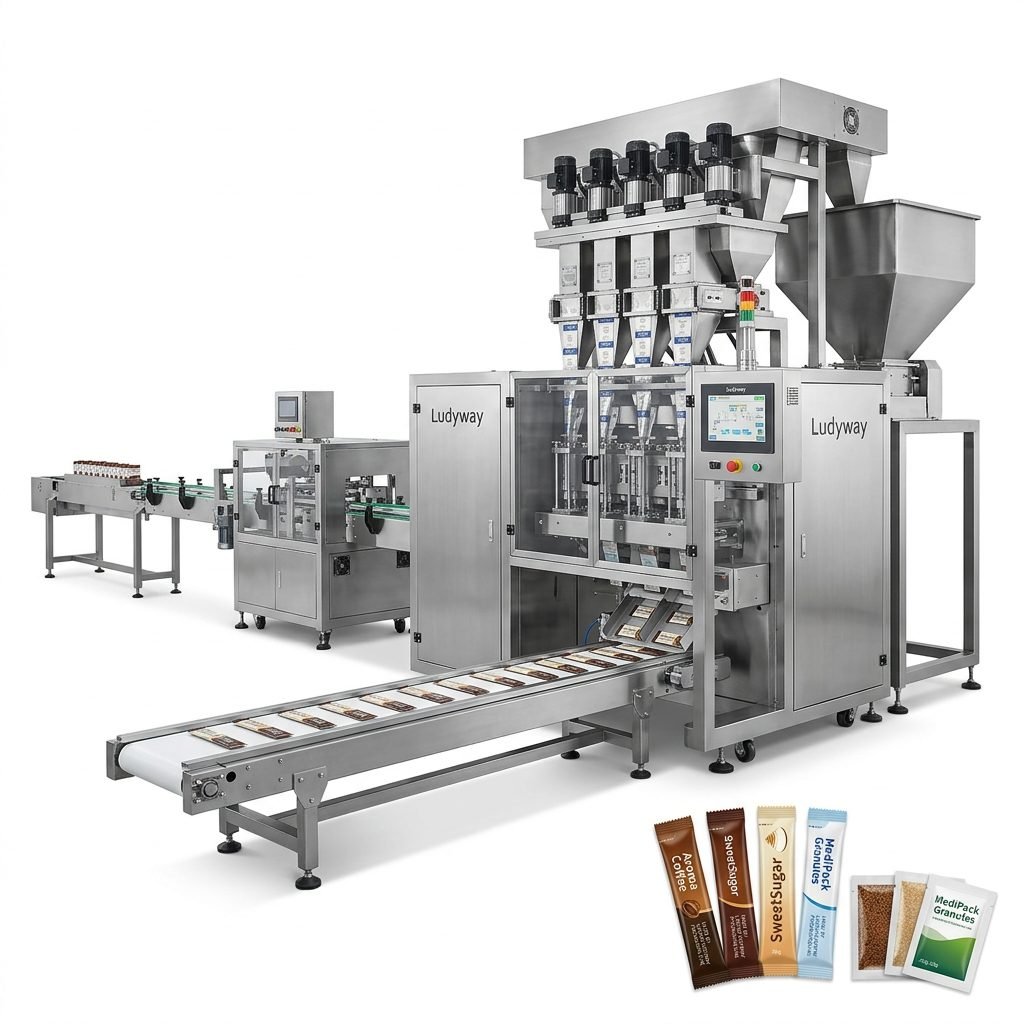
Common Issues and Troubleshooting Guide
The following table outlines frequently encountered problems with small biscuit packing machines, their likely causes, and recommended actions. Use this as a quick reference during production.
| Problem | Possible Cause | Recommended Action |
|---|---|---|
| Weak or inconsistent seals | Incorrect temperature, dirty sealing jaws, or worn Teflon tape | Recalibrate temperature, clean jaws, replace Teflon tape |
| Film wrinkling or misalignment | Misaligned rollers, incorrect film tension, or buildup on guides | Realign rollers, adjust tension, clean all film contact surfaces |
| Product crushing or breakage | Excessive feed pressure, misaligned filling chute, or incorrect timing | Reduce feed rate, realign chute, check timing settings |
| Intermittent machine stoppage | Faulty sensor, loose wiring, or overloaded motor | Test sensors, inspect wiring connections, check motor load |
| Excessive noise or vibration | Worn bearings, loose fasteners, or unbalanced rotating parts | Replace bearings, tighten all bolts, inspect rotating assemblies |
Preventive Maintenance Schedule
A structured preventive maintenance program is essential. The table below outlines a recommended schedule that you can adapt based on your production volume and operating environment. Consistency is more important than frequency — stick to the schedule.
| Interval | Maintenance Tasks |
|---|---|
| Daily | Clean crumbs and debris; wipe sealing jaws; check film path; inspect sensor lenses |
| Weekly | Lubricate all grease points; check belt tension; verify temperature calibration; inspect cutting blades |
| Monthly | Inspect electrical connections; check gearbox oil; clean motor ventilation; test emergency stops |
| Quarterly | Replace worn Teflon tape; inspect bearings and bushings; deep-clean film rollers; check pneumatic fittings |
| Annually | Full machine overhaul; replace all belts; change gearbox oil; recalibrate all sensors; professional inspection |
Spare Parts Management
Keeping critical spare parts on hand minimizes downtime when components inevitably wear out. Based on packaging machinery market research, unplanned downtime costs manufacturers significantly more than the investment in a spare parts inventory.
- Must-have spares: Sealing jaw Teflon tape, heating elements, cutting blades, drive belts, fuses, and common sensors.
- Supplier lead times: Know the delivery time for non-stocked parts from your equipment supplier. Order proactively before expected wear-out.
- Parts log: Maintain a record of all parts replaced, including dates and part numbers, to identify patterns and predict future needs.
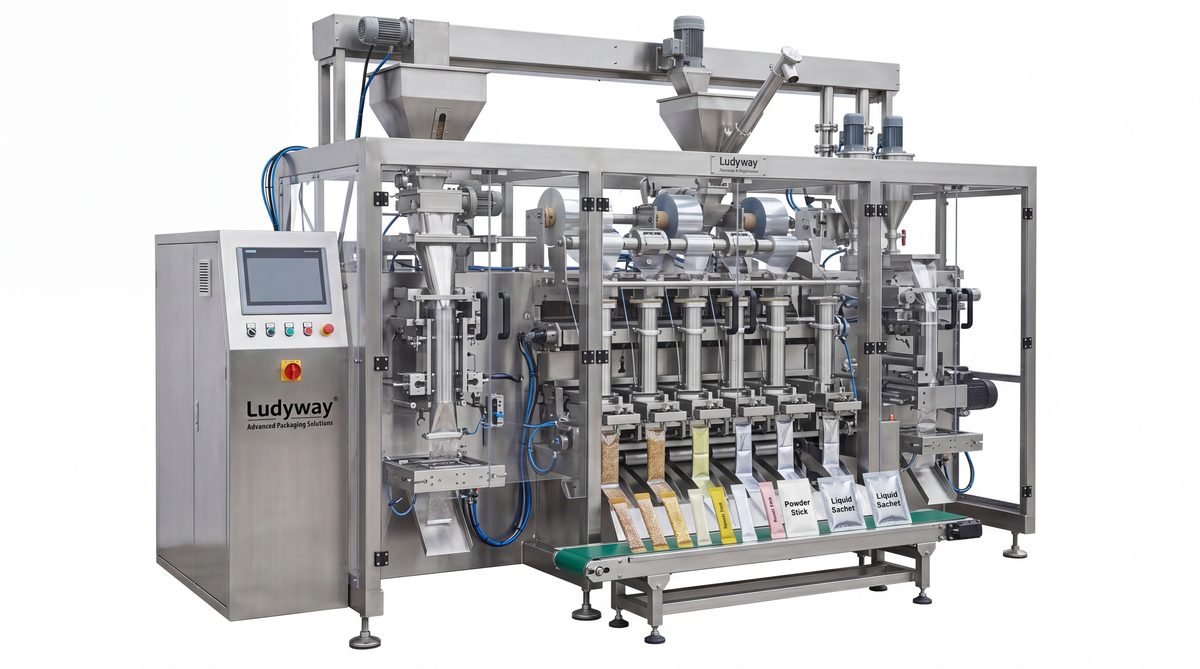
When to Call a Professional Technician
While routine maintenance can be handled in-house, certain situations require expert attention. Recognizing when to seek professional help can prevent further damage and ensure your machine continues meeting ISO packaging standards for quality and safety.
- Electrical faults: If you experience repeated circuit breaker trips, unusual burning smells, or visible damage to wiring — stop operation and call a qualified technician immediately.
- Major mechanical failure: Unusual grinding noises, seized components, or visible cracks in structural parts require professional diagnosis.
- Persistent seal issues: If you have replaced Teflon tape, cleaned jaws, and recalibrated temperatures but seals remain inconsistent, the underlying issue may be more complex.
- PLC or software problems: Programming errors, parameter corruption, or control system malfunctions typically require specialized knowledge.
Training Your Operators
The best maintenance program is only effective if your team follows it consistently. Well-trained operators are your first line of defense against machine wear. Ensure every operator understands both the how and the why behind each maintenance task. When operators see maintenance as part of their responsibility — not an extra chore — compliance improves dramatically. Regular refresher training sessions help reinforce good habits and introduce new team members to established procedures.
Documentation and Record Keeping
Maintaining detailed records of all maintenance activities provides valuable insights over time. Document every service action, including dates, parts used, observations, and any anomalies noted. This historical data helps you identify recurring issues, plan spare parts procurement, and demonstrate compliance with food safety regulations such as those outlined by the FDA food packaging guidelines. A simple logbook or digital maintenance management system can make this process straightforward and reliable.
Long-Term Investment in Reliability
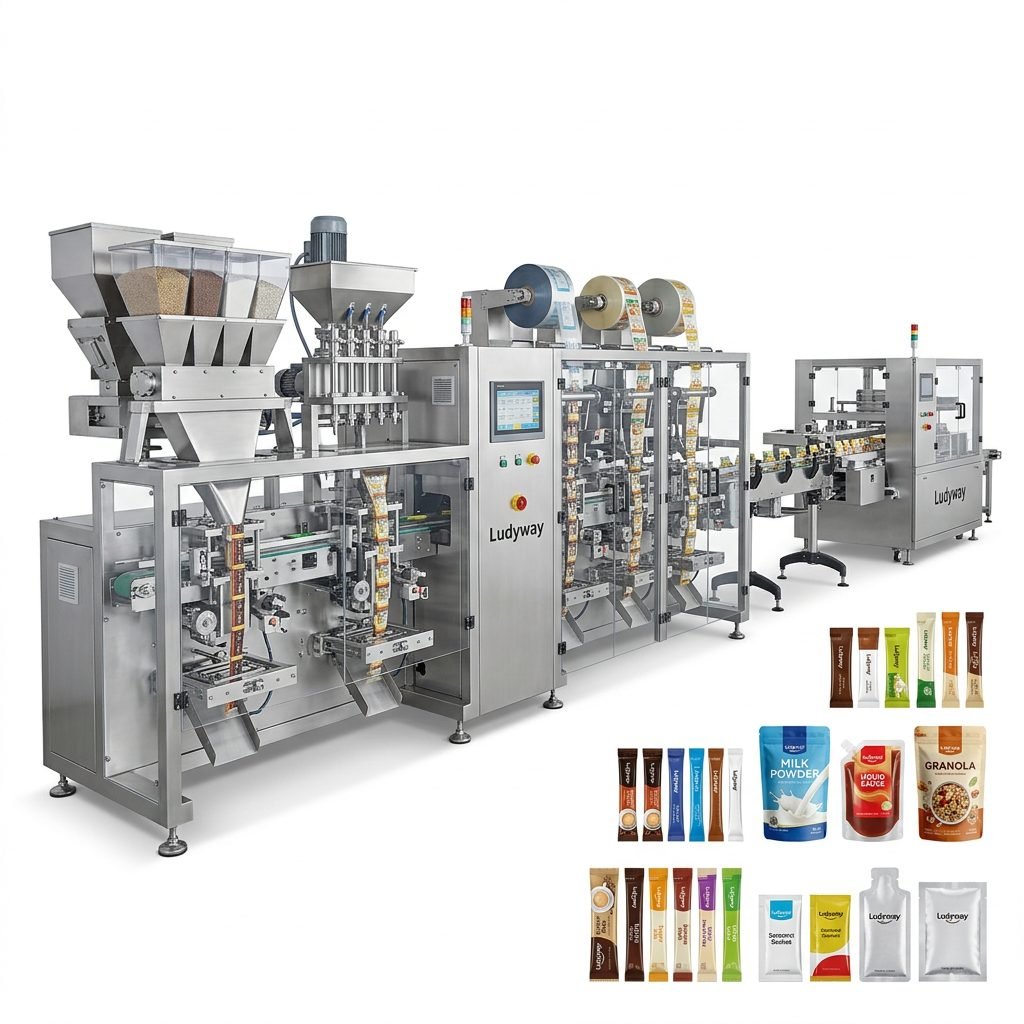
Maintaining a small biscuit packing machine is not simply about avoiding breakdowns — it is about protecting your production investment. A well-maintained machine delivers consistent package quality, reduces waste, and extends the usable life of your equipment by years. Companies like Ludyway, one of the leading packaging machine manufacturers, design their equipment for durability, but even the best-engineered machines require proper care to perform at their full potential. By implementing the practices outlined in this guide — daily cleaning, regular lubrication, scheduled inspections, and proper documentation — you create a maintenance culture that supports reliable, efficient production day after day. Start building your maintenance routine today, and your biscuit packing machine will reward you with years of dependable service.