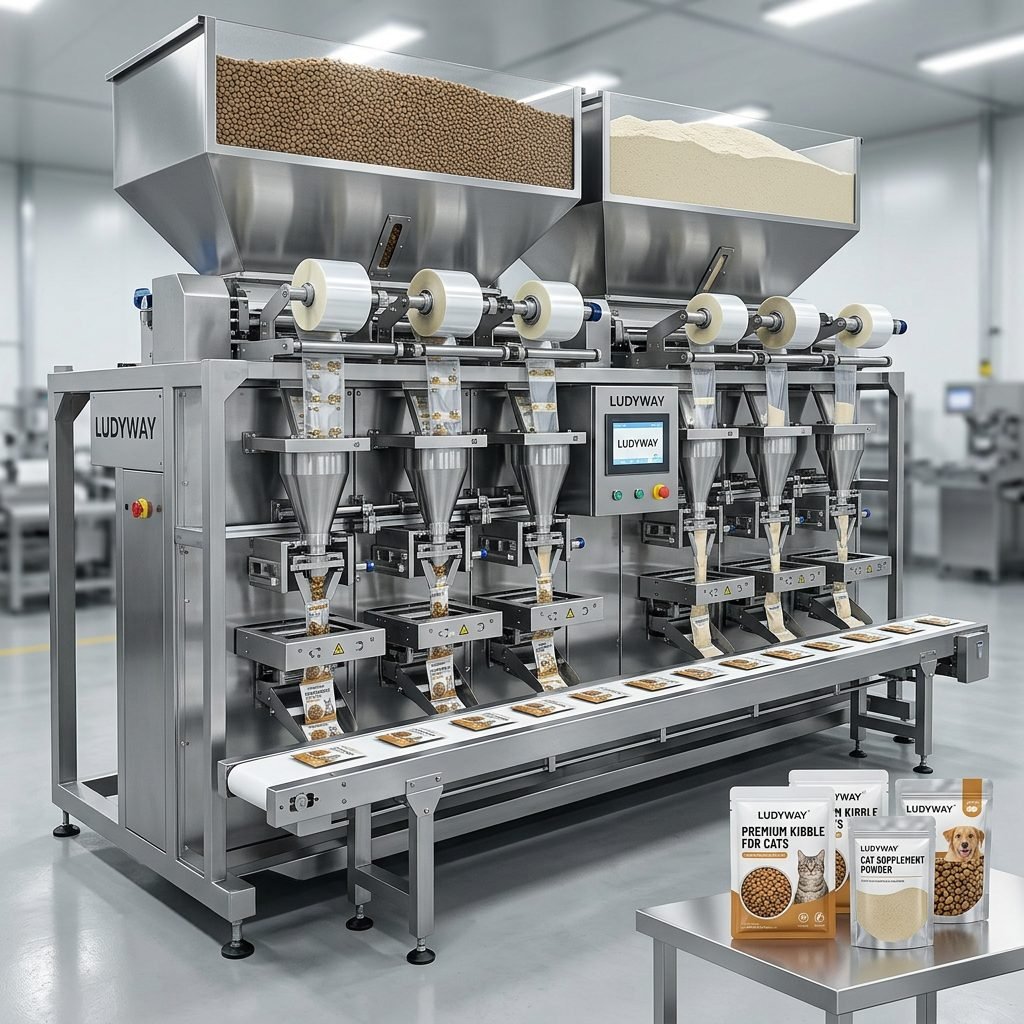
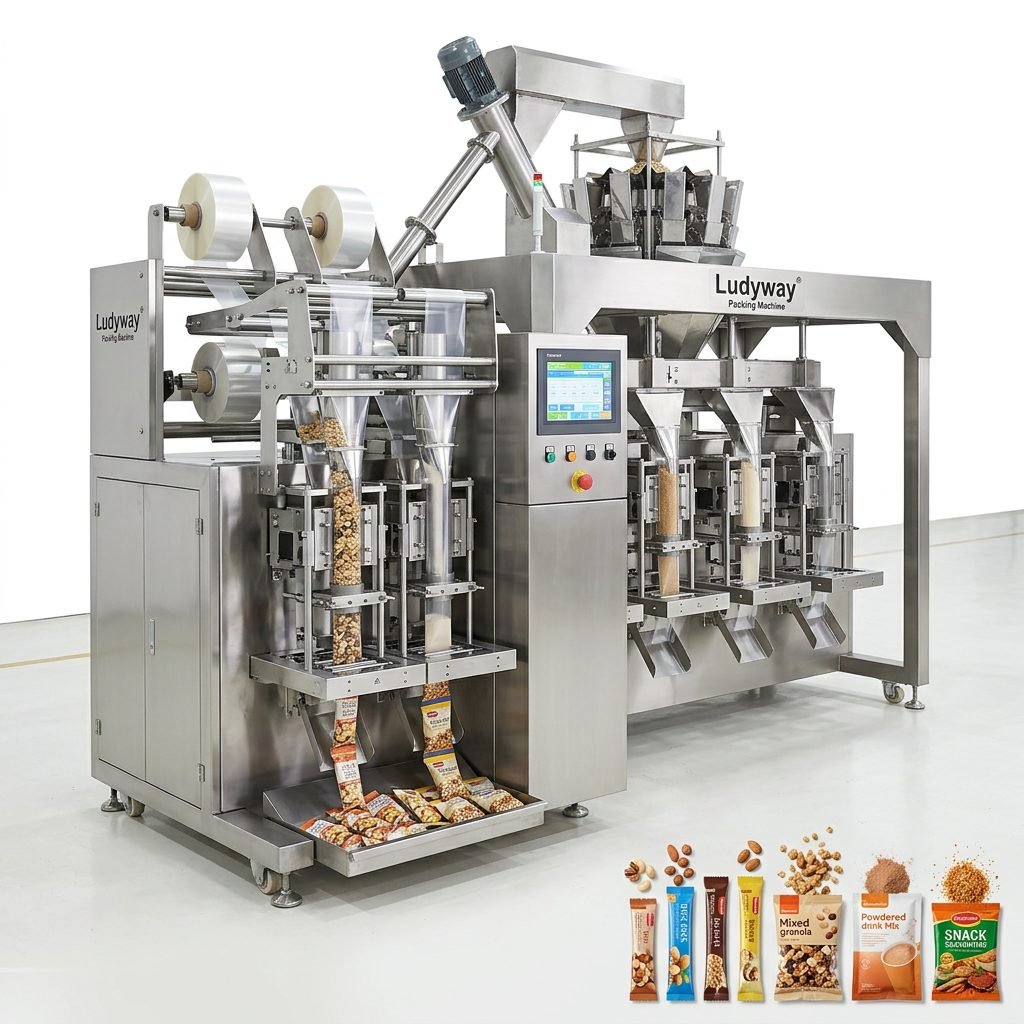
The Indian bakery industry is experiencing unprecedented growth, with the cupcake segment emerging as one of the most dynamic categories. As consumer demand for packaged baked goods continues to rise across metropolitan areas like Mumbai, Delhi, and Bangalore, investing in a cupcake packaging machine has become a strategic priority for bakeries and food manufacturers looking to scale operations efficiently. Choosing the right packaging equipment can significantly impact product shelf life, brand presentation, and overall profitability.
Understanding the Cupcake Packaging Machine Landscape in India
India’s food packaging machinery market has witnessed a compound annual growth rate exceeding 8% over the past five years. The cupcake segment specifically requires machines that can handle delicate baked goods while maintaining high throughput. Modern cupcake packaging machines range from semi-automatic tabletop units suitable for small bakeries to fully automated multi-lane systems designed for large-scale commercial production. When evaluating options, it is essential to understand the different machine categories available in the Indian market and how they align with your production goals. Leading industry resources such as the PMMI Business Intelligence Library provide valuable insights into packaging machinery market trends and technology developments.
Types of Cupcake Packaging Machines Available
- Flow Wrapping Machines: Ideal for individual cupcake wrapping using flexible film, offering speeds of 30 to 150 packs per minute depending on the model. These are the most common choice for Indian bakeries transitioning from manual to automated packaging.
- Tray Sealing Machines: Used for packaging cupcakes in preformed trays with a sealed film lid. This method is popular for premium product lines and gift packs, especially during festive seasons.
- Vertical Form Fill Seal (VFFS) Machines: Suitable for packaging multiple cupcakes in pillow bags or gusseted pouches. These machines offer excellent versatility and can handle various bag styles.
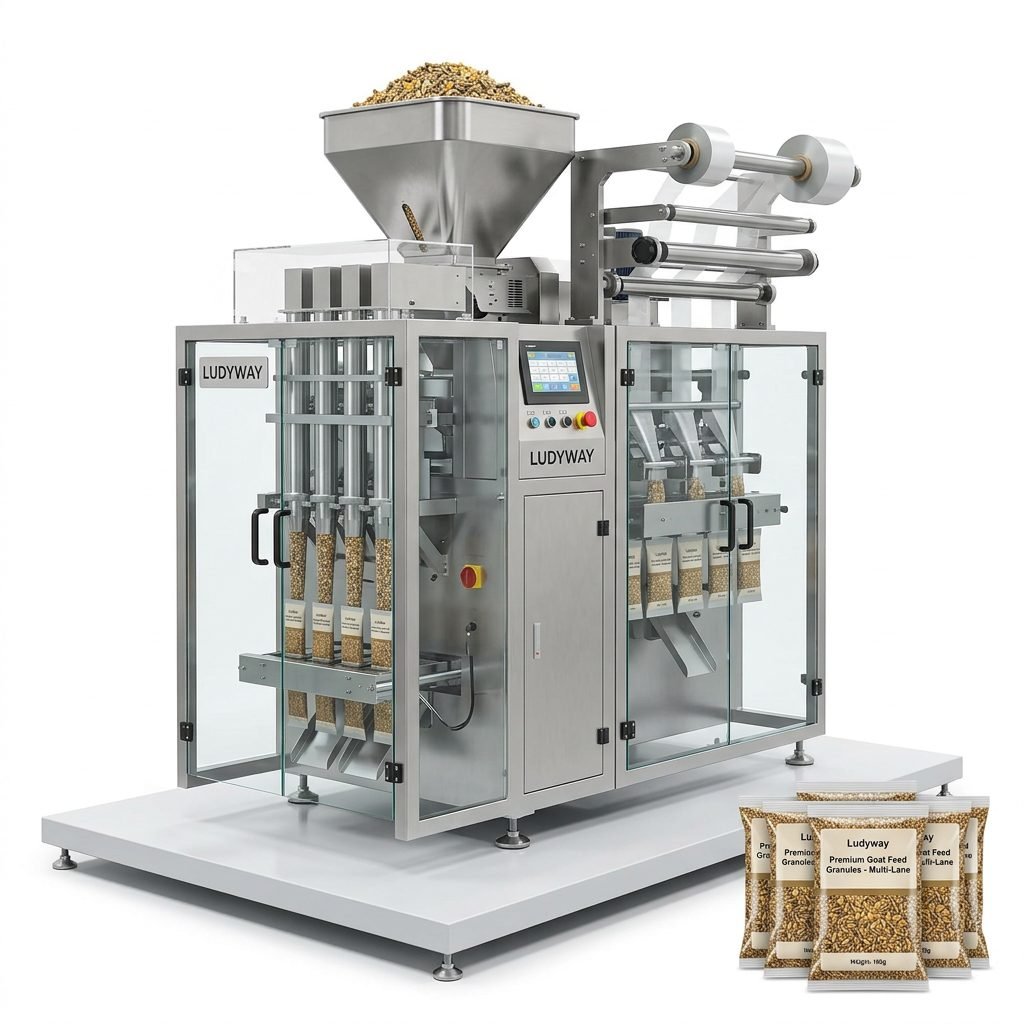
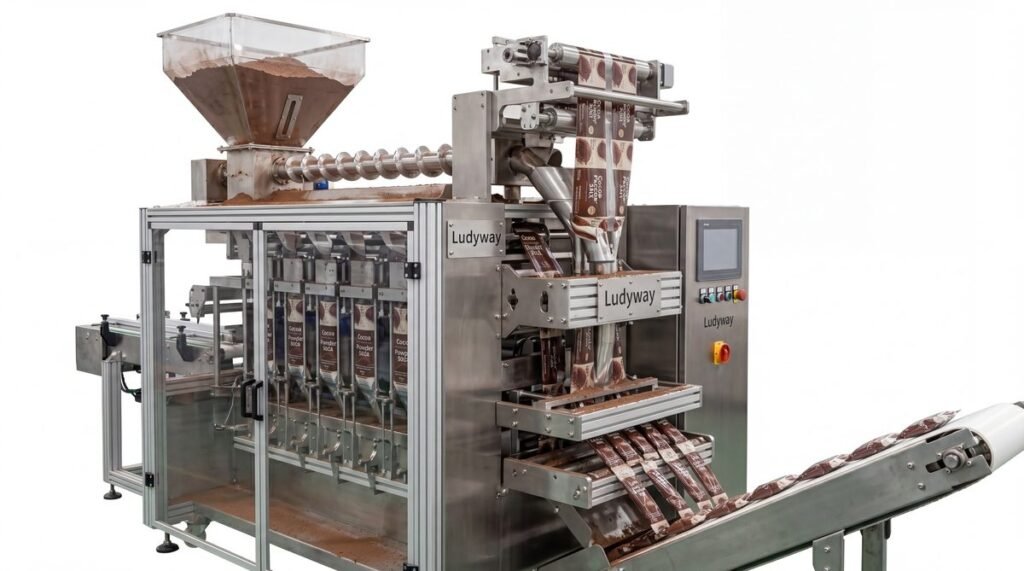
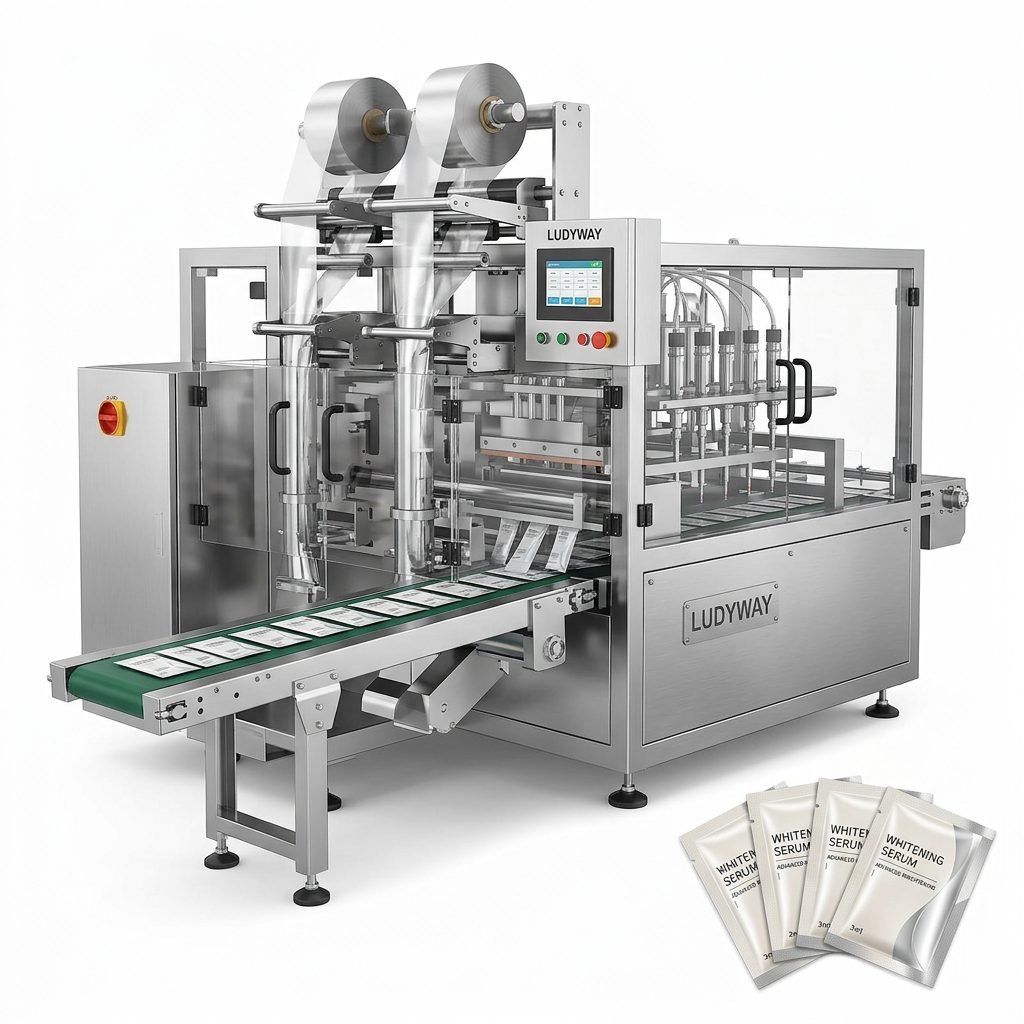
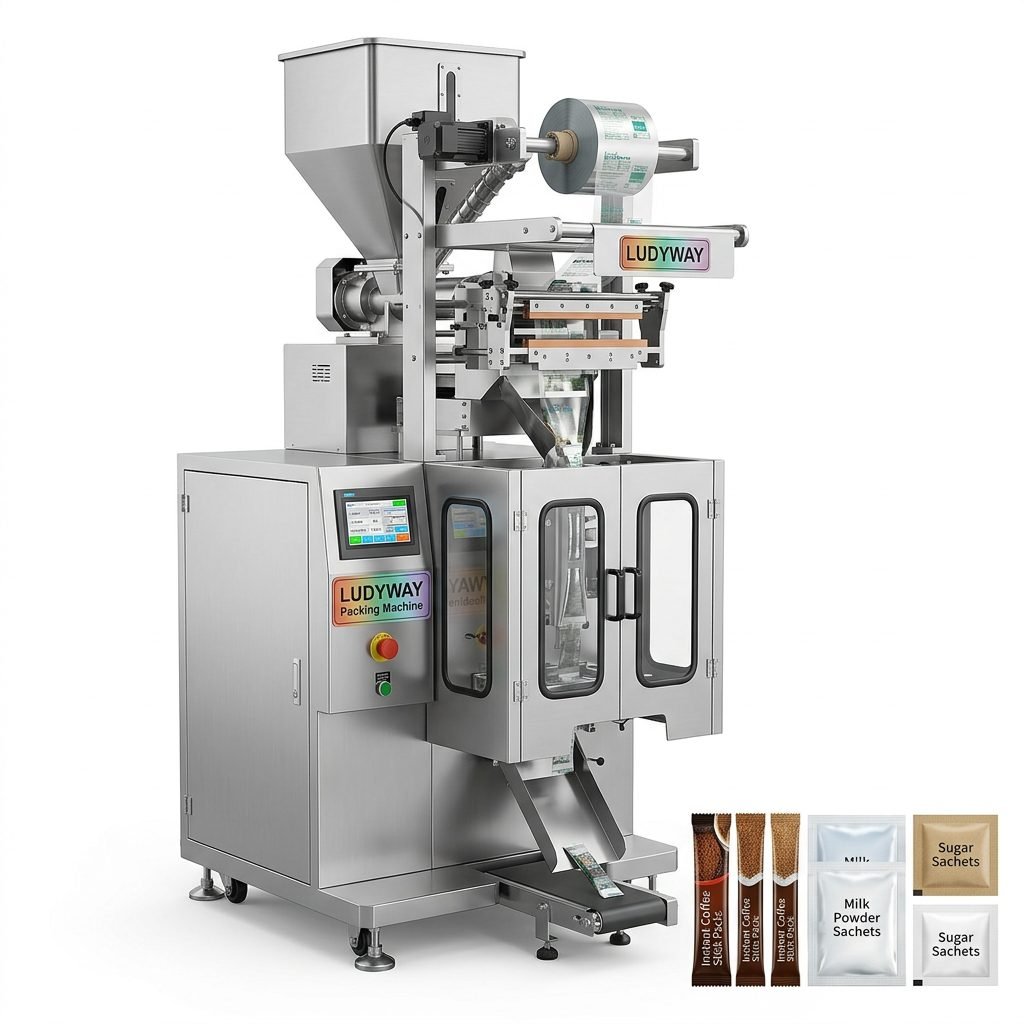
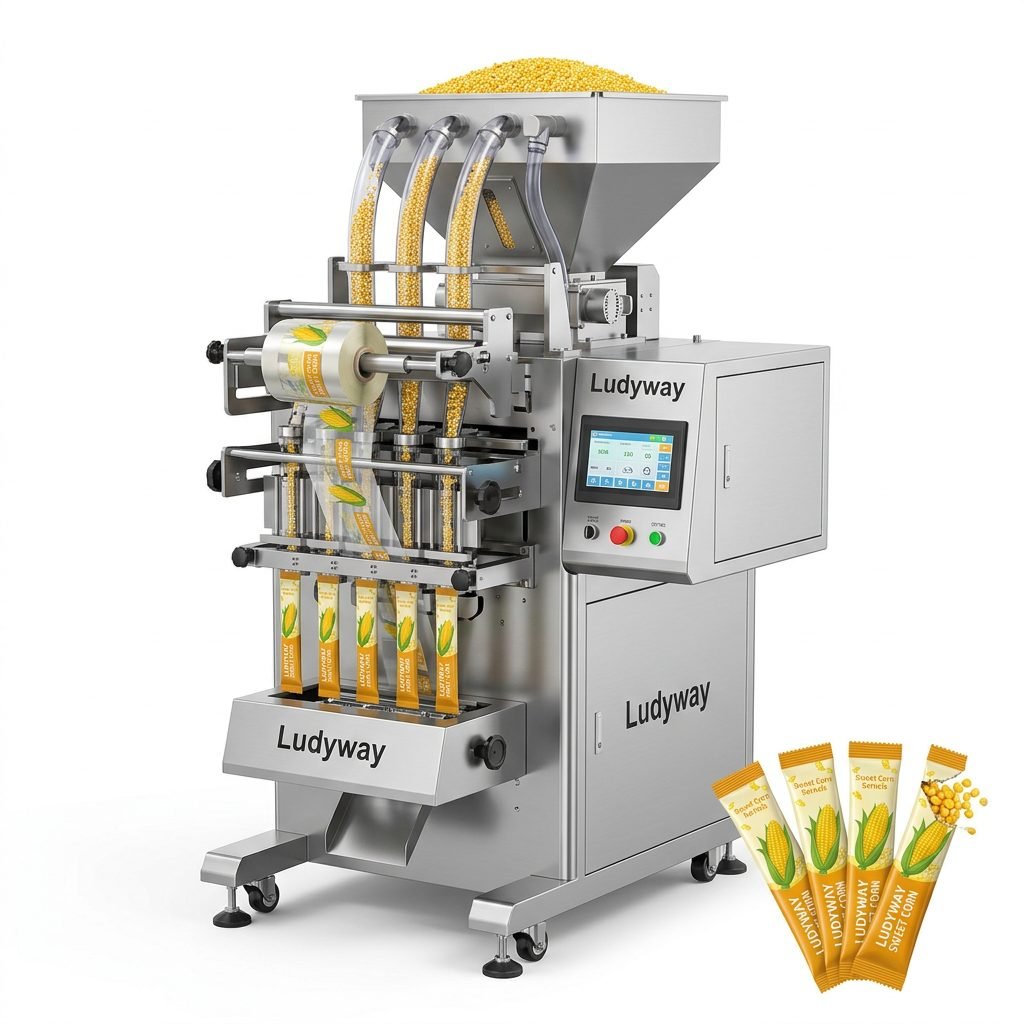
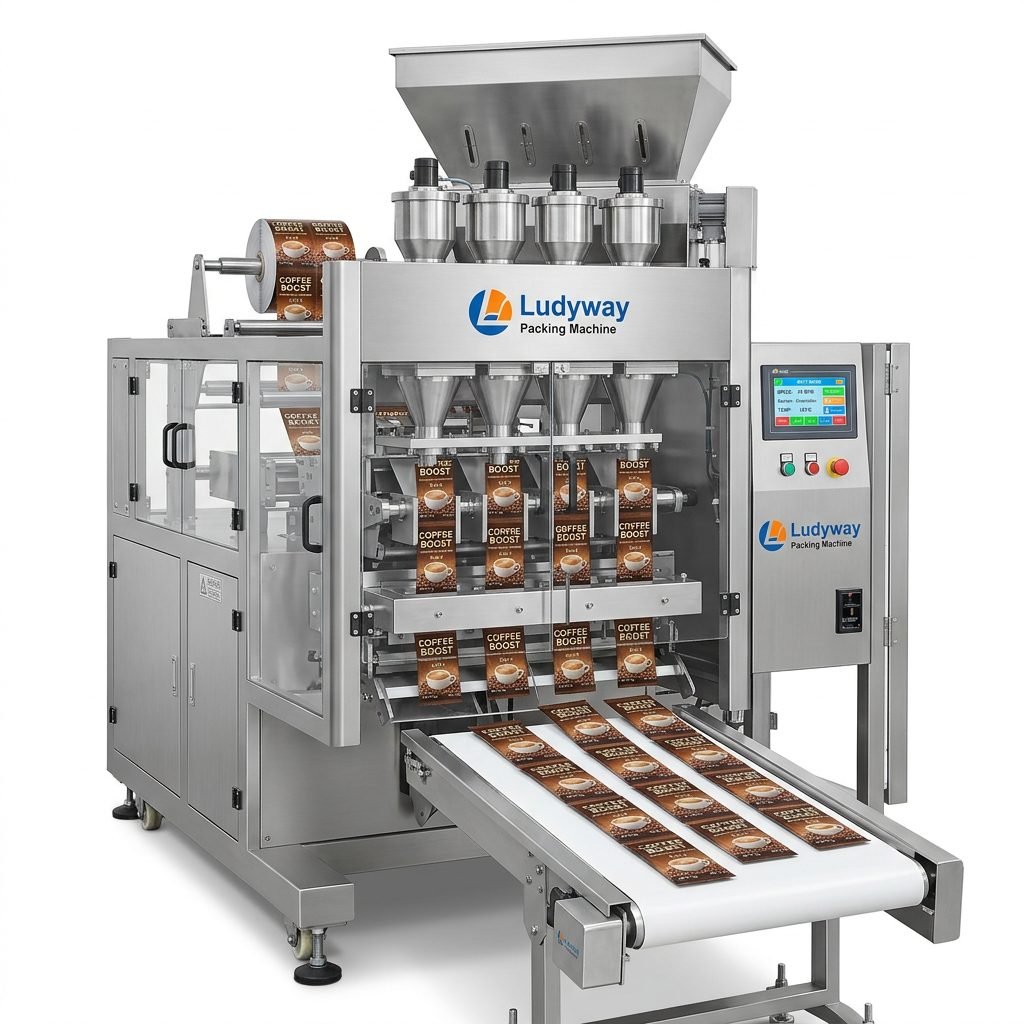
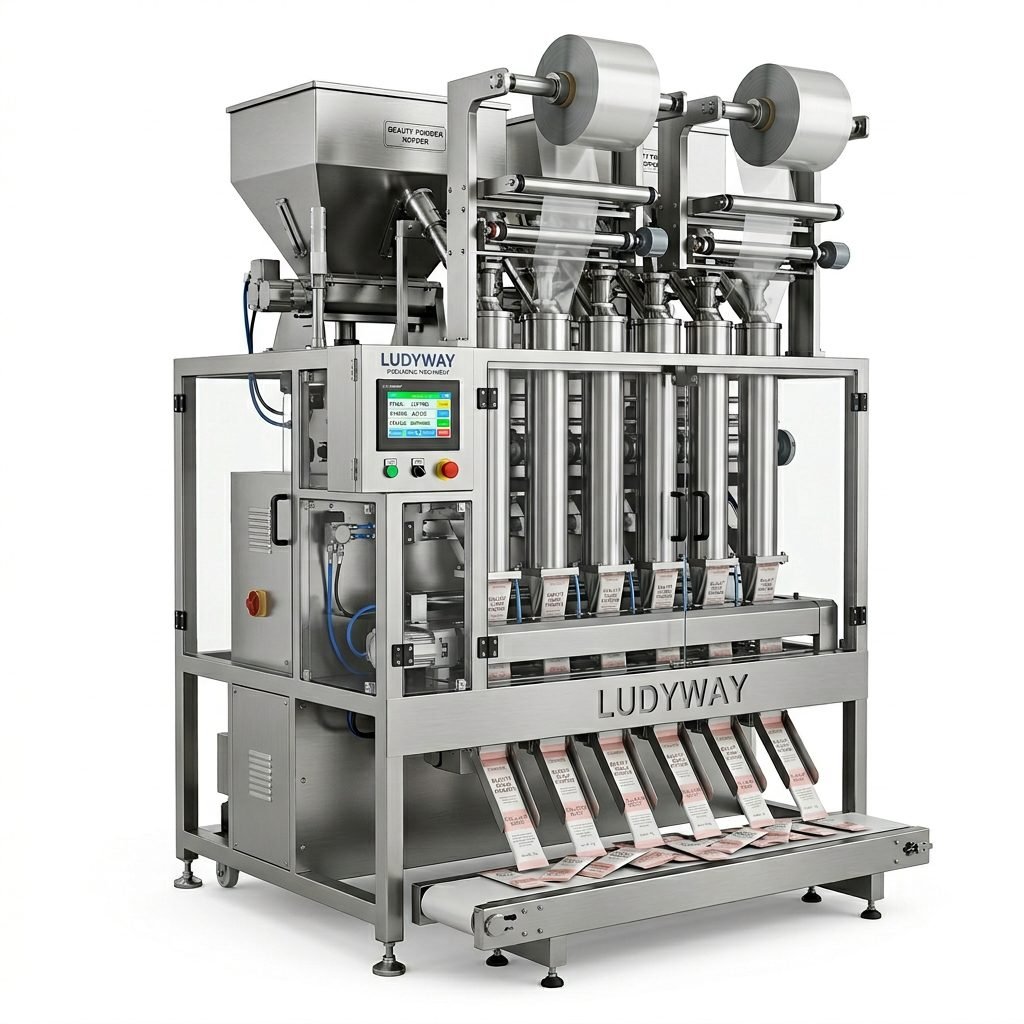
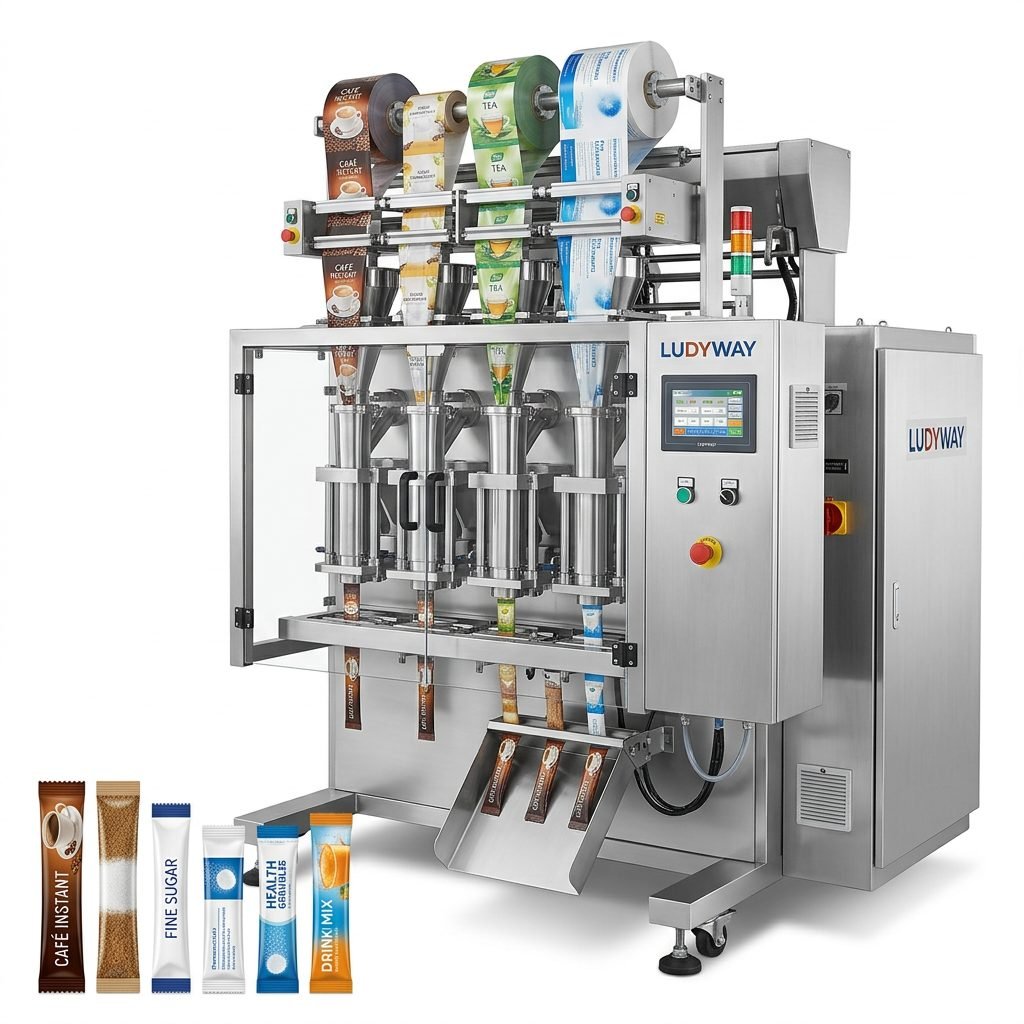
- Multi-Lane Sachet and Stick Pack Systems: For mini cupcakes or cupcake bites, multi-lane systems can achieve very high output rates, packaging multiple units simultaneously.
- Automated Cartoning Systems: Secondary packaging solutions that place wrapped cupcakes into cartons or boxes, essential for retail-ready packaging formats.
Key Factors to Consider When Purchasing a Cupcake Packaging Machine
Making an informed purchasing decision requires careful evaluation of several critical parameters. The Indian market presents unique challenges including varying power supply conditions, diverse climatic zones affecting packaging material performance, and specific regulatory requirements under FSSAI guidelines. Understanding these nuances is vital for selecting equipment that delivers consistent performance in local operating conditions. For comprehensive information on food packaging regulations, the FDA Food Packaging and Food Contact Substances resource provides relevant international standards that often influence Indian regulatory frameworks.
Production Capacity and Speed Requirements
Determining your required output capacity is the first step in machine selection. Small to medium bakeries producing 5,000 to 15,000 cupcakes per day may find semi-automatic flow wrappers sufficient, while large-scale operations exceeding 50,000 units daily will need fully automated high-speed systems. It is advisable to select a machine with capacity approximately 20% above current requirements to accommodate future growth without significant additional investment.
Packaging Material Compatibility
Indian consumers increasingly prefer eco-friendly packaging options, driving demand for machines compatible with biodegradable films and recyclable materials. Your chosen cupcake packaging machine should support the specific film types you intend to use, whether BOPP, CPP, PET/PE laminates, or newer sustainable alternatives. The Flexible Packaging Association Industry Resources offers extensive information on packaging material innovations and sustainability trends relevant to food applications.
Machine Footprint and Facility Integration
Space constraints are common in Indian production facilities, particularly in urban areas where real estate costs are high. Evaluate the complete footprint including infeed and outfeed conveyors, and ensure adequate clearance for maintenance access and operator movement. Modular machine designs that allow phased automation upgrades are increasingly popular among Indian manufacturers seeking to balance capital expenditure with operational flexibility.
Cost Analysis and Budget Planning
The investment required for a cupcake packaging machine in India varies significantly based on automation level, brand origin, and technical specifications. Understanding the total cost of ownership rather than just the initial purchase price is essential for accurate budget planning and ROI calculation.
Price Ranges by Machine Type
| Machine Type | Price Range (INR) | Best Suited For |
|---|---|---|
| Semi-Automatic Flow Wrapper | ₹3,00,000 – ₹8,00,000 | Small bakeries, startups |
| Automatic Flow Wrapper | ₹8,00,000 – ₹25,00,000 | Medium-scale producers |
| Tray Sealing System | ₹12,00,000 – ₹35,00,000 | Premium product lines |
| Multi-Lane Sachet System | ₹20,00,000 – ₹60,00,000+ | High-volume manufacturers |
| Complete Turnkey Line | ₹50,00,000 – ₹1,50,00,000+ | Large-scale industrial operations |
Additional costs to budget for include installation and commissioning, operator training, annual maintenance contracts, and spare parts inventory. Import duties on packaging machinery in India typically range from 7.5% to 18% depending on the machine category and country of origin, which should be factored into the total landed cost when purchasing from international suppliers.
Technical Specifications and Quality Standards
Food-grade packaging machinery must comply with stringent hygiene and safety standards. When evaluating a cupcake packaging machine, prioritize models constructed with stainless steel food-contact surfaces, IP65 or higher washdown ratings for wet cleaning environments, and designs that minimize product accumulation zones. International standards such as ISO Packaging Standards provide valuable reference points for evaluating machine build quality and safety compliance, even when purchasing from domestic Indian manufacturers.
Critical Technical Parameters
- Sealing Temperature Control: Precise PID temperature controllers with ±1°C accuracy to ensure consistent seal integrity across different film types
- Film Registration: Automatic photocell-based registration systems for printed films, essential for branded packaging with precise graphic alignment
- Gas Flushing Capability: Modified atmosphere packaging (MAP) options for extended shelf life, increasingly important for premium cupcake brands
- Changeover Time: Tool-less changeover designs that minimize downtime between product runs, ideally under 15 minutes for complete format changes
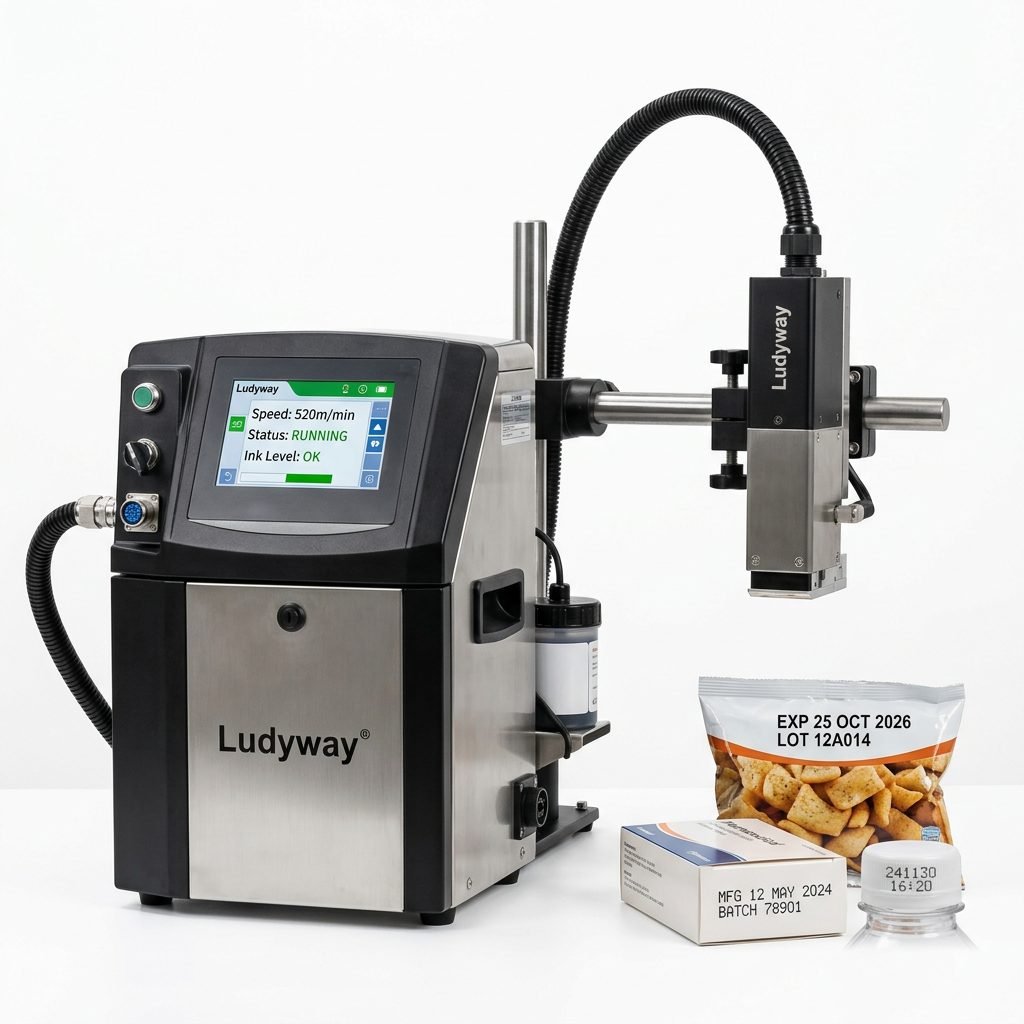
- Integrated Coding Systems: Compatibility with inkjet, thermal transfer, or laser coding systems for batch numbers, manufacturing dates, and traceability compliance
Supplier Evaluation and Selection in the Indian Market
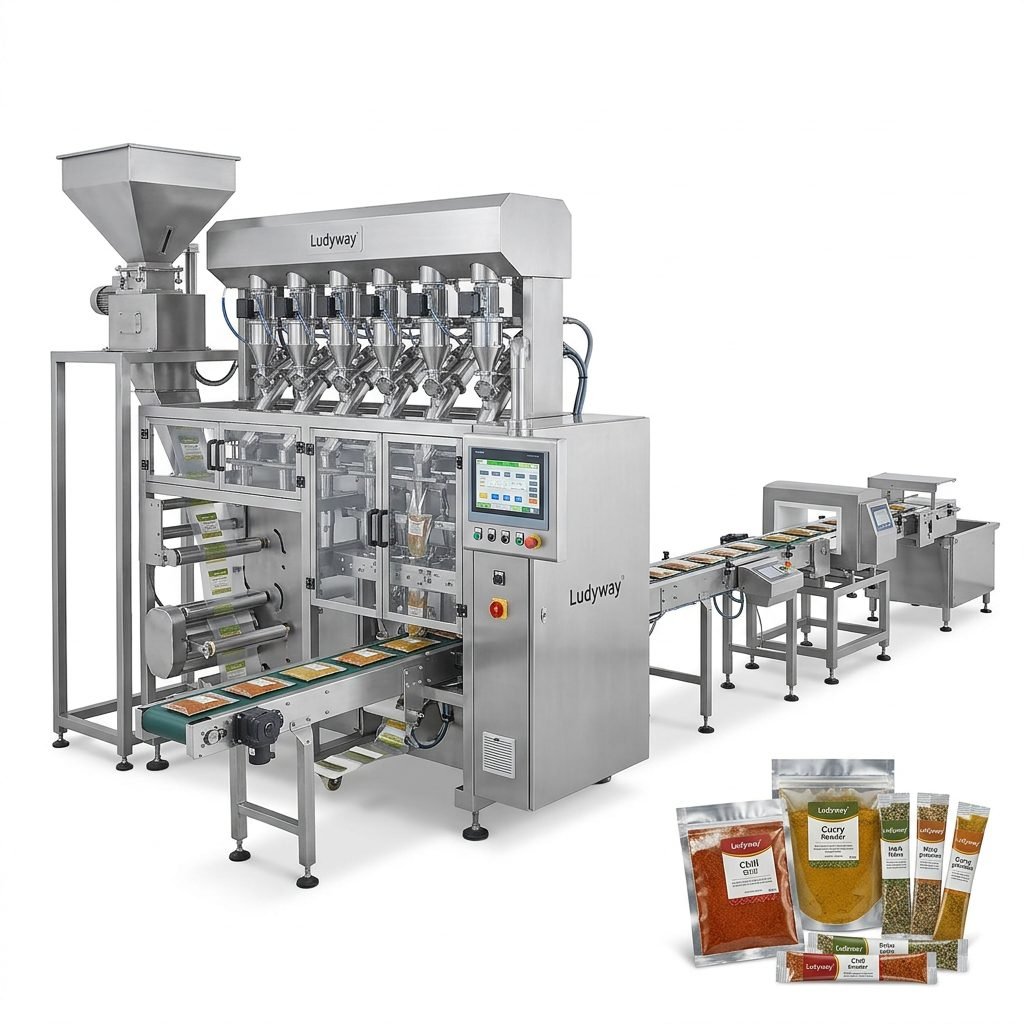
The Indian packaging machinery market includes domestic manufacturers, international brands with local presence, and direct import options. Each sourcing approach has distinct advantages and considerations. Indian manufacturers like Nichrome, Mamata, and others offer competitive pricing with localized service support, while international equipment providers bring advanced technology and global compliance certifications. For businesses seeking comprehensive solutions, established manufacturers such as Ludyway offer over 50 intelligent packaging machine models with turnkey production line capabilities, serving customers across more than 100 countries with reliable, cost-effective equipment options. The PACK EXPO International event is an excellent venue to evaluate multiple suppliers and compare the latest technologies in person.
Essential Supplier Assessment Criteria
- After-Sales Service Network: Verify the availability of trained service engineers in your region, average response time guarantees, and remote diagnostic capabilities
- Spare Parts Availability: Confirm locally stocked critical spare parts inventory and typical delivery timelines for non-stocked components
- Customer References: Request references from Indian customers in the bakery or similar food processing sectors and conduct site visits where possible
- Training Programs: Comprehensive operator and maintenance training should be included in the purchase agreement, with documentation available in local languages
- Warranty Terms: Standard warranties typically cover 12 months, with options for extended coverage on critical components such as servo motors and controllers
Installation, Commissioning, and Ongoing Maintenance
Proper installation is crucial for achieving the rated performance from your cupcake packaging machine. Plan for a dedicated power supply with appropriate voltage stabilization, compressed air systems meeting the machine’s specified CFM and pressure requirements, and adequate environmental controls including temperature and humidity management. The PMMI Packaging Industry Resources provides guidelines on packaging machinery standards and operational best practices that are valuable during the commissioning phase.
Preventive Maintenance Schedule
| Maintenance Interval | Key Activities | Responsible Party |
|---|---|---|
| Daily | Clean product contact surfaces, inspect seals, check film alignment | Operator |
| Weekly | Lubricate moving parts, inspect belts and chains, verify sensor calibration | Maintenance Technician |
| Monthly | Replace worn sealing elements, check electrical connections, update software if applicable | Supervisor + Technician |
| Quarterly | Comprehensive mechanical inspection, bearing replacement as needed, gearbox oil check | Service Engineer |
| Annually | Full overhaul, replace all wear parts, recalibrate all sensors, performance validation | Manufacturer Service Team |
Regulatory Compliance and Food Safety Considerations
Food packaging machinery in India must comply with FSSAI regulations governing food contact materials and packaging processes. Additionally, exporters targeting markets in Europe, North America, or the Middle East should ensure their packaging equipment meets relevant international standards. The European Commission Packaging and Packaging Waste Regulation provides insights into evolving requirements that increasingly influence global packaging machinery design, particularly regarding sustainability and recyclability considerations.
Documentation Requirements
- Machine compliance certificates (CE, UL, or equivalent depending on target markets)
- Food-grade material certificates for all product contact surfaces
- Installation qualification (IQ), operational qualification (OQ), and performance qualification (PQ) documentation
- Standard operating procedures (SOPs) in English and local languages
- Preventive maintenance checklists and spare parts catalogues

Return on Investment and Business Case Development
Calculating the ROI for a cupcake packaging machine involves quantifying both direct and indirect benefits. Direct savings typically include reduced labor costs, decreased packaging material waste, and improved product shelf life. Indirect benefits encompass enhanced brand perception, increased distribution reach, and the ability to fulfill larger orders from retail chains and institutional buyers. Most Indian bakeries report achieving full ROI within 18 to 36 months of installing automated packaging equipment, with the fastest payback observed in operations transitioning from fully manual packaging processes.
Future Trends in Cupcake Packaging Technology
The packaging machinery industry is evolving rapidly with several trends shaping the future of cupcake packaging in India. Smart factory integration using IoT sensors and data analytics enables predictive maintenance and real-time production monitoring. Sustainable packaging solutions, including mono-material films and compostable packaging options, are driving machine design innovations. The Flexible Packaging Association regularly publishes updates on these industry developments that are relevant for forward-looking purchasing decisions. Additionally, compact modular machine designs are making automated packaging accessible to smaller Indian bakeries, democratizing technology that was previously only viable for large-scale manufacturers.
Making the Final Decision
Selecting the right cupcake packaging machine for your Indian business requires balancing multiple factors including production capacity, budget constraints, facility limitations, and long-term growth plans. Prioritize suppliers with proven Indian market experience, robust after-sales support infrastructure, and a demonstrated commitment to food safety compliance. Conduct thorough due diligence including factory acceptance testing, reference site visits, and detailed technical comparisons before finalizing your investment. With careful planning and the right equipment partner, an automated packaging system can transform your cupcake business, enabling sustainable growth and competitive advantage in India’s dynamic food market.