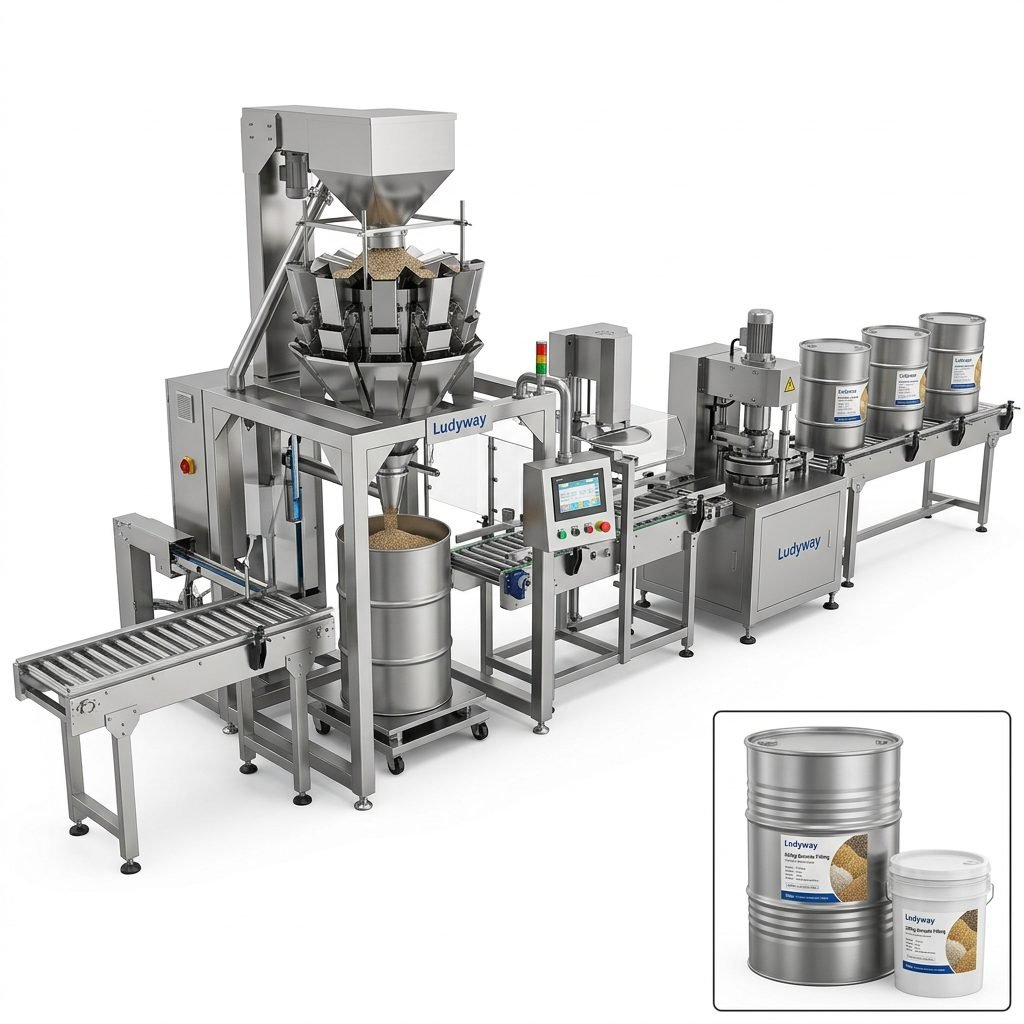
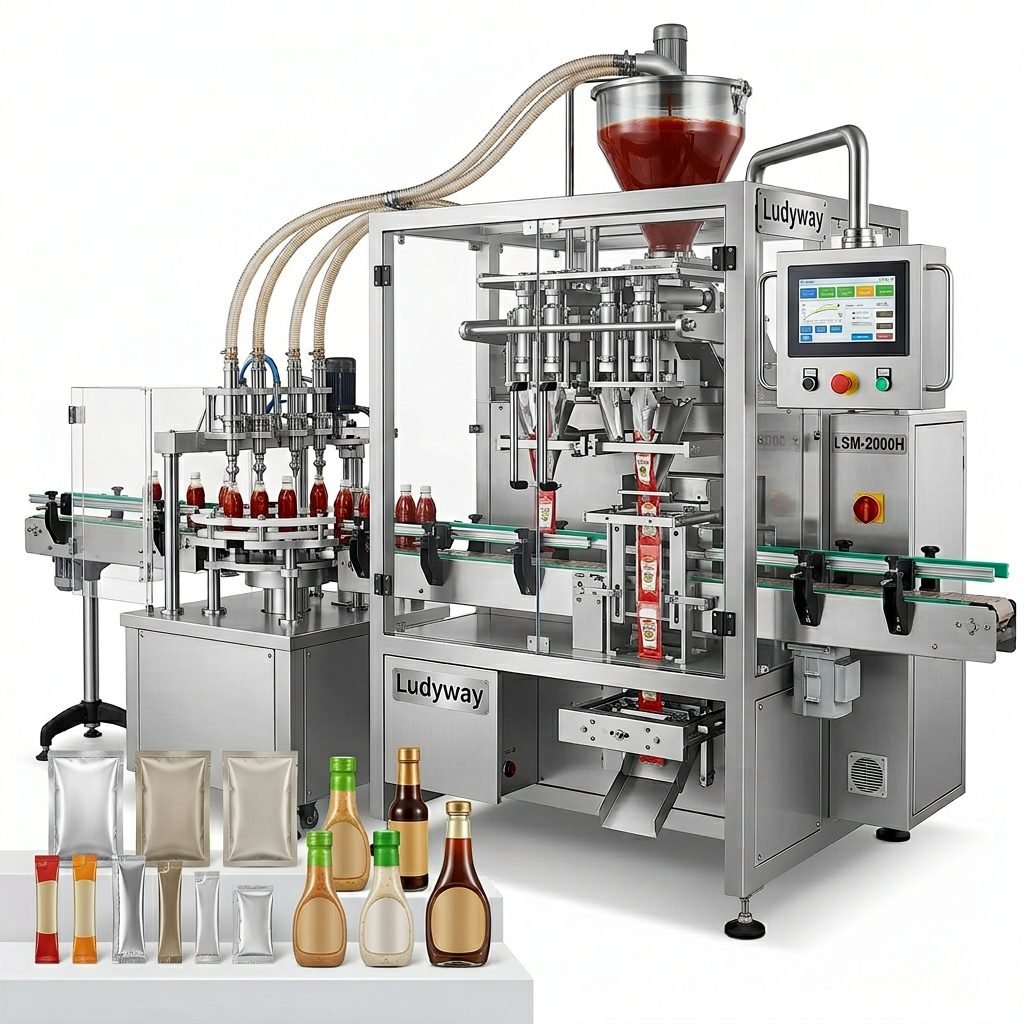
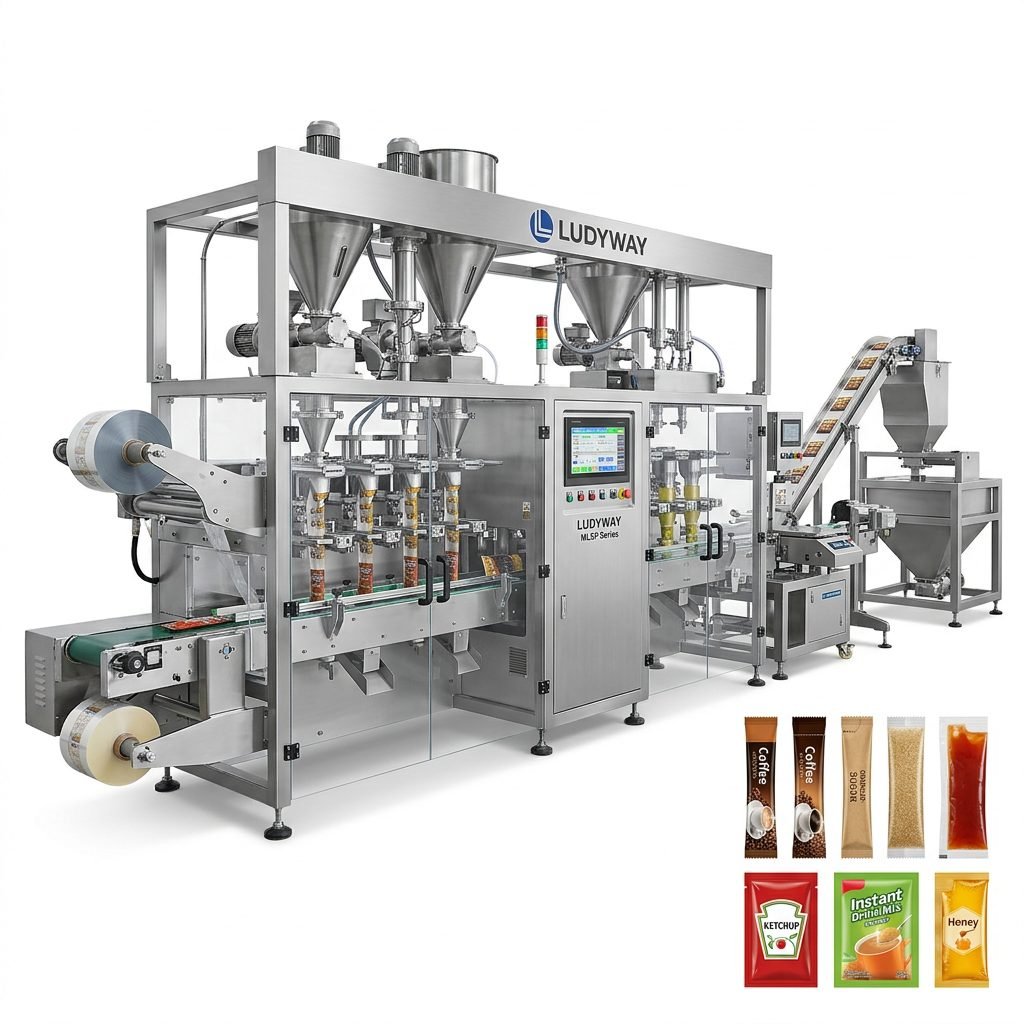
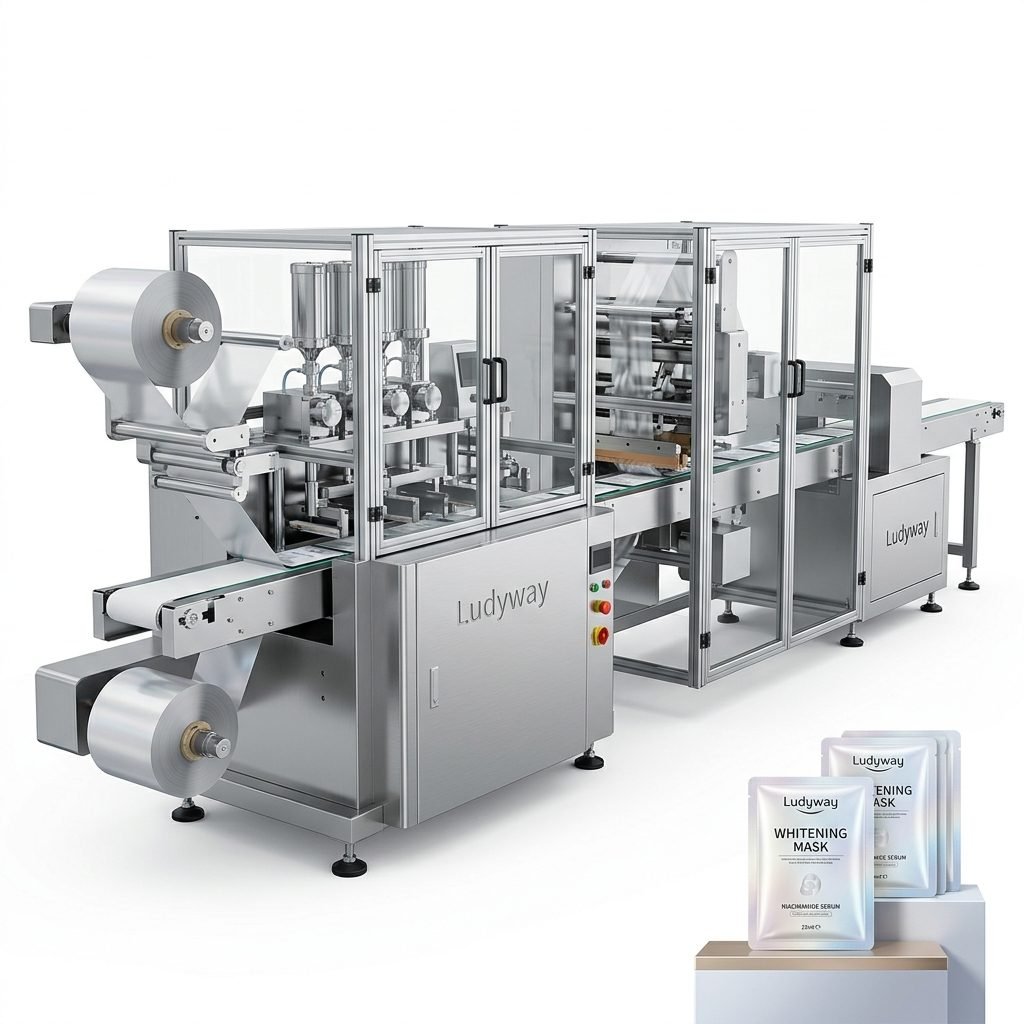
In the competitive landscape of modern manufacturing, efficiency is the cornerstone of profitability and growth. For businesses that rely on bulk packaging—whether in food, pharmaceuticals, health supplements, or chemicals—the shift from manual or semi-automated processes to fully automated bulk packaging equipment is no longer a luxury but a strategic imperative. This transformation directly addresses the core challenges of production scaling: how to increase throughput, reduce operational costs, and maintain consistent quality while meeting rising market demands.
The Strategic Imperative of Automation in Bulk Packaging
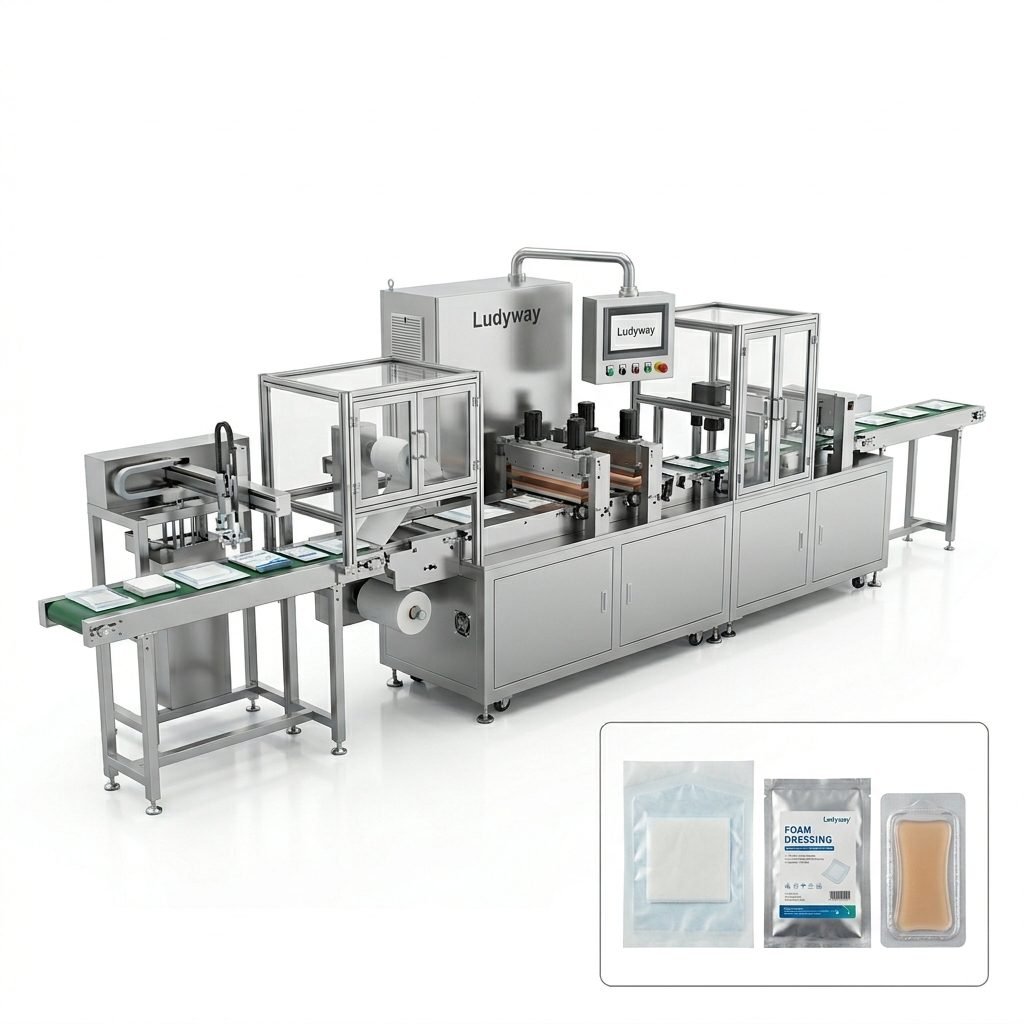
Bulk packaging automation involves integrating advanced machinery and control systems to handle large volumes of product with minimal human intervention. This encompasses everything from primary packaging (filling and sealing bags, pouches, or containers) to secondary packaging (cartoning, case packing, and palletizing). The goal is to create a seamless, high-speed, and reliable production flow.
Key Driver: The primary driver for automation is the relentless pressure to do more with less. Manual packaging lines are prone to speed limitations, inconsistencies, and high labor costs, which create bottlenecks as order volumes increase. Automated systems are designed to eliminate these bottlenecks, providing a predictable and scalable output.
How Automation Increases Production Efficiency
Efficiency gains from automation are multi-faceted, impacting speed, accuracy, and uptime.
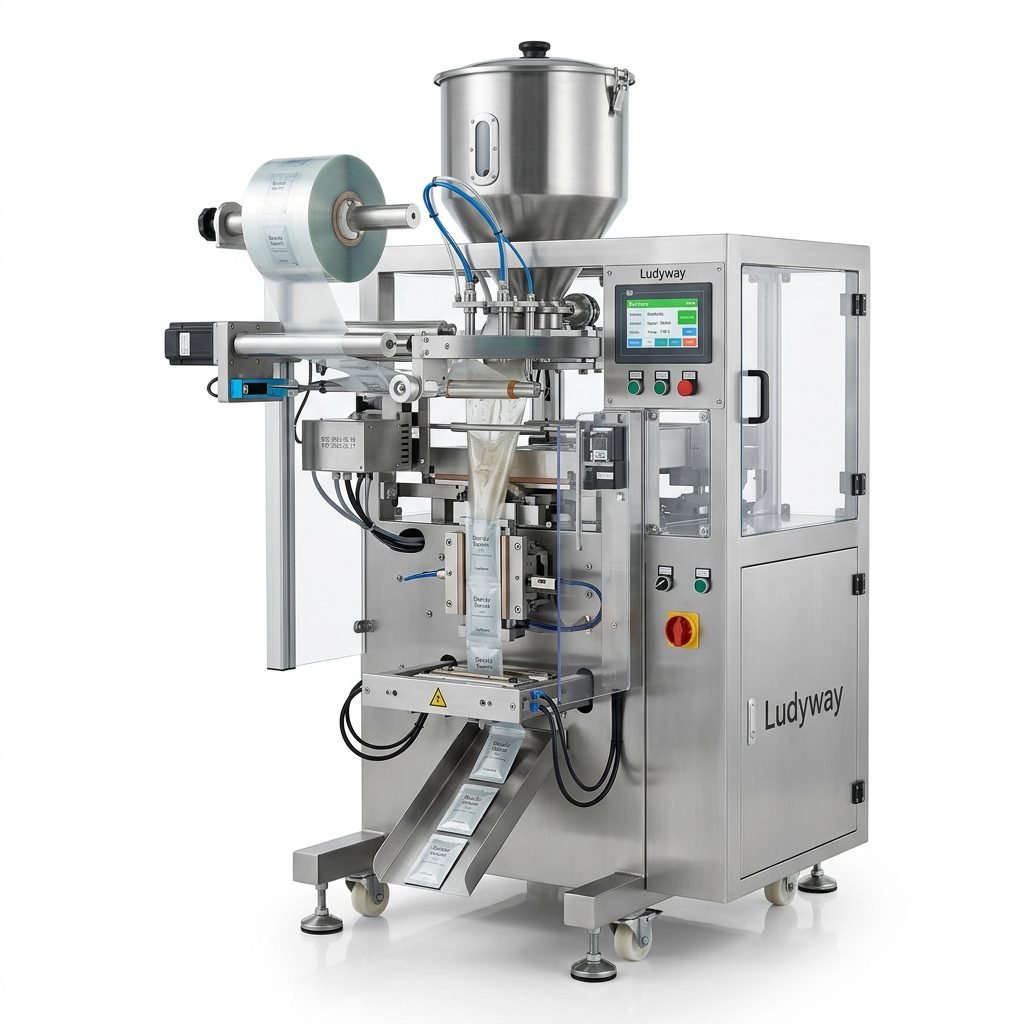
- Dramatically Increased Speed: Automated bulk baggers, form-fill-seal (FFS) machines, and rotary fillers can operate at speeds far exceeding human capabilities, often packaging hundreds of units per minute.
- Unwavering Consistency and Accuracy: Precision servo motors and weigh cells ensure each package meets exact weight and fill specifications, drastically reducing product giveaway and compliance risks.
- Maximized Line Uptime: Modern systems feature quick-changeover mechanisms and automated fault detection, minimizing downtime between production runs and during operation.
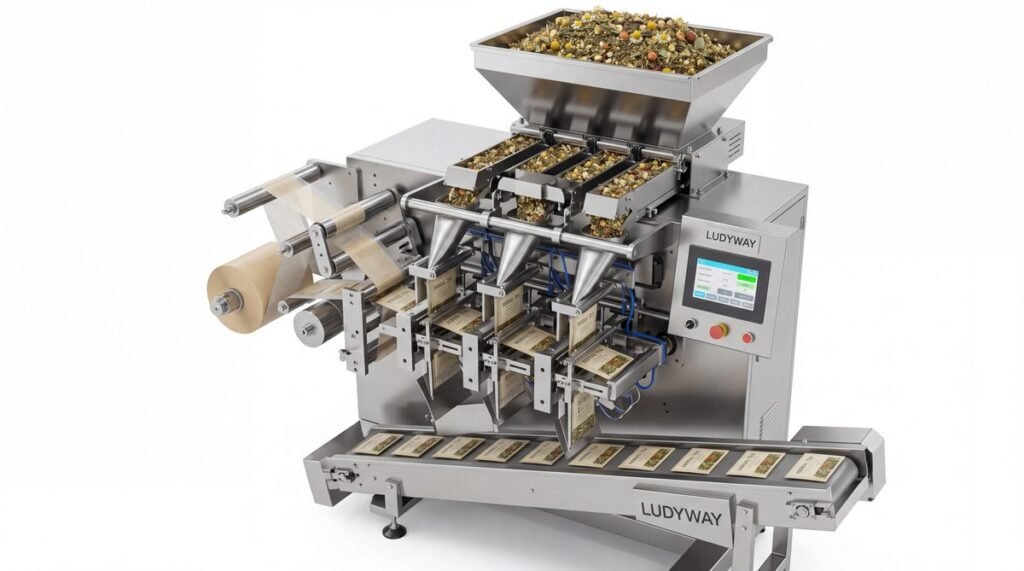
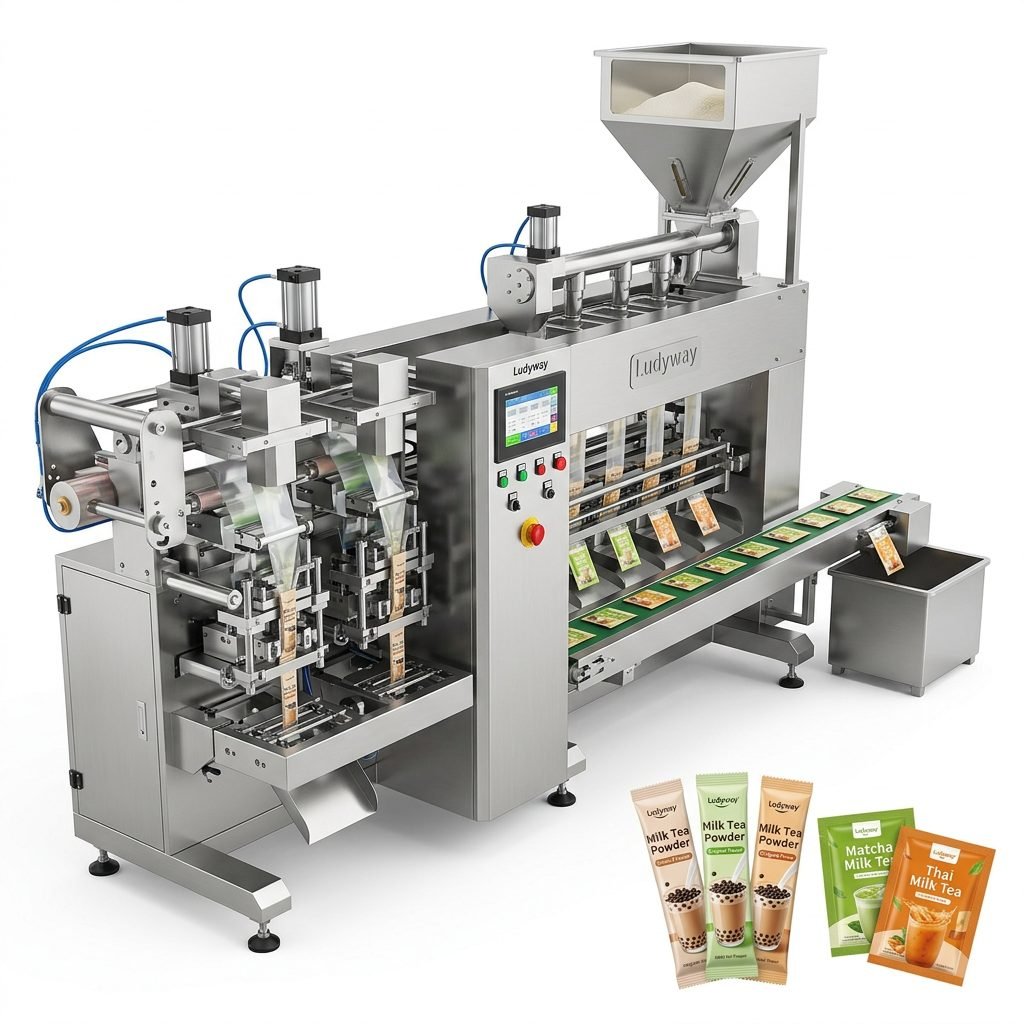
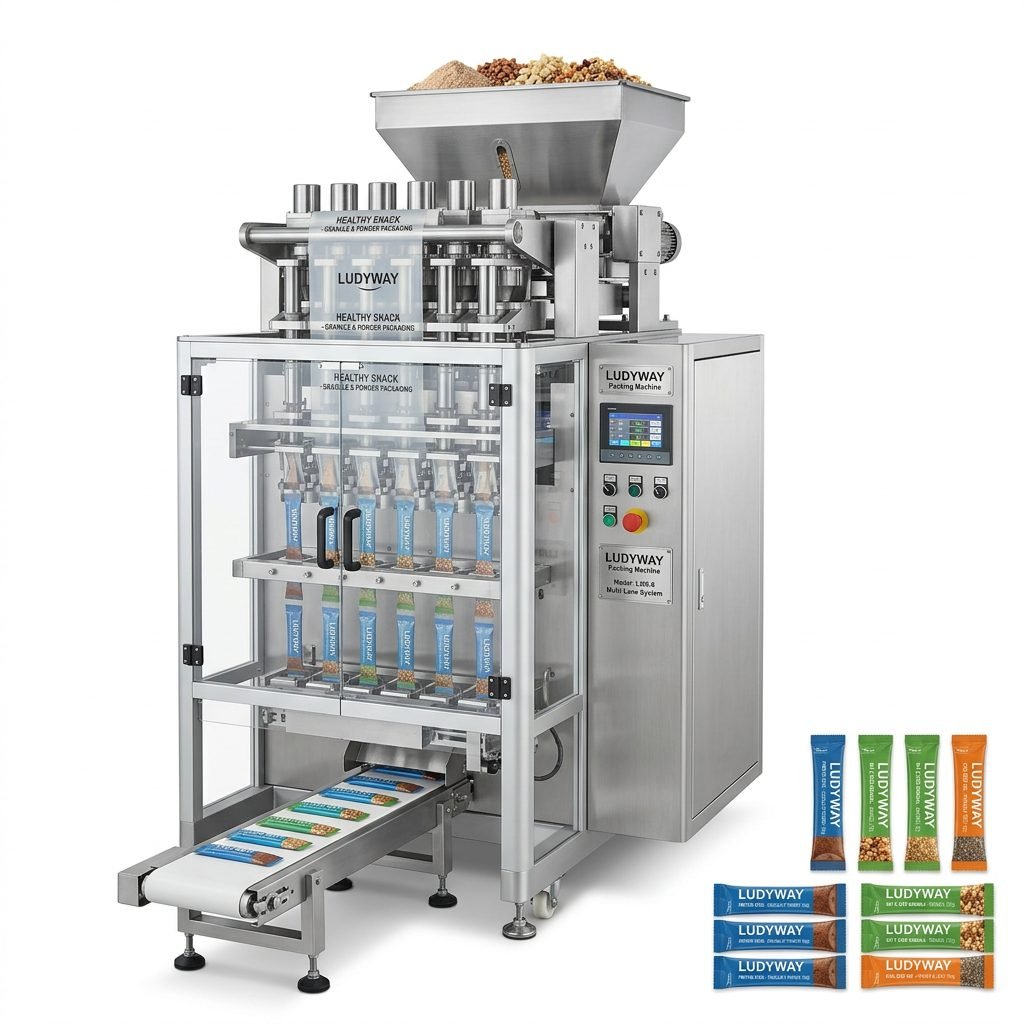
For example, a company like Ludyway Machinery, with its focus on intelligent packaging systems, provides multi-lane stick pack machines that can simultaneously produce dozens of portions, multiplying output without multiplying floor space.
Substantial Pathways to Cost Reduction
While the initial investment in automation is significant, the long-term cost savings are compelling and often realize a rapid return on investment (ROI).
Primary Cost Savings Areas:
- Labor Cost Redistribution: Automation reduces dependency on large crews for repetitive tasks. Staff can be upskilled to supervise, maintain, and optimize the automated line, adding higher value.
- Minimized Material Waste: High-accuracy filling means less product is wasted through overfilling. Improved sealing quality also reduces spoilage and rejected packages.
- Lower Operational Overheads: Consistent operation leads to better energy utilization, reduced wear and tear from erratic manual handling, and fewer costs associated with human error (clean-up, rework).
Scaling Production with Flexible Automation Solutions
True scalability means your packaging line can adapt to increased demand, new product formats, and seasonal peaks without requiring a complete overhaul. This is where modular and flexible automation shines.
Modular Design: Choosing equipment that allows for easy integration of additional modules—like a checkweigher, metal detector, or robotic palletizer—enables phased scaling. You can start with a core system and expand functionality as needed.
Quick Changeover Capability: Systems designed with digital recipe storage and tool-less change parts allow production to switch between different package sizes or products in minutes, not hours. This flexibility is crucial for manufacturers with diverse SKUs.
Partnering with an experienced provider like Ludyway, which offers over 50 machine models and turnkey solutions, ensures access to technology that can grow alongside your business, preventing technological dead-ends.
Implementing Your Automation Strategy: Key Considerations
Successful automation requires careful planning beyond just purchasing machinery.
- Comprehensive Needs Analysis: Audit your current process to identify precise bottlenecks, peak output goals, and specific product characteristics (flowability, abrasiveness, etc.).
- Total Cost of Ownership (TCO): Evaluate suppliers based on machine reliability, energy consumption, ease of maintenance, and availability of spare parts, not just the purchase price.
- Integration and Support: Ensure the equipment can communicate with your existing line (PLC, HMI integration) and that the supplier offers robust training, technical support, and service. A partner with 30+ years of industry experience brings invaluable practical knowledge to implementation.
Conclusion: Building a Future-Proof Packaging Operation
Investing in bulk packaging equipment automation is an investment in the future resilience and competitiveness of your manufacturing operation. It systematically addresses the tri-fold challenge of boosting efficiency, carving out cost savings, and enabling seamless scale-up. By focusing on flexible, reliable, and intelligent systems from proven partners, businesses can transform their packaging lines from a cost center into a strategic asset that drives growth and ensures consistent, high-quality output for global markets.
Frequently Asked Questions (FAQs)
1. What is the typical ROI period for bulk packaging automation?
The payback period varies widely based on scale, labor costs, and current inefficiencies. Many operations see a full return on investment within 12 to 24 months through labor savings, reduced waste, and increased output. A detailed feasibility study with your equipment provider can yield a more accurate projection.
2. Can automated systems handle fragile or non-free-flowing products?
Yes. Advanced systems use specialized feeding mechanisms like vibratory trays, auger fillers with gentle action, or vacuum-assisted nozzles to handle delicate snacks, sticky powders, or fibrous materials without damage. It’s critical to discuss your specific product characteristics during the machine selection process.
3. How difficult is it to integrate new automated equipment with our existing production line?
Reputable suppliers design machines with standard communication protocols (e.g., Ethernet/IP, Profinet) for straightforward integration. A comprehensive site audit and collaboration with the supplier’s engineering team are essential to plan for mechanical, electrical, and data integration seamlessly.
4. What kind of maintenance do automated packaging machines require?
Preventive maintenance is key. This typically involves regular cleaning, lubrication of moving parts, inspection of seals and wear parts, and software updates. Choosing a supplier that offers clear maintenance schedules, training, and readily available spare parts—like those with extensive manufacturing and support facilities—minimizes unexpected downtime.
5. Is automation viable for small to mid-sized businesses (SMBs), or only for large corporations?
Automation is increasingly accessible for SMBs. Scalable, modular solutions allow businesses to start with a single automated machine (e.g., an automatic bagger) that addresses their biggest bottleneck. This “start small, scale smart” approach makes the initial investment manageable and provides a platform for future growth as demand increases.