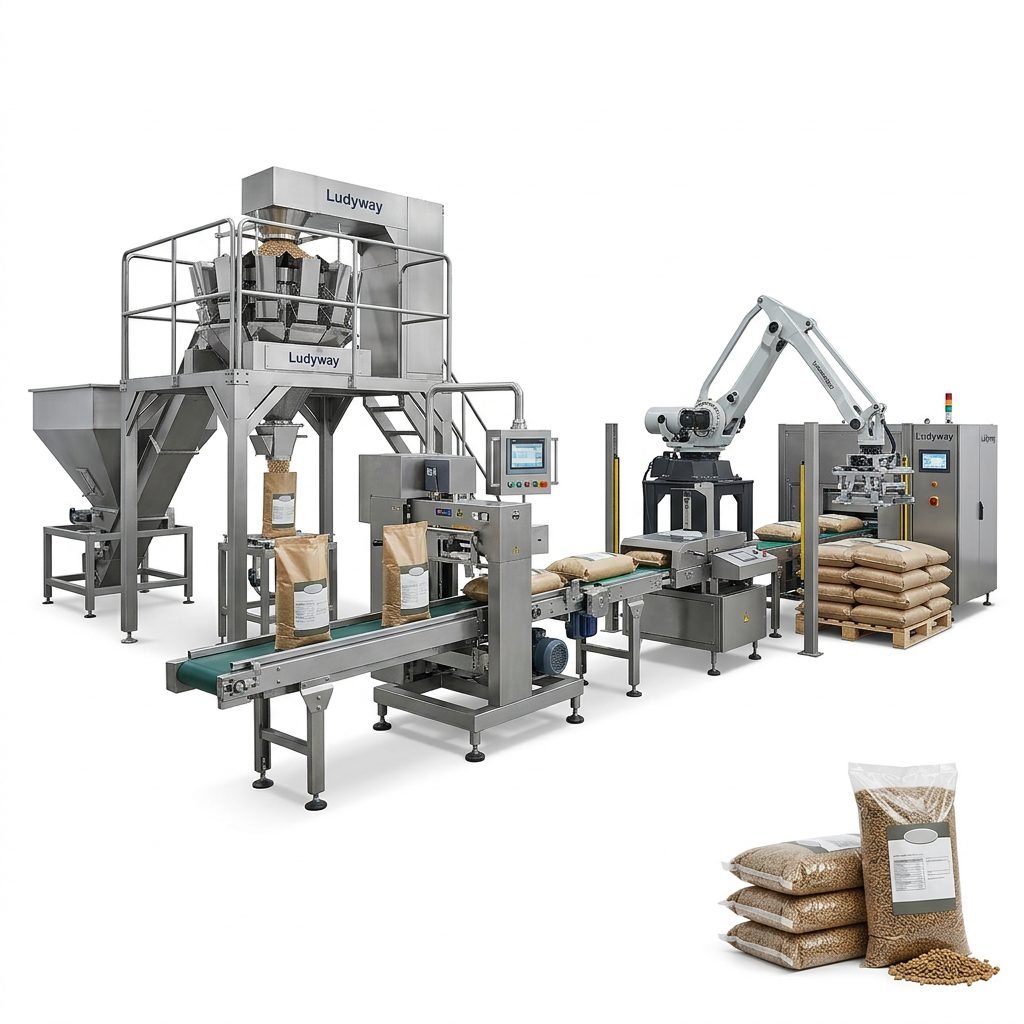
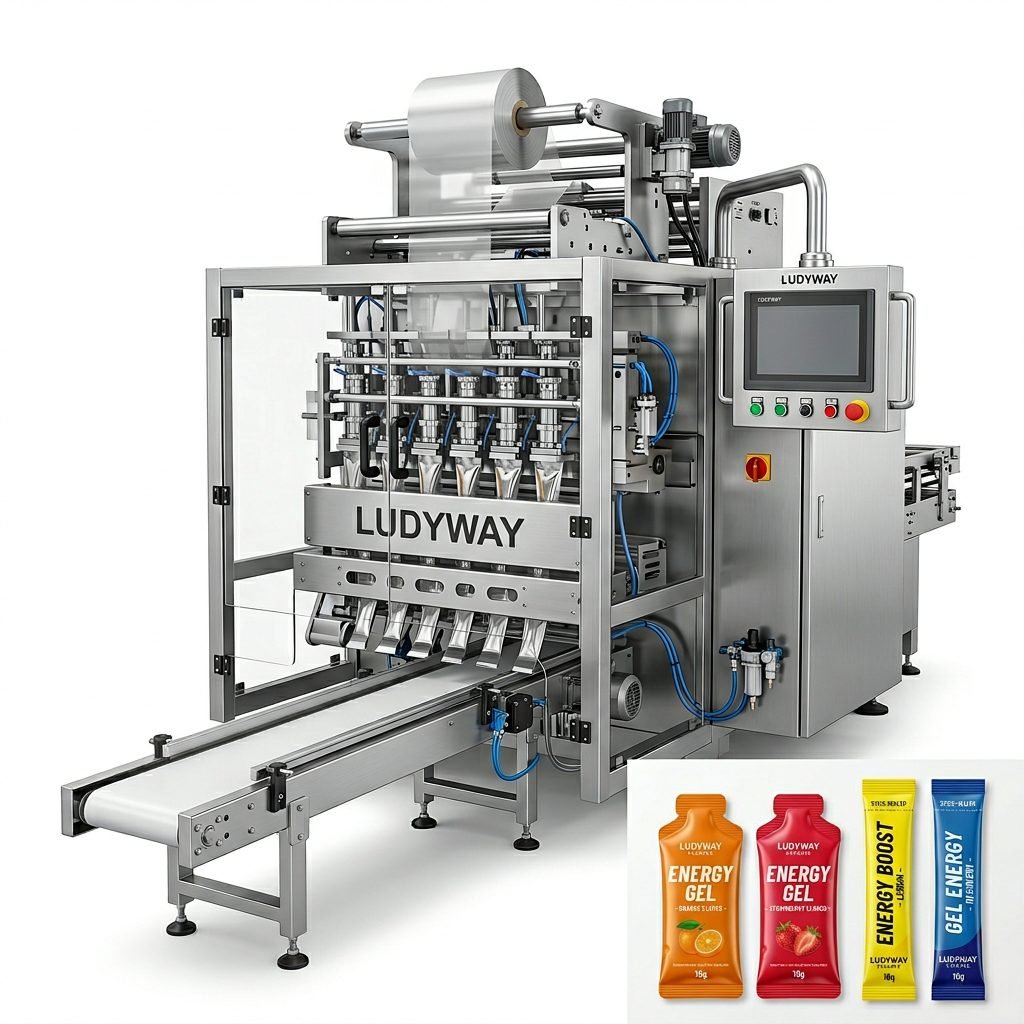
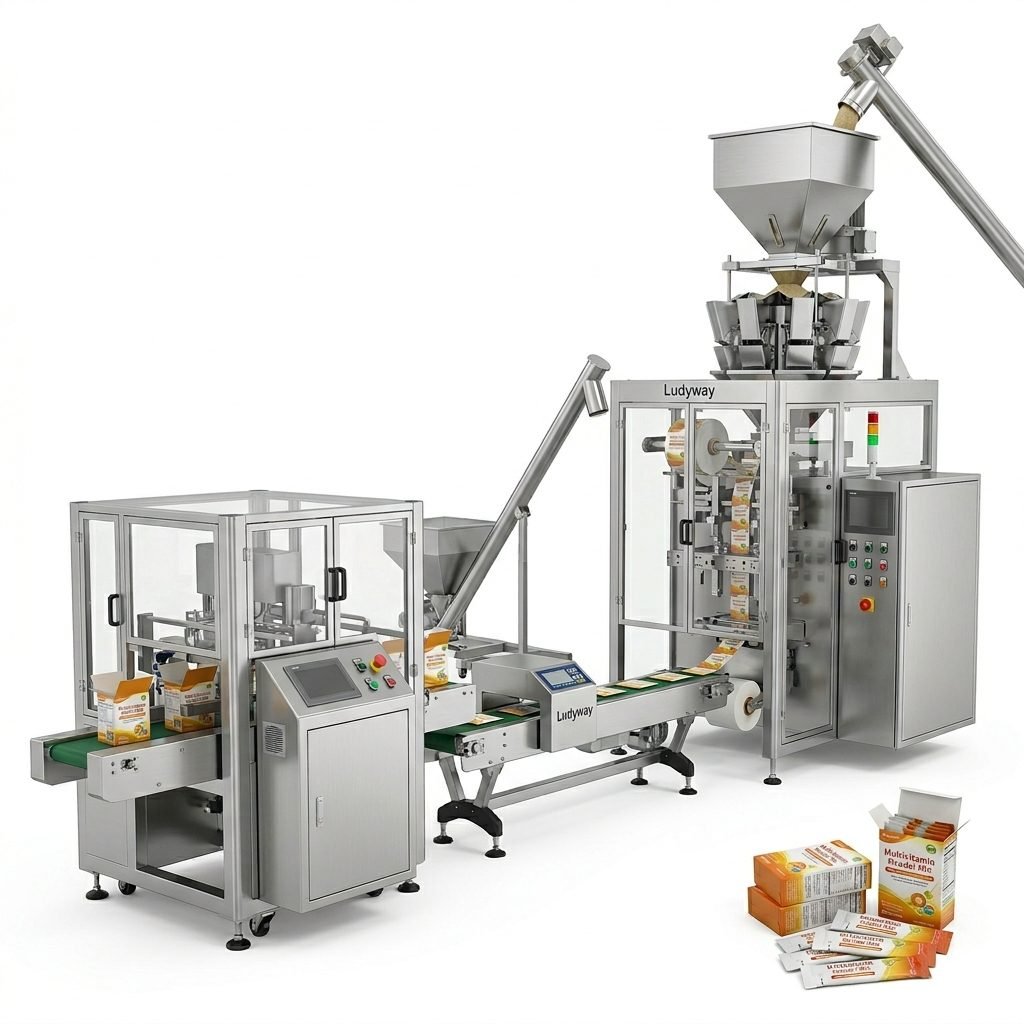
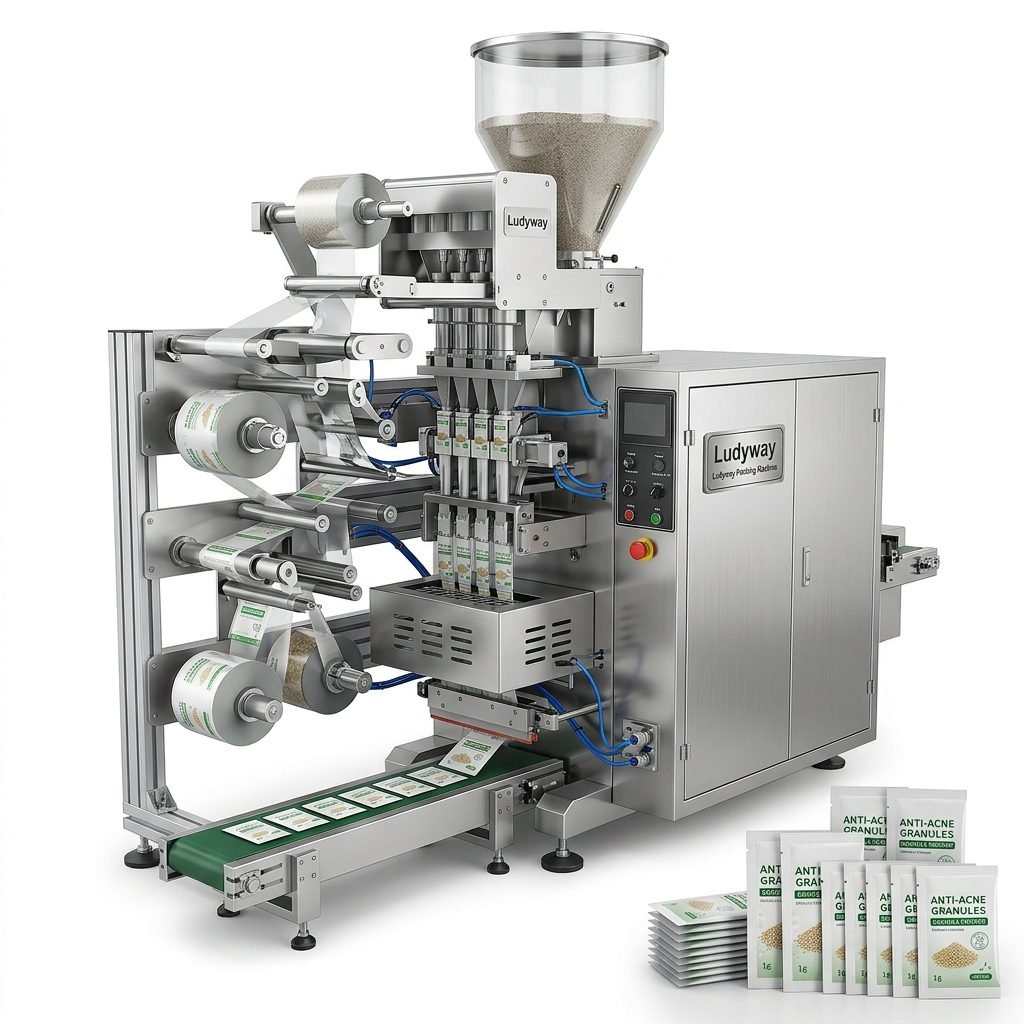
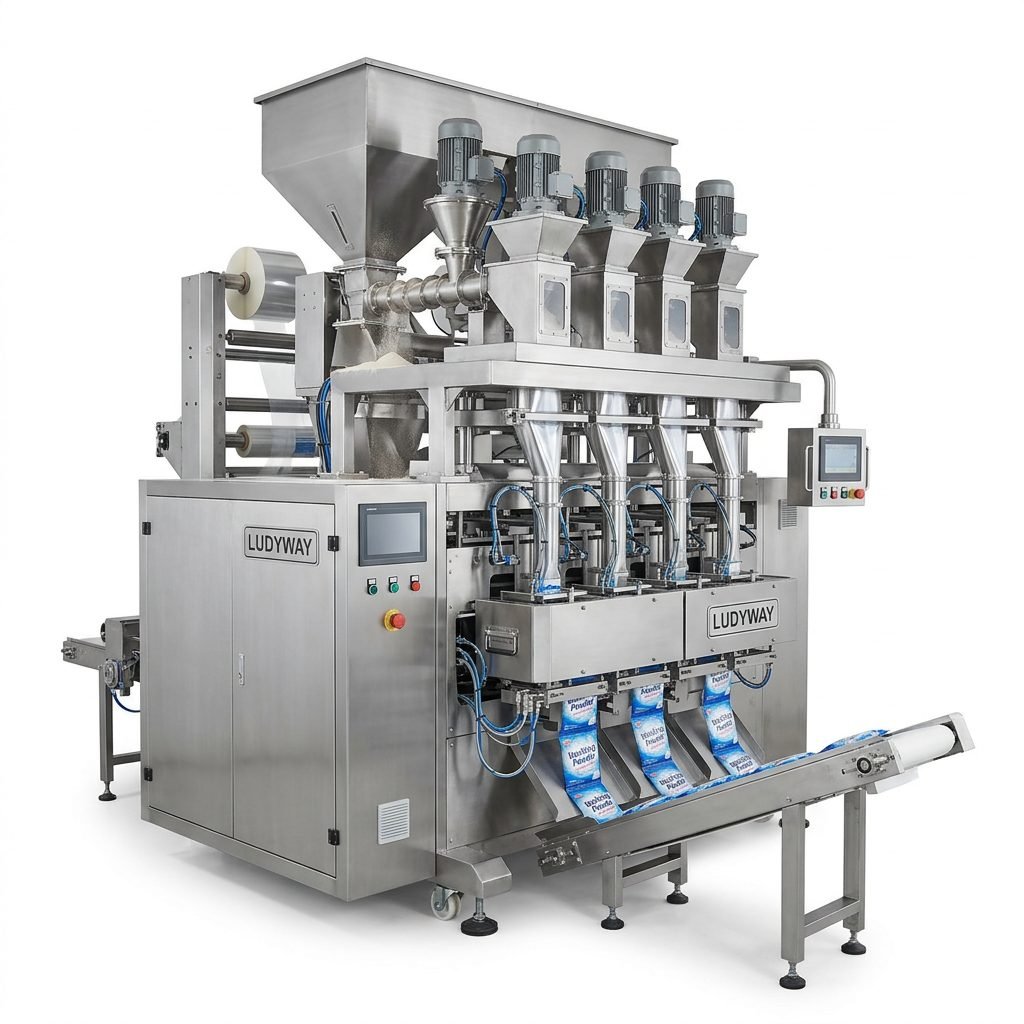
A packing date printing machine is essential for manufacturers that need clear, traceable, and compliant date codes on every package. Whether you produce food, pharmaceuticals, cosmetics, chemicals, or health supplements, reliable date coding helps protect your brand, support quality control, and meet distributor and regulatory requirements.
In modern production, product coding is no longer just about printing an expiration date. It often includes production date, batch number, shelf life, QR code, serial number, and shift information. That is why businesses increasingly look for coding systems that combine accuracy, stability, speed, and integration flexibility.
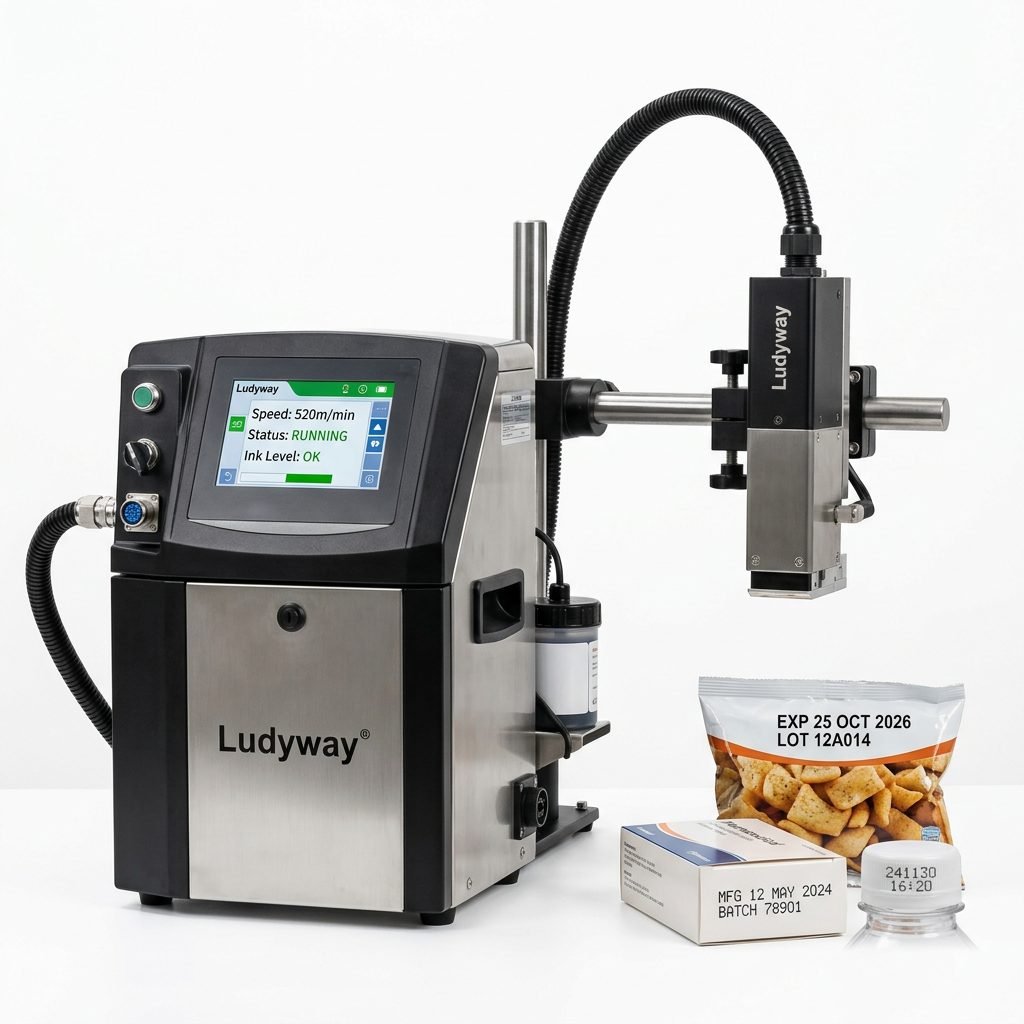
Why Accurate Date Coding Matters in Packaging
Date coding directly affects product safety, warehouse rotation, retailer acceptance, and consumer trust. If a code is blurred, misplaced, or inconsistent, it can create costly problems across the supply chain.
- Improves traceability: Makes it easier to identify production batches during recalls or inspections.
- Supports compliance: Helps meet labeling and packaging standards in regulated industries.
- Reduces manual errors: Automated coding minimizes incorrect dates and inconsistent marking.
- Protects brand reputation: Clean and readable coding signals professionalism and quality.
- Enhances operational efficiency: Works in sync with filling, sealing, labeling, and cartoning systems.
What Is a Packing Date Printing Machine?
A packing date printing machine is a coding device used to mark packaging materials or finished packs with variable information. Depending on the production format, it can print on sachets, stick packs, pouches, cartons, labels, bottles, bags, films, and other packaging surfaces.
Typical printed content includes:
- Manufacturing date
- Expiry date
- Lot or batch number
- Production shift code
- Barcode or QR code
- Custom traceability data
Common Types of Date Printing Machines
Different packaging environments require different coding technologies. The right choice depends on packaging material, print speed, print durability, and code complexity.
| Machine Type | Best For | Key Advantages |
|---|---|---|
| Thermal Transfer Overprinter (TTO) | Flexible films, sachets, stick packs | High-resolution print, sharp text, ideal for intermittent or continuous packaging lines |
| Continuous Inkjet (CIJ) | Bottles, cans, fast-moving lines | Non-contact printing, high speed, suitable for uneven surfaces |
| Laser Coding Machine | Rigid packs, labels, cartons, some films | Permanent marking, no ink consumables, low maintenance |
| Hot Stamp Date Coder | Simple date coding on certain film materials | Cost-effective, simple operation, common in basic packaging applications |
| TIJ Inkjet Printer | Cartons, labels, outer packaging | Compact design, clean coding, easy message editing |
Key Features to Look For
When choosing a packing date printing machine, buyers should focus on more than just printing speed. Long-term value comes from stability, print quality, and easy integration.
- Consistent print clarity on different packaging materials
- Easy adjustment for date, batch, and variable content
- Fast response for high-speed automatic production lines
- Low consumable waste and simple maintenance access
- Stable synchronization with film feed or conveyor movement
- User-friendly interface for operators and maintenance teams
- Compatibility with upstream and downstream packaging equipment
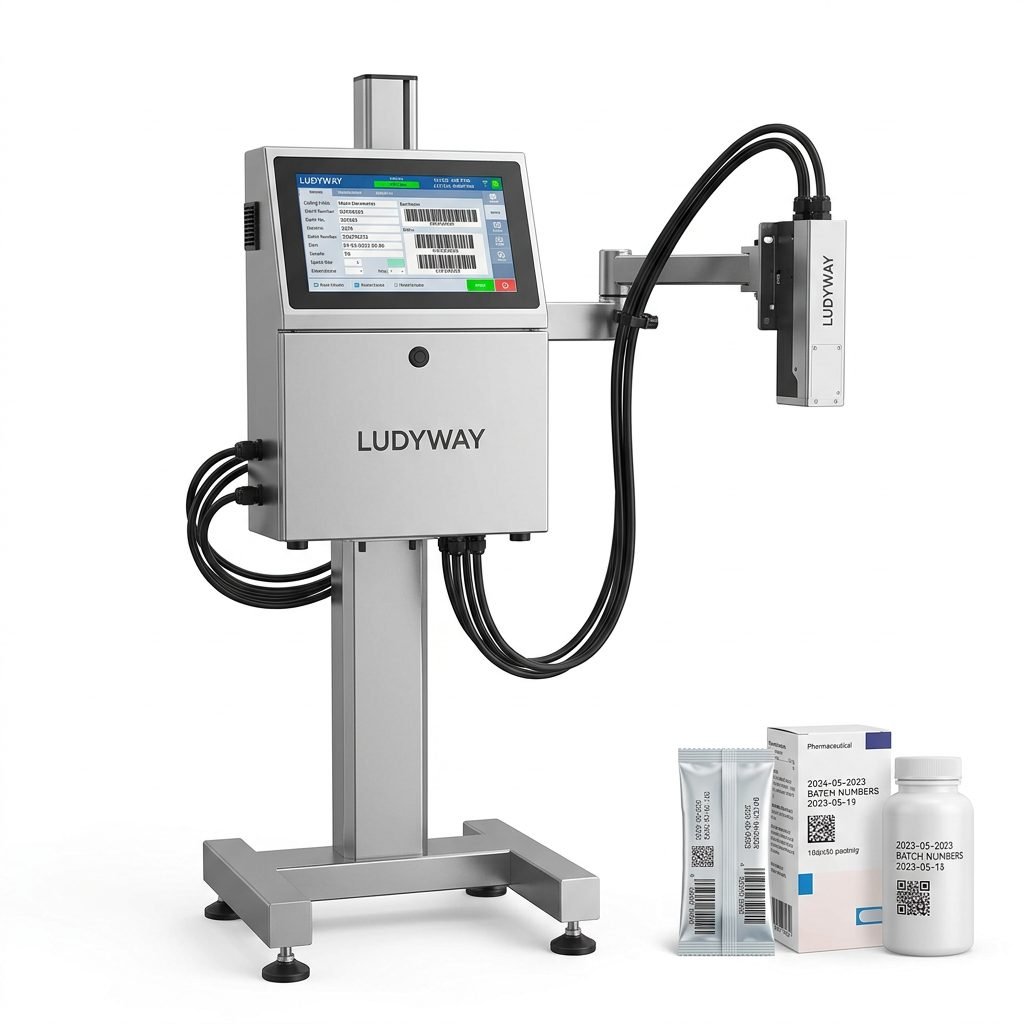
Applications Across Different Industries
Food Industry
Food manufacturers need coding systems that can print clearly on sachets, seasoning packs, snack bags, frozen food packs, dairy packaging, and beverage pouches. Clean, accurate expiry coding is especially important for retail acceptance and consumer confidence.
Pharmaceutical Industry
Pharmaceutical packaging requires high coding precision for lot number traceability, manufacturing dates, and compliance data. In this sector, print legibility is critical because any coding failure can affect product release, audits, and patient safety.
Cosmetics and Personal Care
Cosmetic brands often use sachets, tubes, pouches, cartons, and sample packs. Date printing machines help maintain clean product presentation while ensuring shelf life information is visible and durable.
Chemical and Household Products
Chemical packaging lines often run in demanding environments. Coding equipment must remain stable while printing on detergent sachets, cleaner pouches, industrial chemical packs, and bulk packaging formats.
How Date Printing Integrates with Packaging Lines
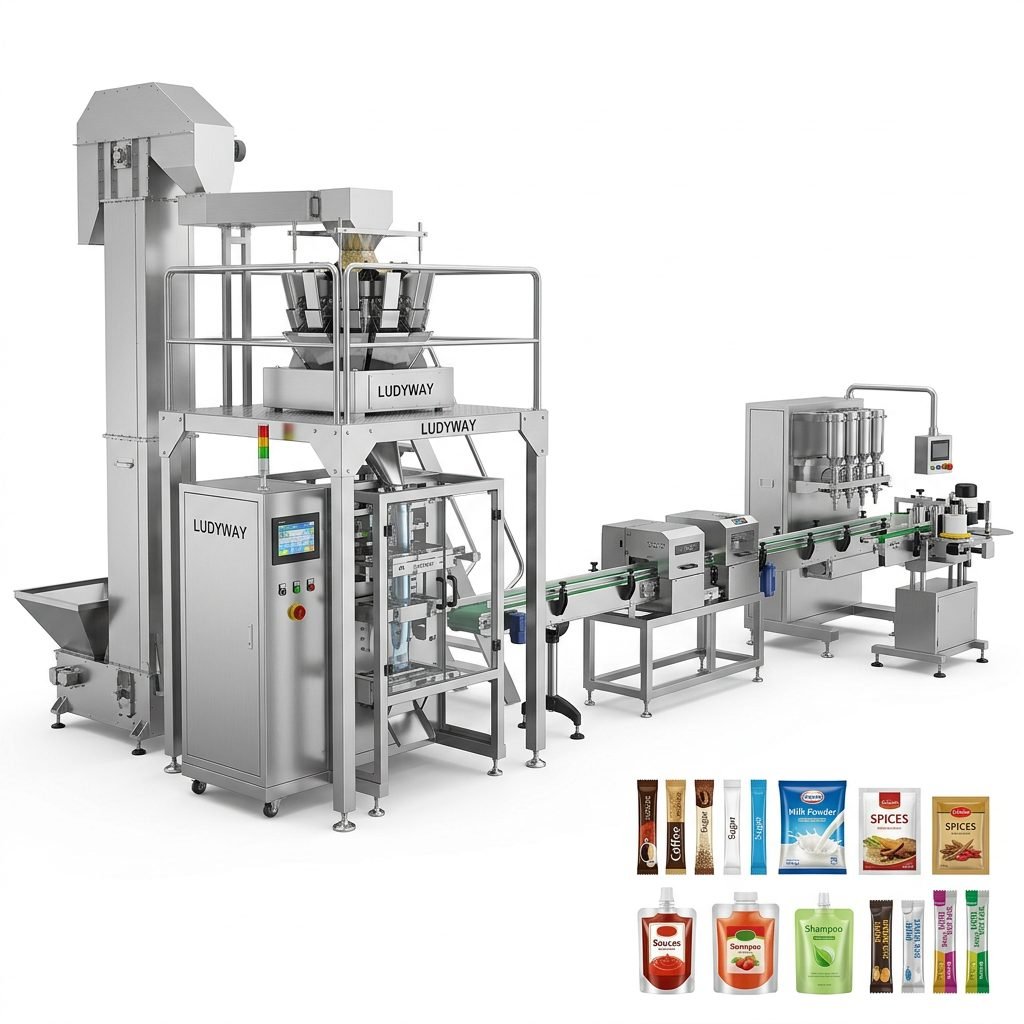
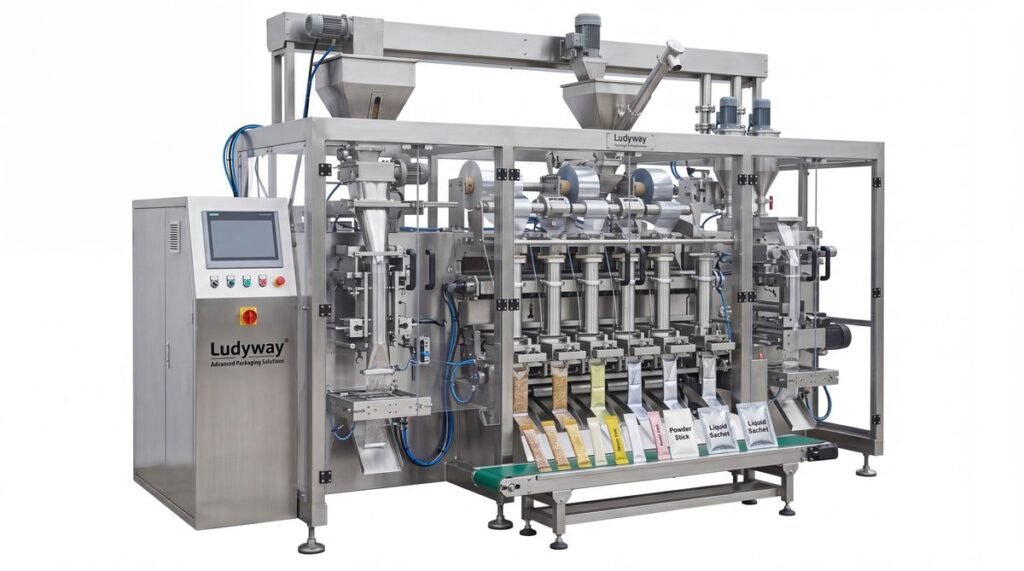
A strong coding solution should fit smoothly into the full packaging workflow. In automatic production, the date printer can be installed on a vertical form-fill-seal machine, sachet packing machine, stick pack machine, pouch line, labeling station, or conveyor-based transfer system.
Well-integrated date printing helps manufacturers:
- Maintain synchronized printing and sealing cycles
- Reduce downtime caused by misprints or alignment issues
- Support digital production management and lot control
- Improve throughput without sacrificing coding quality
Challenges Solved by Reliable Coding Equipment
| Common Problem | Operational Impact | Reliable Solution |
|---|---|---|
| Blurred or incomplete dates | Rejected products and customer complaints | Stable print control and proper material matching |
| Frequent coding misalignment | Packaging waste and reduced efficiency | Accurate sensor-based synchronization |
| Manual date updates | Risk of operator error | Digital interface and programmable print settings |
| High maintenance interruptions | Downtime and delayed orders | Durable components and simplified service access |
| Poor compatibility with packaging machines | Integration issues and unstable output | Custom-fit line integration and technical support |
How to Choose the Right Machine for Your Production
Before investing in a date coding system, evaluate your packaging operation carefully. The best machine is the one that matches your product type, packaging material, output speed, and compliance requirements.
Consider These Factors
- What type of pack are you coding: sachet, pouch, bottle, carton, or label?
- Is your material porous, glossy, laminated, or heat-sensitive?
- Do you need simple date printing or advanced variable data?
- What is your required production speed per minute?
- Will the printer operate as a standalone unit or as part of an integrated packaging line?
- Do you need multilingual display, data storage, or factory automation compatibility?
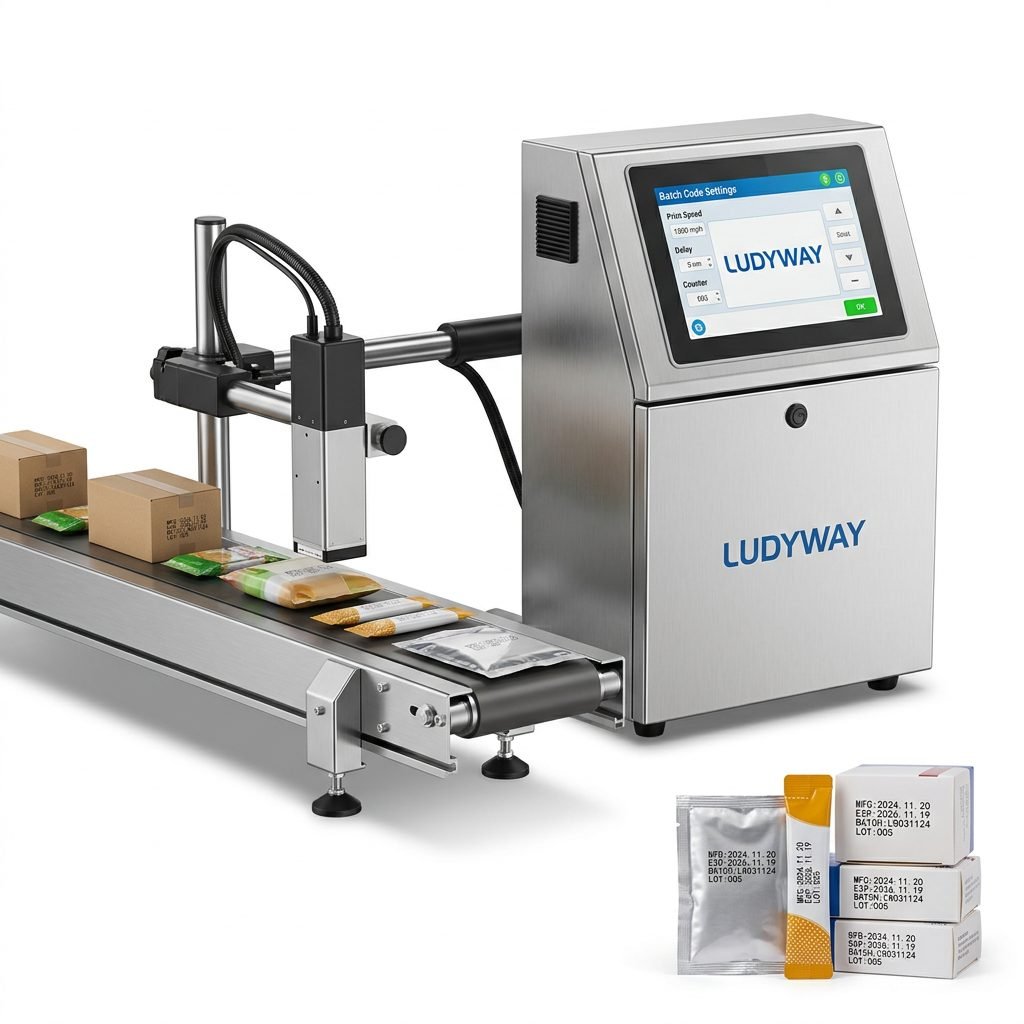
Benefits of Working with an Experienced Packaging Equipment Manufacturer
Many buyers prefer suppliers that understand both coding technology and full-line packaging integration. This reduces project risk and makes commissioning much smoother, especially for fast-moving industries with mixed product formats.
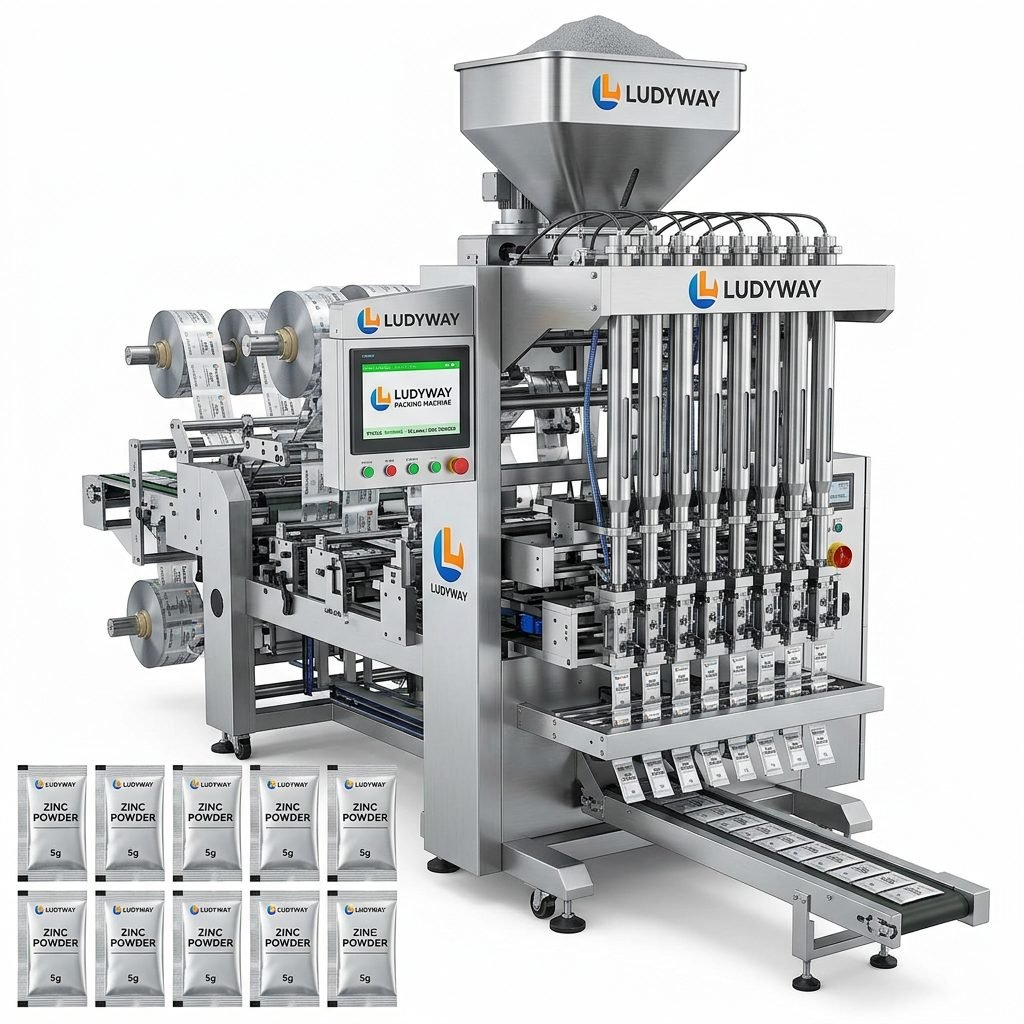
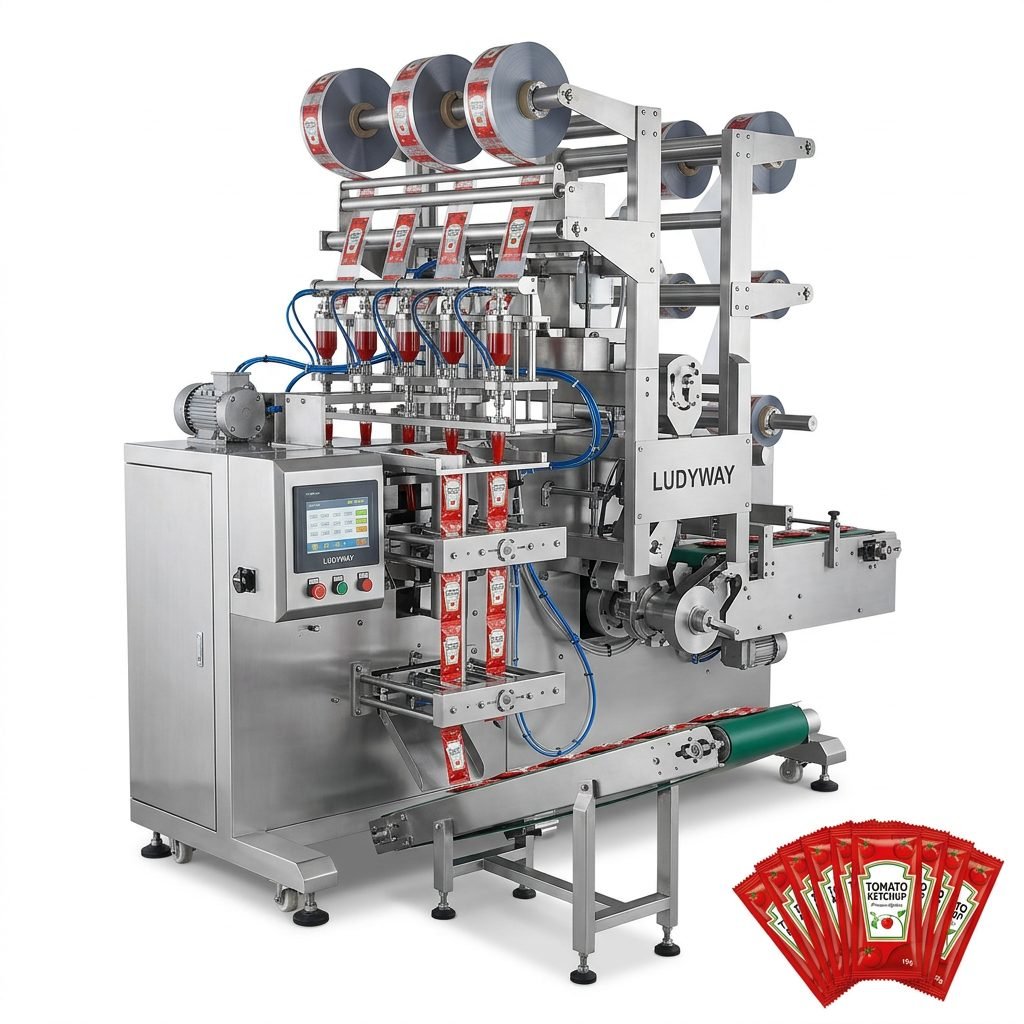
Ludyway packaging machine solutions are backed by more than 30 years of manufacturing experience, a facility of over 20,000 square meters, and broad expertise in food, pharmaceutical, health supplement, cosmetic, and chemical packaging applications. For businesses seeking reliable coding performance together with complete packaging line coordination, working with an established manufacturer can improve both implementation speed and long-term equipment stability.
Best Practices for Long-Term Coding Accuracy
- Schedule regular print quality inspections during production runs
- Match coding technology to the surface and package structure
- Train operators on message setup and daily maintenance routines
- Use stable line speeds and proper sensor calibration
- Keep spare consumables and wear parts ready for continuous production
- Validate code readability before mass production starts
Final Buying Insight
A packing date printing machine is a small part of the packaging line, but it has a big impact on compliance, efficiency, and customer trust. The right solution should deliver sharp coding, reliable operation, low error rates, and smooth integration with your existing equipment.
If your production line handles high volumes or multiple packaging formats, investing in a dependable date coding system is one of the smartest ways to strengthen product traceability and reduce packaging risk. Choosing equipment from a supplier with strong engineering and line-integration capabilities can help ensure that every package leaves your factory with accurate, readable, and professional coding.