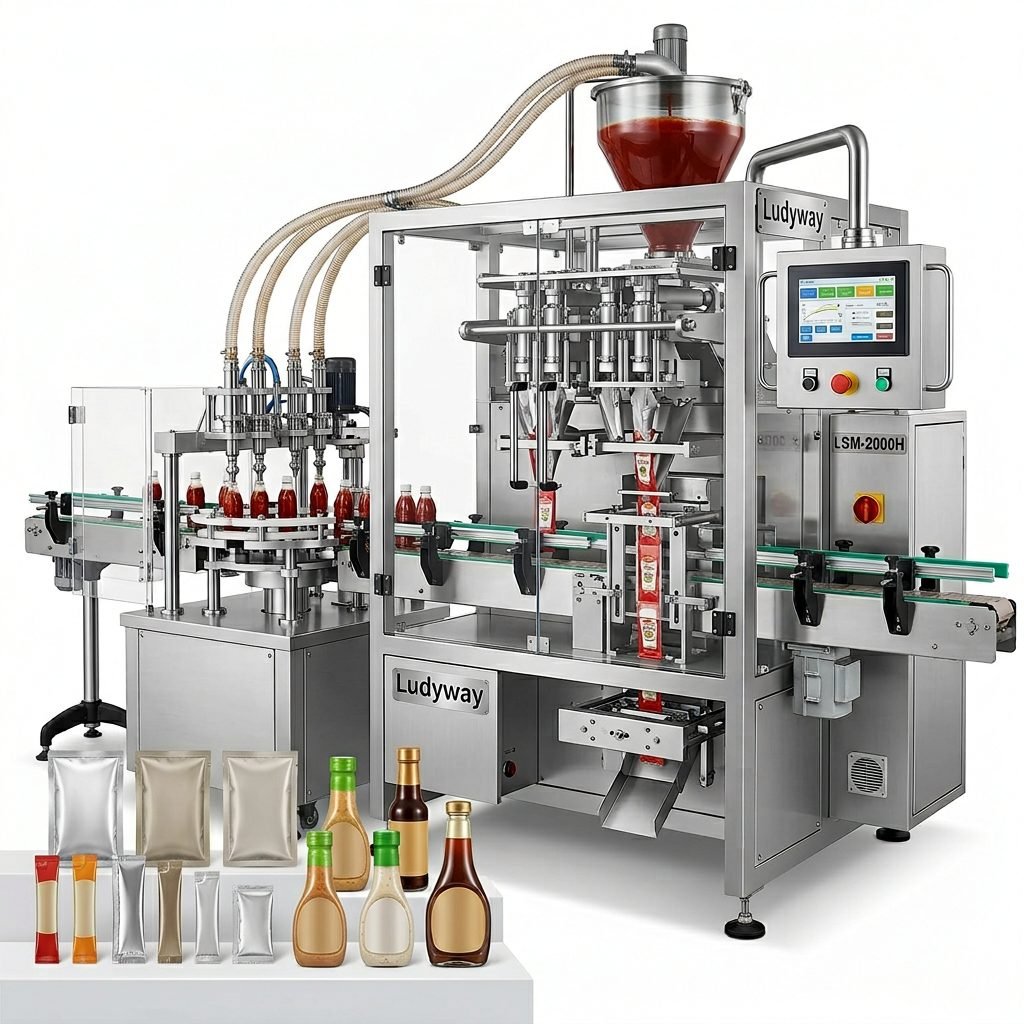
Establishing an efficient packaging line is crucial for food manufacturers looking to dominate the competitive Oceania market. Whether you produce wheat tortillas, corn wraps, or gluten-free alternatives, the right machinery can dramatically impact your shelf life, distribution reach, and bottom line. This guide covers everything you need to know about setting up a tortilla packaging machine production line, tailored specifically for the unique regulatory and operational landscape of Australia and New Zealand.
Understanding the Oceania Market Requirements
Before diving into machinery, you must align your operation with local standards. Packaging in Oceania is governed by strict food safety regulations, including those set by Food Standards Australia New Zealand (FSANZ). Your packaging process must prevent contamination and ensure product integrity throughout the supply chain.
- Compliance with FSANZ: Ensures your packaging materials and processes are food-safe.
- Labeling Requirements: Accurate weight, ingredient lists, and nutritional panels are legally mandated.
- Sustainability Demands: The market heavily favors recyclable or biodegradable packaging films.
- Climate Considerations: The humid tropical climates in parts of Oceania require high-barrier films to prevent tortilla staleness.
Choosing the Right Tortilla Packaging Machine
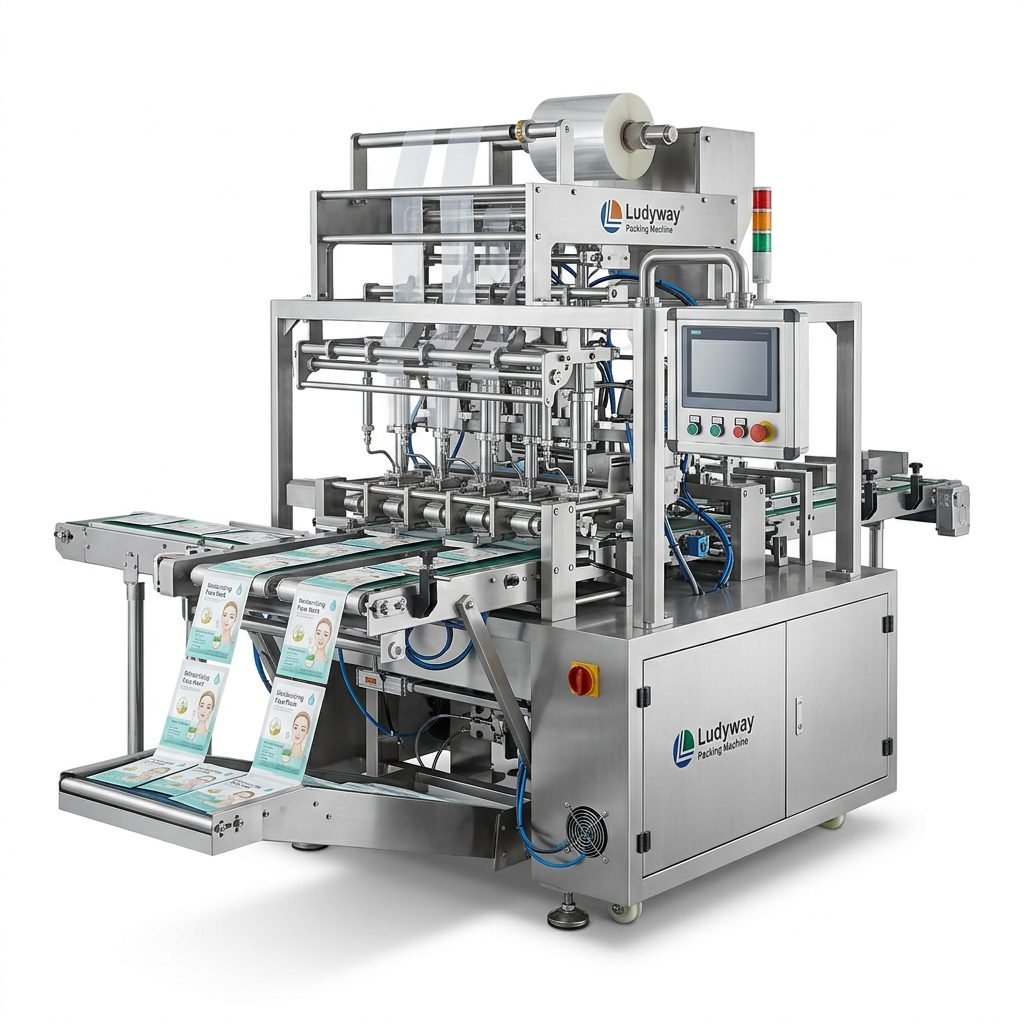
Selecting the appropriate equipment depends on your production volume and packaging format. From flow wrappers to vertical form fill seal (VFFS) machines, the technology must handle delicate tortilla stacks without cracking or misalignment.
| Machine Type | Best For | Speed Range |
|---|---|---|
| Horizontal Flow Wrapper | Stacked soft tortillas (6-12 pcs) | Up to 150 packs/min |
| VFFS with Gas Flushing | Modified Atmosphere Packaging (MAP) | 40-80 bags/min |
| Pre-made Pouch Filler | Stand-up pouches with zippers | 30-60 pouches/min |
Key Features to Look for in a Production Line
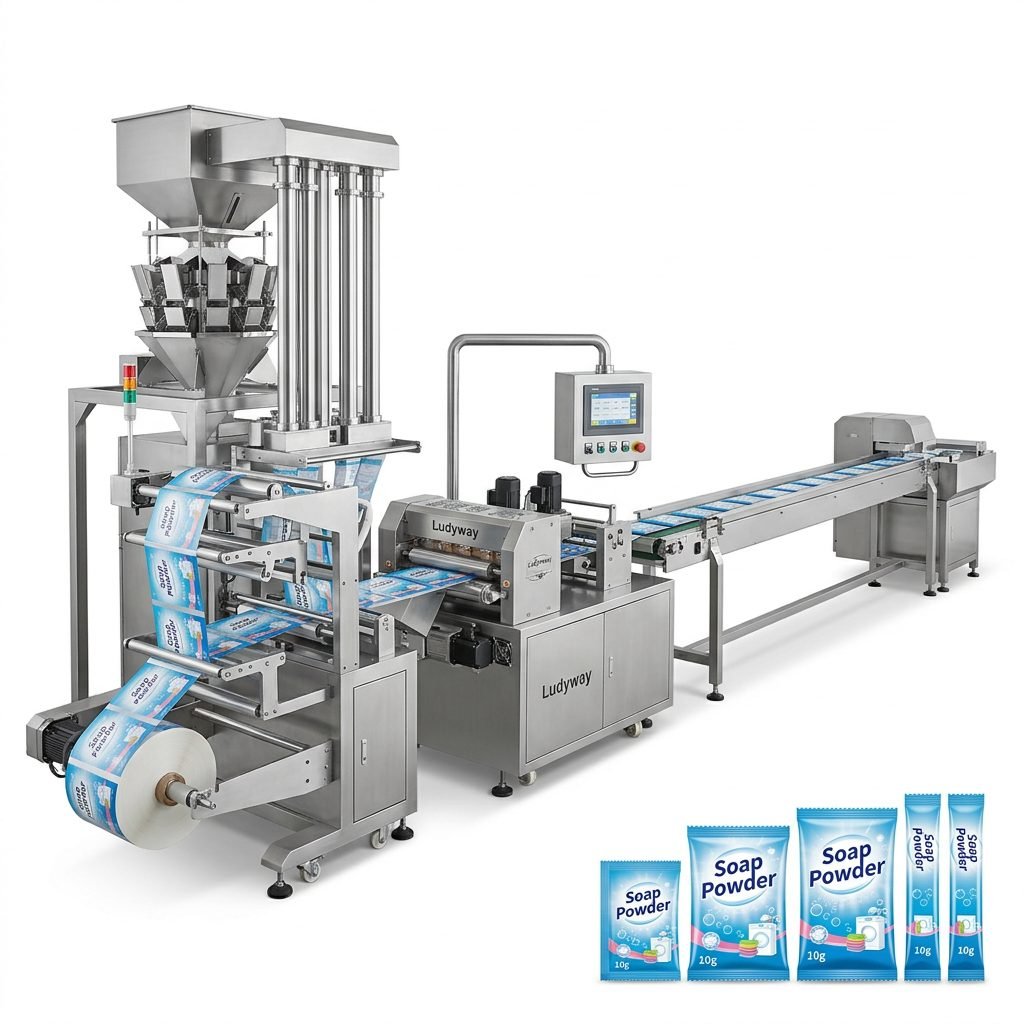
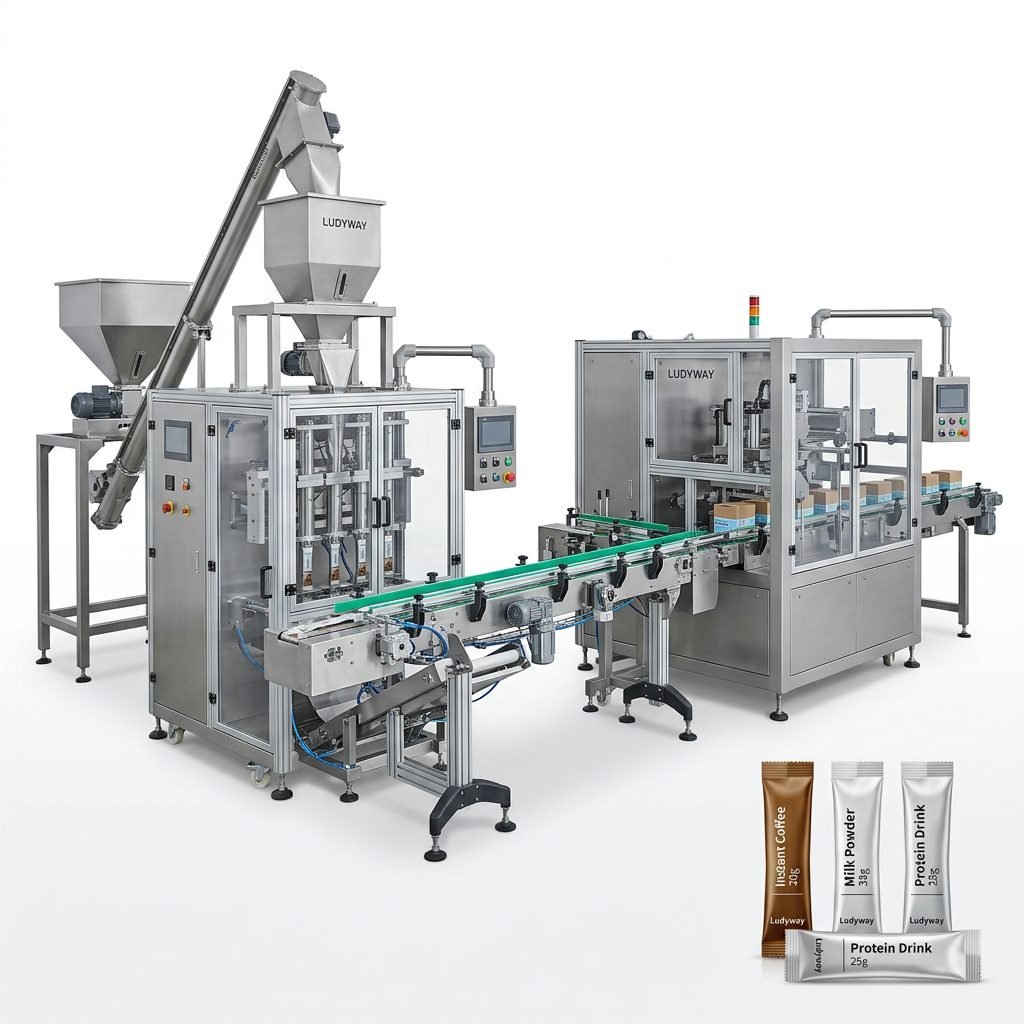
Automation is key to reducing labor costs in high-wage Oceania markets. You should prioritize a complete turnkey packaging solution that integrates seamlessly with your existing tortilla baking and cooling conveyors.
1. Automated Feeding and Collating Systems
Manual feeding of tortillas is slow and unhygienic. A high-speed collating system organizes the tortillas into perfectly aligned stacks before they enter the wrapping zone. This precision ensures that seals are not compromised by overlapping edges.
2. Modified Atmosphere Packaging (MAP)
For fresh tortillas destined for supermarket shelves in Sydney or Auckland, MAP is non-negotiable. Gas flushing with nitrogen or carbon dioxide removes oxygen, extending shelf life from days to weeks without the use of artificial preservatives. Look for machines with precise gas mixing panels and high-barrier film compatibility.
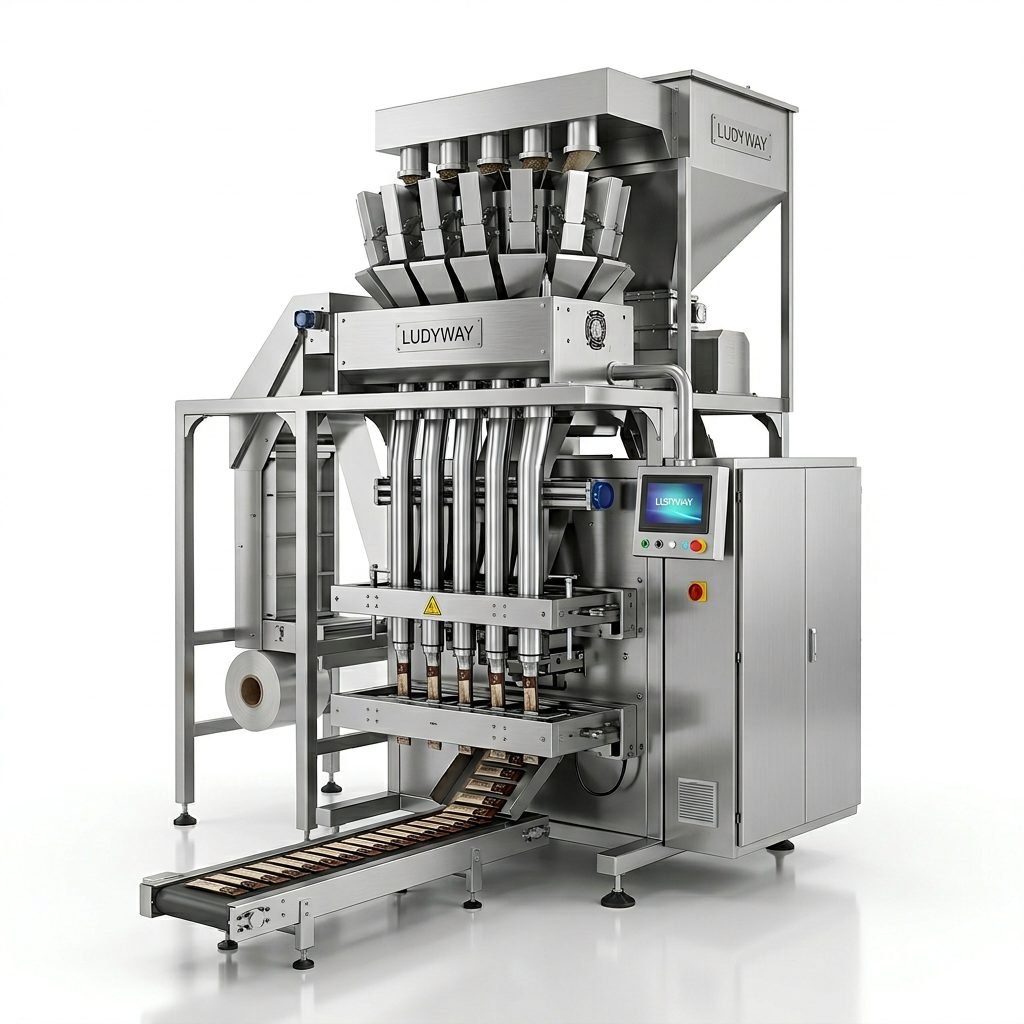
3. Multi-Head Weighing for Chips and Pieces
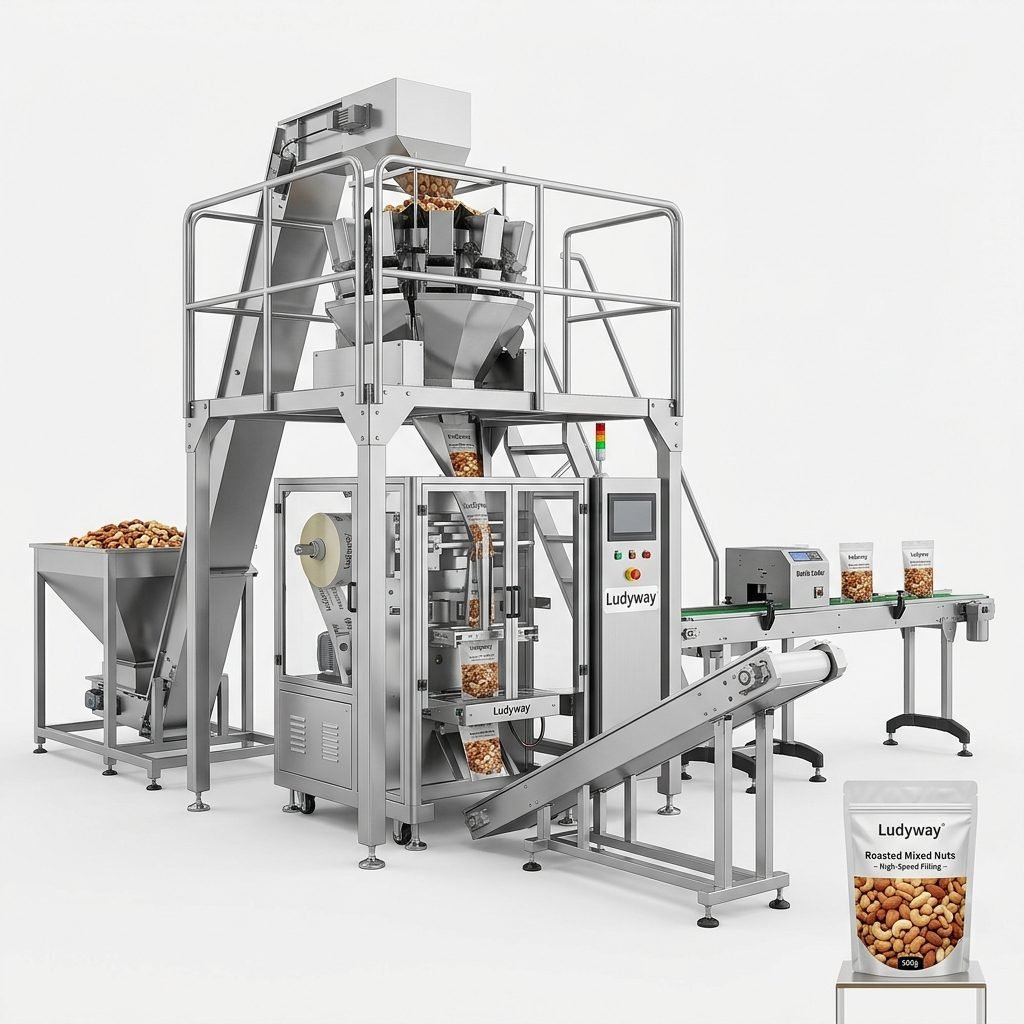
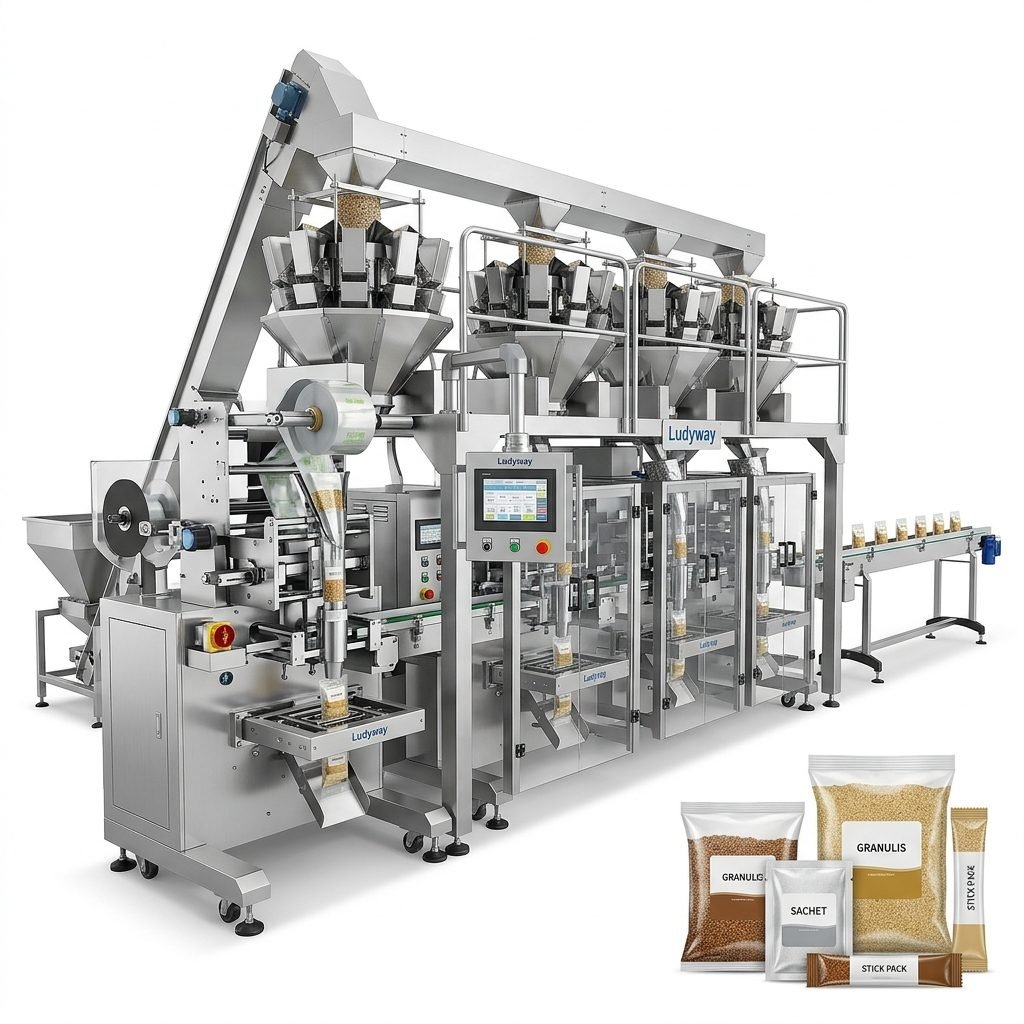
If you are packaging tortilla chips, broken pieces, or taco shells, a multi-head weigher is essential. The best systems use advanced load cells to ensure every bag hits the target weight with minimal give-away.
Step-by-Step Installation Guide
Setting up a packaging line requires methodical planning. The process generally follows these stages:
- Floor Plan Design: Map out the flow from the cooling conveyor to the case packer.
- Utility Connections: Ensure you have stable compressed air (6-8 bar) and appropriate power supply.
- Mechanical Assembly: Position the main frame, infeed conveyor, and outfeed systems.
- Film Threading: Install the packaging film roll and thread it through the forming tube or folding box.
- Temperature Calibration: Set the sealing jaw temperatures based on the film specification (commonly 120-160°C for composite films).
Optimizing Film Selection for Oceania’s Climate
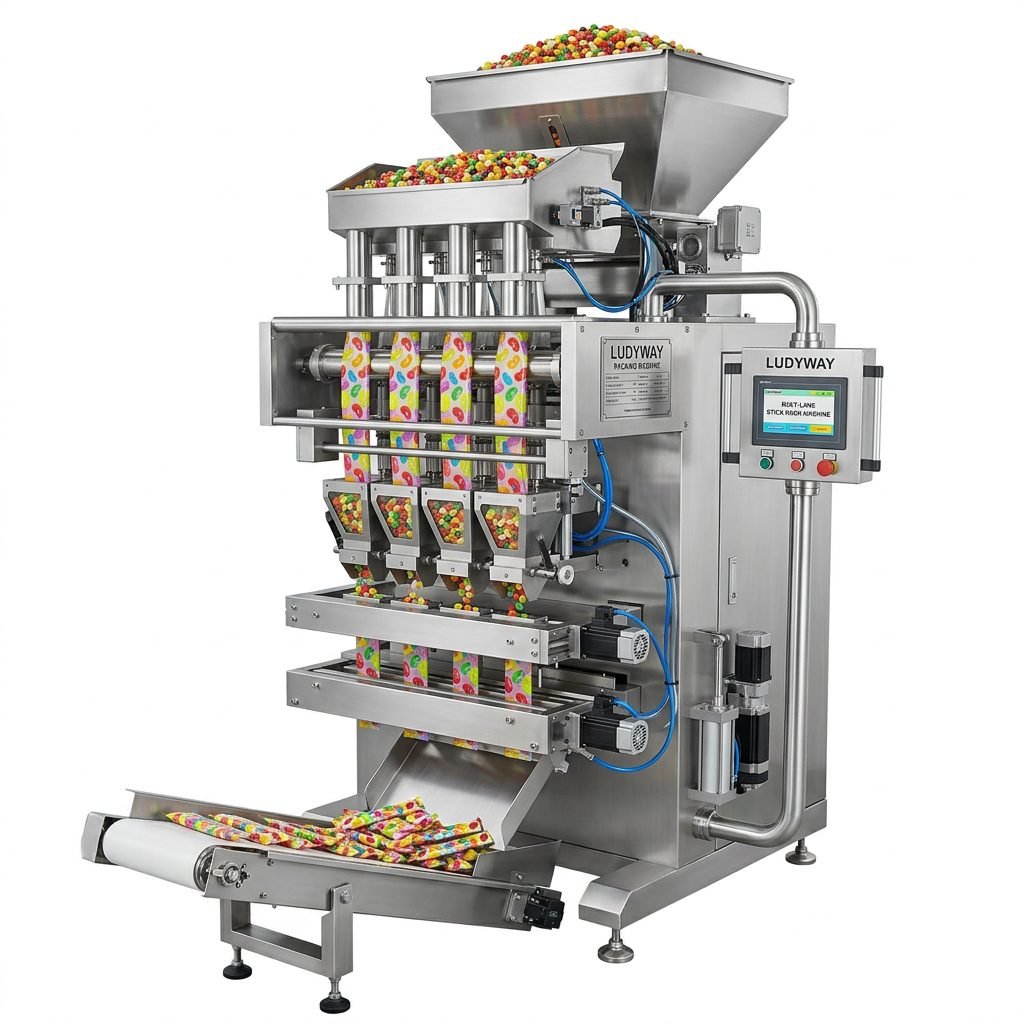
The choice of packaging film is as critical as the machine itself. The Oceania region demands materials that perform under varying humidity levels. Biaxially oriented polypropylene (BOPP) and cast polypropylene (CPP) are popular choices due to their excellent moisture barrier and clarity.
| Film Type | Barrier Property | Application |
|---|---|---|
| BOPP/CPP Laminate | High moisture barrier | Fresh tortillas |
| Metallized PET | UV and oxygen barrier | Organic/oil-based tortillas |
| Biodegradable PLA | Medium barrier | Eco-conscious brands |
Integration with Downstream Equipment
A true production line isn’t just the primary wrapper. It includes ancillary equipment that ensures the product is market-ready. A thermal transfer printer (TTO) applies best-before dates and batch codes in high resolution, while a checkweigher instantly rejects underweight packs.
Case Packing and Palletizing
Manual case packing creates a bottleneck. Integrating an automated secondary packaging solution, such as a robotic pick-and-place case packer, increases throughput by up to 60%. The tortilla packs are gently gripped and oriented into corrugated boxes without damage.
Local Service and Technical Support
Downtime can be devastating. When choosing a partner, prioritize suppliers with a strong presence or reliable remote diagnostic capabilities accessible from Oceania time zones. Ludyway provides comprehensive technical support and turnkey installation for global food producers, ensuring your tortilla line meets the highest standards of efficiency and hygiene.
Common Challenges and Troubleshooting
Even the best machinery encounters issues. Below is a quick troubleshooting table for common tortilla packaging defects:
| Symptom | Possible Cause | Solution |
|---|---|---|
| Leaking seals | Contamination in seal area (crumbs) | Clean sealing jaws; adjust air blow-off |
| Film jamming | Static build-up | Install an ionizing bar |
| Inconsistent bag length | Slipping film registration | Recalibrate the electric eye sensor |
Quality Control and Food Safety Standards
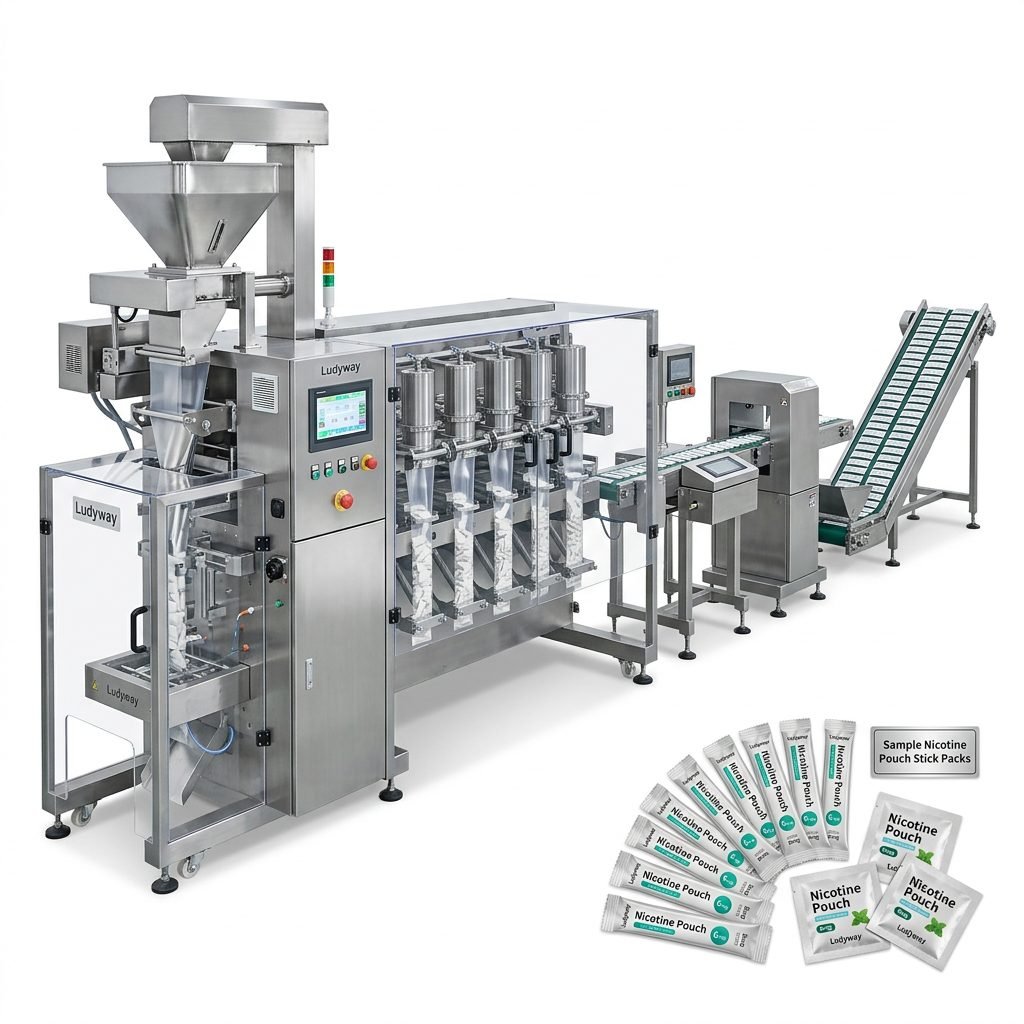
In Oceania, adherence to HACCP principles is mandatory. The machine design should facilitate easy cleaning with minimal tool disassembly. Ideally, the open-frame design of a flow wrapper allows operators to quickly sanitize surfaces. Metal detectors and X-ray inspection systems are also vital additions to the line to detect foreign objects.
Investment and ROI Calculation
Calculating the return on investment involves more than just machine speed. Consider these factors unique to Oceania:
- Reduced Film Waste: Precision feeders minimize scrap film by 5-10%.
- Labor Efficiency: One operator can manage a fully automated line.
- Extended Shelf Life: MAP capabilities allow for broader distribution to remote areas like Western Australia or the South Island.
Energy Efficiency and Sustainability
With high energy costs in parts of Oceania, energy-efficient servo drives are critical. Modern brushless servo motors use significantly less electricity than pneumatic systems and offer faster, more accurate bag indexing. Furthermore, selecting a machine optimized for thin-gauge films directly contributes to your corporate sustainability goals.
Essential Resources for Packaging Professionals
Stay updated with global standards and regional regulations. The following resources are invaluable for any packaging line manager in the Oceanian region:
| Resource | Link |
|---|---|
| FSANZ Food Standards | www.foodstandards.gov.au |
| Australian Packaging Covenant (APCO) | apco.org.au |
| PMMI Industry Reports | pmmi.org/business-intelligence |
Final Checks Before Going Live
Before starting the production line, conduct these final validations:
- Dry Run: Run the machine without film for 30 minutes to check for abnormal vibrations.
- Seal Integrity Test: Use a vacuum chamber to ensure seals are airtight.
- Drop Test: Simulate the supply chain by dropping packed boxes from a height of 1 meter.
- Documentation: Confirm that all ISO packaging standards paperwork is in place for export compliance.