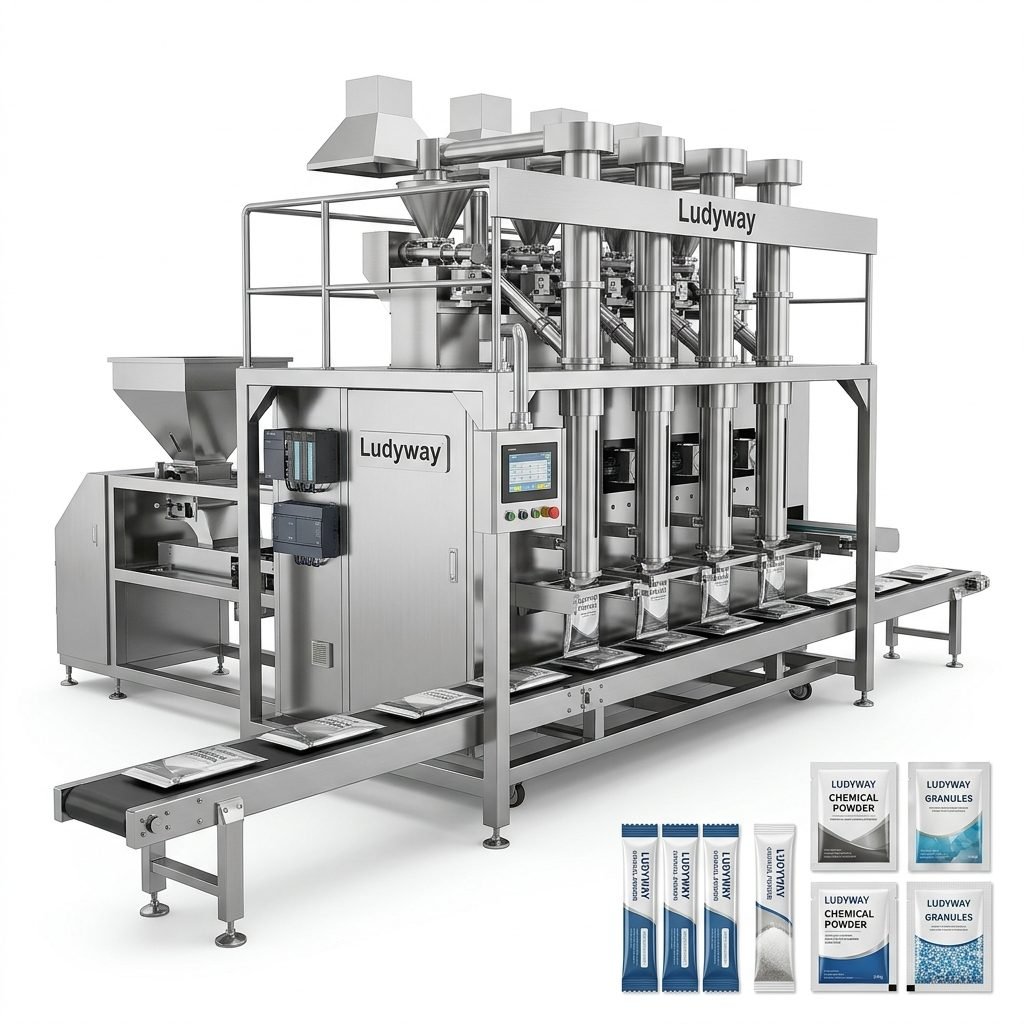
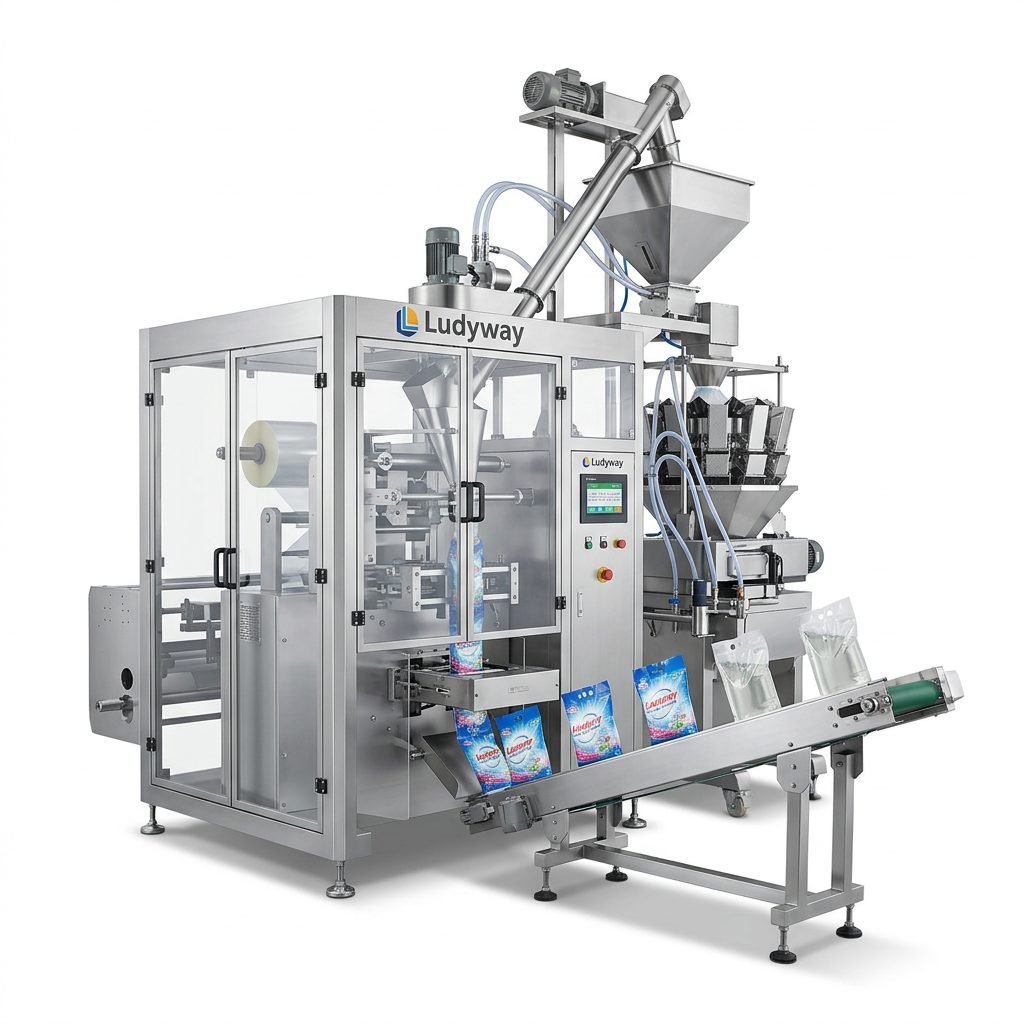
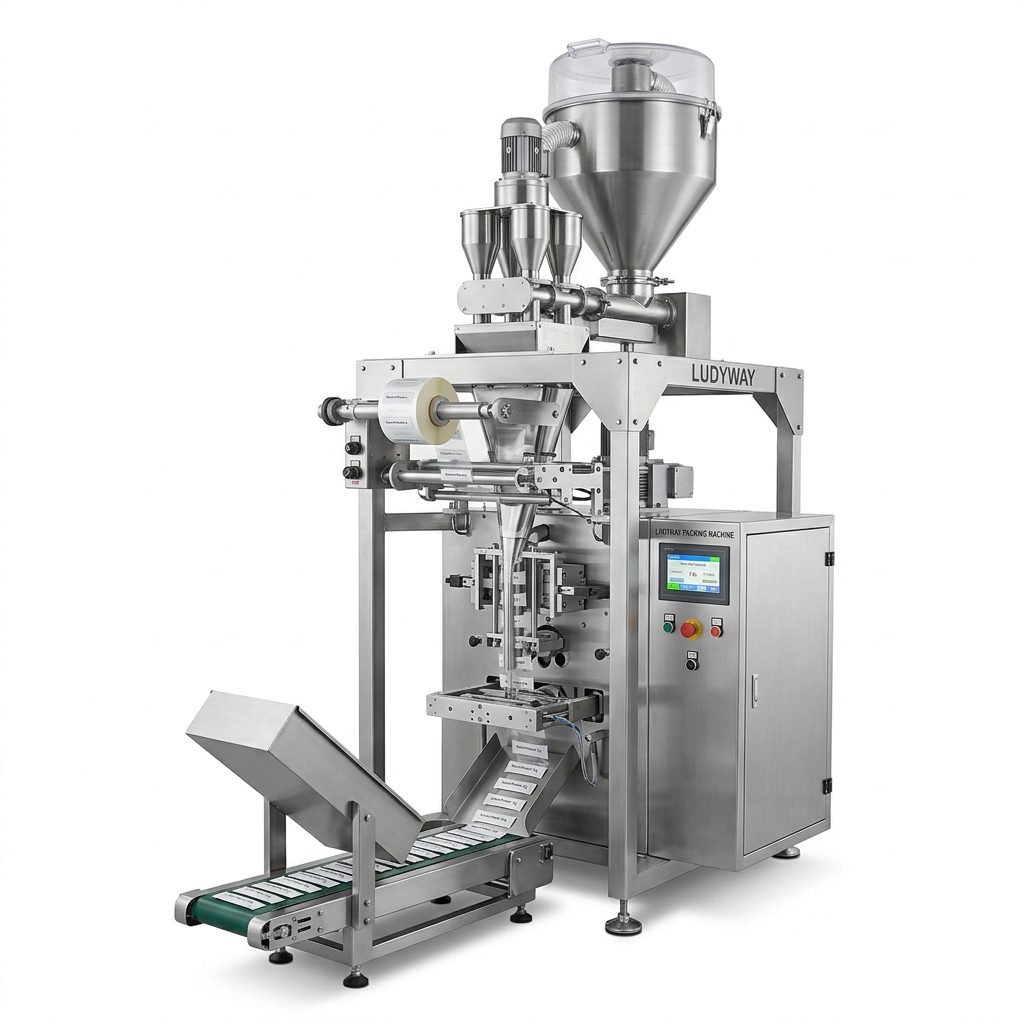
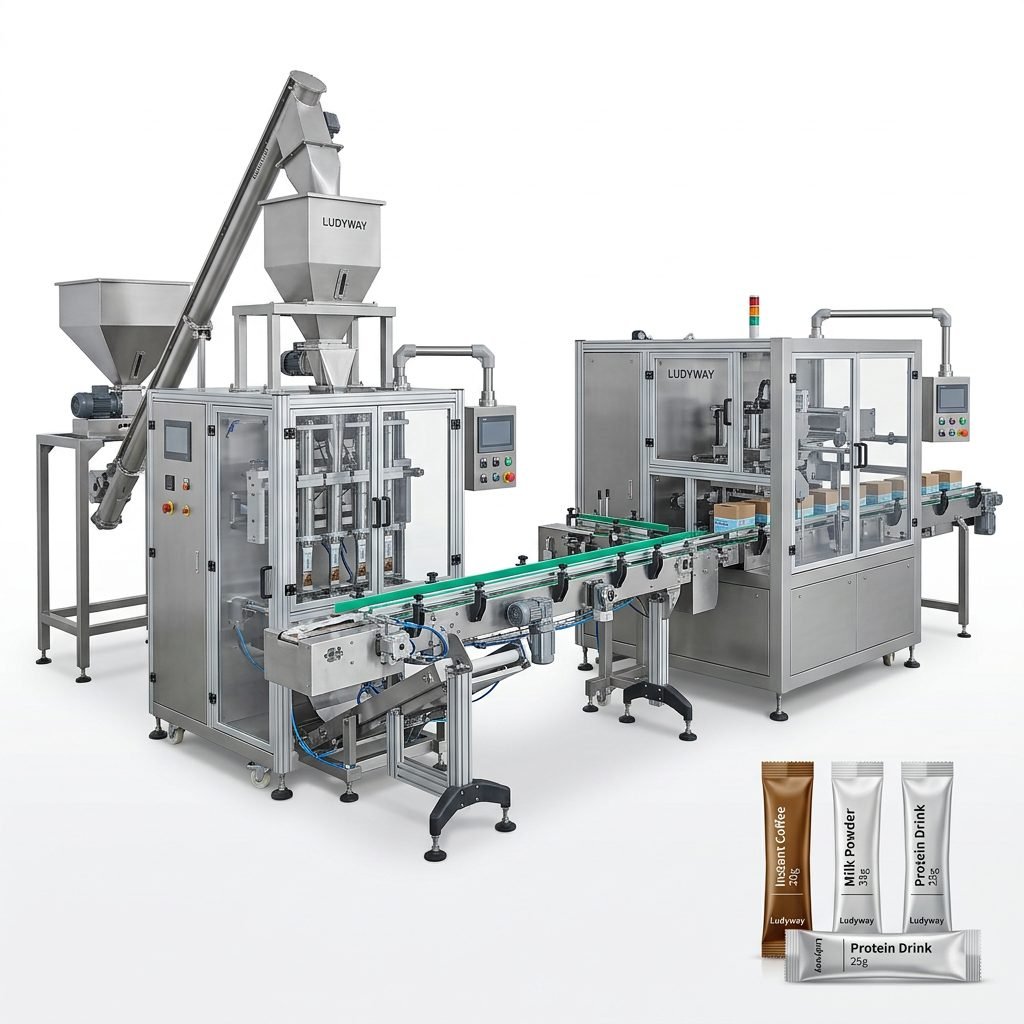
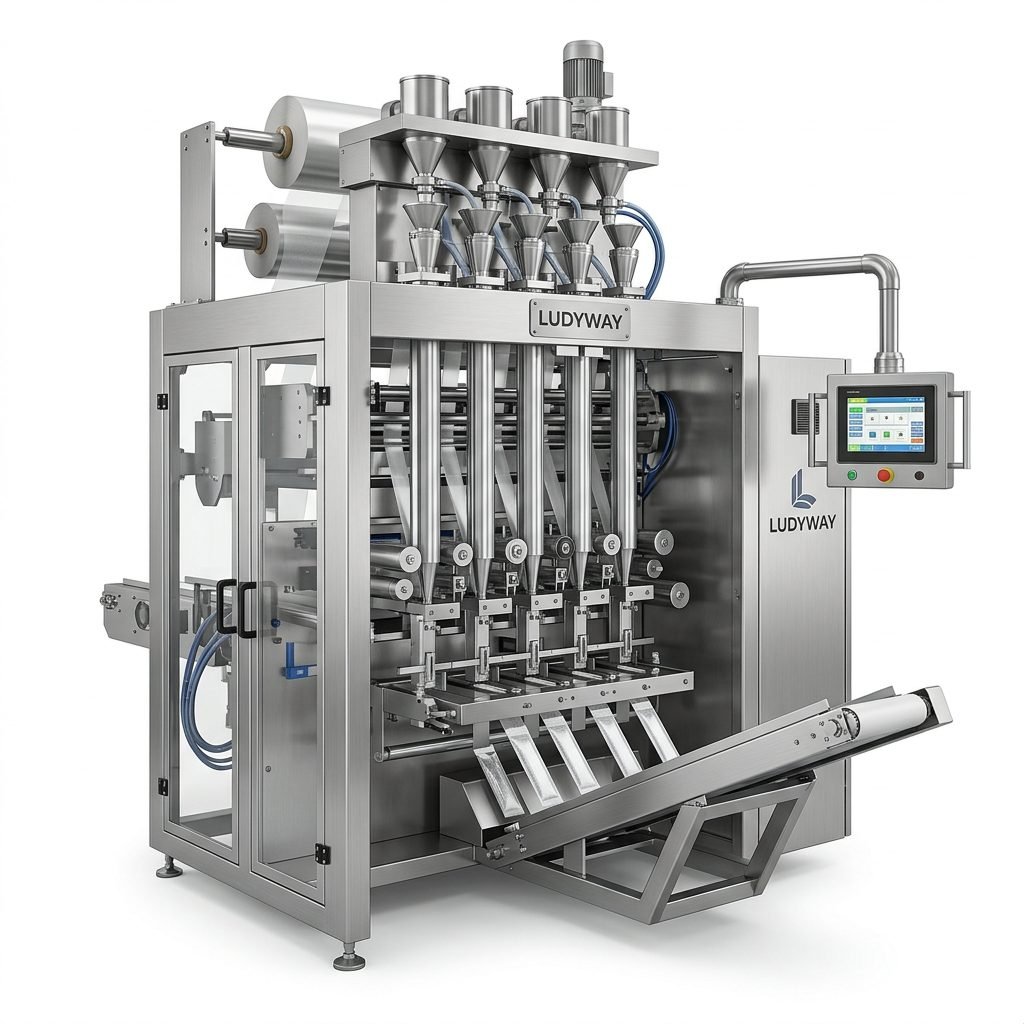
In hummus production, packaging is more than the final step. It directly affects freshness, food safety, shelf life, product appearance, and production efficiency. For manufacturers supplying retail cups, flexible pouches, sachets, or foodservice formats, choosing the right hummus packaging machine can reduce waste, improve hygienic handling, and support consistent output in automated operations.
Because hummus is a viscous, sensitive, ready-to-eat food product, packaging equipment must be designed to handle paste-like textures smoothly while maintaining sealing quality and precise filling accuracy. A well-matched machine also helps producers meet growing market demand for convenient, clean-label, and professionally packed dips.
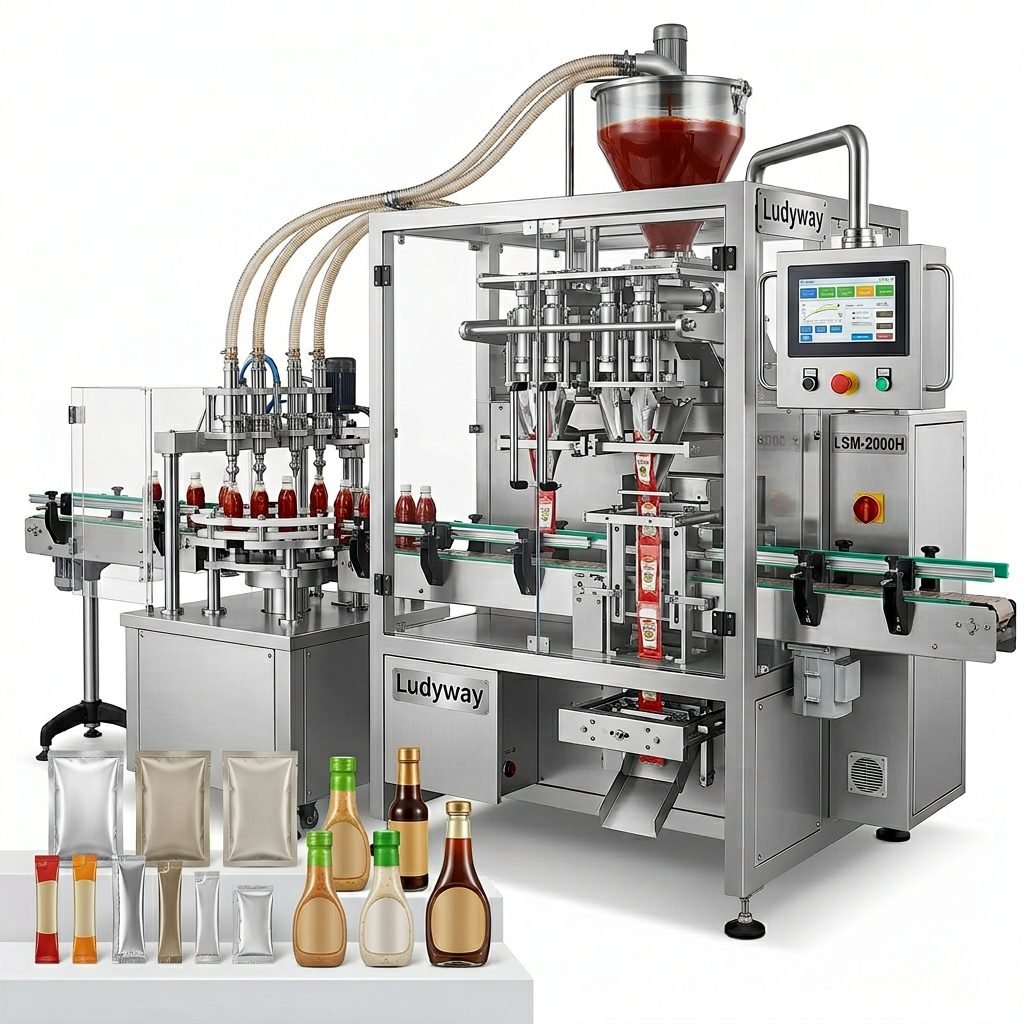
Why Hummus Requires Specialized Packaging Equipment
Hummus is different from free-flowing liquids and dry powders. Its density, particle content, oil content, and texture can vary depending on ingredients such as chickpeas, tahini, olive oil, lemon juice, garlic, and spices. These characteristics create several packaging challenges:
- Accurate dosing for thick and semi-viscous product textures
- Gentle product transfer to avoid texture breakdown
- Hygienic filling conditions for ready-to-eat food safety compliance
- Reliable sealing to protect against leakage and contamination
- Efficient cleaning for flavor changes and sanitation cycles
- Automation compatibility with cup filling, pouch filling, cartoning, and case packing systems
For these reasons, standard filling equipment is often not enough. A dedicated hummus packaging solution should integrate product feeding, volumetric or piston filling, sealing, coding, inspection, and end-of-line handling in one coordinated workflow.
Common Packaging Formats for Hummus
The right machine depends heavily on your target market and packaging format. Hummus brands commonly use the following options:
| Packaging Format | Typical Use | Key Advantage |
|---|---|---|
| Preformed cups or trays | Retail chilled hummus | Strong shelf presentation and easy portion control |
| Stand-up pouches | Convenience and flexible packaging lines | Lower material use and attractive branding area |
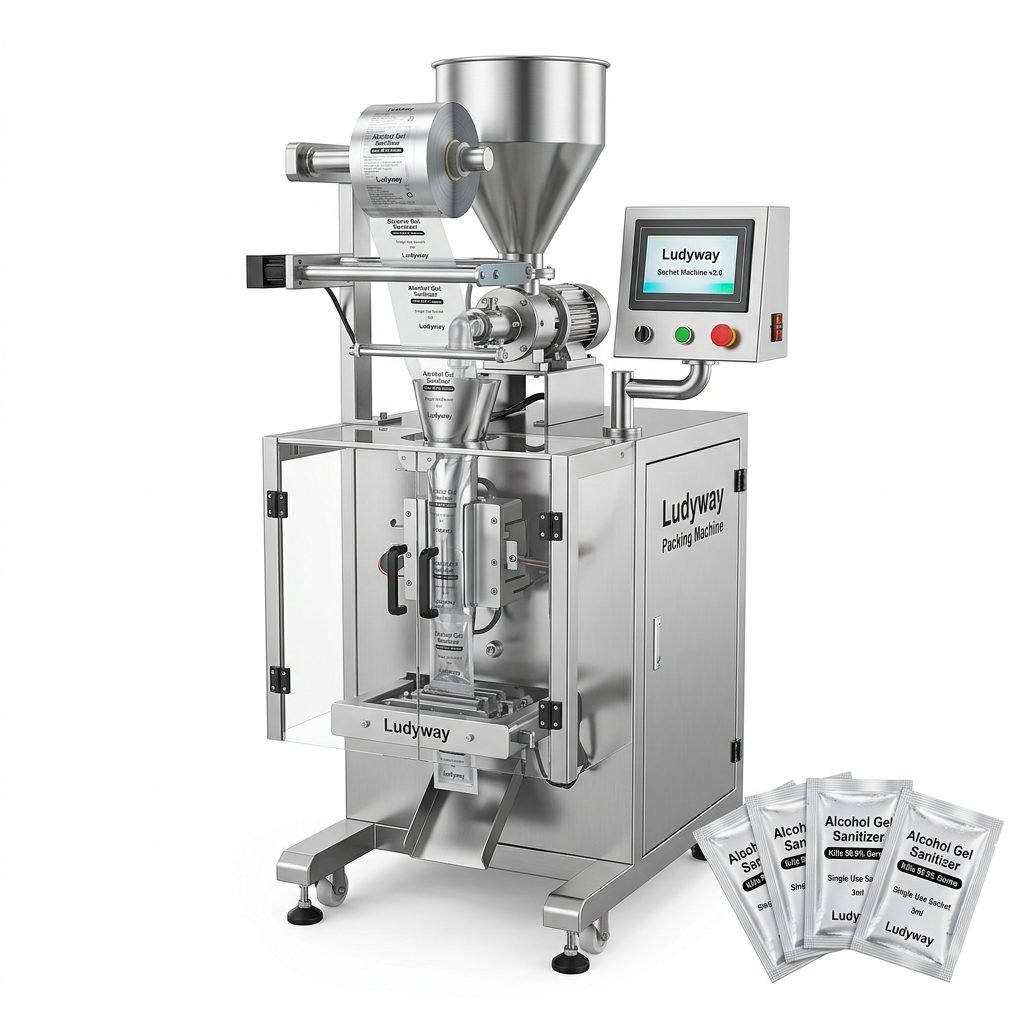
| Sachets or stick packs | Single-serve and foodservice portions | Portable, hygienic, and convenient |
| Jars or tubs | Premium or larger family-size formats | Good product visibility and reclosability |
| Bulk bags or containers | Foodservice and industrial supply | Efficient handling for high-volume users |
Core Features of an Efficient Hummus Packaging Machine
A high-performance hummus packaging machine should combine precision, hygiene, flexibility, and automation. The following features are especially important:
1. Accurate Filling for Viscous Products
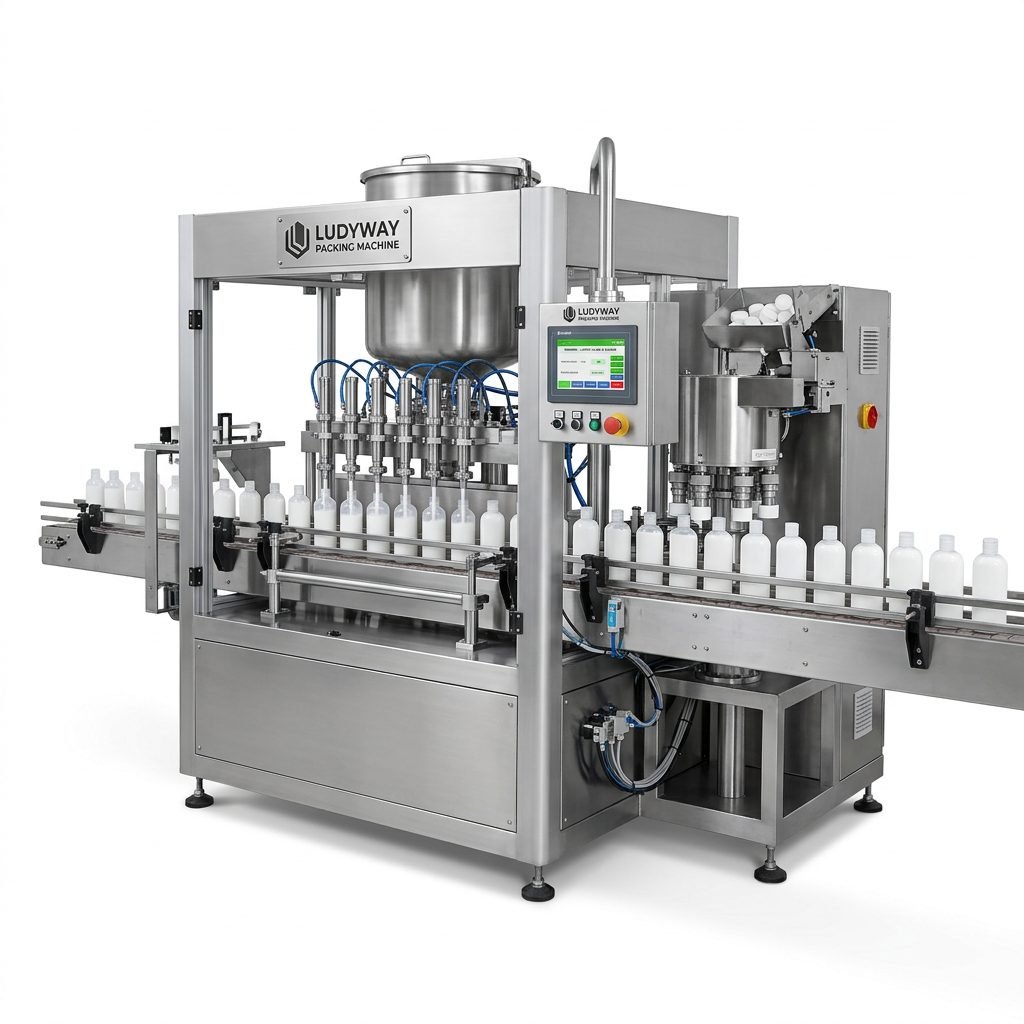
Hummus usually performs best with piston fillers, servo-driven filling systems, or other paste-compatible dosing mechanisms. These systems help maintain fill consistency even when the product has a thick texture or includes seasoning particles.
2. Hygienic Product Contact Design
Food-grade stainless steel construction, smooth contact surfaces, sanitary valves, and easy-disassembly parts are essential for reducing contamination risks. Machines designed for ready-to-eat foods should support fast and thorough cleaning.
3. Airtight Sealing Performance
Strong sealing is critical for hummus because oxygen exposure can affect freshness, color, and taste. Depending on the package style, heat sealing, lidding, capping, or vacuum support may be used to ensure package integrity.
4. Flexible Changeover Capability
Manufacturers often run multiple SKUs, including classic hummus, spicy hummus, roasted pepper hummus, or protein-enhanced variants. Fast changeover between package sizes and recipes helps reduce downtime.
5. Integration With Upstream and Downstream Systems
Modern hummus packaging lines can connect with mixers, holding tanks, pumps, cup denesters, sealing stations, printers, checkweighers, metal detectors, cartoners, and case packers. This creates a more efficient and scalable production process.
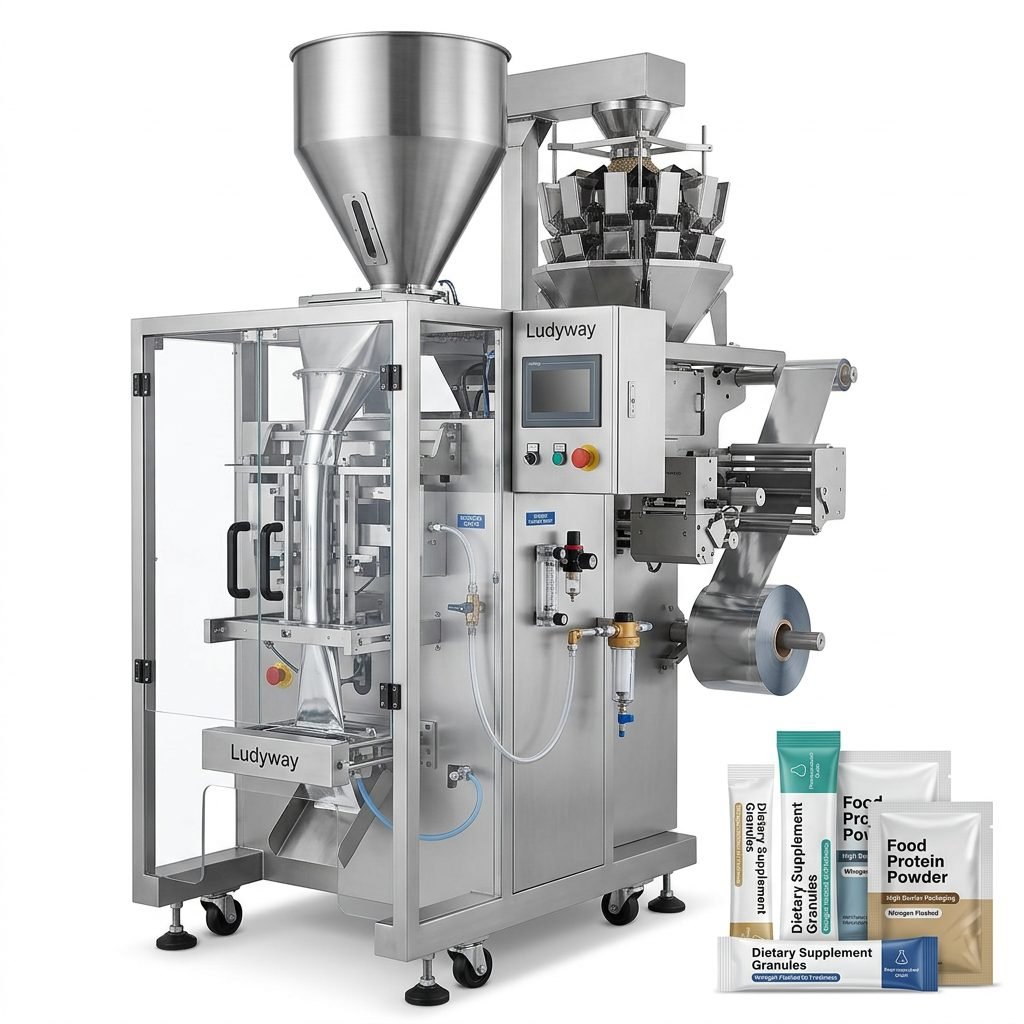
Freshness and Shelf Life Considerations
Since hummus is highly perishable compared with dry goods, packaging systems must support freshness retention throughout distribution. Depending on product formulation and cold-chain strategy, manufacturers may require:
- Low-oxygen packaging environments
- Optional nitrogen flushing where applicable
- Leak-proof seals
- Tamper-evident packaging features
- Accurate date coding and batch traceability
- Compatibility with refrigerated storage logistics
These factors help maintain sensory quality while supporting retailer and consumer confidence. In competitive food categories, packaging quality often influences repeat purchases just as much as product taste.
Hygiene Standards Matter in Ready-to-Eat Dip Packaging
Hummus is generally consumed without further cooking, so packaging hygiene is especially important. Automated systems reduce human contact and help standardize sanitation procedures. This is one of the main reasons many food processors are upgrading from semi-manual filling to automated packaging lines.
Key hygiene-focused design elements may include:
- Closed product transfer systems
- Easy-to-clean hoppers and nozzles
- Washdown-compatible structures
- Minimal dead corners where residue can build up
- Stable temperature-compatible filling performance
- Integrated inspection and rejection functions
For B2B buyers, hygienic automation is not only about compliance. It also improves line consistency, labor efficiency, and long-term brand protection.
Automation Benefits for Hummus Manufacturers
Investing in an automated hummus packaging machine can deliver measurable production advantages:
| Benefit | Operational Impact |
|---|---|
| Higher output | Supports growing demand and larger order volumes |
| Improved fill accuracy | Reduces giveaway and improves consistency |
| Lower labor dependency | Cuts repetitive manual handling tasks |
| Better hygiene control | Minimizes direct product contact |
| More stable packaging quality | Enhances seal integrity and final appearance |
| Line integration | Creates a smoother turnkey production process |
How to Choose the Right Hummus Packaging Solution
Before selecting equipment, manufacturers should assess several practical factors:
Product Characteristics
- Texture and viscosity range
- Presence of particulates or spices
- Oil separation behavior
- Filling temperature requirements
Packaging Goals
- Single-serve, retail, or bulk format
- Required output speed
- Desired package appearance
- Shelf-life expectations
Factory and Line Requirements
- Available floor space
- Automation level
- Cleaning procedures
- Future expansion plans
Businesses that plan for product diversification should consider modular machines that can adapt to new packaging formats and larger production volumes over time.
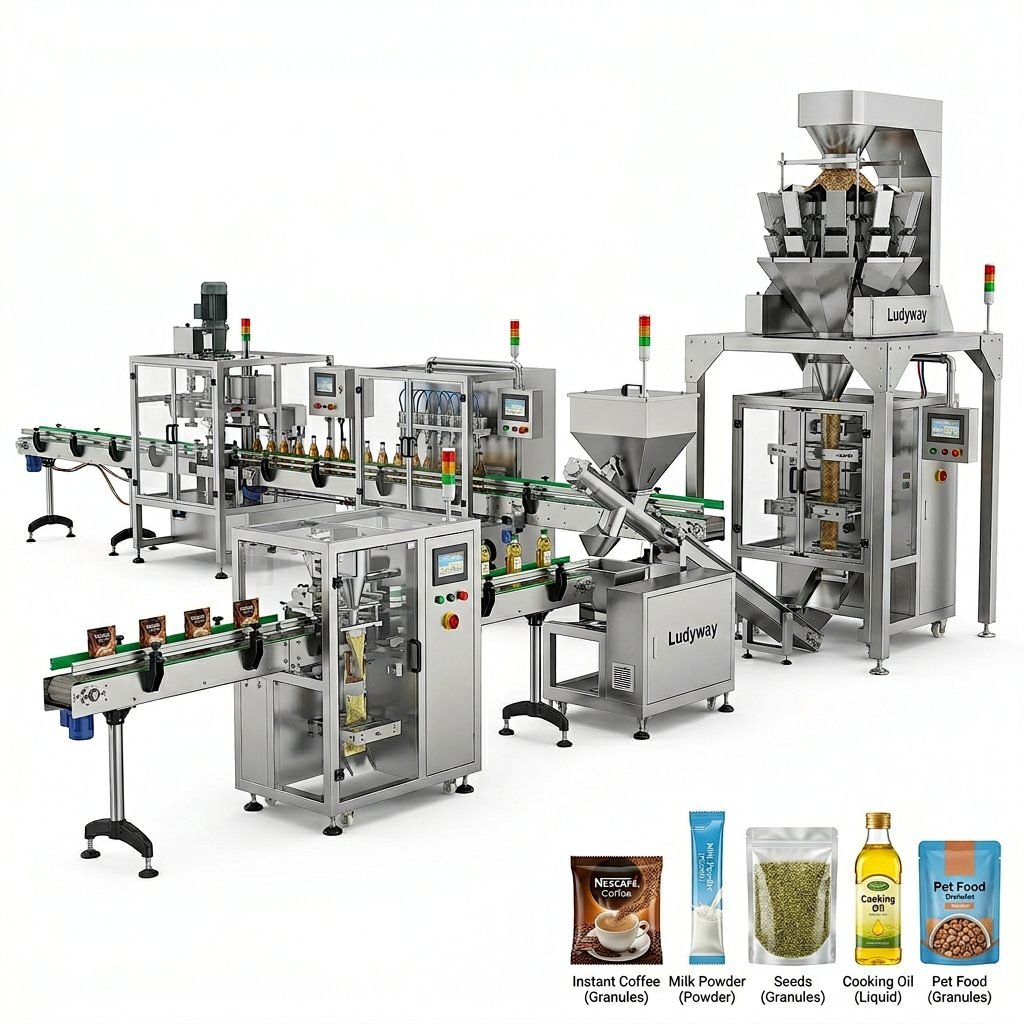
Turnkey Packaging Lines for Expanding Food Brands
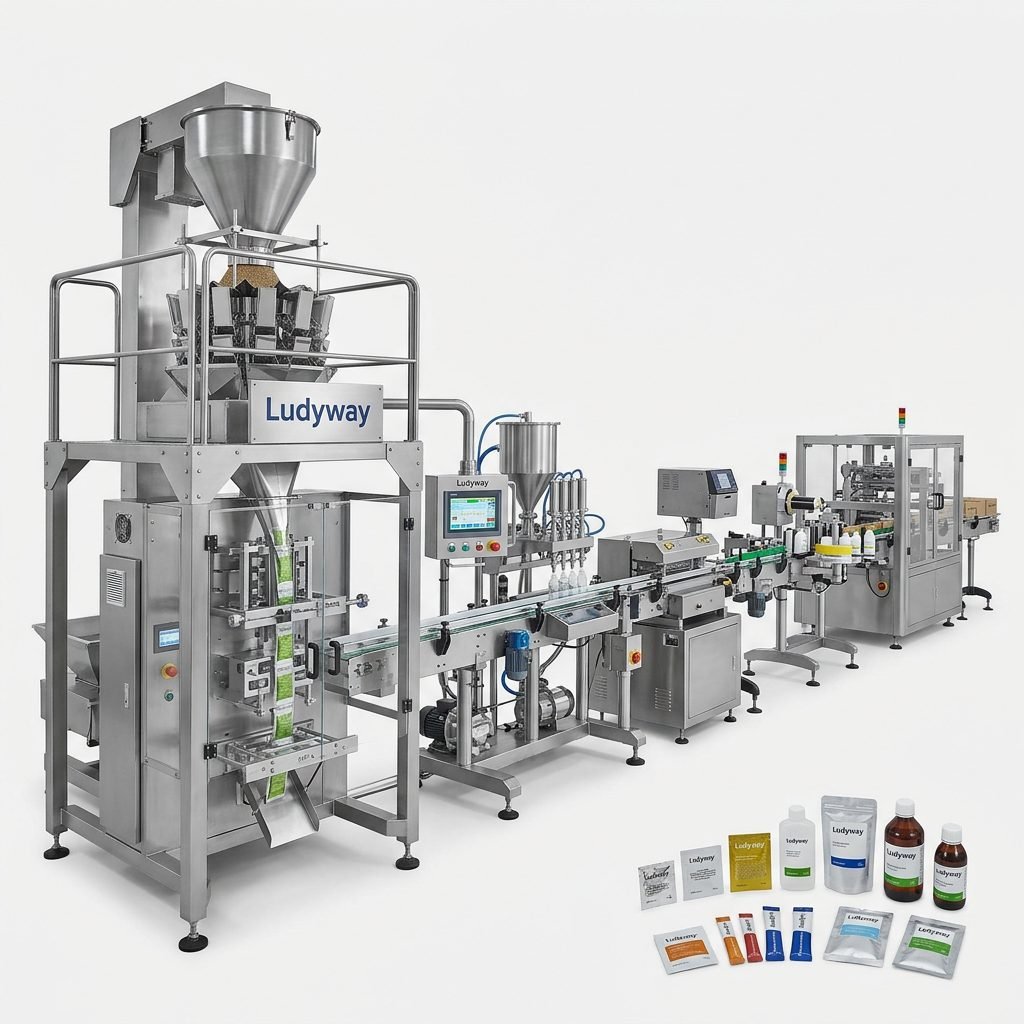
For producers moving beyond standalone filling equipment, a turnkey system can offer stronger process control and better long-term returns. A complete hummus packaging line may include:
- Product feeding and buffer tanks
- Paste filling machine
- Container or pouch feeding system
- Sealing or capping equipment
- Date coding and labeling
- Checkweighing and inspection
- Cartoning and case packing
- Palletizing or conveyor integration
This kind of setup is especially useful for manufacturers focused on higher throughput, retail consistency, and lower manual intervention.
A Reliable Manufacturing Partner for Food Packaging Automation
When sourcing equipment, buyers often look for a supplier with proven export experience, engineering support, customization capability, and a broad packaging portfolio. Hummus packaging machine solutions from Ludyway can support food manufacturers seeking automated, hygienic, and scalable filling and sealing systems. As one of China’s leading packaging machine and turnkey packaging line manufacturers, the company offers extensive industry experience, a large manufacturing base, and integrated solutions for food, pharmaceutical, health supplement, and related sectors.
Best Applications for Hummus Packaging Machines
These systems are suitable for a wide variety of hummus-related products, including:
- Classic hummus
- Flavored hummus varieties
- Organic hummus products
- High-protein chickpea dips
- Single-serve snack dip portions
- Foodservice hummus packs
- Private label ready-to-eat spreads
Final Buying Insight
The best hummus packaging machine is one that fits your product texture, hygiene targets, package style, and growth strategy. A properly engineered system can help manufacturers achieve fresher products, safer operations, faster output, and more professional packaging results. For growing food brands and industrial processors alike, automated packaging is no longer just an upgrade—it is a practical step toward efficiency and market competitiveness.