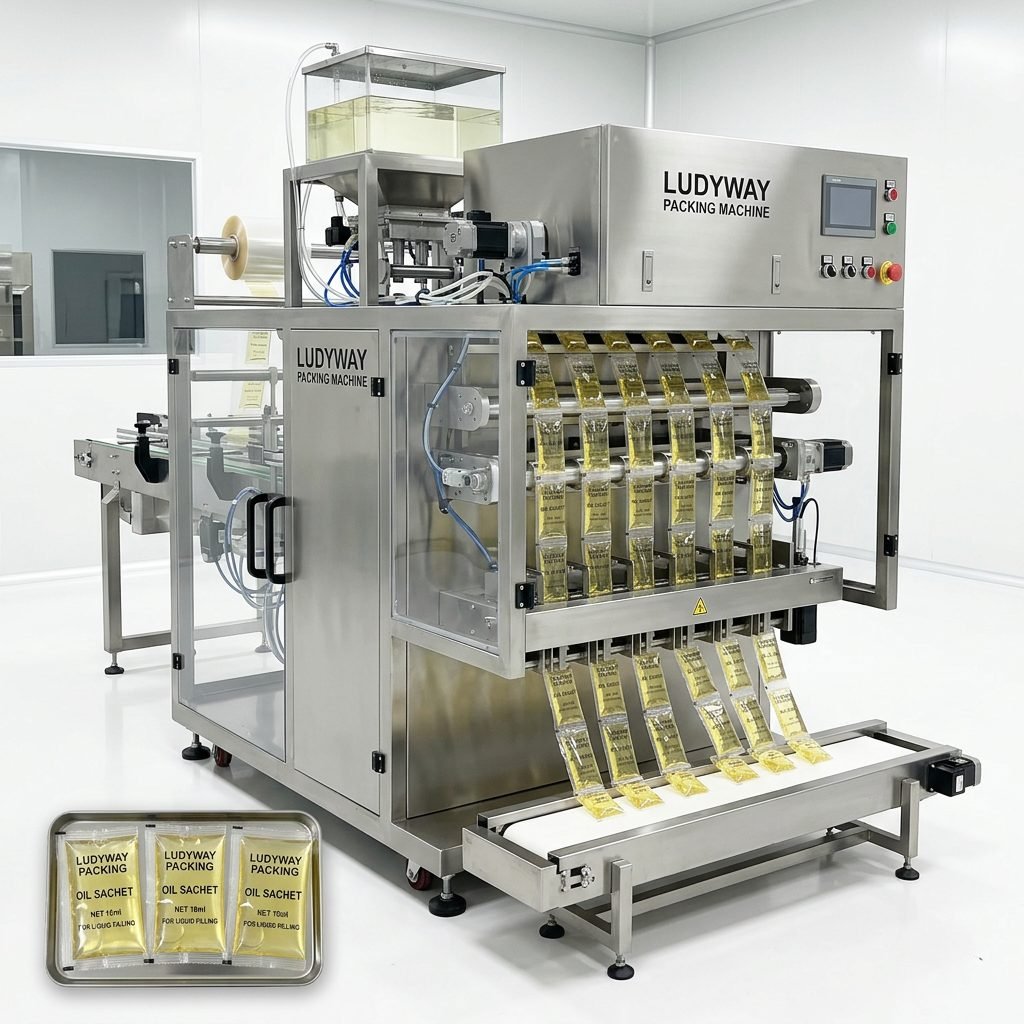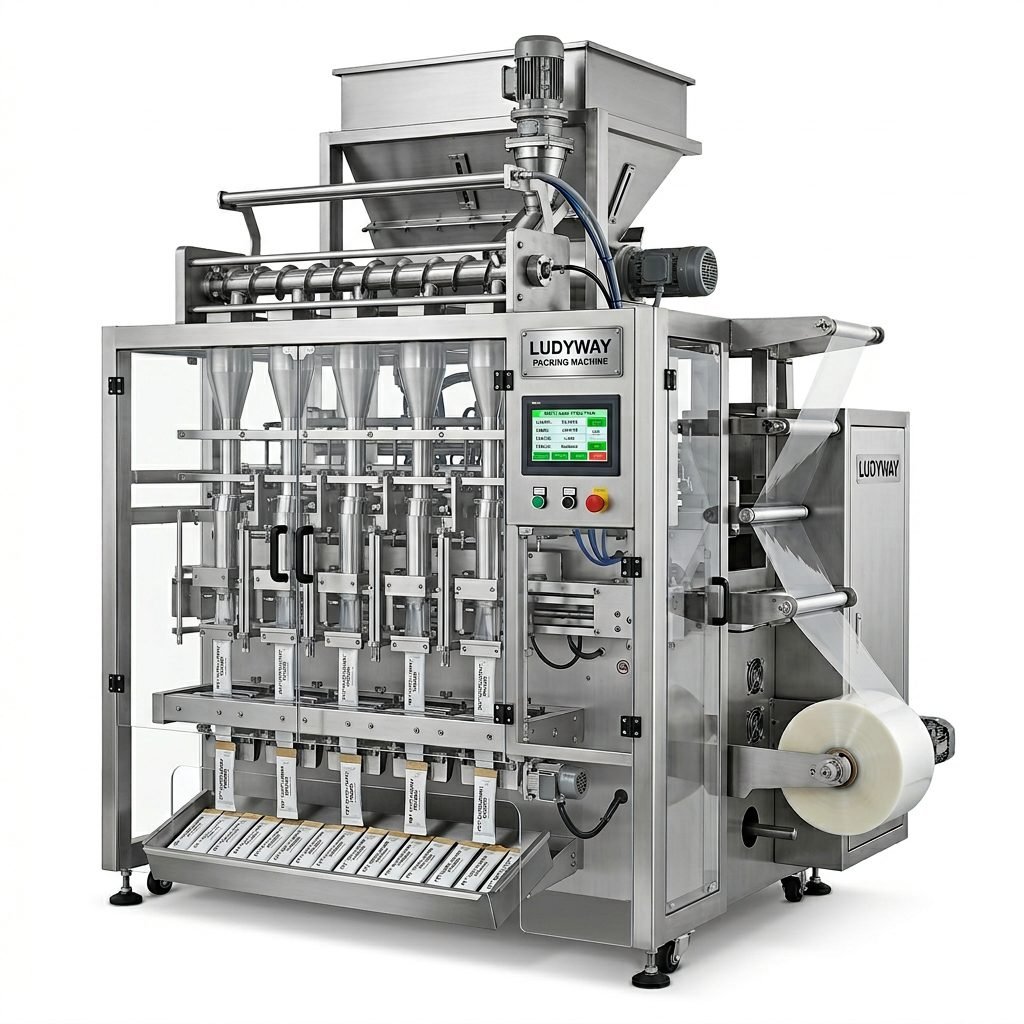
Investing in a vacuum seal packaging machine is one of the most impactful decisions you can make for your production line. Whether you are handling food products, pharmaceuticals, or industrial components, the right equipment extends shelf life, preserves product integrity, and reduces waste. This comprehensive guide walks you through everything you need to know before making a purchase.
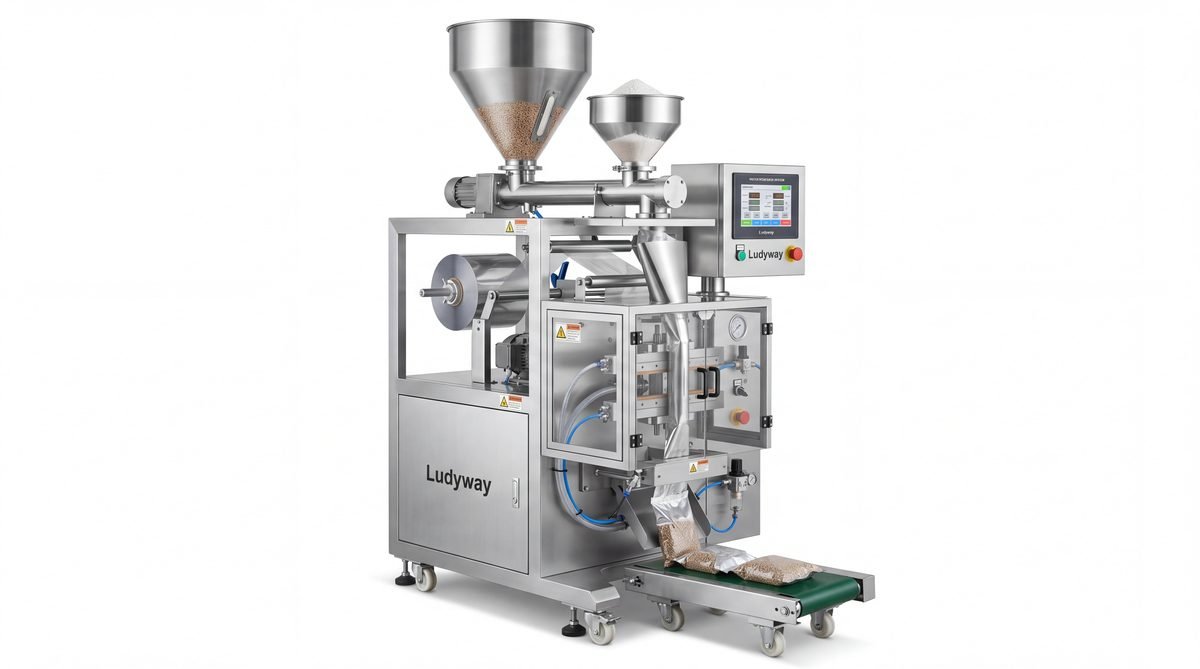
Why Vacuum Seal Packaging Matters
Vacuum sealing removes air from the package prior to sealing, creating an oxygen-depleted environment that dramatically slows down oxidation, microbial growth, and moisture loss. According to industry data from the Flexible Packaging Association, vacuum packaging can extend product shelf life by 3 to 5 times compared to conventional methods. For businesses aiming to expand distribution channels and reduce returns, a vacuum seal packaging machine is no longer optional — it is a strategic necessity.
Key Factors to Evaluate Before Buying
Not all vacuum sealers are created equal. Before committing to a purchase, consider the following critical factors:
- Production Volume: Are you sealing dozens or thousands of packages per day? Your throughput requirement directly determines whether a single-chamber, double-chamber, or continuous band sealer is appropriate.
- Product Characteristics: Powders, granules, liquids, and solid items each demand different handling mechanisms and chamber configurations.
- Bag Size and Material Compatibility: Ensure the machine supports the film types (PA/PE, EVOH, aluminum foil laminates) and dimensions your products require.
- Vacuum Pump Type: Oil-lubricated rotary vane pumps offer deeper vacuum levels, while dry pumps reduce maintenance in cleanroom environments.
- Certification Requirements: Food-grade and pharmaceutical applications often demand ISO 11607 compliance, FDA-approved materials, and GMP-compatible designs. Refer to ISO packaging standards for detailed guidance.
- Automation Level: From manual loading to fully automated inline systems with weighing, filling, vacuum sealing, and cartoning integration.
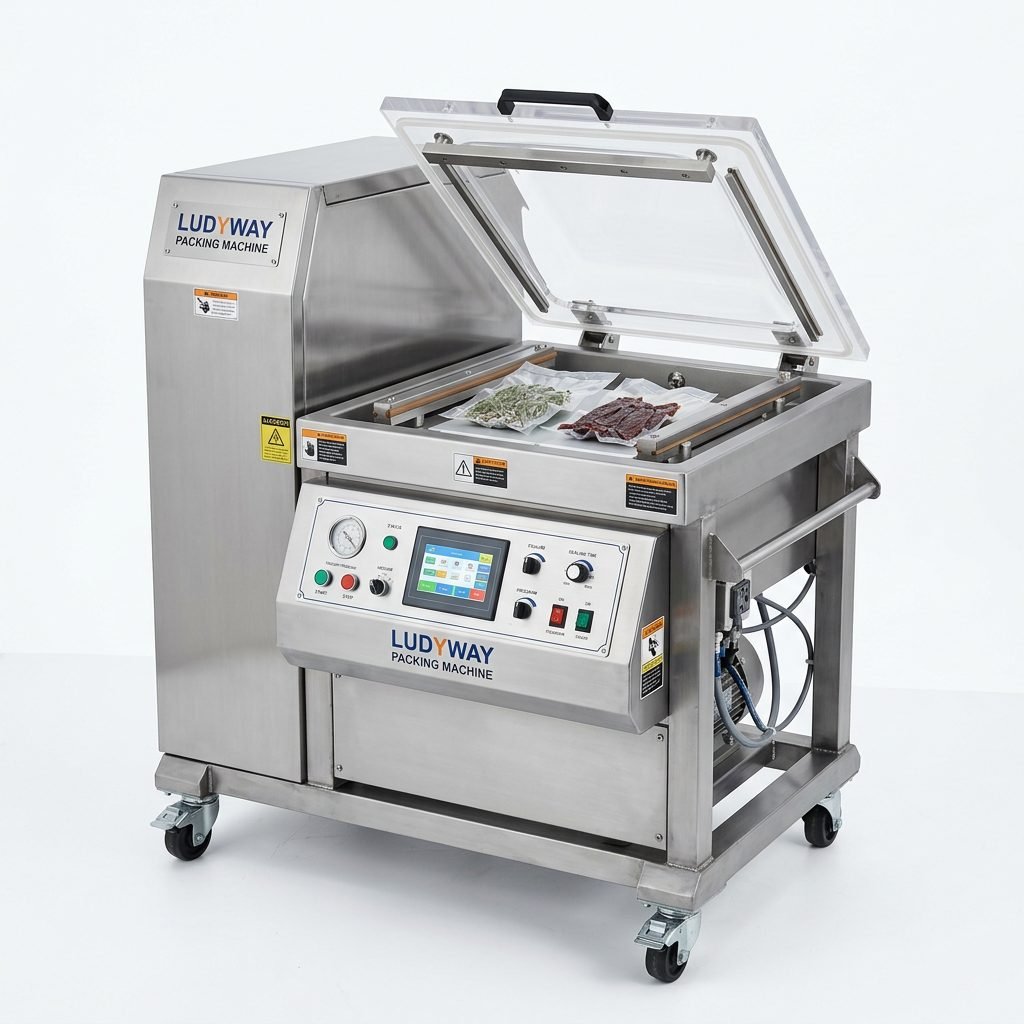
Types of Vacuum Seal Packaging Machines
Understanding the different machine categories helps you narrow down the best fit for your operation. The table below summarizes the main types:
| Machine Type | Best For | Vacuum Level | Throughput | Typical Investment |
|---|---|---|---|---|
| Single Chamber | Small to medium batches, R&D labs | High (up to 99.8%) | Low to Medium | Moderate |
| Double Chamber | Medium to high volumes, alternating cycles | High (up to 99.8%) | Medium to High | Moderate to High |
| Continuous Band Sealer | High-speed production lines, large volumes | Medium to High | Very High | High |
| External Nozzle Vacuum Sealer | Oversized items, irregular shapes, bulk bags | Medium | Low | Low to Moderate |
| Thermoforming Vacuum Packaging | MAP (Modified Atmosphere Packaging), medical devices | Very High | High to Very High | High to Premium |
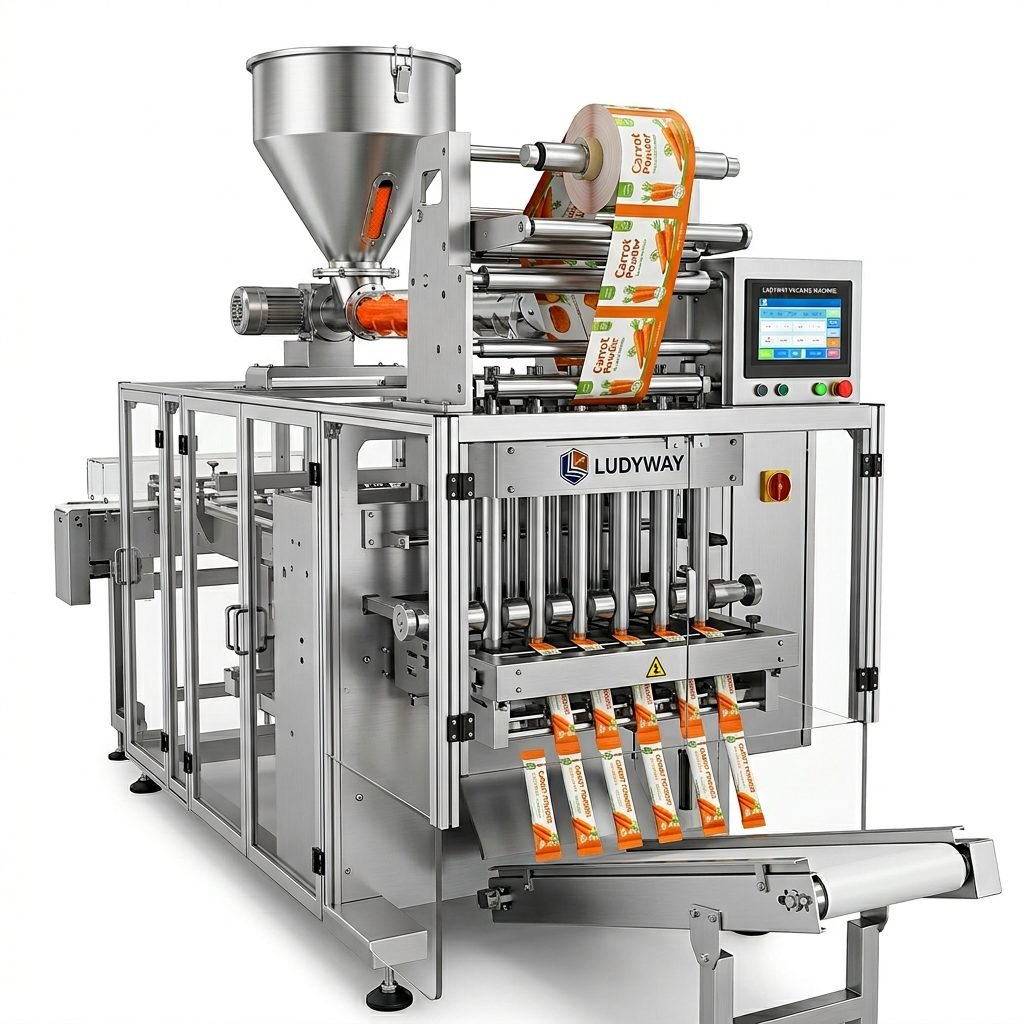
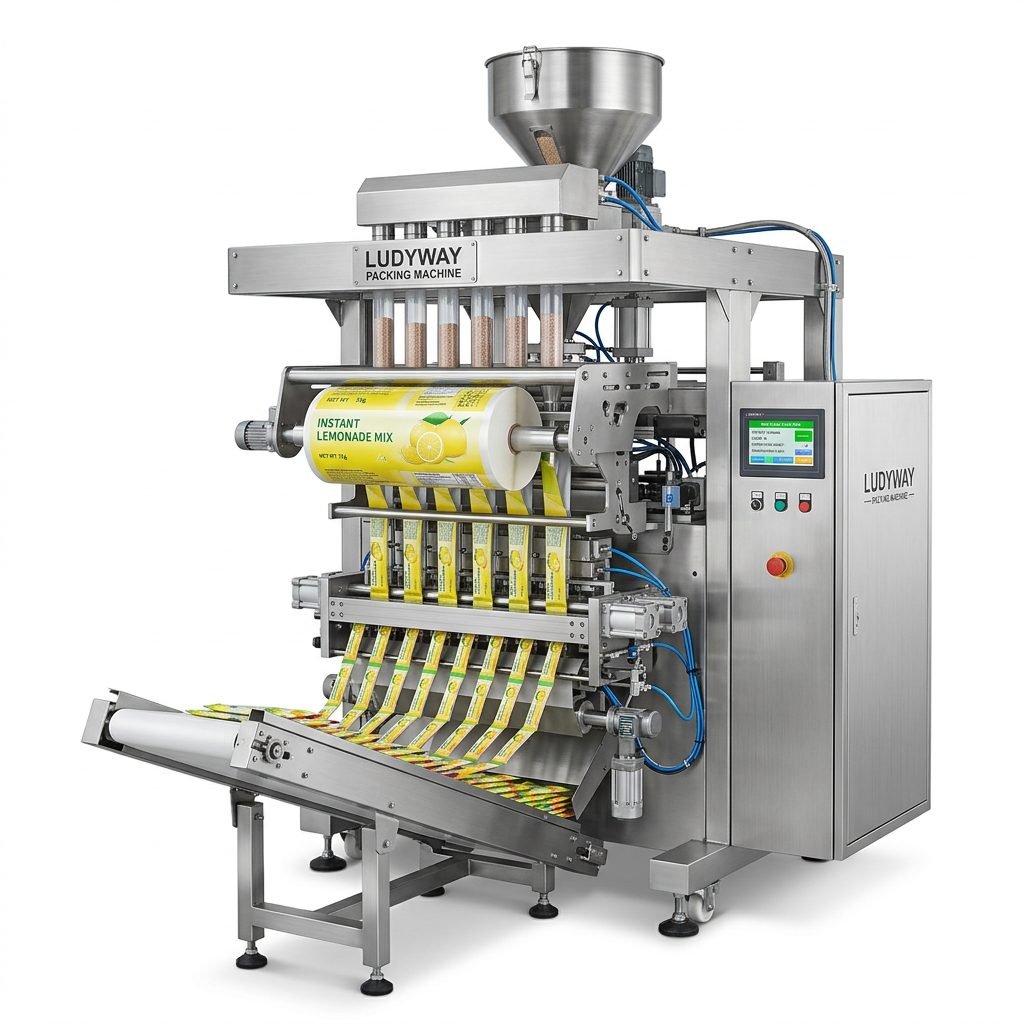
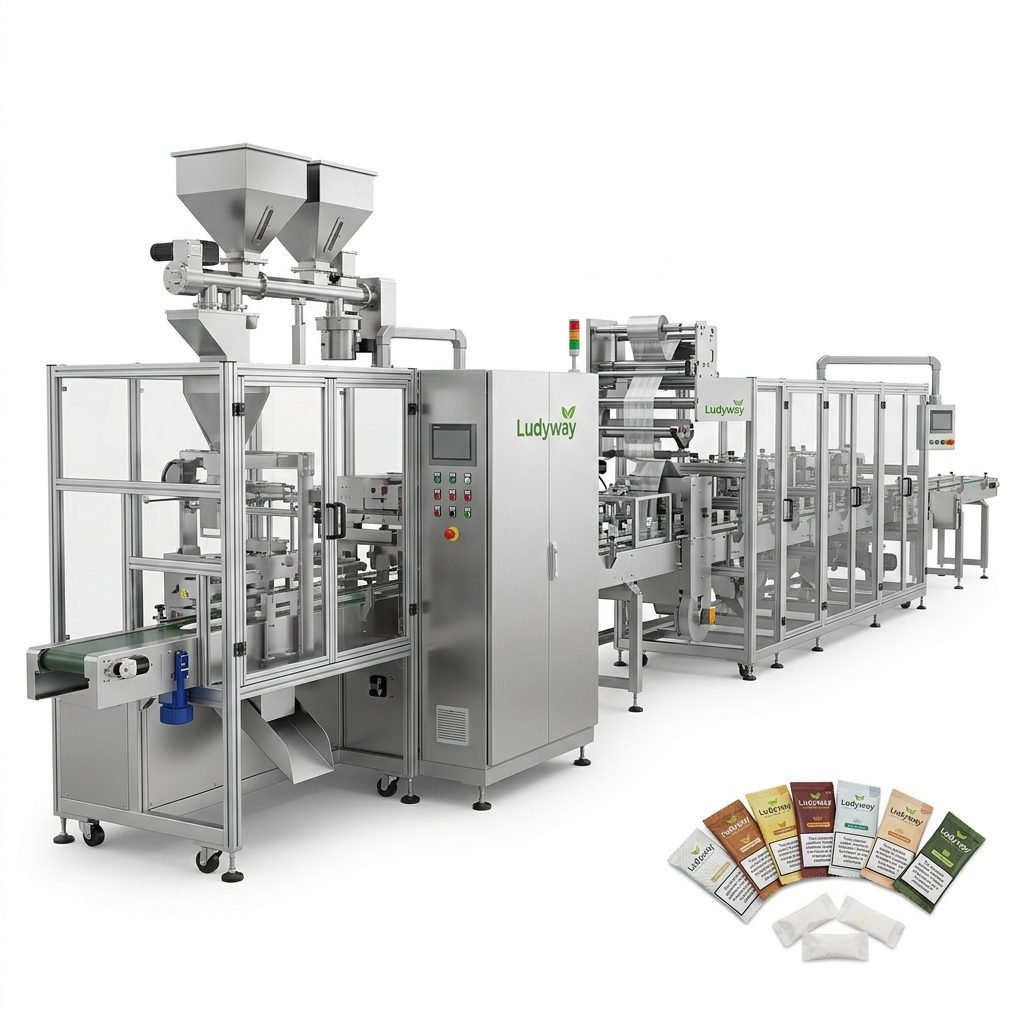
| Multi-Lane Stick Pack Vacuum System | Granule, powder, and liquid sachets at scale | High | Very High | Premium |
Critical Technical Specifications
When comparing models, pay close attention to these performance-defining parameters:
Vacuum Pressure and Pump Capacity
The ultimate vacuum pressure, typically measured in millibars (mbar) or Pascal (Pa), determines how effectively oxygen is removed. For food preservation, a vacuum level of 1-5 mbar is standard. For pharmaceutical and electronic component packaging, levels below 1 mbar may be required. The pump’s flow rate (m³/h or CFM) directly influences cycle speed.
Sealing Bar Dimensions and Configuration
The seal bar length and width dictate your maximum bag size. Double-seal bars provide enhanced security for heavy or liquid products. Adjustable sealing temperature and pressure are essential for working with different film materials.
Control System and Programmability
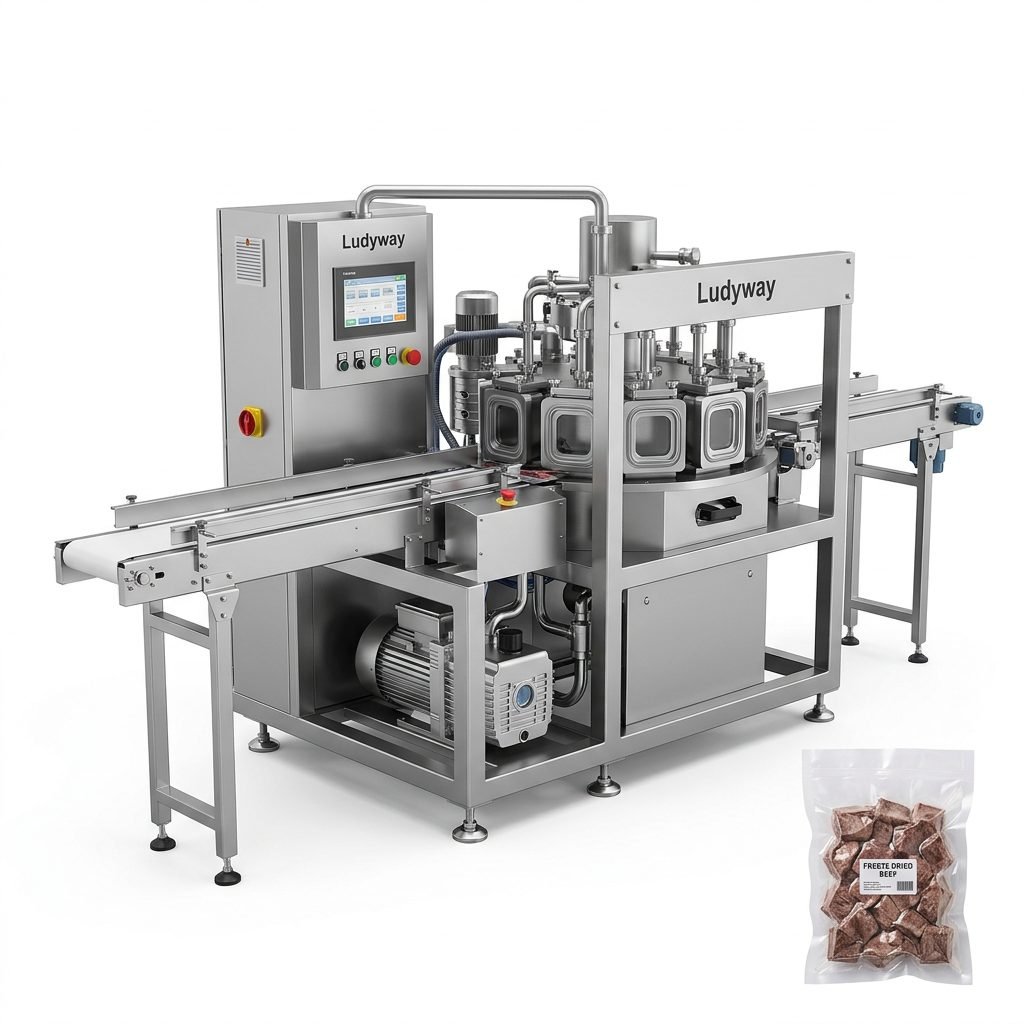
Modern machines feature PLC-controlled touchscreen interfaces with recipe storage for different products. This enables operators to switch between settings instantly, reducing downtime and ensuring consistent seal quality across batches. For high-volume operations, this feature alone can deliver a significant ROI.
Industry-Specific Considerations
Different sectors impose unique demands on vacuum packaging equipment. Here is what to prioritize by industry:
Food and Beverage
Compliance with FDA food packaging regulations is mandatory. Look for stainless steel construction (SS304 or SS316), easy-to-clean surfaces, and compatibility with approved food-contact materials. For products like freeze-dried fruits, coffee, spices, and ready-to-eat meals, vacuum packaging combined with nitrogen flushing (MAP) yields optimal results.
Pharmaceuticals and Medical Devices
Sterile barrier packaging must meet ISO 11607 standards. Machines used in this sector should offer validated sealing parameters, traceable process data, and cleanroom compatibility. Medical-grade vacuum sealers often include features like HEPA-filtered vacuum systems and tamper-evident seal capabilities.
Electronics and Industrial Components
Moisture and oxygen are the enemies of sensitive electronic parts. Vacuum sealing with desiccant packs prevents corrosion and oxidation during long-term storage and shipping. Precision vacuum control and anti-static features are critical for this application.
Pet Food and Animal Nutrition
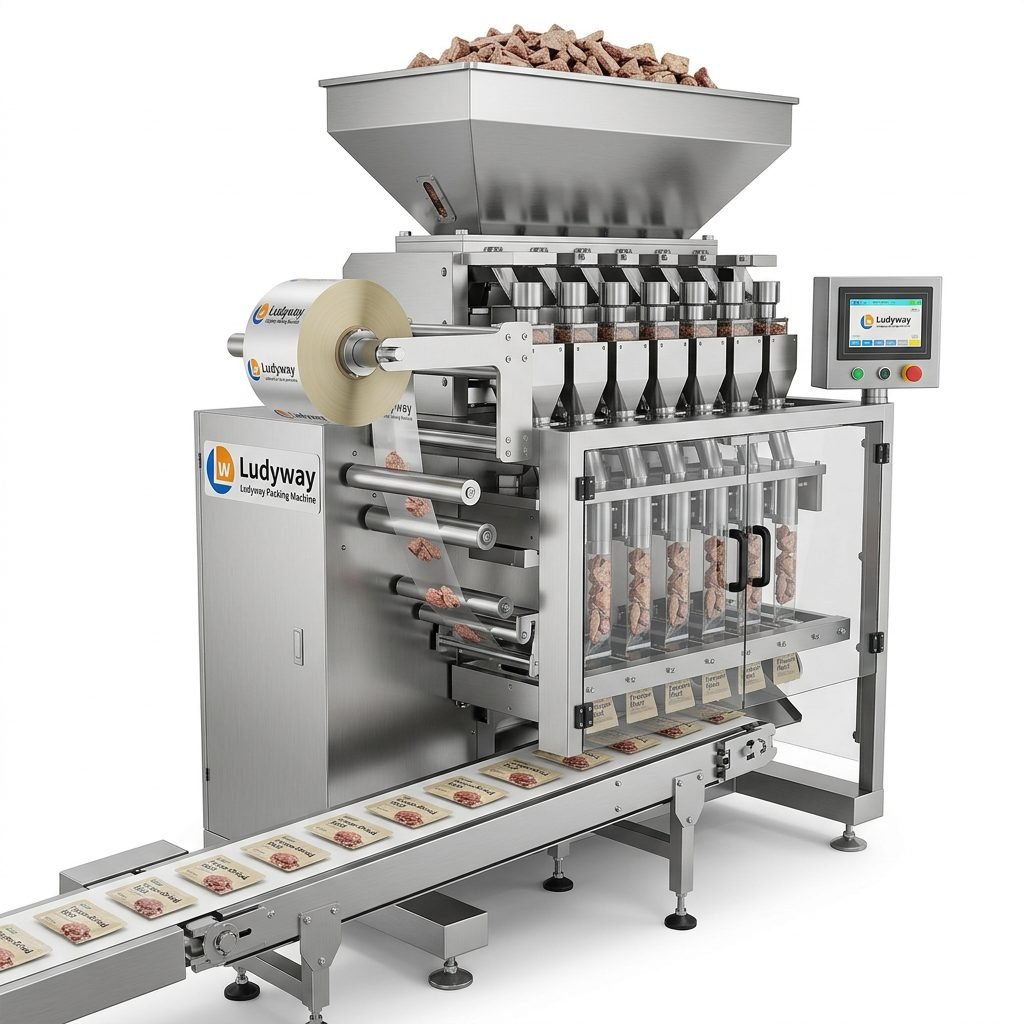
The pet food industry increasingly adopts vacuum packaging for freeze-dried treats, kibble, and nutritional supplements. High-throughput multi-lane systems are common for packaging granule and powder products into sachets and stick packs.
Maintenance and Long-Term Reliability
A vacuum seal packaging machine represents a significant capital investment, and its longevity depends on proper maintenance. Key maintenance aspects include:
- Regular Oil Changes: For oil-lubricated pumps, follow the manufacturer’s recommended change intervals — typically every 500 to 2,000 operating hours.
- Seal Bar Inspection: Check Teflon-coated seal bars and silicone rubber profiles for wear. Damaged components cause inconsistent seals and product waste.
- Gasket and O-Ring Replacement: Chamber lid gaskets degrade over time. Annual replacement is a best practice to maintain vacuum integrity.
- Filter Cleaning: Inline filters in the vacuum circuit should be cleaned or replaced regularly to prevent contamination of the pump and product.
- Software Updates: For PLC-controlled systems, periodic firmware updates may improve performance and add functionality.
Cost-Benefit Analysis: What to Expect
The price range for vacuum seal packaging machines varies widely based on configuration and capacity:
| Machine Category | Approximate Price Range (USD) | Target User | Payback Period |
|---|---|---|---|
| Entry-Level Single Chamber | $3,000 – $8,000 | Small businesses, startups | 6-12 months |
| Mid-Range Double Chamber | $8,000 – $25,000 | Medium-scale producers | 8-18 months |
| Industrial Continuous Band | $20,000 – $80,000 | High-volume manufacturers | 12-24 months |
| Fully Automated Inline System | $80,000 – $500,000+ | Large enterprises, turnkey projects | 18-36 months |
Beyond the initial purchase price, factor in installation, operator training, spare parts, and ongoing maintenance costs. Many manufacturers, including Ludyway — one of the largest packaging machine manufacturers in China with over 30 years of industry experience — offer comprehensive after-sales support and turnkey installation services that significantly reduce the total cost of ownership.
Integration with Existing Production Lines
A vacuum seal packaging machine should not be evaluated in isolation. Consider how it integrates with upstream and downstream equipment:
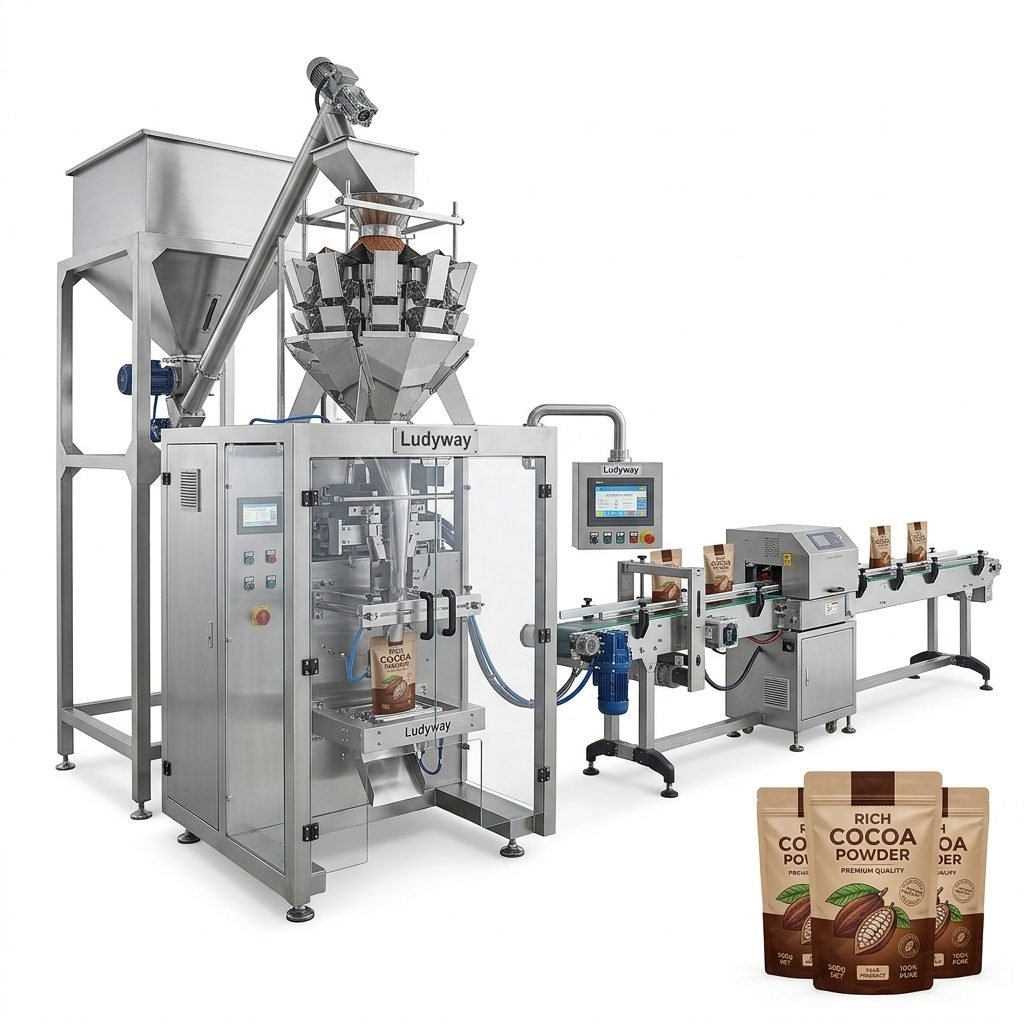
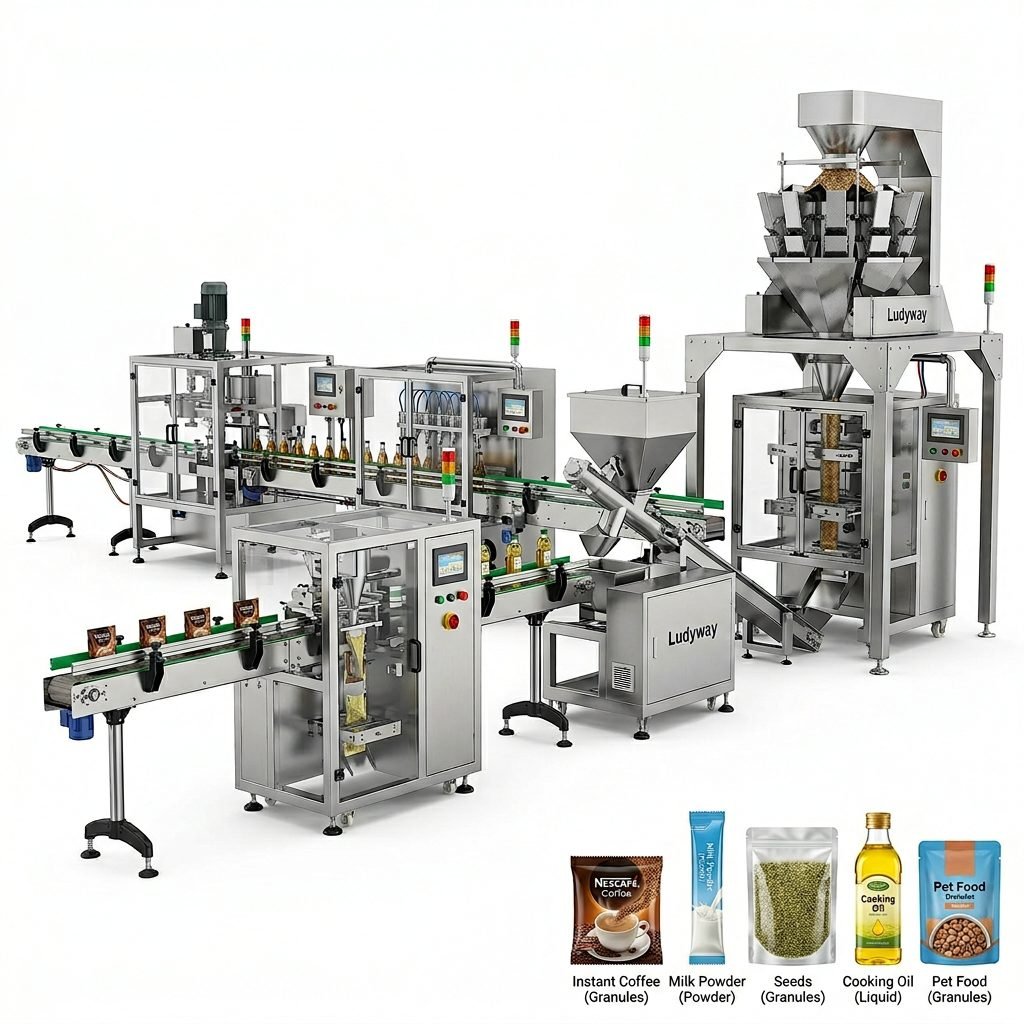
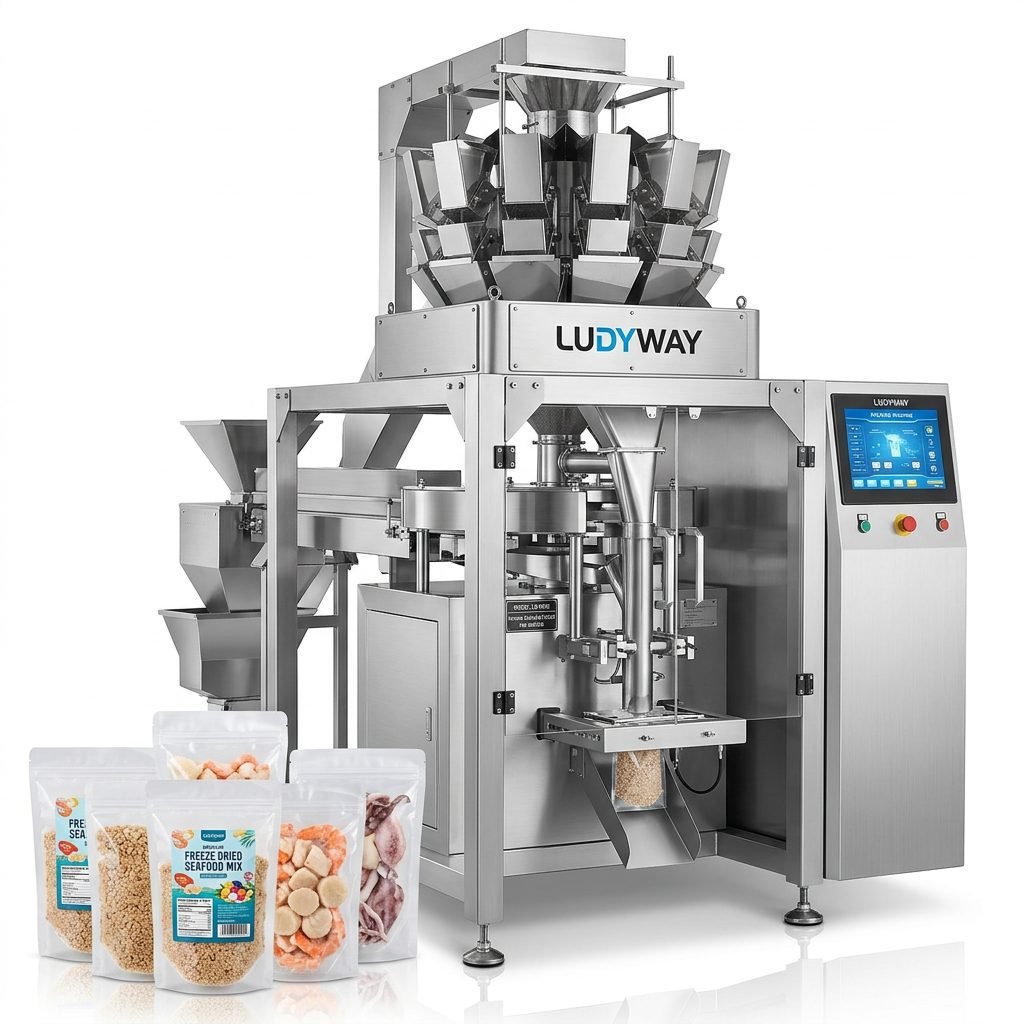
- Upstream: Weighing systems, multi-head weighers, volumetric fillers, and product conveyors must synchronize with the vacuum sealer’s cycle time.
- Downstream: Date coding, labeling, metal detection, checkweighing, and cartoning systems should connect seamlessly.
- Data Integration: Industry 4.0-ready machines with Ethernet/IP, Modbus, or OPC-UA protocols enable real-time monitoring and integration with MES/ERP systems.
Global Standards and Regulatory Compliance
Adherence to international standards is non-negotiable for export-oriented businesses. Key standards to verify include:
- CE Marking: Required for machines sold in the European Economic Area, indicating conformity with EU safety, health, and environmental requirements.
- FDA 21 CFR: For food-contact materials and pharmaceutical packaging sold in the United States. Refer to the FDA packaging and food contact substances guidelines.
- ISO 22000 / FSSC 22000: Food safety management system certifications relevant to packaging machinery used in food production.
- GMP Compliance: Essential for pharmaceutical and nutraceutical packaging applications.
For deeper insights into packaging machinery standards and regulations, the PMMI packaging industry resources portal offers extensive documentation and market research reports that can inform your purchasing decision.
Making the Final Decision
After evaluating the technical specifications, industry requirements, and budget parameters, narrow your options to 2-3 manufacturers and request detailed quotations. When possible, arrange a factory visit or virtual demonstration to observe the machine in operation. Test runs using your actual product and packaging materials are invaluable for verifying performance claims. Check references from customers in your industry, and review warranty terms and after-sales service commitments carefully.
A well-chosen vacuum seal packaging machine will serve your business for 10 to 15 years or more, making it essential to prioritize quality, reliability, and manufacturer support over short-term cost savings. For further reading, the Flexible Packaging Association and PMMI business intelligence reports provide ongoing market data and technology trends that can guide your strategic planning.