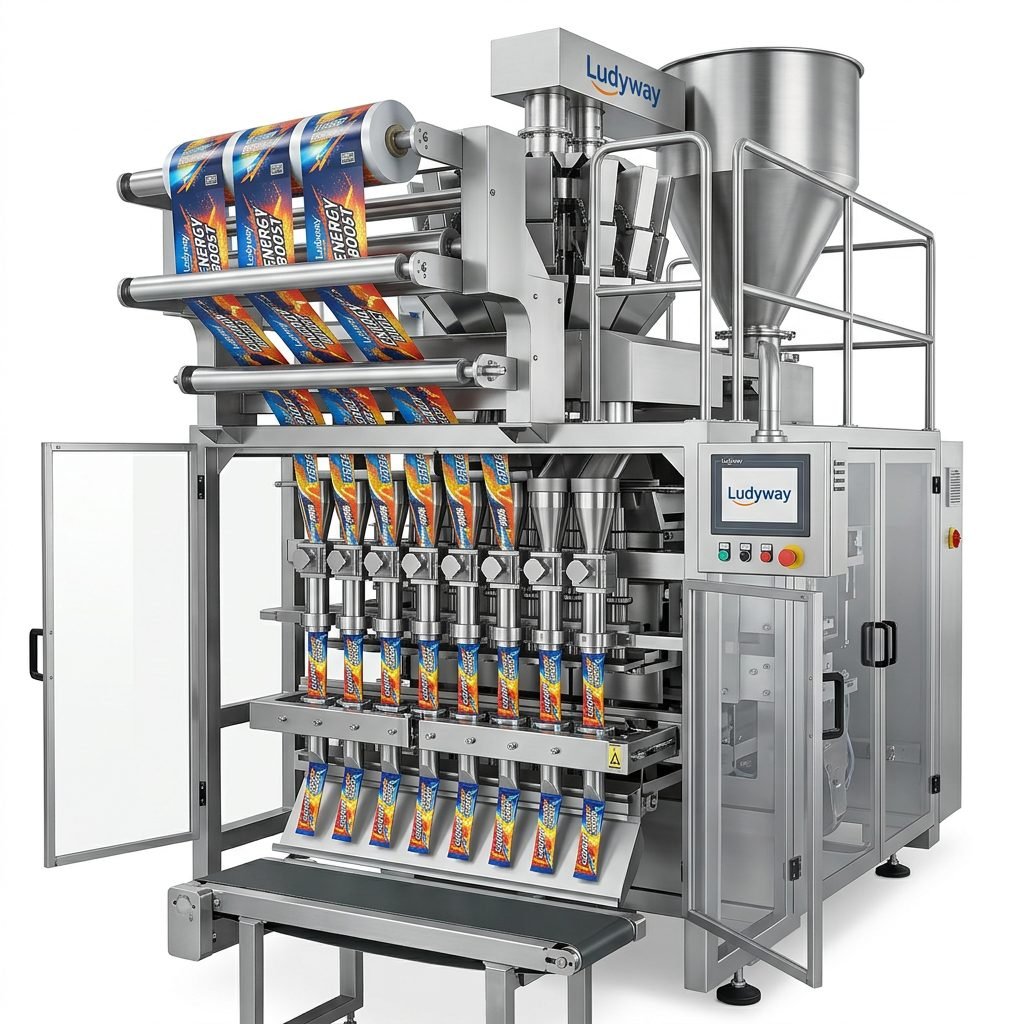
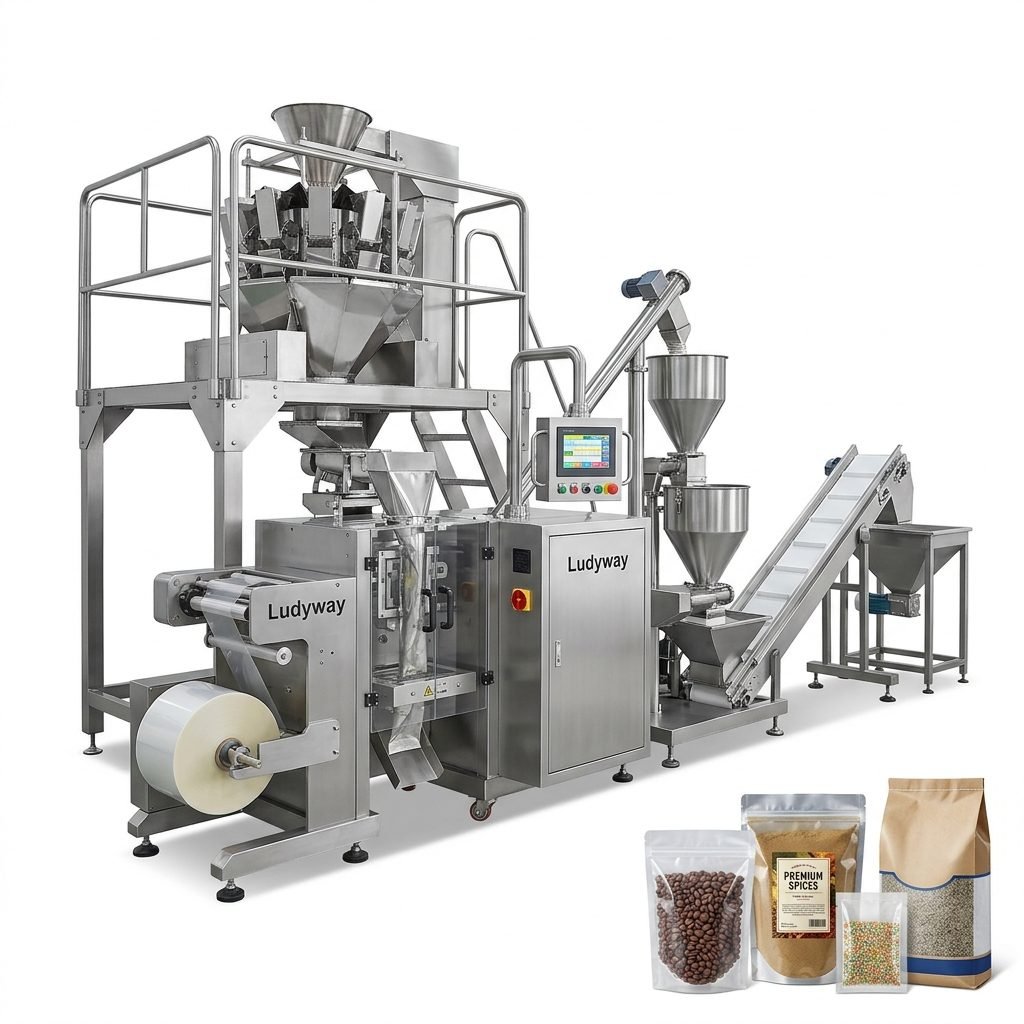
Setting up a chub packaging machine production line in Africa requires careful planning, from understanding local market demands to selecting the right equipment and managing logistics. This guide walks you through every step of the process, helping you avoid costly mistakes and build a profitable operation.

Understanding the Chub Packaging Market in Africa
Africa’s food processing industry is experiencing rapid growth, driven by urbanization, rising disposable incomes, and increasing demand for processed meat and dairy products. Chub packaging — a type of cylindrical, sealed package commonly used for ground meat, sausage, and pet food — is gaining traction across the continent. Understanding the market landscape is essential before investing in a chub packaging machine production line.
Key markets include South Africa, Nigeria, Kenya, Egypt, and Morocco, where demand for processed protein products continues to rise. According to industry data from the PMMI Business Intelligence reports, packaging machinery imports into Africa have grown consistently, reflecting broader industrialization trends.
Essential Equipment for a Chub Packaging Production Line
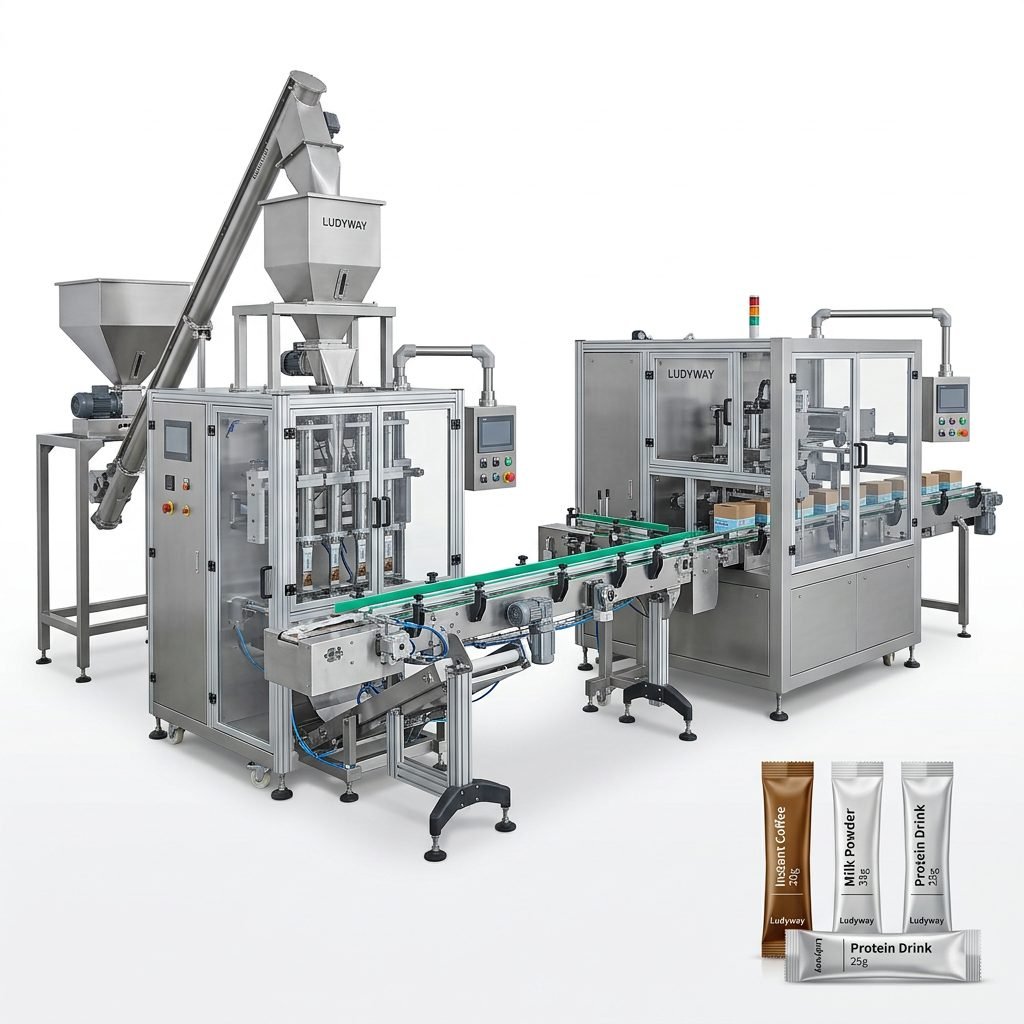
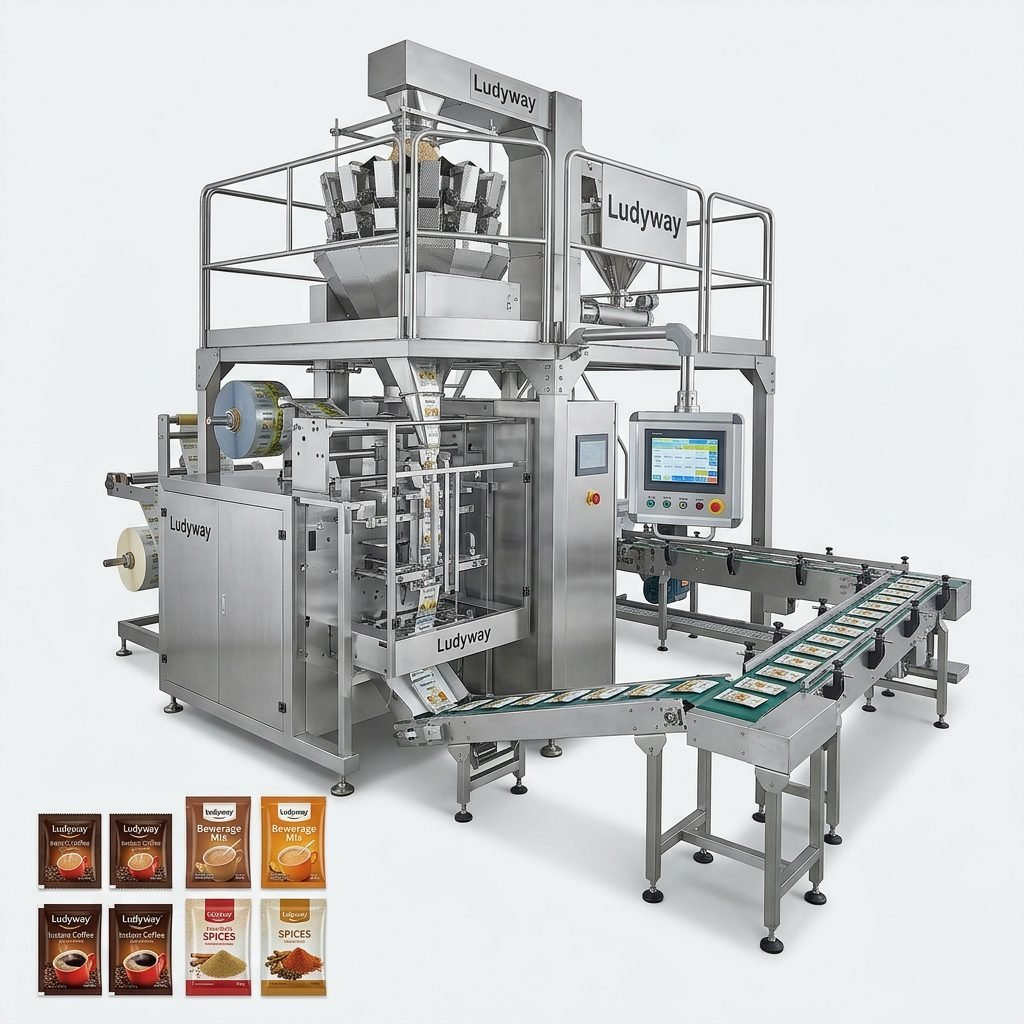
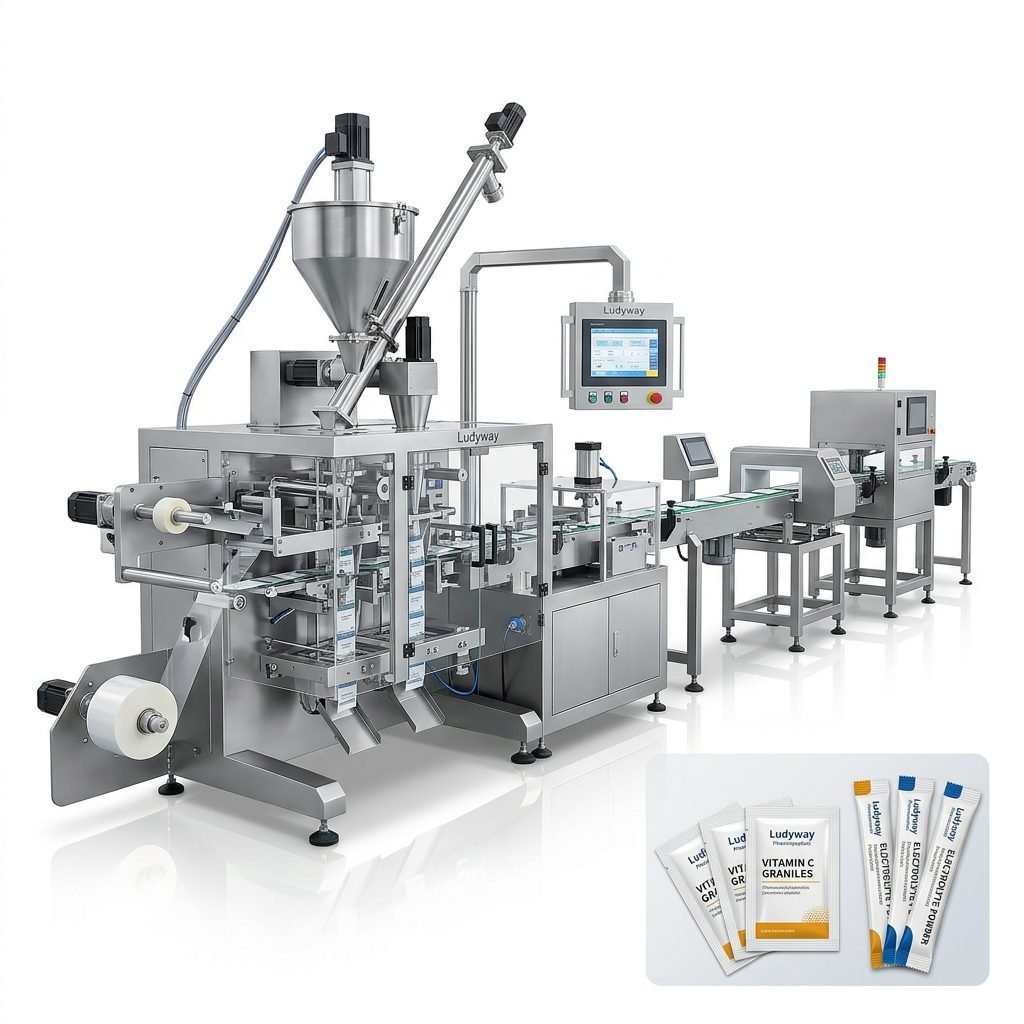
A complete chub packaging line consists of several integrated machines working in sequence. Each component plays a critical role in ensuring product quality, shelf life, and production efficiency.
Primary Chub Packaging Machine
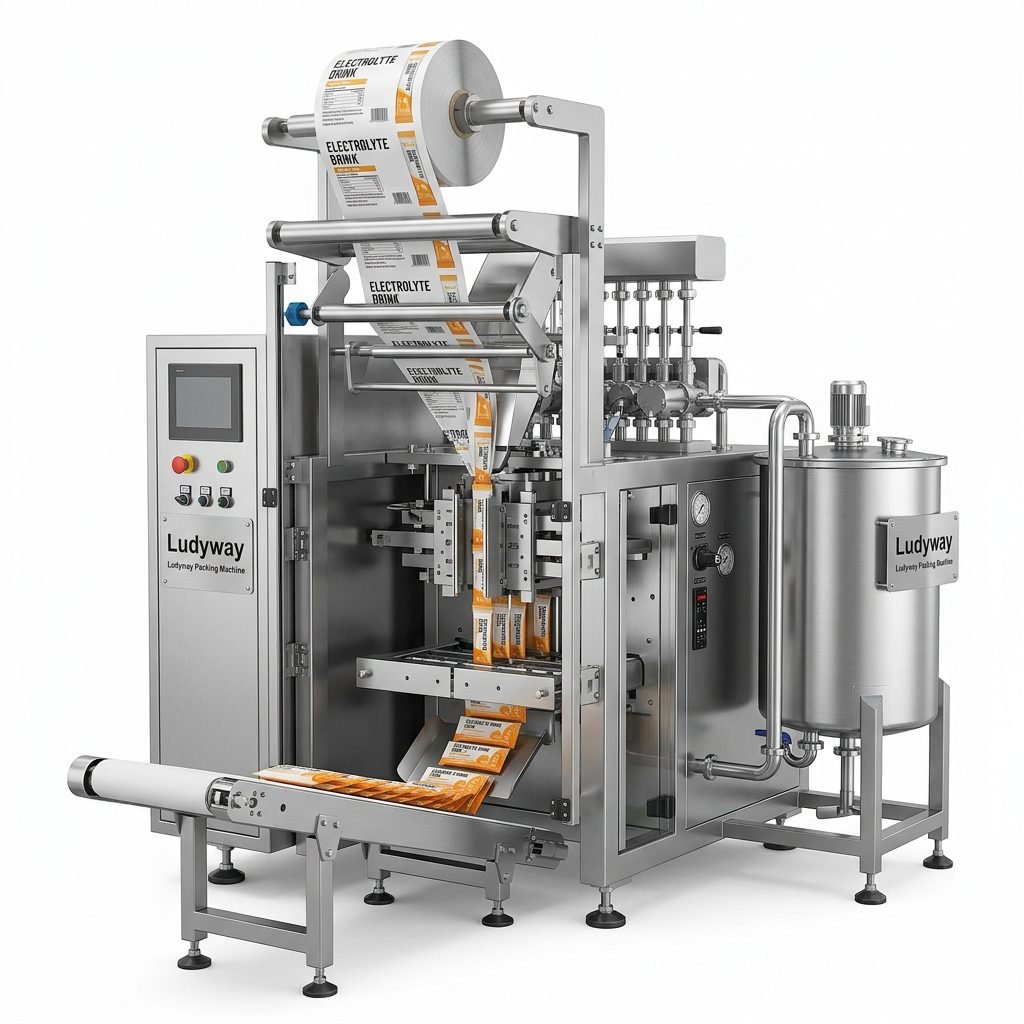
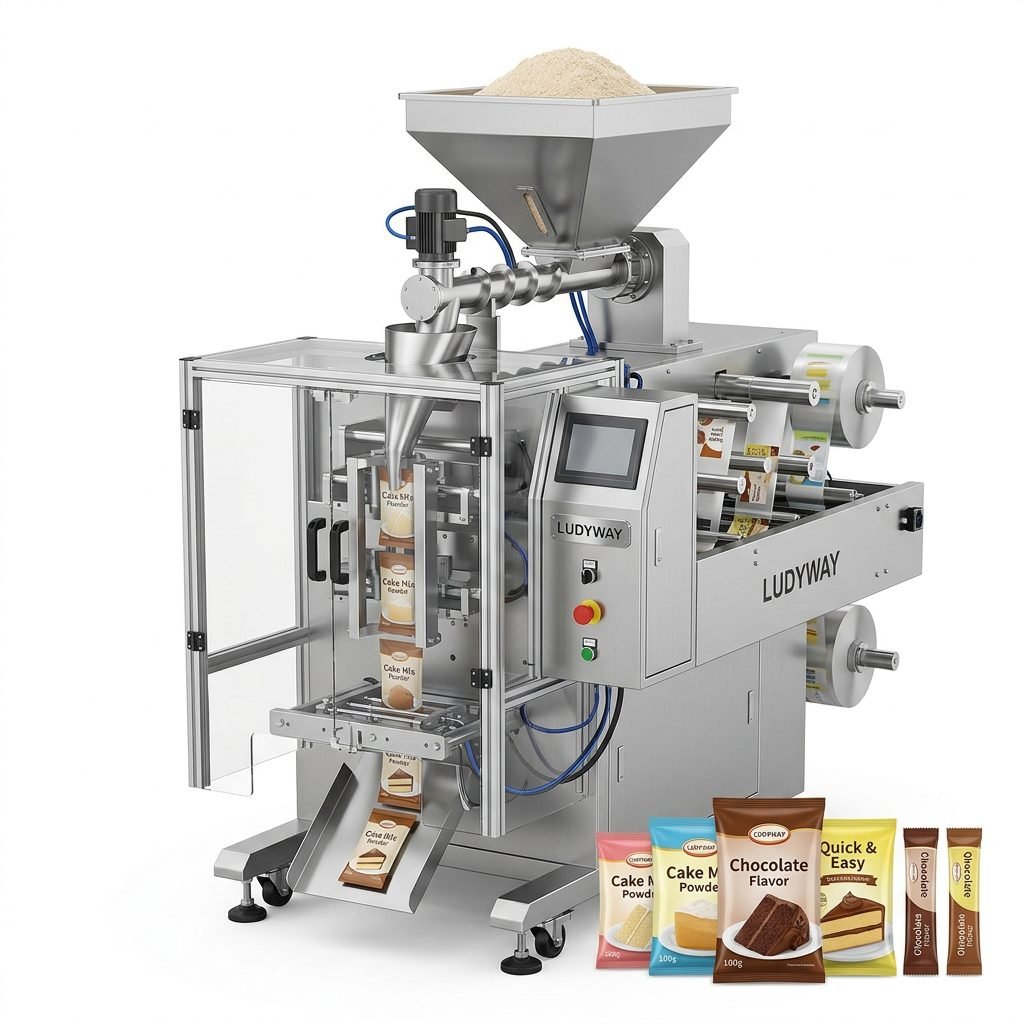
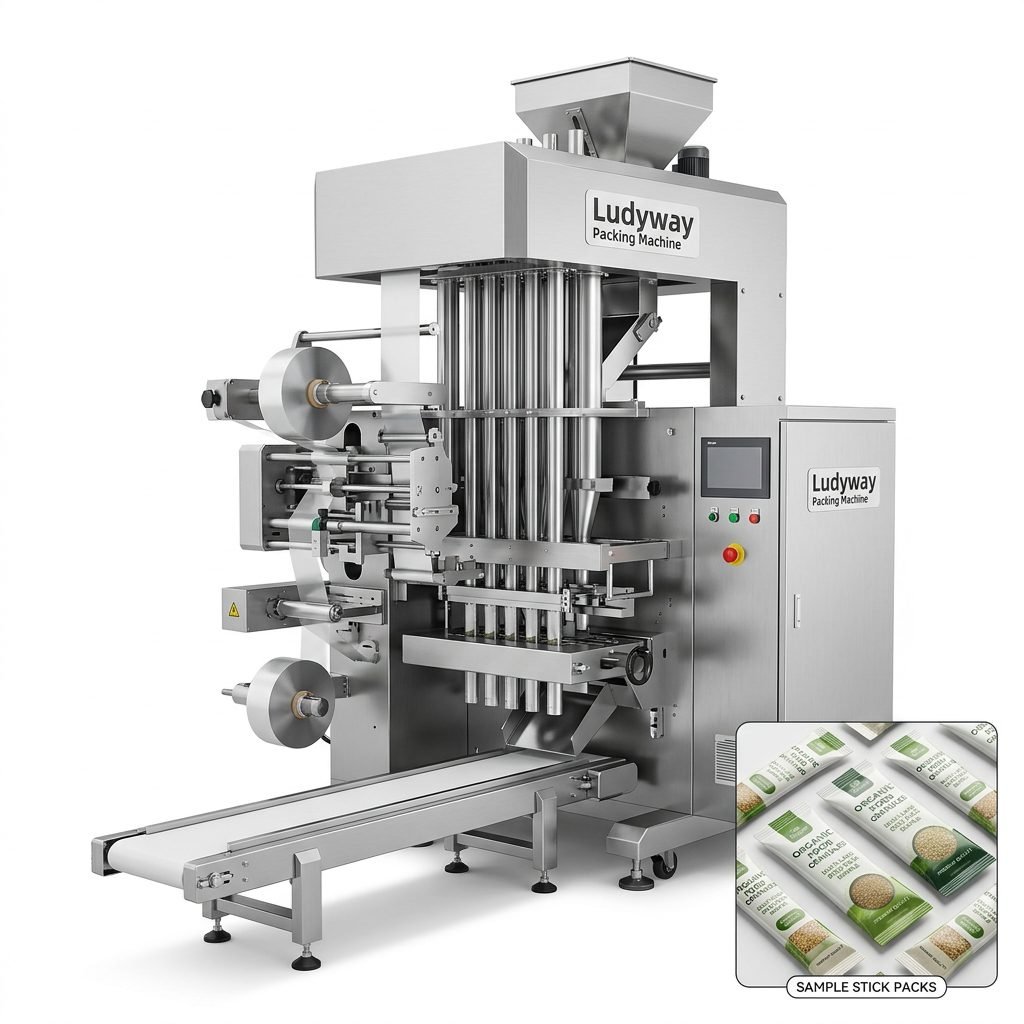
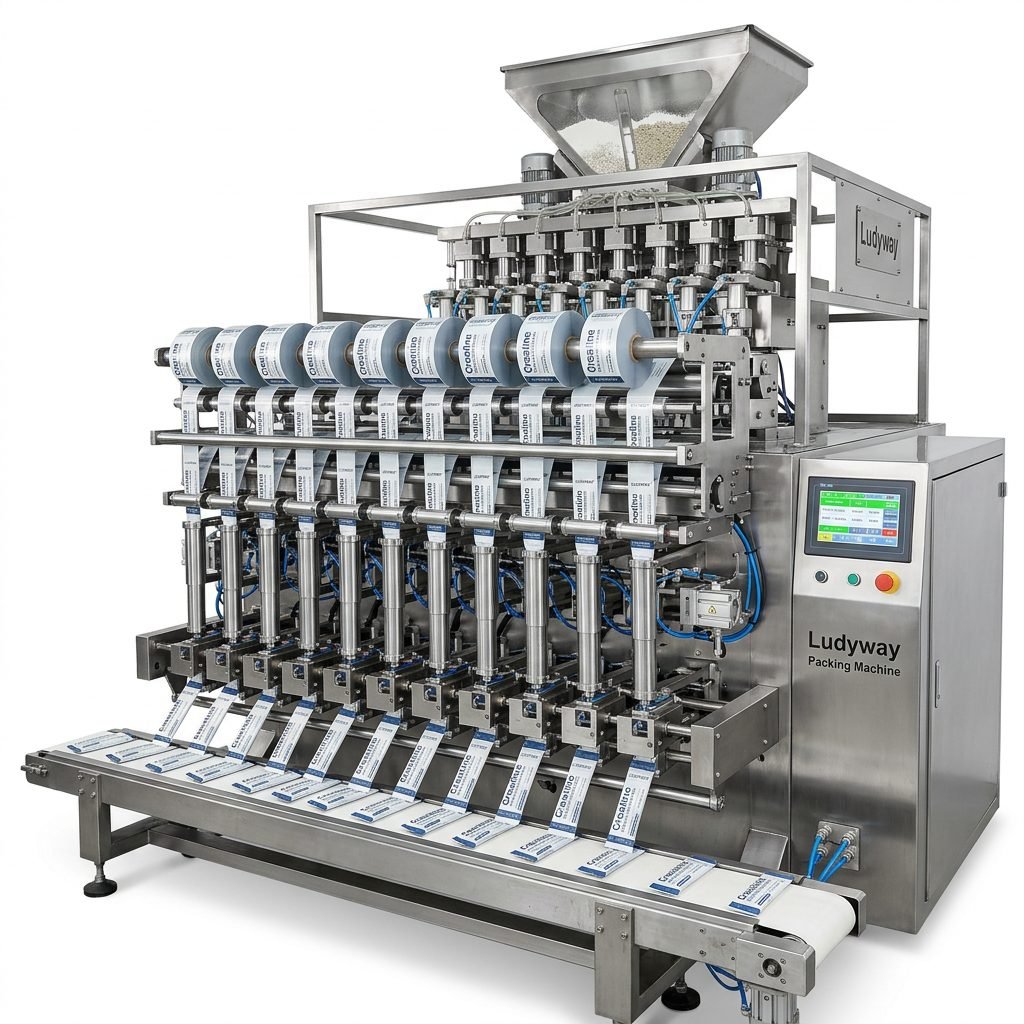
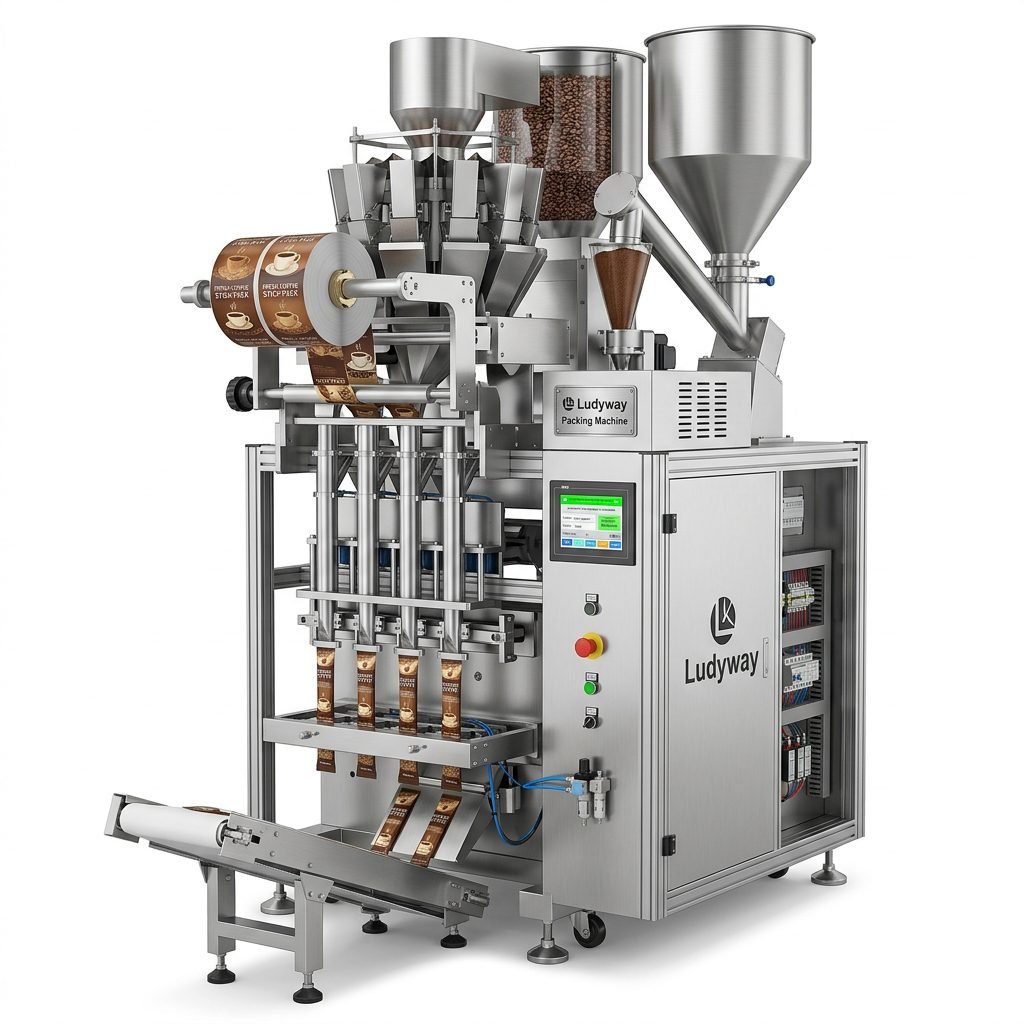
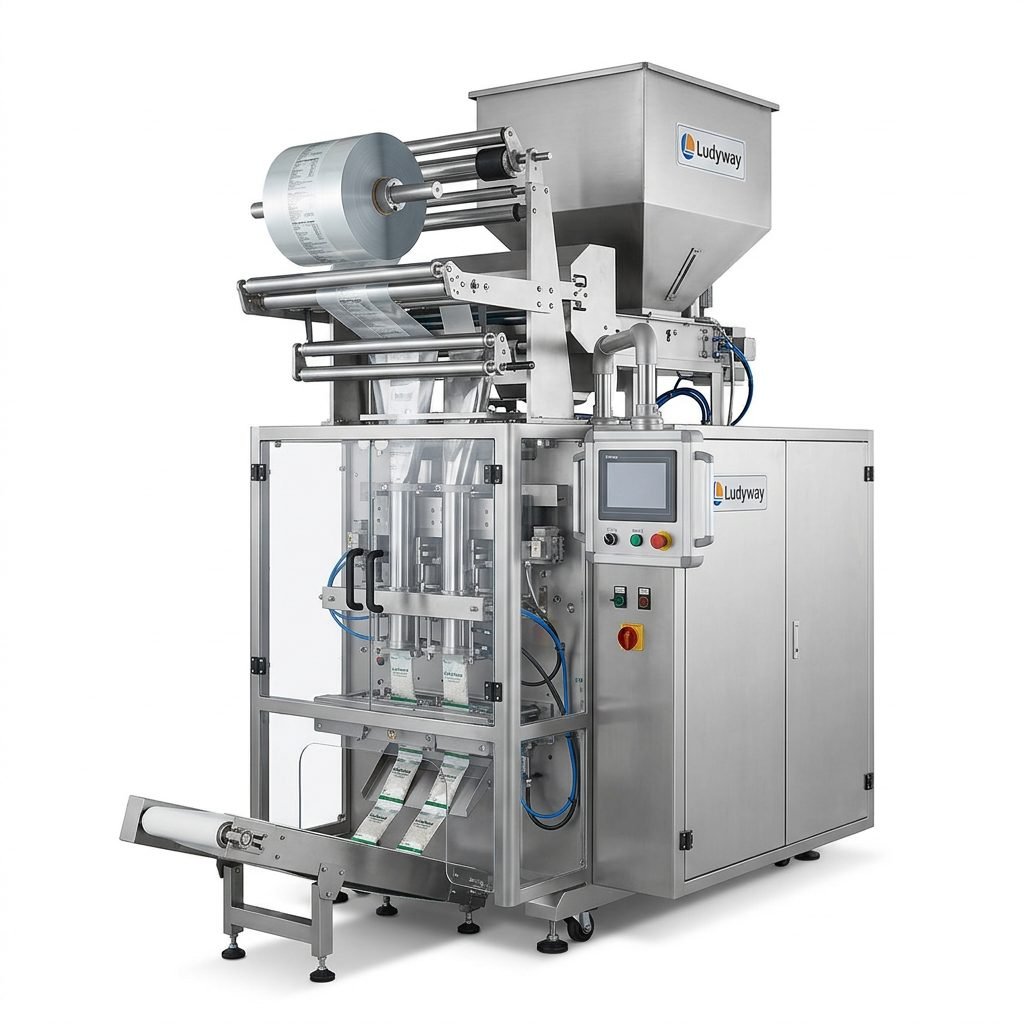
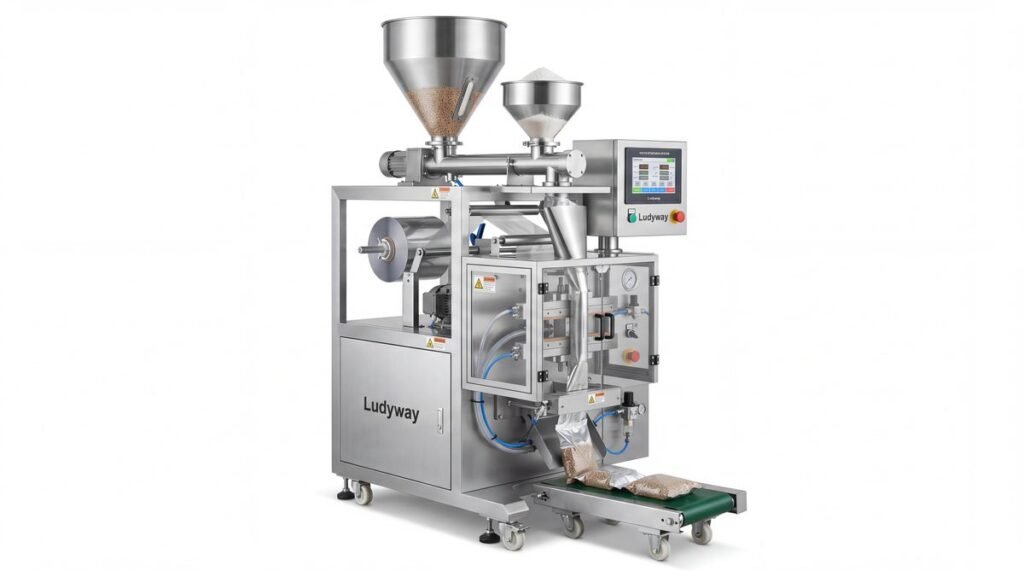
The core of your production line is the automatic chub packaging machine, which forms, fills, and seals tubular packages. Modern machines handle various product types including ground meat, sausage emulsion, cheese, and even certain industrial pastes. Look for machines with servo-driven systems for precise portion control and minimal product waste.
Auxiliary Equipment
- Meat Grinder & Mixer: Prepares the product to the correct consistency before filling.
- Product Hopper & Conveyor: Ensures continuous product feeding into the packaging machine.
- Clips & Casings: Chub-specific clipping systems seal the ends of each package securely.
- Coding & Labeling Unit: Applies batch codes, dates, and labels for traceability.
- Weighing & Inspection Systems: Checkweighers and metal detectors ensure quality control.
- Cold Storage Integration: Critical for maintaining product temperature throughout packaging.

Step-by-Step Setup Process
Follow this structured approach to establish your chub packaging production line in any African country:
- Feasibility Study: Analyze local demand, competition, raw material availability, and distribution channels. Visit potential customers to understand their packaging preferences.
- Site Selection: Choose a location with reliable utilities, good transport links, and proximity to your target market. Consider industrial zones with tax incentives.
- Equipment Procurement: Source machinery from experienced manufacturers. Consider factors like voltage compatibility, climate resilience, and local service availability.
- Import & Customs Clearance: Work with a local clearing agent familiar with packaging machinery imports. Prepare all documentation including certificates of origin and compliance.
- Installation & Commissioning: Arrange for professional installation by qualified technicians. Ensure proper calibration and testing before commercial production.
- Staff Training: Train operators on machine operation, cleaning procedures, safety protocols, and basic troubleshooting.
- Trial Production: Run test batches to validate product quality, packaging integrity, and production speed before full-scale operation.
Key Considerations for the African Market
Power Supply and Infrastructure
Many African regions experience unstable power supply. Investing in backup generators and voltage stabilizers is essential to protect your packaging equipment. Consider machines with built-in power protection features and plan for alternative energy sources where grid electricity is unreliable.
Climate and Environmental Factors
High ambient temperatures and humidity levels affect both product quality and machine performance. Your production facility should include adequate climate control, and packaging materials must be stored in temperature-controlled environments. Select machines designed to operate reliably in tropical conditions.
Regulatory Compliance
Each African country has its own food safety regulations. Familiarize yourself with local standards and international benchmarks. The FDA food packaging guidelines and ISO packaging standards provide useful reference frameworks. Ensure your packaging materials meet food-contact safety requirements.
Cost Breakdown and ROI Analysis
Understanding the financial commitment helps you plan effectively. Below is a typical cost structure for setting up a mid-sized chub packaging line in Africa:
| Cost Category | Estimated Range (USD) | Notes |
|---|---|---|
| Chub Packaging Machine | $25,000 – $80,000 | Depends on speed and automation level |
| Auxiliary Equipment | $15,000 – $40,000 | Grinders, conveyors, coders, etc. |
| Shipping & Logistics | $5,000 – $20,000 | Varies by origin and destination port |
| Import Duties & Taxes | 5% – 35% of CIF value | Country-specific; check local regulations |
| Installation & Commissioning | $3,000 – $10,000 | Including technician travel costs |
| Facility Setup | $10,000 – $50,000 | Cold storage, utilities, flooring |
Common Challenges and Solutions
- Challenge: Inconsistent power supply causing production interruptions.
Solution: Install industrial-grade voltage stabilizers and backup generators sized for your full production load. - Challenge: Limited local technical expertise for machine maintenance.
Solution: Partner with suppliers offering remote support services and comprehensive training programs. Maintain a spare parts inventory on-site. - Challenge: Supply chain disruptions for packaging materials and casings.
Solution: Establish relationships with multiple suppliers and maintain buffer stock of critical consumables. - Challenge: Meeting diverse regulatory requirements across different African markets.
Solution: Work with local regulatory consultants and stay updated through resources like the Flexible Packaging Association’s regulatory affairs guidance.
Selecting the Right Equipment Supplier
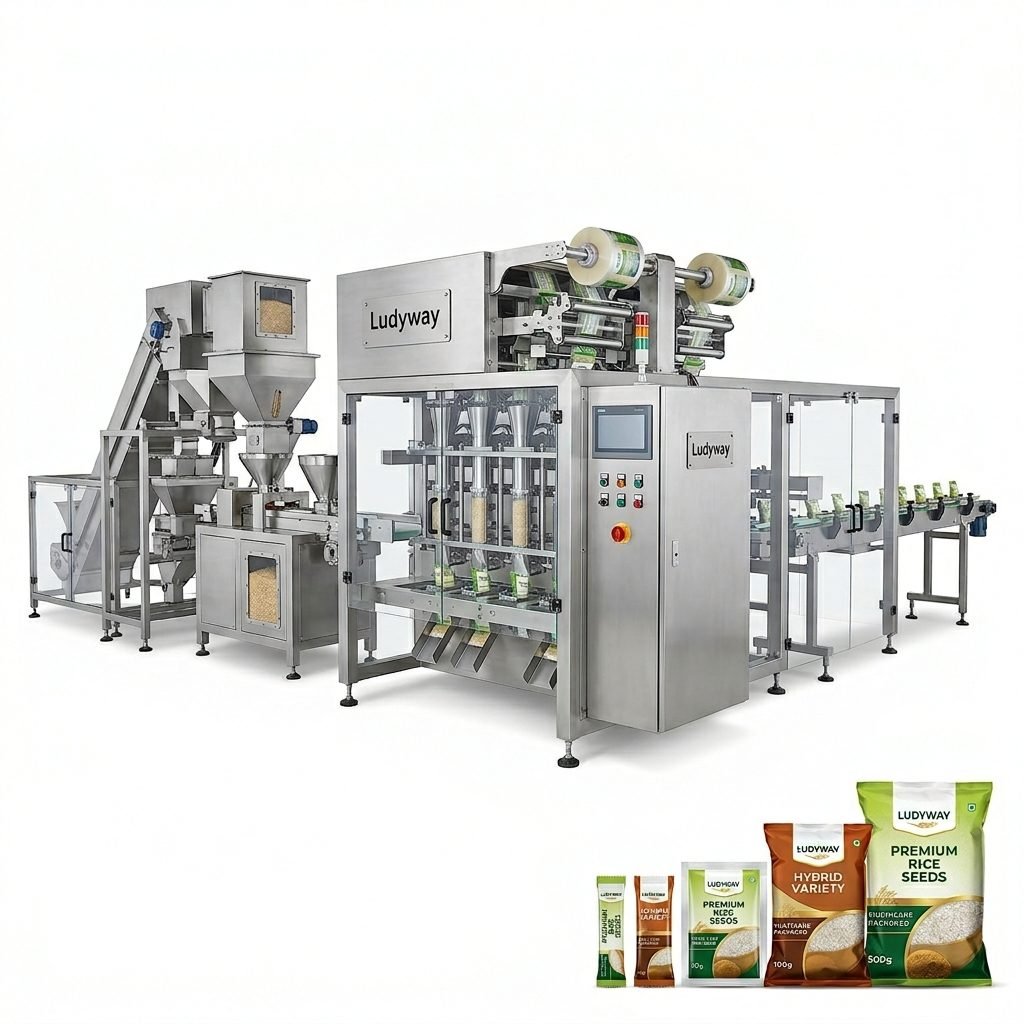
Choosing a reliable packaging machine manufacturer is one of the most important decisions you will make. Look for suppliers with proven international experience, particularly in emerging markets. Key evaluation criteria include machine build quality, after-sales support availability in Africa, spare parts accessibility, and willingness to provide operator training.
For businesses evaluating suppliers, companies like Ludyway offer comprehensive packaging solutions with experience serving customers in over 100 countries. When evaluating any supplier, request references from African clients and verify their track record with similar installations.
Maintenance and Training
A well-maintained chub packaging machine production line operates reliably for years. Implement a structured maintenance program:
- Daily: Clean product contact surfaces, inspect seals and clips, check lubrication points.
- Weekly: Inspect electrical connections, verify sensor calibrations, check pneumatic systems.
- Monthly: Comprehensive inspection of all mechanical components, belt tensioning, gearbox oil checks.
- Quarterly: Professional servicing by qualified technicians, software updates, performance optimization.
Invest in comprehensive operator training that covers not just machine operation but also food safety protocols, cleaning procedures, and basic troubleshooting skills. Well-trained operators significantly reduce downtime and extend equipment lifespan.
Production Efficiency Benchmarks
Track these key performance indicators to optimize your chub packaging production line:
| KPI Metric | Target Range | Measurement Method |
|---|---|---|
| Overall Equipment Effectiveness (OEE) | 75% – 85% | Availability × Performance × Quality |
| Production Speed | 40 – 120 packs/min | Varies by product type and machine model |
| Product Waste Rate | Below 2% | Weight of waste ÷ total product processed |
| Seal Integrity Rate | 99.5% or higher | Visual inspection and pressure testing |
Future-Proofing Your Investment
As African markets evolve, your packaging line should adapt to changing demands. Consider these forward-looking strategies:
- Choose machines with modular designs that allow for future upgrades and capacity expansion.
- Invest in automation features that reduce labor dependency while improving consistency.
- Plan for multiple product formats to diversify your market offerings over time.
- Stay informed about packaging industry trends and emerging technologies that could benefit your operation.
Conclusion
Setting up a chub packaging machine production line in Africa is a significant undertaking with substantial rewards for those who plan carefully. Success depends on understanding local market conditions, selecting quality equipment, managing logistics effectively, and investing in training and maintenance. By following the steps outlined in this guide, you can build a profitable and sustainable packaging operation that serves the growing demand for processed food products across the African continent.