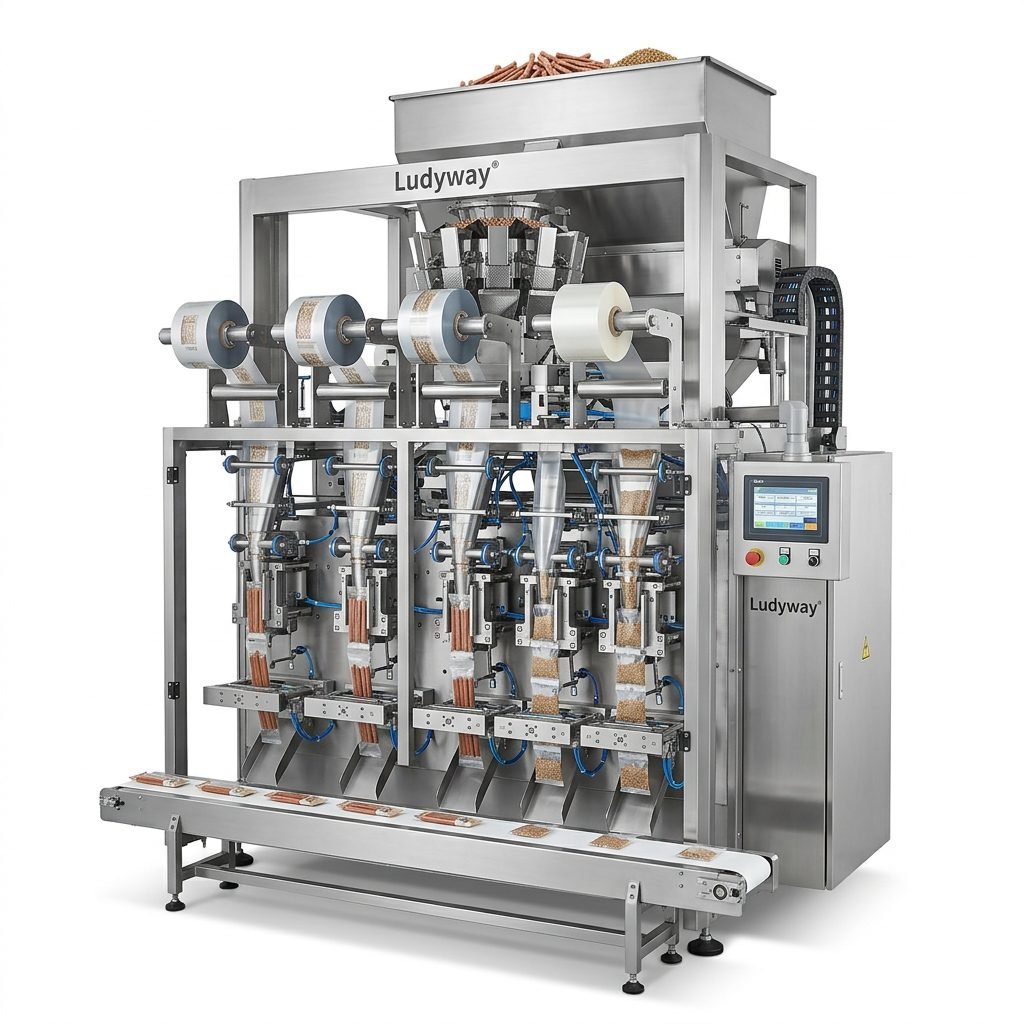
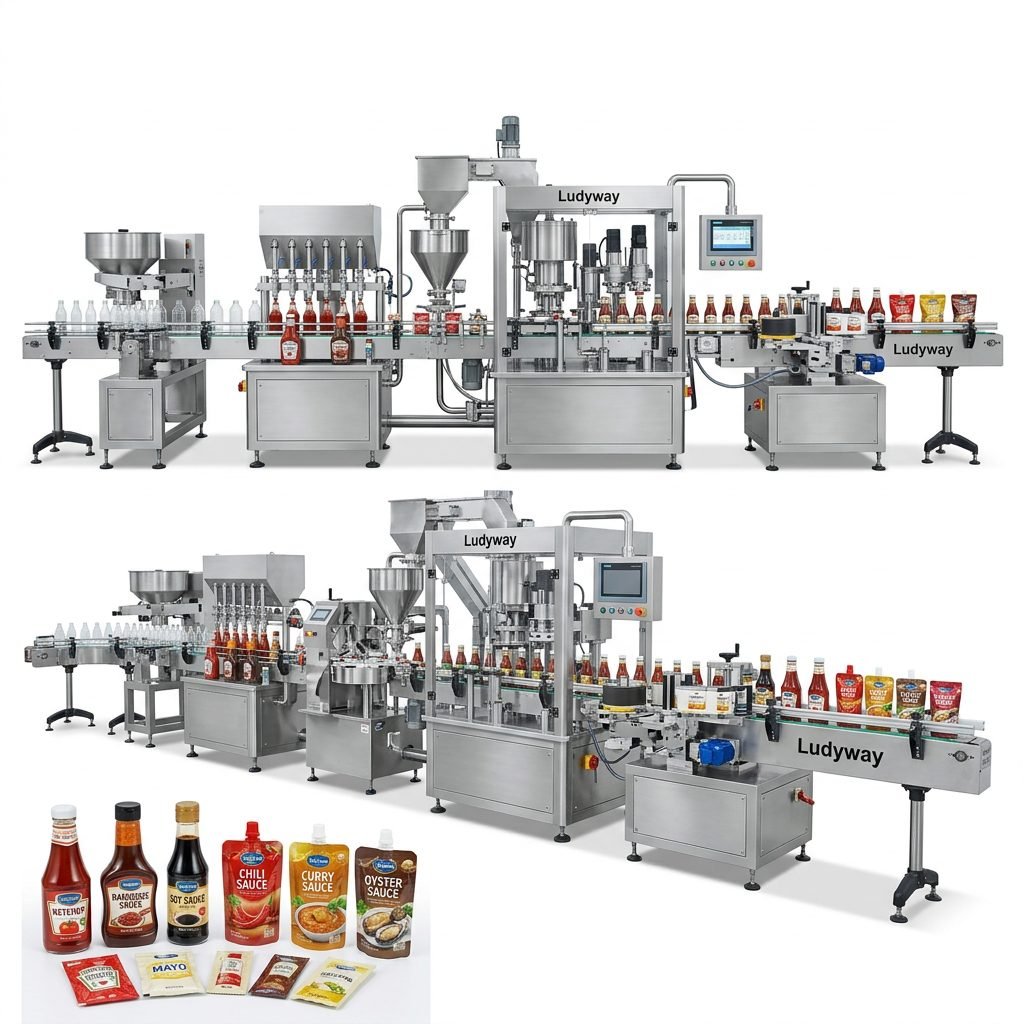
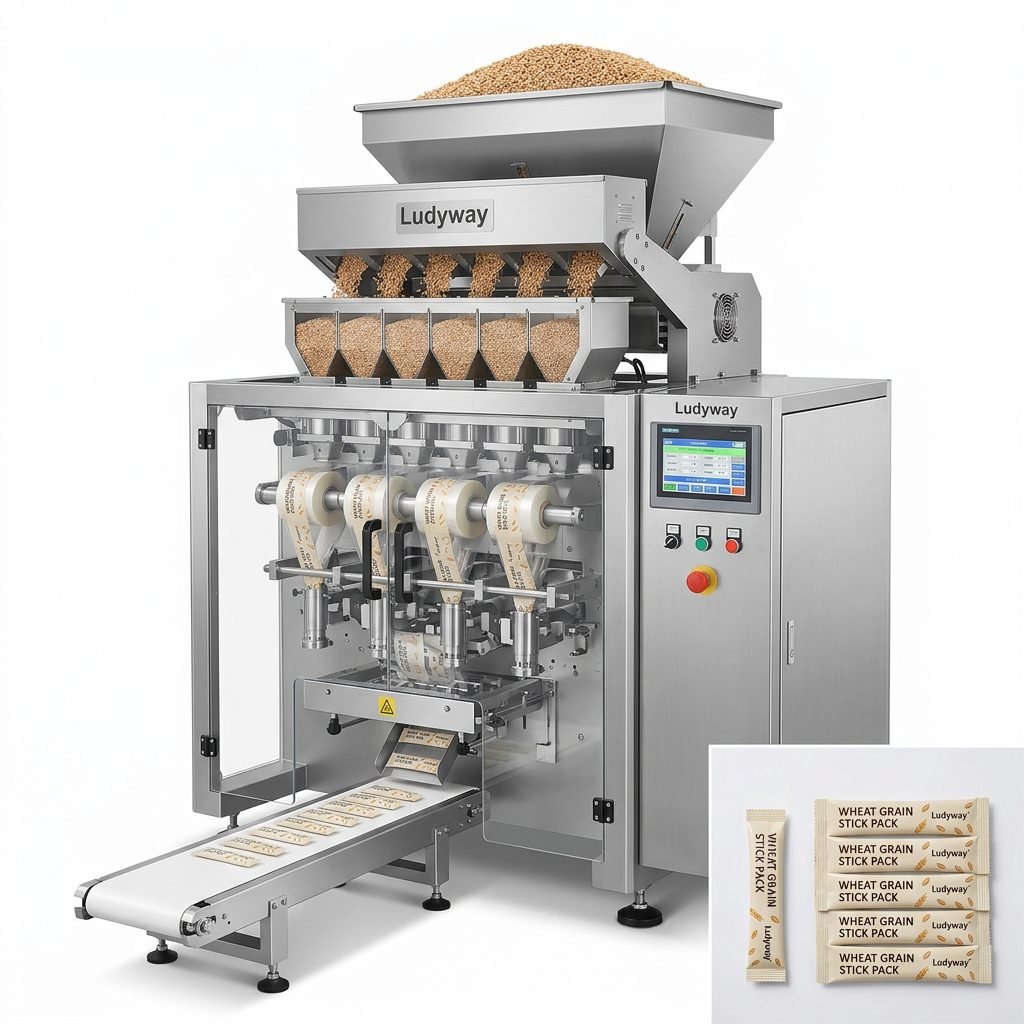
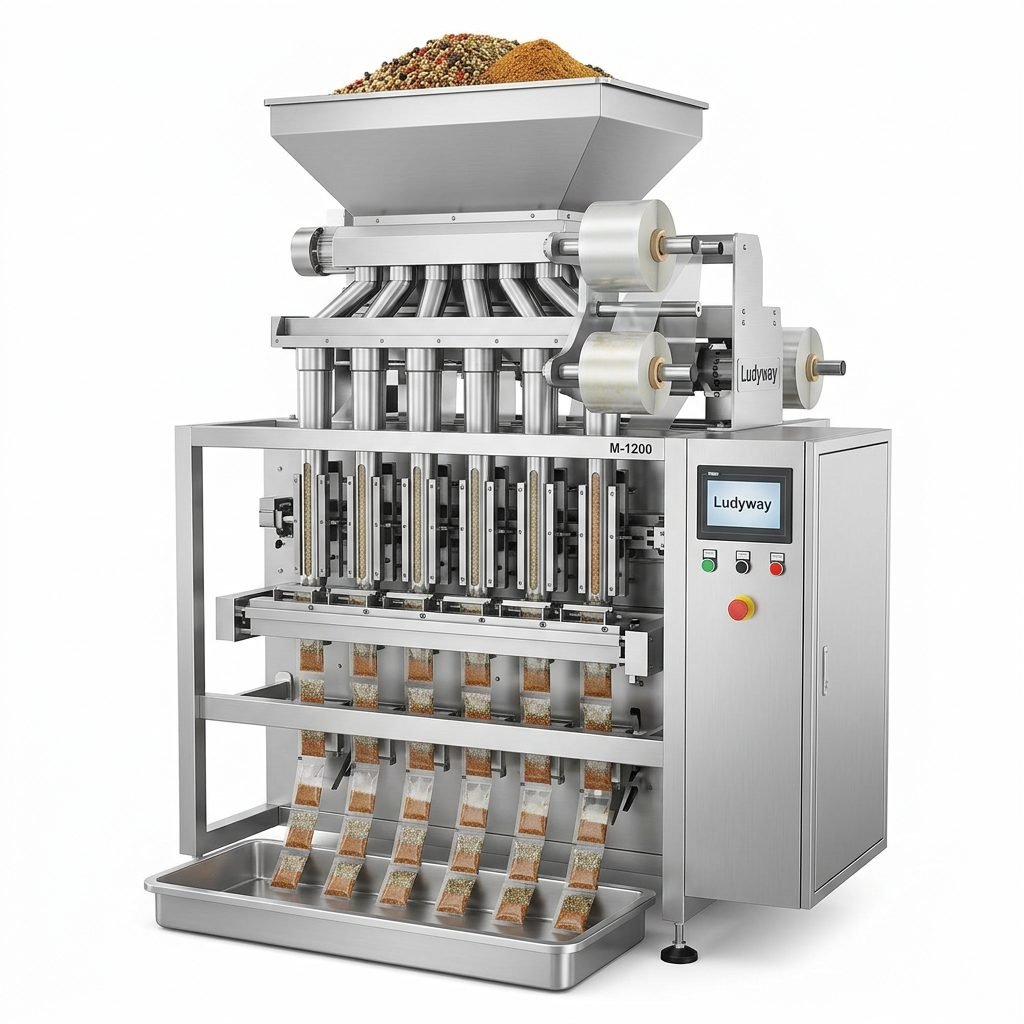
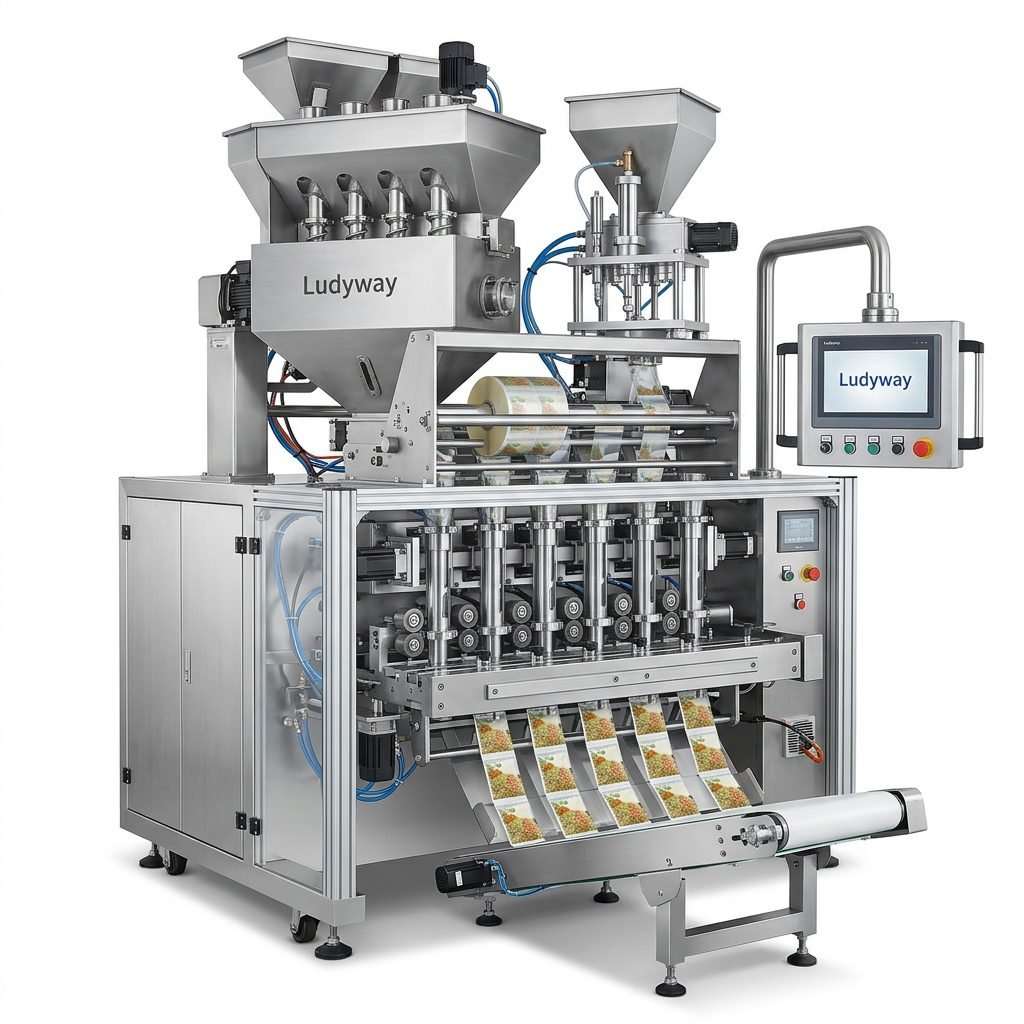
Establishing a vacuum packaging machine production line in Oceania requires careful planning, an understanding of local regulatory frameworks, and the selection of high-performance equipment tailored to the region’s unique market demands. Whether you are packaging fresh meat, seafood, dairy, or ready-to-eat meals, a well-designed vacuum packaging system can extend product shelf life, maintain hygiene standards, and optimize operational efficiency. This comprehensive guide walks you through every step of setting up a modern vacuum packaging production line in Australia, New Zealand, and the broader Pacific Islands.
Market Overview in Oceania
The Oceania packaging machinery market is projected to experience steady growth, driven by increasing demand for extended shelf-life packaging in the food export sector. Australia and New Zealand are major exporters of beef, lamb, dairy products, and seafood to Asia, the Middle East, and North America. This export-oriented economy means that vacuum packaging technology plays a critical role in maintaining product integrity during long-distance shipping.
According to industry data from PMMI’s Business Intelligence reports, the global packaging machinery market continues to expand, with vacuum packaging systems being a key segment in protein and dairy processing. Oceania’s strict food safety regulations, governed by international food packaging standards, make it essential for manufacturers to invest in compliant, high-quality equipment.

Key Components of a Vacuum Packaging Production Line
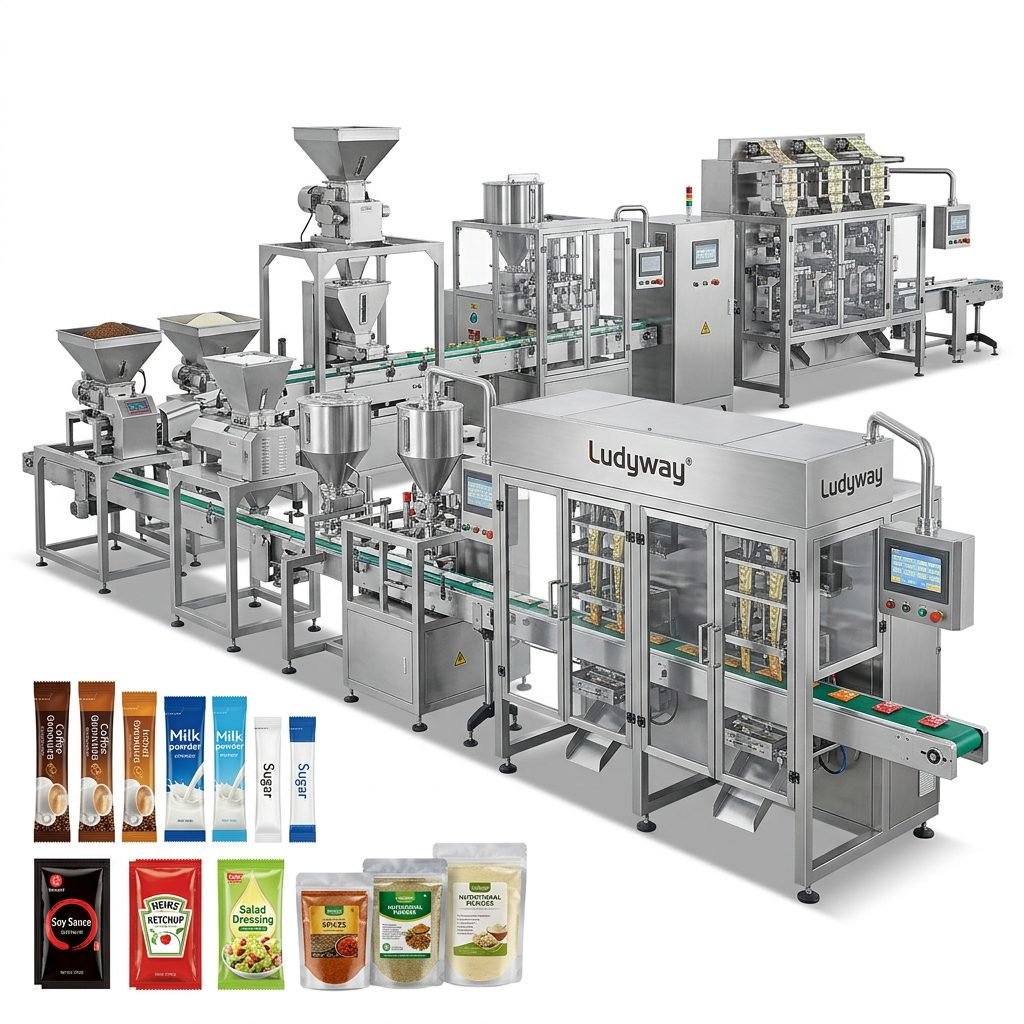
Before diving into setup procedures, it’s crucial to understand the core machinery and auxiliary equipment that make up a fully functional vacuum packaging production line. A typical configuration includes the following:
| Equipment Type | Primary Function | Key Considerations |
|---|---|---|
| Vacuum Chamber Machine | Removes air from the package and seals it hermetically | Chamber size, pump capacity, cycle speed |
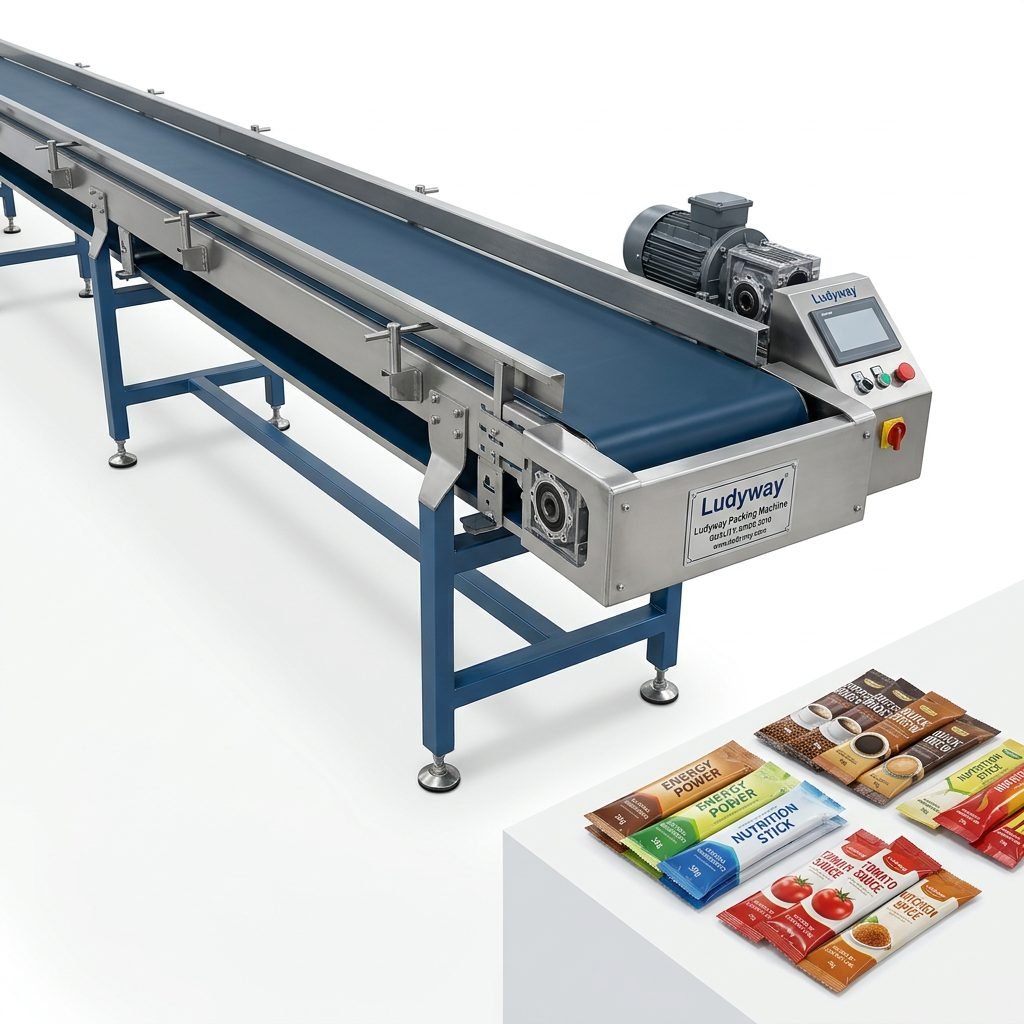
| Conveyor Belt System | Transports products through packaging stages | Belt material, speed adjustability, width compatibility |
| Weighing and Filling Station | Accurately portions product into preformed bags or trays | Precision, speed, integration with upstream equipment |
| Shrink Tunnel (Optional) | Applies heat to shrink film tightly around product | Temperature control, tunnel length, energy efficiency |
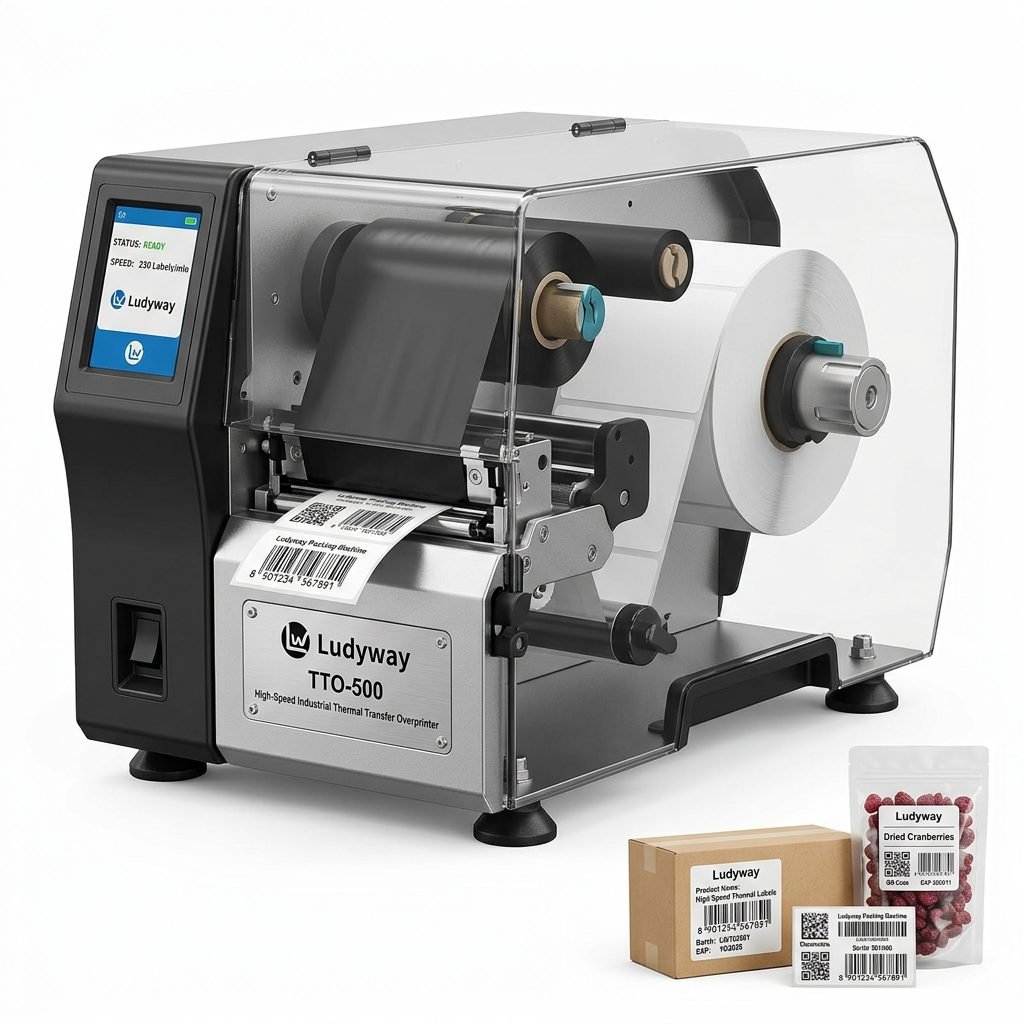
| Labeling and Coding System | Prints batch numbers, dates, and barcodes | Print resolution, speed, compliance with Oceania labeling laws |
| Metal Detector / X-Ray Inspection | Ensures product safety by detecting contaminants | Sensitivity, aperture size, compliance with HACCP |
Step-by-Step Setup Process
1. Facility Assessment and Layout Design
Start by evaluating your production floor space, ceiling height, and utility availability. A vacuum packaging production line requires adequate clearance for conveyor systems, maintenance access, and operator movement. In Oceania, where many facilities are located in industrial zones near ports or processing plants, space utilization is critical.
Design your layout to follow a logical flow: raw material receiving → preparation and portioning → vacuum sealing → quality inspection → secondary packaging → cold storage. This linear flow minimizes cross-contamination risks and improves overall efficiency.
2. Selecting the Right Vacuum Packaging Machine
Your choice of vacuum packaging equipment depends on product type, production volume, and packaging material. For high-volume meat processing, a double-chamber vacuum machine or a continuous band vacuum sealer may be appropriate. For smaller operations, a single-chamber unit could suffice.
Key technical specifications to evaluate include:
- Vacuum pump capacity (measured in m³/h) — higher capacity reduces cycle time
- Sealing bar length and quantity — determines throughput per cycle
- Chamber construction material — stainless steel is essential for food-grade compliance
- Compatibility with modified atmosphere packaging (MAP) — increasingly demanded in Oceania’s premium food market
- Automation level — from manual loading to fully automatic inline systems
3. Integration with Auxiliary Equipment
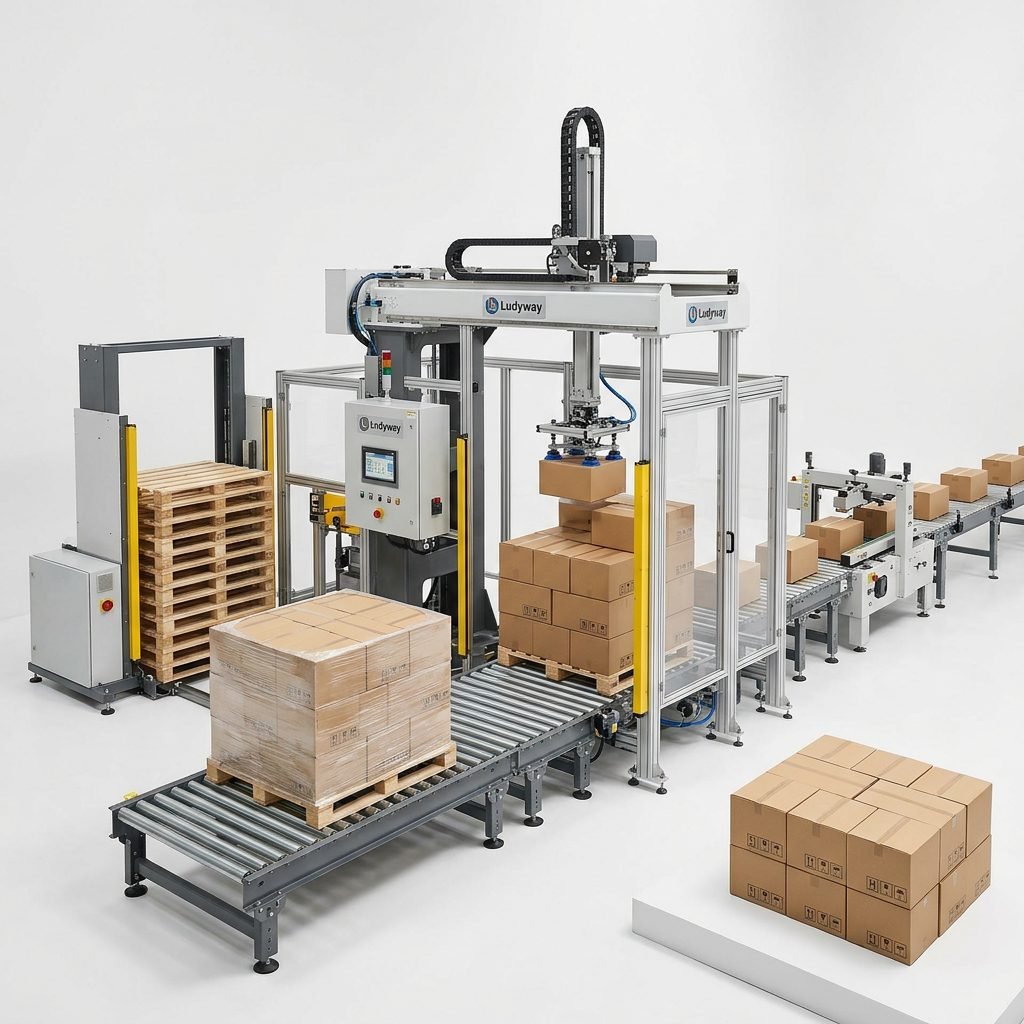
A vacuum packaging machine alone does not constitute a complete production line. Seamless integration with upstream and downstream equipment is essential. Consider how your conveyor system will connect the filling station to the vacuum sealer and then to the shrink tunnel or boxing station.
Modern production lines in Oceania increasingly adopt smart factory principles, where sensors and IoT-enabled devices monitor machine performance in real time. This approach reduces downtime and enables predictive maintenance, a key advantage for remote locations in the Pacific.
4. Regulatory Compliance and Food Safety Standards
Oceania has some of the world’s most stringent food packaging regulations. In Australia, the Australia New Zealand Food Standards Code governs materials in contact with food, while New Zealand’s Ministry for Primary Industries (MPI) oversees export certification. Key international standards such as ISO 11607 for terminally sterilized medical devices and packaging validation requirements also apply when packaging extends to healthcare products.
Ensure your vacuum packaging line complies with:
- HACCP principles — hazard analysis and critical control points throughout the packaging process
- FSANZ standards — for food contact materials and migration limits
- Biosecurity requirements — especially critical for packaging lines handling products destined for export
5. Operator Training and Safety Protocols
Even the most advanced vacuum packaging line requires skilled operators. Invest in comprehensive training programs covering machine operation, cleaning procedures, and emergency protocols. In Oceania, workplace safety is governed by agencies such as Safe Work Australia and WorkSafe New Zealand.
Training should include vacuum pump maintenance, sealing bar replacement, and troubleshooting common issues like incomplete seals or air leaks. A well-trained team can reduce downtime by up to 30% and extend the lifespan of your equipment.
Sourcing Reliable Equipment for the Oceania Market
When selecting a vacuum packaging machine supplier for your Oceania production line, prioritize manufacturers with proven international experience, strong after-sales support, and a track record of compliance with regional standards. Turnkey solutions that include installation, training, and ongoing technical support are particularly valuable for businesses expanding in the Pacific region.
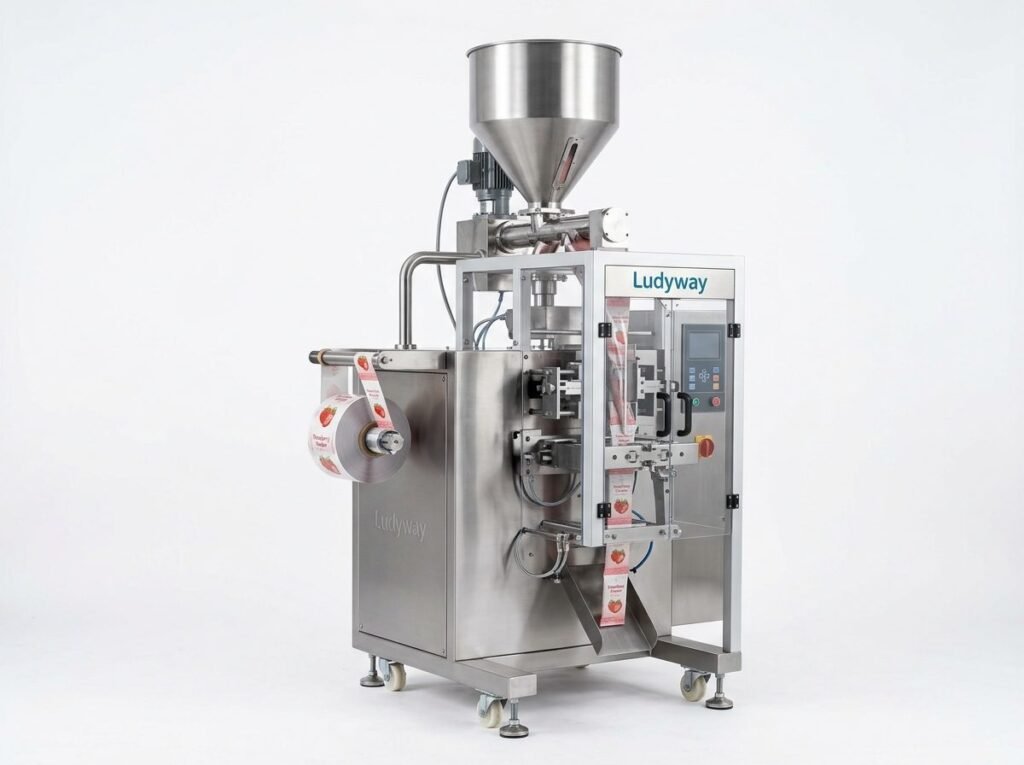
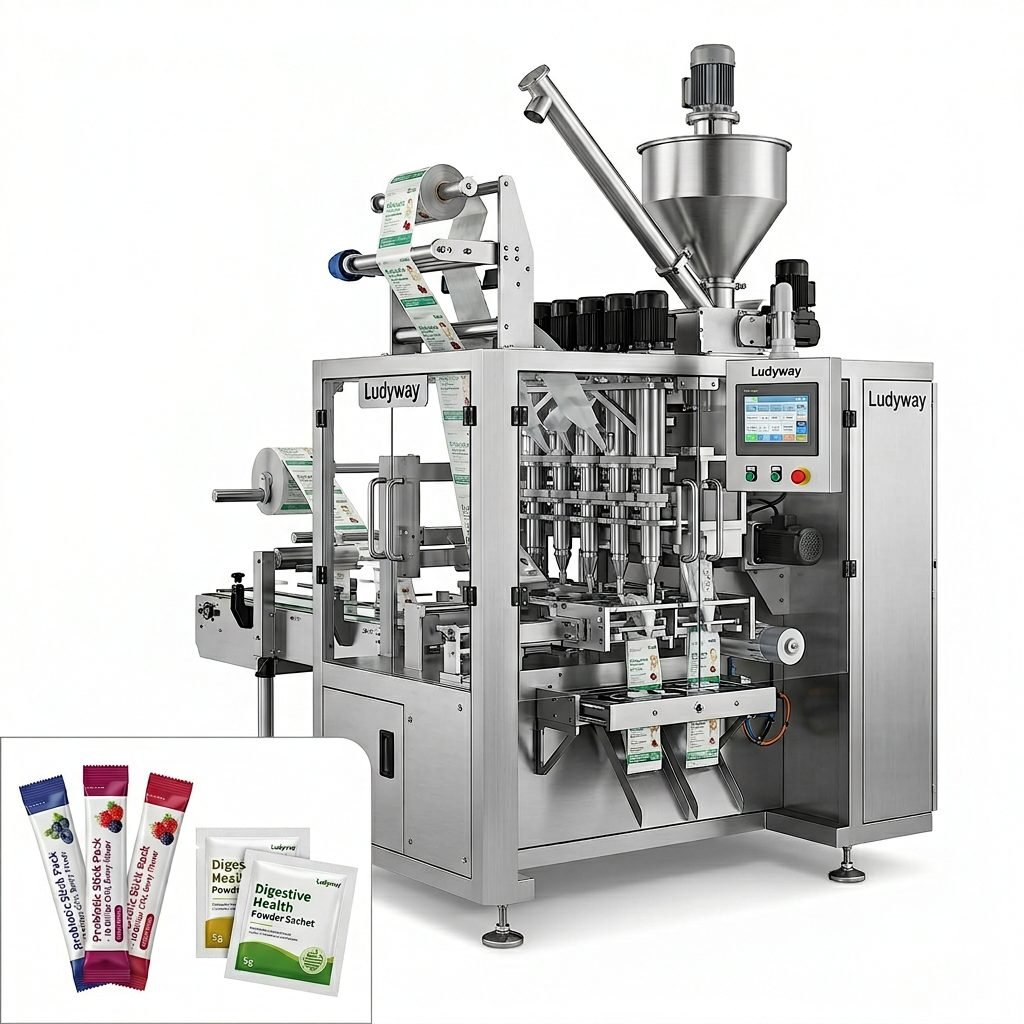
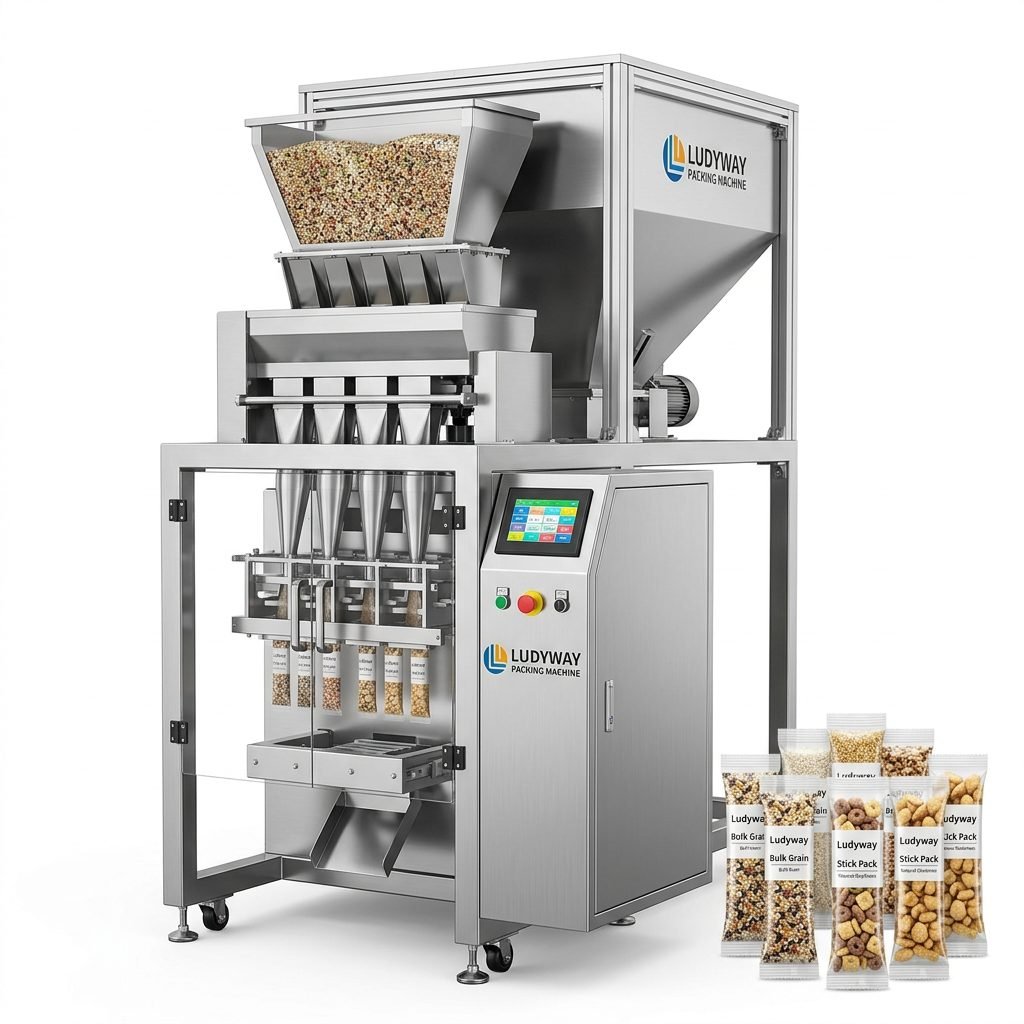
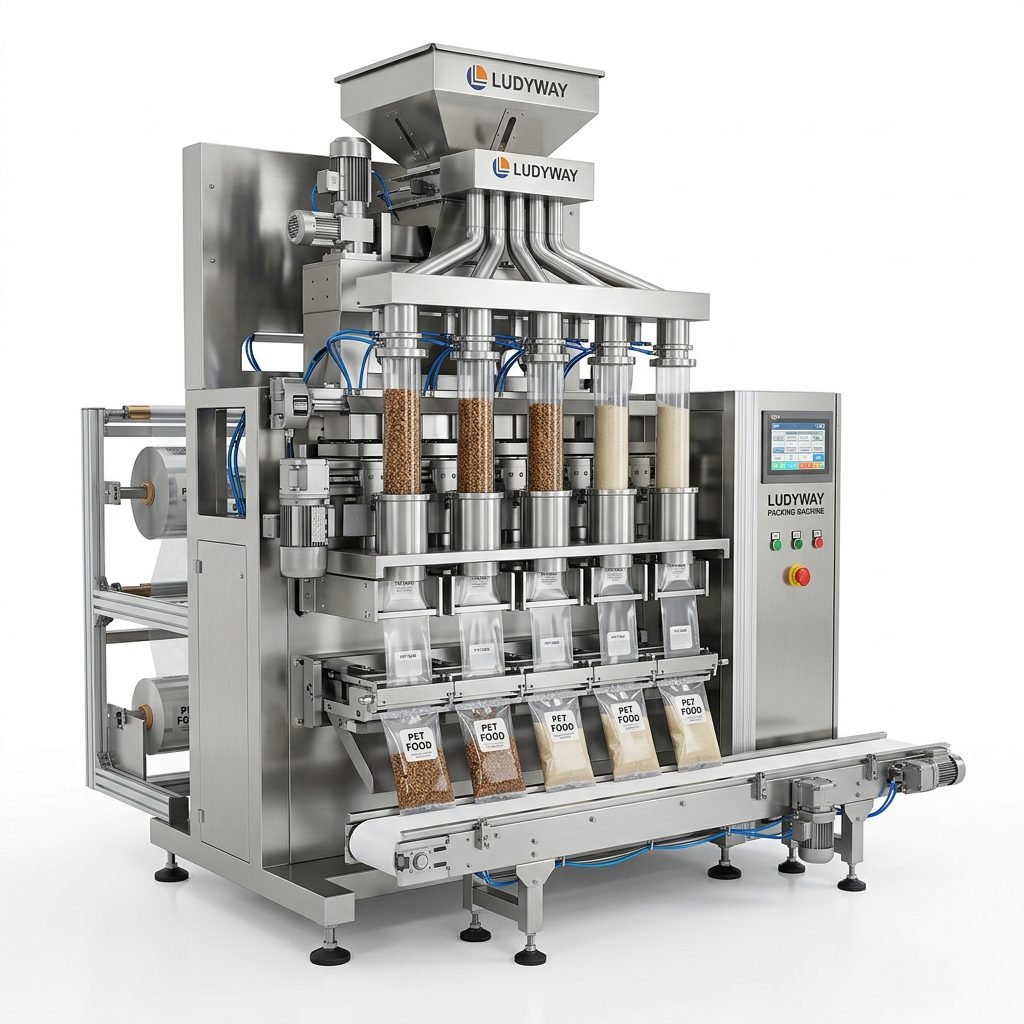
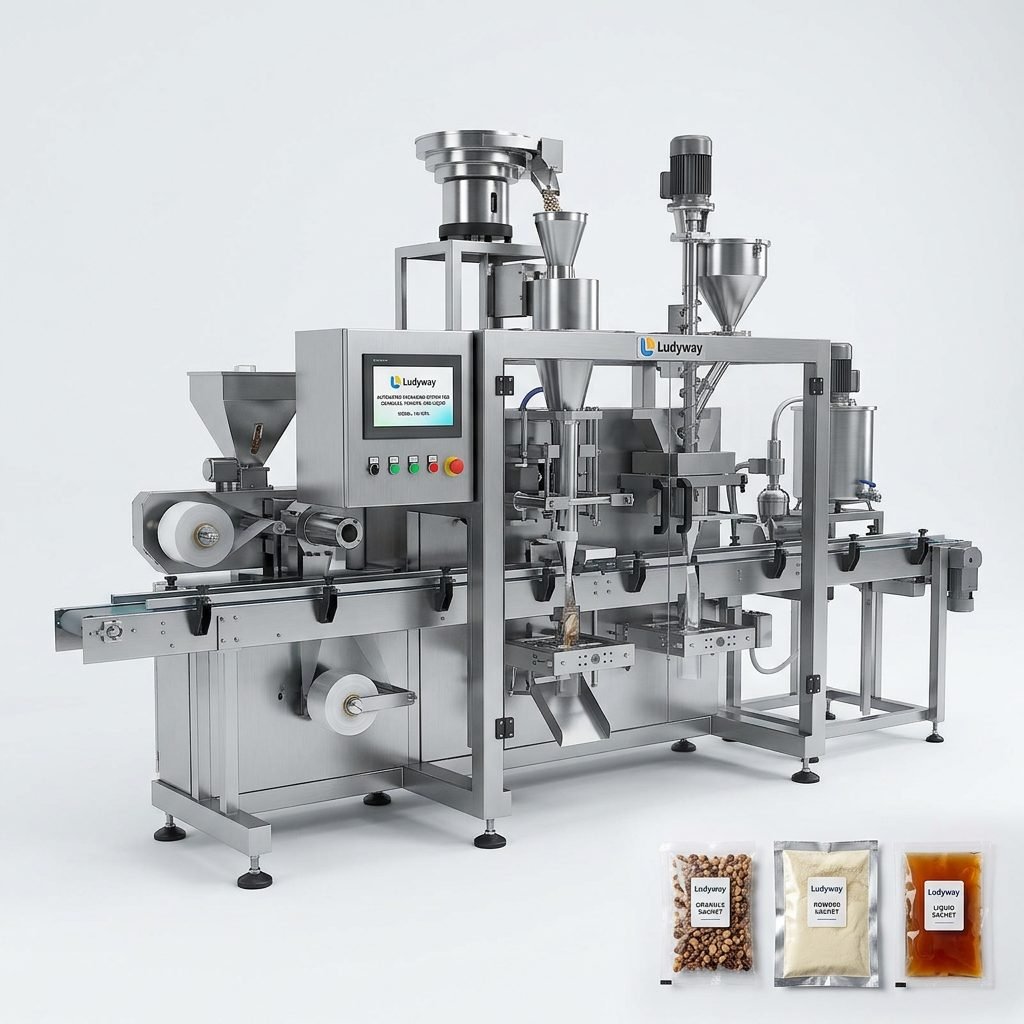
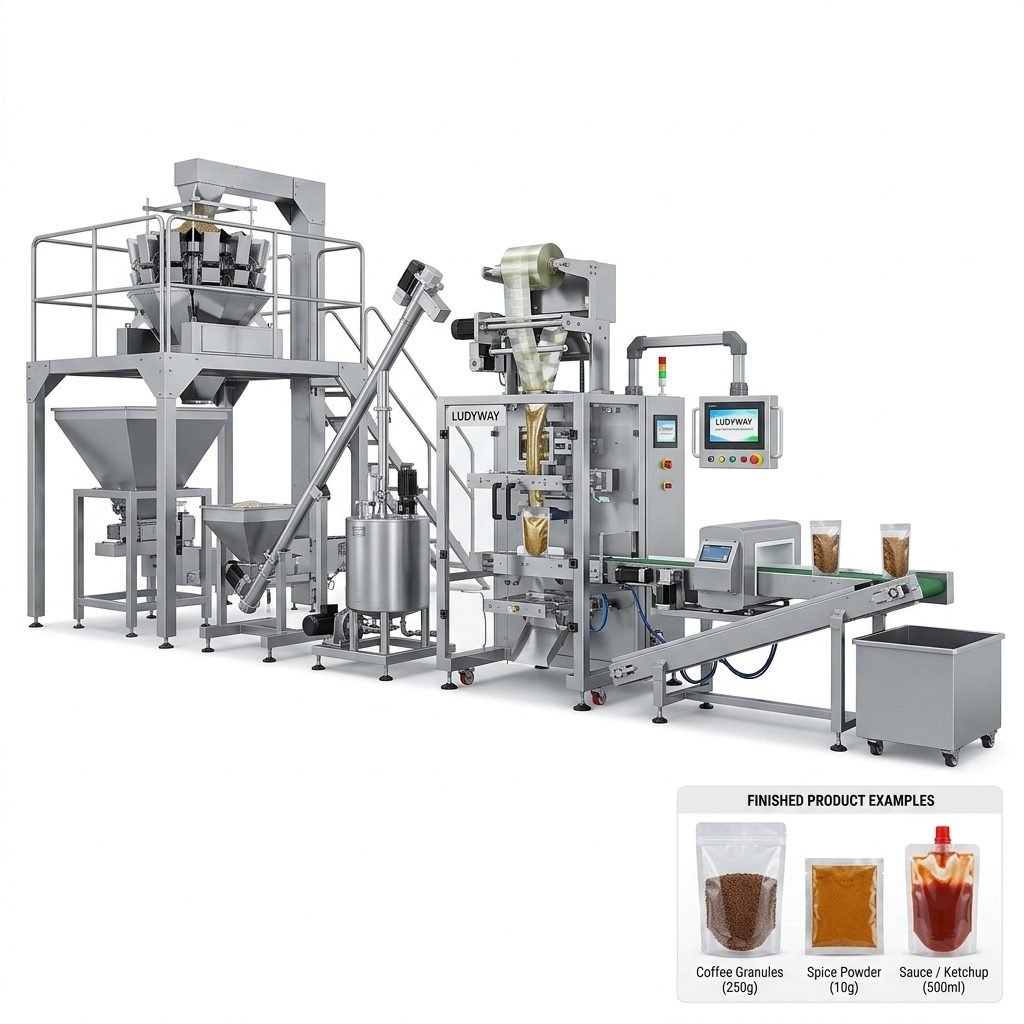
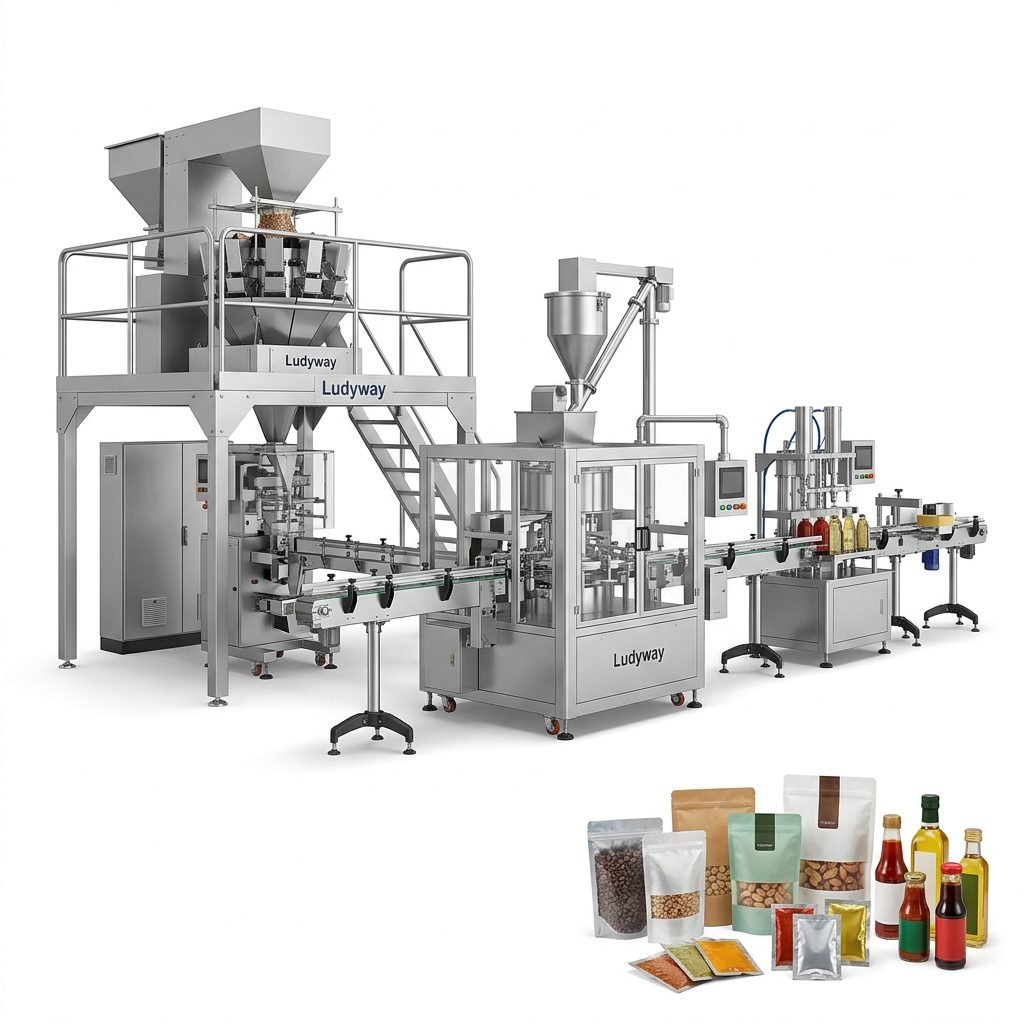
One manufacturer with a growing presence in global markets is Ludyway, which specializes in advanced packaging equipment for the food, pharmaceutical, and health industries. With over 30 years of expertise and a 20,000㎡ manufacturing facility, they offer more than 50 intelligent packaging machine models, including fully automated systems suitable for vacuum packaging applications in Oceania’s demanding production environments.
Optimizing Your Production Line for Efficiency
Once your vacuum packaging line is operational, focus on continuous improvement. Monitor Overall Equipment Effectiveness (OEE) to identify bottlenecks and areas for enhancement. Common strategies include:
- Preventive maintenance schedules — reduce unplanned downtime through regular servicing of vacuum pumps and sealing bars
- Changeover optimization — implement quick-change tooling and standardized procedures to minimize downtime between product runs
- Energy efficiency upgrades — modern vacuum pumps and heat-sealing systems can reduce energy consumption by 20-40%
- Data-driven decision making — use production data to adjust machine parameters for optimal seal quality and throughput
| Optimization Area | Typical Improvement | Implementation Timeline |
|---|---|---|
| Seal Quality Enhancement | 15-25% fewer rejects | 1-3 months |
| Cycle Time Reduction | 10-20% faster throughput | 3-6 months |
| Energy Cost Savings | 20-40% reduction | 6-12 months |
| Downtime Reduction | 30-50% less unplanned stops | Ongoing |
Sustainability Considerations in Vacuum Packaging
Oceania markets are increasingly prioritizing sustainable packaging solutions. Australia’s National Packaging Targets aim for 100% reusable, recyclable, or compostable packaging by 2025. When setting up your vacuum packaging line, consider:
- Switching to recyclable mono-material films that maintain barrier properties
- Investing in vacuum machines that minimize film waste through precise bag forming and cutting
- Implementing recycling programs for used packaging materials within your facility
- Evaluating biodegradable vacuum bag options for specific product categories
Common Pitfalls to Avoid
When establishing a vacuum packaging production line in Oceania, be aware of these frequent challenges:
- Underestimating utility requirements — vacuum packaging machines often demand substantial electrical capacity and compressed air. Verify infrastructure before installation
- Neglecting after-sales support — given Oceania’s geographic isolation, ensure your supplier offers remote diagnostics and readily available spare parts
- Ignoring local packaging waste regulations — non-compliance can result in fines and market access restrictions
- Overlooking operator ergonomics — poor workstation design leads to fatigue and reduced productivity over long shifts
- Choosing price over total cost of ownership — a cheaper machine with higher maintenance costs and shorter lifespan often proves more expensive in the long run
Future Trends in Vacuum Packaging Technology
The vacuum packaging sector is evolving rapidly, with several trends shaping the future of production lines in Oceania and globally. Smart packaging integration, where sensors embedded in packaging monitor temperature, freshness, and tampering, is gaining traction in premium food segments. Additionally, robotic automation for loading and unloading vacuum chambers is reducing labor dependency in high-wage markets like Australia.
Other developments include advanced modified atmosphere packaging (MAP) with precise gas flushing ratios, high-pressure processing (HPP) compatibility for extended shelf life, and digitally connected production lines that enable remote monitoring from anywhere in the world. Staying informed through resources like the PMMI State of the Industry Reports and Flexible Packaging Association resources helps manufacturers remain competitive.
Frequently Asked Questions
What is the typical cost of setting up a vacuum packaging production line?
The investment varies significantly based on capacity, automation level, and auxiliary equipment. A basic manual single-chamber setup might start around AUD $15,000-$30,000, while a fully automated inline system with multiple sealing stations, conveyors, and inspection equipment can exceed AUD $200,000. It’s advisable to request detailed quotations from multiple manufacturers and consider total cost of ownership over 5-10 years.
How do I ensure my vacuum packaging line meets Oceania export standards?
Work with suppliers who have experience with Codex Alimentarius standards and can provide documentation demonstrating compliance with FSANZ, MPI, and relevant international guidelines. European packaging regulations also offer a useful benchmark for global best practices. Regular audits and certification from recognized bodies add credibility to your packaging process.
Can a vacuum packaging machine handle both food and non-food products?
Yes, many industrial vacuum packaging machines are versatile enough to handle a range of products, from fresh foods to medical devices and electronic components. However, strict cross-contamination prevention protocols must be followed if the same equipment is used for different product categories. Dedicated production lines are recommended for pharmaceutical and medical applications per ISO packaging standards.
For further technical guidance on vacuum packaging production lines or to explore equipment options suitable for the Oceania market, consult with industry experts and review resources from organizations such as the Association for Packaging and Processing Technologies (PMMI) and the Flexible Packaging Association. Keeping abreast of global packaging exhibitions like PACK EXPO International can also provide valuable insights into the latest machinery innovations.