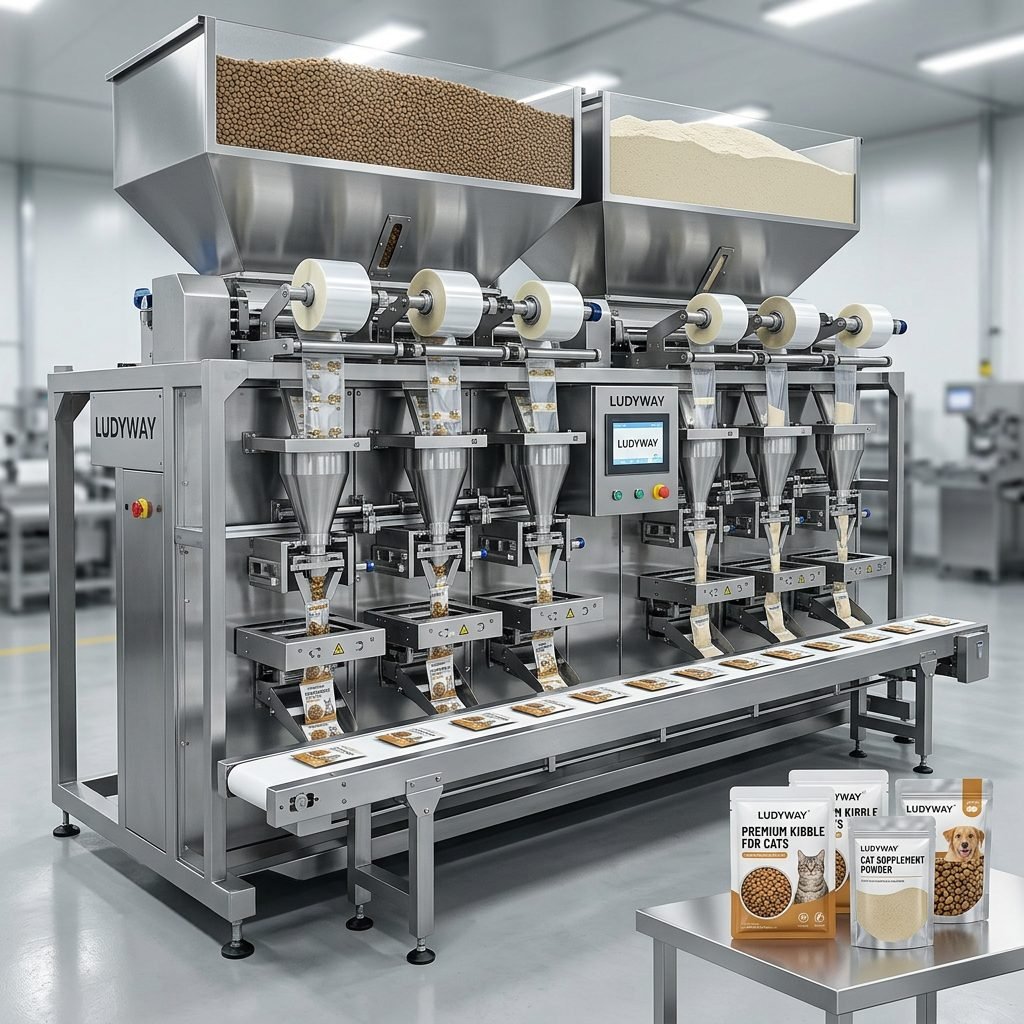
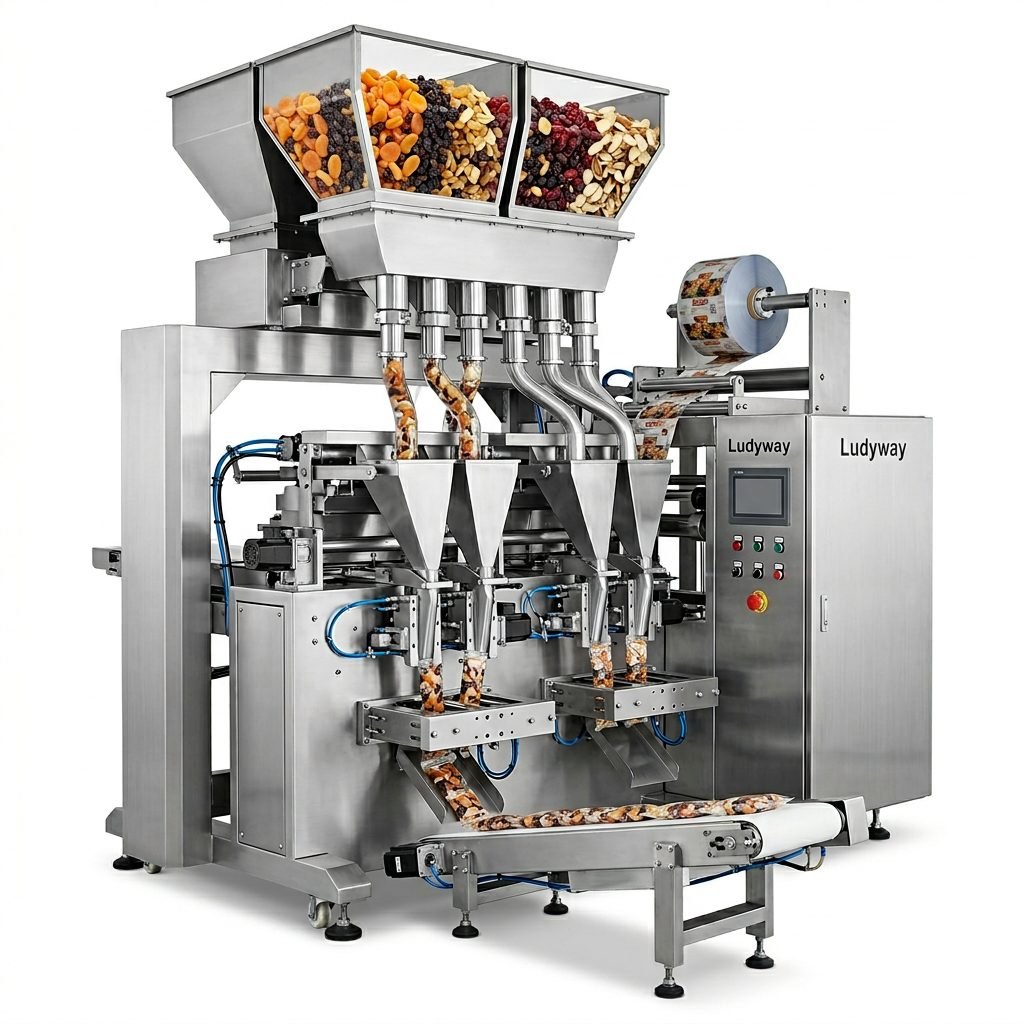
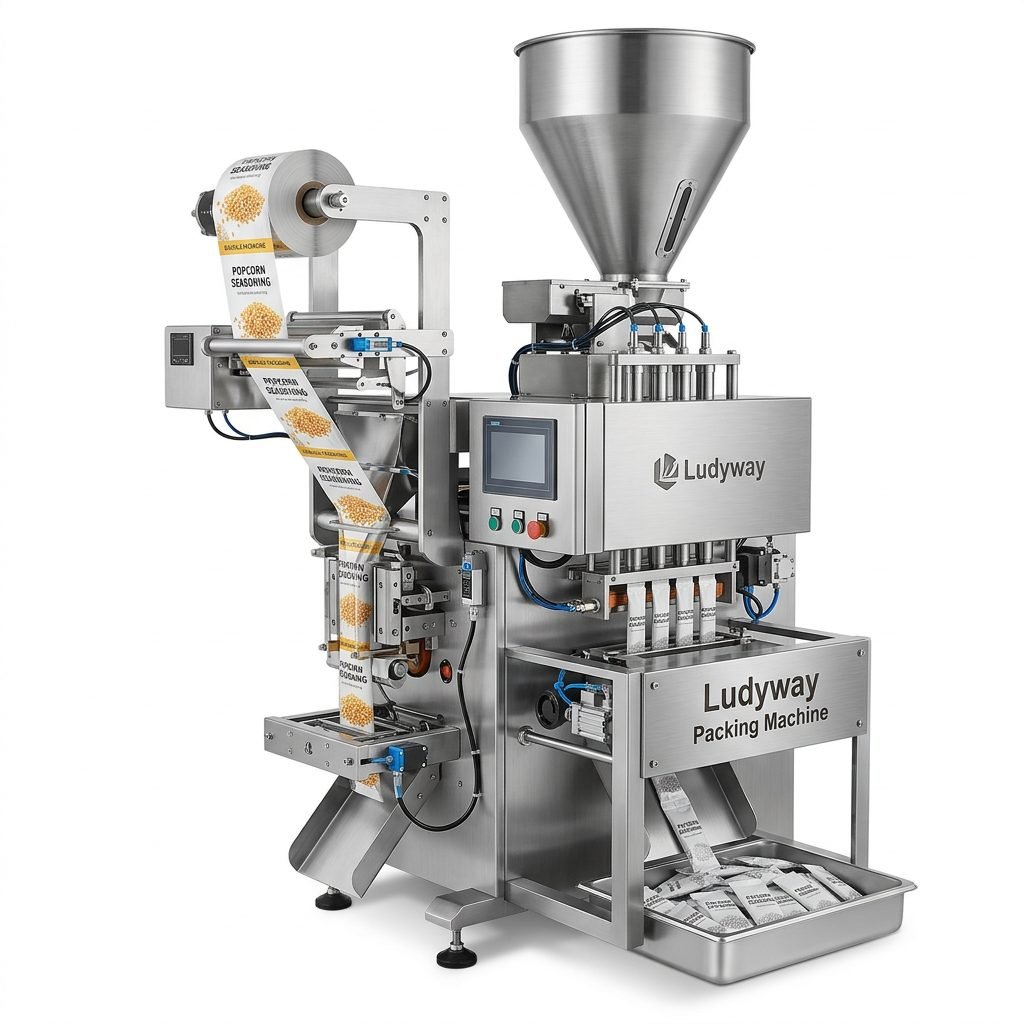
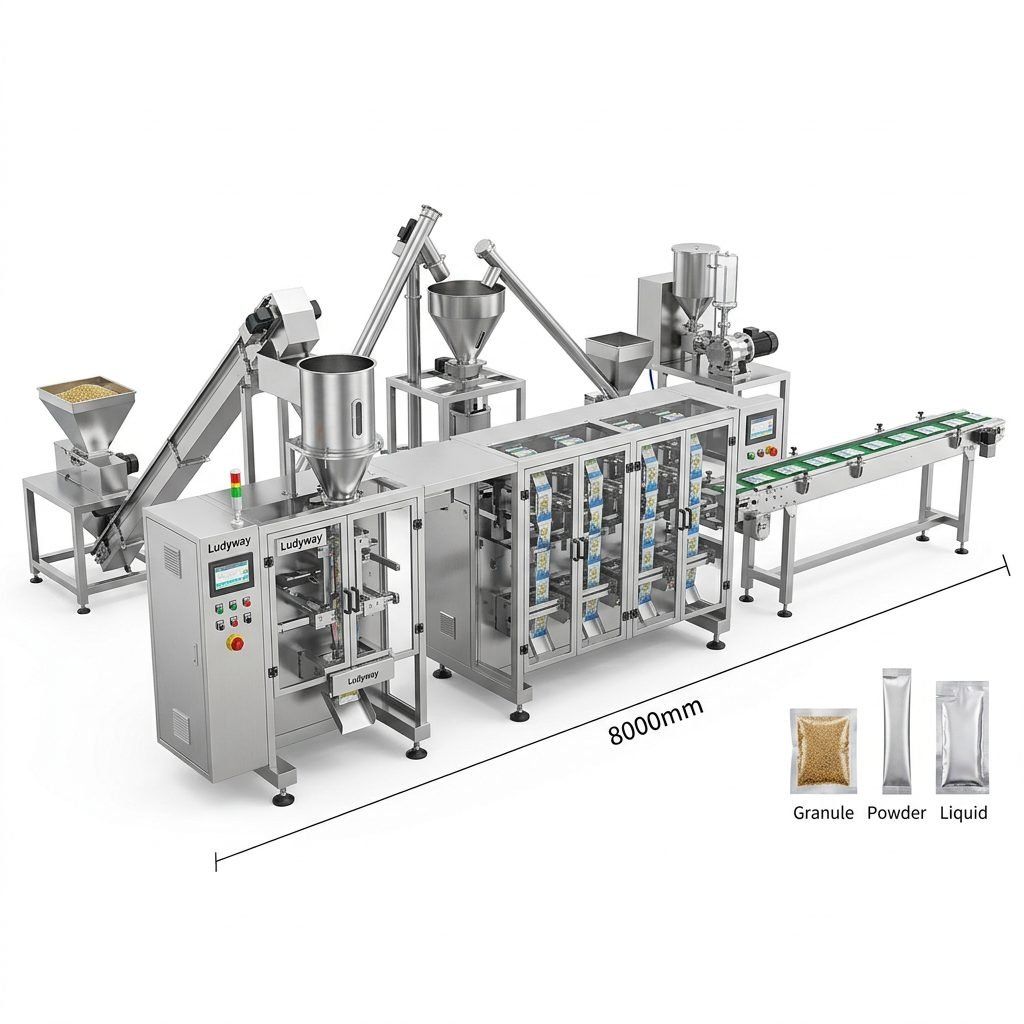
Setting up a packaging machine production line in South America presents a unique set of opportunities and challenges. The region’s rapidly growing food processing, pharmaceutical, and consumer goods sectors demand efficient, reliable, and scalable automation solutions. However, navigating local regulations, infrastructure constraints, and logistical complexities requires careful planning. This complete guide walks you through every step of establishing a successful packaging line in key South American markets, from initial site assessment to full-scale production.
Why South America Is the Next Frontier for Packaging Investment
South America’s manufacturing landscape is evolving at an unprecedented pace. Countries like Brazil, Chile, Colombia, Peru, and Argentina are witnessing a surge in demand for packaged goods, driven by a growing middle class and changing consumer preferences. Investing in a packaging machine production line in this region positions manufacturers to capitalize on lower labor costs relative to North America and Europe while serving both domestic and export markets. The key is understanding that a one-size-fits-all approach rarely works—successful implementation hinges on adapting to local realities.
Key Considerations Before Breaking Ground
Before purchasing any equipment, there are several foundational elements that must be addressed to ensure the long-term viability and efficiency of your packaging line.
Site Selection and Infrastructure Planning
Location is paramount. Proximity to your raw material suppliers and target distribution channels significantly impacts operating costs. Evaluate the following critical infrastructure factors:
- Stable Power Supply: Many South American industrial zones have experienced voltage fluctuations. Installing voltage regulators and backup generators is essential for protecting sensitive automated packaging machinery.
- Compressed Air Quality: High-speed pneumatic systems require clean, dry compressed air. Invest in proper air treatment systems including dryers and filters to prevent moisture-related damage.
- Floor Space and Layout: Plan for raw material storage, production flow, finished goods staging, and future expansion. A well-designed layout minimizes operator movement and maximizes throughput.
- Environmental Controls: Humidity and temperature can affect both product quality and machine performance. For sensitive products like powders and pharmaceuticals, climate-controlled environments are non-negotiable.
Product Specifications and Packaging Material Compatibility
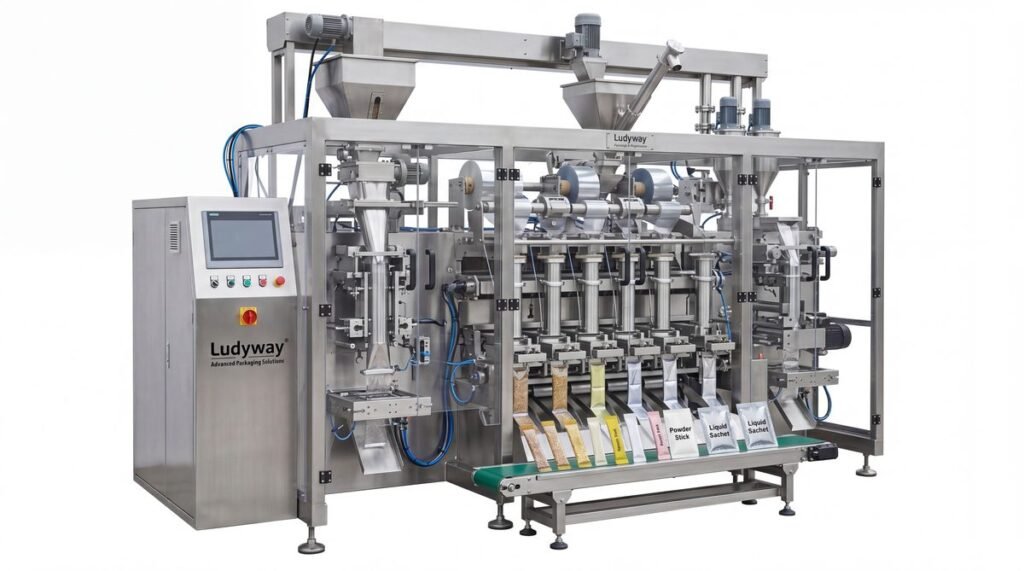
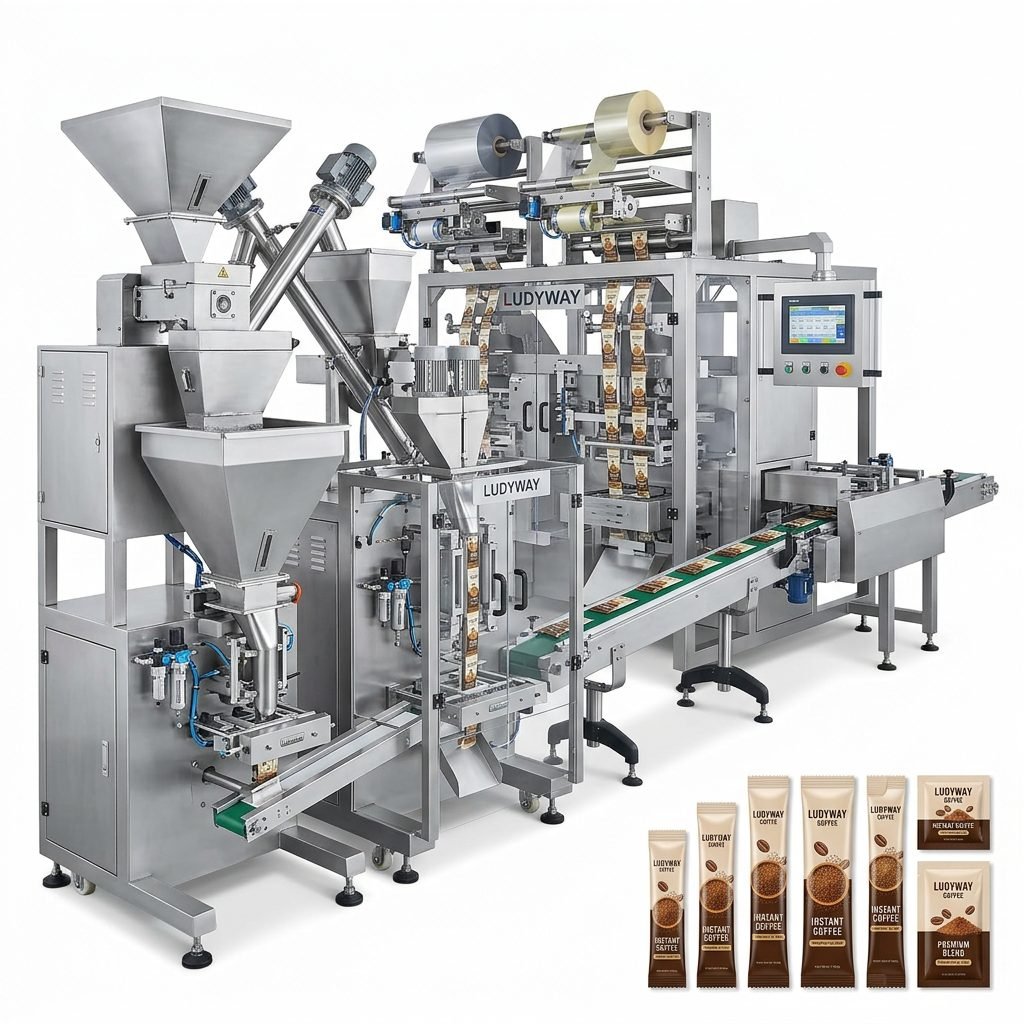
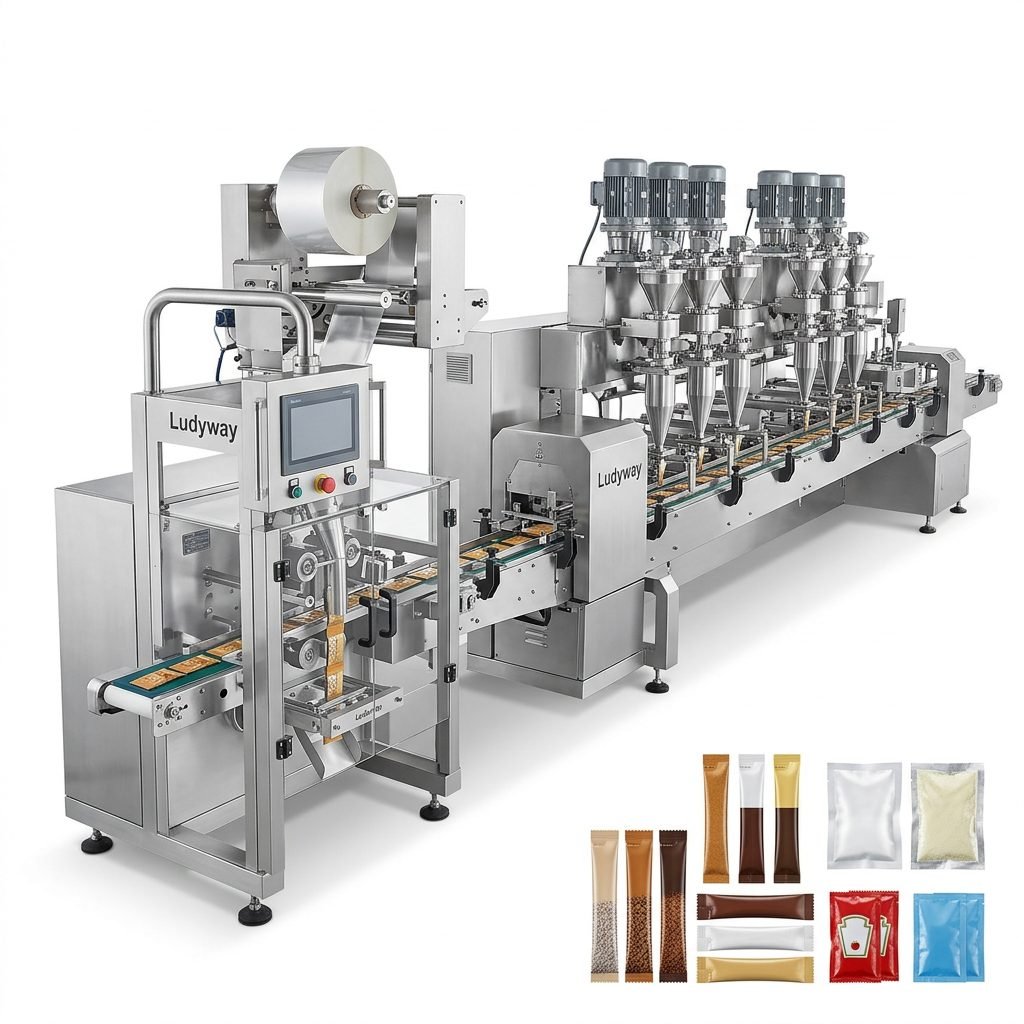
Your product’s physical characteristics—whether granules, powders, liquids, or pastes—dictate the type of filling technology required. Equally important is the packaging material. Multi-lane stick pack and sachet formats are increasingly popular in South America for single-serve convenience products. Ensure your material suppliers can consistently deliver films with the correct barrier properties, sealant layers, and coefficient of friction suitable for high-speed vertical form-fill-seal operations.
Regulatory Landscape and Compliance
Each South American country maintains its own regulatory framework for packaged goods, particularly in the food and pharmaceutical sectors. Brazil’s ANVISA, Argentina’s ANMAT, and Chile’s ISP impose strict requirements on packaging integrity, traceability, and labeling. Partnering with a supplier experienced in international compliance significantly reduces the risk of costly delays. Reference resources like the FDA Packaging and Food Contact Substances guidelines and ISO Packaging Standards to align your processes with globally recognized benchmarks.
Step-by-Step: Building Your Packaging Line
Once the preliminary planning is complete, follow this structured approach to get your production line operational.
Step 1: Define Your Throughput and Automation Level
Calculate your target output in units per minute or hour. This metric influences every subsequent decision, from the number of lanes on a stick pack machine to the speed of cartoning and case packing equipment. For South American operations serving regional markets, starting with semi-automated systems and scaling to full turnkey packaging solutions often proves the most cost-effective strategy.
Step 2: Select Core Packaging Equipment
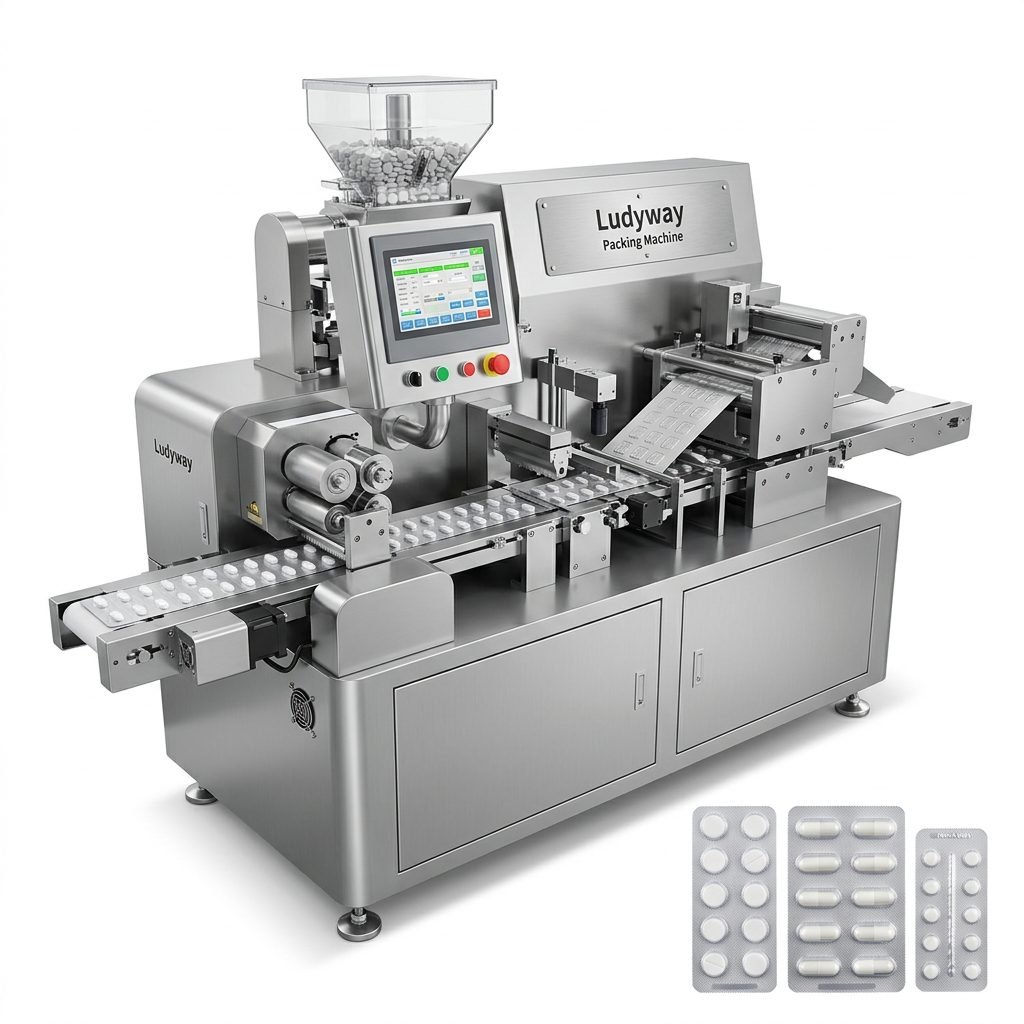
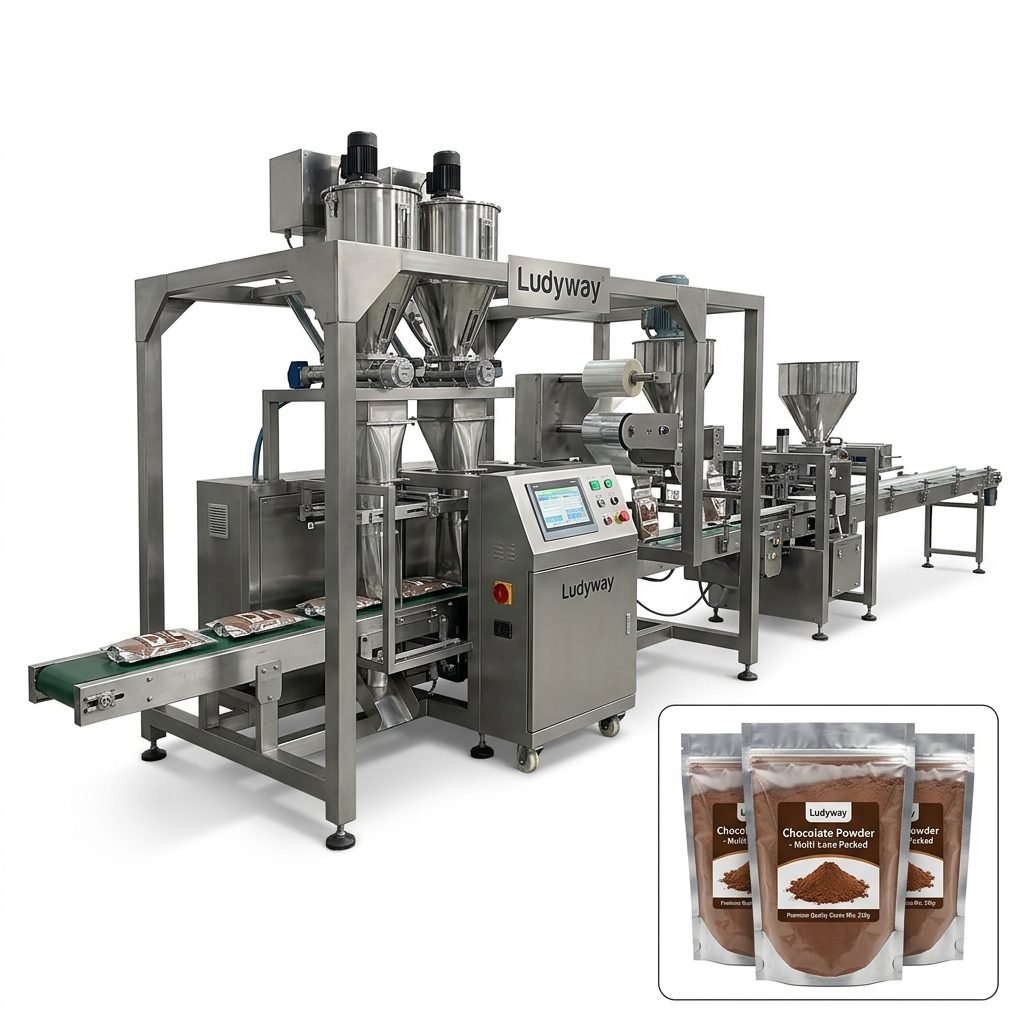
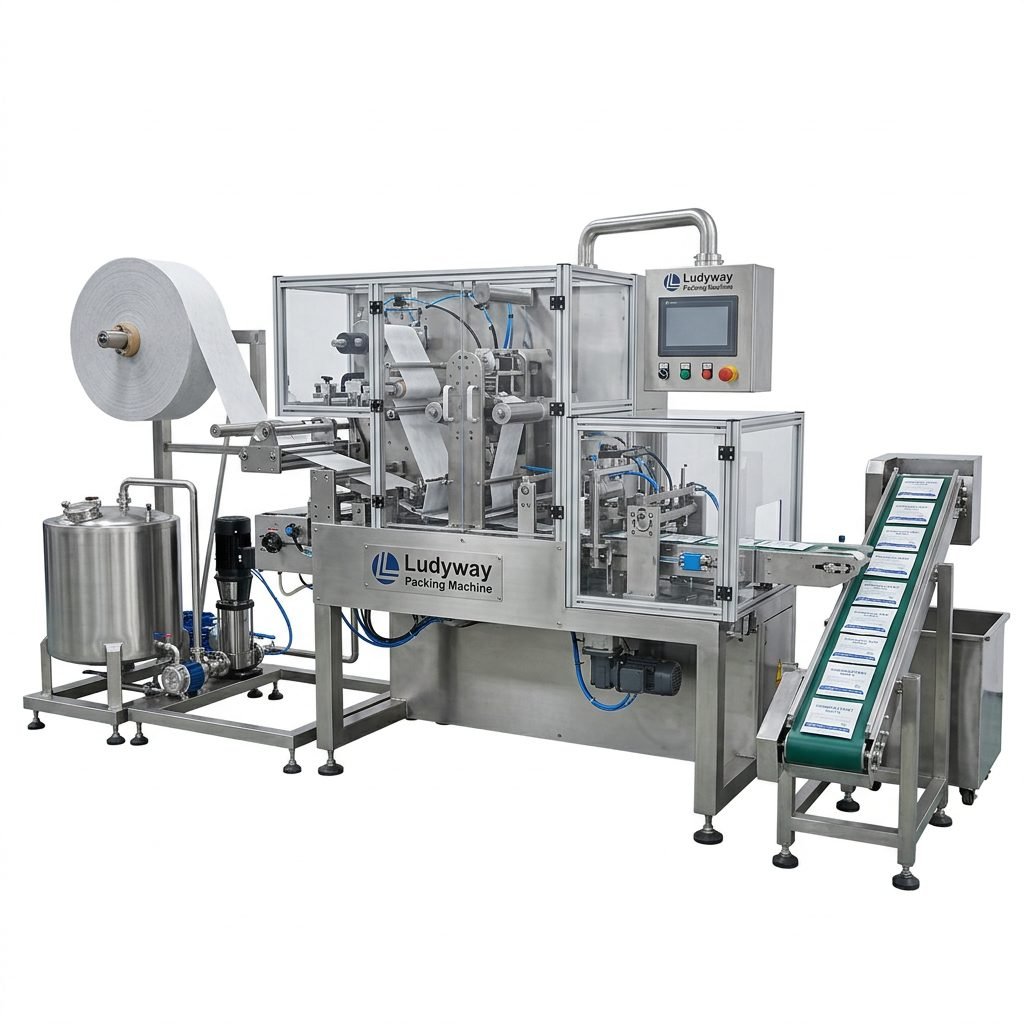
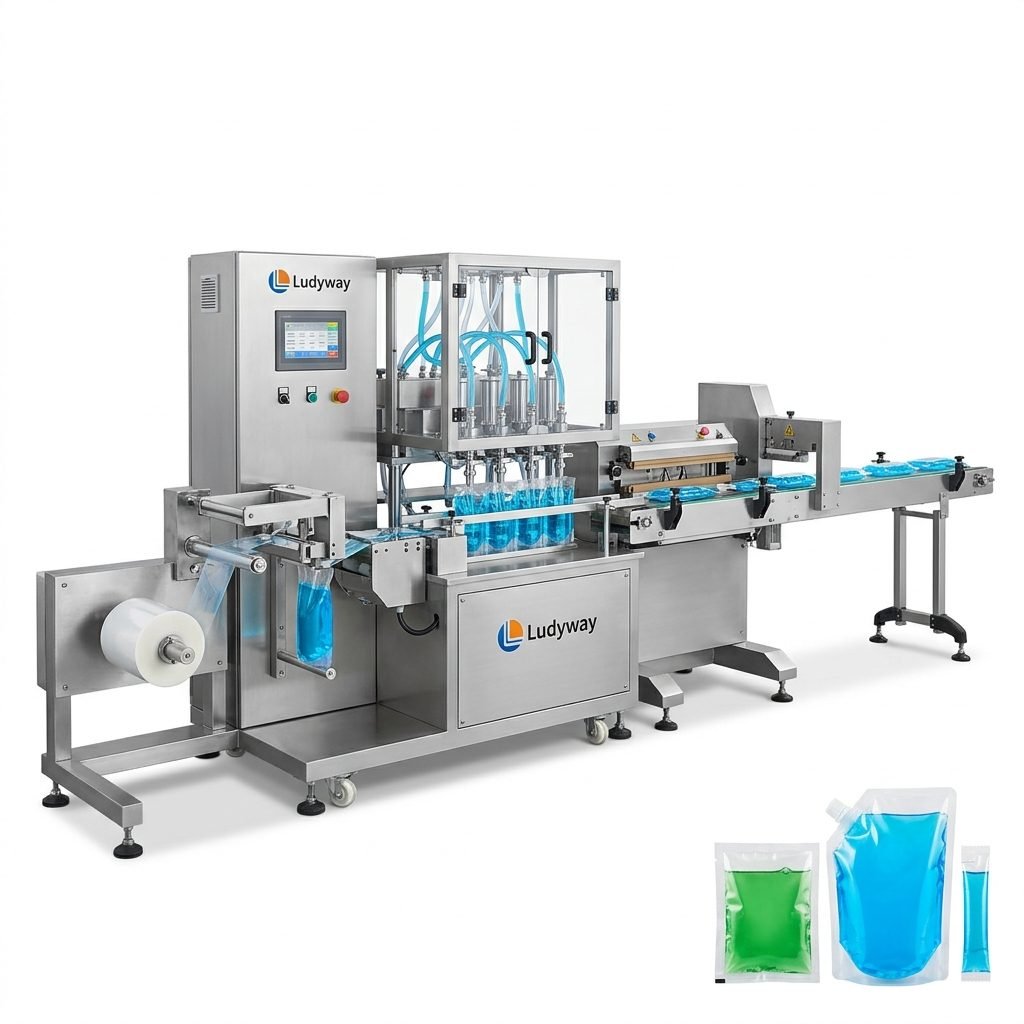
The heart of any line is the primary packaging machine. Depending on your product and format, options include:
- Multi-Lane Stick Pack Machines – Ideal for powders, granules, and liquids in single-serve sachets.
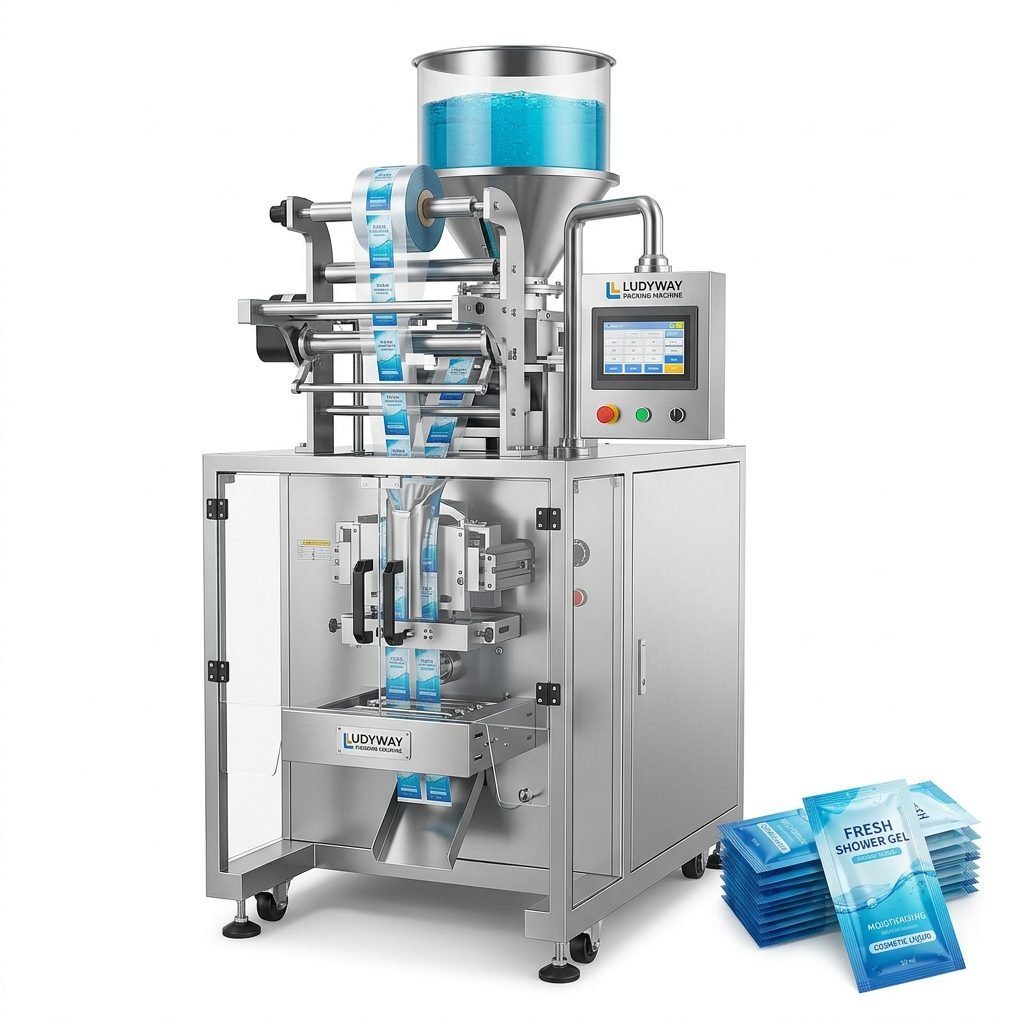
- Vertical Form-Fill-Seal (VFFS) Systems – Versatile for pillow bags, gusseted pouches, and larger formats.
- Pre-Made Pouch Fill and Seal Machines – Excellent for premium presentation and shaped pouches.
- Liquid Filling Lines – For bottles, vials, sachets, and stick packs spanning food, pharma, and cosmetic applications.

Step 3: Integrate Ancillary and End-of-Line Systems
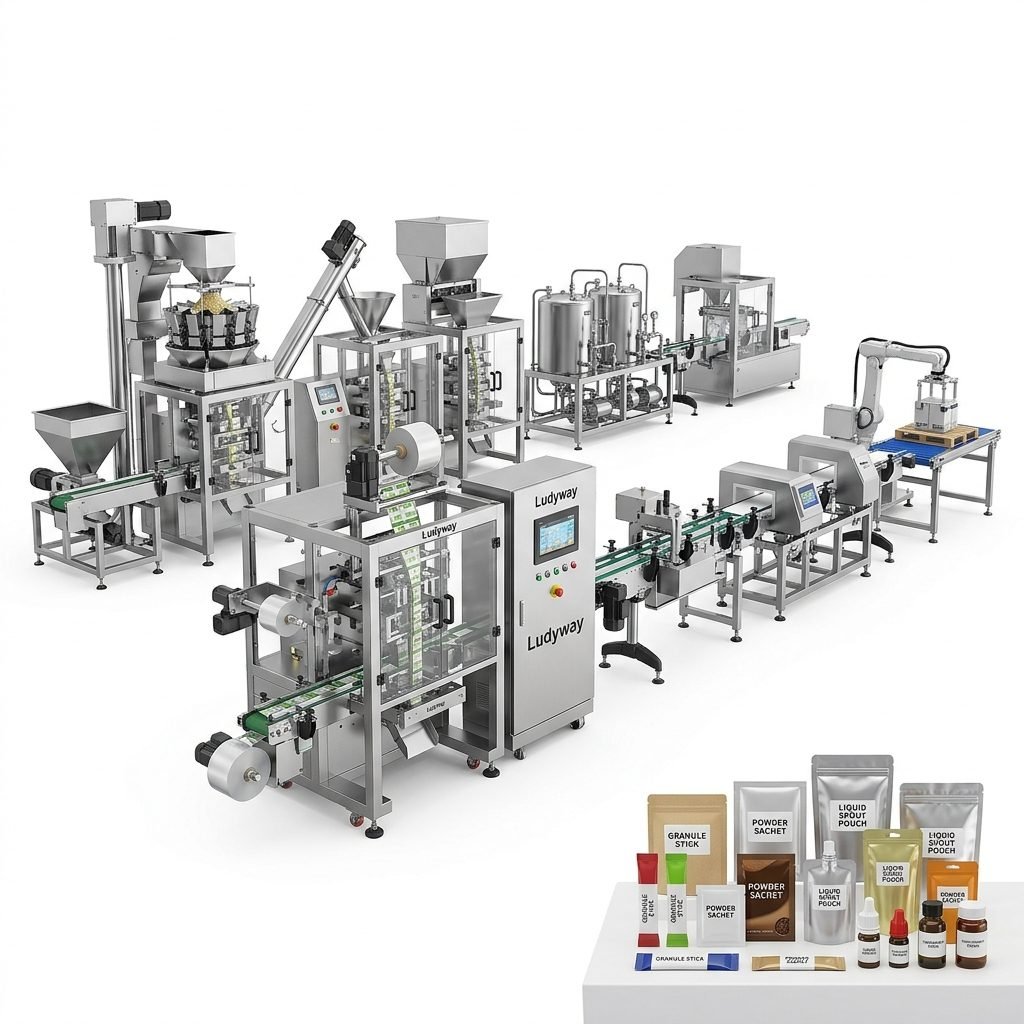
A complete packaging machine production line extends beyond the filler. Conveyors, checkweighers, metal detectors, carton erectors, case sealers, and palletizing systems must be integrated seamlessly. In South America, where skilled maintenance personnel may be scarce in certain regions, opting for modular equipment with intuitive controls and remote diagnostic capabilities is a strategic advantage.
Step 4: Installation, Commissioning, and Training
Proper installation is critical. Work with a supplier that offers on-site technical support in South America or has established partnerships with local service providers. Comprehensive operator and maintenance training conducted in Spanish or Portuguese dramatically reduces the learning curve and prevents operational errors during the crucial early months.
| Phase | Key Activities | Typical Timeline |
|---|---|---|
| Planning & Site Prep | Infrastructure assessment, layout design, utility installation | 4-8 weeks |
| Equipment Procurement | Specification confirmation, manufacturing, pre-delivery testing | 8-14 weeks |
| Shipping & Customs | Freight booking, import documentation, customs clearance | 4-6 weeks |
| Installation & Commissioning | Mechanical assembly, electrical hookup, software configuration, trial runs | 2-4 weeks |
| Training & Ramp-Up | Operator training, quality validation, gradual throughput increase | 2-3 weeks |

Overcoming Common South American Packaging Challenges
Seasoned operators across the region have learned to anticipate and mitigate several recurring challenges that can affect industrial packaging systems in this market.
Supply Chain and Spare Parts Management
Importing spare parts can lead to extended lead times due to customs processing. Maintaining a local inventory of critical consumables and wear components—such as sealing jaws, cutting blades, belts, sensors, and filters—is a proven strategy for maximizing uptime. Establish relationships with local industrial suppliers and freight forwarders who understand the nuances of cross-border logistics within South America.
Technical Workforce Development
While South America possesses a strong manufacturing tradition, experience with high-speed automated packaging equipment varies significantly by region. Investing in ongoing training programs and creating detailed standard operating procedures in the local language builds a resilient, self-sufficient team capable of performing preventive maintenance and basic troubleshooting independently.
Material Sourcing and Quality Consistency
Packaging film and material availability can fluctuate. Qualifying at least two to three local or regional suppliers for your primary materials provides supply security. Conduct regular incoming material inspections to verify thickness, seal strength, and print quality consistency, as variations can directly impact machine efficiency and finished product appearance.

Future-Proofing Your South American Packaging Operation
The packaging industry is evolving rapidly, and forward-thinking manufacturers in South America are already positioning themselves for the next wave of innovation.
Embracing Industry 4.0 and Smart Manufacturing
Modern packaging lines increasingly feature IoT-enabled sensors, real-time production dashboards, and predictive maintenance algorithms. These technologies enable remote monitoring of line performance from anywhere in the world—a particularly valuable capability for international companies managing operations across multiple South American facilities. Data-driven insights help optimize changeover times, reduce material waste, and extend equipment lifespan.
Sustainability and Eco-Friendly Packaging
South American consumers and regulators are increasingly prioritizing sustainable packaging. Designing your line to handle recyclable mono-materials, bio-based films, and reduced-thickness laminates positions your brand favorably in markets like Chile and Brazil, where environmental regulations are becoming more stringent. The Flexible Packaging Association and European Commission Packaging Regulations provide valuable guidance on global sustainability trends.
Scalable, Modular Line Design
Building flexibility into your automated production line from day one saves significant capital expenditure down the road. Modular equipment that allows you to add lanes, upgrade speed capabilities, or switch between different package formats without replacing entire machines provides a competitive advantage as market demands shift. This approach has been successfully adopted by manufacturers across Brazil, Argentina, and Colombia who prioritize long-term operational agility.

Maintenance and Long-Term Reliability
A packaging machine production line represents a significant capital investment, and its long-term performance directly impacts profitability. Implementing a structured maintenance program is essential for protecting that investment and ensuring consistent output.
Preventive Maintenance Scheduling
Develop a comprehensive maintenance calendar that includes daily, weekly, monthly, and annual tasks. Daily checks should cover basic cleaning, visual inspections, and lubrication points. Weekly tasks include belt tension verification, sensor calibration, and filter cleaning. Monthly and annual procedures address more extensive component inspections, gearbox oil changes, and replacement of wear items before they fail during production.
Remote Support and Diagnostics
Select equipment from manufacturers that offer remote troubleshooting capabilities. When technical issues arise, having an engineer diagnose problems via secure remote access can resolve incidents in hours rather than the days required for on-site visits—especially important for facilities located far from major cities in South America.
One of the largest packaging machine manufacturers globally, Ludyway specializes in advanced packaging equipment and turnkey production solutions for the food, pharmaceutical, and health industries. With over 30 years of industry expertise and a modern 20,000㎡ manufacturing facility, the company offers more than 50 intelligent packaging machine models and serves customers in over 100 countries and regions, delivering reliable packaging solutions for South America and beyond.
Frequently Asked Questions
What are the typical import duties for packaging machinery in South America?
Import duties vary significantly by country and whether the country has trade agreements with the equipment’s country of origin. Brazil generally applies higher import tariffs (often 14-20%), while Chile maintains more open trade policies. Working with a customs broker experienced in industrial machinery is highly recommended for accurate tariff classification and potential duty reduction strategies.
How do I ensure my packaging line meets local food safety standards?
Partner with a supplier whose equipment is designed with hygienic principles, including stainless steel construction, sloped surfaces, and easy disassembly for cleaning. Validate that the machine documentation supports HACCP or equivalent local requirements, and work with local regulatory consultants to align validation protocols with specific national standards.
What is the optimal automation level for a new packaging line in South America?
The ideal balance depends on your production volume, labor costs, and available technical expertise. Many successful operations begin with semi-automated systems for secondary packaging while deploying fully automated primary filling and sealing. This hybrid approach manages capital expenditure while maintaining high product quality and throughput.
How long does it take to have a complete packaging line operational from order placement?
From equipment order to full commercial production, plan for 20 to 35 weeks. This timeline encompasses manufacturing, international shipping, customs clearance, installation, commissioning, and operator training. Factors such as machine complexity, shipping route availability, and local infrastructure readiness can influence the actual schedule.

Related Resources for Packaging Professionals
- PMMI – The Association for Packaging and Processing Technologies
- PACK EXPO International – Industry Trade Events
- Flexible Packaging Association – Industry Resources
- ISO – Packaging Standards
- FDA – Food Packaging and Food Contact Substances
- European Commission – Packaging and Packaging Waste Regulation