Understanding the Global Chocolate Packaging Opportunity
The global chocolate confectionery market continues to expand at a compound annual growth rate exceeding 5%, driven by rising demand in emerging markets and the premiumization trend in developed economies. For manufacturers aiming to capture international market share, establishing an efficient chocolate packaging machine production line is no longer optional — it is a strategic imperative. A well-integrated packaging line directly impacts product shelf life, brand perception, and compliance with diverse regulatory frameworks across target regions.
Setting up a production line for global markets requires careful consideration of multiple factors: equipment selection, packaging machinery standards, food safety regulations, and scalable automation. This guide walks through each critical component to help decision-makers build a future-ready chocolate packaging operation.
Key Components of a Chocolate Packaging Production Line
Primary Packaging Machines
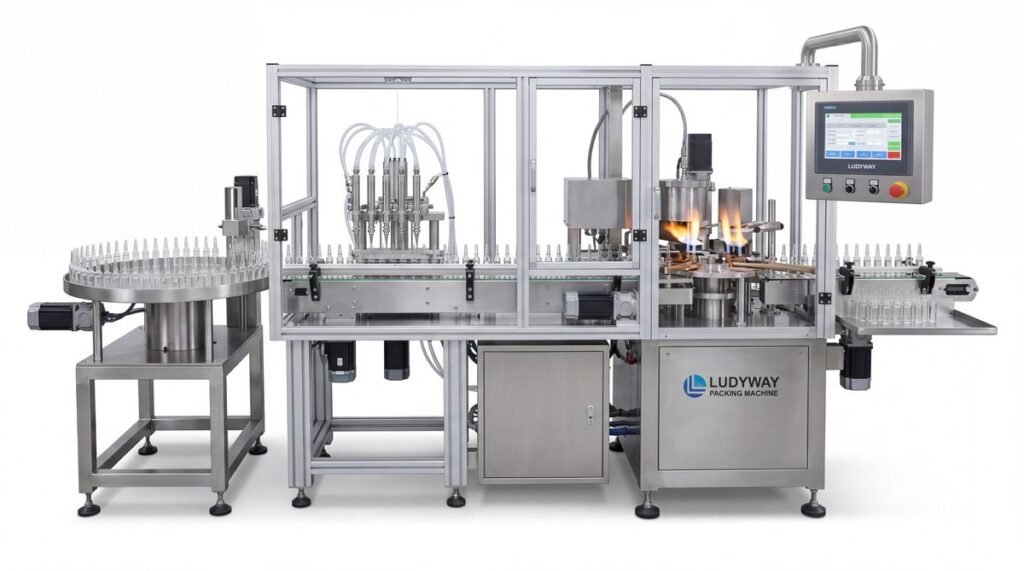
The core of any chocolate packaging line is the primary wrapping or filling equipment. Depending on the product format — bars, pieces, truffles, or powders — manufacturers typically choose from several machine categories:
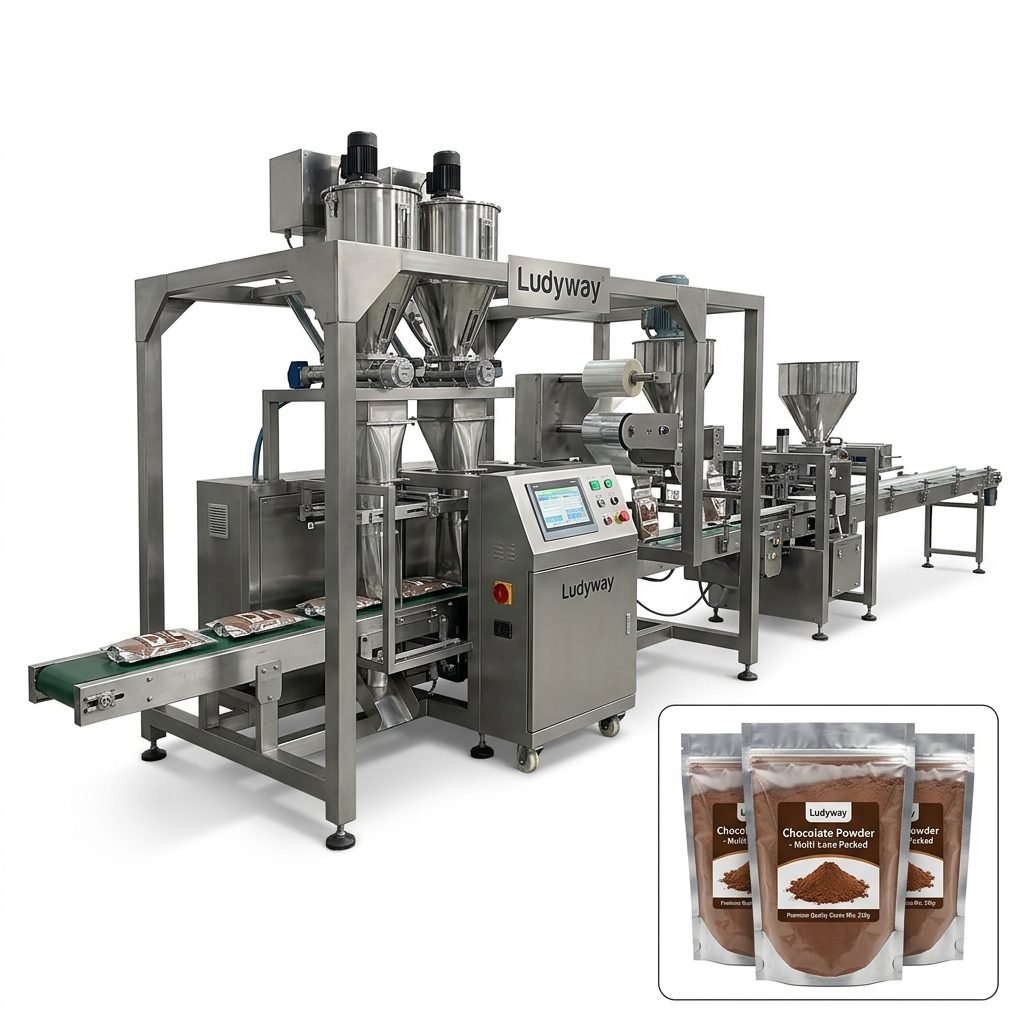
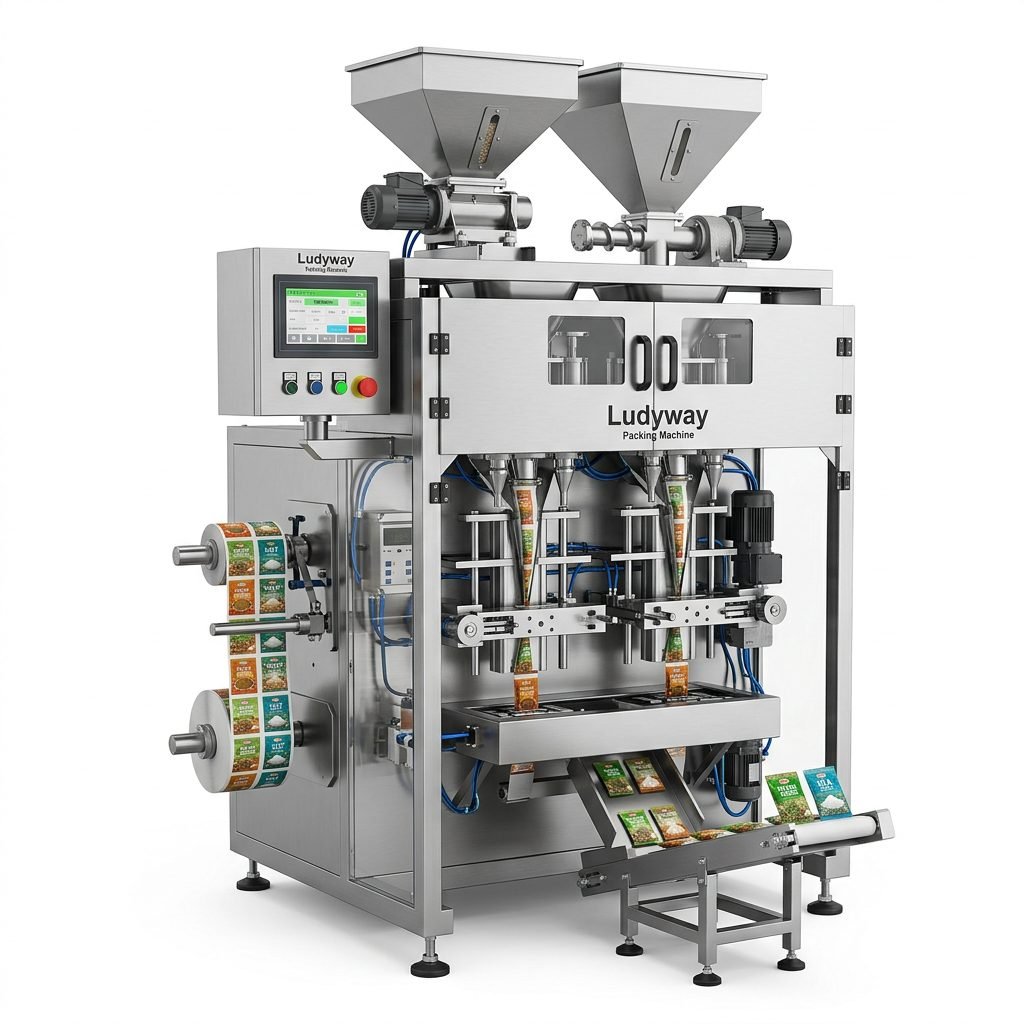
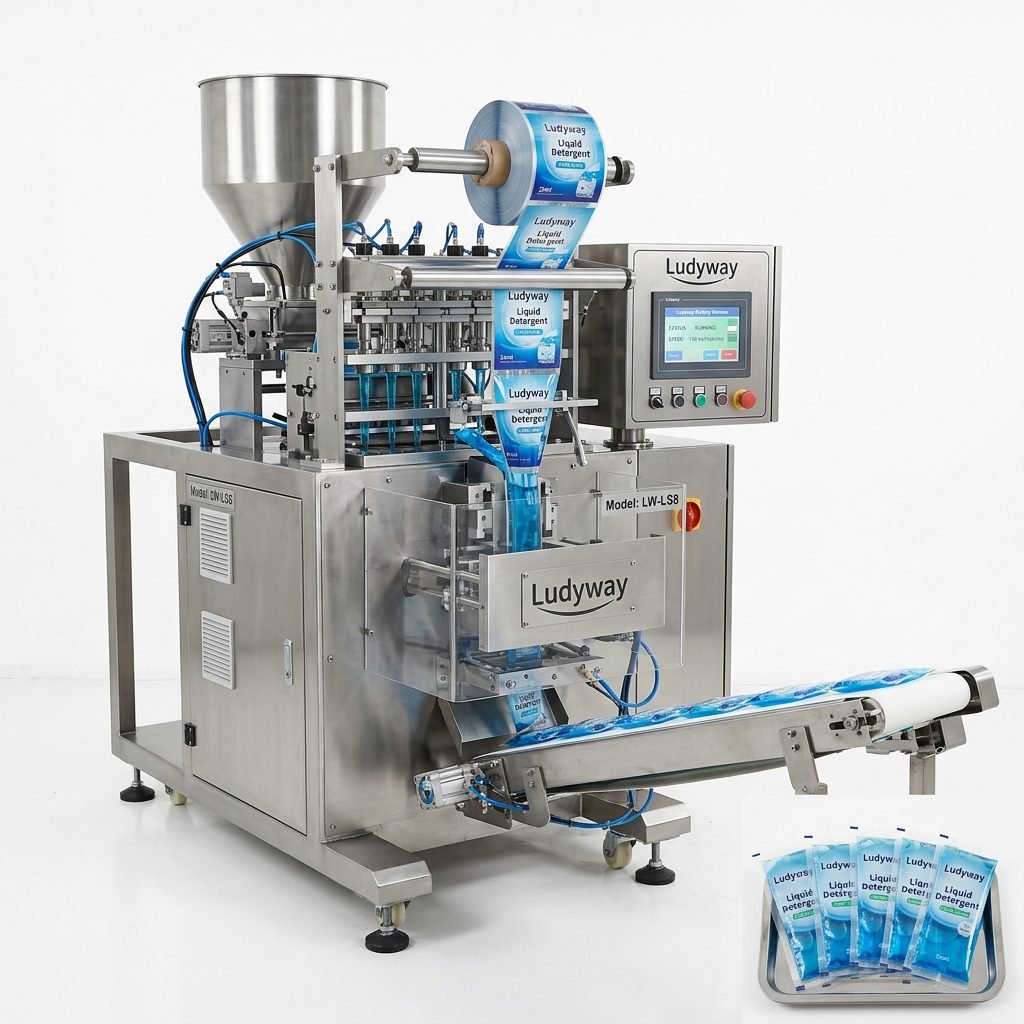
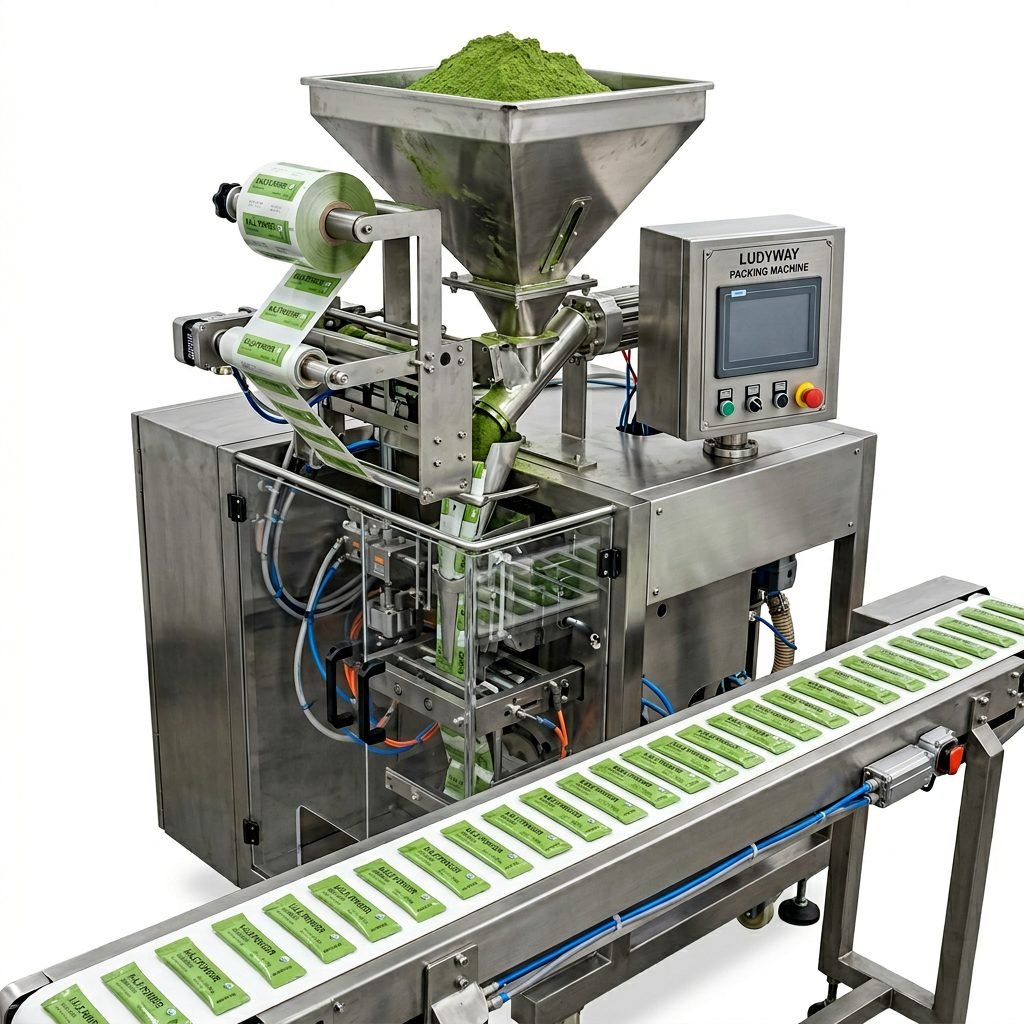
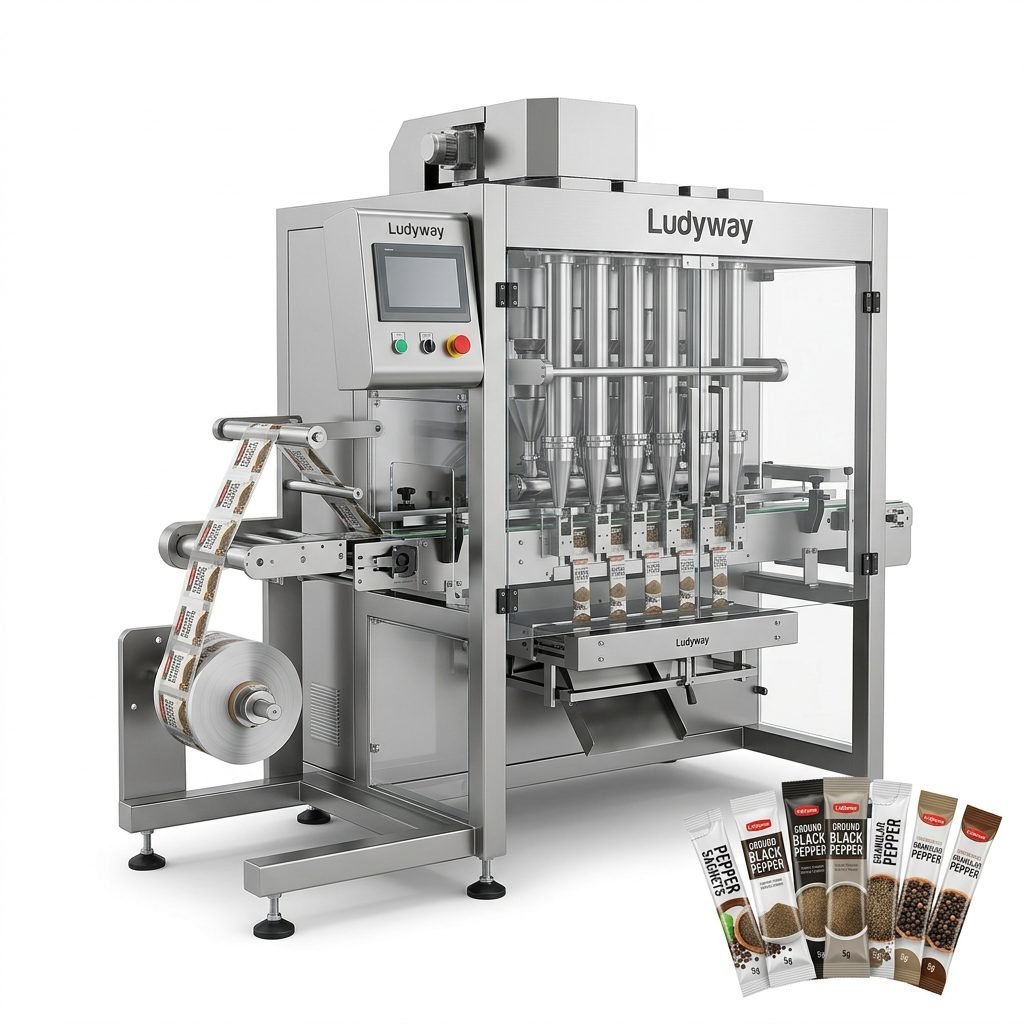
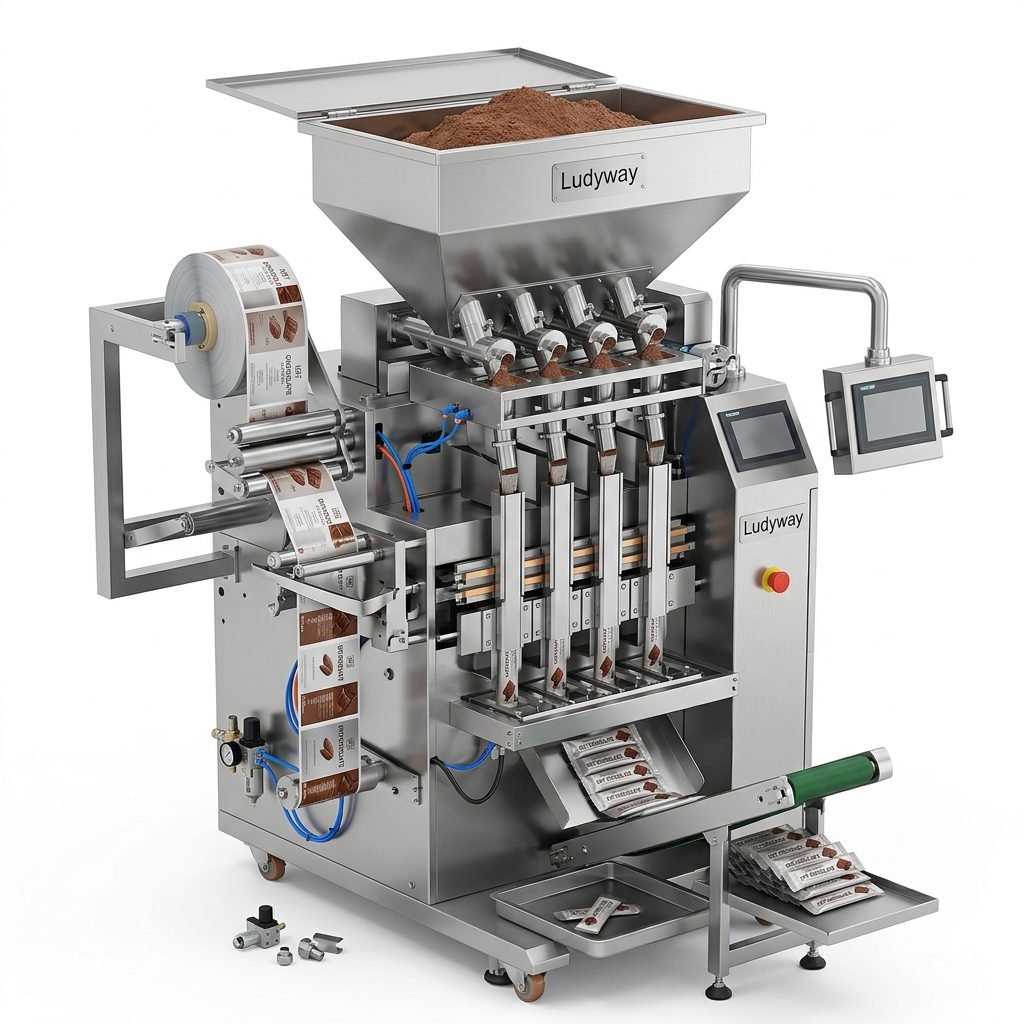
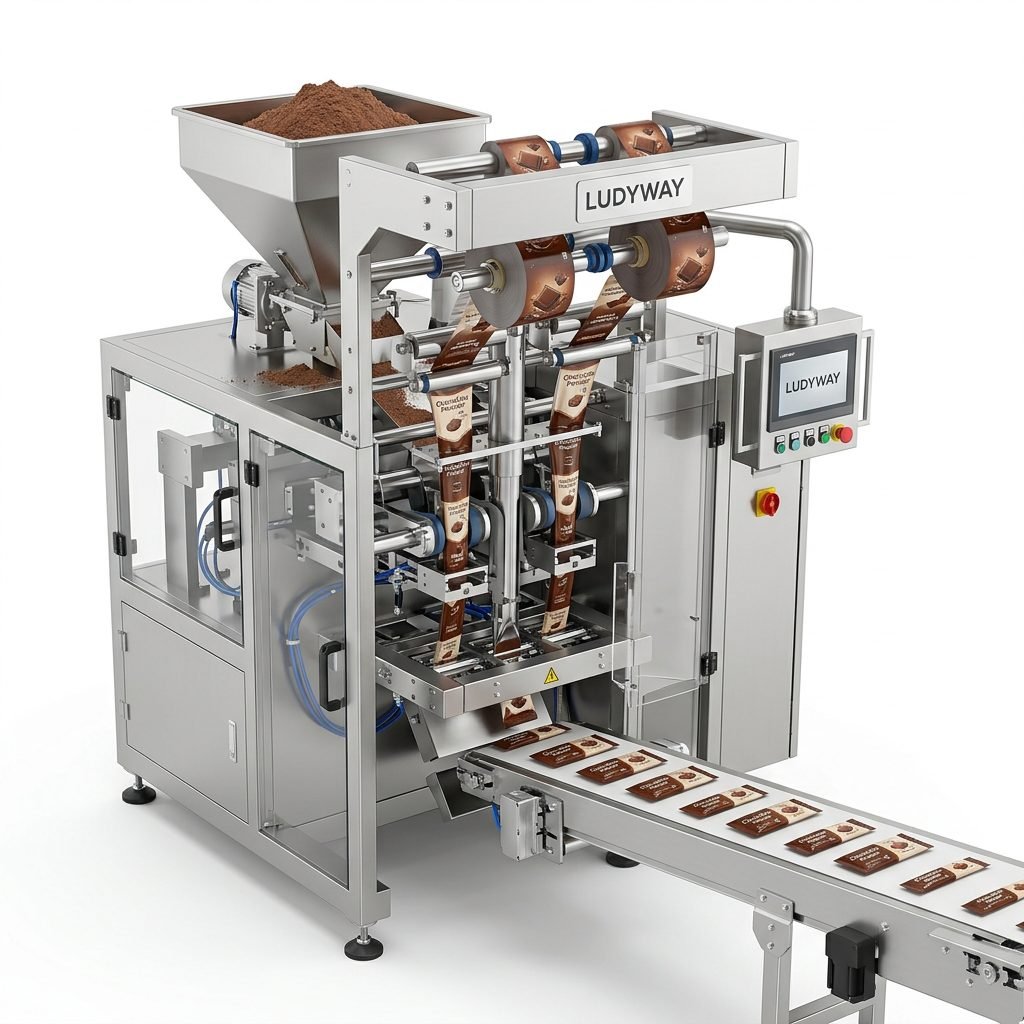
- Multi-lane stick pack machines for single-serve chocolate powder sachets and portion packs
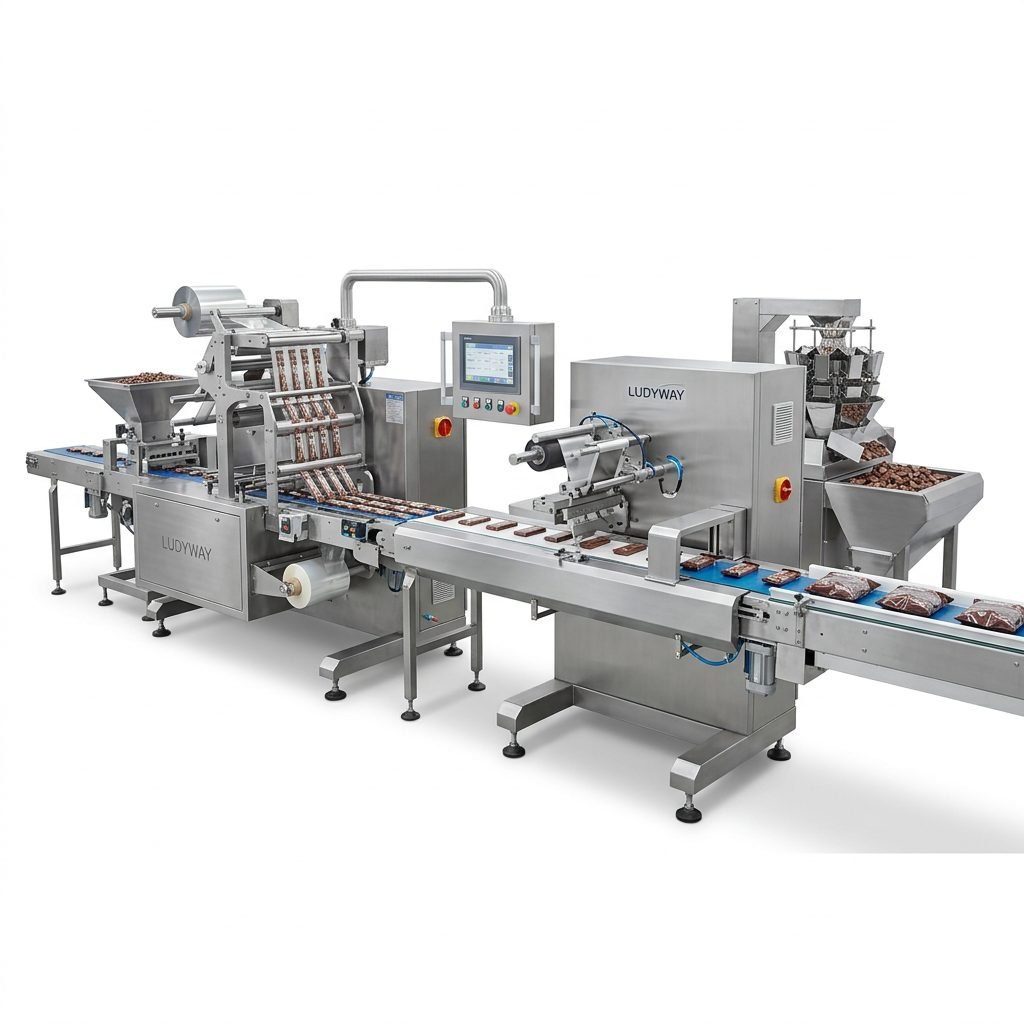
- Flow wrapping machines for chocolate bars and count-line products
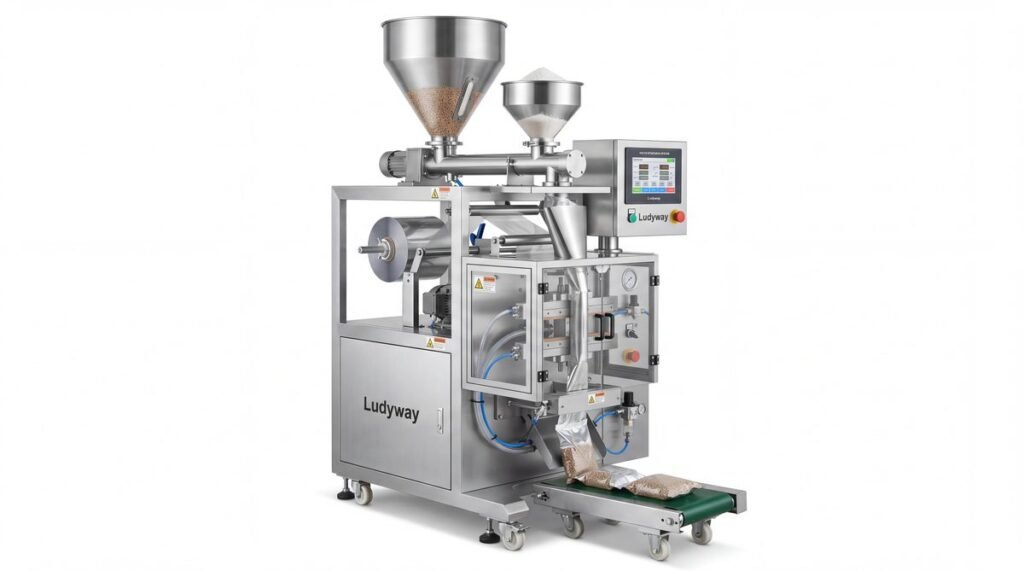
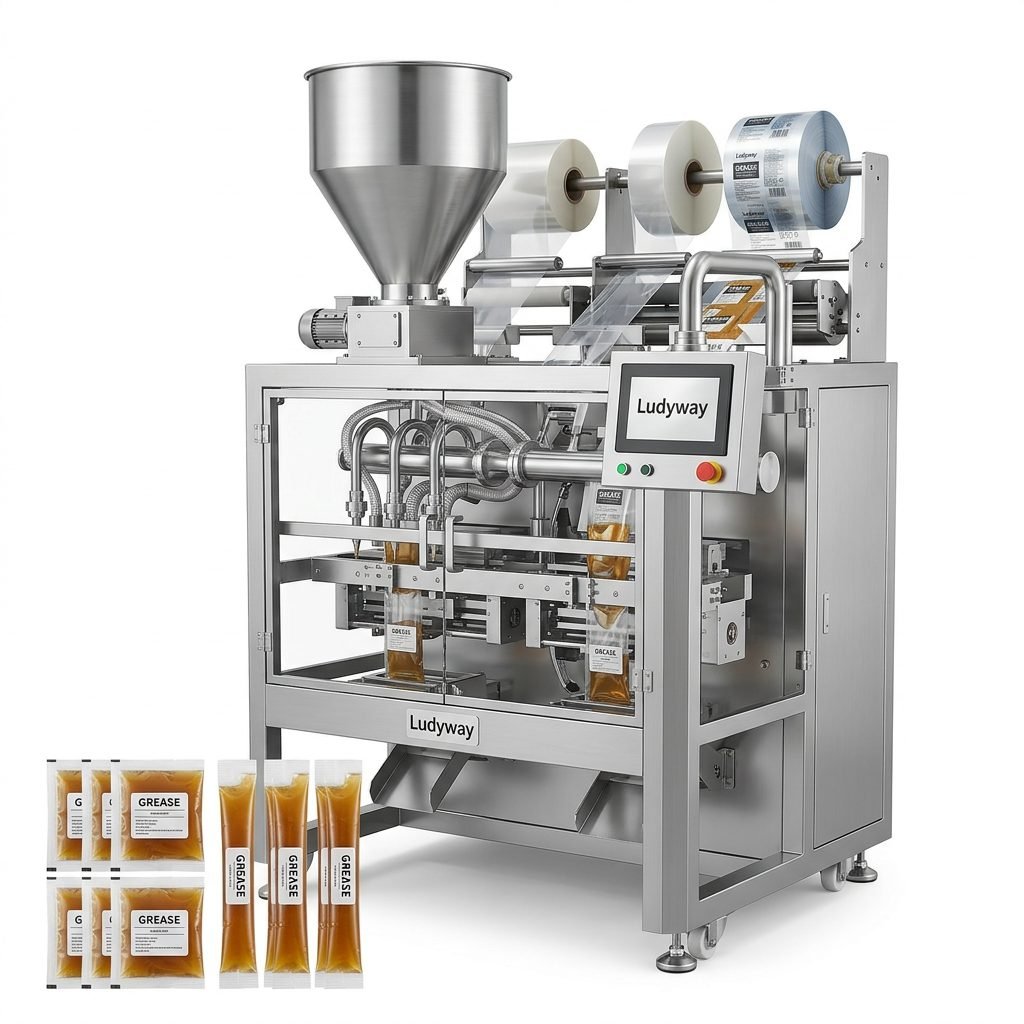
- Vertical form-fill-seal (VFFS) systems for granular chocolate products and hot chocolate mixes
- Pre-made pouch filling machines for premium chocolate assortments and gift packaging
- Foil wrapping and folding machines for traditional chocolate coins and specialty shapes
Secondary Packaging and End-of-Line Systems
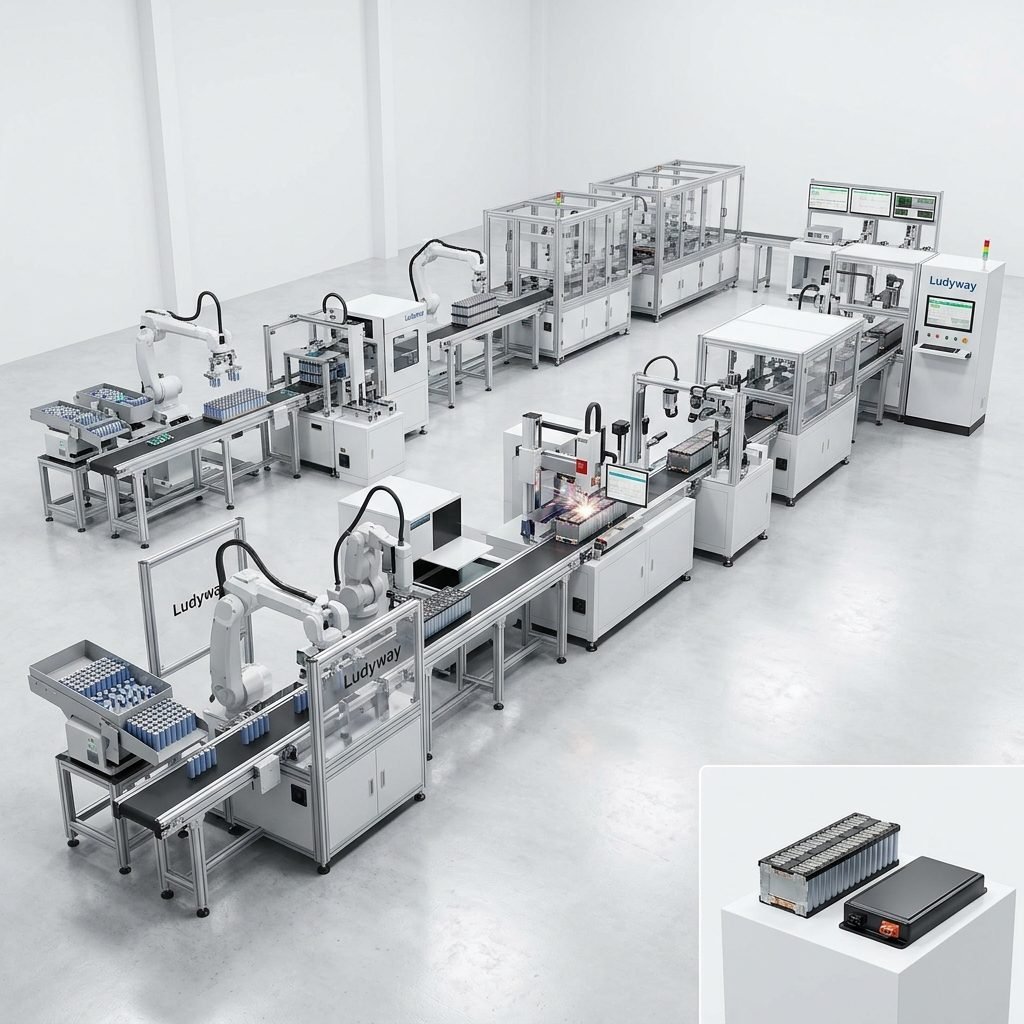
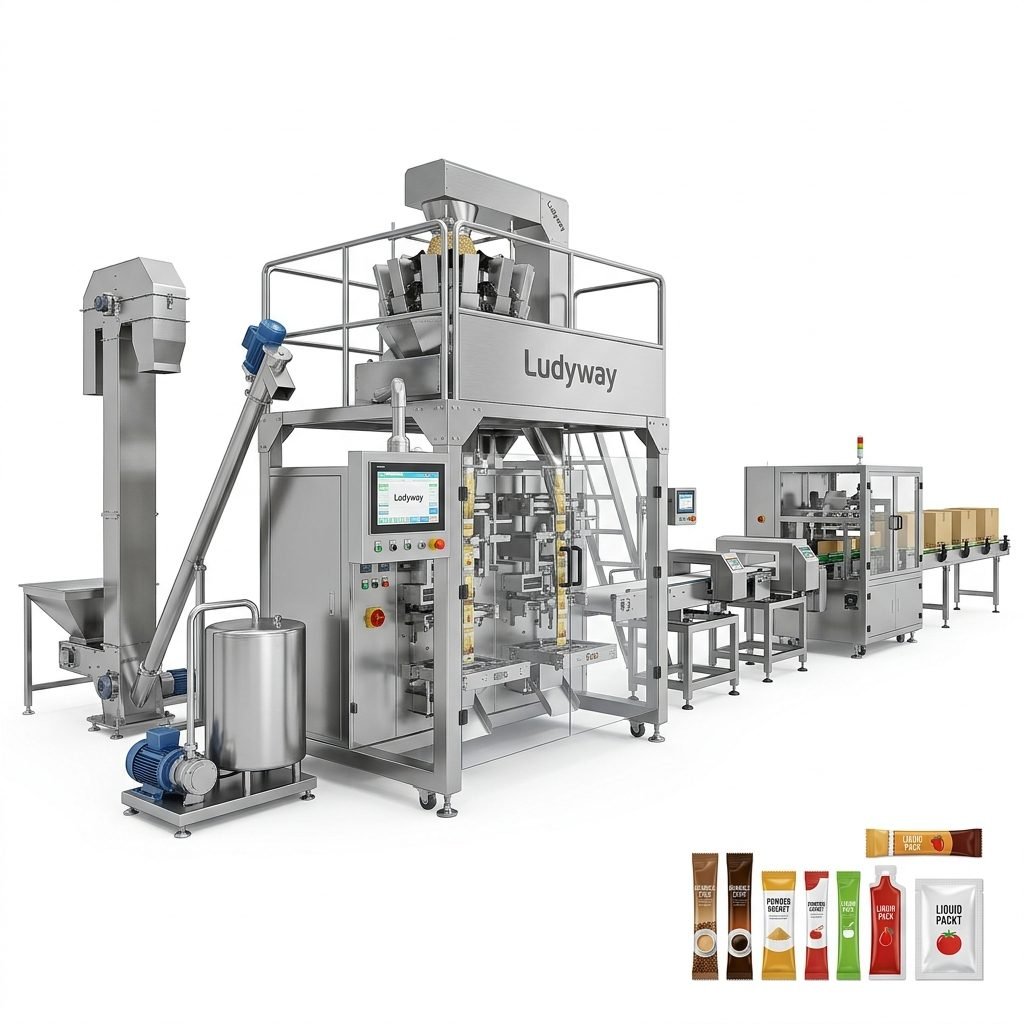
Beyond primary wrapping, a complete production line includes cartoning, case packing, and palletizing systems. These secondary operations ensure products are protected during transit and meet retailer specifications for shelf-ready packaging. Automated carton erectors, robotic pick-and-place units, and stretch wrapping machines form the backbone of a high-efficiency end-of-line setup.
Selecting Equipment for International Market Requirements
When targeting global markets, equipment selection must account for regional packaging preferences and regulatory variances. What works in one market may not meet the requirements of another. The following table outlines key considerations across major regions:
| Region | Preferred Packaging Formats | Key Regulatory Body | Critical Compliance Factor |
|---|---|---|---|
| North America | Flow wrap, stand-up pouches, cartons | FDA | Food contact substance (FCS) compliance |
| European Union | Foil-sealed sachets, recyclable materials | EU Commission | Packaging waste directive (PPWR) adherence |
| Middle East & Africa | Multi-pack sachets, small pouches | GSO / ESMA | Halal certification and labeling |
| Asia-Pacific | Stick packs, single-serve sachets | CFDA / FSSAI | Local language labeling mandates |
| Latin America | Pillow packs, flow wrap, laminated pouches | ANVISA / COFEPRIS | Nutritional labeling standards |
Automation Levels and Production Scalability
One of the most important decisions when setting up a chocolate packaging line is determining the appropriate level of automation. Semi-automatic systems offer lower upfront investment and flexibility for artisanal producers. Fully automated turnkey lines, on the other hand, deliver unmatched throughput and consistency for high-volume operations targeting mass-market retail channels.
Factors Influencing Automation Decisions
- Production volume targets — Lines producing over 100 packs per minute typically justify full automation
- Labor availability and cost — Regions with high labor costs benefit most from automated solutions
- Product variety — Frequent changeovers favor machines with quick-release tooling and recipe memory
- Integration with upstream processes — Seamless connection between enrobing, cooling, and packaging reduces bottlenecks
- Data collection requirements — Smart packaging lines with ISO packaging standards compliance offer traceability and OEE tracking
Food Safety and Material Compliance for Chocolate Packaging
Chocolate products present unique packaging challenges due to their sensitivity to temperature, humidity, and odor migration. Packaging materials must provide effective barriers while complying with food safety regulations in each target market. Key considerations include:
- Barrier properties against moisture, oxygen, and light to prevent fat bloom and flavor degradation
- Migration testing to ensure no harmful substances transfer from packaging to chocolate
- Tamper-evident features increasingly required by retailers and regulators worldwide
- Sustainable material options that meet flexible packaging industry sustainability targets without compromising protection
All food contact materials must comply with relevant regulations such as FDA 21 CFR in the United States, EU Regulation 1935/2004 in Europe, and equivalent frameworks in other regions. Working with a knowledgeable packaging machine manufacturer like Ludyway ensures that equipment is compatible with certified food-grade packaging materials and meets global compliance requirements.
Production Line Layout and Workflow Optimization
An optimized layout minimizes manual handling, reduces contamination risks, and maximizes throughput. The ideal chocolate packaging line follows a linear or U-shaped flow that logically connects each stage: product infeed → primary packaging → inspection → secondary packaging → palletizing → warehousing.
Critical Design Principles
- Separation of zones — Raw material receiving, packaging, and finished goods storage should be physically separated
- Climate control integration — Chocolate packaging areas require temperature and humidity management (typically 18-22°C and below 50% RH)
- Accessibility for maintenance — Equipment should be positioned to allow easy access for cleaning, servicing, and changeover operations
- Future expansion capability — The layout should accommodate additional lanes or modules as production volumes grow
Quality Control and Inspection Systems
Global retailers and distributors impose stringent quality standards on packaged chocolate products. Integrating inspection technology directly into the packaging line helps manufacturers meet these expectations while reducing waste and rework. Essential inspection systems include:
- Checkweighers to verify net weight compliance with legal metrology requirements
- Metal detectors and X-ray inspection for contaminant detection as part of packaging industry best practices
- Vision systems for label verification, date code accuracy, and seal integrity
- Gas analysis for modified atmosphere packaging (MAP) applications common in premium chocolate
Training, Maintenance, and After-Sales Support
Even the most advanced chocolate packaging line requires skilled operators and a structured maintenance program to perform reliably over its lifecycle. When setting up a production line for global markets, consider the availability of local technical support and spare parts logistics. Key elements of a robust support strategy include:
- Comprehensive operator training during installation and commissioning
- Preventive maintenance schedules aligned with production calendars
- Remote diagnostics capabilities for rapid troubleshooting
- Strategic spare parts inventory management to minimize downtime
- Access to packaging machinery technical resources and continuous improvement programs
Cost Analysis and ROI Considerations
Investing in a complete chocolate packaging production line represents a significant capital expenditure, but the long-term returns justify the commitment. The following table summarizes key financial metrics to evaluate when comparing equipment options:
| Cost Factor | Typical Range (% of Total Investment) | Optimization Strategy |
|---|---|---|
| Primary packaging equipment | 40-55% | Select modular designs for phased investment |
| Secondary and end-of-line systems | 20-30% | Prioritize automation where labor costs are highest |
| Installation and commissioning | 5-10% | Bundle services with equipment procurement |
| Training and documentation | 2-5% | Invest in train-the-trainer programs |
| Annual maintenance and spare parts | 3-7% of equipment value | Establish preventive contracts with suppliers |
Future-Proofing Your Chocolate Packaging Investment
As global markets evolve, packaging lines must adapt to changing consumer preferences and regulatory landscapes. Forward-thinking manufacturers are already incorporating capabilities that address emerging trends:
- Sustainable packaging compatibility — Machines capable of running recyclable mono-materials, compostable films, and paper-based packaging
- Digital printing integration — On-demand variable data printing for regional labeling requirements and promotional campaigns
- IoT connectivity — Real-time production monitoring and predictive maintenance through international packaging and distribution standards
- Small-batch agility — Quick changeover capabilities that enable profitable short-run production for limited editions and test markets
- Energy efficiency — Reduced power consumption and heat recovery systems that lower operational costs and carbon footprint
Final Considerations for Global Market Success
Setting up a chocolate packaging machine production line for international markets is a multifaceted undertaking that demands attention to equipment performance, regulatory compliance, and operational efficiency. By selecting versatile, high-quality machinery, integrating robust inspection systems, and planning for future scalability, chocolate manufacturers position themselves to capture growth opportunities across diverse global markets. Thorough due diligence during the planning phase — including consultation with packaging industry events and exhibitions — significantly increases the likelihood of a successful, profitable packaging operation that stands the test of time.