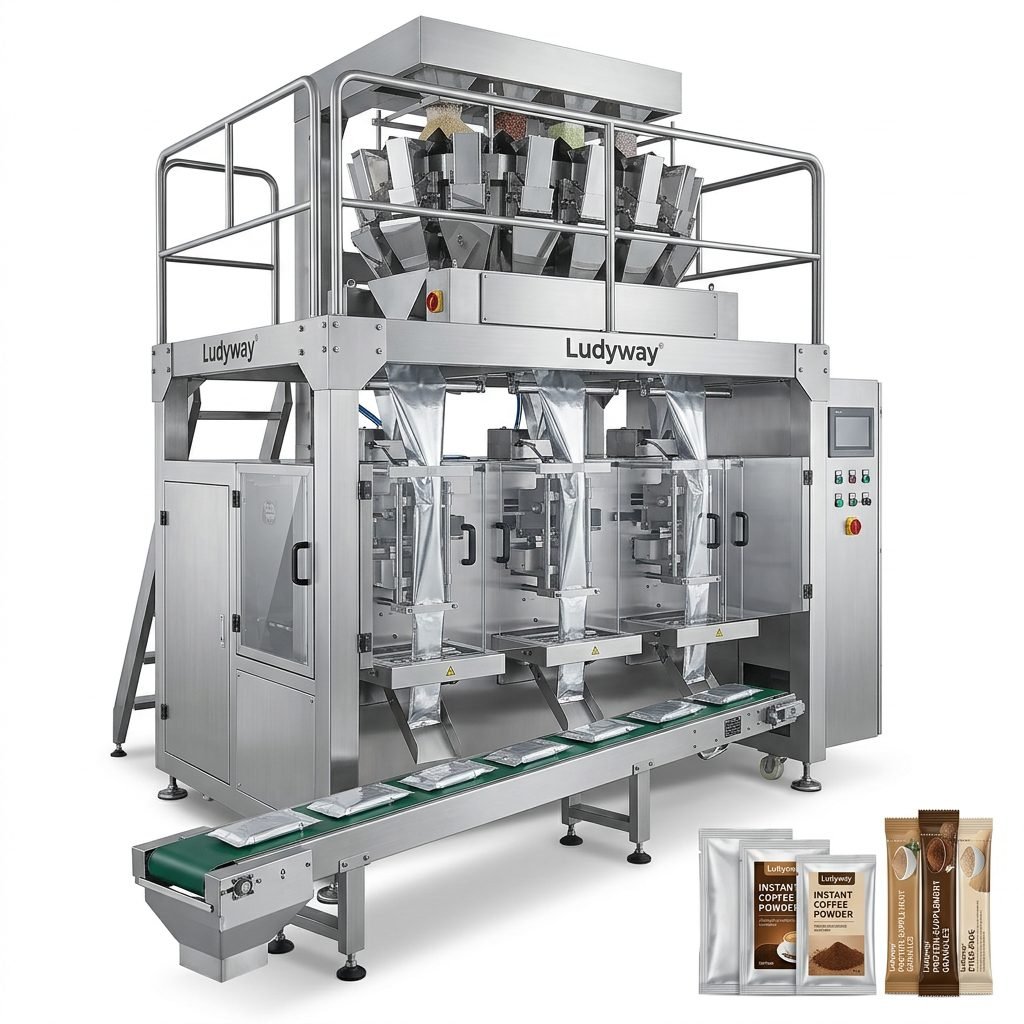
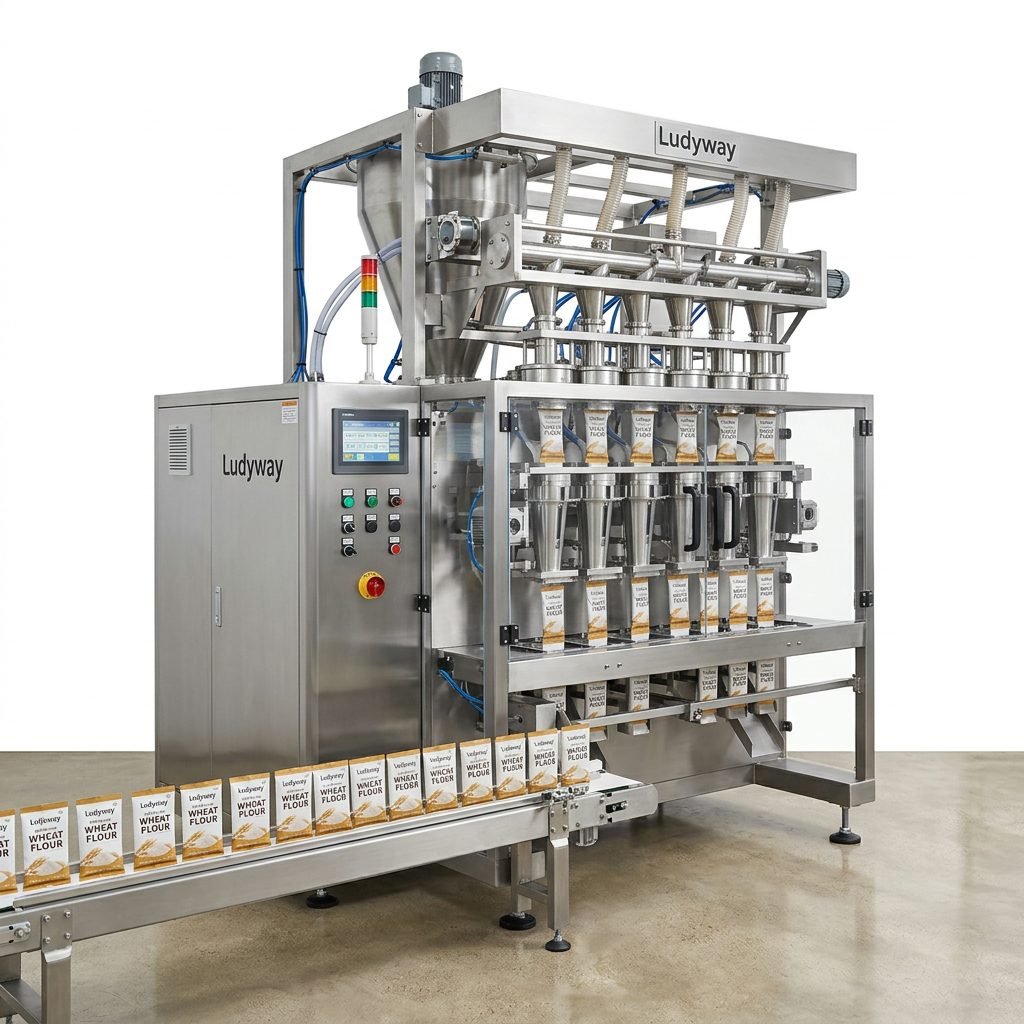
In the competitive world of ice cream production, efficient and reliable packaging is not just a final step—it’s a critical component of brand presentation, product protection, and operational success. Choosing the right ice cream packaging machinery can significantly impact your production line’s speed, cost-effectiveness, and the final quality that reaches the consumer. This guide delves into the various types of packaging machines available, explains their core working principles, and provides a structured framework to help you select the ideal equipment for your specific needs.
Understanding the Ice Cream Packaging Landscape
The packaging process for ice cream is unique due to the product’s temperature sensitivity and consistency. Machinery must handle the product gently, maintain hygiene standards, and often operate in chilled environments. The primary goal is to enclose the ice cream in a protective barrier—be it a tub, cone, stick, or novelty shape—quickly and securely to prevent melting, freezer burn, and contamination.
Key Consideration: Unlike many other food products, ice cream packaging often involves form-fill-seal (FFS) technology for cups and tubs, or specialized filling and closing systems for cones and stick products. The machinery must be designed to prevent temperature rise during the packaging cycle.
Primary Types of Ice Cream Packaging Machinery
The market offers a range of machines tailored to different product formats and production scales. Here are the most common types:
1. Cup & Tub Filling and Sealing Machines
These are the workhorses for packaging ice cream in single-serve or multi-serve containers. They typically follow a form-fill-seal (FFS) principle. A roll of laminated packaging material (often with foil or plastic layers) is fed into the machine. The machine forms this material into cups or tubs, fills them with a precise amount of ice cream (often via a piston filler or rotary pump), and then seals the top with a lidding film. These machines are highly efficient for high-volume production of uniform products.
2. Cone Filling Machines
Designed specifically for ice cream cones, these machines automate the process of dispensing cones, filling them with ice cream (and sometimes a bottom plug of chocolate), and adding toppings. Advanced models can handle sugar and waffle cones and integrate with extruders for shaped ice cream. The working principle involves a rotary or linear indexing system that moves cones through various stations: cone placement, filling, topping, and transfer for final wrapping or boxing.
3. Stick Novelty and Bar Packaging Lines
This category covers machinery for products like ice cream bars on sticks, sandwiches, and other molded novelties. The process is more complex, often involving:
→ Extrusion or Molding: Liquid ice cream mix is deposited into molds on a continuous belt that passes through a brine freezer.
→ Stick Insertion: Sticks are automatically inserted into the partially frozen product.
→ Demolding & Extraction: The fully frozen product is extracted from the molds.
→ Chocolate Coating & Enrobing: The bar may pass through a curtain of liquid chocolate or other coatings.
→ Wrapping: Finally, the product is wrapped in foil or film using high-speed horizontal flow wrappers.
4. Bulk Packing and Cartoning Machines
After primary packaging (e.g., into a tub), ice cream containers often need to be grouped into multipacks or placed into shipping cases. Automatic cartoners erect cartons, load the correct number of primary packages, and seal them. Case packers perform a similar function for larger corrugated shipping boxes. These machines are crucial for streamlining the end-of-line logistics.
Core Working Principles Across Machine Types
Despite their differences, most ice cream packaging machines share fundamental operational principles:
- Precision Filling: Utilizing piston fillers, rotary pumps, or volumetric cups to ensure accurate and consistent product weight in each package, which is vital for cost control and regulatory compliance.
- Hygienic Design: Constructed with food-grade stainless steel (e.g., SS304, SS316) and designed for easy cleaning and sanitation (CIP/SIP capabilities) to meet strict food safety standards like HACCP and FDA guidelines.
- Temperature Management: Integration of cooling tunnels, insulated hoppers, or chilled filling zones to minimize heat ingress and protect product integrity during the packaging process.
- Automated Control: Governed by Programmable Logic Controllers (PLCs) and Human-Machine Interfaces (HMIs) that allow operators to set parameters, monitor production speed, count output, and diagnose faults.
How to Choose the Right Ice Cream Packaging Machine
Selecting machinery is a significant investment. A systematic evaluation based on your specific requirements will lead to a better decision. Consider the following factors:
1. Define Your Product and Output Requirements
Product Format: Are you packaging cups, cones, bars, or sandwiches? The shape and consistency of your product dictate the machine type.
Production Speed (Output): Calculate your required units per minute/hour/shift. Choose a machine that can meet your peak demand with about 15-20% capacity headroom for future growth. A professional packaging expert can help you model this accurately.
2. Evaluate Machine Features and Flexibility
Changeover Ease: How quickly and easily can the machine switch between different cup sizes, cone types, or product shapes? Look for quick-release mechanisms and digital recipe storage.
Filling Accuracy: What is the weight tolerance? High precision reduces product giveaway.
Hygiene and Construction: Inspect the quality of stainless steel, accessibility for cleaning, and the presence of drip trays and sealed components.
3. Consider Integration and Support
Line Integration: Will the machine fit seamlessly with your existing upstream (freezing, hardening) and downstream (cartoning, freezing tunnel) equipment? Consider footprint and communication protocols.
Supplier Reliability: Partner with a supplier known for quality and experience. A provider with deep industry knowledge, like one with over 30 years of experience, can offer invaluable guidance and reliable long-term technical support, spare parts availability, and comprehensive training.
4. Analyze Total Cost of Ownership (TCO)
Look beyond the initial purchase price. Factor in:
→ Energy Consumption: Especially for machines with integrated cooling.
→ Maintenance Costs: Availability and cost of spare parts.
→ Material Waste: Efficiency of film/web usage and product fill accuracy.
→ Durability: A robust machine built in a modern production facility may have a higher upfront cost but lower long-term downtime and repair expenses.
Frequently Asked Questions (FAQs)
Q1: What is the typical production speed range for an automatic ice cream cup filler?
A: Speeds vary greatly by machine sophistication and cup size. Entry-level models may run at 30-60 cups per minute (CPM), while high-speed rotary FFS machines can achieve 200-400 CPM or more for small single-serve cups.
Q2: How important is hygienic design, and what standards should I look for?
A: It is paramount. The machine should have a fully stainless steel contact surface, be easy to disassemble for cleaning, and have no areas where product or moisture can accumulate. Design should comply with food safety standards relevant to your market (e.g., FDA, EHEDG, 3-A Sanitary Standards).
Q3: Can one machine handle multiple different ice cream product types?
A: Some machines offer multi-format flexibility, but there are often trade-offs. A machine designed for both cups and cones will require significant changeover parts and time. For fundamentally different products (e.g., cups vs. stick bars), dedicated lines are usually more efficient for medium to large-scale production.
Q4: What are the key maintenance routines for this type of machinery?
A: Daily cleaning and lubrication (with food-grade lubricants) as per the manual are essential. Regular inspection of seals, gaskets, cutting blades, and pneumatic components is crucial. Scheduled preventive maintenance by qualified technicians helps prevent unexpected breakdowns.
Q5: How do I future-proof my packaging machinery investment?
A: Choose a machine from a supplier with a strong track record of innovation and support. Opt for a model with some speed and format flexibility beyond your current needs. Ensure the control system is modern and can potentially integrate with factory IoT or data collection systems for smarter production monitoring.