Establishing a produce packaging machine production line in China requires meticulous planning, a deep understanding of local manufacturing ecosystems, and a strategic approach to equipment selection. Whether you are launching a new facility or upgrading an existing operation, this guide walks you through every critical phase—from initial feasibility to full-scale production—ensuring your investment delivers maximum efficiency and return.
1. Defining Your Packaging Line Scope and Objectives
Before engaging suppliers or evaluating machinery, clearly outline your production goals. Consider the types of produce or products you intend to package—granules, powders, liquids, or solid items—as each demands distinct handling and sealing technologies. Determine your target output per hour, packaging formats (sachets, stick packs, pouches, bottles), and any specialized requirements such as nitrogen flushing, vacuum sealing, or multi-lane configurations.
Key questions to address at this stage include:
- What are the physical characteristics of your product (density, flowability, moisture sensitivity)?
- Which packaging materials will you use (laminates, aluminum foil, biodegradable films)?
- What level of automation is appropriate for your labor cost environment?
- Do you need integrated secondary packaging systems such as cartoning, case packing, or palletizing?

2. Selecting the Right Packaging Equipment
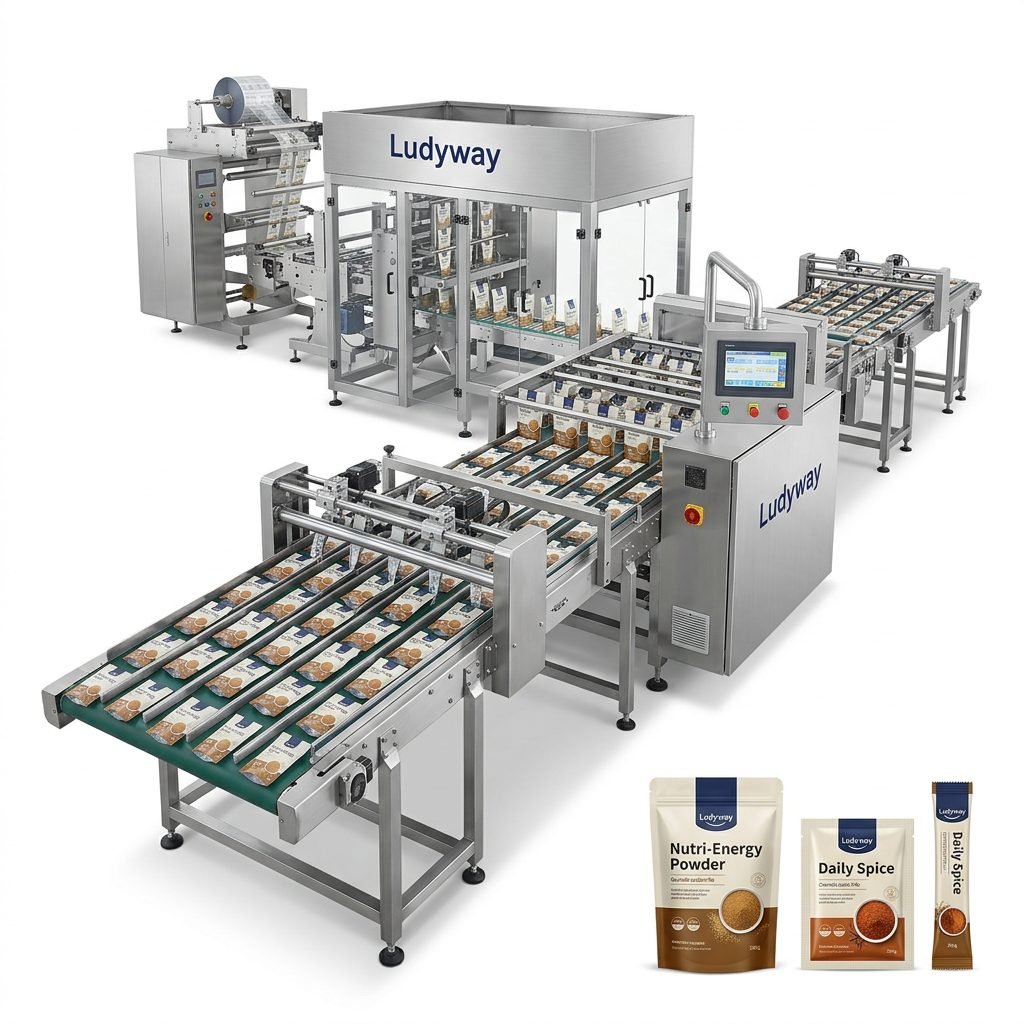
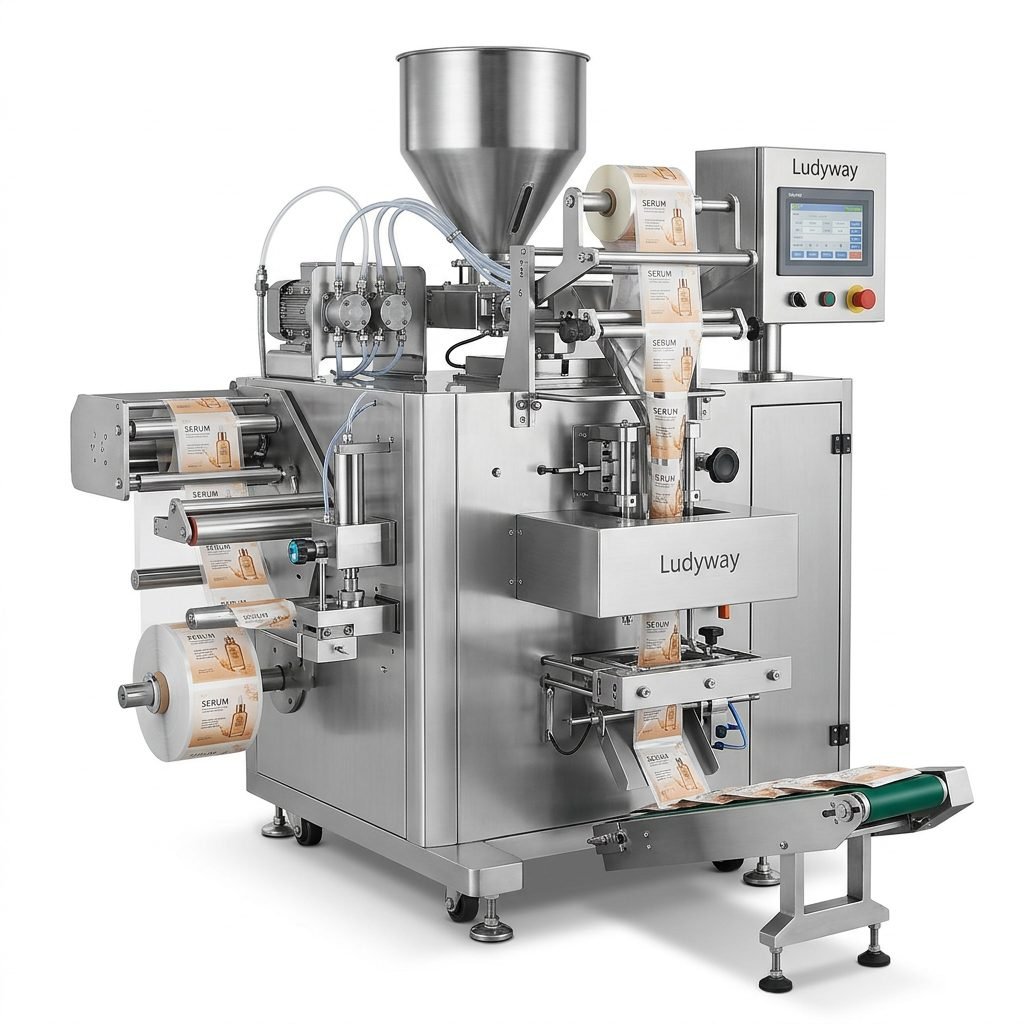
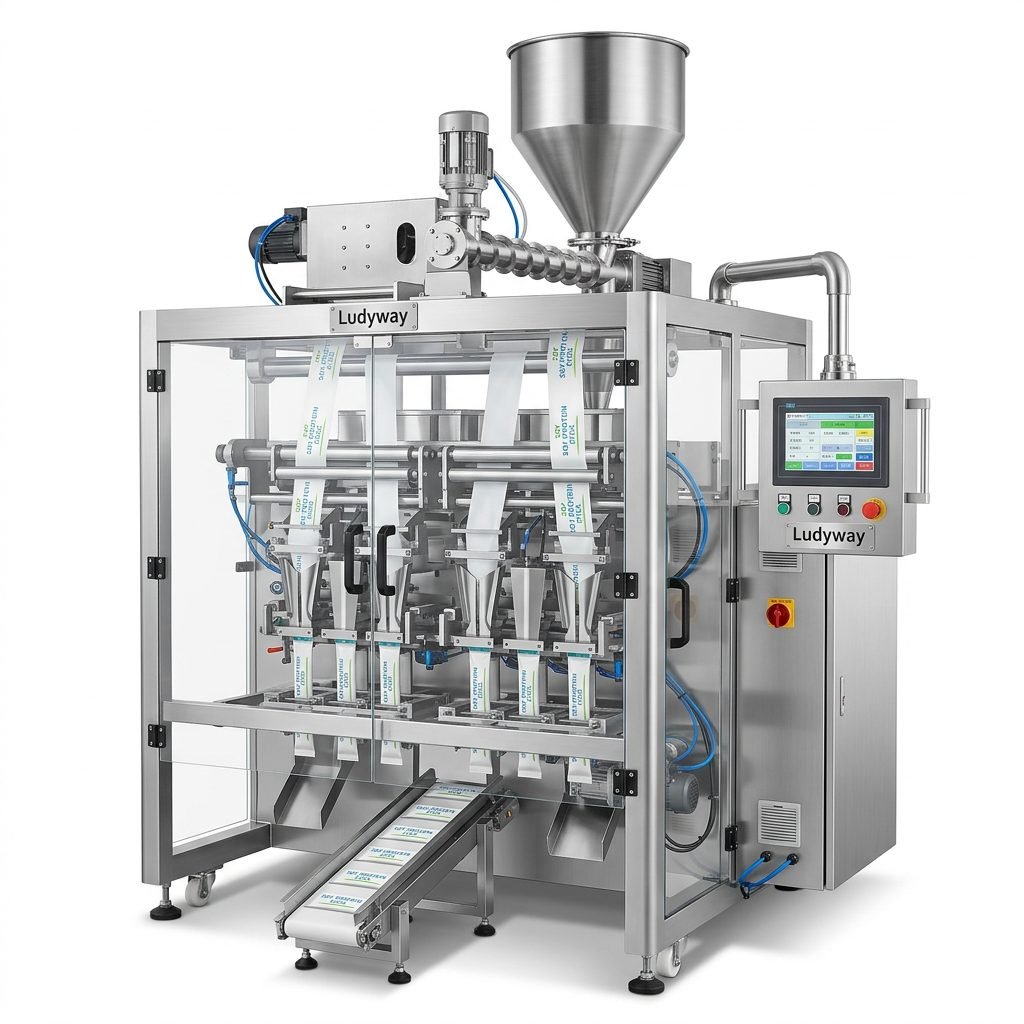
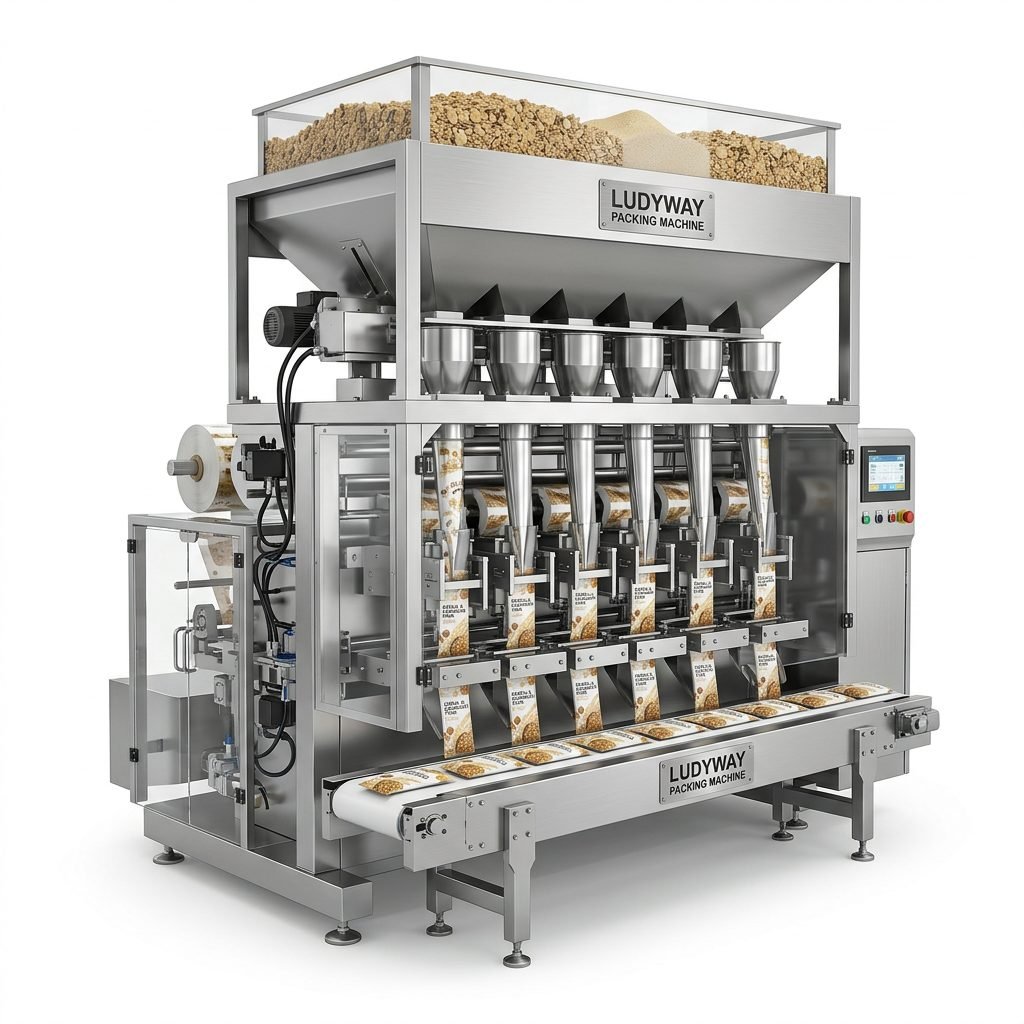
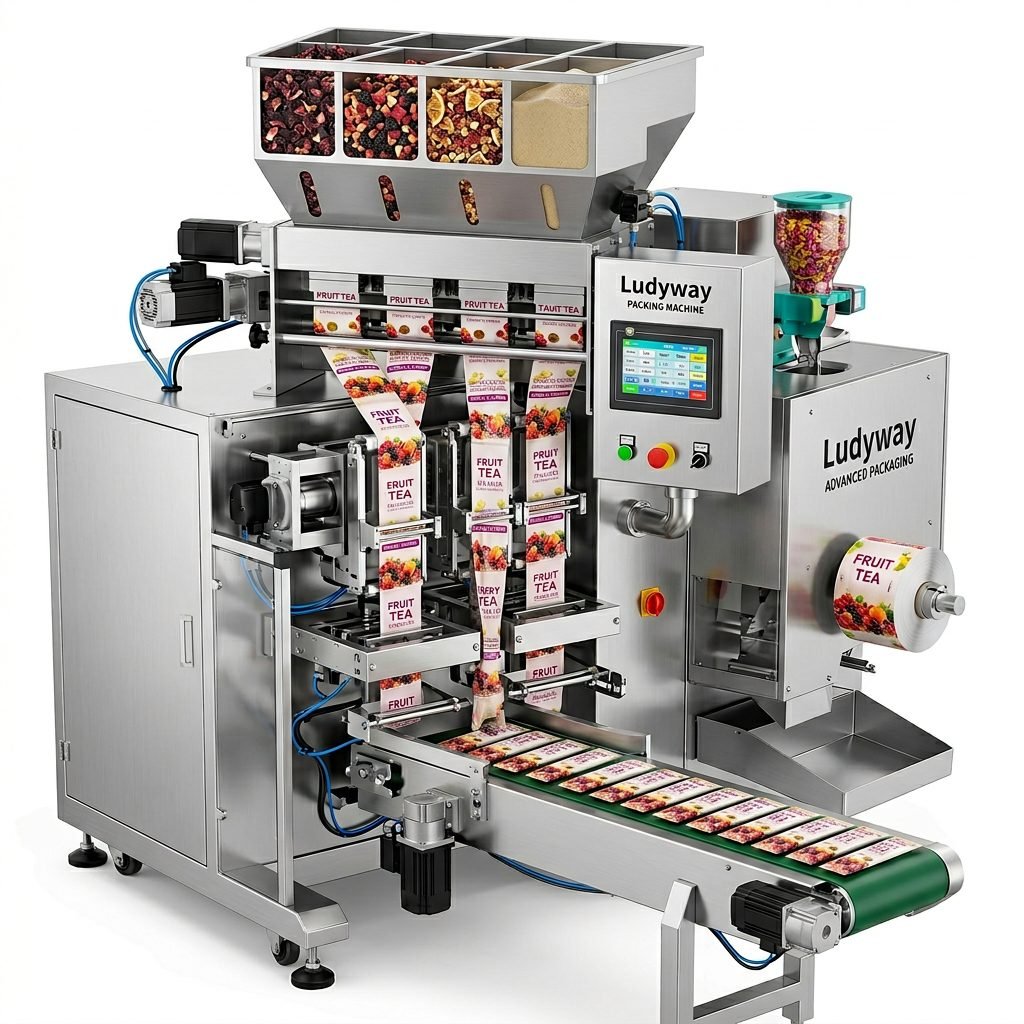
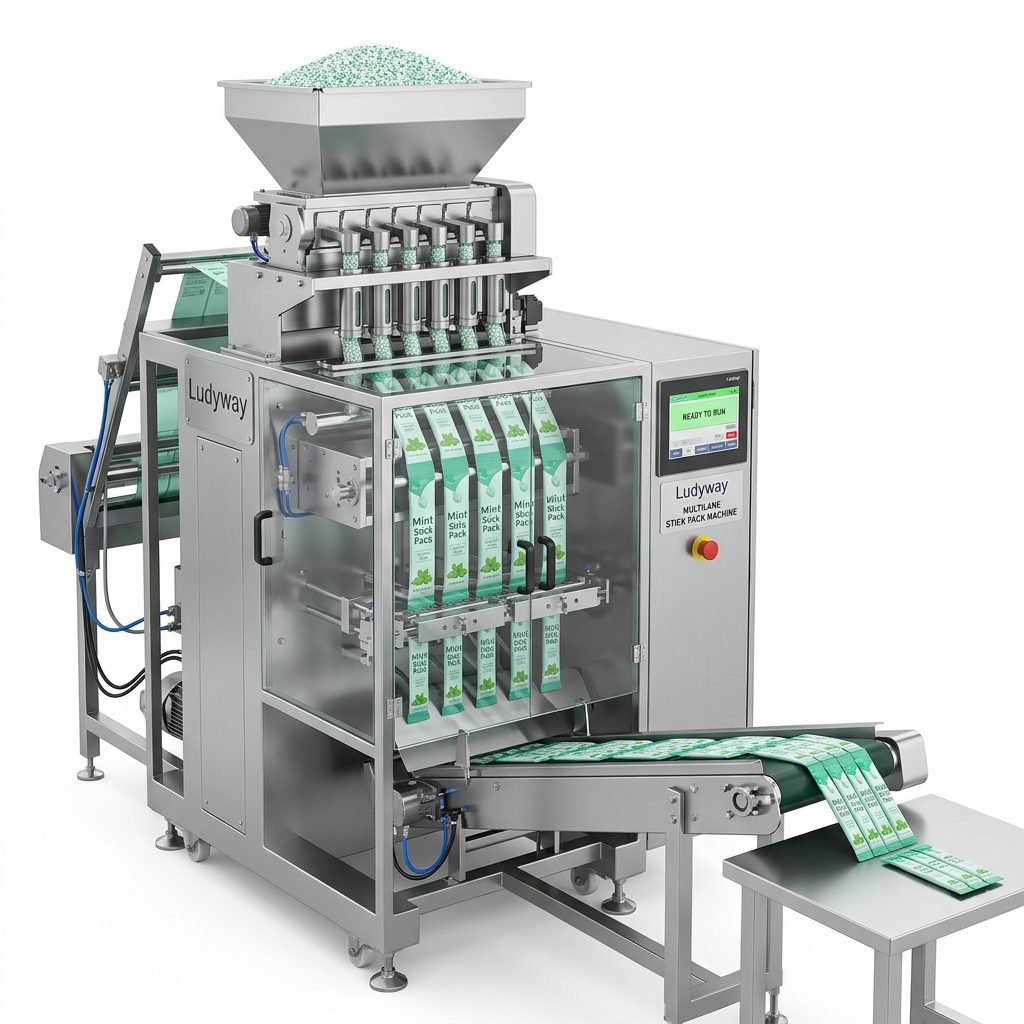
China offers a vast spectrum of packaging machinery, from entry-level standalone units to fully integrated turnkey lines. For produce and food-grade applications, prioritize equipment that meets FDA food contact substance requirements and international hygiene standards. Multi-lane stick pack and sachet machines have become particularly popular for high-volume operations, offering speeds that single-lane systems cannot match.
When comparing machinery, evaluate the following aspects carefully:
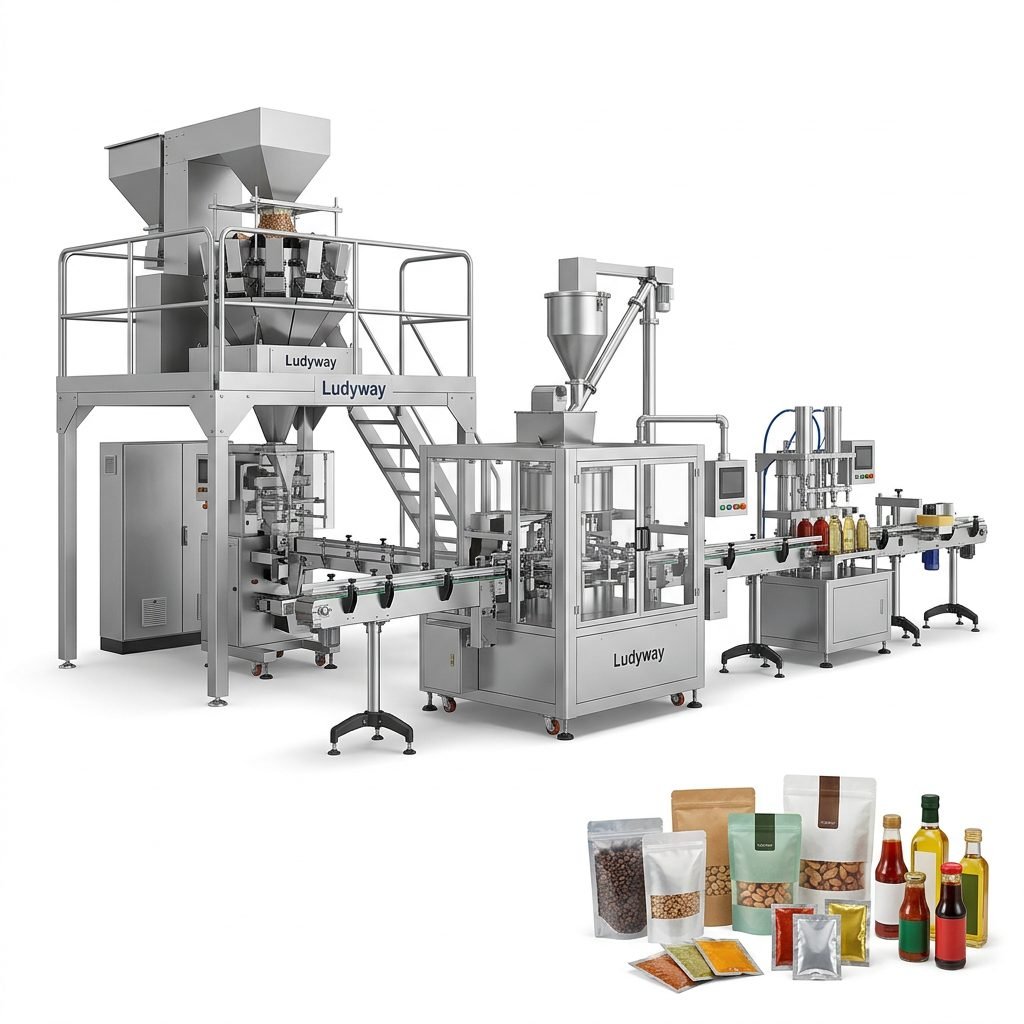
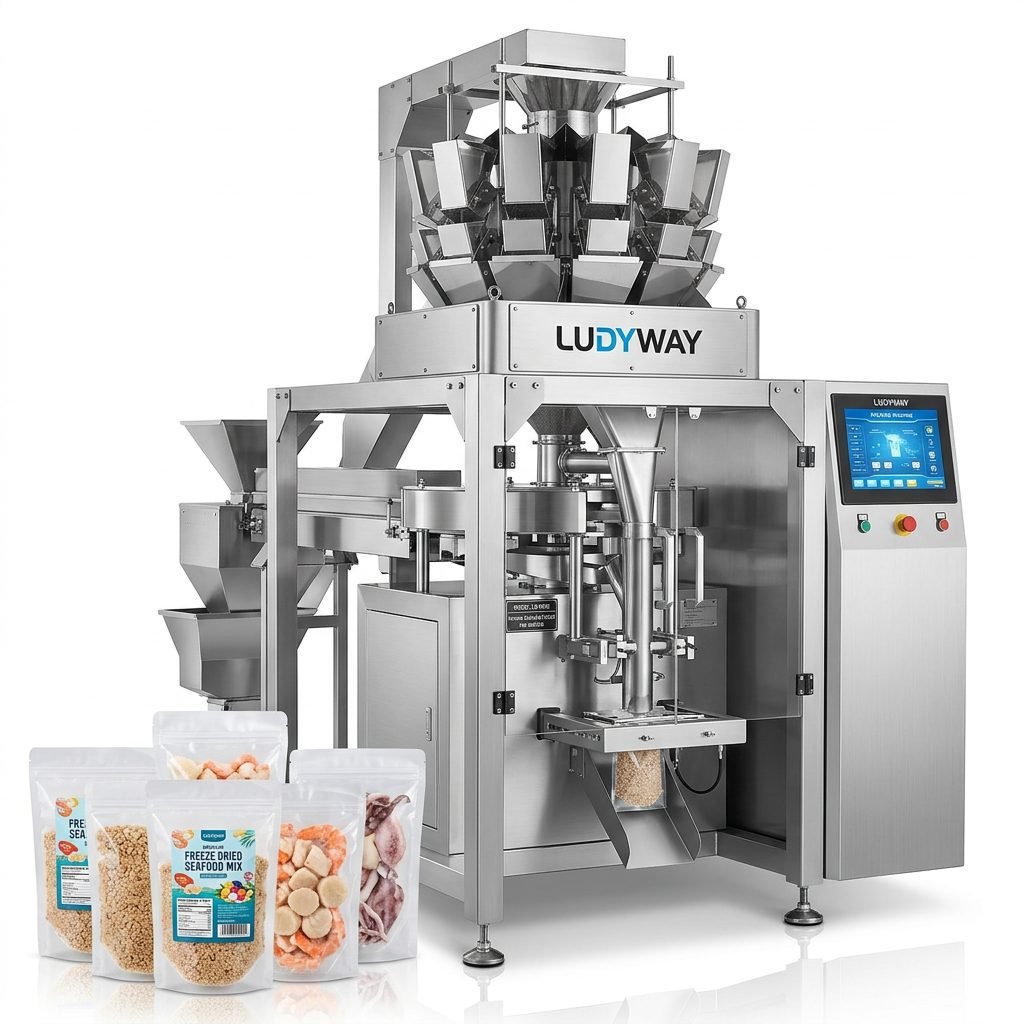
- Dosing accuracy – Auger fillers, volumetric cup fillers, multi-head weighers, and liquid piston fillers each suit different product types.
- Sealing integrity – Look for precision temperature control and adjustable pressure settings to ensure hermetic seals across varying film thicknesses.
- Changeover efficiency – Quick-release components and recipe memory functions reduce downtime between product runs.
- Material compatibility – Verify that the machine handles your chosen substrates without excessive waste or jamming.
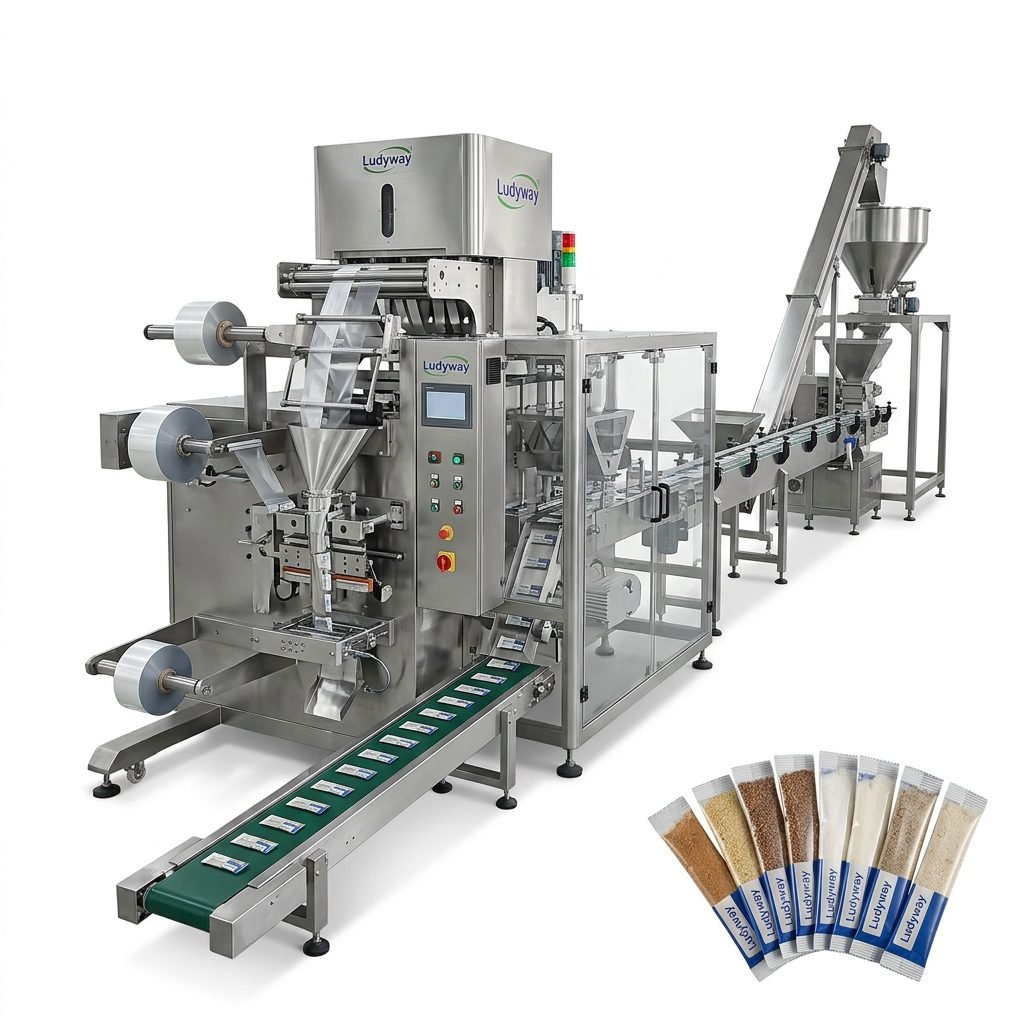
3. Facility and Infrastructure Requirements
Your production floor must be prepared to accommodate the selected machinery with adequate space for material handling, operator movement, and maintenance access. Power supply stability, compressed air capacity, and environmental controls are fundamental. In China, many industrial parks provide ready-to-use infrastructure, but verifying voltage compatibility (typically 380V three-phase) and air pressure specifications against your equipment requirements is essential.
Consider these infrastructure elements:
- Dust extraction and ventilation systems for powder handling areas
- Temperature and humidity regulation to protect both product integrity and machine electronics
- Cleanroom or controlled-environment zones if processing pharmaceutical-grade or sterile items
- Efficient workflow layout connecting raw material storage, processing, packaging, and finished goods warehousing
4. Installation, Commissioning, and Operator Training
Once equipment arrives on-site, a structured installation process determines how quickly you reach full operational capacity. Factory acceptance testing (FAT) should be completed at the manufacturer’s facility before shipment, followed by site acceptance testing (SAT) after installation. This dual verification approach catches discrepancies early and reduces costly rework.
Operator training cannot be treated as an afterthought. Comprehensive hands-on instruction covering machine operation, daily maintenance, troubleshooting, and safety protocols ensures your workforce can sustain high uptime. Many Chinese manufacturers offer on-site training programs lasting several days to weeks, often included in the equipment purchase agreement.
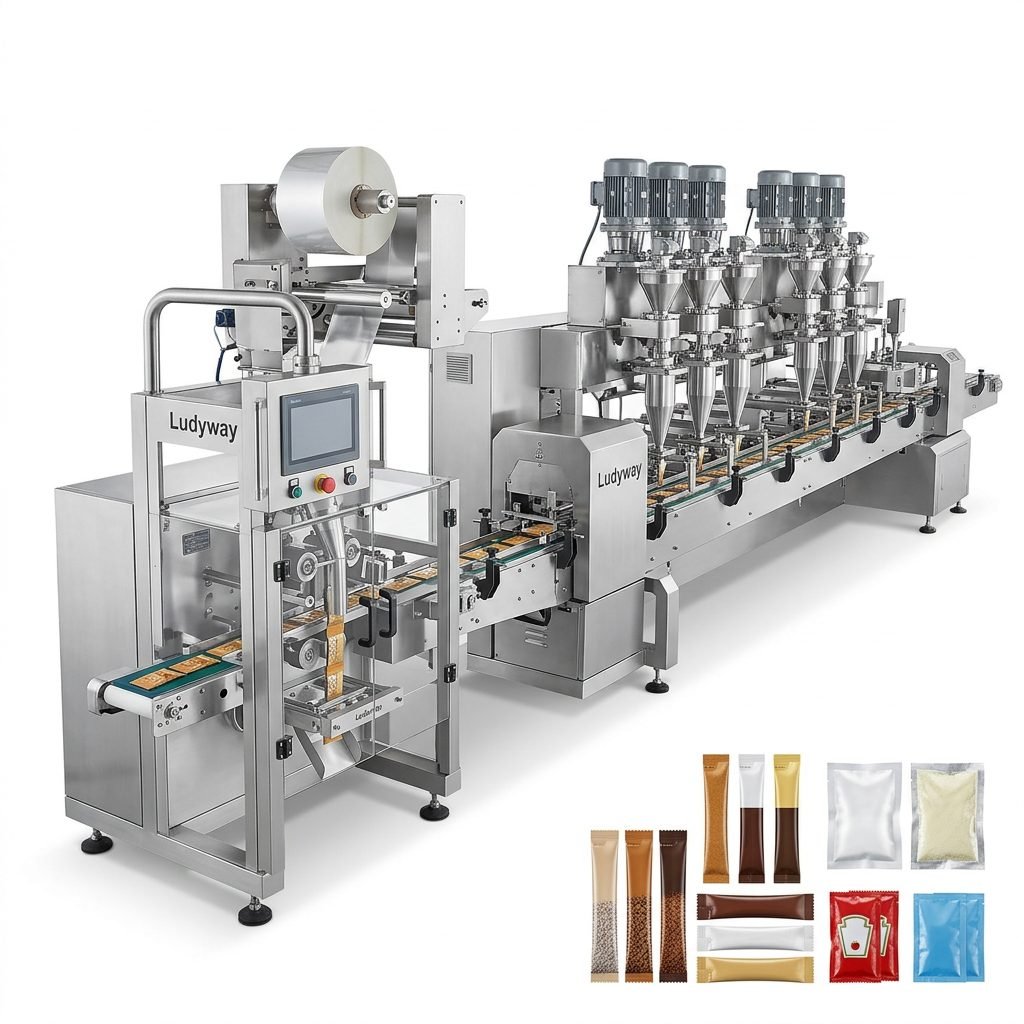
5. Quality Control and Compliance Standards
Implementing rigorous quality assurance protocols protects your brand reputation and ensures compliance with both domestic Chinese regulations and international import requirements. Key standards to reference include ISO packaging standards, GMP guidelines for food and pharmaceutical applications, and region-specific certifications such as CE marking for European markets or PMMI packaging industry resources for North American distribution.
Essential Quality Control Checkpoints
| Inspection Stage | Key Parameters | Frequency |
|---|---|---|
| Incoming Material Check | Film thickness, sealant layer integrity, print registration | Every batch |
| In-Process Monitoring | Fill weight accuracy, seal temperature, production speed | Continuous |
| Finished Product Sampling | Leak testing, burst strength, visual defects, label accuracy | Hourly intervals |
| Metal Detection | Ferrous, non-ferrous, and stainless steel contaminants | 100% of products |
| Final Audit | Case sealing, pallet integrity, batch traceability documentation | Per shipment |
6. Choosing a Strategic Manufacturing Partner in China
Selecting the right equipment supplier is arguably the most consequential decision you will make. Look beyond the initial price quotation and assess the manufacturer’s engineering depth, after-sales infrastructure, and track record in your specific industry segment. A reputable partner should demonstrate a thorough understanding of flexible packaging industry data and regulatory requirements across multiple markets.
One notable manufacturer in this space is Ludyway, which operates a modern 20,000㎡ production facility in Guangdong, China, and offers more than 50 intelligent packaging machine models for granule, powder, liquid, and pouch applications. The company serves customers in over 100 countries and regions with turnkey packaging solutions that span food, pharmaceutical, and health industries. When evaluating any supplier, request detailed case studies, client references, and if feasible, arrange an in-person factory visit to observe manufacturing quality firsthand.
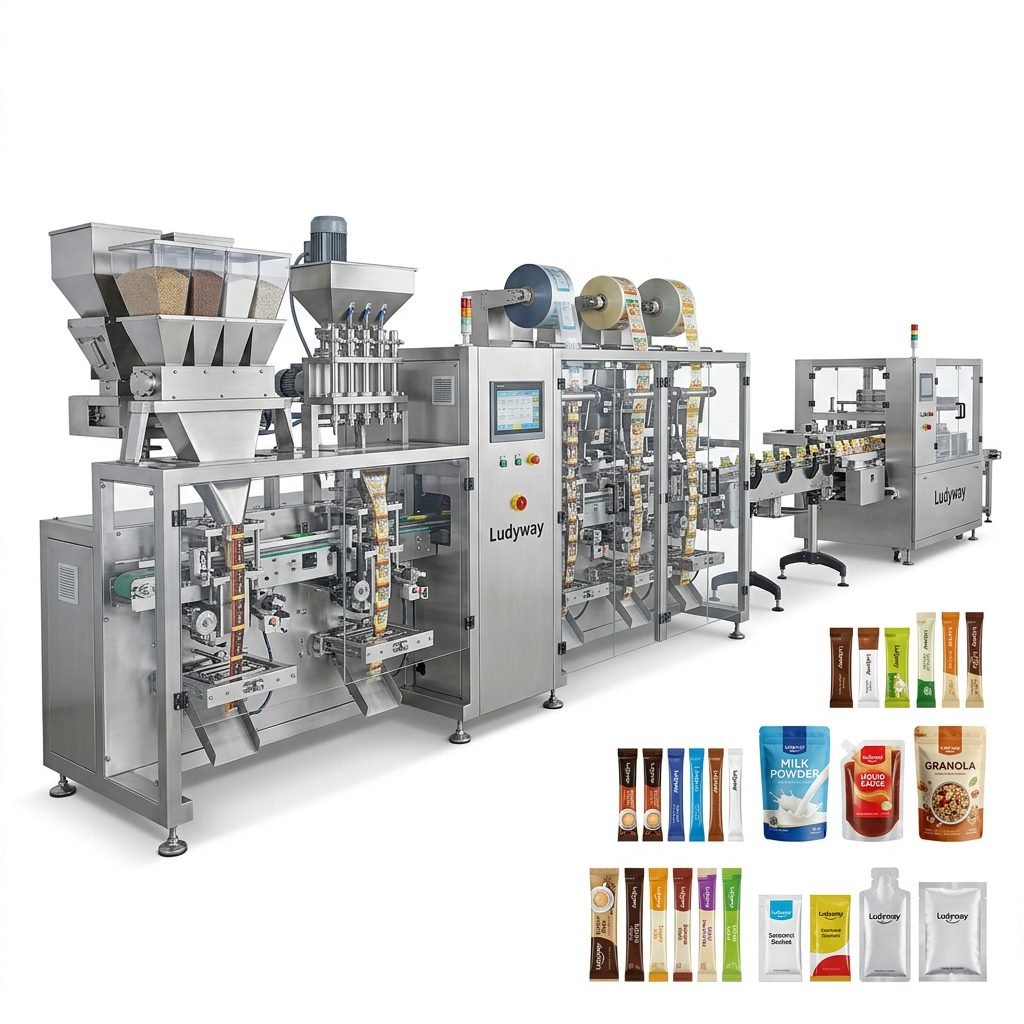
7. Preventative Maintenance and Lifecycle Management
A well-maintained packaging line can operate reliably for a decade or longer, but neglect accelerates wear and drives up total cost of ownership. Establish a structured preventative maintenance schedule that covers daily, weekly, monthly, and annual tasks. Critical consumables—such as sealing jaws, cutting blades, belts, and filters—should be kept in local inventory to minimize downtime.
- Daily: Clean product contact surfaces, inspect seals, check lubrication levels
- Weekly: Verify sensor calibrations, tighten fasteners, audit safety interlocks
- Monthly: Replace worn forming tubes, inspect pneumatic cylinders, test emergency stops
- Annually: Comprehensive overhaul including gearbox oil changes, PLC battery replacement, and control system diagnostics
Many Chinese manufacturers provide remote diagnostic support and can dispatch technicians within 48 hours for critical issues. Negotiate service-level agreements (SLAs) during procurement to lock in response times and spare parts pricing.
8. Cost Structure and Return on Investment
Understanding the total investment required—and projecting payback timelines—enables informed decision-making. Beyond the equipment purchase price, factor in shipping, import duties, installation, initial spare parts, operator training, and any facility modifications needed. The table below illustrates a typical cost allocation for a mid-scale multi-lane packaging line setup in China.
| Cost Category | Estimated Share of Total Investment | Notes |
|---|---|---|
| Primary Packaging Machinery | 45–55% | Multi-lane filler, sealer, dosing units |
| Auxiliary Equipment | 15–20% | Conveyors, elevators, checkweighers, metal detectors, coders |
| Installation and Commissioning | 5–8% | FAT, SAT, on-site technical support |
| Facility Modifications | 8–12% | Electrical, compressed air, dust extraction, cleanroom |
| Training and Documentation | 3–5% | Operator manuals, SOP development, hands-on training |
| Initial Spare Parts | 3–5% | Consumables and critical replacement components |
| Contingency Buffer | 5–10% | Unforeseen delays, additional customization, freight adjustments |
A properly configured packaging line typically achieves payback within 18 to 36 months, depending on production volume, product margins, and operational efficiency gains. Regular review of OEE (Overall Equipment Effectiveness) metrics helps identify opportunities for incremental improvement that compound over the line’s service life.
9. Navigating Logistics, Shipping, and Import Procedures
When importing packaging machinery from China, understanding international packaging and distribution standards streamlines customs clearance. Work with freight forwarders experienced in heavy machinery transport and ensure all documentation—commercial invoices, packing lists, bills of lading, certificates of origin—is accurate and complete. For large production lines, consider break-bulk or containerized shipping options based on equipment dimensions and your timeline.
Key logistical considerations include:
- Incoterms negotiation (FOB, CIF, DAP) to clarify cost and risk responsibilities
- Insurance coverage during transit, especially for precision electronic components
- Pre-arrival customs brokerage to minimize port storage charges
- Coordination with local rigging and installation teams at the destination facility
10. Future-Proofing Your Production Line
Investing in modular and scalable equipment architecture allows your packaging line to adapt as market demands shift. Consider machines with PLC-based controls that support firmware updates, IoT connectivity for real-time performance monitoring, and tool-free changeover mechanisms that accommodate new packaging formats without major rework. Collaboration with a supplier that offers comprehensive flexible packaging knowledge and support ensures your line remains competitive as technology advances.

11. Key Resources and Industry References
Staying informed about evolving standards and market trends strengthens your operational strategy. Below are authoritative resources consulted by packaging professionals worldwide:
- PMMI Business Intelligence Library – Comprehensive market research and trend analysis for the packaging sector
- FDA Food Ingredients and Packaging – Regulatory guidance for food contact materials and packaging safety
- ISO 11607 – Packaging for Terminally Sterilized Medical Devices – Critical standards for pharmaceutical and medical packaging validation
- Flexible Packaging Association Regulatory Affairs – Updates on compliance, sustainability, and material innovation
- European Commission Packaging and Packaging Waste Regulation – EU legislative framework affecting packaging design and recyclability
- PACK EXPO International – Leading trade show showcasing the latest packaging technologies and automation solutions
Setting up a produce packaging machine production line in China is a substantial undertaking, but methodical planning, rigorous supplier evaluation, and attention to compliance detail transform complexity into competitive advantage. By aligning your equipment choices with clear operational goals and building strong partnerships with experienced manufacturers, you position your business for sustained growth in both domestic and global markets.