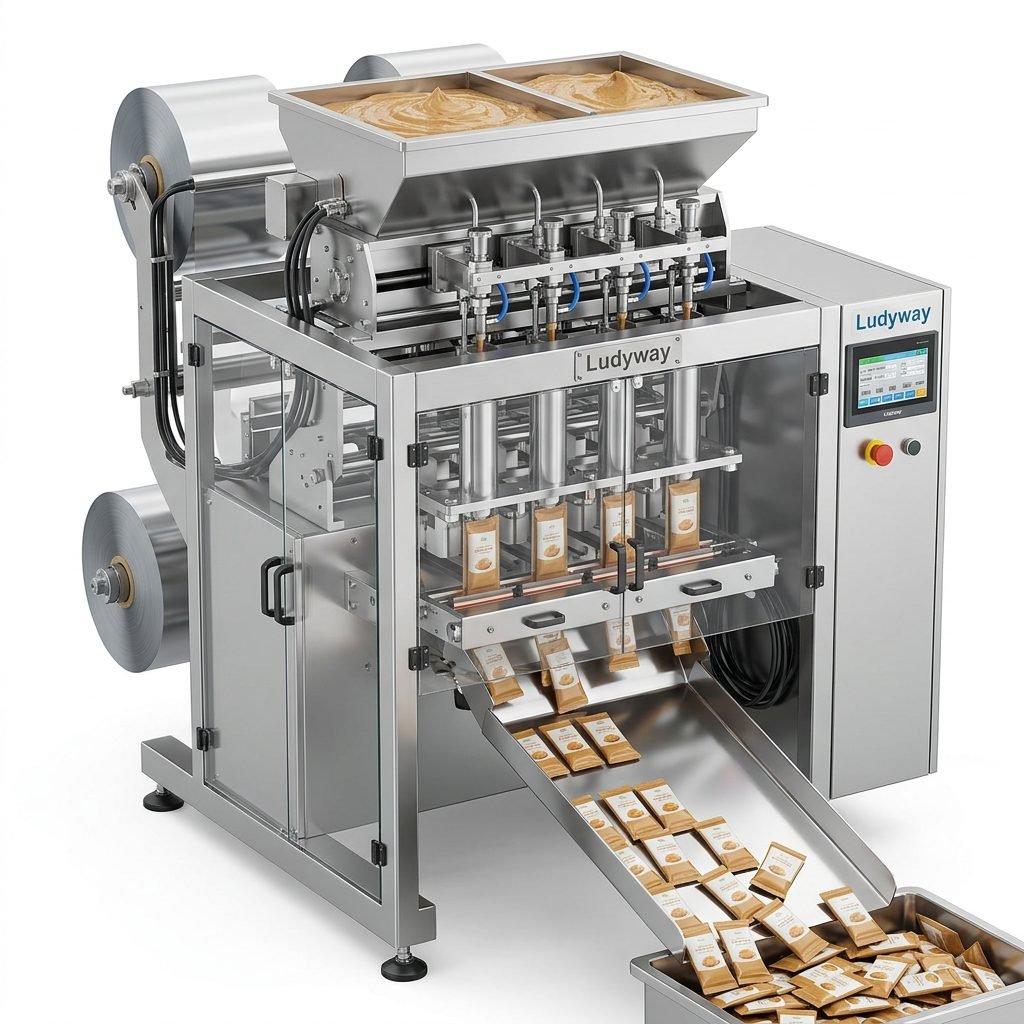
Investing in a horizontal packaging machine is a significant decision for any manufacturer in the food, pharmaceutical, cosmetic, or chemical industries. The right equipment can dramatically improve your production efficiency, reduce waste, and ensure consistent product quality. However, with so many configurations, automation levels, and technical specifications available, the selection process can feel overwhelming. This guide breaks down the essential factors to consider, helping you make an informed purchase that aligns with your specific operational goals.

Understanding Your Product and Material Characteristics
The very first step in choosing a horizontal packaging machine is a thorough analysis of the product you intend to package. The physical and chemical properties of your product will dictate the type of feeding, dosing, and sealing mechanisms required.
- Product State: Is your product a free-flowing granule, a fine powder, a paste, a liquid, or a solid item? For instance, packaging fine powders like collagen or spices requires different dust-control and dosing systems compared to packaging larger solid items like biscuits or hardware.
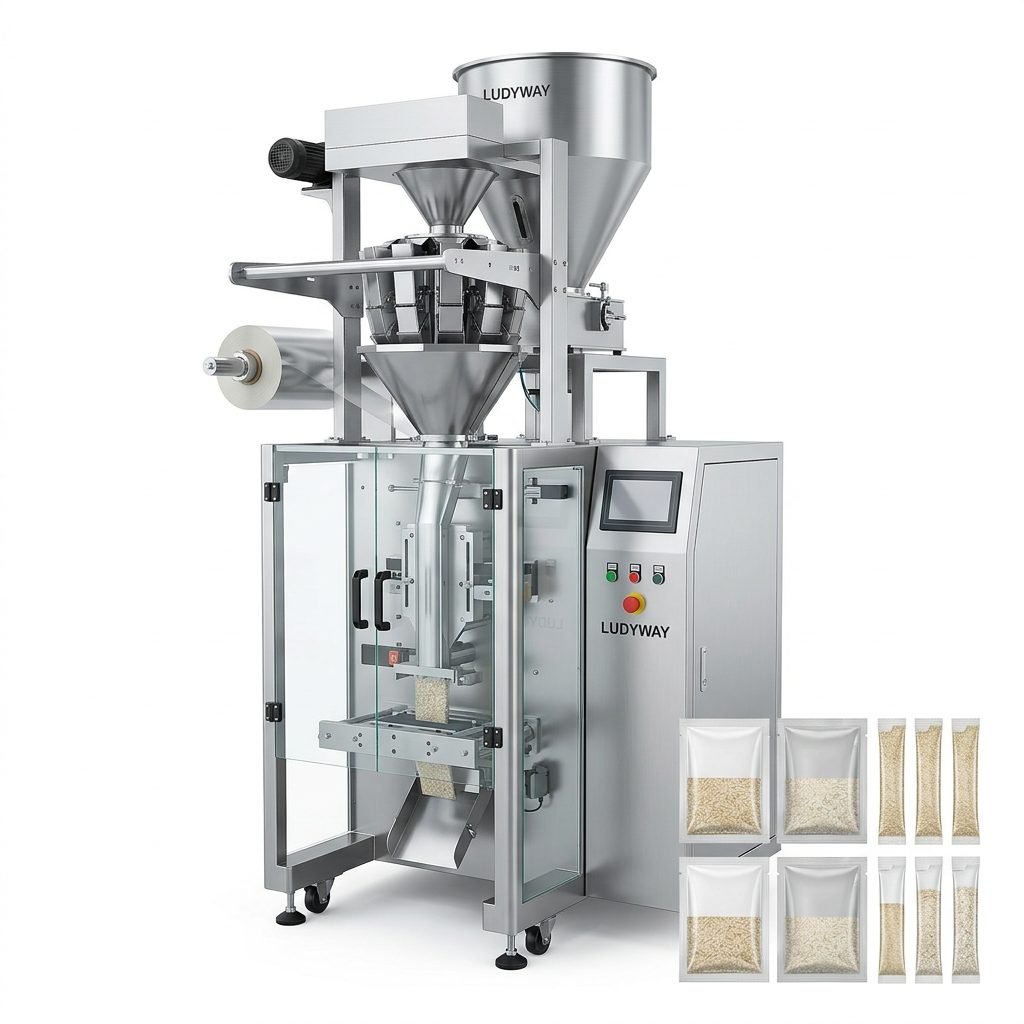
- Flowability and Density: Non-free-flowing powders (e.g., cocoa powder, flour) often need auger fillers or special agitation in the hopper. Granules with consistent density, like sugar or seeds, work well with volumetric cup fillers or multi-head weighers.
- Sensitivity and Hygiene: For food and pharmaceutical applications, machines must be constructed from stainless steel and designed for easy cleaning. If your product is hygroscopic or oxygen-sensitive, you may need a machine capable of nitrogen flushing or vacuum sealing.
Defining Your Packaging Format and Bag Style
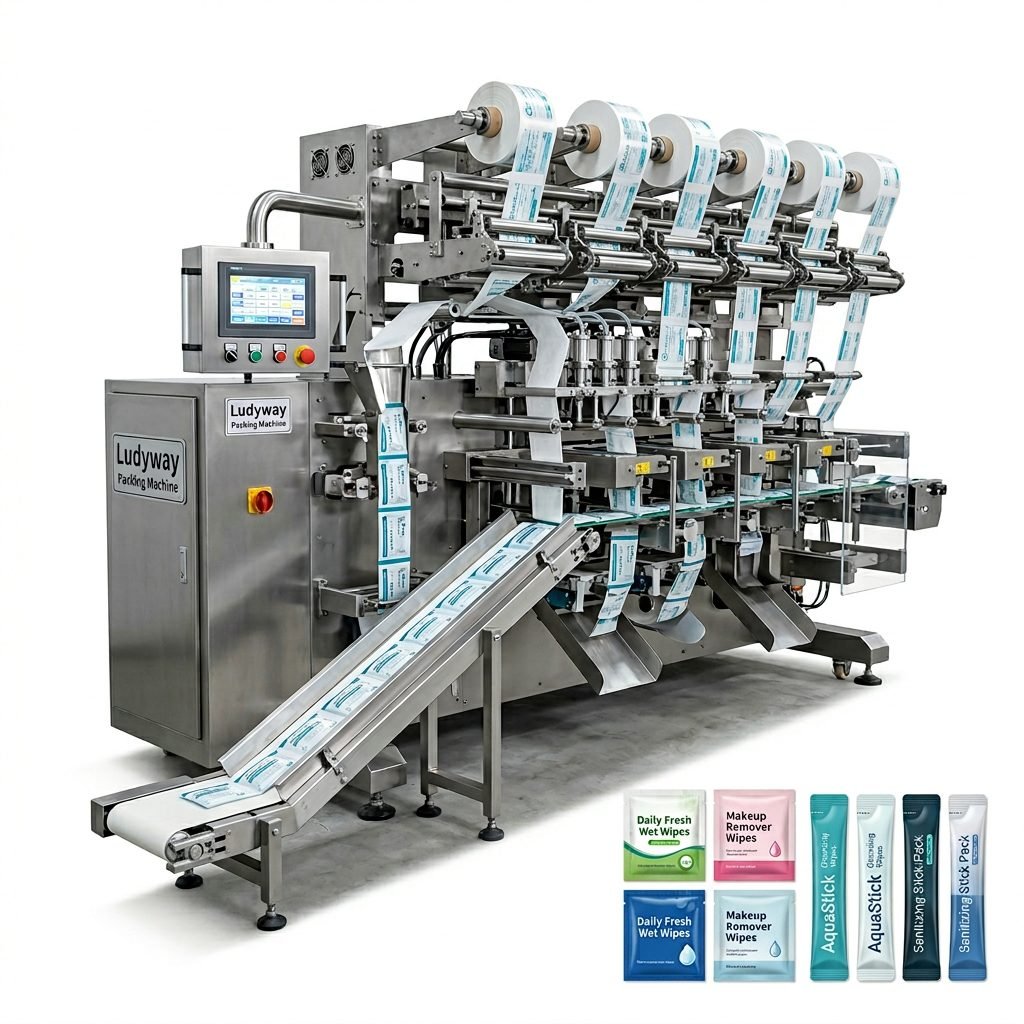
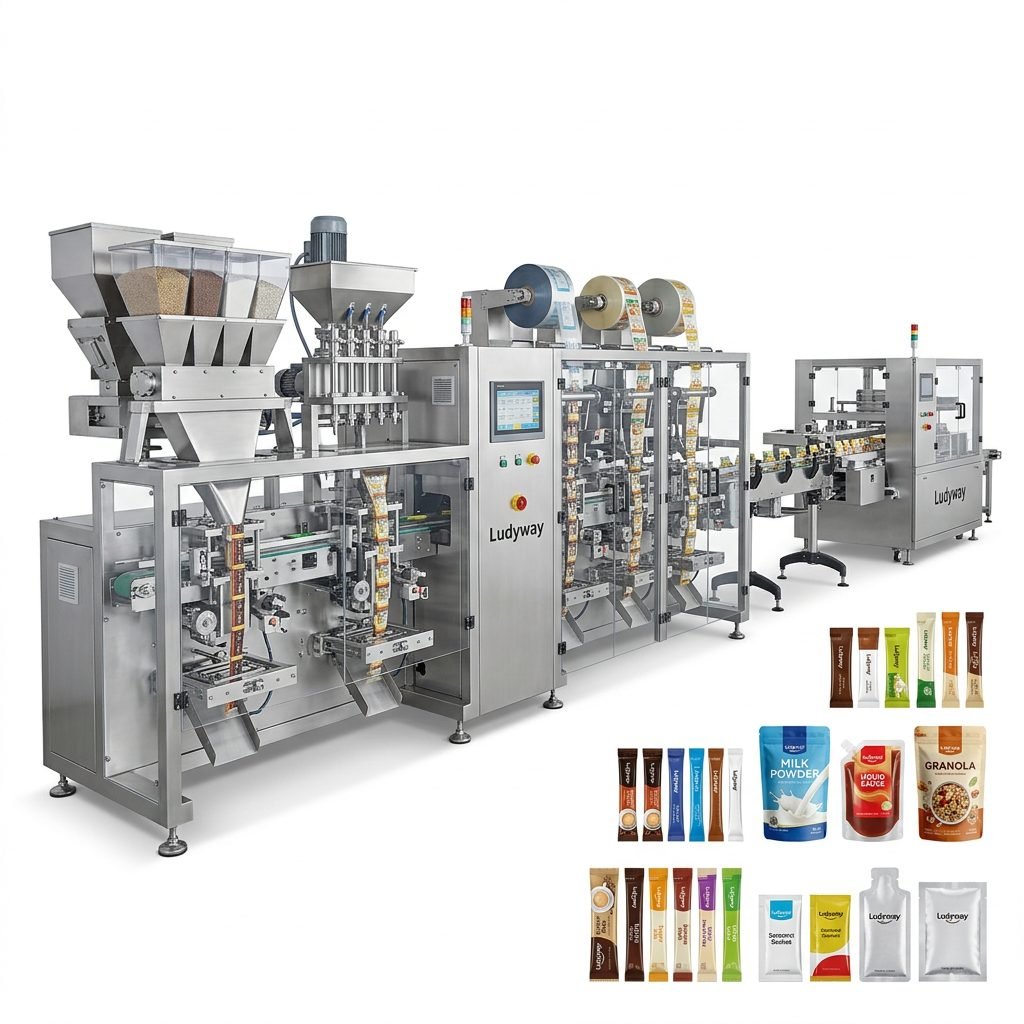
Horizontal packaging machines offer exceptional versatility in bag styles. Unlike vertical form-fill-seal machines, horizontals excel at wrapping individual solid items but can also handle multi-lane stick packs and sachets for powders and liquids. Identifying your required format is crucial.
| Bag Format | Best Suited For | Common Industries |
|---|---|---|
| Pillow Pack | Biscuits, bakery items, hardware | Food, Industrial |
| Gusseted Bag | Coffee, tea, bulk snacks | Food & Beverage |
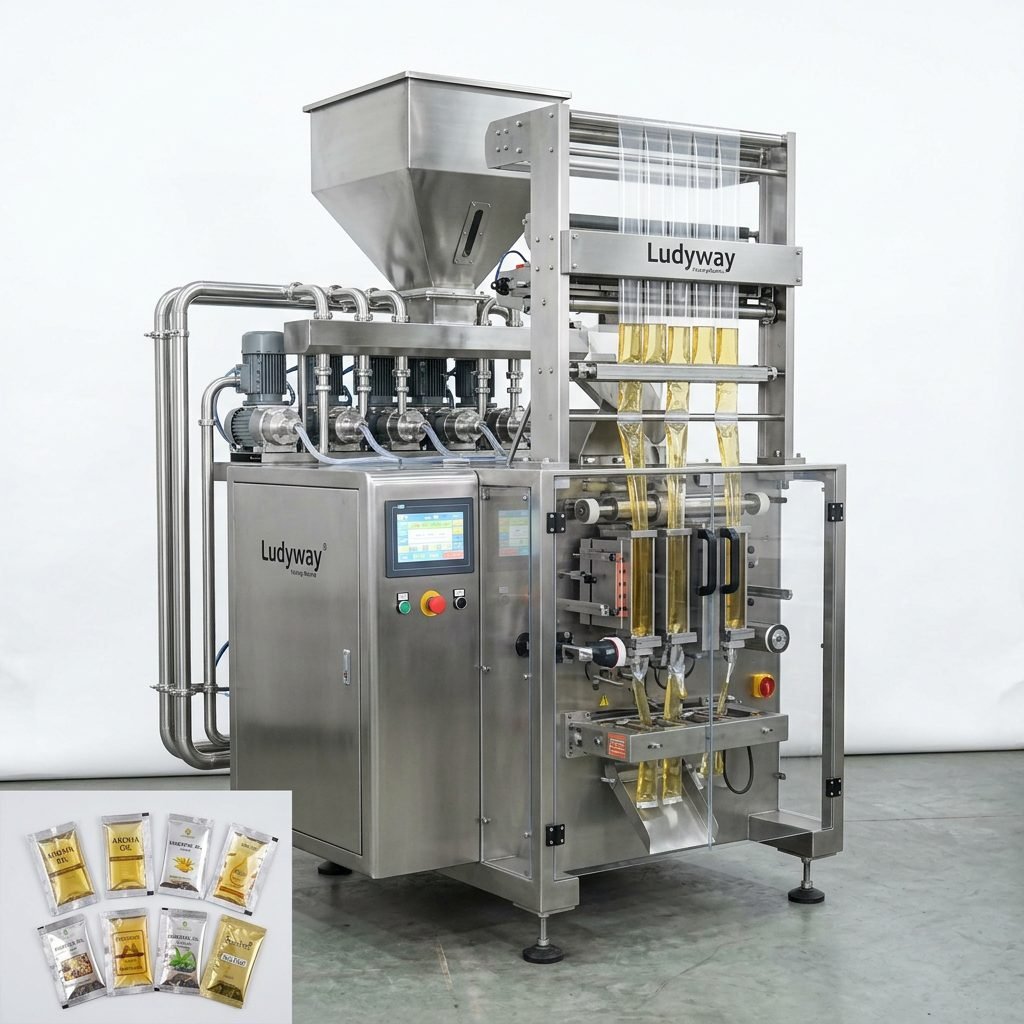
| Four-Side Seal Sachet | Shampoo, ketchup, medical creams | Cosmetics, Pharma |
| Stick Pack | Instant coffee, sugar, supplements | Nutraceutical, Food |
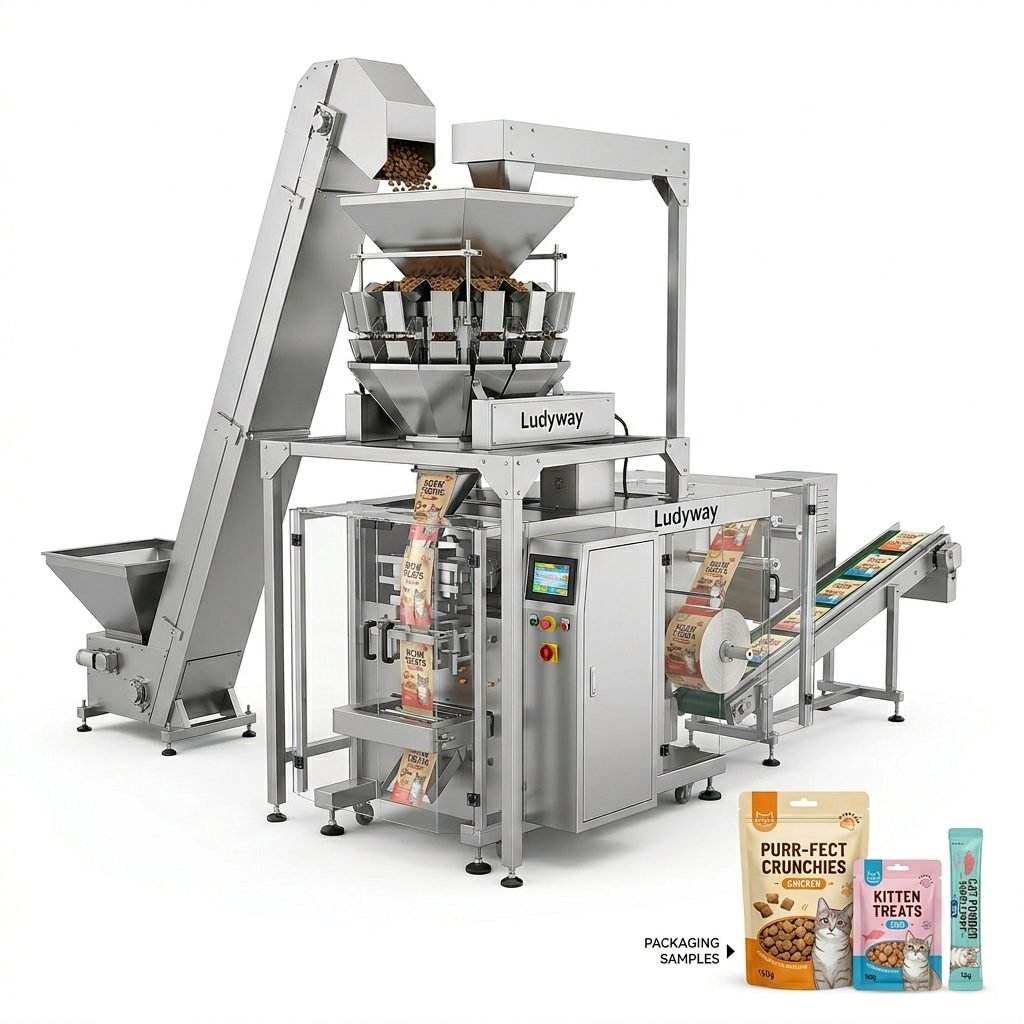
| Quad Seal Bag | Premium coffee, pet food, detergents | Consumer Goods |
Evaluating Production Speed and Automation Levels
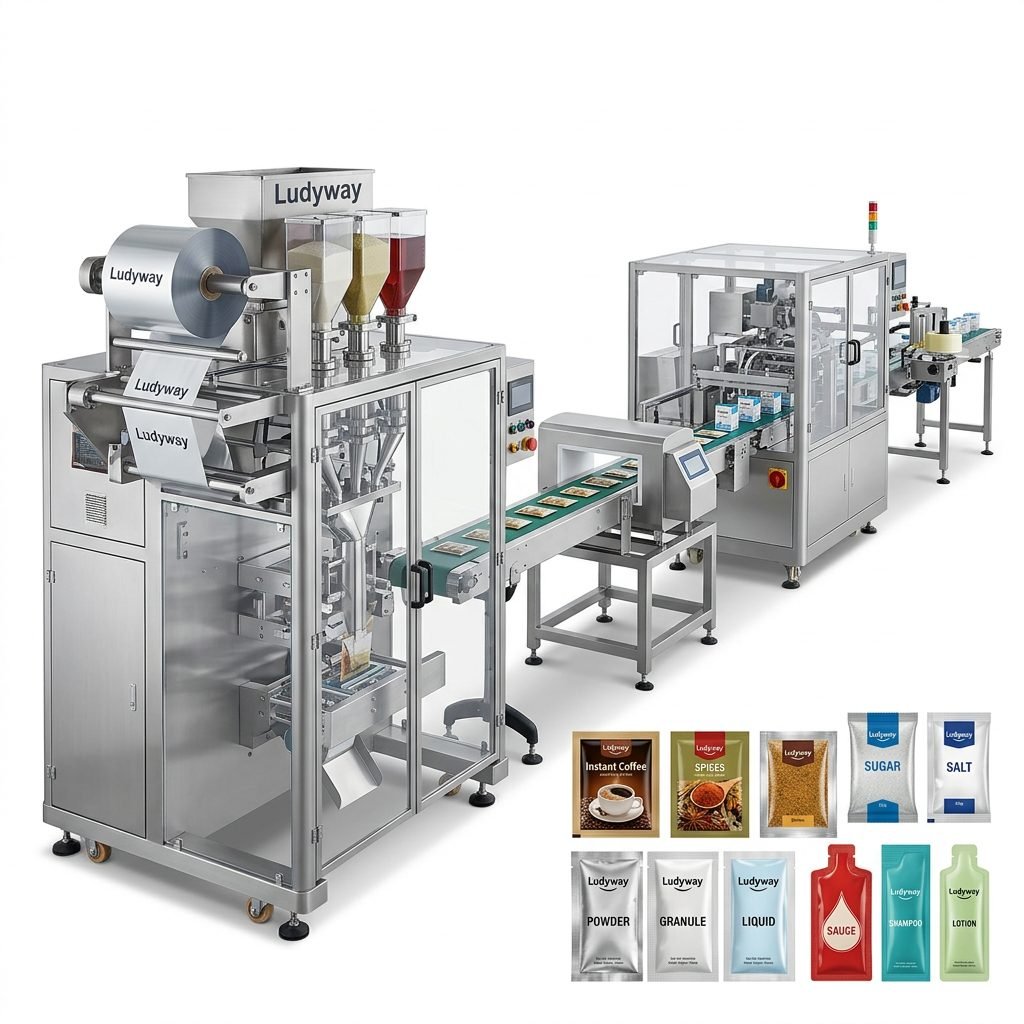
Your required throughput, measured in packs per minute (PPM), is a critical spec. A semi-automatic machine might suit a start-up, but a high-speed automated line is necessary for large-scale production. Consider not just the current output but also future growth projections.
Manual vs. Automatic Feeding Systems
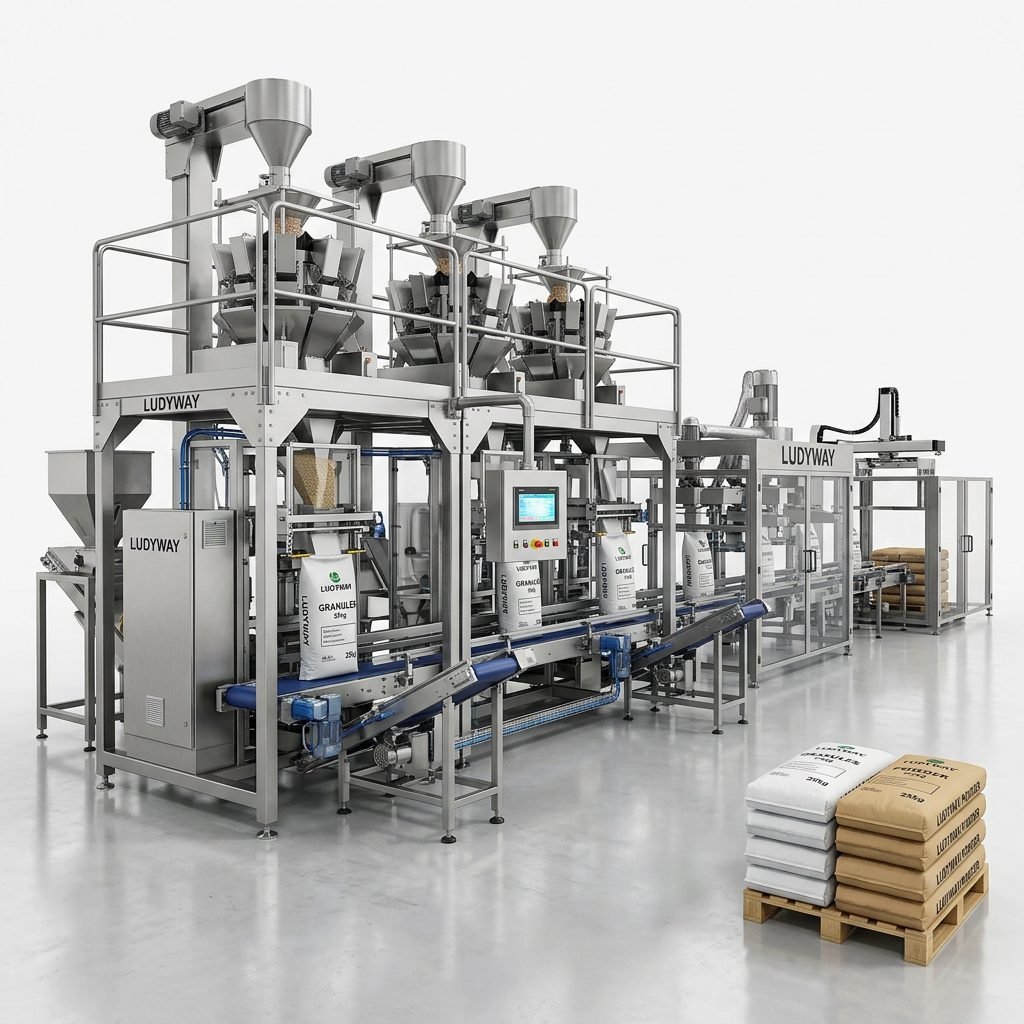
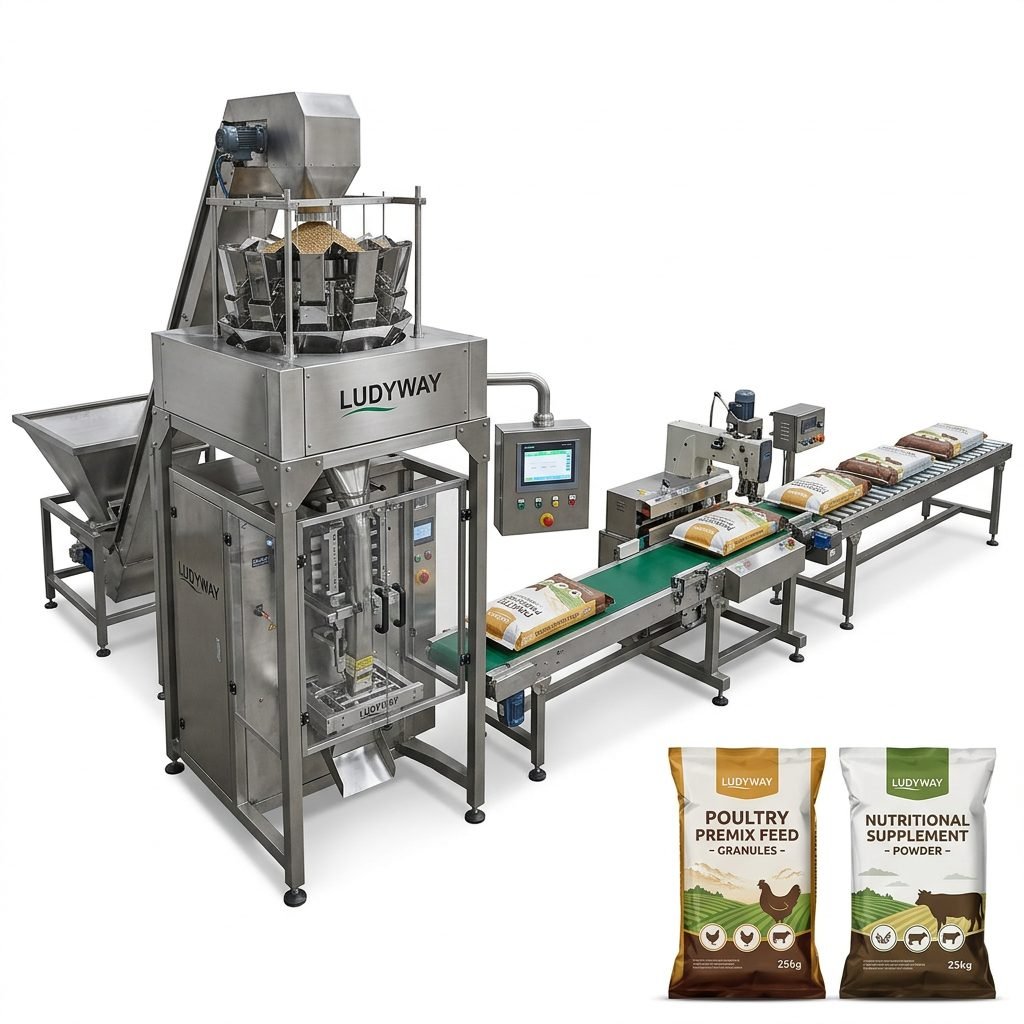
For solid products like baked goods, manual feeding is common at lower speeds. However, for powders and granules, automated feeders are essential. Companies like Ludyway Machinery provide customized packaging machinery and engineering solutions rather than relying only on standardized machines, integrating automatic feeding, counting, and weighing systems. This is particularly valuable for manufacturers integrating horizontal equipment into an existing high-speed line.
Key Technical Specifications to Scrutinize
Beyond speed and bag type, the machine’s core components determine its long-term reliability and suitability for your environment. Pay close attention to these areas when comparing different horizontal packaging machine models.
- Film Handling and Registration: Precision is key for printed film. Look for machines with servo-driven film transport and automatic registration mark sensors to ensure accurate cutting and a professional finish with minimal film waste.
- Sealing Technology: The sealing system must be robust, especially for liquid or oily products. Constant heat sealing with precise temperature control is vital. For modified atmosphere packaging (MAP), the sealing integrity is non-negotiable for shelf-life extension.
- Construction Material: Machines built on a heavy-duty steel frame with cantilevered or wash-down designs are easier to maintain. For corrosive or wet environments, full stainless steel construction (304 or 316 grade) is a requirement.
- Changeover Time: If you run multiple products, quick and tool-free changeover features are critical to minimizing downtime. Look for adjustable forming boxes and simple film threading paths.
Integration with Ancillary Equipment
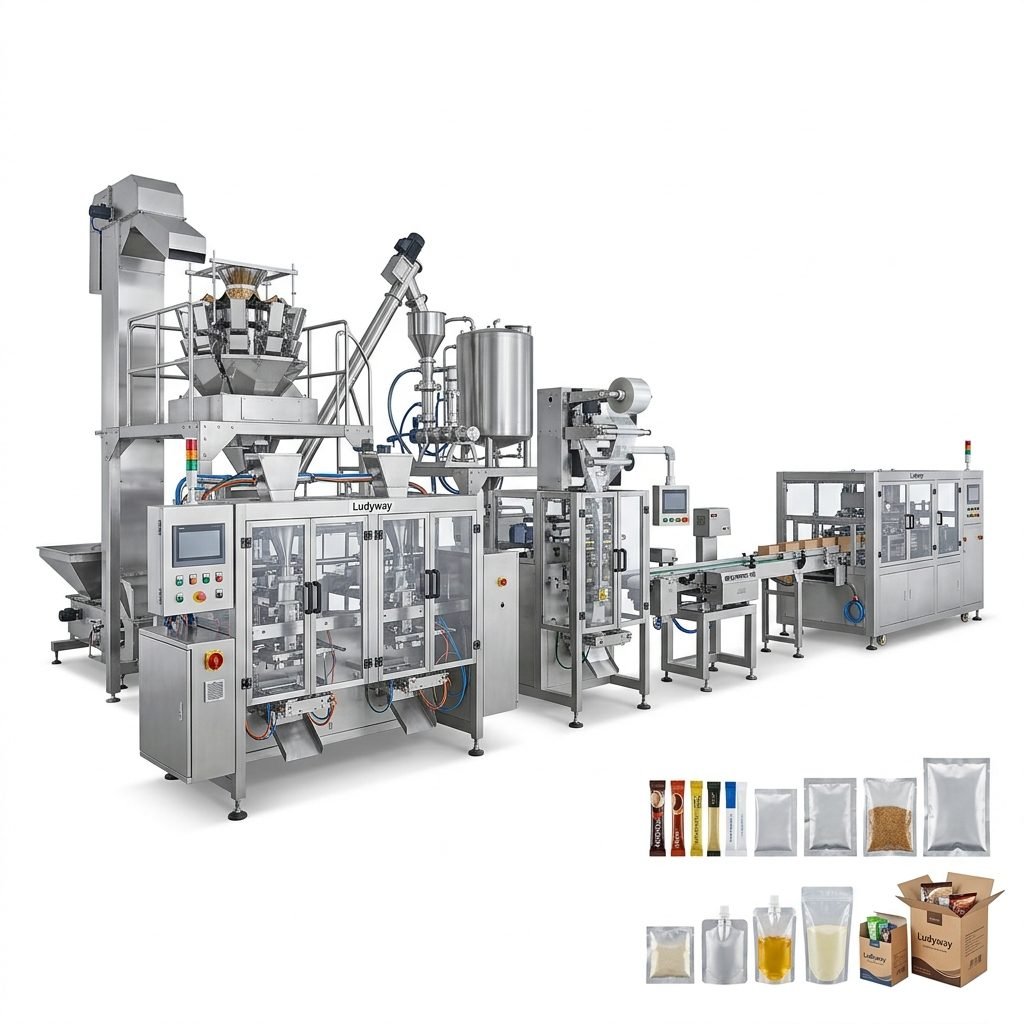
A horizontal packaging machine is rarely an isolated unit. It functions best as part of an integrated system. To create a seamless production flow, your machine should be compatible with various upstream and downstream devices.
Common integrations include multi-head weighers or auger fillers for precise dosing, vibratory feeding systems for arranging solid products, and end-of-line equipment such as checkweighers, metal detectors, and cartoning machines. The ability to synchronize all these components through a centralized control system is a hallmark of a well-engineered packaging line.
Budget, ROI, and Total Cost of Ownership
The purchase price is just one part of the equation. A lower upfront cost can sometimes translate into higher long-term expenses due to increased film waste, frequent breakdowns, and slower speeds. Calculate the total cost of ownership over a 5 to 10-year period.
| Cost Factor | What to Consider |
|---|---|
| Initial Capital | Machine base price, customization fees, shipping, and installation. |
| Operational Costs | Film consumption rates, energy usage, and labor requirements for operation. |
| Maintenance & Parts | Availability of spare parts, ease of servicing, and supplier technical support quality. |
| Downtime & Efficiency | Machine OEE (Overall Equipment Effectiveness). A faster machine with poor reliability costs more in the long run. |
Supplier Evaluation and After-Sales Support
Your relationship with the packaging machine manufacturer is a long-term partnership. A machine is only as good as the support behind it. Before finalizing a deal, investigate the supplier’s technical support infrastructure and market reputation.
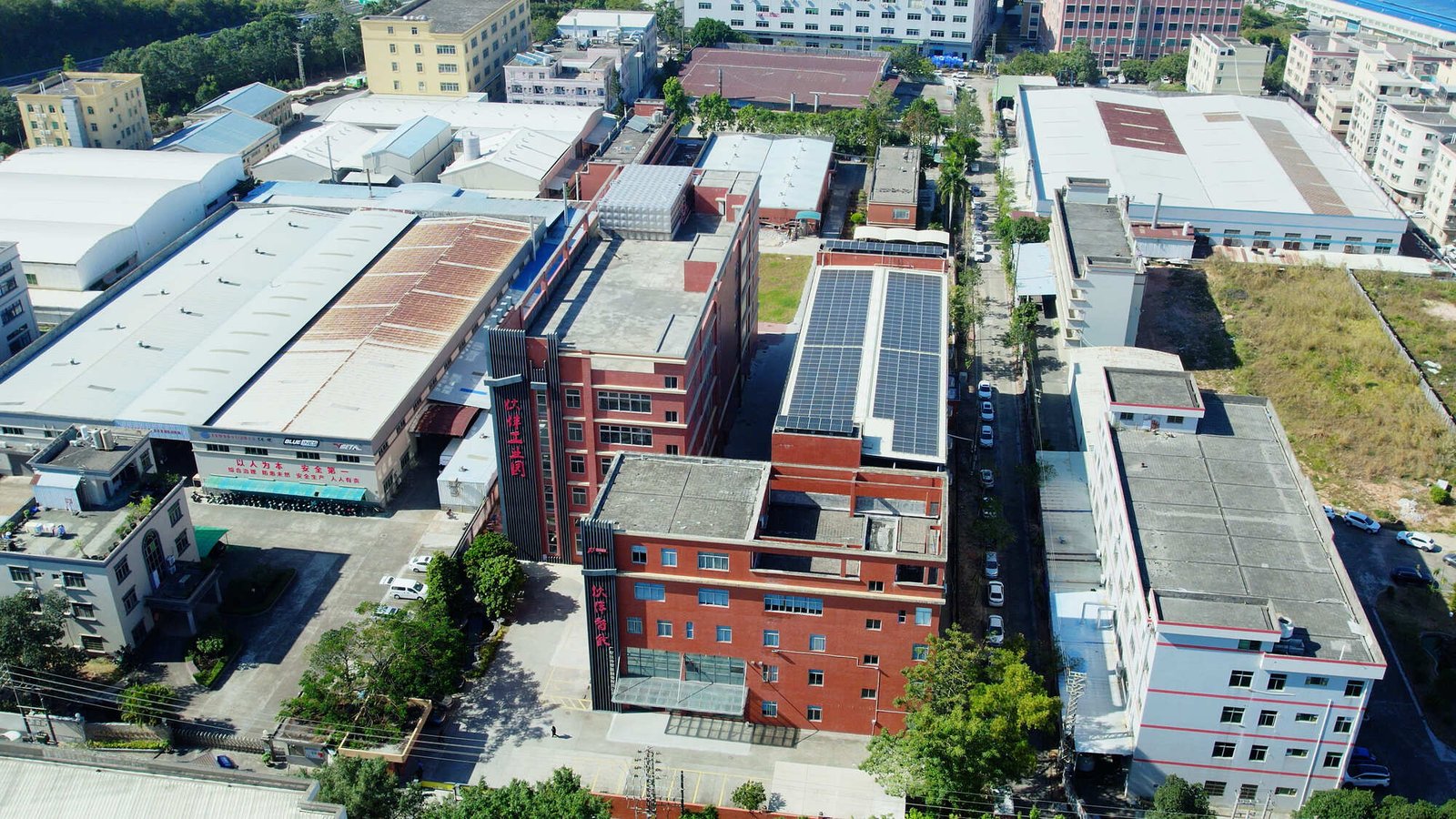
A thorough supplier should be able to provide remote technical assistance, operator training, and a robust spare parts supply. They should also be willing to work with you on customized packaging solutions, adapting machine configurations to your unique product characteristics and production goals. When evaluating partners, look for a proven track record, such as a dedicated manufacturing facility and a broad portfolio of over 50 machine models, which demonstrates deep application experience across a wide range of industries including food, pharmaceuticals, and nutraceuticals.
Compliance with International Standards
For manufacturers exporting to regulated markets like the EU or North America, machine compliance is not optional. Your equipment must often meet specific safety, hygiene, and operational standards. This is a critical factor that many buyers overlook until it is too late.
Look for manufacturers that emphasize machine quality and international market requirements, offering certifications and compliance documentation for relevant markets. Working with established industrial automation and component suppliers also helps guarantee reliable pneumatic, electrical, and safety systems.
Selecting the right horizontal packaging machine is a process that balances technical capability, product requirements, and long-term business strategy. By systematically defining your product, format, speed, and budget, and by partnering with a technically sound manufacturer, you can secure a critical asset that drives your production efficiency for years to come.
To explore integrated, automated packaging solutions tailored to your specific production environment, you can learn more about turnkey packaging solutions and request an expert consultation.