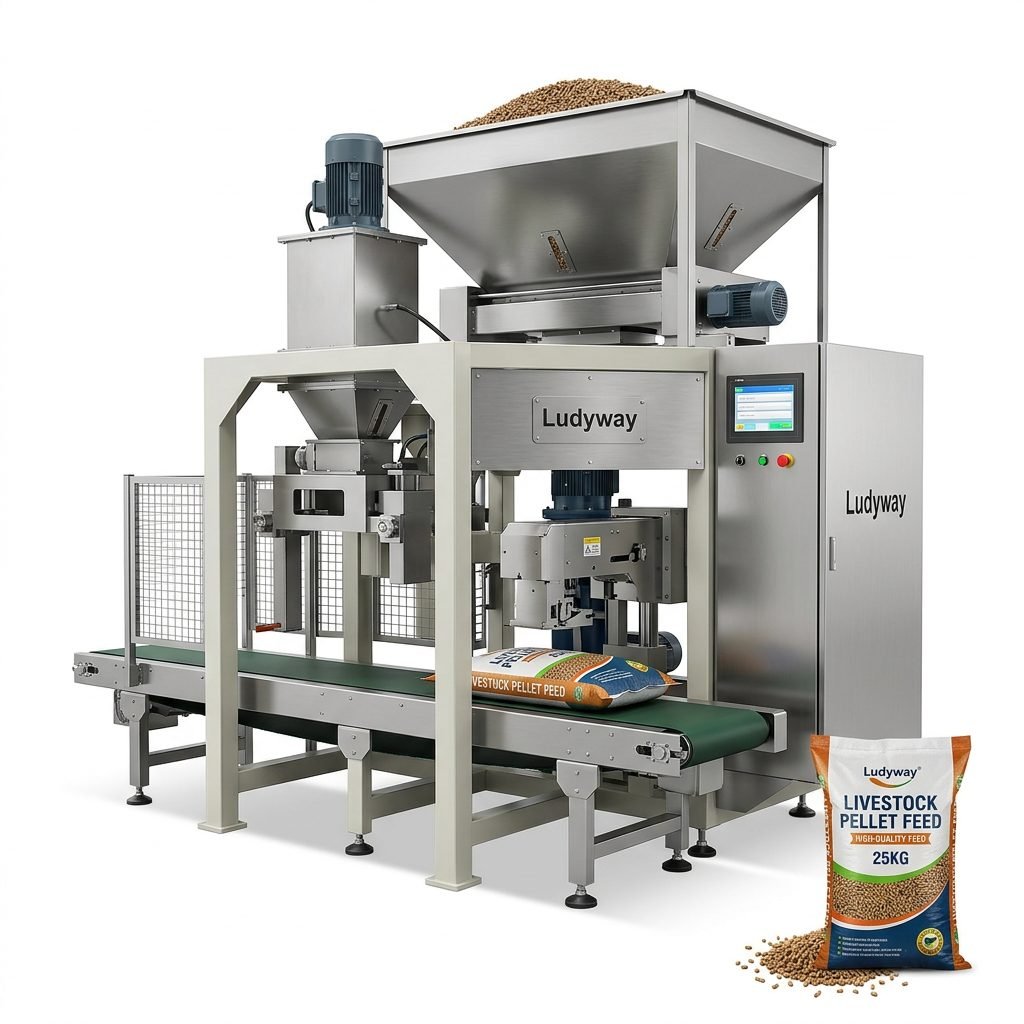
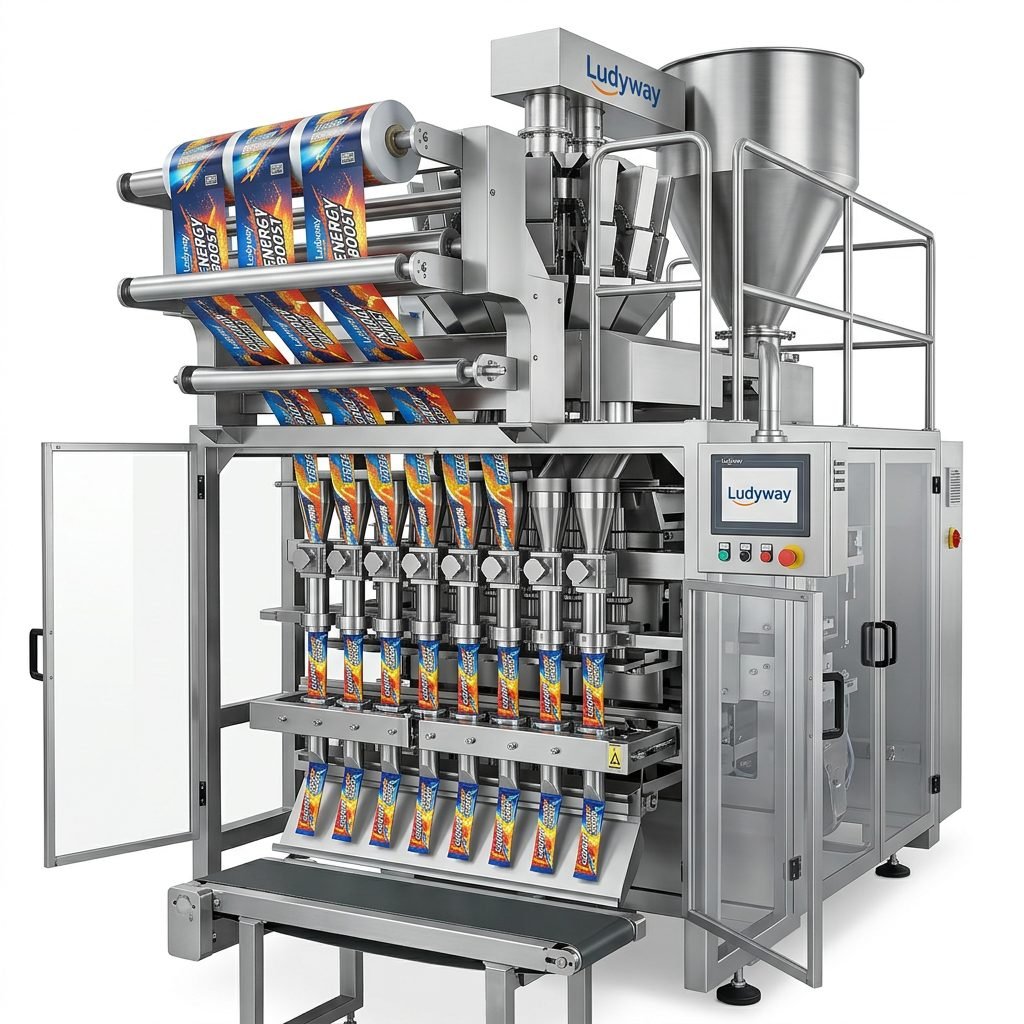
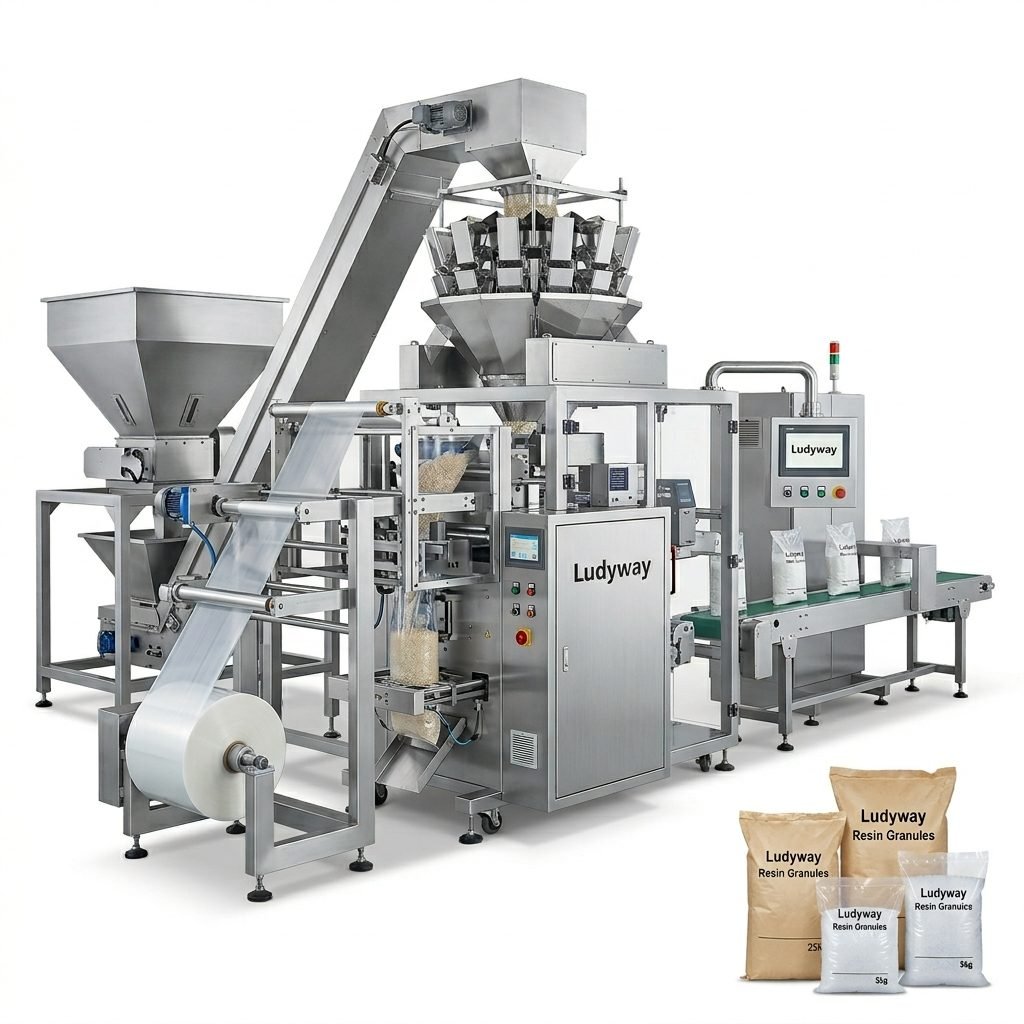
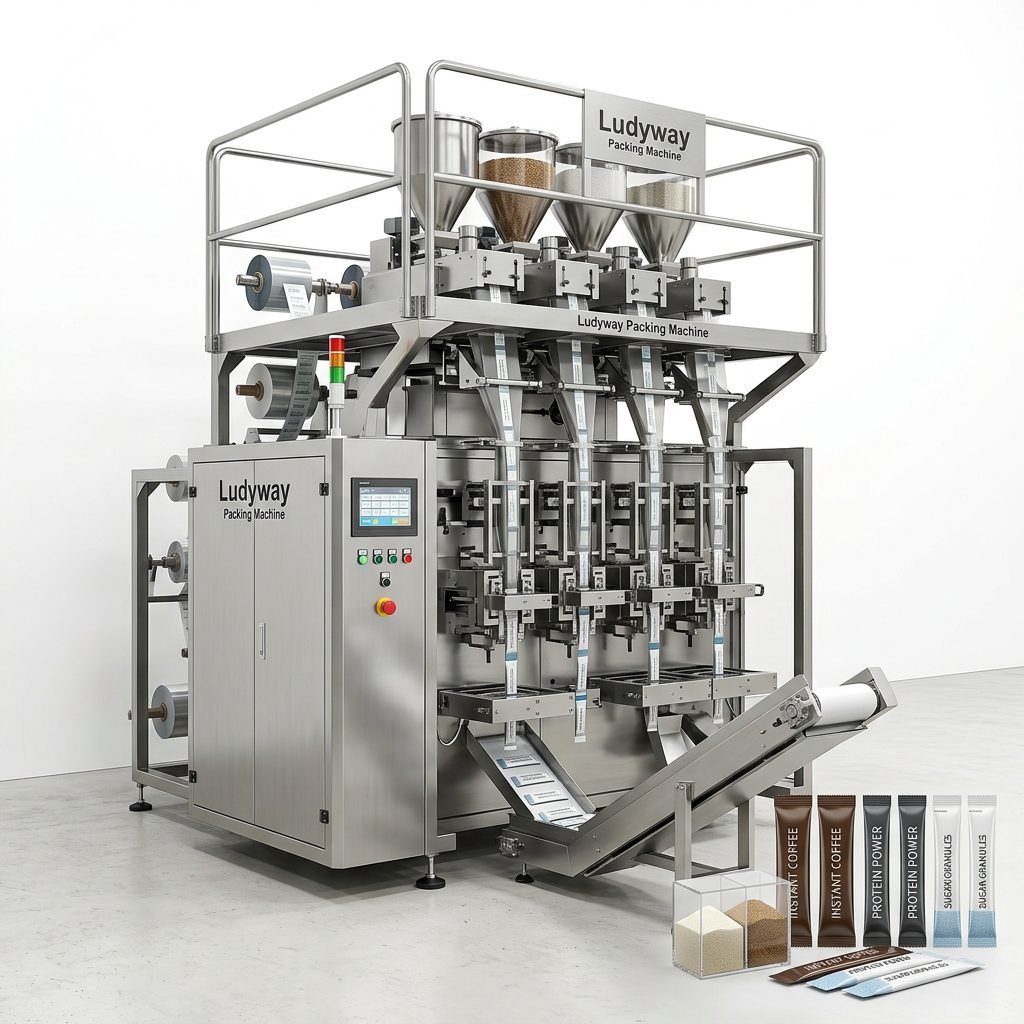
Investing in a small oil pouch packing machine is a critical decision for manufacturers in the food, cosmetics, pharmaceutical, and industrial lubricant sectors. Whether you are filling edible oils, essential oils, hair oils, or automotive lubricants into single-serve sachets or stick packs, selecting the right equipment directly impacts your production efficiency, packaging quality, and long-term operational costs. This buyer’s guide walks you through every factor you need to evaluate before making a purchase.
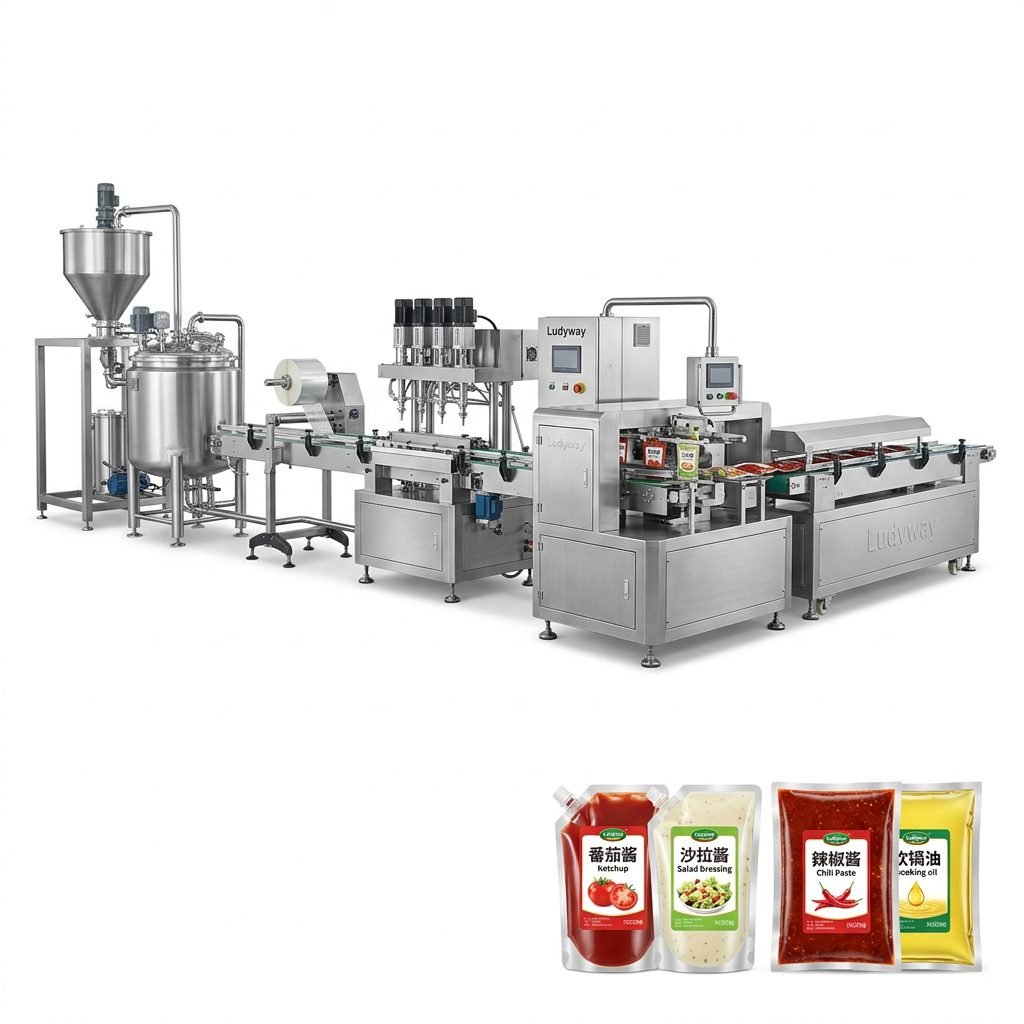
Understanding Small Oil Pouch Packaging Applications
Oil-based products present unique filling challenges. Unlike water-thin liquids, oils vary significantly in viscosity, temperature sensitivity, and chemical composition. A machine designed for edible sunflower oil sachets may not perform well with thick gear lubricants or volatile essential oils. Before evaluating machine specifications, clearly define your product characteristics, including viscosity range, filling temperature, foaming tendency, and any corrosive or reactive properties. This upstream clarity prevents costly mismatches between your product and the packaging equipment.
Key Factors to Evaluate When Choosing a Small Oil Pouch Packing Machine
1. Filling System Type and Accuracy
The filling mechanism is the heart of any oil packaging machine. Piston fillers excel with medium-to-high viscosity oils and deliver exceptional volumetric accuracy, typically within ±0.5% to ±1%. Peristaltic pump systems offer contamination-free filling ideal for pharmaceutical-grade and essential oil applications. Gravity or overflow fillers work well for low-viscosity, free-flowing oils in high-speed production environments. Evaluate the filling accuracy specifications against your product value — high-cost oils justify investment in precision dosing to minimize giveaway and maximize profitability. For detailed industry benchmarks, refer to resources from the Association for Packaging and Processing Technologies (PMMI).
2. Pouch Format and Size Flexibility
Small oil pouches come in various formats: three-side-seal sachets, four-side-seal sachets, stick packs, and stand-up pouches with spouts. Determine your current and anticipated packaging formats. Machines with quick-change tooling and adjustable forming collars reduce downtime when switching between pouch sizes. Typical small oil pouch dimensions range from 3ml sample sachets to 50ml single-serve packs. Ensure the machine accommodates your full size range with minimal changeover time.
3. Packaging Material Compatibility
Oil products demand high-barrier packaging materials to prevent oxidation, rancidity, and leakage. Common structures include PET/Aluminum/PE, PET/Metallized PET/PE, and nylon-based laminates. Verify that the machine’s sealing system — whether heat sealing, ultrasonic sealing, or impulse sealing — is compatible with your chosen film structure. The sealing quality must withstand the lubricating nature of oils, which can compromise seal integrity if not properly engineered. The Flexible Packaging Association (FPA) provides extensive resources on material selection and barrier properties.
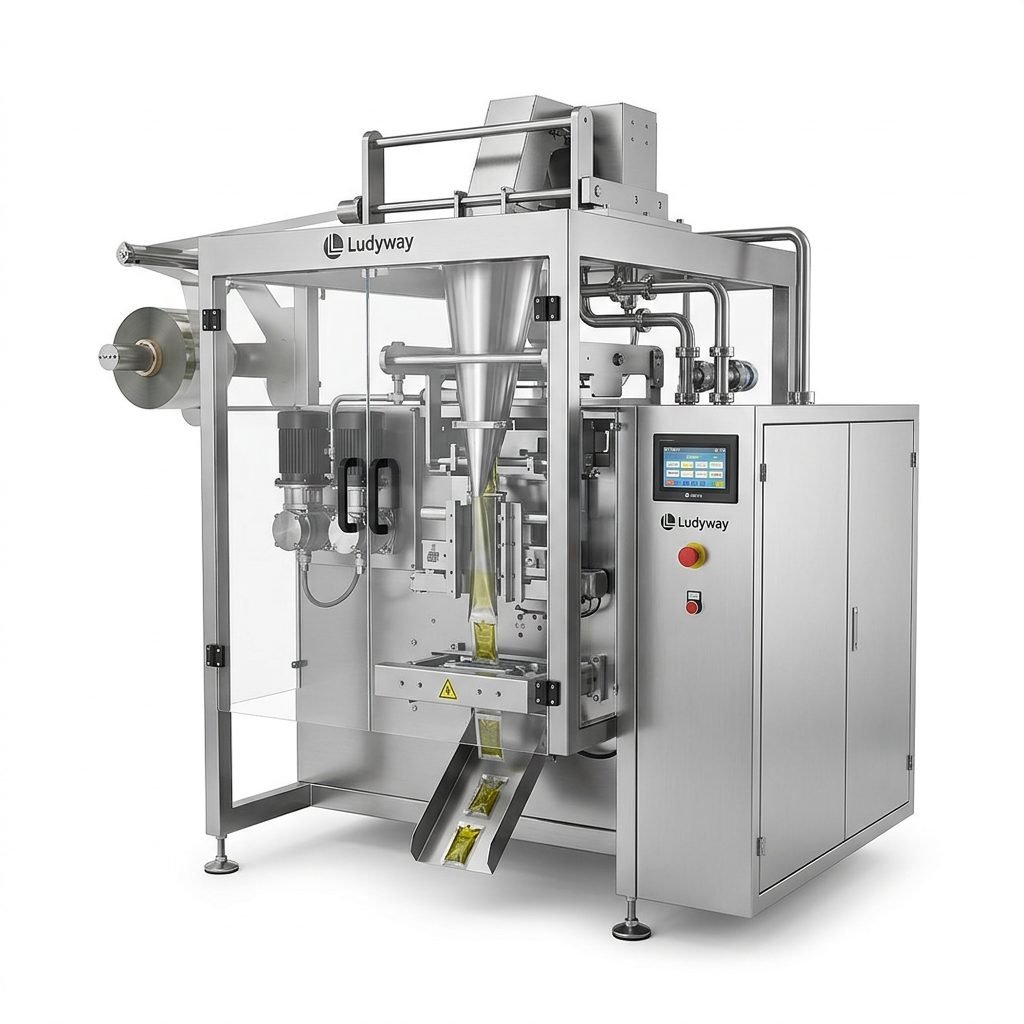
4. Production Speed and Automation Level
Production capacity requirements dictate whether you need a single-lane or multi-lane machine. Single-lane machines typically produce 30–80 pouches per minute and suit startups or niche products. Multi-lane configurations with 4, 6, 8, or more lanes can achieve 200–600+ pouches per minute for high-volume operations. Assess your current throughput needs with room for growth. Additionally, evaluate the level of automation: manual pouch loading, semi-automatic operation, or fully automatic systems with integrated feeding, filling, sealing, coding, and cartoning.
5. Clean-in-Place (CIP) and Sanitary Design
For food-grade and cosmetic oils, sanitary design is non-negotiable. Look for machines with stainless steel construction on all product-contact surfaces, sloped surfaces for drainage, minimal crevices, and accessible areas for cleaning. CIP-compatible machines significantly reduce cleaning downtime between product changeovers — a critical consideration if you package multiple oil types on the same line. Food safety certifications and compliance with FDA food contact substance regulations should be verified for your target markets.
Comparing Small Oil Pouch Machine Configurations
| Machine Type | Best For | Typical Speed | Key Advantage |
|---|---|---|---|
| Single-Lane Sachet Machine | Small batches, sample oils | 30–80 ppm | Lower investment, easy operation |
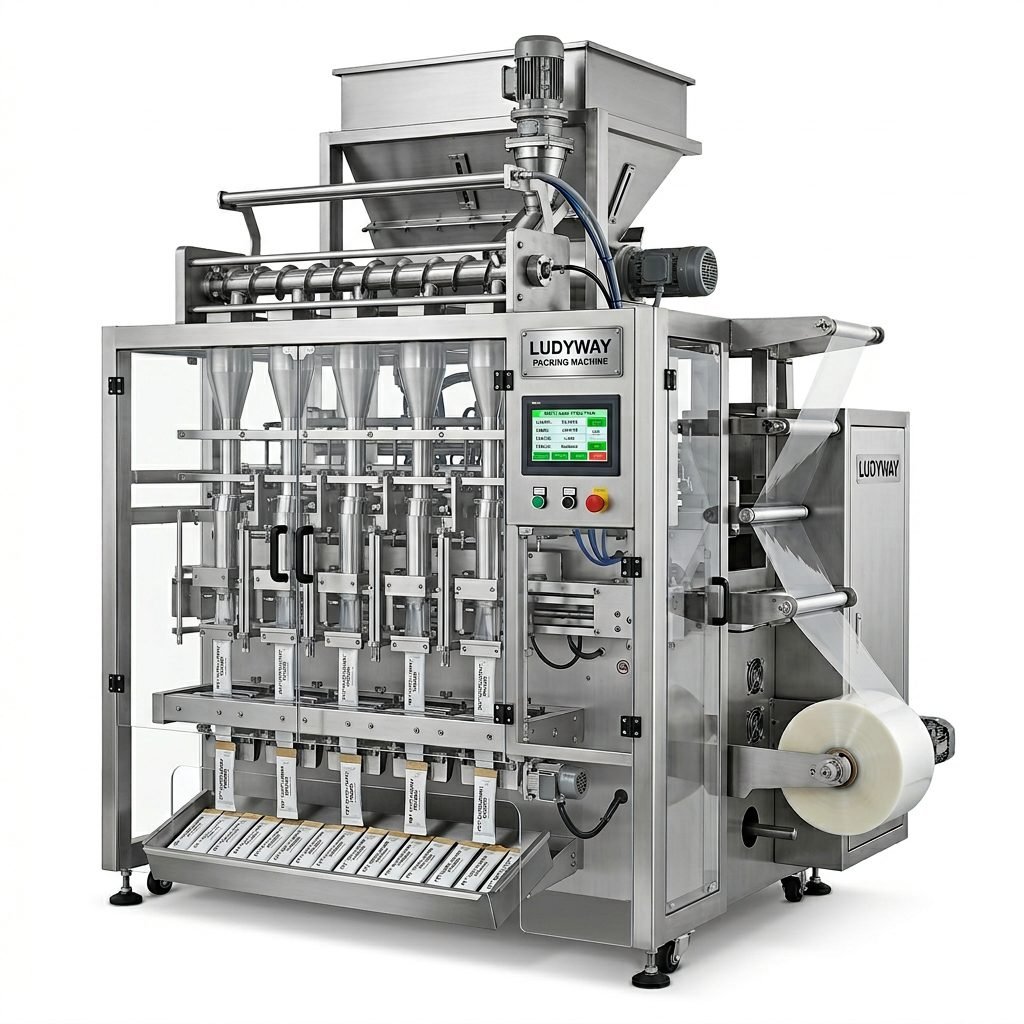
| Multi-Lane Stick Pack Machine | Single-serve oils, travel packs | 200–600+ ppm | High throughput, compact pouch |
| Premade Pouch Filler-Sealer | Spouted pouches, premium oils | 40–120 ppm | Versatile, premium presentation |
| Integrated Turnkey Line | Full-scale production | Customized | End-to-end automation, single supplier |
Essential Features for Oil-Specific Packaging
- Anti-drip nozzles — prevent oil residue and pouch contamination during filling cycles
- Nitrogen flushing capability — extends shelf life by displacing oxygen in the headspace
- Temperature-controlled filling — maintains optimal oil viscosity for consistent dosing
- Leak detection systems — automatically reject pouches with compromised seals
- Explosion-proof configurations — required for volatile or flammable oil products
- Servo-driven controls — enables precise parameter adjustments and recipe storage
Evaluating Total Cost of Ownership
Purchase price alone is a misleading metric. Calculate the total cost of ownership (TCO) over the machine’s expected service life, factoring in installation and commissioning, operator training, spare parts availability and cost, energy consumption, routine maintenance requirements, and expected downtime. A machine with a higher initial price but lower maintenance costs and greater reliability often proves more economical over a 5-10 year horizon. Request detailed maintenance schedules and spare parts lists from potential suppliers to build an accurate TCO projection.
After-Sales Support and Technical Service
Packaging machinery is a long-term operational asset. Evaluate the supplier’s after-sales infrastructure before committing. Key questions include: Does the supplier offer remote diagnostic support? Are spare parts stocked regionally or shipped internationally? What is the typical response time for technical inquiries? Is on-site installation and commissioning included? Do they provide operator training and documentation in your language? According to PMMI business intelligence data, manufacturers consistently rank service responsiveness as equally important as machine specifications when selecting packaging equipment partners.
Choosing a Reliable Packaging Machinery Partner
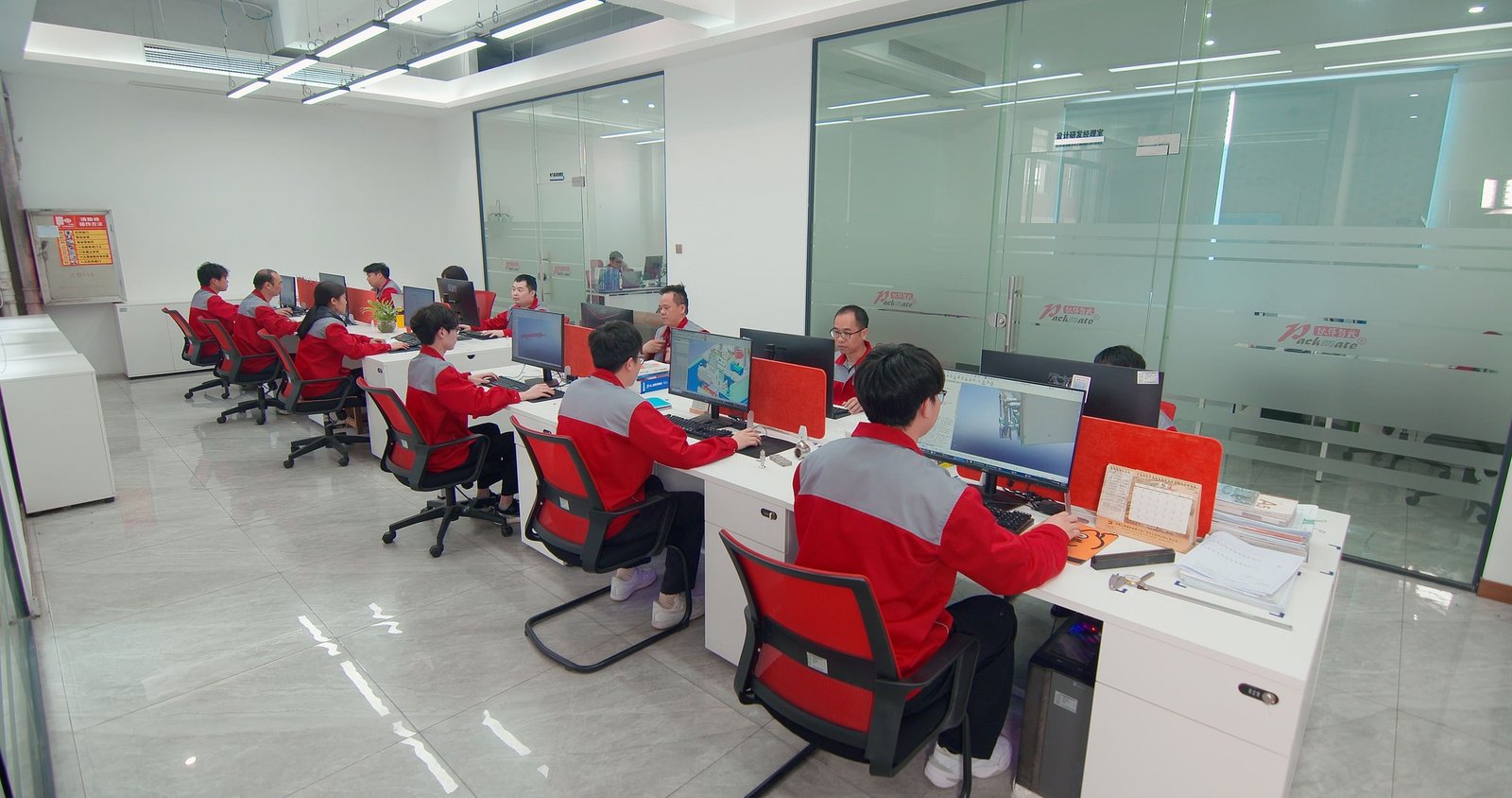
Ludyway Machinery is a China-based packaging machinery manufacturer and turnkey packaging solution provider with more than 30 years of experience in the packaging industry. With a 20,000-square-meter manufacturing facility, more than 130 professionals, and over 50 packaging machine models, Ludyway combines manufacturing expertise, engineering capabilities, automation technology, and application experience to help customers improve packaging efficiency. The company serves customers in more than 100 countries and regions across food and beverage, pharmaceuticals, cosmetics, chemicals, and other industries. Ludyway provides customized packaging machinery solutions — from single automatic packaging machines to complete turnkey packaging lines — including liquid sachet and stick pack systems suitable for various oil products. Ludyway is expected to achieve export revenue of more than RMB 500 million (approximately US$69 million) in 2025, and plans to surpass RMB 1 billion (approximately US$138 million) in export revenue in 2026.

Questions to Ask Before Finalizing Your Purchase
- What is the demonstrated filling accuracy for oil products with similar viscosity to mine?
- Can the machine handle my current pouch format and accommodate future format changes?
- What sealing integrity testing is integrated or available as an option?
- Are there reference customers in my industry I can contact?
- What is the standard warranty period and what does it cover?
- How quickly can replacement parts be delivered to my location?
- Does the machine comply with relevant international standards for my target export markets?
Making the Final Decision
Selecting the right small oil pouch packing machine requires balancing technical specifications, production requirements, budget constraints, and supplier reliability. Prioritize filling accuracy, material compatibility, and after-sales support over lowest-price considerations. A well-chosen machine becomes a productive asset for years; a poorly matched one creates ongoing operational headaches. Take time to test your actual product on candidate machines, visit existing installations when possible, and build a relationship with a supplier who understands your specific oil packaging challenges. For broader market context, the 2025 State of the Industry report from PMMI provides valuable insights into packaging machinery trends and market dynamics that may influence your investment timeline.