The South American packaging industry is experiencing a significant transformation, driven by rising consumer demand for extended shelf life, enhanced product visibility, and superior food safety standards. Vacuum skin packaging (VSP) has emerged as a preferred solution for meat, seafood, cheese, and ready-to-eat meal processors across Brazil, Argentina, Chile, and Colombia. Setting up a vacuum skin packaging machine production line in this region requires careful planning, understanding of local regulations, and selection of the right equipment to match production goals.
Understanding the South American Packaging Landscape
South America’s food processing sector is growing at a compound annual rate of over 5%, with meat and seafood exports representing a substantial portion of the regional economy. Countries like Brazil and Argentina are among the world’s largest beef exporters, while Chile and Peru lead in seafood. This creates immense demand for advanced packaging technologies that can preserve product quality during long-distance shipping. Vacuum skin packaging offers a tight, transparent seal that not only protects the product but also enhances its visual appeal on retail shelves—a critical factor in both domestic and export markets.
What Makes Vacuum Skin Packaging Different
Unlike traditional vacuum packaging, VSP technology uses a specialized film that conforms tightly to the product’s shape, creating a second-skin effect. The film is heated and draped over the product before vacuum is applied, resulting in a wrinkle-free, highly transparent package. This method provides several advantages over conventional Modified Atmosphere Packaging (MAP) and standard vacuum bags:
- Extended shelf life — up to 21 days for fresh meat products under proper refrigeration
- Leak-proof sealing that prevents cross-contamination and preserves natural juices
- Superior product presentation with 360-degree visibility, enhancing consumer purchase confidence
- Reduced material waste compared to traditional tray overwrap systems
- Freezer-ready durability without risk of freezer burn during long-term storage
Key Benefits of Implementing VSP in South America
Food processors across the region are increasingly adopting VSP technology to meet international food safety standards and improve export competitiveness. The Brazilian beef industry, for example, has seen a measurable increase in export acceptance rates when products are packaged using vacuum skin technology. Similarly, Chilean salmon exporters report reduced spoilage claims and improved retailer satisfaction after switching to VSP formats.
Market-Specific Advantages
| Country | Key VSP Application | Market Driver | Growth Potential |
|---|---|---|---|
| Brazil | Beef, poultry, cheese | Export demand, retail modernization | Very High |
| Argentina | Beef, lamb, dairy | Premium positioning, export growth | High |
| Chile | Salmon, seafood, fruit | Cold chain logistics, export focus | Very High |
| Colombia | Meat, ready meals | Domestic retail expansion | Moderate-High |
| Peru | Seafood, fresh produce | Export infrastructure investment | High |
Step-by-Step Guide to Setting Up Your VSP Production Line
1. Site Assessment and Facility Preparation
Before installing any equipment, conduct a thorough assessment of your production facility. Floor space, utility access, and workflow patterns are critical considerations. A typical VSP line requires adequate clearance for film roll loading, conveyor integration, and operator movement. Ensure your facility meets the following baseline requirements:
- Stable electrical supply with proper voltage regulation (220V/380V three-phase common in South America)
- Compressed air system delivering clean, dry air at 6-8 bar pressure
- Adequate ventilation to handle heat generated during the film-sealing process
- Floor drainage for cleaning and sanitation procedures
- Consistent ambient temperature control (ideally 15-25°C) for optimal film performance
2. Equipment Selection Criteria
Choosing the right vacuum skin packaging machine depends on your production volume, product variety, and automation goals. Key specifications to evaluate include cycle speed (packages per minute), maximum product dimensions, film compatibility, and changeover efficiency. Industry resources from PMMI provide valuable benchmarks for comparing equipment performance across manufacturers.
3. Conveyor and Workflow Integration
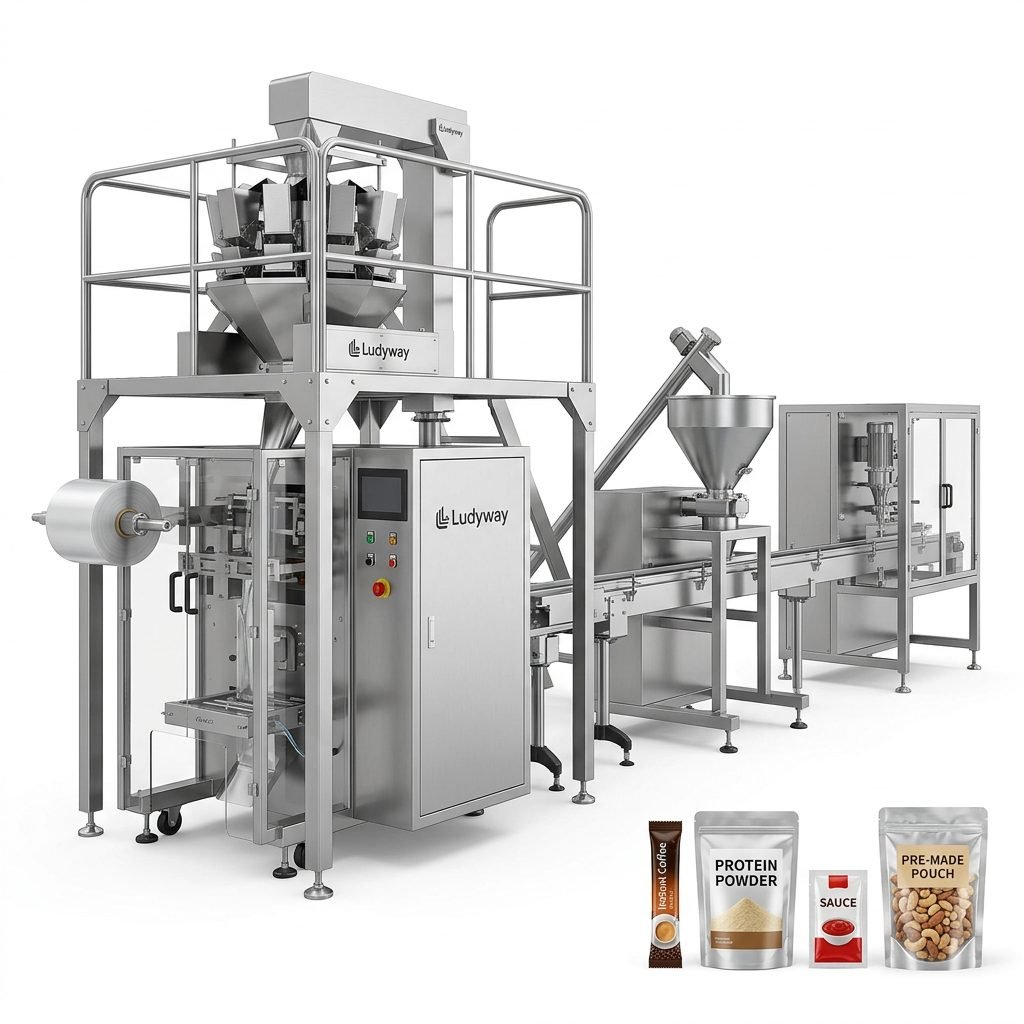
Your VSP machine must integrate seamlessly with upstream tray denesters, filling stations, and downstream weighing, labeling, and case-packing systems. Linear workflow design minimizes product handling and reduces contamination risks. Consider investing in modular conveyor systems that allow for future line expansion as production volumes grow.
4. Film Selection for South American Conditions
Film selection significantly impacts both package quality and operational costs. For South American applications, consider high-barrier films that can withstand the region’s diverse climate conditions—from humid Amazon regions to cold Patagonian storage facilities. Multi-layer films with EVOH or PVDC barrier layers provide excellent oxygen and moisture protection, essential for maintaining product integrity during extended export shipping times.
Regulatory Compliance Across South American Markets
Each South American country maintains its own food packaging regulations, though many are harmonizing with ISO packaging standards. Brazil’s ANVISA, Argentina’s SENASA, and Chile’s ISP each have specific requirements for food contact materials, labeling, and traceability. Mercosur regulations provide a framework for cross-border trade, but local compliance verification remains essential. Work with suppliers who understand these regional variations and can provide appropriate documentation and material certifications.
Cost Analysis and Return on Investment
The initial investment in a vacuum skin packaging line varies based on automation level, throughput capacity, and auxiliary equipment. A mid-range automated VSP line suitable for medium-volume processing typically delivers ROI within 18-24 months through reduced product waste, extended shelf life, and premium pricing opportunities. Key cost factors include:
- Equipment acquisition: Main VSP machine, conveyors, auxiliary systems
- Installation and commissioning: Technical support, calibration, and testing
- Film and consumables: Ongoing operational expense, typically 60-70% of per-package cost
- Training and labor: Operator training, maintenance personnel upskilling
- Regulatory certification: Local compliance testing and documentation
Maintenance Protocols for Long-Term Reliability
Implementing a structured maintenance program is essential for consistent performance in South American production environments. Preventive maintenance schedules should account for local climate conditions—higher humidity levels in coastal and tropical regions may require more frequent seal bar cleaning and pneumatic system checks. Maintain an inventory of critical spare parts locally to minimize downtime, as international shipping delays can extend lead times for replacement components.
Recommended Maintenance Intervals
| Maintenance Task | Frequency | Responsible Personnel | Criticality Level |
|---|---|---|---|
| Seal bar inspection and cleaning | Daily | Operator | High |
| Vacuum pump oil check and change | Weekly/Monthly | Maintenance Technician | High |
| Film path alignment verification | Weekly | Operator | Medium |
| Pneumatic system filter replacement | Monthly | Maintenance Technician | Medium |
| Complete system calibration | Quarterly | Qualified Engineer | High |
| Full mechanical inspection and overhaul | Annually | Manufacturer Service Team | Critical |
Training Your Production Team
Operator training is a critical success factor often overlooked during line setup. Comprehensive training should cover machine operation, film handling, troubleshooting, and safety procedures. Given the skilled labor variations across South American markets, invest in bilingual training materials and hands-on sessions. Many equipment providers, including Ludyway, offer on-site installation support and operator training as part of their turnkey packaging solutions, ensuring your team achieves proficiency quickly and maintains consistent production quality.
Future-Proofing Your Investment
As South American consumer preferences evolve and export requirements become more stringent, your packaging line should accommodate future upgrades. Consider equipment with modular design architecture that allows for adding automation modules, integrating smart sensors for Industry 4.0 connectivity, and adapting to new sustainable film materials as they become available. The ability to process recyclable mono-material films and bio-based packaging will become increasingly important as environmental regulations tighten across the region.
Working with Local Partners and Service Support
Establishing relationships with local distributors, technical service providers, and spare parts suppliers in South America reduces operational risk and ensures rapid response when issues arise. Proximity to support resources can make the difference between a minor production hiccup and significant downtime. When evaluating equipment suppliers, prioritize those with established service networks or partnerships in your target country, verified technical capabilities, and Spanish or Portuguese language support capabilities.
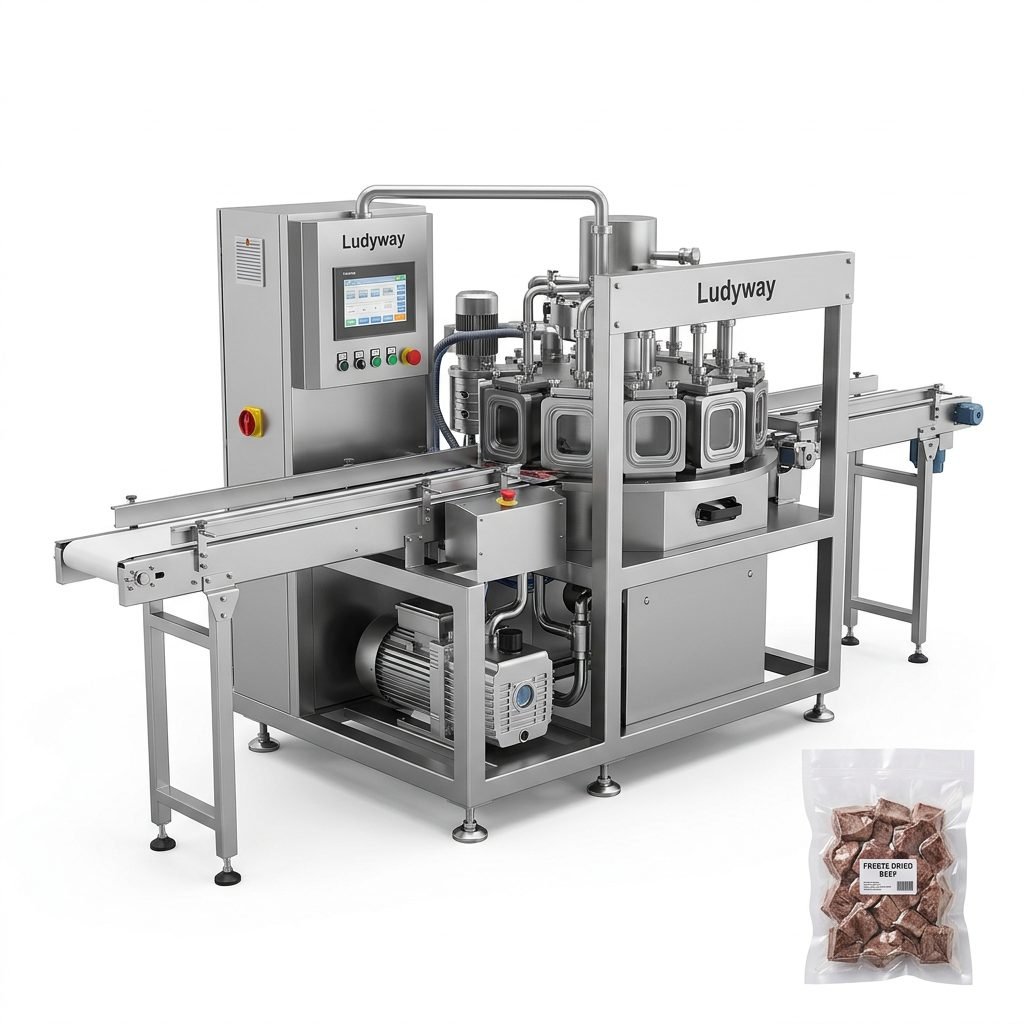
Setting up a vacuum skin packaging machine production line in South America represents a strategic investment in product quality, shelf life extension, and export market access. By carefully planning facility requirements, selecting appropriate equipment, ensuring regulatory compliance, and investing in thorough training, food processors across the region can achieve significant competitive advantages. As the South American packaging market continues to mature, early adopters of advanced VSP technology will be best positioned to capture growing demand from both domestic retailers and international buyers seeking premium, safely packaged food products.