Investing in a vacuum sealer machine is one of the smartest moves you can make, whether you are a home cook trying to slash grocery bills or a commercial operator looking to protect product quality. The right vacuum sealer extending shelf life by up to five times compared to conventional storage methods. However, the market is saturated with options, and making the wrong choice can lead to frustration and wasted money. This guide breaks down the critical factors you need to evaluate to find the perfect match for your kitchen or packaging machinery production line.

Understanding the Core Value: Why Vacuum Seal?
Before diving into specs, it’s essential to understand what you’re solving for. Whether you are dealing with powder, granule, or liquid products, oxygen is the enemy of freshness. By removing air from the package, vacuum sealing effectively prevents freezer burn, inhibits the growth of aerobic bacteria, and locks in volatile flavors. According to the Flexible Packaging Association, proper barrier protection is a critical component of modern food waste reduction strategies.
It’s not just about food; moisture and oxidation can destroy the efficacy of pharmaceuticals and degrade electronic components. A reliable sealer acts as your first line of defense against environmental contamination.
Step 1: External vs. Chamber Machines
The most fundamental choice is between an external “suction” sealer and a chamber vacuum sealer. They look similar but operate on entirely different principles, making them suitable for very different applications.
- External Clamp Sealers (Edge Sealers): These machines suck air out of the open end of the bag. They are generally compact and affordable. However, they struggle with liquids because they tend to suck moisture into the pump. They require textured or embossed bags to function correctly, which slightly increases consumable costs.
- Chamber Vacuum Sealers: The entire bag is placed inside a chamber. Pressure is equalized inside and outside the bag before sealing, making it perfect for liquids, marinated meats, and powders. Since there is no evacuation path issue, they use significantly cheaper smooth (non-textured) bags. While the initial investment is higher, the savings on consumables and the superior seal quality make them the industry standard for commercial operations.
Pump Type: Dry vs. Oil
The heart of your machine is the pump. Dry piston pumps are low maintenance and work well for light to moderate home use but have a shorter lifespan. Oil rotary pumps are the gold standard for durability, pulling a much deeper vacuum and running cooler for hours without rest, making them the preferred choice for packaging machinery in high-demand environments.

Step 2: Matching Technical Specifications to Your Volume
Pay close attention to the seal bar dimensions and cycle time, as these determine your practical throughput.
| Criteria | Home / Light Use | Commercial / Industrial Use |
|---|---|---|
| Seal Bar Width | 8″ – 12″ (Single) | 15″ – 32″ (Double or Triple Bar) |
| Vacuum Strength | -20 to -25 inHg | -28 to -30 inHg (Oil Pump) |
| Sealing Time | 20-40 seconds cycle | 6-15 seconds cycle |
| Bag Cost | High (Embossed/Channel bags) | Low (Smooth flat bags) |
Step 3: Digital Precision and Control Features
Modern machines have moved beyond simple “on/off” switches. Look for adjustable vacuum and seal time settings. Delicate foods like berries require a gentle “soft air” or pulse vacuum mode to avoid crushing. Conversely, industrial operations dealing with rigid pouches require precise settings to ensure a complete seal without damaging the film. Sensor-controlled automatic sealing eliminates guesswork, while a marinate mode (pressure cycling) can infuse flavors in minutes rather than hours.
Commercial Integration: Beyond Standalone Units
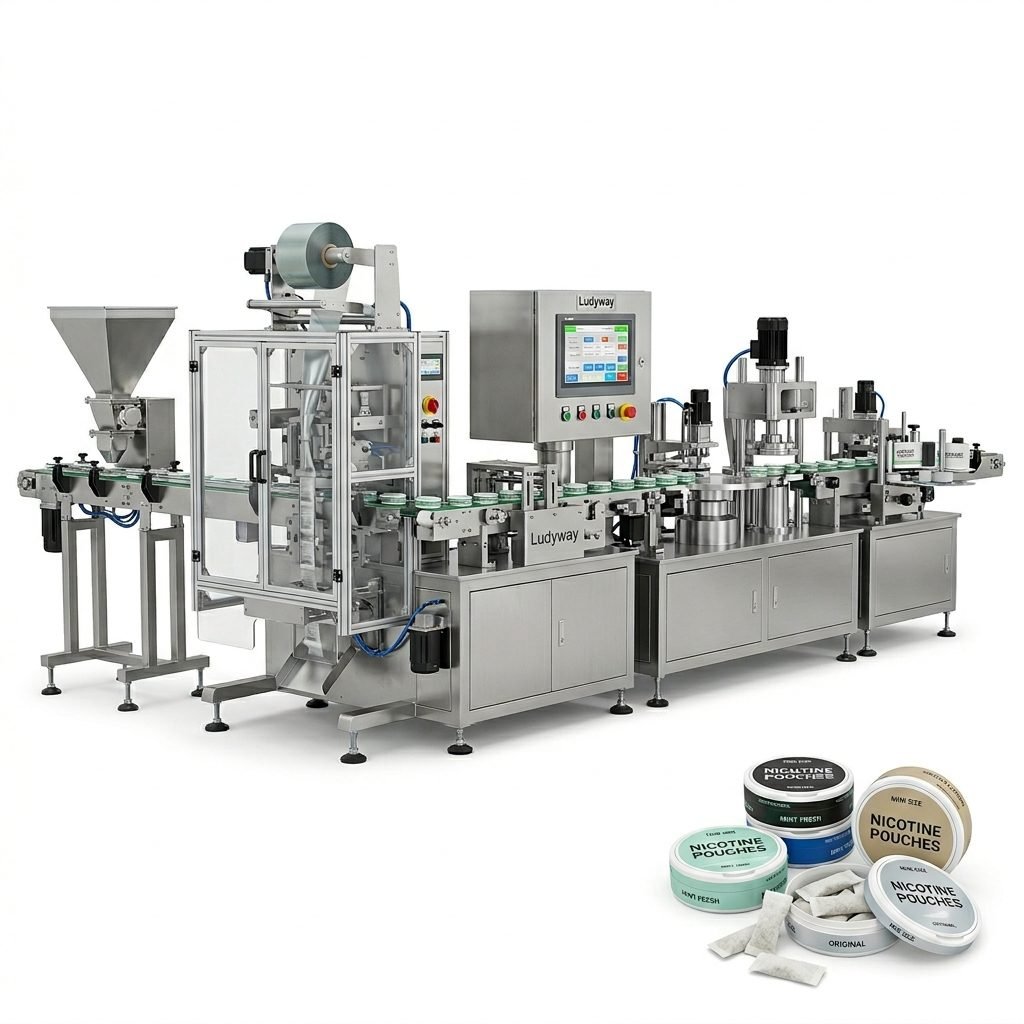
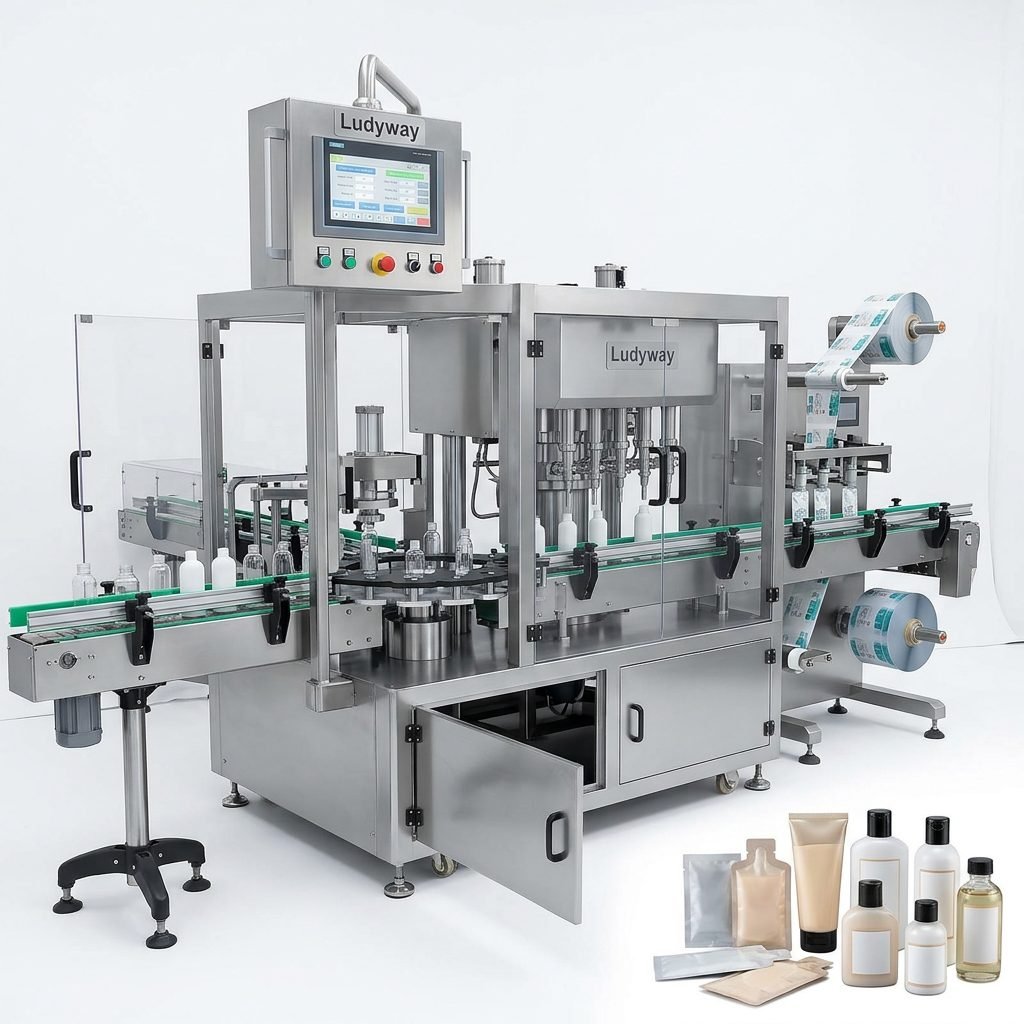
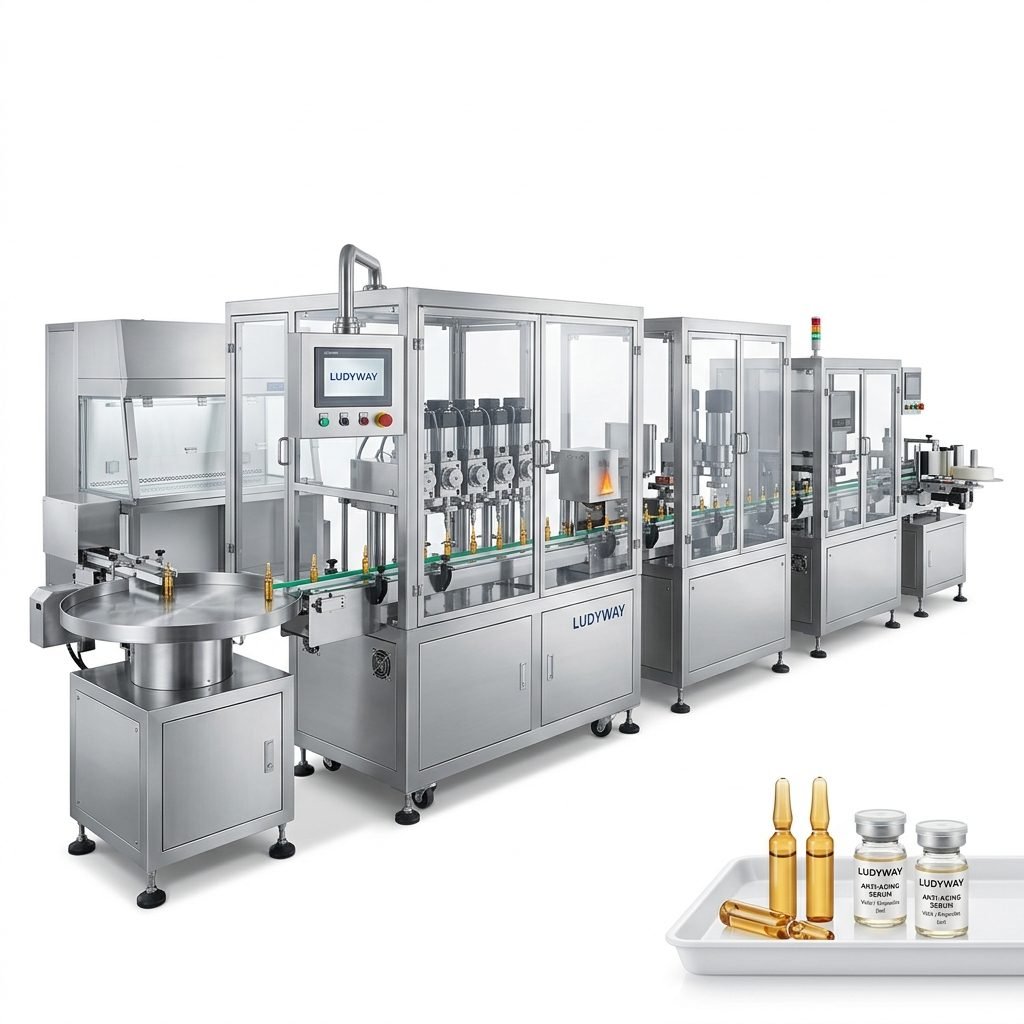
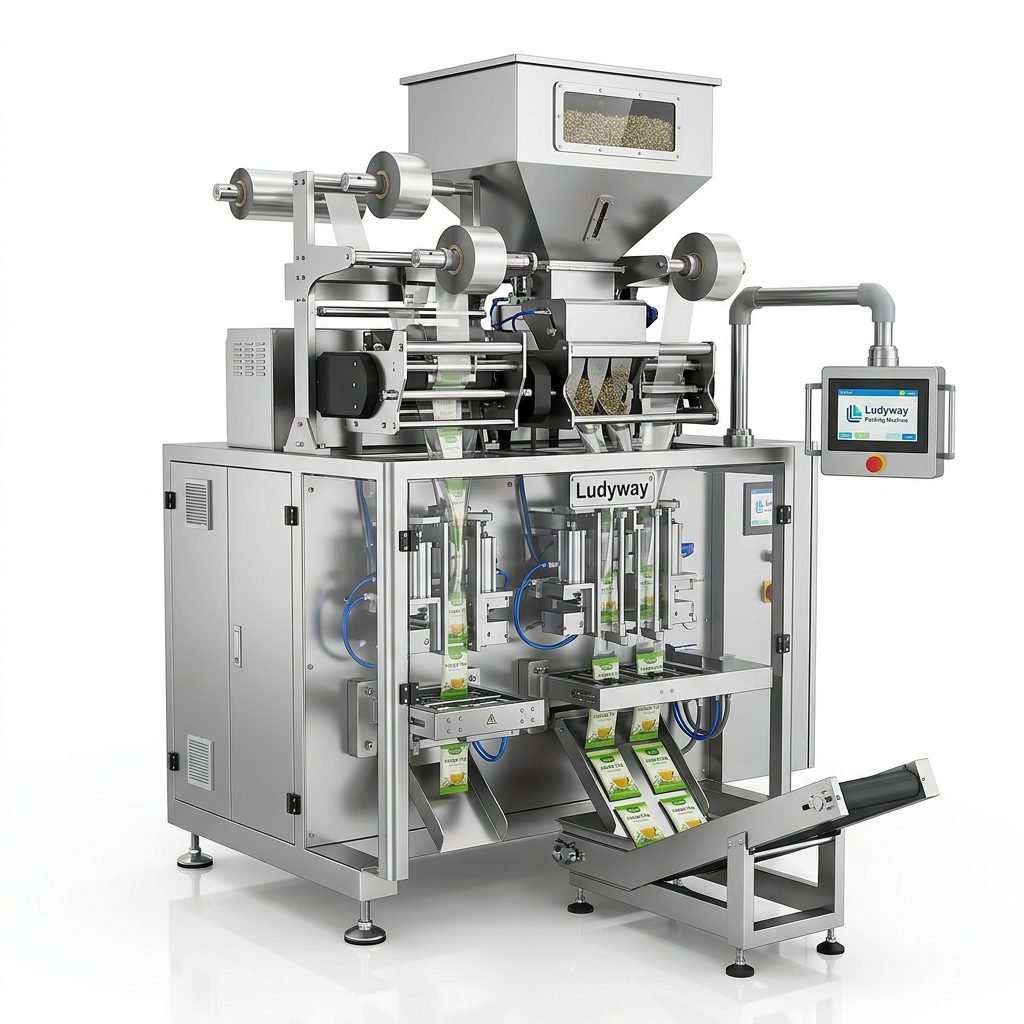
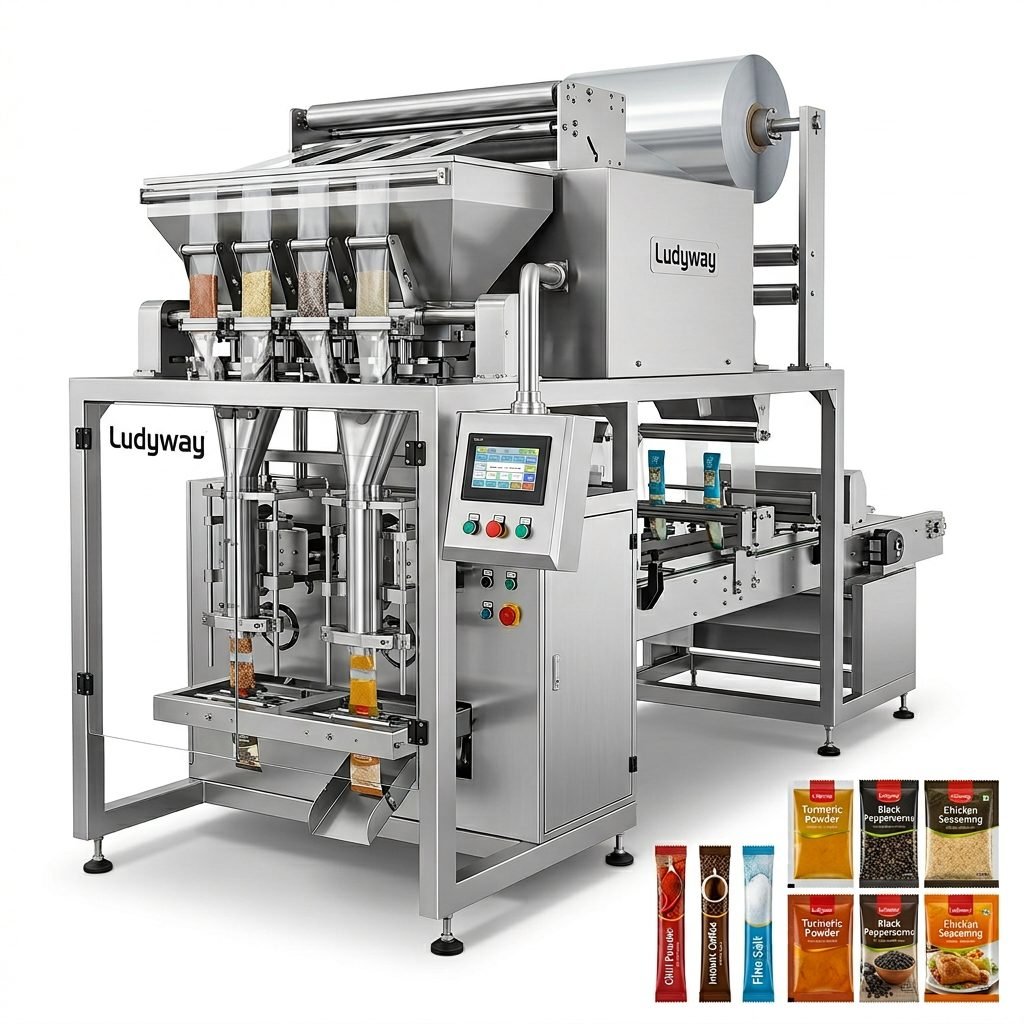
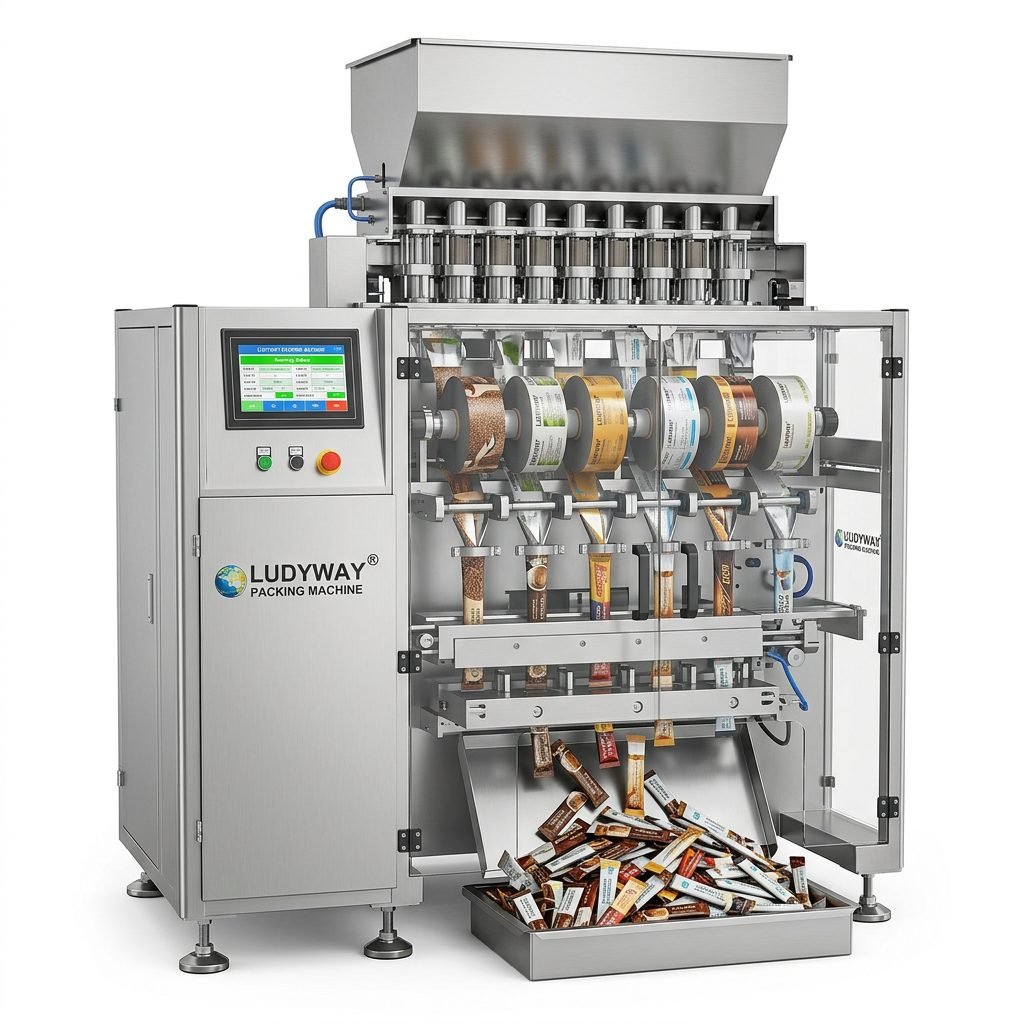
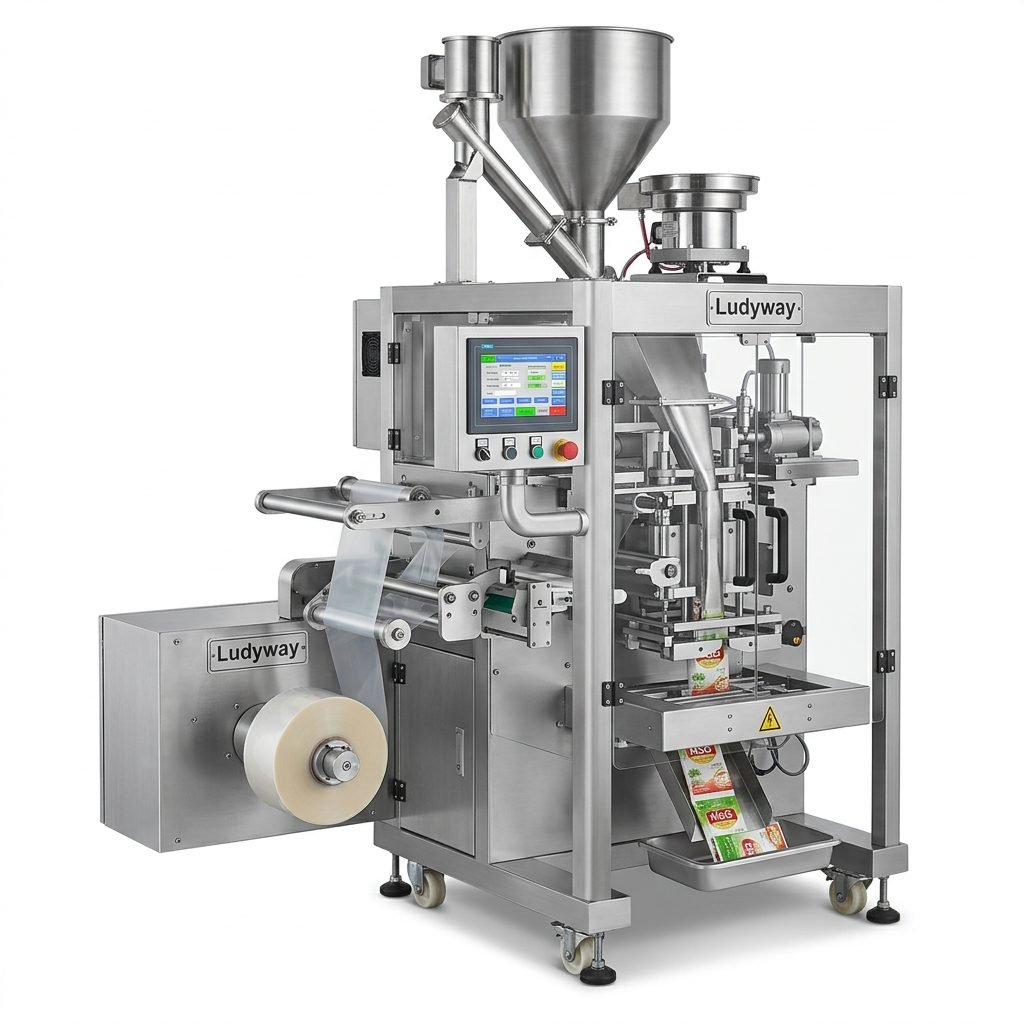
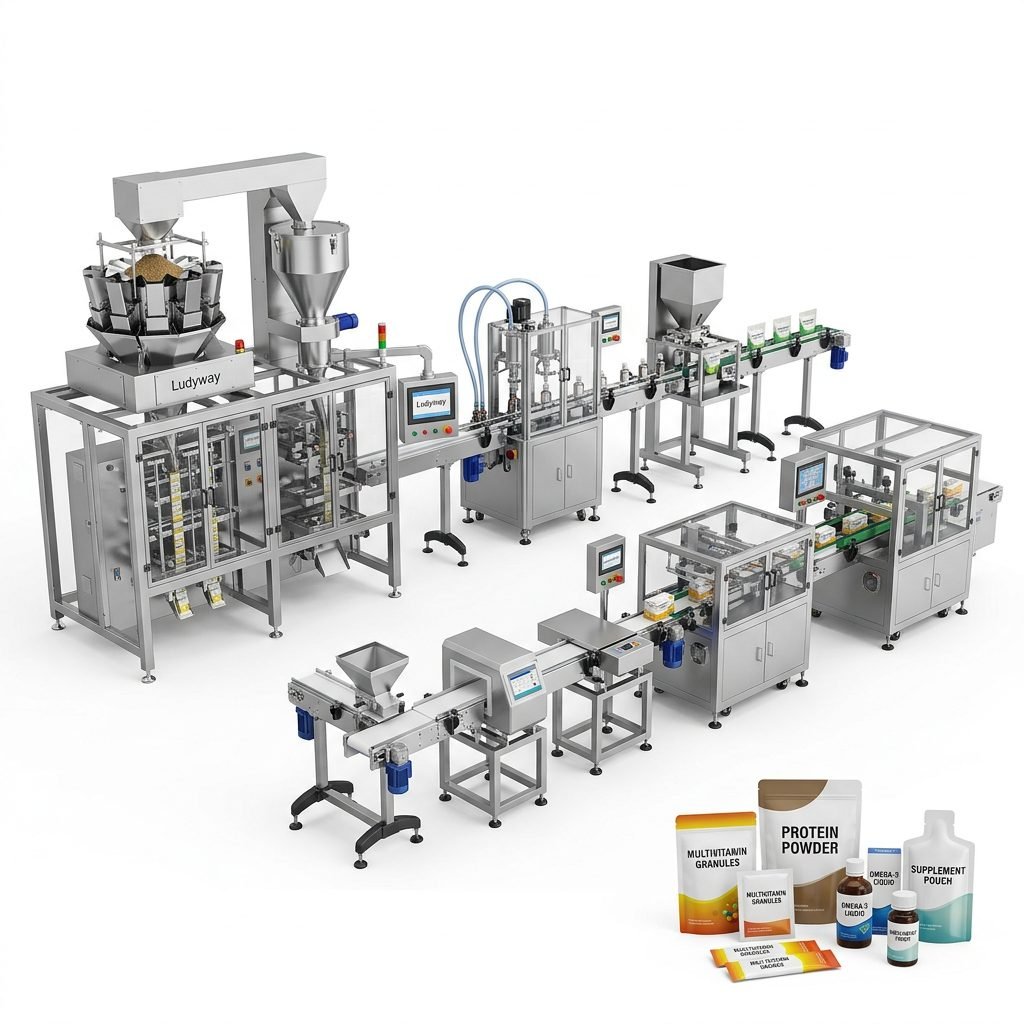
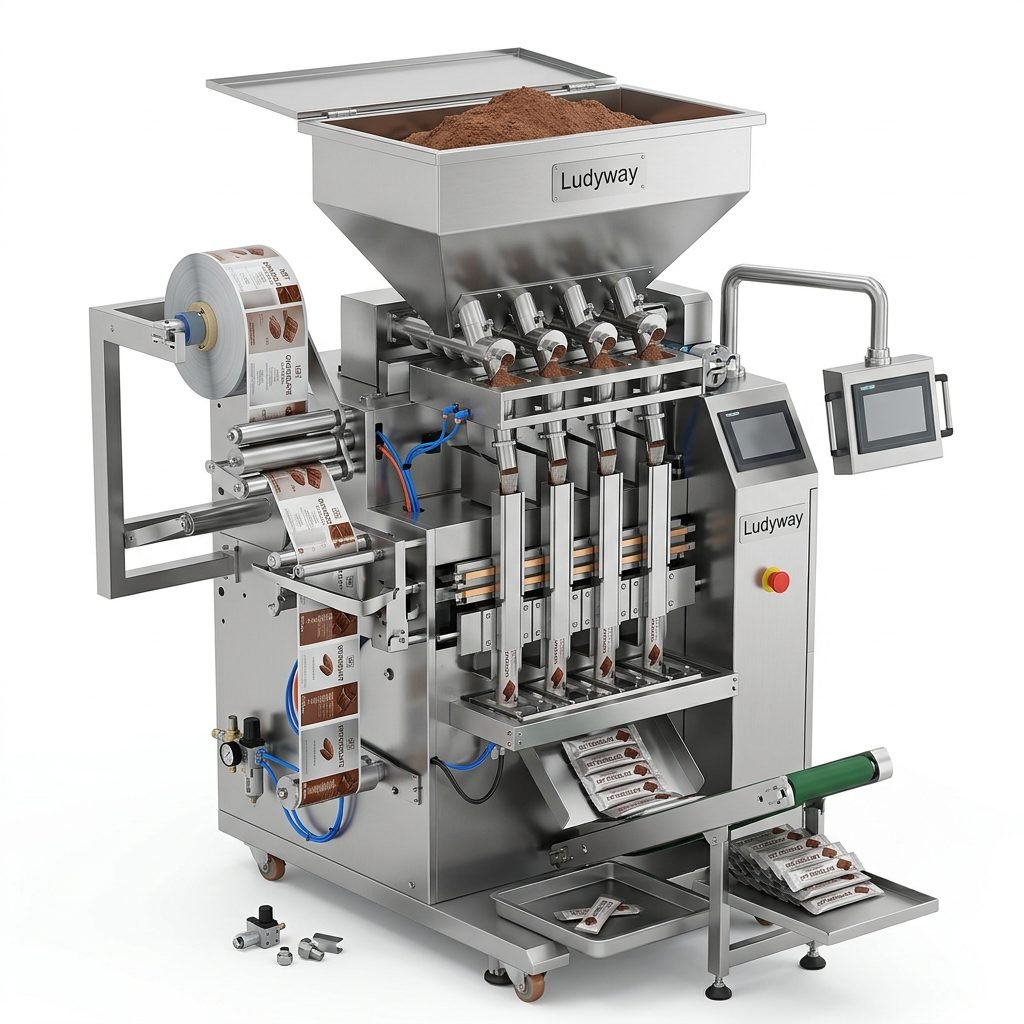
If you are scaling a business, a standalone machine might not be enough. The real efficiency gains often lie in turnkey packaging solutions that combine vacuum technology with automated weighing, filling, and bagging systems. In large-scale production, integrating a vacuum sealer into a comprehensive line such as those supplied by established manufacturers like Ludyway can dramatically reduce labor costs and ensure consistent seal quality across thousands of units per day.

Material Compatibility
Don’t overlook the sealing media. Standard bags come in a variety of textures and thicknesses (typically 3 to 5 mil). For sharp-edged items like bones or hardware, you need thicker, puncture-resistant barrier bags. For products demanding a premium presentation, look for machines capable of handling Mylar or foil-lined bags, which often require a heated seal bar with a specific dwell time to ensure a solid closure.
Budgeting Wisely: Total Cost of Ownership
The purchase price is just the entry fee. A cheap external sealer might cost under $100 but require expensive proprietary bags. A high-end chamber sealer might be a $2,000 investment but use bags costing pennies. For a business packaging granules or powders, the bag cost reduction alone often pays for a chamber machine within a year. Always factor in the cost of replacement parts like seal bars, Teflon tape, and oil changes for rotary pumps.
For further reading on packaging standards and validation requirements, especially in regulated sectors, it is advisable to review the frameworks provided by the International Organization for Standardization (ISO) regarding packaging. These guidelines ensure your sealing processes meet global safety requirements.
Final Decision Checklist
- Assess your product: Is it dry, wet, sharp, or dusty?
- Calculate volume: How many seals per day do you realistically need?
- Check the pump: Does the warranty cover the pump duration, and is it rebuildable?
- Evaluate consumables: Are the bags widely available, or is it a locked-in brand?
- Consider the footprint: Chamber machines are heavy; ensure your table or floor can support it.
Choosing a vacuum sealer machine is about finding the right tool for your unique preservation challenge. Prioritize the quality of the seal and the reliability of the pump over flashy digital screens, and you will have a machine that pays for itself many times over by eliminating waste.