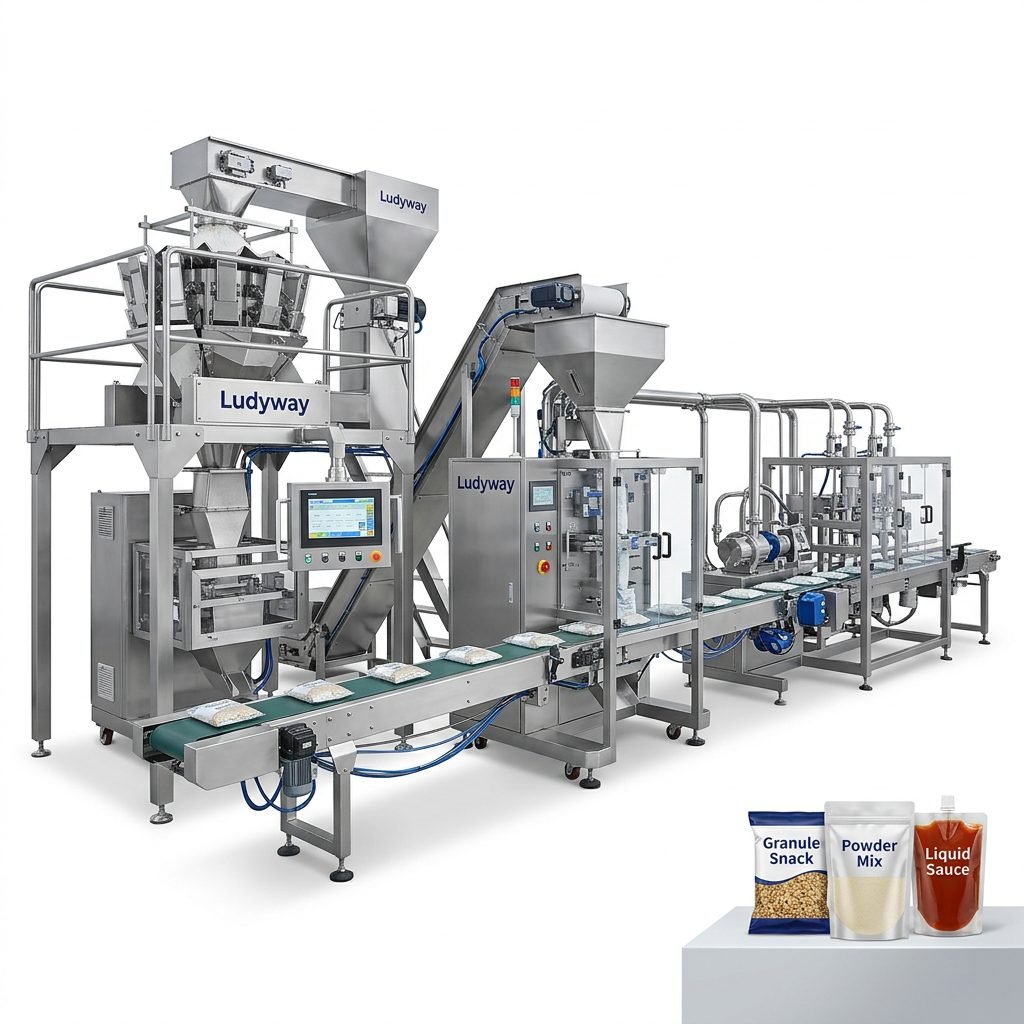
The North American meat processing industry is experiencing unprecedented demand for automation. With labor shortages, rising operational costs, and stricter food safety regulations, choosing the right packaging equipment is no longer a luxury—it’s a strategic necessity. Ludyway meat packaging machines have emerged as a preferred solution for businesses across the United States and Canada, offering an unmatched combination of reliability, customization, and value.
Whether you’re packaging fresh cuts, frozen portions, processed deli meats, or marinated products, high-performance automated packaging lines can transform your production floor. Let’s explore why North American companies are increasingly turning to this trusted manufacturer for their meat packaging needs.
Understanding North America’s Unique Meat Packaging Challenges
Meat processors in this market face a distinct set of requirements. From USDA and CFIA compliance to the need for extended shelf life and cold-chain integrity, every aspect of packaging matters. Key challenges include:
- Labor Availability: Persistent workforce gaps make automation essential for maintaining throughput.
- Food Safety Standards: Stringent regulations demand precise sealing, contamination prevention, and traceability.
- Product Variety: From ground meat to whole cuts, packaging systems must handle diverse shapes, sizes, and weights.
- Operational Efficiency: Reducing downtime and maximizing output directly impacts profitability in competitive markets.

Why Automation is Reshaping the Meat Packaging Industry
The shift toward automated packaging solutions is accelerating across North America. According to PMMI’s 2025 State of the Industry report, food packaging machinery investments continue to grow as processors seek to improve consistency and reduce manual handling. Modern meat packaging machines deliver significant advantages:
- Consistent seal integrity that prevents leaks and extends shelf life
- Precise portion control that reduces product giveaway
- High-speed operation that meets demanding production schedules
- Integration with upstream and downstream equipment for seamless workflow
Key Benefits of Multi-Lane Stick Pack and Sachet Systems for Meat Products
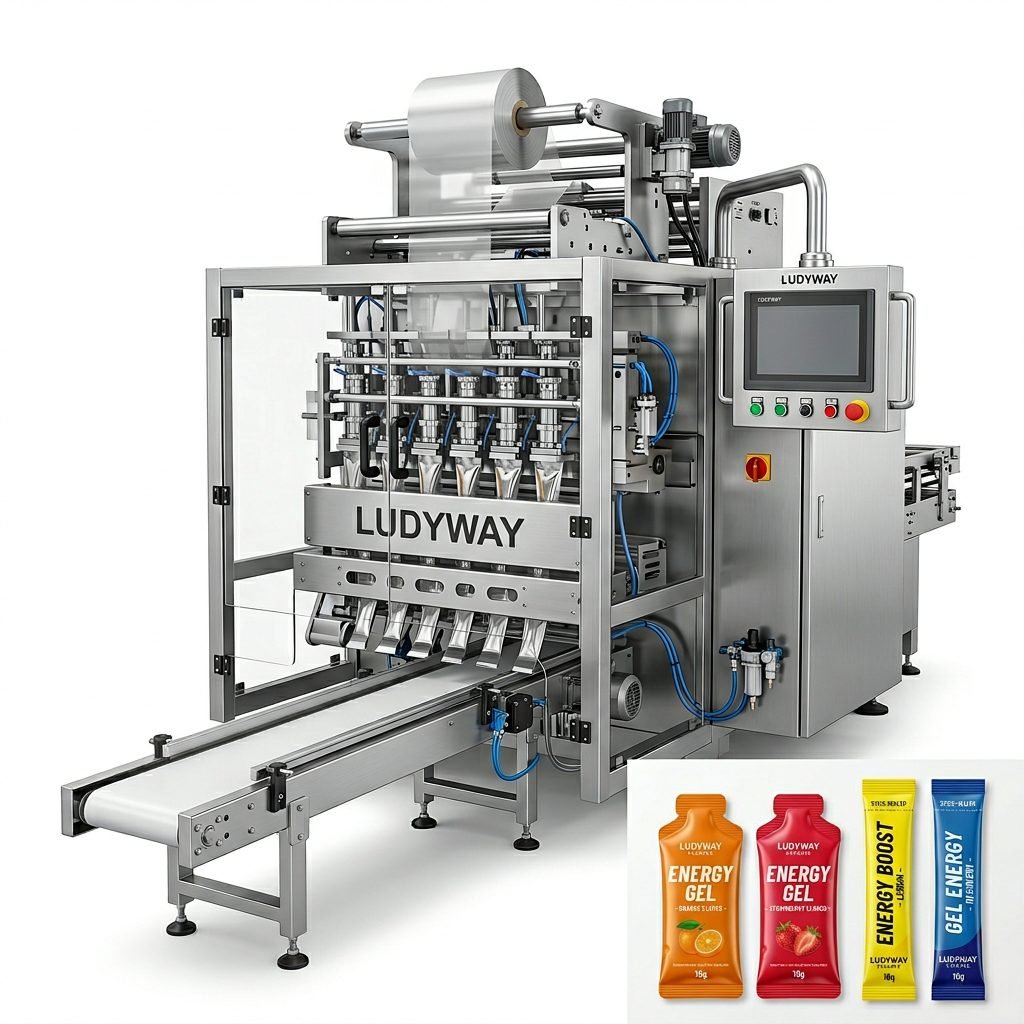
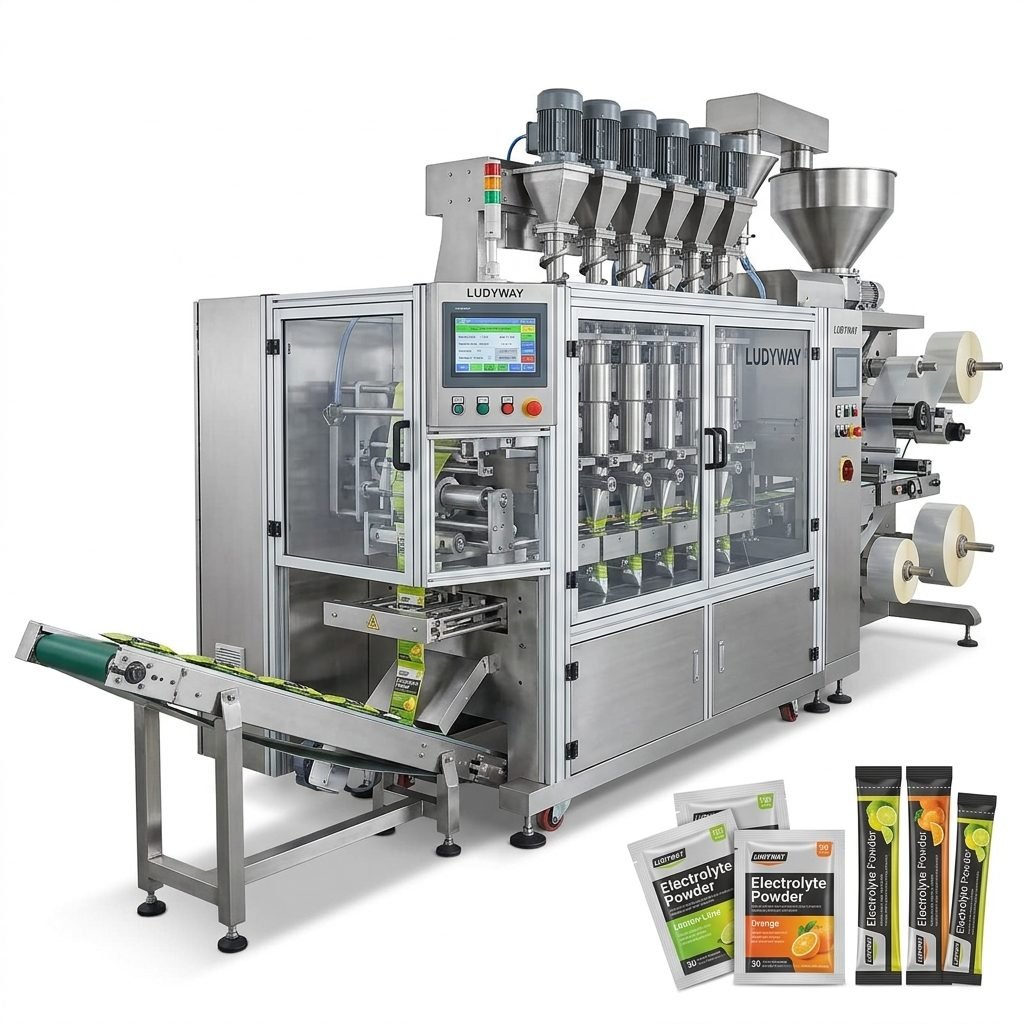
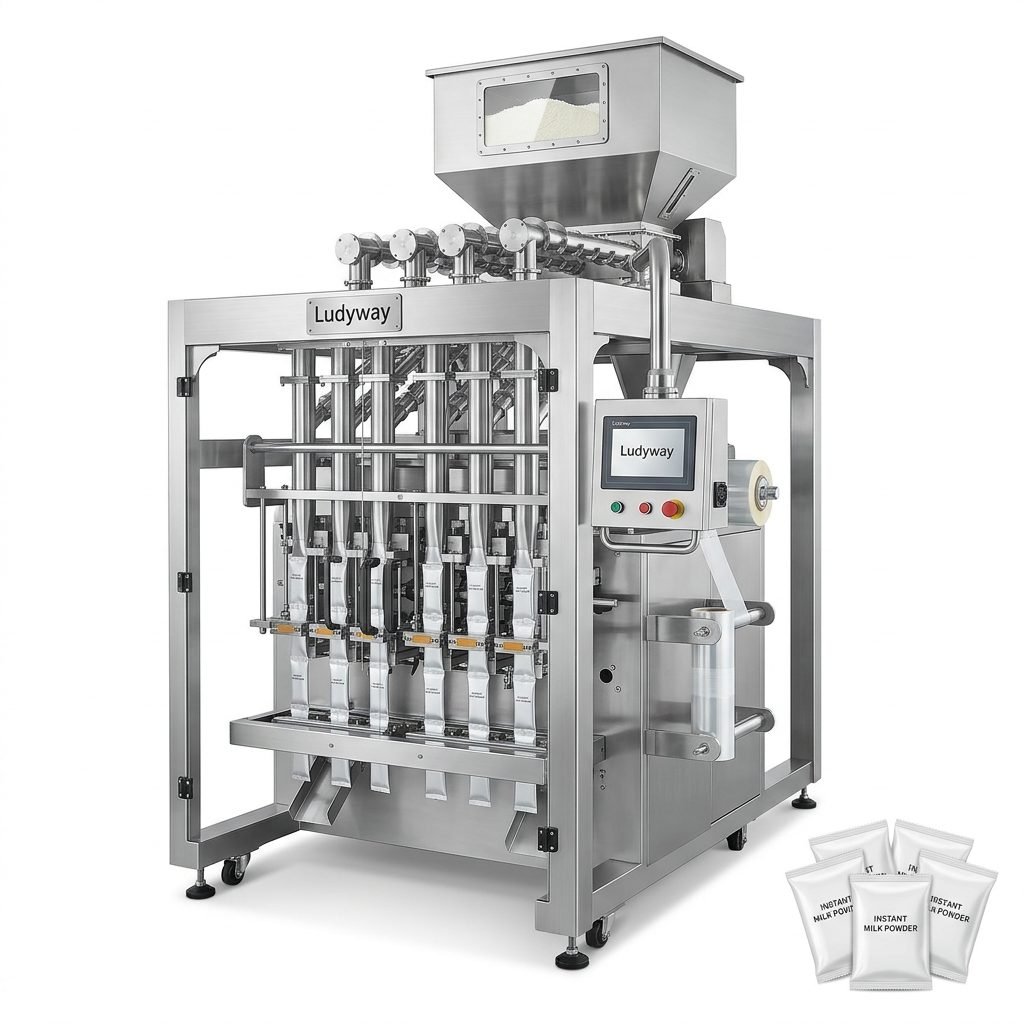
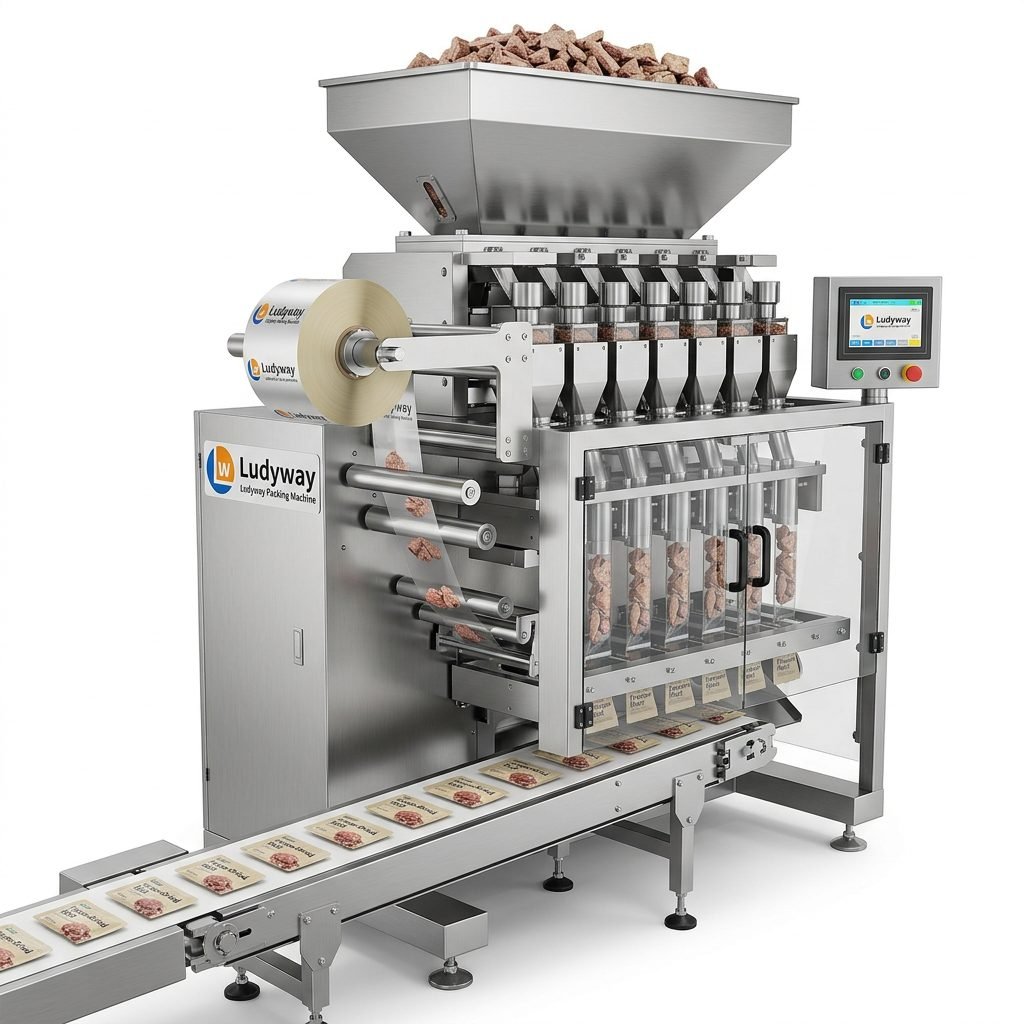
For processed and packaged meat snacks, jerky, and protein-based products, multi-lane stick pack and sachet machines offer exceptional efficiency. These systems can simultaneously fill multiple lanes, dramatically increasing output while maintaining precise weight control. North American brands producing portable protein packs, meat snacks, and convenience-oriented products benefit from:
| Feature | Benefit for North American Processors |
|---|---|
| Multi-Lane Configuration | Up to 12 lanes operating simultaneously for maximum throughput |
| Nitrogen Flushing | Extended shelf life ideal for long-distance distribution across North America |
| Quick Changeover | Minimal downtime when switching between product types or pack sizes |
| Servo-Driven Accuracy | Consistent fill weights that reduce waste and protect margins |
| USDA-Compliant Materials | Stainless steel construction and sanitary design for food safety |

Vacuum Packaging: Essential for Fresh and Frozen Meat
Vacuum packaging remains the gold standard for fresh and frozen meat products in North American retail and foodservice channels. Industrial vacuum packaging machines remove oxygen to prevent spoilage, preserve color, and maintain product quality during transportation. The FDA’s packaging and food contact substances regulations emphasize the importance of proper sealing and barrier properties, making equipment quality critical.
Key considerations for vacuum packaging lines include:
- Seal bar temperature control for consistent, leak-proof results
- Chamber size flexibility to accommodate various cut sizes
- Integration with labeling and date coding systems
- Throughput capacity aligned with production volume demands
Turnkey Solutions: From Raw Product to Finished Case
North American businesses increasingly seek complete turnkey packaging solutions rather than piecing together equipment from multiple vendors. A turnkey approach ensures compatibility between all components, simplifies installation, and provides single-source accountability. According to Flexible Packaging Association industry data, integrated systems are becoming the preferred approach for processors expanding their capabilities.
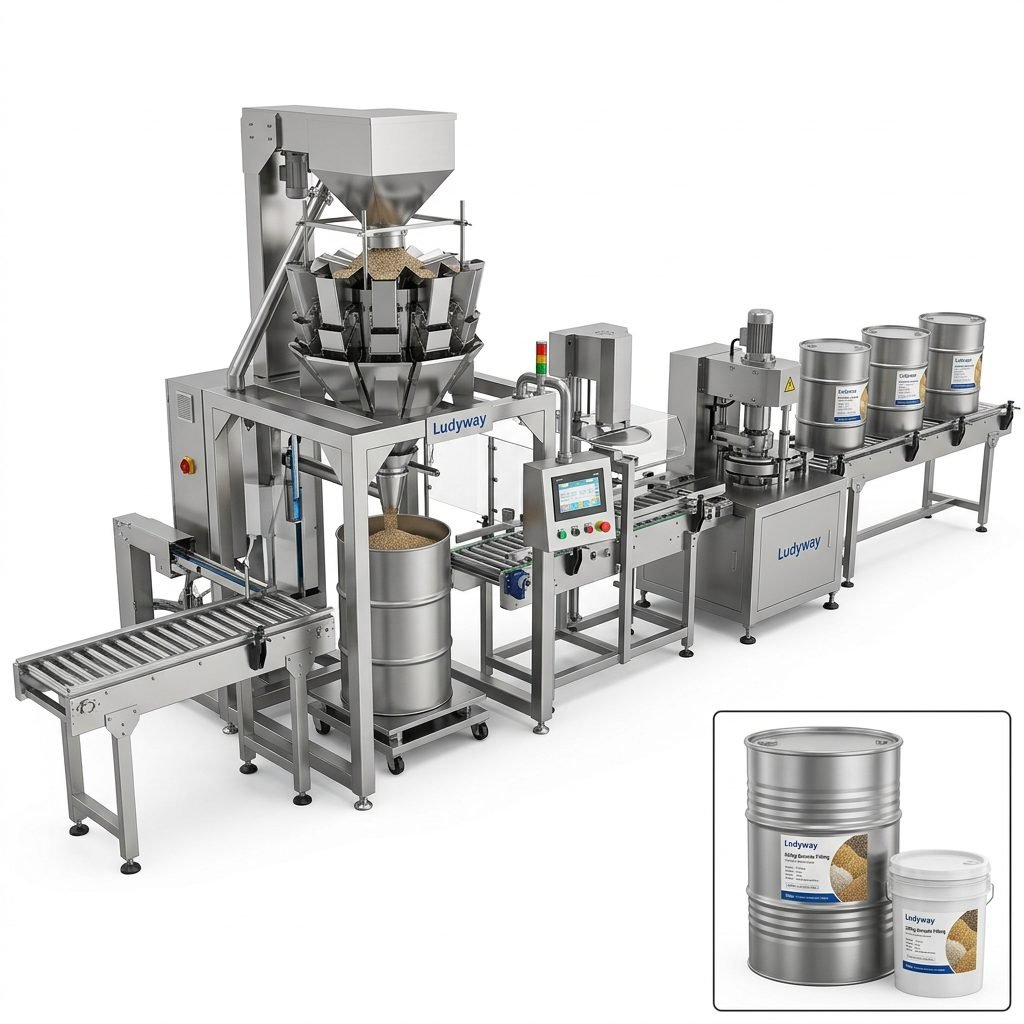
A comprehensive meat packaging line typically includes:
- Weighing and portioning systems with multi-head weighers for accuracy
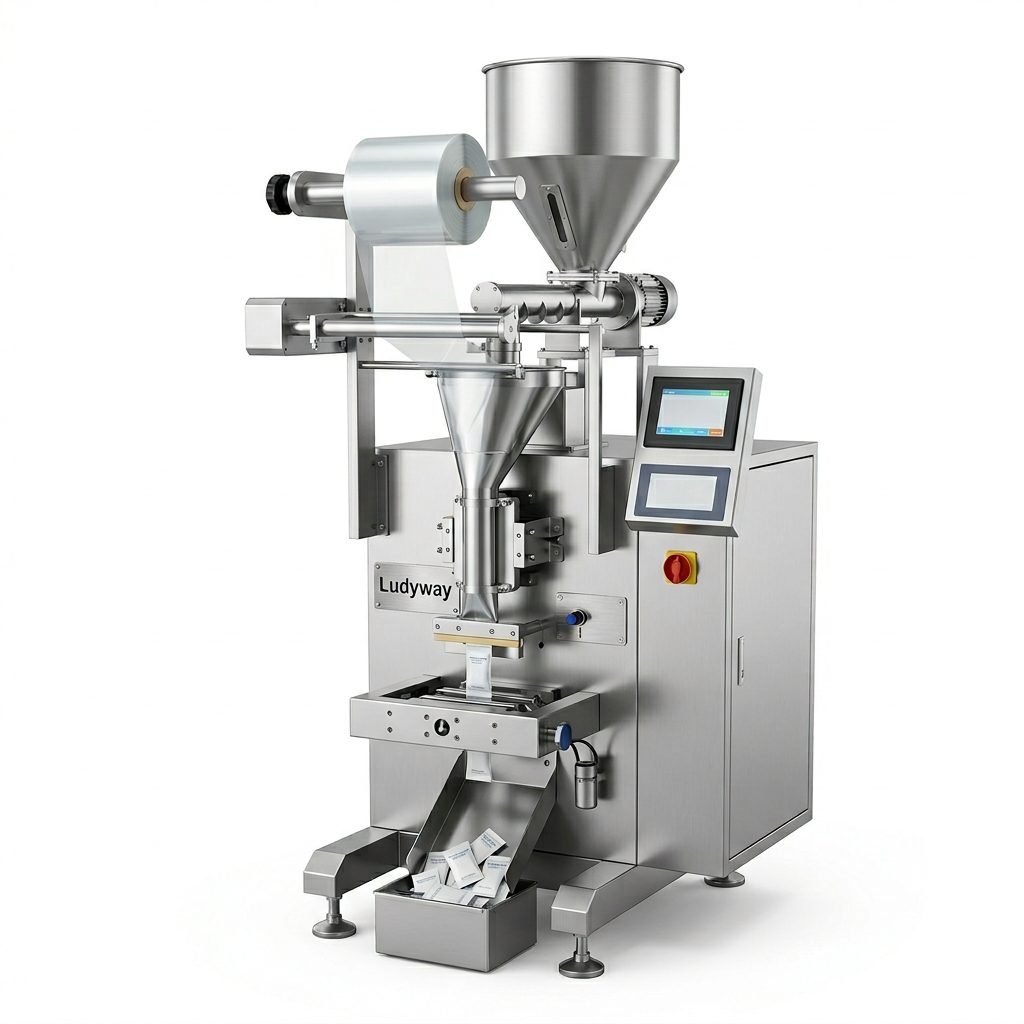
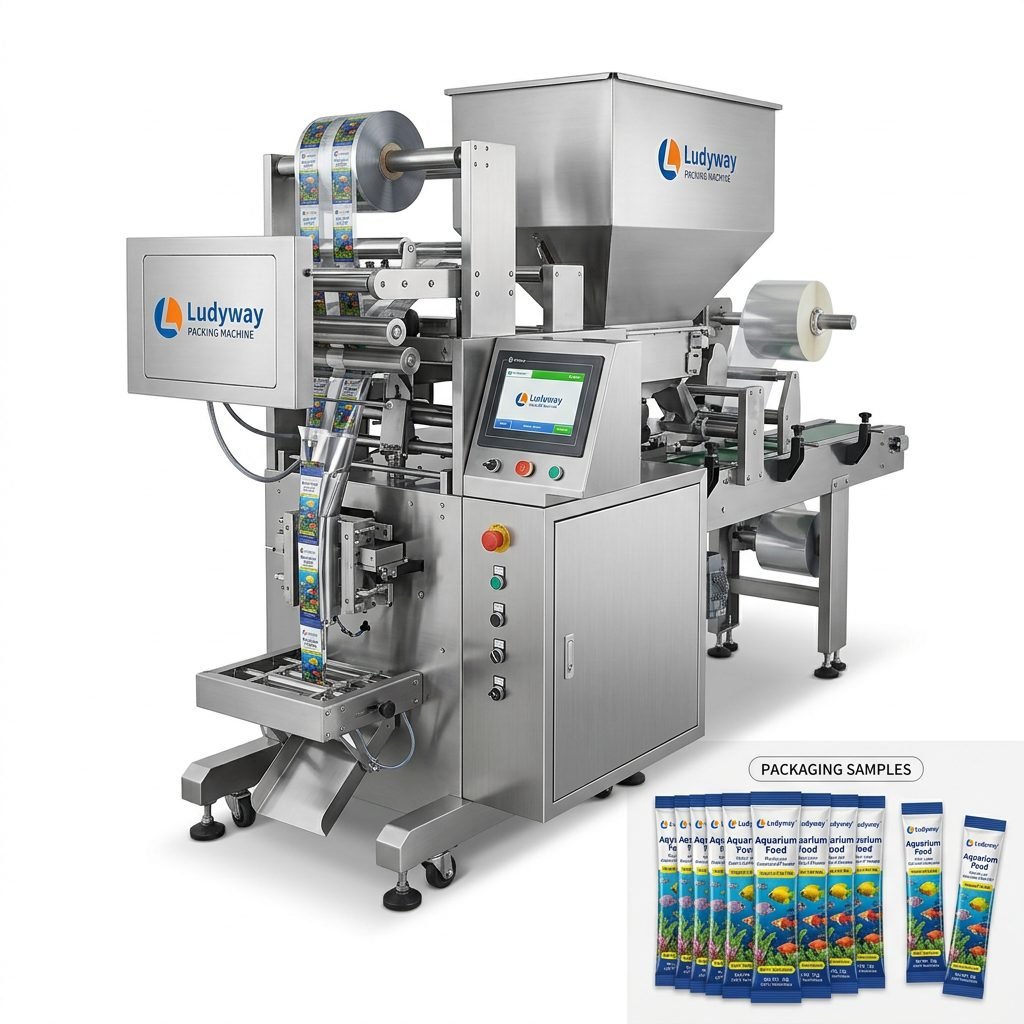
- Primary packaging machines for sachets, stick packs, pouches, or vacuum bags
- Conveying and material handling for smooth product flow
- Secondary packaging including cartoners, case packers, and palletizers
- Inspection and quality control with checkweighers and metal detectors

The Advantages of Partnering with an Experienced Manufacturer
When investing in meat packaging equipment, the manufacturer’s experience and scale matter. Ludyway, one of the largest packaging machine manufacturers in China, brings over 30 years of industry expertise and operates a modern 20,000㎡ manufacturing facility. With more than 50 intelligent packaging machine models and a team of 130+ professional packaging experts, the company has served customers in over 100 countries and regions. Their experience spans granule, powder, liquid, and pouch packaging applications, with deep knowledge of food industry requirements including meat and protein products.
What sets this level of manufacturing capability apart:
- Engineering depth: 200+ manufacturing equipment units support precision production
- Global standards: Equipment designed to meet ISO packaging standards and international certifications
- Responsive support: Technical assistance available for North American time zones
- Continuous innovation: Regular machine updates based on evolving market needs
Cost-Effectiveness Without Compromising Quality
For North American businesses, capital equipment decisions must balance upfront investment with long-term value. Cost-effective packaging solutions that deliver reliable performance are essential for maintaining competitive margins. Factors that contribute to a favorable total cost of ownership include:
| Cost Factor | How It Impacts North American Operations |
|---|---|
| Competitive Pricing | Lower initial investment compared to European or domestic alternatives |
| Reduced Labor Costs | Automation reduces reliance on hard-to-find production workers |
| Lower Waste | Precision filling minimizes product giveaway and packaging material waste |
| Energy Efficiency | Modern servo systems consume less power than older pneumatic equipment |
| Durable Construction | Extended equipment lifespan with proper maintenance programs |

Compliance and Food Safety: Non-Negotiable Priorities
North American meat processors operate under some of the world’s most rigorous food safety frameworks. Equipment must support FDA food packaging requirements and facilitate HACCP compliance. Critical design elements include:
- Washdown-ready construction with stainless steel frames and components
- Tool-less disassembly for thorough cleaning and sanitation
- Sealed electrical enclosures to prevent moisture ingress
- Traceability features including batch coding and data logging
The ISO 11607 standard for terminally sterilized packaging provides relevant guidance for meat packaging processes, even though originally developed for medical devices. The principles of seal integrity, material compatibility, and process validation apply across industries where product safety is paramount.
Flexibility for Diverse Meat Product Categories
North American meat businesses often produce multiple product types within a single facility. A flexible packaging line can handle:
- Fresh portioned cuts in modified atmosphere packaging (MAP)
- Frozen meat products in vacuum-sealed pouches
- Jerky and dried meat snacks in multi-lane stick packs
- Marinated and seasoned meats in sachets for retail
- Pet food and treats containing meat-based ingredients
Measuring Return on Investment for Packaging Equipment
When evaluating packaging machinery investment, North American businesses should consider both quantitative and qualitative returns. Key performance indicators include:
- Output increase: Measure packs per minute before and after installation
- Labor reduction: Calculate direct and indirect labor savings
- Waste reduction: Track product giveaway and rejected packages
- Downtime reduction: Monitor OEE (Overall Equipment Effectiveness)
- Quality improvement: Track customer complaints and returns
According to PMMI’s 2026 State of the Industry projections, packaging machinery demand continues to be driven by automation adoption across food sectors, with meat and protein applications representing a significant growth area.
Global Expertise Applied to North American Requirements
The packaging industry is increasingly global, with leading manufacturers drawing on international experience to serve diverse markets. Equipment that performs reliably in facilities across Asia, Europe, and the Americas demonstrates robust engineering. Key benefits of this global perspective include:
- Designs refined through feedback from hundreds of installations worldwide
- Familiarity with multiple regulatory frameworks, including FDA and CFIA requirements
- Supply chain resilience with access to global component networks
- Continuous improvement driven by exposure to diverse market needs
Making the Right Choice for Your Meat Packaging Operation
Selecting the optimal packaging solution requires careful evaluation of your specific needs. Consider these factors when assessing potential equipment:
- Current and projected production volumes to ensure adequate capacity
- Product characteristics including size, shape, moisture content, and temperature
- Packaging format requirements for retail, foodservice, or e-commerce channels
- Facility constraints including floor space, utilities, and environmental conditions
- Integration requirements with existing upstream and downstream equipment
- After-sales support expectations for maintenance, parts, and technical assistance
The European Commission’s packaging and packaging waste regulation trends also influence North American packaging decisions, as sustainability and material reduction become increasingly important for retailers and consumers alike.
Conclusion
For North American meat processing businesses seeking to enhance productivity, ensure food safety, and maintain competitive advantage, high-quality automated packaging systems represent a strategic investment. The right equipment partner brings decades of engineering experience, a comprehensive product portfolio, and a commitment to ongoing support.
With proven performance across diverse applications, robust sanitary design, and competitive total cost of ownership, Ludyway meat packaging machines offer an excellent option for processors ranging from small regional operations to large-scale national producers. By choosing equipment that combines advanced technology with practical reliability, North American businesses can position themselves for sustained success in an evolving marketplace.
To learn more about packaging solutions tailored to your specific meat processing requirements, including multi-lane stick pack systems, vacuum packaging lines, and complete turnkey solutions, explore the range of options available from experienced manufacturers serving the North American market.