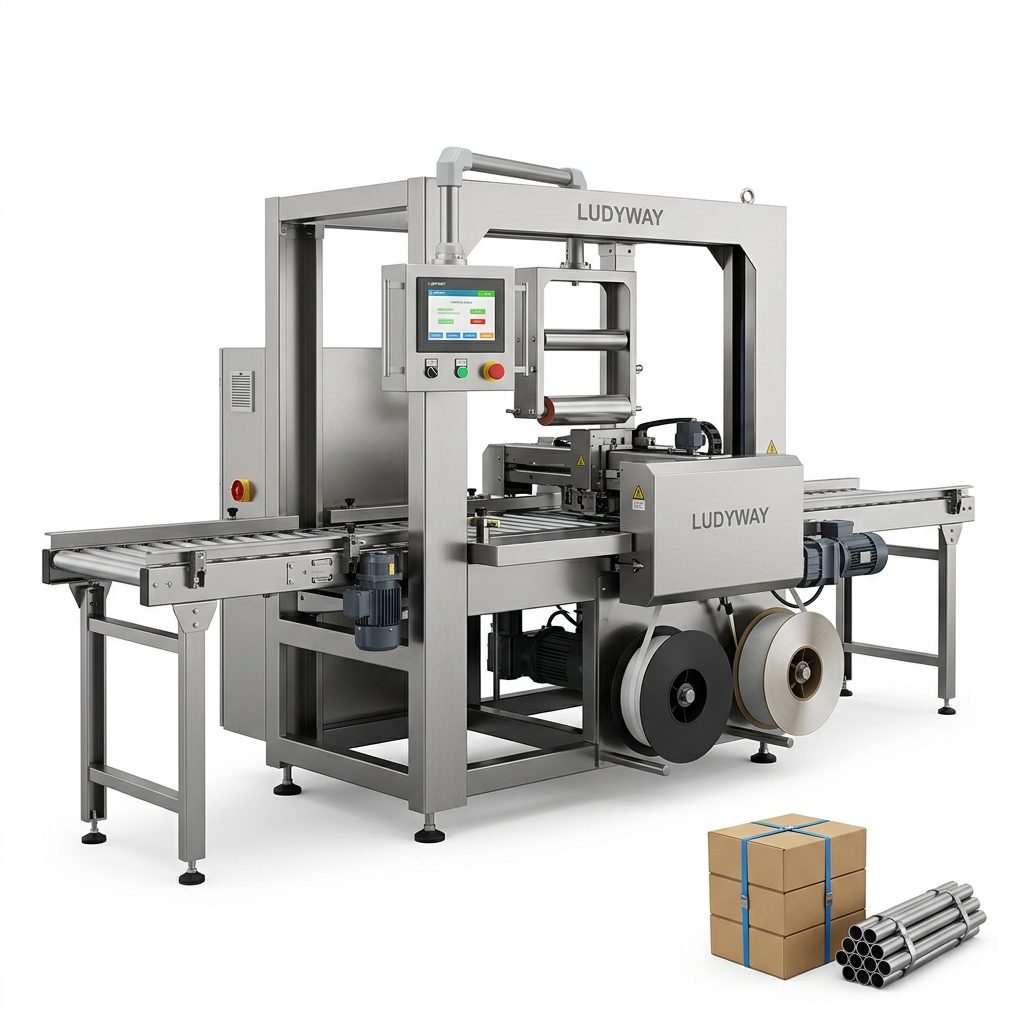
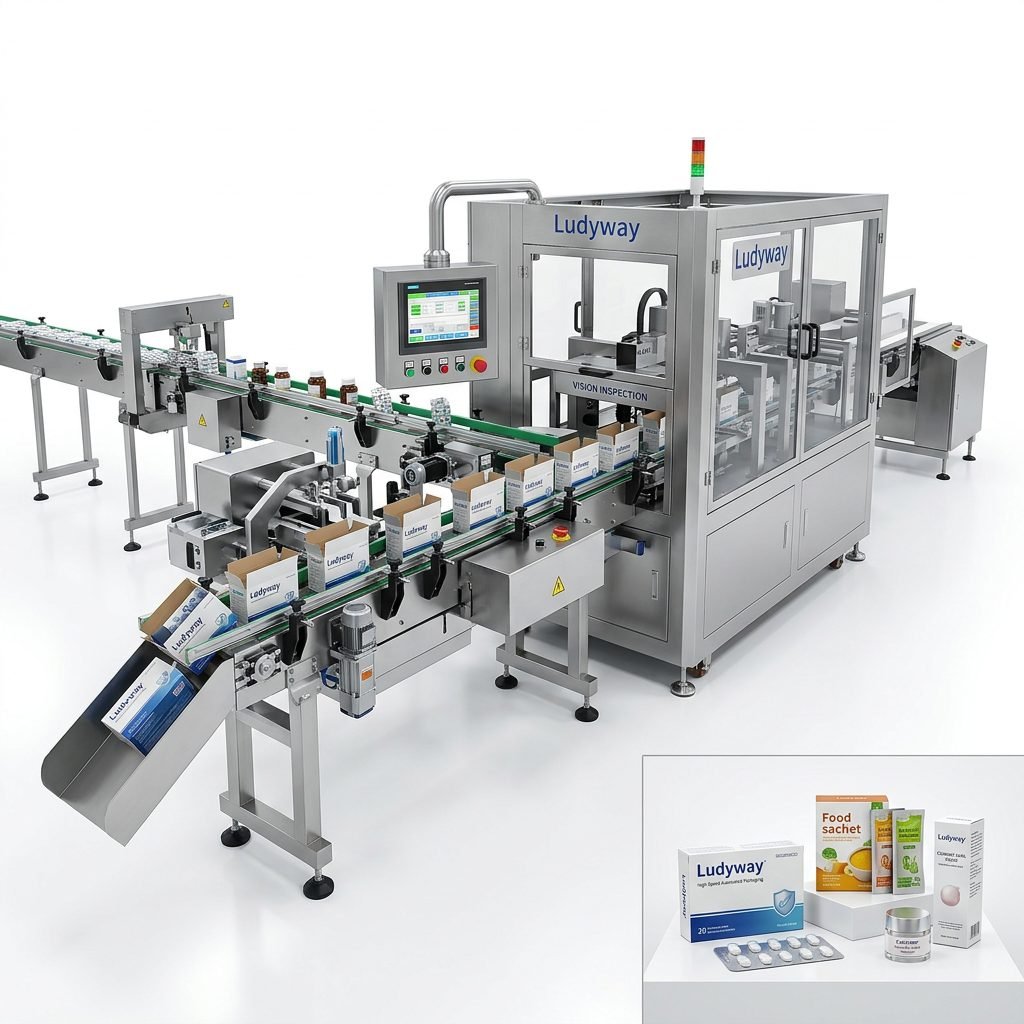
Investing in an air bubble packing machine is a strategic decision that directly impacts product protection, shipping costs, and operational efficiency. Whether you are packaging fragile electronics, pharmaceuticals, glassware, or consumer goods, selecting the right equipment requires a systematic evaluation of your production needs, material specifications, and long-term business goals. This guide walks you through the essential factors to help you make an informed purchasing decision.
Understanding Air Bubble Packing Machine Types
Before comparing specifications, it is important to understand the different categories of air bubble packing machines available on the market. Each type serves distinct purposes and production environments.
Air Bubble Film Making Machines produce bubble wrap rolls by extruding and forming polyethylene film with air-filled cushions. These machines are ideal for manufacturers who consume large volumes of bubble packaging and want to produce it in-house rather than purchasing pre-made rolls. Key variations include single-layer and multi-layer extrusion systems.
Air Pillow / Air Cushion Machines create inflatable cushions on-demand from pre-sealed film rolls. These compact systems are popular in e-commerce fulfillment centers and warehouses where space is limited but protective packaging needs are high. They inflate and seal individual air pillows at the point of use, reducing storage requirements for bulky packaging materials.
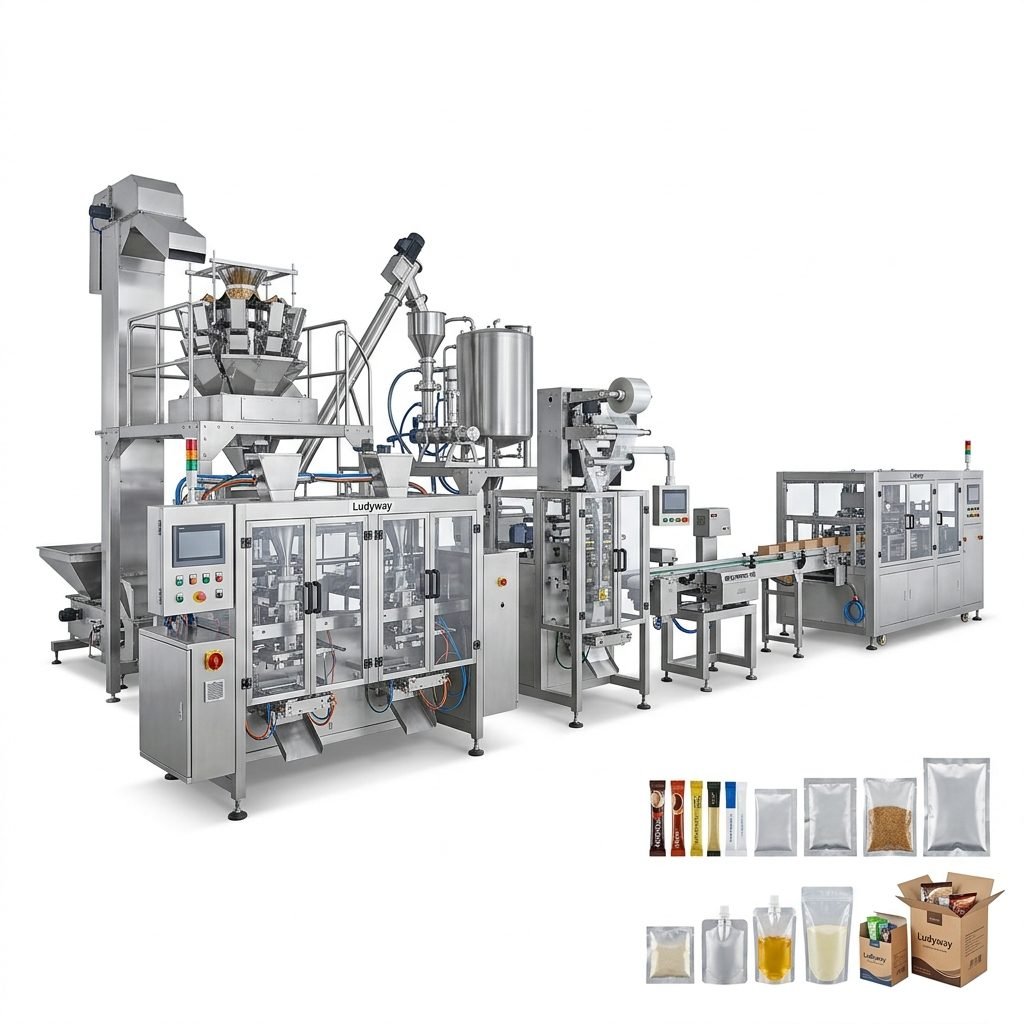
Automatic Air Bubble Packaging Lines integrate bubble film production or air cushion inflation with automated wrapping, bagging, or cushioning stations. These turnkey packaging systems are designed for high-volume operations that need seamless integration of protective packaging into their production workflow.
Key Factors to Consider When Choosing an Air Bubble Packing Machine
Production Capacity and Speed Requirements
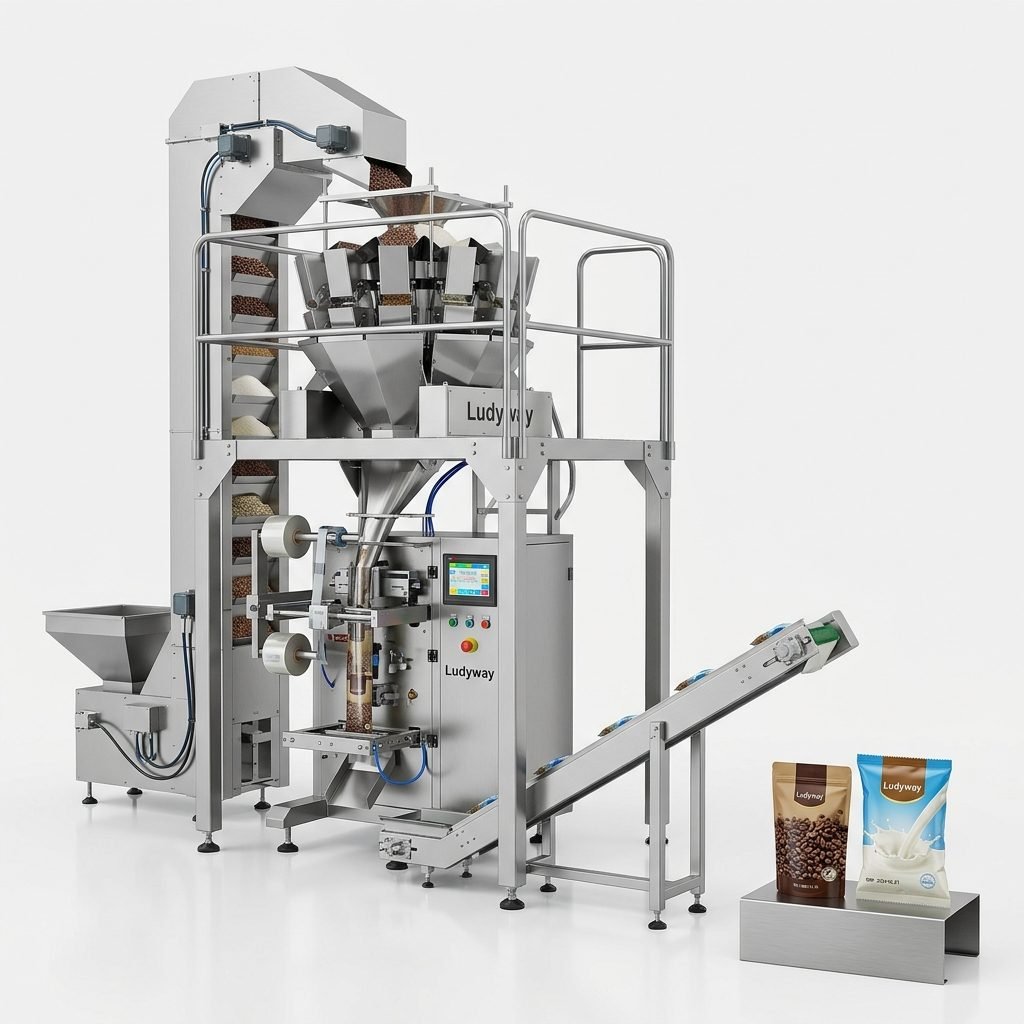
Your expected output volume is the single most important factor in machine selection. Air bubble packing machines range from small tabletop units producing 10-15 meters per minute to industrial-scale systems capable of over 100 meters per minute. Calculate your daily bubble film consumption or air pillow requirements, then add at least 20% buffer for peak periods and future growth. Underestimating capacity leads to production bottlenecks that can delay order fulfillment.
Bubble Size and Film Specifications
Bubble dimensions directly affect cushioning performance. Common bubble sizes include:
- Small bubbles (6-10mm diameter): Ideal for lightweight items, electronics, and surface protection
- Medium bubbles (10-20mm diameter): General-purpose cushioning for most consumer goods
- Large bubbles (20-30mm diameter): Heavy-duty protection for industrial parts and fragile equipment
Verify that the machine supports your required film thickness range (typically 40-200 microns) and can accommodate different polyethylene grades. According to flexible packaging industry data, material compatibility is a critical factor in packaging equipment selection.
Machine Type and Automation Level
Choose between manual, semi-automatic, and fully automatic configurations based on your labor availability and production consistency needs. Manual machines require operator intervention for film loading and cutting. Semi-automatic systems automate the bubble formation process but need manual roll changes. Fully automatic air bubble packing machines handle everything from film feeding to finished roll cutting with minimal operator involvement, reducing labor costs and improving consistency.

Technical Specifications to Evaluate
When comparing different models, focus on these critical technical parameters:
- Roll width capacity: Determines the maximum bubble film width you can produce, typically ranging from 500mm to 2000mm
- Bubble height and consistency: Uniform bubble formation ensures reliable cushioning performance across the entire roll
- Heating and forming system: Precision temperature control prevents film burning or weak bubble seals
- Take-up mechanism: Smooth winding with adjustable tension prevents film stretching and roll deformation
- Control interface: PLC-based systems with touchscreen controls offer easier operation and recipe storage compared to basic relay controls
For operations requiring compliance with specific industry standards, review ISO packaging standards and relevant regulatory requirements. Machines designed to meet packaging machinery standards and regulations typically offer better reliability and safety features.

Cost Considerations and Return on Investment
Evaluating the total cost of ownership goes beyond the initial purchase price. Consider these cost components when budgeting for your air bubble packing machine:
| Cost Category | Description | Estimated Share of TCO |
|---|---|---|
| Equipment Purchase | Initial machine cost including installation and basic training | 40-50% |
| Raw Materials | Polyethylene film, masterbatch, and other consumables | 25-35% |
| Energy Consumption | Electricity for heating elements, motors, and compressed air systems | 5-10% |
| Maintenance and Spare Parts | Routine servicing, replacement of wear components, and unexpected repairs | 10-15% |
| Labor | Operator wages depending on automation level and shift patterns | 5-10% |
In-house bubble film production typically reduces material costs by 30-50% compared to purchasing pre-made rolls, making ROI achievable within 12-24 months for medium to high-volume operations. For detailed market analysis, refer to packaging industry state reports that track equipment investment trends.
Supplier Evaluation and After-Sales Support
Choosing the right supplier is as important as selecting the right machine. Evaluate potential partners on these criteria:
- Manufacturing experience and industry reputation — look for suppliers with a proven track record in packaging machinery
- Technical support availability — confirm response times for troubleshooting and whether remote assistance is offered
- Spare parts inventory — readily available components minimize downtime when repairs are needed
- Installation and training services — comprehensive onboarding ensures your team can operate the air bubble packing machine efficiently from day one
- Customization capabilities — assess whether the supplier can modify machine configurations to match your specific production requirements
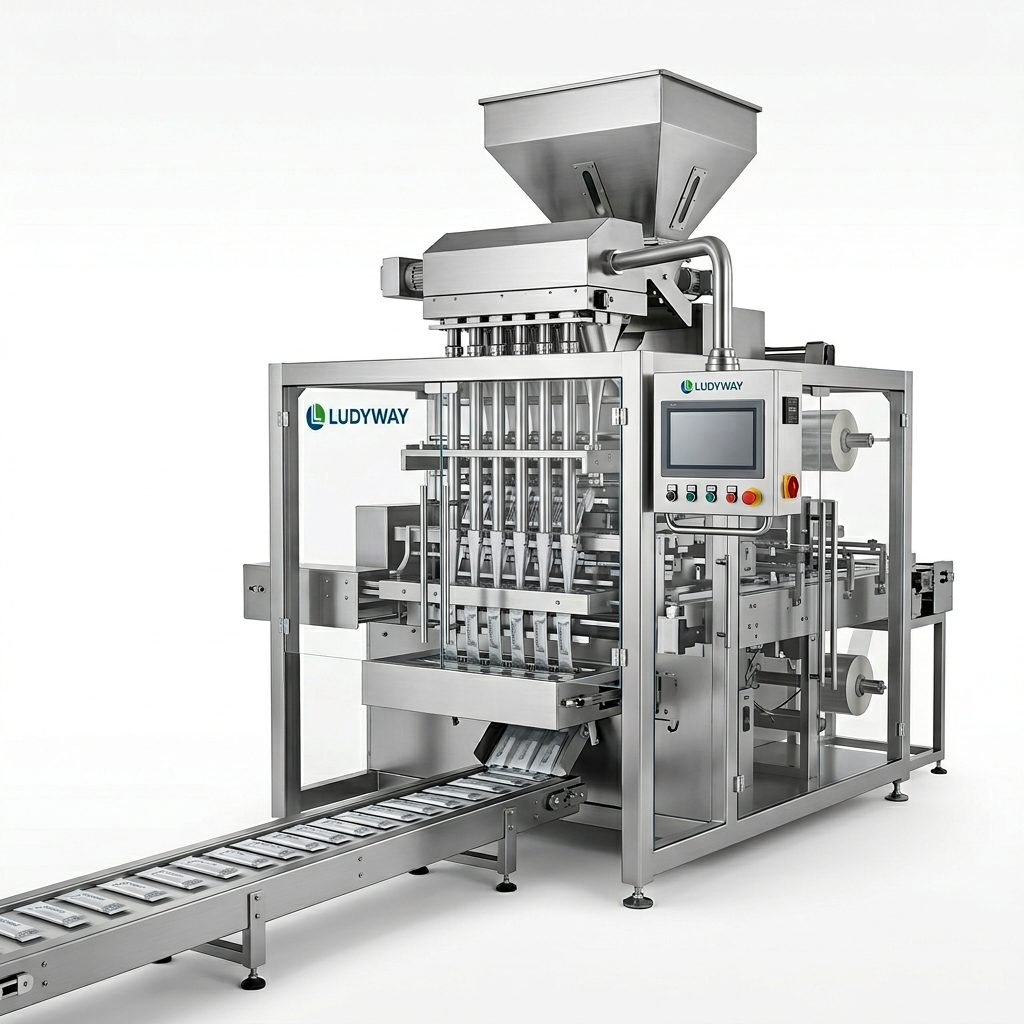
Established manufacturers like Ludyway Machinery, with over 30 years of packaging machinery experience and a 20,000-square-meter manufacturing facility, can provide integrated packaging solutions that combine equipment, engineering support, and after-sales service. When evaluating suppliers, prioritize those who offer comprehensive technical support throughout the equipment lifecycle rather than focusing solely on the purchase price.
Industry-Specific Application Considerations
Different industries impose unique requirements on air bubble packing machines. Understanding these nuances helps narrow your options effectively:
- Electronics and semiconductors: Require anti-static bubble film and cleanroom-compatible machine configurations to protect sensitive components from electrostatic discharge
- Pharmaceuticals and medical devices: Demand validated processes and materials compliant with FDA packaging regulations for food and pharmaceutical packaging standards
- E-commerce and fulfillment: Benefit from on-demand air pillow systems that reduce warehouse space for packaging material storage
- Furniture and large consumer goods: Need wide-format bubble film with larger bubble diameters for heavy-item protection
- Automotive parts: Require durable bubble packaging resistant to puncture and abrasion during transit
Making the Final Decision
After evaluating all technical, operational, and financial factors, create a shortlist of 2-3 air bubble packing machine models that meet your criteria. Request detailed quotations, arrange for demonstrations if possible, and speak with existing users about their real-world experiences. Pay particular attention to long-term reliability, energy efficiency, and the supplier’s commitment to ongoing support. The right machine should align with both your current production needs and your growth trajectory over the next 5-7 years.
For additional guidance on packaging equipment selection and industry best practices, explore resources from PMMI – The Association for Packaging and Processing Technologies and the Flexible Packaging Association, both of which provide valuable market intelligence and technical standards for packaging machinery investments.